Couples who reach the golden milestone of fifty years together share more than good luck. Research into long-lasting marriages consistently reveals a set of deeply ingrained daily habits that quietly hold relationships together through life’s inevitable changes. These routines are not grand gestures but small and intentional acts repeated across decades. The following thirty habits offer an intimate look at what truly sustains a lifelong partnership.
Daily Check-Ins

Long-married couples make a habit of asking each other how they are feeling at the start or end of every single day. This simple ritual creates a steady emotional connection that prevents small frustrations from growing into larger resentments. It communicates that each partner’s inner world matters and deserves attention. Over decades, this habit builds a deep reservoir of trust and emotional safety within the relationship.
Saying Good Morning and Good Night

Greeting each other at the beginning and close of every day is a consistent habit among couples who have stayed together for fifty years. This small act reinforces the presence of the other person as a daily priority regardless of how busy or stressful life becomes. It frames the day with a sense of togetherness and closes it with warmth. Couples who maintain this habit report feeling more connected even during periods of emotional distance.
Sharing Meals Together

Sitting down to eat together regularly is one of the most commonly observed habits in enduring marriages. Shared mealtimes create a natural space for conversation, laughter, and quiet companionship without any agenda. Many long-married couples describe the dinner table as the heartbeat of their daily relationship. The ritual of preparing and sharing food reinforces a sense of partnership and mutual care.
Laughing Together

A shared sense of humor is one of the most powerful bonding forces in a long-term marriage. Couples who stay together for fifty years consistently find joy and comedy in ordinary moments rather than waiting for special occasions. Laughter reduces tension, dissolves conflict, and creates a private world of inside jokes that strengthens the couple’s unique identity. The ability to laugh together acts as a natural emotional reset button during difficult times.
Expressing Gratitude Daily

Long-lasting couples make a practice of acknowledging the small things their partner does rather than taking everyday contributions for granted. Saying thank you for a meal cooked, a task completed, or simply for being present reinforces mutual appreciation across decades. Gratitude expressed regularly shifts the emotional atmosphere of a home toward positivity and generosity. Studies of long-married couples consistently identify this habit as a cornerstone of relationship satisfaction.
Maintaining Physical Affection

Holding hands, hugging, or a gentle touch on the shoulder remains a consistent feature of marriages that endure for fifty years. Physical affection communicates love and reassurance in ways that words sometimes cannot. Couples who sustain non-sexual physical connection through life’s many seasons report higher levels of emotional closeness and security. This habit does not require grand displays but thrives in the quiet consistency of everyday contact.
Protecting Date Nights

Setting aside dedicated time for just the two of them is a habit practiced faithfully by couples in long marriages. Date nights do not need to be elaborate but they do need to be protected from the competing demands of work, children, and social obligations. This habit sends a clear message that the romantic relationship remains a priority even after decades together. Couples who maintain regular one-on-one time consistently report feeling seen and valued by their partner.
Resolving Conflict Before Bed

Long-married couples tend to develop a strong commitment to working through disagreements rather than letting them fester overnight. This does not mean every argument is resolved perfectly but it does mean that both partners make a genuine effort to restore emotional peace before sleeping. The habit prevents the slow accumulation of unresolved grievances that can quietly erode a relationship over time. It also reinforces the shared belief that the relationship is more important than being right.
Supporting Each Other’s Individual Dreams

Couples who reach fifty years of marriage actively encourage each other’s personal ambitions and independent goals. They understand that a healthy partnership is made up of two whole individuals rather than two people who have merged entirely into one identity. Supporting a partner’s dreams creates a dynamic of mutual admiration and respect that sustains attraction over the long term. This habit also ensures that neither partner feels trapped or diminished by the marriage itself.
Respecting Each Other’s Alone Time

Long-married couples understand that solitude and independence are not threats to the relationship but essential parts of individual wellbeing. Making space for each person to recharge, pursue hobbies, or simply be quiet on their own prevents emotional suffocation within the partnership. This habit reflects a mature understanding that togetherness is most meaningful when it is chosen freely rather than demanded. Couples who honor each other’s need for solitude tend to return to each other refreshed and more present.
Talking About Finances Openly

Financial transparency is a consistent habit among couples who have stayed married for fifty years. Regular and honest conversations about money prevent the kind of hidden resentments and misaligned priorities that can destabilize a relationship over decades. Long-married couples tend to approach their finances as a shared project with agreed-upon values rather than a battleground for individual control. This openness extends to big decisions and small ones, creating a foundation of trust that reaches far beyond money itself.
Praying or Meditating Together
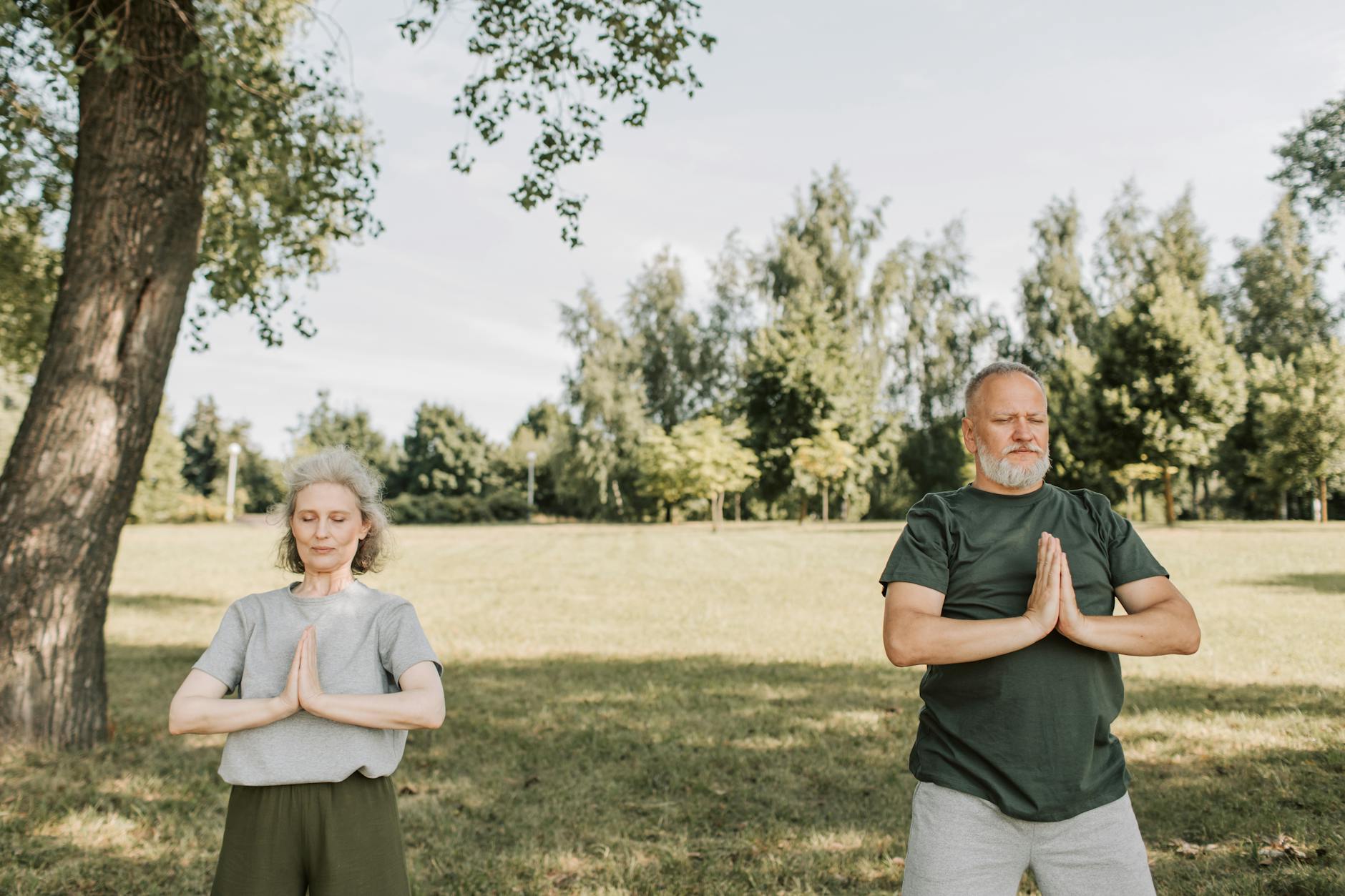
Shared spiritual or reflective practices appear frequently among couples in long-lasting marriages across many different cultural and religious backgrounds. Whether through prayer, meditation, or quiet reflection, this habit creates a space of shared vulnerability and intentionality within the relationship. It reinforces a sense of shared values and a collective sense of purpose beyond the daily routine. Couples who engage in this practice together often describe it as a deeply bonding ritual that grounds them during periods of stress or uncertainty.
Saying “I Love You” with Intention
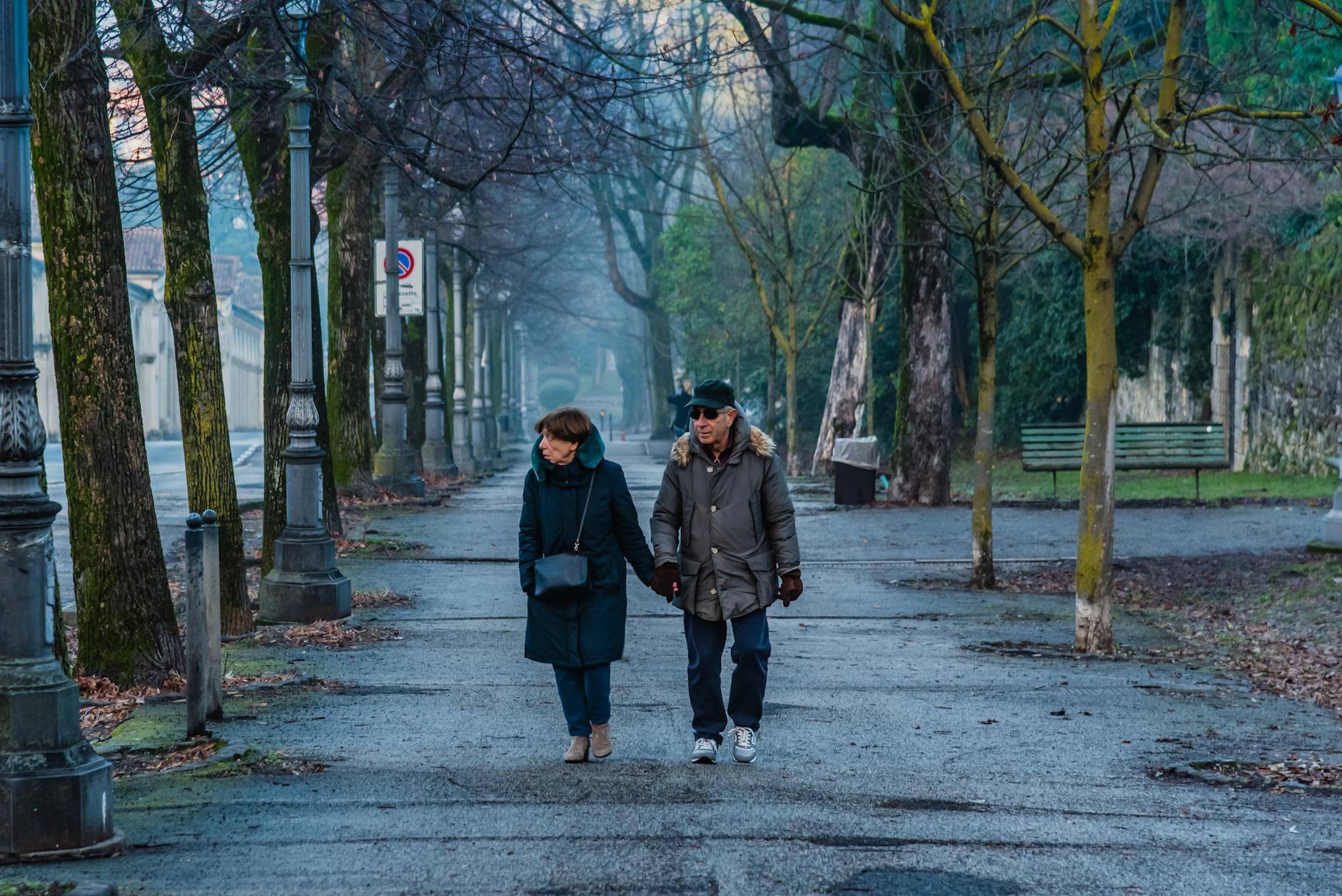
Couples in fifty-year marriages do not reduce “I love you” to a reflexive phrase said out of habit. They continue to say it with eye contact, with presence, and with the same meaning it carried at the beginning of the relationship. This habit communicates ongoing and active choice rather than passive assumption. The regular and intentional expression of love reinforces that the partnership is still alive, still evolving, and still chosen every day.
Celebrating Milestones Together
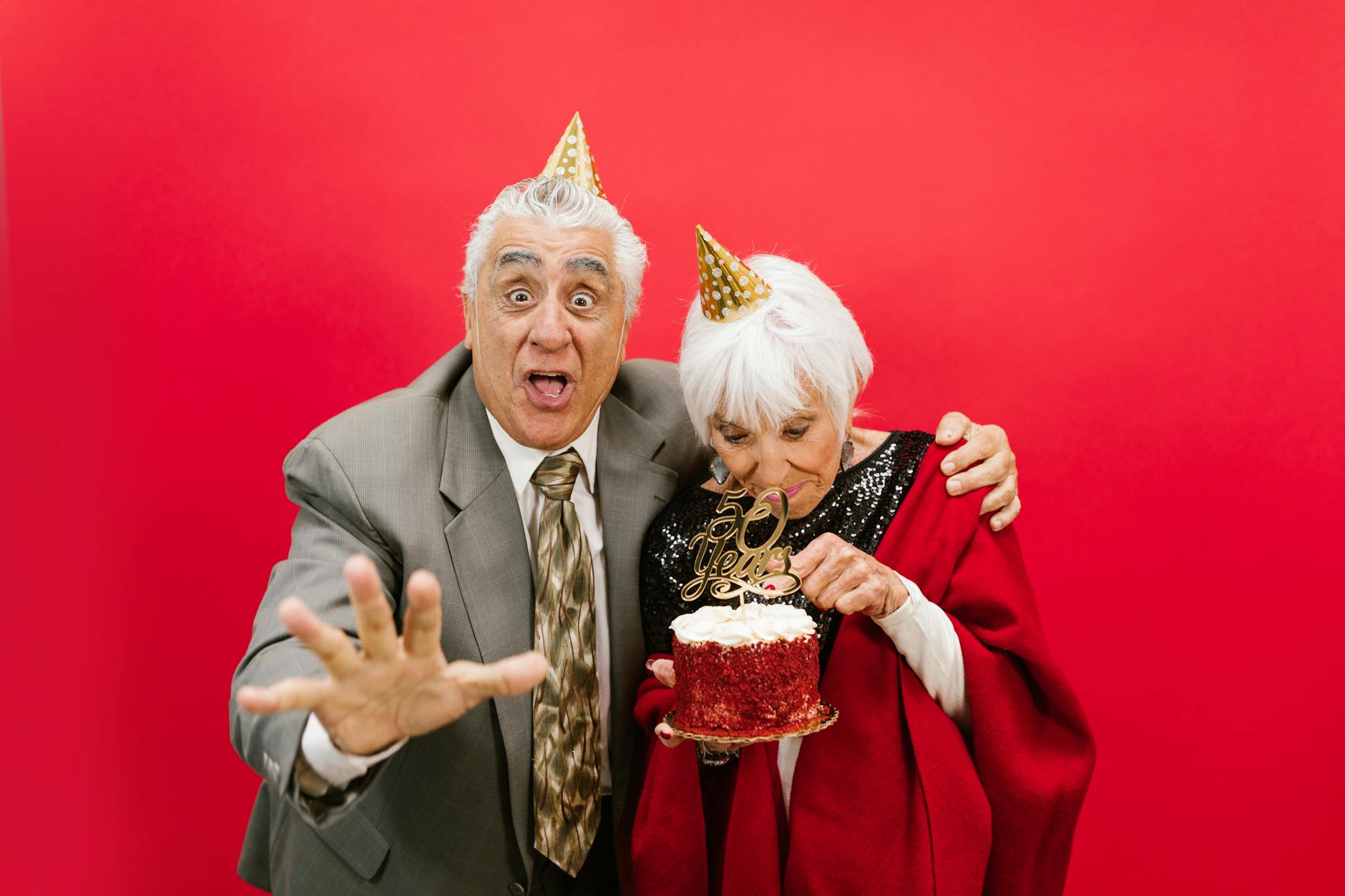
Long-married couples make a consistent effort to honor both major and minor milestones in each other’s lives as well as in the relationship itself. Anniversaries, personal achievements, and meaningful memories are acknowledged and celebrated with care. This habit creates a shared narrative that the couple can look back on with pride and affection. It reinforces the idea that their story together is worth commemorating and is still being written.
Traveling Together

Exploring new places together is a habit that appears consistently in the lives of couples who have maintained a strong bond across fifty years. Shared travel breaks the monotony of routine and creates fresh experiences that both partners can discover for the first time together. Navigating unfamiliar environments as a team also reinforces problem-solving skills and deepens mutual trust. The memories built through travel become a lasting part of the couple’s shared identity.
Keeping Promises

A culture of reliability and follow-through is a defining habit of long-lasting marriages. Keeping promises, no matter how small, builds the kind of trust that sustains a relationship through every season of life. Long-married couples understand that integrity in small commitments is the foundation upon which larger ones rest. Over decades, this habit creates an unshakeable confidence in each other’s word and character.
Apologizing Genuinely

The ability to offer a sincere and timely apology is a skill that long-married couples have developed and refined over decades. A genuine apology is not accompanied by justifications or deflections but is offered with accountability and empathy. This habit prevents the hardening of hearts that can occur when wrongs go unacknowledged over time. Couples who apologize well tend to recover from conflict more quickly and emerge with a stronger bond than before.
Maintaining Friendships Outside the Marriage

Long-married couples consistently support each other’s friendships and social connections beyond the relationship itself. They understand that a healthy social life enriches each partner individually and ultimately strengthens the marriage. Having friendships outside the partnership also prevents unhealthy codependency and ensures that neither partner carries the full emotional weight of the other. This habit reflects a confident and secure approach to love rather than a possessive one.
Exercising Together

Shared physical activity is a habit found regularly among couples who have maintained vitality and closeness over fifty years. Whether walking, cycling, swimming, or attending fitness classes together, this habit creates shared goals and a sense of teamwork. Exercise also produces endorphins that elevate mood and create positive associations with spending time together. Couples who move together regularly report higher energy levels and a stronger sense of being on the same team.
Cooking Together

Preparing meals as a joint activity is a habit that keeps long-married couples engaged in a shared and creative daily ritual. It turns an ordinary task into an opportunity for collaboration, conversation, and lighthearted interaction. Many couples in long marriages describe the kitchen as one of the most meaningful spaces in their home and relationship. The act of nourishing each other through food is a tangible and repeated expression of care.
Going to Bed at the Same Time

Synchronizing sleep schedules is a surprisingly consistent habit among couples who have stayed together for fifty years. Retiring to bed at the same time creates a natural window for conversation, physical closeness, and quiet connection at the end of the day. It reinforces the sense that the couple’s rhythms are aligned and that they are genuinely invested in each other’s time. Many long-married couples describe this nightly ritual as one of their most cherished and grounding habits.
Keeping a Shared Sense of Humor

Couples in long marriages develop a humor that is entirely their own, shaped by shared memories, private references, and years of living life side by side. This collective comedic language is not just entertaining but serves as emotional glue during difficult periods. Being able to find lightness in hardship is a resilience strategy that long-married couples deploy naturally and often. A shared sense of humor signals deep familiarity and an enduring delight in each other’s company.
Treating Each Other as Best Friends

The most enduring marriages are consistently described by the couples themselves as rooted in a genuine friendship. Partners who treat each other with the warmth, respect, and playfulness they extend to their closest friends create a relationship that is both romantic and deeply comfortable. This habit ensures that the connection does not rely solely on romantic feeling but is anchored in genuine liking and enjoyment of each other’s company. Friendship-based marriages tend to weather hardship with far greater ease and resilience.
Talking About the Future

Long-married couples consistently keep the habit of imagining and planning the future together. Whether discussing retirement dreams, travel plans, or simply where they would like to be in five years, this habit reinforces that both partners are still building something together. It communicates optimism about the relationship and a shared investment in what lies ahead. The practice of future-building also gives the relationship a sense of ongoing momentum rather than stagnation.
Showing Up During Hard Times

Consistent presence and support during illness, loss, or personal crisis is a defining habit of couples who have stayed married for fifty years. Long-married couples have learned not to retreat from each other during difficulty but to lean in with attentiveness and reliability. This habit builds a depth of trust that cannot be manufactured by good times alone. The experience of being truly supported through hardship often becomes the most powerful source of lifelong love and loyalty.
Keeping Intimacy Alive

Physical and emotional intimacy is something that couples in lasting marriages actively and consciously tend to over decades. They understand that intimacy evolves and changes but does not have to diminish with the passage of time. Long-married couples make deliberate efforts to remain curious, affectionate, and attentive to each other’s needs as both individuals and partners. This habit reflects a commitment to the relationship as a living and evolving thing rather than a static arrangement.
Sharing Household Responsibilities
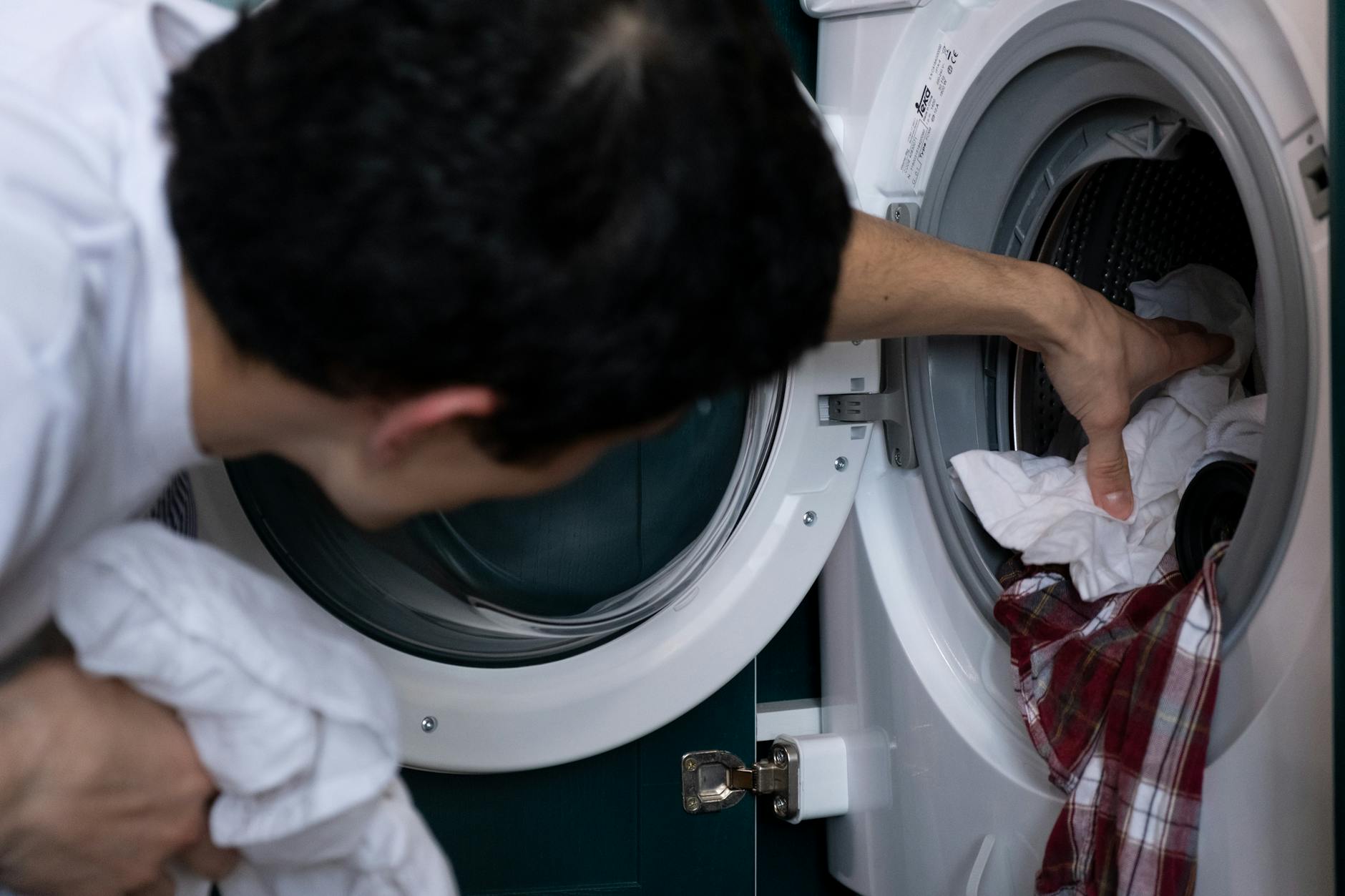
A fair and collaborative approach to managing the home is a practical habit that underpins many long-lasting marriages. When both partners feel that the work of daily life is shared equitably, resentment has far less opportunity to build. Long-married couples tend to approach domestic responsibilities as a team effort rather than a negotiation, adapting their division of tasks as life circumstances change. This habit reflects a broader ethic of mutual respect and partnership that extends into every area of the relationship.
Listening Without Interrupting

The habit of giving a partner full and undivided attention while they speak is something long-married couples practice with genuine consistency. Listening without rushing to respond or redirect communicates deep respect for the other person’s thoughts and feelings. Over decades, this habit creates a relationship in which both partners feel genuinely heard and understood. The quality of listening within a marriage is widely regarded as one of the clearest indicators of its health and longevity.
Growing Together Through Change

Long-married couples embrace the fact that both partners will change significantly over the course of fifty years and they choose to grow alongside each other rather than resist that evolution. They remain curious about who their partner is becoming rather than holding tightly to who they once were. This habit requires flexibility, openness, and a genuine interest in the other person as a continuously developing human being. The willingness to grow together rather than apart is perhaps the most fundamental habit of all in a marriage that lasts a lifetime.
Choosing Each Other Every Day
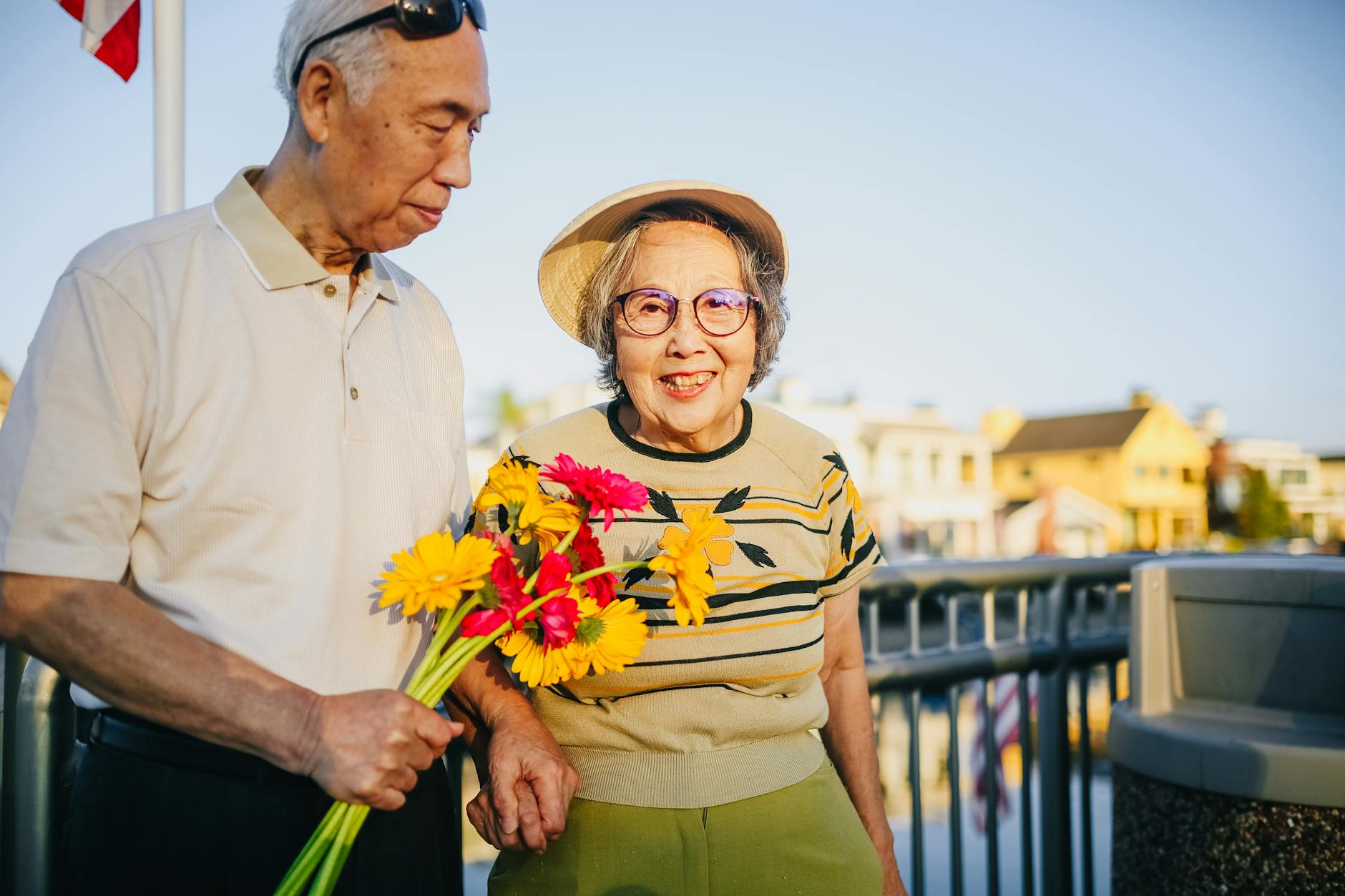
At the heart of every fifty-year marriage is the quiet but powerful habit of making an active daily choice to prioritize the relationship. This is not a dramatic declaration but a steady accumulation of small decisions that consistently place the partnership at the center of life. Long-married couples understand that love is not only a feeling but an ongoing and renewable commitment. This daily renewal of choice is the thread that runs through every other habit and gives the marriage its enduring strength.
If you are in a long-lasting relationship or know someone who is, share the habits that have made the biggest difference in the comments.




