Winter travel is one of the most underrated decisions a person can make, and the destinations that truly shine in the colder months tend to reward visitors with thinner crowds, lower prices, and experiences that simply do not exist in any other season. Many of the world’s most beloved places transform completely once the summer hordes have gone home, revealing a quieter and often more authentic version of themselves. From snow-dusted ancient cities to tropical escapes that peak precisely when the rest of the world is shivering, these destinations prove that winter is far more than a travel off-season. Whether you are chasing northern lights, mild desert warmth, or empty cobblestone streets, the coldest months open doors that summer keeps firmly shut.
Kyoto, Japan
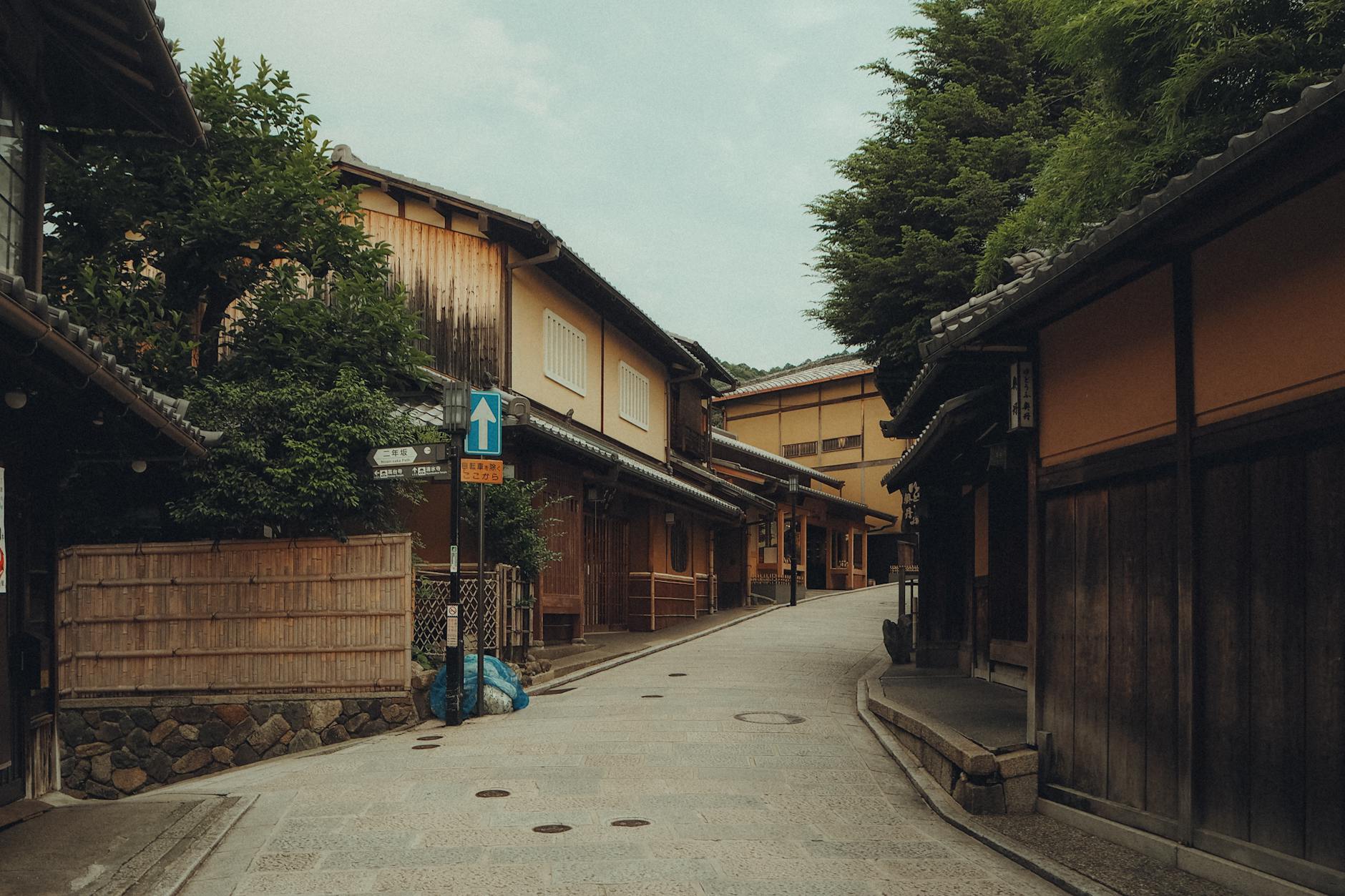
Kyoto in winter offers a side of the city that the famous cherry blossom crowds never get to see. The iconic temples and bamboo groves sit in near-silence, occasionally dusted with snow that photographers travel thousands of miles to capture. Accommodation prices drop significantly compared to spring and autumn peak seasons, making luxury ryokan stays far more accessible. The winter illumination festivals light up shrines and gardens with a warmth that perfectly contrasts the cold air outside.
Marrakech, Morocco
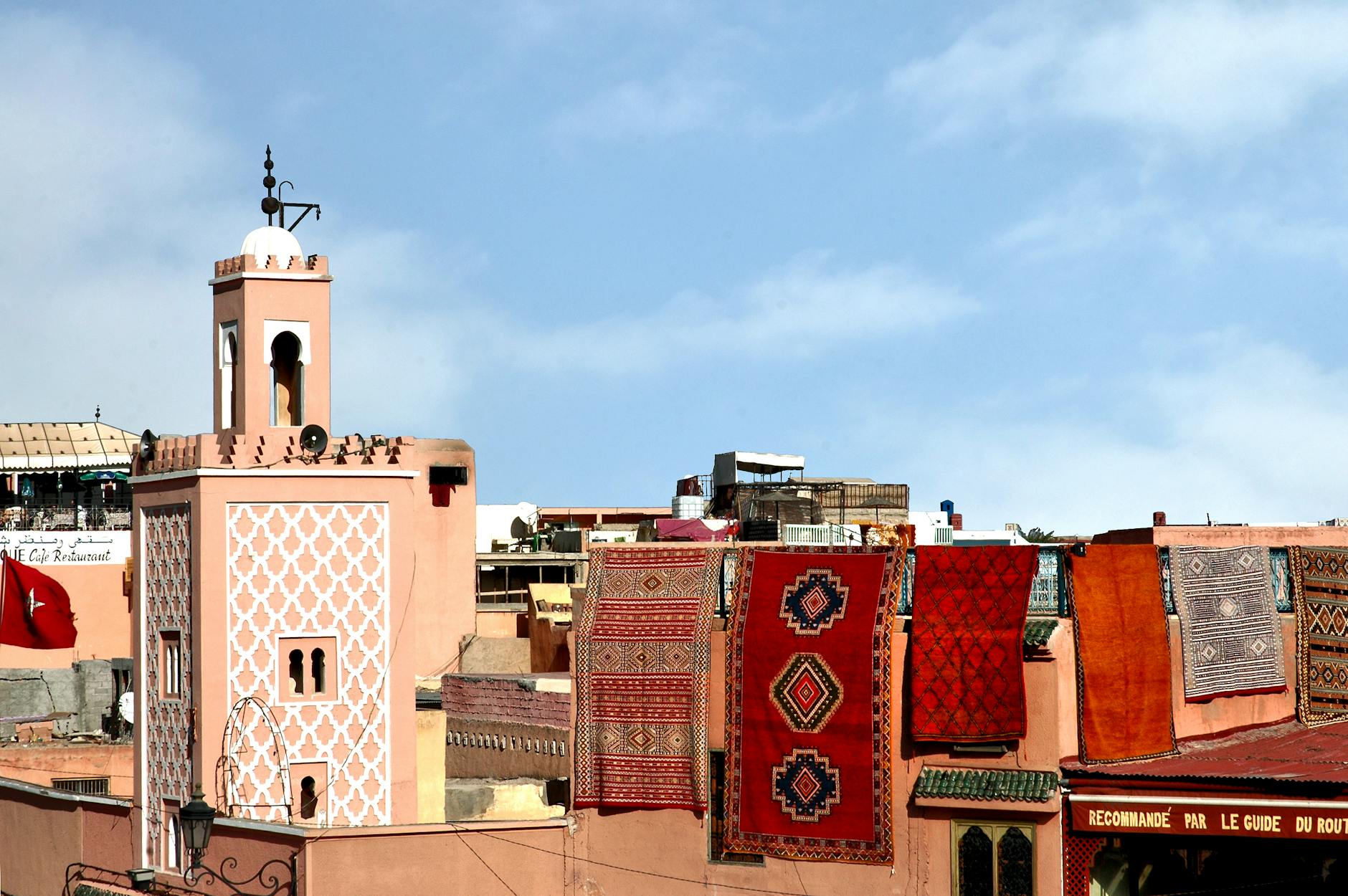
Marrakech reaches its most comfortable and livable temperatures during the winter months, sitting pleasantly in the mid-teens to low twenties. The summer heat that punishes visitors trying to explore the medina on foot is entirely absent, making long walks through the souks genuinely enjoyable. The famous Djemaa el-Fna square buzzes with its full cast of storytellers and musicians who are far more active in the cooler evening air. Hotels in the medina offer exceptional value in January and February, with riads often including hammam access and traditional breakfasts.
Patagonia, Chile and Argentina
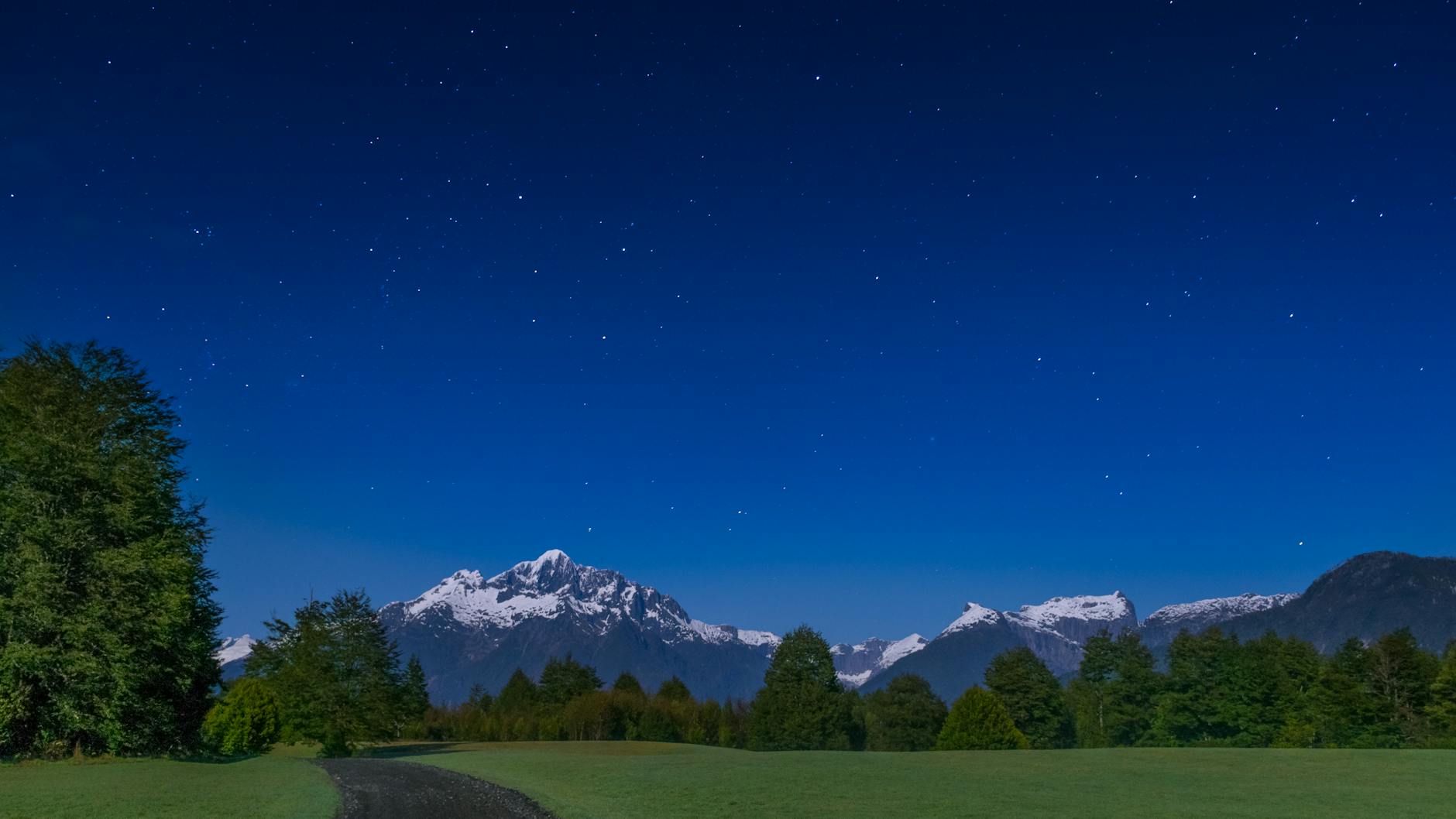
Winter in the northern hemisphere means summer at the tip of South America, and Patagonia peaks precisely during these months. Torres del Paine National Park is at its most dramatic and accessible between December and March, with long daylight hours allowing for extended trekking days. The famous W Trek and the full Circuit Trail are only reliably passable during this window when snow and ice have retreated from the higher paths. Wildlife is exceptionally active during this period, with condors, guanacos, and even pumas more frequently spotted by patient hikers.
Rajasthan, India
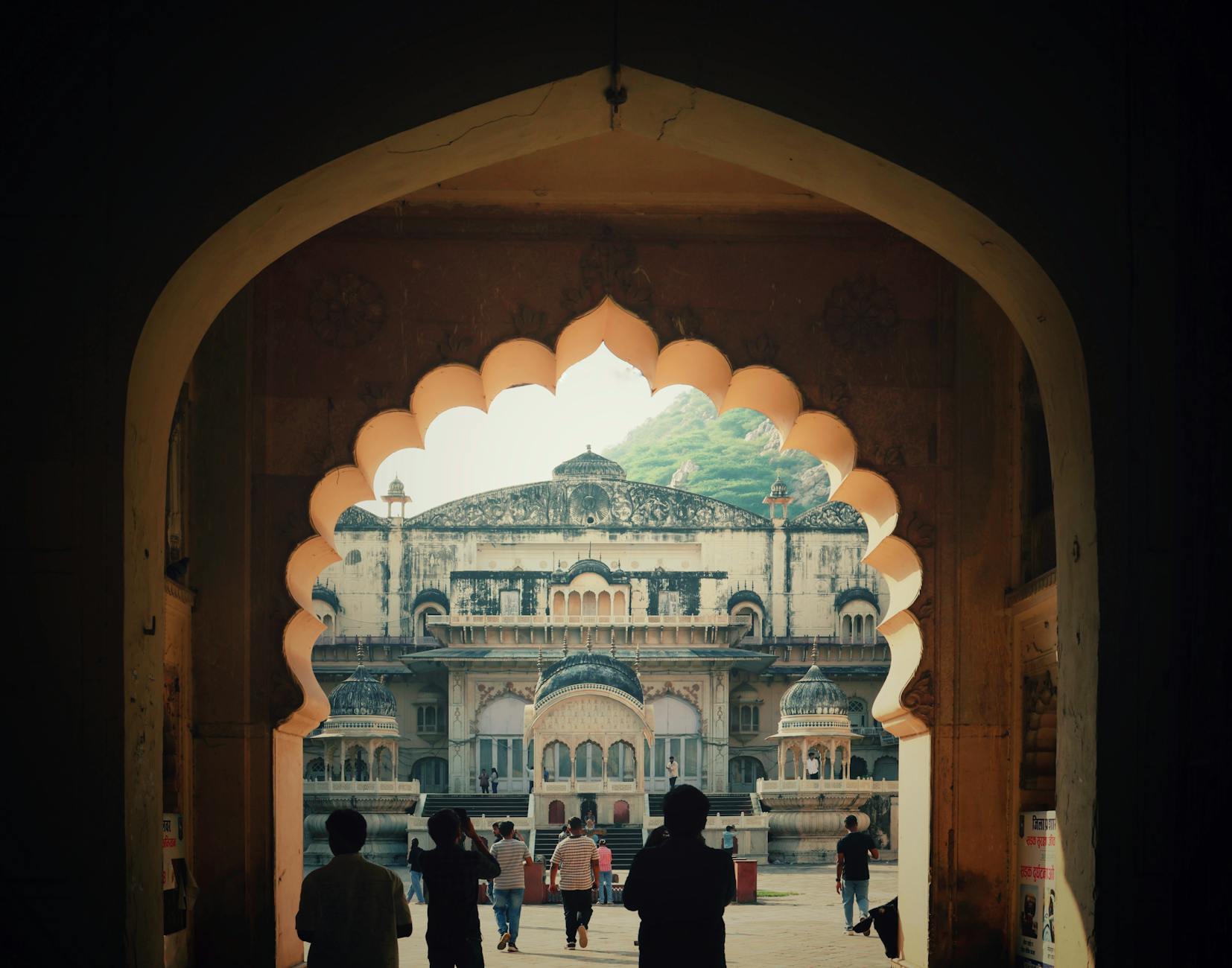
The desert state of Rajasthan becomes a genuinely pleasant place to travel once the scorching summer months give way to winter. Daytime temperatures in cities like Jaipur, Jodhpur, and Udaipur hover in a comfortable range that makes exploring palaces and bazaars on foot an actual pleasure rather than an endurance test. The famous camel fairs and cultural festivals cluster heavily around the winter calendar, giving visitors access to spectacles that are entirely season-specific. The cool evenings add romance to rooftop dinners overlooking the illuminated pink and blue city skylines.
Iceland
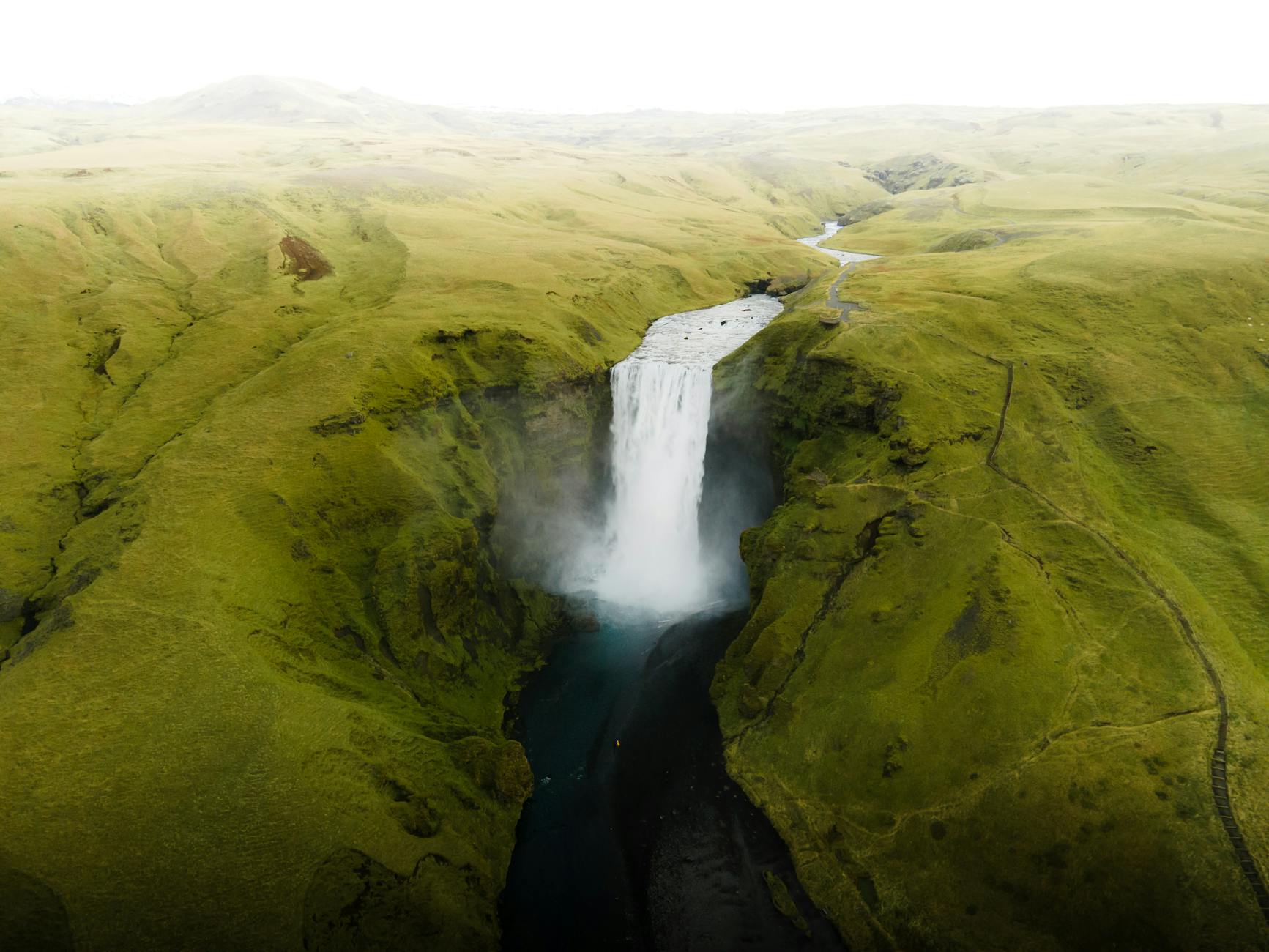
Iceland in winter is the undisputed global capital of northern lights viewing, drawing aurora hunters from every corner of the planet. The extended darkness of the winter nights maximises the chances of witnessing the aurora borealis dancing across the sky in full colour. The famous Golden Circle route and the Blue Lagoon are far less crowded than during the relentless summer tourist season. Ice cave tours inside Vatnajokull glacier are only available and safe to enter during the winter months, making this a season-exclusive experience.
New Orleans, Louisiana
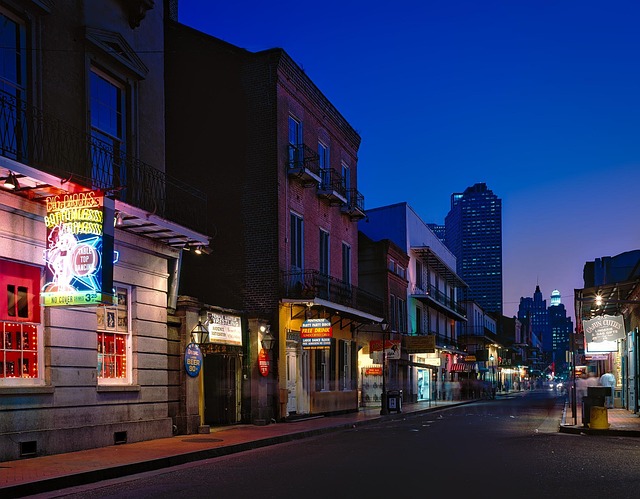
New Orleans avoids the oppressive heat and humidity that blankets the city from late spring through summer by welcoming visitors in the cooler winter months instead. Temperatures sit comfortably in the mid-teens, making long walks through the French Quarter and Garden District a genuine pleasure. The world-famous Mardi Gras season kicks off in January and reaches its peak in late February or early March, filling the city with its most iconic and energetic celebrations. Restaurant reservations at beloved institutions like Commander’s Palace are far easier to secure outside the main tourist crush.
Bali, Indonesia
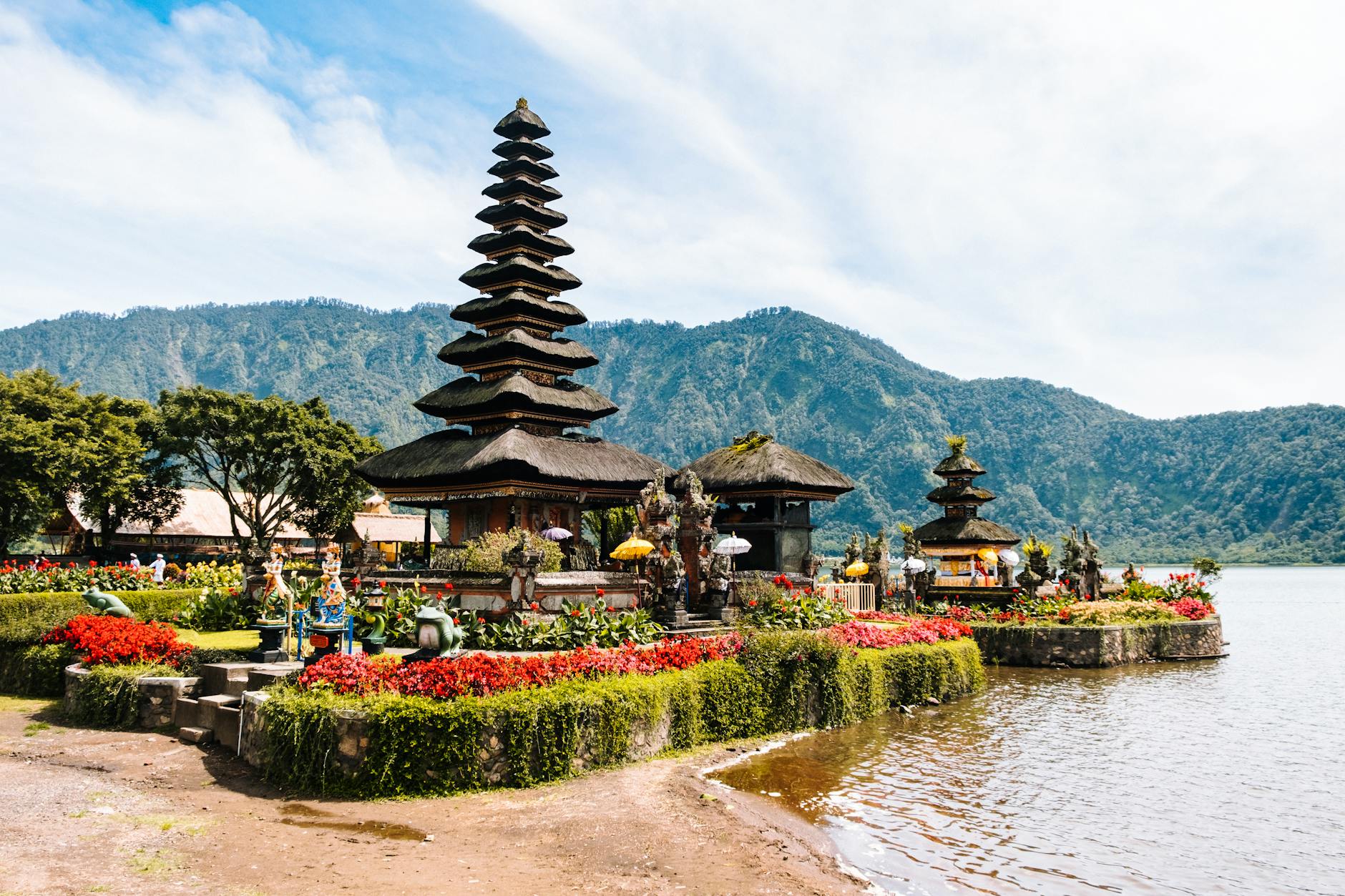
While Bali is broadly tropical, the dry season overlaps with the northern hemisphere’s winter months, making this the optimal time to visit. Rain is minimal between July and September, and the cooler dry air makes exploring temples, terraced rice fields, and coastal cliffs far more comfortable. The surf on the west coast reaches its best conditions during this window, drawing experienced surfers from around the world. Ubud in particular takes on a cleaner, clearer quality during the dry season, with the surrounding jungle looking vibrant and lush without the grey haze of heavy humidity.
Vienna, Austria
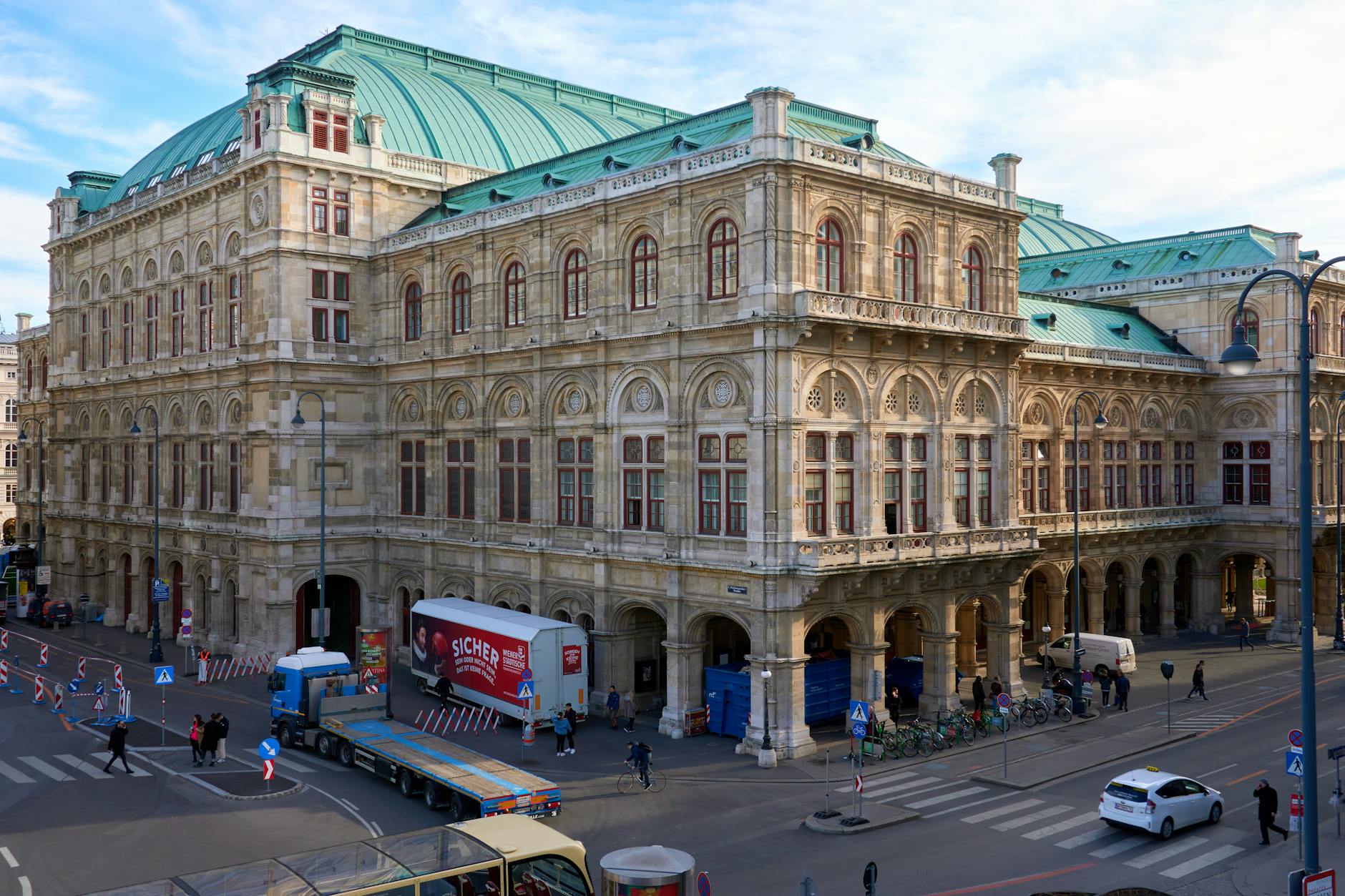
Vienna in winter wraps itself in a theatrical elegance that its summer self simply cannot replicate. The city’s famous Christmas markets run through December, transforming squares in front of the Rathaus and Schonbrunn Palace into glittering festive villages. The Vienna Philharmonic and Opera are in full swing during the winter season, offering performances that represent some of the finest classical music experiences available anywhere in the world. The coffeehouse culture of the city is at its most inviting when the cold outside makes lingering over a Melange and a slice of Sachertorte feel like the only sensible course of action.
Queenstown, New Zealand
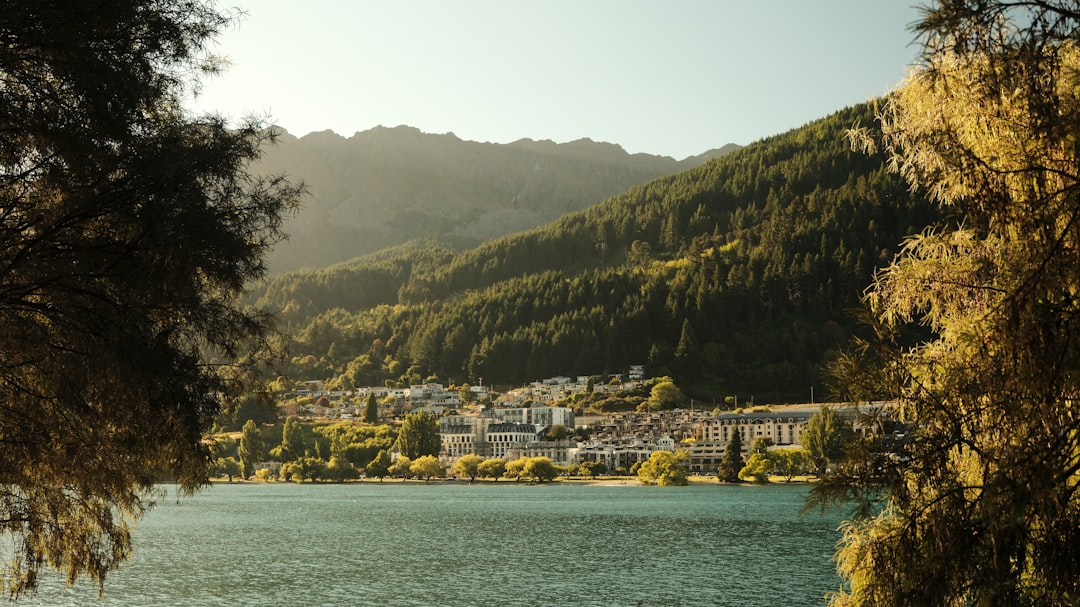
Queenstown sits in the southern hemisphere and delivers its most iconic experience during the northern winter months when its ski season is fully operational. The Remarkables and Coronet Peak ski fields offer world-class runs for beginners and experts alike, set against one of the most dramatically scenic backdrops in skiing. The town itself is lively and energetic during this period, with après-ski culture giving the restaurants and bars a festive atmosphere that runs well into the evening. Adventure activities including bungee jumping and jet boating continue regardless of the season, adding variety beyond the slopes.
Prague, Czech Republic
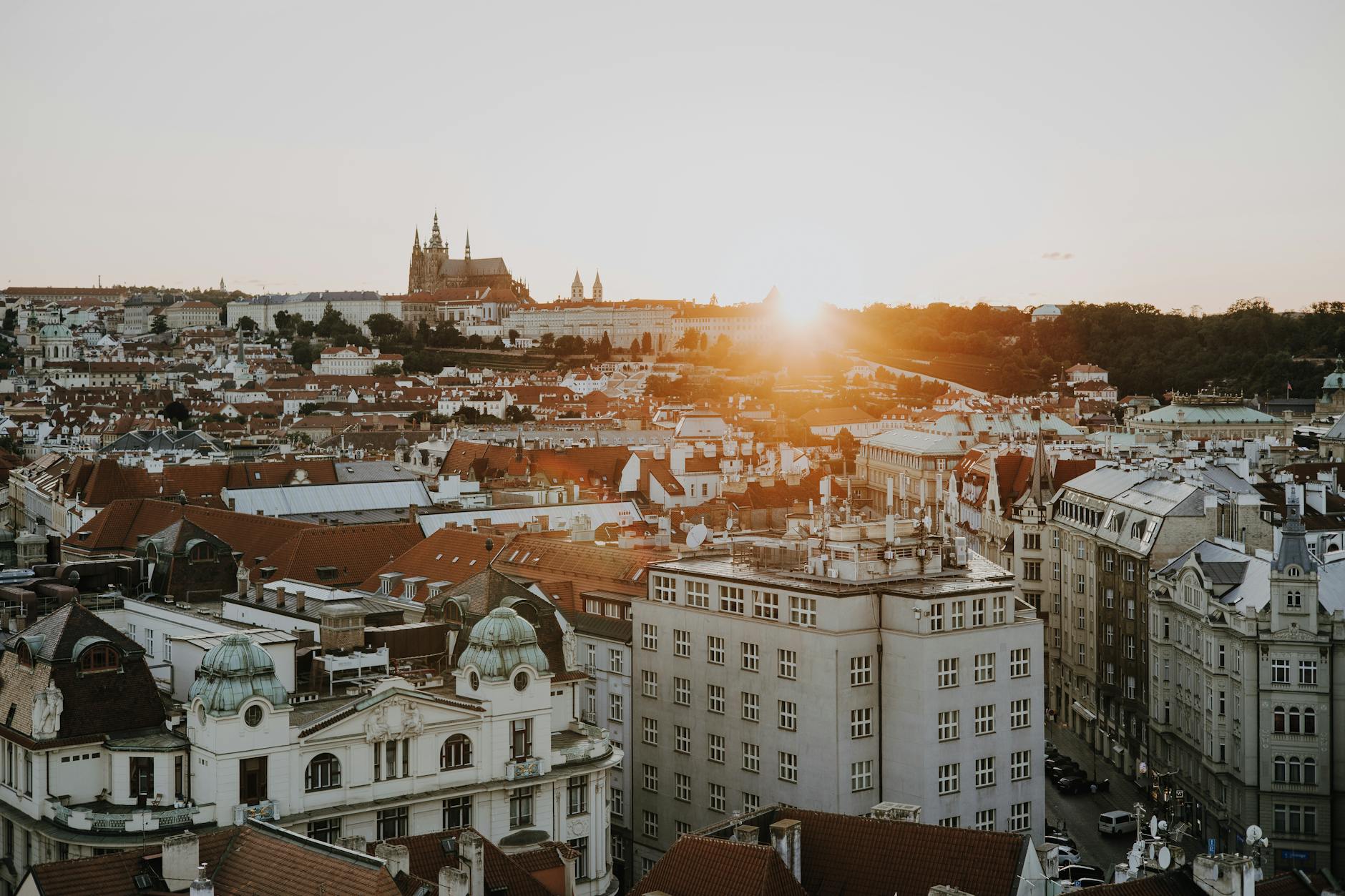
Prague loses nearly all of its notorious summer overcrowding during the winter months, revealing the old town and castle district in their most peaceful and photogenic state. A light dusting of snow on the Charles Bridge and the red-roofed towers of Mala Strana creates scenes that look lifted directly from a fairytale illustration. The Christmas market in Old Town Square is considered one of the finest in all of Europe, drawing visitors throughout December with its mulled wine and traditional crafts. Entrance queues at major attractions like the Astronomical Clock and Prague Castle are almost nonexistent compared to the summer crush.
The Maldives
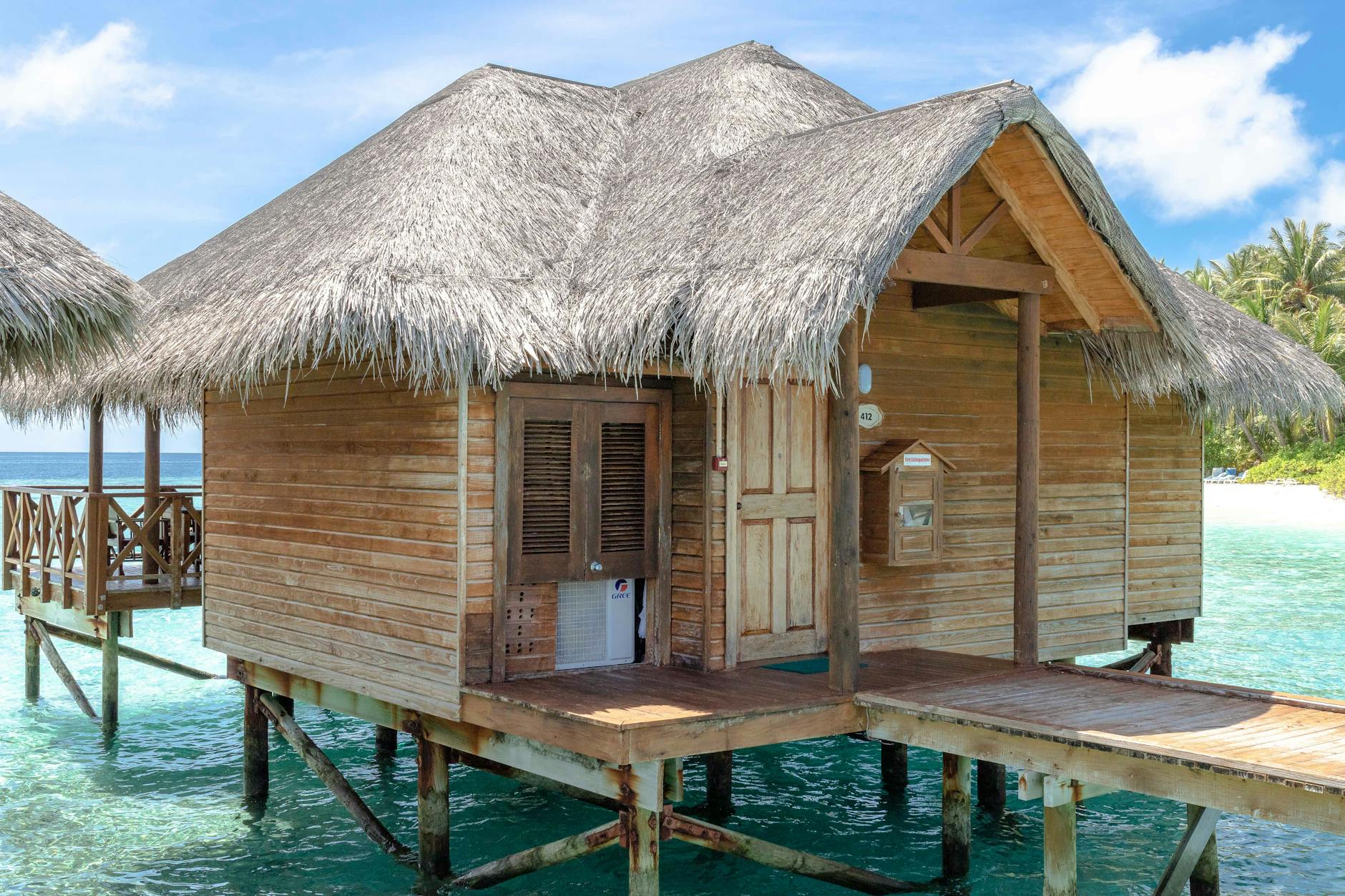
The Maldives enters its dry season precisely when the northern hemisphere is deepest in winter, creating ideal conditions for overwater bungalow stays and reef snorkelling. December through April brings the clearest waters and calmest seas, with underwater visibility at its absolute peak for diving enthusiasts. Manta ray sightings are particularly common during the early months of the year as these animals follow plankton blooms through the atolls. The absence of the heavy monsoon rains that define the wet season means that outdoor dining on the jetties and sunset cruises are reliable daily pleasures.
Oaxaca, Mexico
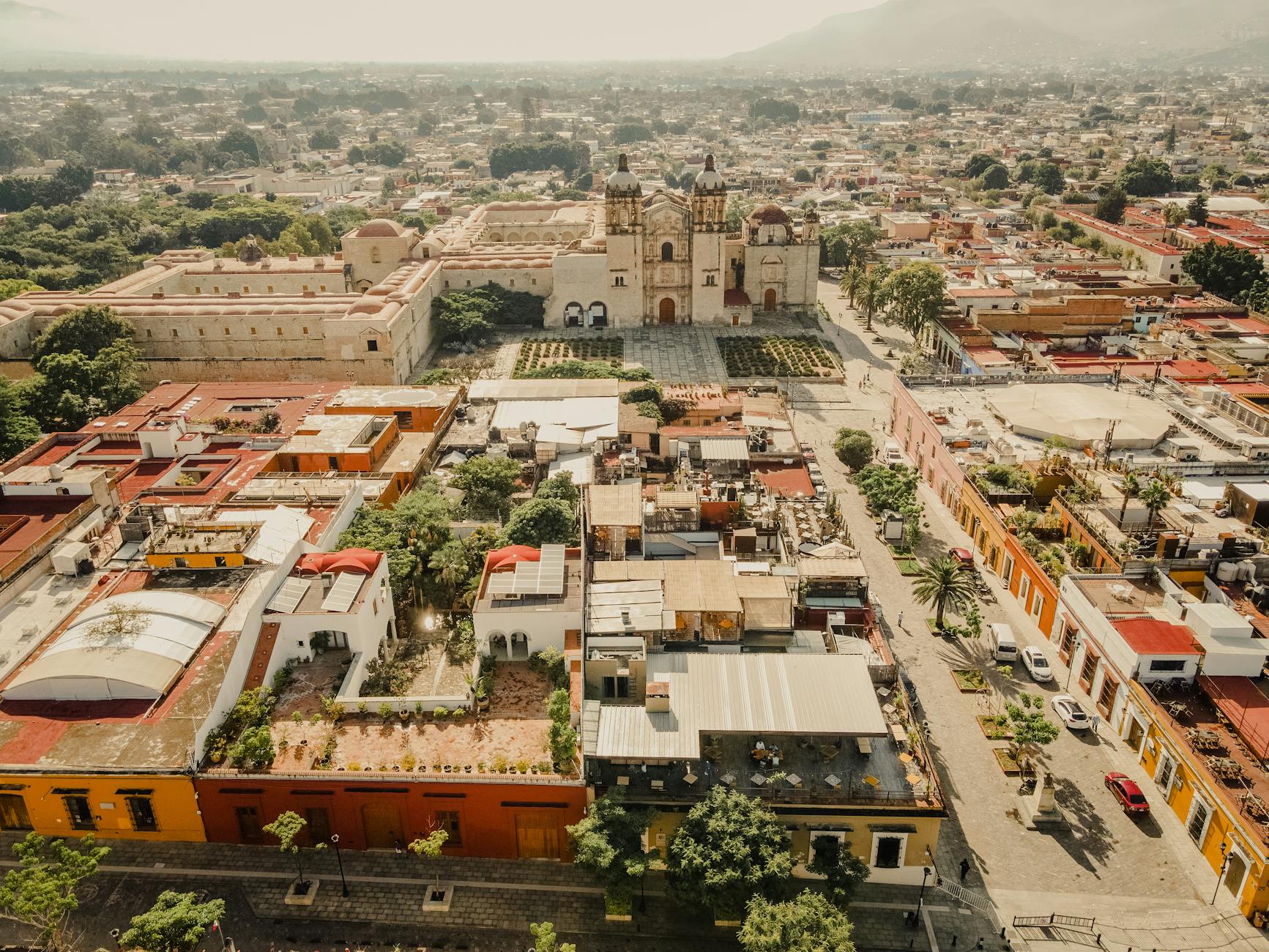
Oaxaca sits at high altitude and enjoys warm, dry, and clear conditions during the winter months that make it one of Mexico’s most rewarding cold-weather escapes. The city’s extraordinary food culture is in full expression year-round but the winter festivals around Dia de Reyes and other celebrations in January add a layer of local festivity to the experience. Mezcal tasting tours through the valleys surrounding the city are best attempted in the dry season when the agave landscape is at its most striking. The artisan markets in the city and surrounding villages are less swamped than during peak festival periods, making authentic purchases and conversations with craftspeople far more accessible.
Lisbon, Portugal
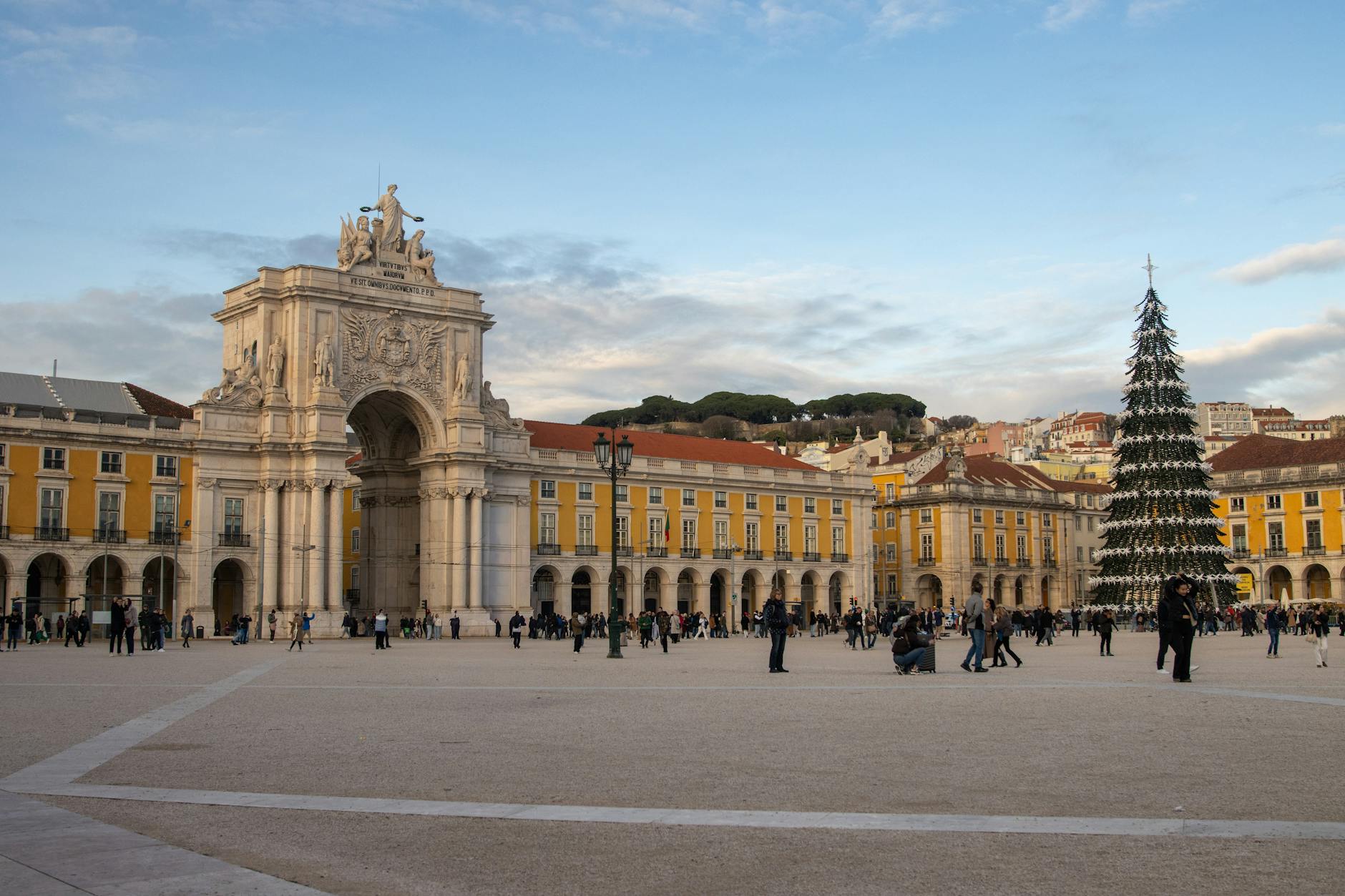
Lisbon’s winter is mild by European standards and exceptionally rewarding for visitors who prefer atmosphere over beach weather. The city’s famous miradouros offer sweeping views over the terracotta rooftops without the shoulder-to-shoulder tourist congestion of July and August. Fado houses in the Alfama district take on a more intimate and authentic character during the quieter winter months when local audiences outnumber tourists. Flight and accommodation prices in Lisbon during January and February are among the lowest they reach all year, making a long weekend or extended stay extremely good value.
Cartagena, Colombia
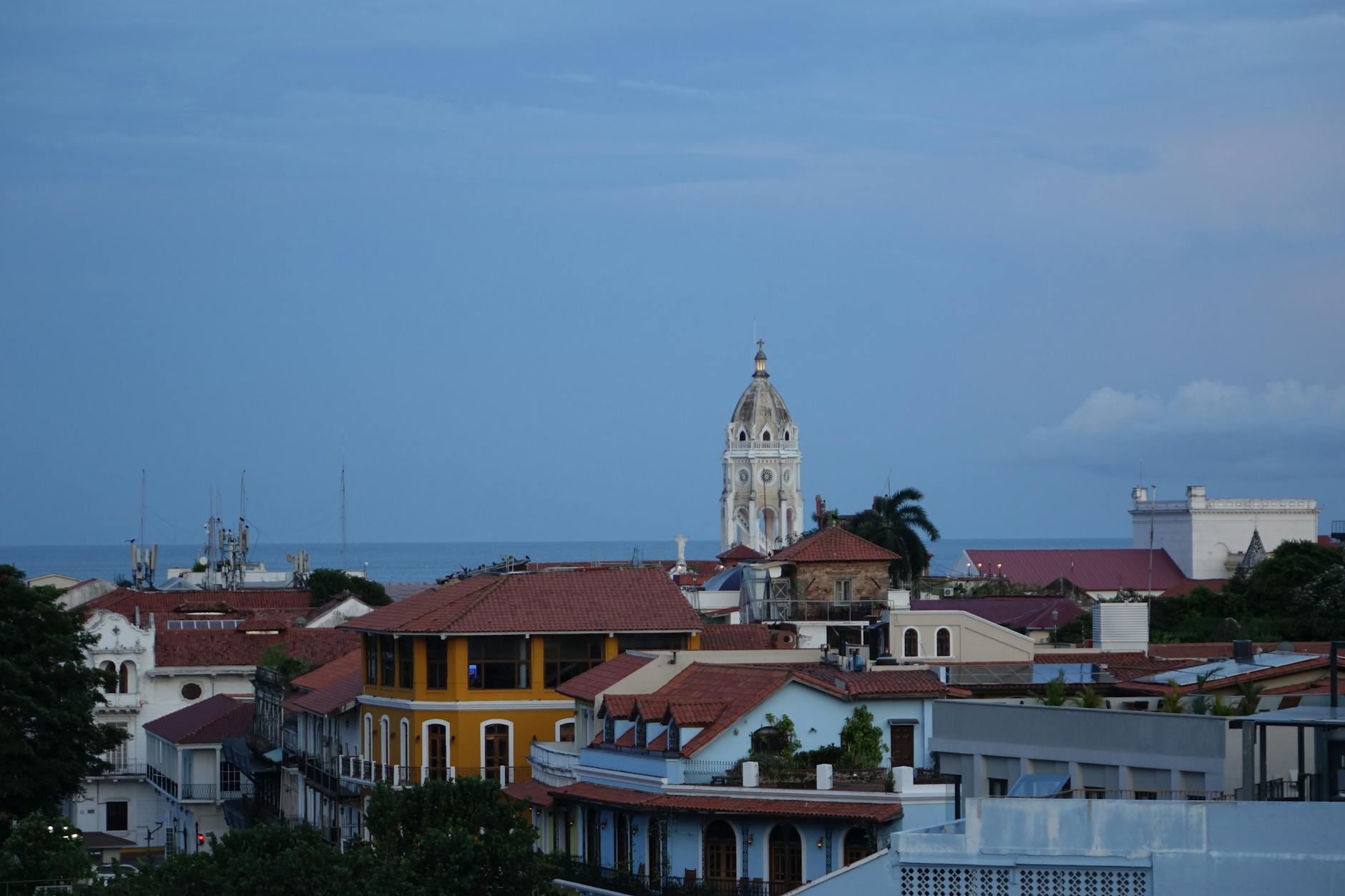
Cartagena sits on the Caribbean coast of Colombia and enjoys its driest and sunniest weather precisely during the northern hemisphere’s winter months. The walled city’s pastel colonial architecture is at its most photogenic under clear blue skies, making December through March the optimal window for exploration on foot. Boat trips to the nearby Rosario Islands offer snorkelling and beach time in calm, clear waters that the wetter months cannot reliably deliver. The city’s vibrant festival calendar includes the famous Hay Festival in late January, which draws writers and thinkers from around the world to the historic centre.
Tokyo, Japan
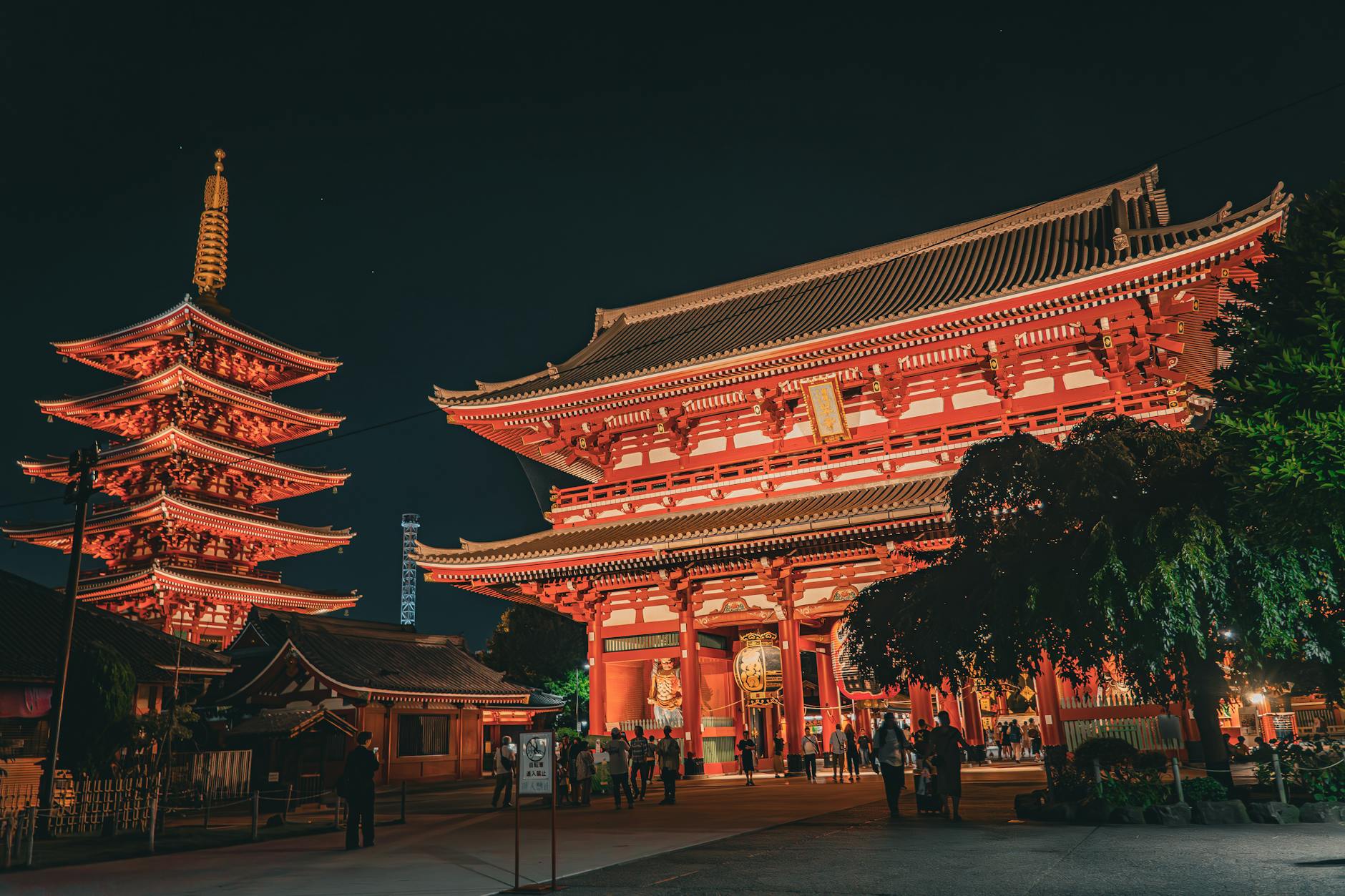
Tokyo in winter rewards visitors with illumination events, festive food stalls, and the dramatic sight of Mount Fuji perfectly framed against cold blue skies. The city’s famous efficiency and indoor culture mean that cold weather poses almost no obstacle to exploring its endless neighbourhoods, museums, and markets. Winter sales known as fukubukuro or lucky bags kick off on New Year’s Day, creating a uniquely frenetic shopping experience across department stores and fashion districts. Ramen culture reaches its most relevant and satisfying expression during the colder months, with hundreds of regional styles available across the city’s vast network of dedicated shops.
Cape Town, South Africa
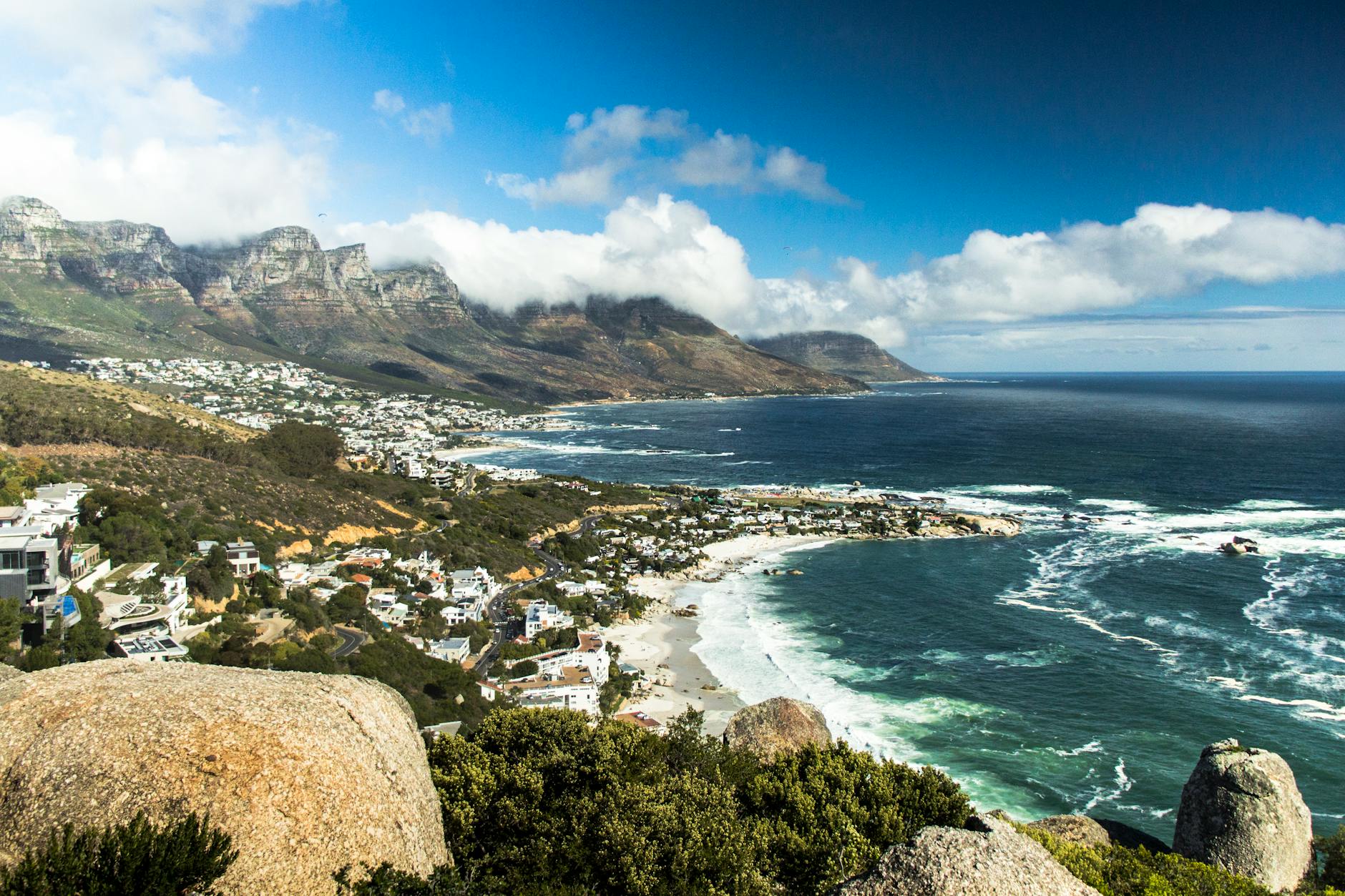
Cape Town’s summer runs precisely during the northern hemisphere’s winter, delivering long sunny days, dry conditions, and warm temperatures throughout December and January. Table Mountain is at its clearest and most accessible during this period, with the cable car running reliably and the hiking trails free from the clouds that often obscure the summit during other seasons. The wine regions of Stellenbosch and Franschhoek are in harvest mode from late summer into autumn, making February and March particularly special for food and wine tourism. Whale watching gives way to great white shark cage diving as a seasonal highlight, drawing wildlife enthusiasts to the waters around Gansbaai.
Budapest, Hungary
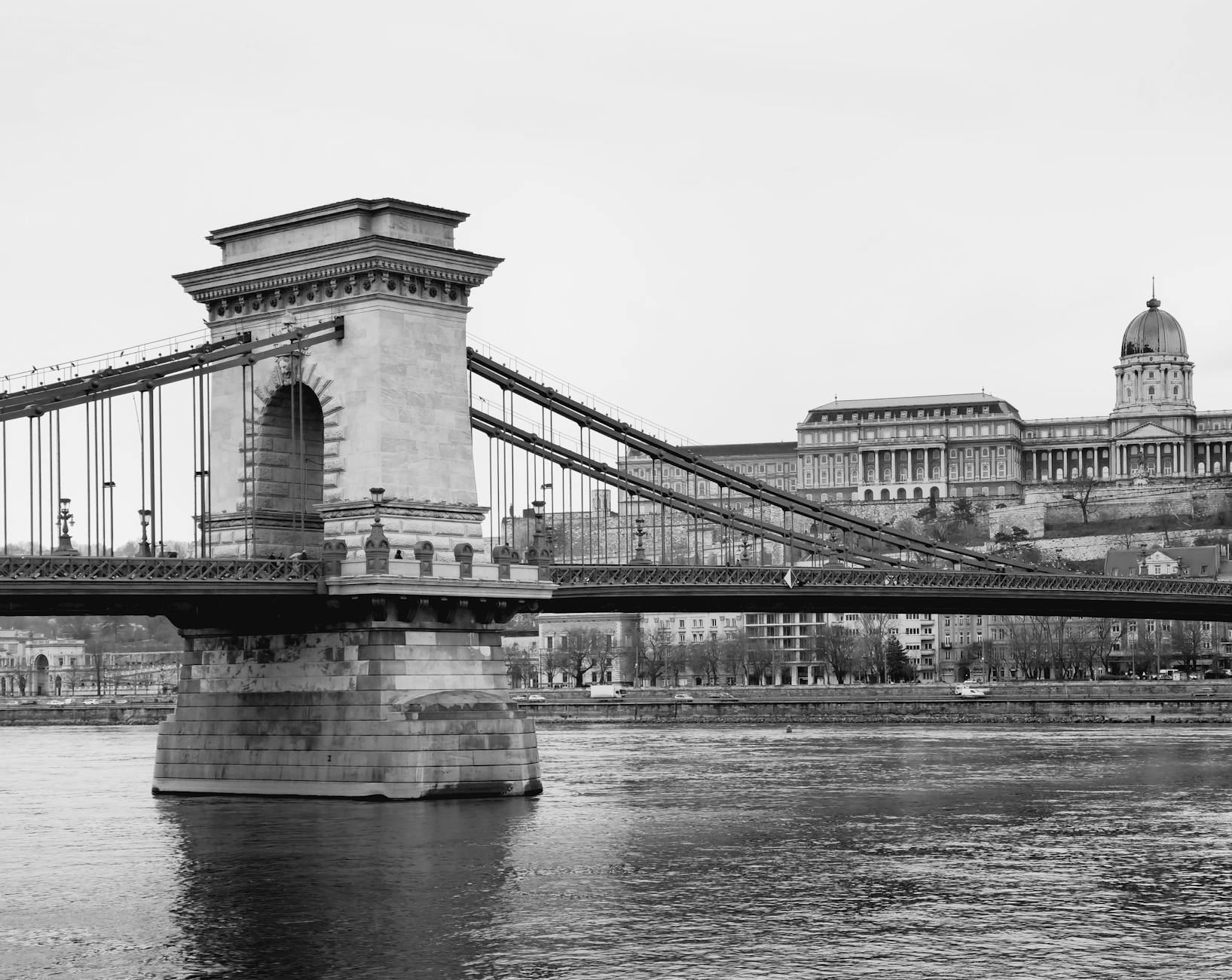
Budapest in winter is dramatically underappreciated, offering the city’s famous thermal bath culture at its absolute most atmospheric and appealing. Soaking in the outdoor pools of the Szechenyi or Gellert baths while steam rises into the cold winter air is one of the most memorable urban spa experiences available anywhere in Europe. The Christmas markets lining Vorosmarty Square and the Basilica are elegant and far less chaotic than equivalent events in more heavily visited Western European cities. Opera and concert seasons are in full swing, and tickets remain genuinely affordable compared to major Western European cultural capitals.
Kerala, India
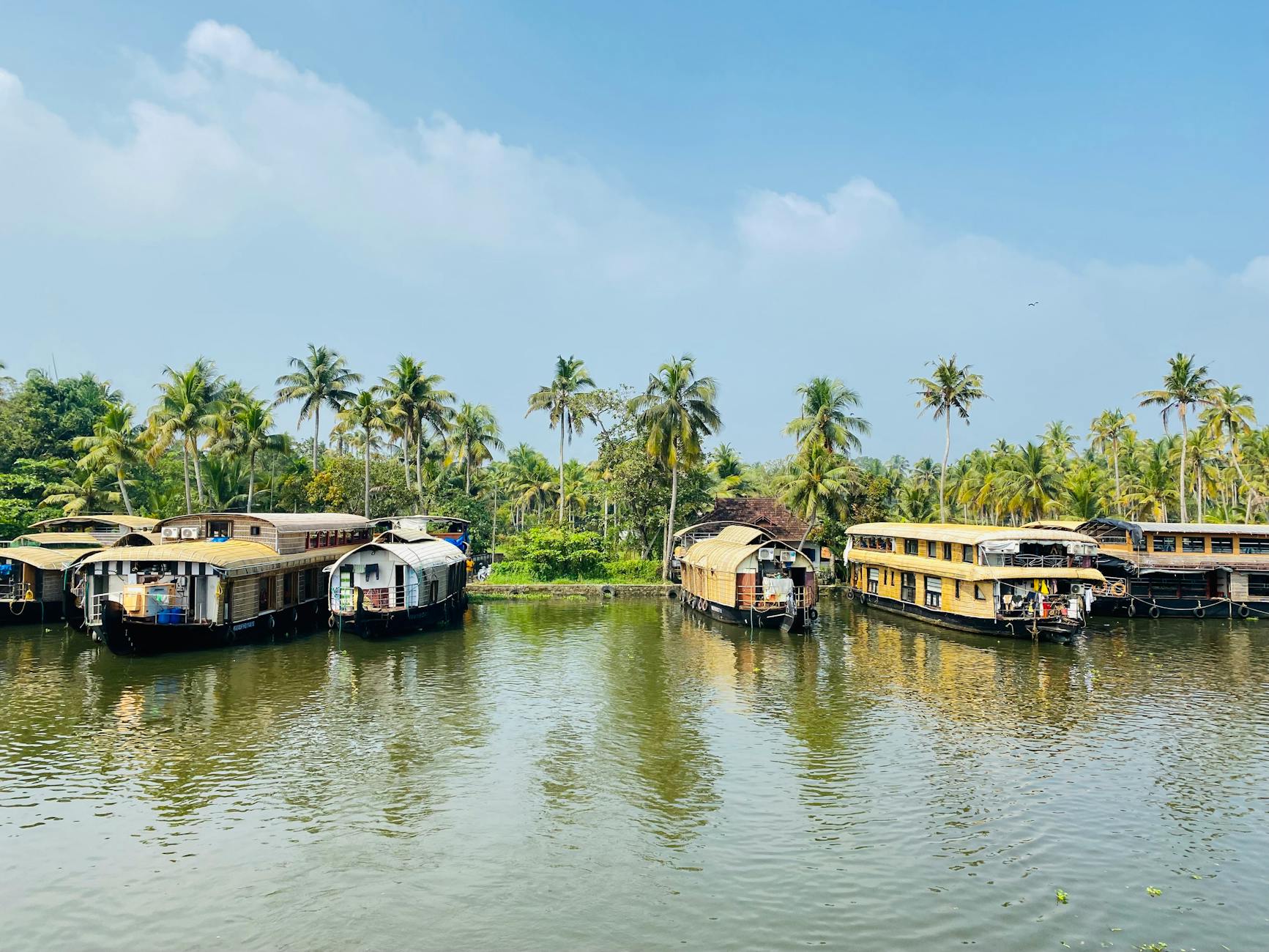
Kerala’s monsoon retreats in October and the subsequent winter months deliver the state at its most beautiful and welcoming. The backwaters between Alleppey and Kumarakom are calm and photogenic under the clear winter skies, making houseboat journeys a genuinely serene experience. The hill stations of Munnar are free from the cloud cover that obscures the tea gardens during the wet season, revealing rolling green slopes that stretch to the horizon. The Ayurvedic wellness industry that Kerala is internationally famous for operates year-round but practitioners consider the cooler post-monsoon months to be the optimal time for extended treatments.
Tulum, Mexico
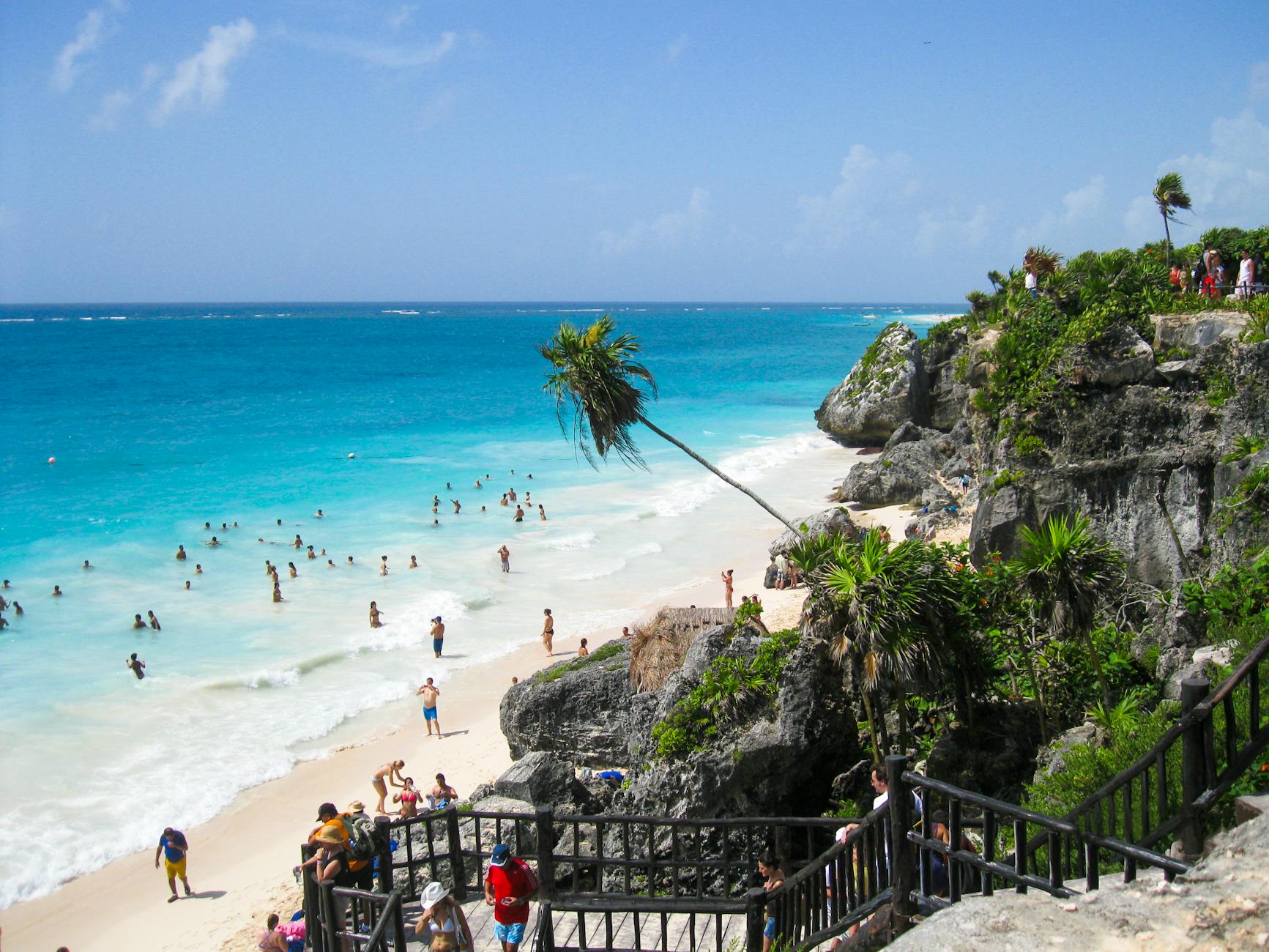
Tulum on the Yucatan Peninsula enters its most coveted travel window during the northern hemisphere’s winter months. December through March brings dry, clear skies and comfortable temperatures that make both beach time and jungle cenote exploration deeply enjoyable. The famous cenotes of the region reach their clearest water visibility during this dry season, making snorkelling and diving in these ancient sinkholes a genuinely otherworldly experience. The boutique hotel strip along the beach road operates at its most curated and atmospheric, with yoga retreats and rooftop dining reaching peak quality during this high season.
Tbilisi, Georgia
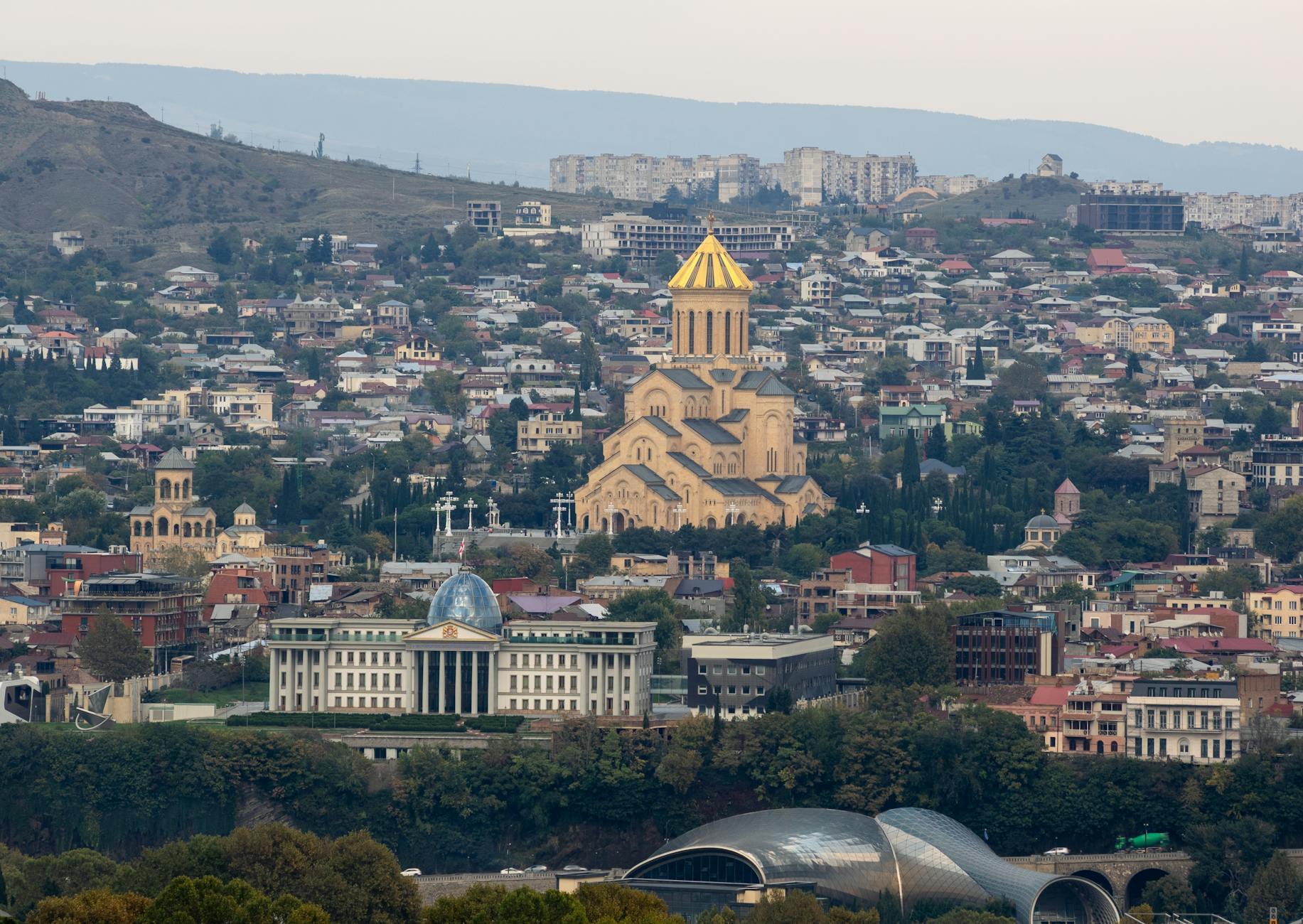
Tbilisi in winter offers one of Europe’s most intriguing and underexplored city break experiences at some of the continent’s most reasonable prices. The old town’s carved wooden balconies and domed sulphur bath houses take on a storybook quality when the surrounding Caucasus Mountains are capped with snow. Georgian cuisine is among the most hearty and warming in the world, making winter the season when dishes like khinkali dumplings and churchkhela feel most perfectly suited to their surroundings. Wine culture in Georgia is ancient and deeply embedded in daily life, and the cosy wine bars of the capital are an ideal retreat from the cold streets outside.
Hokkaido, Japan
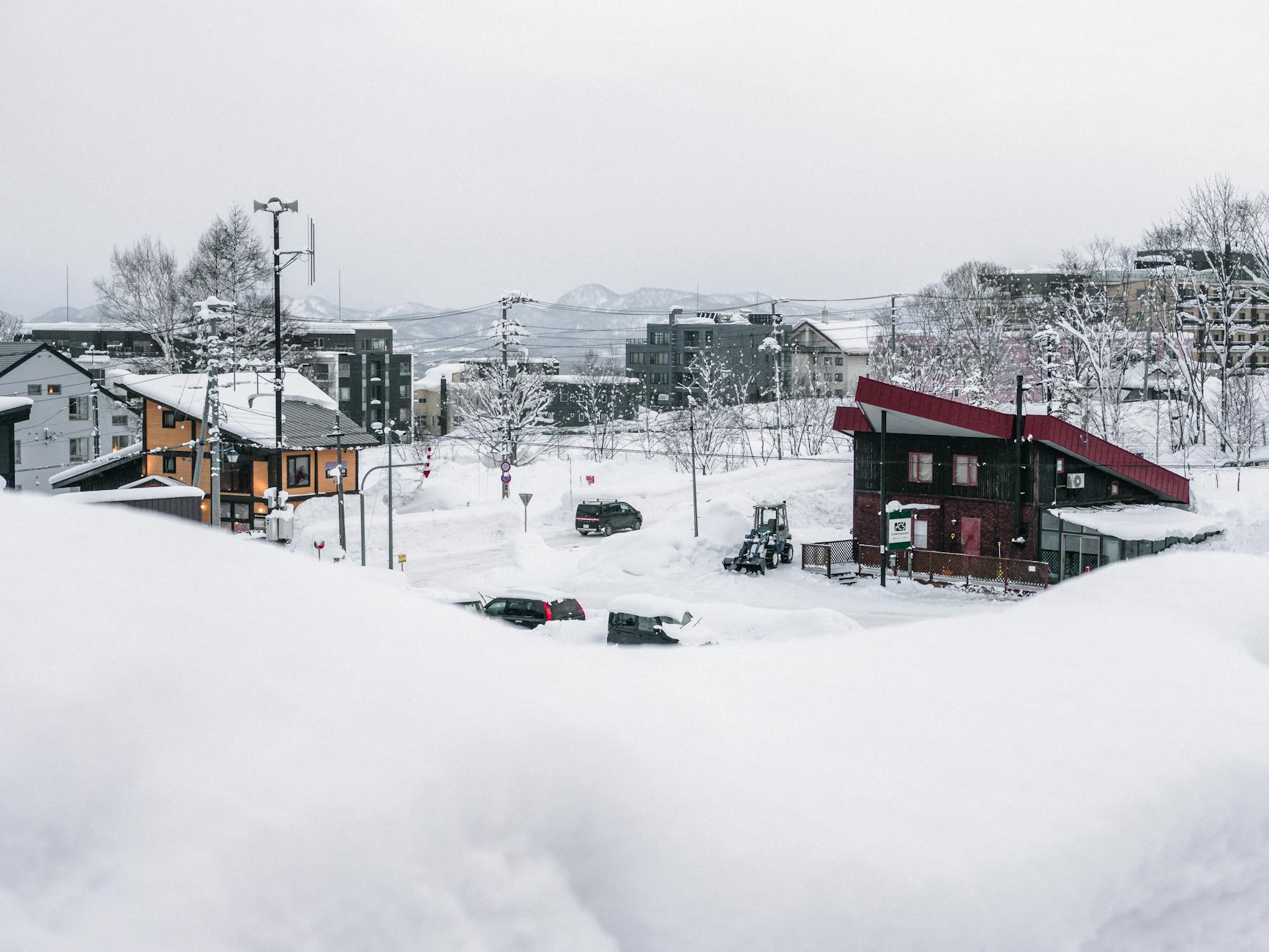
Hokkaido in winter is Japan’s snow country at its most spectacular, drawing skiers and snowboard enthusiasts who rate its powder among the finest on earth. The Niseko resort area in particular has developed an international reputation for consistently exceptional snow quality and a sophisticated après-ski scene. The Sapporo Snow Festival in February fills the city with extraordinary large-scale ice sculptures and attracts millions of visitors from across Asia and beyond. Hot spring ryokans scattered across the island offer the quintessential Japanese winter experience of soaking in outdoor onsen baths while snow falls silently around them.
Oman
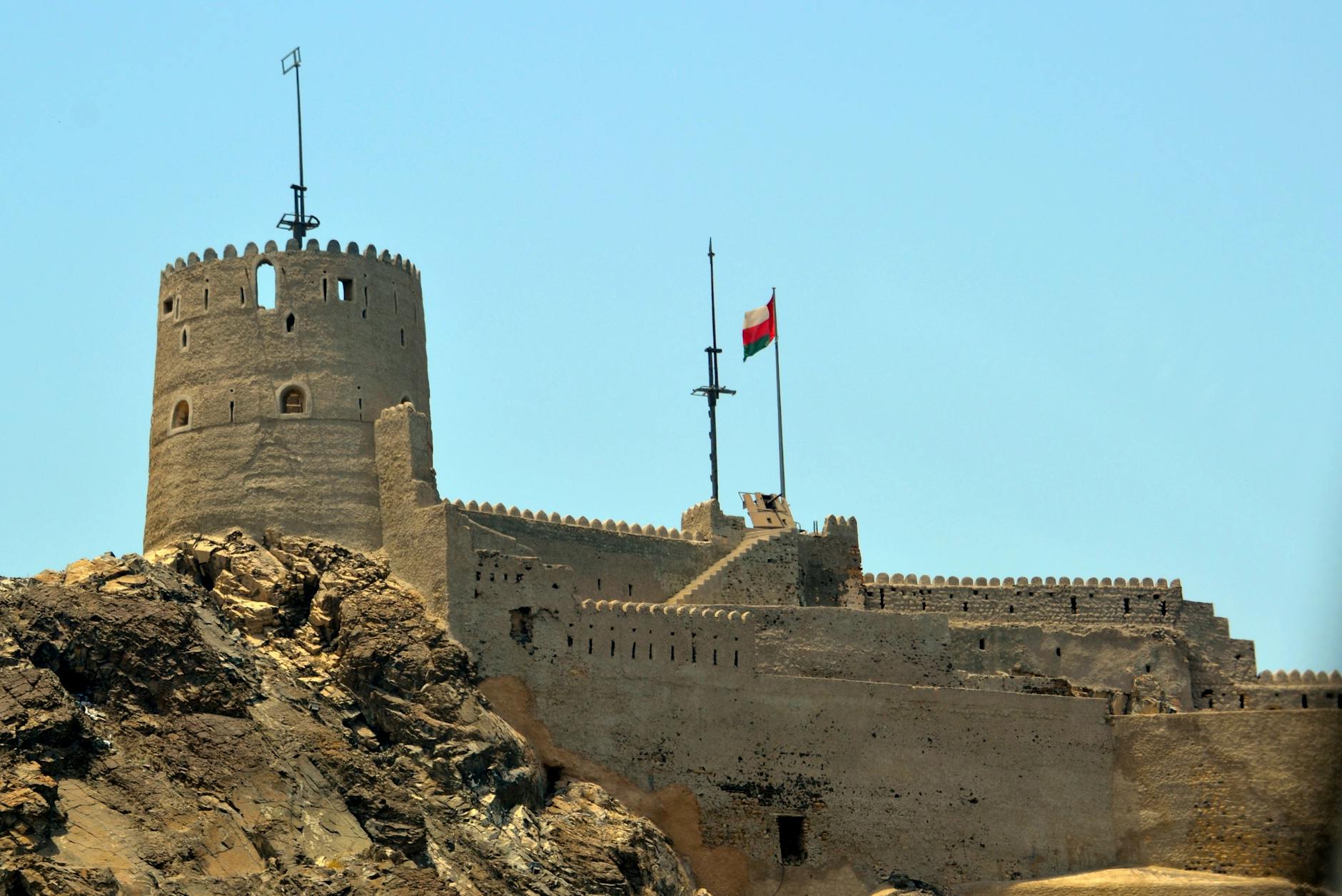
Oman becomes one of the Middle East’s most pleasurable destinations once the extreme summer heat retreats and winter temperatures settle into a comfortable and walkable range. The ancient souks of Muscat, the dramatic wadis of the Hajar Mountains, and the vast sand dunes of the Wahiba Sands are all best explored between November and March. The country’s relatively modest tourism infrastructure means that even during peak winter season, major sites feel uncrowded and authentic. Turtle nesting and hatching activity at Ras Al Jinz reserve continues through the winter months, offering one of the Arabian Peninsula’s most extraordinary wildlife encounters.
Amsterdam, Netherlands
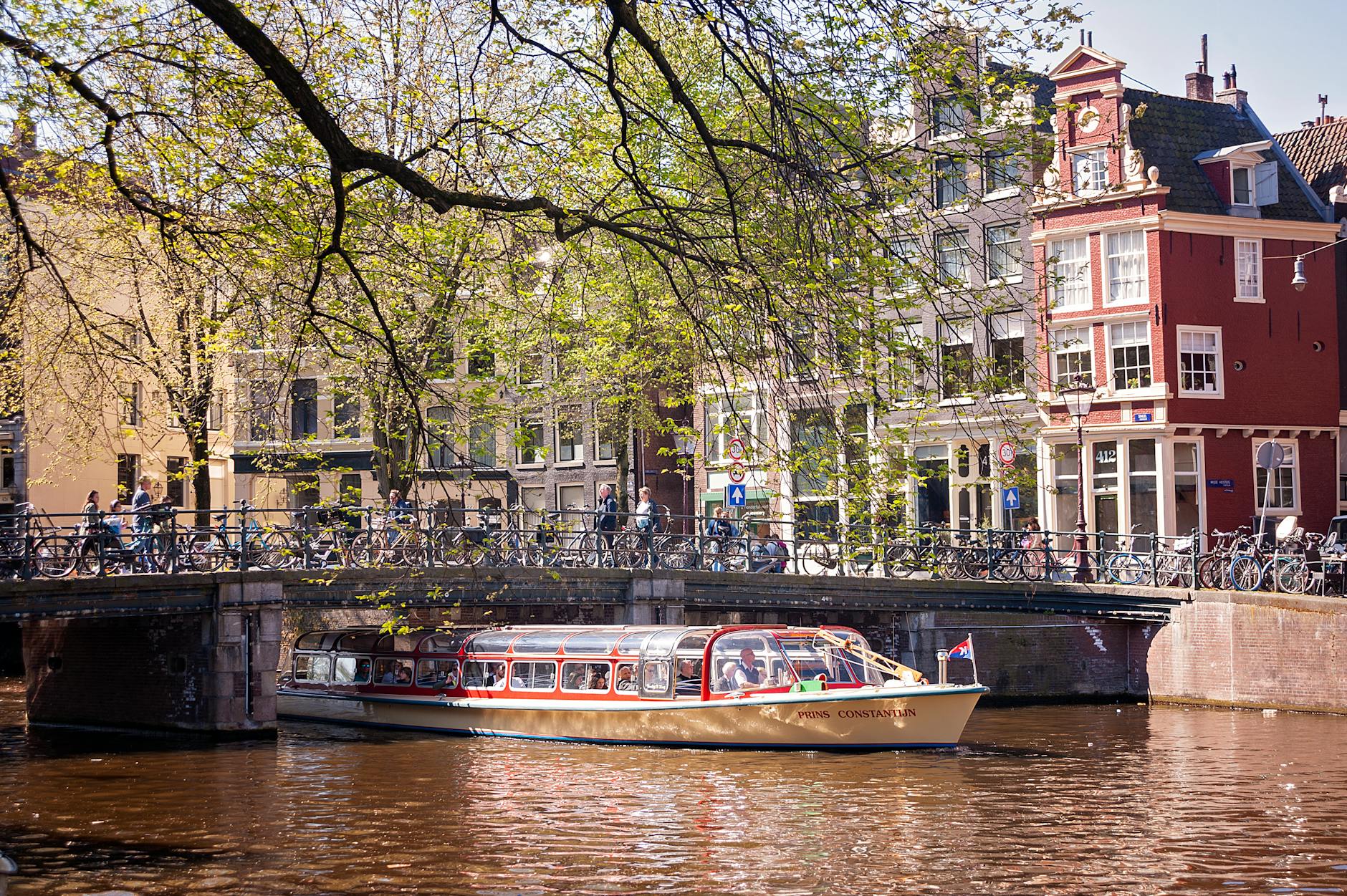
Amsterdam in winter strips away the cycling hordes and canal-side crowds that define its summer character, replacing them with a quieter, more contemplative atmosphere. The world-class museum circuit including the Rijksmuseum, the Van Gogh Museum, and the Anne Frank House is far more accessible without the multi-hour queues that form in the warmer months. The canal ring takes on a particularly atmospheric quality on cold, misty mornings when the reflections of the gabled townhouses shimmer undisturbed in the water. Cosy brown cafes known as bruine kroegen are at their most welcoming during the colder months, offering a warm and unhurried environment for an afternoon of local beer and conversation.
Petra, Jordan
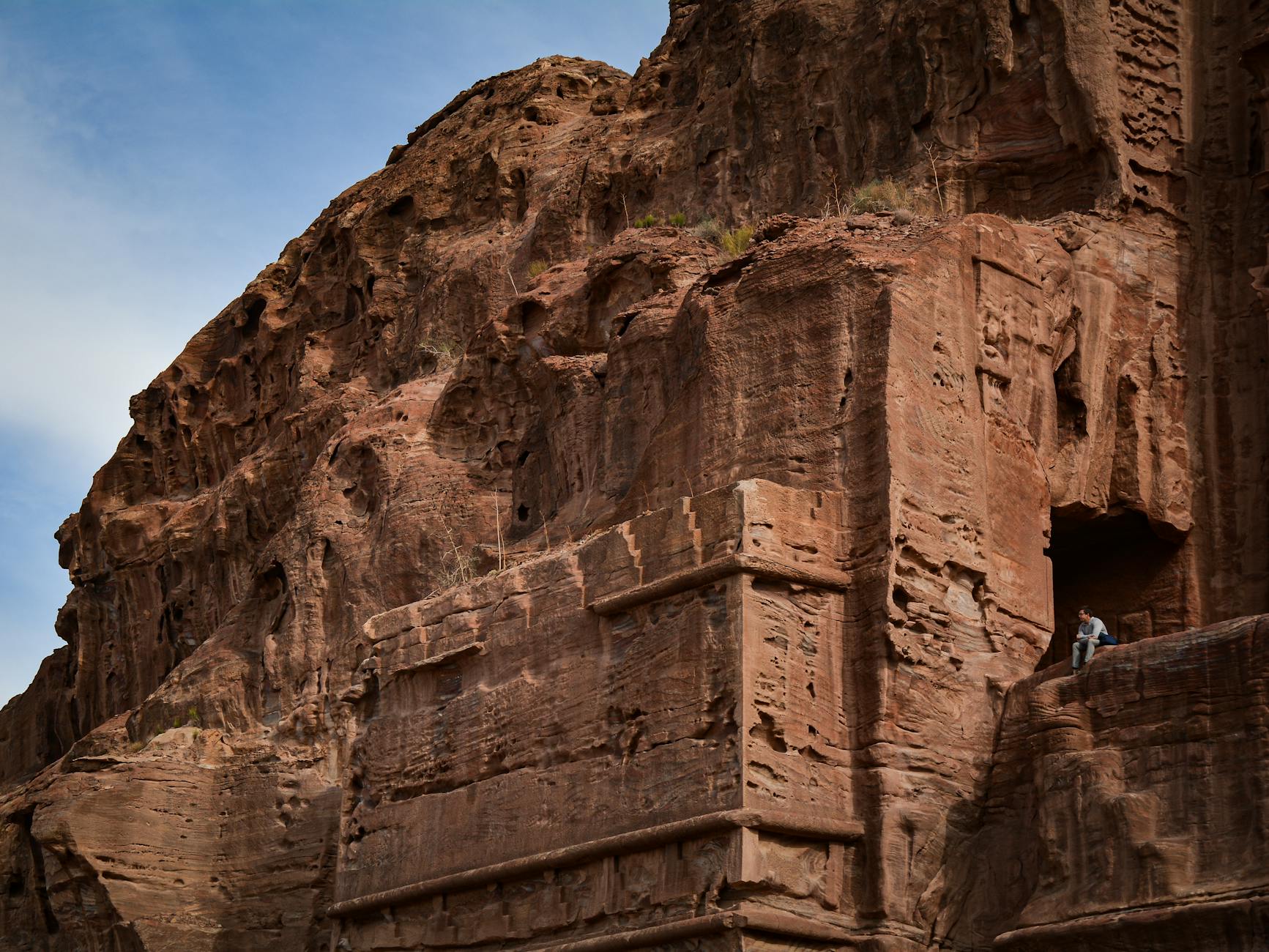
Petra in winter delivers the ancient Nabataean city at its most comfortable and dramatically lit, with cool temperatures that make the long walk through the Siq and around the vast archaeological site genuinely enjoyable. The summer months subject visitors to heat that makes extended outdoor exploration at this desert site genuinely challenging, whereas winter temperatures remain ideal throughout the day. The famous Treasury and Monastery facades catch the low winter sunlight at particularly photogenic angles in the late afternoon. The Petra by Night experience, where the Siq is lit by thousands of candles, takes on an extra layer of magic in the clear cold air of a winter evening.
Sicily, Italy
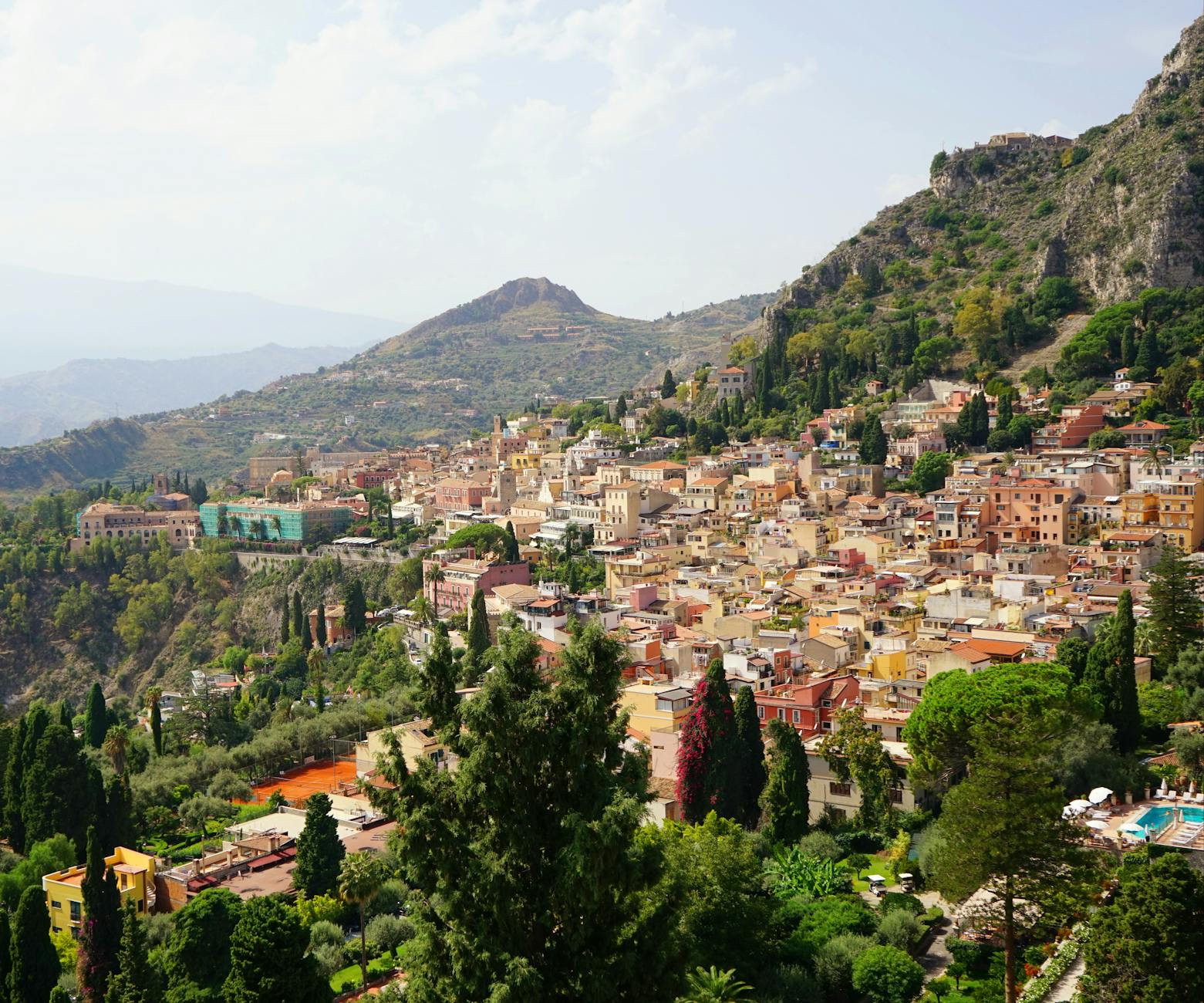
Sicily in winter offers the island in a stripped-back and authentic form that its overcrowded summer version simply cannot provide. The hilltop towns of the interior including Ragusa and Agrigento are returned almost entirely to their local residents, with the Valley of the Temples and the baroque piazzas sitting in peaceful quiet. Citrus season peaks precisely during the winter months, with blood orange groves across the island producing the fruit that defines Sicilian cuisine and fills the weekly markets with vivid colour. Mount Etna is often dusted with snow in the winter months, creating the striking and somewhat surreal sight of a snow-capped active volcano rising above palm tree-lined coastlines.
Whether your ideal winter escape is a snow-blanketed ancient city, a sun-drenched southern coast, or an adventure in a remote wilderness, share the winter destination that changed the way you think about cold-weather travel in the comments.




