Heart disease remains one of the leading causes of death worldwide, yet research consistently shows that the right dietary choices can dramatically reduce the risk of cardiovascular events. Cardiologists emphasize that what lands on your plate every single day has a profound and lasting impact on the health of your arteries, your heart muscle, and your entire circulatory system. The following foods have earned a place on the recommended list not by chance but through decades of clinical observation and nutritional science. Making even a handful of these foods a consistent part of your daily routine can support lower blood pressure, reduced inflammation, and healthier cholesterol levels over time.
Salmon
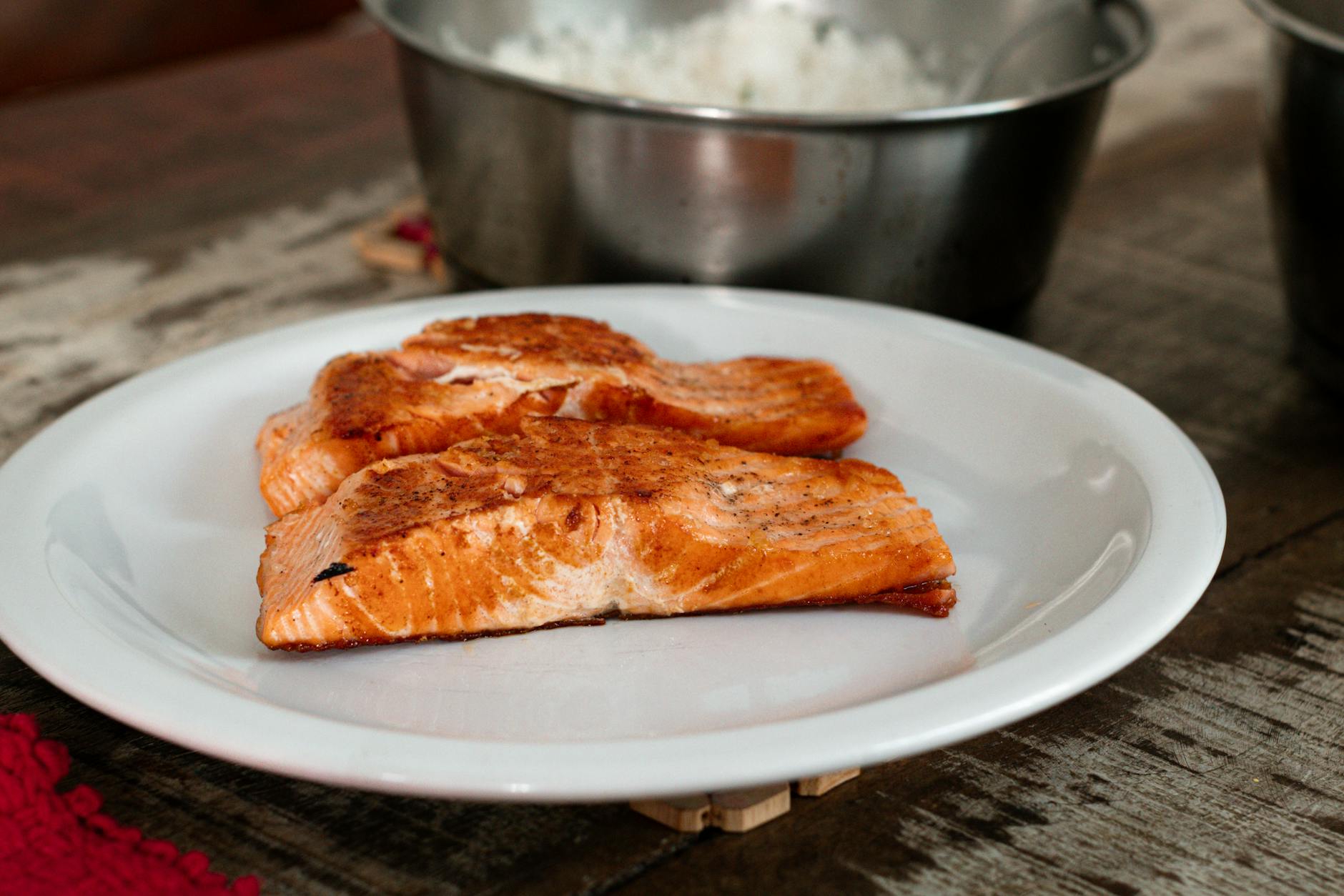
Salmon is one of the most celebrated heart-protective foods in the cardiologist’s toolkit, and for good reason. It is exceptionally rich in omega-3 fatty acids, which have been shown to reduce triglyceride levels and lower the risk of dangerous heart rhythm abnormalities. Regular consumption helps reduce systemic inflammation, a key driver of arterial plaque buildup. Wild-caught salmon tends to offer the highest concentration of beneficial fats alongside a strong protein profile. Cardiologists frequently recommend eating it at least twice a week as part of a heart-conscious diet.
Blueberries
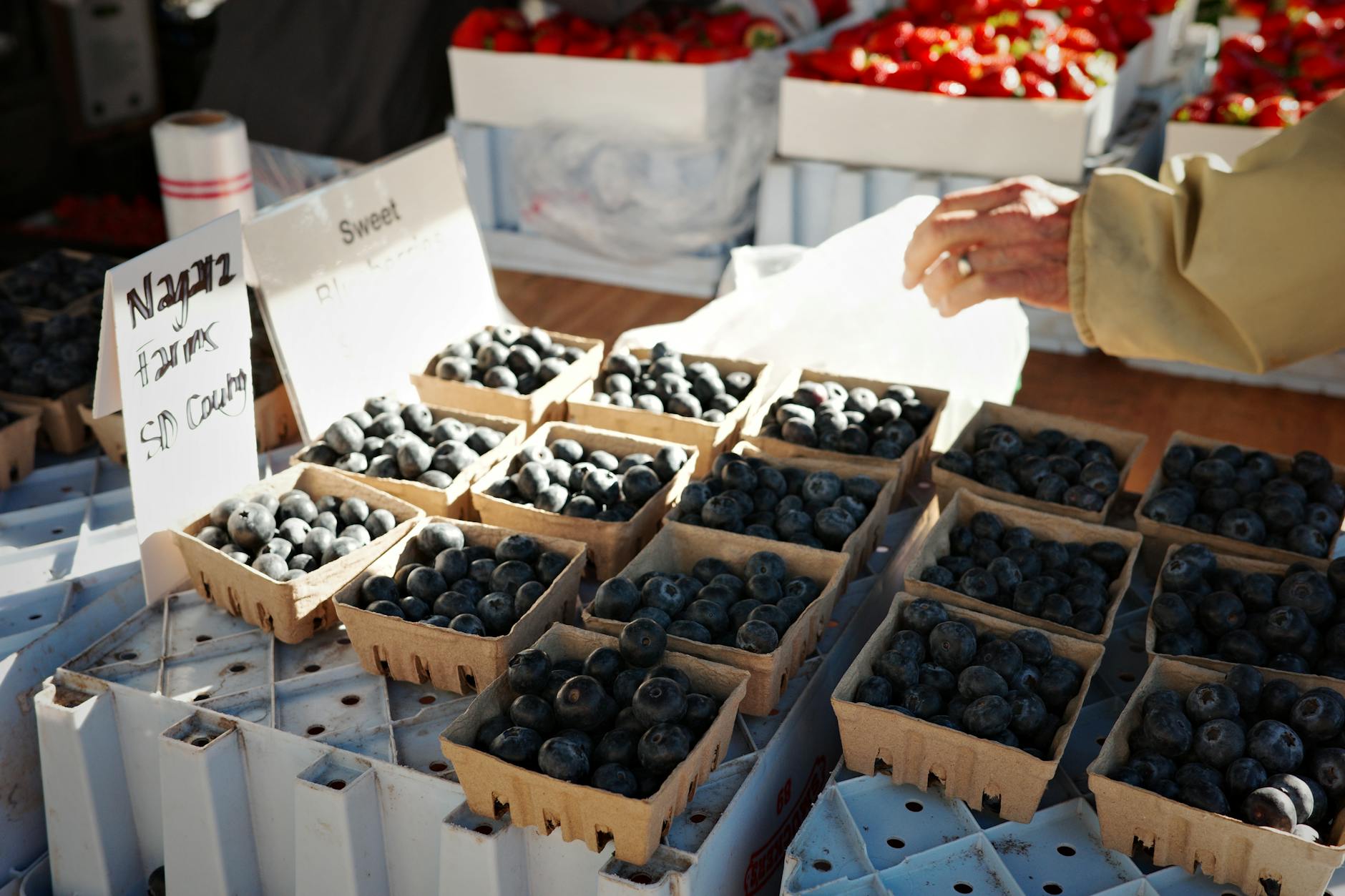
Blueberries pack an extraordinary amount of antioxidants into a small, convenient package that can be added to almost any meal. They are particularly high in anthocyanins, the plant compounds responsible for their deep blue color and their ability to protect blood vessels from oxidative stress. Studies have linked daily blueberry consumption to measurable improvements in blood pressure and arterial flexibility. Their natural sweetness also makes them a satisfying substitute for processed sugary snacks that harm cardiovascular health. A daily handful of blueberries offers cumulative benefits that add up significantly over months and years.
Oats
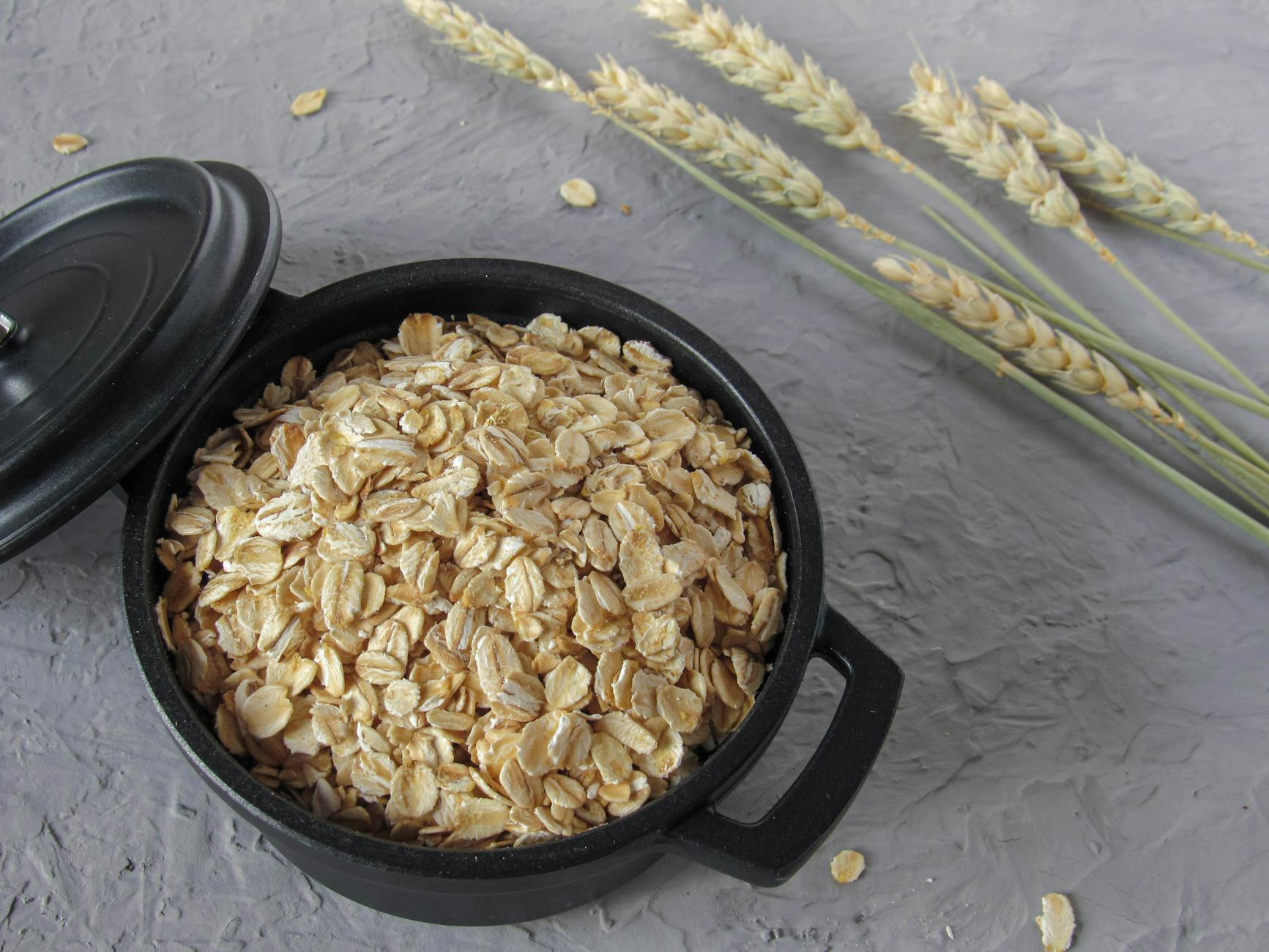
Oats are a foundational heart food largely because of their high content of beta-glucan, a soluble fiber that actively binds to cholesterol in the digestive tract and helps remove it from the body. Starting the day with a bowl of oatmeal has been shown in numerous studies to reduce LDL cholesterol levels over time. They also have a stabilizing effect on blood sugar, which is closely linked to cardiovascular risk. Oats are filling, affordable, and incredibly versatile as a breakfast or baking ingredient. Cardiologists consistently place them among the most accessible and effective dietary tools for heart health.
Avocado
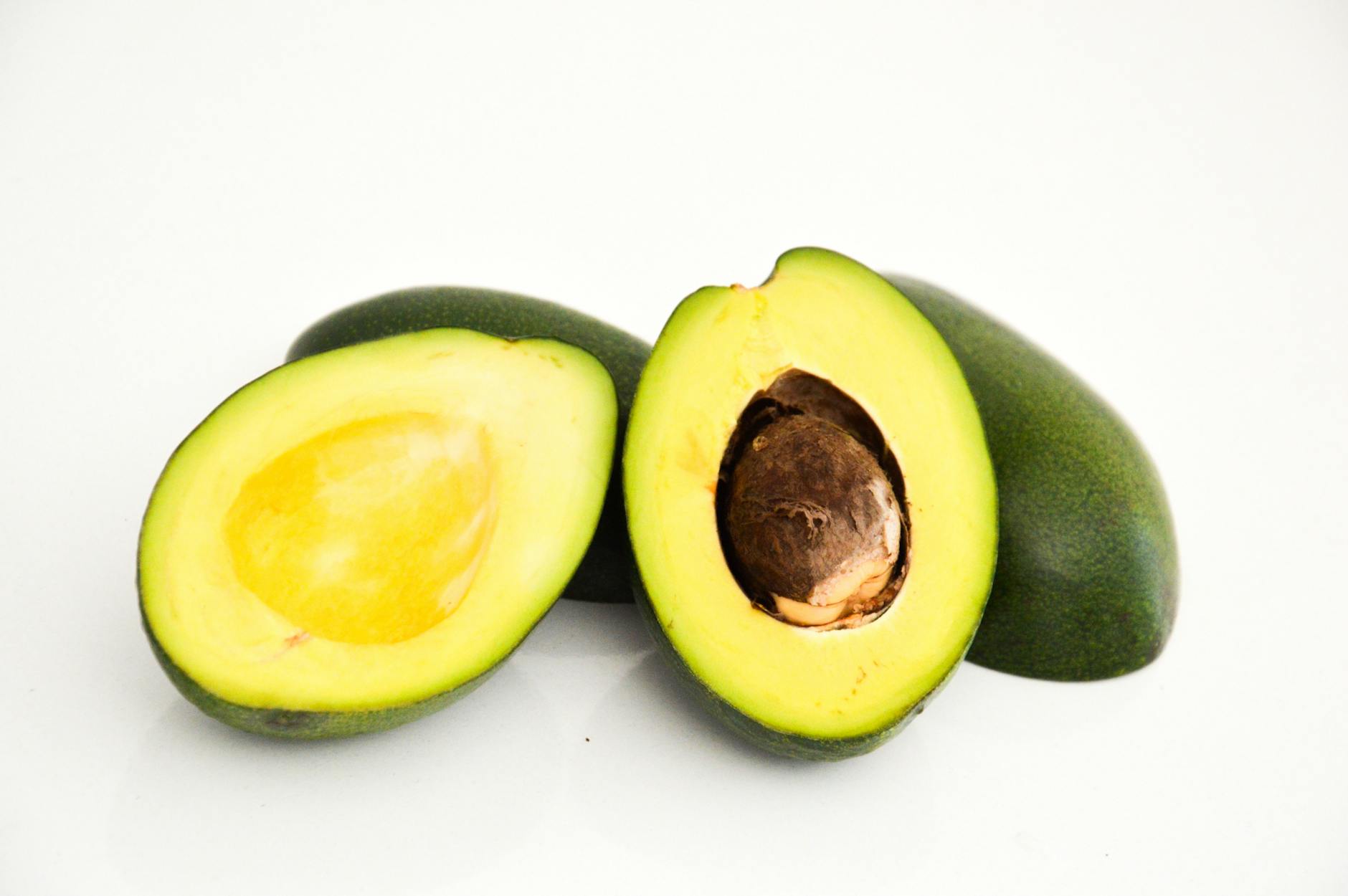
Avocados are one of the rare plant foods that provide a generous supply of heart-healthy monounsaturated fats, particularly oleic acid. These fats help raise HDL cholesterol while simultaneously working to lower harmful LDL levels in the bloodstream. Avocados are also a rich source of potassium, a mineral that plays a direct role in regulating blood pressure. Their creamy texture makes them easy to incorporate into meals ranging from toast and salads to smoothies and sauces. Daily avocado consumption has been associated in research with a meaningfully reduced risk of cardiovascular disease.
Walnuts
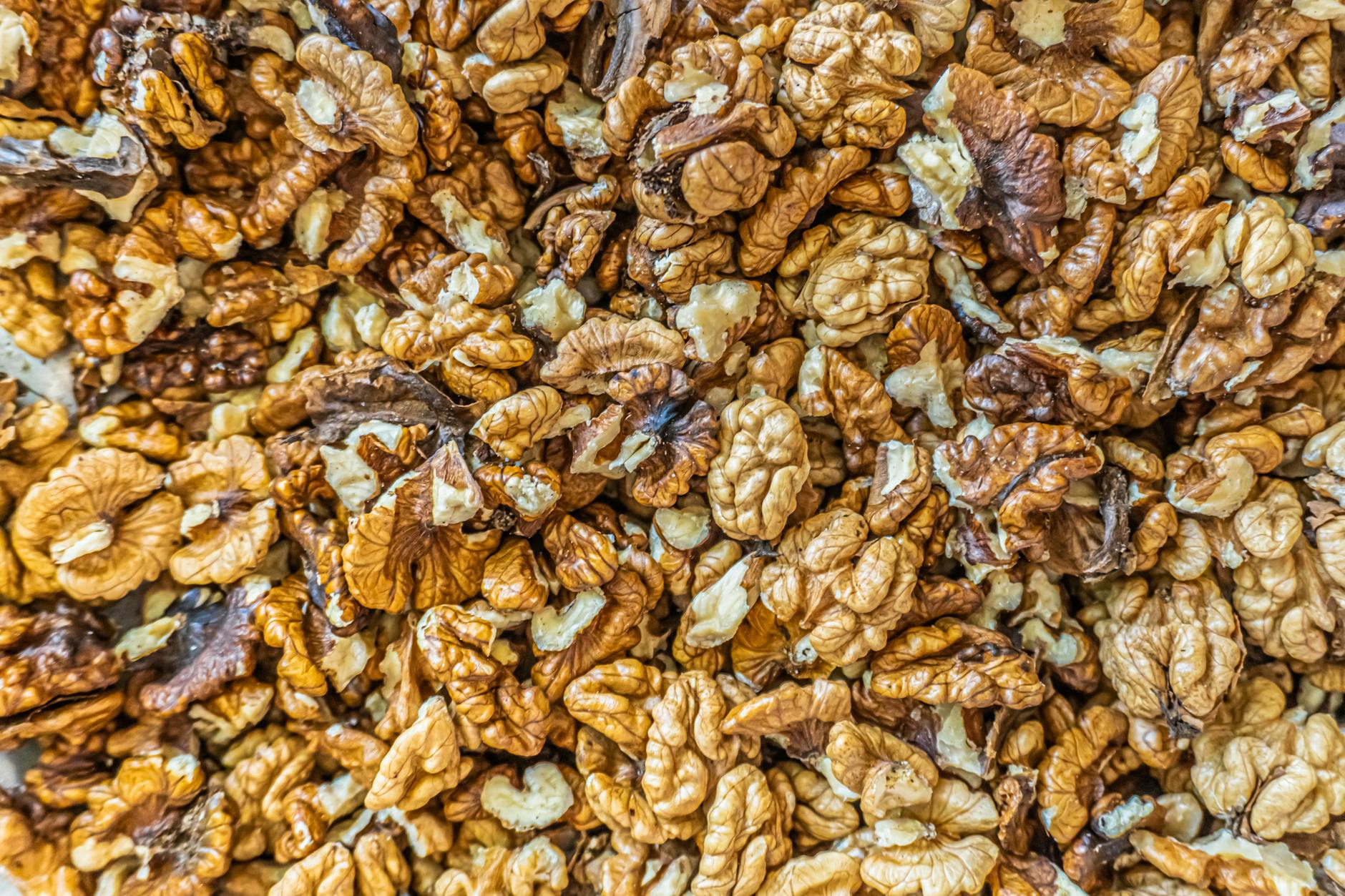
Walnuts stand apart from most other nuts because they contain a uniquely high concentration of plant-based omega-3 fatty acids alongside polyphenols that combat inflammation. Eating a small handful daily has been linked to reduced LDL cholesterol and improved arterial function in multiple clinical trials. They also contain the amino acid arginine, which helps the body produce nitric oxide, a compound that relaxes and widens blood vessels. Walnuts are easy to add to yogurt, salads, oatmeal, or eaten on their own as a simple snack. Cardiologists often recommend them as one of the most impactful snack swaps a person can make.
Leafy Greens
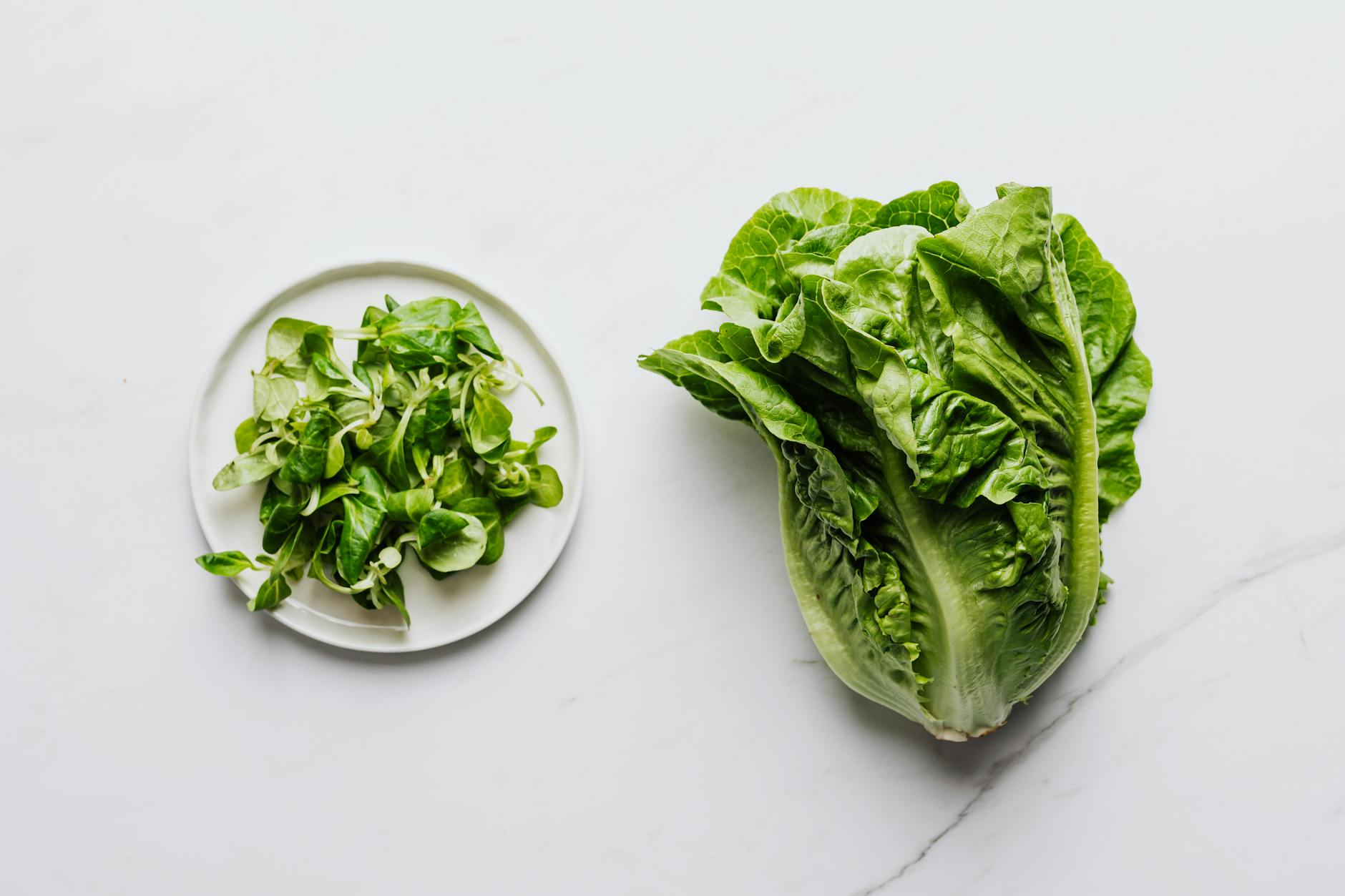
Leafy greens such as spinach, kale, Swiss chard, and arugula are among the most nutrient-dense foods on the planet for cardiovascular support. They are loaded with nitrates, which the body converts into nitric oxide to help lower blood pressure and improve blood flow throughout the body. Their high vitamin K content plays an important role in protecting arteries from calcification. They also provide folate, magnesium, and potassium, all of which are critical minerals for a well-functioning heart. Cardiologists recommend incorporating at least one serving of leafy greens into meals on a daily basis.
Olive Oil
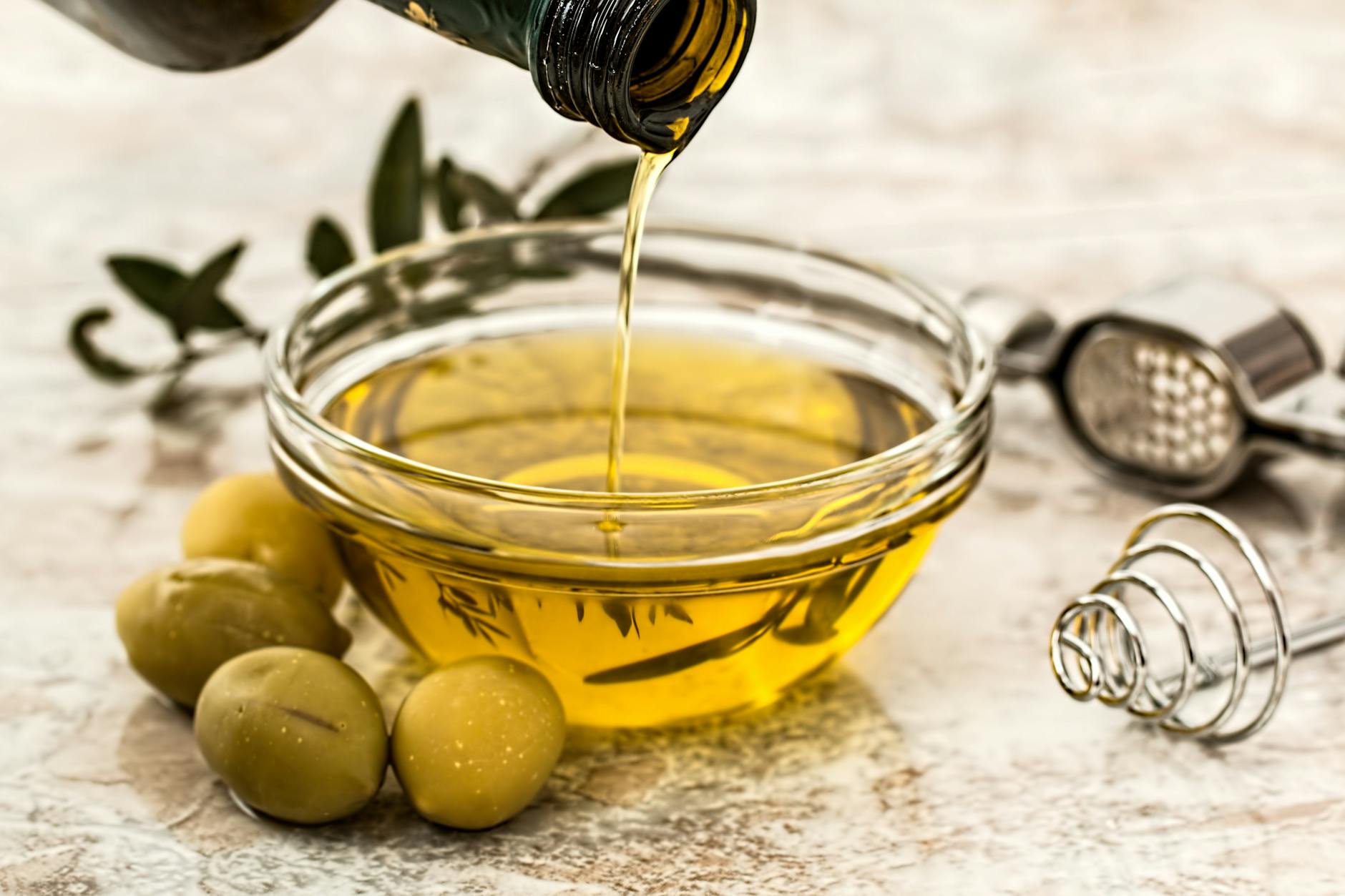
Extra virgin olive oil is a cornerstone of the Mediterranean diet, which is widely regarded as the gold standard of heart-healthy eating patterns. It is rich in oleocanthal and other polyphenols that reduce inflammation and prevent oxidative damage to blood vessels. Regular consumption has been directly associated with lower rates of heart attack and stroke in large-scale research studies. The monounsaturated fat content helps maintain healthy cholesterol ratios when used in place of saturated or trans fats. Drizzling it over vegetables, using it in dressings, or cooking with it at moderate temperatures are all excellent daily habits.
Beans and Legumes
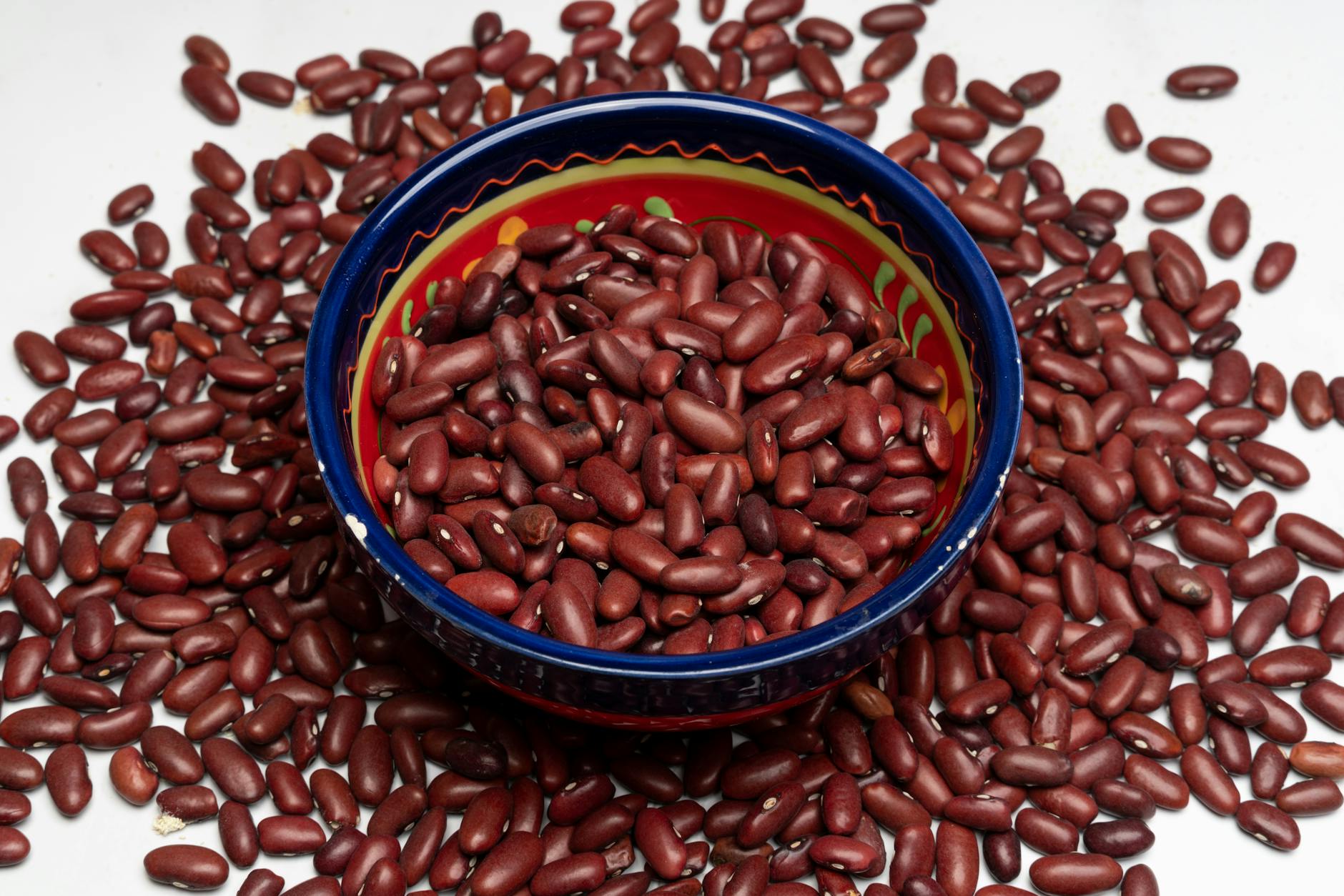
Beans and legumes including lentils, chickpeas, black beans, and kidney beans provide an exceptional combination of soluble fiber, plant protein, and complex carbohydrates that support cardiovascular health. The soluble fiber they contain helps lower LDL cholesterol by binding to bile acids and removing them through digestion. They also have a very low glycemic impact, helping to prevent blood sugar spikes that stress the cardiovascular system over time. Legumes are additionally rich in potassium and magnesium, two minerals that contribute to healthy blood pressure regulation. Cardiologists praise them as an affordable and filling staple that can replace or reduce consumption of red meat.
Dark Chocolate
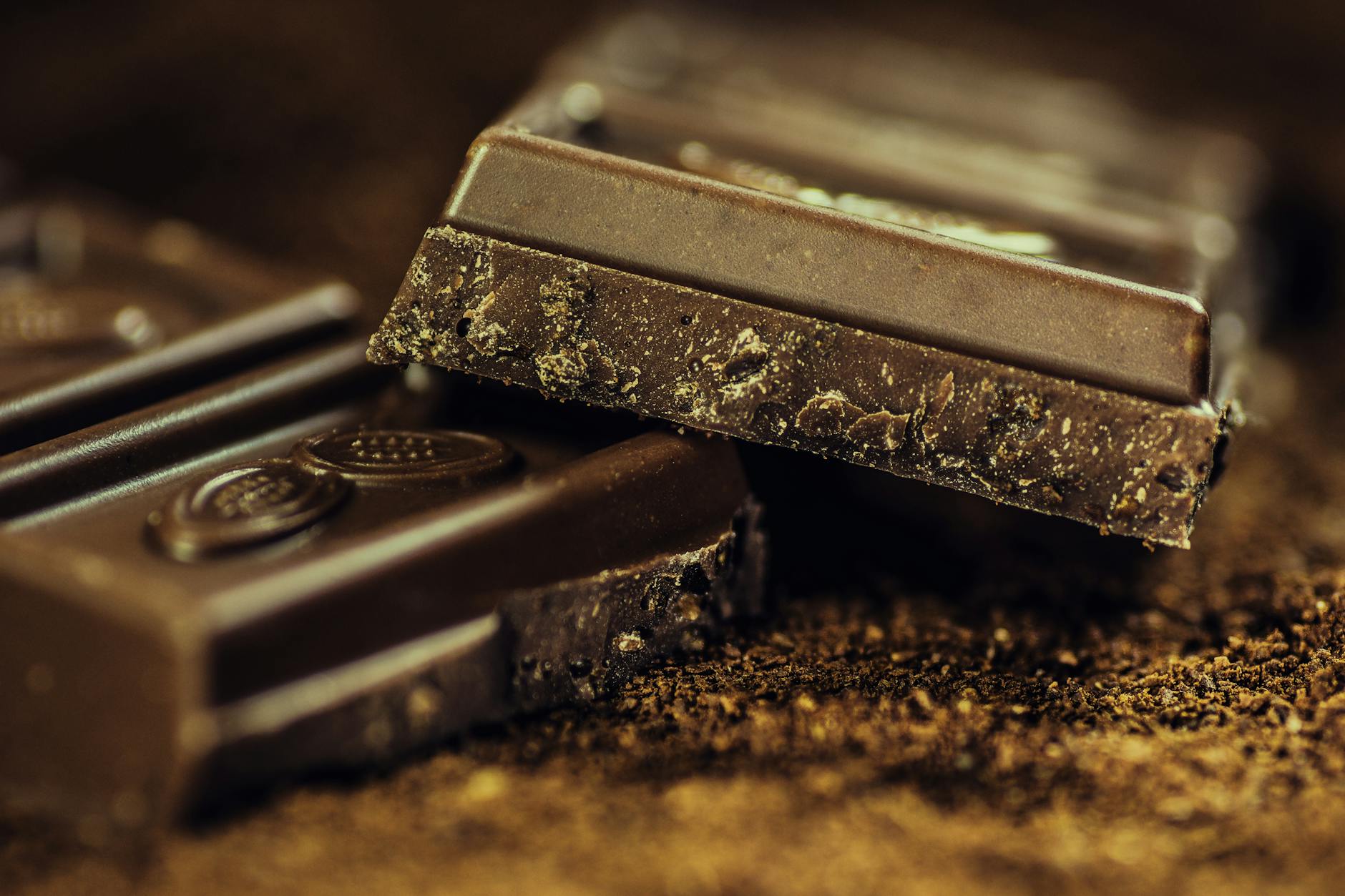
Dark chocolate with a cocoa content of seventy percent or higher contains flavonoids that support heart health in several meaningful ways. These compounds have been shown to lower blood pressure, improve blood flow, and reduce LDL oxidation. Regular moderate consumption has been associated with reduced inflammation markers and improved endothelial function, which is the health of the inner lining of blood vessels. The key is choosing varieties low in added sugar and eating modest portions rather than large quantities. Cardiologists acknowledge dark chocolate as one of the more enjoyable additions to a heart-protective daily routine.
Pomegranate
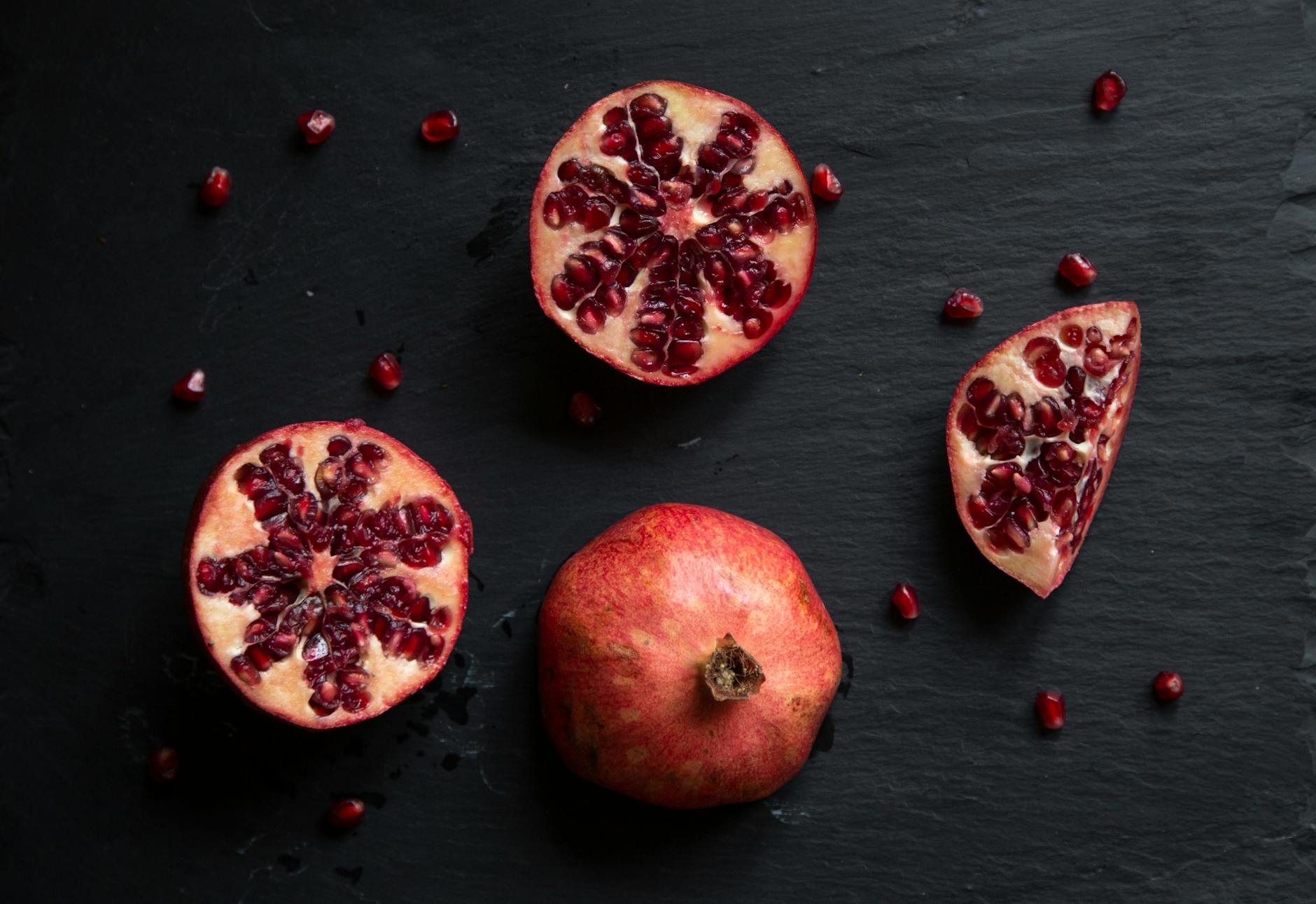
Pomegranate is extraordinary among fruits for its concentration of punicalagins and punicic acid, two powerful antioxidant compounds that have a direct effect on cardiovascular health. Research has shown that pomegranate juice can lower systolic blood pressure and reduce the accumulation of arterial plaque. It also helps reduce oxidative stress in LDL cholesterol particles, making them less likely to contribute to artery blockages. The fruit’s anti-inflammatory properties extend benefits beyond the heart to the entire vascular system. A small glass of pure pomegranate juice or a serving of the fresh seeds each day is a practical way to access its benefits.
Flaxseeds

Flaxseeds are a concentrated source of alpha-linolenic acid, the plant-based form of omega-3 fatty acids, as well as lignans and soluble fiber. Ground flaxseed is more bioavailable than whole seeds and can be stirred easily into oatmeal, smoothies, yogurt, or baked goods. Research supports their ability to lower both LDL cholesterol and blood pressure when consumed consistently. The fiber in flaxseeds also feeds beneficial gut bacteria, and emerging research links gut microbiome health to overall cardiovascular risk. Cardiologists often recommend one to two tablespoons of ground flaxseed daily as a simple and powerful addition to any diet.
Tomatoes
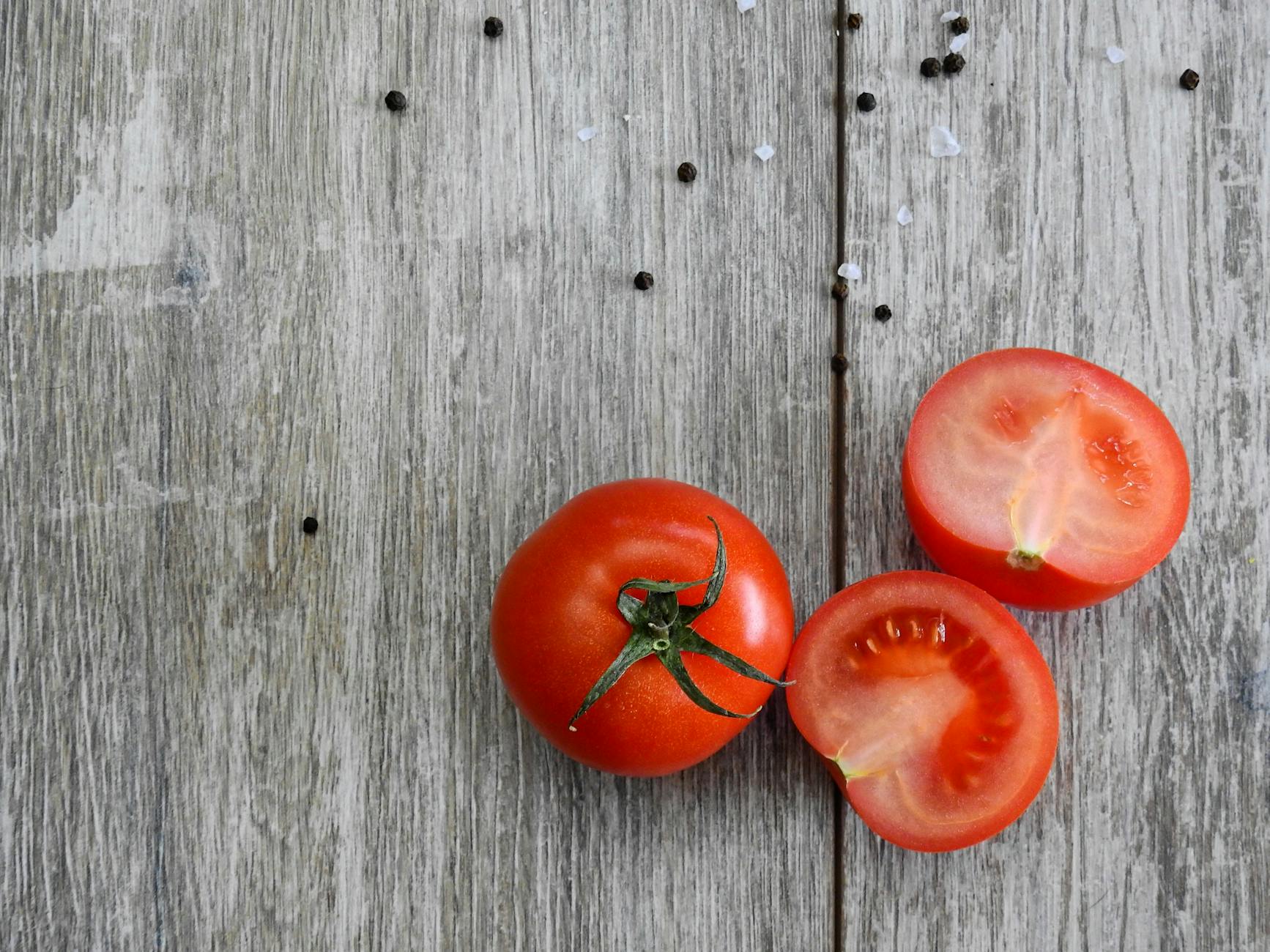
Tomatoes are a rich source of lycopene, a carotenoid antioxidant that has been extensively studied for its protective effects on the cardiovascular system. Cooked and processed tomatoes, such as tomato paste or sauce, actually deliver higher concentrations of lycopene than raw versions because heat breaks down cell walls and increases bioavailability. Lycopene has been shown to reduce LDL oxidation, lower inflammation, and decrease the risk of arterial plaque formation. Tomatoes also provide potassium and vitamin C, both of which support healthy blood pressure and vascular integrity. Incorporating tomatoes into daily meals in any form is a consistently recommended heart-health strategy.
Green Tea

Green tea contains a group of catechins, particularly epigallocatechin gallate, that have been shown to improve multiple markers of cardiovascular health. Regular consumption has been associated with lower LDL cholesterol levels, reduced blood pressure, and decreased inflammatory markers in the bloodstream. The modest caffeine content provides a gentle circulatory stimulant effect without the potential downsides associated with excessive coffee intake. Green tea also supports healthy endothelial function, which is central to the prevention of atherosclerosis. Drinking two to three cups daily is a widely recommended practice among cardiologists who focus on dietary prevention.
Chia Seeds
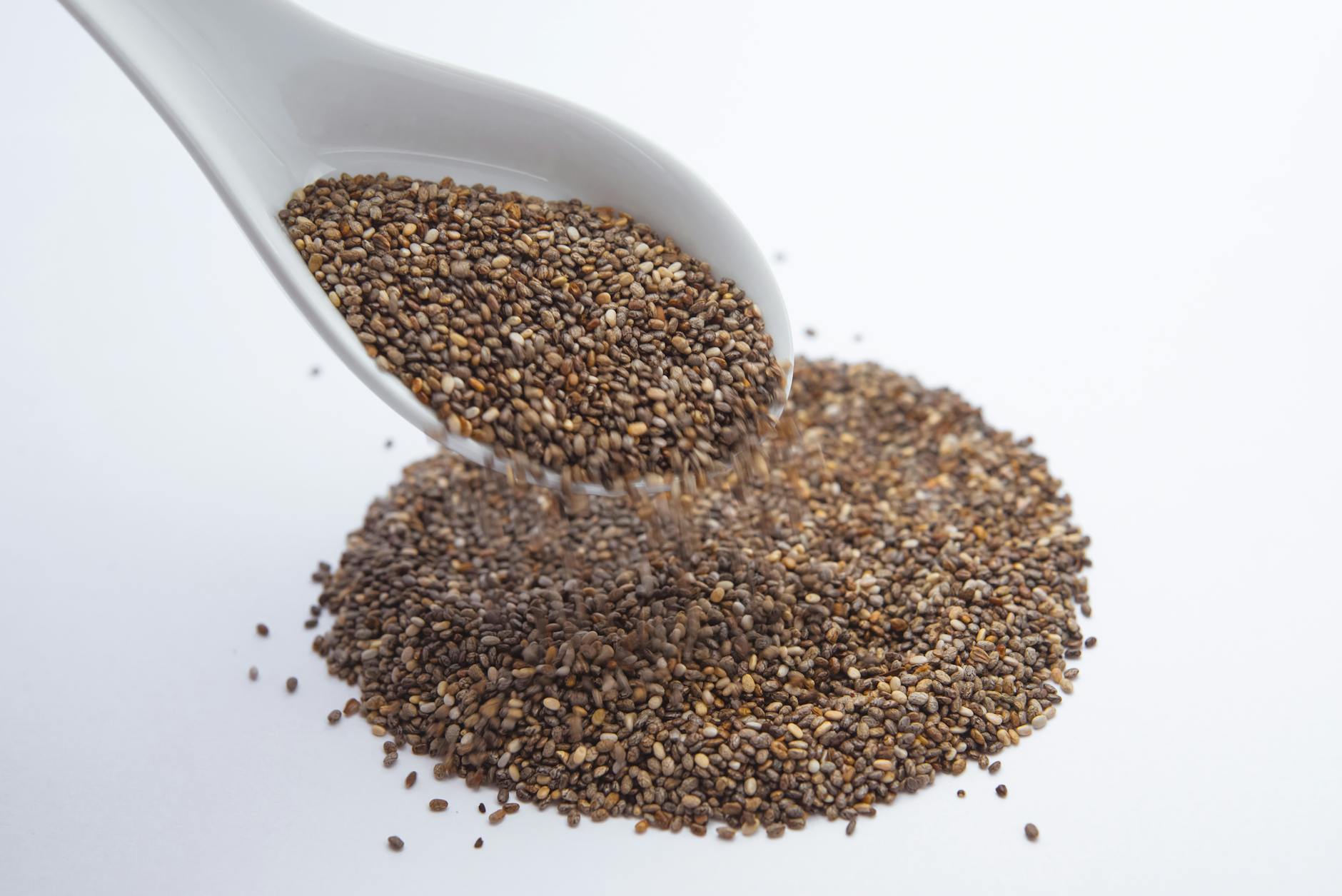
Chia seeds deliver a remarkable cardiovascular nutritional profile given their tiny size, offering omega-3 fatty acids, soluble fiber, calcium, magnesium, and potassium in a single food. The soluble fiber forms a gel-like substance in the digestive tract that helps lower LDL cholesterol and slow the absorption of sugar into the bloodstream. Their high magnesium content is particularly valuable for heart health, as magnesium deficiency is associated with elevated blood pressure and increased risk of arrhythmia. Chia seeds absorb many times their weight in liquid, making them excellent for overnight oats, puddings, or adding to smoothies. Cardiologists regard them as one of the most nutrient-dense additions to a heart-protective daily diet.
Beets
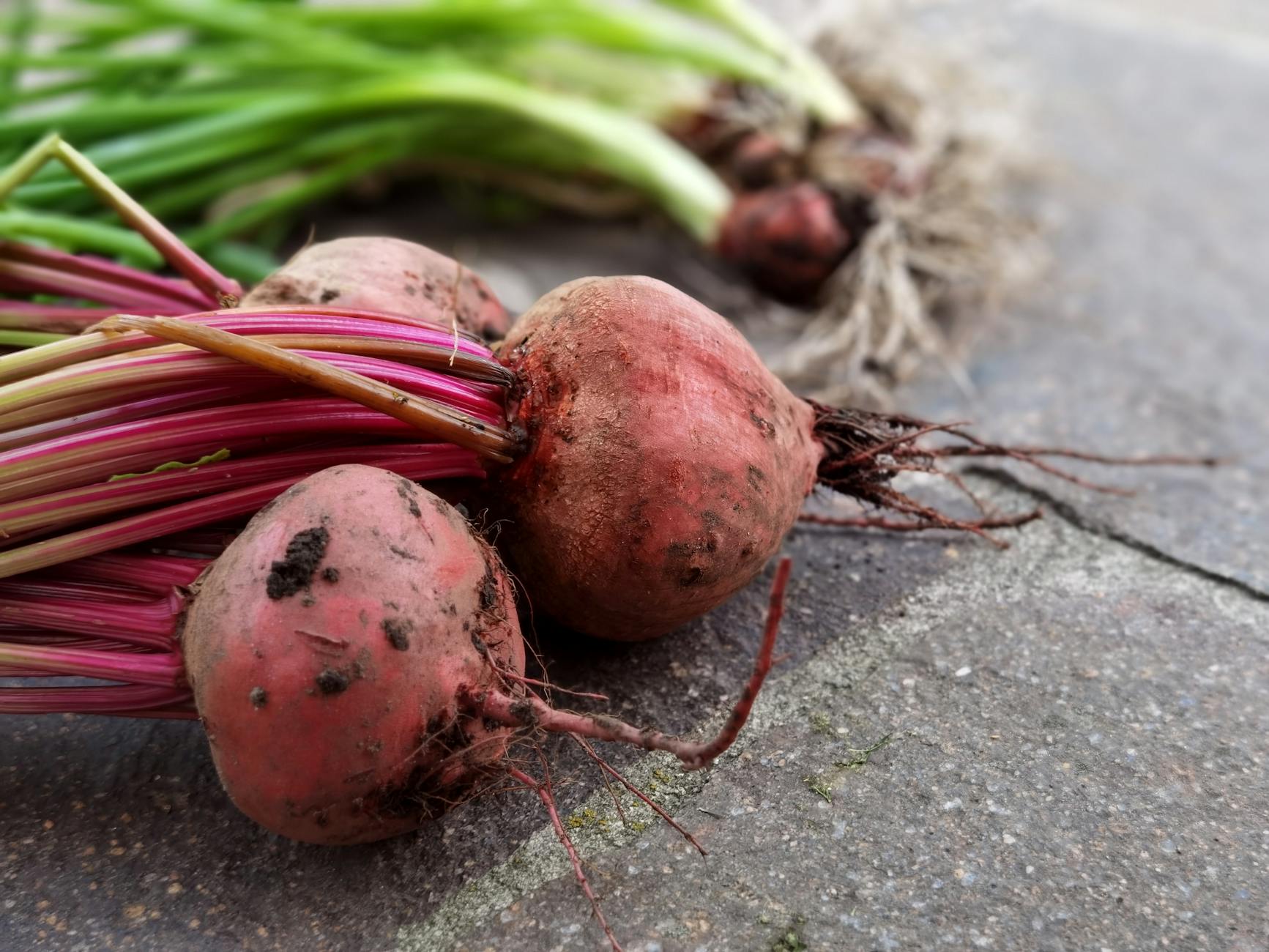
Beets are exceptionally high in dietary nitrates, which the body converts into nitric oxide to relax blood vessels and lower blood pressure. Studies have shown that drinking beet juice or eating whole beets can produce measurable reductions in blood pressure within hours of consumption. They also contain betaine and folate, compounds that help reduce homocysteine levels in the blood, a risk factor linked to heart disease. Beets provide a natural source of antioxidants that protect against oxidative damage throughout the vascular system. Roasted, juiced, or added to salads, beets are a powerful daily food for those prioritizing heart health.
Edamame

Edamame is a young soybean that provides a complete plant protein along with heart-beneficial isoflavones, fiber, and polyunsaturated fats. Soy isoflavones have been shown in clinical research to modestly reduce LDL cholesterol and improve arterial elasticity in regular consumers. Edamame is also a meaningful source of folate and vitamin K, both of which play roles in vascular health and blood clotting regulation. Its high fiber content contributes to satiety and helps moderate blood sugar levels throughout the day. Cardiologists frequently point to edamame and other whole soy foods as valuable additions to a plant-forward heart-healthy diet.
Garlic
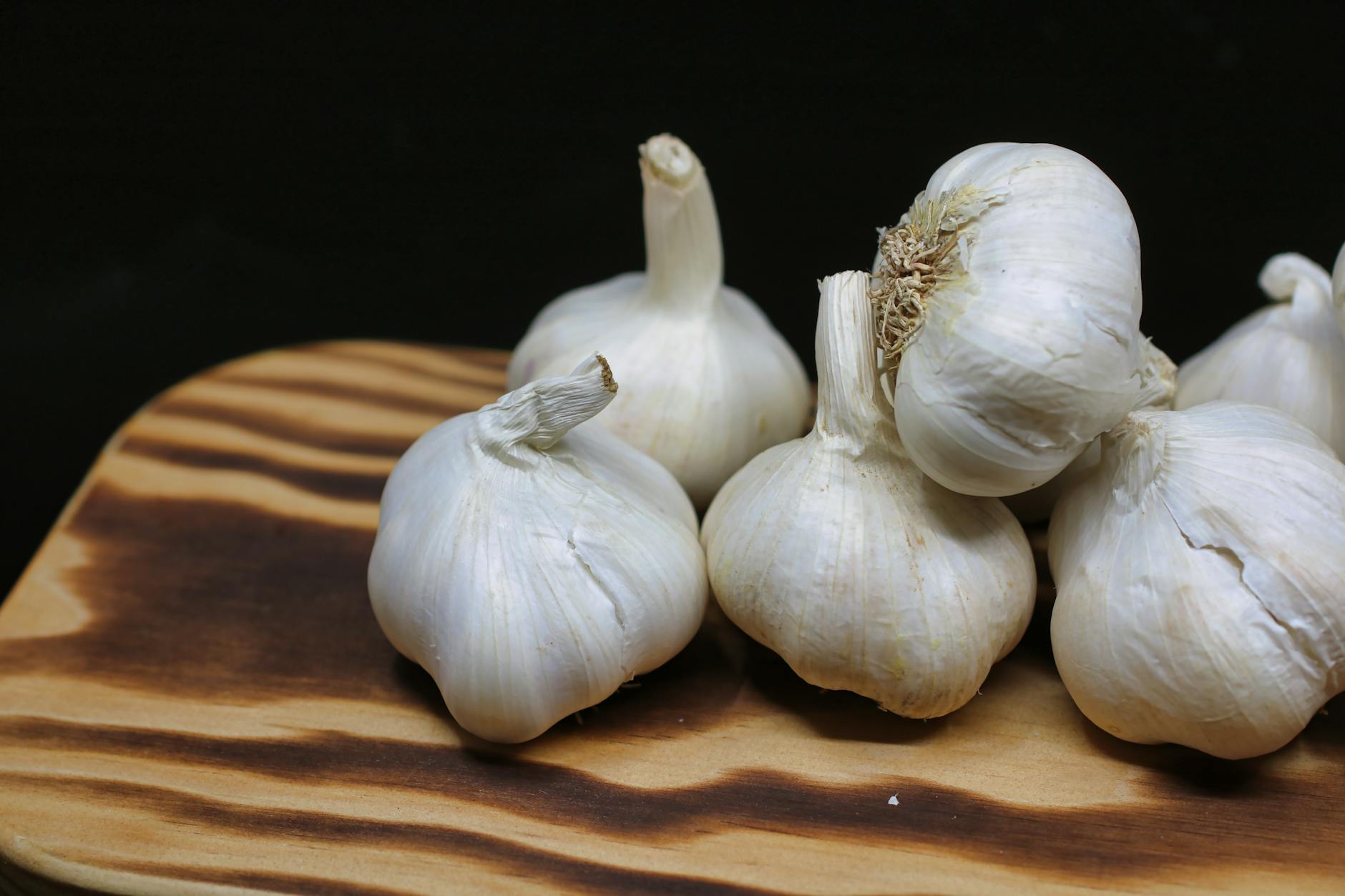
Garlic has been used medicinally for thousands of years, and modern science has validated many of its cardiovascular benefits through controlled research. Its active compound allicin has been shown to lower blood pressure, reduce LDL cholesterol, and inhibit platelet aggregation, which decreases the risk of dangerous clotting. Regular garlic consumption has also been associated with reduced stiffness in the aorta, the body’s largest artery. Raw or lightly cooked garlic delivers the highest concentration of active compounds compared to heavily processed versions. Incorporating garlic into daily cooking is one of the most flavorful and research-supported ways to protect the heart.
Almonds
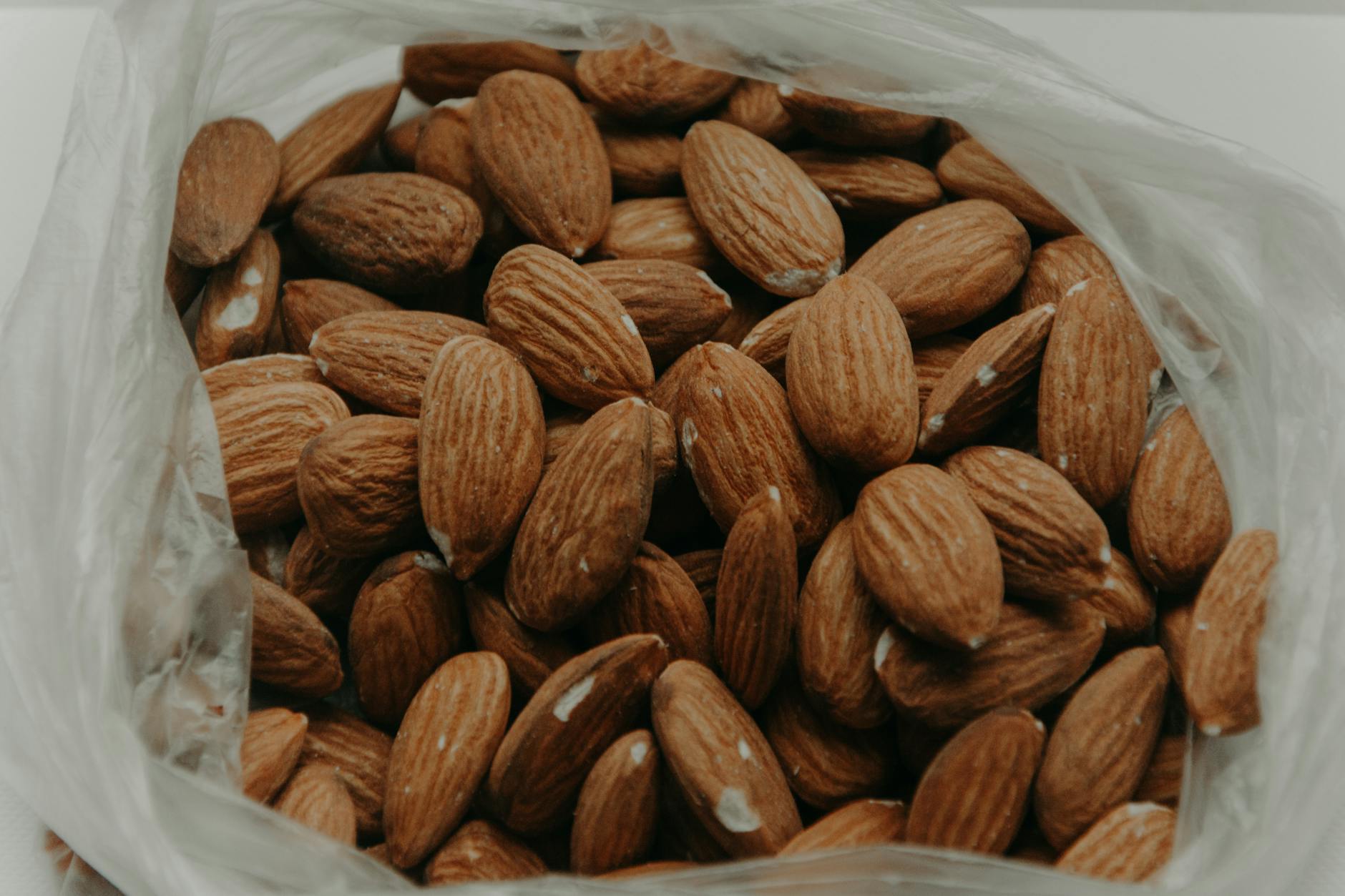
Almonds are a nutritionally dense nut rich in monounsaturated fats, vitamin E, magnesium, and fiber, all of which contribute directly to cardiovascular protection. Clinical studies have consistently demonstrated that regular almond consumption leads to reductions in LDL cholesterol and total cholesterol without negatively affecting HDL levels. Their vitamin E content acts as a potent antioxidant that prevents oxidative damage to arterial walls. The magnesium in almonds is particularly important because it helps regulate blood pressure and reduces the risk of sudden cardiac events. A small daily portion of about twenty to twenty-five almonds is widely endorsed by cardiologists as a satisfying heart-smart snack.
Fatty Fish

Fatty fish beyond salmon, including mackerel, sardines, herring, and trout, offer similarly impressive concentrations of EPA and DHA omega-3 fatty acids that are essential for heart function. These long-chain omega-3s reduce triglycerides, lower resting heart rate, and decrease the likelihood of plaque rupture in coronary arteries. Sardines in particular are celebrated for delivering omega-3s alongside calcium and vitamin D, making them a nutritionally complete cardiovascular food. Eating a variety of these fatty fish throughout the week ensures a broad spectrum of marine nutrients. Cardiologists regard consistent fatty fish consumption as one of the highest-impact dietary habits for reducing cardiovascular mortality.
Spinach
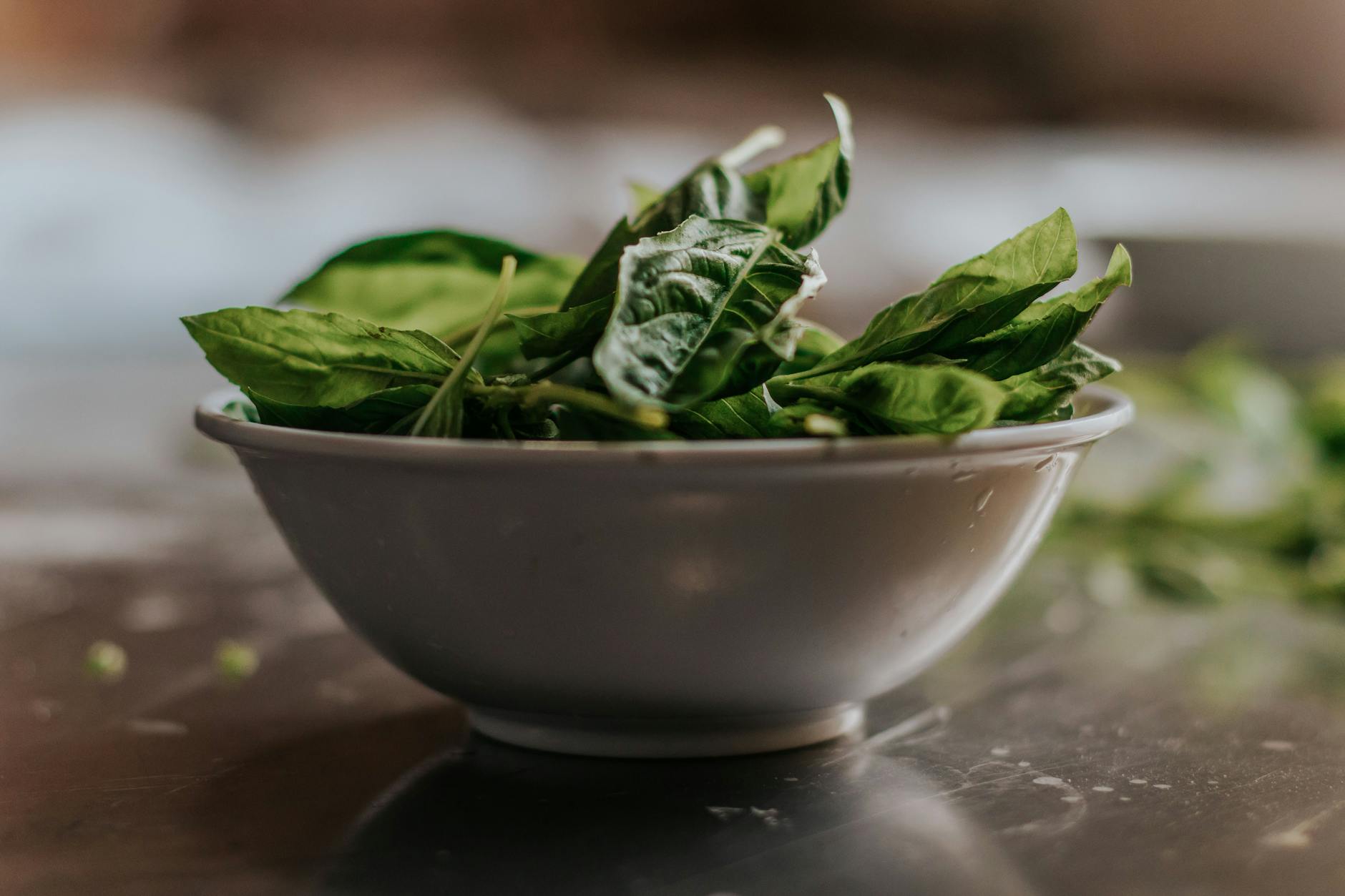
Spinach is one of the most nutrient-dense leafy greens available and holds a specific place in heart health because of its exceptional magnesium and potassium content. These two minerals work together to regulate blood pressure and support proper electrical signaling in the heart muscle. Spinach is also high in nitrates that convert to nitric oxide in the body, promoting vasodilation and improved circulation. Its folate content helps break down homocysteine, an amino acid that at elevated levels is considered an independent risk factor for heart disease. Raw in salads or cooked into dishes, spinach provides daily cardiovascular benefits that are difficult to replicate with supplements alone.
Oranges
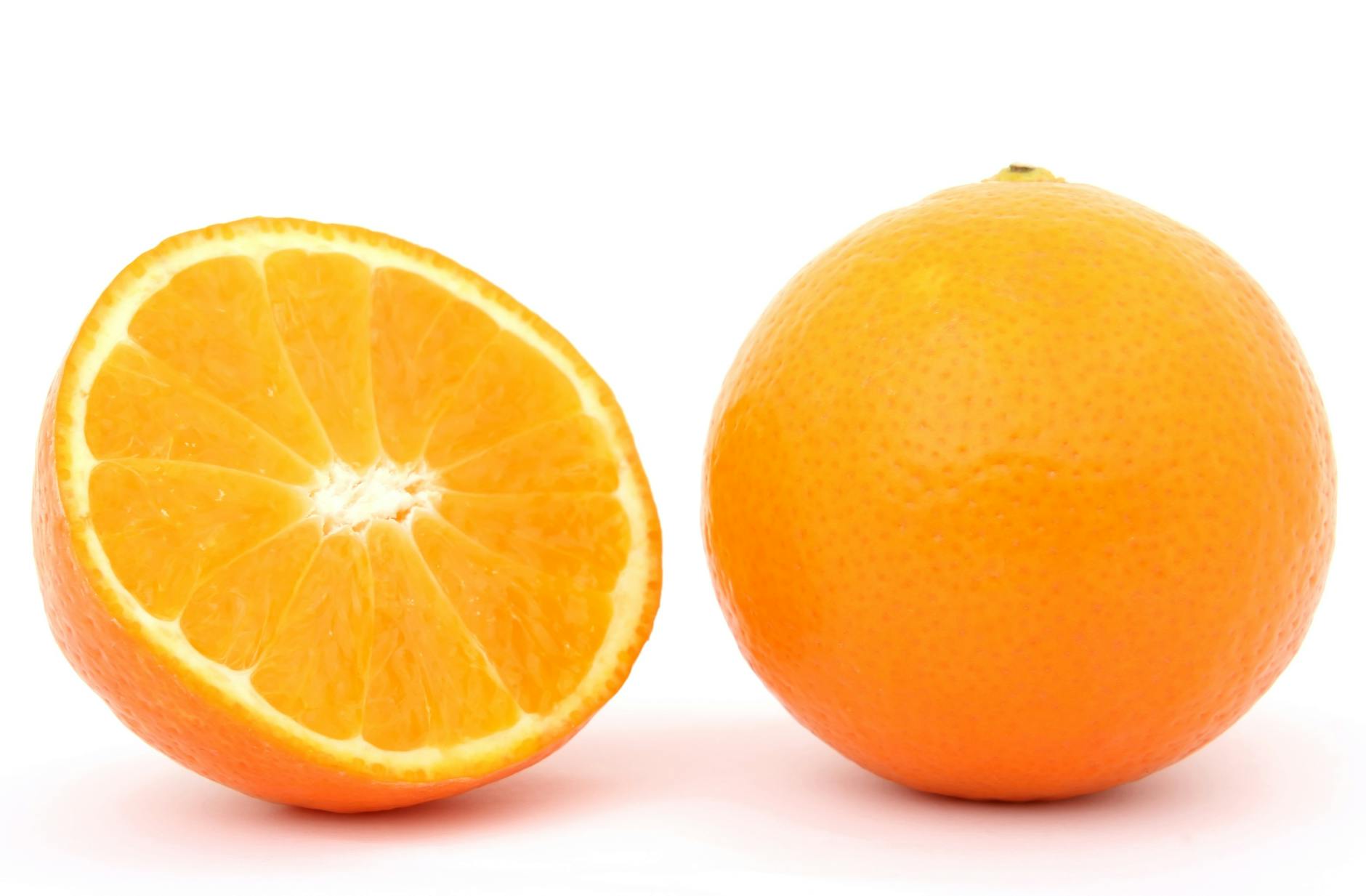
Oranges provide hesperidin, a flavonoid compound that has been specifically studied for its ability to lower blood pressure and reduce inflammation in the cardiovascular system. Their high vitamin C content supports the structural integrity of arterial walls by aiding in the production of collagen. Oranges are also a meaningful source of soluble fiber in the form of pectin, which helps lower LDL cholesterol when consumed regularly. The potassium in oranges further supports blood pressure regulation and healthy heart rhythm. Eating whole oranges rather than drinking juice retains the fiber content and avoids the blood sugar spike associated with liquid fruit consumption.
Barley
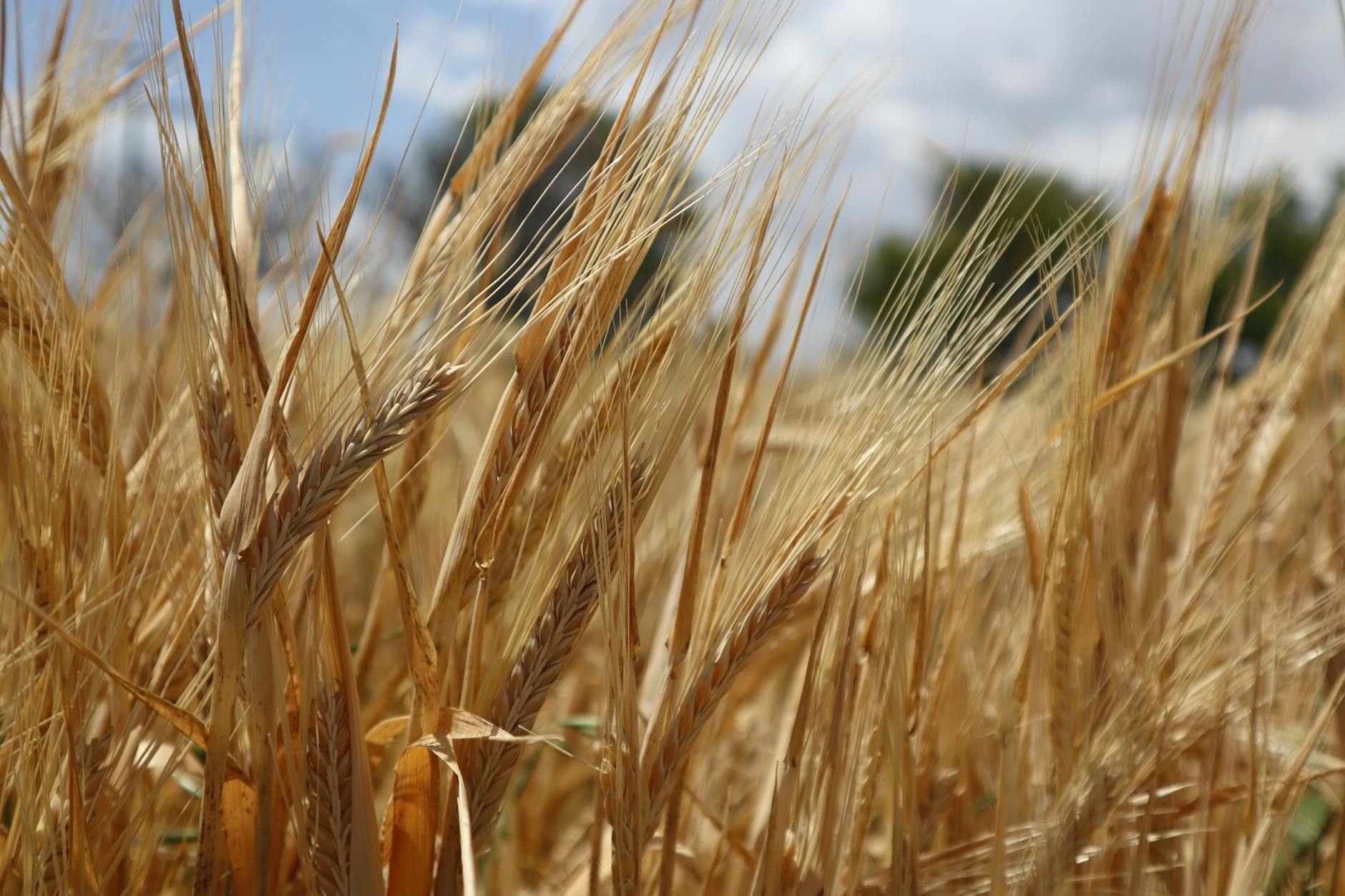
Barley is a whole grain that contains one of the highest concentrations of beta-glucan fiber found in any food, even surpassing oats in some measures. This soluble fiber forms a viscous gel in the gut that traps cholesterol-carrying bile acids and carries them out of the body during digestion. Research has shown that regular barley consumption produces clinically significant reductions in LDL cholesterol levels over several weeks. Barley also has a low glycemic index, which helps maintain stable blood sugar and reduces the insulin spikes that can contribute to cardiovascular risk over time. It works well in soups, stews, grain bowls, and as a hearty rice substitute in everyday cooking.
Broccoli
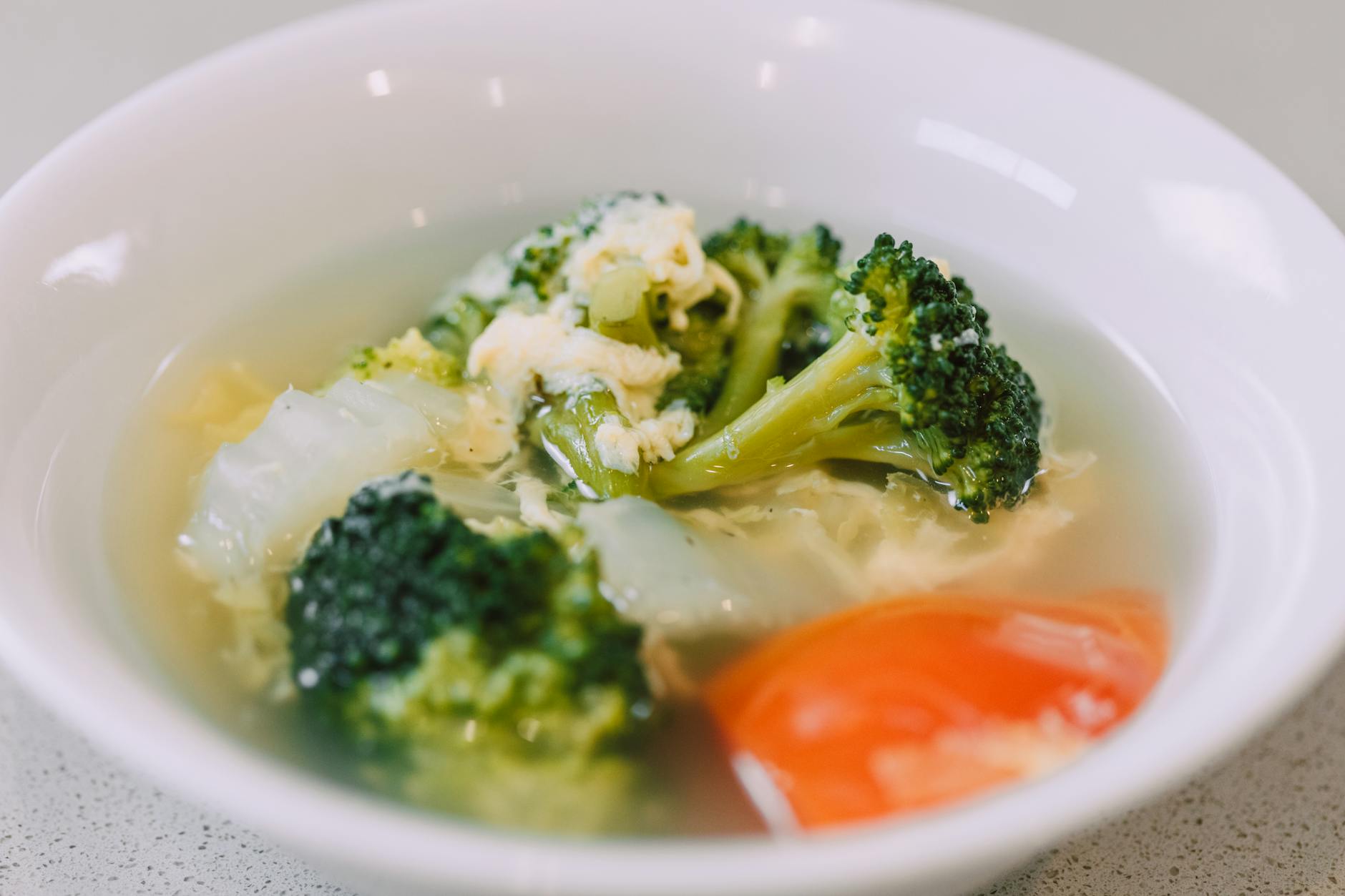
Broccoli is a cruciferous vegetable that contains sulforaphane, a compound with potent anti-inflammatory and antioxidant effects that directly protect the cardiovascular system. It is also a good source of fiber, potassium, and vitamin C, all of which support healthy blood pressure and arterial function. Research has linked cruciferous vegetable consumption to reduced calcification of coronary arteries, one of the primary contributors to heart disease. Broccoli provides vitamin K, which plays a critical role in preventing inappropriate calcium deposits in blood vessel walls. Steamed or lightly roasted broccoli retains the most nutrients and is simple enough to include in daily meals with minimal preparation.
Sweet Potatoes

Sweet potatoes are rich in potassium and magnesium, two electrolytes that are central to maintaining healthy blood pressure and preventing irregular heart rhythms. Their high fiber content helps regulate LDL cholesterol and promotes a slower release of glucose into the bloodstream. The orange color of sweet potatoes signals a high concentration of beta-carotene, an antioxidant that reduces oxidative stress in the vascular system. Unlike white potatoes prepared with butter or cream, sweet potatoes offer substantial nutrition with a naturally satisfying sweetness that requires little added fat or seasoning. Cardiologists regard them as one of the best complex carbohydrate choices for a heart-protective dietary pattern.
Kefir

Kefir is a fermented dairy product that contains probiotics, bioactive peptides, and calcium with specific benefits for cardiovascular health. Research has shown that the probiotic strains in kefir can help lower blood pressure, reduce LDL cholesterol, and decrease systemic inflammation markers. The bioactive peptides formed during fermentation have an ACE-inhibitor-like effect, meaning they naturally help relax blood vessels in a manner similar to certain blood pressure medications. Kefir is generally better tolerated by people with lactose sensitivity than regular milk because fermentation breaks down much of the lactose. Adding a daily serving to a smoothie or consuming it plain is a simple habit with measurable cardiovascular upside.
Pistachios
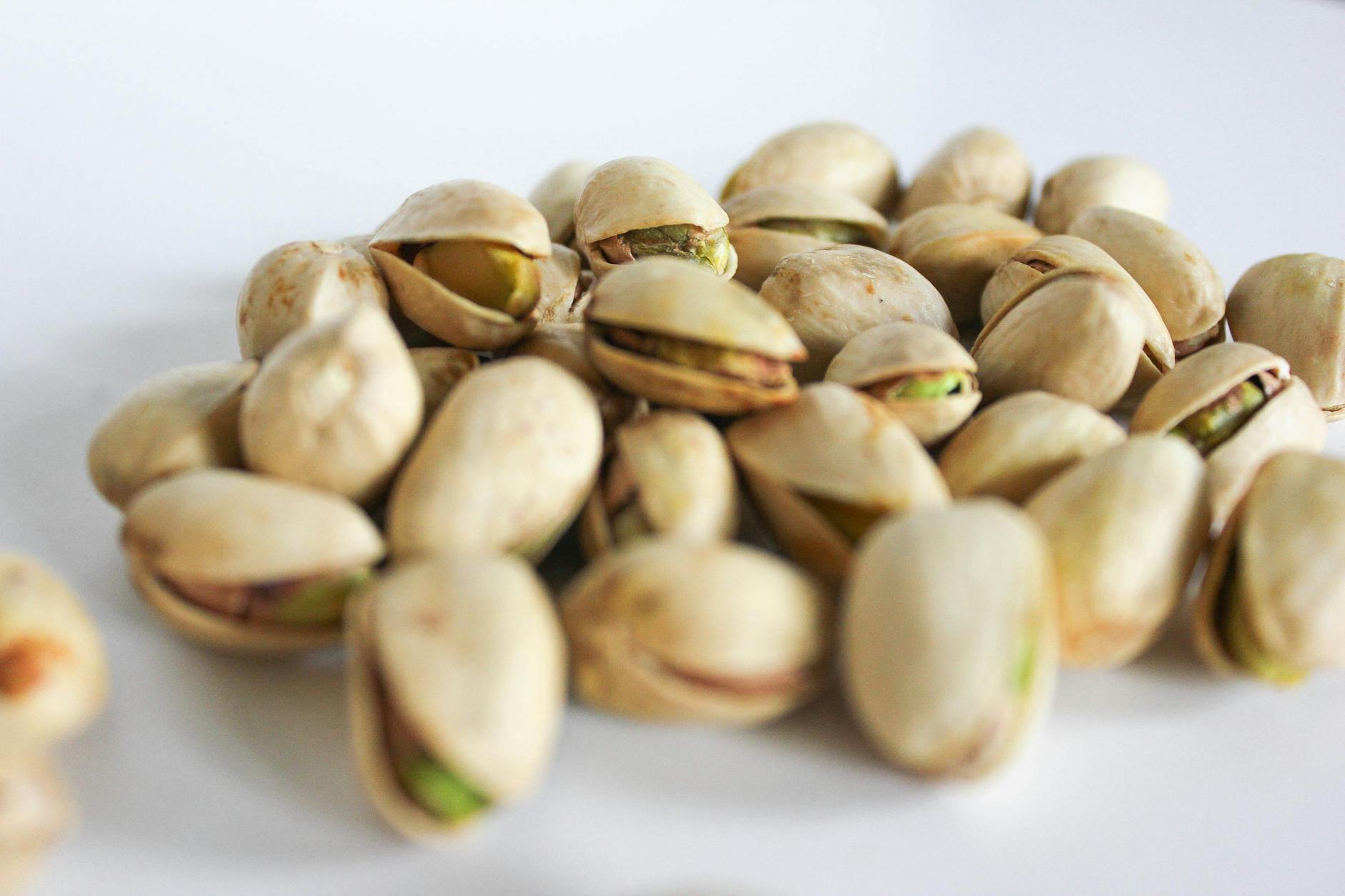
Pistachios are a uniquely heart-friendly nut because of their combination of monounsaturated fats, plant sterols, fiber, and antioxidant compounds including lutein and gamma-tocopherol. Studies have shown that a pistachio-rich diet reduces LDL cholesterol and also lowers the ratio of LDL to HDL, a metric cardiologists track closely as a risk indicator. Their plant sterols compete with dietary cholesterol for absorption in the gut, effectively reducing how much cholesterol enters the bloodstream. Pistachios also contain potassium and magnesium for blood pressure regulation and the amino acid arginine that supports nitric oxide production. A moderate daily portion makes pistachios one of the most comprehensively beneficial snacks for heart health.
Lentils
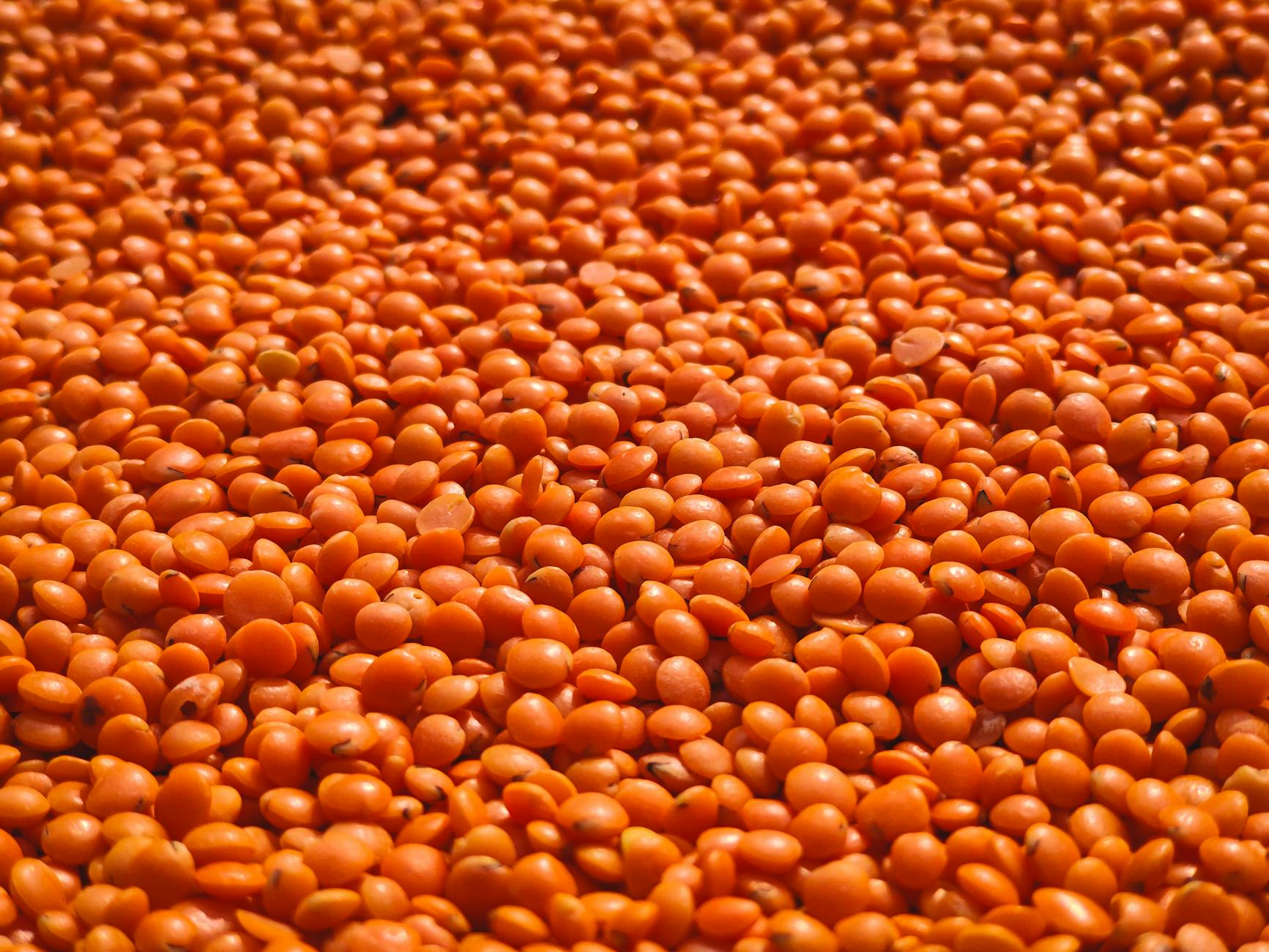
Lentils are an extraordinary source of soluble fiber, plant-based protein, folate, potassium, and iron, making them one of the most complete cardiovascular foods available from the plant kingdom. The soluble fiber they provide has a direct LDL-lowering effect, while their folate content helps regulate homocysteine levels that are linked to heart disease risk. Unlike many other legumes, lentils require no soaking and cook in a relatively short time, making them one of the most accessible plant proteins for everyday cooking. Regular lentil consumption has been associated with lower blood pressure and reduced risk of coronary heart disease in population-level research. They fit naturally into soups, curries, salads, and grain bowls across virtually every culinary tradition.
Raspberries
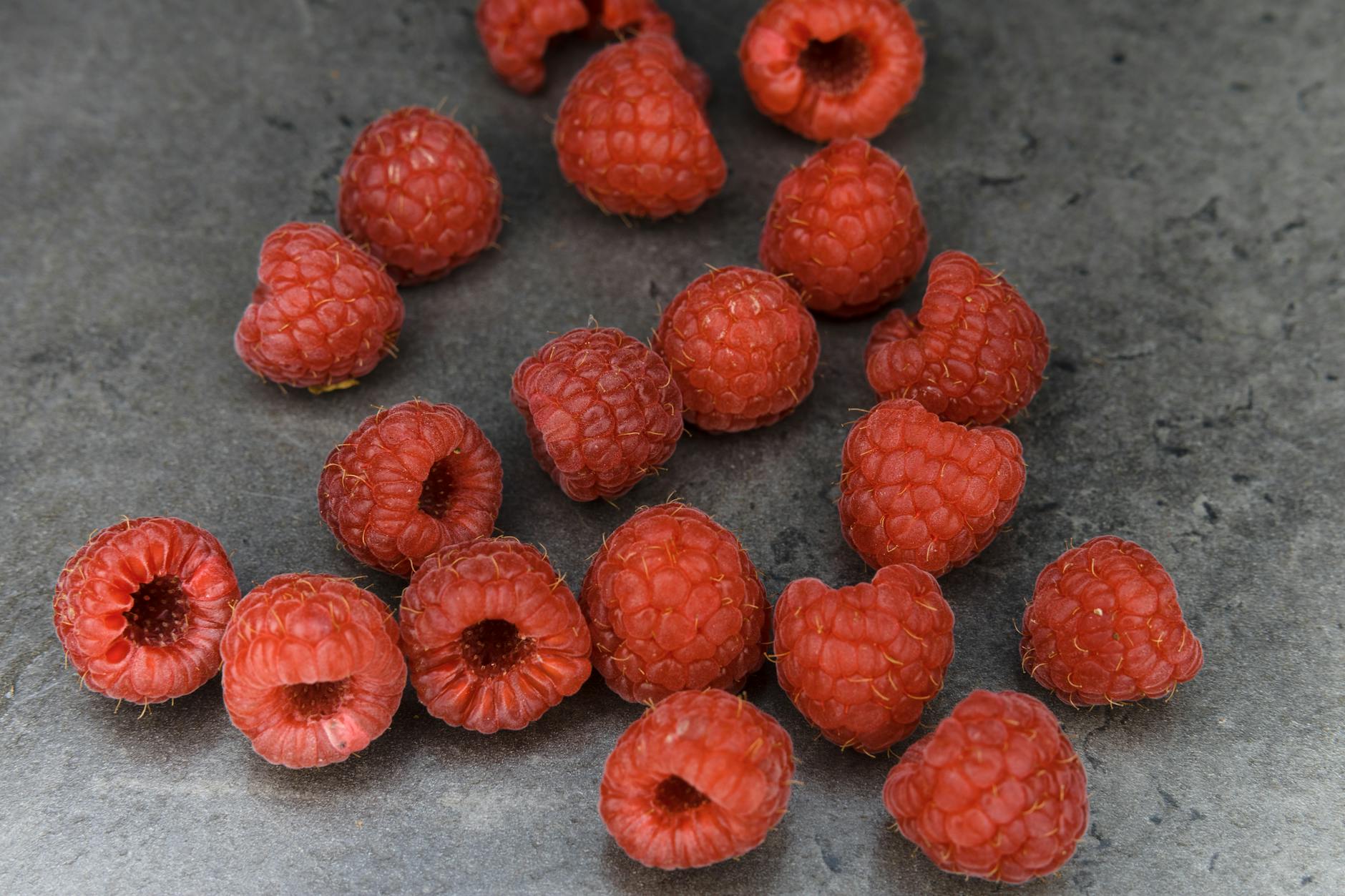
Raspberries are among the highest fiber fruits available, and their deep red color signals an abundance of polyphenols including ellagic acid and quercetin that support vascular health. Their fiber content contributes to cholesterol reduction and blood sugar stability, both important factors in long-term cardiovascular risk management. Raspberries have a low glycemic index relative to most fruits, meaning they provide sweetness without causing the sharp insulin responses that can damage blood vessels over time. They are also rich in vitamin C and manganese, nutrients that support the structural health of blood vessel walls. Cardiologists regularly include berries as a category with raspberries at the forefront of daily fruit recommendations for heart patients.
Quinoa
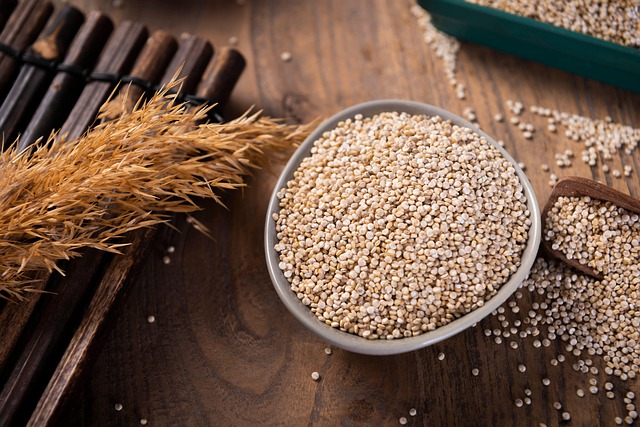
Quinoa is a complete plant protein, meaning it contains all nine essential amino acids, and it delivers this alongside fiber, magnesium, potassium, and antioxidant compounds rare in grain-like foods. Its combination of nutrients supports blood pressure regulation, stable blood sugar levels, and reduced LDL cholesterol in those who eat it regularly. Quinoa has a lower glycemic index than white rice and most refined carbohydrates, making it a preferred complex carbohydrate for cardiologists managing patients with metabolic syndrome or diabetes-related cardiovascular risk. Its versatility allows it to serve as a base for grain bowls, a substitute for rice or pasta, or a protein-rich addition to soups and salads. Making quinoa a regular alternative to refined grains is a practical step toward a heart-protective dietary pattern.
Turmeric
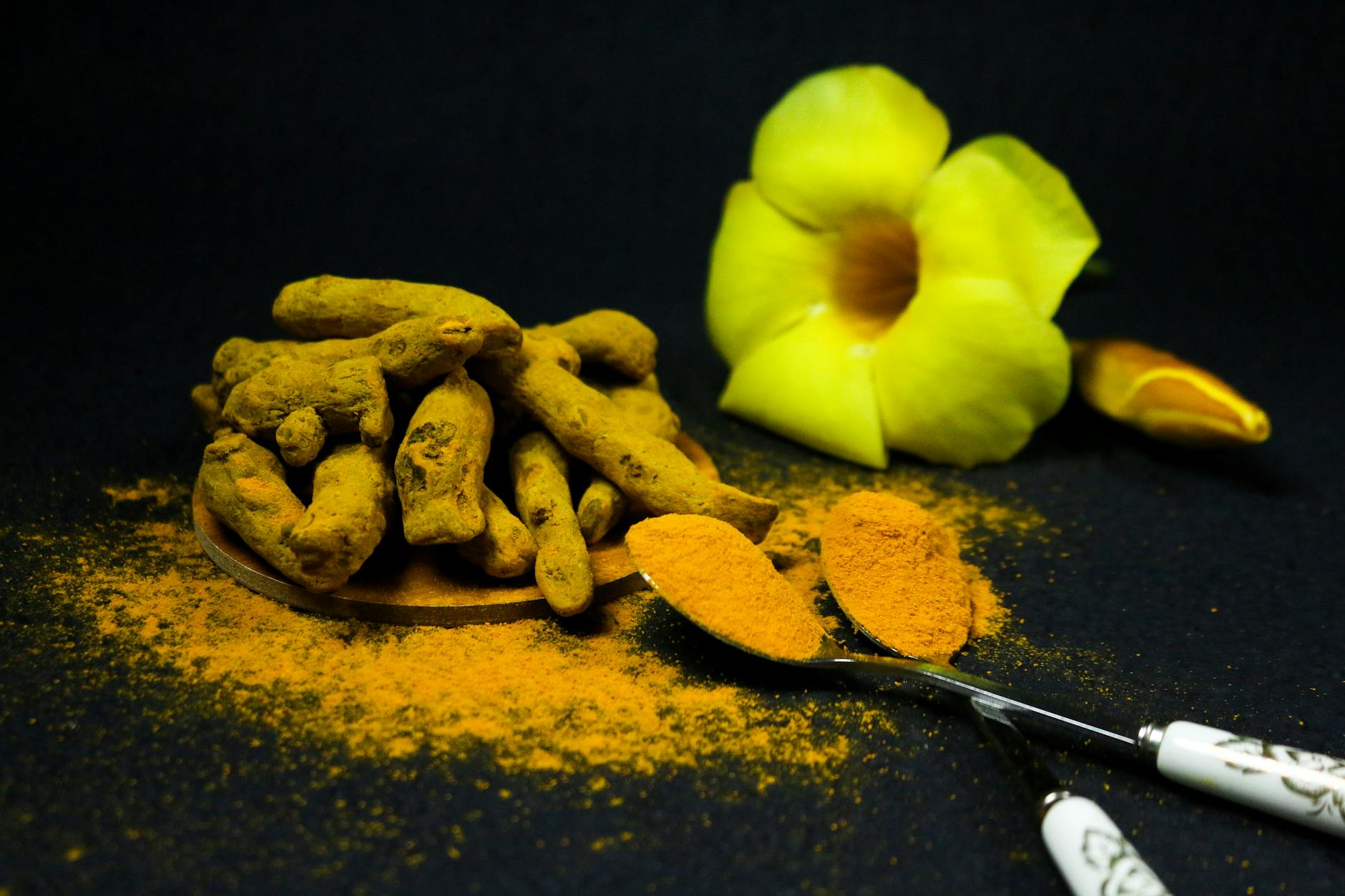
Turmeric contains curcumin, one of the most studied natural anti-inflammatory compounds in nutritional science, with direct implications for heart health. Curcumin has been shown to improve the function of the endothelium, the lining of blood vessels, in a way that reduces the risk of clotting and plaque formation. It also reduces oxidative stress and lowers several inflammatory markers that are strongly associated with cardiovascular disease progression. Black pepper enhances curcumin absorption significantly when the two are consumed together, which is why they are frequently paired in recipes and supplements. Using turmeric generously in daily cooking or golden milk preparations is a flavorful way to incorporate its protective benefits.
Kiwi

Kiwi is a vitamin C powerhouse that also provides vitamin K, folate, and potassium in concentrations meaningful enough to have measurable cardiovascular effects when eaten daily. Research has specifically shown that eating two to three kiwis per day can lower blood pressure in people with mildly elevated levels. Kiwi also has antiplatelet properties, meaning it helps reduce the tendency of blood to form clots without the side effects associated with pharmaceutical blood thinners. Its antioxidant profile helps protect LDL cholesterol particles from oxidation, a process central to the development of arterial plaque. Kiwi is one of the most underrated daily fruits for cardiovascular health and one that cardiologists are increasingly recommending.
Apples
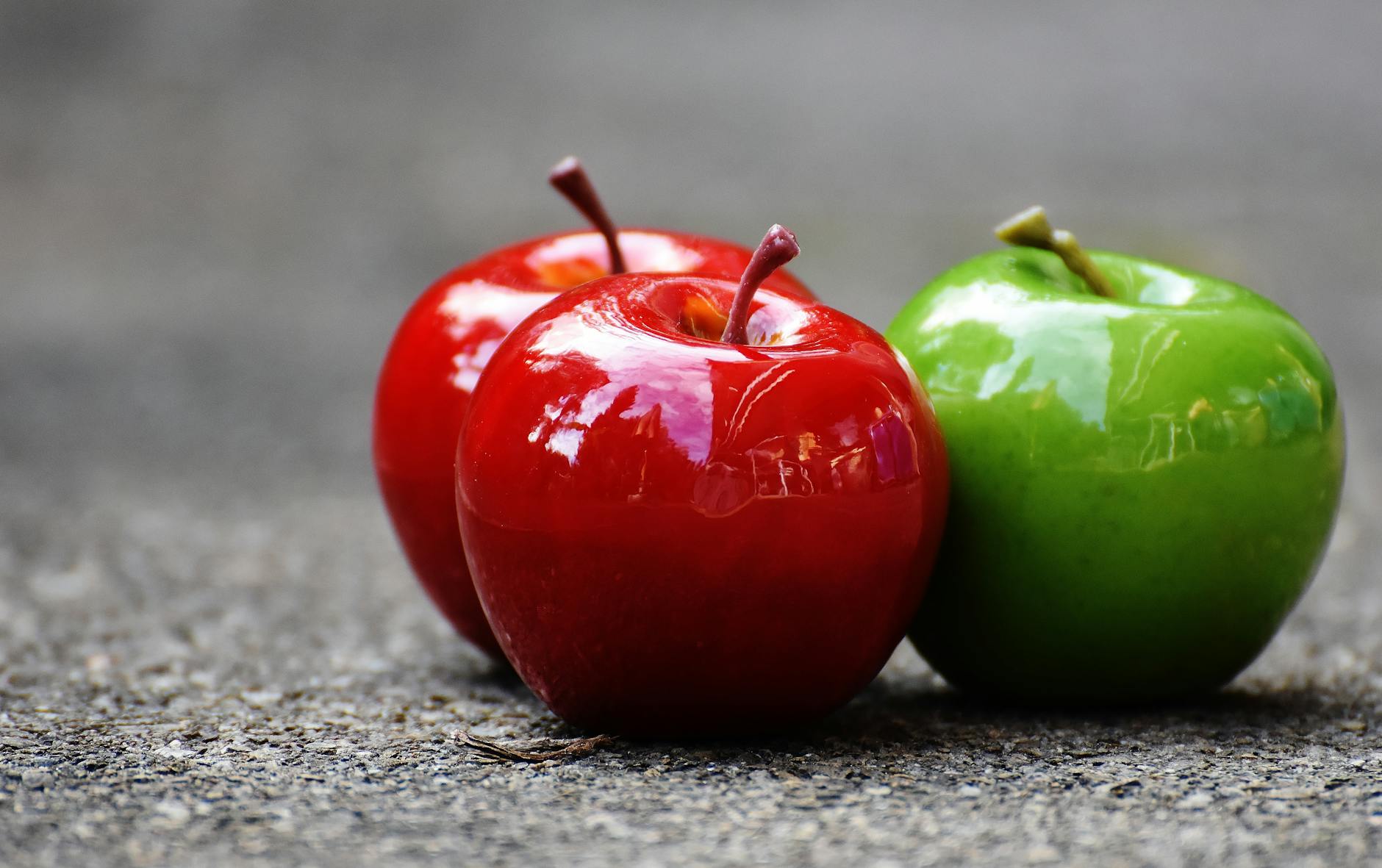
The old saying about an apple a day has more cardiovascular science behind it than many people realize. Apples contain quercetin, catechin, and chlorogenic acid, three polyphenols that reduce inflammation, lower blood pressure, and prevent LDL oxidation in blood vessels. The pectin fiber in apples is particularly effective at binding cholesterol in the digestive tract and reducing its absorption into circulation. Eating the apple whole with its skin preserves the highest concentration of polyphenols, which are concentrated in and just beneath the peel. Research consistently places regular apple consumption among dietary habits associated with reduced risk of stroke and coronary artery disease.
Hemp Seeds
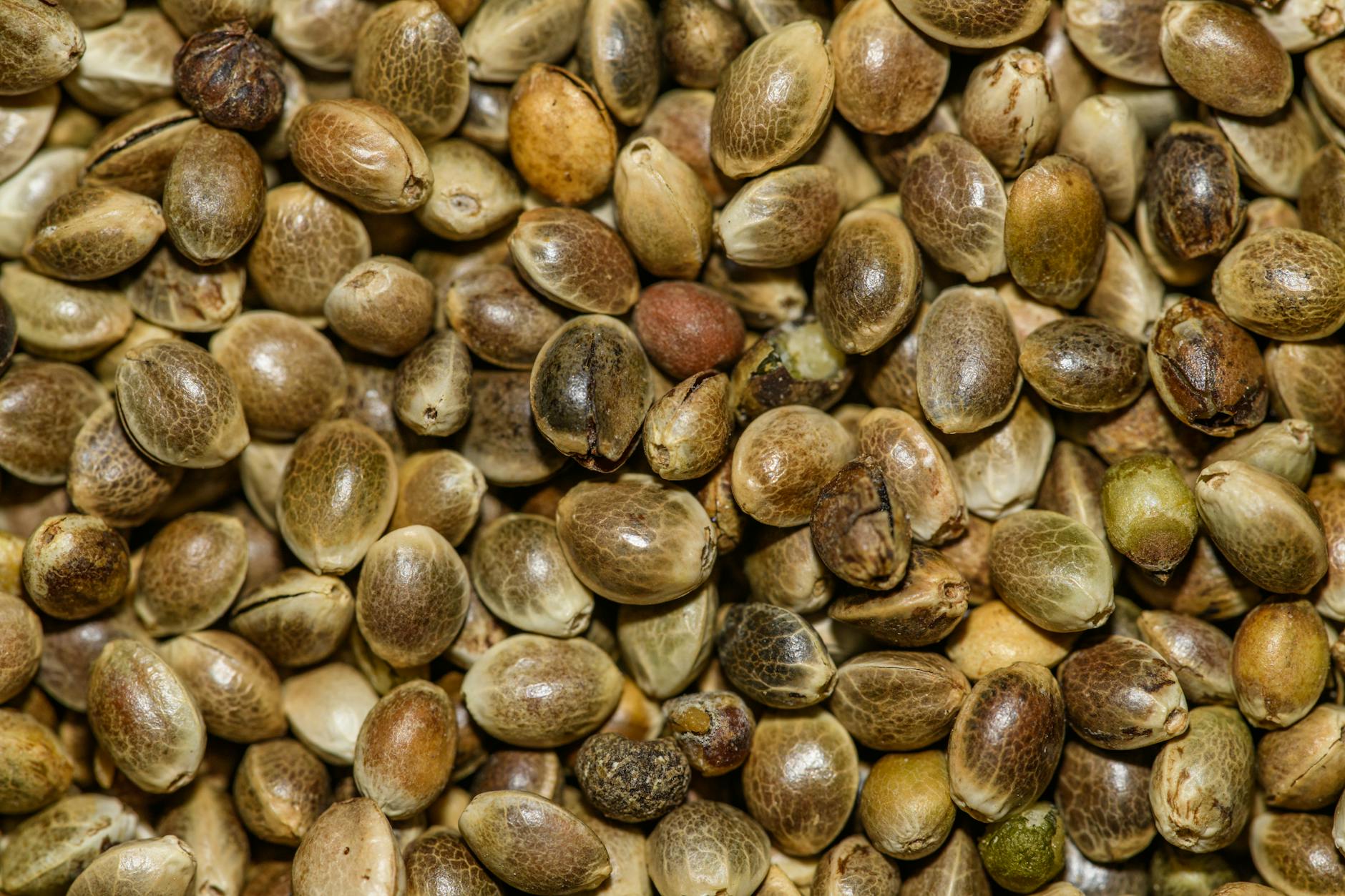
Hemp seeds provide a nearly ideal ratio of omega-6 to omega-3 fatty acids, a balance that is difficult to achieve in modern diets and critically important for reducing cardiovascular inflammation. They are also an excellent source of arginine, the amino acid that the body uses to produce nitric oxide for vascular relaxation and blood pressure control. Hemp seeds deliver a complete protein profile and offer significant magnesium content that supports heart rhythm stability. Three tablespoons of hemp seeds contain more than ten grams of protein along with meaningful amounts of heart-beneficial fats, making them an efficient daily addition. They blend seamlessly into smoothies, sprinkle easily over salads or oatmeal, and require no cooking or preparation.
Red Grapes
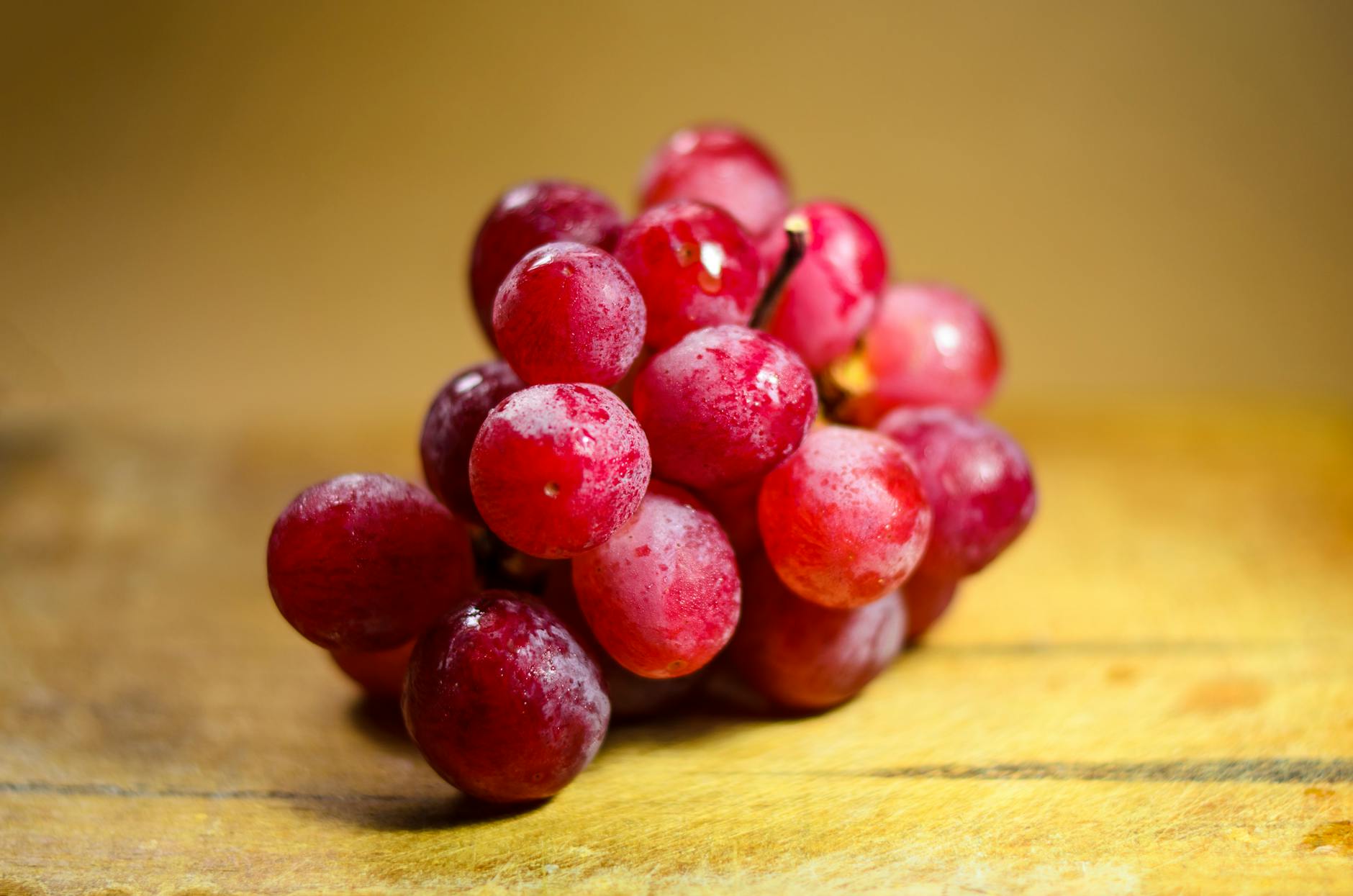
Red grapes contain resveratrol, a polyphenol compound that has attracted considerable scientific interest for its protective effects on the cardiovascular system. Resveratrol helps prevent platelet aggregation, reduces LDL oxidation, and supports the health of the endothelial lining of blood vessels. The anthocyanins that give red and purple grapes their color contribute additional antioxidant protection that complements the effects of resveratrol. Eating whole red grapes preserves the fiber content of the skin along with the full spectrum of polyphenols, making it a more complete cardiovascular food than grape juice. Cardiologists who endorse grape consumption typically favor the whole fruit over extracted supplements or juices for maximum daily benefit.
Share your thoughts on which of these heart-healthy foods you already eat daily and which ones you plan to add to your routine in the comments.




