High blood pressure affects millions of people worldwide and is one of the most significant risk factors for heart disease and stroke. The encouraging news is that lifestyle changes can make a meaningful and measurable difference in your readings over time. From what you eat to how you sleep and move your body, every daily habit contributes to your cardiovascular health. These thirty evidence-based strategies offer practical and sustainable ways to bring your numbers down without relying solely on medication.
Cut Back on Sodium
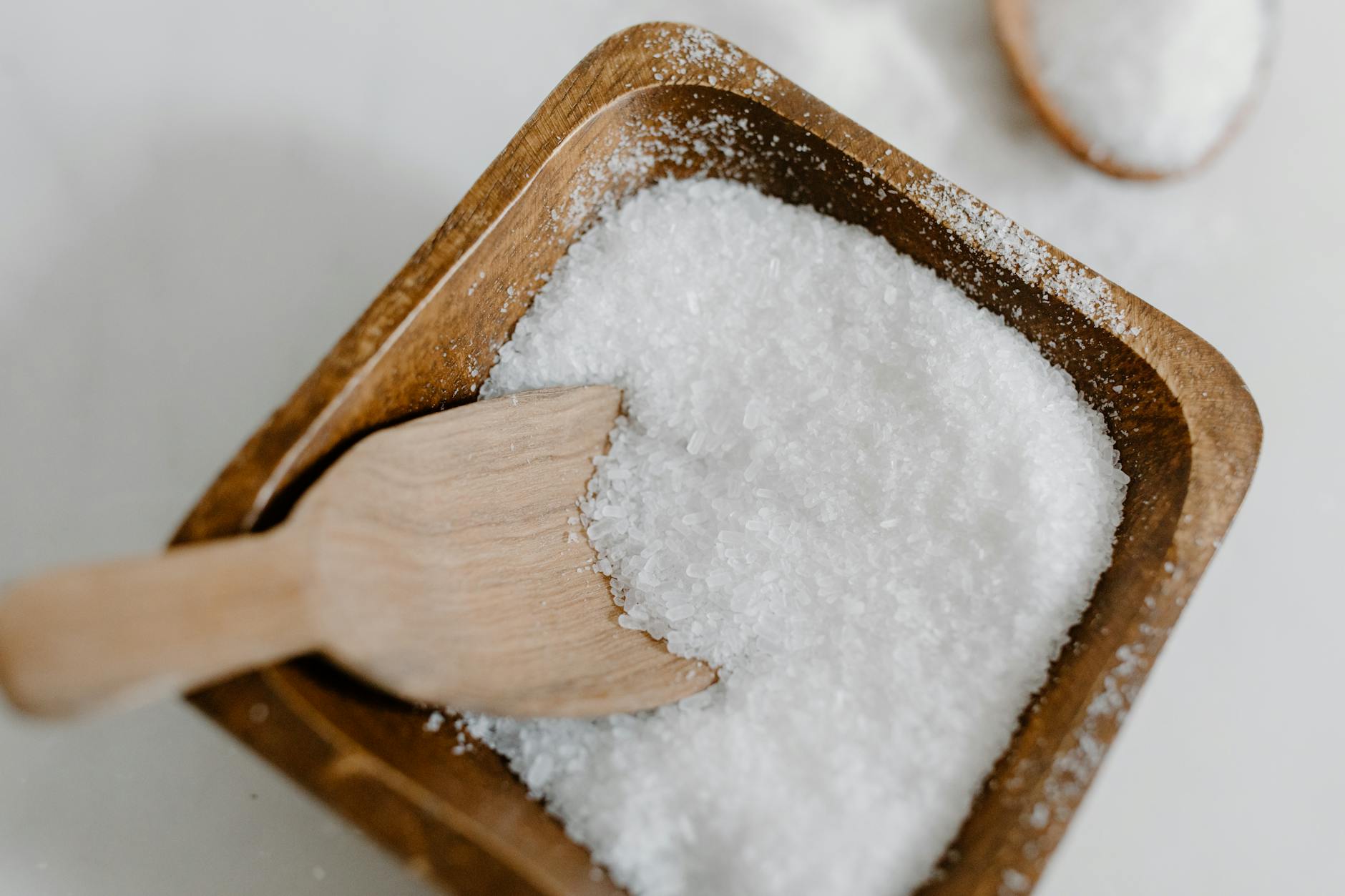
Excess sodium causes the body to retain water, which increases the volume of blood moving through your vessels and raises pressure on artery walls. Most dietary sodium comes not from the salt shaker but from processed and packaged foods including bread, canned soups, and deli meats. Reading nutrition labels carefully and choosing low-sodium alternatives can dramatically reduce your daily intake without much sacrifice in flavor. Cooking at home more often gives you full control over how much salt goes into your meals. Even a modest reduction in sodium intake has been shown to produce noticeable improvements in blood pressure within weeks.
Increase Potassium Intake

Potassium plays a powerful role in balancing the effects of sodium in the body and helping blood vessel walls relax. Foods rich in potassium include bananas, sweet potatoes, spinach, avocados, and white beans. A diet consistently high in potassium is associated with lower rates of hypertension in large population studies. The mineral works by prompting the kidneys to excrete more sodium through urine, which naturally relieves pressure on the vascular system. Most adults fall short of the recommended daily potassium intake, making dietary adjustments in this area especially impactful.
Exercise Regularly

Aerobic exercise strengthens the heart so it can pump blood with less effort, which directly reduces the force exerted on artery walls. Activities such as brisk walking, cycling, swimming, and dancing are all effective options for improving cardiovascular fitness. Health guidelines generally recommend at least 150 minutes of moderate-intensity aerobic activity per week for meaningful blood pressure benefits. The effects of exercise on blood pressure can appear within a matter of weeks when physical activity becomes a consistent habit. People who were previously sedentary tend to see the most dramatic improvements when they begin a regular movement routine.
Lose Excess Weight

Body weight has a direct and well-documented relationship with blood pressure levels. Fat tissue requires additional blood vessels to supply it with oxygen and nutrients, which increases the workload on the heart and elevates pressure throughout the circulatory system. Even a modest weight loss of five to ten pounds can produce a measurable drop in blood pressure for many people. The combination of a nutrient-dense diet and regular physical activity remains the most sustainable path to healthy weight management. Reducing abdominal fat in particular appears to have an outsized positive effect on cardiovascular health markers.
Follow the DASH Diet

The Dietary Approaches to Stop Hypertension eating plan was specifically designed to address high blood pressure through food choices. It emphasizes fruits, vegetables, whole grains, lean proteins, and low-fat dairy while limiting saturated fats, added sugars, and sodium. Clinical trials have consistently demonstrated that following the DASH diet can lower systolic blood pressure by several points in as little as two weeks. The plan does not require calorie counting and is designed to be flexible enough to fit a variety of cultural food traditions. Many cardiologists consider it the gold standard dietary approach for managing and preventing hypertension.
Reduce Alcohol Consumption

Drinking alcohol in excess raises blood pressure both immediately and over time through several physiological mechanisms. Alcohol stimulates the release of hormones that constrict blood vessels and simultaneously interferes with medications used to treat hypertension. Health authorities generally define moderate drinking as no more than one drink per day for women and two for men. People who drink heavily and reduce their intake often see significant improvements in their blood pressure readings within weeks. Choosing alcohol-free days throughout the week is a simple and practical strategy for keeping consumption in a healthier range.
Quit Smoking

Every cigarette smoked causes an immediate but temporary spike in blood pressure that, with frequent smoking, contributes to sustained elevations over time. The chemicals in tobacco smoke also damage artery walls, making them stiffer and narrower and increasing overall vascular resistance. Quitting smoking is one of the single most impactful health decisions a person can make for their heart and blood vessels. Within one year of quitting, the risk of heart disease drops substantially and blood pressure regulation begins to improve. Support programs, nicotine replacement therapies, and prescription medications can all significantly improve the chances of successfully quitting.
Manage Stress

Chronic stress activates the body’s fight-or-flight response, which floods the bloodstream with hormones like cortisol and adrenaline that raise heart rate and constrict blood vessels. While stress alone may not cause permanent hypertension, repeated stress responses over time contribute meaningfully to elevated readings. Practices such as mindfulness meditation, deep breathing exercises, yoga, and tai chi have all demonstrated blood pressure-lowering effects in clinical studies. Setting healthy boundaries, managing workload, and scheduling regular downtime are equally important lifestyle strategies for stress reduction. Addressing the root sources of chronic stress tends to produce more lasting cardiovascular benefits than stress-relief practices alone.
Get Quality Sleep

Poor sleep and sleep disorders are increasingly recognized as significant contributors to elevated blood pressure. During deep sleep, blood pressure naturally dips in a process called nocturnal dipping, which gives the cardiovascular system vital recovery time. Consistently sleeping fewer than six hours per night disrupts this process and is associated with higher daytime readings. Adults are generally advised to aim for seven to nine hours of quality sleep each night for optimal health outcomes. Improving sleep hygiene through consistent bedtimes, a dark and cool bedroom environment, and limiting screen exposure before bed can meaningfully support blood pressure regulation.
Address Sleep Apnea

Obstructive sleep apnea is one of the most commonly overlooked contributors to treatment-resistant high blood pressure. During apnea episodes, breathing repeatedly stops and restarts throughout the night, causing oxygen levels to drop and triggering repeated surges in blood pressure. Many people with sleep apnea are unaware they have it, experiencing only symptoms like loud snoring, morning headaches, or daytime fatigue. Continuous positive airway pressure therapy, commonly known as CPAP, has been shown to significantly reduce blood pressure in people with both conditions. Anyone with persistently high blood pressure that does not respond well to lifestyle changes should speak with their doctor about screening for sleep apnea.
Eat More Berries
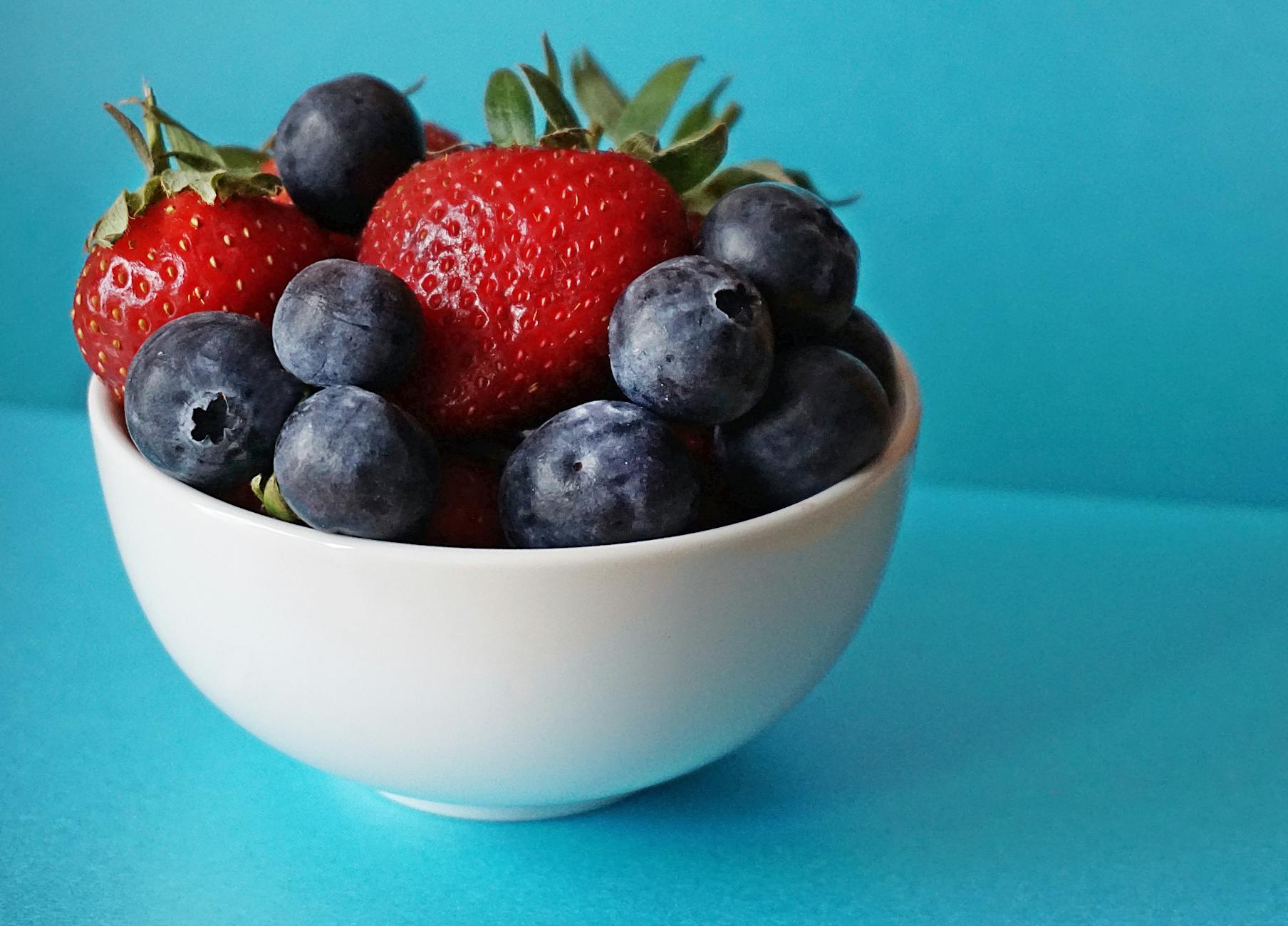
Berries are among the most nutrient-dense foods available and have been specifically linked to cardiovascular health improvements. Blueberries, strawberries, raspberries, and blackberries are all rich in compounds called flavonoids, which have been shown to reduce arterial stiffness and improve endothelial function. Regular berry consumption is associated with lower systolic and diastolic blood pressure in studies spanning multiple populations. Berries are also high in fiber and antioxidants, which support overall metabolic health and reduce inflammation throughout the body. Adding a generous portion of mixed berries to breakfast or as a snack is one of the most enjoyable dietary upgrades for heart health.
Try Deep Breathing Exercises

Slow, deliberate breathing techniques activate the parasympathetic nervous system, counteracting the stress response and lowering blood pressure in real time. Practices such as diaphragmatic breathing, box breathing, and the 4-7-8 method have all been studied for their acute and cumulative effects on cardiovascular readings. Even five to ten minutes of intentional breathing practice per day can produce meaningful reductions in blood pressure over time. Device-guided breathing programs have received regulatory approval in some countries specifically for use as an adjunctive treatment for hypertension. Incorporating structured breathing into a morning or evening routine is a low-barrier, zero-cost strategy with measurable cardiovascular benefits.
Limit Caffeine

Caffeine causes a short-term spike in blood pressure by stimulating the adrenal glands and constricting blood vessels, though individual responses vary considerably. People who are not regular coffee drinkers tend to experience more pronounced blood pressure effects than those who have developed a tolerance. Drinking more than four cups of coffee per day is generally considered excessive from a cardiovascular standpoint. Switching to lower-caffeine options such as green tea or herbal infusions for some daily beverages can help moderate overall intake. Those with known hypertension or strong family histories of heart disease may benefit from discussing appropriate caffeine limits with their healthcare provider.
Incorporate Garlic
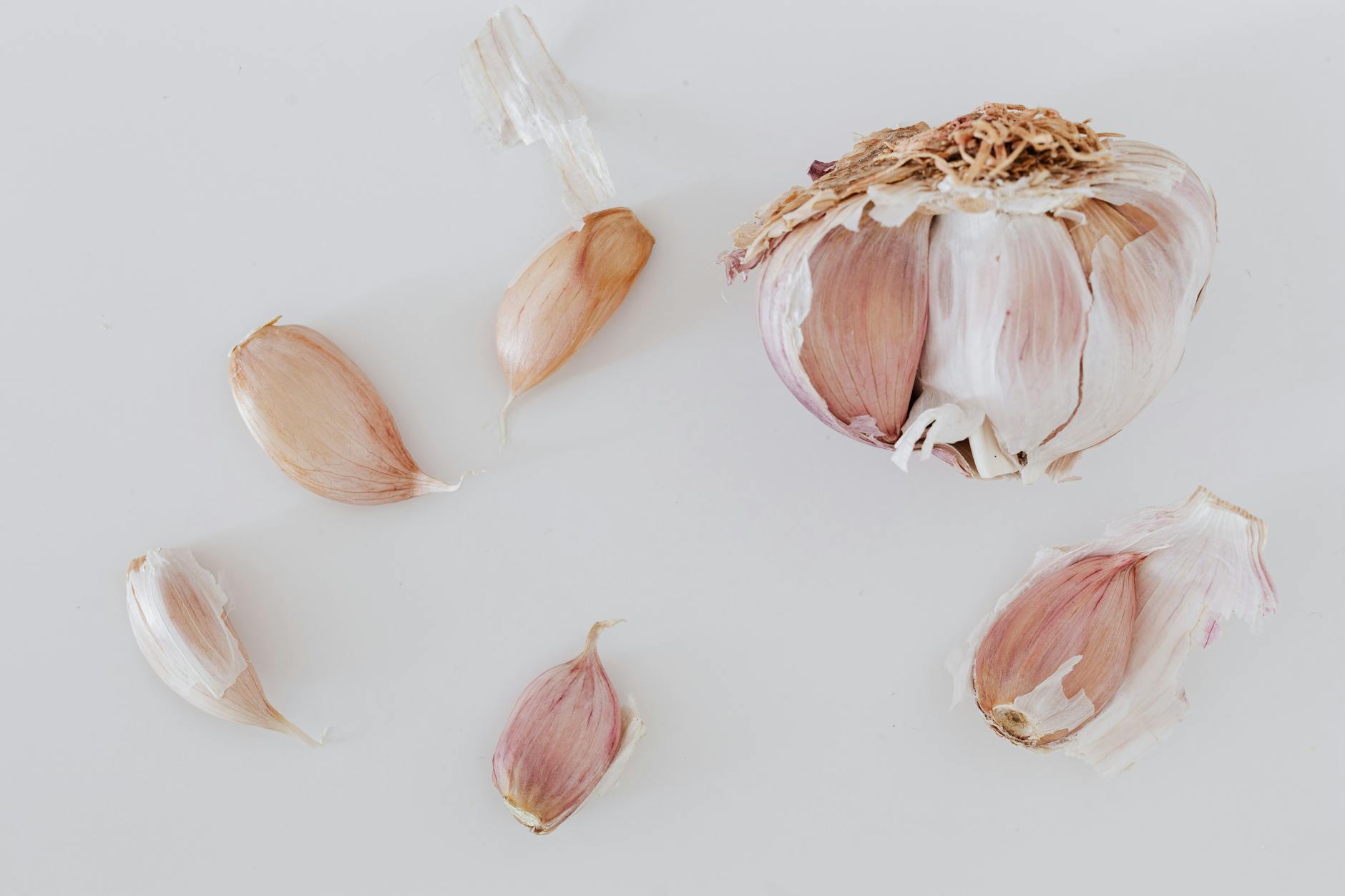
Garlic has been used medicinally for thousands of years and modern research supports its role in supporting healthy blood pressure. The primary active compound allicin appears to stimulate the production of nitric oxide, a molecule that causes blood vessels to relax and widen. Studies using garlic supplements as well as fresh dietary garlic have found consistent though modest reductions in both systolic and diastolic readings. Aged garlic extract in particular has been the subject of numerous clinical trials focused on hypertension management. Adding garlic generously to cooked meals is a simple way to incorporate its benefits into an everyday eating pattern.
Stay Well Hydrated
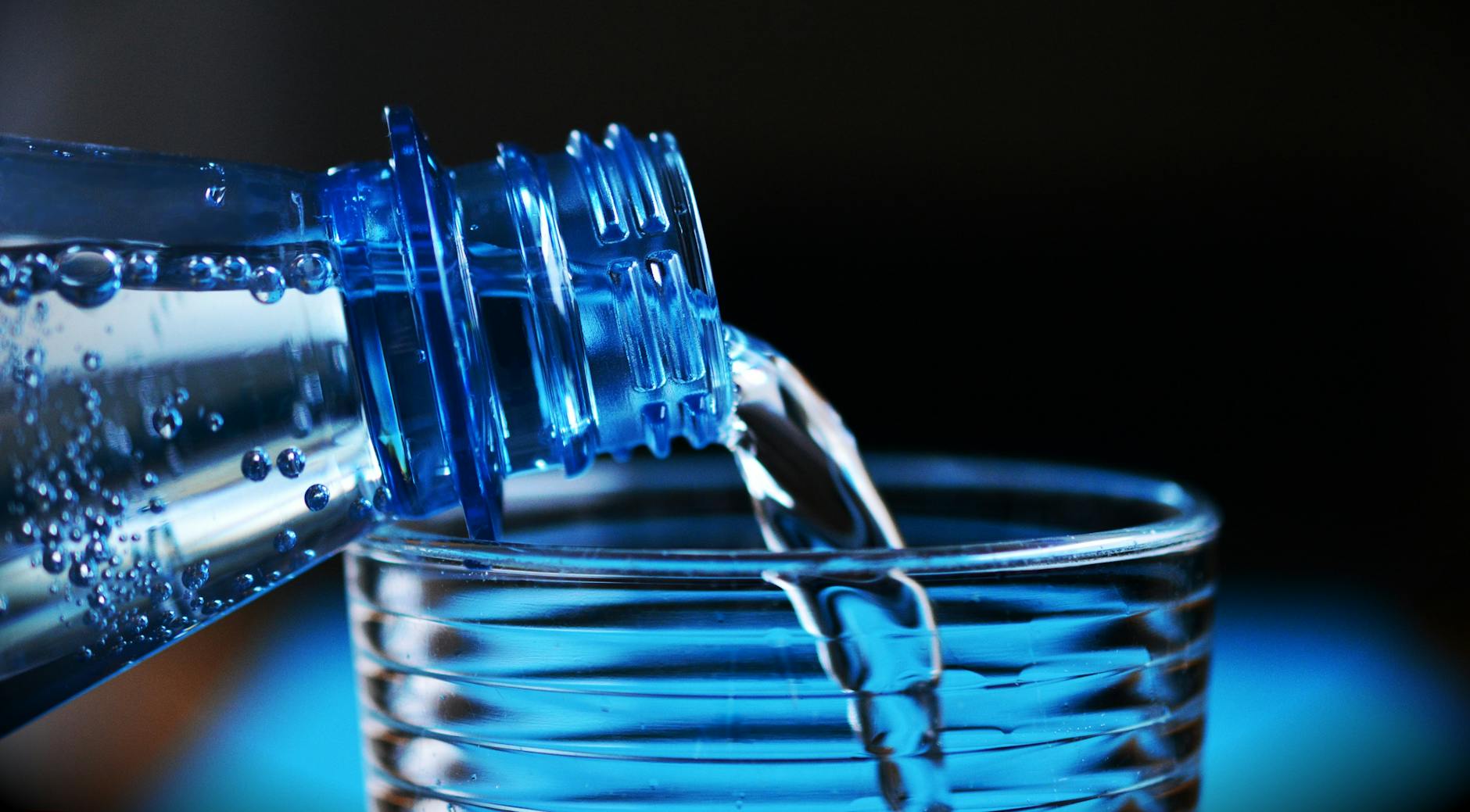
Chronic mild dehydration causes the body to compensate by constricting blood vessels, which can elevate blood pressure as a result. When fluid levels are low, the kidneys release a hormone called vasopressin that signals blood vessels to narrow and retain sodium. Drinking adequate water throughout the day supports optimal kidney function and helps maintain a healthy blood volume. The general recommendation of around eight cups of water per day is a useful baseline, though individual needs vary based on body size, activity level, and climate. Replacing sugary drinks and excessive caffeine with water as the primary beverage is a straightforward way to support both hydration and blood pressure goals.
Eat Dark Chocolate
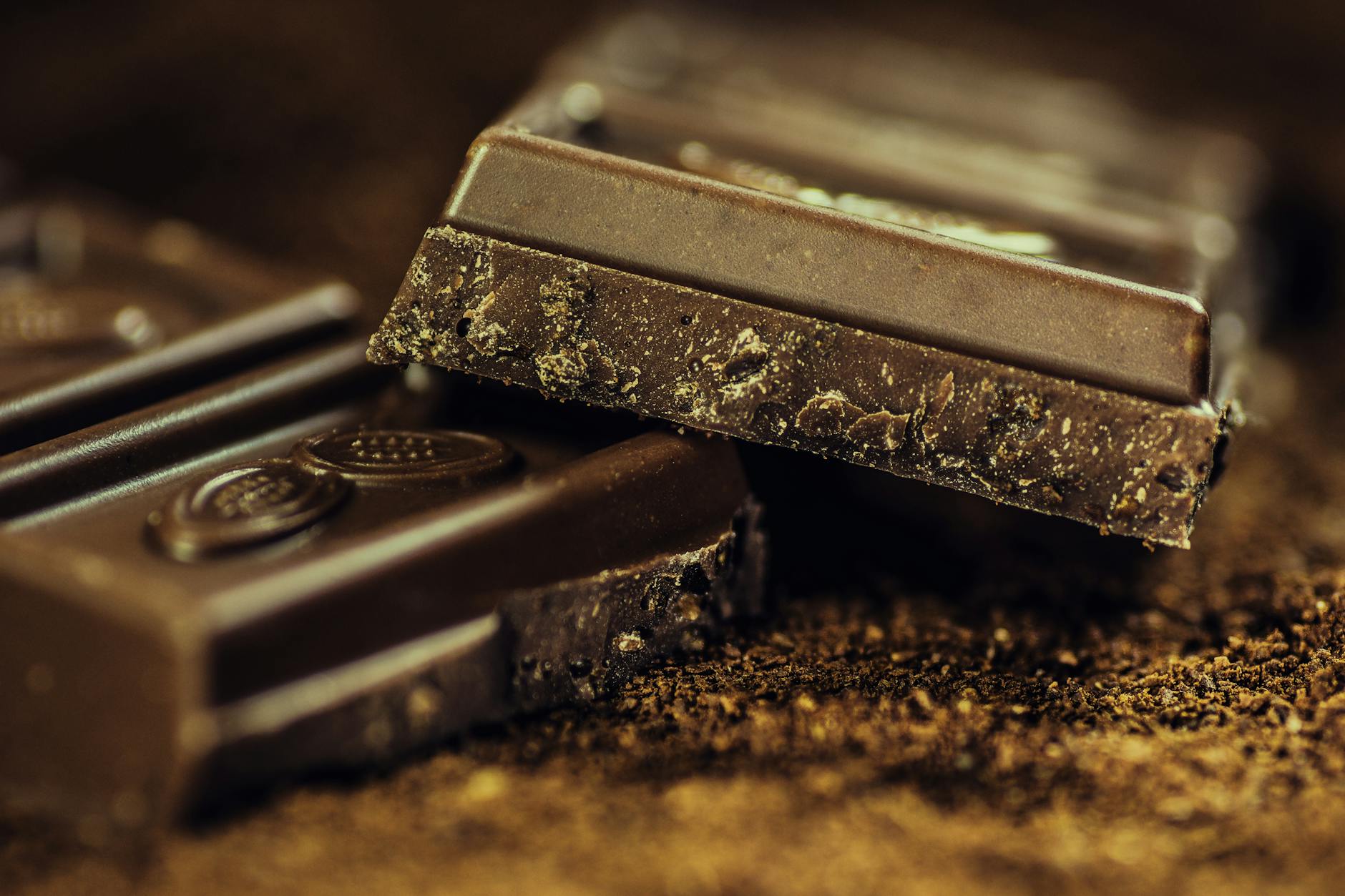
High-quality dark chocolate with a cocoa content of 70 percent or more contains flavanols that have been shown to lower blood pressure through vasodilating effects. These compounds stimulate the release of nitric oxide, which relaxes the inner lining of arteries and allows blood to flow more freely. Multiple meta-analyses have found that regular modest consumption of dark chocolate is associated with small but statistically significant reductions in blood pressure. The key is moderation, as even healthful foods contribute excess calories when consumed in large amounts. One to two small squares per day is generally considered a reasonable amount for those seeking cardiovascular benefits without caloric excess.
Reduce Refined Carbohydrates and Sugar

Diets high in refined carbohydrates and added sugars contribute to elevated blood pressure through several interconnected pathways including weight gain, insulin resistance, and inflammation. High sugar intake stimulates insulin secretion, which in turn activates the sympathetic nervous system and promotes sodium retention in the kidneys. Fructose in particular has been identified in research as a driver of uric acid production, which interferes with nitric oxide availability and impairs blood vessel function. Replacing white bread, white rice, sugary beverages, and processed snacks with whole grains, legumes, and fiber-rich vegetables supports better blood pressure control. The benefits of reducing refined carbohydrates extend well beyond blood pressure and include improved metabolic health broadly.
Walk After Meals

Post-meal walking has emerged as a remarkably simple and effective strategy for managing both blood sugar and blood pressure. A ten to fifteen minute walk after eating helps muscles absorb glucose more efficiently and reduces the cardiovascular load associated with digestion. Research suggests that three short walks after meals may be more effective at lowering blood pressure throughout the day than a single longer exercise session. The gentle movement promotes circulation and prevents the prolonged sedentary periods that accumulate rapidly in modern lifestyles. Making post-meal walking a consistent habit is particularly beneficial for people who work desk jobs or spend significant portions of the day sitting.
Add Omega-3 Fatty Acids
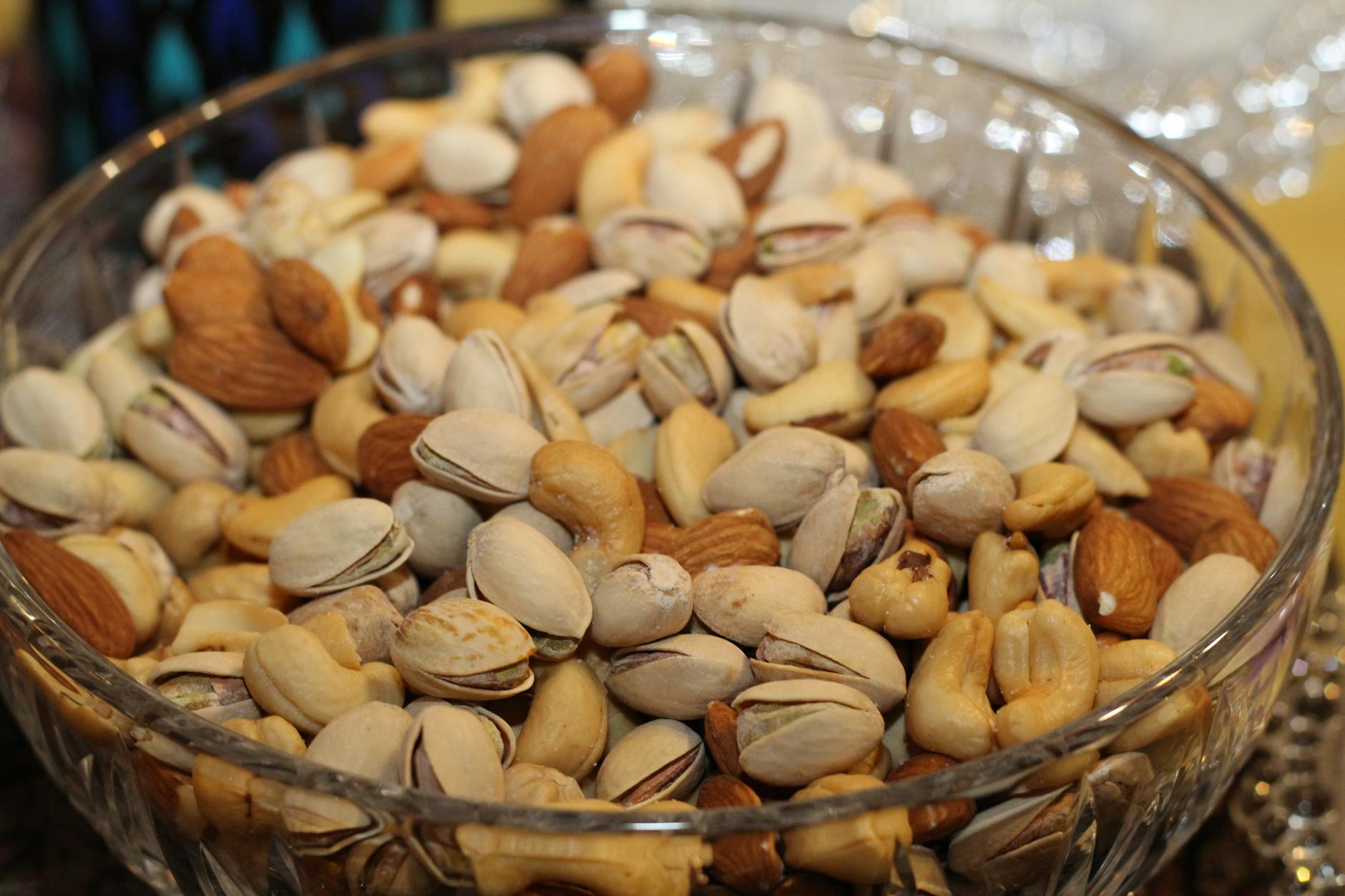
Omega-3 fatty acids found in fatty fish, flaxseeds, chia seeds, and walnuts have well-established anti-inflammatory and vasodilatory effects that support healthy blood pressure. Regular consumption of omega-3s has been associated with reduced arterial stiffness, lower heart rate, and improved endothelial function across multiple studies. The American Heart Association recommends eating fatty fish such as salmon, mackerel, or sardines at least twice per week for cardiovascular protection. Fish oil supplements have also demonstrated blood pressure-lowering effects in clinical trials, particularly at higher doses and in individuals with elevated readings. The anti-inflammatory properties of omega-3s complement other dietary strategies and contribute to cardiovascular health across multiple mechanisms simultaneously.
Practice Yoga

Yoga combines physical movement, controlled breathing, and mindful awareness in a way that addresses several physiological contributors to high blood pressure at once. Regular yoga practice has been shown to activate the parasympathetic nervous system, reduce cortisol levels, and improve the flexibility and tone of blood vessel walls. Studies examining yoga’s effect on hypertension have found consistent reductions in both systolic and diastolic readings among participants who practiced several times per week. Gentle styles such as hatha and restorative yoga are particularly well suited to individuals who are new to exercise or managing health conditions. Even two or three sessions per week can produce meaningful cardiovascular benefits when practiced consistently over time.
Eat Beets and Beet Juice
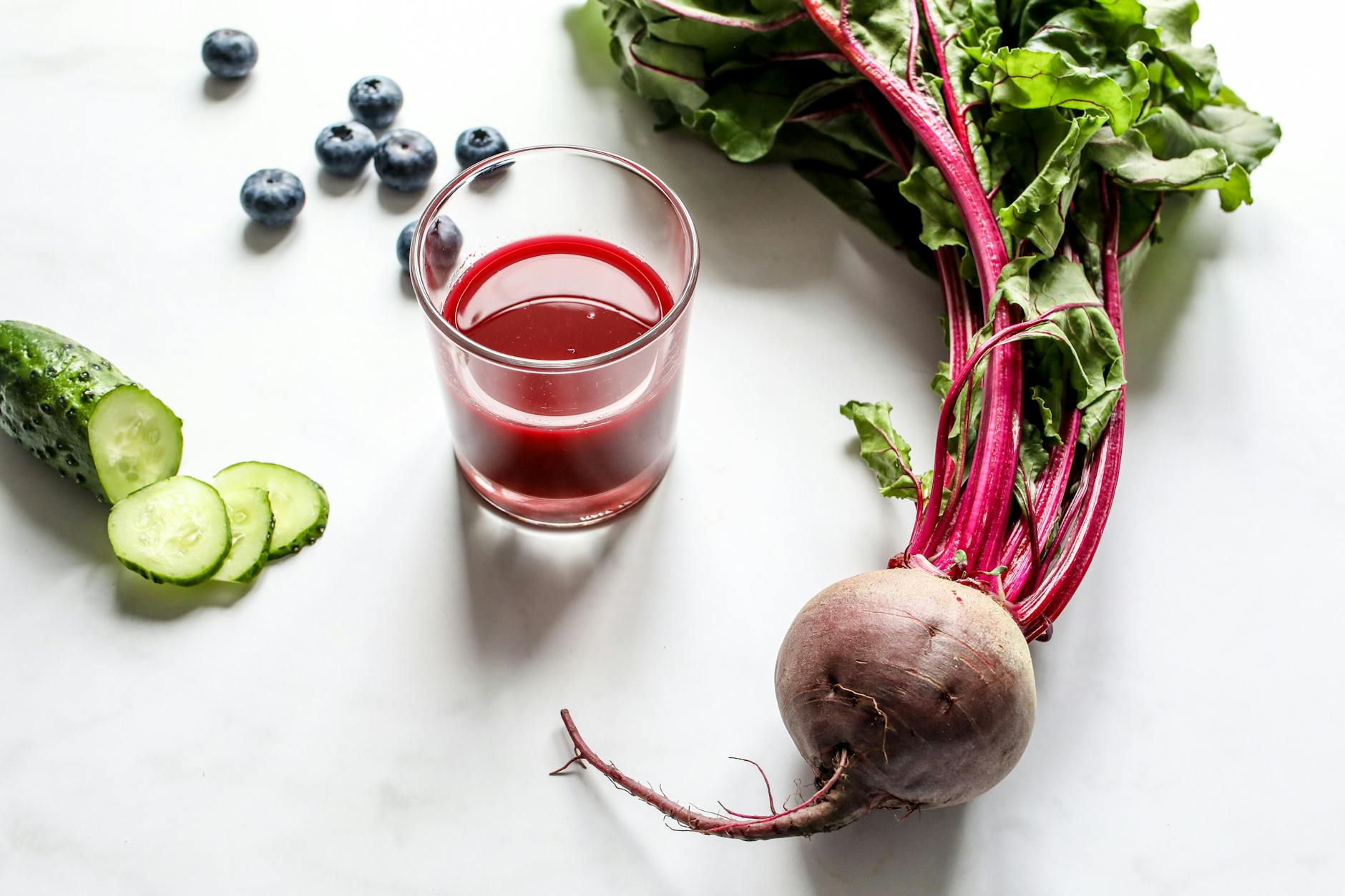
Beets are naturally rich in dietary nitrates, which the body converts into nitric oxide, a compound that relaxes and dilates blood vessels. Drinking beet juice or eating roasted beets has been studied extensively for its acute and sustained blood pressure-lowering effects. Some clinical trials have found that drinking a single glass of beet juice can lower systolic blood pressure by several millimeters of mercury within hours. The effect appears to be particularly pronounced in people with hypertension compared to those with normal readings. Incorporating beets into salads, smoothies, or roasted vegetable dishes is a colorful and effective strategy for supporting vascular health.
Spend Time in Nature

Exposure to natural environments has measurable effects on the autonomic nervous system, reducing stress hormones and lowering blood pressure through a process sometimes described as psychological restoration. Walking in forests, parks, or near bodies of water produces more significant reductions in cortisol and blood pressure compared to walking in urban environments. Research from Japan on the practice of shinrin-yoku or forest bathing has documented consistent physiological benefits from spending extended time among trees. Even brief daily exposure to green spaces or natural light has been associated with lower baseline blood pressure in people living in cities. Prioritizing regular time outdoors is a simple and deeply pleasurable intervention with meaningful cardiovascular effects.
Monitor Your Blood Pressure at Home
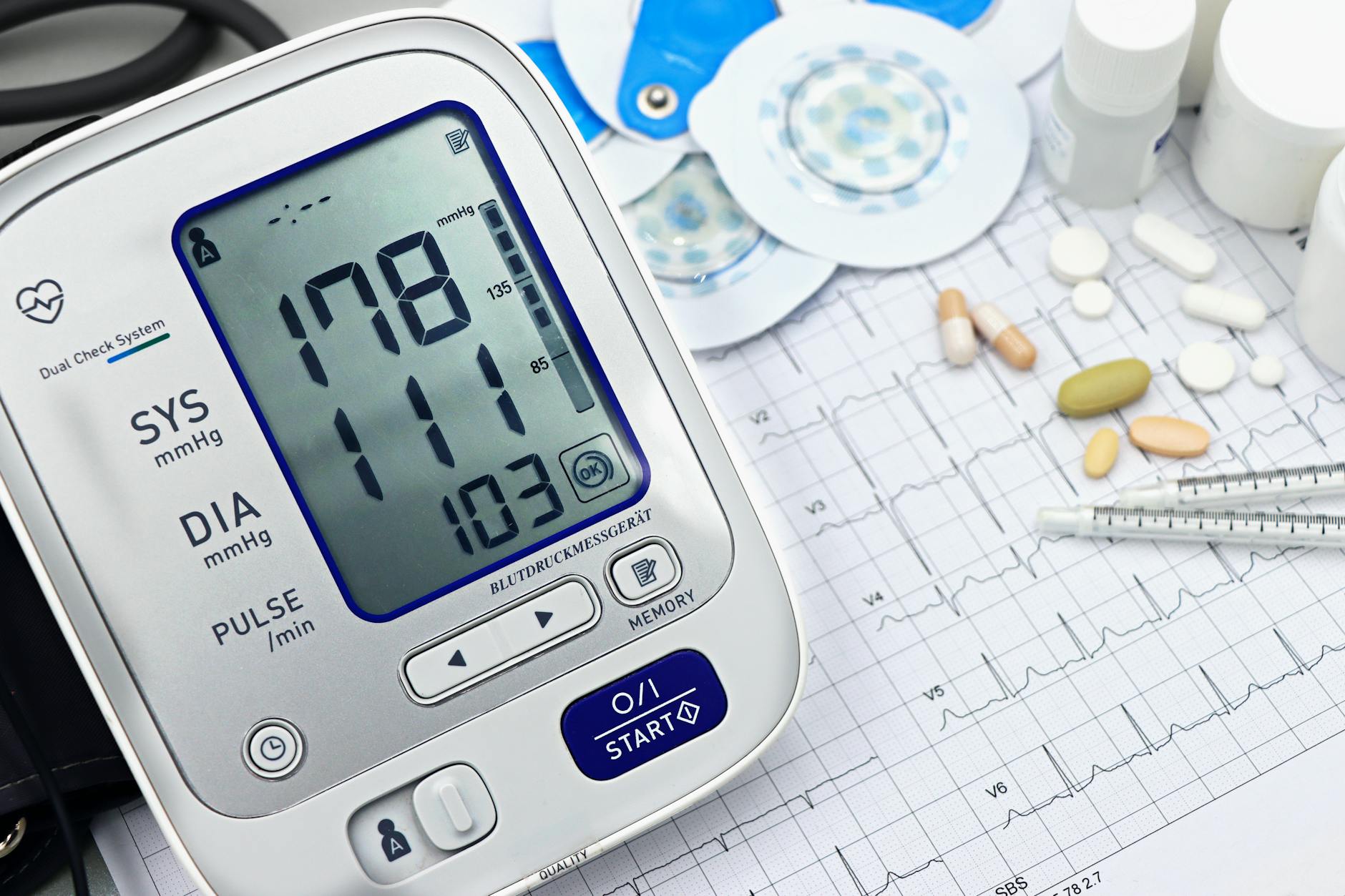
Regular home monitoring empowers individuals to track how lifestyle changes are affecting their readings in real time rather than relying solely on infrequent clinical visits. Home readings are often more accurate than office measurements because they eliminate the white coat effect, which is the anxiety-induced elevation that occurs in clinical settings. Automated upper-arm cuffs are the most accurate type of home monitor and are widely available without a prescription. Taking readings at the same time each day under consistent conditions provides the most reliable data for assessing trends over time. Sharing a log of home readings with a healthcare provider gives both parties a much clearer picture of true blood pressure patterns.
Reduce Loneliness and Build Social Connections

Social isolation and chronic loneliness are associated with elevated blood pressure and increased risk of cardiovascular disease in large population studies. Human connection activates the parasympathetic nervous system and promotes the release of oxytocin, a hormone with natural blood pressure-lowering effects. People with strong social networks tend to have healthier cardiovascular profiles across a range of metrics compared to those who are more isolated. Volunteering, joining community groups, maintaining close friendships, and staying connected with family all contribute to the social engagement that supports heart health. The relationship between loneliness and hypertension appears to be independent of other lifestyle factors, making social wellbeing a distinct and important pillar of cardiovascular care.
Try Hibiscus Tea
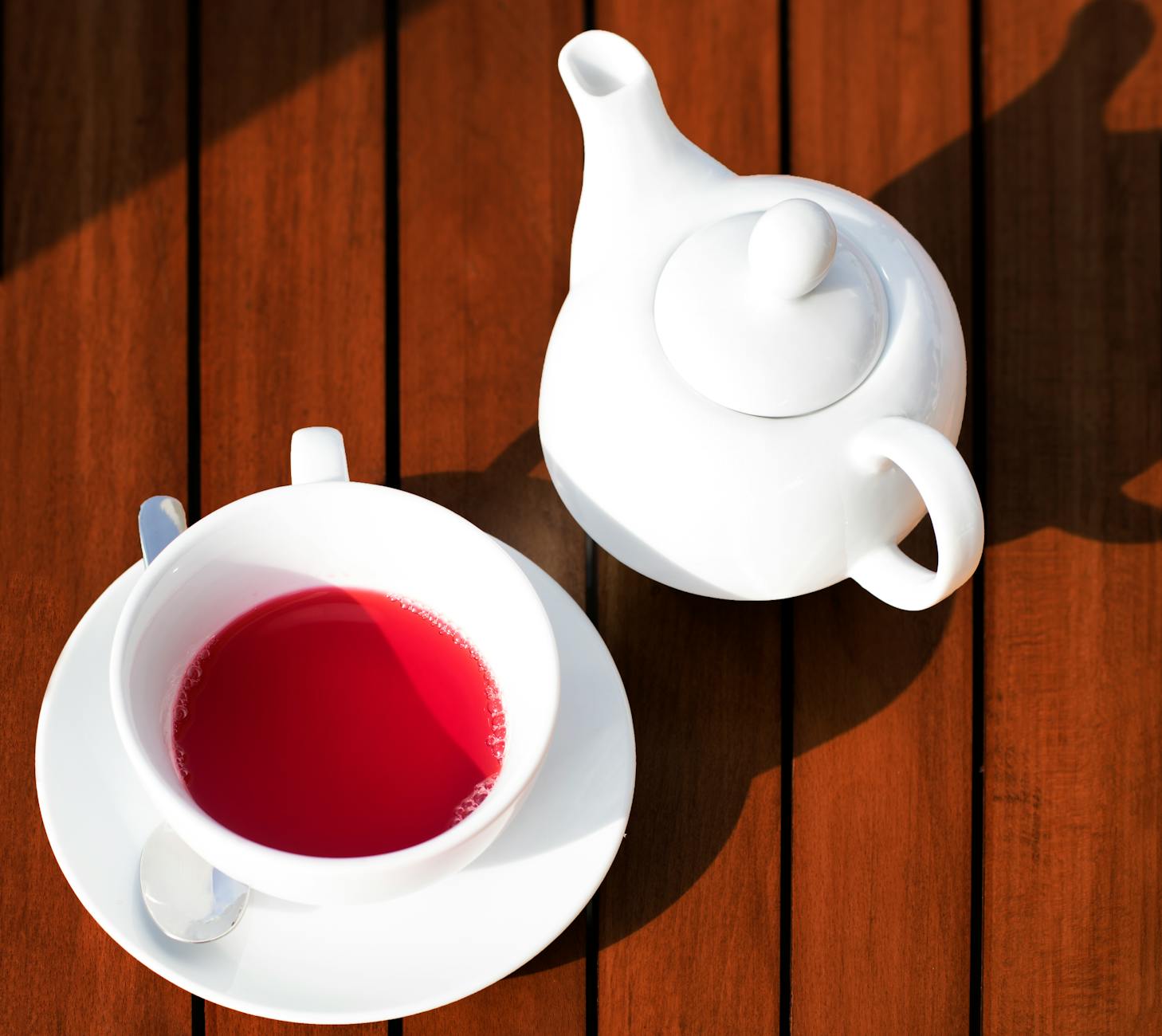
Hibiscus tea has been studied more extensively than most herbal beverages for its effects on blood pressure and the results have been consistently promising. The deep red flower petals contain anthocyanins and other polyphenols that inhibit an enzyme involved in blood vessel constriction. Multiple randomized controlled trials have found that drinking two to three cups of hibiscus tea daily produces clinically meaningful reductions in both systolic and diastolic readings. The effect is comparable in some studies to low doses of certain antihypertensive medications, making it a noteworthy option for those seeking natural interventions. Hibiscus tea is caffeine-free, widely available, and can be enjoyed hot or cold, making it an easy addition to a blood pressure management routine.
Laugh More Often

Laughter triggers the release of endorphins and causes the inner lining of blood vessels to expand, producing immediate improvements in circulation and a temporary drop in blood pressure. Research conducted at the University of Maryland found that watching comedy compared to dramatic or stressful content produced measurably different vascular responses in study participants. Regular positive emotional experiences are associated with lower baseline cardiovascular reactivity, meaning the body recovers more quickly from stressful situations over time. Cultivating a sense of humor and seeking out joyful social interactions are underappreciated strategies in most discussions of heart health. The cumulative cardiovascular benefits of frequent positive emotion and laughter are now supported by a growing body of research in psychocardiology.
Limit Processed and Fast Foods
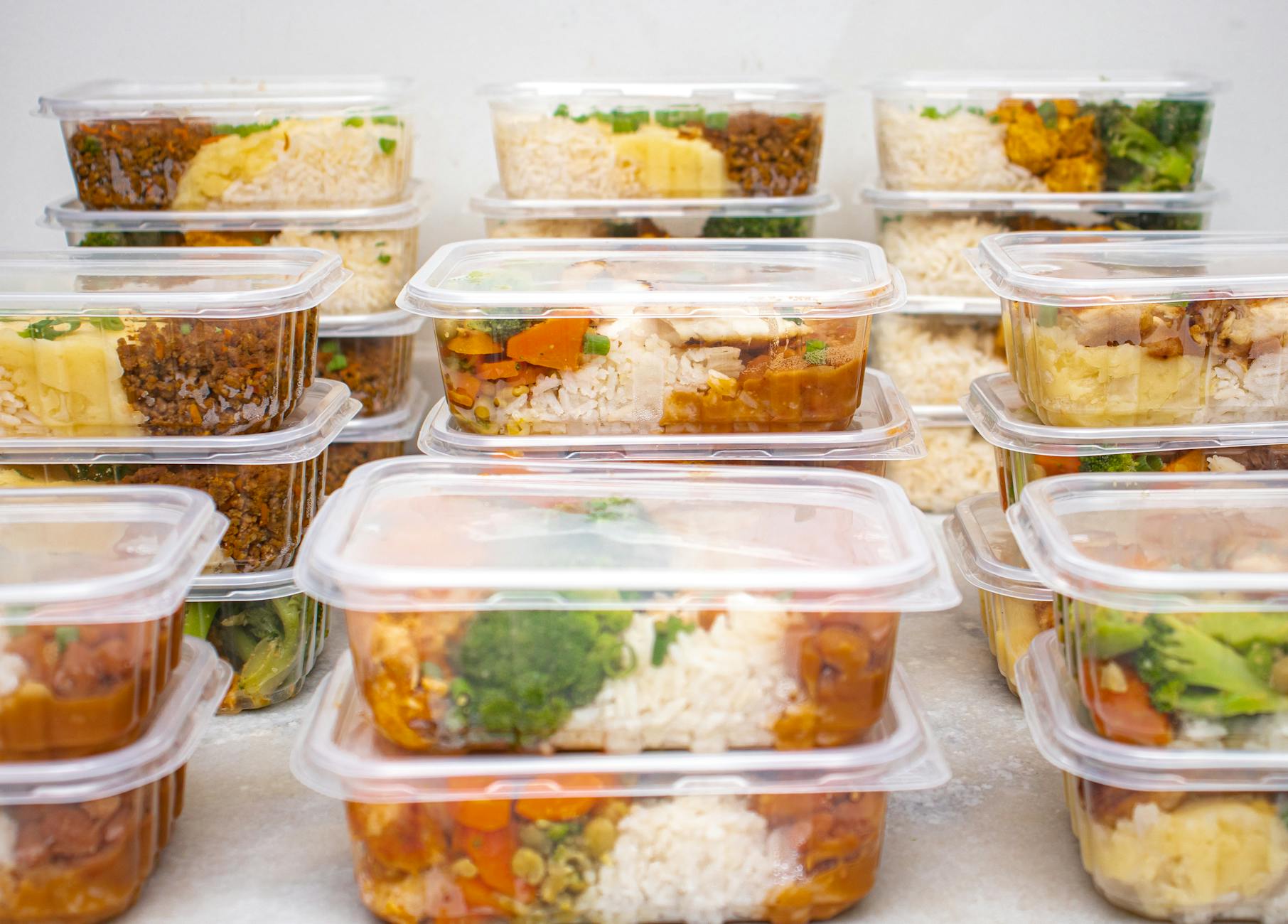
Processed and fast foods are among the most concentrated sources of sodium, saturated fat, refined carbohydrates, and additives that collectively drive elevated blood pressure. The high caloric density of these foods also contributes to weight gain, which further compounds hypertension risk over time. Convenience foods are engineered to be highly palatable, making them easy to overconsume even when hunger is not a factor. Preparing more meals at home from whole ingredients gives individuals direct control over the nutritional profile of their diet and naturally reduces exposure to the ingredients most harmful to blood vessel health. Even reducing fast food and processed food consumption to a few times per week rather than daily can produce measurable blood pressure improvements over time.
Practice Gratitude

Gratitude practices have been linked to lower levels of inflammatory markers, reduced cortisol, and improved heart rate variability, all of which contribute to better blood pressure regulation. Research in positive psychology suggests that regularly focusing on what is going well activates the parasympathetic nervous system and reduces the physiological burden of chronic stress. Keeping a gratitude journal, writing thank-you notes, or simply pausing to acknowledge positive moments during the day are all practices with documented psychological and physiological effects. People who score higher on gratitude measures in research studies tend to engage in more health-promoting behaviors, creating a reinforcing cycle of wellbeing. Integrating a brief gratitude practice into a morning or evening routine is a low-effort strategy with meaningful implications for both mental and cardiovascular health.
Maintain a Consistent Eating Schedule
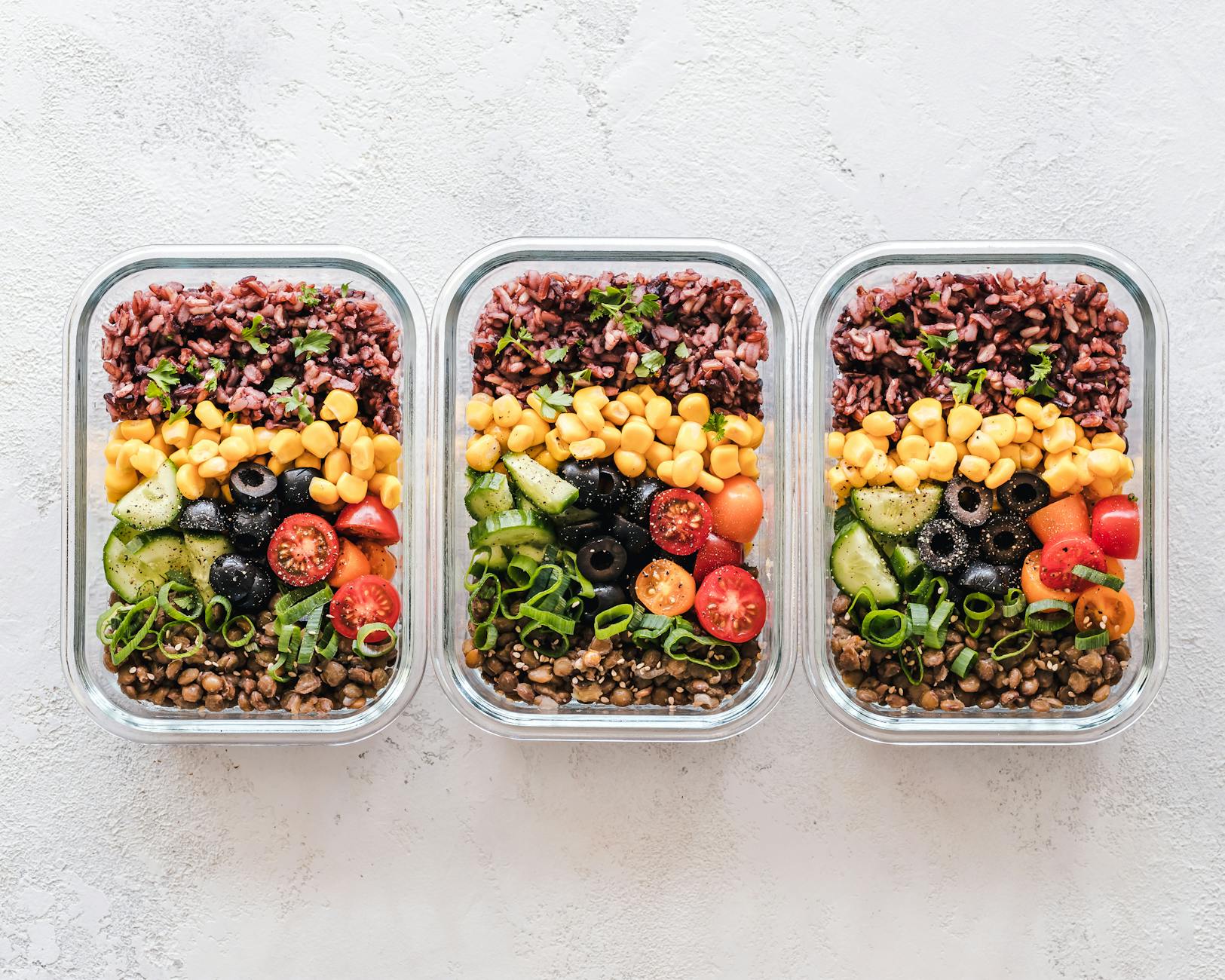
Irregular eating patterns and skipping meals can trigger hormonal responses that affect blood pressure regulation. Eating at consistent times helps the body maintain stable insulin levels and reduces the spikes in stress hormones that disrupt vascular function. Research on time-restricted eating suggests that aligning meals with the body’s natural circadian rhythms, particularly avoiding large meals late at night, supports healthier blood pressure patterns. Front-loading caloric intake earlier in the day when metabolic activity is highest appears to be particularly beneficial for cardiovascular markers. Establishing predictable meal timing is a structural dietary change that complements the nutritional strategies already associated with blood pressure reduction.
Work With Your Doctor

Natural strategies for lowering blood pressure are most effective when pursued in collaboration with qualified medical guidance rather than in isolation. A healthcare provider can help identify whether lifestyle factors, secondary medical conditions, medications, or genetic predispositions are contributing to elevated readings. Regular monitoring, blood tests, and follow-up appointments ensure that progress is being tracked accurately and that interventions are producing the intended effects. For people already taking antihypertensive medications, lifestyle changes may eventually allow for dose reduction under medical supervision. Combining evidence-based natural approaches with professional oversight creates the most comprehensive and individualized path to lasting blood pressure control.
If you are working on your blood pressure naturally, share which strategies have made the biggest difference for you in the comments.




