Fine lines and wrinkles are a natural part of aging, but the right skincare ingredients can significantly slow their appearance and keep skin looking smoother and more youthful for longer. Decades of dermatological research have identified a powerful lineup of compounds that target everything from collagen loss to oxidative stress. Whether you are building a new routine or refining an existing one, understanding what each ingredient actually does helps you make smarter choices for your skin. These twenty ingredients have earned their place in effective anti-aging skincare through consistent results and widespread expert support.
Retinol
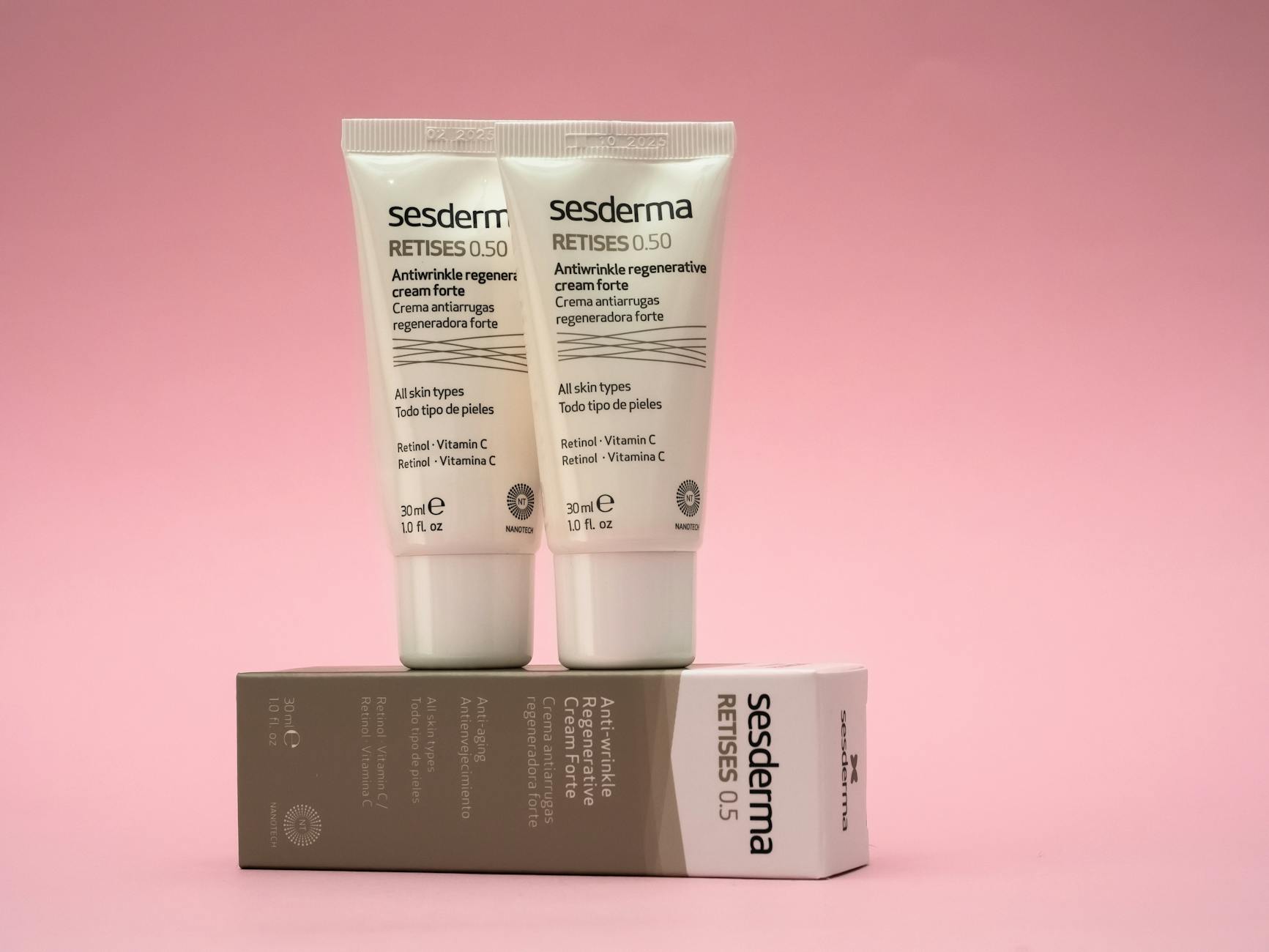
Retinol is a vitamin A derivative that has become one of the most studied and trusted anti-aging ingredients in modern skincare. It works by accelerating cell turnover, which helps push newer, fresher skin cells to the surface more quickly. Over time, consistent use visibly reduces the appearance of fine lines and improves overall skin texture. Retinol also stimulates collagen production, which helps restore firmness and elasticity to the skin. Most dermatologists recommend starting with a low concentration and gradually increasing use to allow the skin to adjust.
Peptides
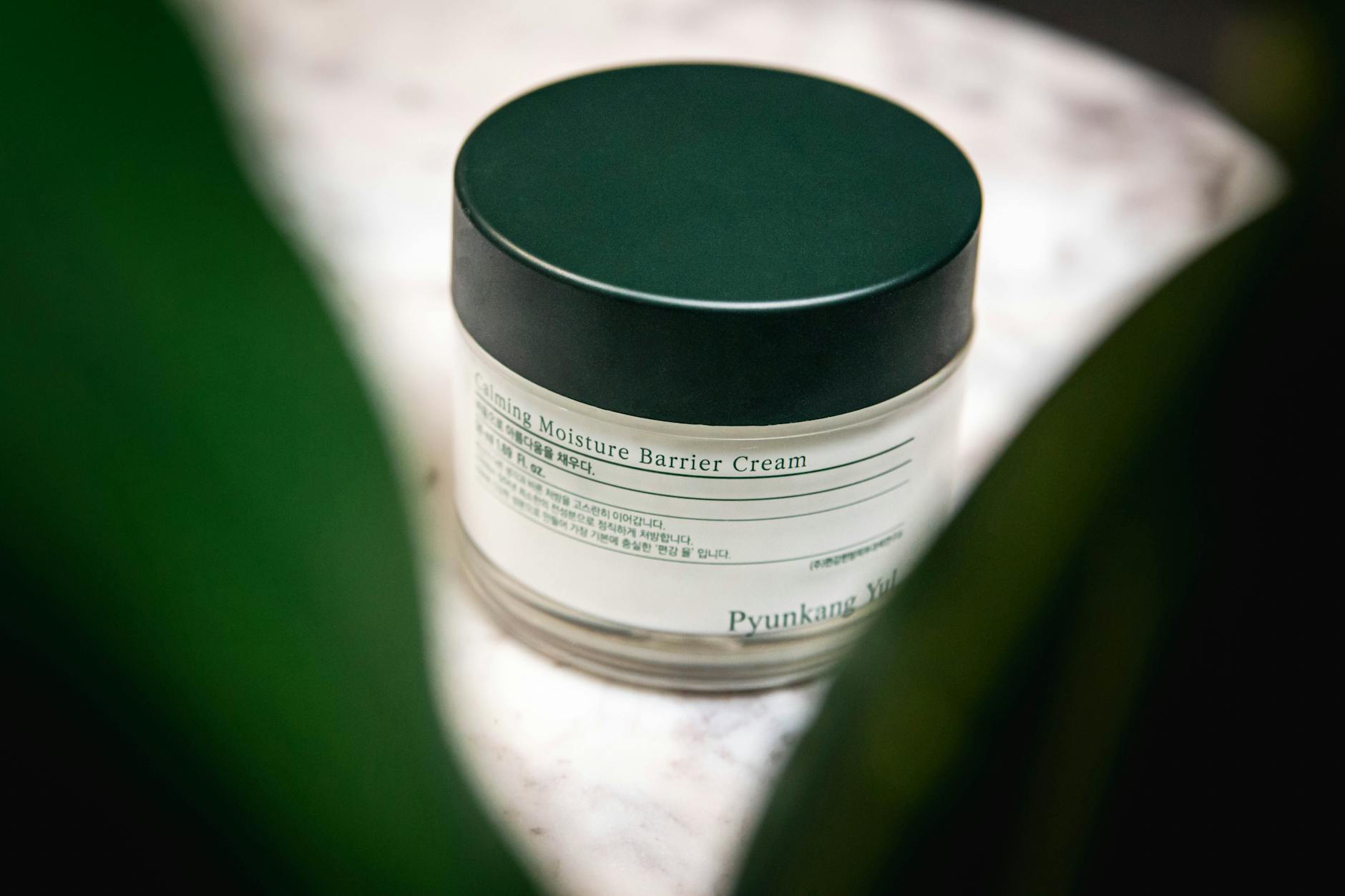
Peptides are short chains of amino acids that act as building blocks for proteins like collagen and elastin in the skin. When applied topically, they send signals to the skin to produce more of these structural proteins, helping to firm and smooth the complexion over time. Unlike more aggressive ingredients, peptides are generally well tolerated by most skin types including sensitive skin. They work particularly well when layered under moisturizers or mixed into hydrating serums. Regular use can lead to a noticeable reduction in the depth of expression lines and a more plump, resilient texture.
Vitamin C
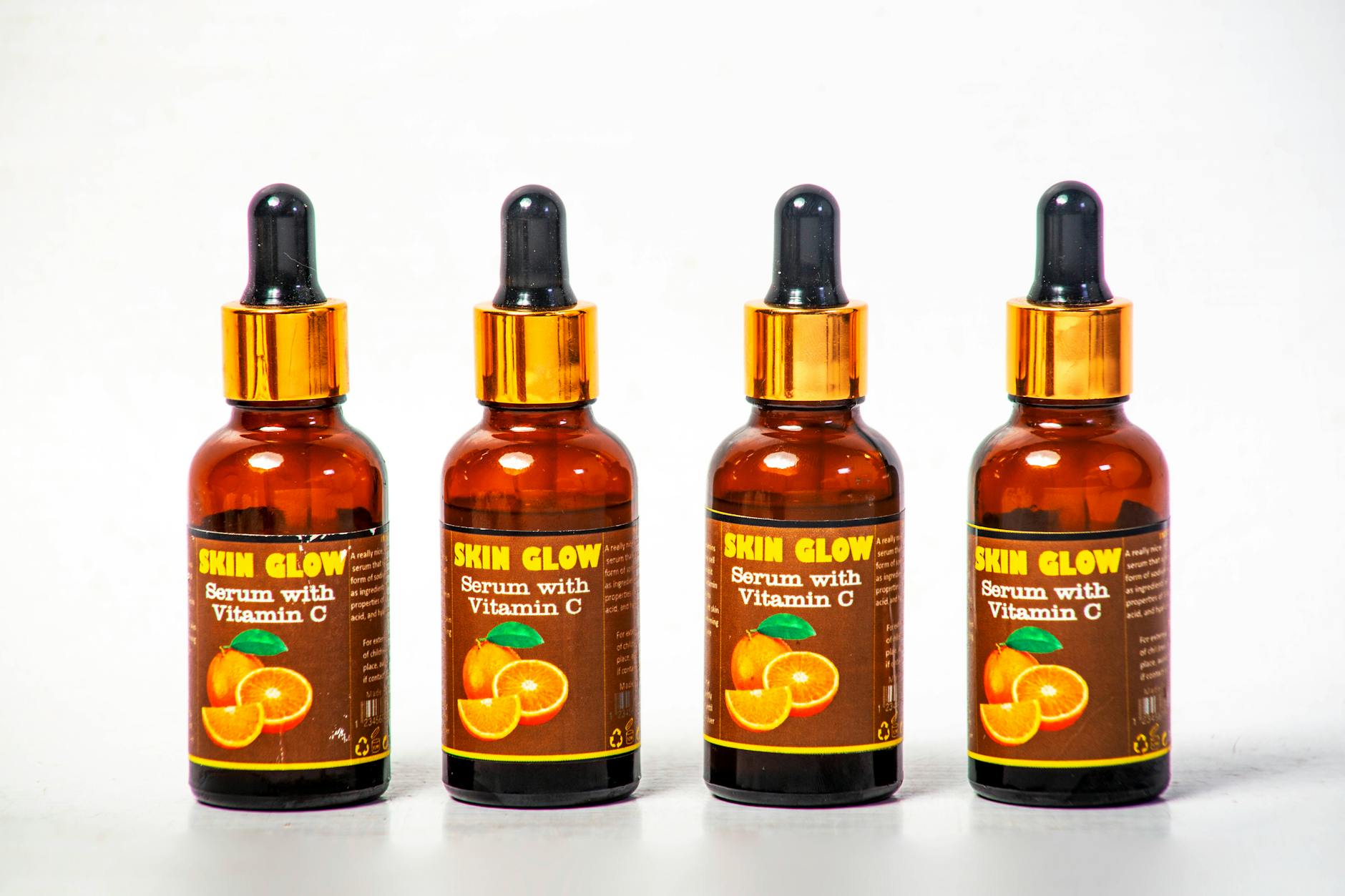
Vitamin C is a potent antioxidant that protects the skin from environmental damage caused by free radicals and UV exposure. It plays a critical role in collagen synthesis, making it essential for maintaining skin firmness and preventing premature wrinkling. When used in the morning, it creates a protective barrier that works alongside sunscreen to defend the skin throughout the day. Vitamin C also helps fade discoloration and hyperpigmentation, leaving the complexion looking more even and radiant. L-ascorbic acid is the most bioavailable form and is considered the gold standard for topical vitamin C products.
Hyaluronic Acid
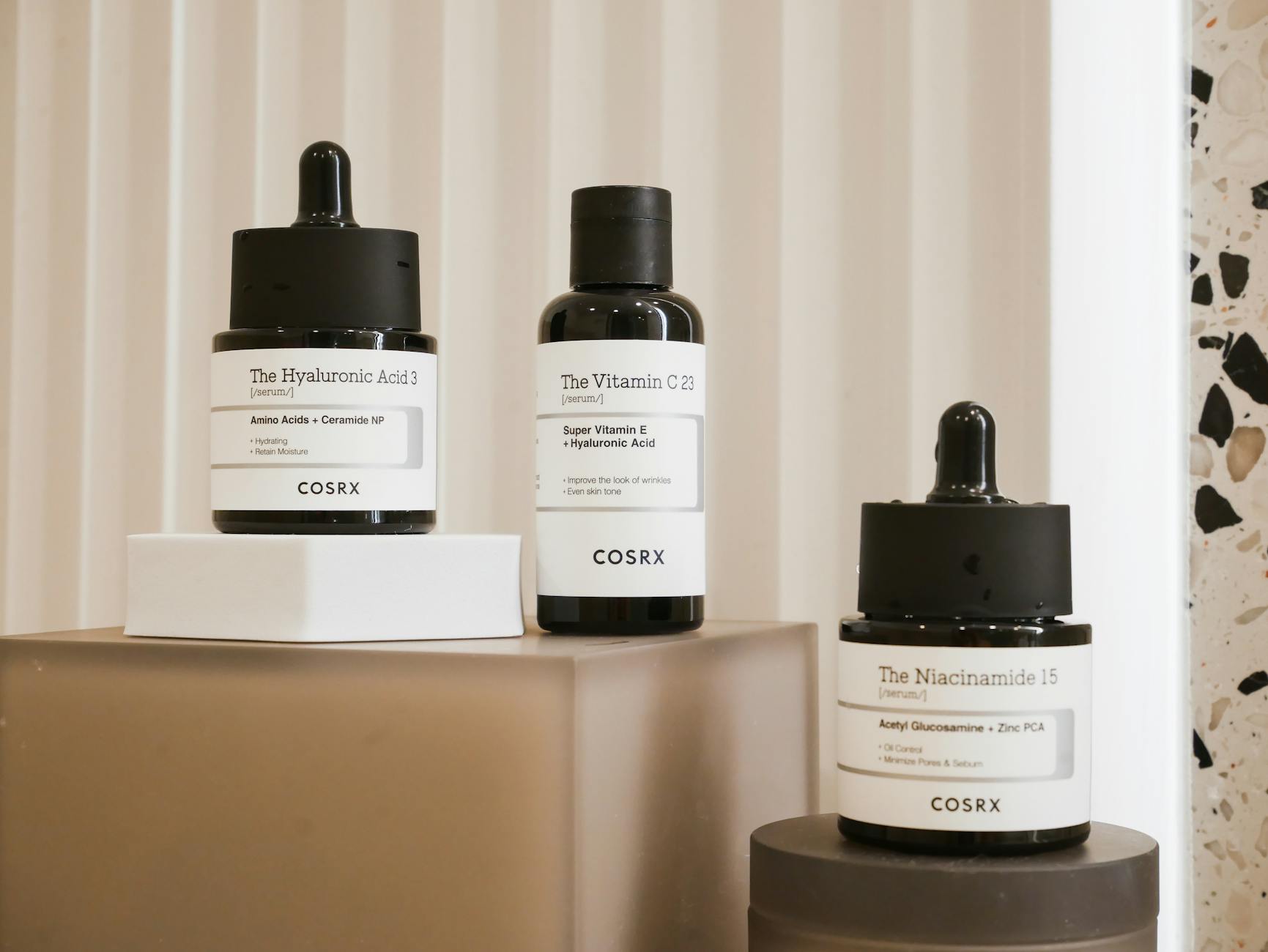
Hyaluronic acid is a naturally occurring molecule in the body that has the remarkable ability to hold up to one thousand times its weight in water. When applied to the skin, it draws moisture from the environment and deeper skin layers to the surface, instantly plumping fine lines and smoothing texture. This hydration effect creates a temporary but visible reduction in the appearance of wrinkles throughout the day. Over time, consistently hydrated skin maintains its elasticity and resilience better than dehydrated skin. It suits all skin types and is commonly found in serums, moisturizers, and even some cleansers.
Niacinamide
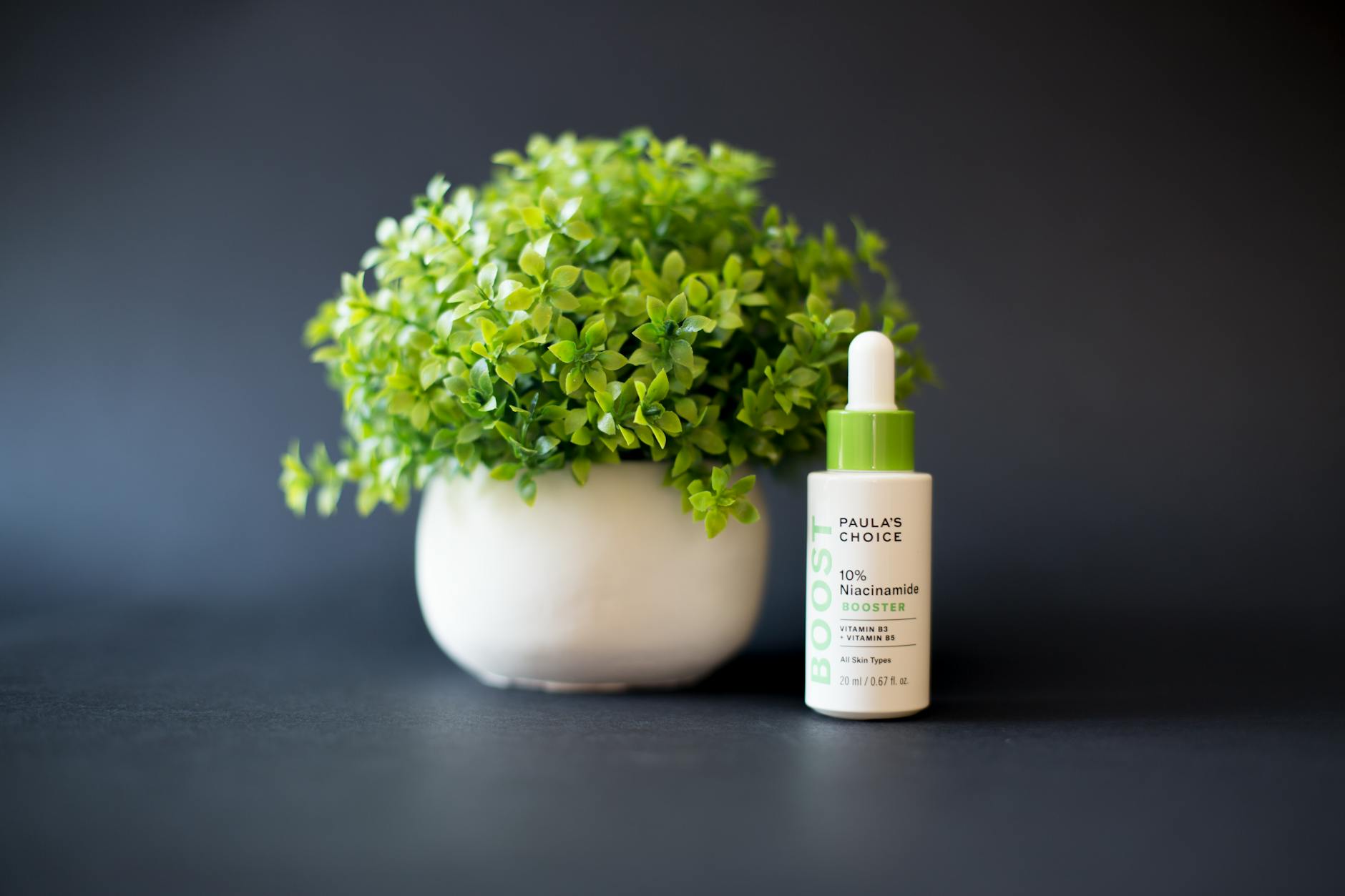
Niacinamide, also known as vitamin B3, is a versatile ingredient that addresses multiple signs of aging at once. It strengthens the skin barrier, which helps the complexion retain moisture more effectively and resist environmental stressors. Studies have shown that regular niacinamide use can reduce the appearance of fine lines, enlarged pores, and uneven skin tone. It also helps regulate sebum production, making it a particularly good choice for those with combination or oily skin types. Because it is non-irritating and stable, niacinamide pairs well with almost every other anti-aging ingredient in a routine.
Glycolic Acid
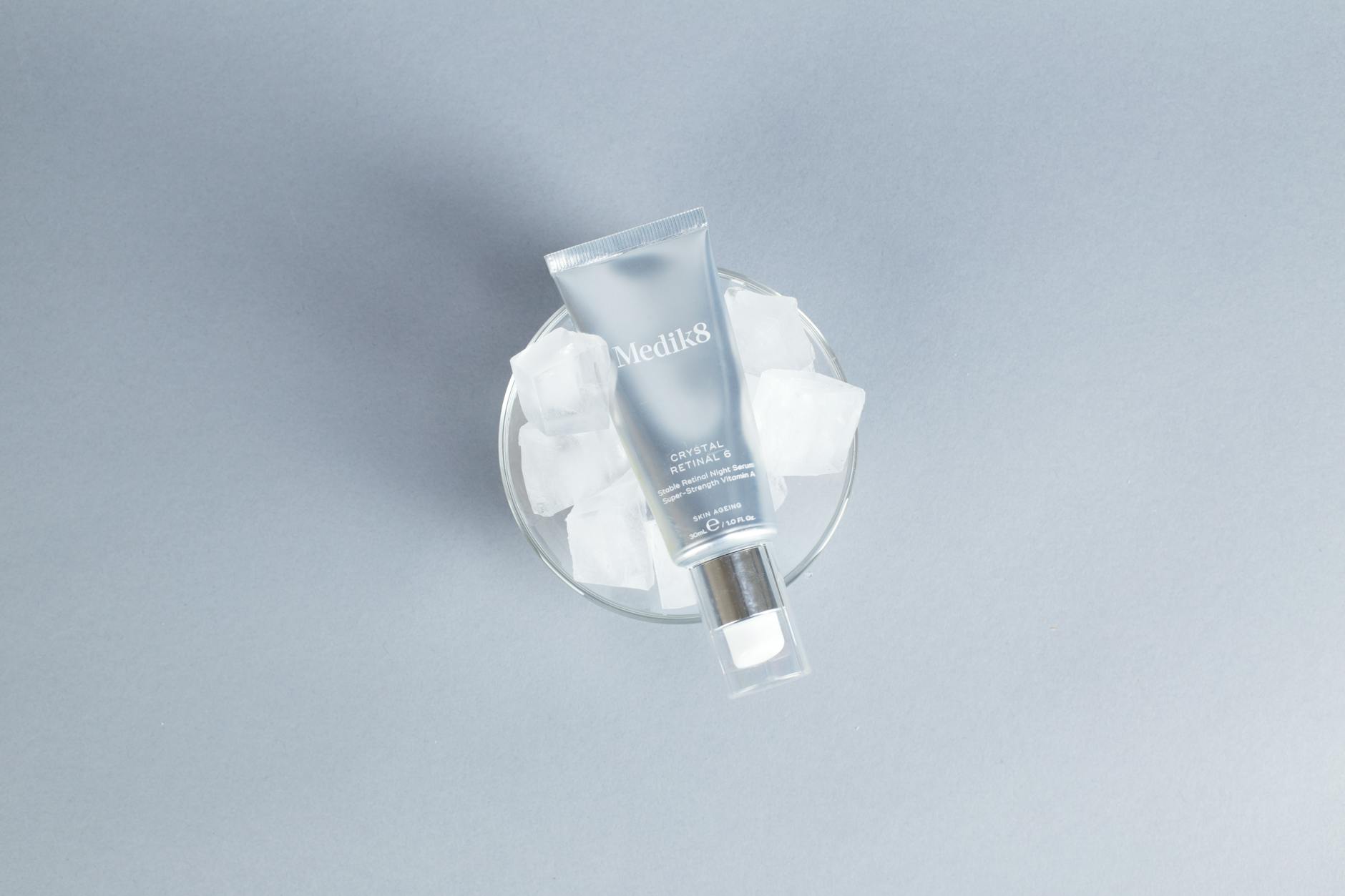
Glycolic acid is an alpha hydroxy acid derived from sugarcane that works by dissolving the bonds holding dead skin cells to the surface. This gentle exfoliation reveals fresher, smoother skin underneath and encourages faster cell turnover. Regular use improves skin texture, minimizes the appearance of fine lines, and enhances the absorption of other skincare products applied afterward. It also stimulates collagen production in the deeper layers of the skin, contributing to long-term firmness. Because it increases sun sensitivity, glycolic acid is best used in evening routines followed by diligent SPF use during the day.
Bakuchiol

Bakuchiol is a plant-derived compound extracted from the seeds of the Psoralea corylifolia plant and is widely regarded as a gentler alternative to retinol. Research has shown that it delivers comparable results in terms of reducing fine lines and improving skin firmness without the irritation commonly associated with vitamin A derivatives. It is suitable for sensitive skin types and for those who are pregnant or nursing and need to avoid retinoids. Bakuchiol also carries antioxidant and anti-inflammatory properties that help protect the skin from environmental damage. Its increasing presence in clean beauty formulations has made it one of the fastest-growing anti-aging ingredients in the market.
Coenzyme Q10
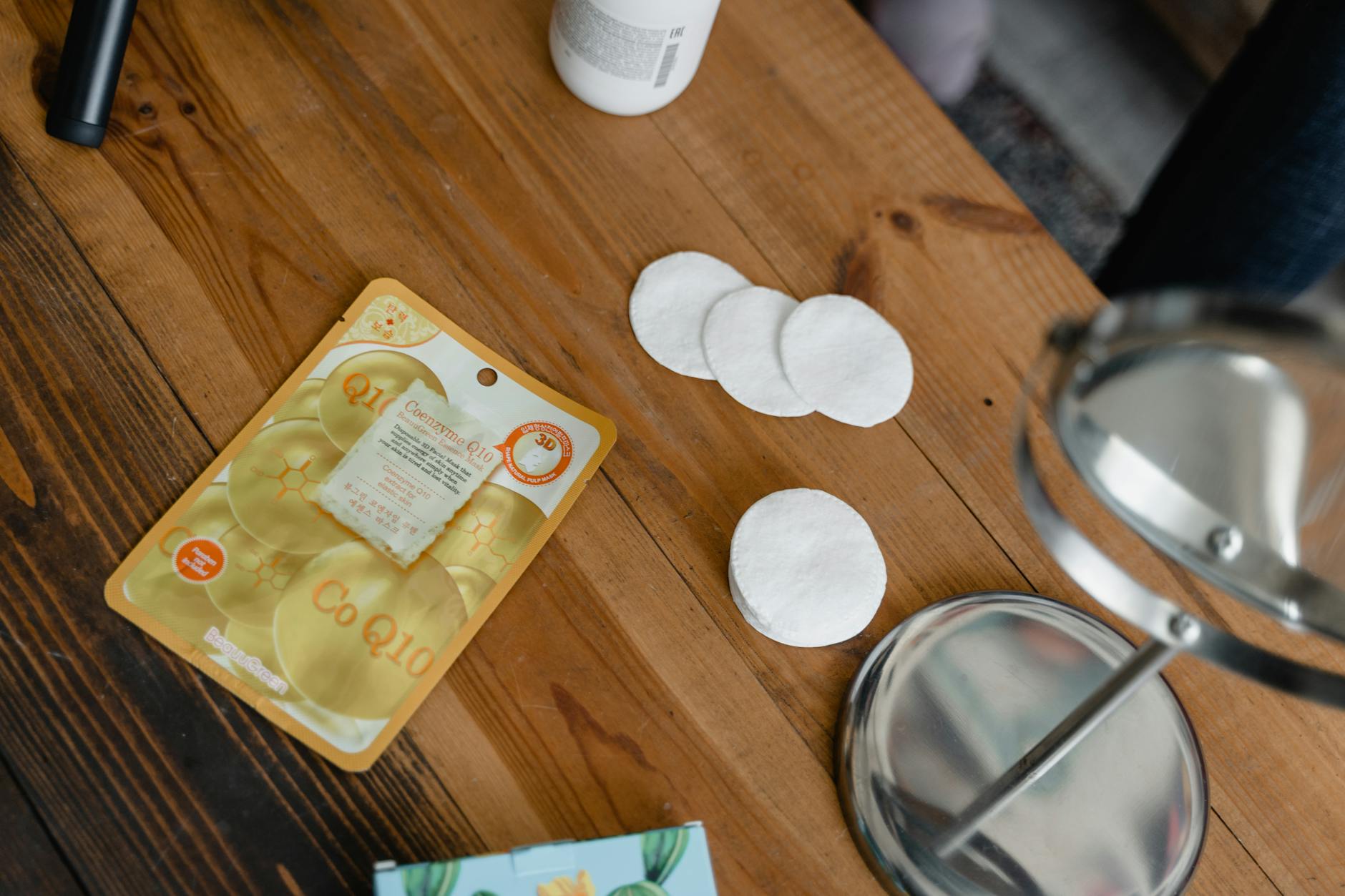
Coenzyme Q10, often listed as ubiquinone on ingredient labels, is a naturally occurring antioxidant found in every cell of the human body. Its levels naturally decline with age, which contributes to a decrease in cellular energy and skin resilience. When applied topically, it helps neutralize free radicals that break down collagen and elastin in the skin. Studies have found that regular use of CoQ10 reduces the depth of wrinkles and improves overall skin smoothness. It is particularly effective in night creams and targeted eye treatments where intensive repair is most needed.
Retinaldehyde

Retinaldehyde sits between retinol and retinoic acid in the vitamin A conversion chain, making it more potent than retinol but less irritating than prescription tretinoin. It converts to active retinoic acid more efficiently than retinol, meaning results tend to appear more quickly with regular use. Retinaldehyde promotes cell turnover, stimulates collagen, and visibly reduces the appearance of wrinkles and uneven skin tone. It also has mild antibacterial properties, which makes it a strong choice for those who experience both aging and occasional breakouts. This ingredient is increasingly found in high-performance over-the-counter serums as an effective middle ground between gentleness and efficacy.
Alpha Lipoic Acid
Alpha lipoic acid is a powerful antioxidant that is both water and fat soluble, allowing it to work in a wider range of skin environments than most other antioxidants. It helps neutralize free radicals that contribute to premature aging and supports the regeneration of other antioxidants including vitamins C and E. Topical application has been shown to reduce the appearance of fine lines and improve overall skin texture. It also has mild exfoliating properties that contribute to a brighter, more even complexion over time. Its anti-inflammatory action makes it particularly useful for skin that shows signs of environmental stress or redness.
Resveratrol
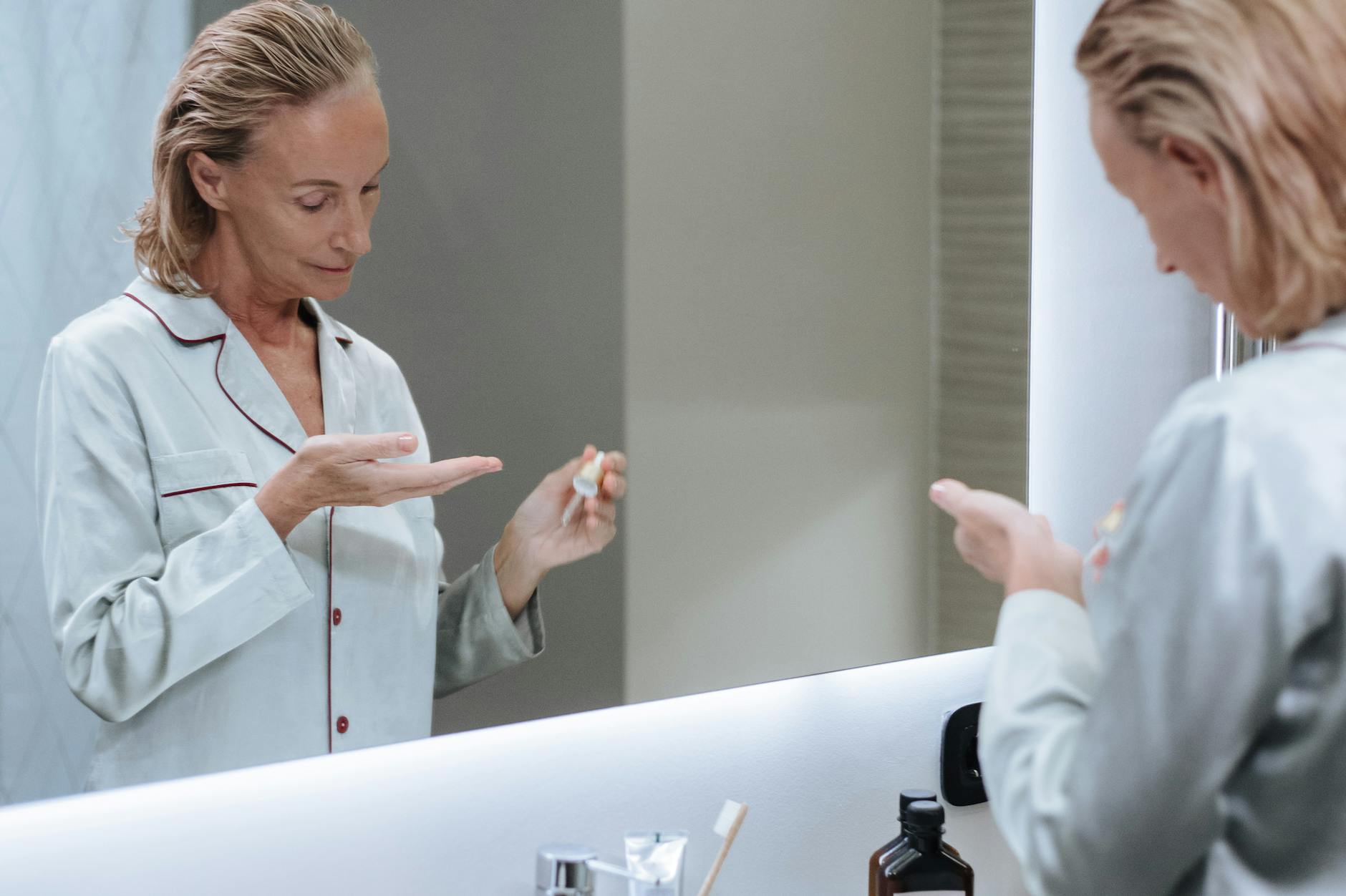
Resveratrol is a polyphenol found naturally in grapes, berries, and red wine that has gained significant attention in anti-aging skincare. It functions as a potent antioxidant, protecting the skin from oxidative damage caused by UV radiation and pollution. Research suggests it activates certain proteins that promote cellular longevity and skin repair at a molecular level. When used consistently, resveratrol can improve skin firmness and reduce the visibility of fine lines caused by sun exposure and environmental stress. It pairs especially well with vitamin C and other antioxidants in morning skincare routines focused on protection and brightening.
Ceramides
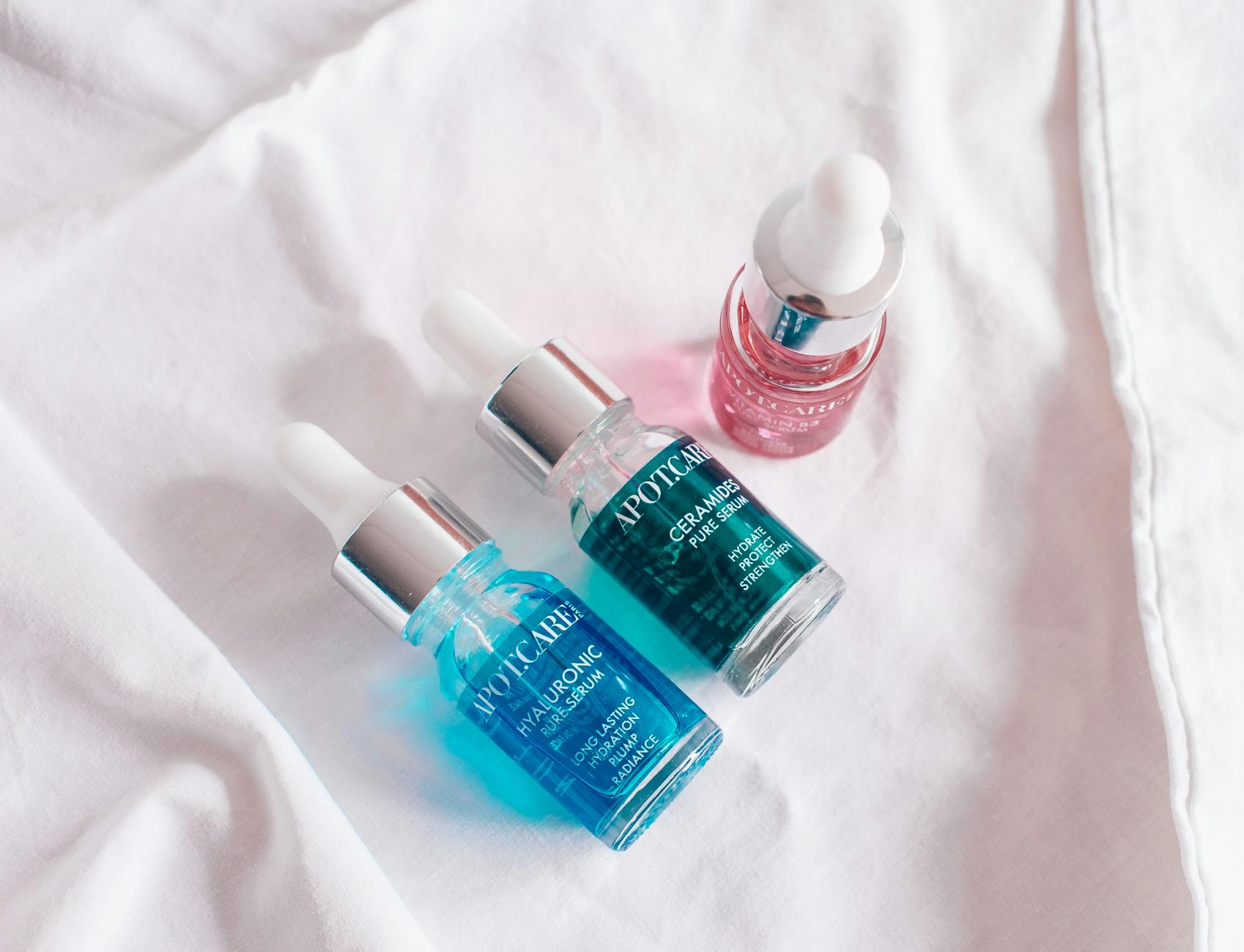
Ceramides are lipid molecules that make up a significant portion of the skin barrier and are essential for keeping moisture locked in and irritants out. As the skin ages, ceramide levels naturally decrease, leading to dryness, sensitivity, and the deepening of fine lines. Replenishing ceramides through topical products helps restore barrier function and maintain the plump, smooth appearance of youthful skin. They work particularly well in combination with hyaluronic acid and niacinamide to deliver comprehensive hydration and barrier support. Products containing ceramides are suitable for all skin types and are especially beneficial in cold or dry climates where moisture loss is accelerated.
Epidermal Growth Factor
Epidermal growth factor, commonly abbreviated as EGF, is a protein that naturally occurs in the body and plays a key role in cell growth and tissue repair. In skincare, it is used to support the skin’s natural regeneration processes, encouraging the production of new skin cells and collagen. Clinical studies have demonstrated its ability to reduce the depth of wrinkles and improve skin elasticity with continued use. EGF works particularly well in serums and ampoules where its concentration can be optimized for visible results. It is increasingly found in science-forward skincare lines targeting mature or significantly sun-damaged skin.
Ferulic Acid
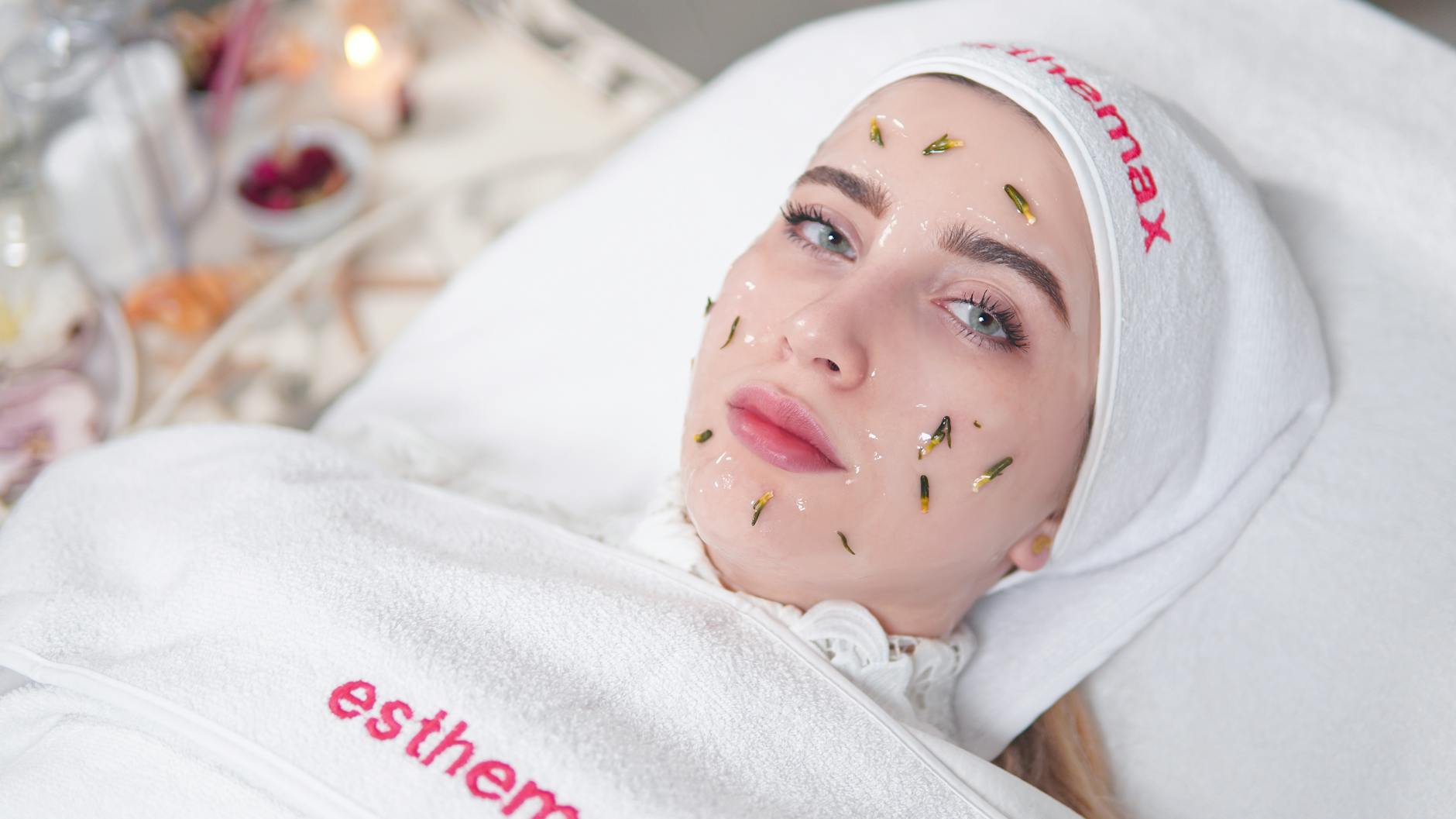
Ferulic acid is a plant-based antioxidant that is most notable for its ability to stabilize and dramatically enhance the effectiveness of vitamins C and E when combined in a formula. On its own, it neutralizes free radicals and protects the skin from UV-induced oxidative damage that breaks down collagen over time. The synergistic effect with other antioxidants makes it a common inclusion in high-performance morning serums designed for comprehensive anti-aging protection. Regular use contributes to a smoother texture, more even skin tone, and a reduction in fine lines associated with sun exposure. Its stability-boosting properties make it particularly valuable in vitamin C serums that are prone to oxidation.
Lactic Acid

Lactic acid is a mild alpha hydroxy acid derived from milk that gently exfoliates the surface of the skin without the intensity of stronger acids like glycolic. It dissolves dead skin cells and encourages cell turnover, gradually improving the texture and tone of the complexion. Because it is larger in molecular size than glycolic acid, it penetrates the skin more slowly and is better tolerated by those with sensitive or reactive skin types. Lactic acid also has humectant properties, meaning it draws moisture into the skin while it exfoliates, leaving the complexion smoother and more hydrated. It is a strong choice for addressing fine lines, dullness, and mild hyperpigmentation in a single ingredient.
Squalane
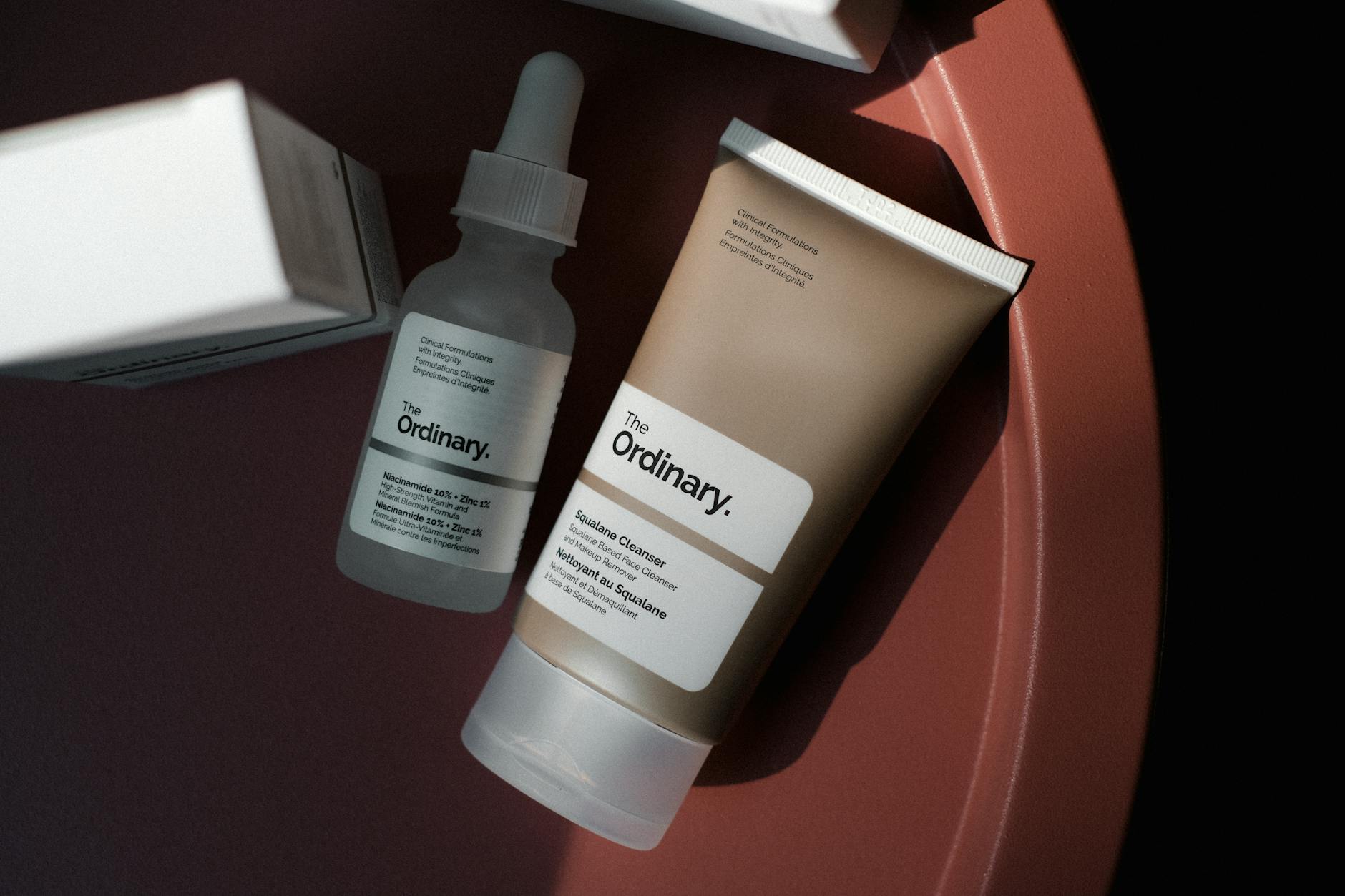
Squalane is a lightweight, stable oil derived most commonly from sugarcane or olives that closely mimics the skin’s own natural sebum. It provides deep hydration without clogging pores, making it suitable for oily, dry, and combination skin types alike. By sealing moisture into the skin, it prevents the dehydration that exaggerates the appearance of fine lines and causes the skin to look dull and creased. Squalane also carries antioxidant properties that help protect the skin from the environmental damage that accelerates aging. Its lightweight texture makes it ideal as a final step in both morning and evening routines to lock in the benefits of other active ingredients.
Tranexamic Acid
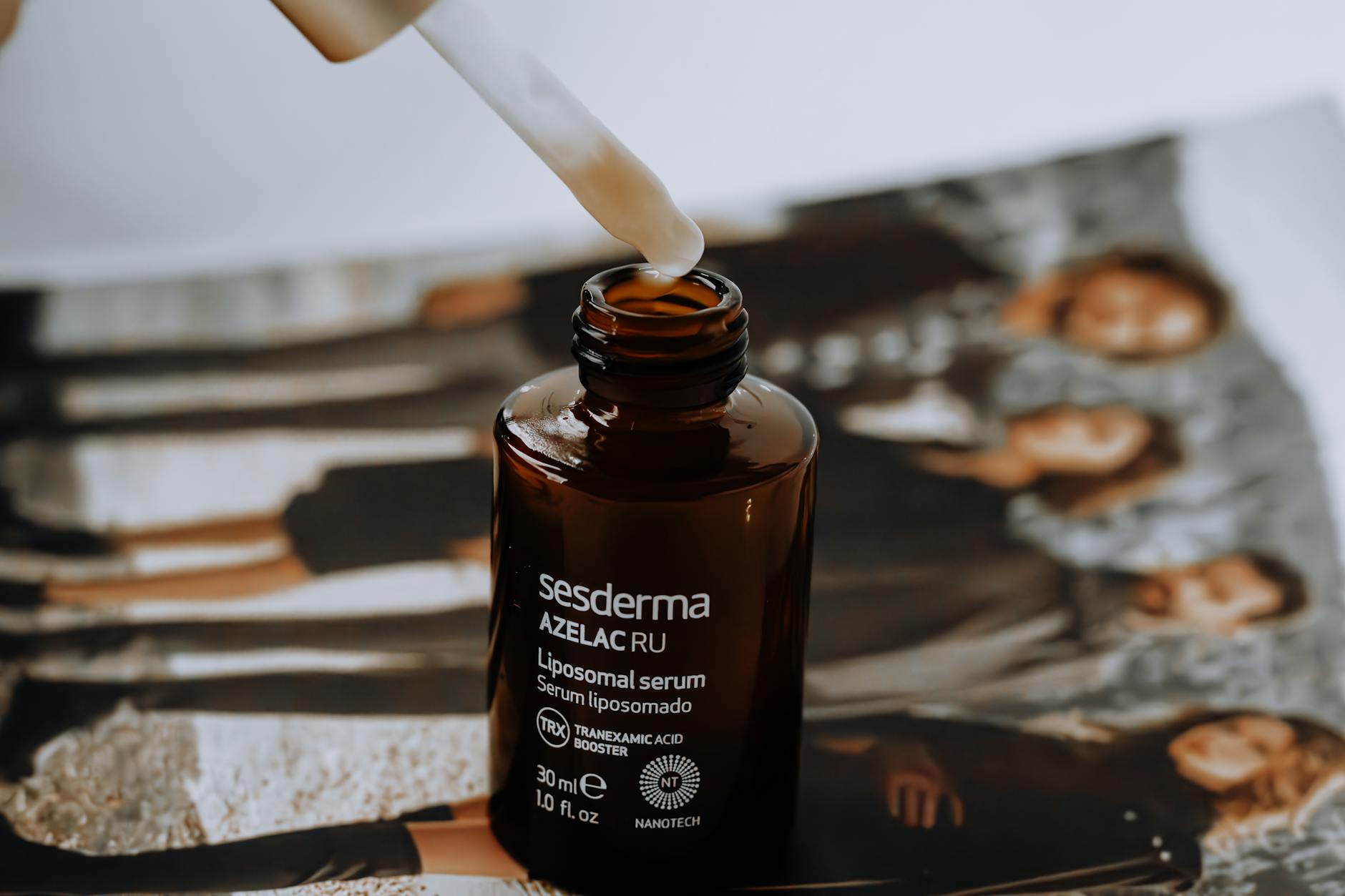
Tranexamic acid has emerged as a key ingredient in brightening and anti-aging skincare due to its ability to address discoloration and uneven skin tone caused by sun damage. It works by interrupting the pathway that triggers excess melanin production, fading dark spots and hyperpigmentation that make the skin look aged and uneven. While primarily known for its brightening effects, a more even skin tone naturally contributes to a more youthful and rested appearance overall. It is well tolerated by sensitive skin types and does not carry the risk of irritation associated with some other brightening agents. Tranexamic acid is most effective when used consistently over several weeks as part of a comprehensive anti-aging routine.
Azelaic Acid
Azelaic acid is a naturally occurring acid found in grains like wheat, rye, and barley that offers a range of benefits relevant to aging and skin tone. It is particularly effective at addressing post-inflammatory hyperpigmentation and the uneven discoloration that accumulates with age and sun exposure. Its antioxidant properties help neutralize the free radical damage that breaks down collagen and contributes to premature wrinkling. Azelaic acid is available in both prescription and over-the-counter strengths, making it accessible for a wide range of skin concerns and budgets. It also has anti-inflammatory properties that make it a good option for those who experience both skin aging and redness or rosacea.
Vitamin E
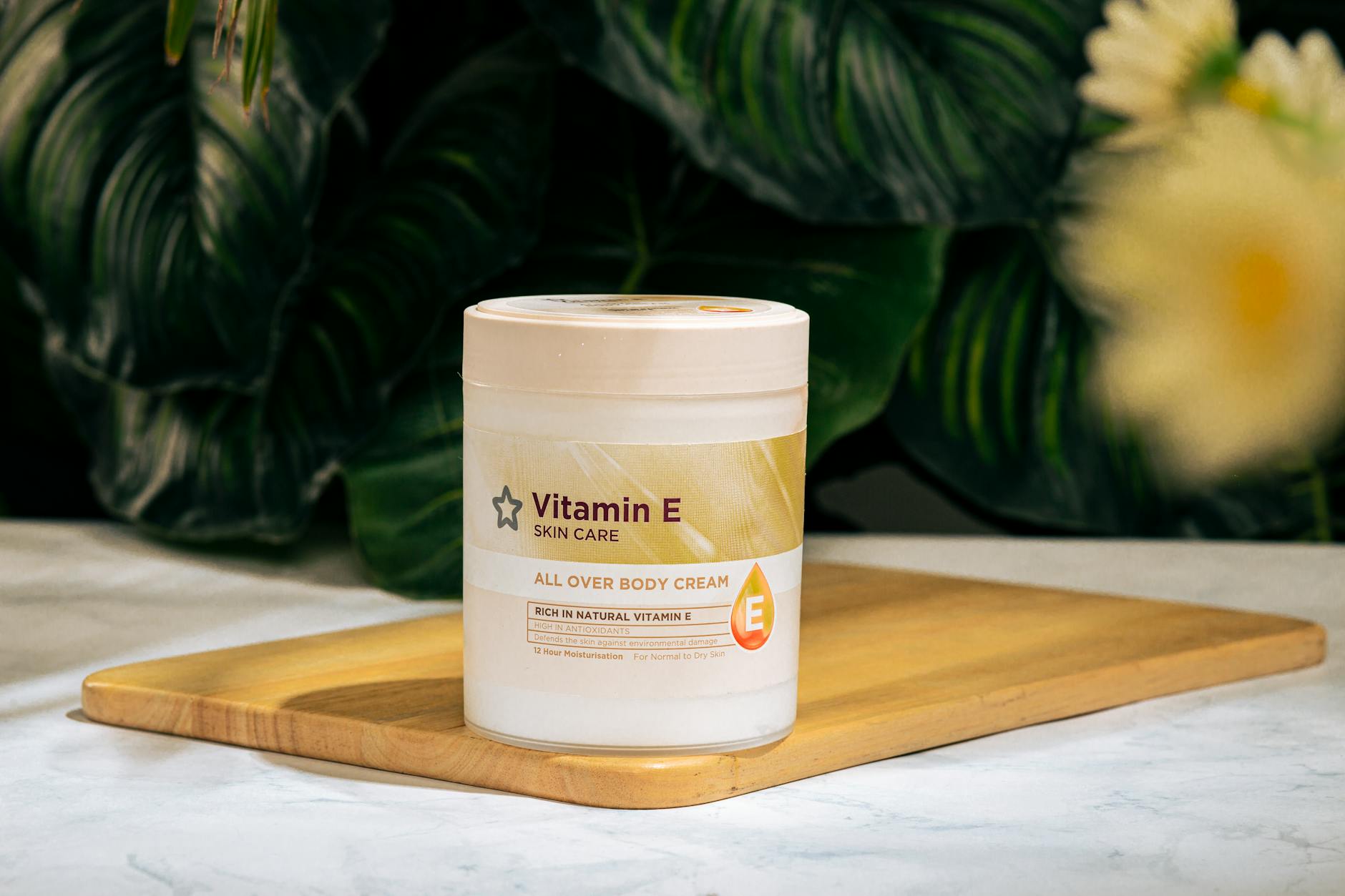
Vitamin E is a fat-soluble antioxidant that has been a staple in skincare formulations for decades due to its protective and moisturizing properties. It works by neutralizing free radicals that damage cell membranes and break down the structural proteins responsible for firm, smooth skin. When used alongside vitamin C and ferulic acid, its effectiveness is significantly amplified, creating a comprehensive antioxidant shield against environmental aging triggers. Vitamin E also supports the skin barrier by replenishing lipids that keep moisture locked in and the complexion looking plump and healthy. It is most commonly found in moisturizers, facial oils, and targeted serums intended for dry or mature skin types.
Adenosine
Adenosine is a naturally occurring compound found in all living cells that has gained recognition as a reliable anti-aging ingredient in cosmetic skincare formulations. It has been shown in clinical studies to reduce the depth of wrinkles and improve skin firmness with consistent topical use. Adenosine works by supporting collagen production and promoting the skin’s natural repair mechanisms at a cellular level. Because it is gentle and non-irritating, it is suitable for all skin types including those with sensitivity or rosacea. Its inclusion in anti-aging products continues to grow as research confirms its effectiveness as a stable and well-tolerated alternative to more aggressive actives.
Share your favorite wrinkle-fighting ingredients or the combinations that have worked best for your skin in the comments.




