Your 30s are one of the most financially consequential decades of your life, sitting at the intersection of earning potential and long-term wealth building. The decisions made during this period can either compound into lasting security or quietly erode the foundation of your financial future. Many people enter this decade carrying habits formed in their 20s without realizing those habits no longer serve them. Understanding the most common financial pitfalls of this stage can make the difference between thriving at 50 or struggling to catch up.
Not Having an Emergency Fund

An emergency fund acts as a financial buffer between you and life’s inevitable surprises. Without one, unexpected expenses like medical bills or car repairs often end up on high-interest credit cards. Most financial planners recommend saving three to six months of living expenses in a liquid and accessible account. Many people in their 30s skip this step because they feel their income is stable enough to absorb shocks. That assumption leaves them one bad month away from derailing years of financial progress.
Lifestyle Inflation

As income rises in the 30s, spending tends to rise at exactly the same pace. This pattern is known as lifestyle inflation and it silently prevents wealth from accumulating over time. Upgrading cars, homes and wardrobes with every salary increase leaves little room for savings or investments. The gap between what you earn and what you spend is ultimately what builds financial freedom. Keeping lifestyle costs relatively stable while income grows is one of the most powerful wealth-building habits available.
Neglecting Retirement Contributions

The 30s are a critical window for retirement savings because compound interest needs time to work effectively. Many people delay meaningful contributions with the intention of catching up later, not realizing the mathematical cost of waiting. A decade of missed contributions can translate into hundreds of thousands of dollars less at retirement age. Contributing enough to capture any employer match is considered the most immediate return available in personal finance. Treating retirement contributions as a non-negotiable expense rather than an optional extra is a foundational shift in financial thinking.
Carrying High-Interest Debt
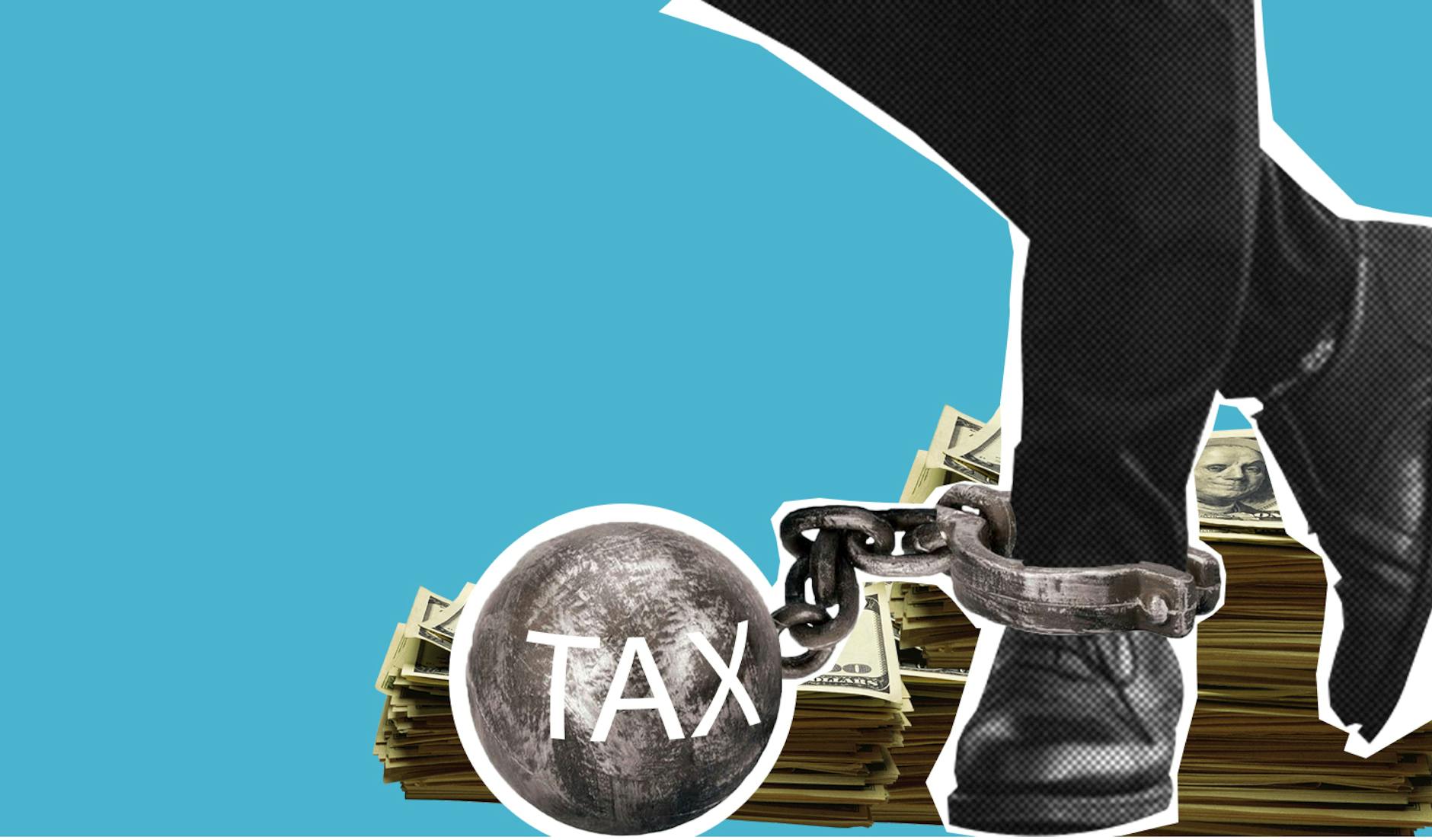
Credit card debt and personal loans with high interest rates act as a persistent drain on monthly cash flow. The interest charges on these balances can exceed what many investments return in a year. Carrying this type of debt into the 30s means a portion of every paycheck is effectively working against future wealth. Prioritizing the elimination of high-interest balances before focusing on other financial goals is a widely recommended strategy. The psychological and financial relief of becoming debt-free creates space for more intentional money decisions.
Not Having a Written Budget

A budget is not a restriction but rather a documented plan for where money goes each month. Without one, spending tends to happen reactively rather than intentionally. Many people in their 30s have a general sense of their finances without ever reviewing the specific numbers. That vagueness allows small leaks in spending to go unnoticed for months or even years. Tracking income and expenses in writing creates awareness that almost always leads to better financial choices.
Ignoring Insurance Gaps

Insurance is one of the most overlooked areas of personal finance in the 30s. Many people carry the minimum required coverage without evaluating whether it actually protects their current financial situation. Gaps in health, life, disability or income protection insurance can turn a single event into a financial catastrophe. The 30s often bring added responsibilities like mortgages, children and dependents that significantly raise the stakes. Reviewing coverage annually ensures protection keeps pace with life changes.
Not Investing Outside of Retirement Accounts

Relying solely on a 401k or pension for future financial security limits flexibility and growth potential. Taxable brokerage accounts allow for investing beyond retirement contribution limits and provide accessible funds before retirement age. Building an investment portfolio outside of retirement accounts adds another layer of financial resilience. Diversifying across account types also provides tax flexibility in the future when withdrawal strategies matter more. Starting this habit in the 30s gives the portfolio meaningful time to grow before it is needed.
Buying Too Much House

Home ownership is often treated as an unconditional financial milestone rather than a calculated decision. Purchasing a home at the top of what a bank approves can stretch finances dangerously thin. Mortgage payments that consume too large a share of monthly income leave little room for savings, emergencies or life changes. The hidden costs of home ownership including maintenance, taxes and insurance are frequently underestimated by first-time buyers. Buying within a comfortable range rather than the maximum available preserves financial breathing room for years to come.
Neglecting to Negotiate Salary

Many people accept their initial salary offer or annual raise without attempting to negotiate. Research consistently shows that those who negotiate earn significantly more over the course of their careers. The 30s represent a period of peak professional development where salary gains can have the greatest long-term impact. Every dollar earned above an accepted offer compounds through future raises and retirement contributions. Treating salary negotiation as a professional skill rather than an uncomfortable conversation is a perspective shift with measurable financial benefits.
Not Diversifying Investments

Concentrating wealth in a single stock, sector or asset class introduces unnecessary risk into a financial plan. Diversification spreads that risk across multiple asset types so that no single loss can dramatically damage an entire portfolio. Many people in their 30s over-invest in their employer’s company stock, which ties both income and investment performance to the same source. A well-diversified portfolio typically includes a mix of domestic stocks, international exposure, bonds and possibly real estate. Rebalancing periodically ensures the portfolio stays aligned with intended risk levels as markets shift.
Forgetting to Update Beneficiaries

Beneficiary designations on retirement accounts, life insurance policies and bank accounts override what is written in a will. Many people set these designations in their 20s and never revisit them after major life events like marriage, divorce or having children. An outdated beneficiary designation can result in assets passing to unintended individuals. This is a simple administrative task that takes minutes but carries enormous long-term significance. Reviewing beneficiaries annually or after any major life change is a basic element of sound financial planning.
Lending Money to Friends and Family Without Boundaries

Financial support for loved ones is often motivated by generosity but can create significant financial and relational strain. Lending more than can comfortably be gifted outright is a common mistake that leads to resentment when repayment stalls. Many informal loans between family and friends are never fully repaid, which can damage both relationships and budgets. Establishing clear expectations before agreeing to any arrangement protects all parties involved. Understanding personal financial limits before making commitments to others is a form of self-preservation that ultimately benefits everyone.
Having No Financial Goals

Money without direction tends to disappear without purpose. Financial goals provide a reason to save, a benchmark for progress and motivation during difficult months. Many people in their 30s operate without specific targets beyond a vague intention to save more or spend less. Goals that are concrete and time-bound such as saving a house deposit within three years or paying off debt by a specific date are far more effective. Writing goals down and revisiting them regularly keeps financial decision-making aligned with what matters most.
Relying Too Heavily on One Income Stream

A single source of income creates vulnerability when that source is disrupted by job loss, illness or economic changes. Building additional income streams through freelance work, investments or side businesses reduces that dependency over time. The 30s offer both the energy and the earning baseline to begin exploring supplemental income without extreme sacrifice. Even a modest second income can meaningfully accelerate debt payoff, savings goals or investment contributions. Diversifying income works in parallel with diversifying investments as a principle of financial resilience.
Not Tracking Net Worth
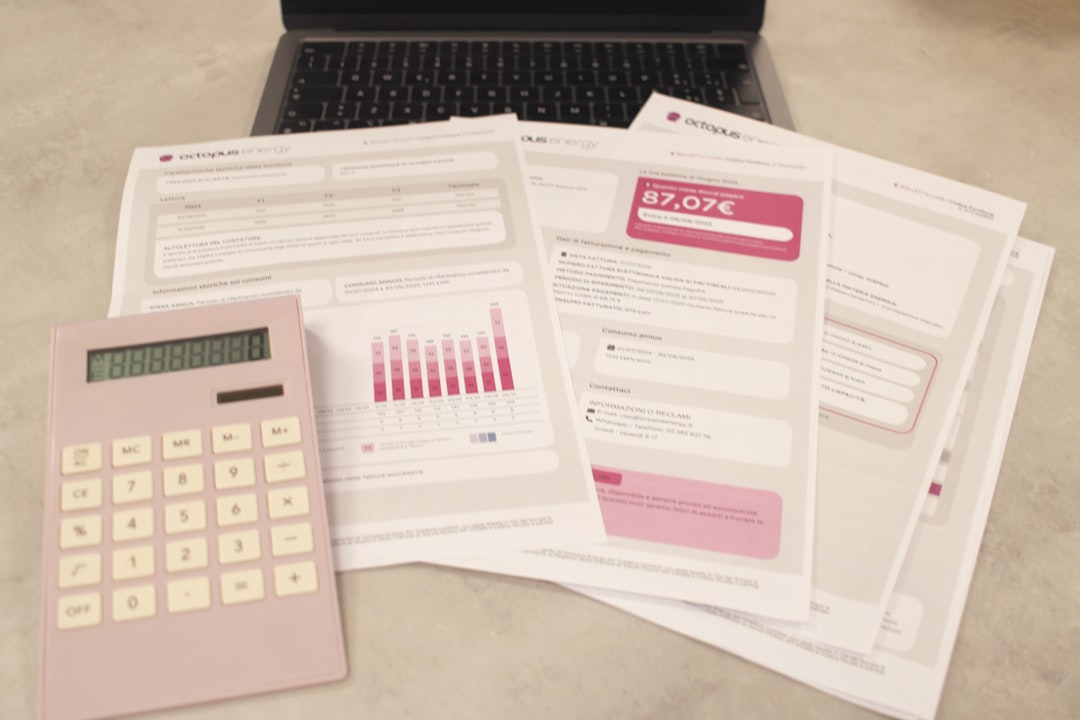
Net worth is the clearest single measure of overall financial health and yet most people in their 30s have never calculated it. Tracking assets minus liabilities gives a concrete picture of where things stand and whether they are improving over time. Without this number as a reference point financial progress can feel invisible even when it is happening. Calculating net worth annually or quarterly creates accountability and motivation to reduce debt and grow assets. It is also a useful tool for identifying imbalances such as high liabilities relative to savings that might otherwise go unnoticed.
Overlooking Tax Efficiency

Many people pay more tax than necessary simply because they are not aware of legal strategies for reducing their tax burden. Maximizing contributions to tax-advantaged accounts like IRAs and HSAs is one of the most accessible and immediate tax strategies available. In the 30s when income is often rising, tax planning becomes progressively more valuable. Understanding the difference between tax-deferred and tax-free growth helps inform decisions about account types and investment choices. Working with a qualified tax professional even once a year can uncover savings that far outweigh the cost of the consultation.
Not Having a Will

A surprising number of people in their 30s have no will or estate plan in place. This becomes particularly urgent once there are children, property or significant assets involved. Dying without a will means the state determines how assets are distributed and who cares for minor children. Creating even a basic will along with power of attorney and healthcare directives ensures wishes are documented and legally enforceable. Estate planning is not morbid preparation but rather one of the most responsible financial acts a person can undertake.
Impulse Spending

Impulse purchases rarely align with stated financial priorities and collectively they represent a significant drain on budgets. The rise of one-click shopping and social media-driven consumption has made impulsive spending easier and more normalized than ever. Many people underestimate how much these unplanned purchases add up over the course of a month or year. Introducing a waiting period of 24 to 48 hours before making non-essential purchases is a widely used strategy for reducing impulse spending. Aligning day-to-day purchases with longer-term goals is a habit that strengthens financial discipline over time.
Not Building Credit Strategically

Credit scores affect far more than loan approvals including rental applications, insurance rates and even some employment checks. Many people in their 30s have a passive relationship with their credit score rather than actively managing it. Paying bills on time, keeping utilization low and maintaining older accounts in good standing are the primary levers of credit health. Checking credit reports regularly also helps catch errors or fraudulent activity before they cause lasting damage. A strong credit profile is a financial asset that reduces the cost of borrowing throughout life.
Postponing Financial Education

Personal finance is not widely taught in schools and many people enter adulthood without a foundational understanding of how money works. In the 30s the complexity of financial decisions increases significantly with mortgages, investments, taxes and retirement planning all requiring informed choices. Dedicating even a few hours a month to reading books, listening to reputable financial content or consulting professionals builds meaningful financial literacy over time. The knowledge gap between those who actively educate themselves and those who do not tends to widen significantly in terms of outcomes over decades. Treating financial education as an ongoing habit rather than a one-time event pays consistent dividends throughout life.
Keeping Too Much Cash

While maintaining an emergency fund is essential, holding large amounts of cash beyond that threshold in low-interest accounts is a hidden financial cost. Inflation erodes the purchasing power of idle cash over time, meaning that money sitting still is effectively losing value. Many people in their 30s feel a false sense of security from a large cash balance while missing out on the growth available through investing. Understanding the difference between short-term cash reserves and long-term savings that should be working harder is an important financial distinction. Putting excess cash to work in line with individual risk tolerance and goals is a straightforward path to better financial outcomes.
Co-Signing Loans Without Full Understanding

Co-signing a loan makes you equally responsible for the debt in the eyes of the lender. If the primary borrower misses payments it affects the co-signer’s credit score and can create legal liability for the full remaining balance. Many people agree to co-sign as an act of support without fully understanding the potential consequences. This financial obligation can interfere with personal borrowing capacity for major purchases like a home or car. Fully evaluating the risk and having a candid conversation about repayment expectations before agreeing to co-sign protects long-term financial health.
Neglecting Health as a Financial Decision

Poor physical health can translate directly into significant financial costs through medical bills, lost income and reduced earning capacity. Many people separate health decisions from financial decisions when in reality the two are deeply connected. Preventative care, consistent exercise and adequate sleep are investments that reduce the likelihood of costly health events later in life. Chronic conditions that develop from neglected health habits in the 30s can carry financial consequences for decades. Treating health maintenance as part of a broader financial strategy reflects a long-term perspective on wealth and wellbeing.
Not Automating Savings

Relying on willpower alone to save money consistently is a strategy that rarely works over time. Automation removes the decision entirely by transferring a set amount to savings or investments before discretionary spending can occur. Many financial institutions and employers offer tools that make this process simple and customizable. People who automate their savings consistently accumulate more than those who save only what is left over at the end of the month. Setting up automatic transfers aligned with payday is one of the highest-impact and lowest-effort financial habits available.
Comparing Finances to Others

Financial comparison is one of the most psychologically damaging and practically misleading habits in personal finance. What appears as wealth on the surface often conceals debt, financial stress or entirely different life circumstances. Benchmarking spending and lifestyle choices against peers or social media often leads to decisions that serve appearances rather than genuine financial goals. Every individual financial journey involves a unique combination of income, obligations, timing and priorities that cannot be meaningfully compared. Staying focused on personal goals and progress rather than external benchmarks is a more accurate and sustainable measure of financial success.
Share your own experiences or tips on navigating finances in your 30s in the comments.




