Most women are wearing a bra that does not actually fit them correctly, and the effects go far beyond minor discomfort. An ill-fitting bra can affect posture, clothing appearance, and even long-term physical wellbeing. Recognizing the signs early can make a significant difference in daily comfort and confidence. Here are fifteen telltale signs that it may be time to reassess your bra size.
The Straps Dig Into Your Shoulders
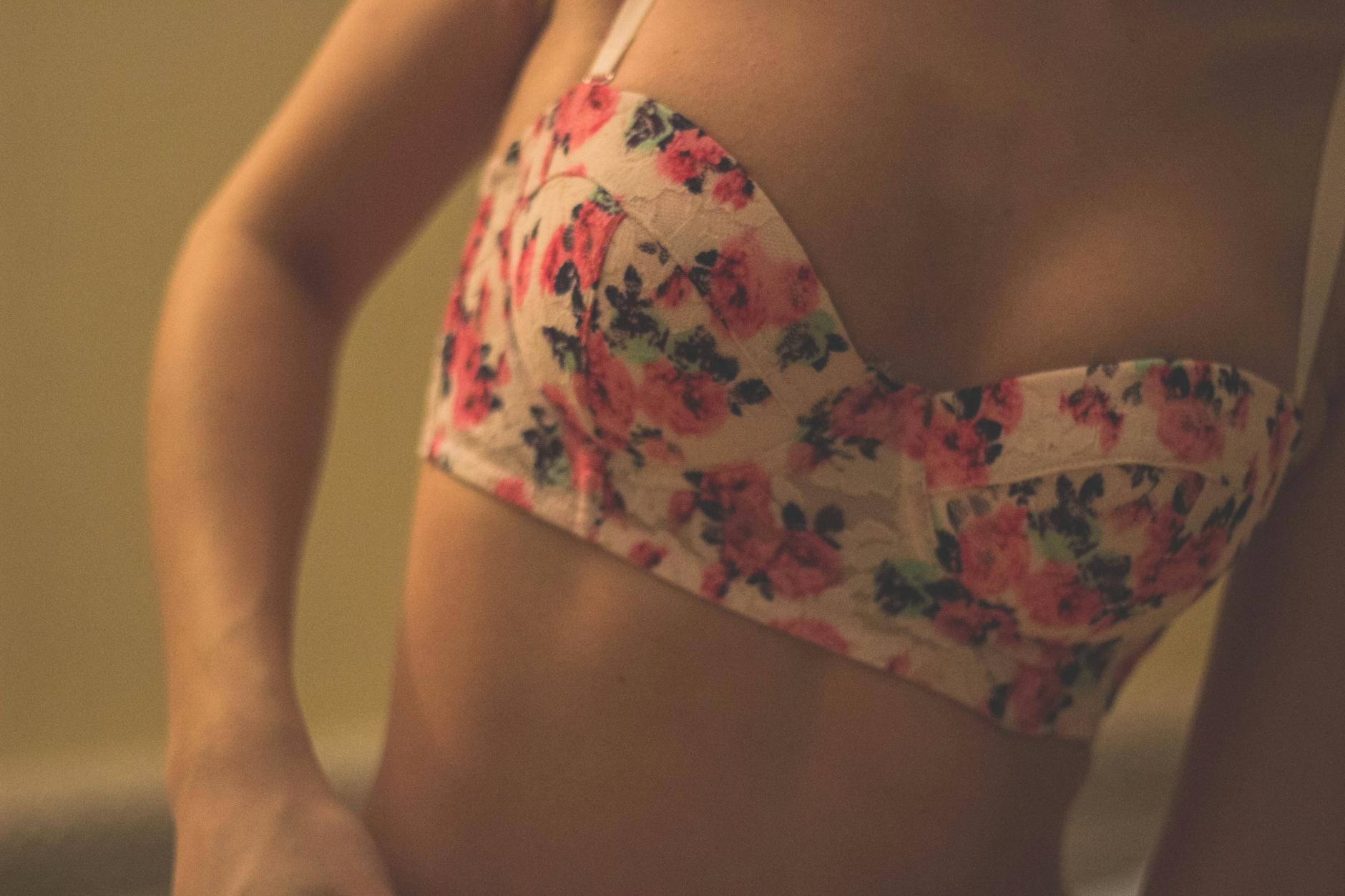
Straps that leave visible indentations or red marks on your shoulders are a clear sign the bra is not fitted correctly. This typically happens when the band is too loose and the straps are overcompensating by bearing the majority of the weight. The band should provide around eighty percent of the support while the straps simply guide the shape. Persistent shoulder strap pain can lead to tension headaches and neck discomfort over time. Adjusting the band size rather than tightening the straps is usually the most effective solution.
The Band Rides Up Your Back

A bra band that creeps up toward your shoulder blades throughout the day is a strong indicator that the band size is too large. The band should sit firmly and horizontally across your back at all times without any upward migration. When the band is loose it fails to anchor the bra properly and redistributes weight unevenly. This can contribute to back and shoulder strain as the day progresses. Sizing down in the band while adjusting the cup accordingly often resolves this issue entirely.
The Underwire Pokes or Digs In
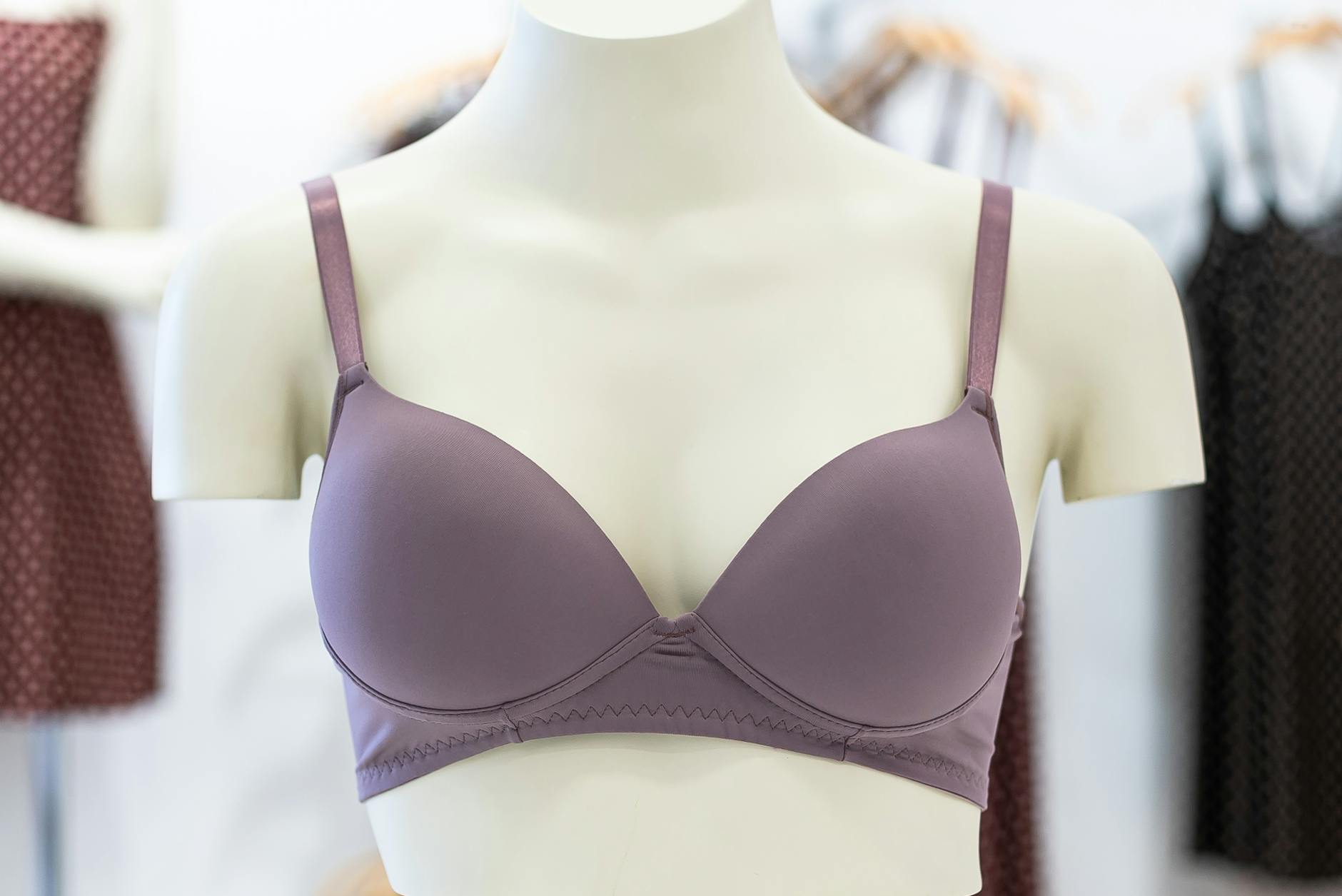
Underwire that presses into breast tissue or digs into the sides of your chest is a sign the cup size is too small. The wire should lie completely flat against your ribcage and follow the natural curve of your breast without any resistance. When the cup cannot contain the breast fully the underwire is forced out of position. Over time this can cause skin irritation and significant discomfort around the ribcage area. A larger cup size typically allows the underwire to sit where it is designed to rest.
The Cups Wrinkle or Gape

Visible wrinkling or gaping fabric at the top or sides of the cups means the cup size is too large for your frame. The cup should mold smoothly and completely to the breast without any excess fabric bunching or folding. Gaping cups are especially noticeable under fitted clothing and can affect the overall appearance of an outfit. This sign is one of the most commonly overlooked because many assume a little extra room is harmless. Sizing down in the cup creates a smoother and more supportive fit.
You Experience Breast Spillage
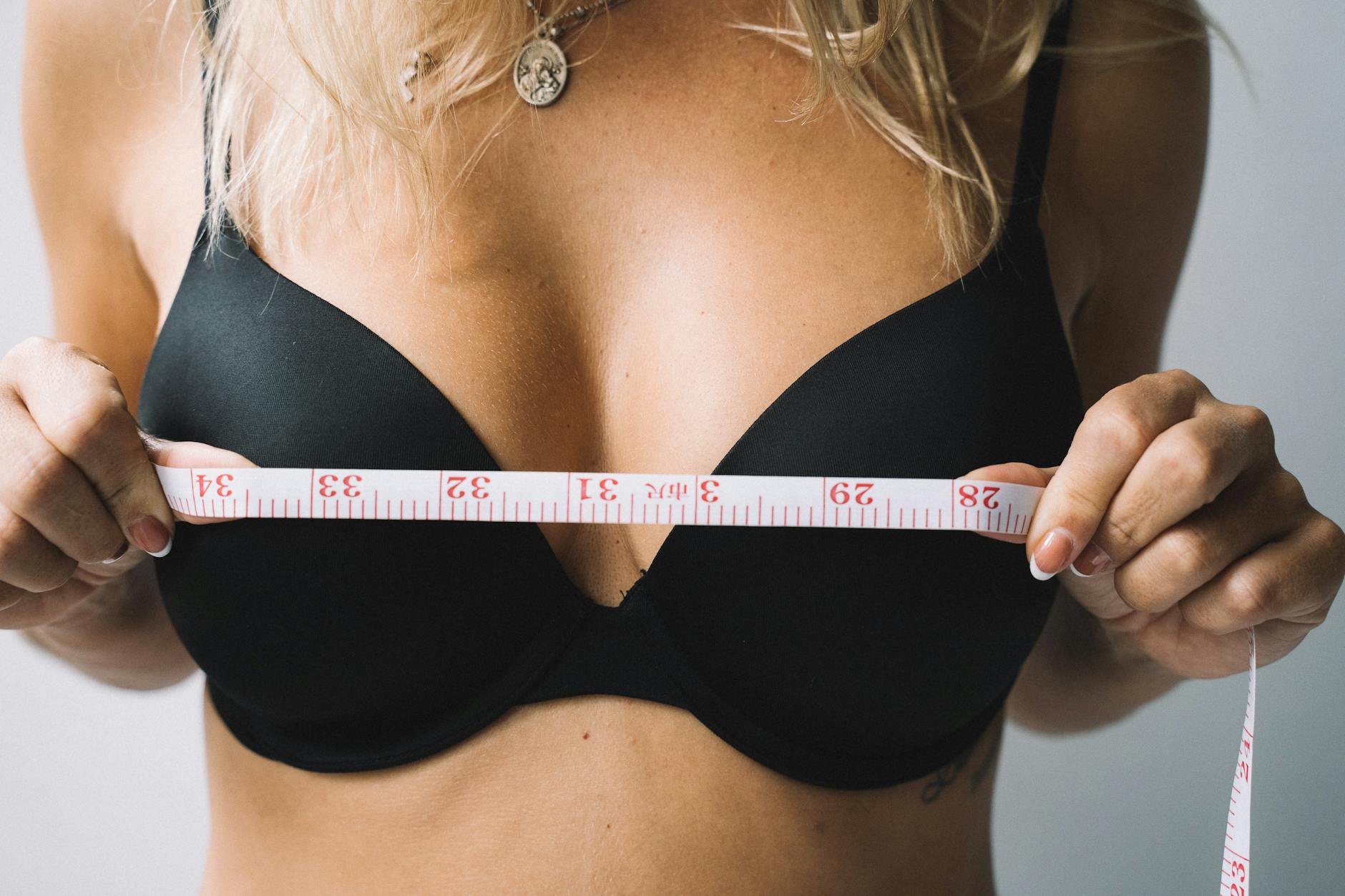
Breast tissue spilling over the top or sides of the cup is a clear indication that the cup size is too small. This overflow often creates a double-bust effect under clothing which affects the overall silhouette significantly. Spillage at the sides into the armpit area is equally common and can be easily missed. A correctly sized cup should encapsulate all breast tissue fully and smoothly. Increasing the cup size while keeping the band the same or adjusting accordingly will typically eliminate this issue.
The Center Gore Does Not Lie Flat
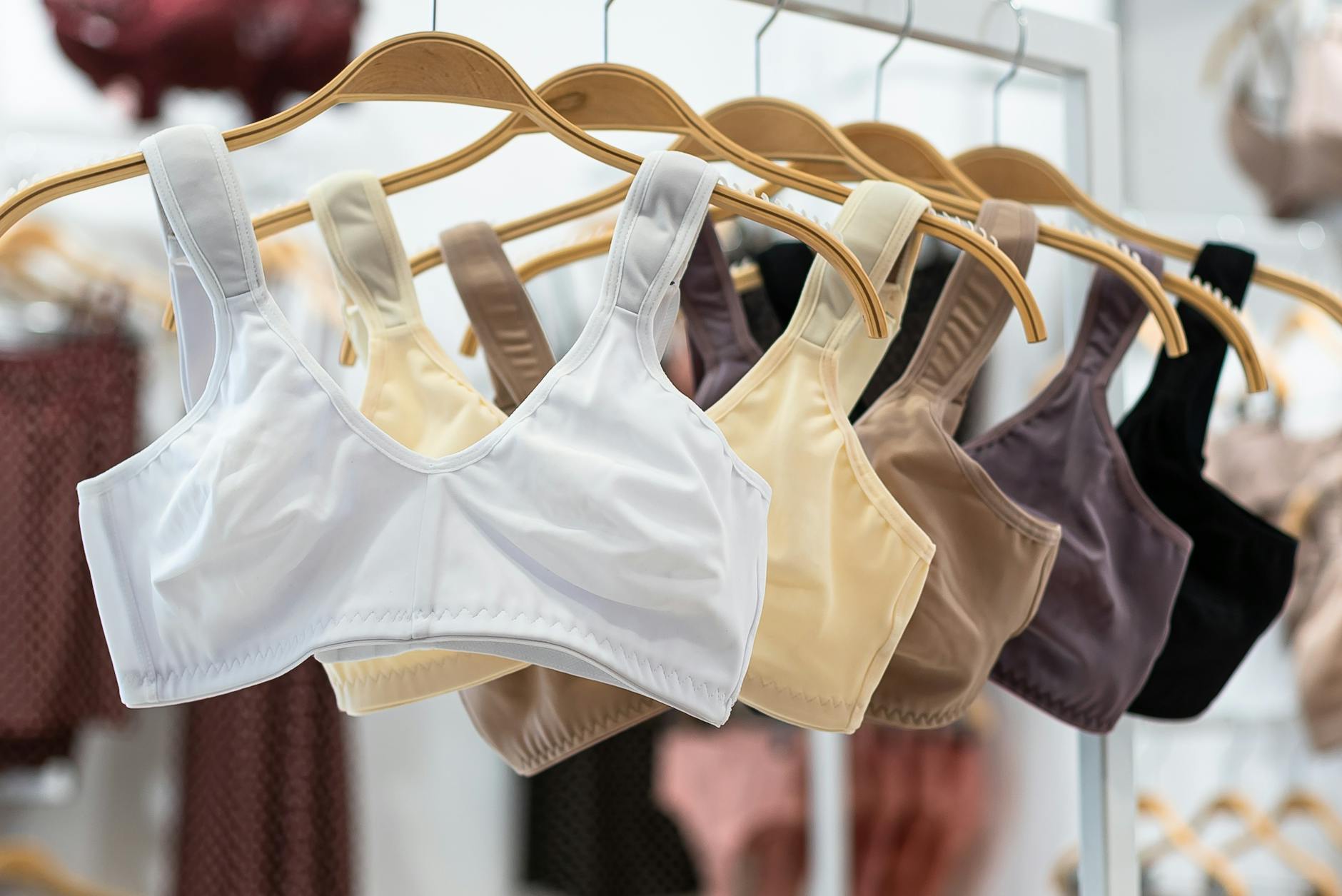
The center gore is the small panel of fabric between the cups and it should rest flush against the sternum at all times. When it lifts away from the body or floats forward it is a sign that the cups are too small or the style is unsuitable. This gap means the bra is not anchored properly at the front and the support is compromised as a result. It is one of the most reliable indicators used by professional bra fitters during assessments. Trying a larger cup size or a different underwire shape can often correct this problem.
Your Bra Leaves Red Marks on Your Skin

Mild indentations from a bra at the end of the day can be normal but deep red marks indicate an improper fit. Marks left by the band along the ribcage suggest the band is too tight or sitting incorrectly on the body. Marks from the underwire are a sign the wire is pressing into soft tissue rather than resting on bone. Persistent red marks can cause skin irritation and sensitivity with regular wear. A professional fitting can identify whether the issue lies with the band size the cup size or the bra style itself.
You Constantly Adjust Your Bra Throughout the Day
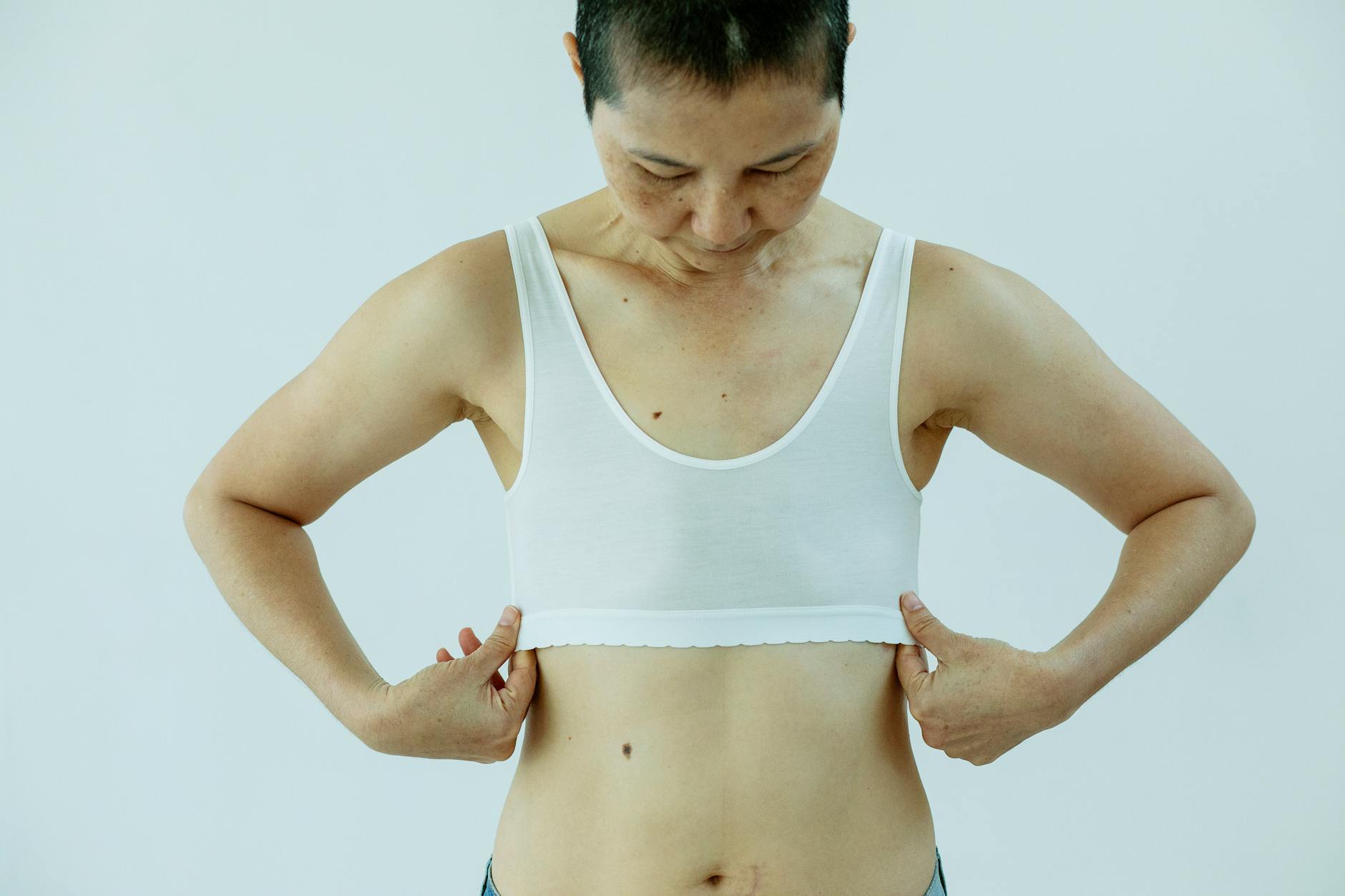
Needing to pull straps up repeatedly or tug the band down throughout the day points to a fitting issue that needs addressing. A well-fitted bra should stay in place comfortably from morning to evening without requiring constant readjustment. Frequent adjusting is not only inconvenient but also a signal that the bra is not providing adequate support. The need to adjust often increases discomfort and can distract significantly from daily activities. When a bra requires this much maintenance it is almost certainly the wrong size or style for your body.
Your Straps Fall Off Your Shoulders
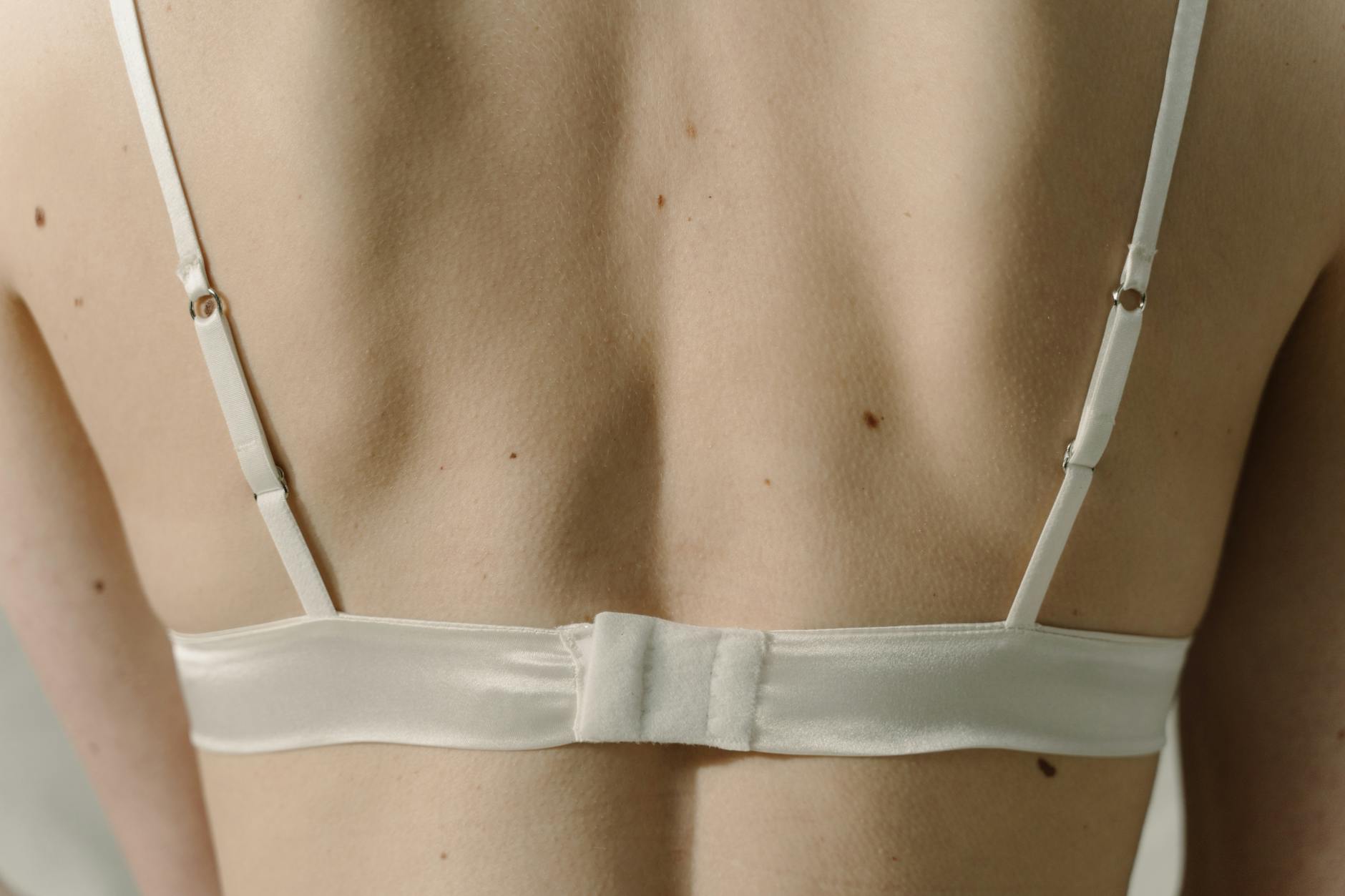
Straps that slide off the shoulders repeatedly even after being tightened suggest the bra style or size is not suited to your frame. This issue is particularly common in people with narrow or sloped shoulders who wear a band that is too large. A loose band causes the entire bra to shift and the straps lose their anchor point as a result. Certain styles such as racerback or convertible bras can offer more stability for this body type. Addressing the band fit first is typically the most effective starting point before exploring different strap configurations.
You Feel Breast or Back Pain After Wearing It
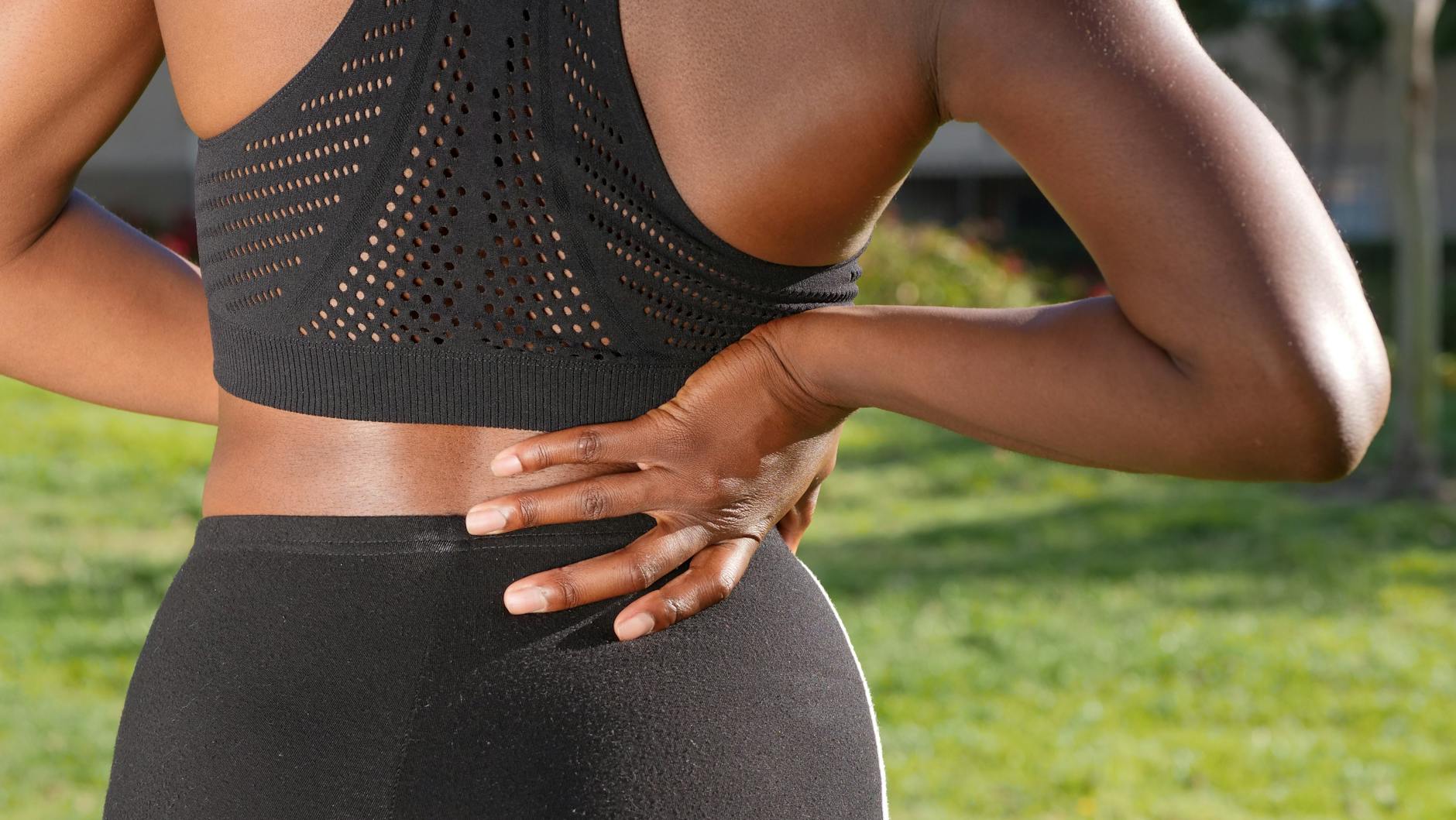
Discomfort in the breasts or persistent back pain that intensifies as the day progresses is frequently linked to poor bra fit. Unsupported breast tissue places additional strain on the muscles of the chest back and shoulders over extended periods. This is especially significant for people with larger cup sizes where inadequate support can have more pronounced physical effects. Many women attribute this pain to other causes without considering the bra as a contributing factor. Wearing a correctly fitted and well-structured bra has been shown to reduce musculoskeletal discomfort related to breast weight.
The Bra Looks Distorted Under Clothing
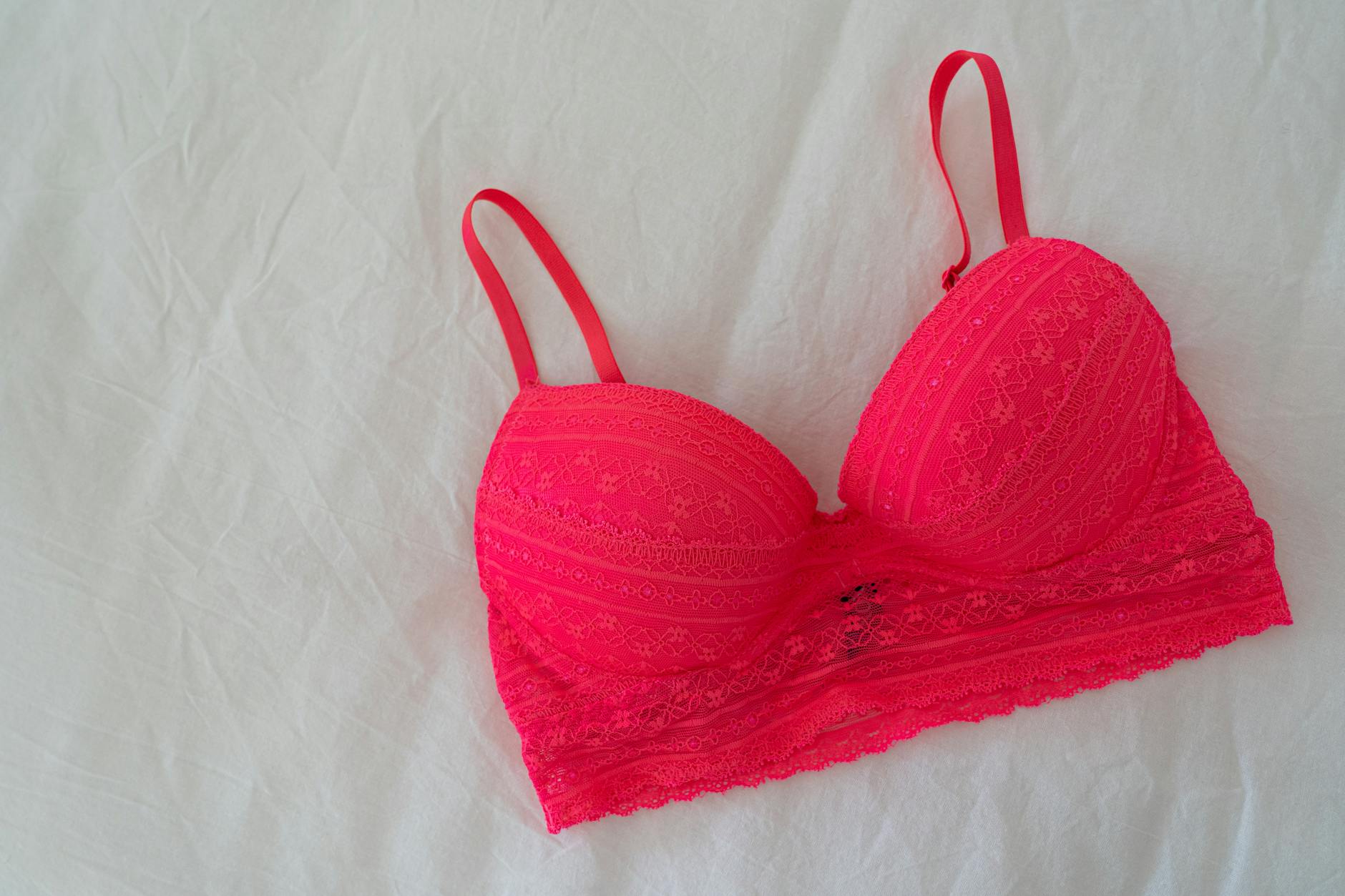
When a bra creates visible lumps ridges or an uneven profile beneath clothing it is a strong sign that the fit is off. A smooth and streamlined silhouette under garments depends almost entirely on wearing the correct bra size and style. Seamed cups in the wrong size often show through fabric and create unflattering lines across the chest area. T-shirt bras in the correct size are specifically designed to eliminate this issue with seamless and moulded cups. Correcting the fit not only improves comfort but also enhances the overall appearance of any outfit.
You Feel the Bra Has No Support
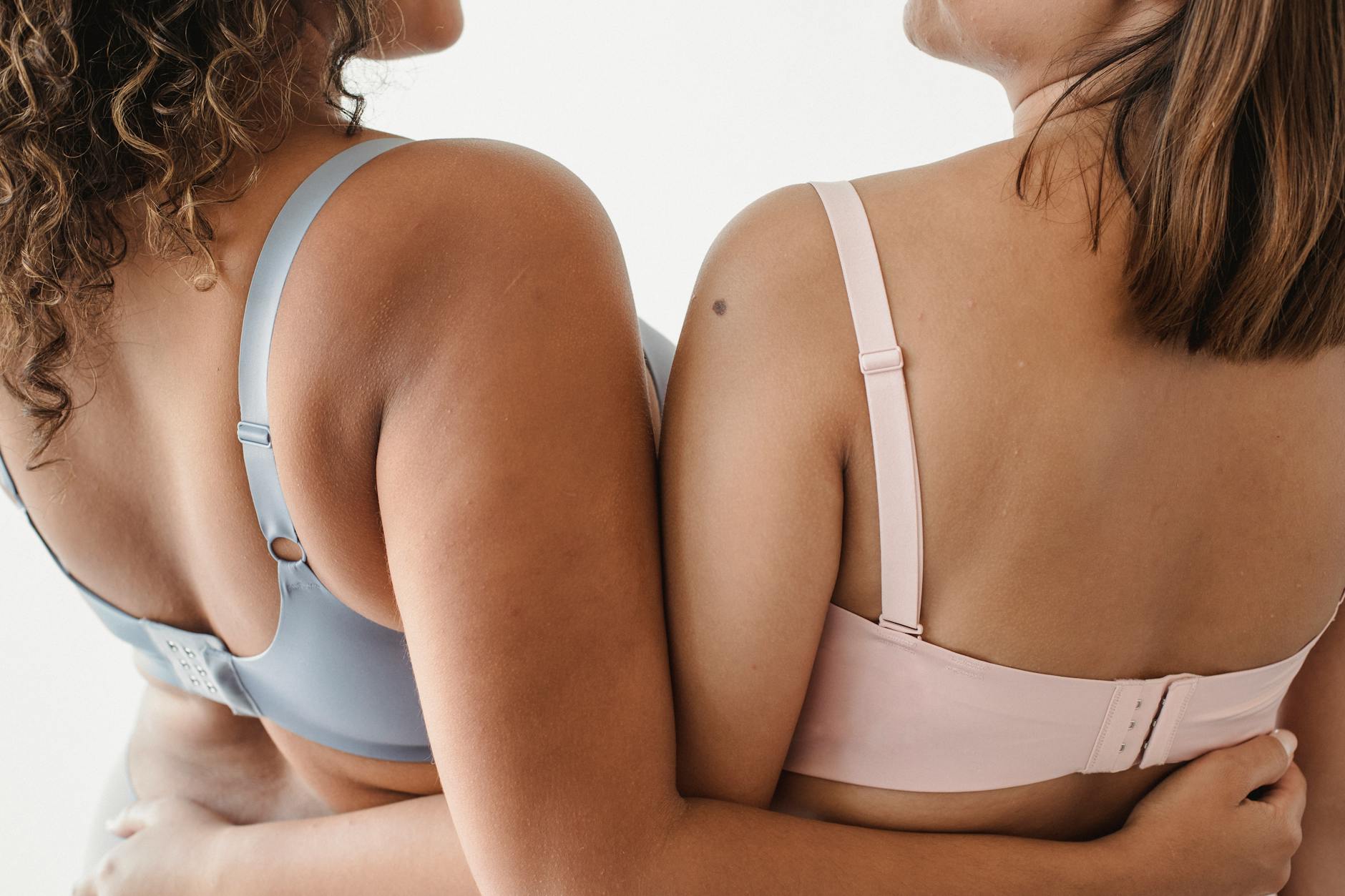
A sensation that the bra is doing nothing for you despite being fastened correctly suggests the size or style is inadequate for your needs. Support primarily comes from the band and a band that is too loose will render the bra virtually non-functional in terms of lift and structure. Many people mistakenly increase cup size when the real issue is an insufficiently snug band. The feeling of unsupported movement during everyday activities is a reliable indicator of poor bra fit. A firmer band size matched with an appropriately adjusted cup will restore the level of support a bra is designed to provide.
The Clasp Is Fastened on the Tightest Hook From Day One
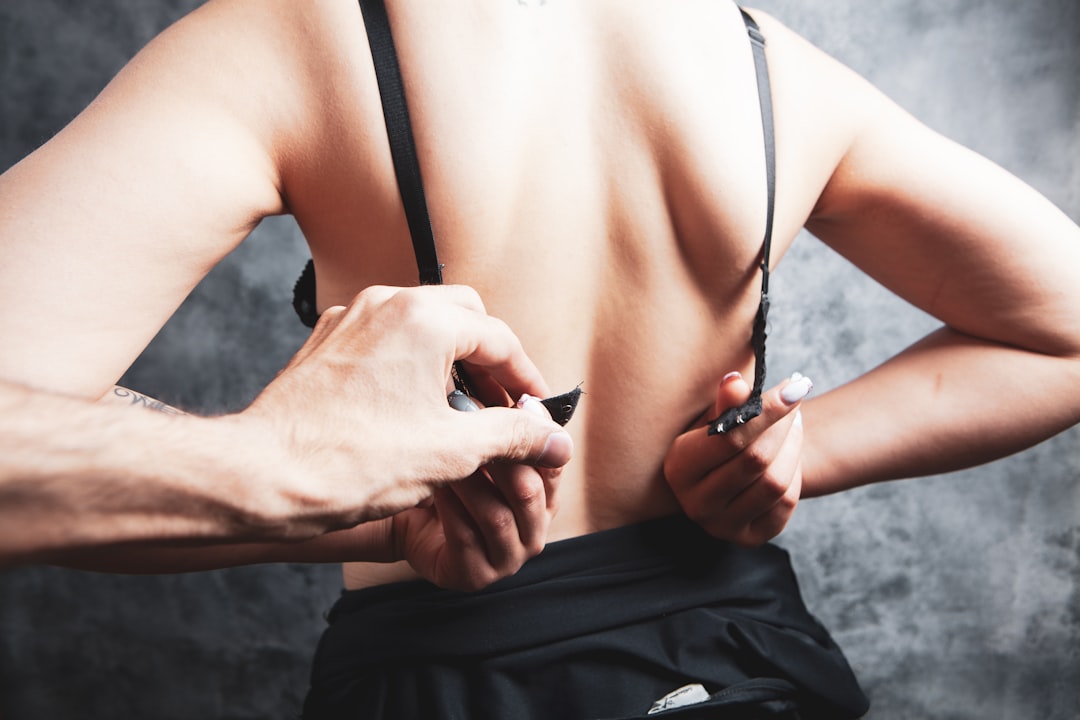
A new bra should always be fastened on the loosest hook to allow room for the elastic to naturally loosen with regular wear. If you need to reach for the tightest hook immediately the band size is too large for your current measurements. Starting on the tightest hook leaves no room for adjustment as the bra ages and the elastic stretches. This shortens the effective lifespan of the bra and means it will feel loose much sooner than it should. A new bra fitting correctly on the outermost hook is the standard benchmark used by bra fit specialists.
You Have Been Wearing the Same Size for Many Years

Body shape and breast tissue change over time due to factors including weight fluctuations hormonal shifts pregnancy and aging. Wearing the same bra size for several years without reassessment often means the current size no longer reflects the actual measurements of the body. Many women are measured once in their teens or early adulthood and assume that size remains accurate indefinitely. It is widely recommended that bra measurements be reassessed every one to two years or following any significant body change. Updating your size regularly ensures ongoing comfort support and proper fit throughout different life stages.
You Dread Putting It On

A general feeling of reluctance or dread when it comes to wearing a bra is one of the most telling signs of all. Discomfort should not be considered a normal part of wearing a bra and persistent unpleasantness points directly to a sizing or fit problem. Many people tolerate years of discomfort under the assumption that all bras feel this way. A professionally fitted bra in the correct size and appropriate style should feel comfortable and even go unnoticed during the course of a daily routine. When a bra fits well it supports without restricting and its presence becomes something easy to forget entirely.
If any of these signs resonate with your experience share your thoughts and your own bra fitting journey in the comments.




