From cobblestone streets soaked in colonial history to alpine villages tucked into mountain valleys, the United States holds an extraordinary range of places that transport visitors far beyond their expectations. These destinations have been shaped by waves of immigration, unique geography, and deeply preserved cultural traditions that set them apart from anywhere else in the country. Travelers seeking the thrill of international discovery without crossing a border have more options than most people realize. Each of these fifteen American places carries an atmosphere so distinct that it genuinely feels like stepping onto foreign soil.
New Orleans, Louisiana
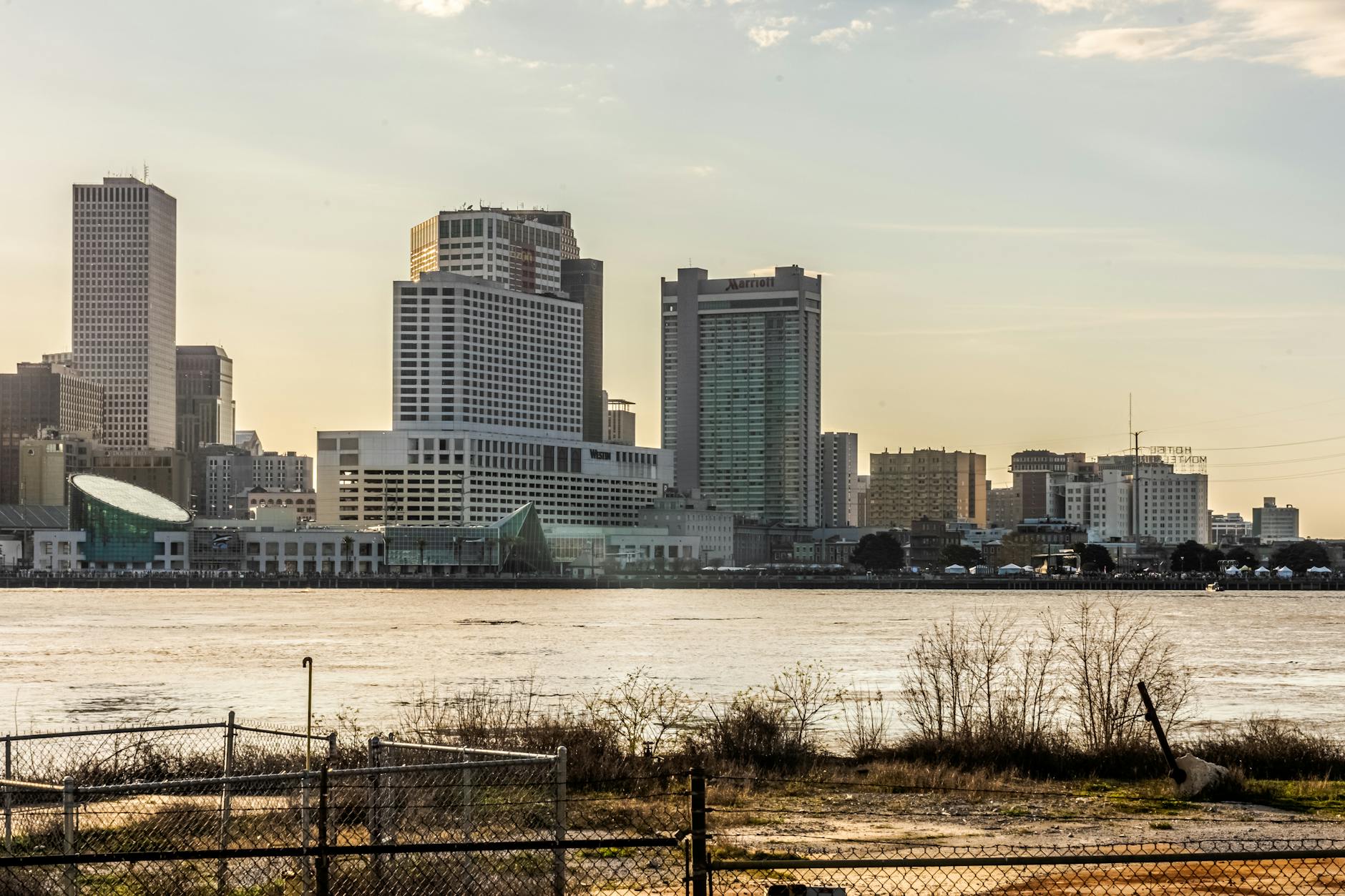
New Orleans is one of the most culturally layered cities in the entire Western Hemisphere, drawing clear comparisons to the French Quarter’s obvious namesake across the Atlantic. Its wrought-iron balconies, pastel Creole townhouses, and narrow flagstone streets create a streetscape unlike anything else found in North America. The food culture alone tells a story of French, Spanish, African, and Caribbean influences woven together over centuries. Jazz drifts out of open doorways while the scent of beignets and chicory coffee fills the morning air. The city holds onto its European and Caribbean soul with remarkable tenacity.
Solvang, California
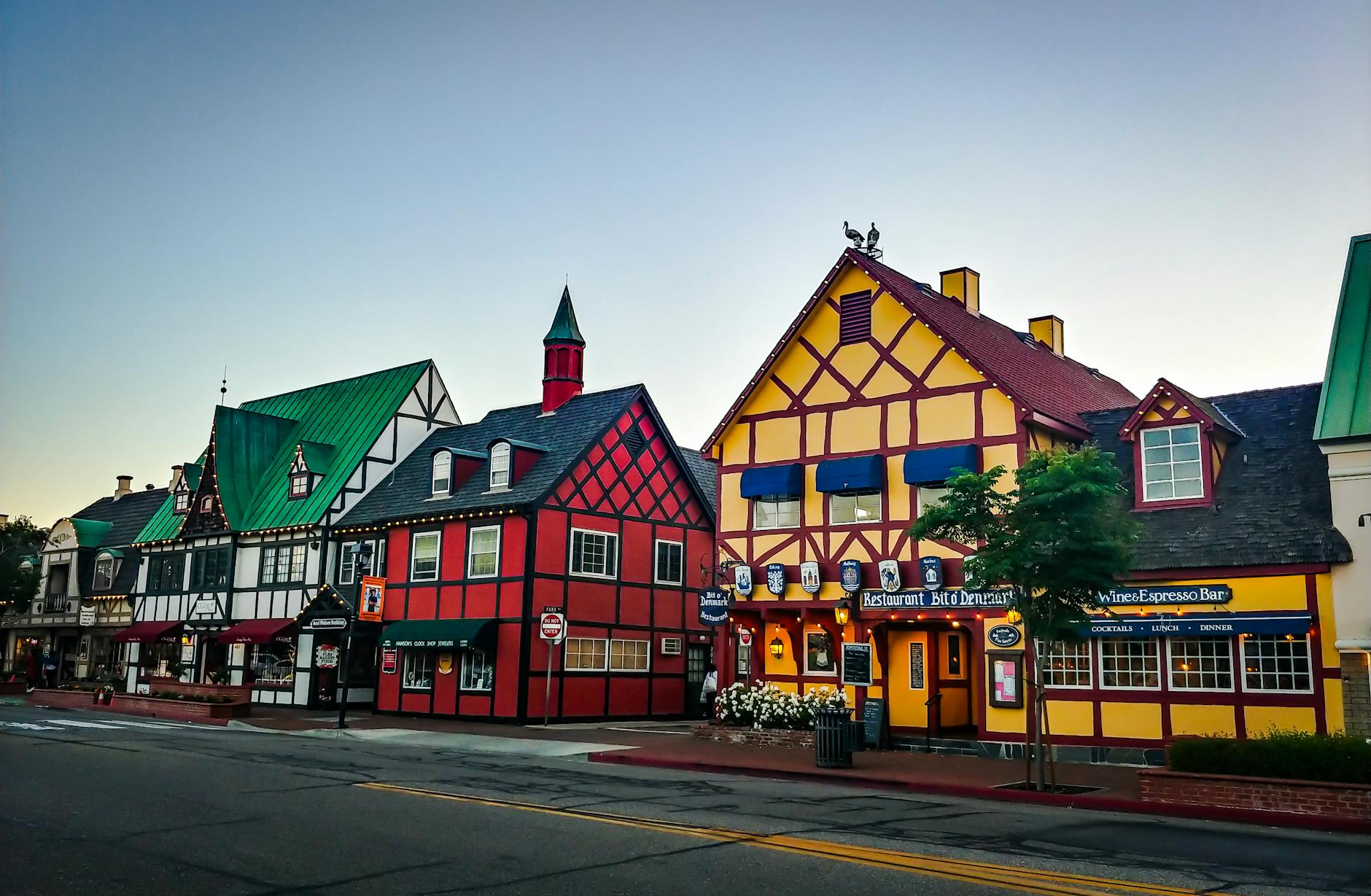
Solvang was founded in 1911 by Danish settlers who wanted to preserve their homeland culture in the Santa Ynez Valley and the result is a town that looks lifted directly from Copenhagen. Half-timbered buildings painted in warm yellows and reds line the main streets alongside working windmills and cobbled plazas. Danish pastries, æbleskiver pancakes, and imported Scandinavian goods are staples of the local economy and daily life. Street signs appear in both English and Danish and the town celebrates traditional Danish holidays with festivals that draw visitors from across the state. Walking through Solvang feels more like a European village holiday than a California road trip.
Leavenworth, Washington
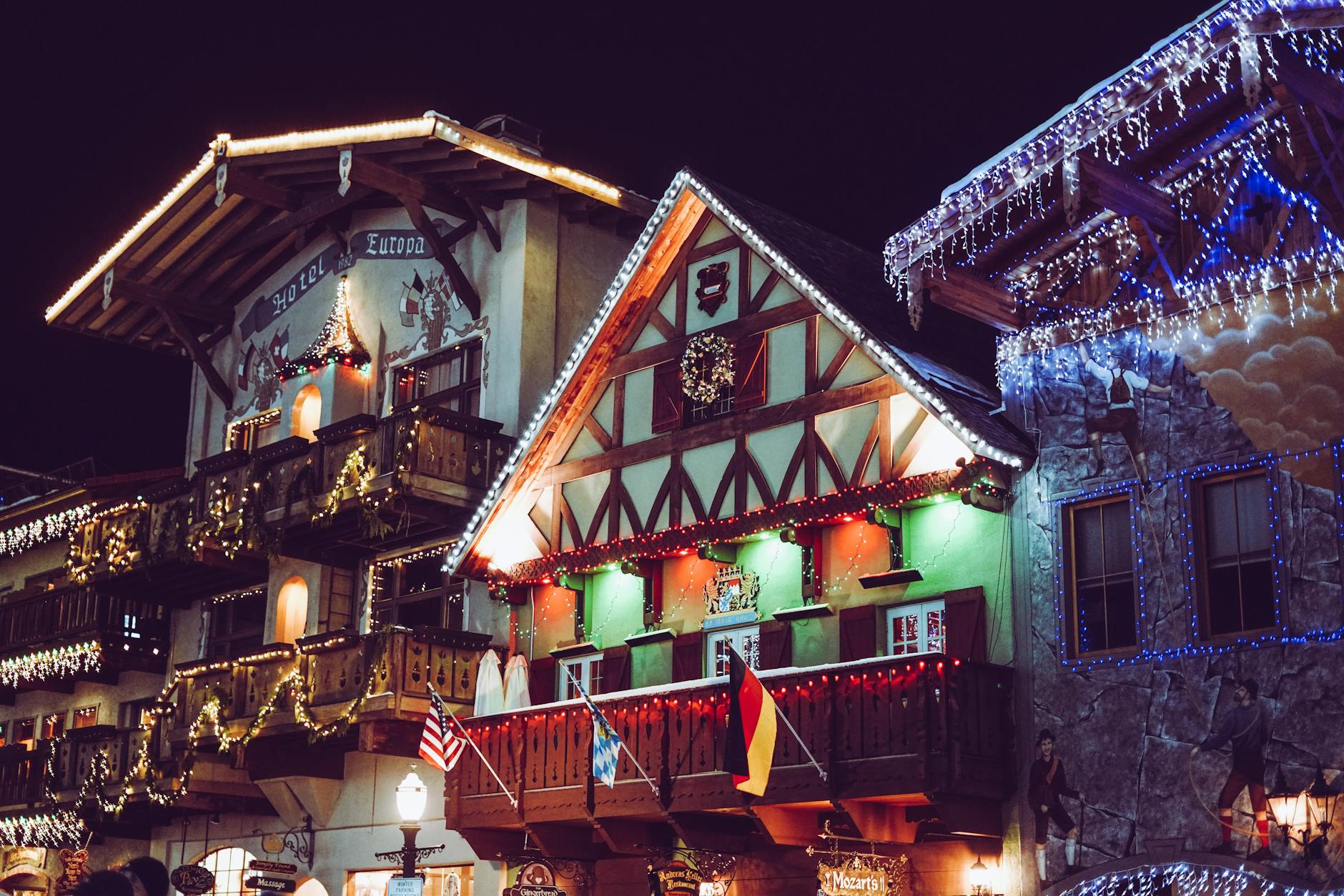
Leavenworth is a former logging town in the Cascade Mountains that reinvented itself in the 1960s as a Bavarian-style village and has committed to that identity ever since. Every building along the main street follows strict Bavarian architectural codes featuring steep gabled roofs carved wooden balconies and flower boxes overflowing with geraniums. The town hosts one of the most popular Oktoberfest celebrations in the United States drawing hundreds of thousands of visitors each autumn. Bratwurst shops and German beer halls share space with traditional European bakeries and alpine outfitters. The surrounding mountain scenery only deepens the illusion of being somewhere in rural Bavaria.
St. Augustine, Florida
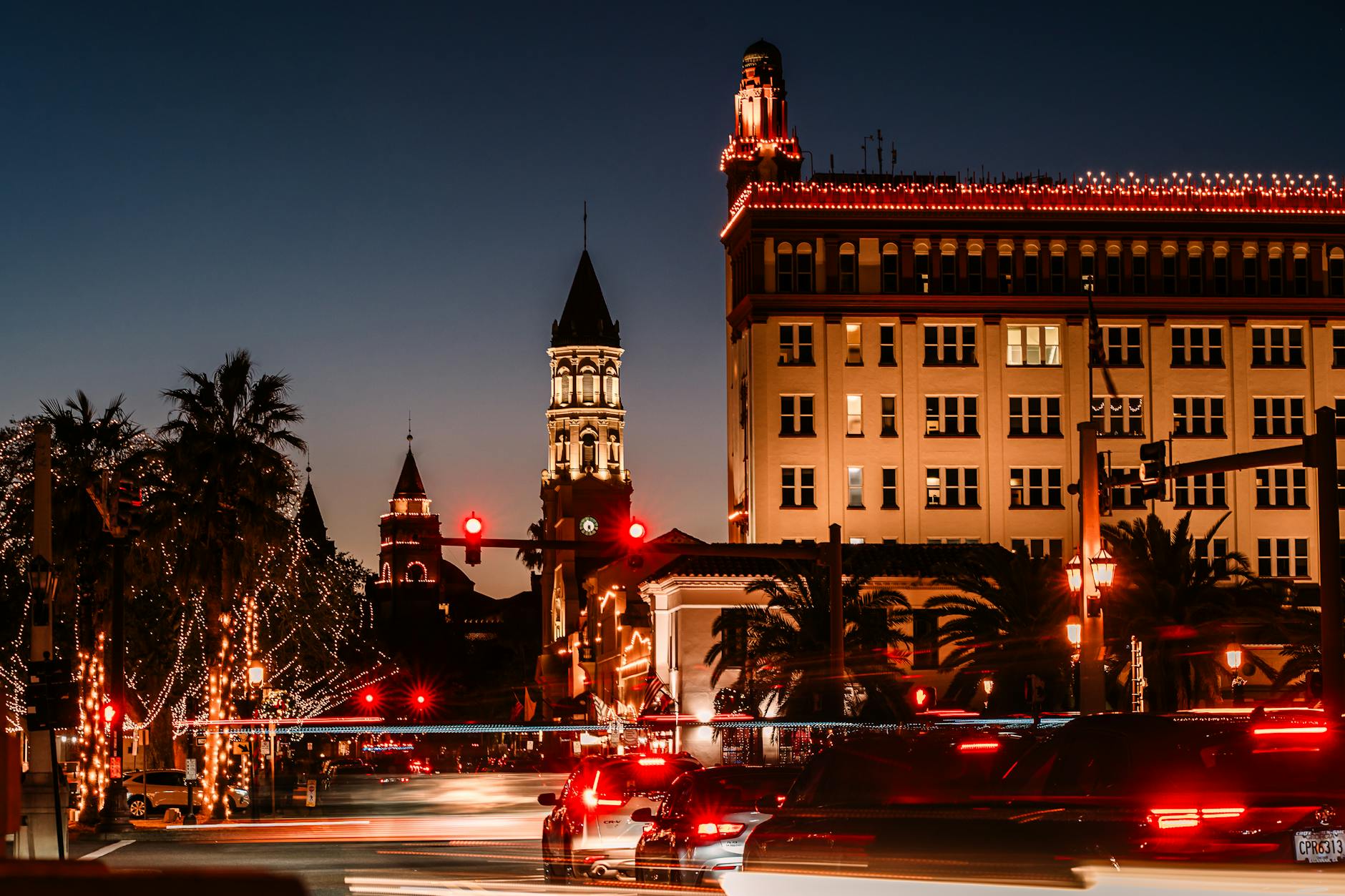
St. Augustine is the oldest continuously occupied European-established settlement in the continental United States and its Spanish colonial roots are visible on nearly every corner. The Castillo de San Marcos a 17th-century coquina fortress dominates the waterfront and remains one of the most intact Spanish colonial structures anywhere in the Americas. Narrow pedestrian streets wind between centuries-old buildings with terracotta rooftops heavy wooden doors and shaded courtyards full of bougainvillea. The historic district has been carefully preserved so that walking through it genuinely evokes the atmosphere of Seville or Cartagena. Few American cities wear their Old World heritage as openly or as beautifully as St. Augustine does.
Little Havana, Miami
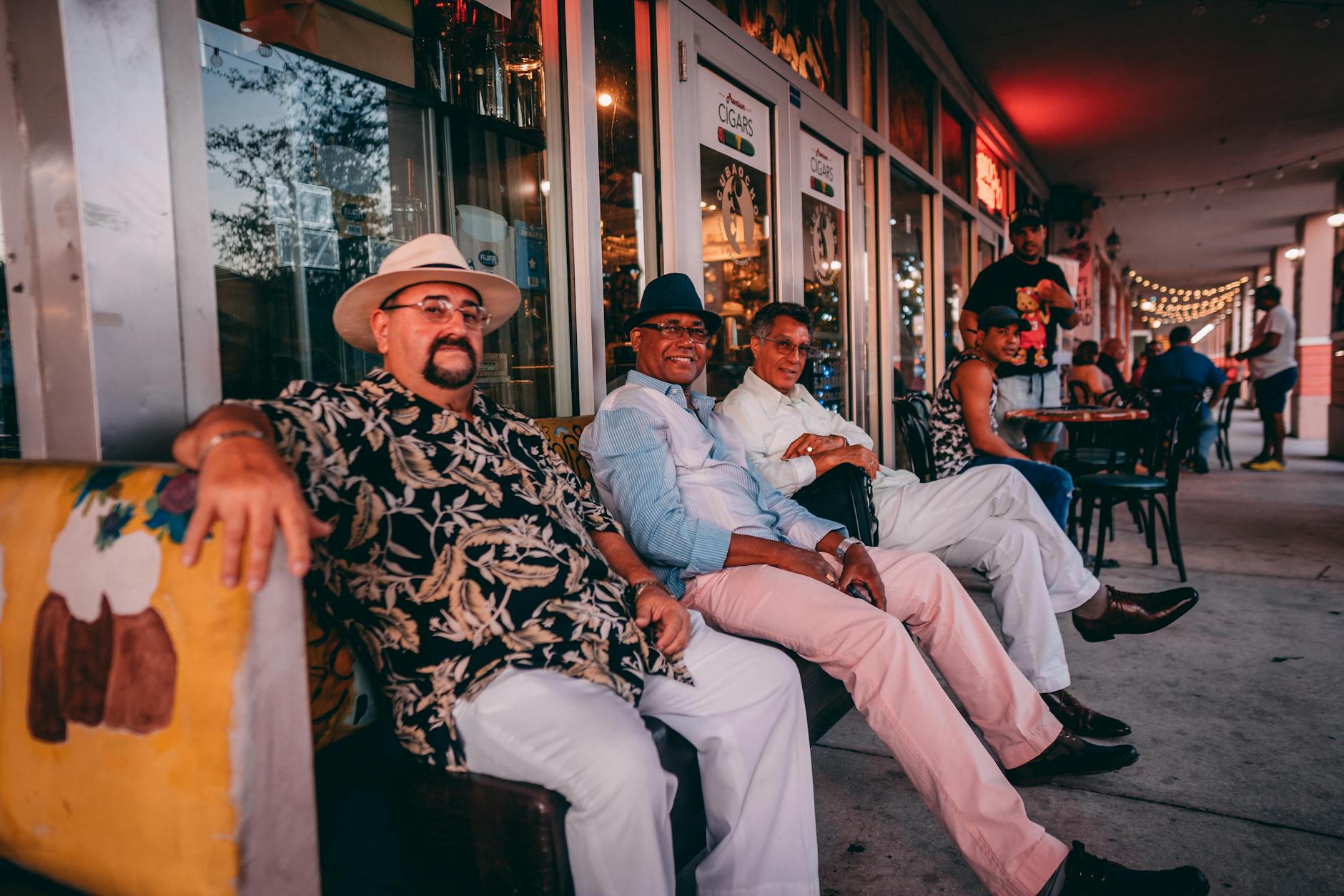
Little Havana in Miami is a living cultural enclave where Cuban identity has been preserved and celebrated for more than six decades. Calle Ocho is the neighborhood’s main artery lined with cigar shops dominoes players in Maximo Gomez Park and restaurants serving ropa vieja and Cuban coffee through walk-up windows. Murals in vivid tropical colors cover entire building facades celebrating Cuban artists musicians and historical figures. The sounds of salsa and son cubano spill from open-air venues day and night creating a sensory experience unlike any other American neighborhood. Spending an afternoon here requires no imagination to feel as though you have landed in Havana itself.
Taos Pueblo, New Mexico
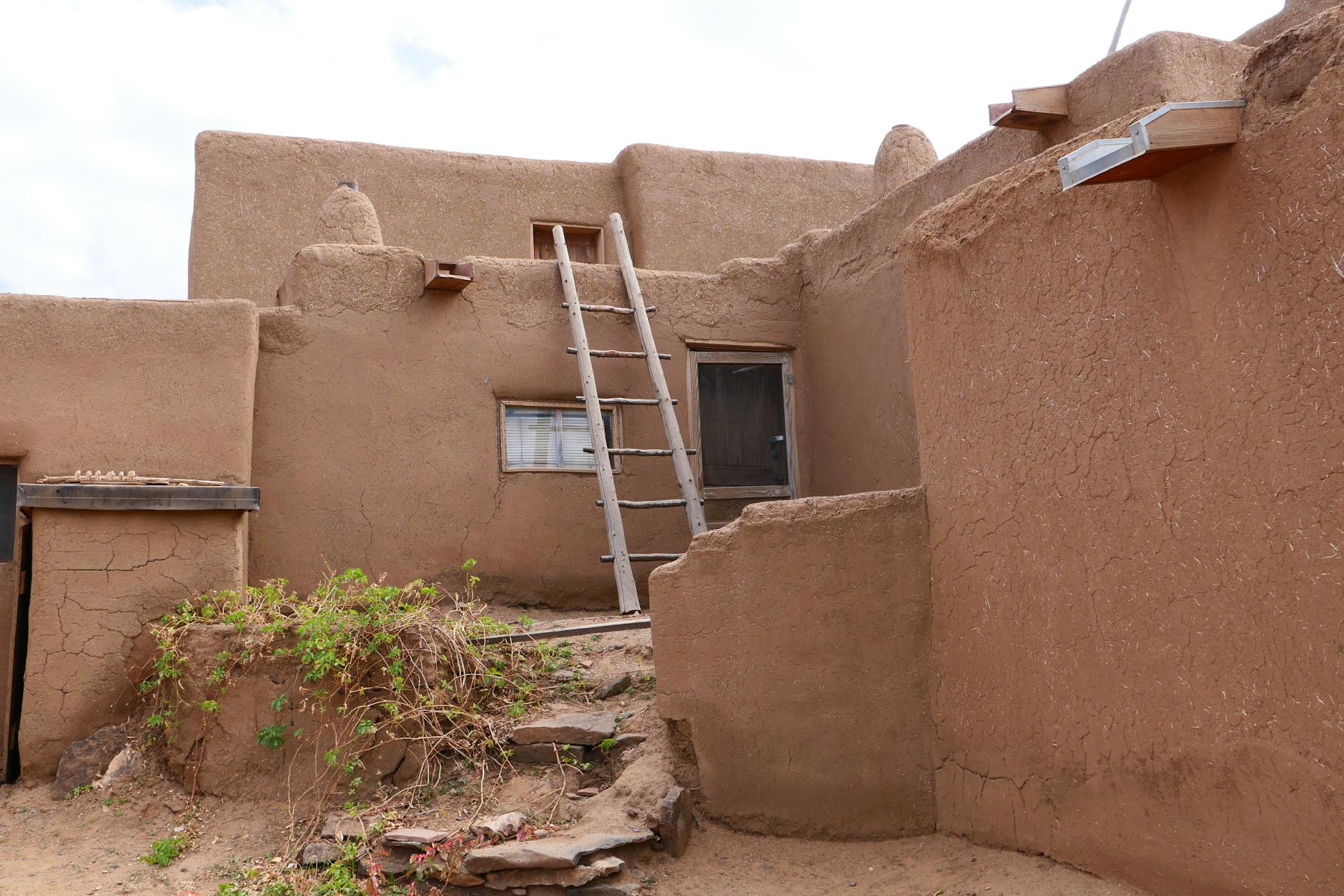
Taos Pueblo is a continuously inhabited Native American community that has stood for over a thousand years making it one of the oldest living communities in North America. The multi-story adobe structures rising against the Sangre de Cristo Mountains look unlike anything found elsewhere in the United States and carry an almost otherworldly ancient quality. The community has resisted modern utilities in parts of the pueblo in order to preserve its traditional way of life and architectural character. Visitors walk through a landscape of earthen walls dried chiles and ceremonial spaces that feel closer to a North African medina or a Middle Eastern ancient city than to a typical American town. It holds UNESCO World Heritage status and the recognition is immediately understandable upon arrival.
Fredericksburg, Texas

Fredericksburg was settled by German immigrants in 1846 and the town has preserved its Central European character through architecture food culture and local customs that have been passed down through generations. The main street is lined with 19th-century limestone buildings housing shops selling German sausage strudel and locally brewed lagers that would hold their own in Munich. The surrounding Hill Country is blanketed in vineyards that produce wines influenced by German and Alsatian winemaking traditions. Bed and breakfasts called guesthouses known locally as Sunday Houses are a direct continuation of a practice started by early German settlers. The blend of Texas landscape and German culture creates a combination found nowhere else on earth.
Chinatown, San Francisco
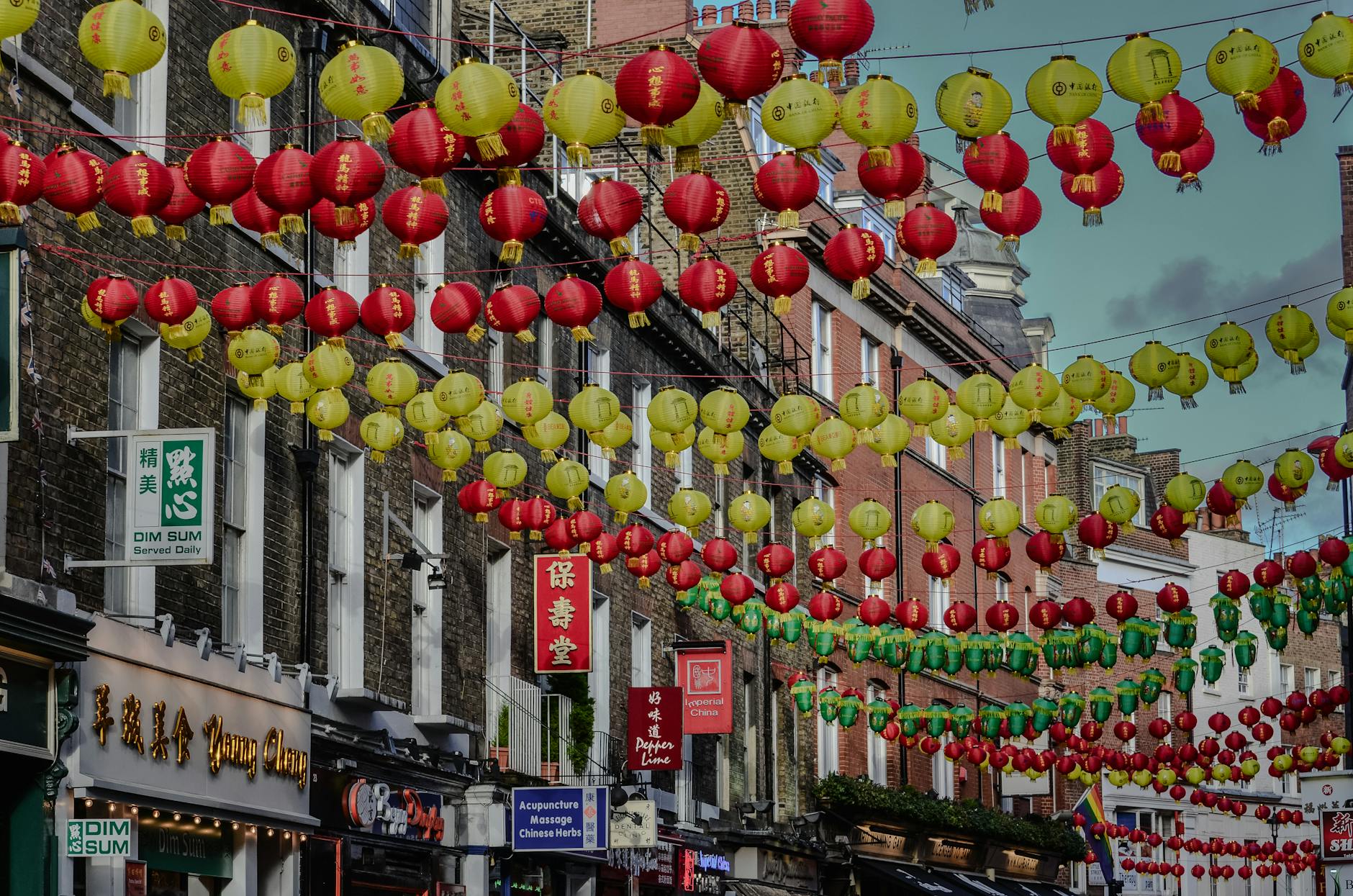
San Francisco’s Chinatown is the oldest in North America and remains one of the most densely populated and culturally authentic urban enclaves in the Western world. Dragon-topped gates ornate temple facades and streets packed with traditional herbalists roast duck shops and dim sum parlors create a landscape that rivals neighborhoods in Hong Kong or Guangzhou. The neighborhood has served as the cultural and spiritual center for Chinese Americans on the West Coast for over 150 years. Street markets overflow with fresh produce unusual vegetables and goods imported directly from Asia displayed in ways that are entirely unfamiliar to most American shoppers. Few urban experiences in the country offer such complete immersion in a living foreign culture.
Ybor City, Tampa
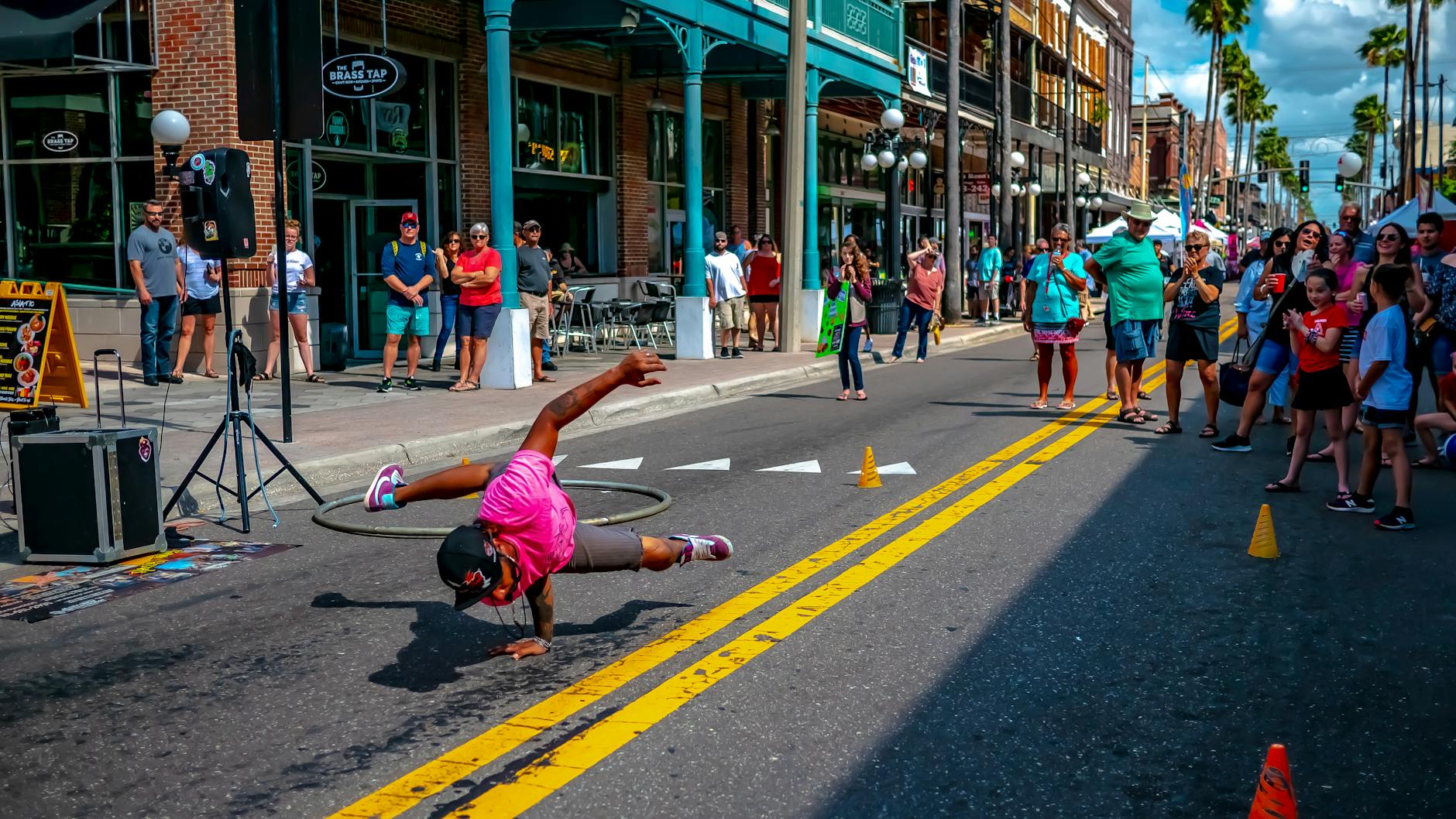
Ybor City was built in the late 1800s as a center for Cuban and Spanish cigar manufacturing and the neighborhood still carries the layered Latin and Mediterranean character of those founding communities. Brick-paved streets run between restored cigar factories and Spanish social clubs whose wrought-iron facades and tiled interiors could pass for something found in Valencia or Havana. The Columbia Restaurant founded in 1905 is the oldest restaurant in Florida and its flamenco performances and Spanish cuisine anchor the neighborhood’s Old World identity. Roosters wander freely through parts of the district a tradition that locals have fought to maintain as a nod to the neighborhood’s Cuban heritage. Ybor City holds a cultural weight that feels far removed from the rest of modern Tampa.
Holland, Michigan
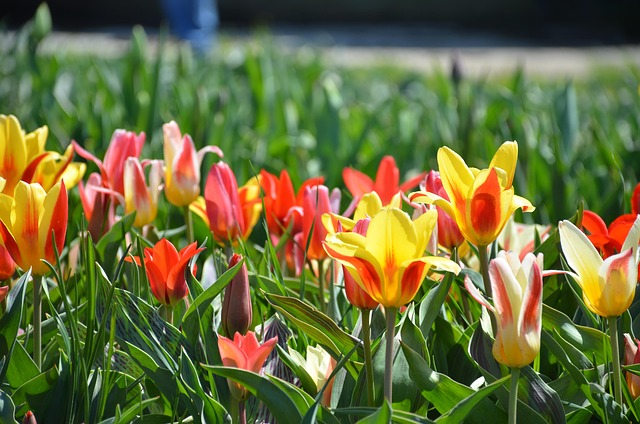
Holland Michigan was established in 1847 by Dutch Reformed settlers and the town has maintained its Dutch heritage with a dedication that makes it feel like a genuine piece of the Netherlands transplanted to the Great Lakes. The Windmill Island Gardens feature a working 18th-century Dutch windmill imported directly from the Netherlands and reconstructed brick by brick on the banks of a canal. Tulip Time Festival each spring draws nearly half a million visitors to streets lined with wooden shoe dancers traditional Dutch costumes and millions of blooming tulips. Dutch architecture dominates the downtown streetscape and local bakeries sell stroopwafels and Dutch apple pastries alongside familiar American fare. The town’s commitment to its origins is total and the result is an experience that surprises most first-time visitors.
Bisbee, Arizona

Bisbee is a former copper mining town perched in the Mule Mountains of southern Arizona that has evolved into one of the most unexpectedly European-feeling places in the American Southwest. Its narrow streets climb steep hillsides in a manner reminiscent of hillside towns in Portugal or southern Italy with staircases connecting neighborhoods that have no road access whatsoever. Victorian-era buildings painted in faded pastels house art galleries antique shops and restaurants with a bohemian character that feels more Lisbon than Arizona. The town sits just a short drive from the Mexican border and absorbs a blended cultural influence that adds further layers to its already unusual identity. Bisbee consistently surprises visitors who expect a standard Western desert town and find something entirely different.
Astoria, Oregon
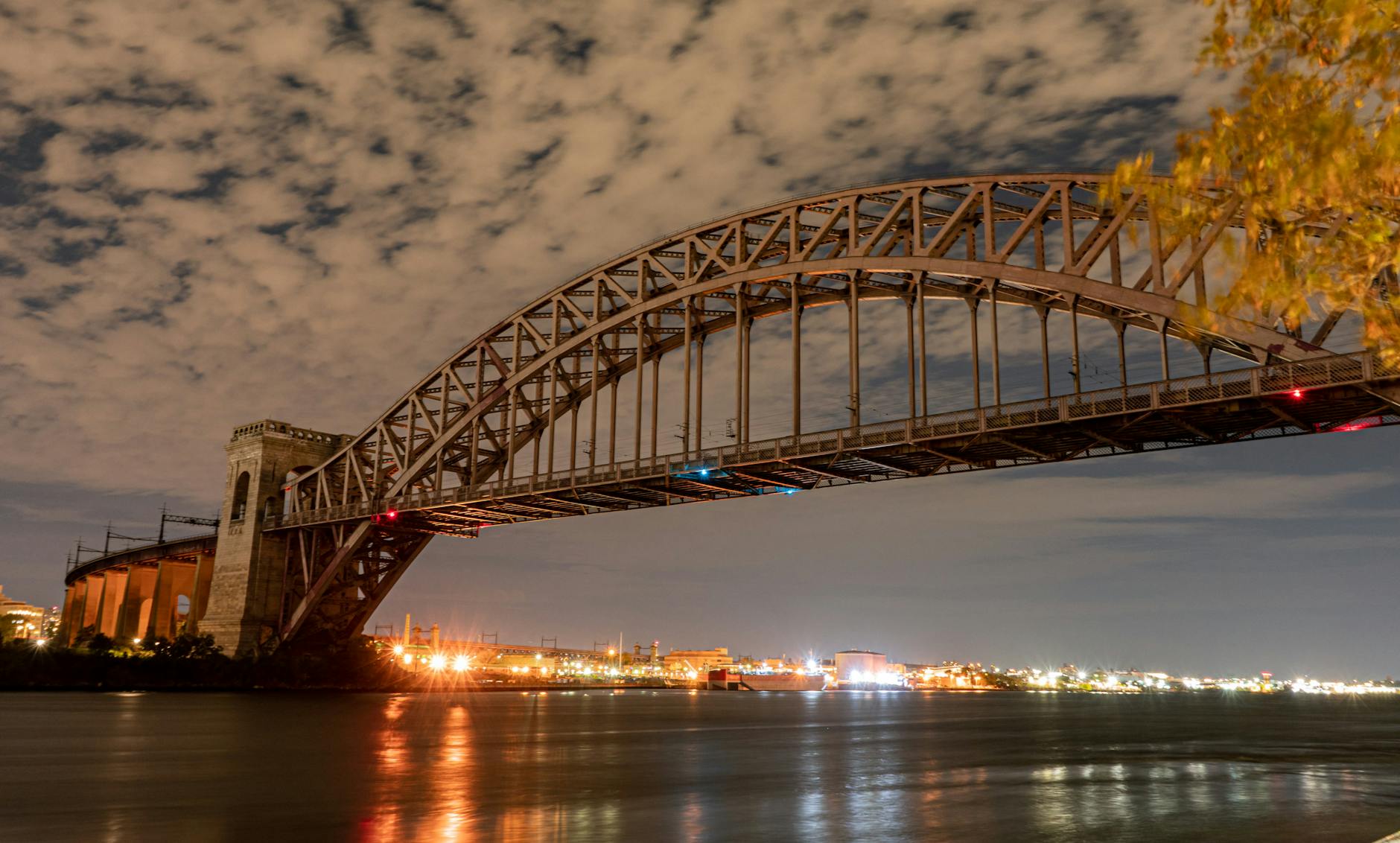
Astoria at the mouth of the Columbia River carries the unmistakable character of a Scandinavian fishing port shaped by the Norwegian and Finnish settlers who built its maritime industry in the 19th century. Victorian homes climb the hillsides above the waterfront in pastel rows that look strikingly similar to the painted wooden towns of coastal Norway. The fishing culture is central to daily life here and the harbor remains a working environment filled with commercial fishing vessels processing facilities and historic canneries. Local festivals celebrate Scandinavian traditions and the architecture along the main streets retains enough of its original character to make the comparison feel effortless. Astoria’s fog-draped mornings along the Columbia feel closer to Bergen than to the Pacific Northwest.
Marfa, Texas

Marfa is a tiny West Texas desert town that has transformed into one of the most internationally recognized art destinations in the country drawing visitors who find its austere minimalist landscape deeply reminiscent of the high plains of Spain or the Moroccan interior. The Chinati Foundation established by artist Donald Judd in the 1970s filled the town with monumental minimalist installations that changed its identity permanently. Adobe buildings baked under an enormous open sky create a visual vocabulary that feels foreign to most Americans used to conventional urban or suburban environments. The town has attracted an international community of artists designers and writers who have brought a cosmopolitan sensibility to a place with fewer than two thousand permanent residents. The combination of desert silence and art world sophistication makes Marfa one of the most singular places in the country.
Lowell, Massachusetts
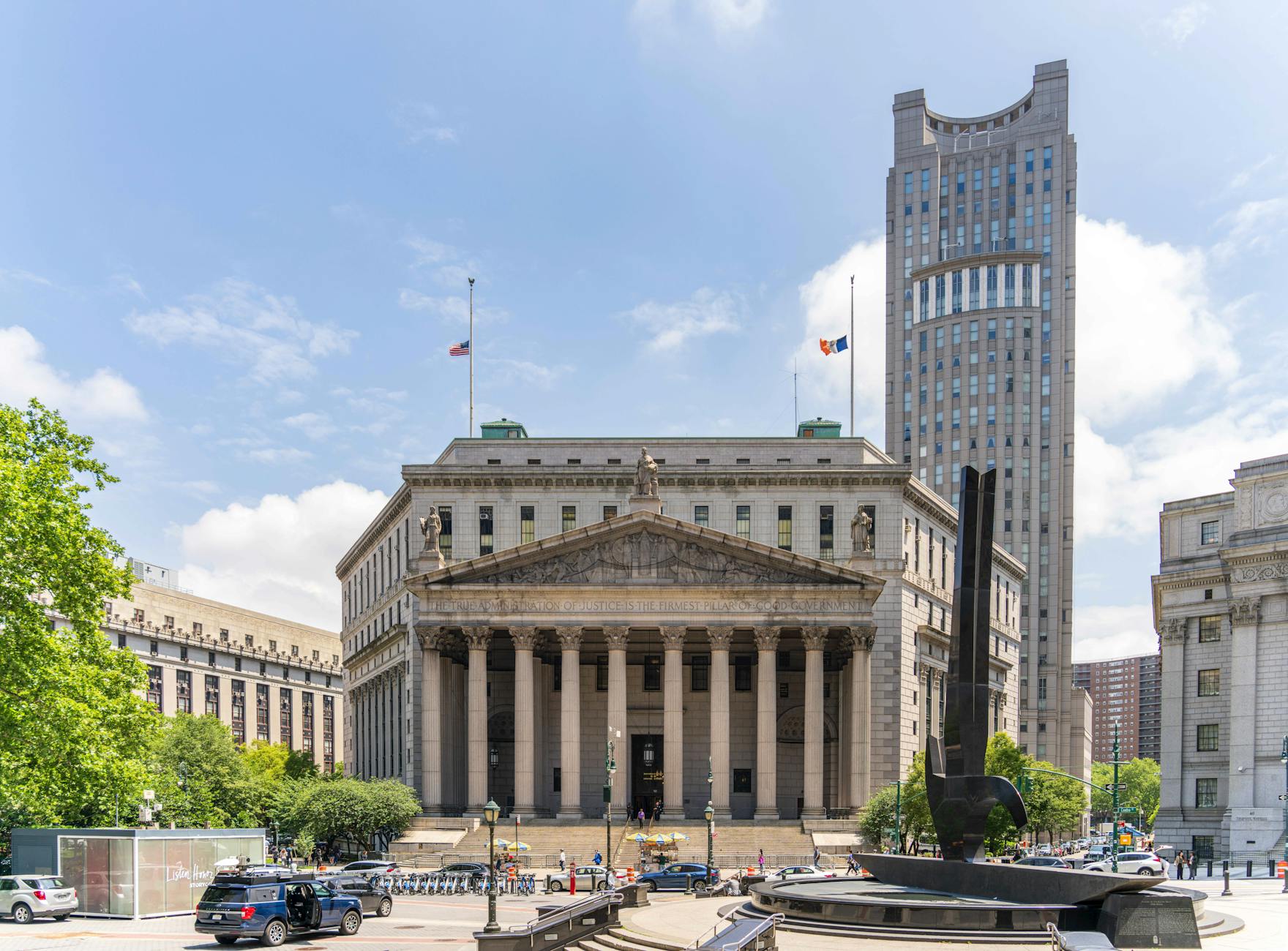
Lowell was built in the early 19th century as a planned industrial city modeled closely on the textile mill towns of northern England and the brick canal architecture at its core retains that Victorian British character remarkably well. Miles of canals cut through the city connecting massive redbrick mill buildings that would be entirely at home in Manchester or Leeds. The city is home to one of the most diverse immigrant populations in New England bringing further cultural layers from Southeast Asia Latin America and Africa that give it a genuinely international texture. The National Historical Park preserves the industrial streetscape so completely that it functions as a kind of open-air museum of 19th-century industrial urbanism. Lowell’s canals and mill facades carry a weight of history that makes it feel more like a preserved English industrial city than a typical Massachusetts town.
Lahaina, Maui

Lahaina on the western coast of Maui carries the soul of old Polynesia in its harbor town character and the deep cultural presence of Native Hawaiian traditions that shape daily life even amid heavy tourist traffic. The historic town was once the royal capital of the Hawaiian Kingdom and its streets hold the memory of a Pacific civilization that has no parallel anywhere else on American soil. Lahaina’s waterfront has connected it for centuries to Polynesian voyaging traditions and the ocean-facing culture of its people gives it an identity rooted in a world far older than the American state that now encompasses it. Traditional Hawaiian arts language and navigation practices are actively taught and celebrated here in ways that feel genuinely foreign to mainland visitors. Experiencing Lahaina is a reminder that Hawaii is not simply a tropical version of America but a place with its own profound and ancient cultural identity.
Share the US destinations that made you feel like you were in another country entirely in the comments.




