Radiant, healthy skin is often a direct reflection of what goes on the inside, and the right fruits can make a remarkable difference. Packed with vitamins, antioxidants, and hydrating compounds, these natural powerhouses work from within to brighten, firm, and nourish the skin. Adding even a handful of these to your daily diet can visibly transform your complexion over time.
Papaya
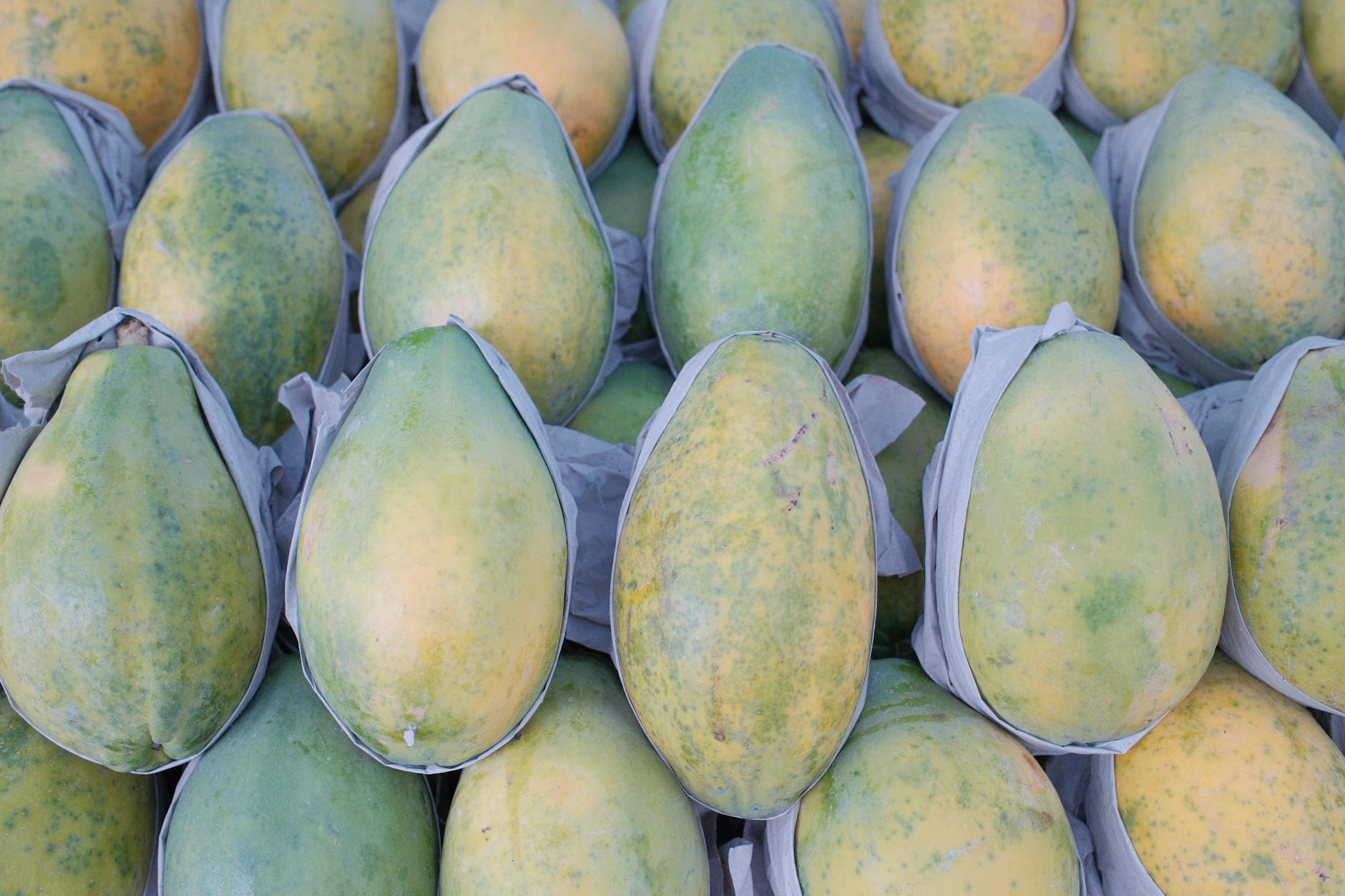
Papaya is rich in vitamin C and a natural enzyme called papain that helps dissolve dead skin cells and promote cell turnover. Its high beta-carotene content supports an even skin tone and reduces the appearance of dark spots. The fruit also delivers a significant dose of vitamin E, which protects skin from oxidative damage caused by environmental stressors. Regular consumption has been linked to improved skin texture and a naturally lit-from-within glow.
Avocado
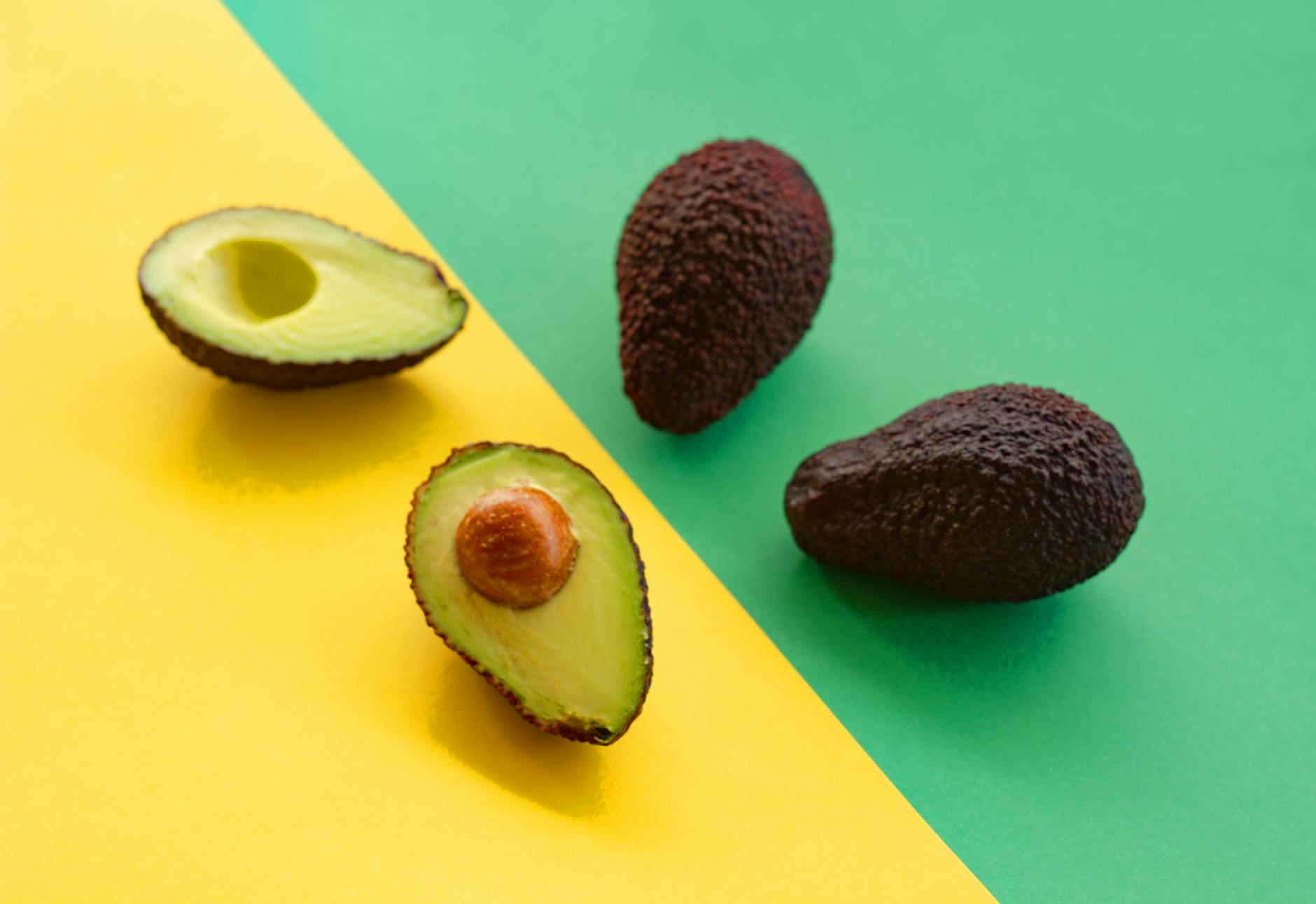
Avocado is loaded with healthy monounsaturated fats that help maintain the skin’s natural moisture barrier. It contains vitamins E and C, both of which work together to protect skin cells from damage and support collagen synthesis. Biotin found in avocado plays a key role in preventing dry, flaky skin and keeping the complexion supple. The fruit also provides glutathione, a powerful antioxidant known for its brightening and detoxifying properties.
Mango
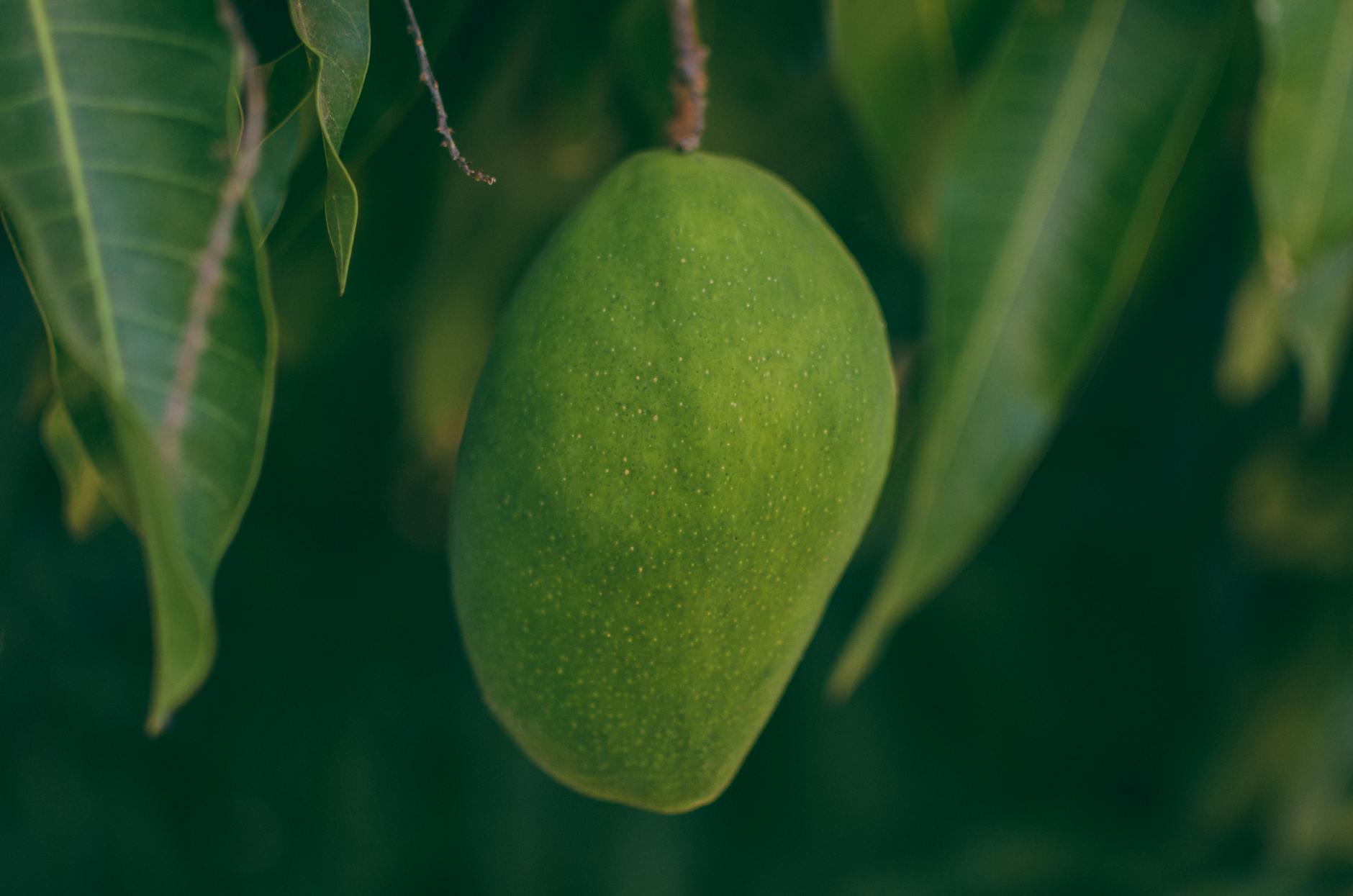
Mango is one of the richest fruit sources of vitamin A, a nutrient essential for skin cell regeneration and repair. Its high polyphenol content helps fight free radical damage that accelerates premature aging and dullness. The fruit also supplies a generous amount of vitamin C, which is directly involved in collagen production and skin firmness. Folate and potassium in mango further support overall skin health by improving circulation and cellular function.
Blueberries
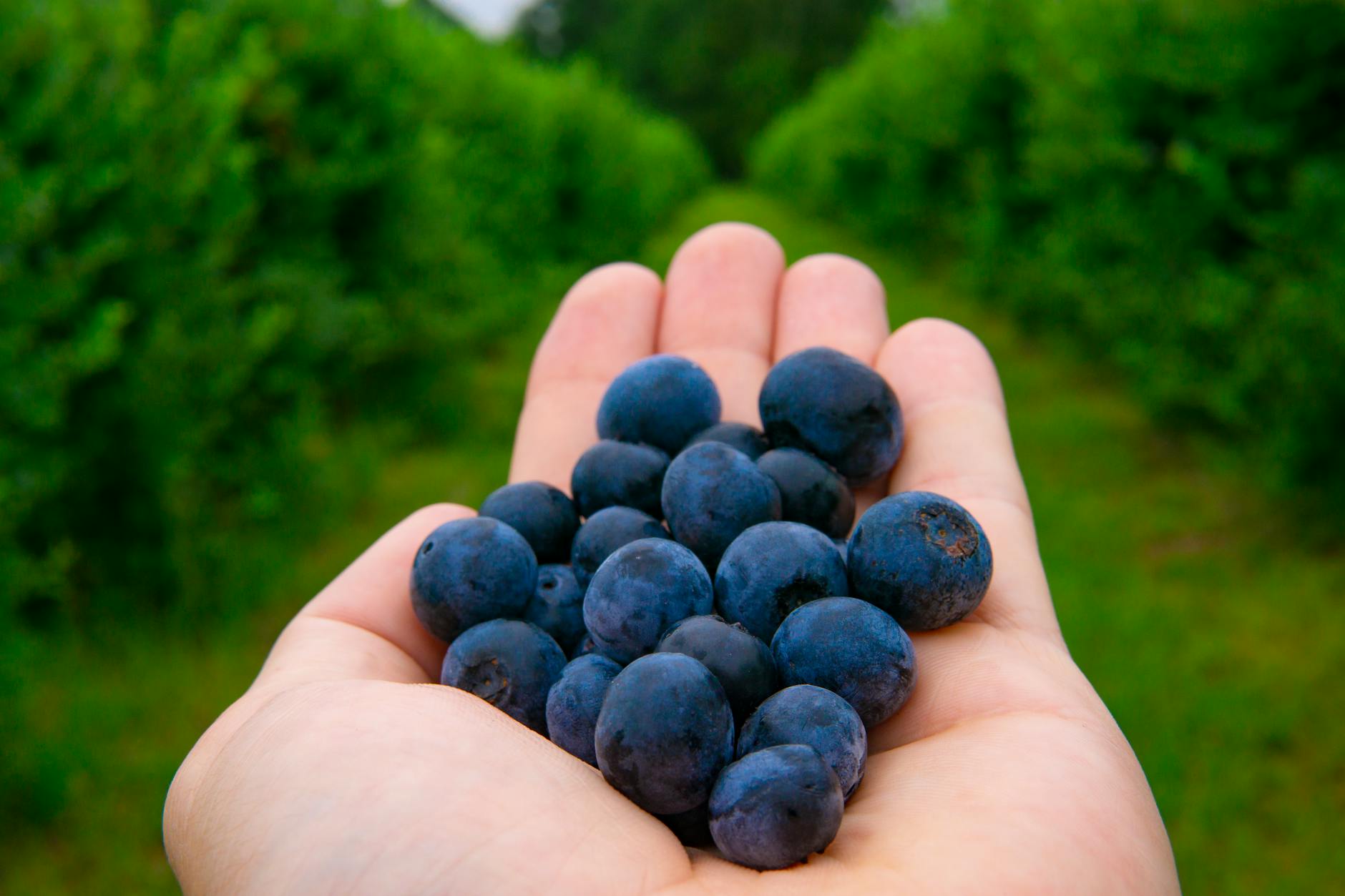
Blueberries are celebrated for their exceptionally high concentration of antioxidants, particularly anthocyanins that give them their deep blue color. These compounds neutralize free radicals that break down collagen and cause fine lines and uneven tone. The fruit also contains resveratrol, which has been shown to protect skin from UV-related damage at a cellular level. Their anti-inflammatory properties help calm redness and reduce the appearance of blemishes over time.
Kiwi
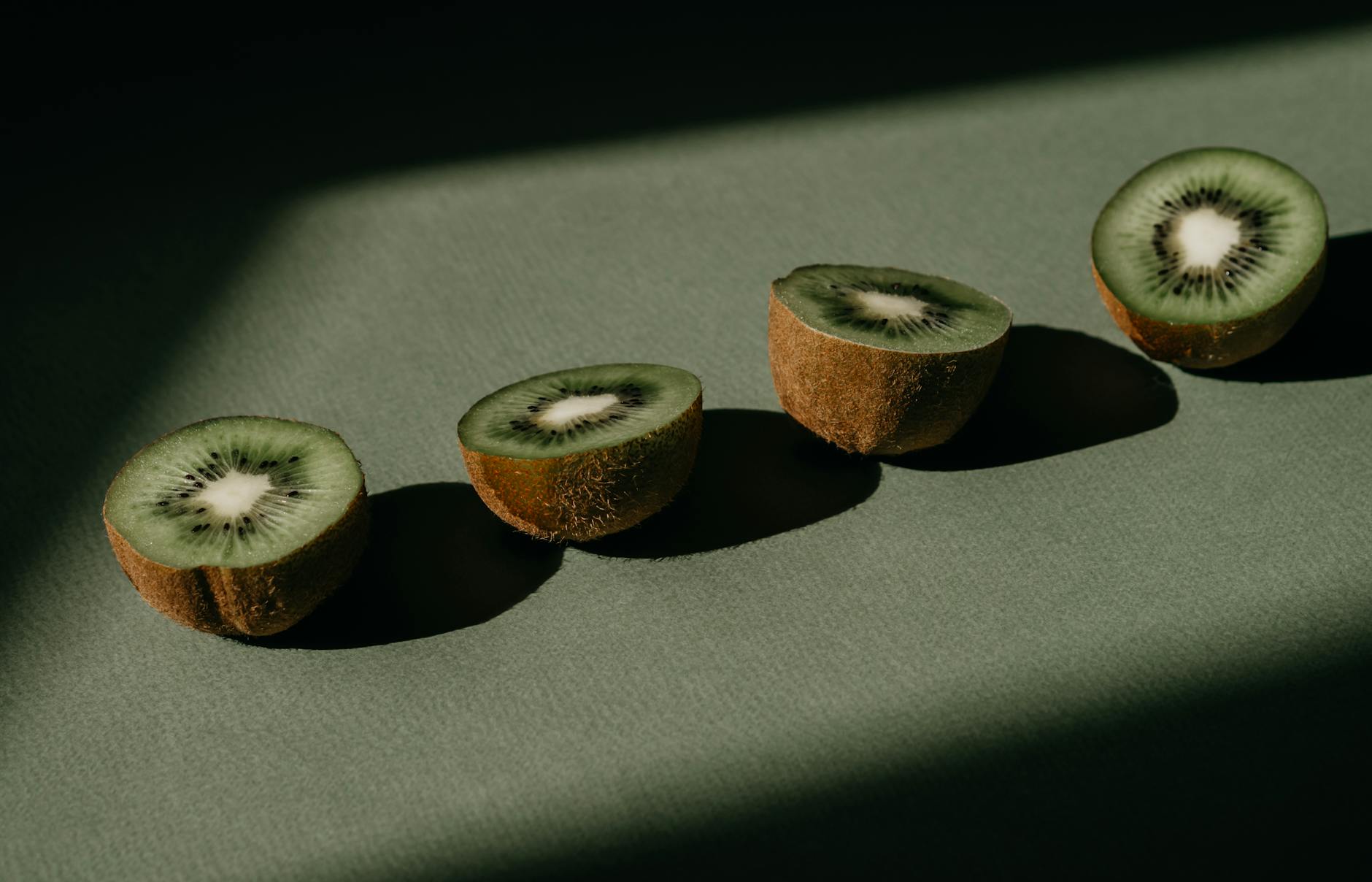
Kiwi contains more vitamin C per gram than most citrus fruits, making it a powerful ally for collagen production and skin brightness. Its vitamin K content helps reduce dark circles and hyperpigmentation by improving blood circulation beneath the skin. The fruit is also a notable source of vitamin E, which shields skin lipids from oxidative stress. Enzymes in kiwi support gentle internal detoxification, which often manifests as clearer, more luminous skin.
Pomegranate
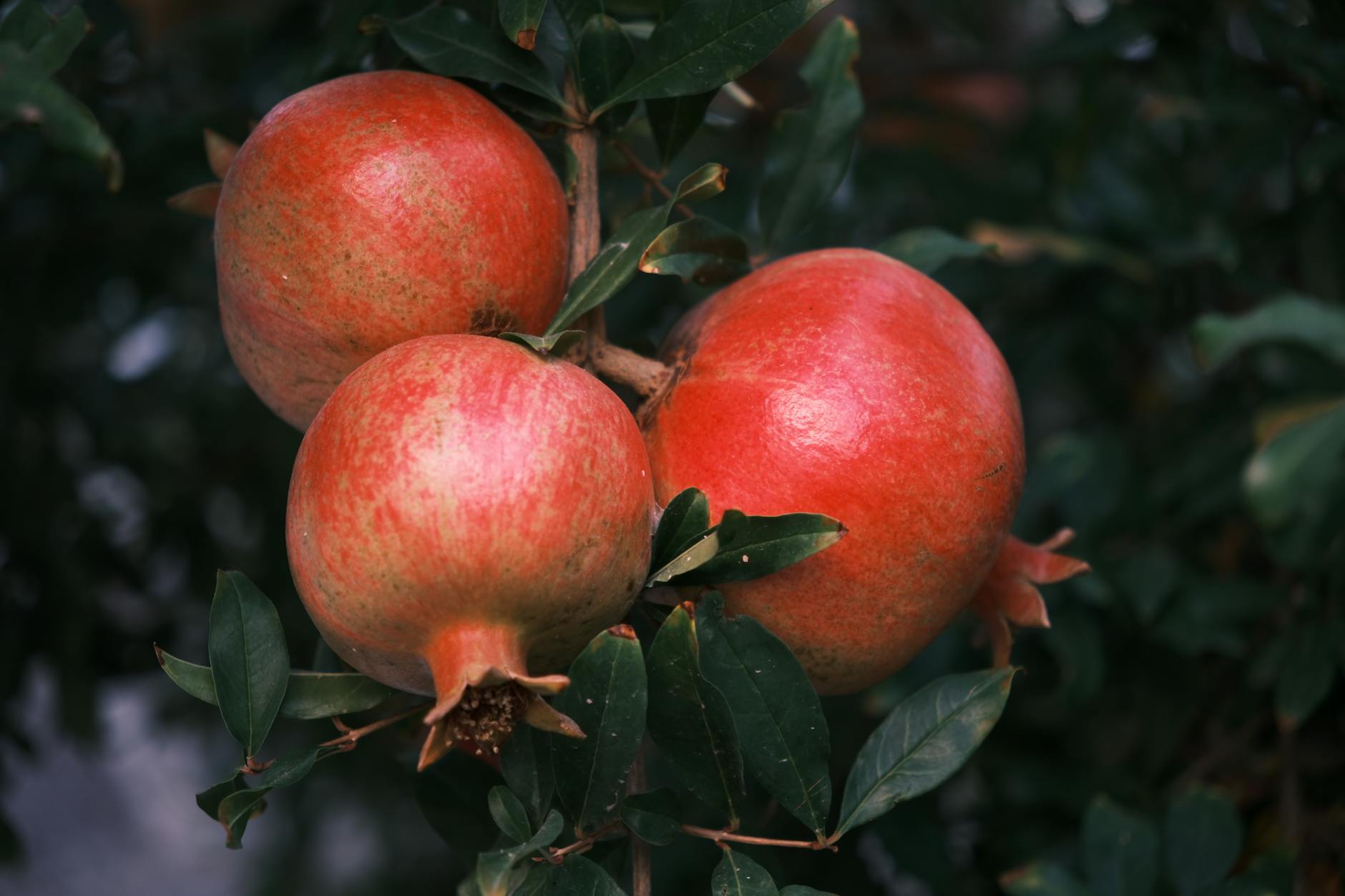
Pomegranate is packed with punicalagins and punicic acid, two compounds found almost exclusively in this fruit that have potent antioxidant activity. These nutrients have been shown to support the regeneration of skin cells and improve elasticity over time. The fruit’s anti-inflammatory properties help reduce the chronic low-grade inflammation that contributes to dullness and uneven texture. Pomegranate also promotes the production of procollagen, a precursor to the structural protein that keeps skin firm and youthful.
Watermelon
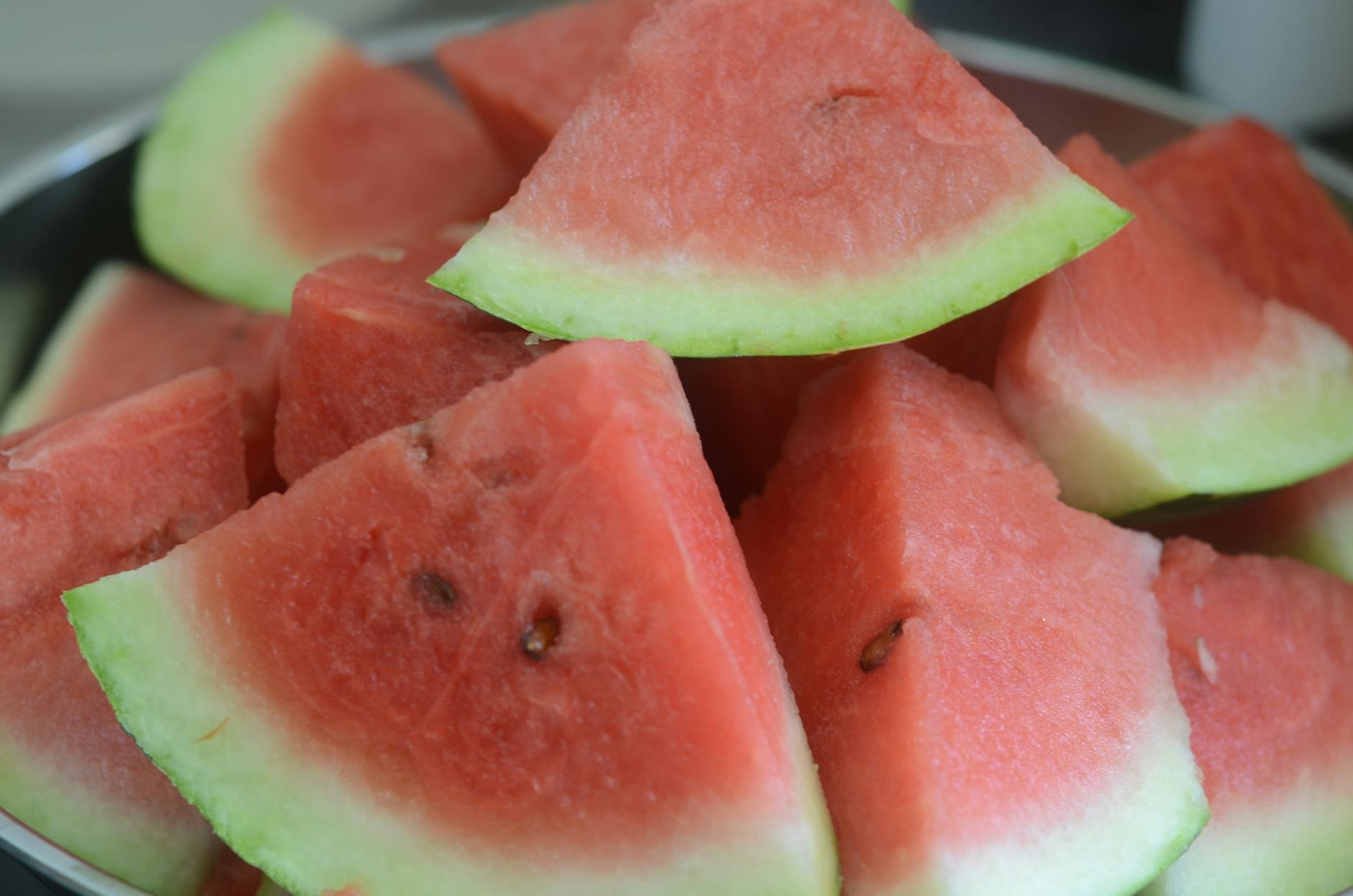
Watermelon is composed of over 90 percent water, making it one of the most hydrating fruits available for plump and dewy skin. It contains lycopene, a carotenoid antioxidant that helps protect skin from sun-induced oxidative damage. Vitamins A and C work together in watermelon to support skin repair and maintain a bright, even complexion. The fruit also provides citrulline, an amino acid that improves blood flow and helps deliver nutrients more efficiently to the skin.
Strawberries
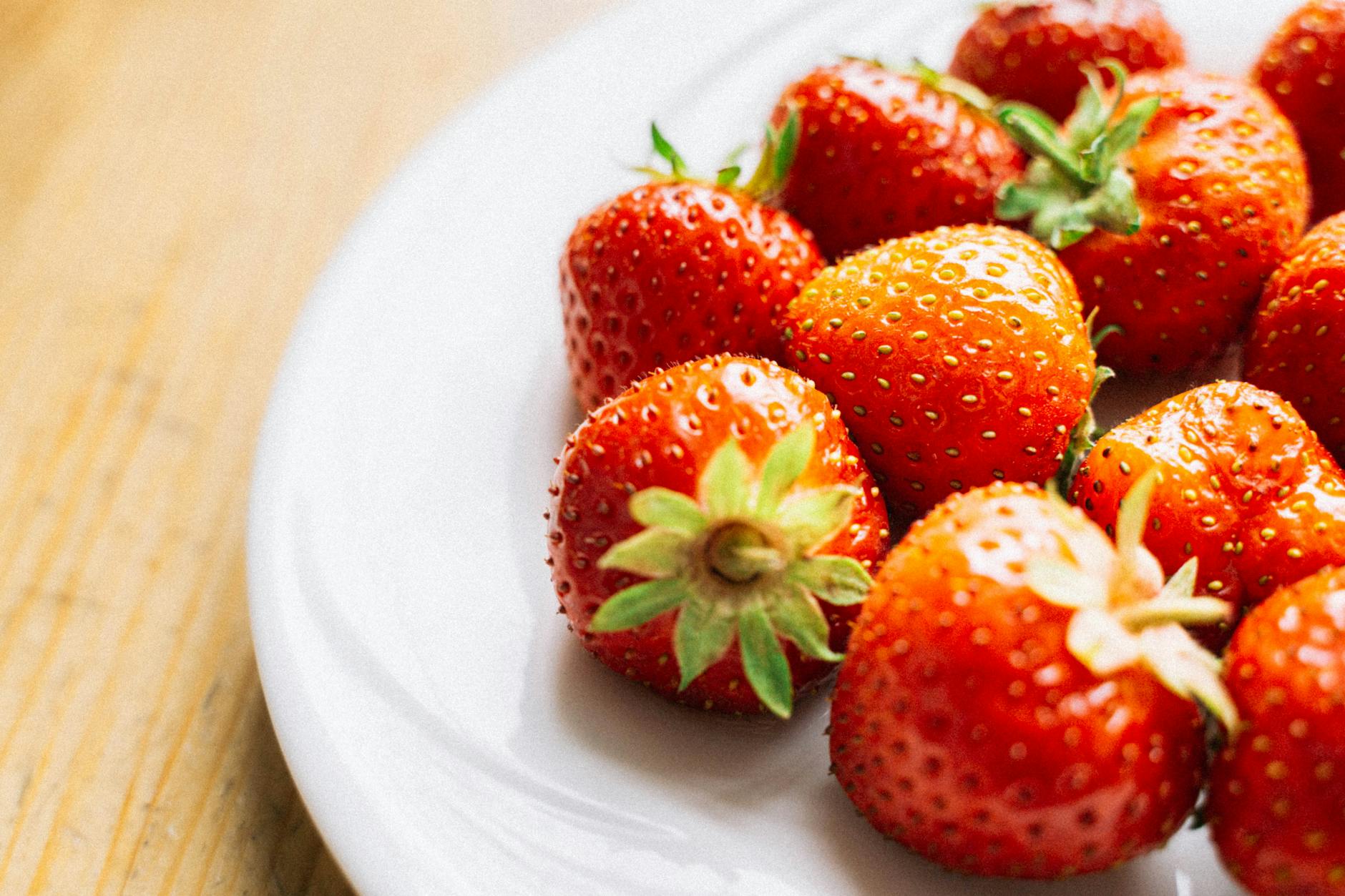
Strawberries are an exceptional source of ellagic acid, a phytochemical that helps protect collagen fibers from UV-induced degradation. Their high vitamin C content makes them highly effective at supporting skin brightness and reducing hyperpigmentation. Alpha-hydroxy acids naturally present in strawberries gently encourage cellular exfoliation at a biochemical level when consumed regularly. The fruit’s folate content also supports healthy cell division, contributing to consistently renewed and refreshed-looking skin.
Pineapple
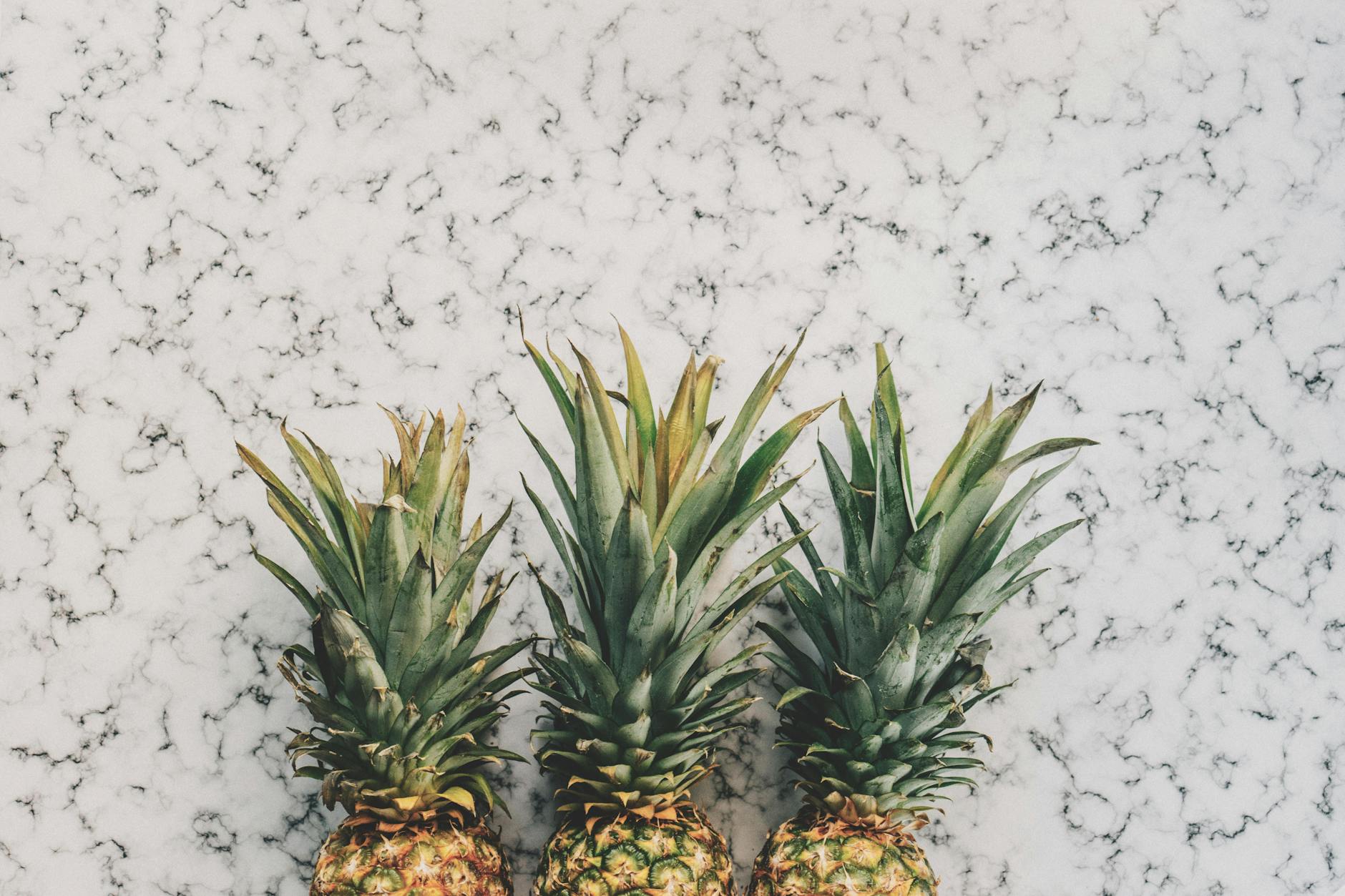
Pineapple contains bromelain, a group of enzymes with strong anti-inflammatory properties that can help reduce puffiness and improve skin clarity. It is rich in manganese, a trace mineral that activates enzymes responsible for the biosynthesis of collagen. Vitamin C in pineapple assists in neutralizing the oxidative stress that leads to premature fine lines and lackluster skin. The fruit also provides thiamine and riboflavin, B vitamins that play supporting roles in maintaining healthy skin cell metabolism.
Guava
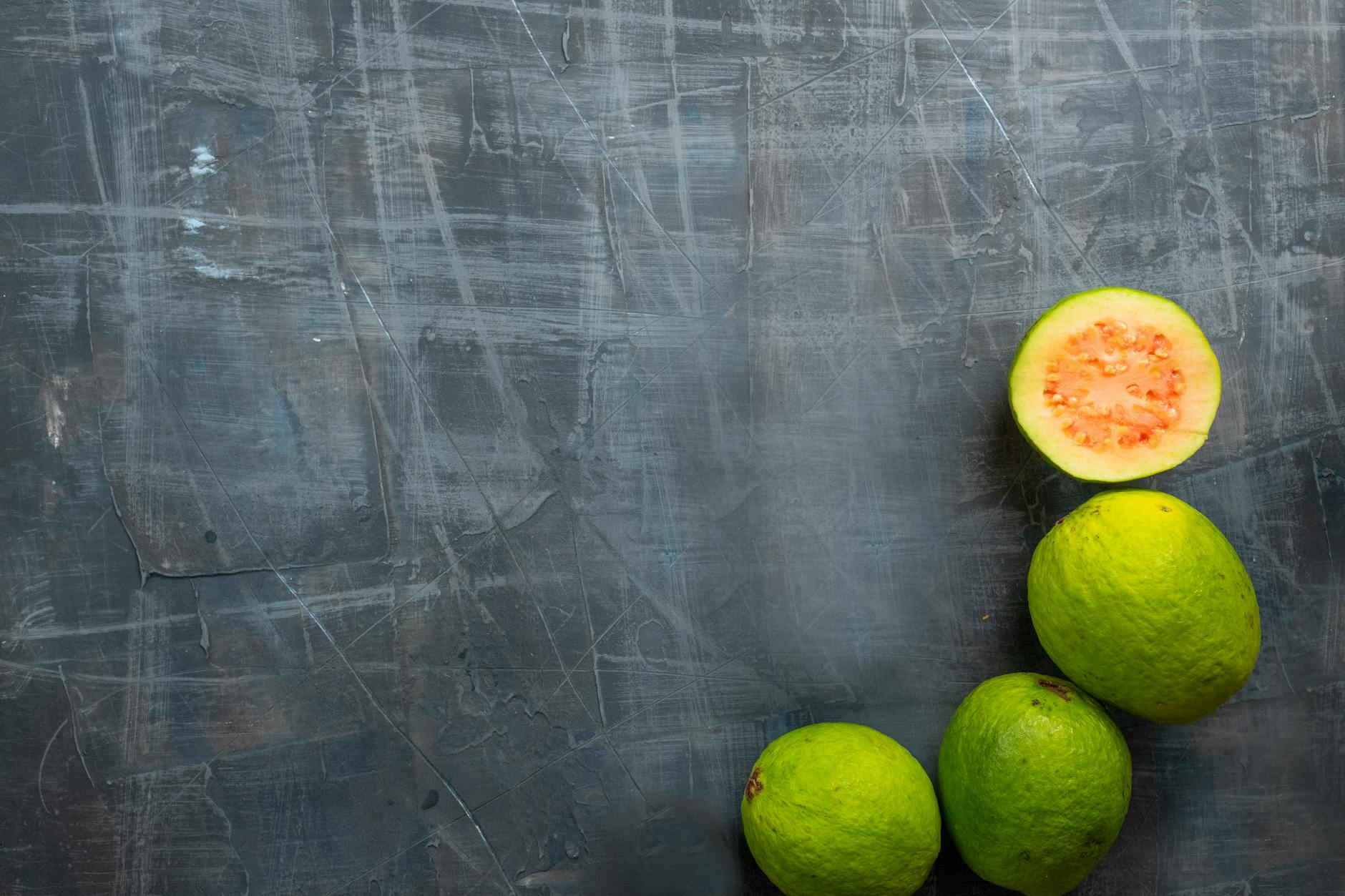
Guava contains four times more vitamin C than an average orange, placing it among the most potent fruits for collagen support and skin luminosity. It is also rich in lycopene, which shields skin from oxidative stress and helps prevent signs of premature aging. Potassium in guava supports moisture retention within skin cells, keeping the complexion looking plump and hydrated. The fruit’s high fiber content aids in digestive health, which has a well-established connection to reduced breakouts and clearer skin.
Lemon
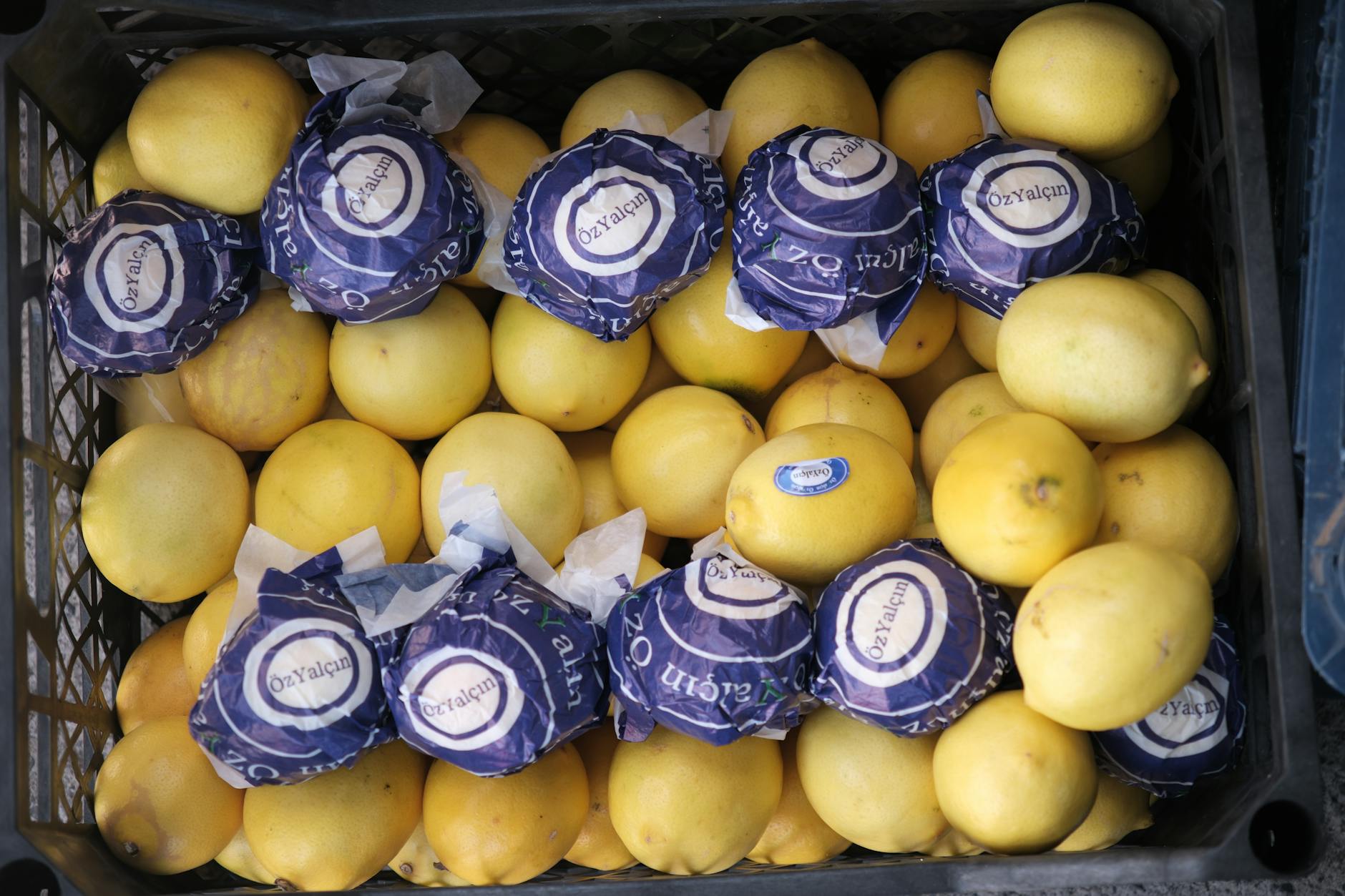
Lemon is a concentrated source of vitamin C and citric acid, both of which contribute to brightening the skin when consumed as part of a balanced diet. Its alkalizing effect on the body once metabolized helps reduce internal acidity, which is often associated with inflammatory skin conditions. The flavonoids in lemon help protect skin cells from environmental aggressors and support microcirculation. Drinking lemon-infused water regularly is a widely practiced approach to supporting the detox processes that contribute to a clearer complexion.
Apricot
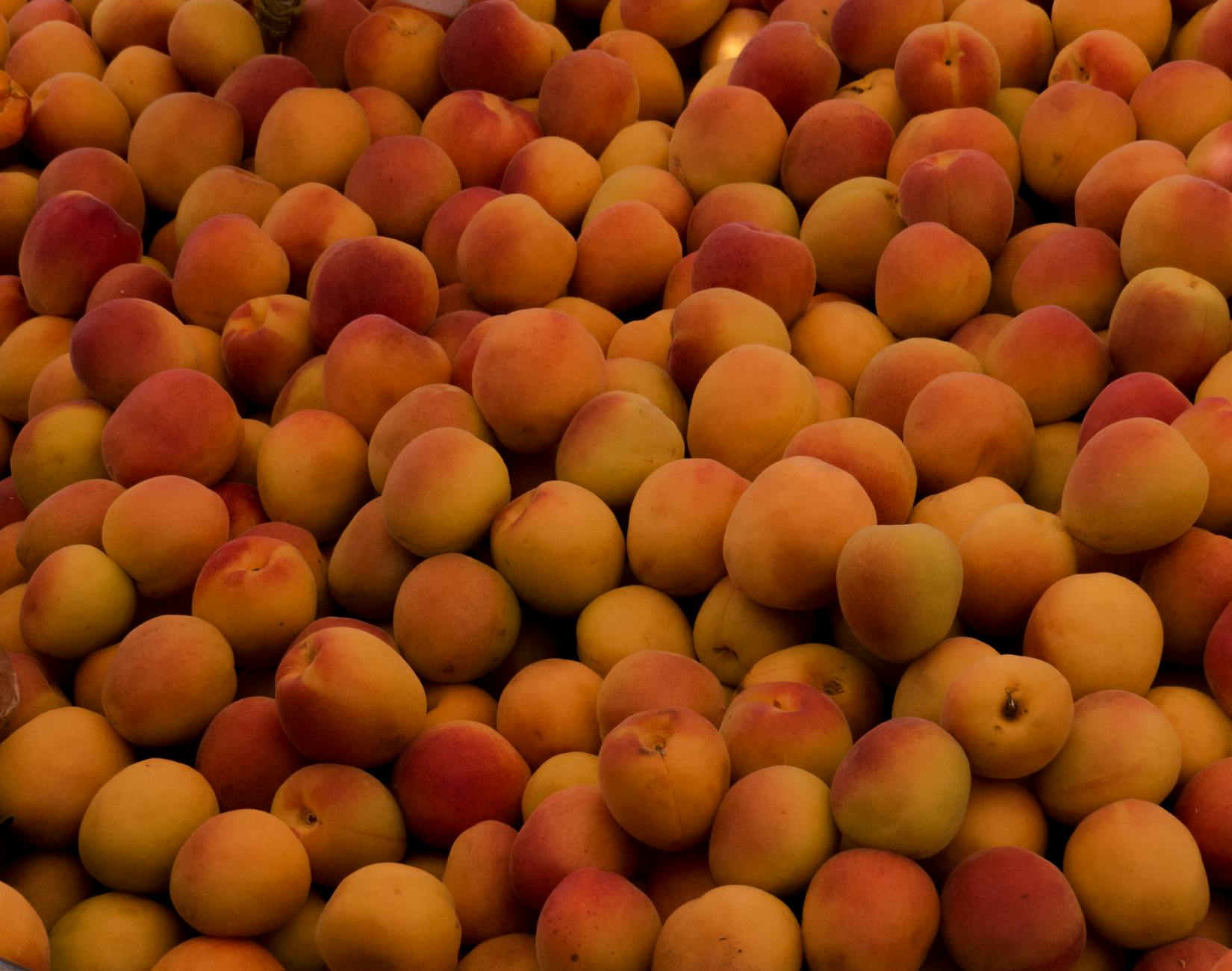
Apricot is rich in beta-carotene, which the body converts into vitamin A to support skin cell turnover and maintain a smooth, even surface. Its vitamin E content works as an internal moisturizer, helping prevent the dry and rough texture that can dull the complexion. The fruit provides a meaningful amount of vitamin C, which assists in neutralizing free radicals and maintaining collagen integrity. Apricots also contain catechins, antioxidant compounds that offer additional protection against UV-induced skin damage.
Grapefruit
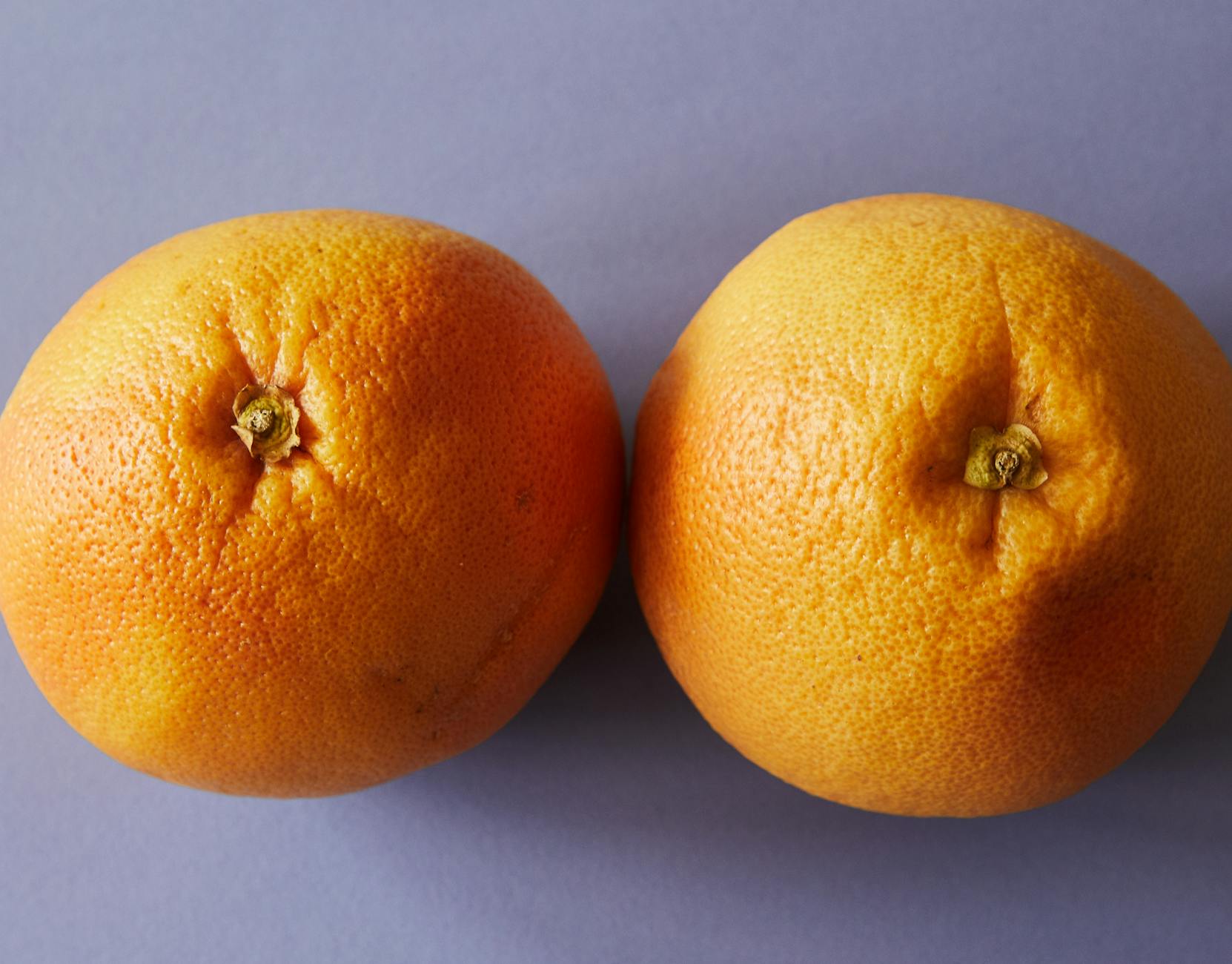
Grapefruit is an excellent source of vitamin C, provitamin A, and flavonoids that collectively support a brighter and more even skin tone. Its natural acids help regulate sebum production when consumed regularly, which can benefit those prone to congestion and dullness. The fruit contains spermidine, a compound that has been studied for its ability to promote cellular renewal and slow the visible effects of aging. Pink and red varieties are especially high in lycopene, adding another layer of antioxidant protection against skin-damaging free radicals.
Banana
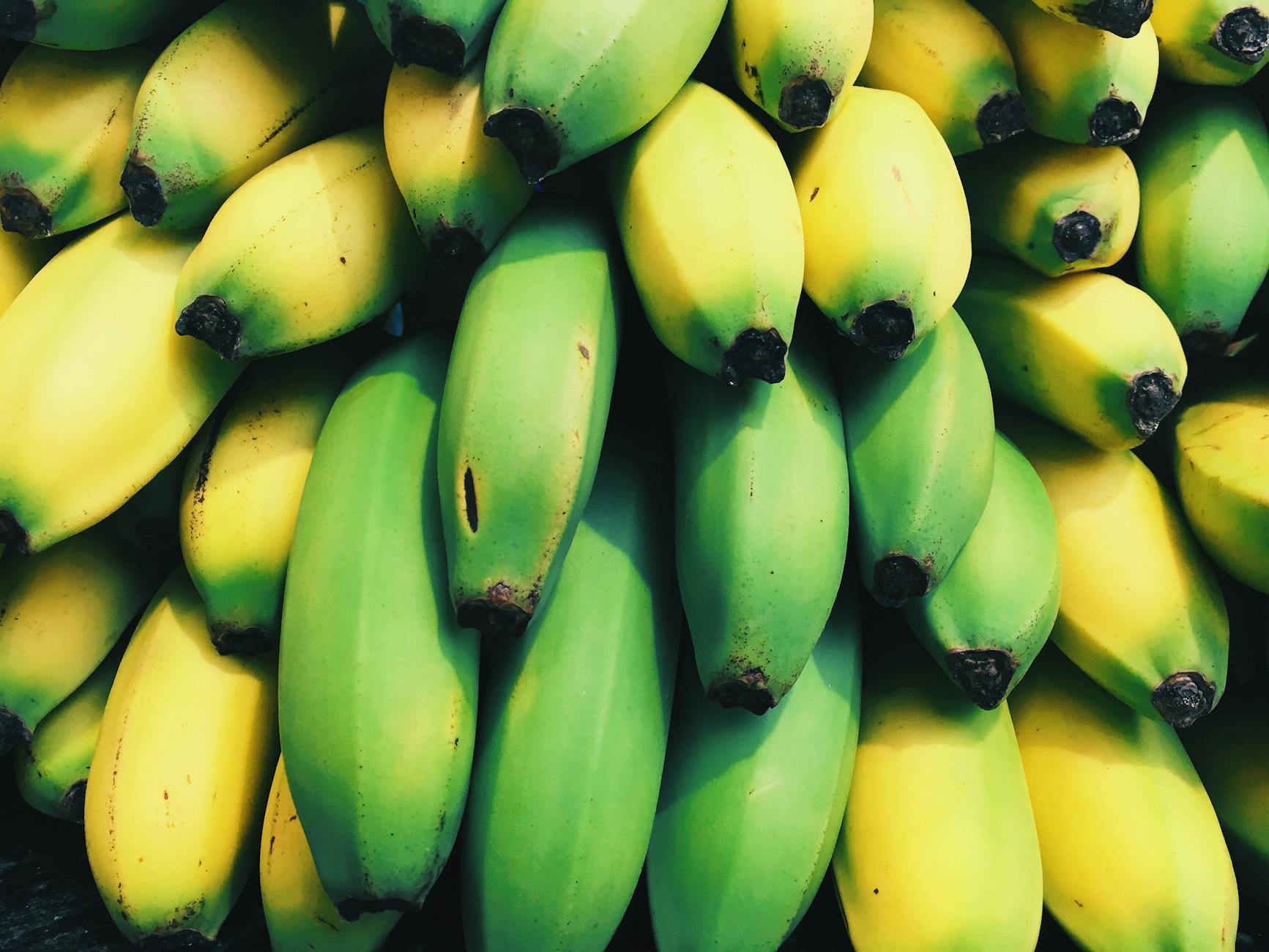
Banana provides a notable amount of vitamin B6, which plays an important role in reducing skin inflammation and supporting hormonal balance that affects breakouts. Its silica content has been linked to improved collagen synthesis, contributing to firmer and smoother skin over time. Bananas contain dopamine and catechins, two types of antioxidants that protect skin cells from the oxidative damage that causes premature aging. The fruit’s potassium content helps maintain optimal hydration levels within the skin, supporting that naturally plump and dewy appearance.
Grapes
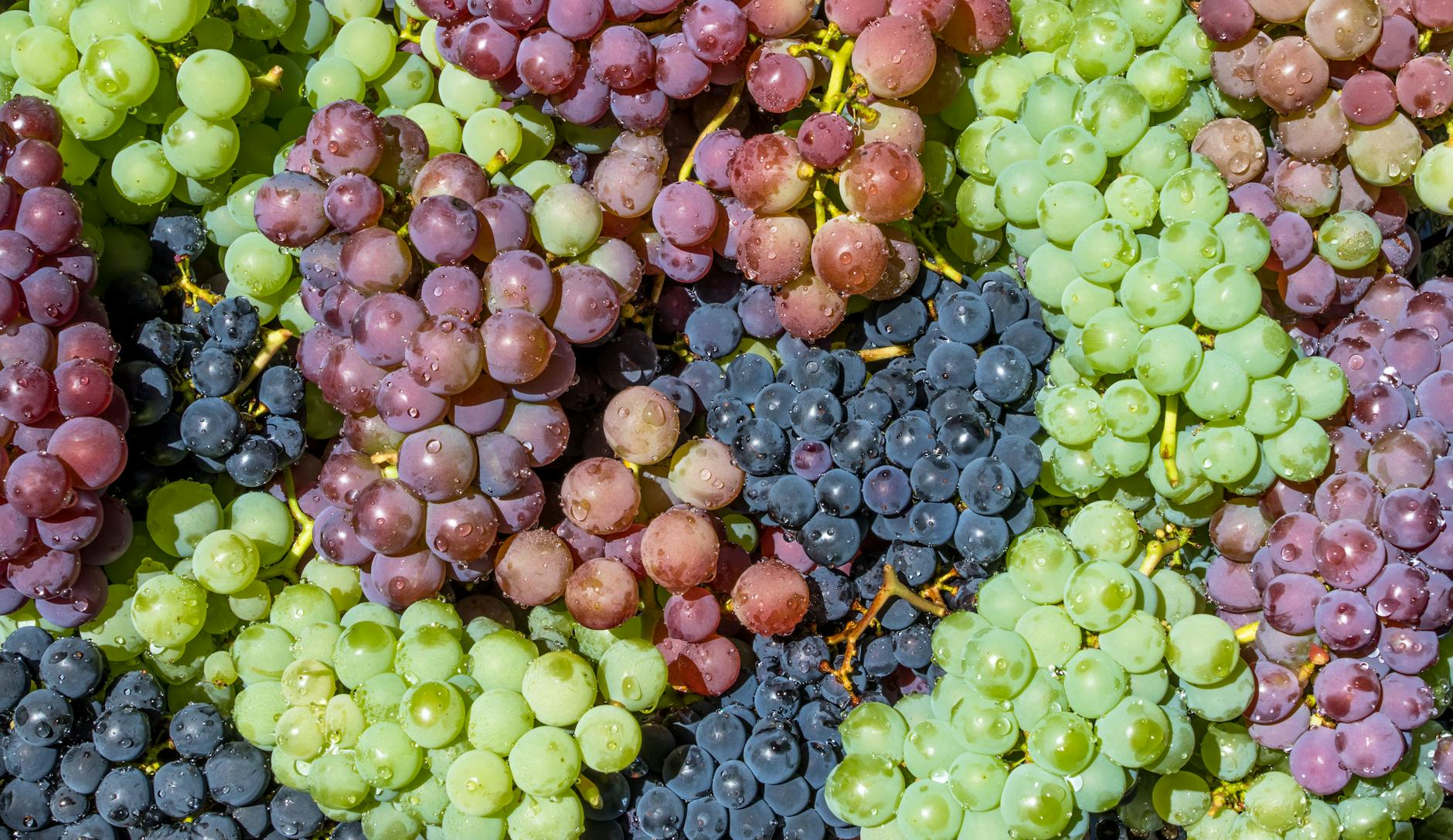
Grapes are one of the most concentrated food sources of resveratrol, a potent polyphenol with strong anti-aging and anti-inflammatory effects on the skin. They contain oligomeric proanthocyanidins, antioxidants that help protect collagen and elastin from enzymatic breakdown. Grape seed components in particular have been extensively researched for their ability to improve skin elasticity and reduce the appearance of fine lines. The fruit also provides quercetin and lutein, two additional antioxidants that help maintain an even, radiant complexion from the inside out.
Share which of these fruits you already include in your diet and which ones you plan to try in the comments.




