A well-organized garage transforms one of the most underutilized spaces in the home into a fully functional area for storage, hobbies, and projects. The key to achieving a professional-level setup lies in strategic planning, smart product choices, and consistent maintenance habits. Whether working with a single-car garage or a sprawling multi-bay space, these proven methods will help maximize every square foot available.
Wall-Mounted Pegboards

Pegboards are one of the most versatile and cost-effective storage solutions available for garage walls. They allow tools of all shapes and sizes to be hung, displayed, and accessed without rummaging through drawers or boxes. Hooks, baskets, and shelving attachments can be rearranged at any time to accommodate new tools or a changing workflow. Installing pegboards along an entire wall creates a visual inventory system that makes it immediately obvious when something is missing or out of place. They are especially effective in workshop areas where frequent tool access is a daily requirement.
Overhead Storage Racks

The ceiling of a garage is among the most overlooked storage zones in a home. Overhead racks mount directly to ceiling joists and provide a strong platform for bulky seasonal items such as holiday decorations, camping gear, and luggage. Most commercial-grade racks are adjustable in height, allowing clearance to be customized based on what is stored beneath them. Storing infrequently used items overhead frees up valuable floor and wall space for everyday essentials. This method is particularly effective in garages where square footage is limited.
Labeled Storage Bins
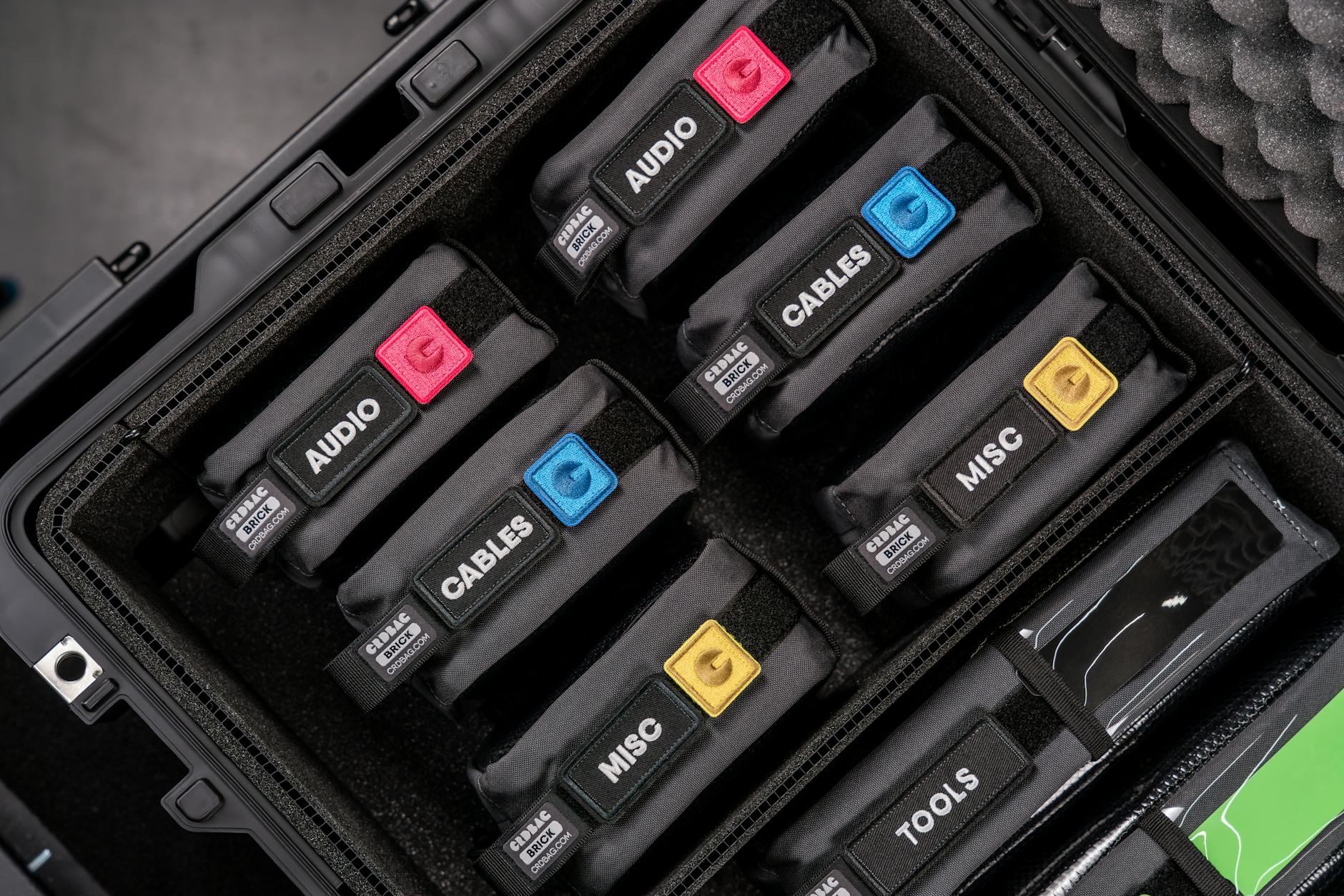
Standardized storage bins in consistent sizes create a uniform and professional look throughout any garage. Opting for clear or translucent bins allows for quick visual identification of contents without the need to open each container. Applying printed or handwritten labels to the front and top of each bin ensures fast retrieval even when bins are stacked several layers high. Grouping bins by category such as automotive supplies, holiday items, or sports gear makes the overall system intuitive for every household member. A label maker investment pays dividends in time saved during future searches.
Freestanding Shelving Units
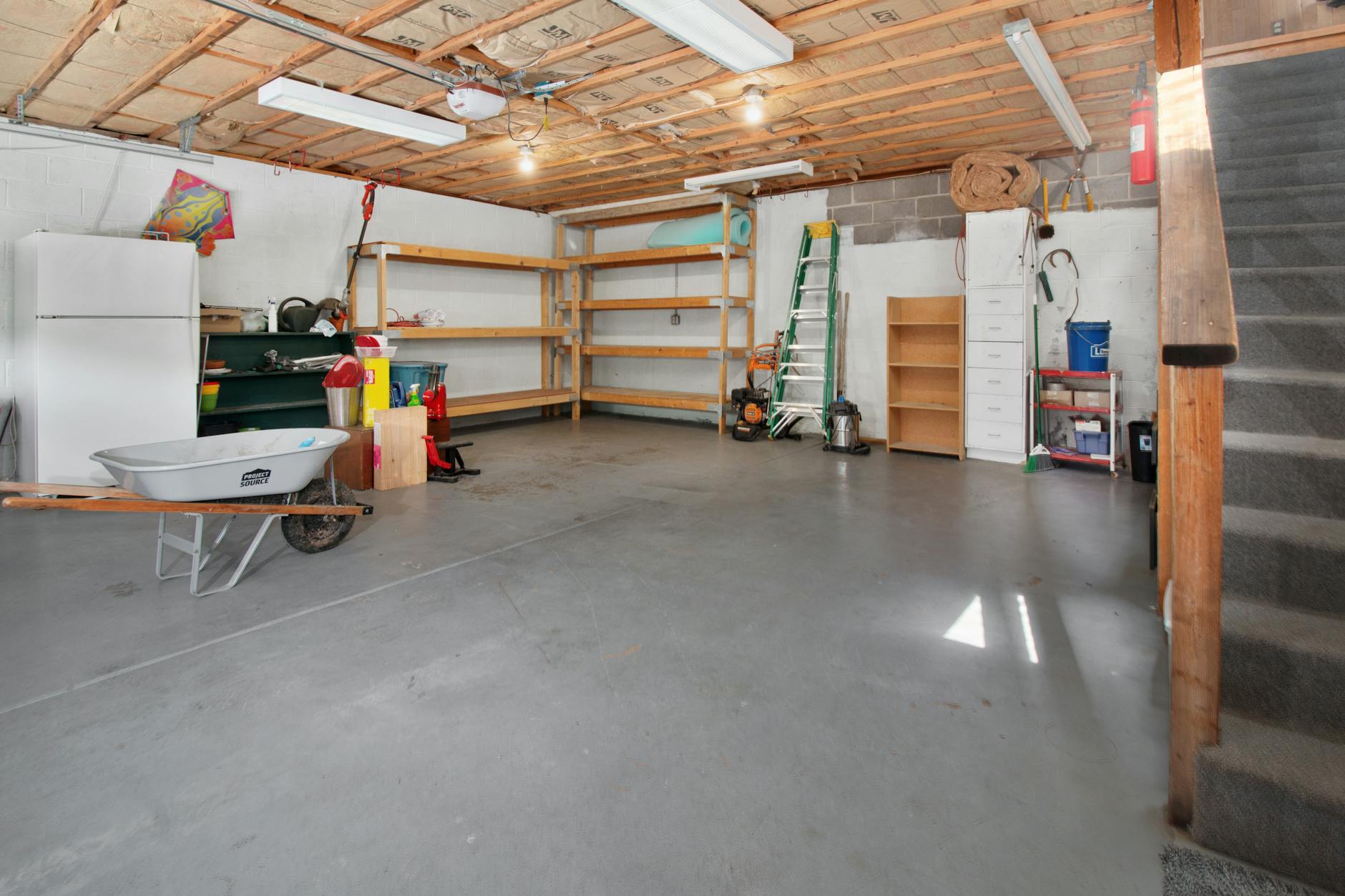
Heavy-duty freestanding shelves provide an immediate and highly adaptable storage solution that requires no wall modification. Steel wire or solid-shelf units can hold hundreds of pounds of tools, paint cans, and bulk supplies when positioned correctly. Placing the tallest and heaviest items on lower shelves improves safety and prevents tipping hazards. Freestanding units can be repositioned at any time as the organization needs of the garage evolve. Choosing units with adjustable shelf heights adds flexibility for storing items of varying dimensions.
Slatwall Panels

Slatwall panels offer a more finished and customizable alternative to traditional pegboards. The horizontal grooves accept a wide range of compatible accessories including hooks, bins, shelves, and tool holders. Because the accessories slide freely along the grooves, the layout can be reconfigured in seconds without any tools or hardware changes. Slatwall is available in various finishes including wood-look options that bring a more polished aesthetic to the garage environment. It works particularly well above a workbench or in dedicated zones for power tools and hand tools.
Ceiling-Mounted Bike Hooks

Bicycles are among the most space-consuming items stored in a typical garage. Ceiling-mounted hooks or pulley systems lift bikes completely off the floor and out of the primary traffic flow. Pulley-style hoists make raising and lowering heavier bikes manageable for one person without straining. Positioning hooks near the garage entrance reduces the effort required to retrieve bikes for regular use. This method can store multiple bikes in the space a single floor-standing bike rack would otherwise occupy.
Rolling Tool Carts

A rolling tool cart consolidates hand tools and power tool accessories into a single portable unit. The cart can be wheeled directly to a project site within the garage or driveway rather than requiring multiple trips back and forth to fixed storage. Most carts feature drawers of varying depths designed to accommodate specific tool sizes and reduce clutter. Locking mechanisms on quality carts keep tools secure and organized even when the cart is moved frequently. A well-organized tool cart dramatically reduces the time spent searching for the right implement during a project.
Dedicated Hardware Drawers

Small hardware items such as screws, bolts, nails, and washers have a tendency to create disorder when stored without a system. Shallow drawer organizers or modular parts cabinets with labeled compartments solve this problem efficiently. Sorting hardware by size and type within individual compartments makes it possible to locate the right fastener in seconds. Transparent drawers or open-top bins eliminate the guesswork that comes with opaque storage containers. Mounting a hardware cabinet at eye level on a wall or workbench keeps frequently used fasteners within arm’s reach.
Magnetic Tool Strips

Magnetic tool strips mount directly to the wall and hold metal tools in place through strong magnetic force. They are ideal for storing chisels, screwdrivers, pliers, and other hand tools that are used on a daily basis. The strip keeps tools visible, accessible, and off the workbench surface where they might otherwise create clutter. Installation requires only a few screws and can typically be completed in under ten minutes. A magnetic strip can hold a surprising number of tools in a very narrow vertical footprint.
The Zones System

Dividing a garage into dedicated functional zones eliminates confusion and ensures that everything has a logical home. Common zones include automotive care, lawn and garden, sports and recreation, tools and hardware, and seasonal storage. Each zone should be positioned with practical logic in mind so that the most frequently accessed items are closest to the entry point. Labeling zone boundaries on the floor with tape or paint makes the system visible and easier for all household members to maintain. A clearly defined zone system also makes restocking and cleaning significantly faster.
Folding Workbench

A wall-mounted folding workbench provides a full project surface when needed and folds flat against the wall when not in use. This design is invaluable in single-car garages where floor space must serve multiple purposes throughout the day. Many folding benches include a pegboard backing that provides integrated tool storage above the work surface. The bench should be mounted at a comfortable standing height to reduce fatigue during extended projects. When folded down it takes up very little wall depth and allows the garage to function normally as a parking space.
Floor Markings and Zones
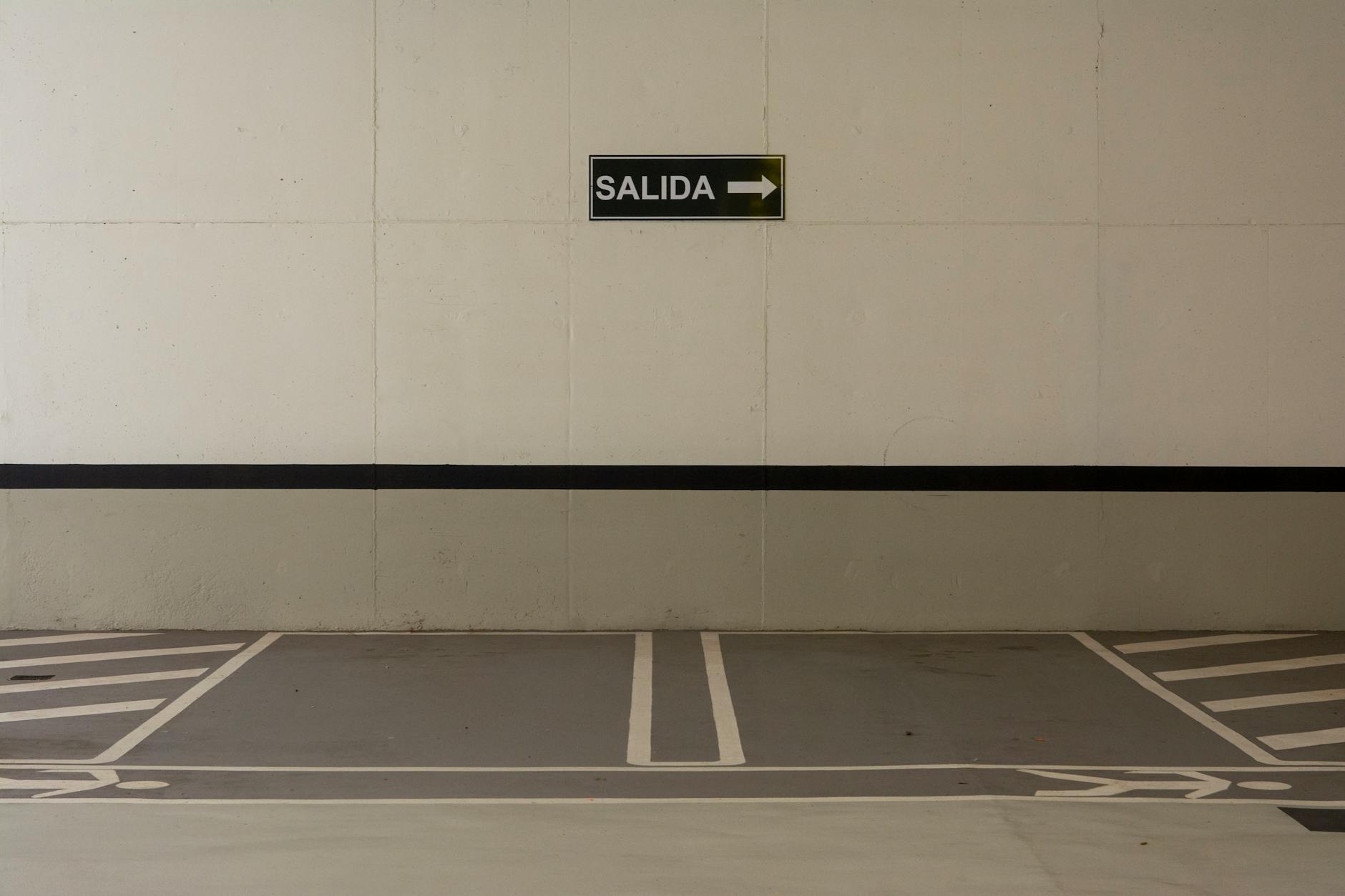
Painting or taping clearly defined boundaries on the garage floor helps establish a permanent organizational system. Designated parking outlines prevent the vehicle from encroaching on storage or work areas over time. Color-coded floor zones visually separate spaces for recycling bins, lawn equipment, and bulk storage with no ambiguity. Epoxy floor coatings not only improve the appearance of the space but also make it easier to sweep and maintain cleanliness. A clearly marked floor creates a level of structure that supports every other organizational system in the garage.
Sports Equipment Storage

Sports and recreational equipment presents a unique organizational challenge due to the irregular shapes and varying sizes involved. Freestanding sports towers or wall-mounted racks with hooks and ball bungees consolidate gear into a single designated area. Grouping equipment by activity such as cycling, ball sports, or winter recreation makes it easier for family members to locate what they need quickly. Storing frequently used items at accessible heights and off-season gear higher up or deeper in the zone improves everyday efficiency. A well-organized sports zone also protects equipment from damage caused by improper stacking or crowded storage.
Clear Stackable Containers

Unlike opaque bins, clear stackable containers allow for instant identification of contents without unstacking or opening them. They are available in a wide range of standardized sizes that stack cleanly and make the most efficient use of vertical space. Pairing clear containers with a consistent color-coded lid system adds an additional layer of fast visual categorization. These containers are particularly useful for storing craft supplies, holiday decorations, and seasonal clothing in the garage. A uniform container system creates a clean and organized appearance that is easy to maintain over time.
Cord and Hose Reels

Loose extension cords and garden hoses create trip hazards and become tangled quickly when stored without proper containment. Wall-mounted cord reels and hose reels keep these items neatly wound and ready for use at all times. Auto-retracting models eliminate the effort of manually winding cords after each use. Positioning reels near the garage door or outdoor access points reduces the distance the cord or hose needs to travel to reach its intended destination. Tidy cord management significantly reduces the visual clutter that makes garages feel disorganized.
Vertical Garden Tool Storage

Long-handled tools such as rakes, shovels, brooms, and hoes are awkward to store in bins or on standard shelves. Vertical wall-mounted holders with individual slots or spring-loaded grippers keep each tool upright and separated. Storing tools vertically prevents the handles from leaning and falling which is a common safety hazard in busy garages. Positioning garden tool storage near the garage door closest to the outdoor area minimizes the distance tools need to be carried before use. This method keeps the floor completely clear and makes every tool immediately visible and accessible.
Cabinet Systems
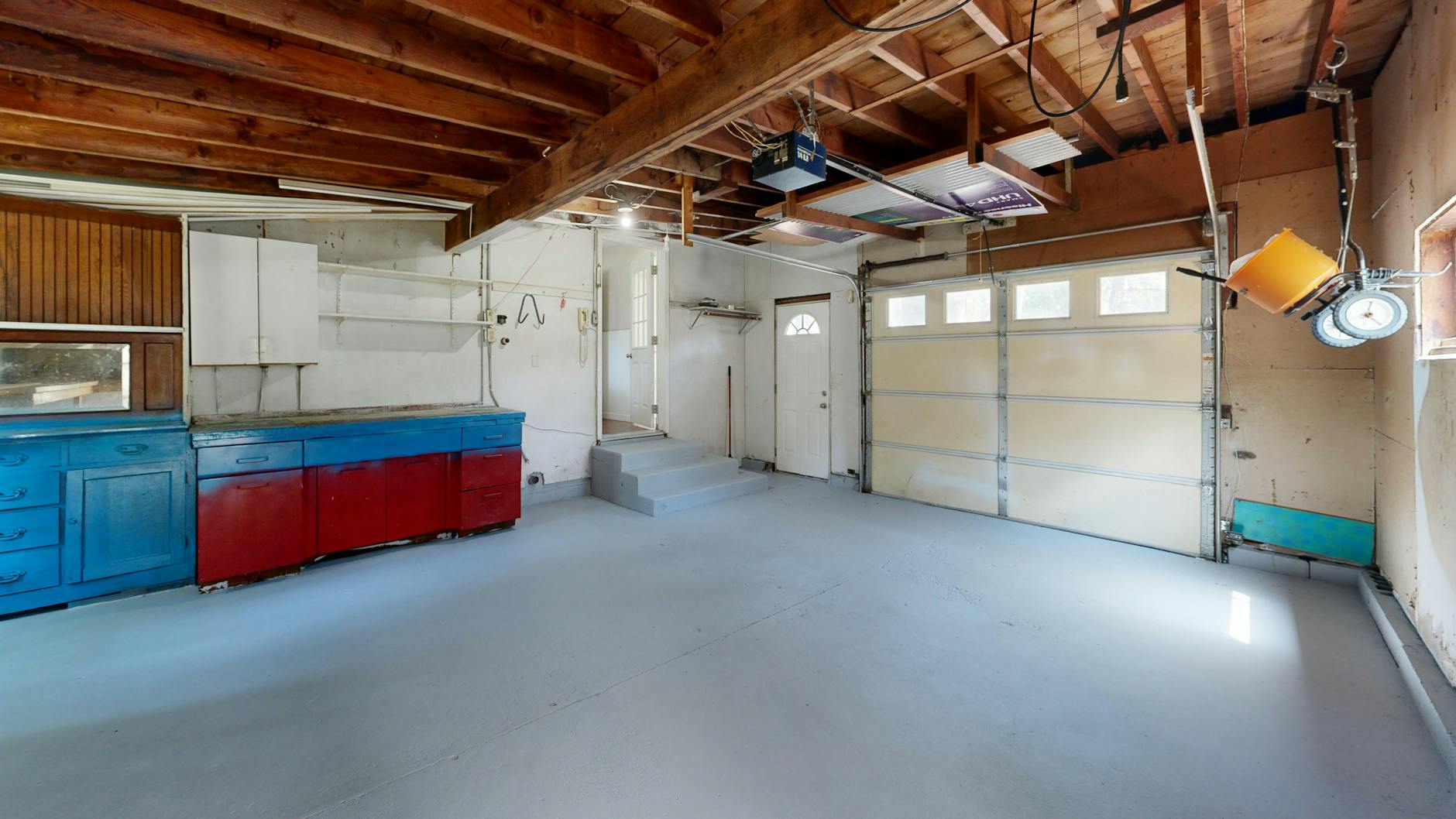
Closed cabinet systems create a streamlined and clutter-free appearance by concealing stored items behind solid or frosted doors. Modular garage cabinet lines are available from a range of manufacturers and can be configured to fit nearly any wall layout. Locking cabinets provide secure storage for chemicals, fertilizers, and other materials that should be kept away from children or pets. Combining base cabinets with upper cabinets and open shelving in between creates a full wall of organized storage with visual balance. A well-designed cabinet system elevates the overall aesthetic of the garage from functional to polished.
Seasonal Rotation System
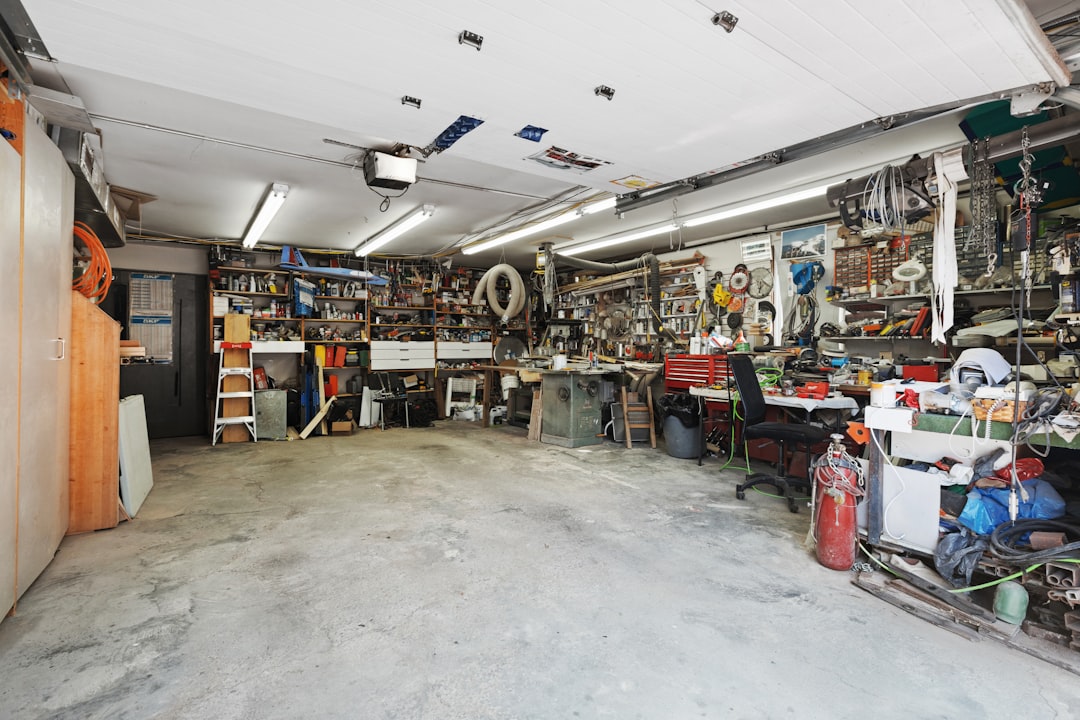
Maintaining a seasonal rotation system ensures that the most relevant items are always the most accessible in the garage. At the start of each season, items associated with the outgoing season are moved to overhead or deep storage while incoming seasonal gear is brought to the forefront. Clearly labeled bins for each season eliminate confusion during the rotation process and prevent items from being misplaced. Scheduling the rotation as a twice-yearly task keeps the process manageable and prevents clutter from building up over time. A disciplined seasonal system reduces the total volume of items occupying prime garage real estate at any given time.
Lighting Upgrades

Adequate lighting is one of the most impactful and often overlooked upgrades in a garage organization project. Bright LED shop lights mounted to the ceiling illuminate the entire space evenly and eliminate shadows that make it harder to find stored items. Under-shelf lighting in storage and workbench areas improves visibility for detailed tasks without requiring additional floor space. Motion-activated lights are a practical addition near entry points and seldom-visited storage corners. A well-lit garage is not only safer but also makes the space more inviting and easier to keep organized on a daily basis.
The One-In One-Out Rule

Establishing a strict one-in one-out policy is one of the most powerful habits for maintaining long-term garage organization. Each time a new tool, piece of equipment, or storage item enters the garage an existing item of similar type or size should be removed or donated. This principle prevents the gradual accumulation of duplicate or redundant items that slowly erode an organized system. Applying the rule consistently over time means the garage naturally remains at a manageable level of capacity. Pairing this habit with a small donation box kept in the garage makes it easy to act on decluttering decisions immediately.
Share your favorite garage organization tips and strategies in the comments.




