Buying a first home is one of the most significant financial and personal milestones an adult can reach. Knowing when the timing is right requires an honest look at your finances, lifestyle, and long-term goals. These twenty signs can help clarify whether you are truly prepared to make that leap from renter to homeowner.
Your Debt-to-Income Ratio Is Under Control

Lenders typically look for a debt-to-income ratio of 43 percent or lower before approving a mortgage application. This means your total monthly debt payments should not exceed that percentage of your gross monthly income. Paying down credit cards, car loans, and student debt before applying puts you in a stronger borrowing position. A healthy ratio signals to lenders that you can comfortably manage an additional monthly payment. Tracking this number regularly is a strong indicator that financial readiness is within reach.
You Have a Stable and Consistent Income
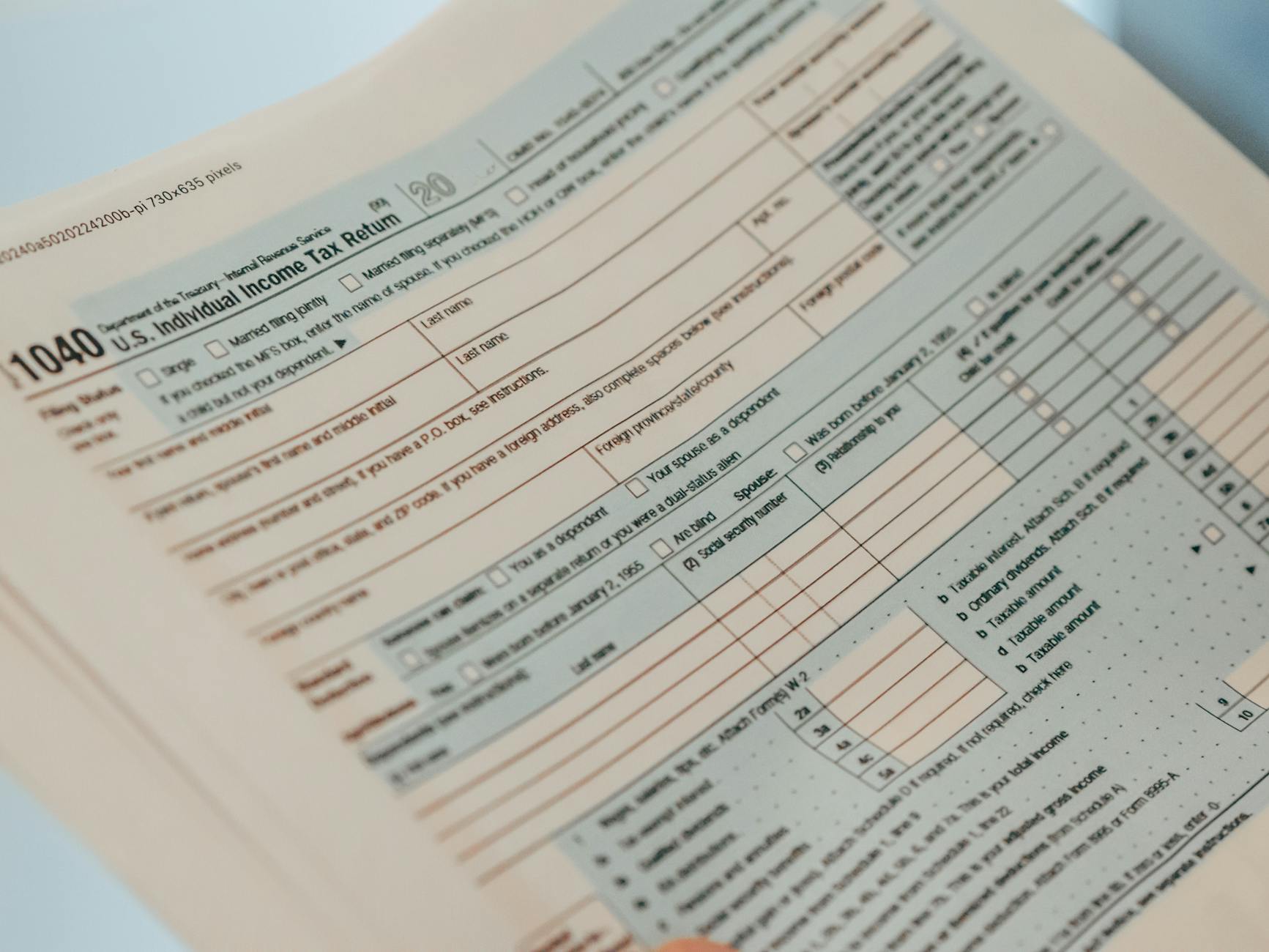
A steady income history of at least two years in the same field is one of the clearest signs of mortgage readiness. Lenders review pay stubs, tax returns, and employment records to verify that your earnings are reliable over time. Freelancers and self-employed buyers can also qualify but typically need to show a longer track record of consistent earnings. Job stability reduces the risk of missing mortgage payments during unexpected life changes. Consistent income also makes it easier to plan for the additional costs that come with homeownership.
You Have Saved a Sufficient Down Payment

Most conventional loans require a down payment of between three and twenty percent of the purchase price. Reaching even the minimum threshold shows that you have the discipline to set aside funds over an extended period. A larger down payment reduces the loan amount and can eliminate the need for private mortgage insurance. First-time buyer programs in many regions offer assistance for those who have saved consistently but need additional support. Having this fund ready and separate from your emergency savings is a concrete sign of preparation.
Your Credit Score Is in Good Standing
A credit score of 620 is generally the minimum required for most conventional mortgage products. Scores above 740 tend to unlock the most competitive interest rates available in the market. Lenders use credit scores to assess how reliably a borrower has managed past financial obligations. Reviewing your credit report for errors and addressing any outstanding issues before applying can significantly improve your position. Reaching a strong credit score is one of the clearest financial markers of homebuying readiness.
You Have Built a Solid Emergency Fund

Homeownership brings unexpected expenses such as roof repairs, plumbing issues, and appliance replacements. Financial advisors commonly recommend keeping three to six months of living expenses in an accessible savings account. This fund should exist independently of your down payment and closing cost reserves. Having this financial cushion means a sudden repair will not force you into debt or cause you to miss mortgage payments. A robust emergency fund demonstrates that you are financially prepared for the responsibilities that come after closing day.
You Understand the Full Cost of Homeownership

The monthly mortgage payment is only one part of the true cost of owning a home. Property taxes, homeowner’s insurance, maintenance costs, and potentially homeowner association fees all add to the financial picture. Buyers who have researched and budgeted for these expenses are far better prepared than those focused solely on the mortgage figure. A general rule of thumb suggests setting aside one to two percent of the home’s value annually for maintenance and repairs. Fully understanding these costs before purchasing prevents financial strain in the months following the move.
You Have Researched the Local Housing Market

Familiarity with home prices, neighborhood trends, and inventory levels in your target area is a sign of serious preparation. Understanding whether the market favors buyers or sellers helps set realistic expectations for the search process. Knowing average price per square foot in different neighborhoods allows for more informed comparisons when evaluating listings. Tracking market data over several months gives a clearer picture of price movements and competition levels. This level of research shows that the decision to buy is based on knowledge rather than impulse.
You Plan to Stay in One Place for Several Years

Most financial experts suggest that buying a home makes the most sense when you plan to remain in the same location for at least five years. This timeframe allows enough time to build equity and offset the costs associated with buying and eventually selling. Frequent relocations can make it difficult to recoup closing costs and real estate agent fees. A stable personal and professional life that is rooted in a particular city or region supports the long-term commitment homeownership requires. Confidence in your geographic plans is a fundamental sign that the timing is right.
You Have Explored Mortgage Options

Understanding the difference between fixed-rate and adjustable-rate mortgages is an essential part of the preparation process. Researching loan types such as FHA, VA, USDA, and conventional products helps buyers identify which program fits their situation best. Getting pre-qualified or pre-approved by a lender gives a realistic picture of the loan amount you are likely to receive. Comparing offers from multiple lenders can result in meaningful savings over the life of the loan. Buyers who have done this groundwork are significantly more prepared to act when the right property appears.
You Are Emotionally Ready for the Responsibility

Homeownership requires a long-term mindset and a willingness to take on the ongoing responsibilities of maintaining a property. Unlike renting, there is no landlord to call when something breaks or needs replacing. The emotional weight of a 15 or 30-year financial commitment requires confidence in your personal and financial stability. Buyers who have reflected on this aspect of ownership tend to approach the process with greater patience and realistic expectations. Emotional readiness is just as important as financial readiness when making this decision.
You Have Paid Off or Significantly Reduced High-Interest Debt

High-interest debt such as credit card balances can drain financial resources that would otherwise go toward a mortgage payment and home maintenance. Eliminating or reducing these obligations frees up monthly cash flow and improves your overall financial health. It also demonstrates to lenders that you manage money responsibly and are not over-reliant on revolving credit. Many financial professionals advise clearing high-interest balances before adding the responsibility of a mortgage. Reaching this point is a meaningful milestone on the path to homeownership.
You Have a Clear Picture of Your Must-Haves
Buyers who have taken the time to identify their non-negotiable requirements are better equipped to make decisions quickly and confidently. Knowing the number of bedrooms, preferred neighborhood, commute tolerance, and lifestyle needs reduces wasted time during the search process. A clear list of priorities also makes it easier to evaluate trade-offs when no single property meets every criterion. Real estate agents work more effectively with clients who can articulate what they need versus what they simply prefer. Clarity about your requirements signals that you are ready to search with purpose and direction.
You Have Spoken with a Real Estate Agent

Connecting with a licensed real estate professional is a practical step that separates those who are considering buying from those who are actively preparing. An experienced agent provides insight into local market conditions, realistic price ranges, and the step-by-step process of making an offer. First-time buyers benefit from having a knowledgeable advocate to guide them through inspections, negotiations, and closing procedures. Many agents offer no-obligation consultations to help buyers assess their readiness before the search formally begins. Taking this step shows genuine commitment to moving forward.
You Understand the Mortgage Application Process
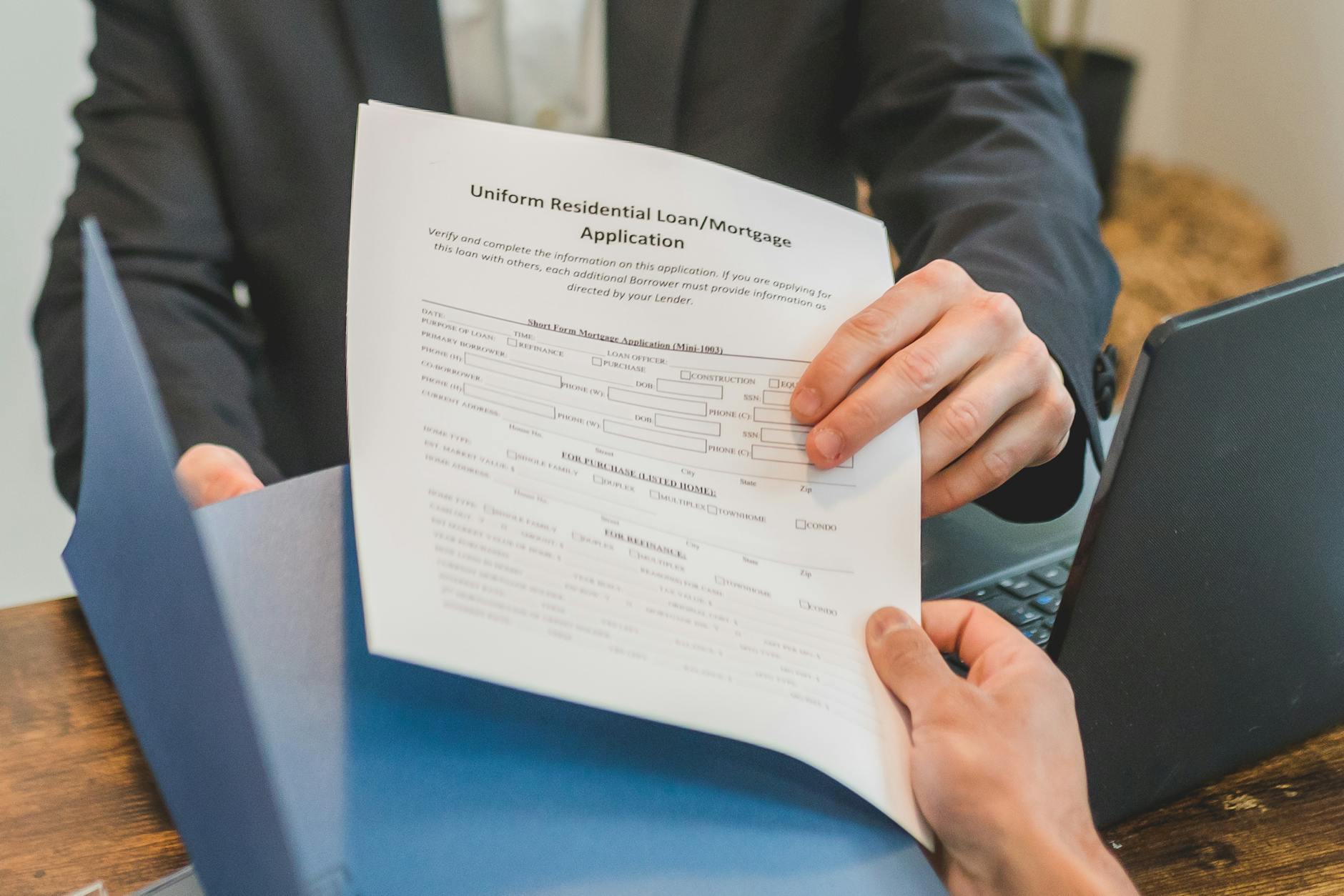
Knowing what documents lenders require and how the underwriting process works removes much of the anxiety associated with applying for a mortgage. Typical requirements include recent pay stubs, two years of tax returns, bank statements, and proof of identification. Understanding that the process can take several weeks helps buyers plan their timeline and manage expectations. Being organized and having all documentation readily accessible can speed up approval and reduce delays. Buyers who are familiar with this process are far less likely to be caught off guard during a critical stage.
Your Lifestyle Supports a More Settled Chapter

Renting often suits those in transitional periods of life such as early career stages, frequent travel, or periods of personal change. A lifestyle that has settled into consistent routines, a defined social community, and a desire for more permanence aligns naturally with homeownership. The ability to personalize a living space, plant a garden, or renovate a kitchen reflects a desire for long-term investment in where you live. This shift in mindset from temporary to permanent is a recognizable personal signal that the time has come. A stable lifestyle is the foundation on which a successful homeownership experience is built.
You Have Attended Open Houses or Property Viewings

Visiting properties in person provides firsthand experience of what different price points, neighborhoods, and layouts actually look and feel like. Regular attendance at open houses sharpens the ability to evaluate space, condition, and value with greater accuracy over time. It also offers the chance to observe how quickly properties are moving in your target market. Buyers who have done this consistently develop a more calibrated sense of what represents good value. Active engagement with the market is a strong behavioral sign of genuine readiness to buy.
You Have Consulted a Financial Advisor or Housing Counselor

Seeking professional guidance before making a major financial decision is a mark of informed and responsible planning. HUD-approved housing counselors offer free or low-cost advice specifically designed for first-time buyers. A financial advisor can help assess whether buying aligns with your broader wealth-building strategy and retirement goals. These consultations often reveal blind spots or opportunities that buyers would not have identified on their own. Taking this step reflects the seriousness and maturity required to make a sound long-term investment.
You Are Comfortable Navigating Contracts and Legal Documents

The homebuying process involves a significant amount of paperwork including purchase agreements, disclosure statements, and title documents. Buyers who have taken the time to familiarize themselves with common real estate terms and contract structures are better protected throughout the transaction. Working with a real estate attorney or relying on a trusted agent to explain documents is a practical approach for first-time buyers. Understanding what you are signing before committing to any agreement is a fundamental aspect of responsible purchasing. Comfort with documentation and legal processes reflects a mature and prepared approach to the transaction.
You Have Compared Renting Versus Buying in Your Market

Running the numbers on renting versus buying in your specific city or neighborhood is a concrete analytical step that informed buyers take. Factors such as local rent prices, home appreciation rates, interest rates, and tax benefits all influence which option makes more financial sense at a given time. Online calculators and conversations with financial professionals can help quantify the break-even point for buying in your area. In some high-cost markets renting may still be the stronger financial choice even for well-prepared buyers. Completing this analysis with current data shows that your decision is grounded in real-world financial reasoning rather than social pressure.
You Feel Confident and Informed Rather Than Rushed

One of the most telling signs of readiness is the feeling of calm confidence that comes from thorough preparation rather than urgency driven by external pressure. Buyers who have taken the time to educate themselves tend to make more deliberate and satisfying decisions about one of the largest purchases of their lives. Feeling informed about the process means you are less likely to overbid out of fear or rush into a property that does not truly fit your needs. The ability to walk away from the wrong home without panic is a sign of financial and emotional security. Approaching the search from a position of knowledge and patience is ultimately what separates a prepared first-time buyer from one who is not yet ready.
Share your own signs of homebuying readiness in the comments and let others know what moment made you realize you were truly prepared to take the leap.




