Smoothies have become one of the most efficient and delicious ways to pack an impressive amount of nutrition into a single meal or snack. The right combination of ingredients can transform a basic blend into a powerhouse of vitamins, minerals, antioxidants, and plant-based compounds that support energy, immunity, and overall wellbeing. Whether you are a longtime smoothie enthusiast or just getting started, expanding your ingredient repertoire can make a meaningful difference in how you feel each day. These 35 superfoods are worth keeping stocked in your kitchen for your next blend.
Spirulina
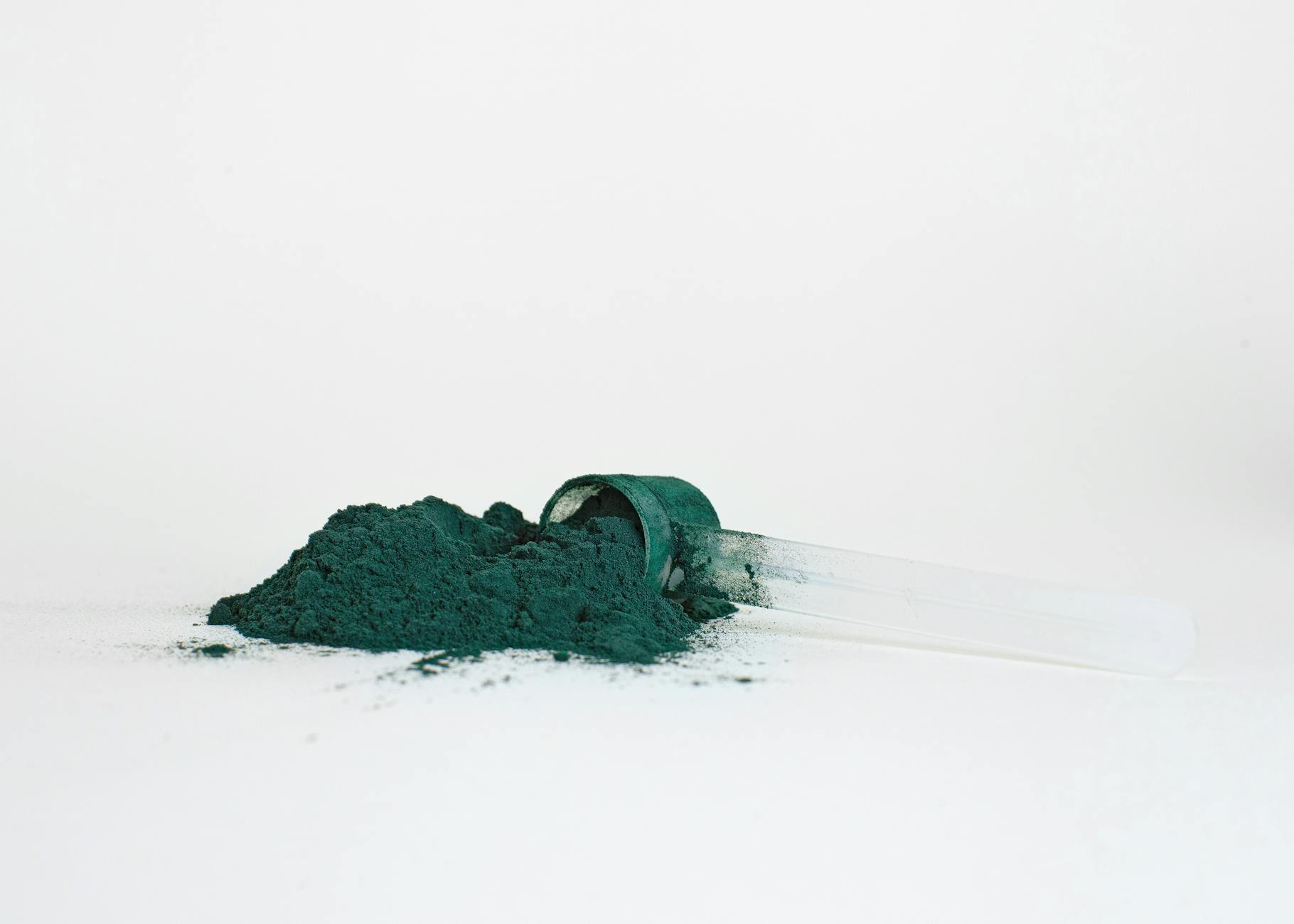
Spirulina is a blue-green algae that has been consumed for centuries and is now widely recognized as one of the most nutrient-dense foods available. It contains a remarkable concentration of protein, making it particularly appealing for those following plant-based diets. Rich in B vitamins, iron, and the antioxidant phycocyanin, it supports cellular health and helps combat oxidative stress. Just one teaspoon blended into a fruit-forward smoothie is enough to deliver a significant nutritional boost without overpowering the flavor. Its deep green color signals a chlorophyll content that many nutritionists associate with detoxifying properties.
Maca Root
Maca is a root vegetable native to the high-altitude regions of the Peruvian Andes and has long been used in traditional wellness practices. It is most commonly found in powdered form and carries a naturally malty and slightly earthy flavor that blends well with chocolate or banana-based smoothies. The root is rich in essential minerals including calcium, potassium, and magnesium along with a range of B vitamins. Many people incorporate it into their morning smoothies to support sustained energy and hormonal balance throughout the day. It is considered an adaptogen, meaning it may help the body manage physical and mental stress more effectively.
Chia Seeds
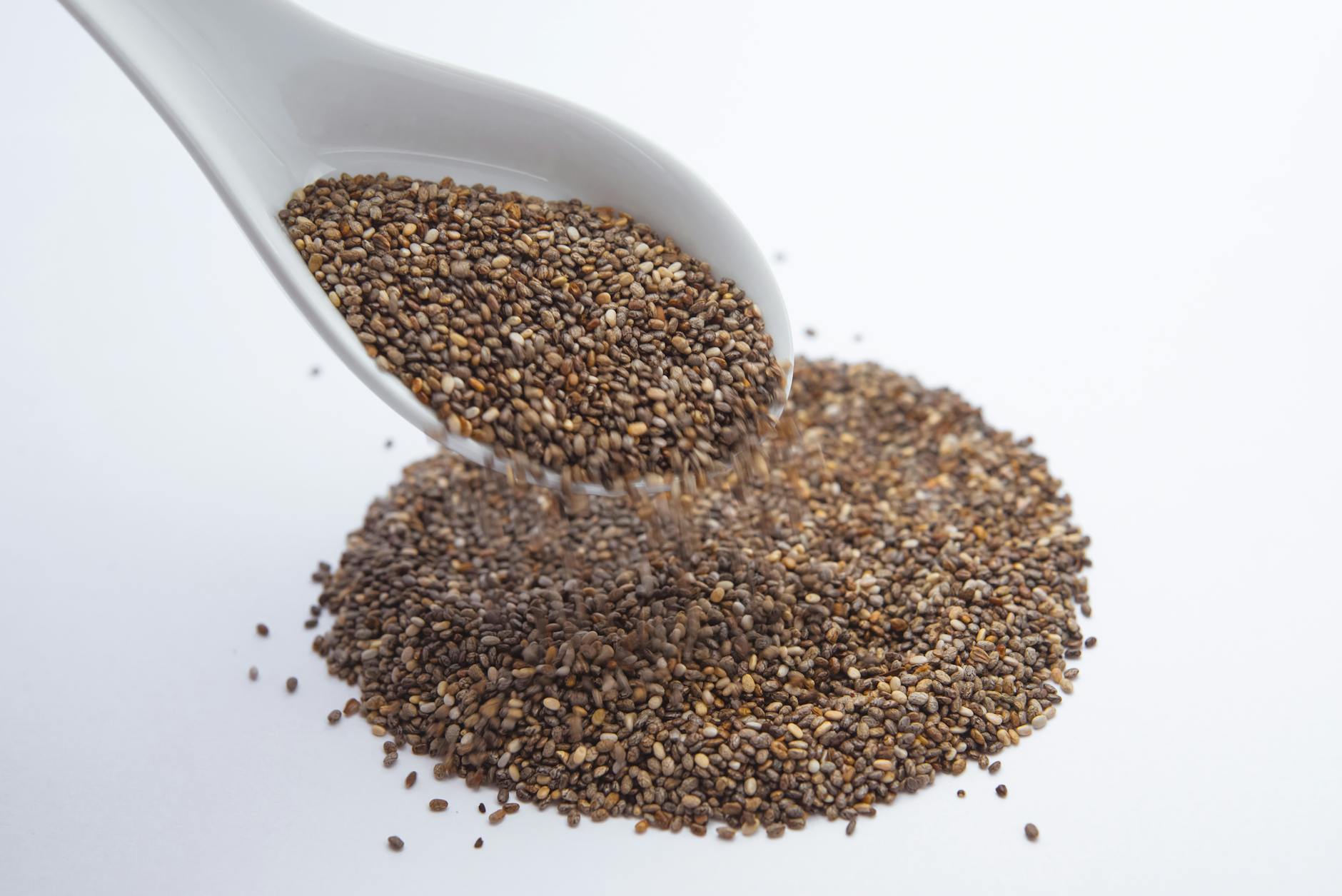
Chia seeds are tiny black or white seeds derived from a flowering plant in the mint family and are celebrated for their extraordinary nutritional profile. They are one of the best plant-based sources of omega-3 fatty acids, which play a key role in supporting heart and brain health. Each serving also delivers a substantial amount of dietary fiber, which promotes digestive regularity and helps maintain a feeling of fullness. When soaked or blended, chia seeds develop a gel-like consistency that naturally thickens smoothies without altering the flavor. They also provide a meaningful amount of calcium, making them a popular choice for those who avoid dairy.
Hemp Seeds
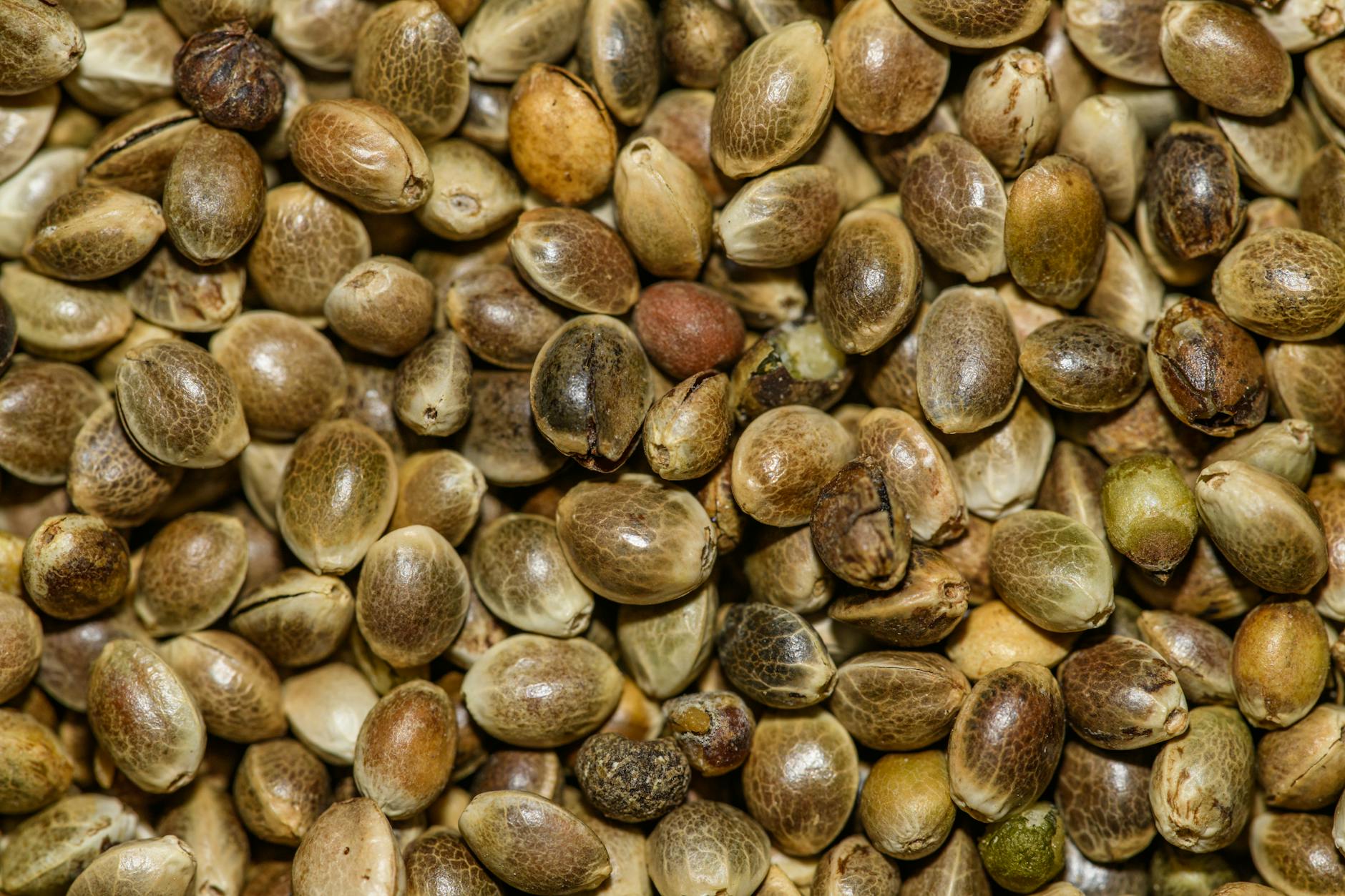
Hemp seeds come from the Cannabis sativa plant and contain none of the psychoactive compounds found in other parts of the plant. They are prized for their complete amino acid profile, meaning they supply all nine essential amino acids the body cannot produce on its own. Their mild and slightly nutty taste makes them one of the most versatile additions to any smoothie without requiring flavor adjustments. Hemp seeds also contain gamma-linolenic acid, a beneficial fatty acid linked to reduced inflammation and improved skin health. A few tablespoons stirred or blended into a smoothie adds a creamy texture along with a substantial protein and healthy fat content.
Acai Berry
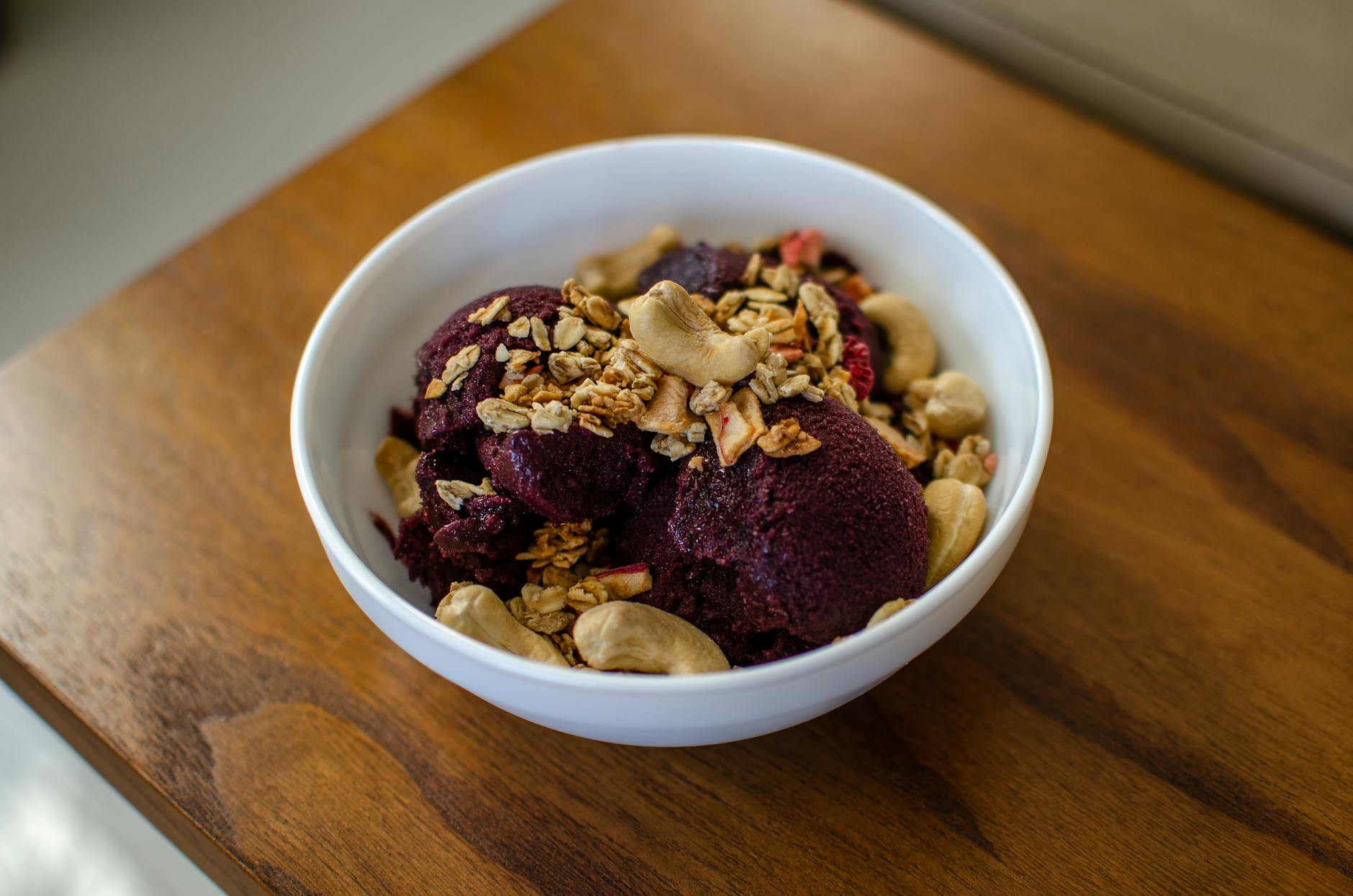
Acai berries grow on palm trees throughout the Amazon rainforest and have gained global recognition for their exceptionally high antioxidant content. They rank among the richest known food sources of anthocyanins, the plant pigments responsible for their deep purple color and their protective effects on cells. In smoothies, acai is most commonly used in frozen puree or powder form and lends a rich and slightly tart berry flavor. The berries also provide heart-healthy fats and a modest amount of fiber that contributes to digestive wellness. Their combination of antioxidants and beneficial fats makes them a compelling addition to any nutrition-focused blending routine.
Flaxseeds

Flaxseeds are among the oldest cultivated crops in the world and remain one of the most accessible sources of plant-based omega-3 fatty acids. They are particularly rich in alpha-linolenic acid as well as lignans, which are plant compounds with antioxidant properties. Ground flaxseeds are far more bioavailable than whole seeds, meaning the body absorbs their nutrients more efficiently when they have been milled before use. Adding a tablespoon or two to a smoothie contributes a slightly nutty flavor while also increasing the fiber content in a meaningful way. Research has linked regular flaxseed consumption to benefits for cardiovascular health, blood sugar regulation, and digestive function.
Matcha
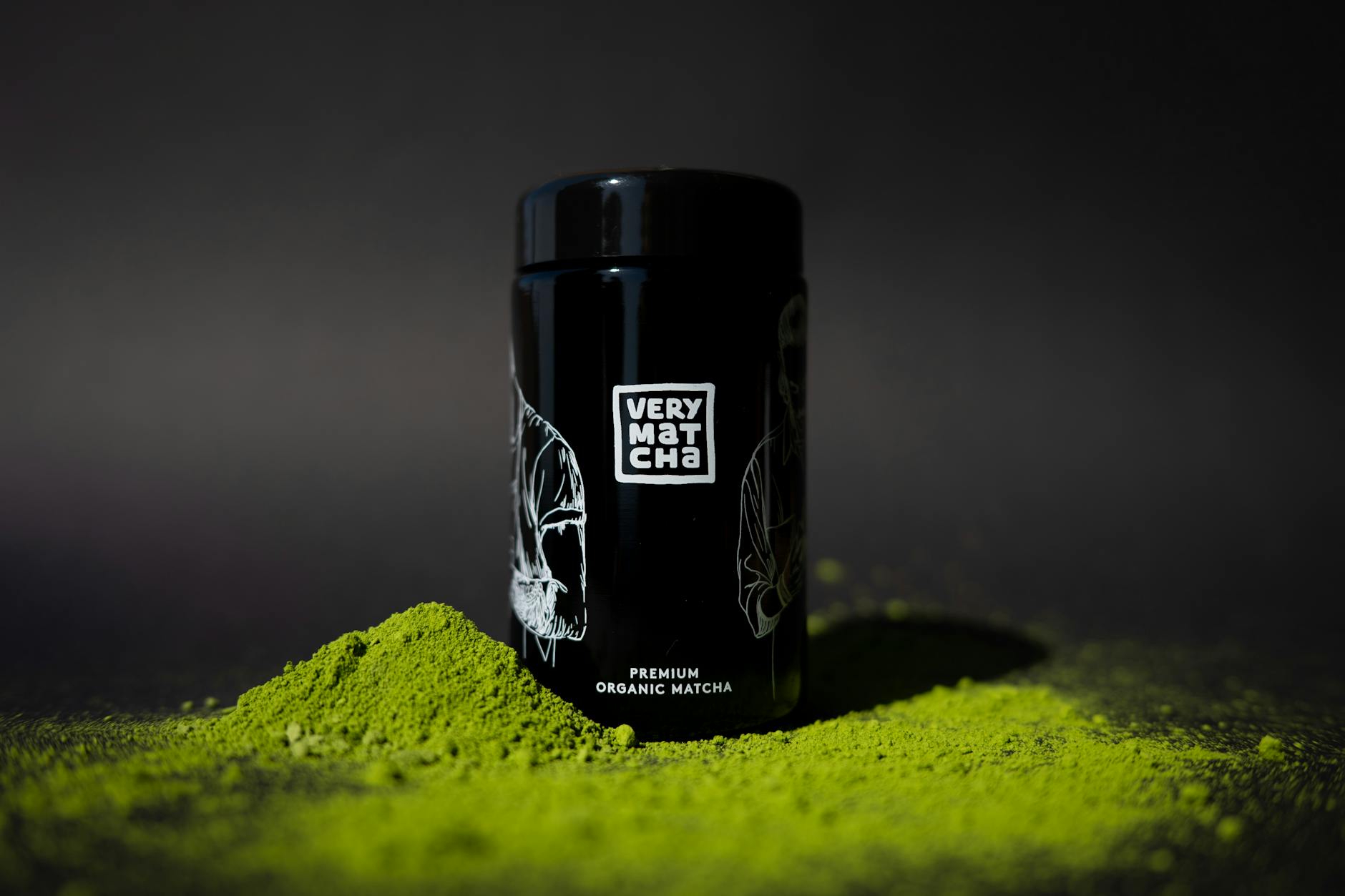
Matcha is a finely ground powder made from specially grown and processed green tea leaves originating in Japan. Unlike brewed green tea where leaves are steeped and discarded, matcha involves consuming the entire leaf, which delivers a more concentrated source of nutrients and antioxidants. Its most notable compound is epigallocatechin gallate, a powerful catechin antioxidant that has been extensively studied for its role in supporting metabolism and cellular protection. Matcha also contains L-theanine, an amino acid that works synergistically with caffeine to promote calm and focused alertness without the jitteriness often associated with coffee. Its vivid green color and earthy flavor profile pair beautifully with vanilla, coconut milk, or banana in a blended drink.
Turmeric
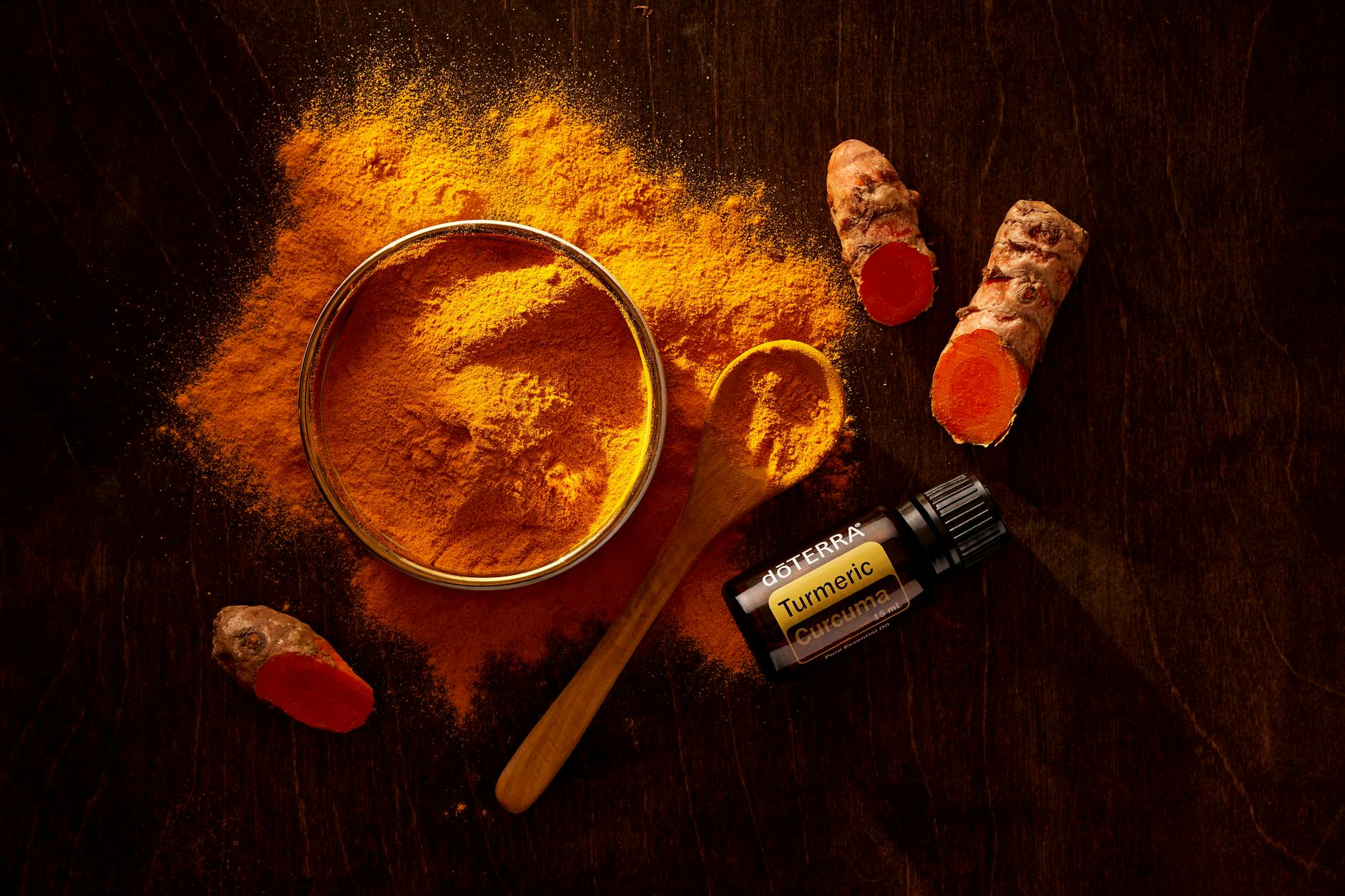
Turmeric is a golden-yellow spice derived from the root of a plant in the ginger family and has held a central place in Ayurvedic and traditional medicine for thousands of years. Its primary active compound, curcumin, is one of the most studied natural anti-inflammatory agents in nutritional science. Adding a small amount of turmeric powder or fresh grated root to a smoothie can contribute to joint comfort and immune resilience over time. Pairing it with black pepper is widely recommended because the piperine in pepper dramatically enhances curcumin absorption by the body. Mango, pineapple, and coconut-based smoothies tend to complement turmeric’s warm and slightly bitter flavor profile particularly well.
Ginger
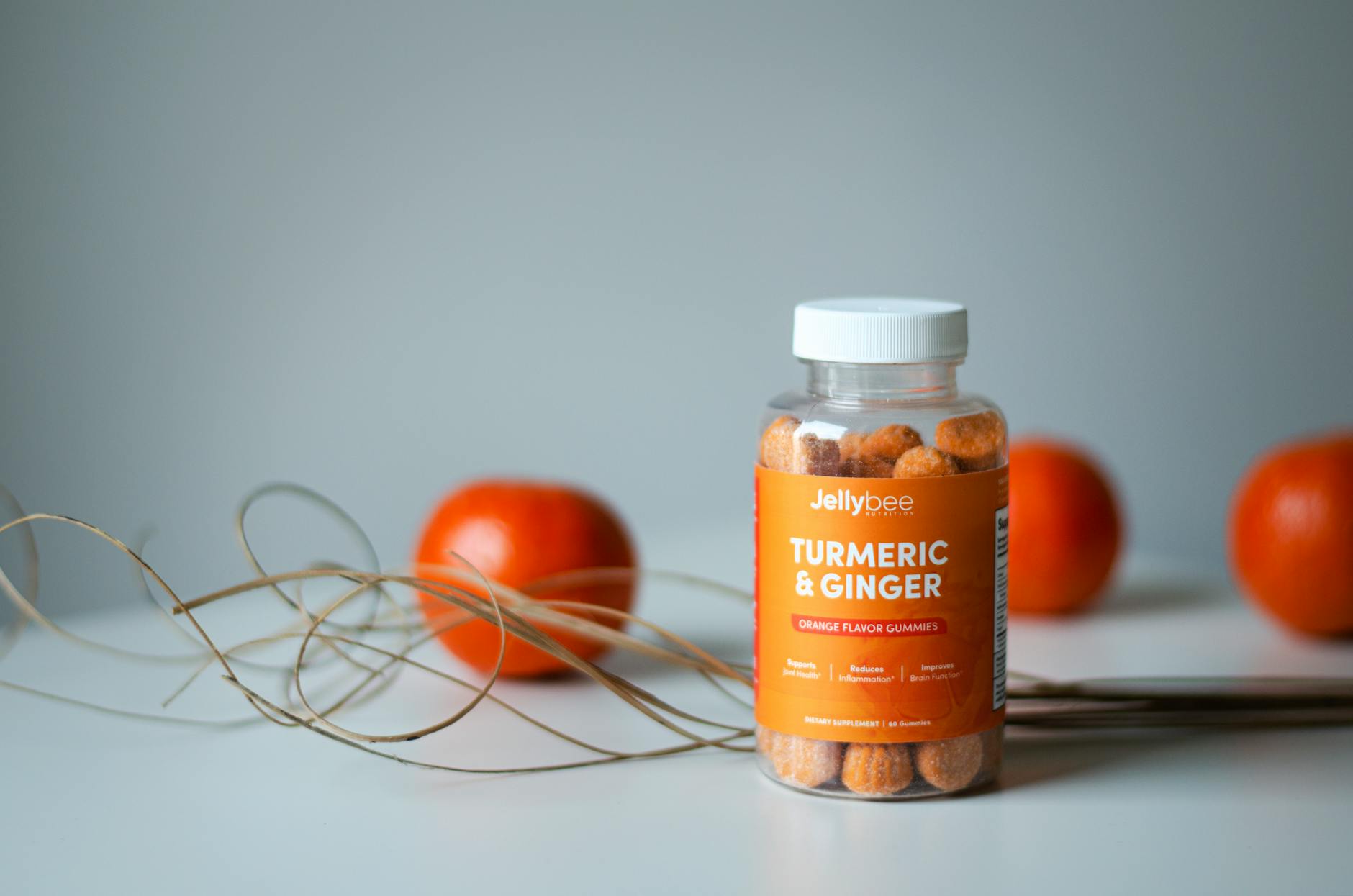
Ginger root has been used medicinally across Asian, Middle Eastern, and African cultures for thousands of years and remains one of the most scientifically validated functional foods. Its active compounds, particularly gingerol and shogaol, are responsible for both its distinctive spicy flavor and its well-documented anti-inflammatory and digestive properties. Fresh ginger adds a vibrant heat to smoothies while supporting the body’s natural nausea relief and gut motility processes. It also demonstrates antioxidant activity that helps neutralize free radicals associated with aging and disease. A small thumb-sized piece blended into tropical fruit or citrus smoothies creates a warming and invigorating flavor combination.
Cacao Powder

Raw cacao powder is produced by cold-pressing unroasted cacao beans, which preserves a significantly higher concentration of nutrients compared to conventional cocoa powder. It is one of the richest plant-based sources of magnesium, a mineral essential for muscle function, nerve signaling, and restful sleep. Cacao also contains flavanols that support healthy blood flow and cardiovascular function as part of a balanced diet. Its natural theobromine content provides a gentle and sustained lift in energy and mood without the sharp peaks associated with caffeine. Blended with bananas, almond butter, or dates, raw cacao creates a deeply satisfying chocolate smoothie that also delivers meaningful nutritional value.
Baobab

Baobab comes from the fruit of the iconic baobab tree, which is native to the African savanna and can live for thousands of years. The powdered fruit pulp is exceptionally high in vitamin C, with some estimates suggesting it contains more than six times the amount found in fresh oranges. It also provides a notable amount of dietary fiber, potassium, and calcium, making it a nutritionally diverse addition to any blend. Baobab has a naturally tangy and slightly citrusy flavor that adds brightness to tropical or berry-based smoothies without the need for additional acidic ingredients. Its prebiotic fiber content is particularly valued for supporting a healthy and diverse gut microbiome.
Moringa

Moringa oleifera is a tree native to parts of Africa and Asia, often called the miracle tree due to the extraordinary nutrient density found throughout its leaves and pods. The dried and powdered leaves used in smoothies contain a broad spectrum of vitamins and minerals including iron, calcium, potassium, and vitamins A, C, and E. Moringa also supplies all essential amino acids and has a protein content that rivals many legumes on a per-gram basis. Its flavor is green and mildly earthy, similar to matcha but slightly more savory, which pairs well with fruit-heavy smoothies. Regular consumption is associated in traditional wellness practices with supporting energy levels, immune function, and skin vitality.
Ashwagandha

Ashwagandha is a root used extensively in Ayurvedic medicine and belongs to a class of botanicals known as adaptogens, which help the body respond more effectively to physical and psychological stress. Its active compounds called withanolides have been linked in numerous studies to reduced cortisol levels and improved stress resilience. The powder form integrates easily into nut-butter or cacao-based smoothies where its slightly bitter and earthy taste is well masked by stronger flavors. Beyond stress support, ashwagandha is associated with benefits for sleep quality, endurance, and cognitive sharpness. It is particularly popular among athletes and those with demanding daily routines who seek natural recovery support.
Bee Pollen
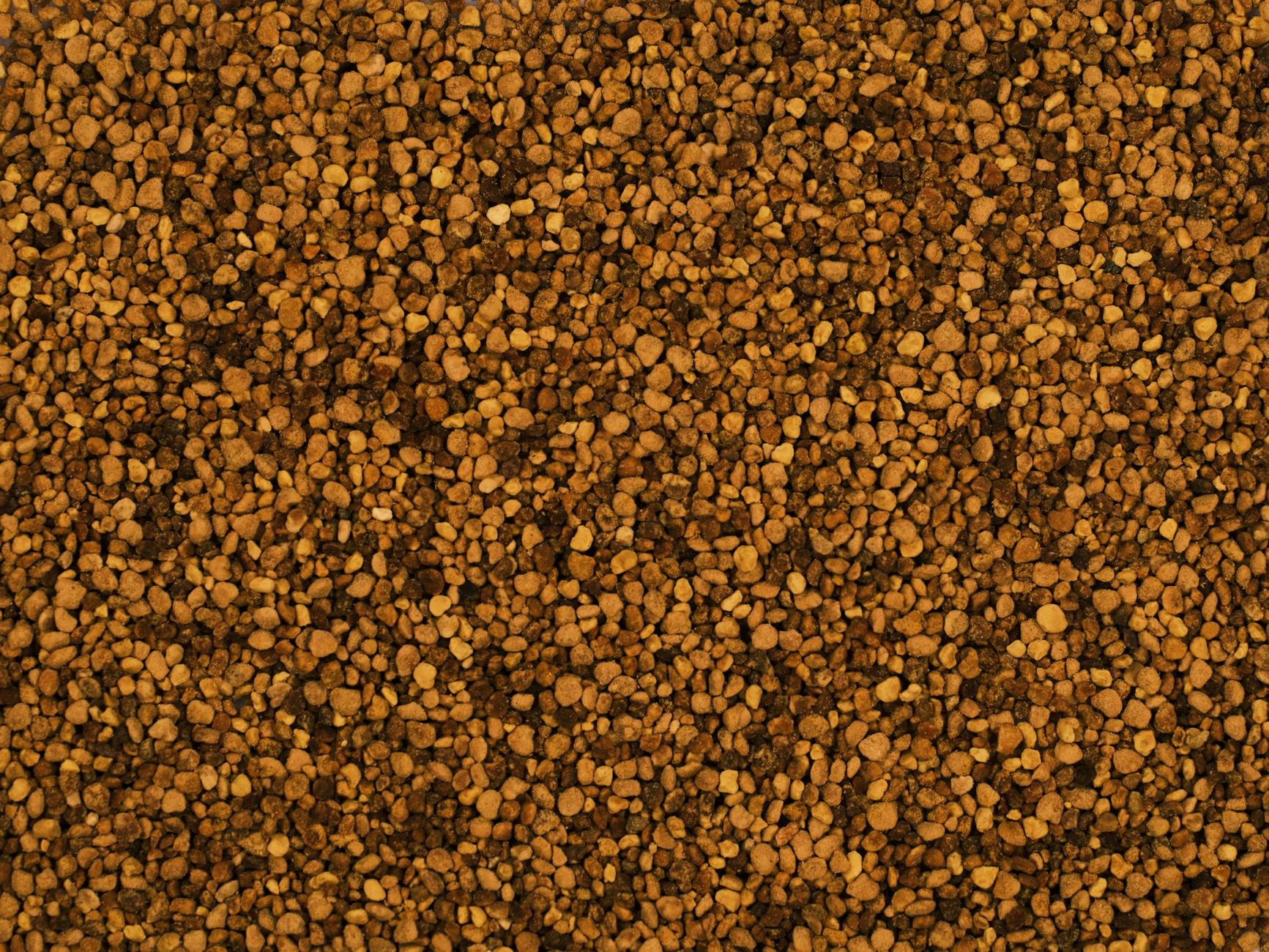
Bee pollen is collected by honeybees and represents one of the most complete foods found in nature, containing proteins, free amino acids, vitamins, lipids, and phytochemicals. It has been used in traditional medicine across many cultures as a general tonic for energy, immunity, and vitality. Sprinkled onto a smoothie or blended directly in, its flavor is gently floral and mildly sweet, which makes it a pleasant complement to fruity blends. Bee pollen contains a unique combination of enzymes and antioxidants that are not easily replicated by synthetic supplements. It is important to note that those with pollen allergies should consult a health professional before incorporating it into their diet.
Wheatgrass
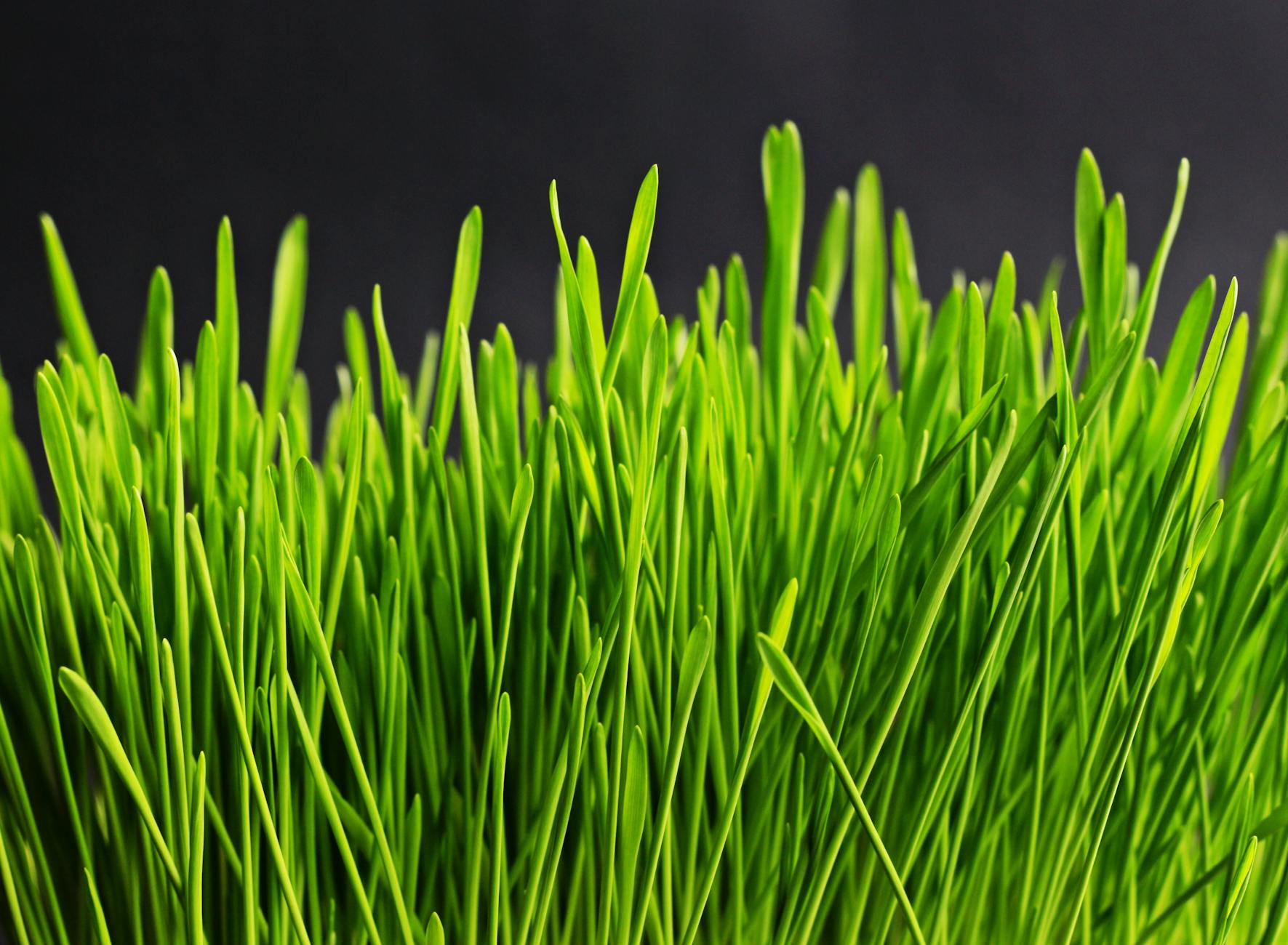
Wheatgrass is harvested from the young shoots of the wheat plant and contains a concentrated array of chlorophyll, vitamins, minerals, and enzymes. Its chlorophyll content is particularly notable because it shares a molecular structure similar to hemoglobin, which some wellness practitioners associate with blood-building properties. A small shot or a teaspoon of powder blended into a green smoothie delivers vitamins A, C, and E alongside iron, magnesium, and amino acids. Its intensely grassy flavor is best balanced with sweeter fruits like apple, pineapple, or mango to create a palatable and refreshing drink. Many juice bars and health-focused cafes include wheatgrass as a standard booster option for this reason.
Beetroot
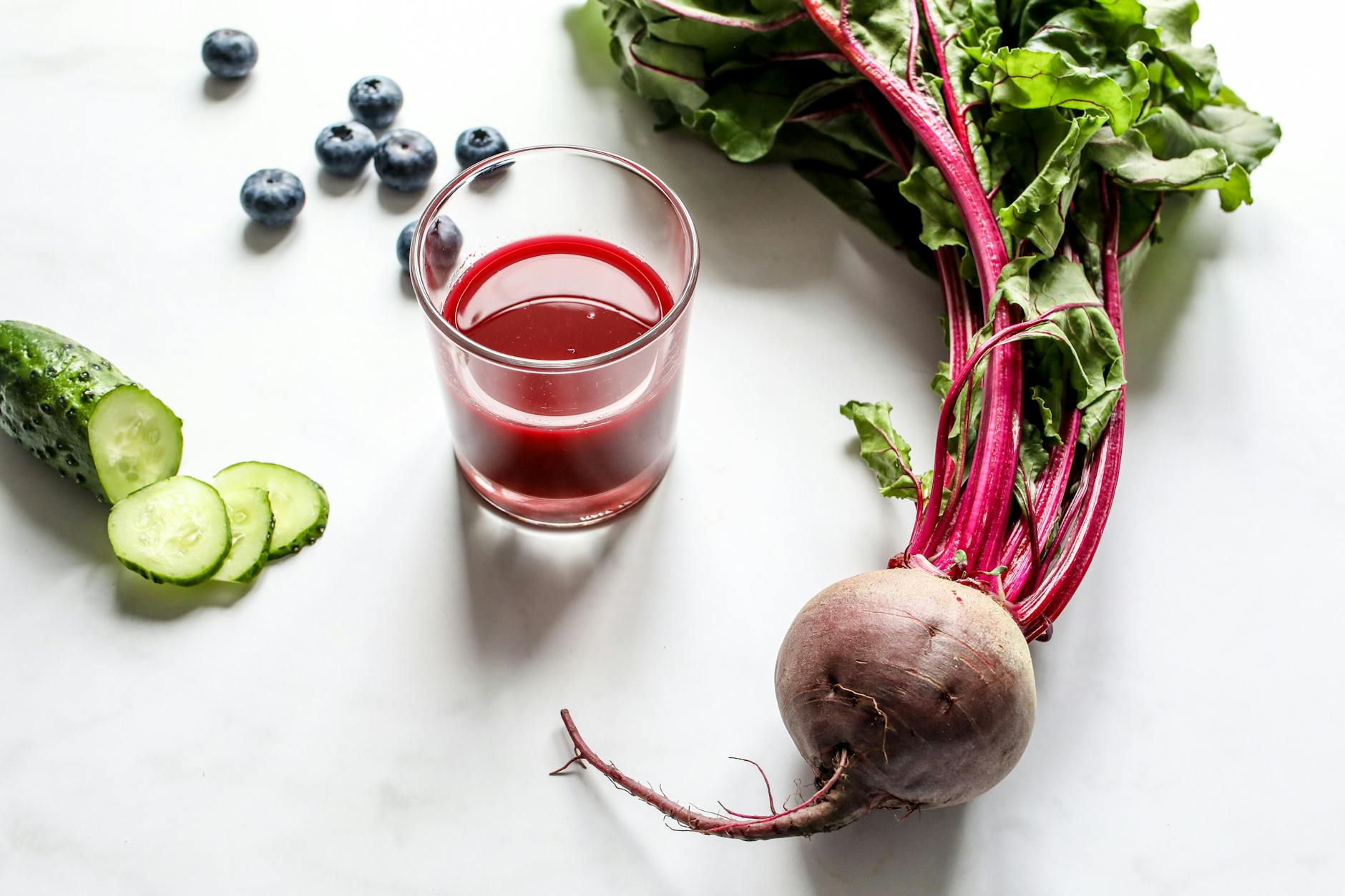
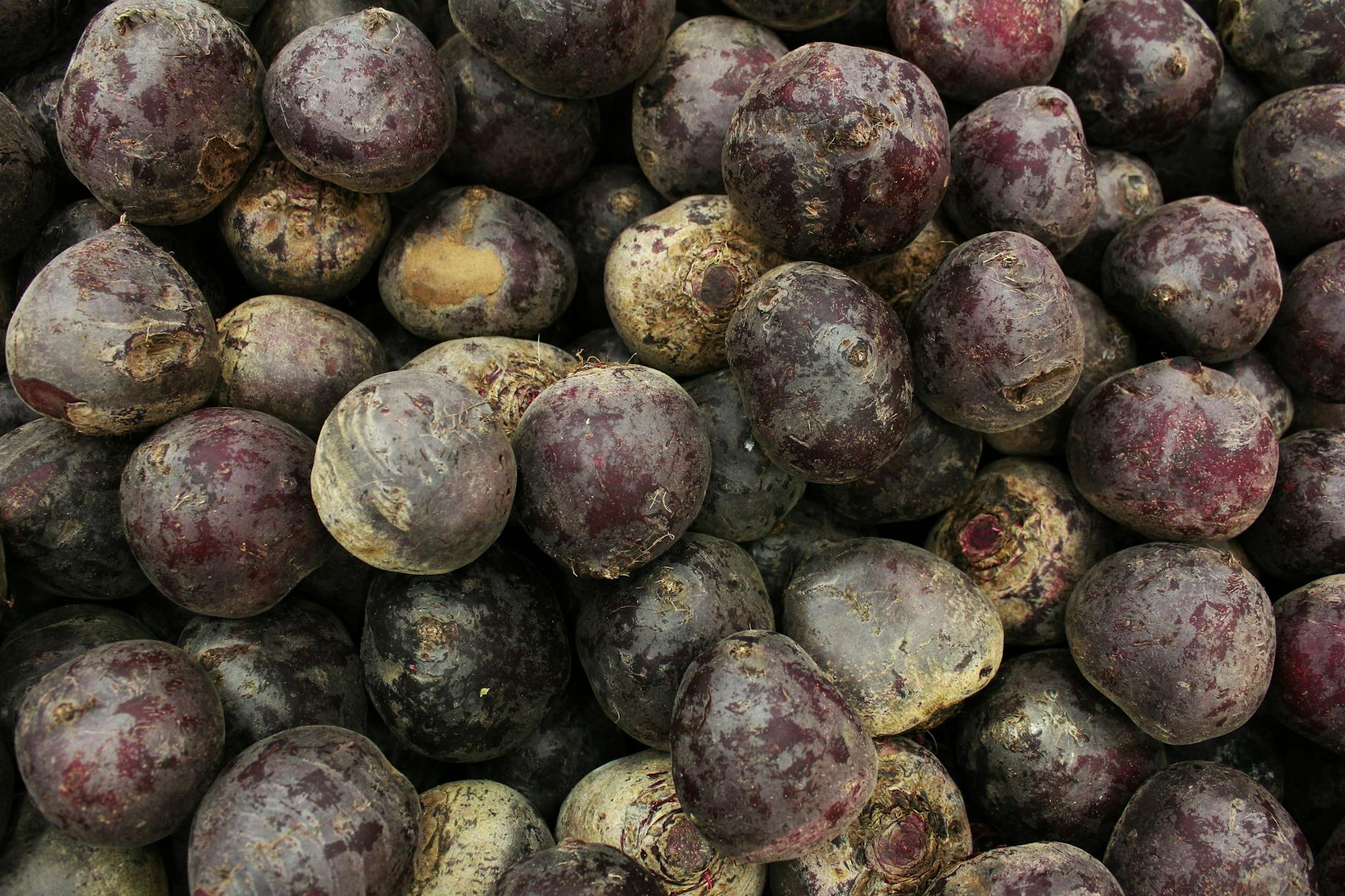
Beetroot is a vibrant root vegetable rich in nitrates, which the body converts into nitric oxide, a compound that helps relax and dilate blood vessels for improved circulation. Athletes frequently incorporate beet powder or juice into pre-workout smoothies because of its well-researched connection to enhanced stamina and reduced exercise fatigue. Its natural sweetness and bold earthy flavor pair well with berries, citrus, and ginger in smoothie combinations. Beetroot is also a meaningful source of folate, manganese, and the antioxidant betaine, which supports liver function and healthy homocysteine levels. The rich red-purple pigment it imparts to blended drinks comes from betalain antioxidants that also contribute to its anti-inflammatory reputation.
Lucuma
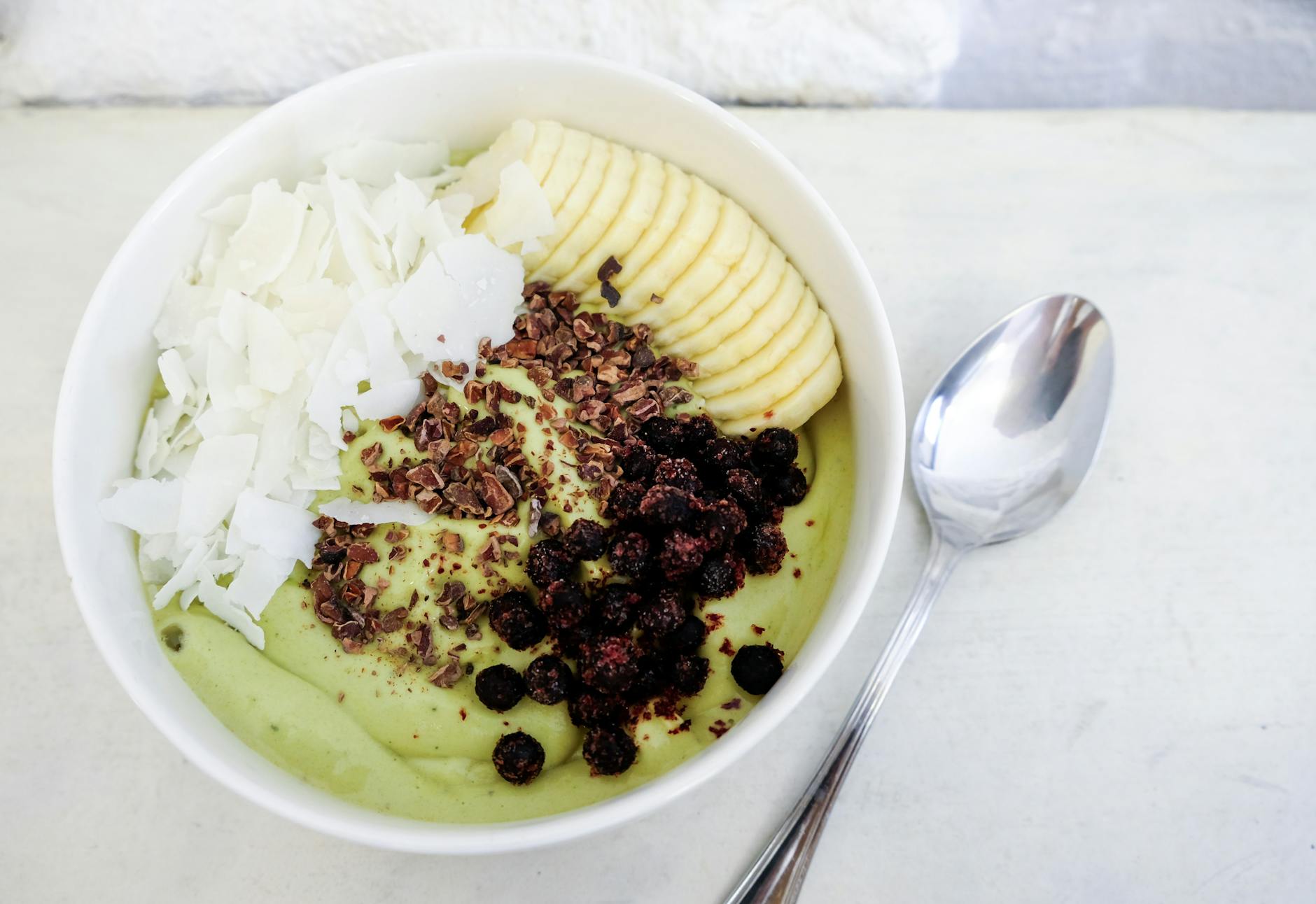
Lucuma is a subtropical fruit native to Peru and has been cultivated as a food source in South America for thousands of years. It is most commonly found outside its native region in powdered form and delivers a naturally sweet flavor that resembles a blend of maple and sweet potato. The powder contains beta-carotene, iron, zinc, and B vitamins along with a notable fiber content that helps moderate the speed at which its sugars are absorbed. As a natural sweetener, it provides a lower glycemic impact than refined sugar, making it a popular choice for health-conscious smoothie enthusiasts. It blends seamlessly into caramel or vanilla-flavored smoothies and adds both nutritional value and a gently exotic depth of flavor.
Amla
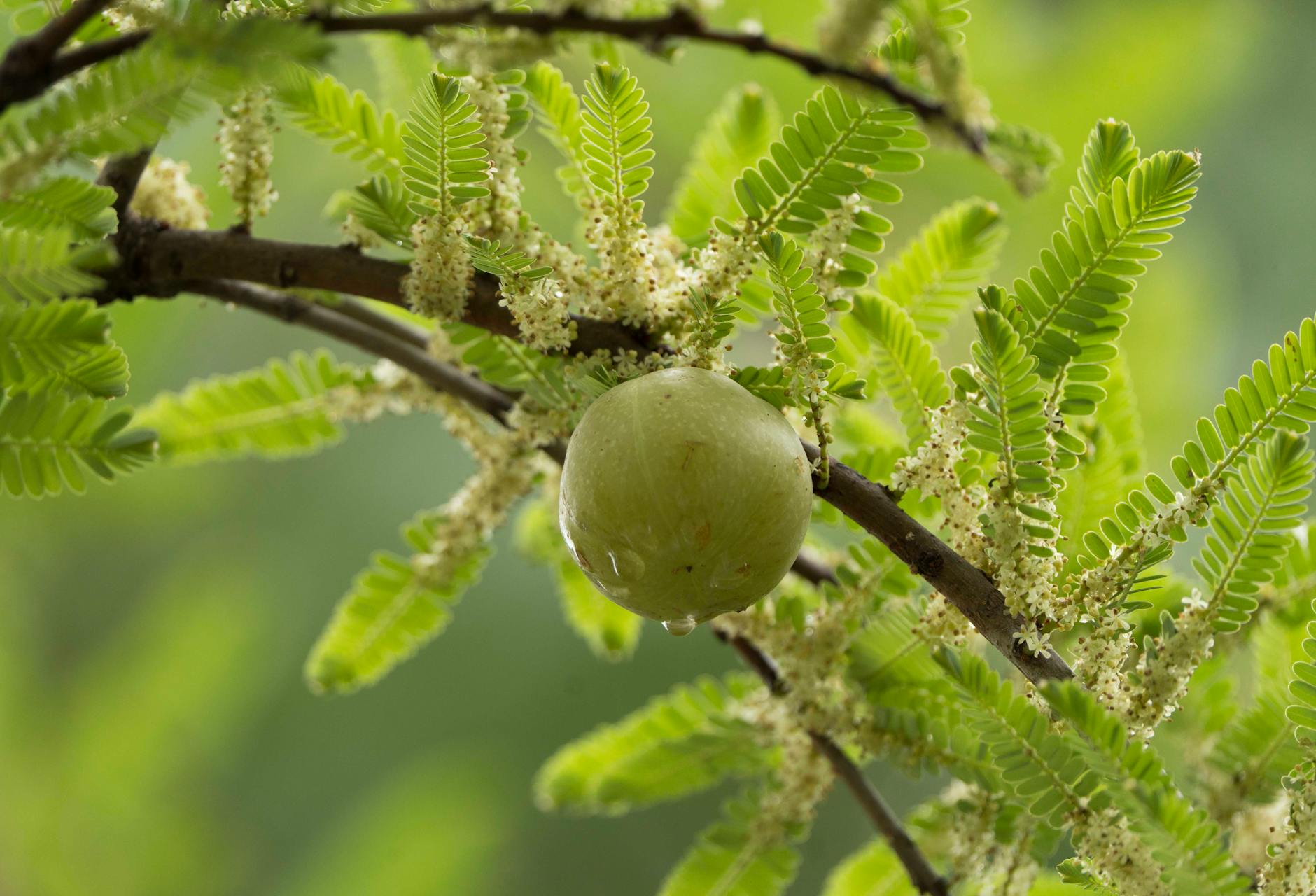
Amla, also known as Indian gooseberry, is a small fruit widely used in Ayurvedic medicine and is considered one of the richest natural sources of vitamin C on earth. Its antioxidant content is preserved even in powdered form, making it a practical and potent addition to daily smoothie routines. Amla is associated with benefits for hair strength, skin brightness, liver health, and immune system support across traditional and emerging modern research. Its taste is intensely tart and astringent, which means it pairs best with sweeter fruits like mango, banana, or apple to create a balanced and enjoyable blend. Regular inclusion of amla powder is a common practice in South Asian wellness traditions as a foundational daily health tonic.
Camu Camu
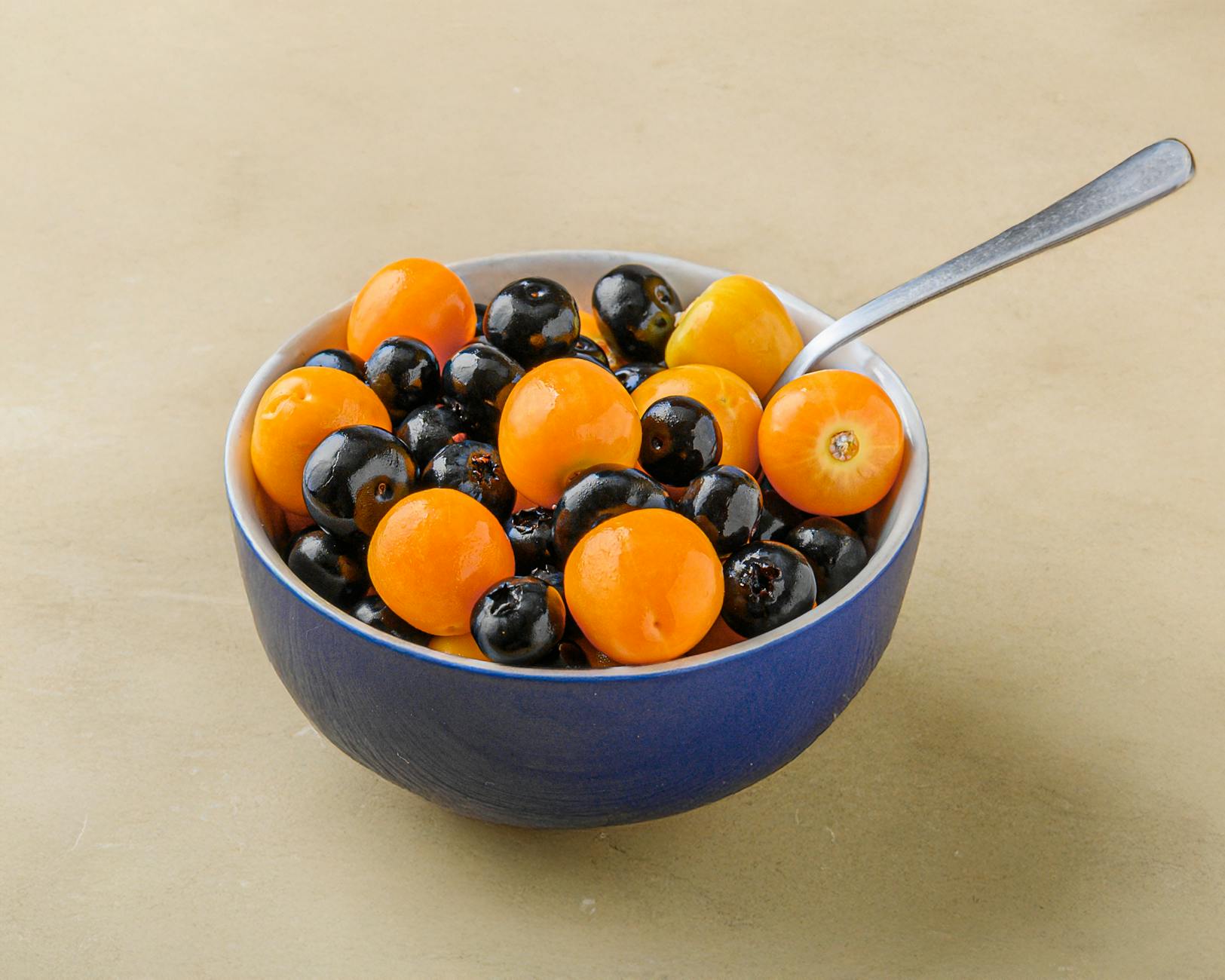
Camu camu is a small berry native to the Amazon rainforest and holds the distinction of being one of the highest known natural sources of vitamin C among all foods. Just a half-teaspoon of camu camu powder can deliver several times the daily recommended intake of vitamin C, making it an extraordinary immune support ingredient. It also contains potassium, copper, and a range of amino acids alongside powerful antioxidant compounds that protect against oxidative cellular damage. Its intensely sour flavor is similar to tamarind or sour cherry and blends well when balanced with tropical fruits, honey, or naturally sweet banana. Research into camu camu continues to explore its potential role in reducing inflammation and supporting mood through its effect on serotonin production.
Collagen Peptides

Collagen is the most abundant protein in the human body and plays a foundational role in the structure of skin, joints, tendons, and bones. Collagen peptides are hydrolyzed proteins derived primarily from bovine or marine sources, meaning they have been broken down into smaller chains that the body absorbs efficiently. They dissolve completely in cold liquids and are virtually flavorless, making them one of the most seamless additions to any smoothie without changing the taste or texture. Regular consumption of collagen peptides is associated with improvements in skin elasticity, joint comfort, and gut lining integrity. They are particularly popular among those focused on aging gracefully, athletic recovery, or digestive health support.
Chlorella
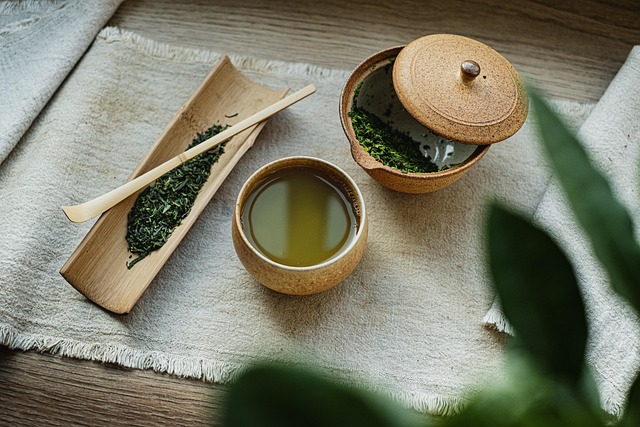
Chlorella is a single-celled freshwater algae and is considered one of the most nutritionally complete foods known to science. It contains the highest concentration of chlorophyll of any known plant or algae, which contributes to its reputation for supporting the body’s natural detoxification pathways. Chlorella also delivers a complete protein profile, a broad spectrum of B vitamins including B12, and meaningful amounts of iron and omega-3 fatty acids. Its flavor is stronger and more intensely green than spirulina, which means fruit-heavy or tropical smoothies work best for masking its taste while still delivering its full benefits. Some research suggests chlorella may also support immune function and help the body manage heavy metal accumulation over time.
Reishi Mushroom

Reishi is a woody medicinal mushroom used for over two thousand years in traditional Chinese medicine and is often referred to as the mushroom of immortality in East Asian wellness traditions. It is typically consumed in powdered or extract form and contains a range of bioactive compounds called polysaccharides and triterpenes that support immune modulation and stress adaptation. Reishi powder carries a distinctly bitter and earthy flavor that is best incorporated into chocolate, vanilla, or chai-spiced smoothies where stronger flavors complement it naturally. It is one of the most studied adaptogens in functional medicine and is particularly associated with supporting restful sleep and calming the nervous system. Many people incorporate it into evening smoothies as part of a deliberate wind-down and recovery ritual.
Lion’s Mane Mushroom
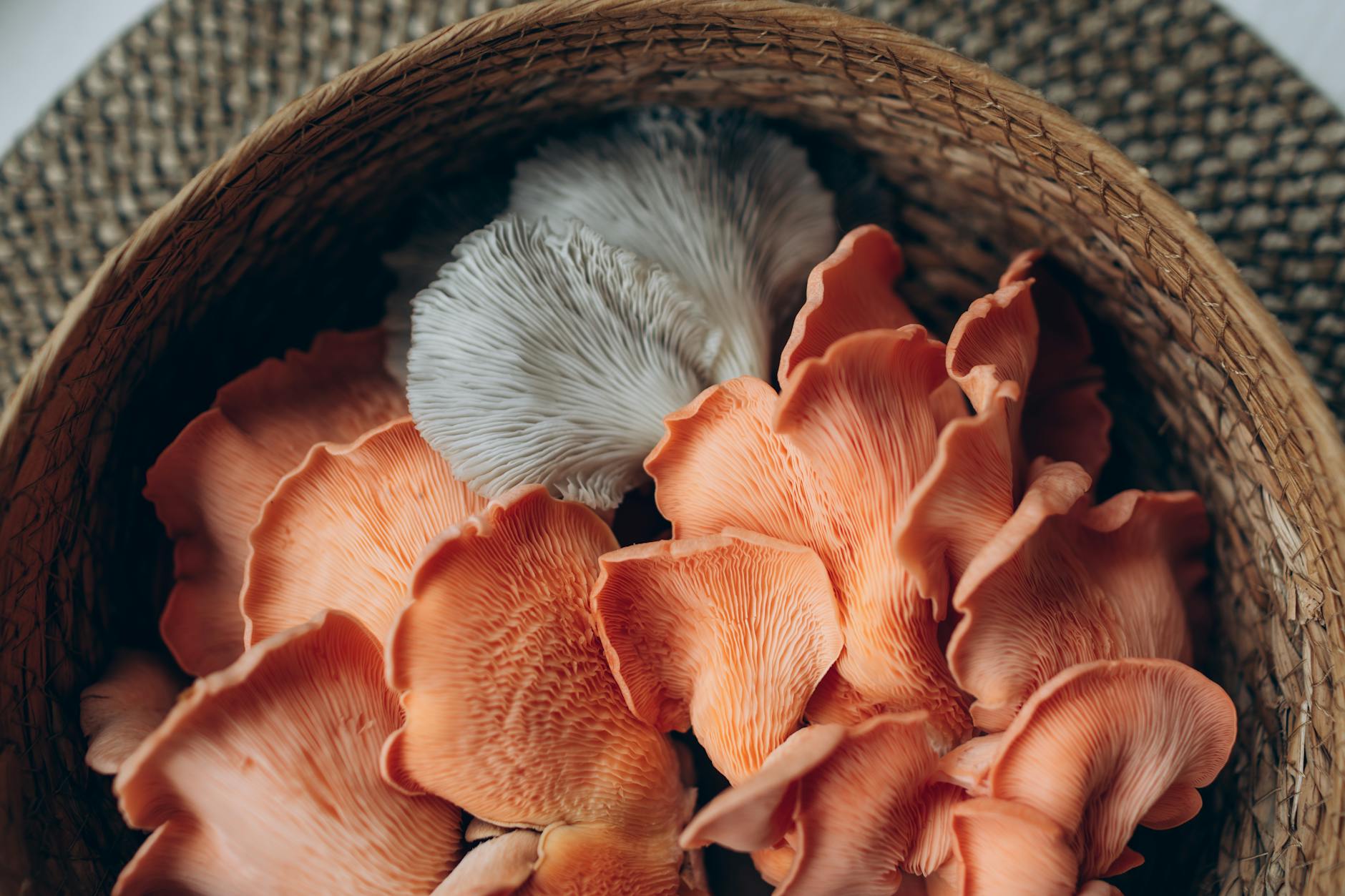
Lion’s mane is a distinctive white mushroom with cascading spine-like features that has attracted significant scientific interest for its potential role in supporting brain and nerve health. Its key bioactive compounds, hericenones and erinacines, have been studied for their ability to stimulate the production of nerve growth factor, a protein essential for the maintenance of neurons. In smoothie form, lion’s mane powder has a relatively mild and slightly savory flavor that blends unobtrusively into nut-based or vanilla smoothies. It is a popular choice among students, professionals, and creatives seeking natural support for focus, memory, and mental clarity. Research into its neuroprotective properties continues to expand, and it is increasingly featured in functional beverage formulations around the world.
Chaga Mushroom
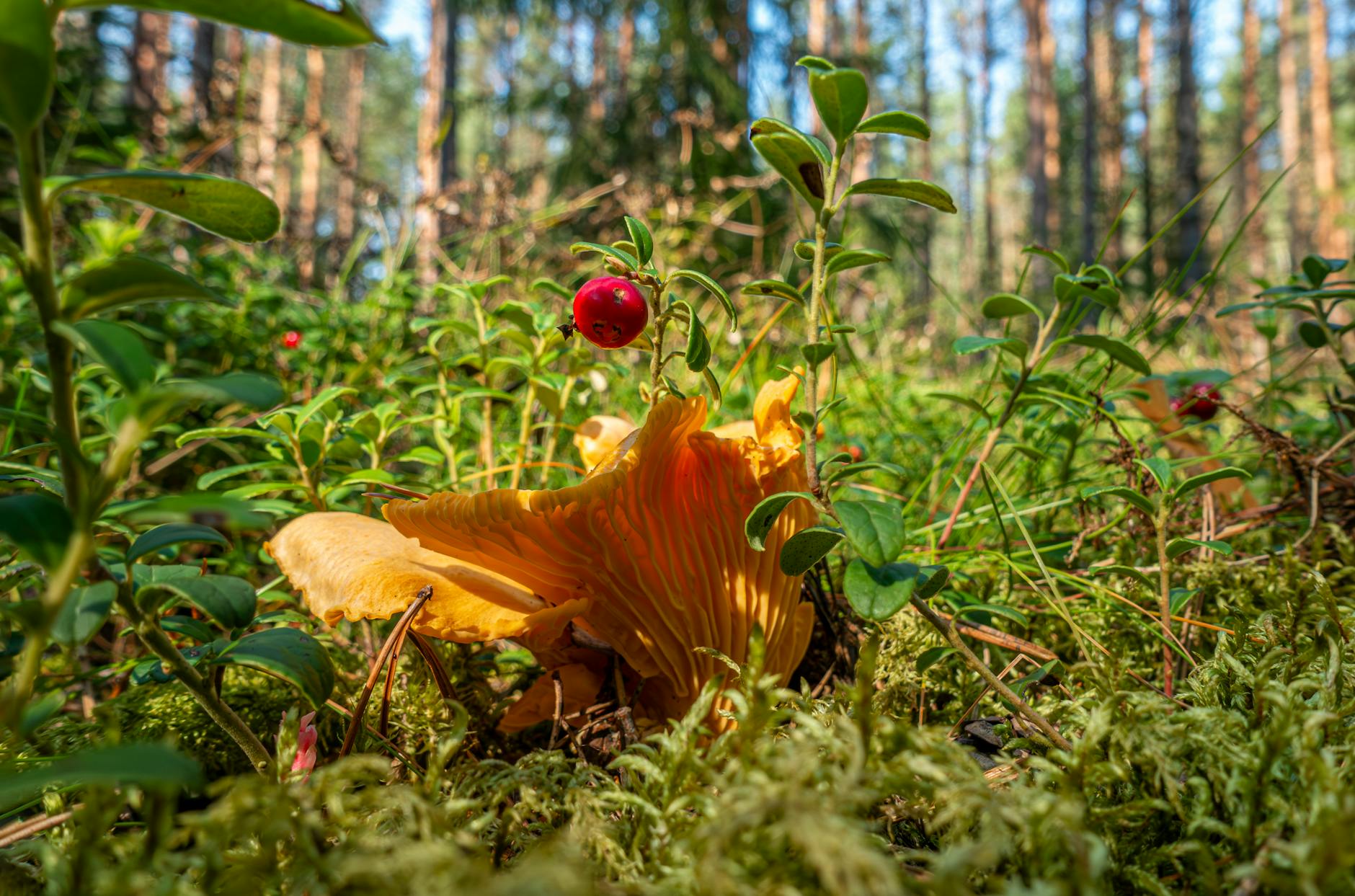
Chaga is a fungus that grows primarily on birch trees in cold northern climates and has been used medicinally in Russia and Siberian folk traditions for centuries. It contains one of the highest known concentrations of antioxidants among natural foods, with its ORAC value frequently cited as extraordinary compared to conventional fruits and vegetables. Chaga powder has a mild and slightly earthy flavor with subtle vanilla-like undertones that make it compatible with chocolate, coffee, or coconut milk smoothies. It is particularly associated with supporting immune resilience, reducing systemic inflammation, and protecting cells from oxidative damage. Chaga is also a natural source of beta-glucans, a class of soluble fiber compounds that play a significant role in immune system regulation.
Sea Moss

Sea moss, also known as Irish moss or Chondrus crispus, is a type of red algae harvested along Atlantic coastlines and has recently seen a major resurgence in wellness communities globally. It is reported to contain a remarkable range of vitamins and minerals including iodine, potassium, calcium, magnesium, and vitamins A, C, E, and K. When prepared as a gel from dried seaweed, it blends smoothly into any smoothie and creates a naturally thick and creamy texture without any pronounced flavor. Its iodine content makes it particularly relevant for supporting healthy thyroid function, which regulates metabolism and hormonal balance. Sea moss gel has become a staple ingredient in Caribbean wellness traditions and is increasingly popular in global functional nutrition circles.
Pumpkin Seeds
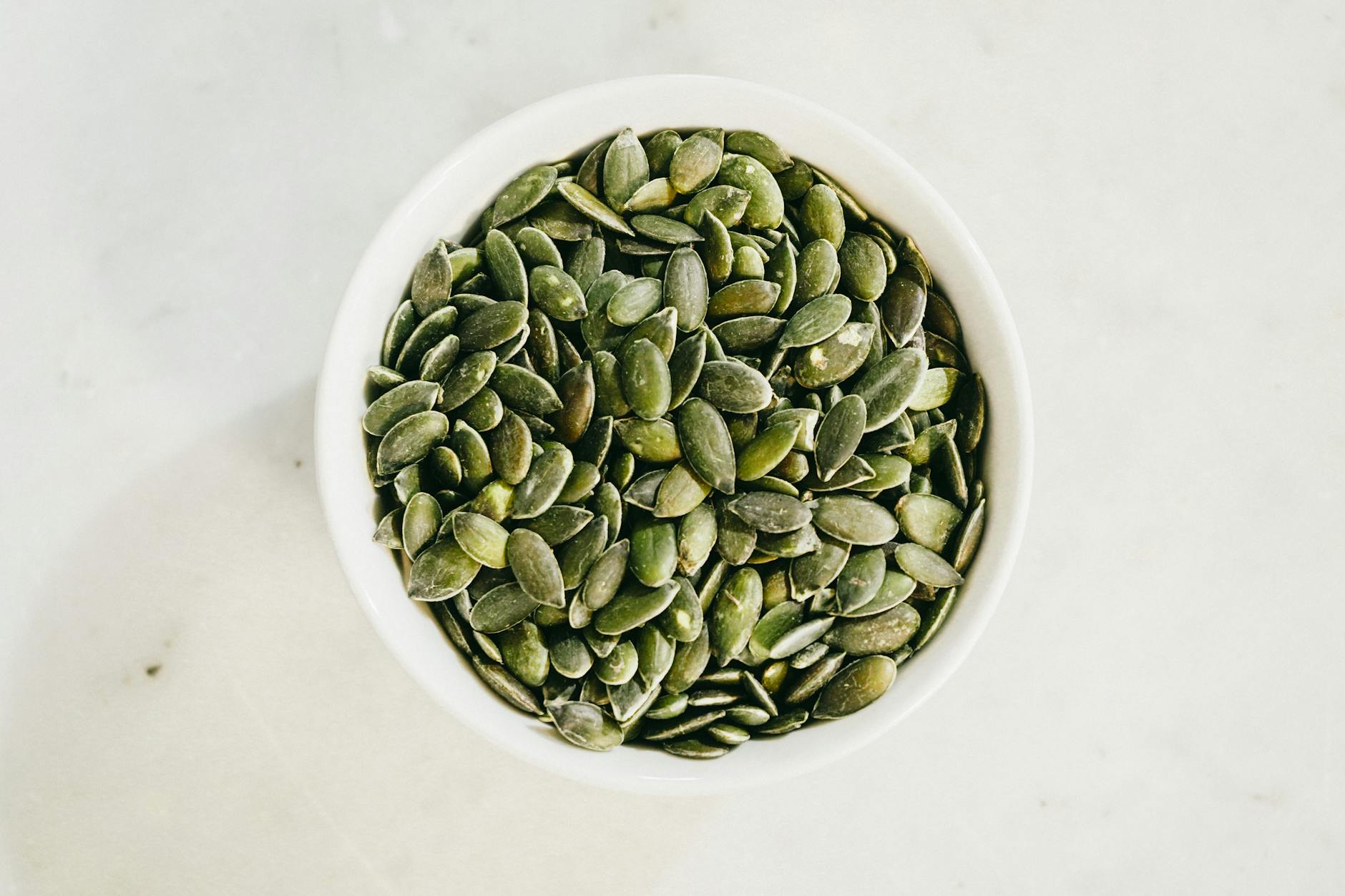
Pumpkin seeds, also known as pepitas, are a nutrient-dense whole food that supplies substantial amounts of zinc, magnesium, manganese, and plant-based protein in a compact serving. Their zinc content is particularly notable as this mineral plays a critical role in immune defense, skin repair, and reproductive health. Blending a handful of raw or lightly roasted pumpkin seeds into a smoothie adds a creamy richness similar to nut butter while also introducing beneficial phytosterols that support heart health. They also contain tryptophan, an amino acid that the body uses to produce serotonin and melatonin, making them a thoughtful ingredient for evening smoothies. Their mild flavor complements a wide range of smoothie bases from green vegetable blends to sweet fruit combinations.
Avocado
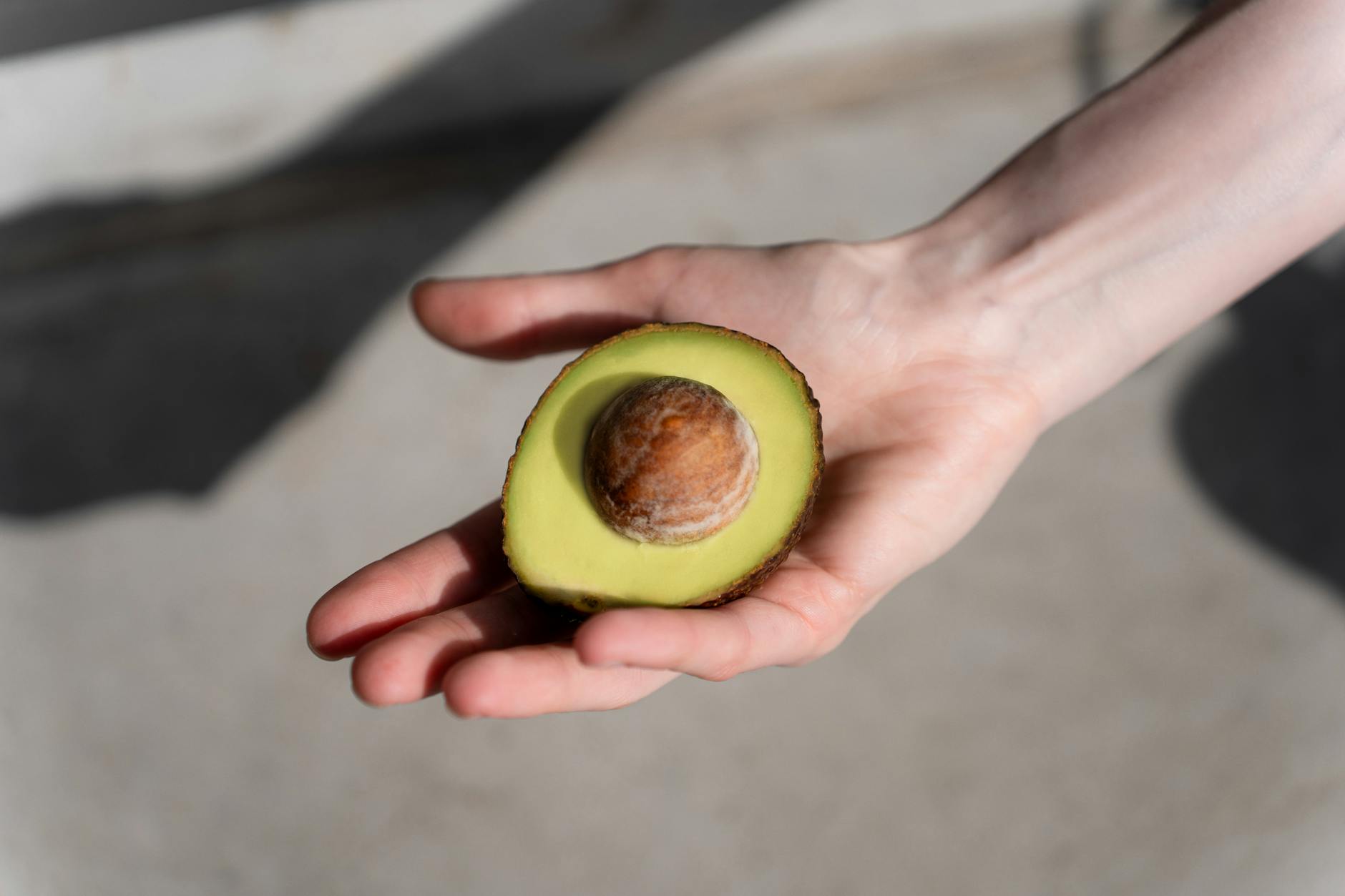
Avocado is a unique fruit celebrated for its rich content of monounsaturated fats, particularly oleic acid, the same heart-healthy fatty acid abundant in olive oil. Adding half an avocado to a smoothie creates a luxuriously creamy texture without the use of dairy while also providing a substantial serving of potassium, fiber, and fat-soluble vitamins including K, E, and folate. The healthy fats in avocado serve as a carrier for fat-soluble nutrients in other smoothie ingredients, improving the overall bioavailability of the blend. Its mild and buttery flavor pairs exceptionally well with cacao, vanilla, lime, or tropical fruit combinations. Avocado also contributes to satiety, making it a particularly satisfying choice in meal-replacement smoothies.
Kefir
Kefir is a fermented dairy or plant-based beverage packed with a diverse and robust community of live probiotic bacteria and yeasts that support gut microbiome diversity. A healthy and balanced gut microbiome is increasingly understood by researchers to influence not only digestive wellness but also immune function, mood regulation, and nutrient absorption. Using kefir as the liquid base of a smoothie rather than plain milk or juice adds a tangy and slightly fizzy quality alongside its probiotic benefits. It is a meaningful source of protein, calcium, vitamin B12, and phosphorus and is often better tolerated by those with lactose sensitivity due to the fermentation process. Plain or unsweetened kefir is preferred in smoothie applications to avoid excess added sugars while still delivering its full functional benefits.
Pomegranate
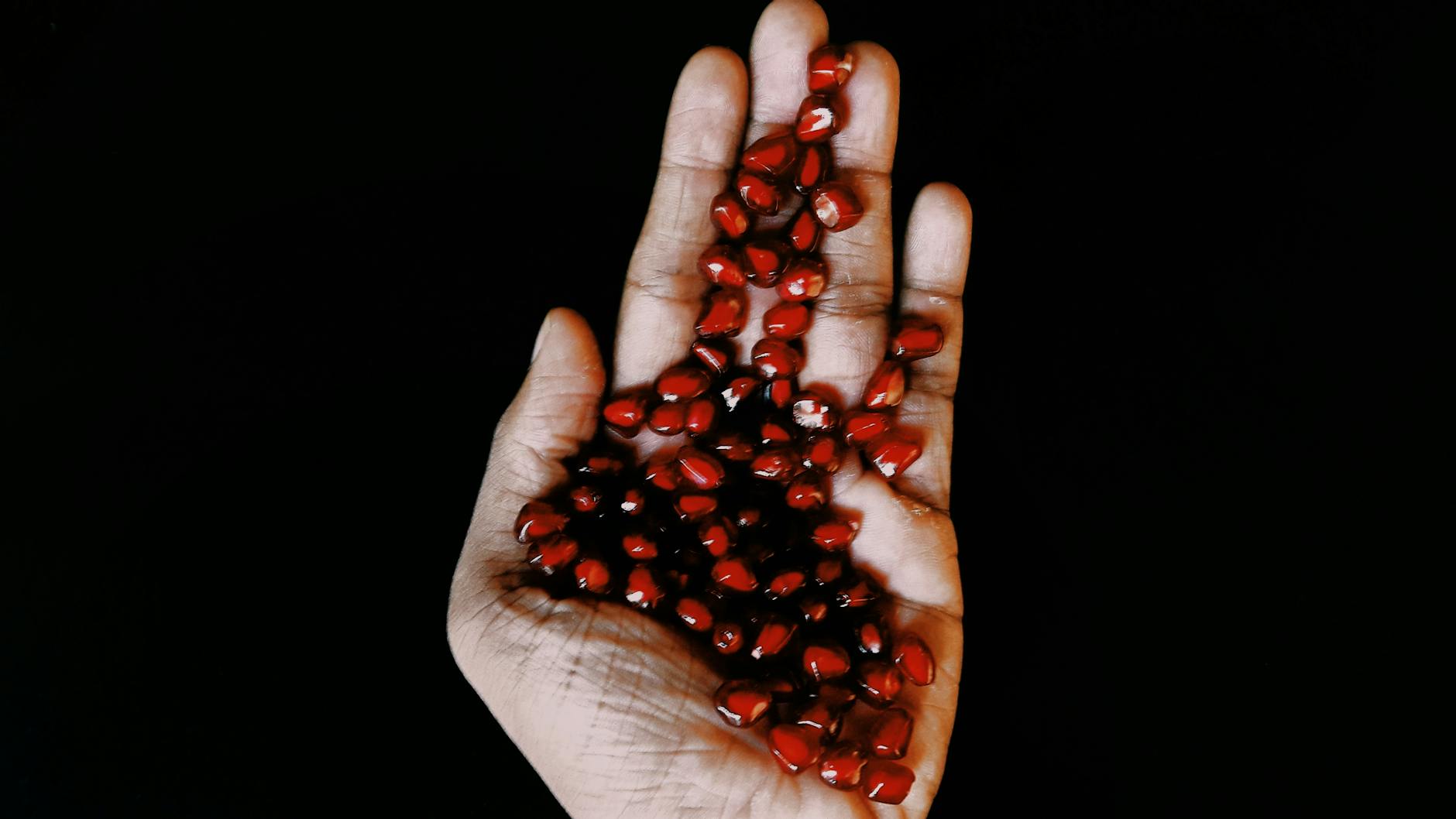
Pomegranate seeds and juice are exceptionally rich in punicalagins and punicic acid, antioxidant compounds unique to this fruit that have been extensively studied for their cardiovascular and anti-inflammatory properties. The polyphenol content of pomegranate is considerably higher than that of red wine or green tea by many measurement standards, positioning it as one of the most antioxidant-dense fruits available. Its deep ruby color and bright tart flavor add visual vibrancy and a refreshing complexity to berry, citrus, or hibiscus-infused smoothies. Pomegranate is also a meaningful source of vitamin C, vitamin K, folate, and potassium, contributing to a well-rounded nutritional profile beyond its antioxidant reputation. Research has explored its potential role in supporting memory, athletic recovery, and blood pressure management in healthy adults.
Blueberries
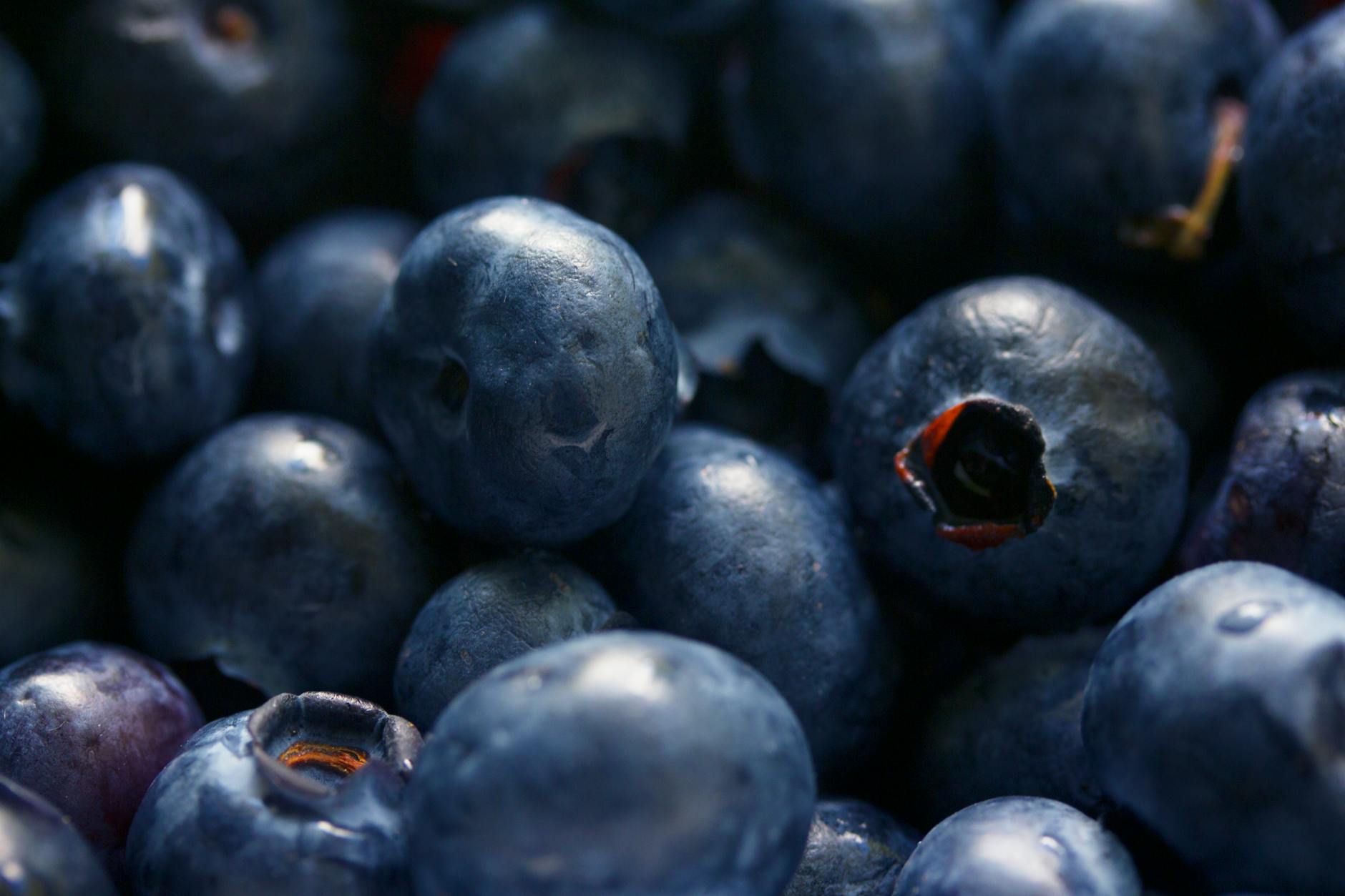
Blueberries are widely regarded as one of the most nutritionally powerful everyday fruits, celebrated for their exceptionally high anthocyanin content which gives them their characteristic blue-purple pigment. These flavonoid compounds have been linked in extensive research to improvements in memory, cognitive function, and long-term brain health as people age. Blueberries also support cardiovascular health by contributing to healthy blood pressure levels and reducing oxidative damage to LDL cholesterol particles. Frozen wild blueberries are particularly valued by nutritionists because they are harvested at peak ripeness and retain their antioxidant profile fully through the freezing process. A generous handful blended into any smoothie creates a rich and naturally sweet flavor base while delivering vitamins C and K, manganese, and dietary fiber.
Spinach
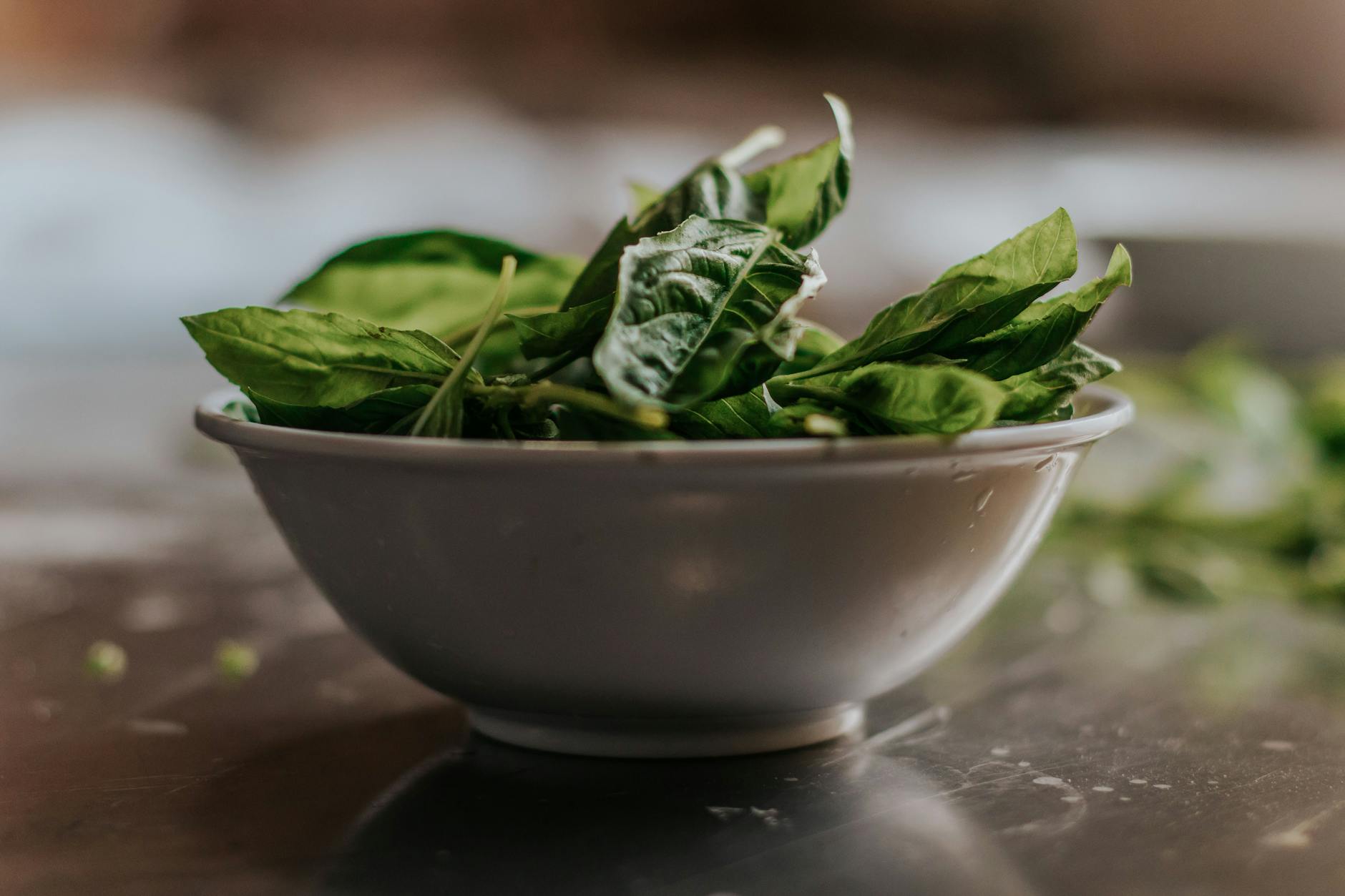
Spinach is one of the most accessible and versatile leafy green vegetables and contributes an impressive array of nutrients to smoothies with virtually no impact on flavor when balanced with fruit. It is a rich source of vitamins A, C, and K as well as folate, iron, calcium, and the eye-protective antioxidants lutein and zeaxanthin. Its high magnesium content supports muscle recovery, nerve function, and energy production at the cellular level. Spinach contains thylakoids, compounds found in chloroplast membranes that have been studied for their role in promoting satiety and reducing cravings by slowing fat digestion. Fresh or frozen spinach blends seamlessly into green smoothies and provides the nutritional density of a full salad in a fraction of the time.
Coconut Oil
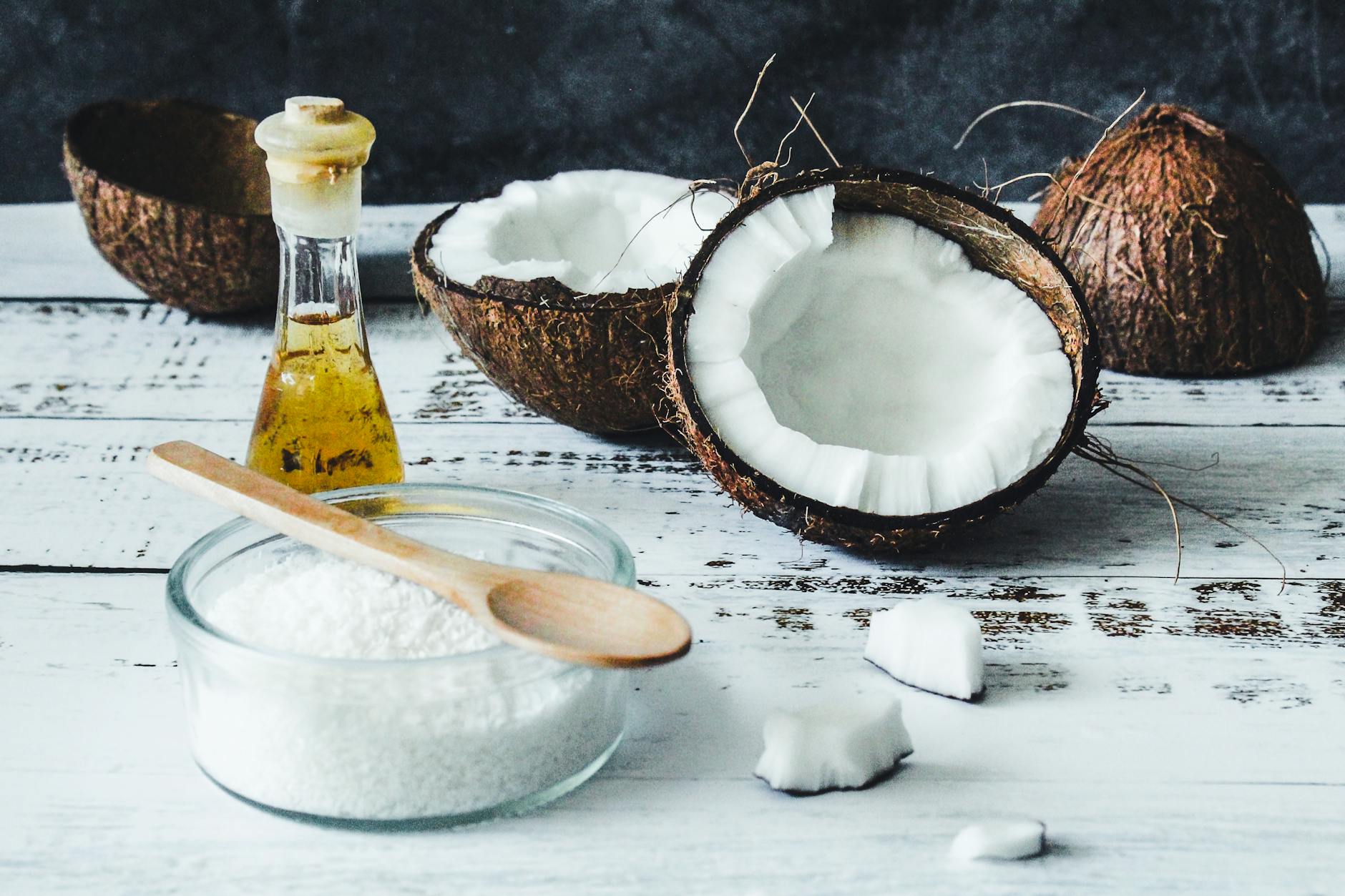
Coconut oil is a saturated fat derived from the meat of mature coconuts and has a distinct fatty acid profile dominated by medium-chain triglycerides. Unlike long-chain fatty acids, medium-chain triglycerides are metabolized differently by the body, being transported directly to the liver where they are rapidly converted into usable energy rather than stored as fat. Adding a tablespoon to a smoothie creates a rich and subtly tropical flavor while also helping the body absorb the fat-soluble vitamins and antioxidants present in other smoothie ingredients. Coconut oil also contains lauric acid, which exhibits antimicrobial properties and is studied for its role in supporting immune defense. It is particularly complementary in blends featuring chocolate, mango, pineapple, or banana as primary flavors.
Aloe Vera

Aloe vera is a succulent plant most commonly recognized for its topical uses but has a long history of internal consumption in many traditional wellness systems around the world. The inner clear gel of the aloe leaf can be scooped directly or purchased in food-grade liquid form and added to smoothies for its reported digestive and anti-inflammatory benefits. It contains acemannan, a bioactive polysaccharide that supports immune function and has been studied for its role in soothing the gut lining and promoting regularity. Aloe vera also delivers antioxidants belonging to the vitamin A, C, and E families alongside eight enzymes that assist in breaking down sugars and fats during digestion. Its flavor is very mild and slightly watery, making it a nearly invisible addition to almost any smoothie combination.
Goji Berries
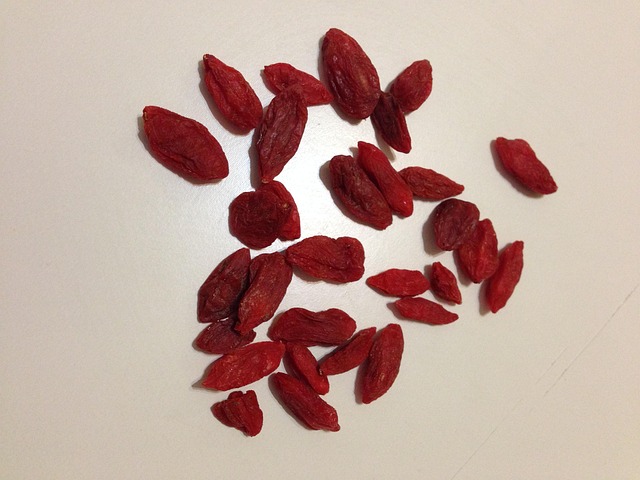
Goji berries are bright orange-red fruits native to China and have been used for thousands of years in traditional Chinese medicine as a tonic for longevity, vision health, and immune vitality. They are a nutritionally unique fruit that contains all essential amino acids in a form rarely found outside animal-based foods, along with exceptionally high levels of zeaxanthin, an antioxidant critical to protecting eye health. Dried goji berries can be soaked briefly and blended into smoothies or added as a crunchy topping, providing a mildly sweet and slightly tangy flavor that complements berry or citrus bases. They deliver a meaningful amount of vitamin C, iron, and the polysaccharide antigen beta-glucan which is associated with immune system support. Their adaptogenic reputation and comprehensive nutrient profile have made them a cornerstone ingredient in functional and longevity-focused nutrition communities globally.
Share your favorite superfood smoothie combinations and any ingredients you swear by in the comments.




