Autumn transforms America’s national parks into some of the most breathtaking landscapes on earth. Cooler temperatures, thinner crowds, and an explosion of seasonal color make fall the ideal time to explore the country’s most protected and celebrated natural spaces. Whether you are drawn to fiery foliage, dramatic canyon light, or quiet coastal trails, there is a park perfectly suited to the season. These fifteen destinations rise above the rest as the ultimate fall escapes for nature lovers and adventure seekers alike.
Great Smoky Mountains National Park
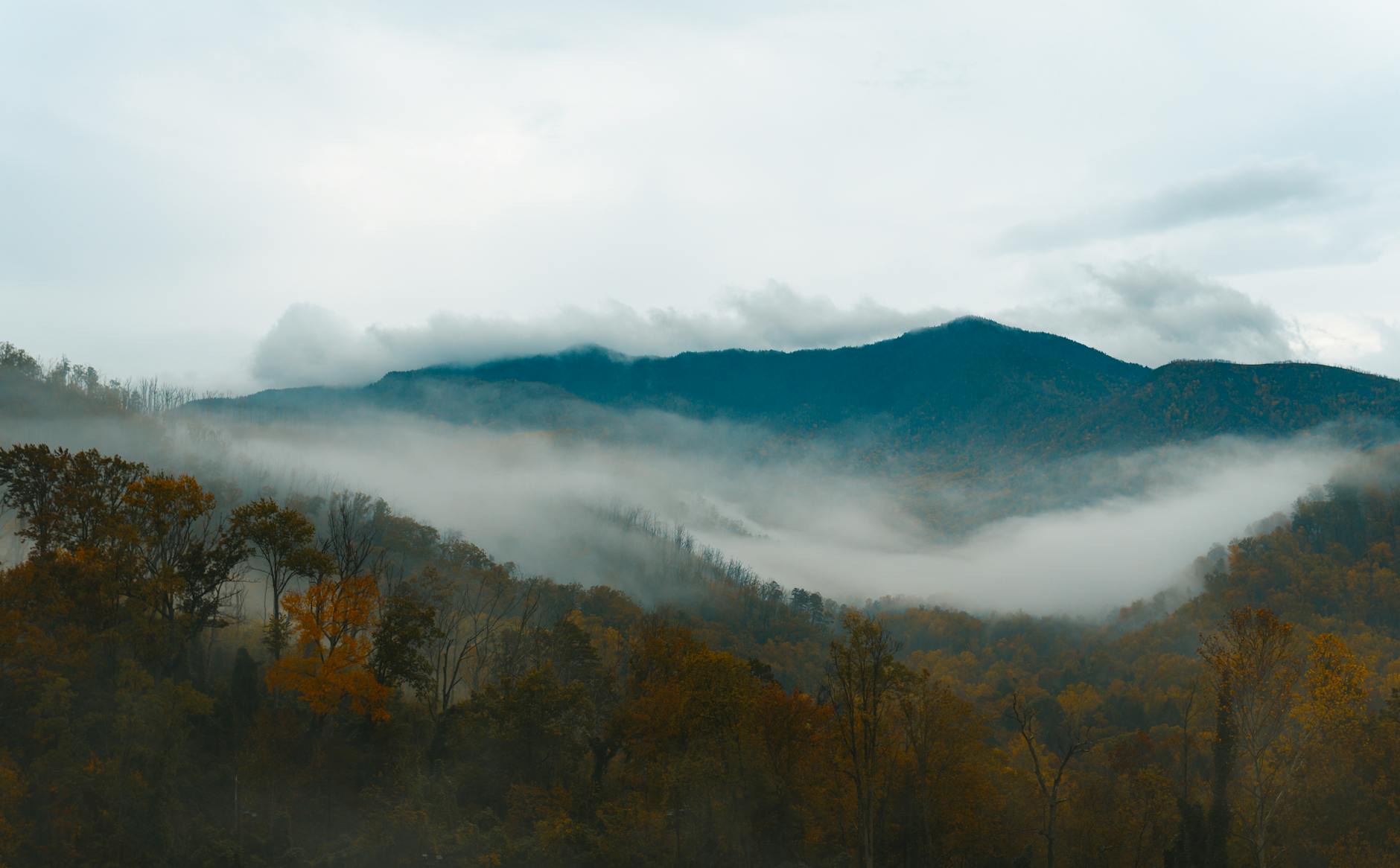
Spanning the border of North Carolina and Tennessee, Great Smoky Mountains is the most visited national park in the country and reaches its most spectacular form in autumn. The park’s dense hardwood forests ignite with red, orange, and gold from mid-October through early November. Elk are frequently spotted in the Cataloochee Valley during this season, adding a wildlife dimension to the visual spectacle. Mild fall temperatures make hiking trails far more comfortable than the humid summer months. The famous morning mist that gives the mountains their name takes on an especially magical quality when layered beneath a canopy of fall color.
Acadia National Park
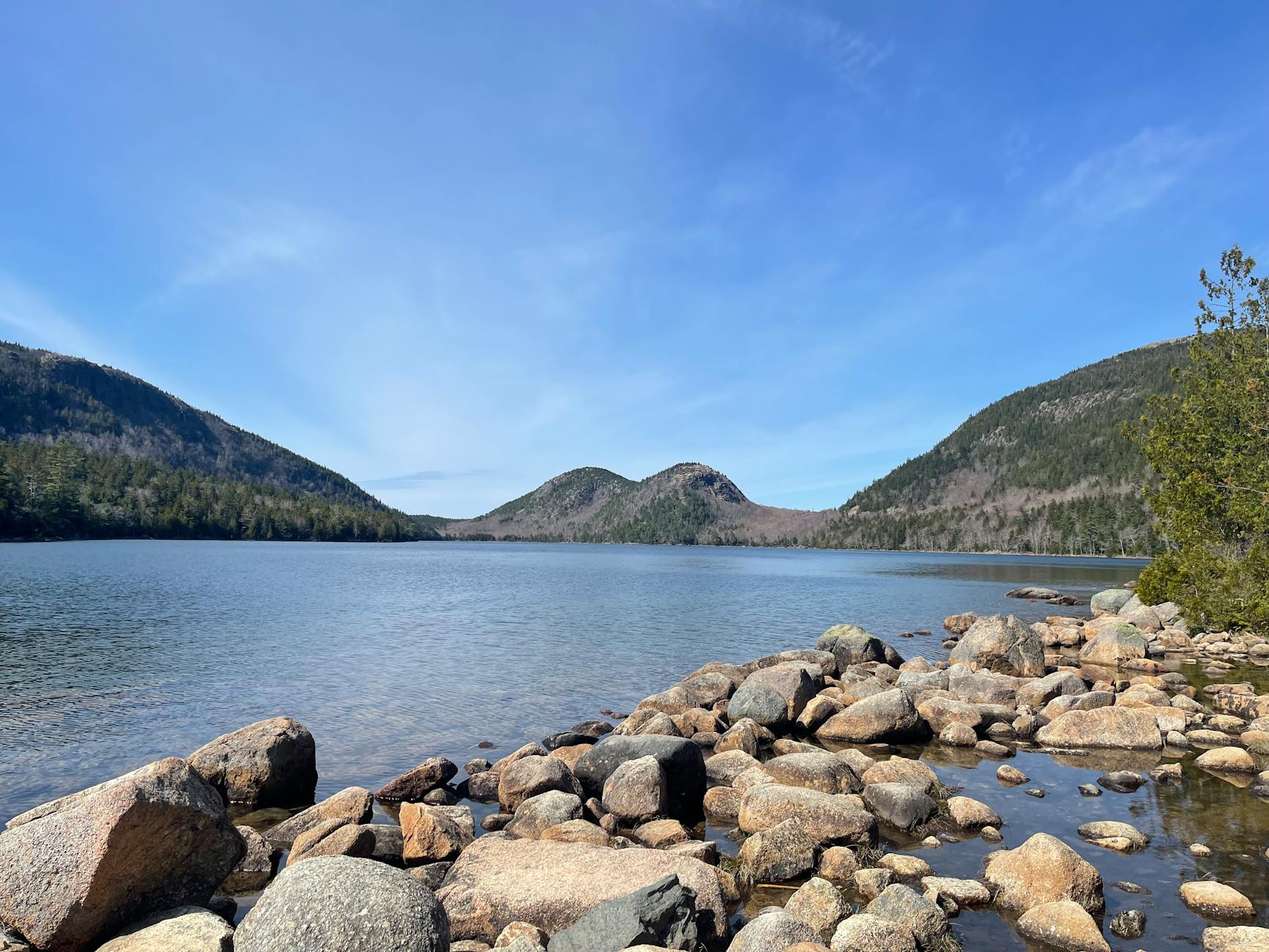
Perched along the rugged coastline of Maine, Acadia is one of the most beloved parks in the northeastern United States and comes alive with rich foliage each October. The combination of ocean views and inland forests draped in autumn color creates a visual contrast found almost nowhere else in the country. Cadillac Mountain, one of the first places in the nation to catch the sunrise, offers panoramic views of the changing landscape stretching to the horizon. Crowds thin significantly after the summer season ends, making popular trails like the Precipice and the Beehive far more accessible. Cool sea air and golden light make every hike along the park’s carriage roads feel like a painting come to life.
Zion National Park
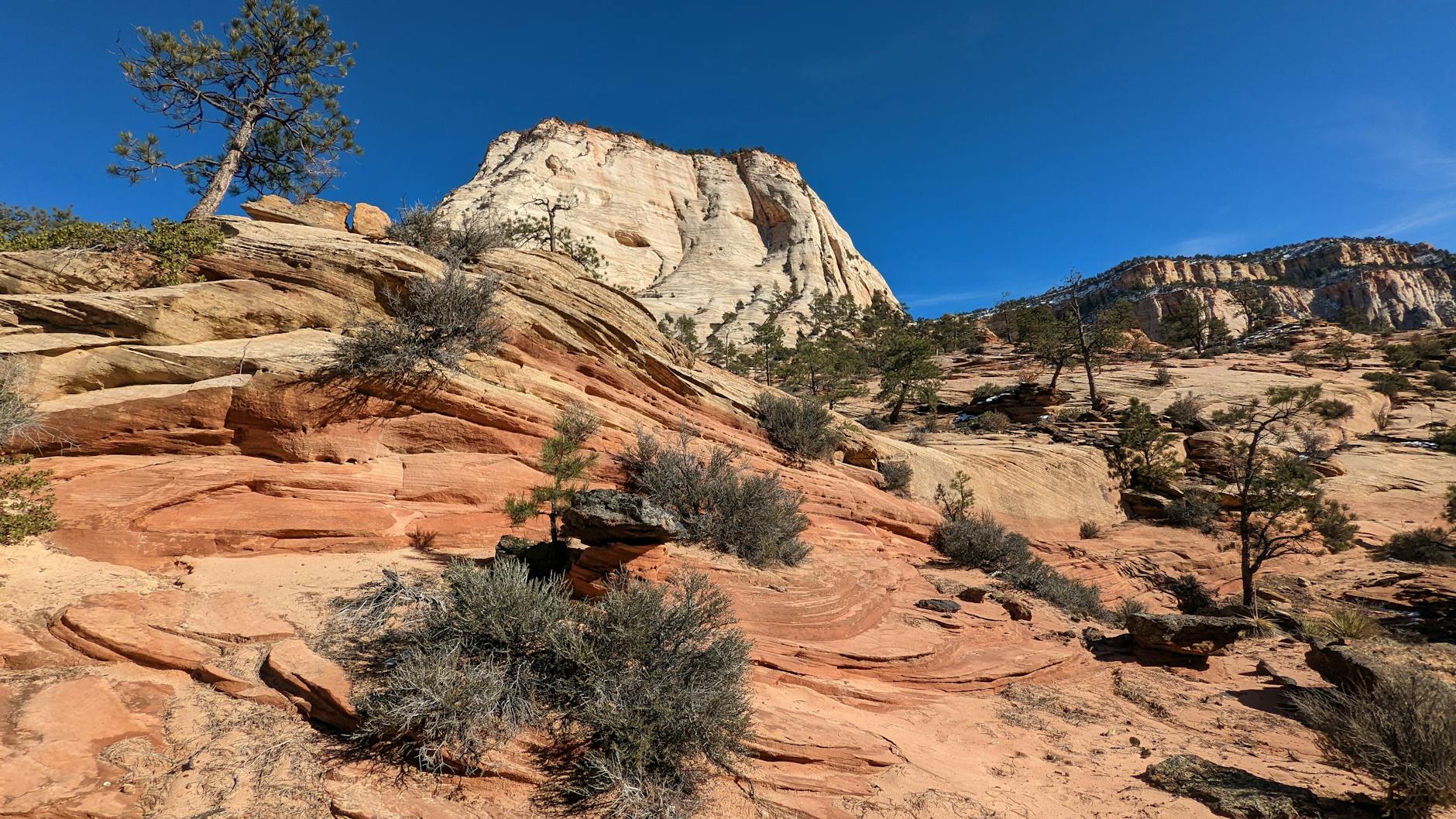
Located in southwestern Utah, Zion National Park undergoes a striking transformation in fall as cottonwood trees along the Virgin River erupt in brilliant yellow. The dramatic red and white sandstone canyon walls are complemented beautifully by the warm tones of autumn foliage below. Temperatures drop from their intense summer highs, making iconic hikes like Angels Landing and The Narrows far more enjoyable and safe. Fall also brings fewer visitors than the peak summer season, allowing for a more peaceful and immersive experience on the trails. The soft golden light of shorter autumn days enhances the already extraordinary color palette of the canyon walls.
Rocky Mountain National Park
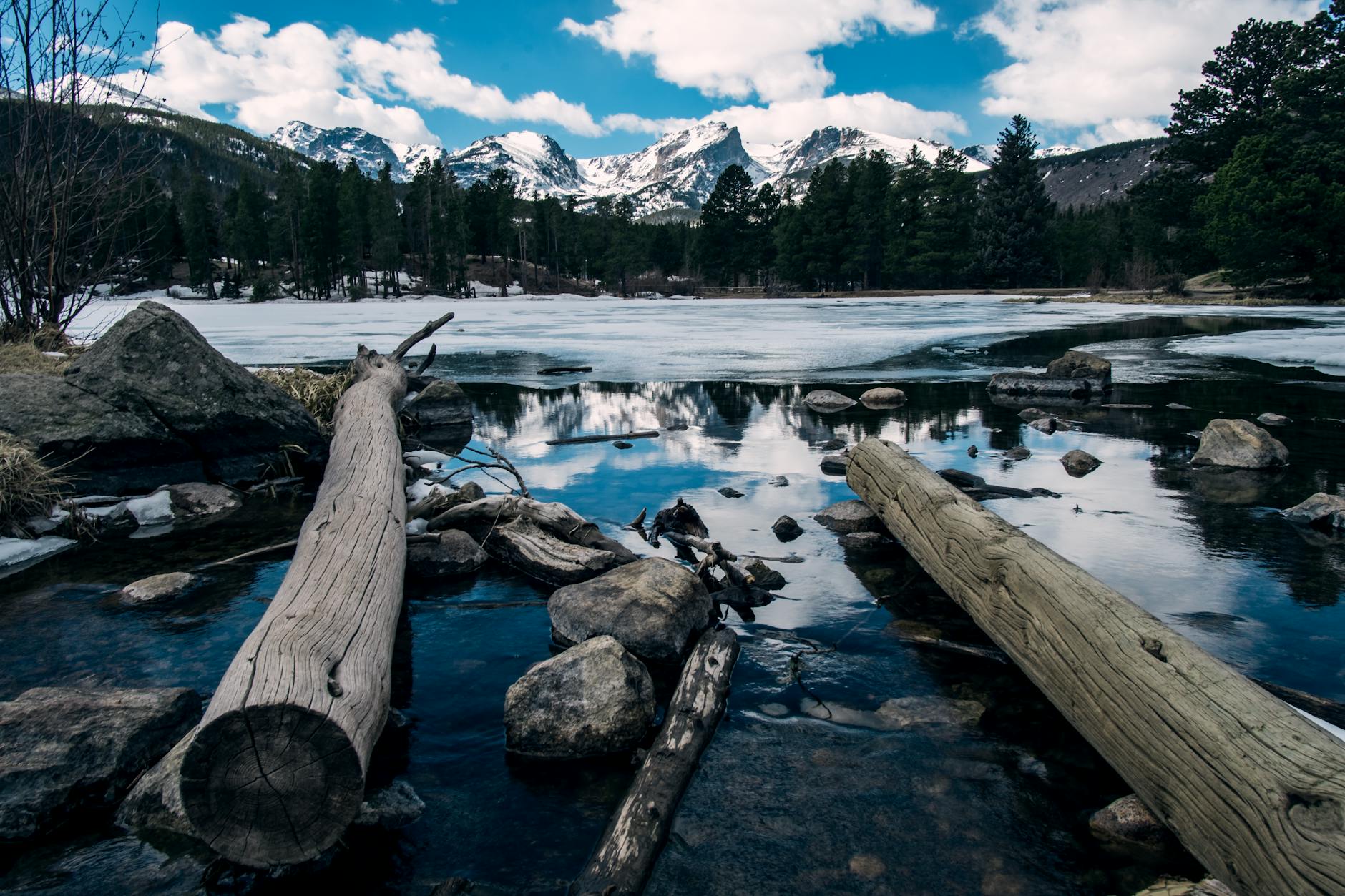
Colorado’s Rocky Mountain National Park reaches a particularly dramatic peak in mid-September when its vast stands of aspen trees turn a vivid, shimmering gold. The elk rut occurs during this same window, filling the meadows around Estes Park with bugling elk and offering extraordinary wildlife viewing opportunities. Trail Ridge Road, one of the highest paved roads in the United States, remains open through mid-October and provides sweeping views of the tundra shifting from green to amber. Hiking conditions are excellent in early fall before the first significant snowfall closes higher elevation routes. The park’s wide open alpine scenery takes on a new dimension of depth and warmth under the low-angled autumn sun.
Shenandoah National Park
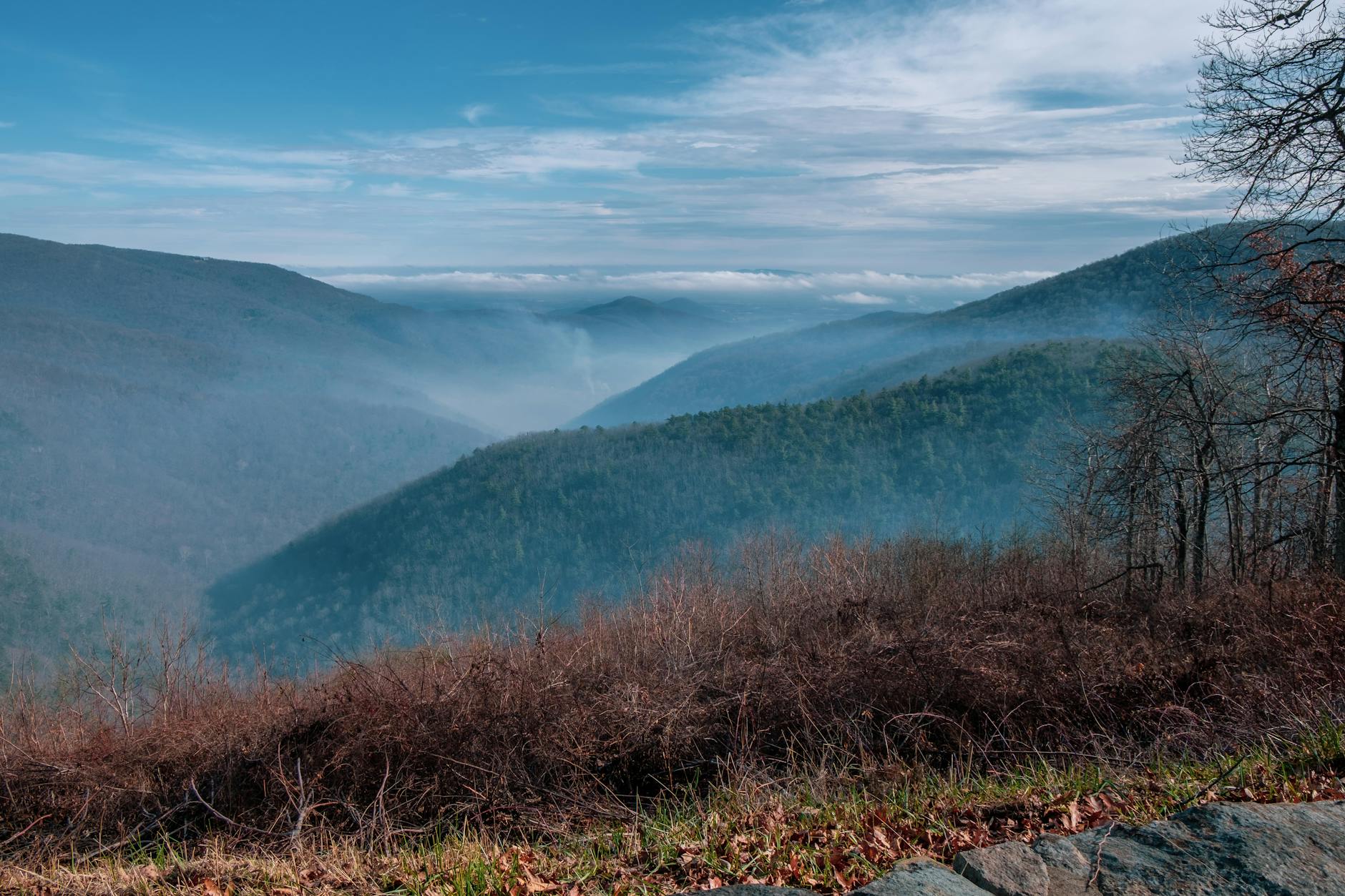
Running along the Blue Ridge Mountains of Virginia, Shenandoah is one of the East Coast’s most accessible and rewarding fall destinations. Skyline Drive winds for 105 miles through the park and offers continuous overlooks of valleys and ridgelines ablaze with fall color. Peak foliage typically arrives between mid-October and early November, drawing visitors from across the Mid-Atlantic region. White-tailed deer are commonly seen grazing along the roadside during the quieter autumn mornings. The park’s more than 500 miles of trails include everything from easy meadow walks to challenging ridge scrambles, all framed by exceptional seasonal scenery.
Olympic National Park
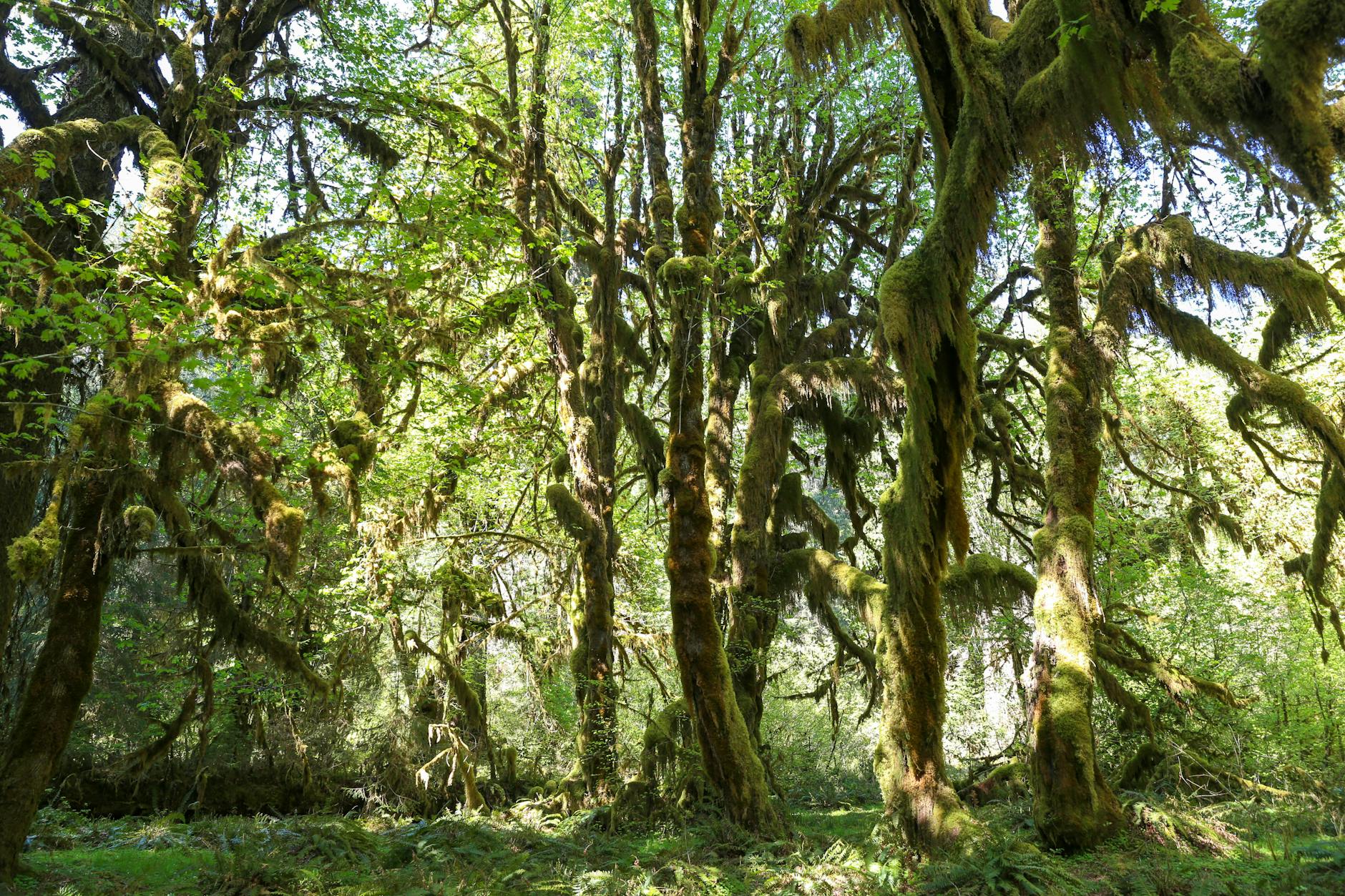
Washington State’s Olympic National Park is one of the most ecologically diverse parks in the country and offers a uniquely layered fall experience. The park encompasses temperate rainforests, alpine meadows, and Pacific coastline all within a single boundary. Fall brings dramatic storm activity to the coast while the interior forests deepen into rich mossy greens and amber tones. Fewer tourists in autumn mean that iconic spots like Hurricane Ridge and the Hoh Rain Forest feel genuinely remote and serene. The combination of mist, old-growth trees, and seasonal color creates an atmosphere unlike any other park in the country.
Glacier National Park
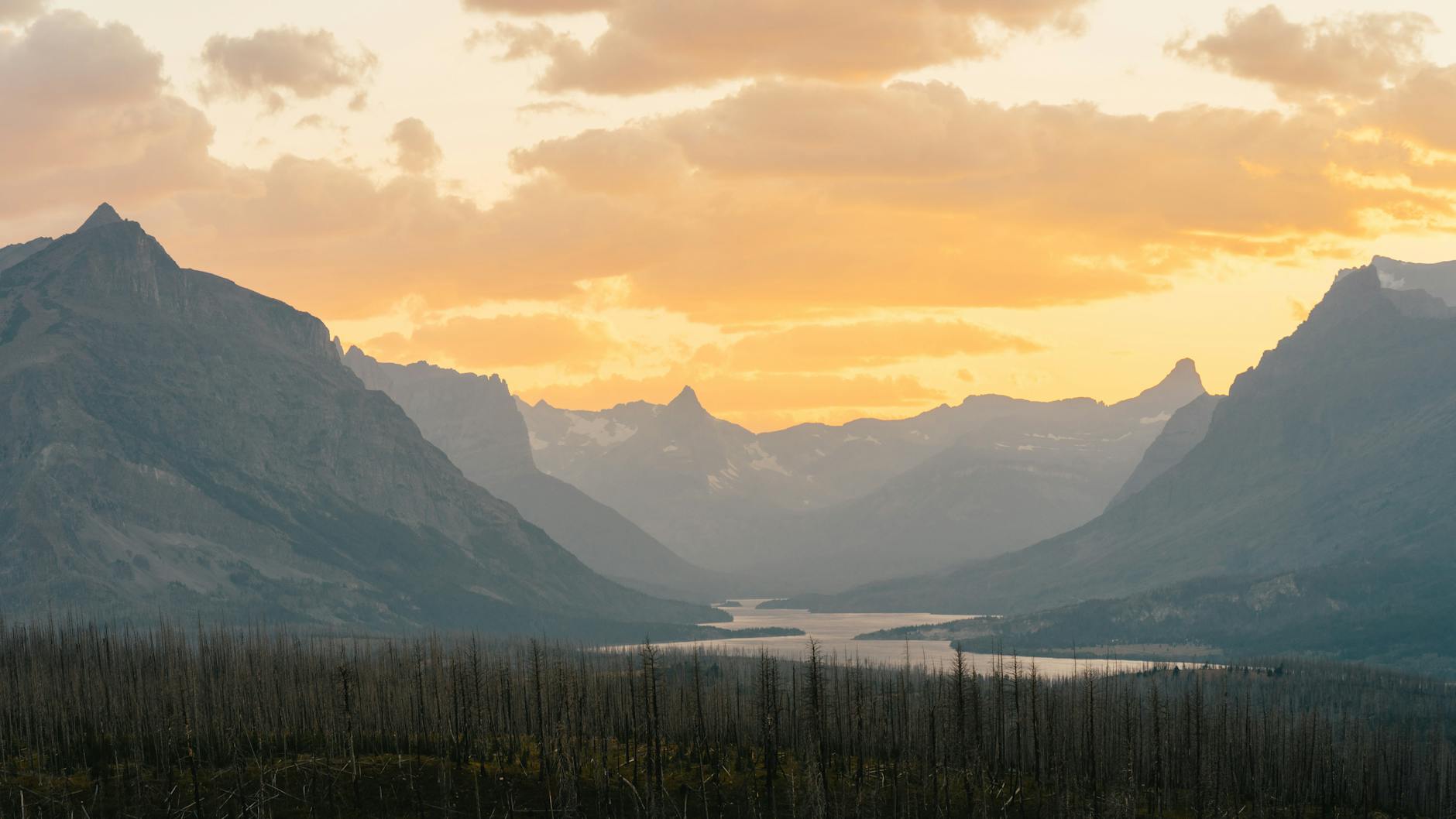
Montana’s Glacier National Park is famous for its jagged peaks, turquoise lakes, and expansive wilderness and offers a particularly compelling fall experience before snow closes its high passes. The larch trees scattered across the park’s higher elevations turn a warm golden yellow in late September and early October, a phenomenon unique among conifers. Going-to-the-Sun Road remains open through mid-October most years, providing access to some of the most dramatic mountain scenery on the continent. Wildlife activity increases in fall as grizzly bears, mountain goats, and bighorn sheep prepare for winter. The absence of summer crowds means the park’s best viewpoints and trails can be enjoyed with a rare sense of solitude.
Grand Teton National Park
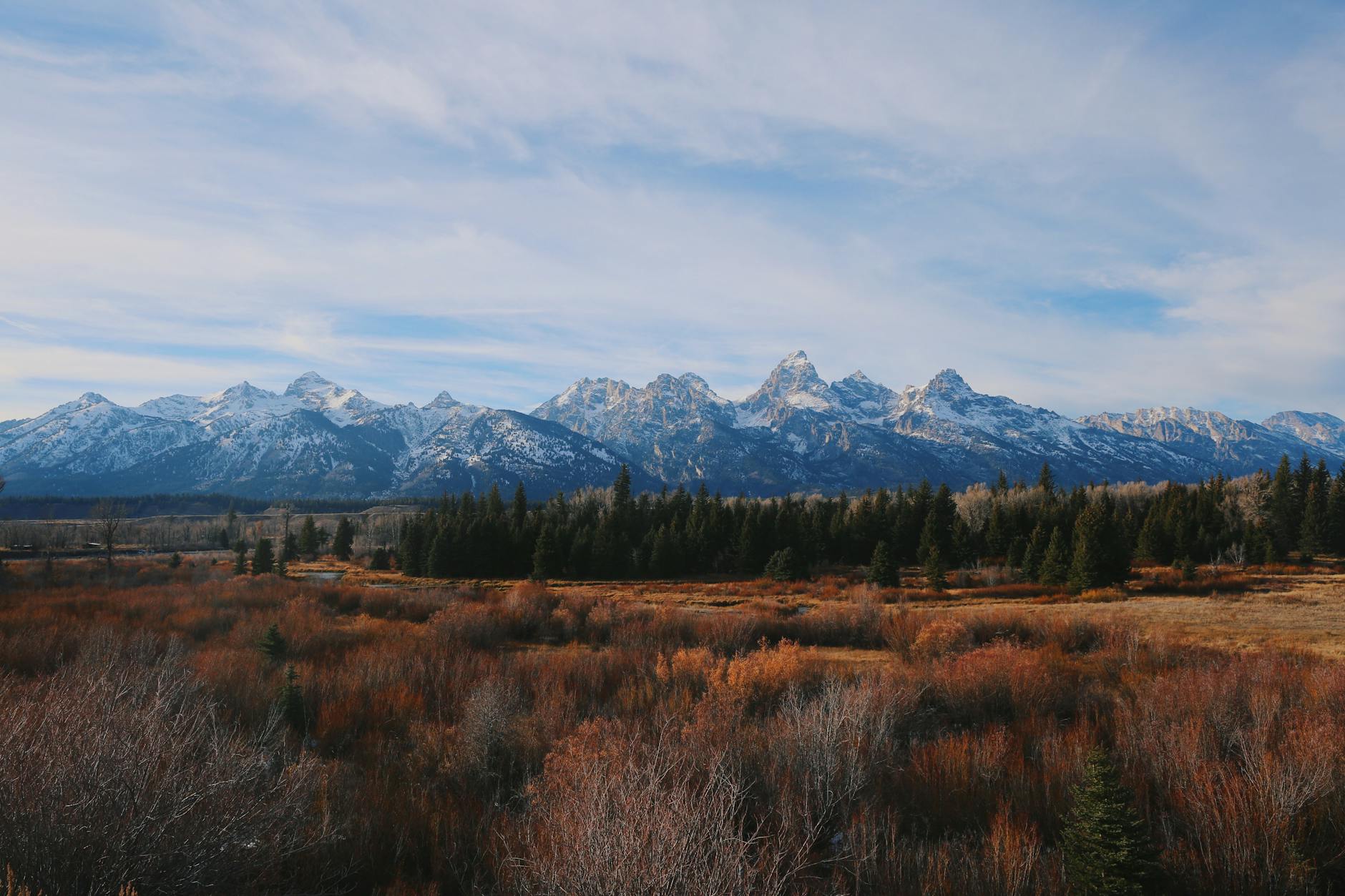
Wyoming’s Grand Teton National Park frames one of the most iconic mountain vistas in North America and becomes especially photogenic during the fall season. The Snake River valley fills with golden aspens and cottonwoods that contrast sharply with the jagged, snow-dusted peaks above. Moose, bison, and pronghorn are highly active during fall, making wildlife encounters a near-daily occurrence. The park’s many lakes and rivers reflect the changing foliage in still morning light, creating mirror-like scenes that are a favorite of landscape photographers. Cooler air and crystal clear skies throughout October make conditions ideal for hiking and wildlife observation.
Cuyahoga Valley National Park
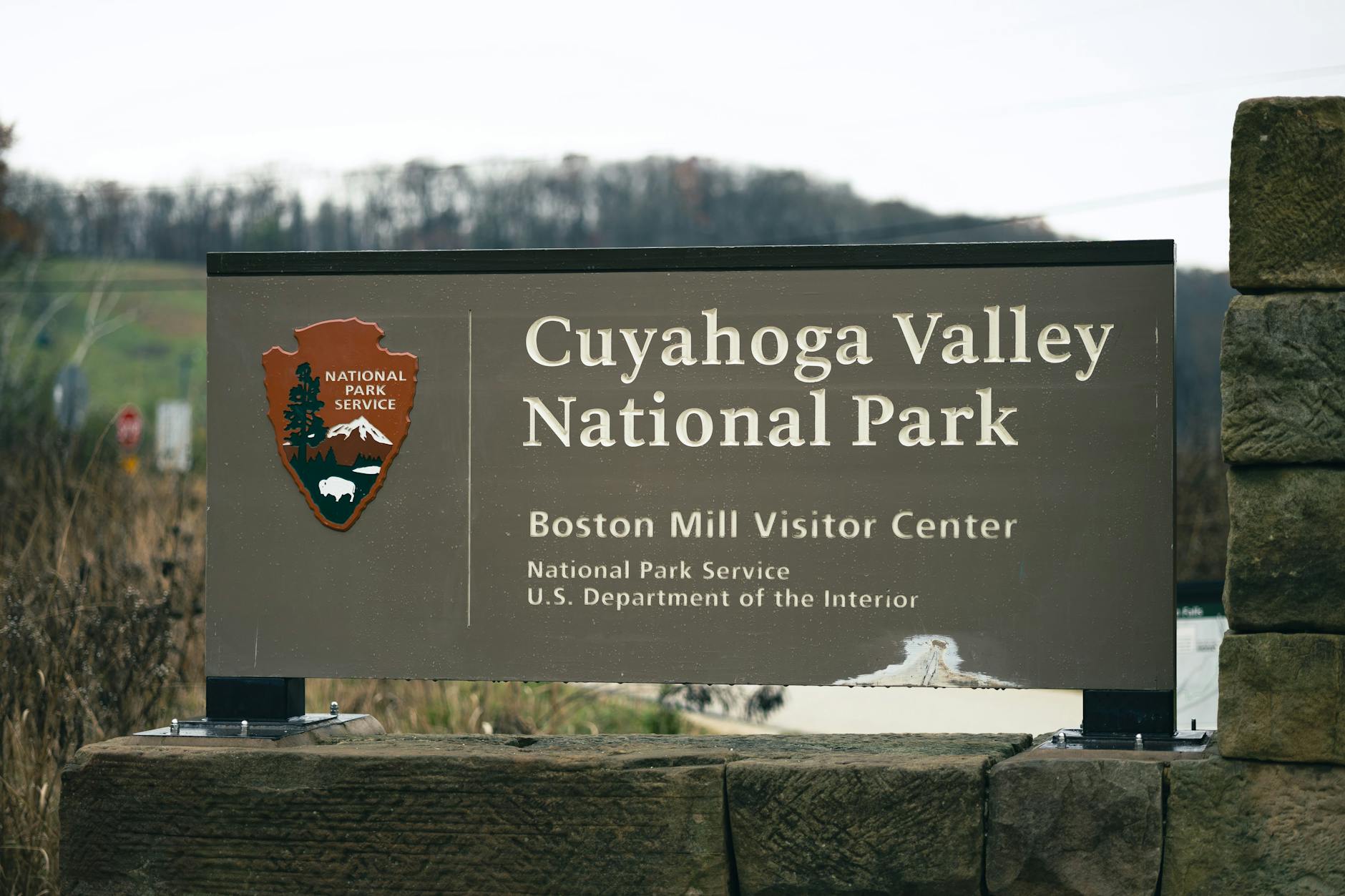
Nestled between Cleveland and Akron in Ohio, Cuyahoga Valley is one of the most underrated fall destinations in the entire national park system. The park’s dense mixed forests along the Cuyahoga River corridor put on a vibrant display of red, orange, and yellow from mid-October onward. The Towpath Trail, a historic route following the Ohio and Erie Canal, offers a flat and scenic way to experience the changing leaves on foot or by bike. The Cuyahoga Valley Scenic Railroad operates special fall foliage excursions that allow visitors to view the canopy from a vintage train car. Its proximity to major Midwest cities makes it one of the most accessible fall getaways for millions of Americans.
Ozark National Scenic Riverways

Missouri’s Ozark National Scenic Riverways preserves a stunning stretch of the Current and Jacks Fork Rivers and offers a quieter alternative to more crowded fall parks. The surrounding oak and hickory forests paint the bluffs and hollows in deep shades of burgundy and copper each October. Canoeing and kayaking along the spring-fed rivers is particularly pleasant in fall when the water runs clear and the air is cool. The park’s network of caves, including the famous Alley Spring, takes on a mysterious atmosphere surrounded by autumn foliage. Visitor numbers drop sharply after Labor Day, leaving the riverways feeling peaceful and entirely unspoiled.
New River Gorge National Park
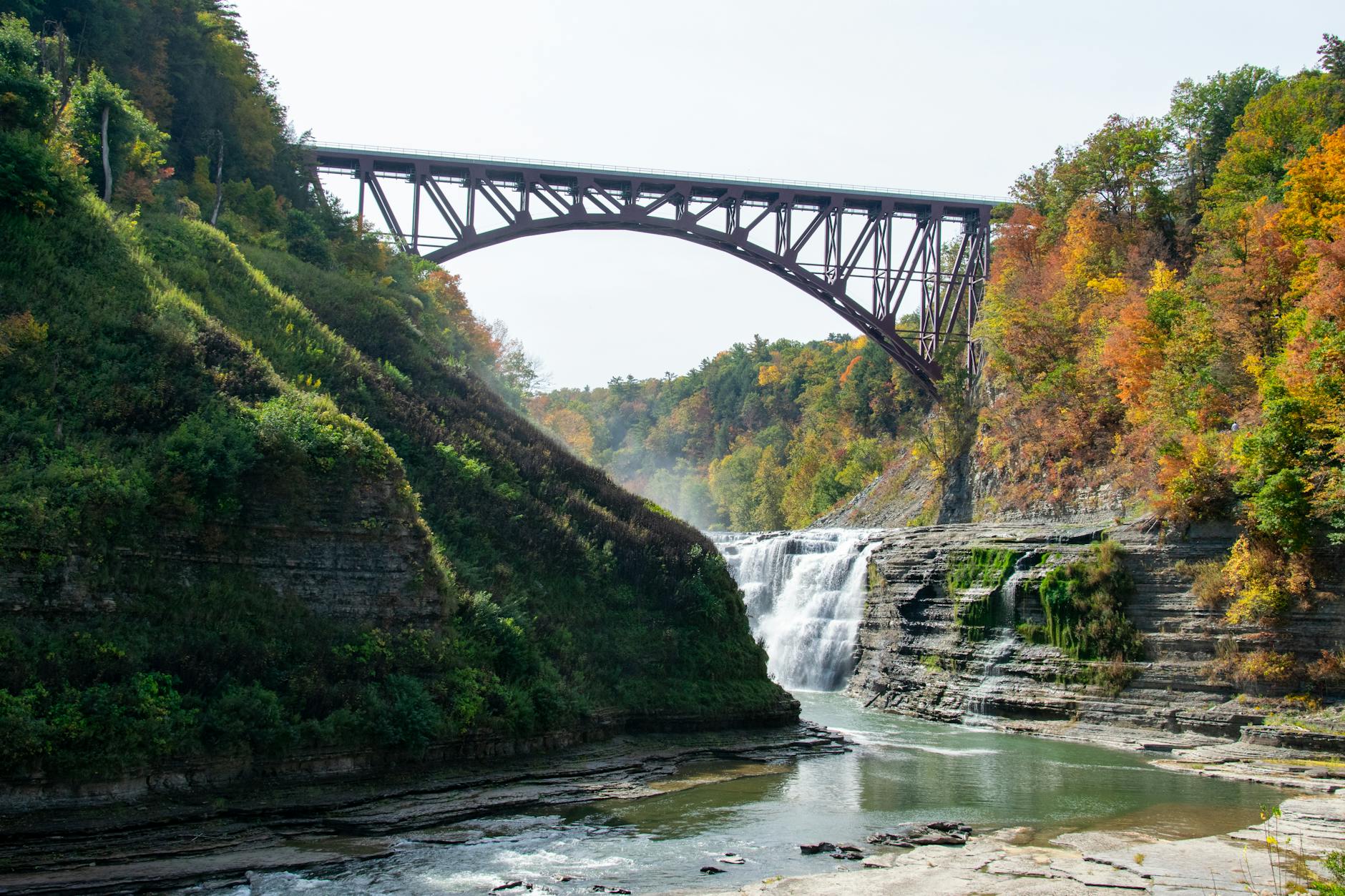
West Virginia’s newest national park protects one of the oldest rivers on earth and offers a rugged and visually stunning fall experience. The gorge’s dense hardwood forests blanket the steep canyon walls in layers of color that peak in mid to late October. Rock climbing, white-water rafting, and hiking are all popular fall activities, and the cooler temperatures make each far more comfortable. The iconic New River Gorge Bridge, one of the longest steel arch bridges in the world, provides a dramatic backdrop to the autumn color spread below it. The park’s relative newness means it remains significantly less crowded than more established fall destinations despite offering scenery of equal caliber.
Guadalupe Mountains National Park
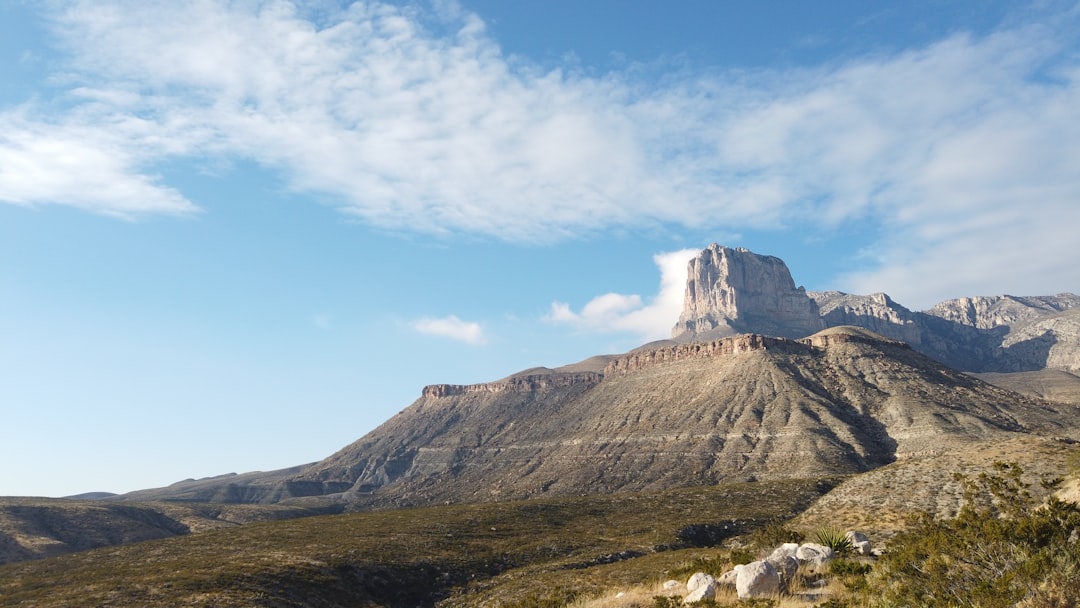
Located in west Texas along the New Mexico border, Guadalupe Mountains National Park contains the highest peak in Texas and surprises visitors with a genuine fall foliage display. The park’s McKittrick Canyon is widely considered one of the most spectacular fall color spots in the entire state of Texas, with maples and oaks turning vivid red and gold in October. The remote location means visitor numbers are consistently low, offering an almost entirely private experience among the changing leaves. Hiking through the canyon as the light shifts in the afternoon creates a warm and richly colored visual experience rarely matched elsewhere in the Southwest. The park’s dramatic limestone cliffs and clear desert skies add an extra dimension to an already remarkable autumn setting.
Mammoth Cave National Park
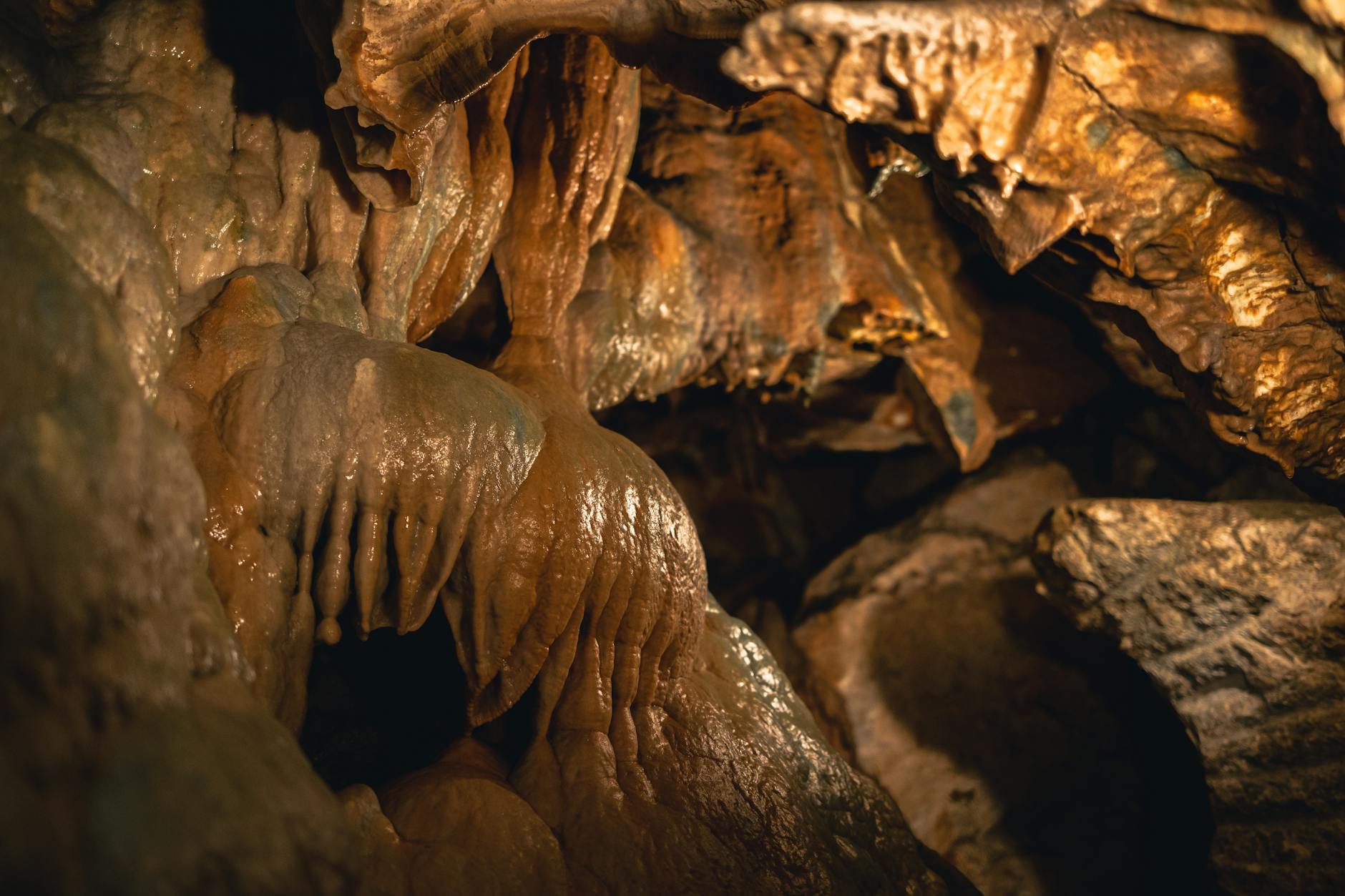
Kentucky’s Mammoth Cave National Park protects the world’s longest known cave system and surrounds it with surface landscapes that become exceptional in the fall. The forests above the cave network transform into a patchwork of orange, red, and gold that blankets the rolling terrain of south-central Kentucky. Guided cave tours operate year-round and take on an added contrast in autumn when visitors move from the colorful surface world into the cool and timeless underground passages. The Green River, which winds through the park, reflects the fall foliage beautifully during morning and evening light. Fall is consistently rated by rangers as the most comfortable and rewarding season to explore both the cave and the trails above it.
Cape Cod National Seashore
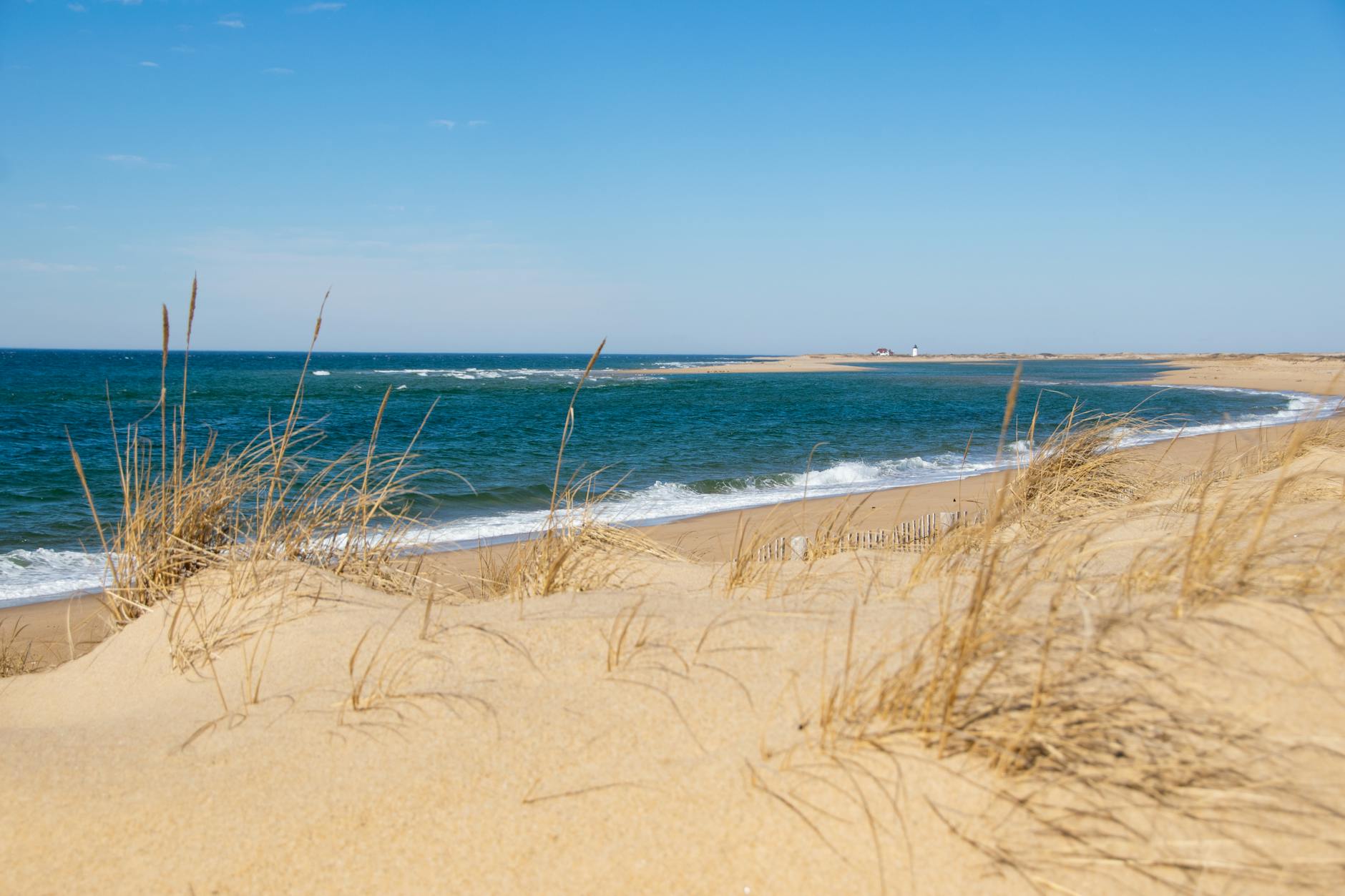
Massachusetts’ Cape Cod National Seashore stretches along the outer edge of Cape Cod and offers a distinctly New England fall experience along the Atlantic coast. September and October bring cooler weather, calm seas, and the departure of summer crowds from the beaches and bike trails. The scrub oak and pitch pine forests of the inner cape turn a muted but beautiful palette of bronze and russet that complements the dune landscapes and coastal ponds. Migratory birds pass through in enormous numbers during fall, making the seashore a top destination for birdwatchers along the eastern flyway. The combination of empty beaches, fall light on the ocean, and crisp salt air creates an atmosphere of peaceful, unhurried beauty.
Congaree National Park
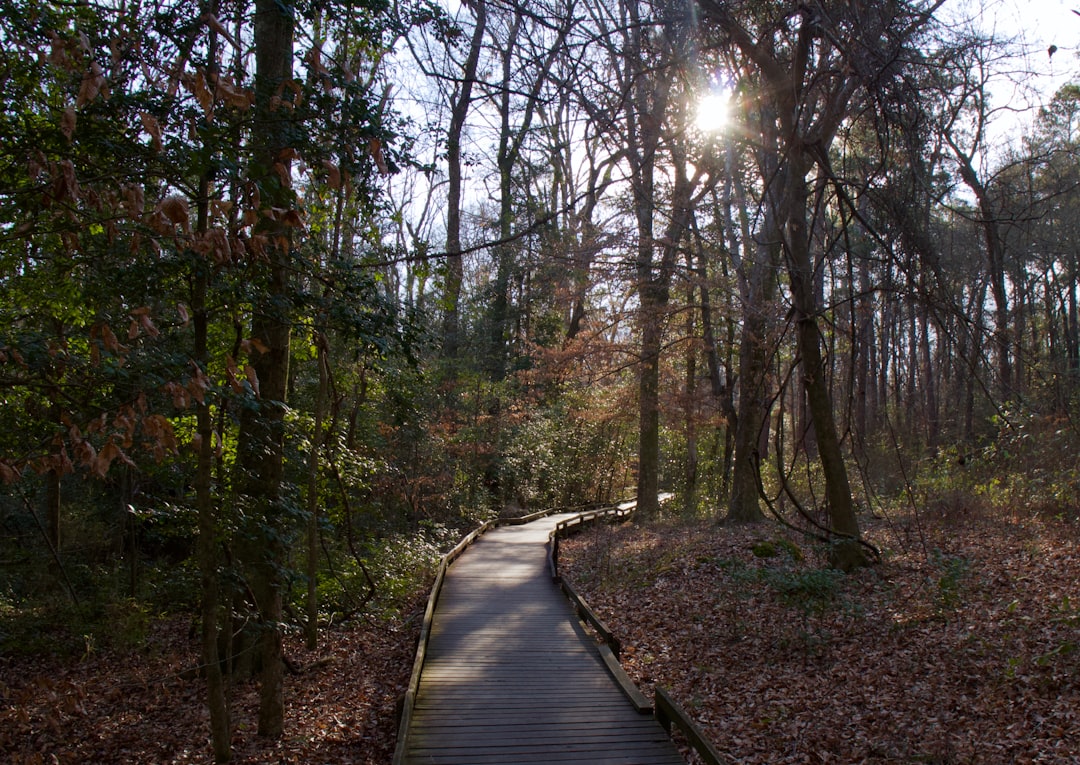
South Carolina’s Congaree National Park protects the largest intact expanse of old-growth bottomland hardwood forest in the United States and transforms dramatically each fall. Towering bald cypress, water tupelo, and sweetgum trees create a cathedral-like canopy that shifts from green to vivid gold and amber in November. Elevated boardwalk trails allow visitors to move through the floodplain forest without disturbing the fragile ecosystem below. Kayaking and canoeing the park’s waterways offers a serene way to observe the seasonal changes from water level. Congaree remains one of the least visited national parks in the eastern United States, making it a genuinely hidden gem for fall travelers seeking solitude and old-growth grandeur.
If you have a favorite fall national park experience or a hidden gem worth sharing, head to the comments and let fellow readers know.




