High-intensity movement has become the cornerstone of modern fitness culture as more people seek maximum results within limited time windows. Research consistently shows that certain exercises elevate the heart rate rapidly and keep the metabolism firing long after the session ends. The following ten exercises are recognised by fitness professionals as the most efficient calorie-burning options available to anyone looking to train smarter.
Jumping Rope

Jumping rope burns an impressive number of calories per minute and requires nothing more than a rope and a small amount of floor space. The full-body engagement activates the calves, shoulders, core and cardiovascular system simultaneously. Even a ten-minute session at moderate speed can rival longer steady-state cardio workouts in terms of energy expenditure. Athletes across boxing, gymnastics and team sports have long relied on this movement for its unmatched conditioning benefits.
Burpees
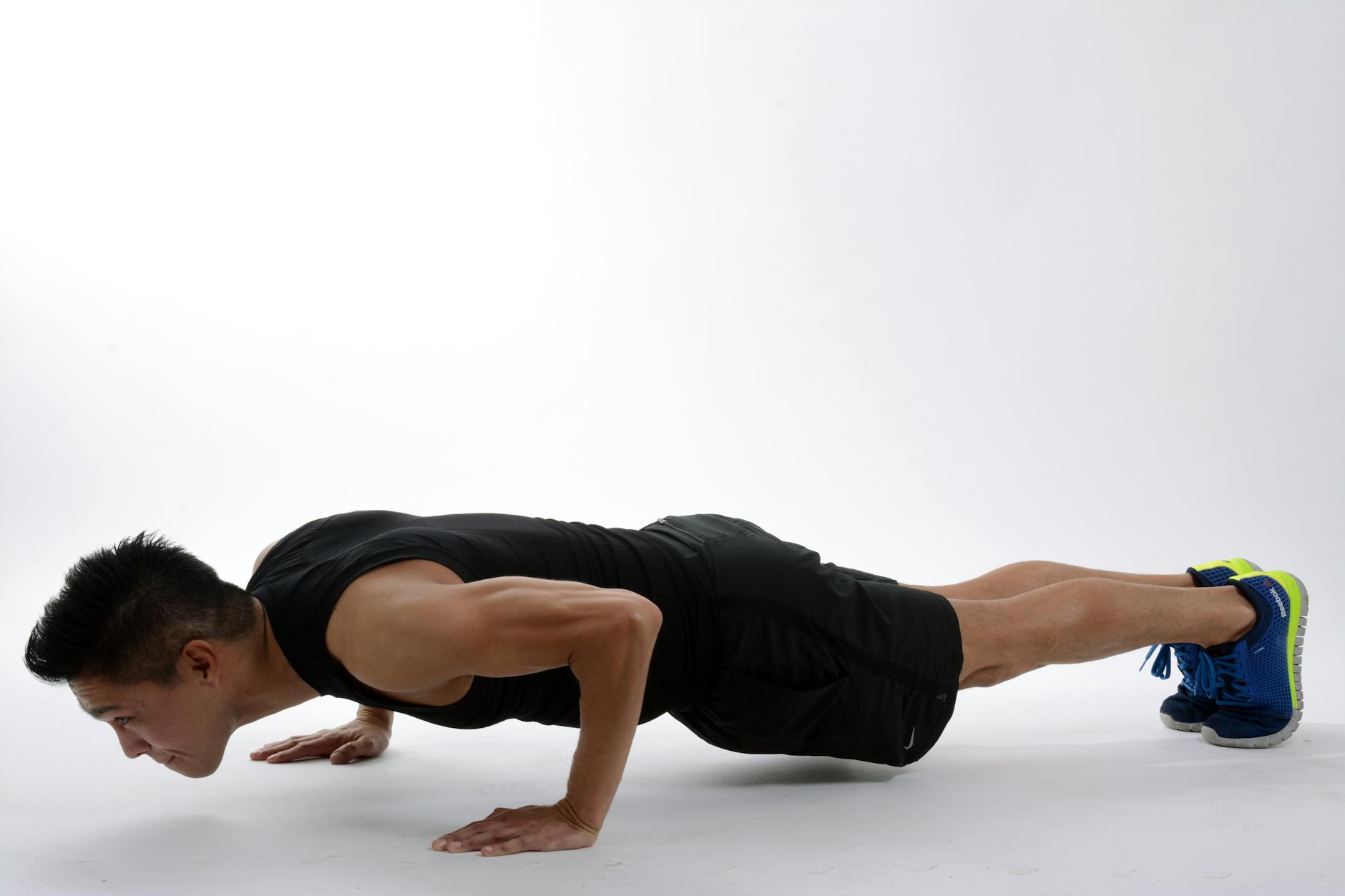
Burpees combine a squat, a plank, a push-up and a jump into one continuous movement that challenges every major muscle group at once. The total-body demand forces the heart rate to spike rapidly, making each repetition exceptionally costly in terms of energy. Studies tracking metabolic output have placed burpees among the top calorie-burning exercises per minute of effort. The absence of any equipment requirement makes them accessible to anyone regardless of gym access or fitness level.
Sprint Intervals

Short bursts of maximum-effort sprinting followed by brief recovery periods generate an intense metabolic response known as excess post-exercise oxygen consumption. This effect means the body continues burning calories at an elevated rate for hours after the workout concludes. Twenty to thirty minutes of sprint interval training can outperform a much longer moderate jog in total caloric cost. Both treadmill and outdoor surfaces are suitable for this format depending on individual preference and availability.
Kettlebell Swings
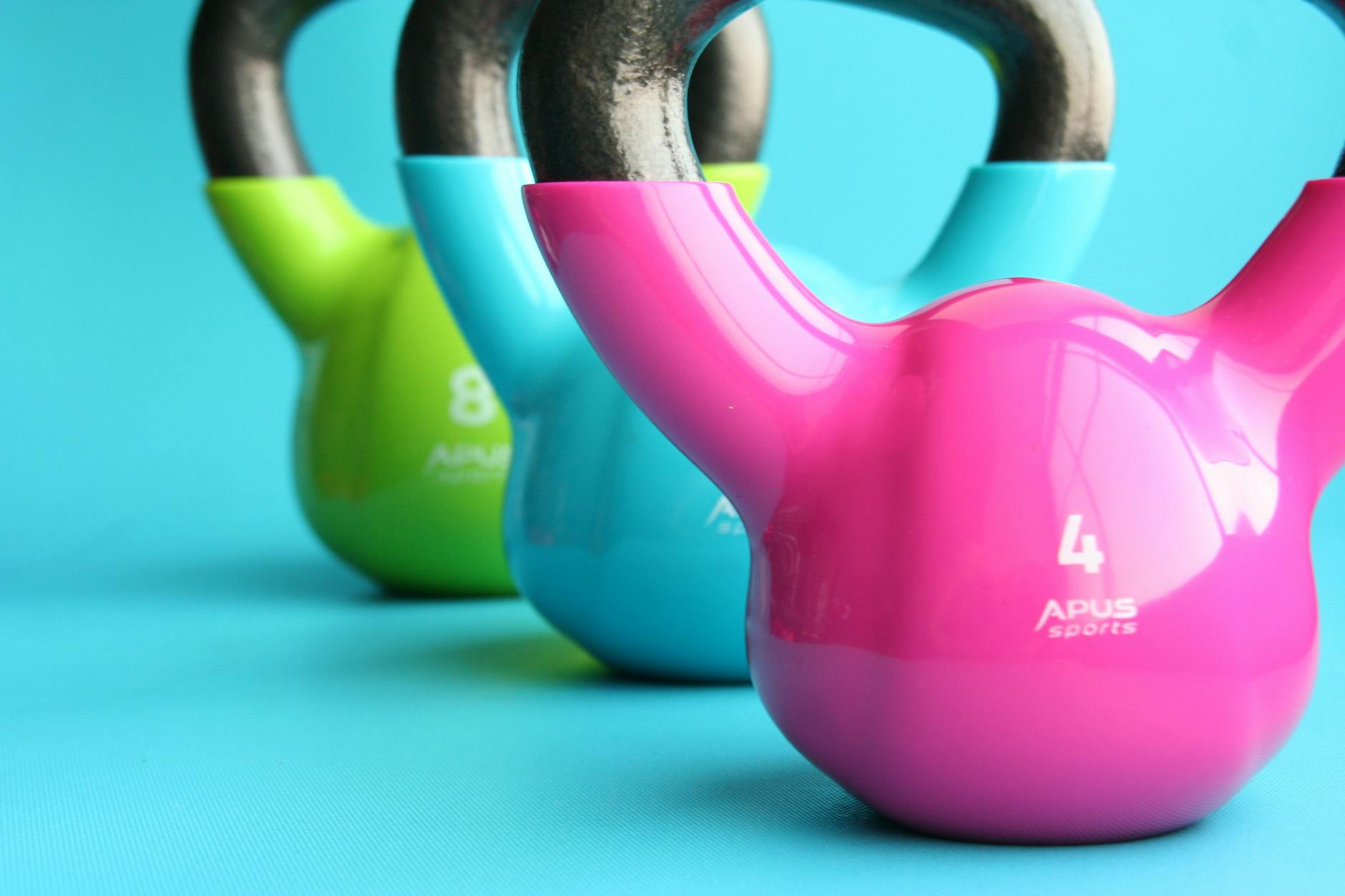
Kettlebell swings engage the posterior chain including the glutes, hamstrings and lower back while simultaneously demanding significant cardiovascular output. The explosive hip-hinge pattern recruits fast-twitch muscle fibres that consume large amounts of energy in a short period. A typical set of twenty swings performed at pace can elevate the heart rate into anaerobic zones comparable to sprinting. Regular kettlebell swing training also builds functional strength and improves hip mobility as secondary benefits.
Rowing Machine

The rowing machine provides a rare combination of upper body, lower body and core engagement within a single low-impact movement. Each stroke demands coordinated power from the legs, back and arms, making it one of the most complete cardio tools available in any gym. High-effort rowing intervals consistently rank among the top calorie-burning activities per unit of time across fitness research. The seated position reduces joint stress while maintaining the cardiovascular intensity needed for rapid energy expenditure.
Battle Ropes
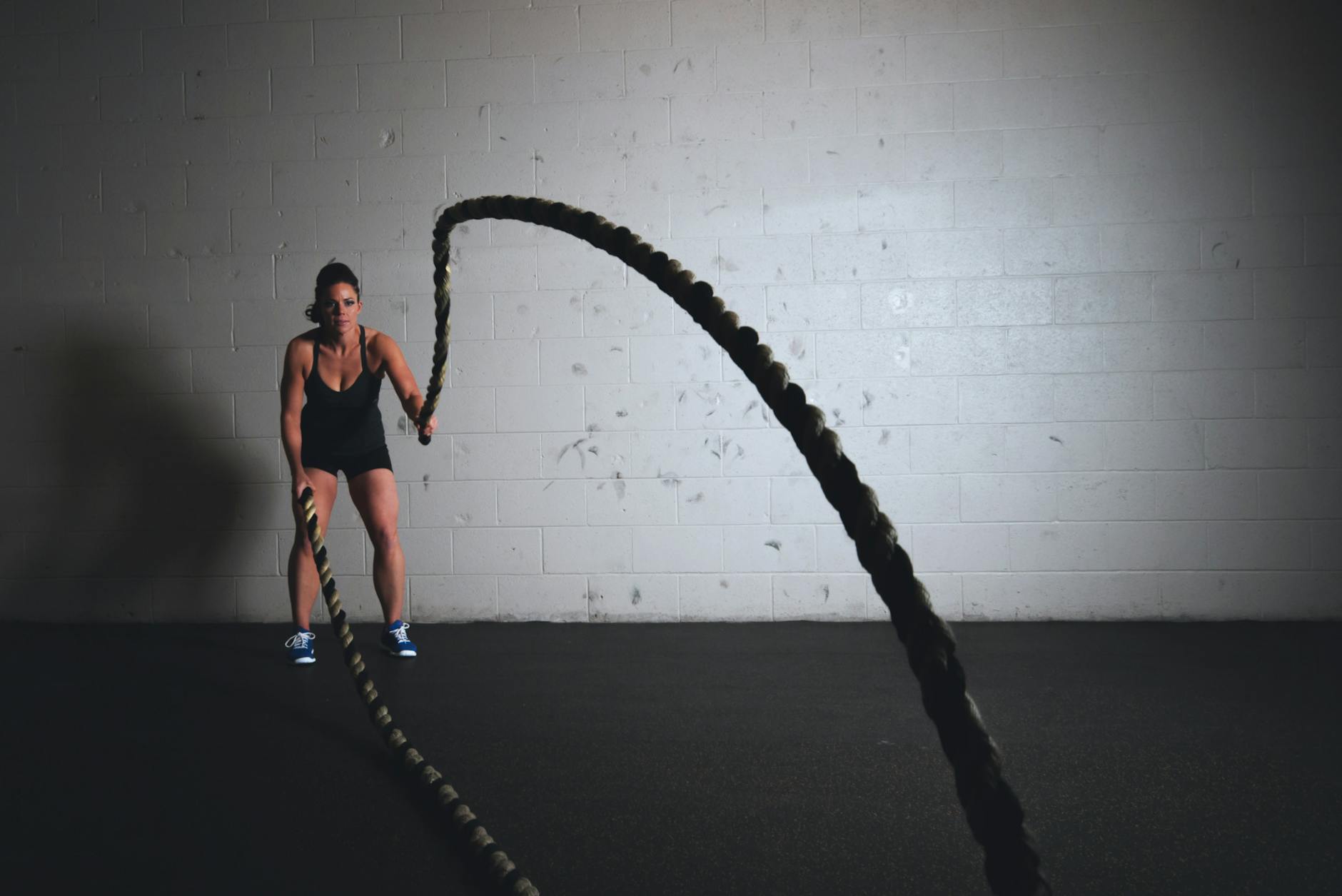
Battle ropes generate intense muscular fatigue and cardiovascular strain within thirty to forty-five second working intervals. The wave and slam patterns target the shoulders, arms, core and legs depending on the variation performed. The sustained high-effort demand keeps the heart rate elevated throughout the session, creating significant caloric output without requiring locomotion. Fitness facilities and outdoor training spaces frequently incorporate battle ropes into circuit formats for this reason.
Box Jumps

Box jumps are a plyometric exercise that recruits the quadriceps, glutes and calves explosively to propel the body upward onto an elevated surface. The combination of muscular power and landing absorption creates a high metabolic demand within each repetition. Athletes and personal trainers programme box jumps into conditioning circuits because of their ability to elevate the heart rate quickly without the extended time requirement of steady cardio. Box height can be adjusted to match fitness levels, making this exercise scalable for beginners and advanced athletes alike.
Cycling at High Intensity

High-intensity cycling on a stationary bike or outdoors can generate calorie expenditure figures comparable to running without the same level of impact on the knees and hips. Resistance and cadence adjustments allow the rider to push into anaerobic threshold zones where energy demands peak rapidly. Indoor cycling classes build structured interval formats around this principle to maximise caloric output within a fixed class duration. The seated nature of cycling also allows individuals with lower body joint concerns to train at intensities otherwise difficult to sustain.
Swimming at Race Pace

Swimming at a fast and sustained pace engages the entire body through water resistance, which is significantly denser than air and therefore demands more muscular effort with every stroke. The freestyle and butterfly strokes in particular generate the highest caloric output among competitive swimming styles. Maintaining a challenging pace for even twenty minutes challenges cardiovascular endurance and muscular stamina simultaneously. The cooling effect of water can mask the perceived intensity, allowing many swimmers to sustain high-effort output longer than on land.
Running at High Speed

Running at a fast pace remains one of the simplest and most effective calorie-burning activities available to anyone with a suitable surface and a pair of trainers. The impact and propulsion forces required at higher speeds demand significantly more energy than jogging or walking at the same duration. Uphill running further amplifies caloric expenditure by adding gravitational resistance to the already demanding movement pattern. Consistent high-speed running also strengthens the bones, cardiovascular system and fast-twitch muscle fibres over time.
Which of these exercises has delivered the best results for your fitness goals and which ones are you planning to add to your routine? Share your experience in the comments.




