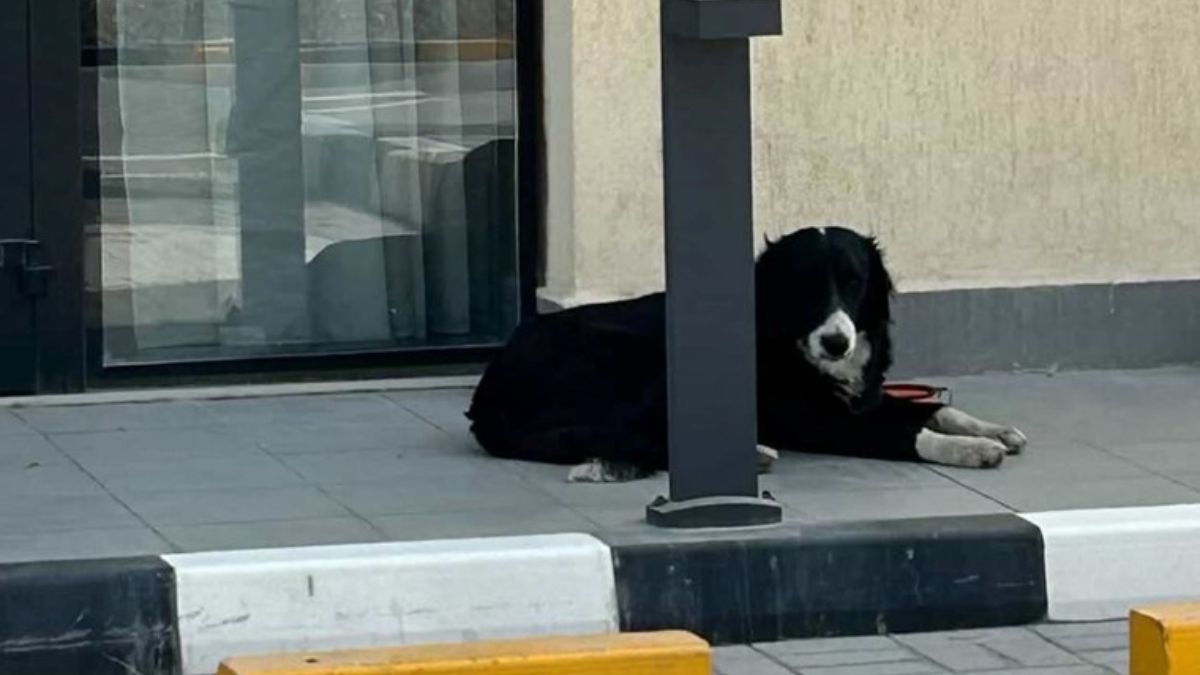
As tensions in the region continue to force a mass exodus of foreigners from Dubai, the human cost of the panic is extending well beyond property and finances. Cats and dogs are being found wandering the streets, left behind by owners who fled without making arrangements for their animals. Veterinary clinics have been flooded with distressing requests to euthanize perfectly healthy pets ever since the city was struck by Iranian drones and missiles. The scale of abandonment has shocked local volunteers and animal welfare advocates who are now scrambling to respond.
Human rights activist Radha Stirling has been vocal about the broader forces driving this crisis. According to Stirling, the UAE government’s warnings about potential imprisonment for social media posts covering the attacks have backfired badly, deepening the fear already gripping the city’s large expatriate population. As founder of the organizations Detained in Dubai and Due Process International, Stirling argued that the official response was a serious miscalculation. “It reminded millions of expats that they are not living in the free society they believed,” she said. “In one moment, the narrative of Dubai as a carefree, cosmopolitan safe haven collided with the reality of strict cybercrime laws that can send people to prison simply for sharing information that authorities deem negative or misleading.”
Stirling also drew pointed comparisons to a dark chapter in Dubai’s history, warning that the current climate is reigniting memories of the 2009 financial crash. During that crisis, thousands of expatriates fled the country, famously abandoning luxury cars at the airport to avoid arrest over unpaid debts. “During the 2009 crash, many expats were jailed over relatively minor financial disputes, had travel bans imposed on them, and ultimately lost their homes. Many who left later found themselves subject to international arrest warrants,” she recalled. The fear of history repeating itself is already shifting behavior among investors and residents alike, with many trying to back out of real estate purchases before a potential market correction takes hold.
The most heartbreaking consequence of the current panic, however, has been the fate of the animals left behind. As Stirling noted, the pattern has shifted since 2009: “Back then, people fled and left luxury cars at the airport. Today, we’re seeing people flee and leave their pets behind because they can’t arrange transportation fast enough.” Volunteer rescue workers on the ground have described gut-wrenching scenes, including a saluki dog found tied so tightly to a lamp post that the collar had cut into its neck, and reports of owners releasing pets at the border with neighboring Oman.
British volunteer Claire Hopkins has been working to manage the surge in animals needing rehoming and spoke openly about the obstacles involved. “Many want to return the pets they adopted. The problem is that many haven’t prepared their animals for travel,” she explained. Getting a pet into the UK, for example, requires a rabies vaccination followed by a mandatory three-week waiting period before the animal is cleared to fly. Hopkins did not mince words about what is happening in some clinics: “I’m sad to say that vets have had inquiries about euthanasia, which is appalling.” The bureaucratic hurdles of international pet travel are turning what should be a straightforward decision into an impossible one for panicking owners.
Anso Stander, who runs the animal shelter Six Hounds, described being completely overwhelmed by the volume of incoming requests. “In just one day, I had 27 messages,” she said. “People are quietly telling us that if we can’t take their animals, they’ll just leave them. I had two dogs that were shot in the desert between the UAE and Oman. It’s selfish and heartless.” Adding to the chaos, airspace across much of the region was closed for several days, with passengers attempting to board early British repatriation flights from Oman describing scenes of total disorder after repeated delays.
Dubai is home to one of the largest expatriate communities in the world, with foreign nationals making up roughly 88 to 90 percent of the UAE’s total population. The city has long marketed itself as a glamorous, rule-of-law destination for global professionals, influencers, and entrepreneurs seeking low taxes and high quality of life. However, the UAE operates under a legal system that grants authorities broad powers over speech and conduct, with cybercrime laws that can be applied to online content deemed harmful to the state’s reputation. The saluki, the breed found tethered and injured in this crisis, is one of the oldest dog breeds in the world and holds deep cultural significance across the Arabian Peninsula, making its mistreatment particularly symbolic. International pet relocation is a heavily regulated process governed by destination country rules, and for the UK specifically, animals must be microchipped, vaccinated against rabies, and cleared through official health certificate procedures before they are permitted entry.
If you have thoughts on the treatment of animals during humanitarian crises or the responsibilities pet owners carry even in emergencies, share them in the comments.




