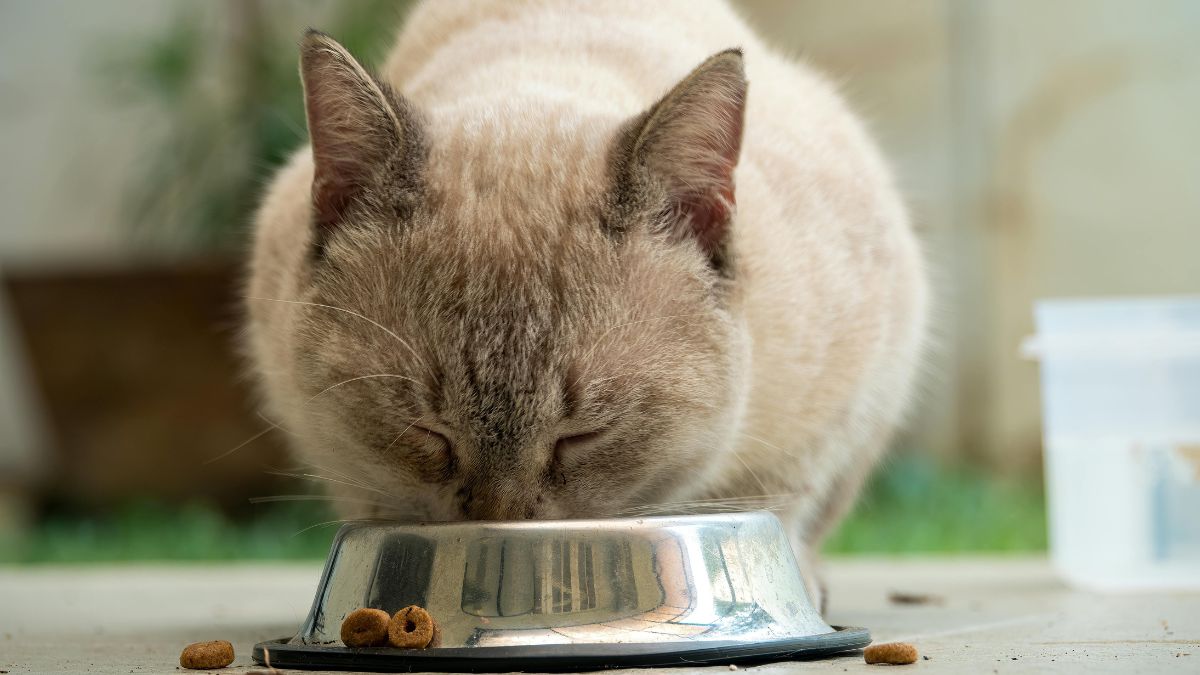
Cats are curious creatures with a reputation for investigating anything left on the counter or unattended on a plate. While it may be tempting to share a bite of your meal with a feline companion, many common household foods pose serious health risks to cats. Their digestive systems and metabolic processes differ significantly from humans and even dogs, making certain ingredients far more toxic to them than most pet owners realize. Understanding which foods to keep out of reach can mean the difference between a healthy cat and a dangerous veterinary emergency.
Onions
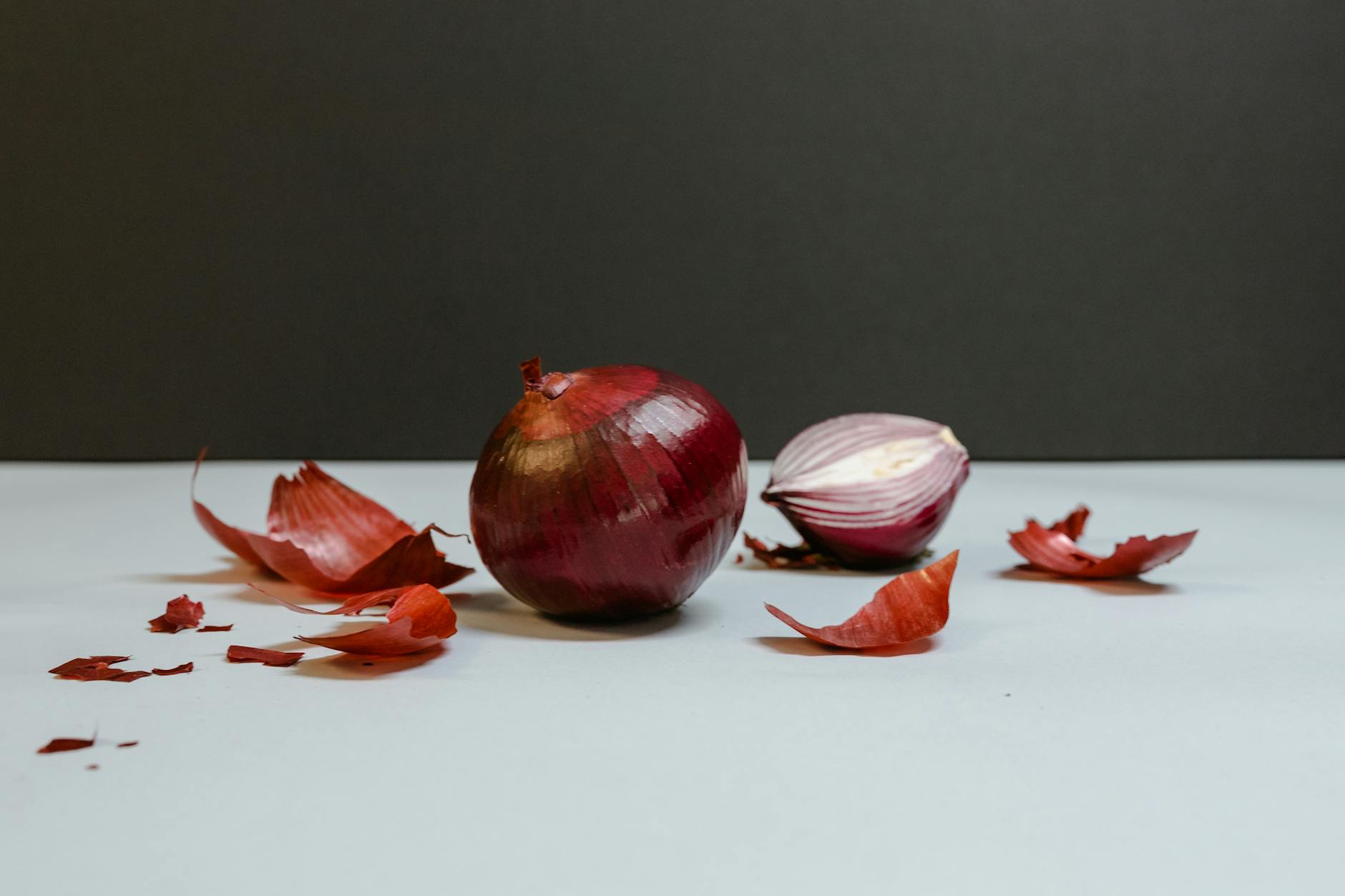
Onions contain compounds called thiosulfates that damage red blood cells in cats and can lead to a condition known as hemolytic anemia. Even small amounts consumed regularly can accumulate in a cat’s system and cause significant harm over time. All forms of onion are problematic including raw, cooked, powdered, and dehydrated varieties. Symptoms of onion toxicity include lethargy, reduced appetite, and pale or yellowish gums. Immediate veterinary attention is recommended if ingestion is suspected.
Garlic
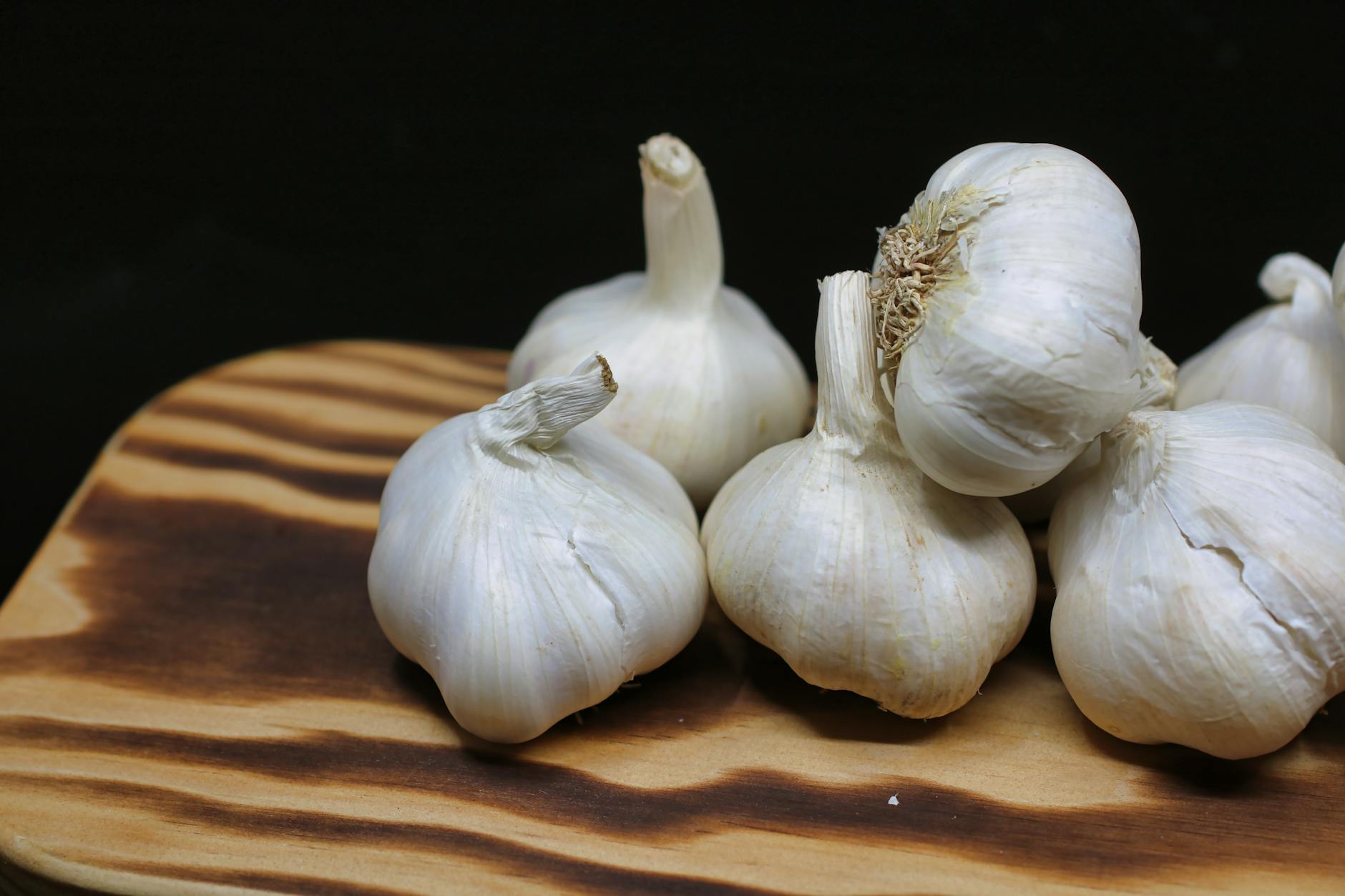
Garlic is considered even more potent than onions when it comes to toxicity in cats, with a much smaller amount needed to cause harm. Like onions, it belongs to the allium family and disrupts the normal function of red blood cells. A cat that consumes garlic may not show symptoms immediately, as signs of illness often appear several days after ingestion. Weakness, rapid breathing, and discolored urine are among the most commonly reported symptoms. Garlic powder found in many seasoned foods is particularly dangerous due to its concentrated form.
Grapes
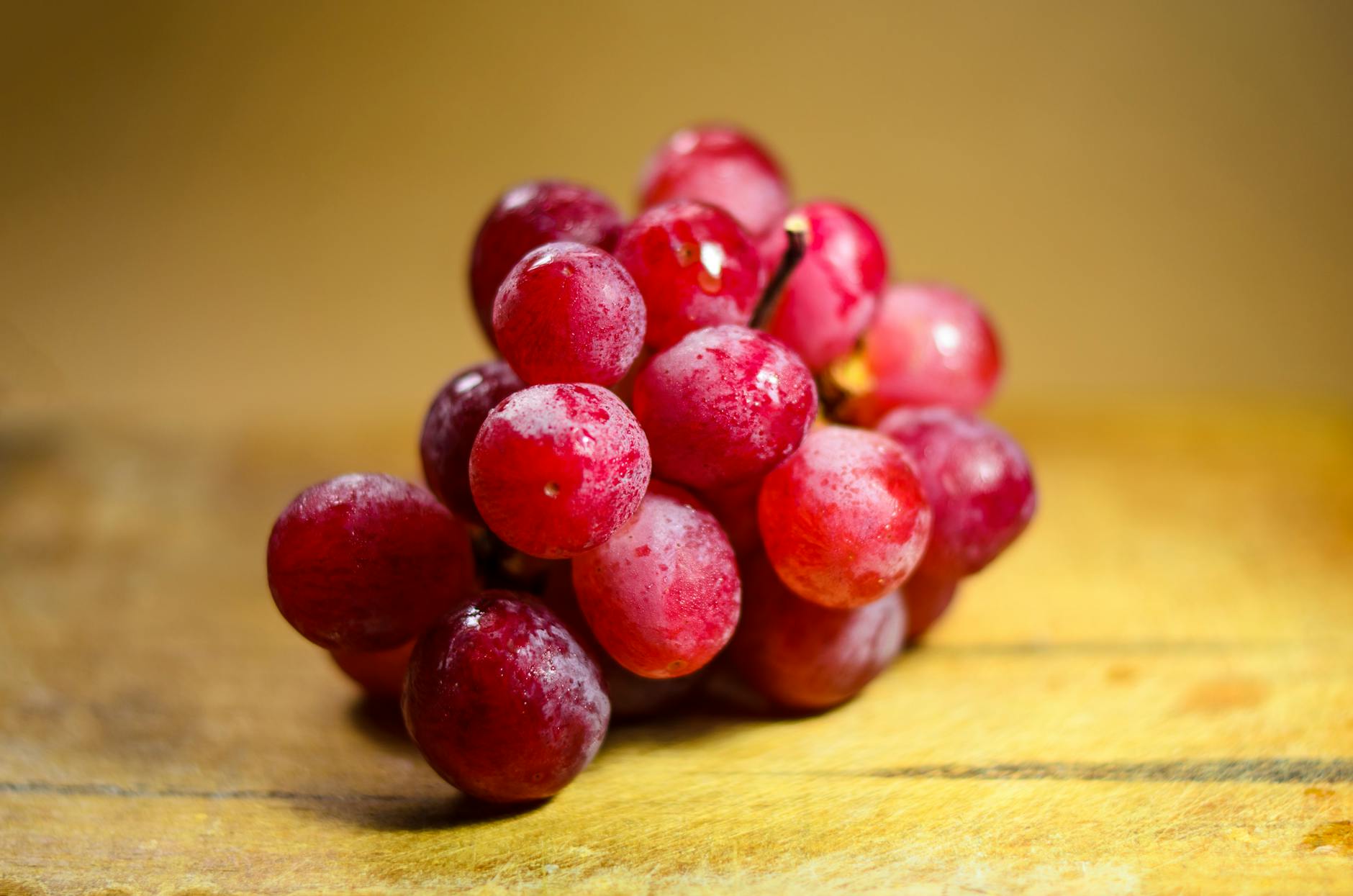
Grapes have been linked to acute kidney failure in cats, though the exact toxic compound responsible has not yet been fully identified by researchers. Even a single grape can potentially trigger a severe reaction in some cats, making it one of the more unpredictable foods on this list. Raisins, which are dried grapes, carry the same risk in an even more concentrated form. Early signs of toxicity include vomiting, lethargy, and a sudden decrease in urination. Because the threshold for toxicity varies between individual cats, no amount of grape or raisin is considered safe.
Chocolate
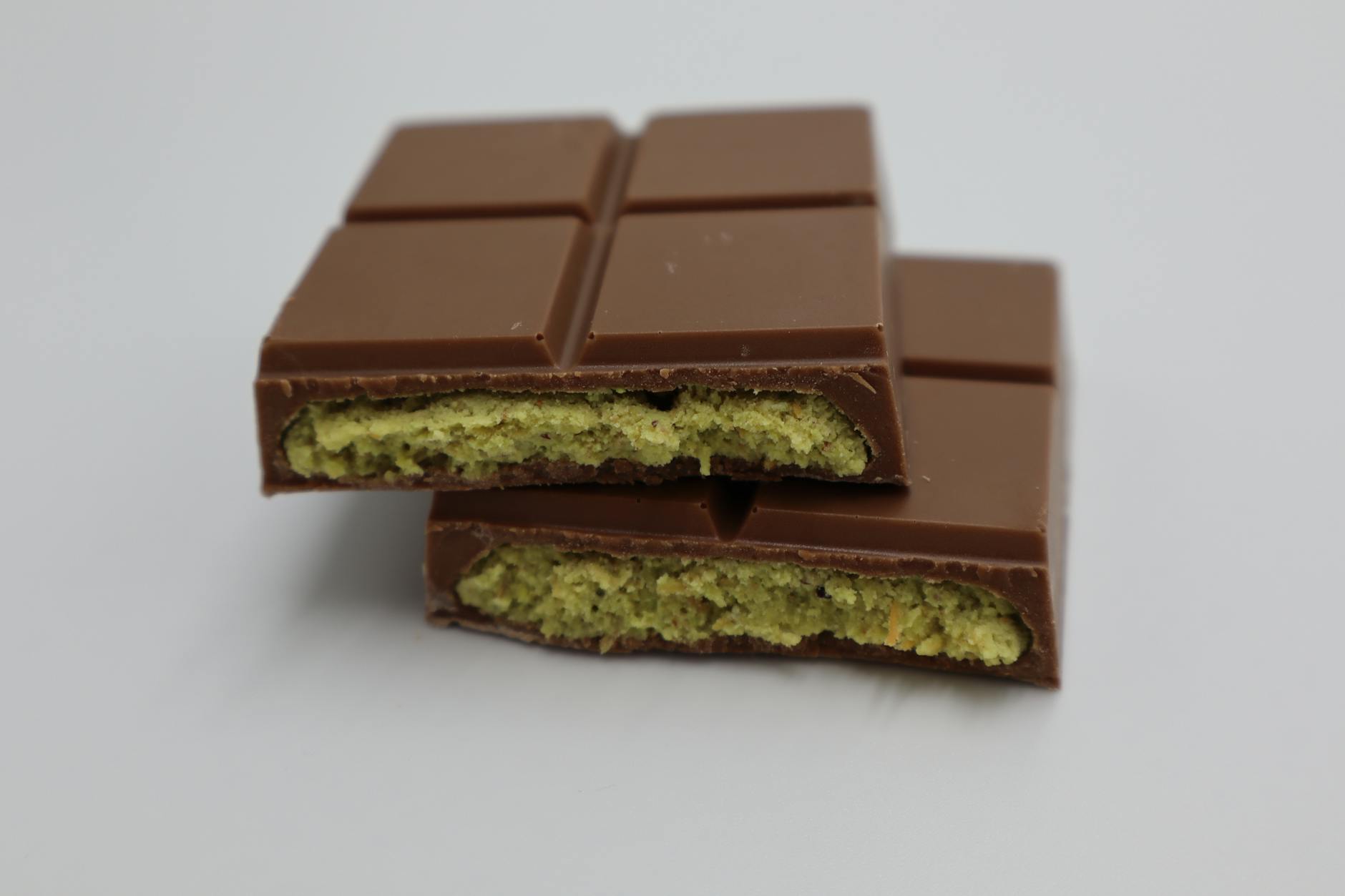
Chocolate contains theobromine and caffeine, two stimulants that cats are unable to metabolize efficiently. Dark chocolate and baking chocolate contain the highest concentrations of these compounds, though milk chocolate is harmful as well. Ingestion can lead to increased heart rate, muscle tremors, seizures, and in severe cases, death. Cats are generally less drawn to sweet foods than dogs, but accidental ingestion still occurs. Any suspected chocolate consumption should be treated as a medical emergency requiring prompt veterinary care.
Alcohol
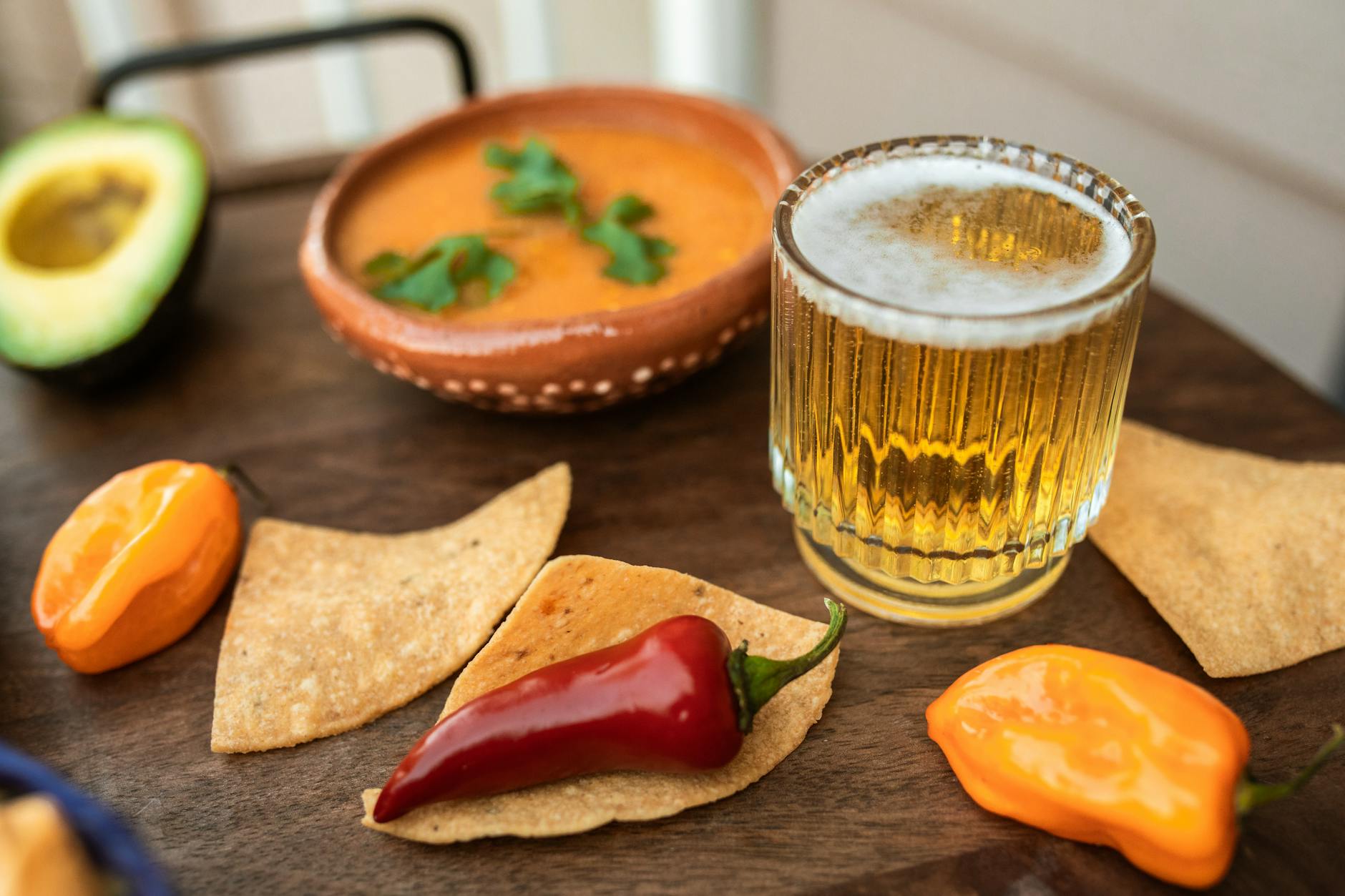
Alcohol has a profoundly more toxic effect on cats than it does on humans due to their much smaller body size and different liver function. Even a teaspoon of alcohol can cause dangerous drops in blood sugar, blood pressure, and body temperature. Symptoms of alcohol poisoning in cats include disorientation, vomiting, difficulty breathing, and tremors. Both alcoholic beverages and products containing alcohol as an ingredient pose a risk. Foods prepared with wine or spirits, such as certain sauces and desserts, should never be offered to cats.
Caffeine
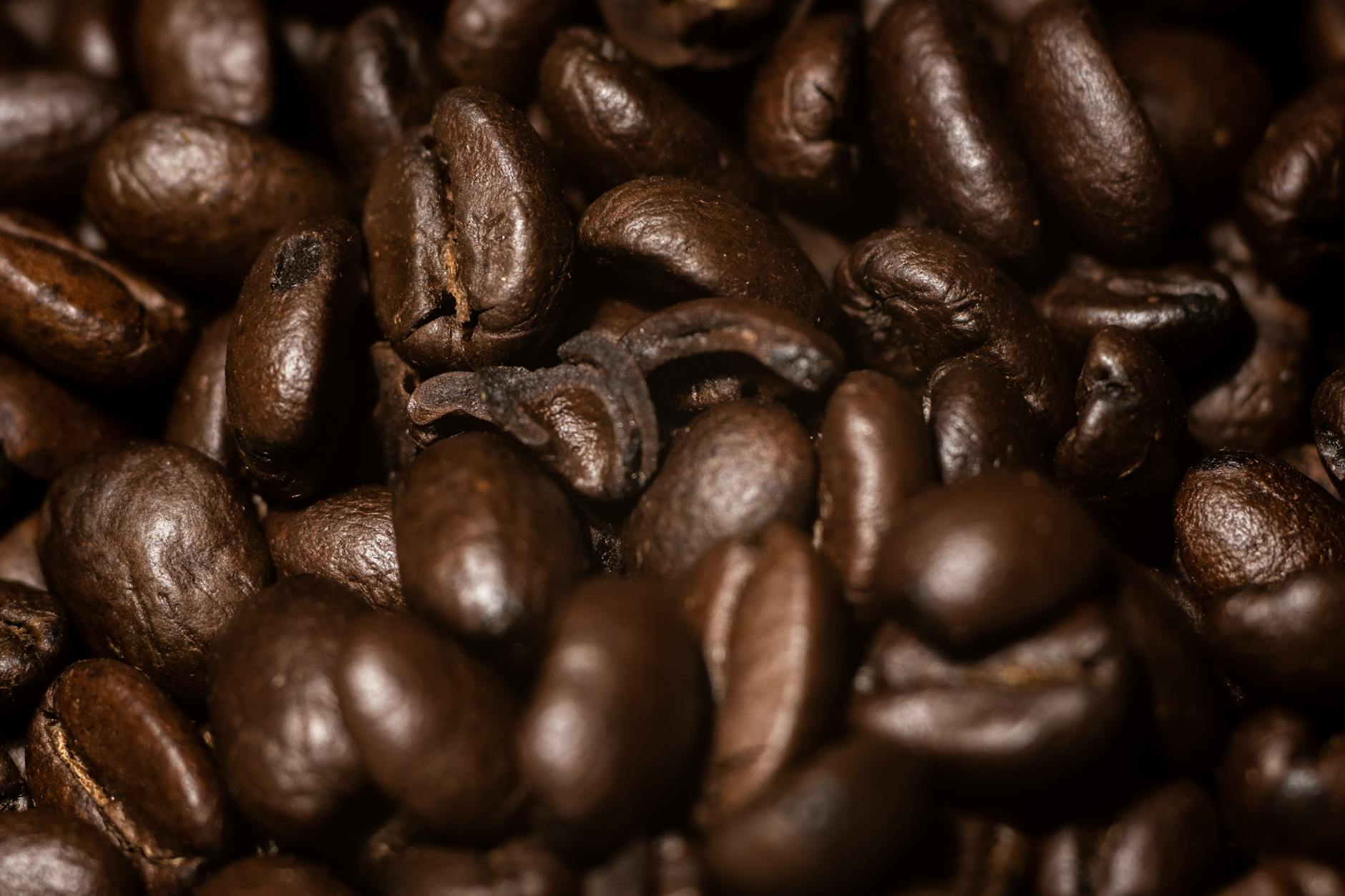
Caffeine is a central nervous system stimulant that cats process far less efficiently than humans. Sources extend beyond coffee and tea to include energy drinks, certain soft drinks, and some medications. A cat that ingests caffeine may experience rapid heart rate, restlessness, muscle tremors, and seizures. Even moderate amounts can be lethal depending on the size and health status of the individual cat. Coffee grounds and tea bags left within a cat’s reach are a common and often overlooked source of danger in many households.
Xylitol
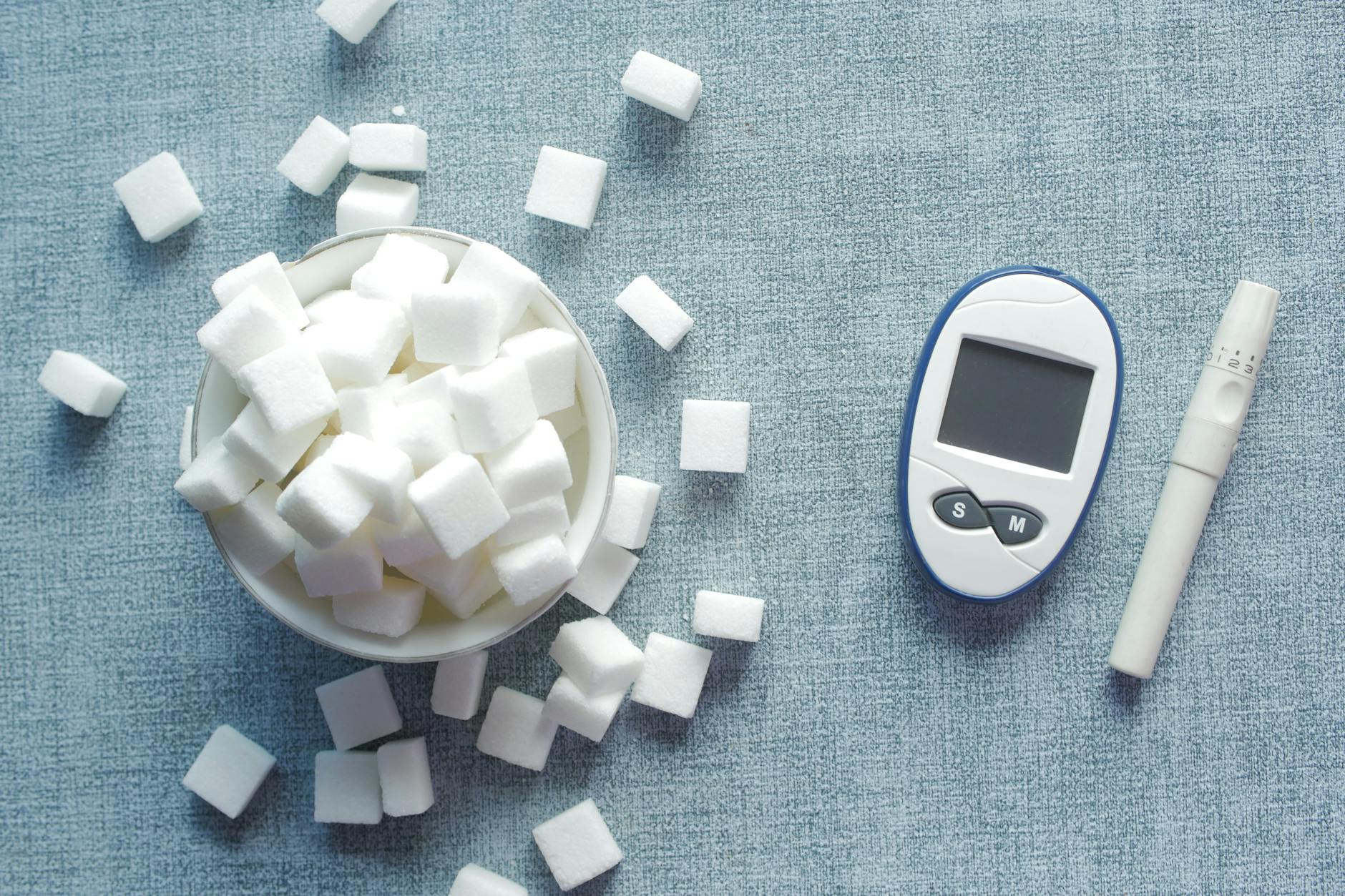
Xylitol is an artificial sweetener found in sugar-free gum, certain candies, baked goods, and some peanut butter brands. While its effects on cats are less studied than on dogs, it is considered potentially toxic and best avoided entirely. In dogs, xylitol causes a rapid drop in blood sugar and can lead to liver failure, and similar concerns exist for cats. Products labeled as sugar-free should always be checked for this ingredient before being placed anywhere a cat might access them. Pet owners should be particularly cautious with sugar-free condiments and packaged snacks.
Raw Dough

Raw yeast dough poses two distinct risks to cats when ingested. The yeast can continue to ferment inside the warm environment of a cat’s digestive tract, causing the dough to expand and potentially leading to bloating or a dangerous obstruction. Fermentation also produces alcohol as a byproduct, adding the risk of alcohol toxicity on top of the physical danger. Even a small amount of uncooked dough can result in significant gastrointestinal distress. Cats should be kept away from kitchen surfaces where bread or pizza dough is left to rise.
Macadamia Nuts
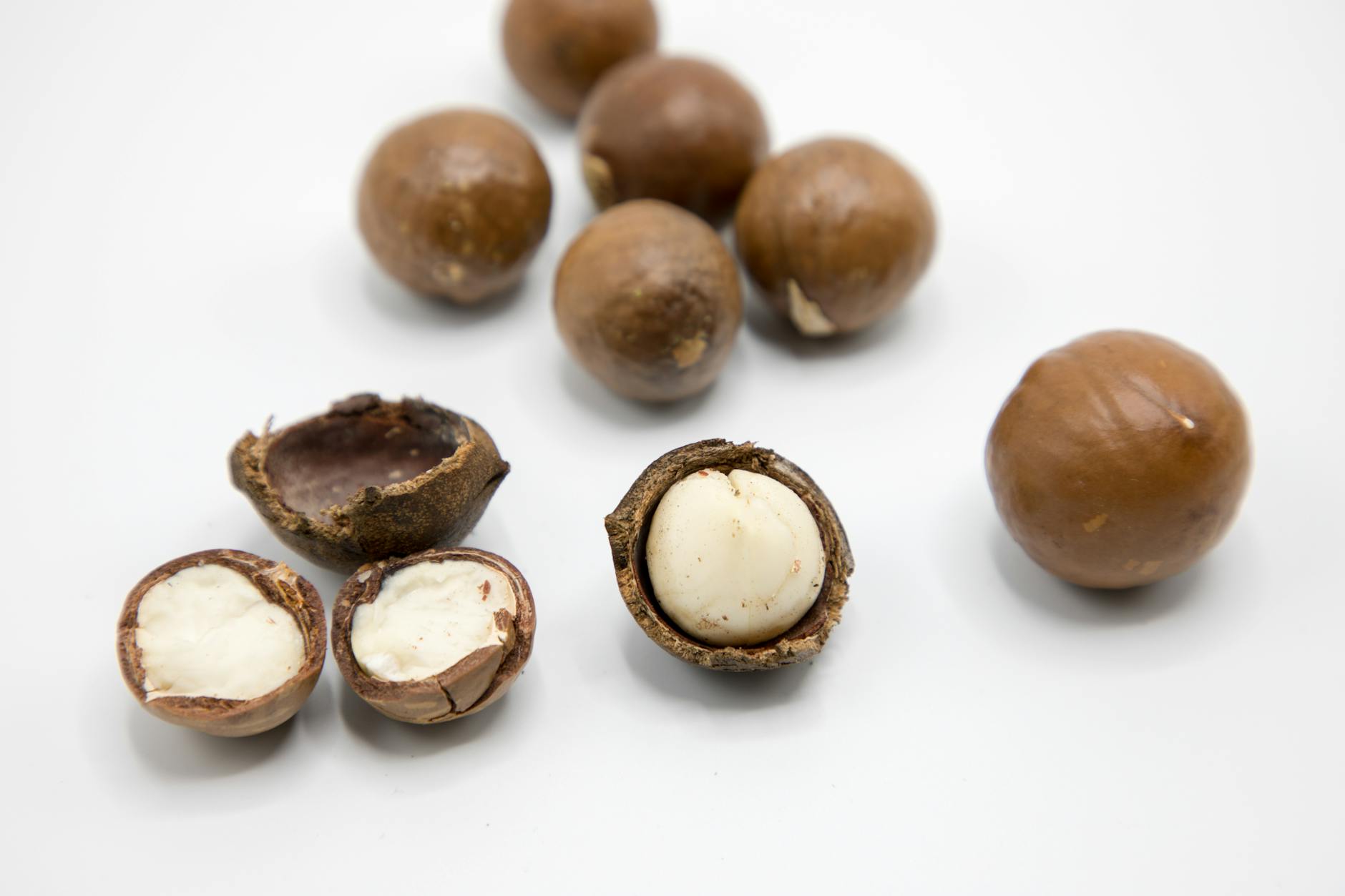
Macadamia nuts are known to be toxic to pets, with cats being particularly vulnerable to their harmful effects. The exact mechanism of toxicity is not yet fully understood, but ingestion has been associated with weakness, hyperthermia, vomiting, and tremors. Even small quantities relative to body weight can produce noticeable symptoms within twelve hours. These nuts are commonly found in cookies and trail mixes, making them an accidental ingestion risk in households that frequently consume these snacks. All nut-containing baked goods and snack mixes should be stored securely away from cats.
Dairy Products
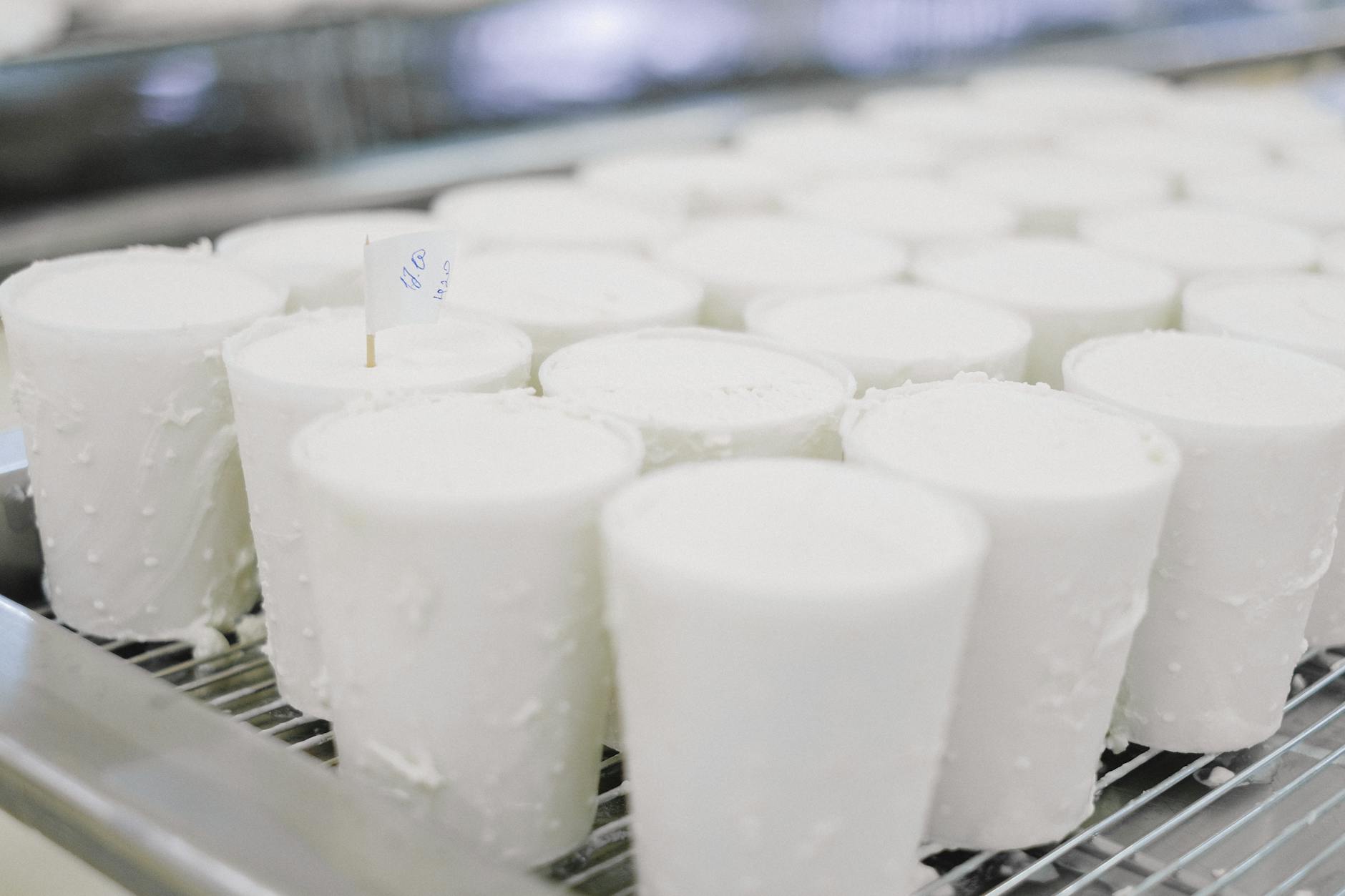
Despite the popular image of cats happily lapping up milk, most adult cats are lactose intolerant and lack sufficient amounts of the enzyme needed to digest dairy properly. Consuming milk, cheese, or cream can lead to gastrointestinal upset including diarrhea, vomiting, and stomach cramping. Kittens produce more lactase than adults but are still best kept on species-appropriate nutrition rather than cow’s milk. Soft cheeses and cream-based sauces are particularly rich in lactose and fat, both of which can overwhelm a cat’s digestive system. While small amounts may not cause immediate visible distress in every cat, dairy is not a nutritionally appropriate food for felines.
Raw Fish
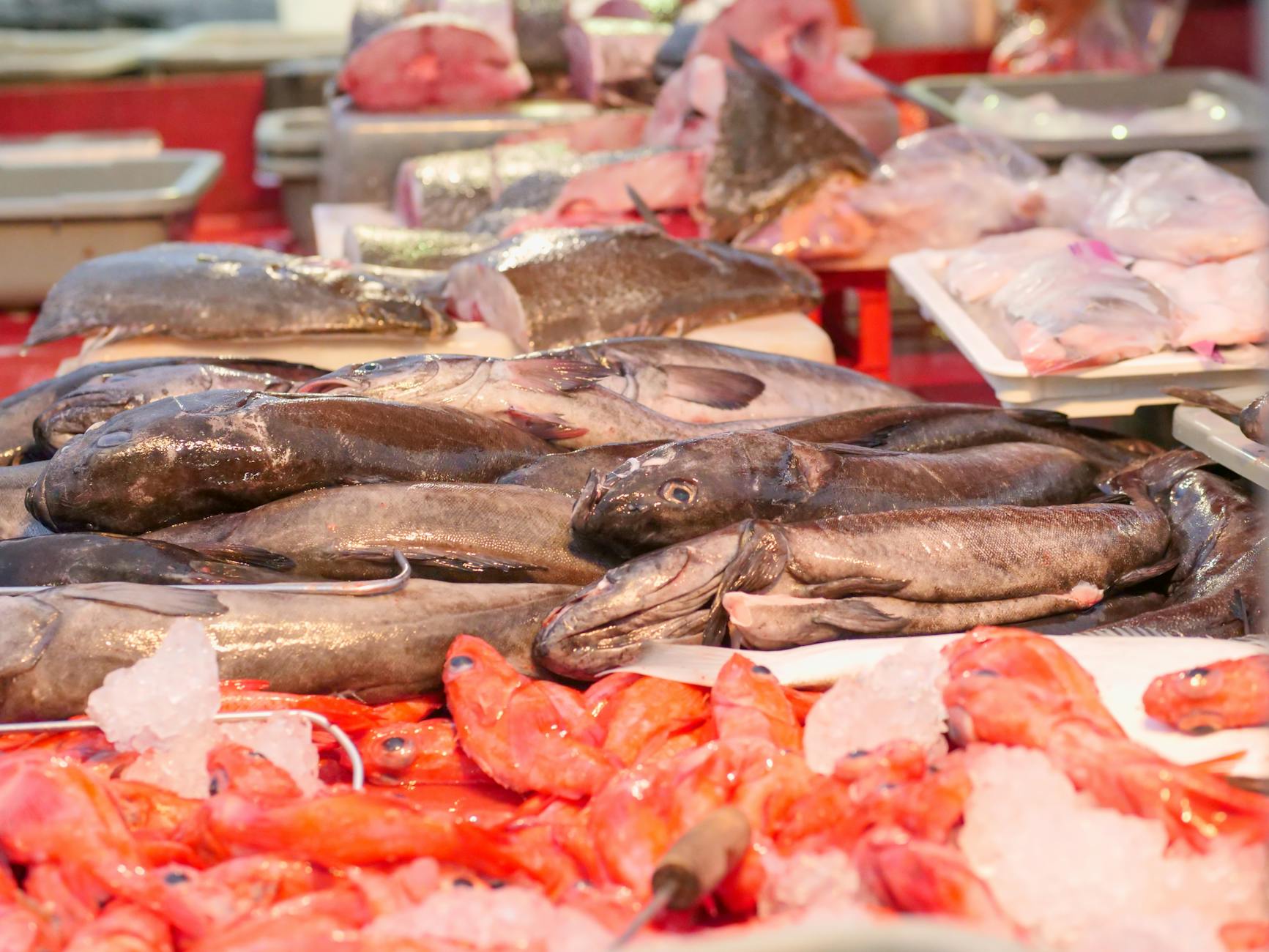
Raw fish carries bacteria such as salmonella and listeria that can cause serious infections in cats. Certain raw fish also contain an enzyme called thiaminase that destroys thiamine, an essential B vitamin necessary for healthy neurological function. Regular consumption of raw fish can lead to thiamine deficiency, which manifests as loss of appetite, seizures, and neurological deterioration. While cooked fish in small amounts is generally tolerated better, it should still only be an occasional treat rather than a dietary staple. Sushi and sashimi left unattended on a countertop or table can be a surprisingly common source of accidental ingestion.
Raw Eggs
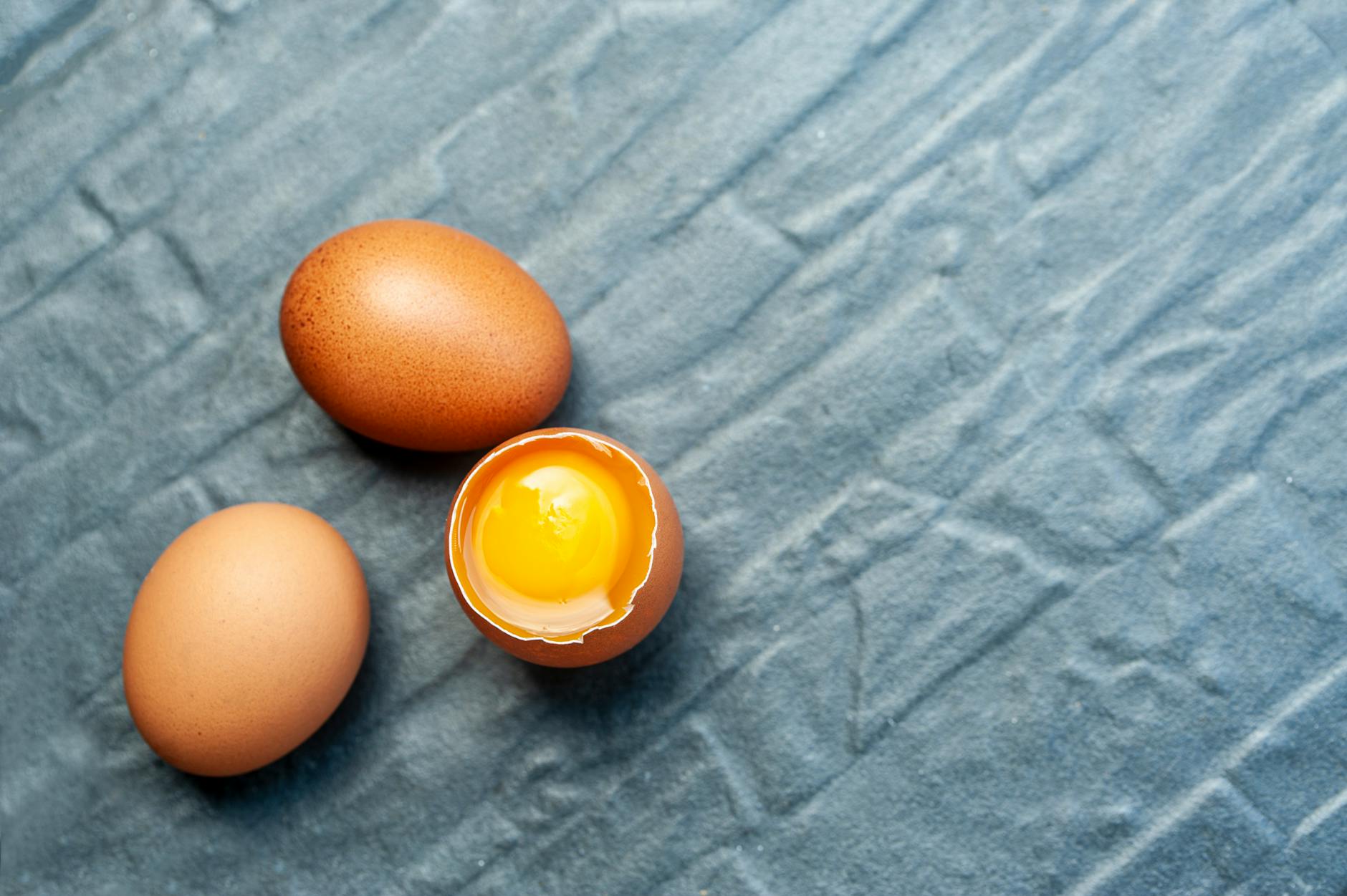
Raw eggs present a dual risk for cats. They can harbor salmonella or e coli bacteria that cause digestive illness and systemic infection. Additionally, raw egg whites contain avidin, a protein that interferes with the absorption of biotin, a B vitamin essential for healthy skin and coat. Cats that consume raw eggs regularly may develop biotin deficiency over time, resulting in dull fur and skin irritation. Scrambled or hard-boiled eggs prepared without seasoning are a safer option in very small quantities if an owner wishes to offer egg as an occasional protein source.
Salt
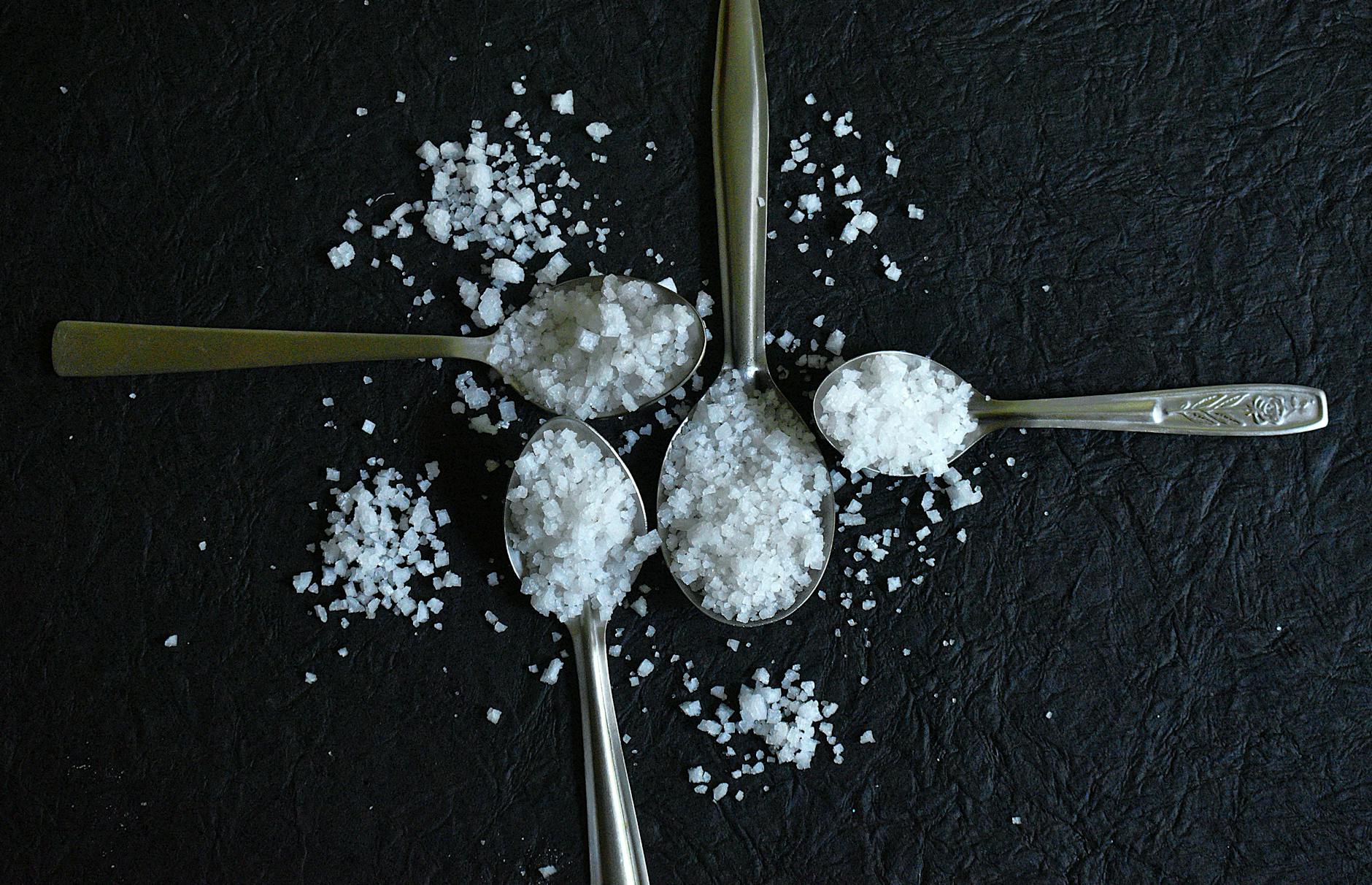
High sodium intake is problematic for cats because their kidneys are not designed to process large amounts of salt. Foods heavily seasoned with salt, such as chips, pretzels, cured meats, and canned soups, can cause sodium ion poisoning if consumed in sufficient quantity. Symptoms include excessive thirst and urination, vomiting, diarrhea, tremors, and in severe cases, seizures or death. Cats are more sensitive to sodium than many other animals because of their evolutionary background as desert-dwelling creatures who consumed prey with naturally low salt content. Processed and snack foods should always be stored out of reach and never offered as treats.
Chives

Chives belong to the same allium family as onions and garlic, and they carry similar toxic properties that damage red blood cells in cats. They are commonly used as a garnish or ingredient in soups, dips, baked potatoes, and egg dishes, making accidental exposure more likely than many pet owners realize. Even small amounts consumed regularly can cause cumulative harm, and a single larger ingestion can trigger acute illness. Symptoms include lethargy, pale gums, reduced appetite, and vomiting. Fresh, dried, and freeze-dried chives all carry the same level of risk.
Leeks
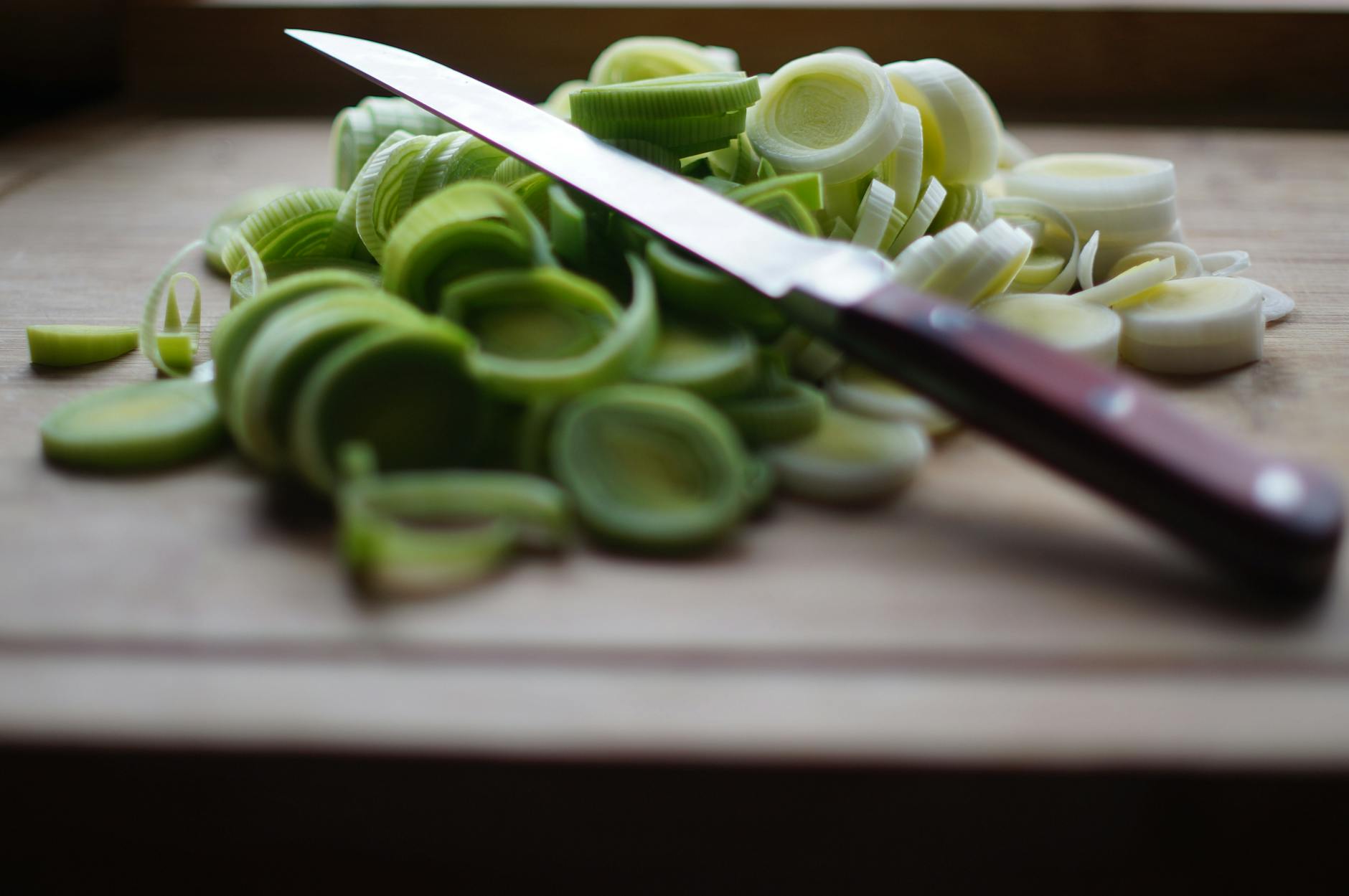
Leeks are another member of the allium family that pose a meaningful toxic risk to cats. Though they have a milder flavor than onions or garlic, the compounds responsible for feline toxicity are still present in significant concentrations. Leeks are commonly found in soups, stews, and savory pastries, and a curious cat may be drawn to foods containing them. Ingestion can cause the same spectrum of anemia-related symptoms seen with onion and garlic toxicity. Because their appearance is similar to other vegetables, leeks are sometimes overlooked as a potential hazard in the kitchen.
Nutmeg
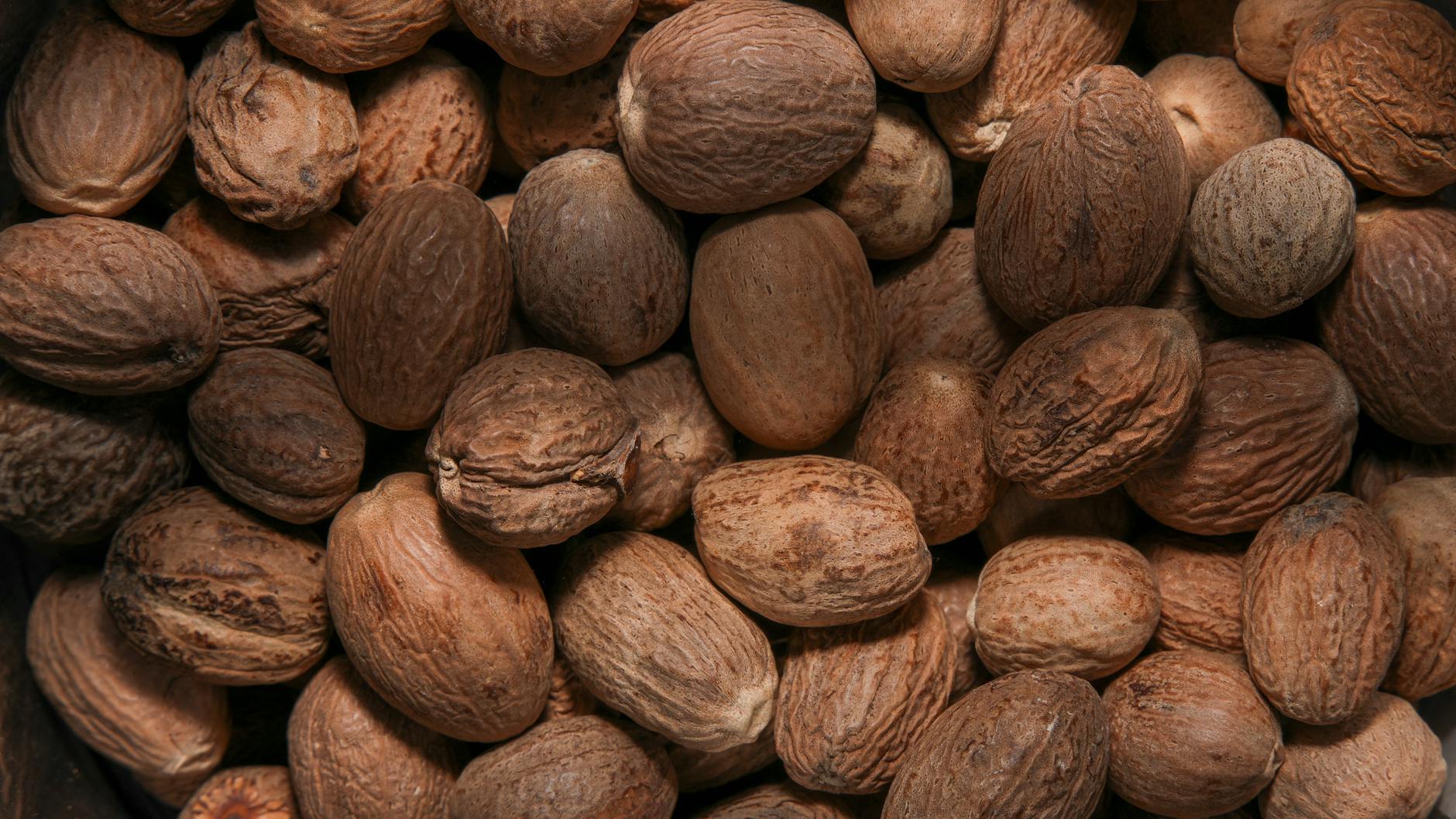
Nutmeg contains a compound called myristicin that is toxic to cats and can affect the central nervous system. Even a small amount can cause disorientation, elevated heart rate, high blood pressure, dry mouth, and seizures. It is a common spice used in baked goods, holiday drinks, and savory dishes, which increases the chance of indirect ingestion through shared human foods. Symptoms of nutmeg toxicity can appear within a few hours of consumption and may persist for several hours afterward. Given the severity of potential neurological effects, nutmeg should be treated as one of the more serious food-based hazards for cats.
Tomatoes
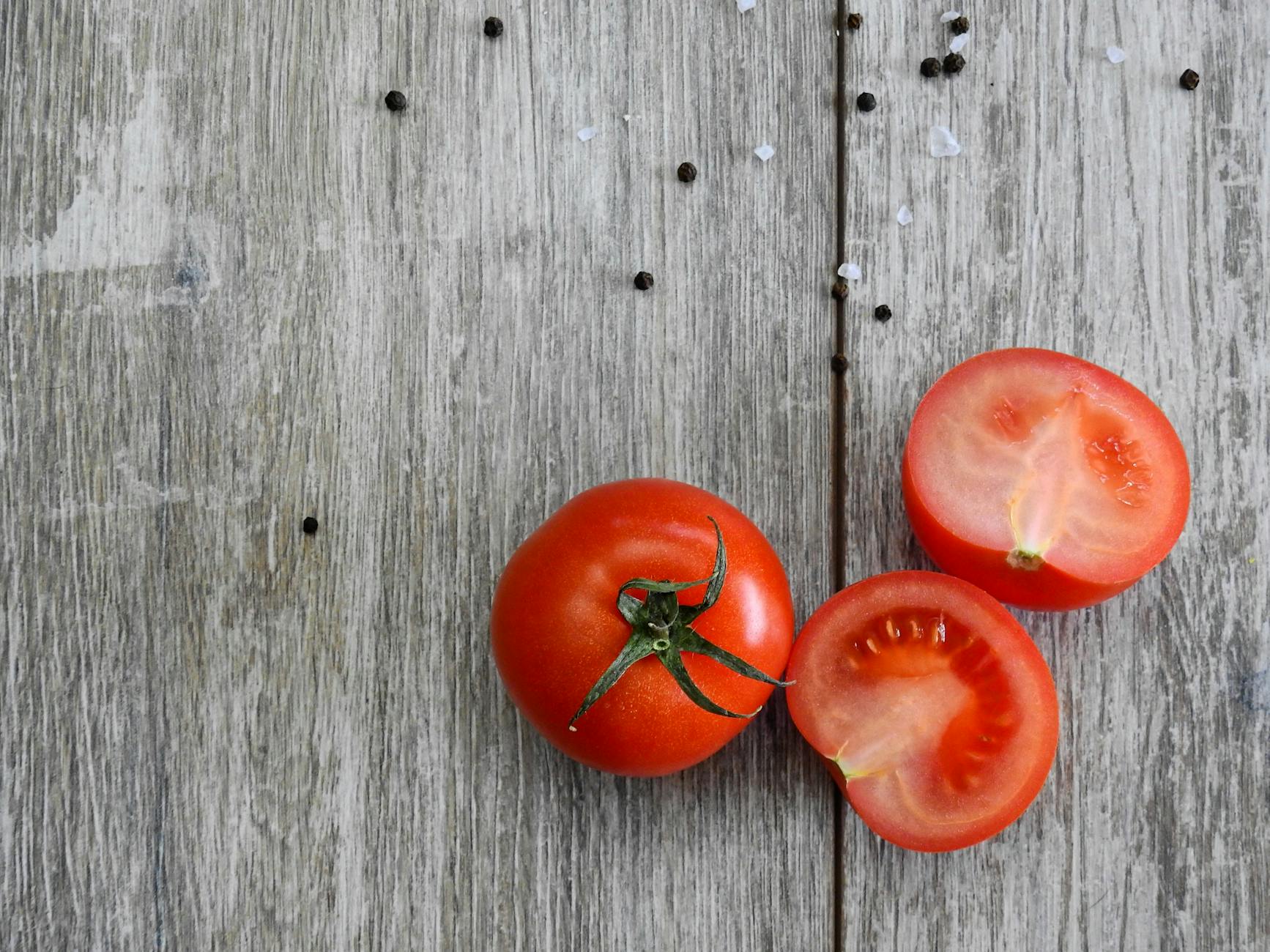
Ripe tomatoes in small amounts are not acutely dangerous to cats, but the unripe fruit, leaves, and stems of the tomato plant contain solanine, a toxic compound that can cause significant gastrointestinal and neurological symptoms. Cats that access tomato plants in a garden or home setting face a higher risk than those who might encounter a small piece of ripe tomato in food. Symptoms of solanine poisoning include drooling, vomiting, diarrhea, lethargy, and weakness. Many commercial cat foods use tomato pomace as an ingredient in controlled amounts, but this is processed in a way that reduces the solanine content. Whole tomatoes, especially green ones, and any part of the plant itself should be kept away from cats.
Avocado
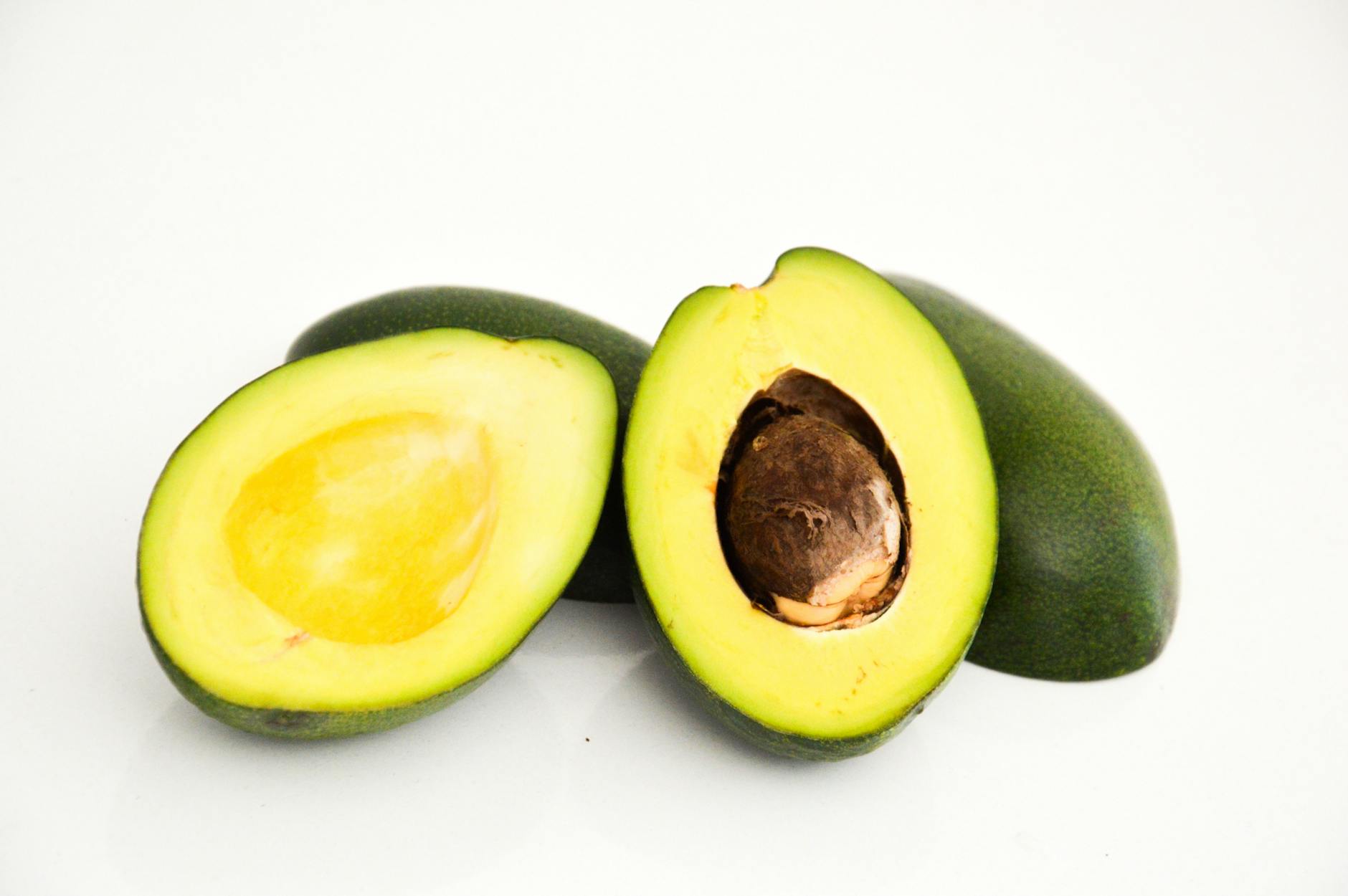
Avocado contains a fungicidal compound called persin, which is found in the fruit, leaves, skin, and pit. While persin toxicity appears to be more severe in birds and some other animals, it can still cause vomiting and diarrhea in cats. The high fat content of avocado flesh also puts cats at risk for pancreatitis, particularly with repeated exposure. The avocado pit presents a separate physical danger as a potential choking hazard or intestinal obstruction. Given the combination of chemical and physical risks, avocado in all its forms is best kept away from cats entirely.
Peaches
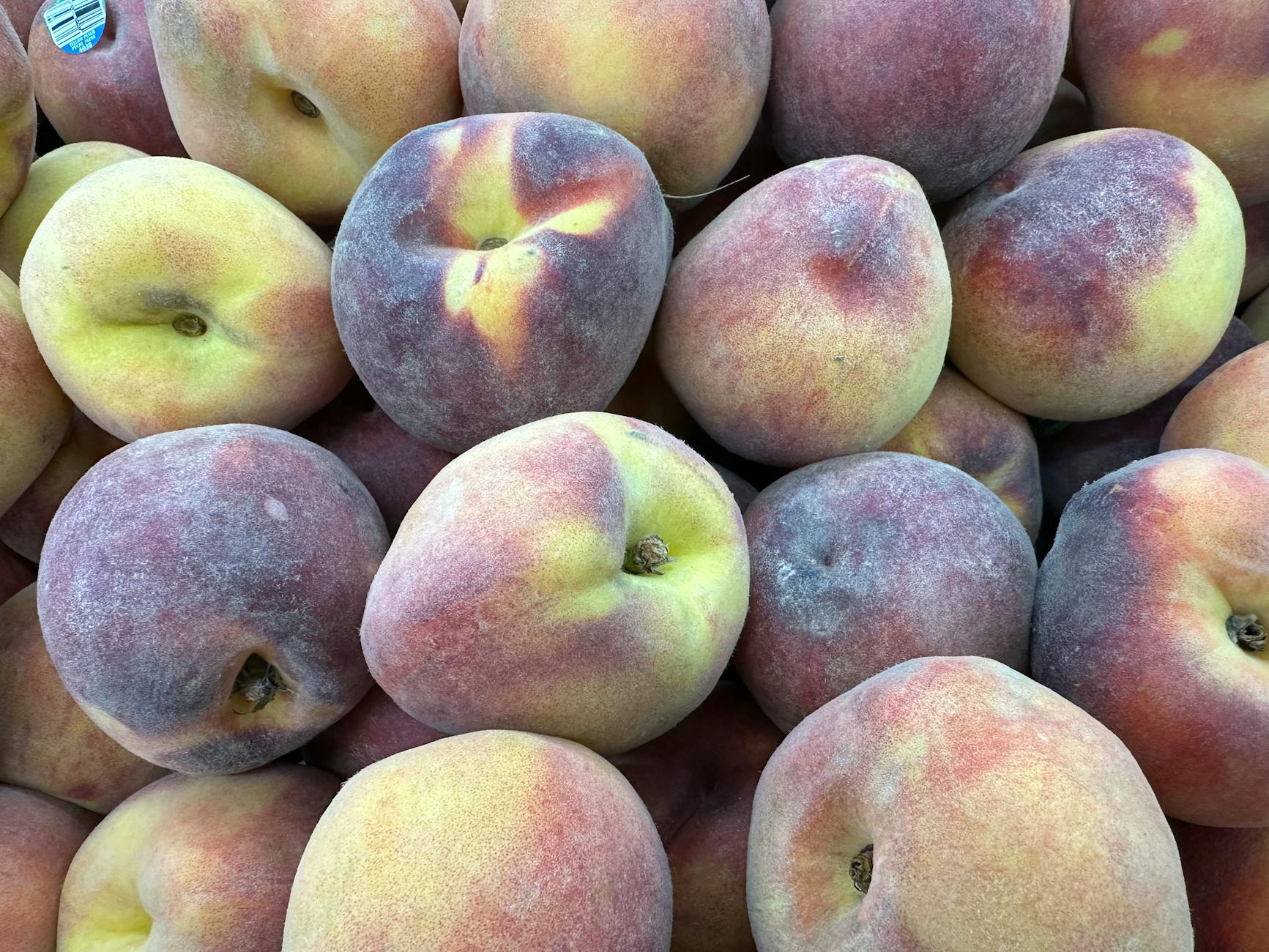
The flesh of a peach is not inherently toxic to cats in very small quantities, but the pit, leaves, and stem of the peach plant contain cyanogenic glycosides that can release cyanide when metabolized. Cyanide poisoning in cats causes rapid breathing, dilated pupils, bright red mucous membranes, and in severe cases, convulsions. The pits also present a physical choking and obstruction hazard given their size and smooth surface. Cats are unlikely to seek out peaches on their own, but fallen fruit in a garden or improperly discarded pits can create exposure opportunities. All stone fruit pits should be disposed of securely and away from areas accessible to pets.
Cherries
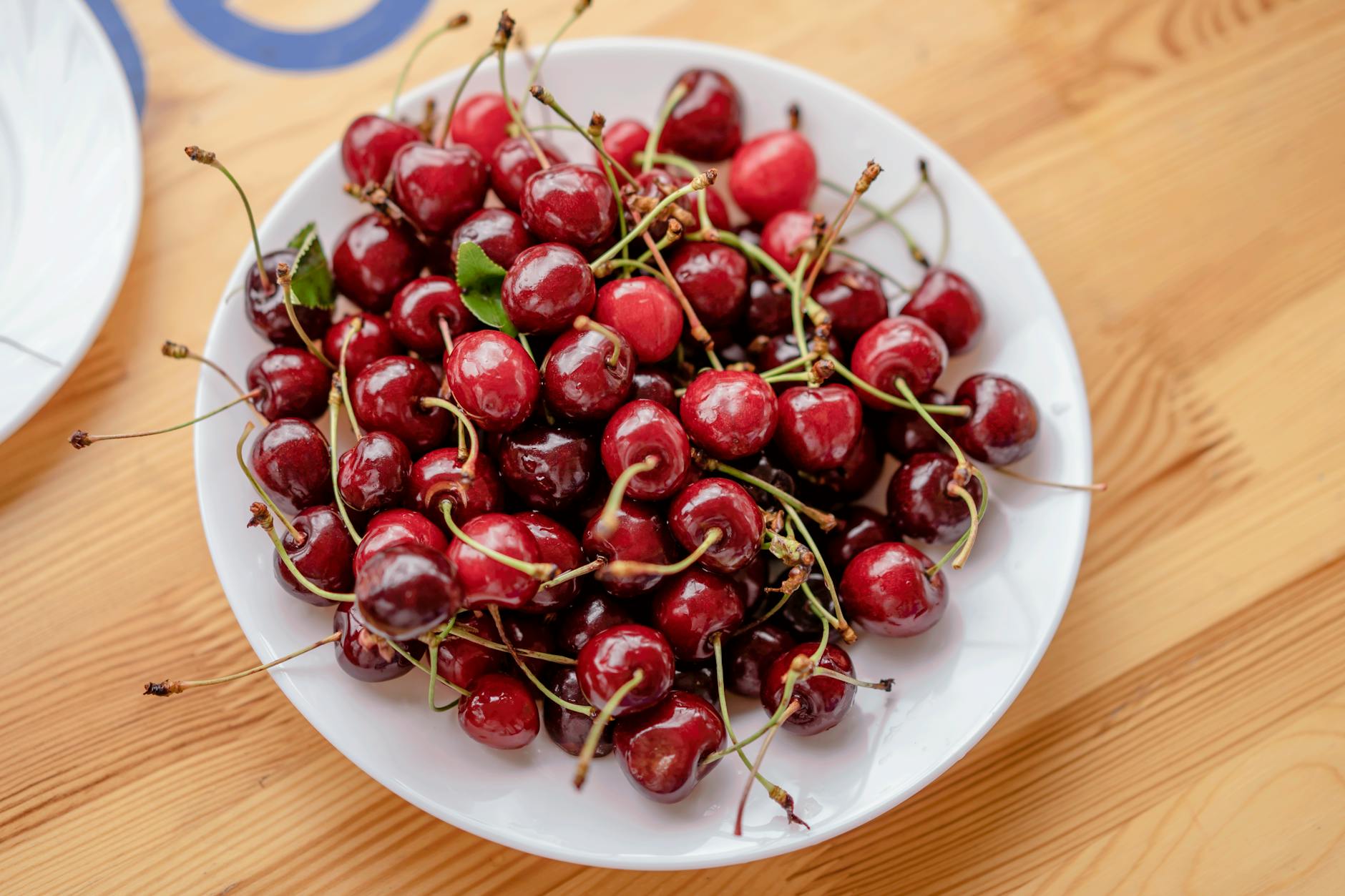
Like peaches, cherries are dangerous not primarily because of their flesh but because of the cyanide-containing compounds found in the pit, stem, and leaves. Maraschino cherries present an additional concern due to their high sugar content and the various preservatives and additives used in their preparation. Even a small amount of cherry plant material can cause oxygen deprivation at the cellular level in cats due to cyanide’s effect on cellular respiration. Bright red gums, rapid breathing, and shock are signs of acute cyanide exposure. The entire cherry plant and all its parts should be treated as hazardous around cats.
Plums
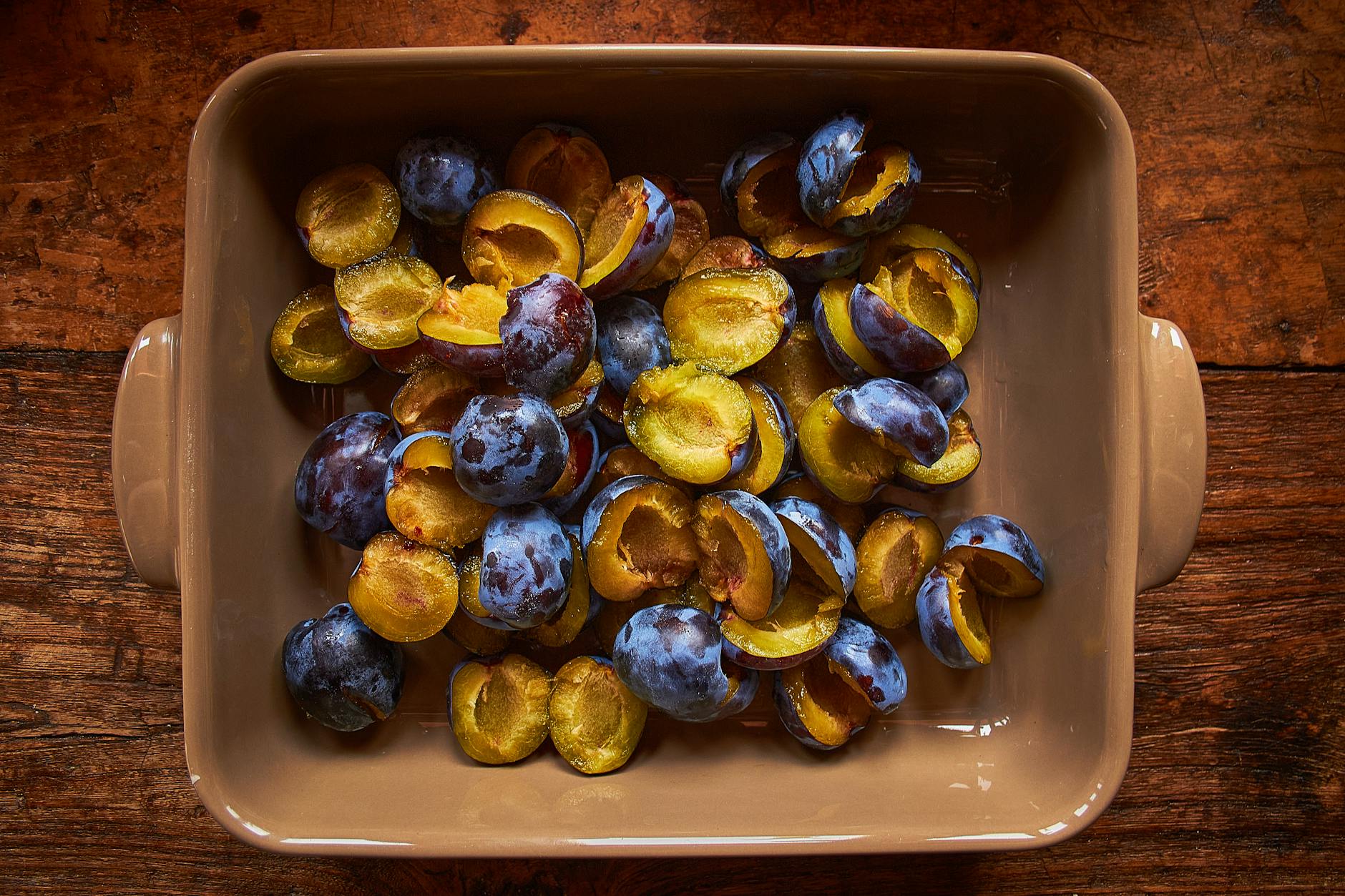
Plums fall into the same category as peaches and cherries, as their pits, leaves, and stems all contain cyanogenic compounds that convert to cyanide during digestion. The fruit flesh itself is high in natural sugars and fiber, both of which can disrupt a cat’s digestive system and contribute to loose stools or vomiting. Fermented or overripe plums carry additional risk because natural sugars convert to alcohol during the fermentation process. A cat that ingests any part of a plum plant beyond a tiny amount of ripe flesh should be monitored closely for signs of distress. Stone fruits as a category are best kept entirely out of reach.
Mushrooms
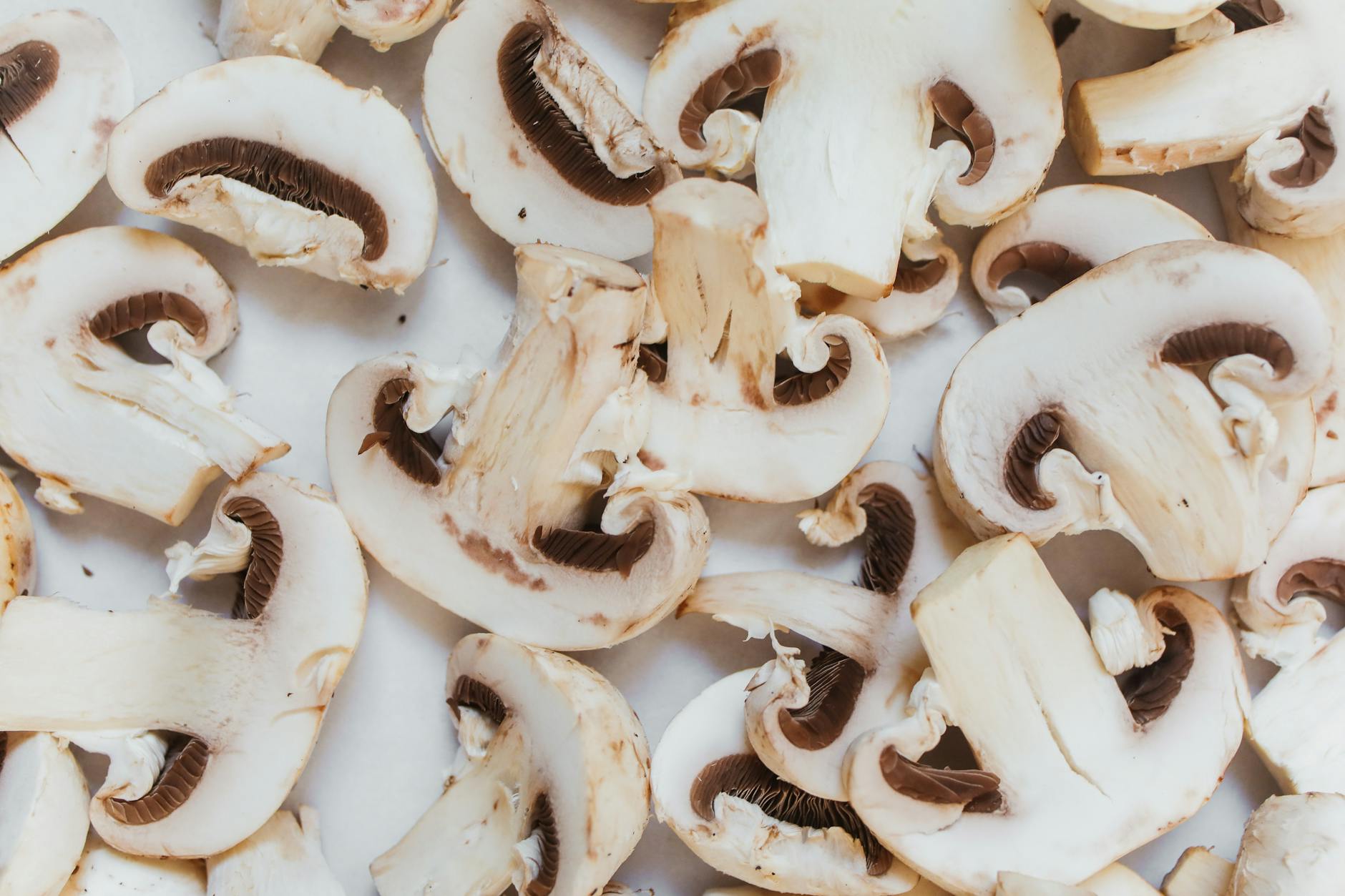
While most store-bought mushrooms are considered relatively low-risk for cats, wild mushrooms represent a serious and potentially fatal danger. Many toxic mushroom species closely resemble edible varieties, making it extremely difficult for pet owners to distinguish between safe and dangerous fungi encountered outdoors. Toxic mushrooms can cause liver failure, neurological damage, and death depending on the species involved. Cats who roam outdoors unsupervised in wooded or grassy areas are at the greatest risk of accidental ingestion. Even if a mushroom is familiar or appears safe, it is best to discourage cats from eating any mushrooms at all as a precautionary measure.
Almonds
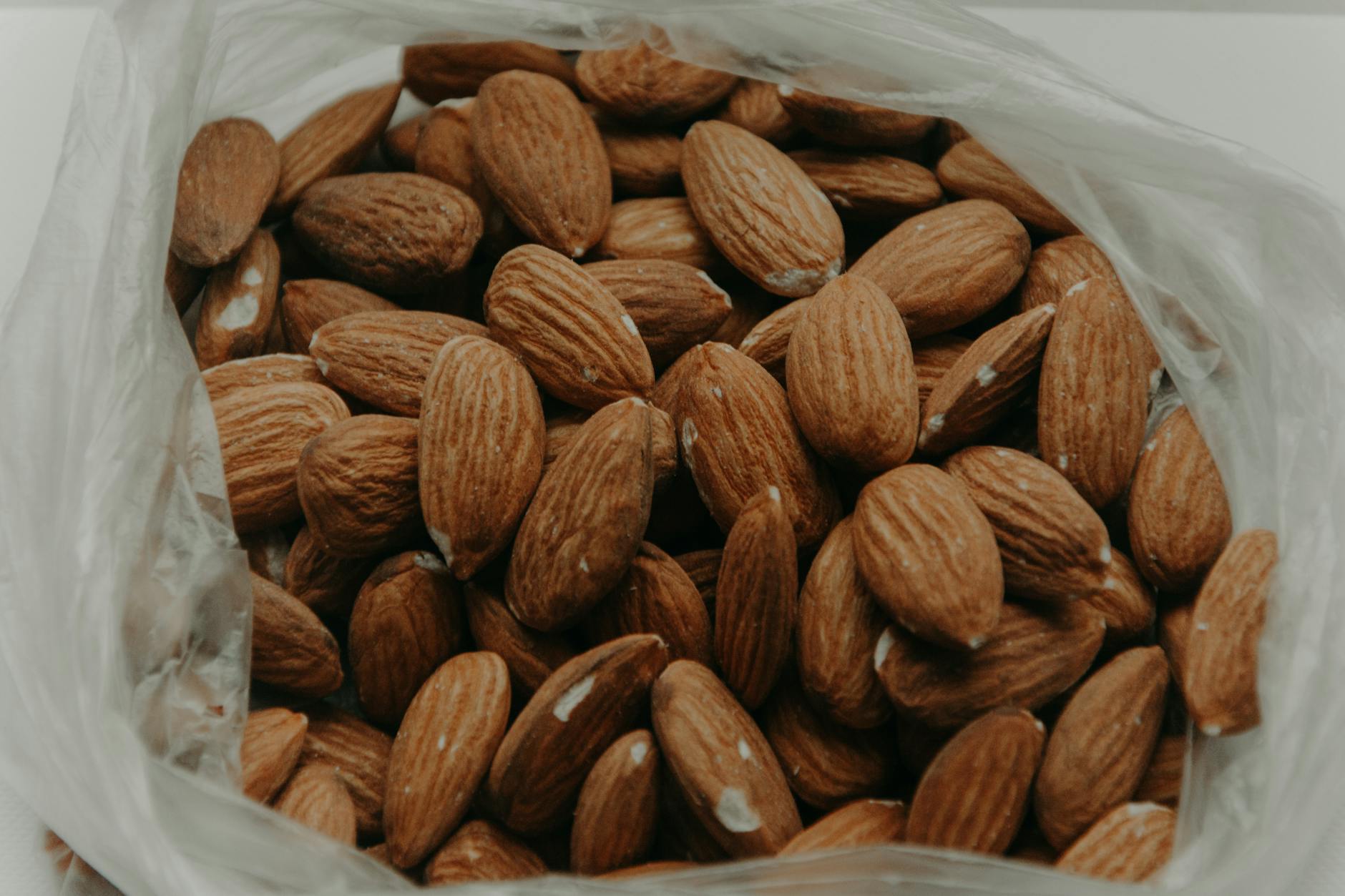
Almonds are not acutely toxic to cats in the way that some other foods are, but they present a range of health risks that make them inappropriate to share. Their high fat content can contribute to digestive upset and, over time, pancreatitis in cats with regular exposure. Bitter almonds, which are not typically sold for human consumption in most countries, contain cyanogenic compounds that are more directly dangerous. The hard texture and large size of almonds relative to a cat’s digestive tract also make them a physical obstruction risk. Flavored or salted almonds carry the added concern of toxic seasonings that compound the inherent risks.
Walnuts
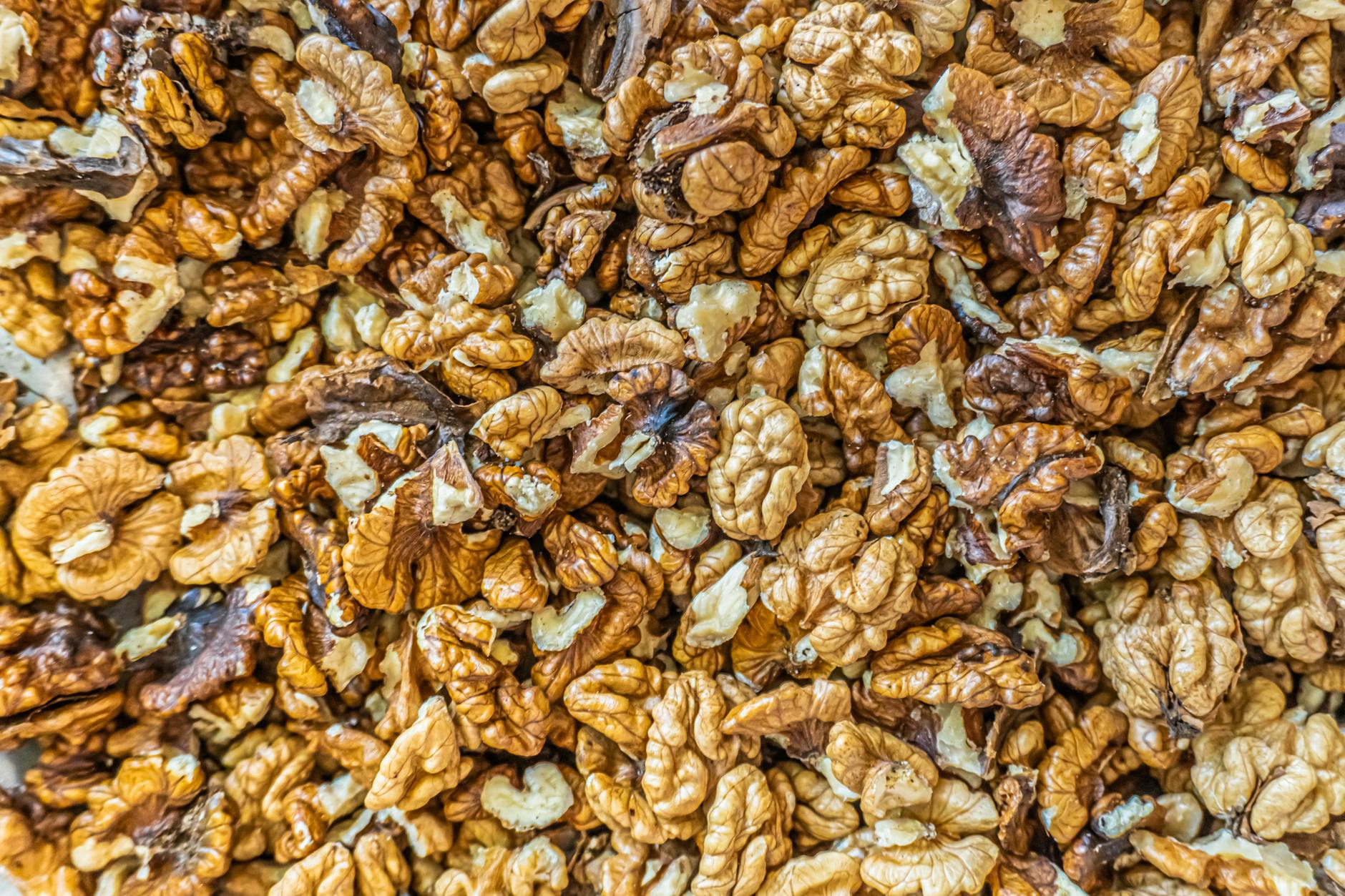
Walnuts, particularly black walnuts, contain compounds that are toxic to cats and can cause neurological symptoms. Even English walnuts, which are less acutely toxic, pose risks due to their high fat content and the presence of mold that often develops on stored or fallen nuts. Moldy walnuts can produce tremorgenic mycotoxins that cause muscle tremors and seizures. Cats that roam near walnut trees are at particular risk of encountering fallen nuts that have begun to mold on the ground. All walnut varieties should be stored securely and never intentionally offered to cats.
Cinnamon
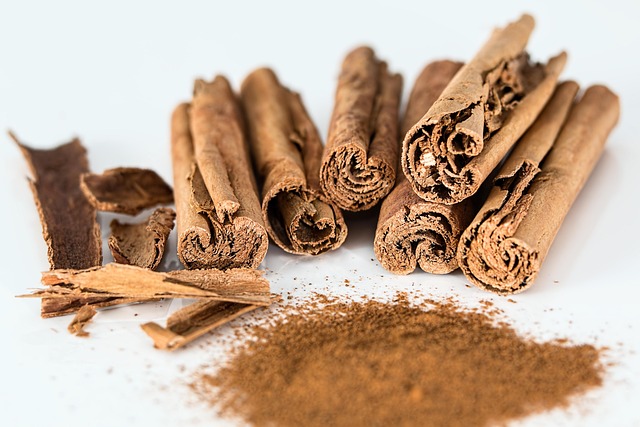
Cinnamon in large amounts is toxic to cats and can cause liver damage, low blood sugar, vomiting, diarrhea, and changes in heart rate. Cats lack the liver enzymes needed to metabolize the compounds found in cinnamon, which means even moderate exposure can have a disproportionate effect compared to humans. Essential oil forms of cinnamon are significantly more concentrated and dangerous than the powder or stick form. Cats may encounter cinnamon through baked goods, flavored oatmeal, or scented household products. Diffused cinnamon essential oil in the home environment is also a concern, as cats absorb compounds through their skin and respiratory systems.
Coconut
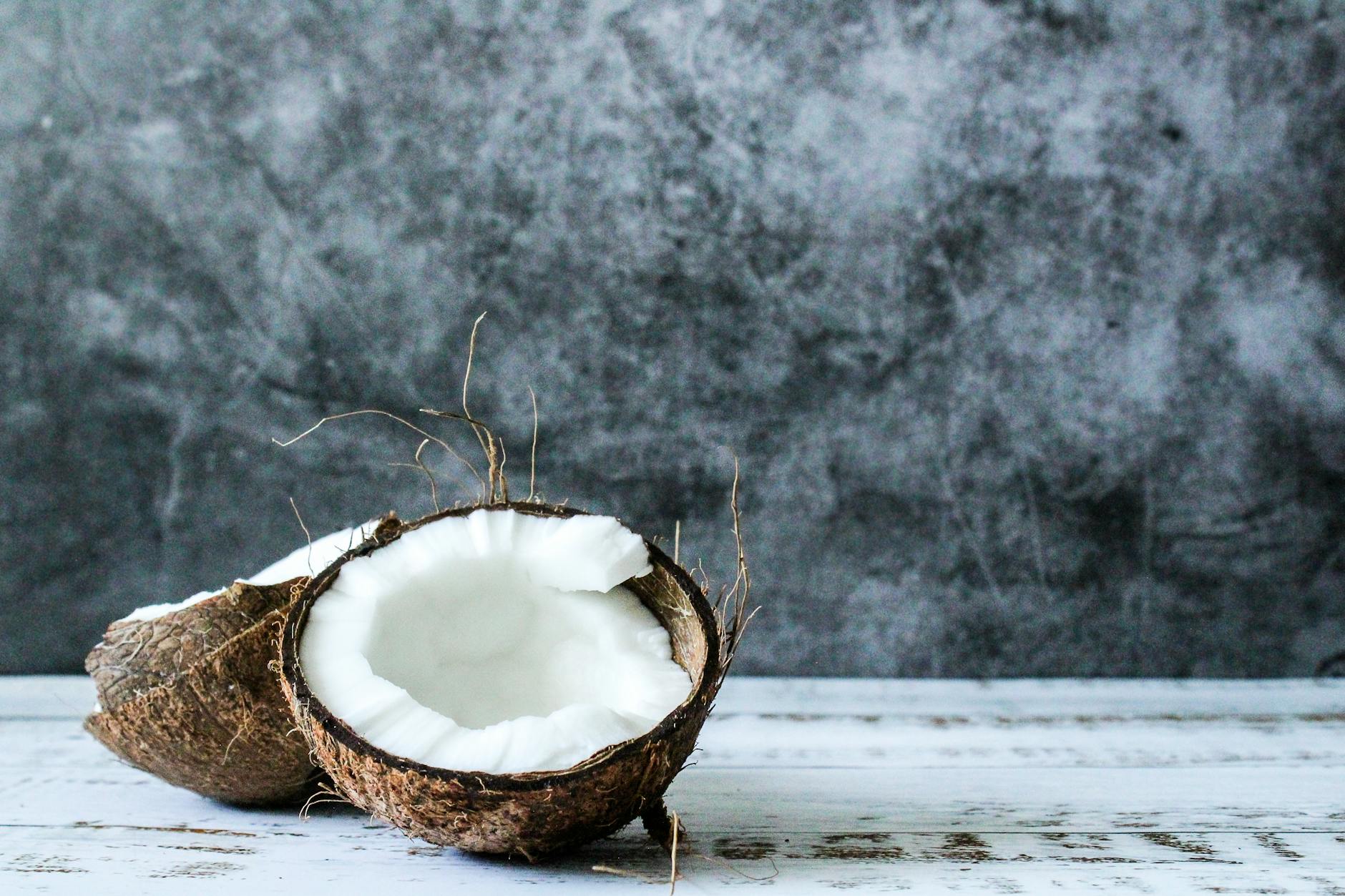
Fresh coconut flesh and coconut milk contain oils that can cause digestive upset in cats including loose stools and stomach cramping. Coconut water is high in potassium and can disrupt electrolyte balance if consumed in more than minimal amounts. While coconut is not acutely poisonous, it offers no nutritional benefit to cats and carries enough gastrointestinal risk to make it an unsuitable food. Many natural pet products and treats marketed as healthy options contain coconut as an ingredient, which can mislead owners into thinking it is beneficial. It is safest to avoid offering coconut in any form and to check the ingredient labels of any pet-marketed food carefully.
Bacon and Processed Meats

Bacon and other cured or processed meats are loaded with salt, preservatives, and added fats that are harmful to cats. The high sodium content alone is enough to cause sodium ion toxicity with regular consumption. Nitrates and nitrites used as preservatives in many processed meats have been associated with adverse health effects in cats over time. The excessive fat in bacon can trigger pancreatitis, a painful and potentially serious inflammation of the pancreas. While cats are obligate carnivores and require meat in their diet, heavily processed varieties bear little resemblance to the lean, natural protein sources their systems are designed to process.
Hot Peppers
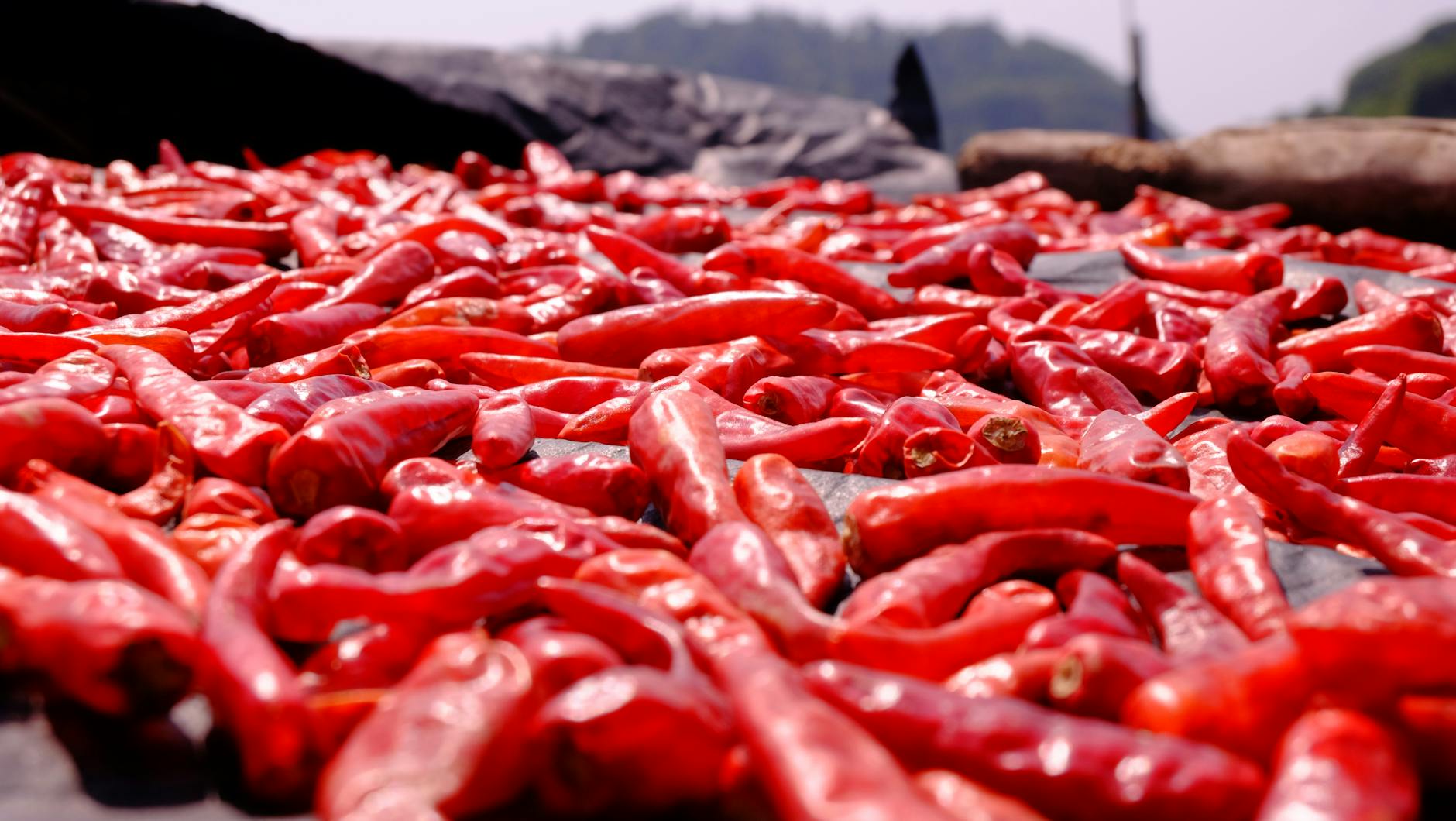
Capsaicin, the compound responsible for the heat in chili peppers and hot sauces, is an irritant to a cat’s mucous membranes, digestive tract, and eyes. Exposure can cause immediate drooling, pawing at the mouth, vomiting, and diarrhea. Unlike some animals that are entirely indifferent to capsaicin, cats can experience significant discomfort and distress from even small amounts. Many spicy foods also contain other dangerous ingredients such as garlic and onion, compounding the risk. Hot sauces and chili-based dishes should be kept well away from any area a cat can access.
Human Vitamins and Supplements
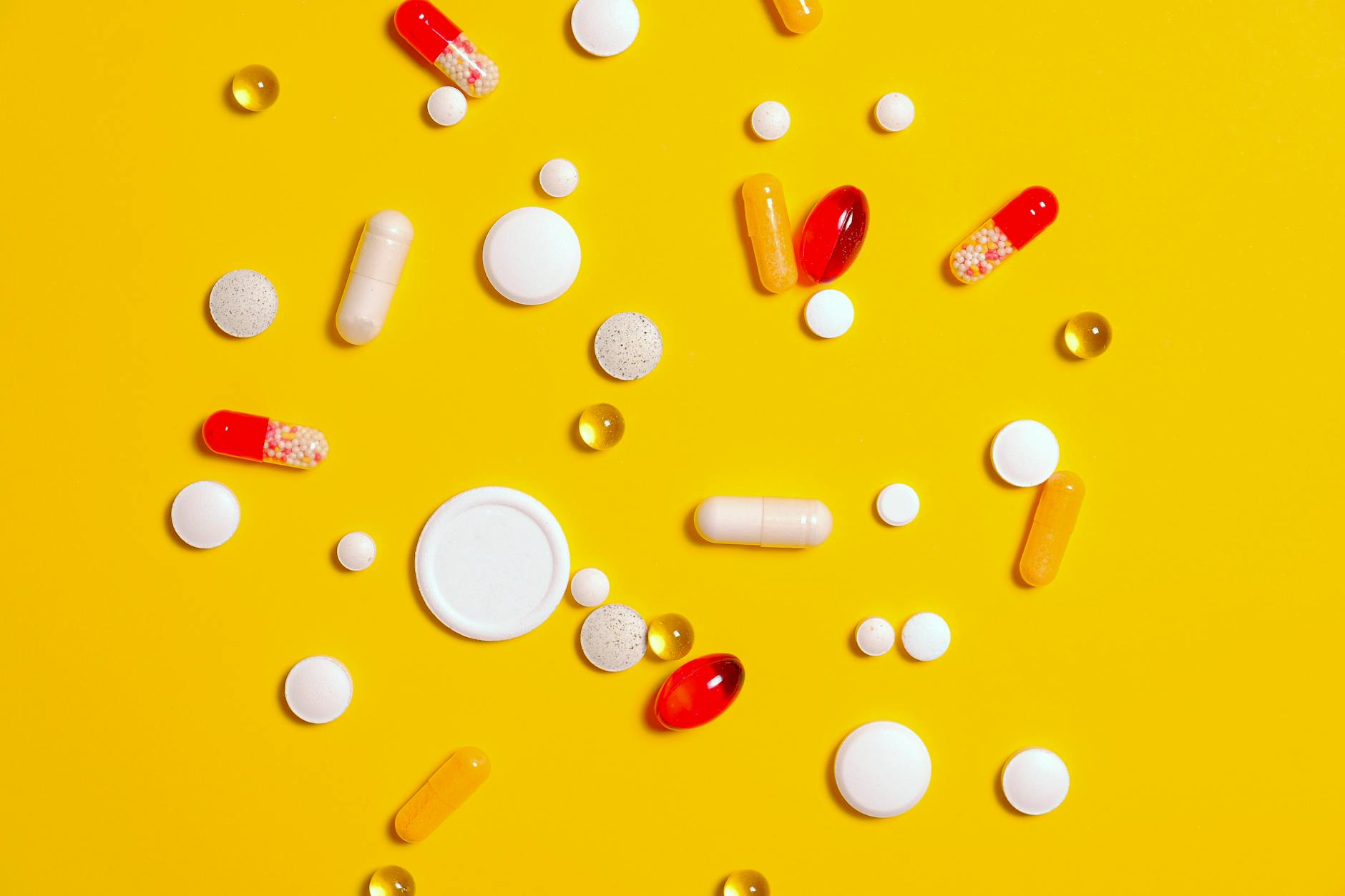
While not a food in the traditional sense, many human vitamins and dietary supplements left on kitchen counters or tables are frequently ingested by curious cats. Fat-soluble vitamins such as vitamin D and vitamin A are particularly dangerous, as excess amounts accumulate in the body and cause toxicity. Iron supplements can damage the digestive tract lining and affect the liver and kidneys. Multivitamins formulated for humans often contain xylitol as a sweetener, adding another layer of risk. All supplements should be stored in secured cabinets and never left in areas accessible to cats.
Rhubarb
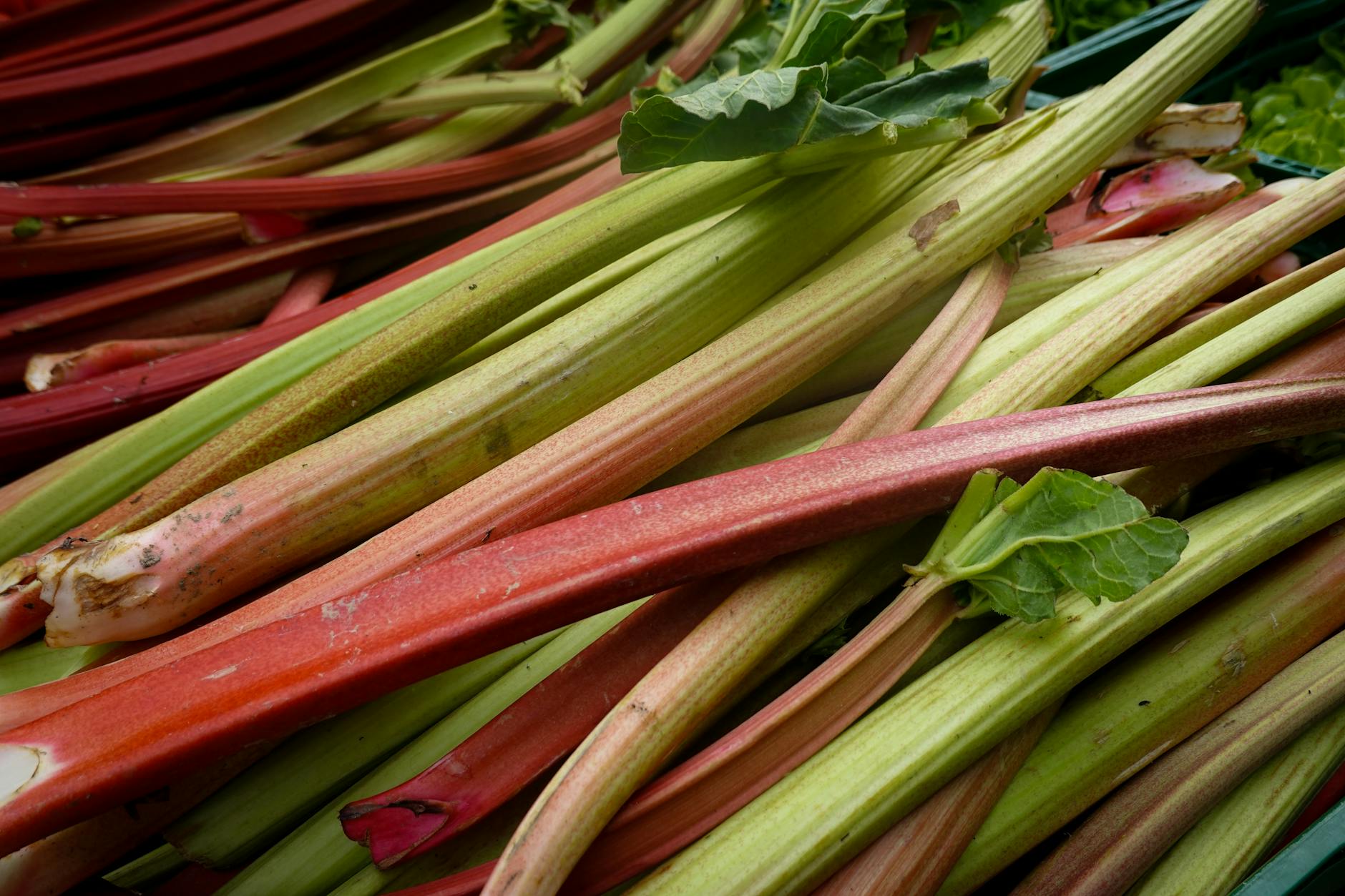
Rhubarb leaves and to a lesser extent the stalks contain oxalic acid and anthraquinone glycosides that are toxic to cats. Ingestion can cause drooling, vomiting, diarrhea, weakness, and in severe cases, kidney failure due to the oxalate content. Rhubarb is a common garden plant, and cats that roam outdoors may encounter it without their owners being aware. The leaves contain the highest concentration of toxic compounds and should never be left anywhere a cat might access them after cooking or gardening. Any garden containing rhubarb should be considered a restricted area for cats as a precautionary measure.
If you found this list helpful or have a story about a curious cat getting into something they shouldn’t have, share your thoughts in the comments.




