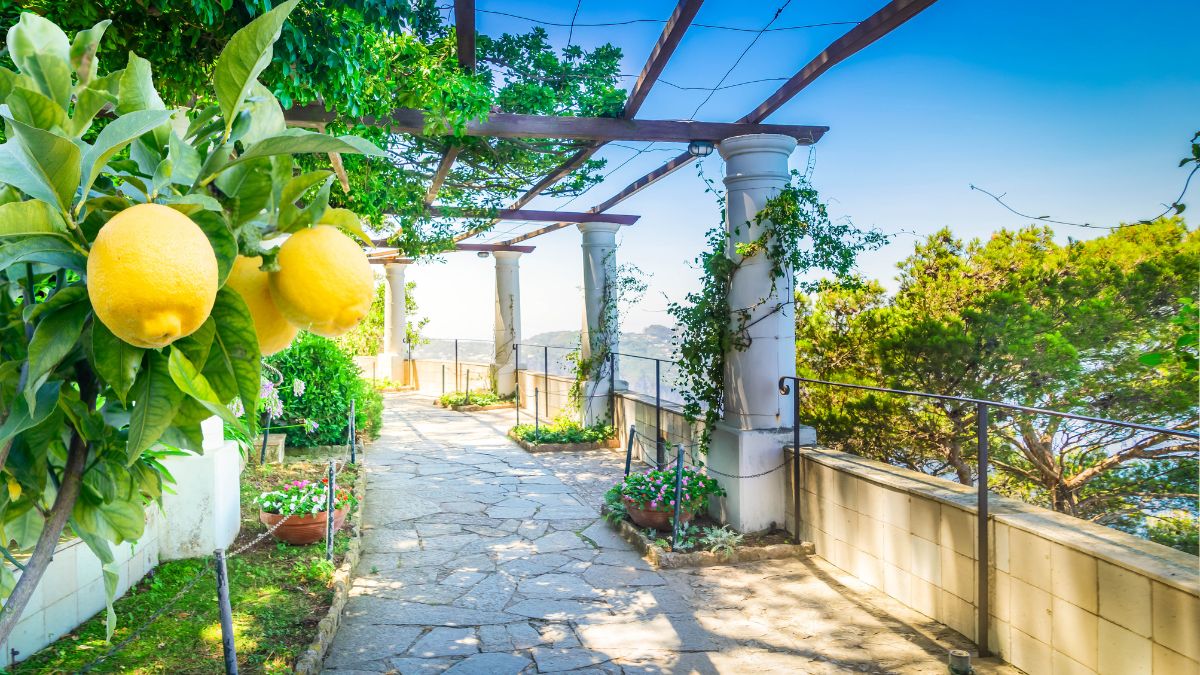
The Mediterranean Sea is home to some of the most breathtaking islands on Earth, each offering its own distinct mix of history, culture, natural beauty, and culinary tradition. From the sun-bleached cliffs of the Greek archipelago to the rugged coastlines of Spain and the turquoise coves of Croatia, these destinations have captivated travelers for centuries. Whether you are drawn to ancient ruins, pristine beaches, charming hilltop villages, or vibrant nightlife, the Mediterranean islands deliver an unmatched variety of experiences. This guide explores fifteen of the finest island destinations the region has to offer, each worthy of a place on any serious traveler’s bucket list.
Santorini
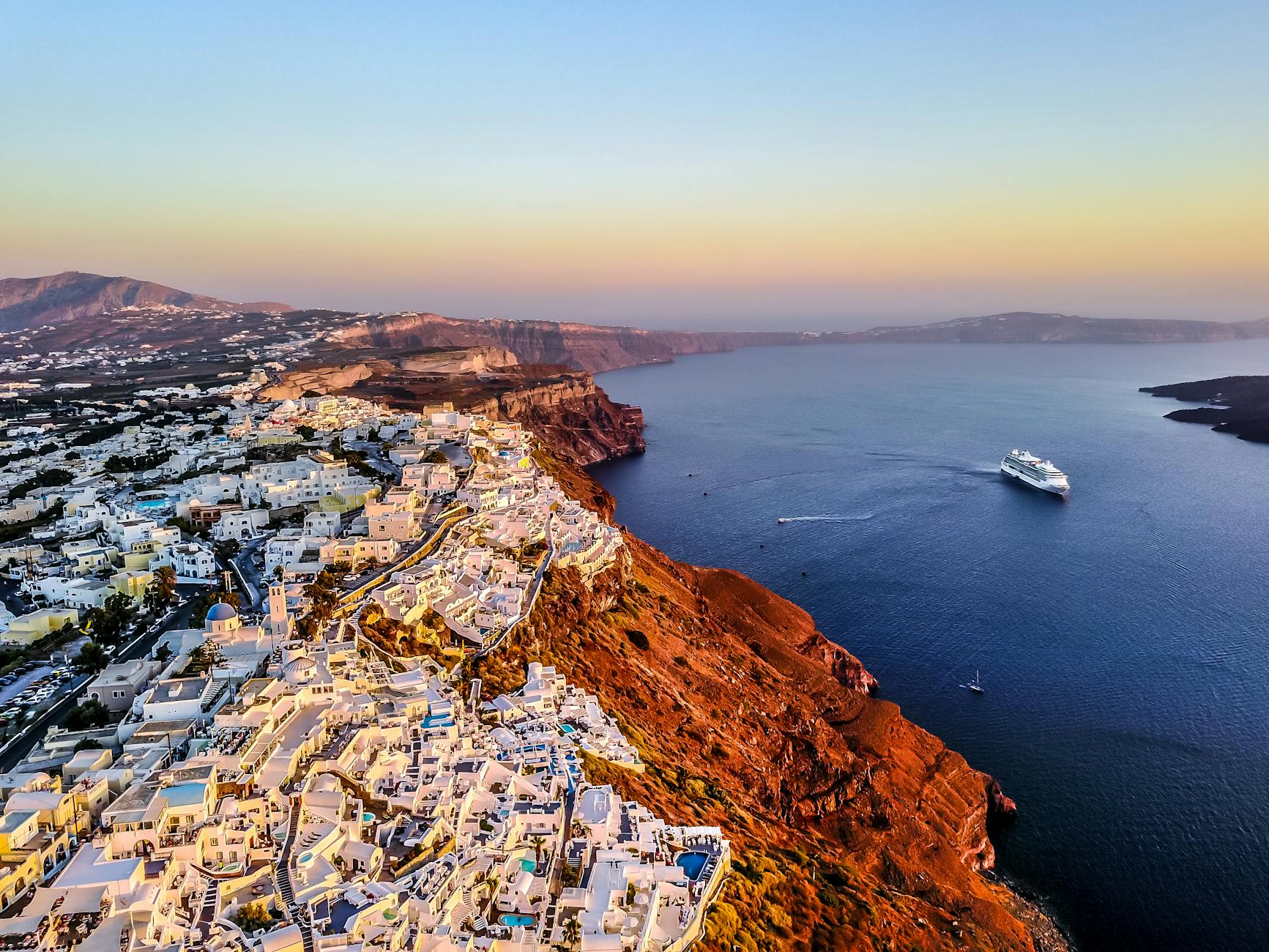
Santorini is one of the most photographed islands in the world, renowned for its iconic white-washed buildings and vivid blue-domed churches perched above volcanic cliffs. The island sits in the southern Aegean Sea and was dramatically shaped by one of the largest volcanic eruptions in recorded history. Visitors come for the spectacular sunsets over the caldera, particularly as viewed from the village of Oia. The island also offers excellent wine produced from ancient Assyrtiko vines grown in the mineral-rich volcanic soil. Beyond its postcard scenery, Santorini holds significant archaeological interest with the well-preserved Bronze Age settlement of Akrotiri.
Capri
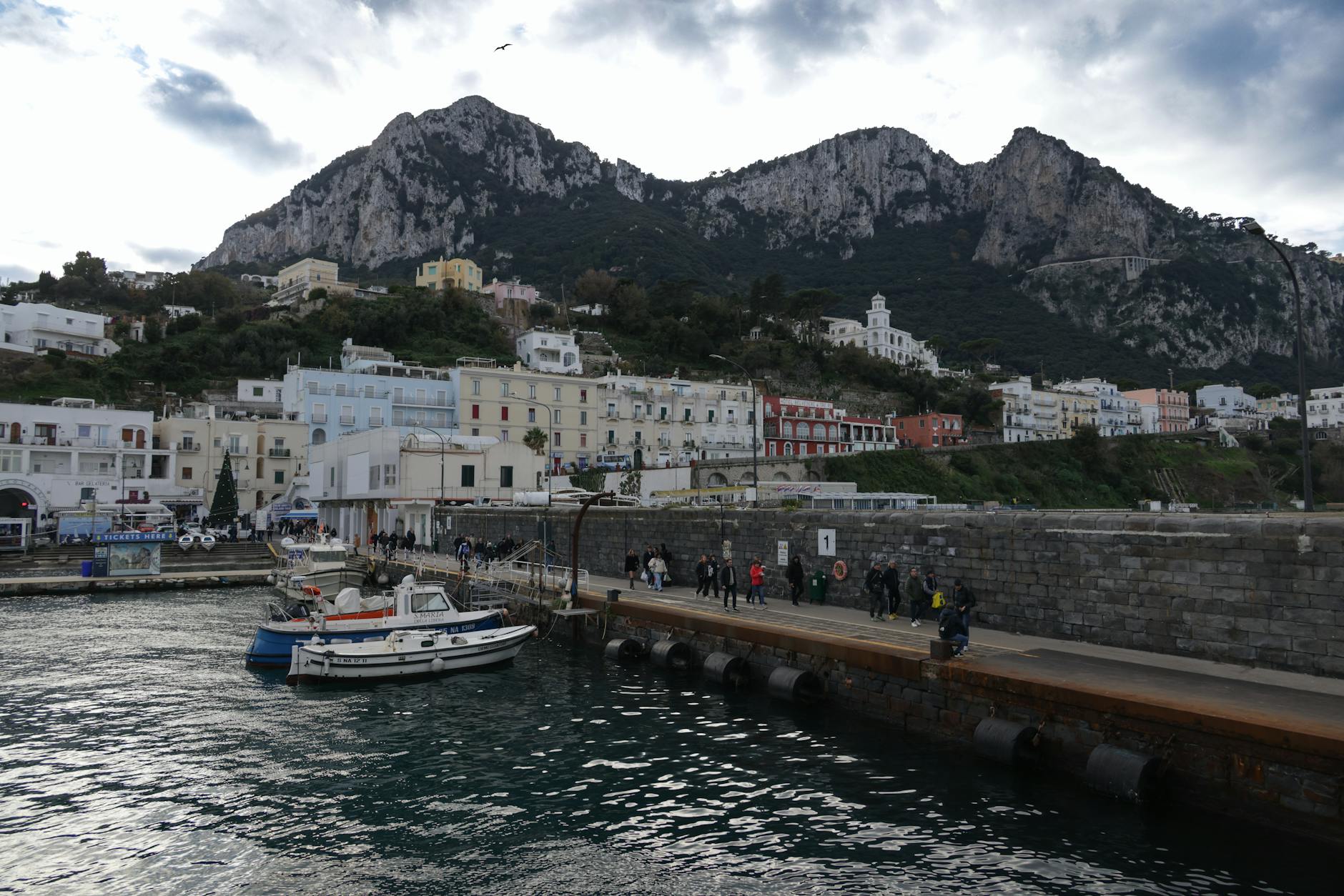
Capri is a glamorous Italian island located in the Tyrrhenian Sea at the southern end of the Bay of Naples. The island has long attracted artists, writers, and celebrities drawn to its dramatic limestone cliffs, fragrant gardens, and crystalline waters. The famous Blue Grotto is a sea cave illuminated by an otherworldly azure light that filters through an underwater opening. Capri Town and Anacapri offer charming piazzas, boutique shopping, and panoramic views from the Monte Solaro chairlift. The island’s refined atmosphere and natural drama make it one of Italy’s most enduring luxury escapes.
Corsica
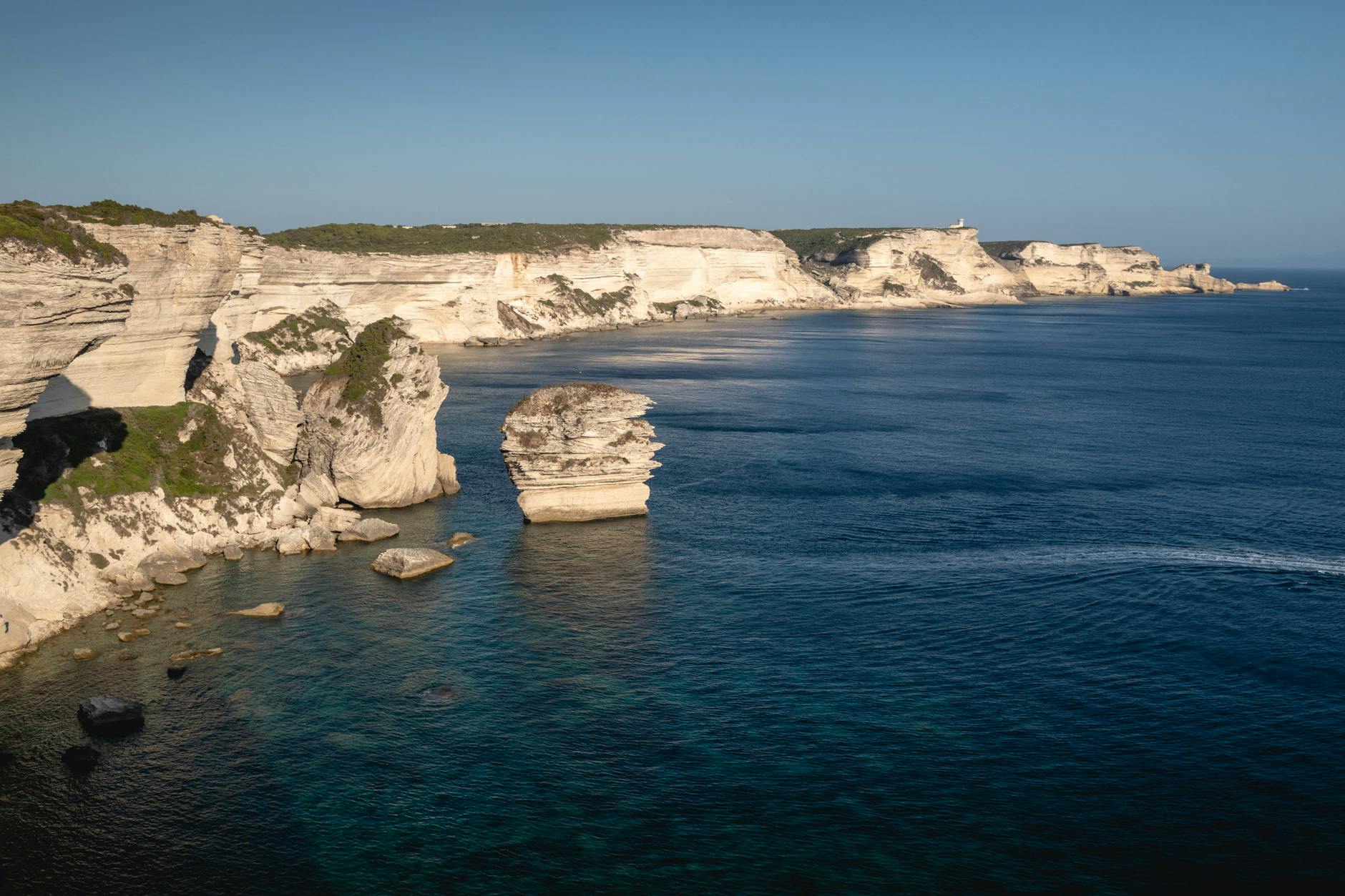
Corsica is a large French island in the Mediterranean that sits just north of Sardinia and offers an extraordinary combination of mountain scenery and coastal beauty. The island is often called the Island of Beauty for its diverse landscape of granite peaks, dense maquis scrubland, and some of Europe’s most pristine beaches. The GR20 hiking trail crosses the island’s rugged interior and is widely considered one of the most challenging and rewarding long-distance routes on the continent. Corsican culture reflects a strong sense of identity shaped by centuries of Genoese and French influence alongside a fiercely independent spirit. The food culture is rich with chestnut-based products, cured meats, and local cheeses unique to the island.
Mallorca
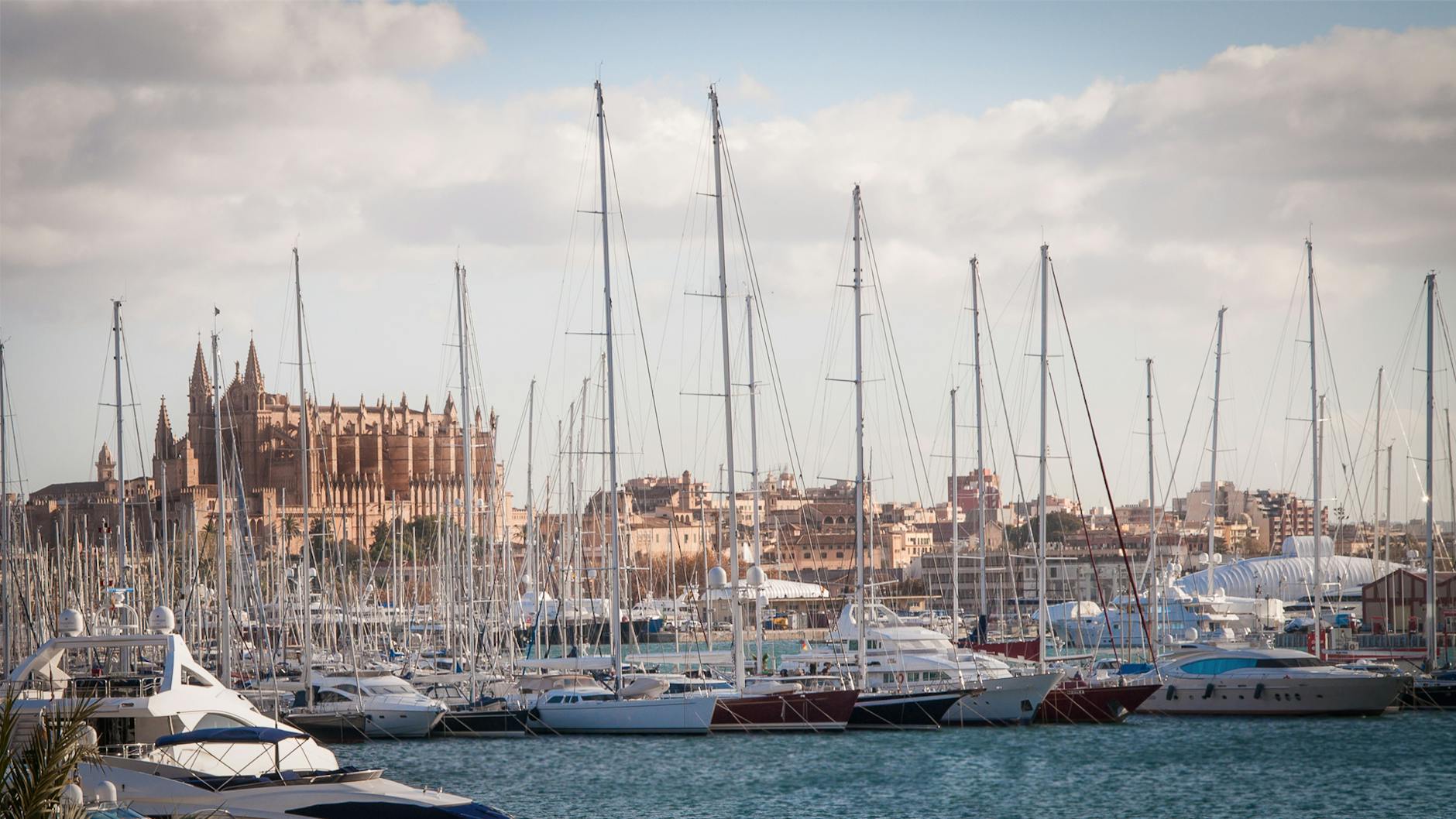
Mallorca is the largest of Spain’s Balearic Islands and offers a remarkable range of experiences across its varied landscape. The dramatic Serra de Tramuntana mountain range in the northwest is a UNESCO World Heritage Site, offering scenic villages, olive groves, and winding coastal roads. The island’s eastern and southern coastlines feature sheltered coves with calm turquoise waters ideal for swimming and sailing. Palma de Mallorca, the island’s capital, is home to an impressive Gothic cathedral, a vibrant food scene, and a sophisticated cultural offering. Mallorca successfully balances mass tourism with quieter, more authentic corners that reward travelers who venture beyond the resort towns.
Mykonos
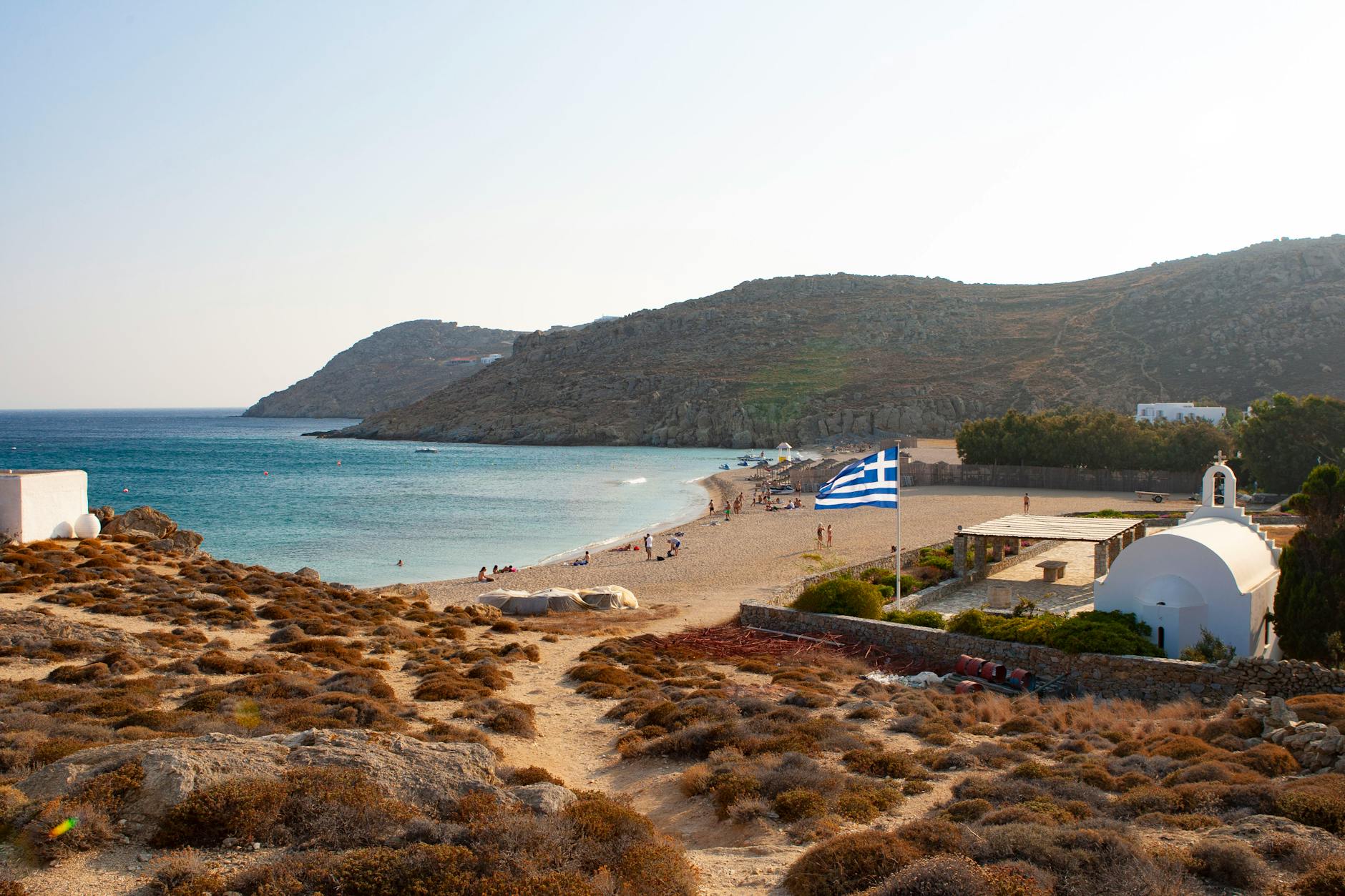
Mykonos is a Greek Cycladic island celebrated for its lively atmosphere, cosmopolitan energy, and picture-perfect Cycladic architecture. The island’s windmills and the Little Venice waterfront district are among the most recognizable landmarks in the Aegean. Mykonos draws a diverse international crowd and has earned a well-deserved reputation as one of the Mediterranean’s premier party destinations. Beyond the nightlife, the island offers beautiful beaches along its southern coast, many of which are organized with stylish beach clubs. The labyrinthine streets of Mykonos Town are filled with boutiques, galleries, and restaurants that keep visitors engaged well beyond the beach.
Sicily
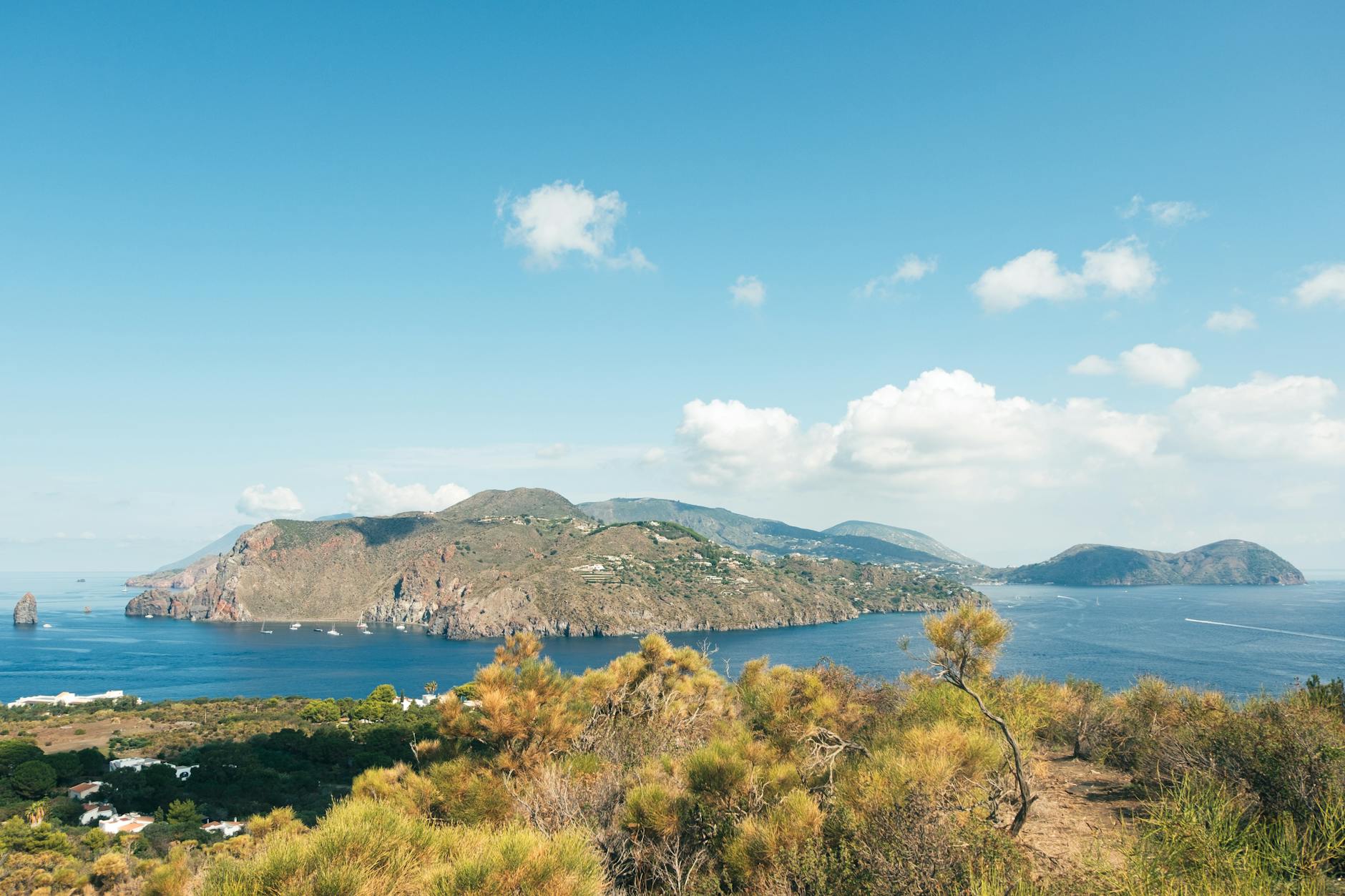
Sicily is the largest island in the Mediterranean and one of the most historically layered destinations in all of Europe. The island has been ruled by Greeks, Romans, Arabs, Normans, and Spanish, each leaving behind remarkable architecture and culinary traditions. Mount Etna, Europe’s tallest active volcano, dominates the eastern landscape and can be explored on guided treks through its dramatic lava fields. Palermo’s street food culture is legendary, with markets like Ballarò offering an intoxicating sensory experience rooted in centuries of Arab-Norman influence. Sicily’s Valley of the Temples near Agrigento contains some of the best-preserved ancient Greek ruins outside of Greece itself.
Hvar

Hvar is a long, narrow Croatian island in the Adriatic Sea known for its lavender fields, Renaissance architecture, and vibrant summer social scene. The town of Hvar is home to one of the oldest public theatres in Europe and a beautiful main square that draws visitors on superyachts and budget travelers alike. The Pakleni Islands just offshore offer a series of secluded anchorages and clear waters ideal for swimming and snorkeling. Hvar’s interior is less visited but equally rewarding, with hilltop villages, ancient fortresses, and panoramic views over the Dalmatian coast. The island’s combination of cultural depth and natural beauty has made it one of the most sought-after destinations in the entire Adriatic.
Sardinia

Sardinia is Italy’s second-largest island and is celebrated for some of the most stunning coastal scenery in the entire Mediterranean. The Costa Smeralda in the north is famous for its emerald waters, white sand beaches, and upscale resort culture. Beyond the glamour of the coast, the island’s interior holds a fascinating indigenous culture with ancient stone structures called nuraghi that predate many of the world’s great civilizations. Sardinian cuisine is distinct from mainland Italian cooking, featuring hearty flatbreads, slow-cooked lamb, and a tradition of aged sheep’s milk cheese. The island also boasts some of Europe’s highest concentrations of centenarians, attributed to an active lifestyle and the celebrated local diet.
Corfu
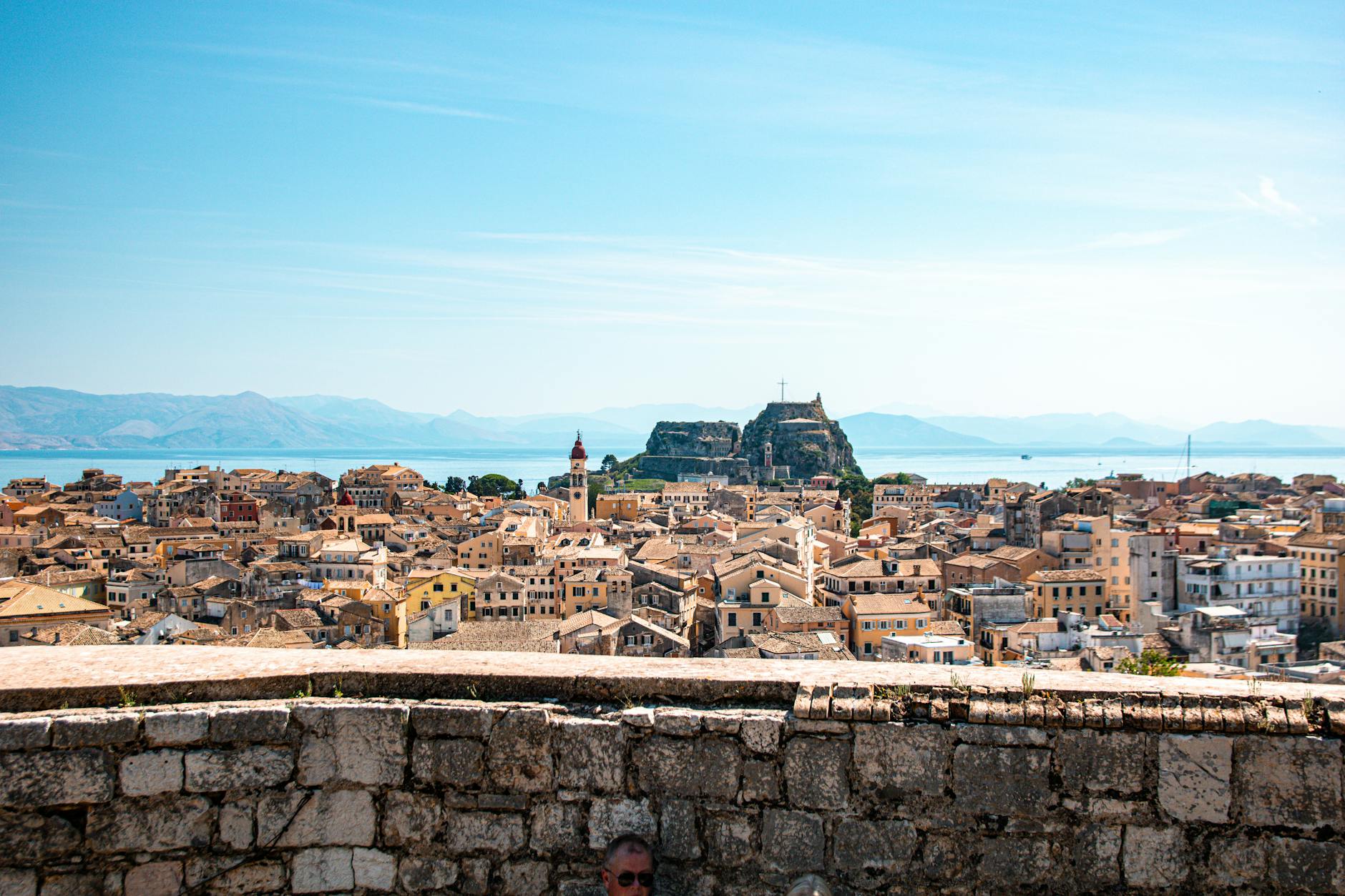
Corfu is a lush Ionian island on Greece’s western edge, distinguished from the drier Aegean islands by its verdant landscape of cypress trees, olive groves, and rolling hills. The island was a British protectorate in the nineteenth century, leaving behind a notable architectural legacy including the elegant Liston promenade modeled on Paris’s Rue de Rivoli. Corfu Town is a UNESCO World Heritage Site with a beautifully preserved old quarter featuring Venetian, French, and British influences layered across its streets. The island’s northern and western coasts offer dramatic clifftop beaches such as Paleokastritsa, widely regarded as one of Greece’s most beautiful coves. Corfu’s relaxed pace, rich history, and natural greenery make it a compelling alternative to the better-known Aegean destinations.
Ibiza
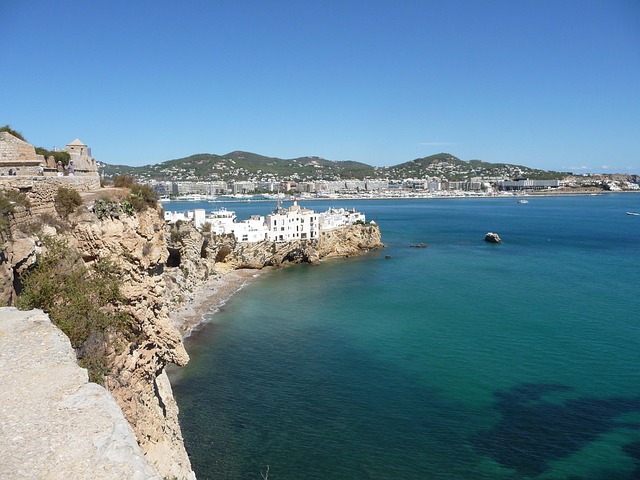
Ibiza is a Balearic island off the eastern coast of Spain that has become globally synonymous with electronic music culture and nightlife. The island’s club scene is among the most influential in the world, with internationally renowned venues that have shaped dance music for decades. Away from the clubs, Ibiza reveals a quieter, more ancient character rooted in its UNESCO-listed old town of Dalt Vila, a walled fortification offering sweeping views over the sea. The island’s northern and western areas are home to secluded coves, artisan markets, and a thriving bohemian community that values organic living and holistic wellness. Ibiza’s capacity to serve both hedonism and serenity within a relatively small landmass is part of what makes it so persistently compelling.
Rhodes
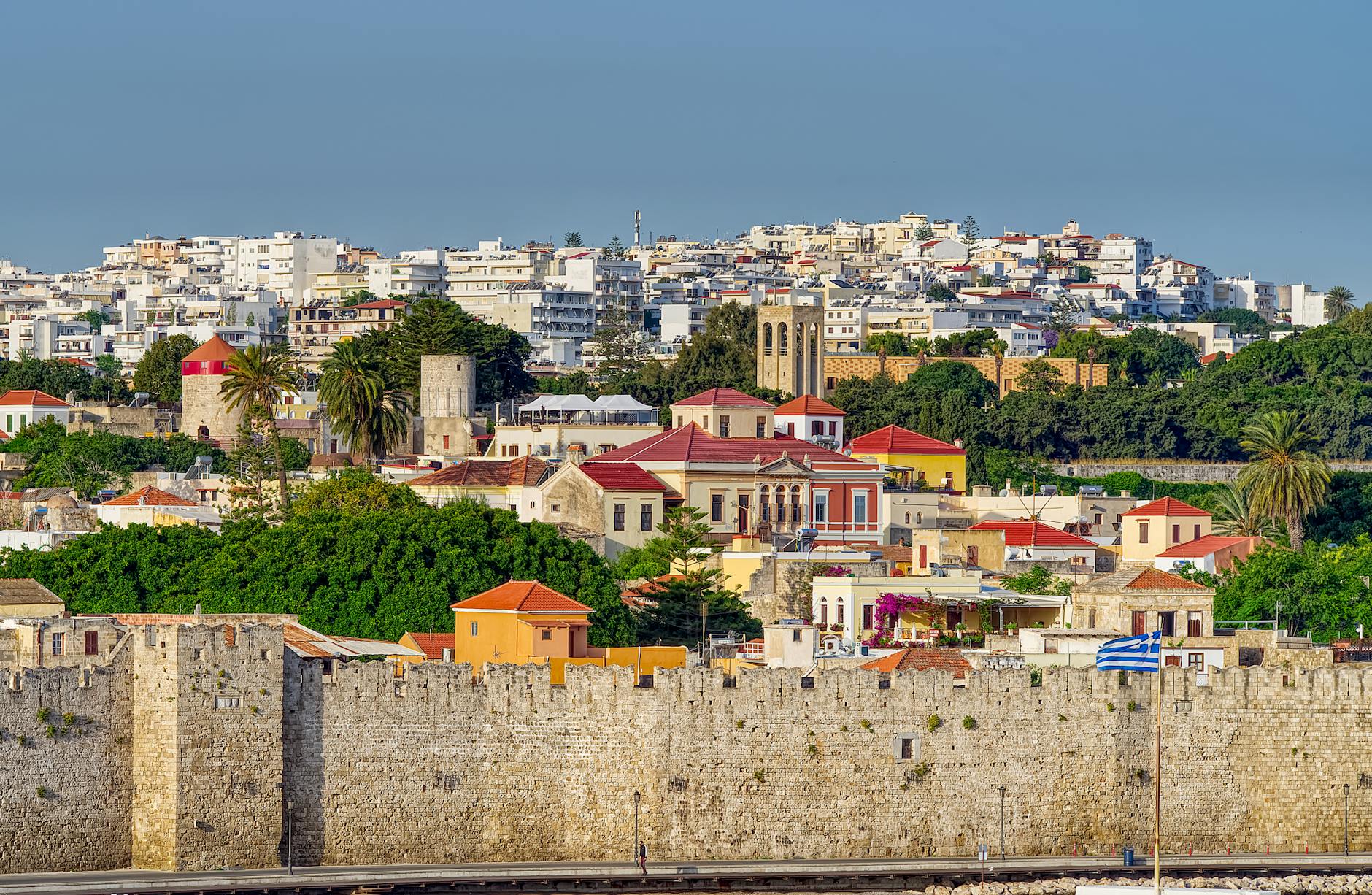
Rhodes is the largest island in the Dodecanese group and occupies a strategic position in the southeastern Aegean near the coast of Turkey. The medieval Old Town of Rhodes is one of the best-preserved medieval cities in Europe and a UNESCO World Heritage Site enclosed by towering Crusader-era walls. The island’s long history stretches from ancient Greece through Byzantine and Ottoman occupation, all of which have left visible traces in its architecture and culture. Lindos, a hilltop village crowned by an ancient acropolis, is one of the most visited and photogenic spots in all of the Greek islands. Rhodes also offers excellent beaches along its eastern coast, reliable sunshine for much of the year, and a well-developed tourism infrastructure that makes it highly accessible.
Malta
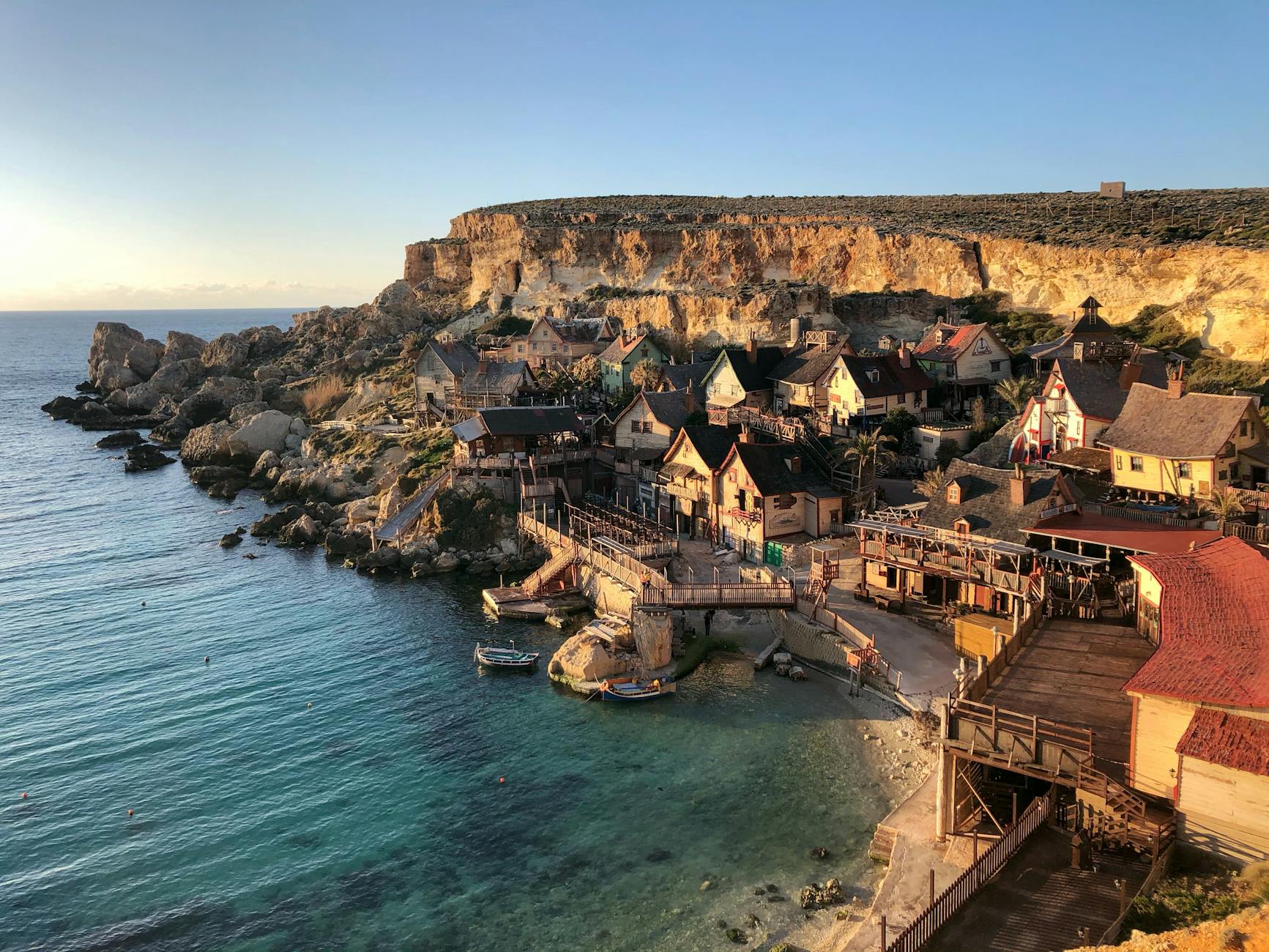
Malta is a small but extraordinarily dense island nation in the central Mediterranean, positioned between Sicily and the North African coast. Despite its compact size, Malta packs in an astonishing number of UNESCO World Heritage Sites including the prehistoric temples of Ħaġar Qim and the fortified capital Valletta. The island’s history reads like a tour of Western civilization, with Phoenician, Roman, Arab, Norman, Hospitaller, French, and British chapters all leaving their mark. The Three Cities area across the Grand Harbour from Valletta offers an authentic and less-touristed window into Malta’s layered past. Malta’s clear blue waters are also highly regarded among diving enthusiasts for the remarkable visibility and variety of underwater formations and wrecks.
Crete

Crete is Greece’s largest island and a destination of such scale and diversity that it functions almost like a country unto itself. The island is the birthplace of Minoan civilization, one of Europe’s earliest advanced cultures, and the archaeological site of Knossos near Heraklion remains a major draw for history enthusiasts. Crete’s landscape shifts dramatically from the high White Mountains in the west to the fertile plains of the Messara and the gorge-cut coastline of Samaria in the southwest. The local cuisine is considered one of the purest expressions of the Mediterranean diet, with an emphasis on olive oil, legumes, wild herbs, and fresh seafood. The island’s size ensures that visitors can find both well-developed resort areas and genuinely remote corners of extraordinary natural beauty.
Zakynthos
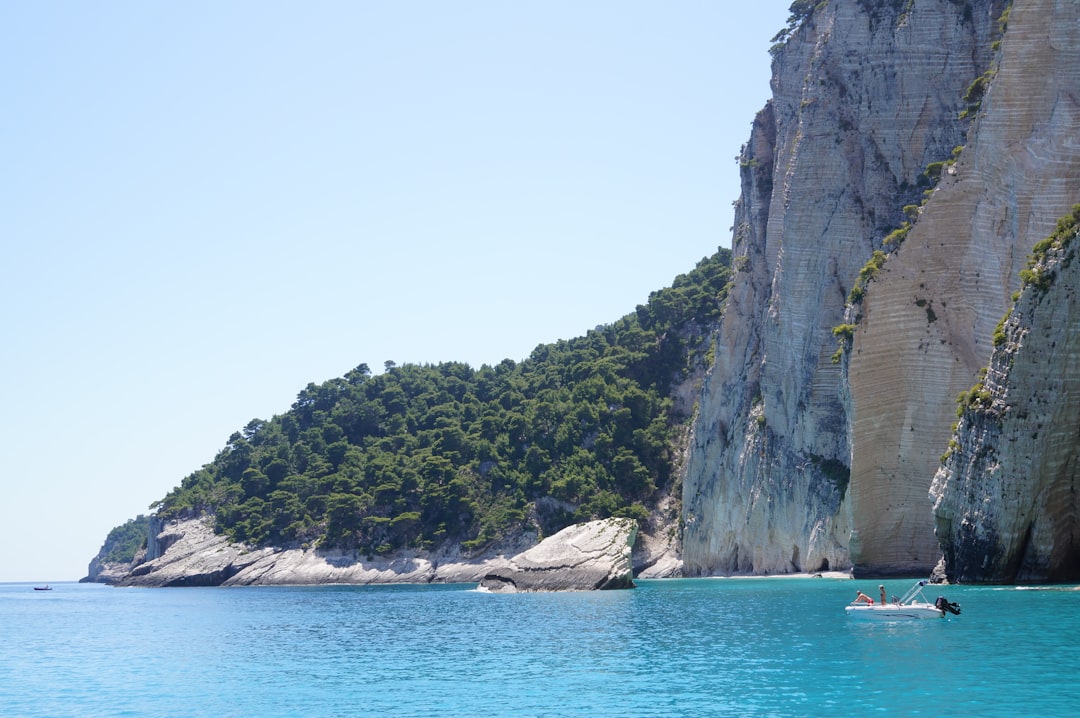
Zakynthos is a Greek Ionian island most famous for Navagio Beach, a shipwreck cove enclosed by towering white limestone cliffs that is among the most photographed natural scenes in all of Europe. The island is also an important nesting ground for the endangered loggerhead sea turtle, with parts of the southern coastline protected as a national marine park. Zakynthos Town was almost entirely destroyed by a 1953 earthquake and subsequently rebuilt, but retains a charming Venetian-influenced character in its layout and architecture. The island’s interior is less dramatic than its coastline but offers a pleasant rural landscape of vineyards and olive trees producing the distinctive Verdea wine. Zakynthos rewards visitors who go beyond the famous beach with quieter coves, traditional villages, and exceptional diving in its clear Ionian waters.
Majorca
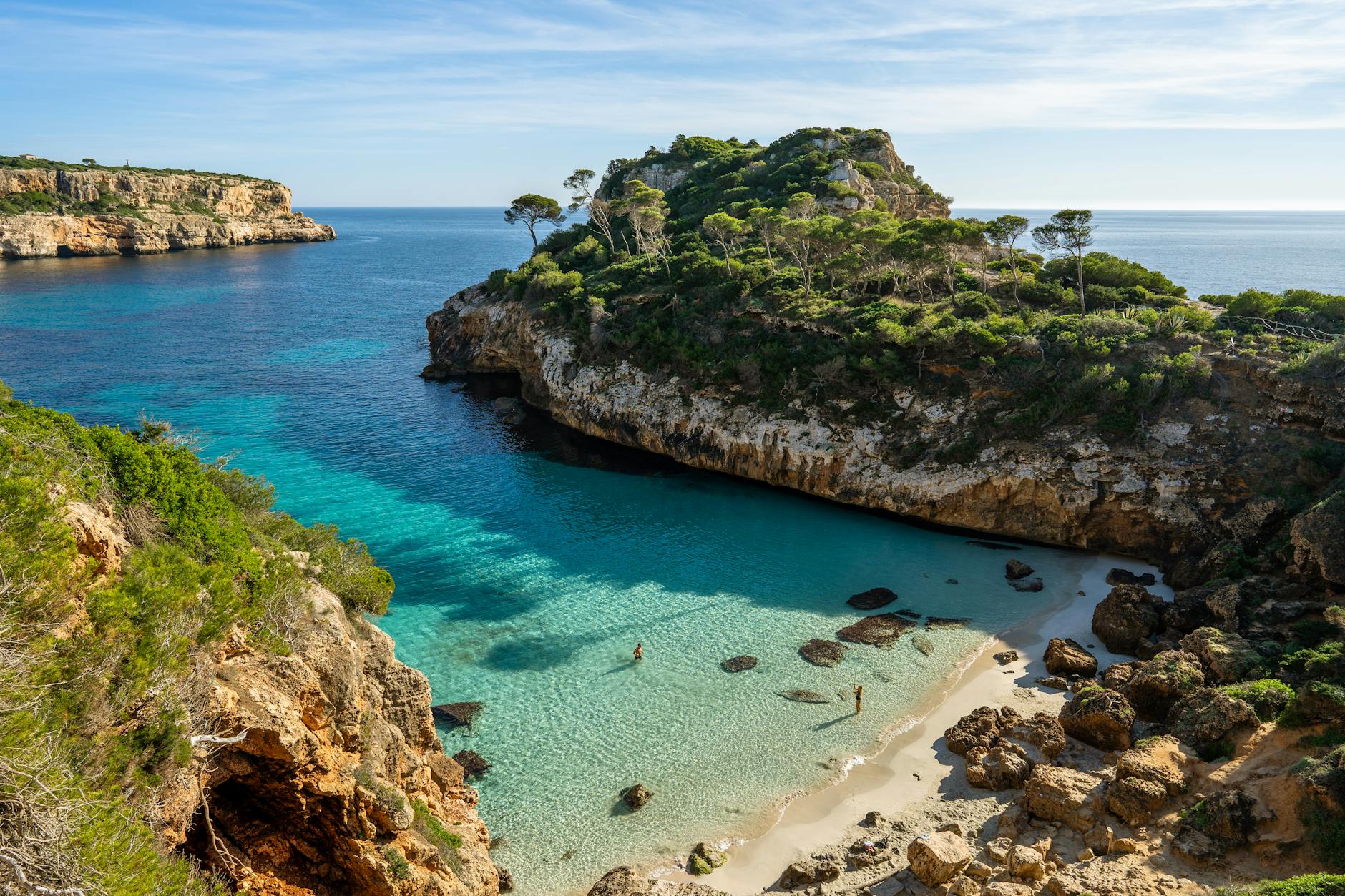
Majorca offers an experience anchored in the timeless rhythms of Mediterranean life, with a landscape shaped equally by nature and centuries of human habitation. The island’s northeastern coast around the Cap de Formentor is among the most dramatic coastal scenery in Spain, with clifftop roads winding above deep blue inlets. Historic towns like Alcúdia and Pollença offer beautifully preserved old quarters, weekly markets, and a genuine sense of local culture untouched by mass tourism. The island’s gastronomy draws on Moorish and Catalan influences, featuring dishes such as tumbet, sobrassada, and the celebrated ensaïmada pastry. Majorca’s combination of cultural richness, culinary tradition, and natural landscape ensures it remains one of the Mediterranean’s most rewarding and well-rounded island destinations.
Which Mediterranean island is calling your name? Share your dream destination or a favorite travel memory in the comments.




