
Modern life brings with it a steady undercurrent of tension, and what ends up on your plate can play a surprisingly powerful role in how your nervous system responds to it. Certain foods contain compounds that directly influence brain chemistry, hormone regulation, and inflammation levels throughout the body. Research continues to reveal strong connections between gut health, nutrient intake, and emotional wellbeing. Building a diet around these calming, nourishing ingredients is one of the most accessible ways to support mental balance from the inside out.
Blueberries

Blueberries are packed with antioxidants called flavonoids that help protect the brain from oxidative stress. These compounds have been linked to improved mood regulation and reduced markers of inflammation in the nervous system. The high vitamin C content in blueberries also supports the adrenal glands, which manage the body’s stress response. Regular consumption has been associated with better cognitive function and emotional resilience over time.
Dark Chocolate

Dark chocolate contains flavanols that increase blood flow to the brain and support the production of serotonin. It also provides magnesium, a mineral that plays a direct role in calming the nervous system and reducing feelings of tension. Studies have found that eating a small amount of dark chocolate daily can lower levels of cortisol, the primary stress hormone. Choosing varieties with at least 70 percent cacao ensures the highest concentration of these beneficial compounds.
Salmon
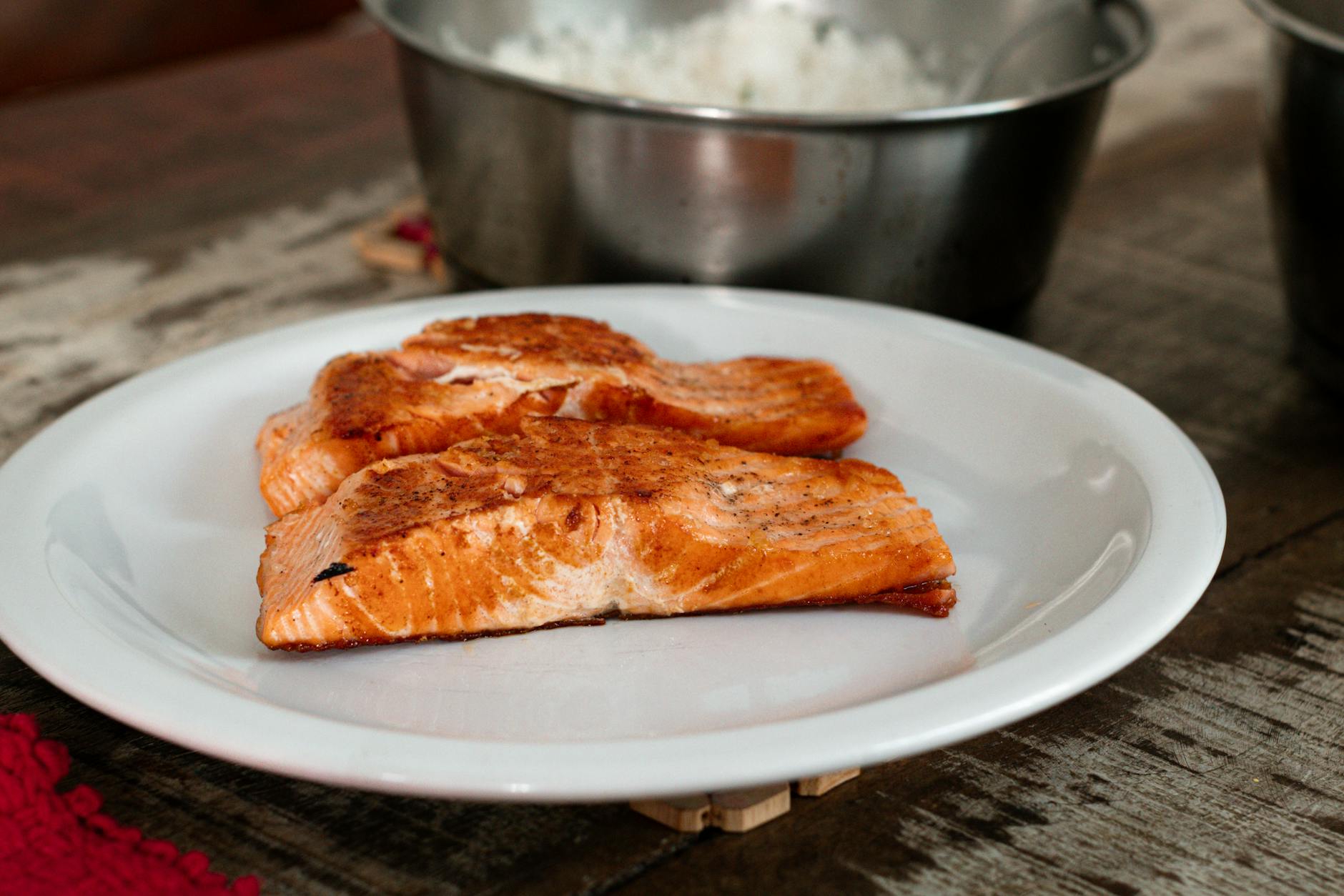
Salmon is one of the richest dietary sources of omega-3 fatty acids, particularly EPA and DHA, which are essential for healthy brain function. These fats help regulate neurotransmitter activity and have been shown to reduce symptoms of anxiety in multiple clinical studies. Salmon also provides vitamin D, a nutrient strongly associated with mood stability and emotional regulation. Eating fatty fish two to three times a week is a well-supported approach to maintaining a calmer mental state.
Chamomile

Chamomile has been used for centuries as a natural remedy for nervousness, restlessness, and difficulty sleeping. Its primary active compound, apigenin, binds to receptors in the brain that promote relaxation and reduce anxiety. Drinking chamomile tea in the evening has been shown in clinical trials to significantly lower generalized anxiety symptoms. The ritual of preparing and sipping a warm cup also provides a mindful pause that helps the body shift out of a stress response.
Turmeric
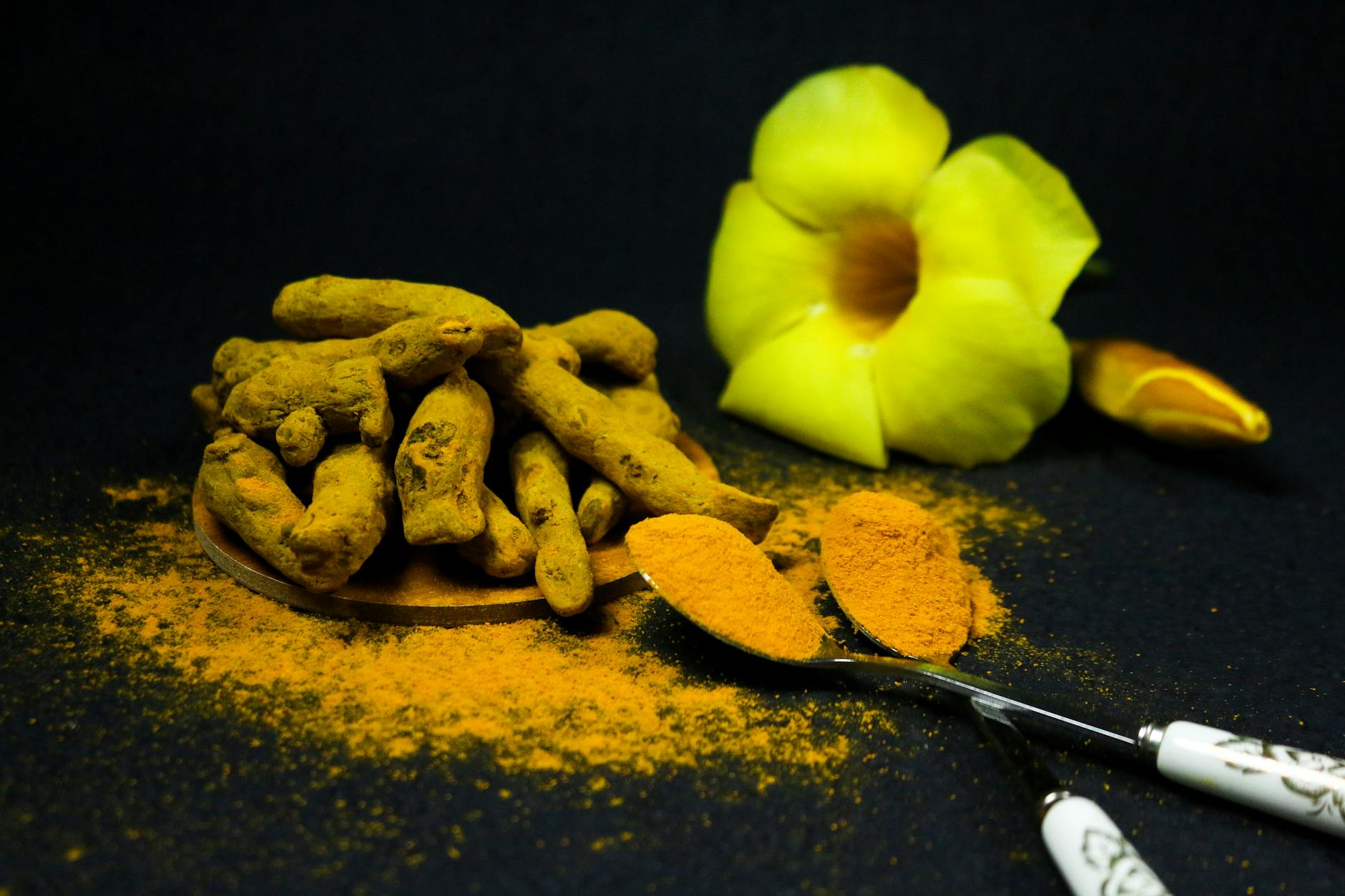
Turmeric contains curcumin, a potent anti-inflammatory compound that has been extensively studied for its effects on brain health and mood. Chronic inflammation is increasingly recognized as a key contributor to anxiety and depression, and curcumin helps address this at the cellular level. It also supports the production of DHA in the brain and boosts levels of brain-derived neurotrophic factor, a protein associated with emotional resilience. Pairing turmeric with black pepper significantly enhances curcumin absorption in the body.
Avocado
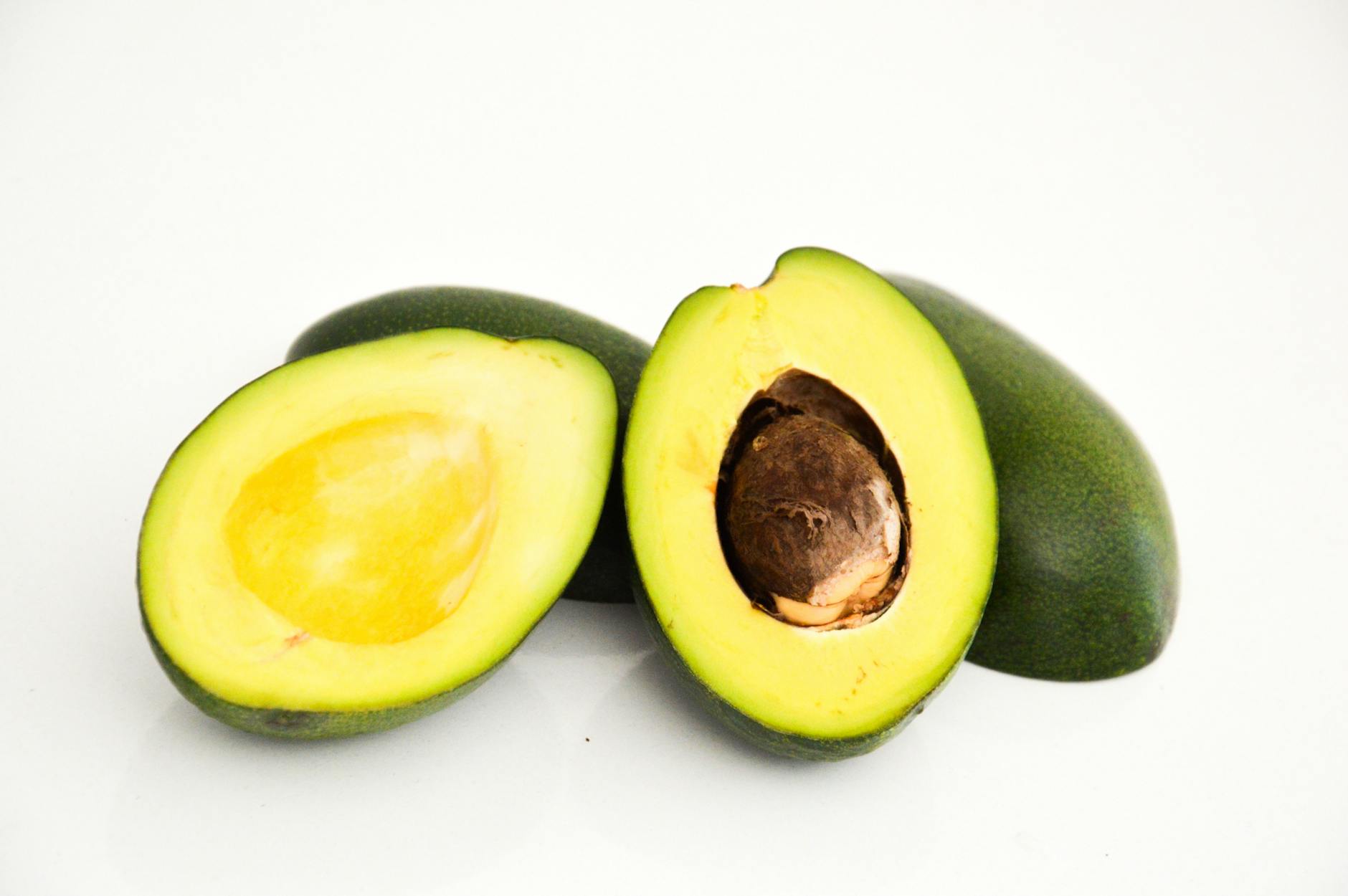
Avocados are an excellent source of B vitamins, particularly B6 and folate, which are essential for the synthesis of serotonin and dopamine. Their high healthy fat content supports stable blood sugar levels, preventing the mood crashes that often accompany spikes in cortisol. Avocados also contain potassium, which helps regulate blood pressure that tends to rise under stress. The combination of nutrients in this fruit makes it a genuinely multi-dimensional food for emotional balance.
Spinach
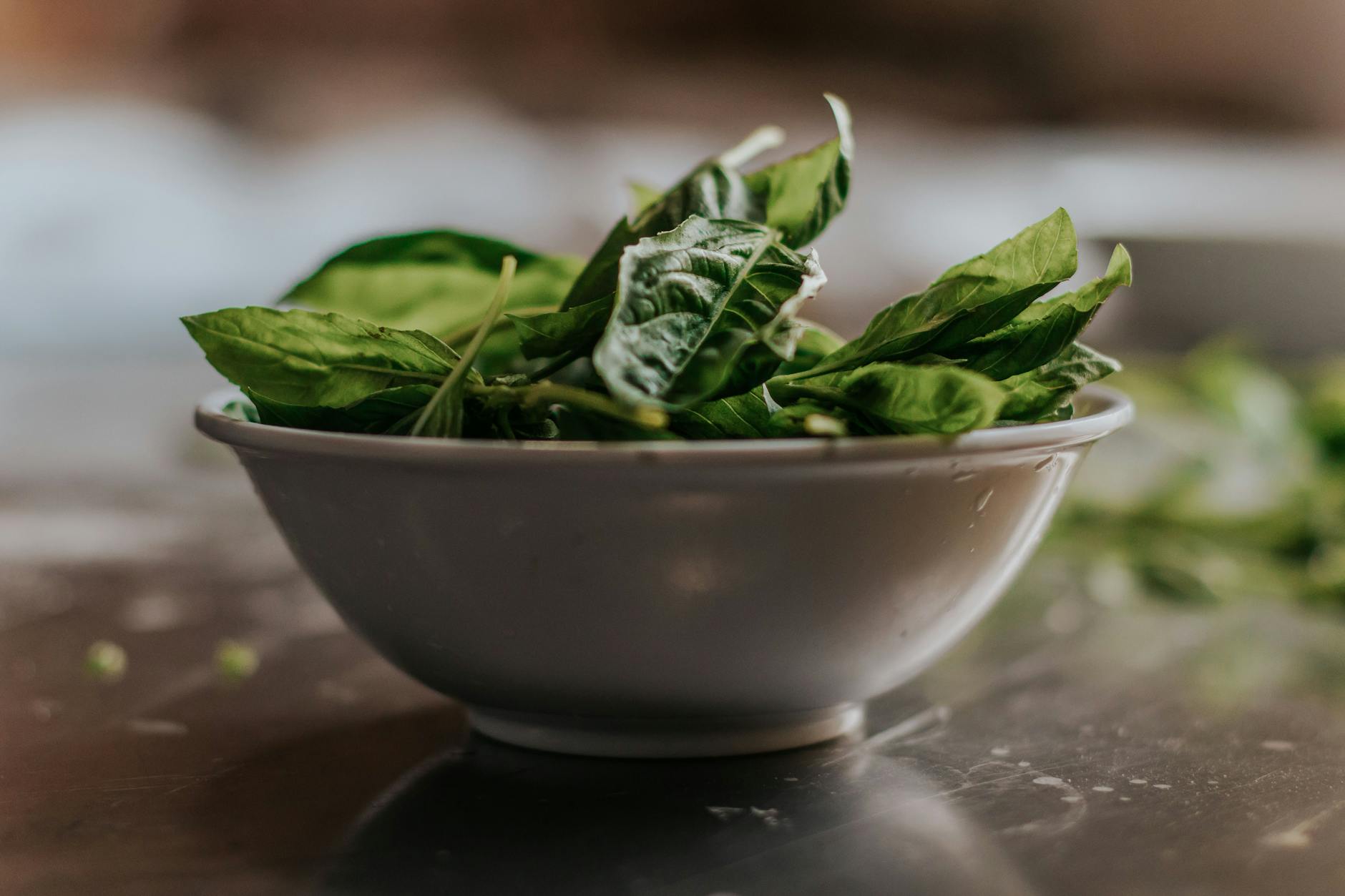
Spinach is loaded with magnesium, a mineral that regulates the hypothalamic-pituitary-adrenal axis, the system that governs the stress response. Low magnesium levels are consistently linked to heightened anxiety, irritability, and disrupted sleep patterns. Spinach also provides folate, which supports the body’s ability to produce mood-regulating neurotransmitters. Its versatility makes it easy to incorporate into meals throughout the day without significantly altering flavor or texture.
Yogurt
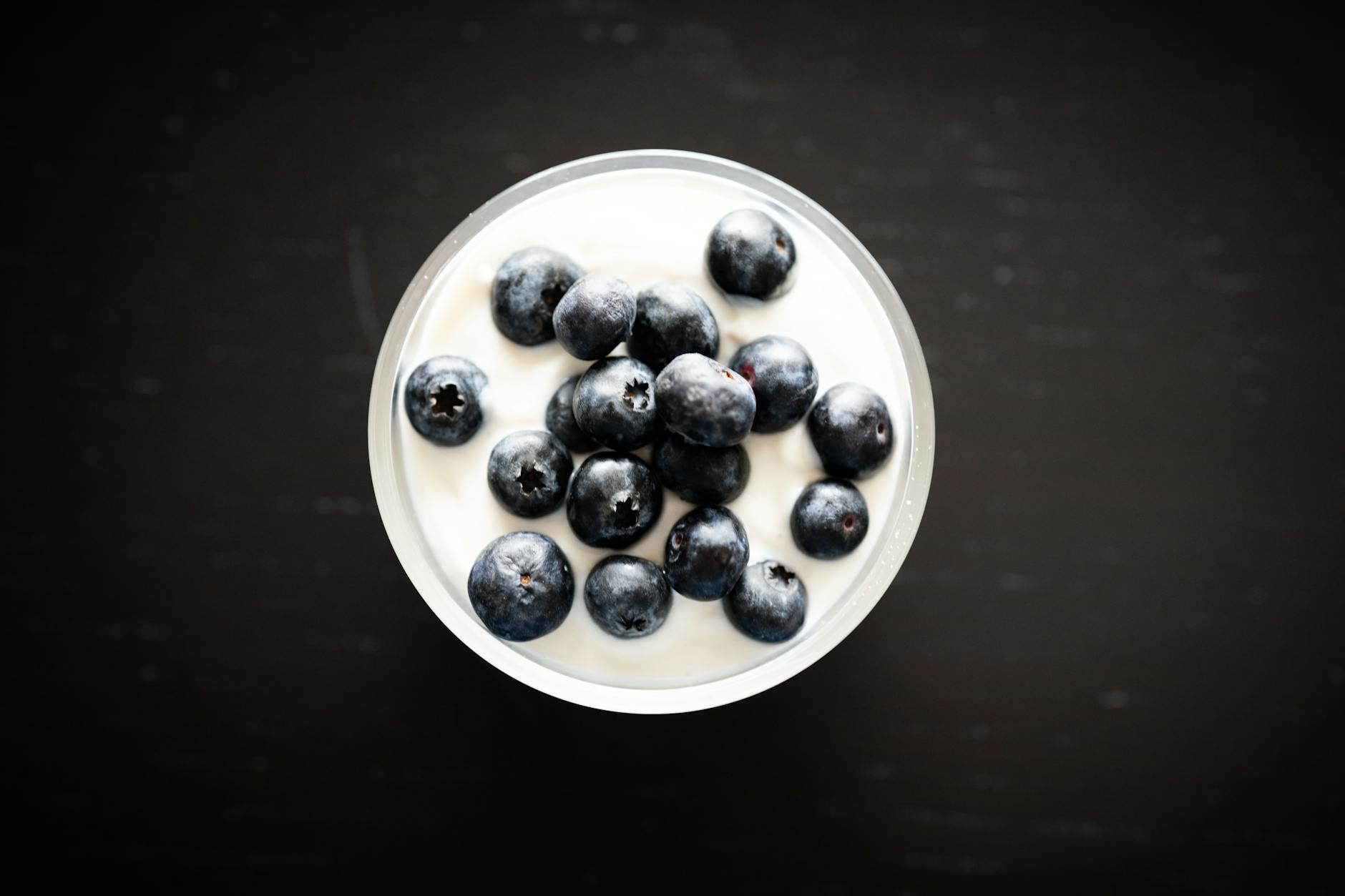
Yogurt contains live probiotic cultures that directly influence the gut-brain axis, a communication network that profoundly affects mood and anxiety levels. A healthy gut microbiome is associated with lower levels of cortisol and better regulation of the nervous system. The probiotics in yogurt help reduce intestinal inflammation, which has been connected to increased stress reactivity. Choosing plain, unsweetened varieties ensures the benefits are not offset by added sugars that can destabilize blood glucose.
Almonds
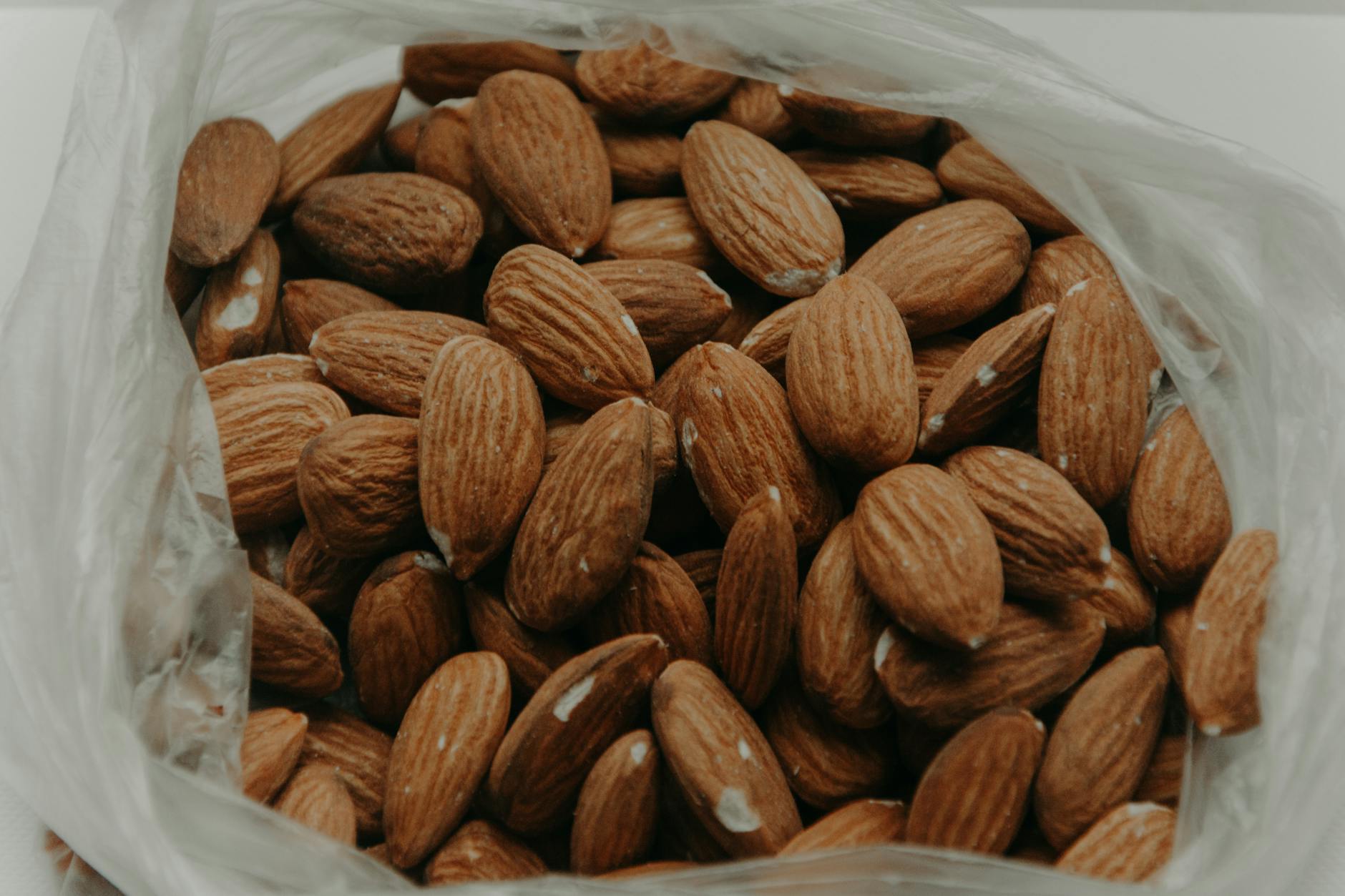
Almonds are rich in vitamin E, magnesium, and healthy fats that work together to support both brain and adrenal function. Magnesium in particular helps regulate the release of stress hormones and promotes a sense of physical calm. Almonds also provide zinc, a trace mineral that has been shown to reduce anxiety symptoms and support neurotransmitter balance. A small handful as a snack offers a steady source of energy that prevents the blood sugar dips that can amplify feelings of tension.
Green Tea
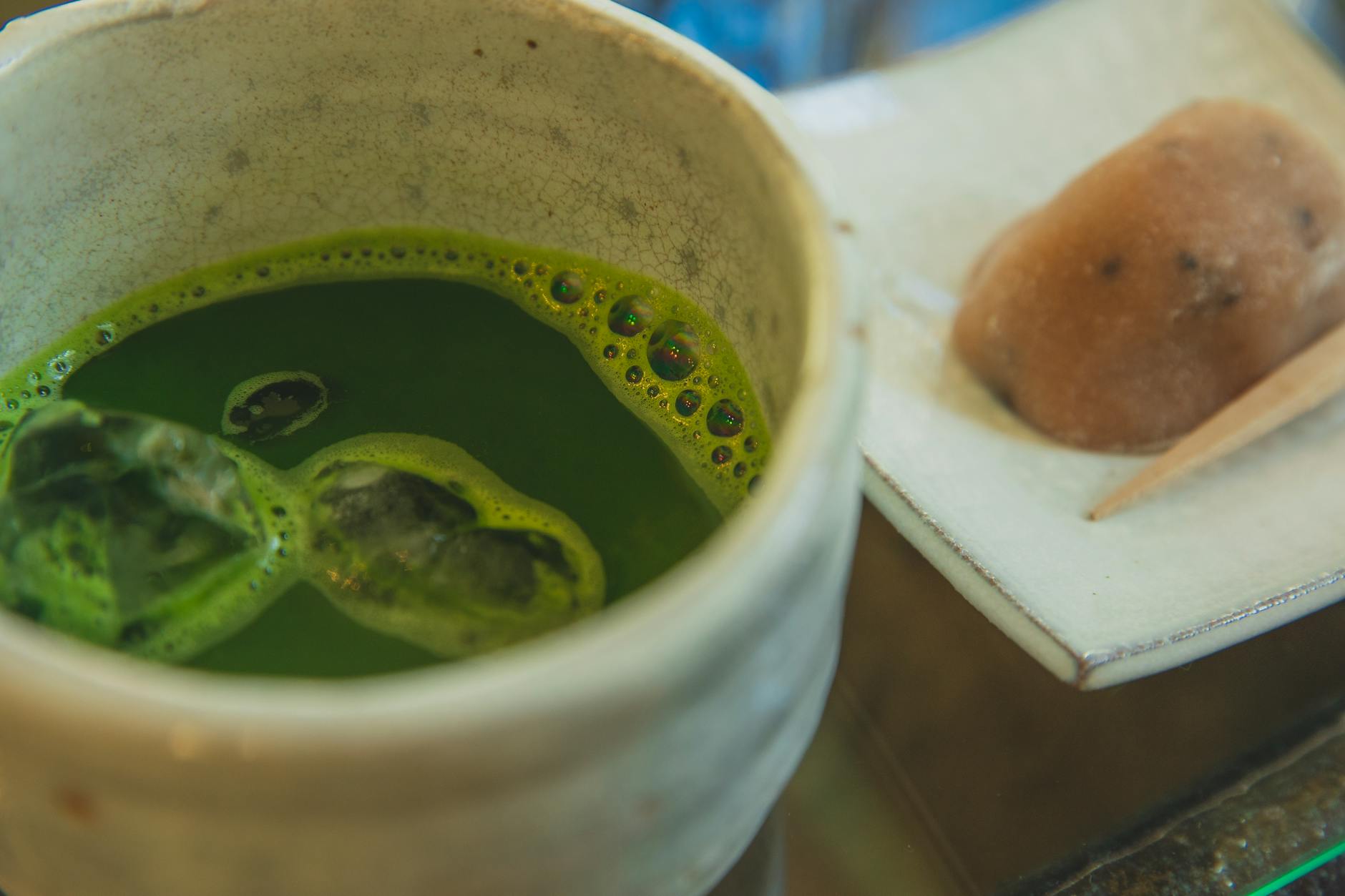
Green tea contains L-theanine, an amino acid that promotes alpha wave activity in the brain, creating a state of relaxed alertness without drowsiness. It works synergistically with the moderate caffeine content in green tea to improve focus while simultaneously reducing stress reactivity. L-theanine has also been shown to lower heart rate and cortisol levels in response to stressful situations. Drinking green tea regularly provides a gentler alternative to coffee for those sensitive to the anxiety-amplifying effects of high caffeine intake.
Oats
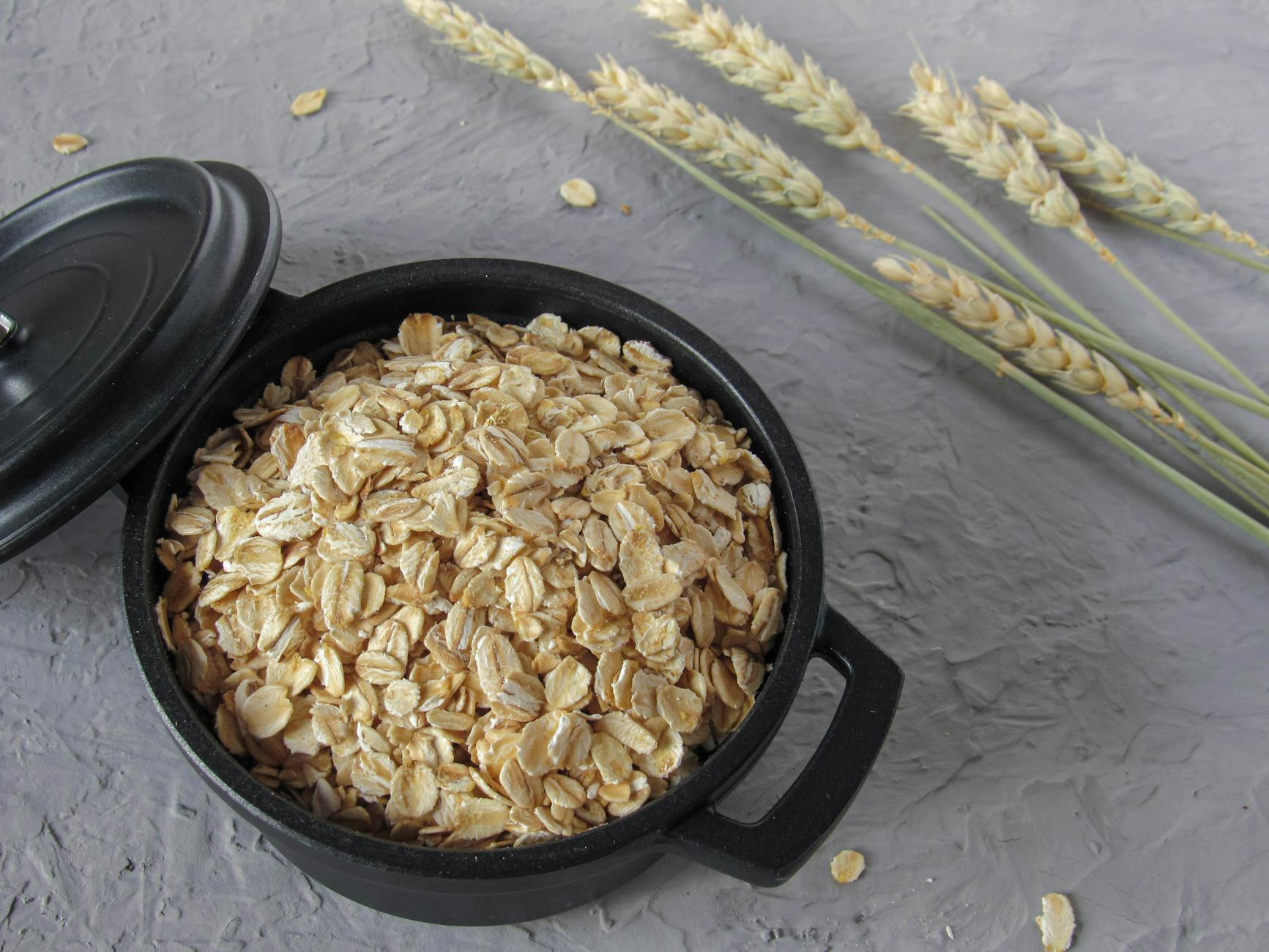
Oats are a complex carbohydrate that supports the steady production of serotonin by providing a slow and consistent release of glucose into the bloodstream. Avoiding the sharp blood sugar spikes and crashes that come with refined carbohydrates is a meaningful way to maintain emotional equilibrium throughout the day. Oats are also rich in B vitamins and magnesium, both of which contribute directly to nervous system regulation. Their fiber content feeds beneficial gut bacteria, reinforcing the gut-brain connection that underlies mood stability.
Pumpkin Seeds
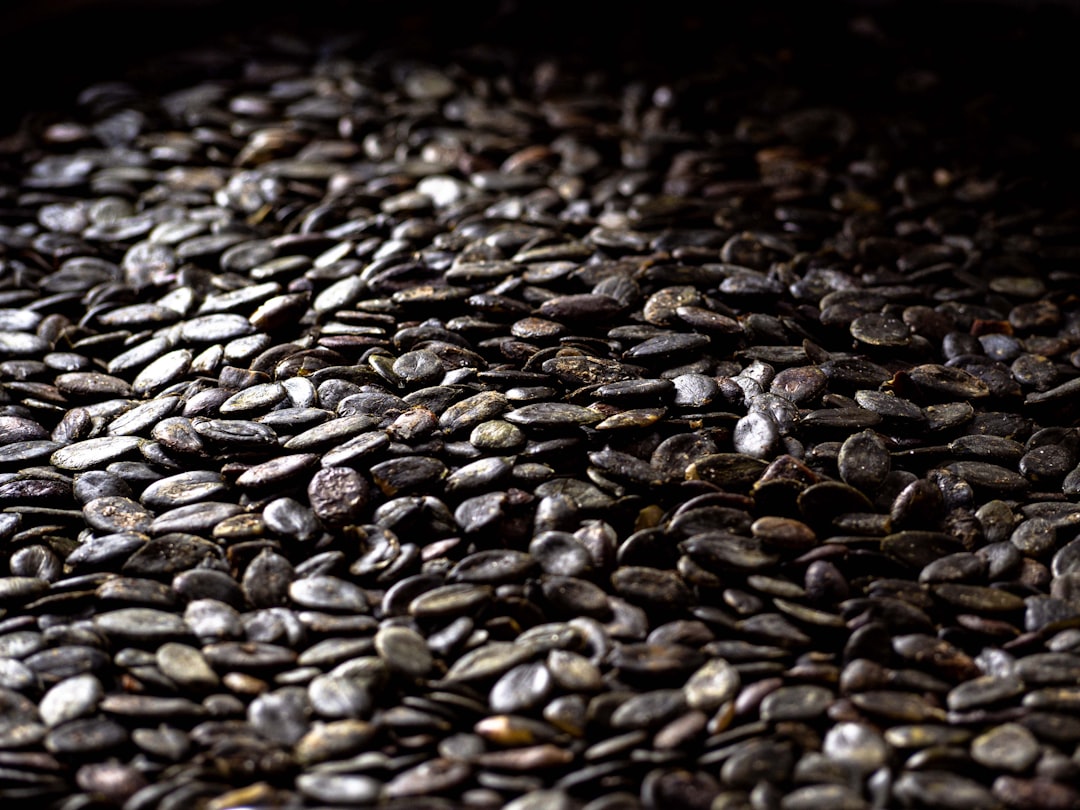
Pumpkin seeds are one of the most concentrated plant-based sources of magnesium and zinc, two minerals closely tied to anxiety regulation. Zinc deficiency in particular has been linked to increased anxiety and impaired stress adaptation in research involving both animals and humans. These seeds also provide tryptophan, an amino acid precursor to serotonin that supports emotional calm. A small portion added to salads, smoothies, or eaten alone makes for a nutrient-dense, anxiety-supportive snack.
Kefir

Kefir is a fermented dairy drink that delivers a significantly higher concentration of probiotic strains than most standard yogurts. Its regular consumption has been associated with measurable reductions in anxiety-like behaviors and improvements in gut microbiome diversity. A well-balanced microbiome reduces the production of inflammatory signals that can cross into the brain and contribute to heightened stress sensitivity. Kefir also provides protein, calcium, and B12, making it a nutritionally comprehensive addition to a stress-reducing diet.
Walnuts
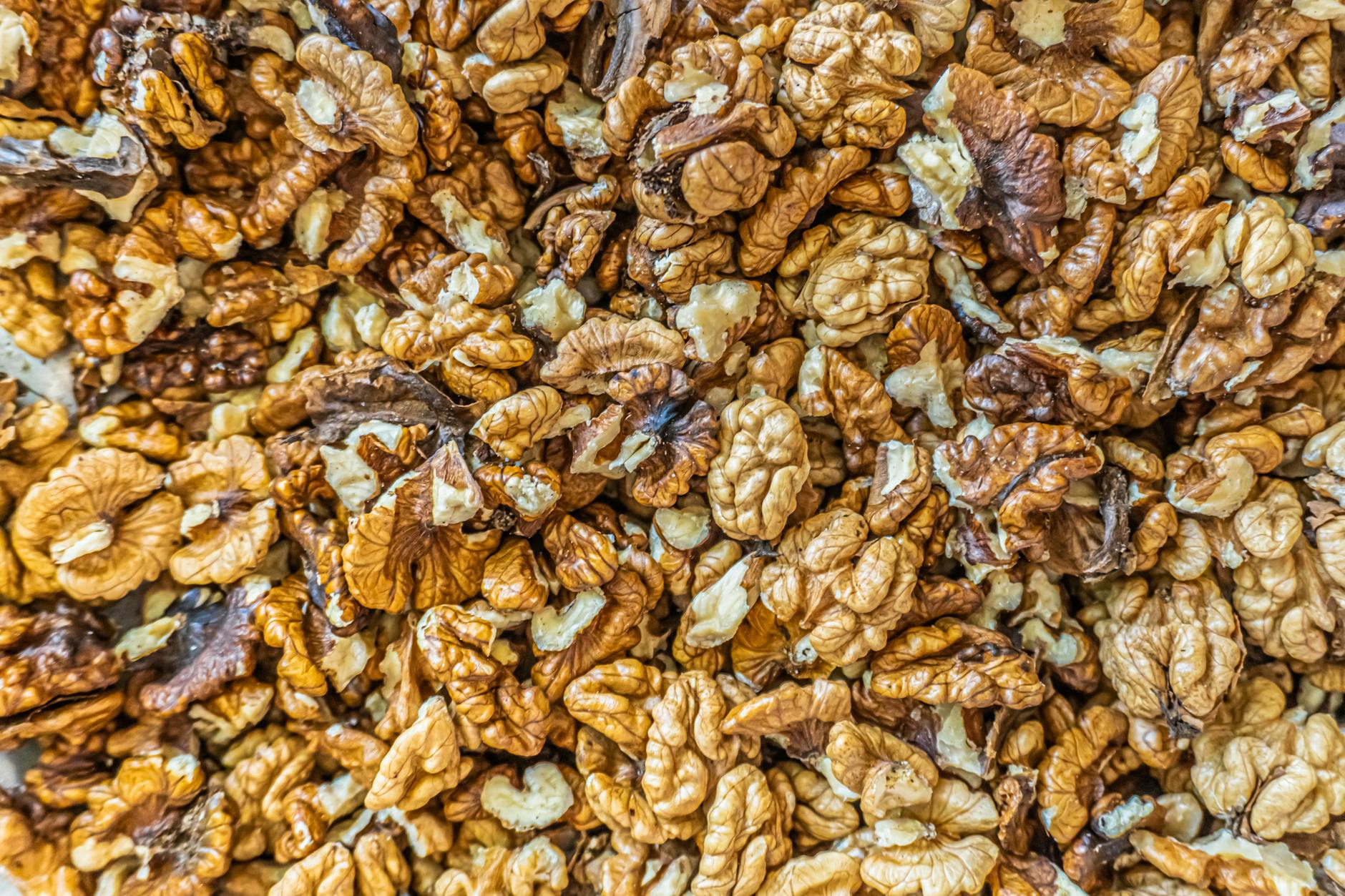
Walnuts are one of the few plant foods that provide a meaningful amount of alpha-linolenic acid, the plant-based form of omega-3 fatty acids. These fats support anti-inflammatory processes throughout the body, including in neural tissue where chronic inflammation can drive anxiety and mood dysregulation. Walnuts also contain melatonin and serotonin precursors that may support sleep quality, which is deeply intertwined with stress resilience. Their polyphenol content adds additional neuroprotective benefits that support long-term brain health.
Asparagus
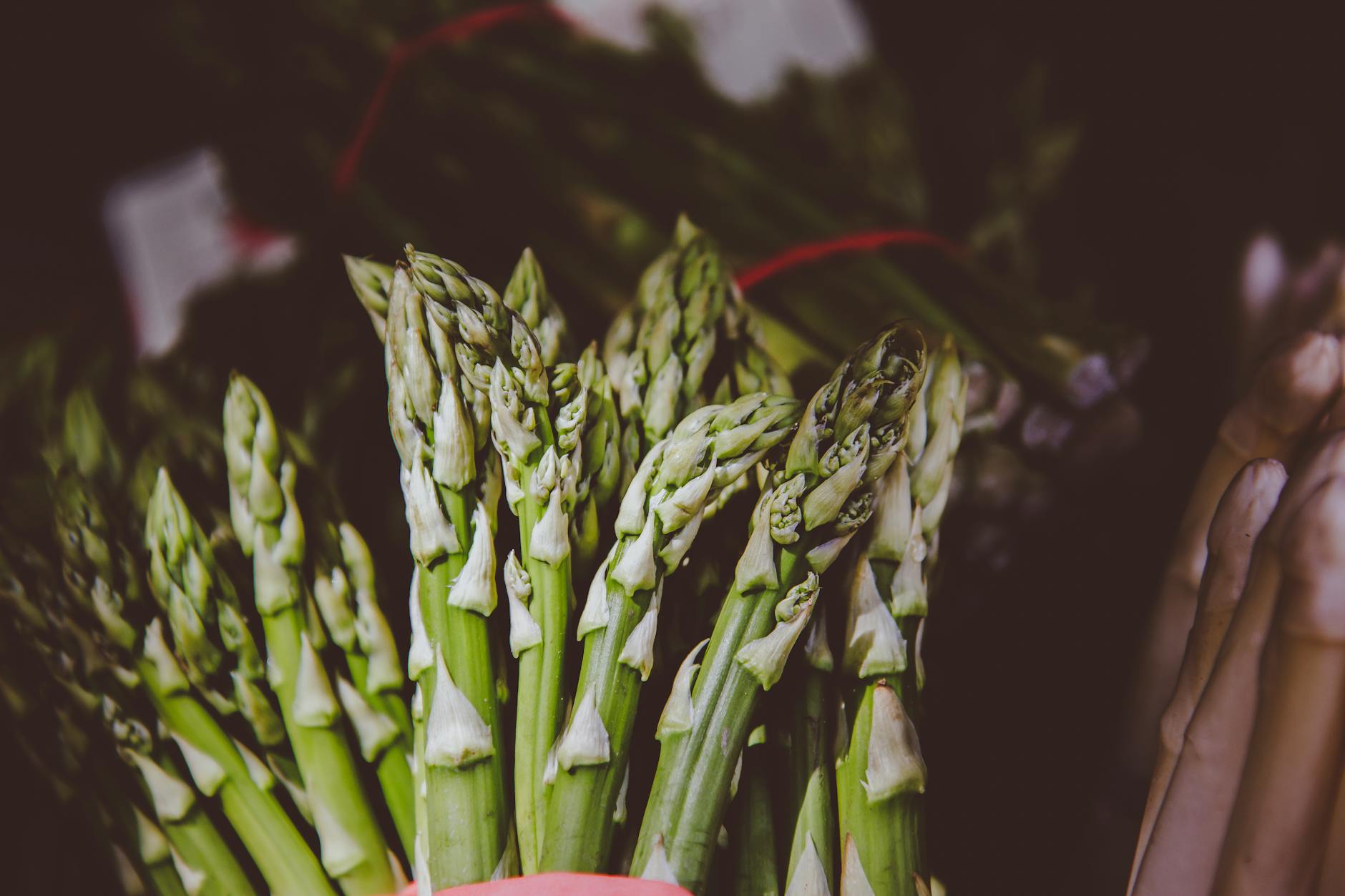
Asparagus is one of the best vegetable sources of folate, a B vitamin that supports the methylation process involved in the production of mood-regulating neurotransmitters. Low folate levels have been repeatedly associated with increased rates of depression and anxiety in large population studies. Asparagus also contains inulin, a prebiotic fiber that nourishes beneficial gut bacteria and supports the gut-brain axis. Its combination of anti-inflammatory nutrients and neurotransmitter-supporting compounds makes it a particularly purposeful vegetable to include in a stress-conscious diet.
Turkey

Turkey is widely recognized as a rich dietary source of tryptophan, the amino acid from which the brain synthesizes serotonin and melatonin. Adequate serotonin levels are fundamental to emotional stability, and consistent tryptophan intake through diet supports this balance over time. Turkey also provides selenium, a trace mineral with antioxidant properties that has been associated with reduced anxiety in several studies. Its high protein content helps stabilize blood sugar, preventing the energy fluctuations that can amplify stress responses.
Sunflower Seeds
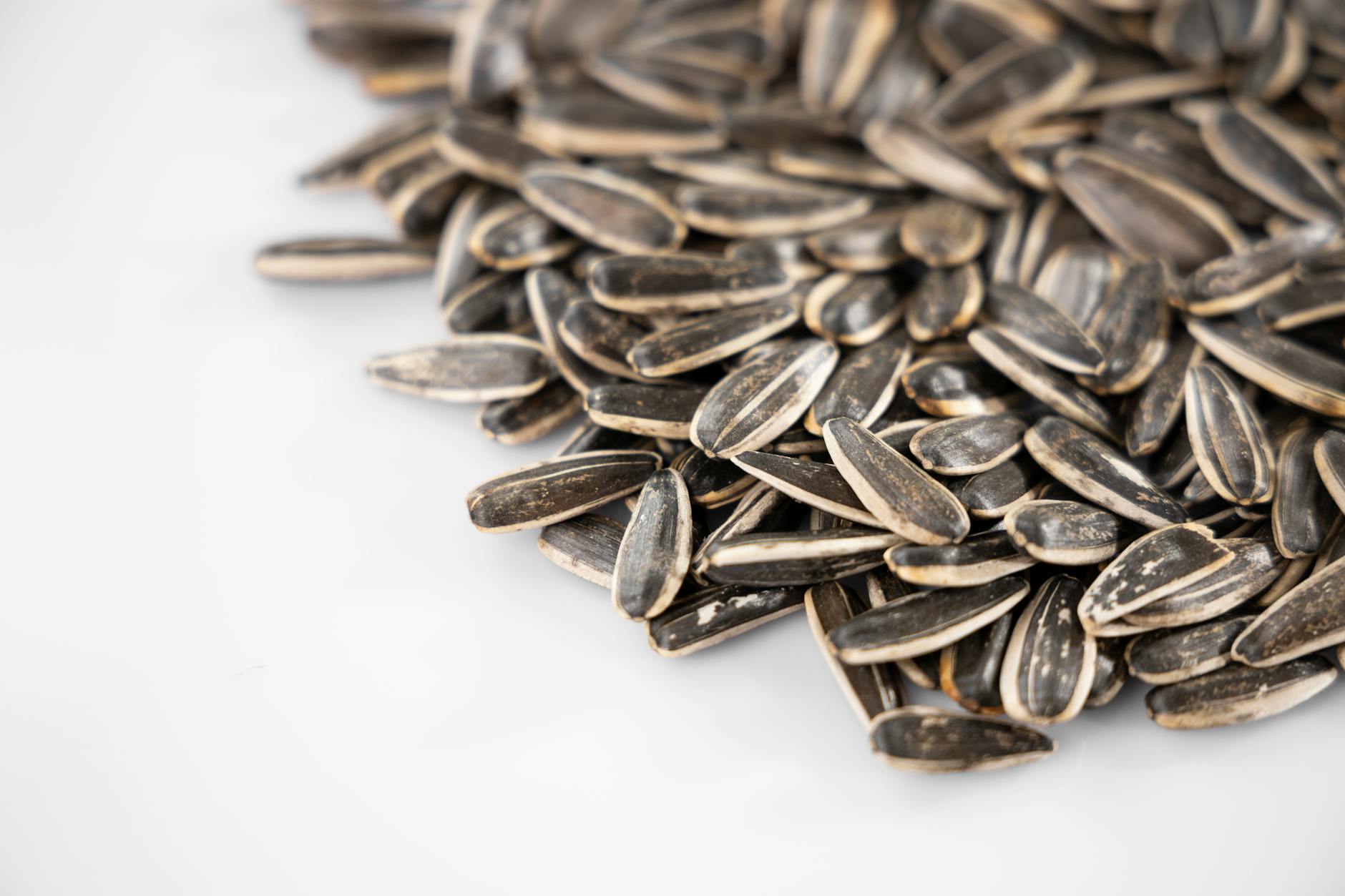
Sunflower seeds provide an impressive dose of vitamin E, a fat-soluble antioxidant that protects brain cells from oxidative damage linked to chronic stress. They are also a notable source of magnesium, selenium, and B vitamins that collectively support adrenal and nervous system health. The tryptophan content in sunflower seeds contributes to serotonin production, supporting a more balanced and stable mood throughout the day. Their portability and versatility make them a practical option for consistent inclusion in an anxiety-supportive eating pattern.
Oranges
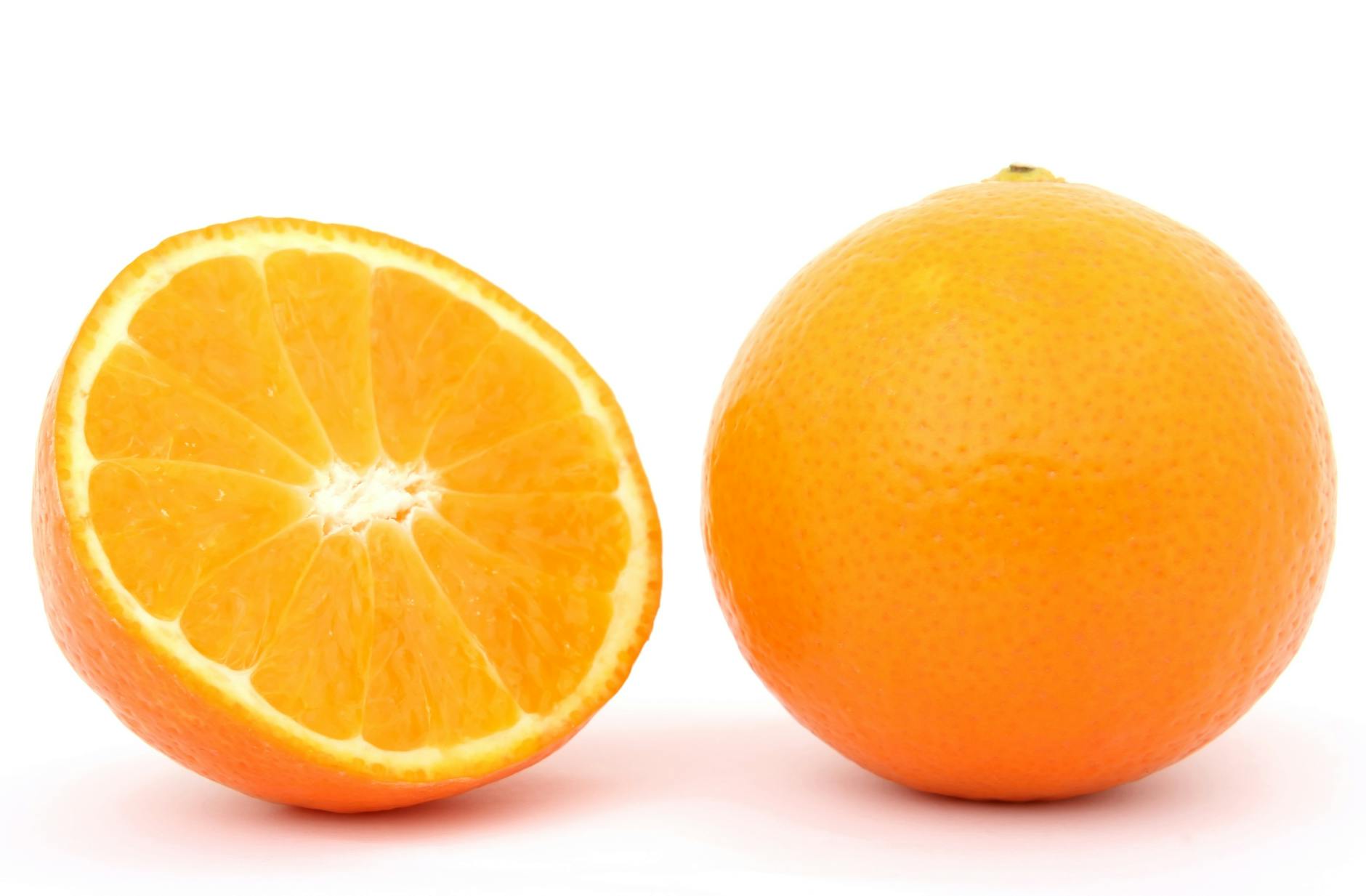
Oranges are exceptionally high in vitamin C, a nutrient that blunts the cortisol response and helps the adrenal glands recover more efficiently after periods of stress. Research has found that high doses of vitamin C significantly reduce both the psychological and physiological markers of acute stress. Oranges also provide flavonoids that cross the blood-brain barrier and have demonstrated anti-anxiety effects in preclinical studies. The act of eating a whole orange rather than drinking juice preserves fiber content that further supports gut health and blood sugar stability.
Chia Seeds
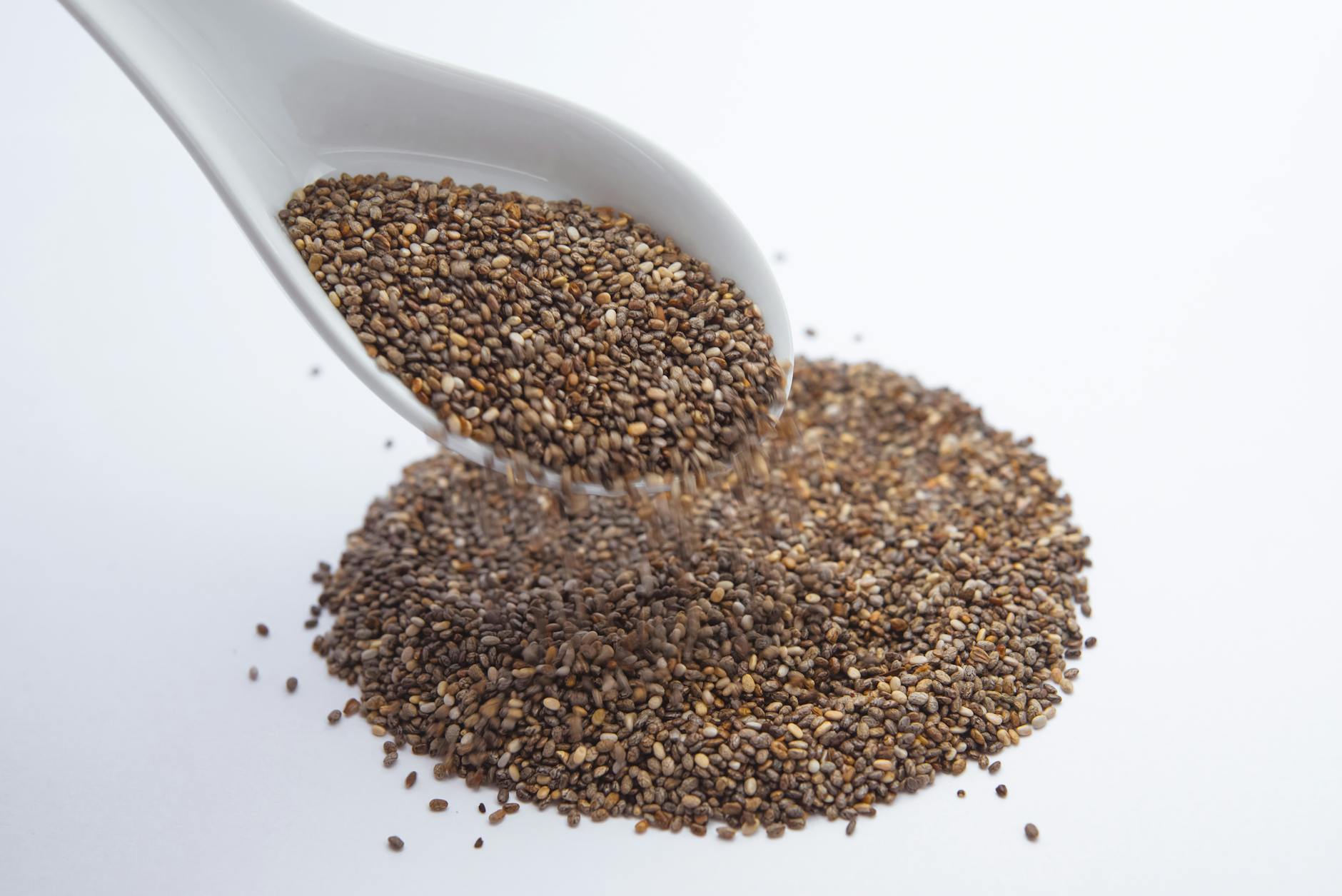
Chia seeds offer a concentrated combination of omega-3 fatty acids, magnesium, and tryptophan within a small and easily added serving. Their gel-forming fiber slows digestion and promotes steady blood sugar levels, reducing the metabolic conditions that can heighten stress sensitivity. Chia seeds also provide a meaningful amount of calcium, which supports nervous system signaling and helps regulate neurotransmitter release. Stirring them into smoothies, overnight oats, or water offers an effortless way to incorporate their calming nutritional profile into daily eating.
Broccoli
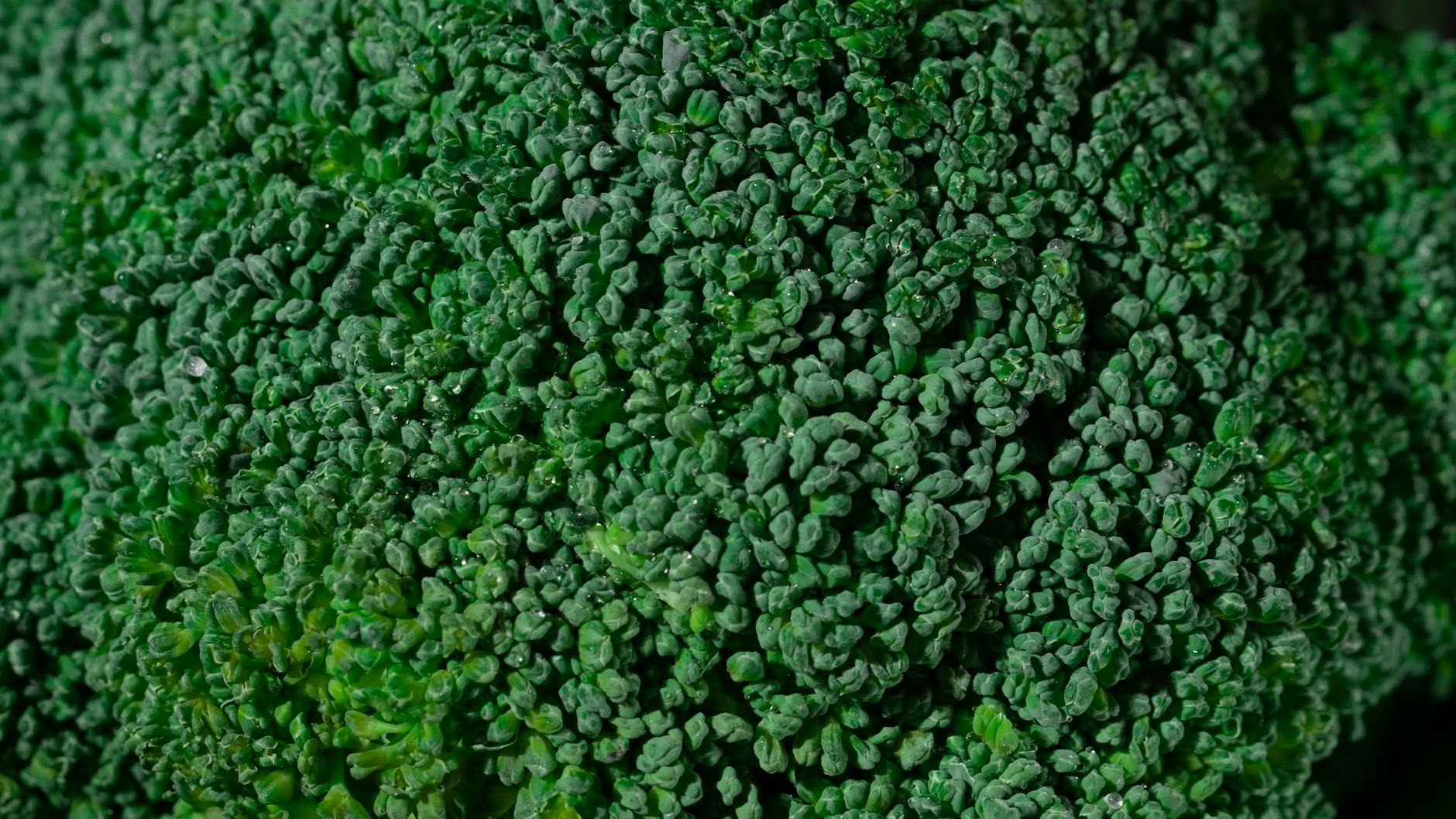
Broccoli is a sulforaphane-rich vegetable with potent neuroprotective and anti-inflammatory properties that benefit brain health and emotional regulation. It provides high levels of folate and vitamin C, both of which support neurotransmitter synthesis and adrenal function under stress. Broccoli is also a good source of chromium, a trace mineral that influences serotonin and melatonin metabolism in the brain. Its wide availability and adaptability in cooking make it one of the most practical vegetables for supporting a calmer, more balanced nervous system.
Eggs

Eggs are a complete protein source containing all essential amino acids, including tryptophan and tyrosine, which are precursors to serotonin and dopamine respectively. The choline found abundantly in egg yolks is a critical nutrient for the production of acetylcholine, a neurotransmitter involved in mood and stress regulation. Eggs also provide vitamin D, B12, and zinc, forming a broad nutritional profile that addresses multiple pathways linked to anxiety reduction. Their satiety-promoting protein and fat content helps sustain stable energy levels throughout the day, reducing the metabolic stress triggers associated with hunger.
Bananas
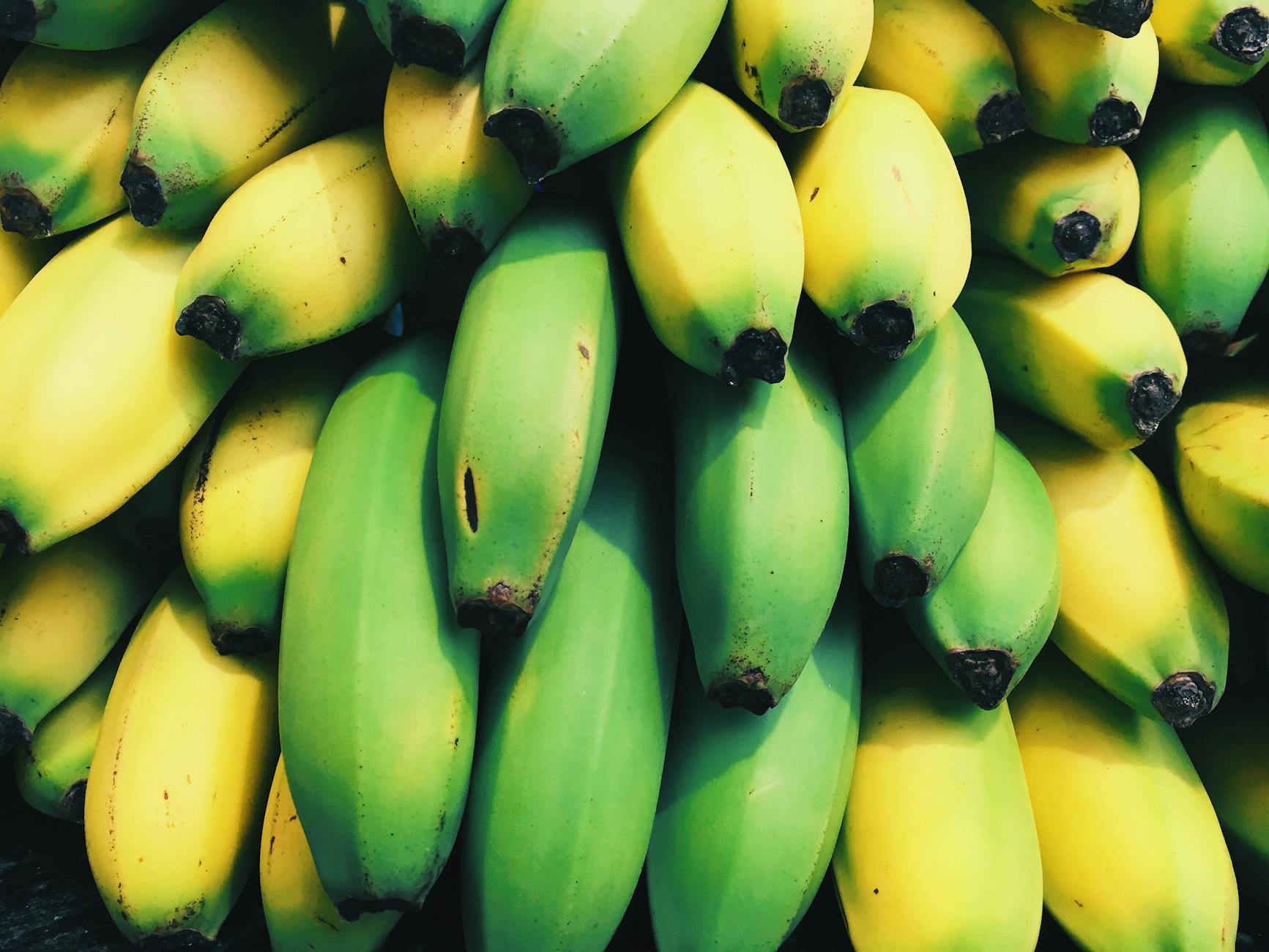
Bananas provide a natural source of tryptophan alongside vitamin B6, which is required by the body to convert tryptophan into serotonin. This makes bananas a particularly efficient food for supporting the serotonin pathway through two complementary nutritional mechanisms. Their potassium content helps regulate blood pressure and cardiovascular reactivity during stressful situations. Bananas also offer a quick source of natural sugars balanced by fiber, providing accessible energy without the sharp blood glucose swings that can exacerbate anxiety.
Lentils
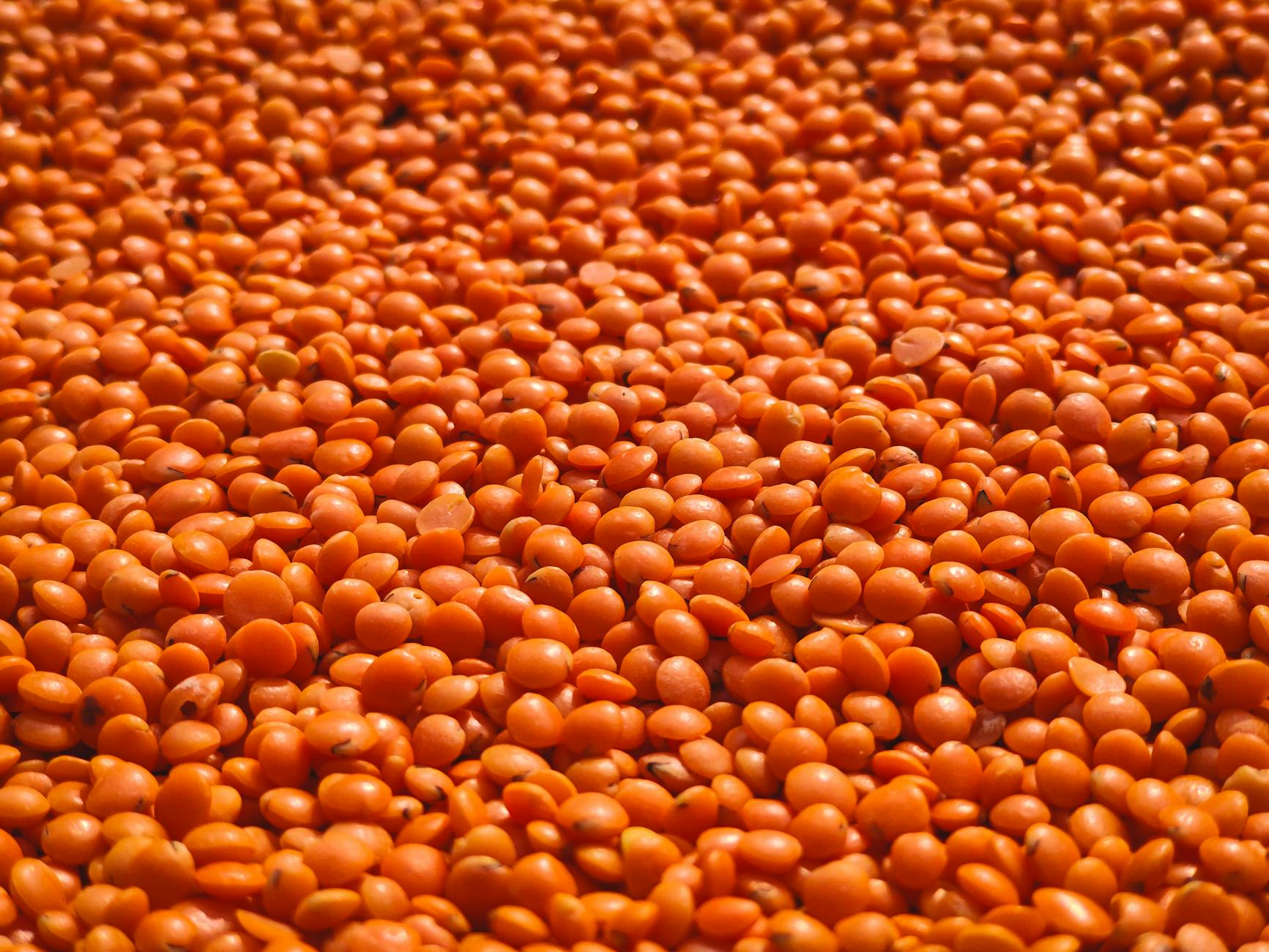
Lentils are an excellent plant-based source of folate, iron, and complex carbohydrates that collectively support mood stability and stress resilience. Their high fiber content promotes a healthy gut microbiome, which is increasingly understood as a central regulator of the emotional brain. Lentils also provide magnesium and zinc at levels meaningful enough to support nervous system regulation when eaten regularly. As a slow-digesting, protein-rich food, they help maintain the kind of sustained energy and blood sugar balance that reduces the physiological preconditions for anxiety.
Maca Root

Maca is an adaptogenic root vegetable native to the Andes that has been studied for its ability to support the body’s response to stress and fatigue. It contains unique compounds called macamides and macaenes that are thought to regulate neurotransmitter activity and hormonal balance. Research suggests maca can help reduce psychological symptoms of stress, including tension and mood instability, particularly in women during periods of hormonal fluctuation. It is most commonly consumed as a powder mixed into smoothies, oatmeal, or beverages, making it a flexible and potent addition to a stress-conscious diet.
Sweet Potatoes

Sweet potatoes offer a rich supply of complex carbohydrates that support serotonin synthesis by increasing the availability of tryptophan in the brain. They are also an outstanding source of vitamin C, potassium, and B6, nutrients that collectively support adrenal recovery and nervous system balance. Their natural sweetness satisfies cravings in a way that supports rather than disrupts blood sugar regulation, unlike refined sugar alternatives. The beta-carotene content in sweet potatoes adds a layer of antioxidant protection that helps counter the oxidative burden that accumulates during chronic stress.
Flaxseeds

Flaxseeds are among the richest plant sources of alpha-linolenic acid, which the body uses to produce anti-inflammatory omega-3 compounds that support brain and mood health. They also provide lignans, phytoestrogenic compounds that have been associated with reduced anxiety and improved hormonal balance, particularly in women. Flaxseeds offer a meaningful dose of magnesium and B vitamins that reinforce their calming nutritional profile. Ground flaxseed is more bioavailable than whole seeds and blends easily into cereals, smoothies, and baked goods for effortless daily use.
Edamame

Edamame is a young soybean rich in isoflavones, plant compounds that interact with estrogen receptors and have been linked to reduced anxiety and improved mood in several human studies. It provides a high-quality source of plant protein and folate, both essential for neurotransmitter production and nervous system integrity. Edamame also contains GABA, an inhibitory neurotransmitter that plays a direct role in reducing neural excitability and promoting feelings of calm. Its combination of protein, fiber, and complex carbohydrates makes it an effective food for maintaining steady energy and emotional balance throughout the day.
Fermented Foods

Fermented foods such as sauerkraut, kimchi, and miso deliver diverse communities of beneficial bacteria that support a healthy and resilient gut microbiome. The gut produces approximately 90 percent of the body’s serotonin, making microbiome health one of the most direct nutritional levers for managing anxiety. Regular consumption of fermented foods has been associated with lower social anxiety scores and improved stress adaptation in research populations. Including a small serving of varied fermented foods daily is a practical and evidence-supported strategy for nurturing emotional wellbeing through the gut-brain axis.
Cashews
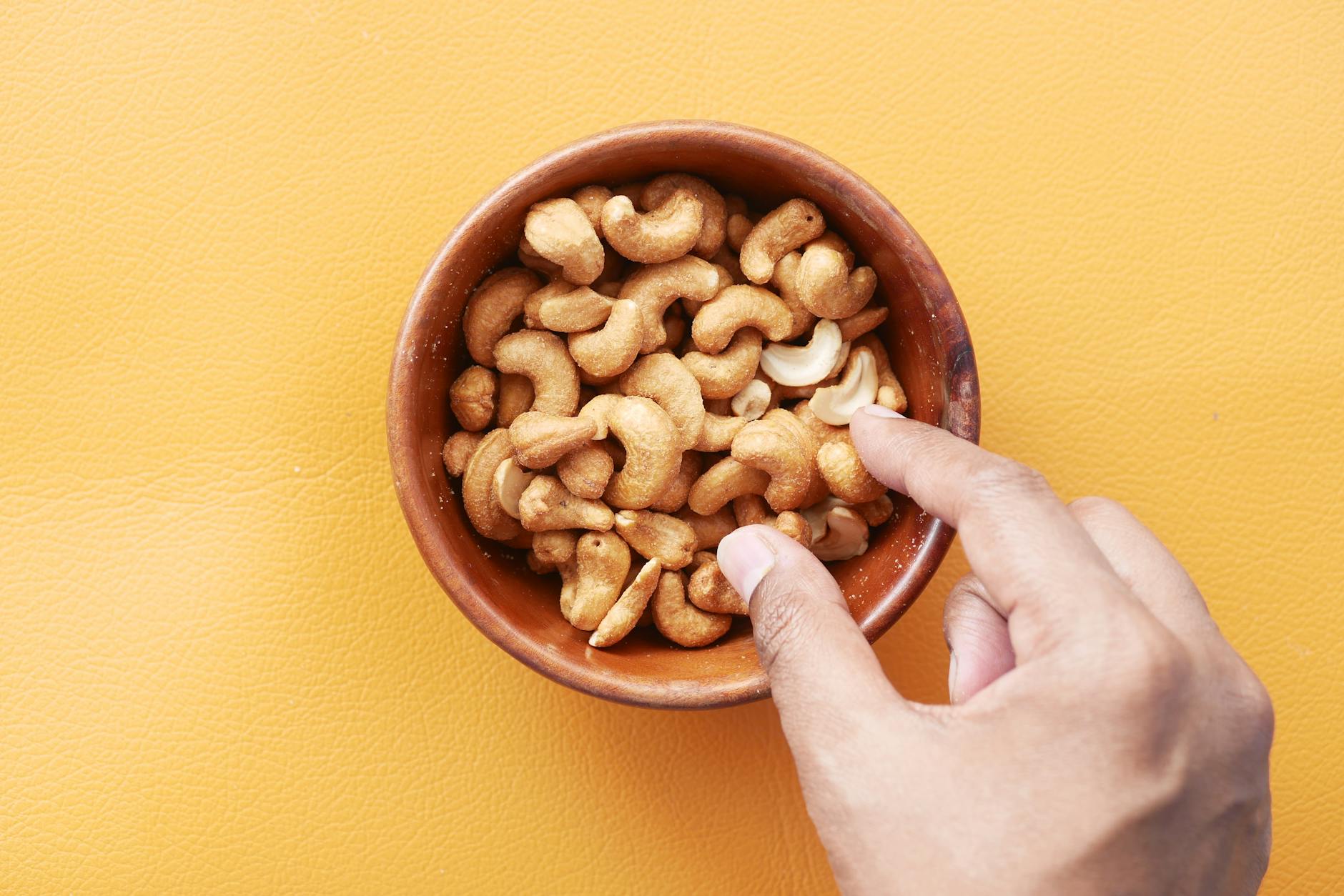
Cashews are a particularly notable nut for anxiety support due to their exceptionally high zinc content relative to most other plant foods. Zinc plays a significant role in modulating the brain’s response to stress and in regulating GABA and glutamate, two neurotransmitters central to anxiety levels. Cashews also provide tryptophan, magnesium, and healthy monounsaturated fats that work synergistically to calm the nervous system. Their creamy texture and mild flavor make them one of the most versatile and palatable nuts for everyday inclusion in a stress-reducing diet.
Matcha
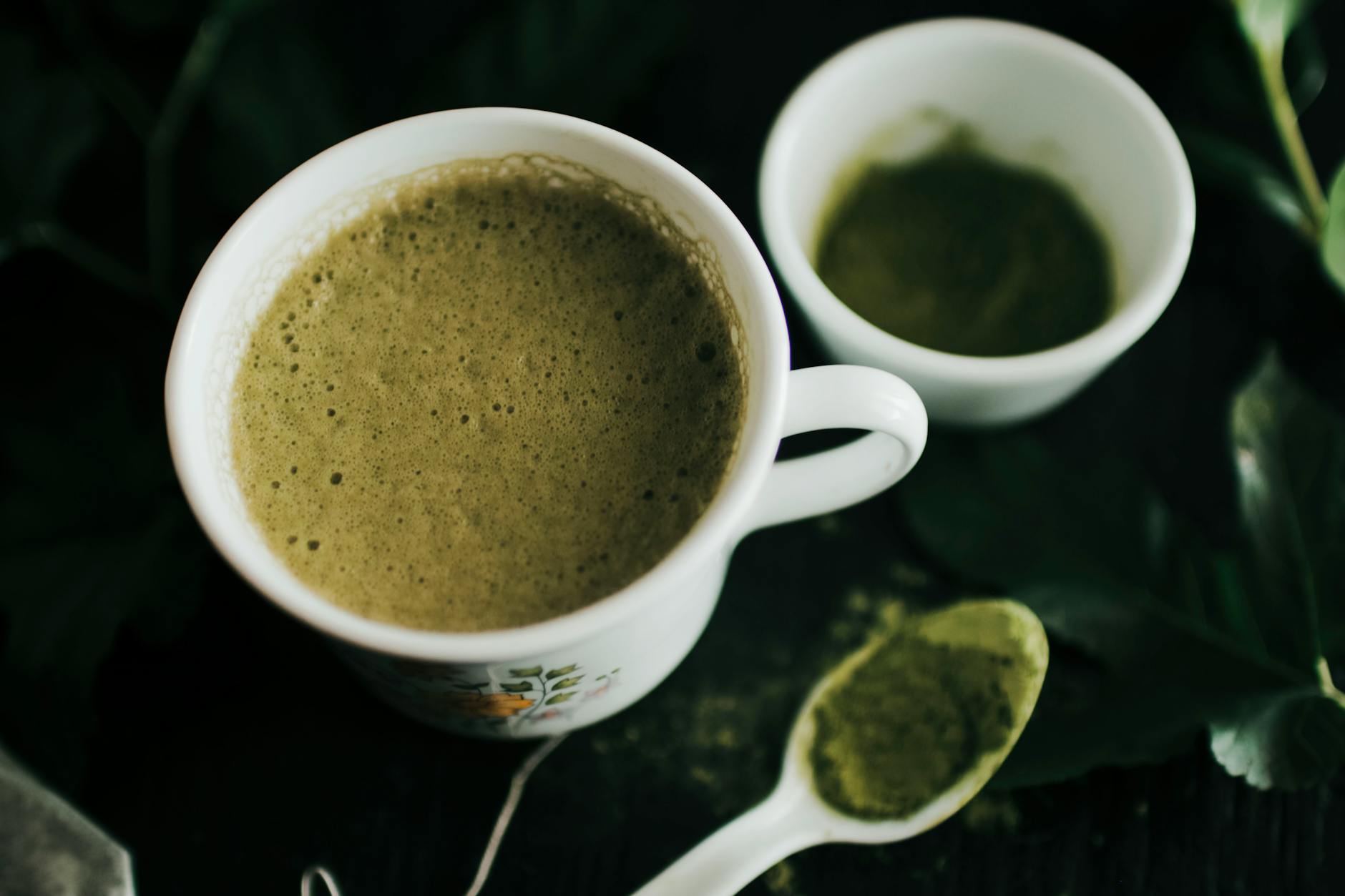
Matcha is a concentrated powdered form of green tea that delivers a substantially higher dose of L-theanine than steeped green tea, making it one of the most potent food sources of this calming amino acid. L-theanine promotes the release of GABA and increases alpha brain wave activity, producing a distinct state of focused calm that counters the physical and mental effects of stress. Matcha also contains chlorophyll and antioxidants that support detoxification and reduce systemic inflammation. Its growing availability in cafes and grocery stores makes it an increasingly accessible daily ritual for those seeking natural anxiety relief.
Whether you are building a new grocery list or simply looking to make smarter choices about what you already eat, share which of these foods you already reach for when you need to unwind in the comments.




