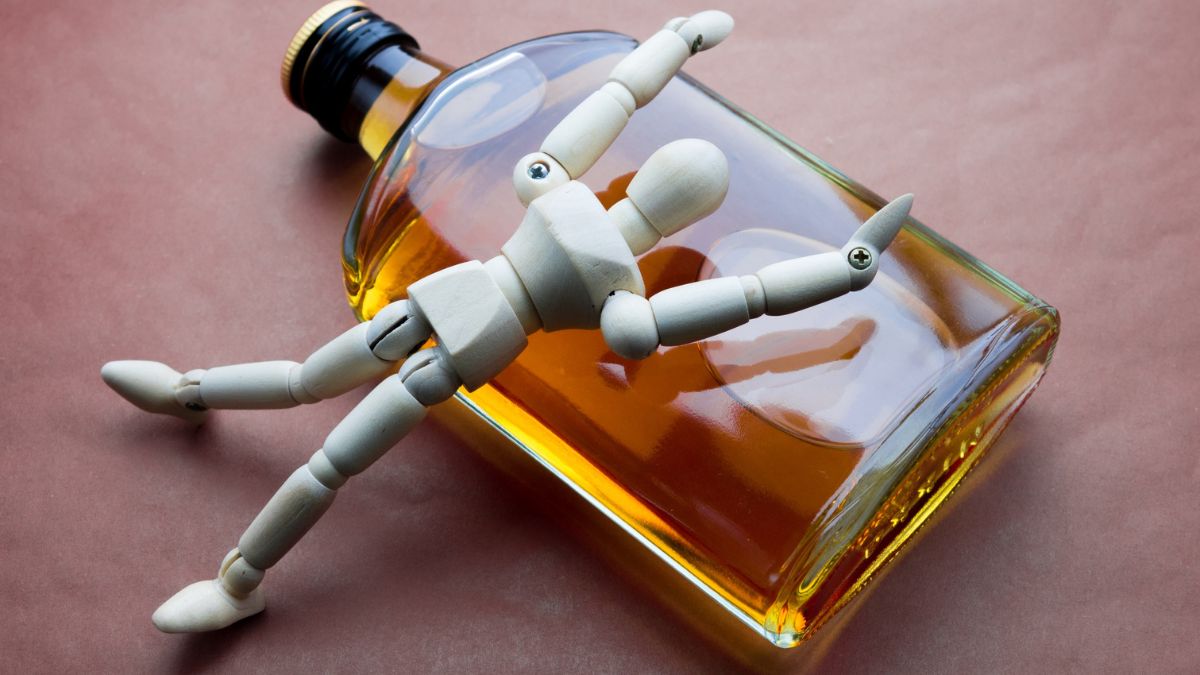
Many people enjoy a drink to unwind, celebrate, or socialize, but there is a fine line between moderate consumption and a pattern that begins to affect your health and daily life. Recognizing the warning signs early can make a meaningful difference in how you approach your relationship with alcohol. These are the signs that may indicate your drinking habits have crossed into concerning territory.
Waking Up Feeling Unwell

Frequent morning headaches, nausea, and fatigue after drinking are among the earliest physical indicators that alcohol is taking a toll on the body. The liver works overtime to metabolize alcohol, and when it cannot keep pace, the effects linger well into the following day. Dehydration caused by alcohol’s diuretic properties intensifies these symptoms and disrupts sleep quality. Over time, regularly waking up feeling unwell becomes normalized, which can mask just how frequently and heavily a person is drinking.
Needing More Drinks to Feel the Same Effect
Tolerance is one of the clearest physiological signs that alcohol consumption has escalated beyond a healthy level. When the body adapts to regular alcohol intake, the same number of drinks produces a noticeably weaker effect than it once did. This adaptation often leads to gradually increasing the amount consumed without a conscious decision to do so. Health professionals recognize the development of tolerance as a key early marker in the progression toward alcohol dependence.
Drinking to Manage Stress or Emotions

Reaching for alcohol as the primary way to decompress after a difficult day is a behavioral pattern that warrants attention. While many people occasionally enjoy a drink to relax, using alcohol as a consistent emotional coping mechanism can quickly become habitual. The brain begins to associate alcohol with relief, making it harder to self-regulate emotions without it. This cycle tends to intensify over time, as the underlying stressors remain unaddressed while the dependence on alcohol grows stronger.
Forgetting Events or Conversations

Alcohol-induced memory gaps, often called blackouts, occur when blood alcohol levels rise high enough to disrupt the brain’s ability to form new memories. A person experiencing a blackout may appear functional to others yet retain no recollection of conversations, decisions, or events from that period. Frequent memory lapses after drinking suggest that the amount being consumed is consistently reaching dangerous levels. Research links regular blackout episodes to longer-term cognitive effects, including difficulties with memory and concentration.
Feeling Irritable When Not Drinking
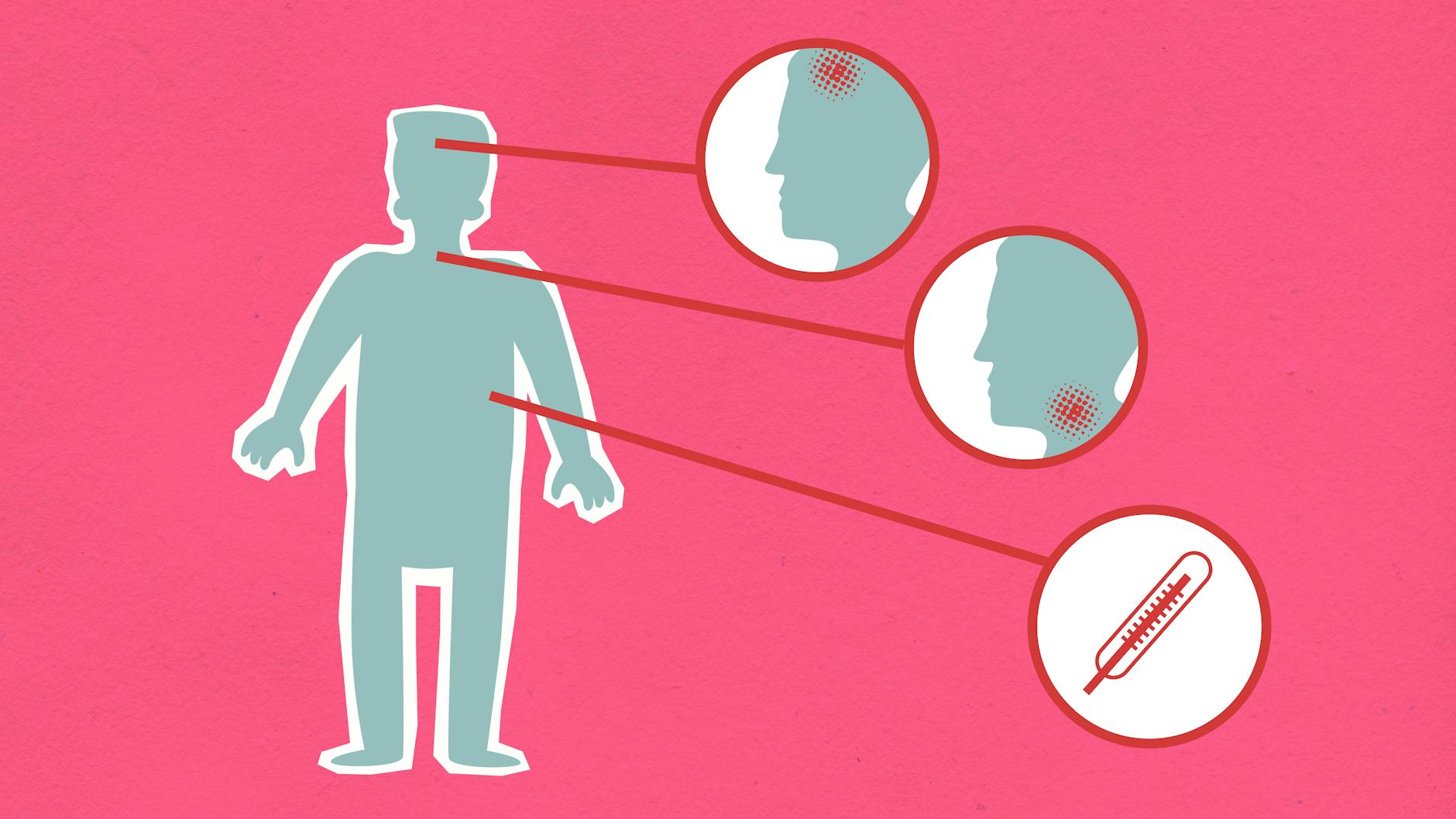
Mood changes between drinking sessions can be a sign that the brain’s chemistry has begun to adapt around regular alcohol intake. When alcohol is absent, some individuals experience heightened irritability, restlessness, or a general sense of unease that lifts once they drink again. This pattern suggests a degree of neurological reliance on alcohol to maintain emotional equilibrium. Recognizing this shift in baseline mood is an important step in understanding how deeply drinking habits have taken hold.
Neglecting Responsibilities
When work performance declines, household tasks go unfinished, or personal commitments are repeatedly missed because of drinking or its aftermath, it is a significant warning sign. Alcohol begins to compete with and eventually displace priorities that once held importance. Friends, family members, or colleagues may notice a change in reliability and follow-through before the individual does. A pattern of neglect tied directly to drinking occasions or recovery periods reflects a shift in how central alcohol has become to daily functioning.
Drinking Alone Regularly

Occasional solitary drinking is not inherently problematic, but making it a consistent habit often indicates a shift in the relationship with alcohol. Social drinking involves external context and natural stopping points, whereas drinking alone removes those external checks. People who drink regularly by themselves are more likely to consume larger quantities without social accountability. Healthcare professionals note that habitual solitary drinking is frequently linked to emotional avoidance and increased risk of developing dependency.
Planning Your Day Around Alcohol

When decisions about events, schedules, or social engagements are consistently filtered through whether alcohol will be available, drinking has moved beyond a casual pleasure. People in this pattern may feel anxious attending gatherings where alcohol is not served or count down the hours until an acceptable drinking time arrives. This kind of preoccupation indicates that alcohol occupies significant mental real estate throughout the day. Noticing how often your plans and choices revolve around access to alcohol is a telling reflection of its role in your life.
Experiencing Physical Withdrawal Symptoms
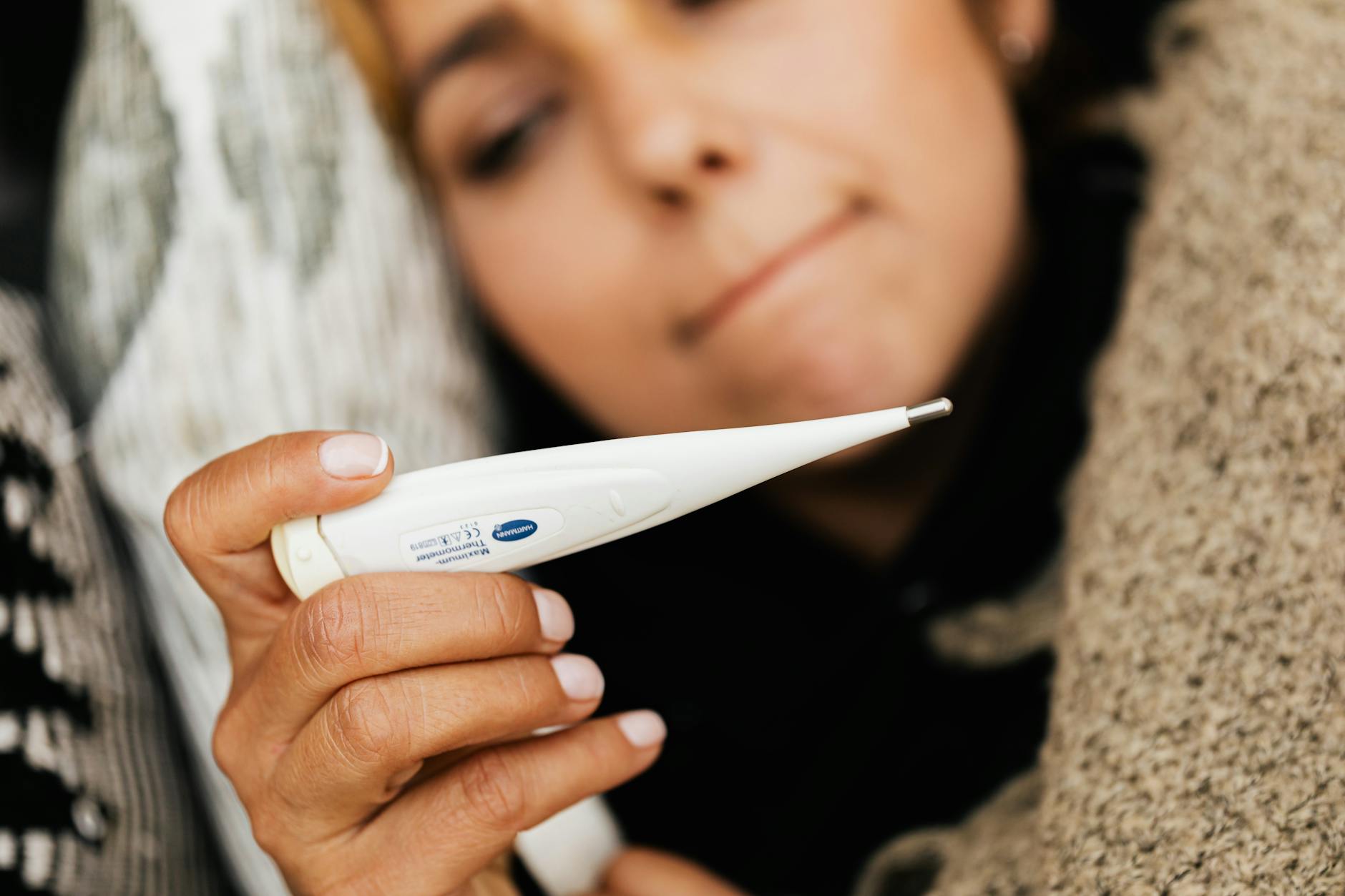
Sweating, shaking, nausea, or heightened anxiety when going without alcohol for a period of time are signs of physical dependence that require medical attention. These symptoms arise because the nervous system has recalibrated itself around the consistent presence of alcohol and reacts when it is withdrawn. Withdrawal symptoms can range from mild discomfort to medically serious conditions, including seizures in severe cases. Anyone experiencing physical symptoms when not drinking should consult a healthcare provider before attempting to stop abruptly.
Hiding Your Drinking
Concealing how much you drink, where you drink, or the frequency of your drinking from friends, family, or colleagues is a meaningful behavioral red flag. This kind of secrecy often stems from an internal awareness that others would express concern if they knew the full picture. People may keep alcohol in hidden locations, underreport their intake when asked, or find ways to drink before or after social events to supplement what they consume in public. The need to hide drinking habits almost always reflects a level of consumption the individual already recognizes as excessive.
Losing Interest in Other Activities

A gradual withdrawal from hobbies, sports, creative pursuits, or social activities that were once enjoyable is a subtle but telling sign. When alcohol becomes the central source of enjoyment or relaxation, other activities can start to feel less appealing by comparison. This narrowing of interests often develops slowly, making it difficult to pinpoint when the shift began. Research into alcohol use patterns consistently identifies diminishing engagement with previously enjoyed activities as an indicator of problematic consumption.
Drinking More Than You Intended
Regularly planning to have one or two drinks and ending up having significantly more is a pattern that points to a reduced ability to regulate intake once drinking begins. This loss of control does not necessarily happen every time but occurs with enough frequency to become recognizable. Repeatedly breaking personal limits or promises to yourself about how much you will drink is a sign that willpower alone may not be sufficient. Behavioral health experts describe this as a core feature of alcohol use disorder rather than simply a matter of personal discipline.
Relationship Strain Caused by Drinking
When alcohol is a recurring source of conflict, disappointment, or distance in close relationships, it signals that the impact of drinking has extended beyond personal health. Partners, friends, and family members often experience the consequences of excessive drinking through broken plans, unpredictable behavior, or emotional unavailability. Many people are reluctant to acknowledge the link between their drinking and relationship difficulties, attributing the friction to other causes. The persistence of similar conflicts across multiple relationships is a pattern worth examining honestly.
Continuing to Drink Despite Health Consequences
Persisting with heavy drinking after receiving a health warning from a doctor or experiencing a physical health setback is a clear sign that alcohol has a powerful hold. Conditions such as elevated liver enzymes, high blood pressure, digestive issues, or recurring illness often have direct links to excessive alcohol consumption. When awareness of these consequences does not translate into meaningful behavioral change, it reflects the strength of the dependency. Medical professionals view continued drinking in the face of known health risks as one of the more serious indicators in assessing alcohol use.
Feeling Like You Cannot Have Fun Without It

A belief that social events, celebrations, or even quiet evenings are less enjoyable without alcohol suggests that the brain has come to depend on it as a prerequisite for pleasure. This mindset often develops gradually as alcohol becomes the consistent companion to positive experiences. Over time, the ability to access natural enjoyment, relaxation, or social ease without drinking becomes diminished. Reestablishing comfort and confidence in alcohol-free situations is a frequently cited goal among those who choose to reassess their drinking habits.
If any of these signs feel familiar, share your thoughts in the comments.




