South America is one of the most electrifying continents on Earth for travelers who crave raw nature, ancient history, and boundary-pushing experiences. From the icy tips of Patagonia to the steaming depths of the Amazon, the continent rewards those willing to venture beyond the ordinary. Its sheer diversity of landscapes, cultures, and ecosystems makes it an endlessly compelling destination for adventurers of every kind. Whether you seek altitude, jungle, desert, or open water, South America has a corner designed to take your breath away.
Patagonia
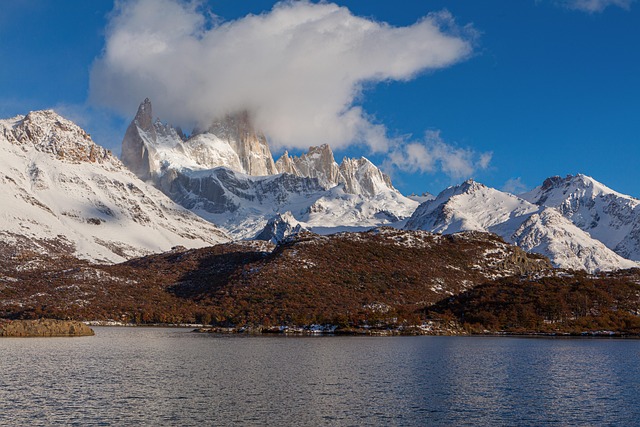
Patagonia stretches across the southern reaches of both Argentina and Chile, delivering some of the most dramatic scenery found anywhere on the planet. Jagged granite peaks rise sharply above vast open steppe, glaciers, and impossibly blue lakes that shift in color with the light. Trekking routes here rank among the most celebrated in the world, drawing hikers who spend weeks navigating remote wilderness. The unpredictable weather is part of the experience, with fierce winds and sudden sunshine testing every traveler’s resilience. Few places on Earth make a person feel quite so small and alive at the same time.
Machu Picchu
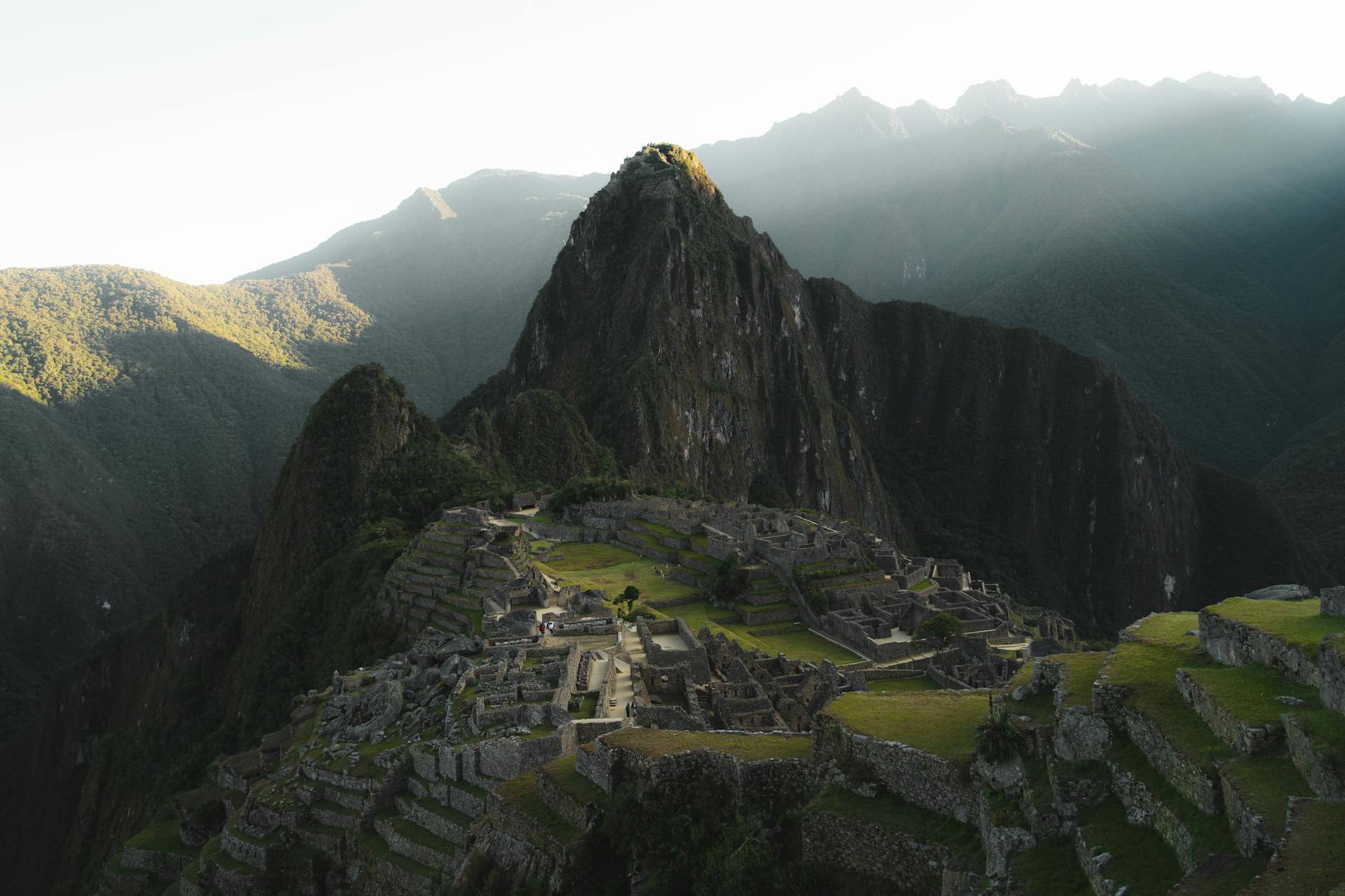
Machu Picchu sits high in the Peruvian Andes and remains one of the most awe-inspiring archaeological sites ever uncovered. The Inca citadel perches dramatically above the Sacred Valley, wrapped in mist and surrounded by lush mountain peaks. Hikers completing the multi-day Inca Trail arrive at the Sun Gate at dawn, rewarded with one of the most iconic views in adventure travel. The site offers a profound sense of connection to an ancient civilization that engineered brilliance into steep and unforgiving terrain. Visiting at sunrise before the crowds arrive transforms the experience into something genuinely unforgettable.
Torres del Paine
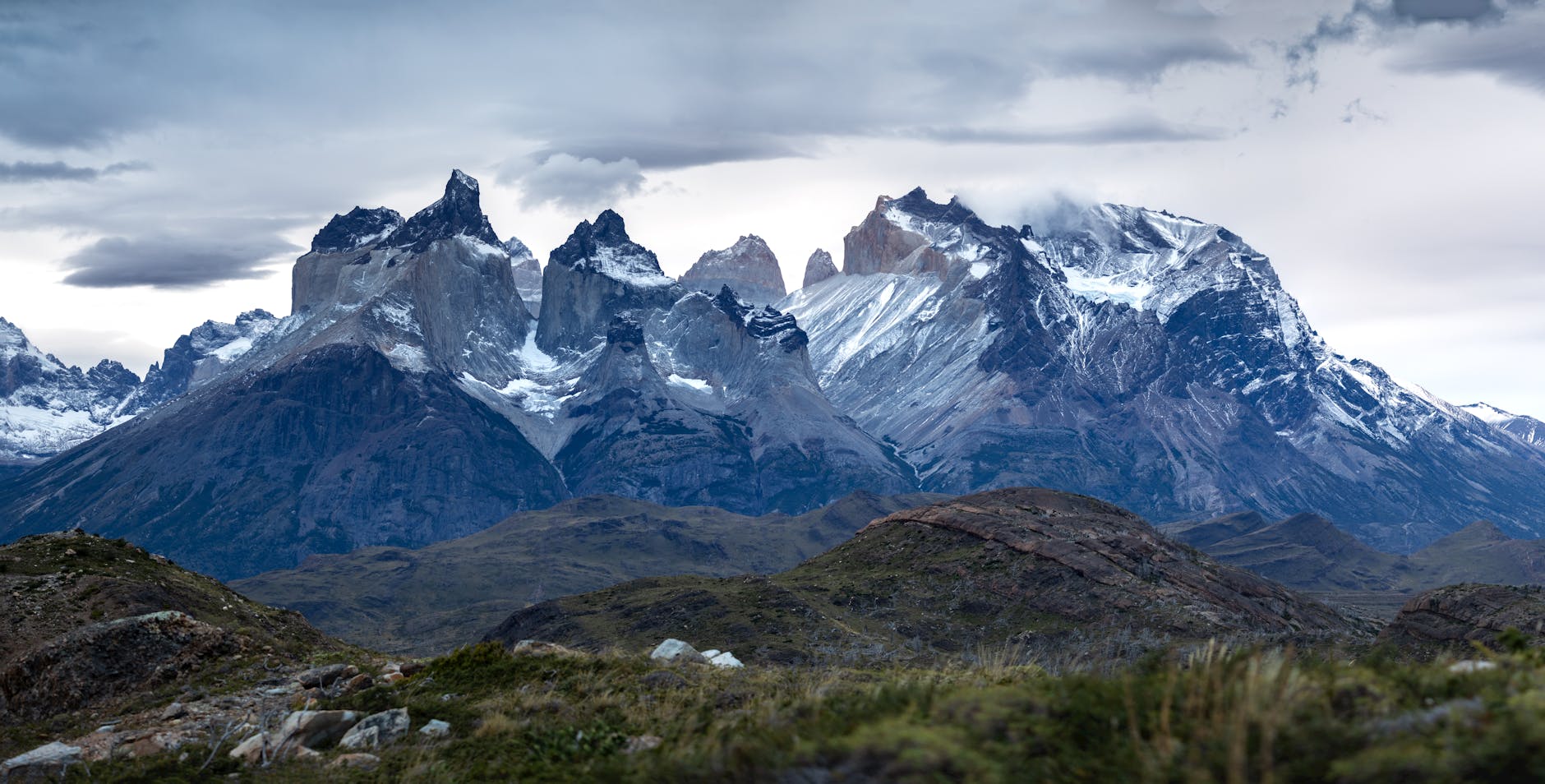
Torres del Paine National Park in Chilean Patagonia is a wilderness destination of extraordinary scale and visual power. Three towering granite spires define the skyline and serve as the ultimate goal for trekkers completing the famous W Circuit or the full O Circuit. The park holds glaciers, turquoise lakes, roaring rivers, and wind-carved valleys that change character with every passing hour. Wildlife including guanacos, condors, and pumas roam freely across the protected landscape. The combination of physical challenge and visual reward makes this one of South America’s most complete adventure experiences.
Salar de Uyuni

The Salar de Uyuni in southwest Bolivia is the largest salt flat on the planet, stretching across more than ten thousand square kilometers of blindingly white terrain. During the rainy season a thin layer of water transforms the surface into a perfect mirror that reflects the sky in breathtaking detail. The surrounding landscape shifts dramatically between cracked salt formations, colorful lagoons, and volcanoes rising on the horizon. Visitors often take jeep tours that venture across the flats and into remote highland regions filled with flamingos and geothermal activity. The surreal quality of this environment makes it unlike anything else in the world of adventure travel.
Amazon Rainforest
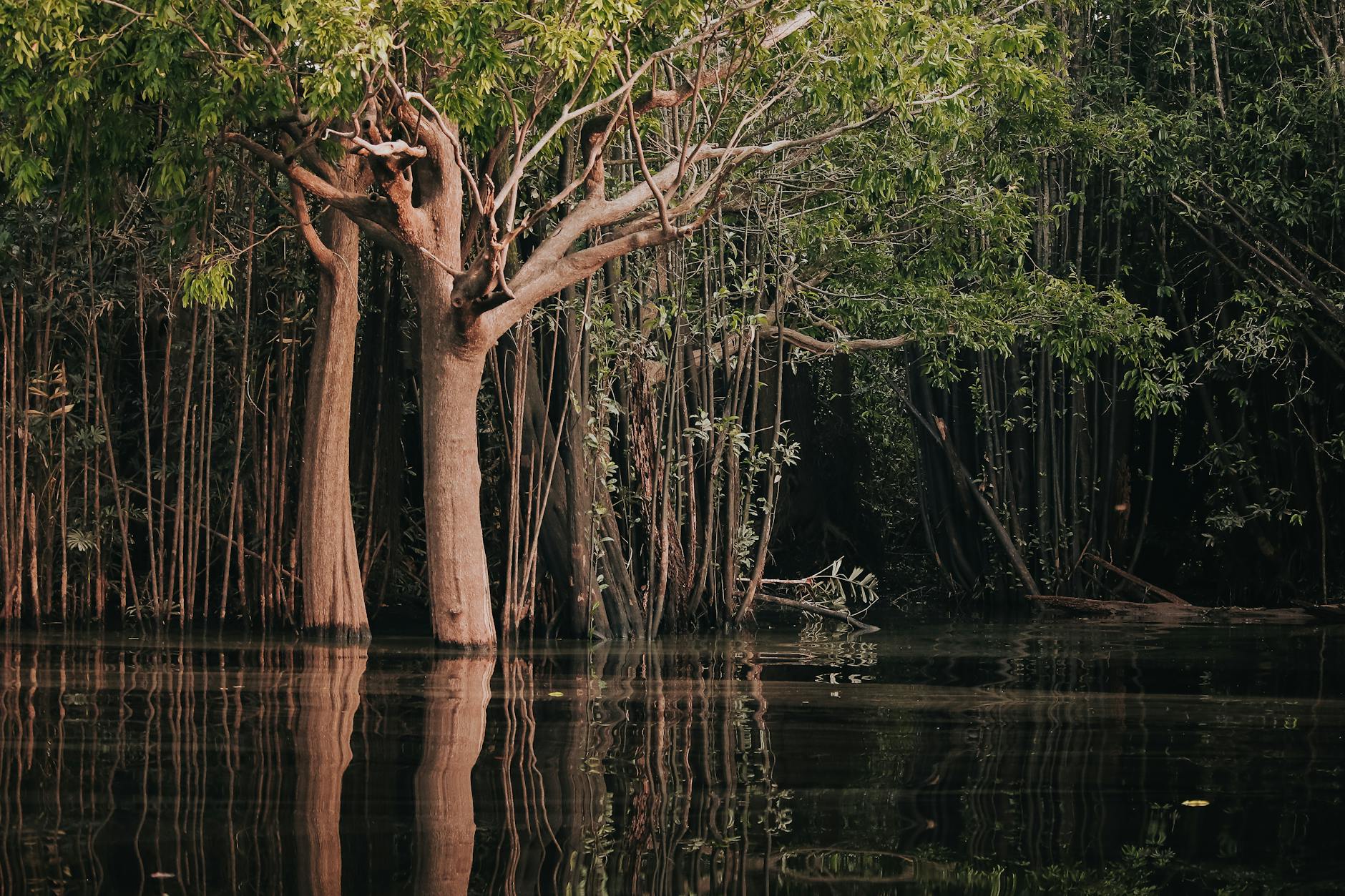
The Amazon Rainforest covers an enormous portion of the South American continent and holds the greatest concentration of biodiversity on Earth. Journeying deep into the jungle by riverboat or on foot reveals a living world of staggering complexity, where every layer of canopy hosts its own ecosystem. Guided expeditions offer encounters with jaguars, river dolphins, giant otters, and thousands of bird species found nowhere else. Staying in remote jungle lodges allows travelers to experience the sounds and rhythms of the rainforest around the clock. The Amazon demands respect and preparation but delivers an immersion in nature that is genuinely transformative.
Angel Falls
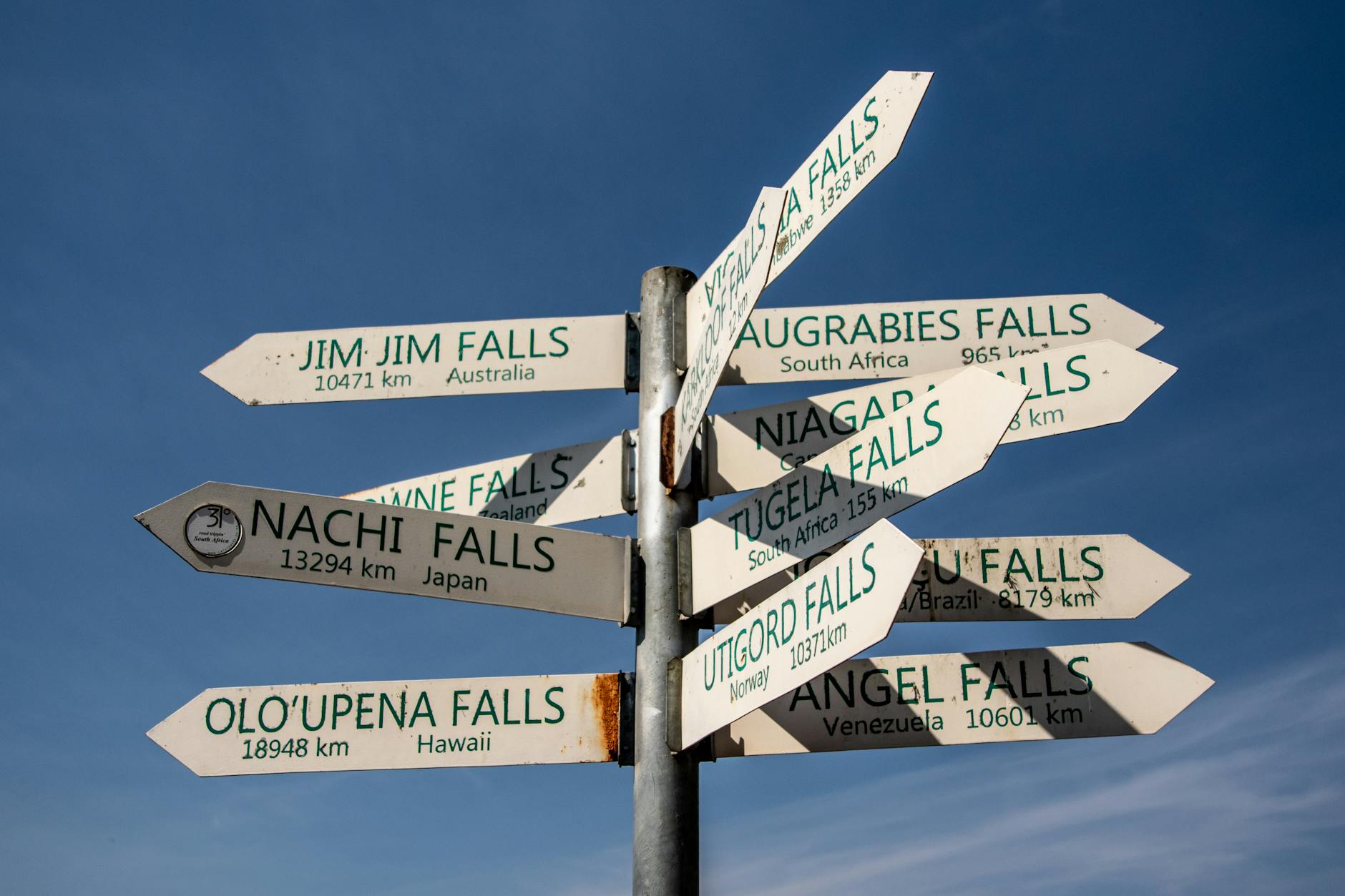
Angel Falls in Venezuela is the tallest waterfall in the world, plunging nearly one kilometer from the flat summit of Auyán-tepui into the jungle below. Reaching the falls requires a combination of small aircraft, dugout canoe, and jungle trekking through Canaima National Park. The journey itself is as compelling as the destination, passing through a landscape of ancient tabletop mountains called tepuis that inspired the concept of lost worlds. Swimming in the plunge pool at the base of the falls, surrounded by mist and jungle, is a peak adventure experience. The remoteness of the site ensures that every visitor who makes the effort feels the full weight of the achievement.
Galápagos Islands

The Galápagos Islands sit in the Pacific Ocean off the coast of Ecuador and offer one of the most extraordinary wildlife encounters available to travelers anywhere. Giant tortoises, marine iguanas, blue-footed boobies, and sea lions inhabit these volcanic islands with a fearlessness born from centuries of isolation from human threat. Snorkeling and diving here puts travelers face to face with hammerhead sharks, manta rays, and playful sea lion pups in crystal clear waters. The archipelago is strictly protected, and visitor access is managed to preserve the fragile ecosystem. Charles Darwin’s observations here reshaped scientific understanding of life on Earth and the islands carry that legacy into every encounter.
Colca Canyon

Colca Canyon in southern Peru is one of the deepest canyons in the world, more than twice as deep as the Grand Canyon in certain sections. The multi-day trek descending to the canyon floor and climbing back out is a physically demanding adventure that rewards with stunning geological scenery. Andean condors ride thermal currents rising from the canyon walls each morning, offering some of the most spectacular wildlife viewing in South America. Traditional Andean villages dot the canyon rim, giving trekkers a window into pre-Columbian culture that has endured for centuries. The sheer scale and silence of the canyon creates a meditative intensity that stays with travelers long after they leave.
Atacama Desert
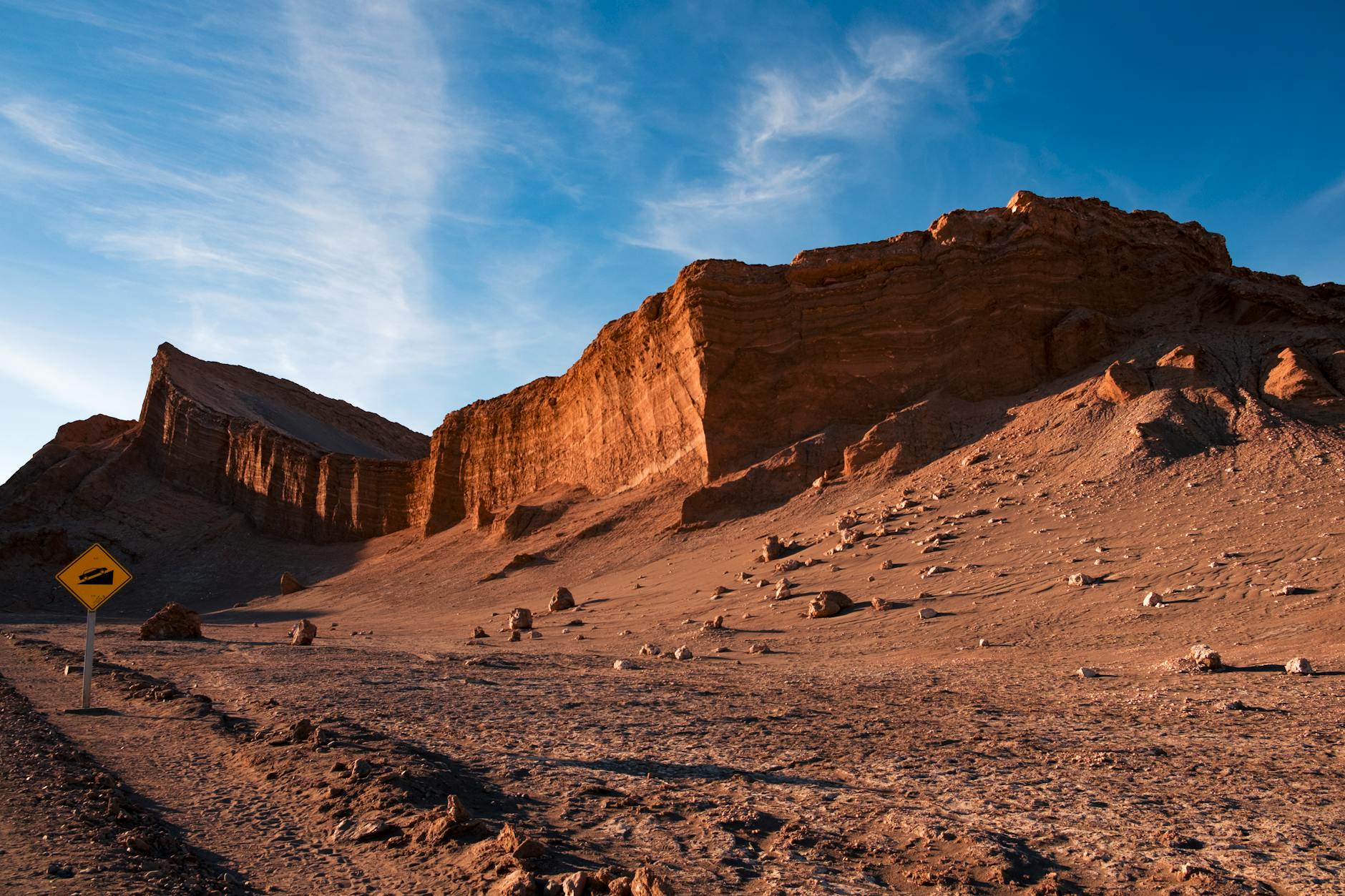
The Atacama Desert in northern Chile is widely recognized as the driest non-polar desert on Earth, creating a landscape of alien beauty that adventure travelers find endlessly compelling. Vast salt flats, turquoise lagoons, geysers, and volcanic peaks compose a terrain that shifts between earth tones and vivid color with every change in elevation. Stargazing in the Atacama is considered among the finest in the world due to the extreme altitude and near-total absence of humidity and light pollution. Sand-boarding down the towering dunes near the oasis town of Huacachina adds a thrilling physical dimension to the experience. The desert rewards exploration with a sense of solitude and grandeur that few other environments can offer.
Iguazu Falls

Iguazu Falls straddles the border between Argentina and Brazil and constitutes one of the most powerful waterfall systems on the planet. The falls span nearly three kilometers in width and include hundreds of individual cascades plunging into a misty gorge below. Walkways on both the Argentine and Brazilian sides offer dramatically different perspectives, with Argentina placing visitors right at the edge of the thundering water. The surrounding national park is dense with subtropical jungle, toucans, coatis, and vibrant butterflies that accompany the sensory experience of the falls. Eleanor Roosevelt reportedly remarked upon first seeing them that Niagara Falls looked like a kitchen faucet by comparison.
Caño Cristales
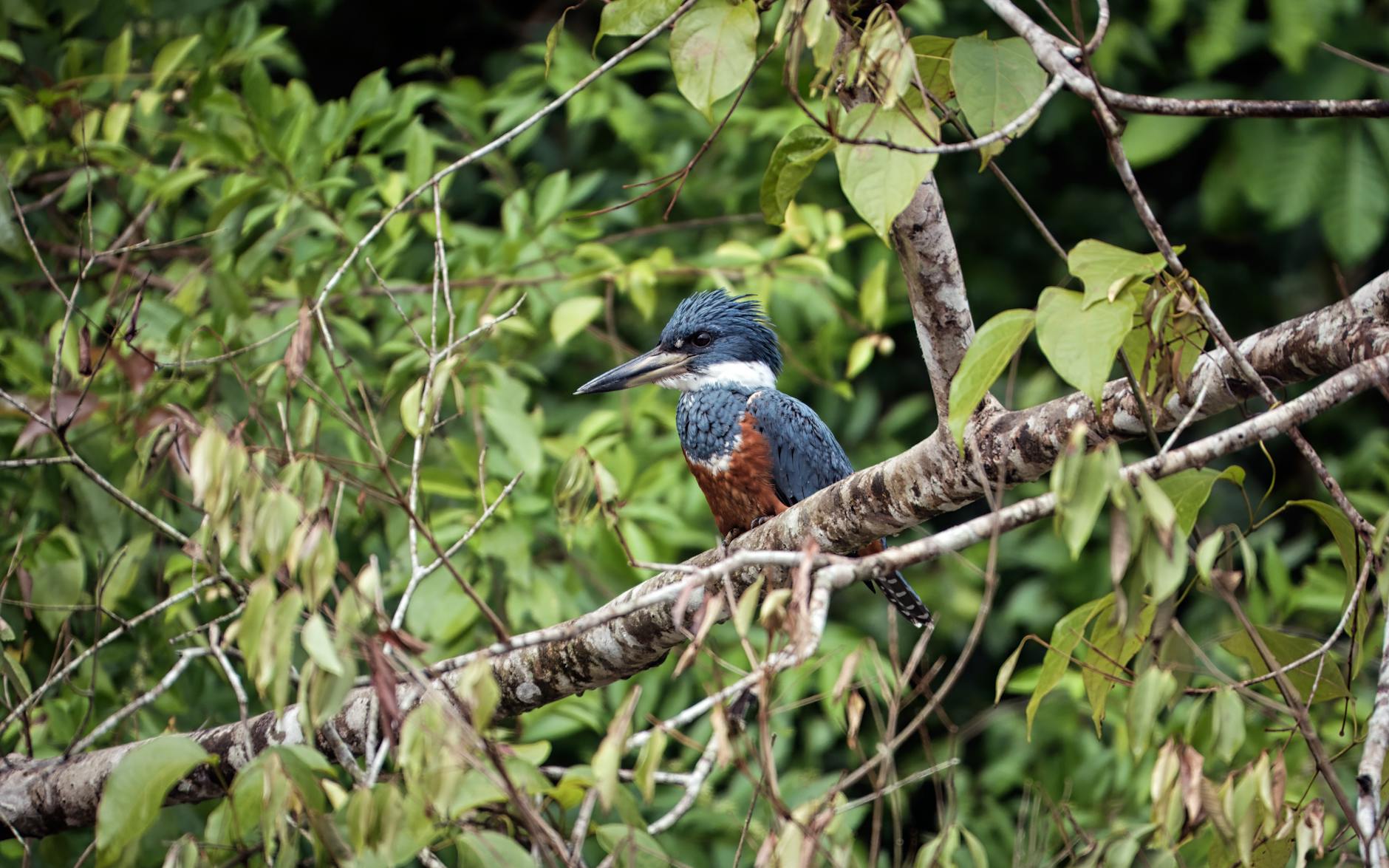
Caño Cristales in the Colombian department of Meta is known as the most beautiful river in the world and earns that title through a remarkable natural phenomenon. Between July and November a unique aquatic plant called Macarenia clavigera blooms in shades of red, pink, yellow, and green across the riverbed. The result is a river that appears to flow with liquid rainbow, surrounded by waterfalls, pools, and jungle in every direction. Access requires a flight to the nearest town and a guided trek into a protected national park, keeping visitor numbers deliberately low. The combination of remoteness and natural spectacle makes this one of the most coveted adventure destinations in all of South America.
Chapada Diamantina
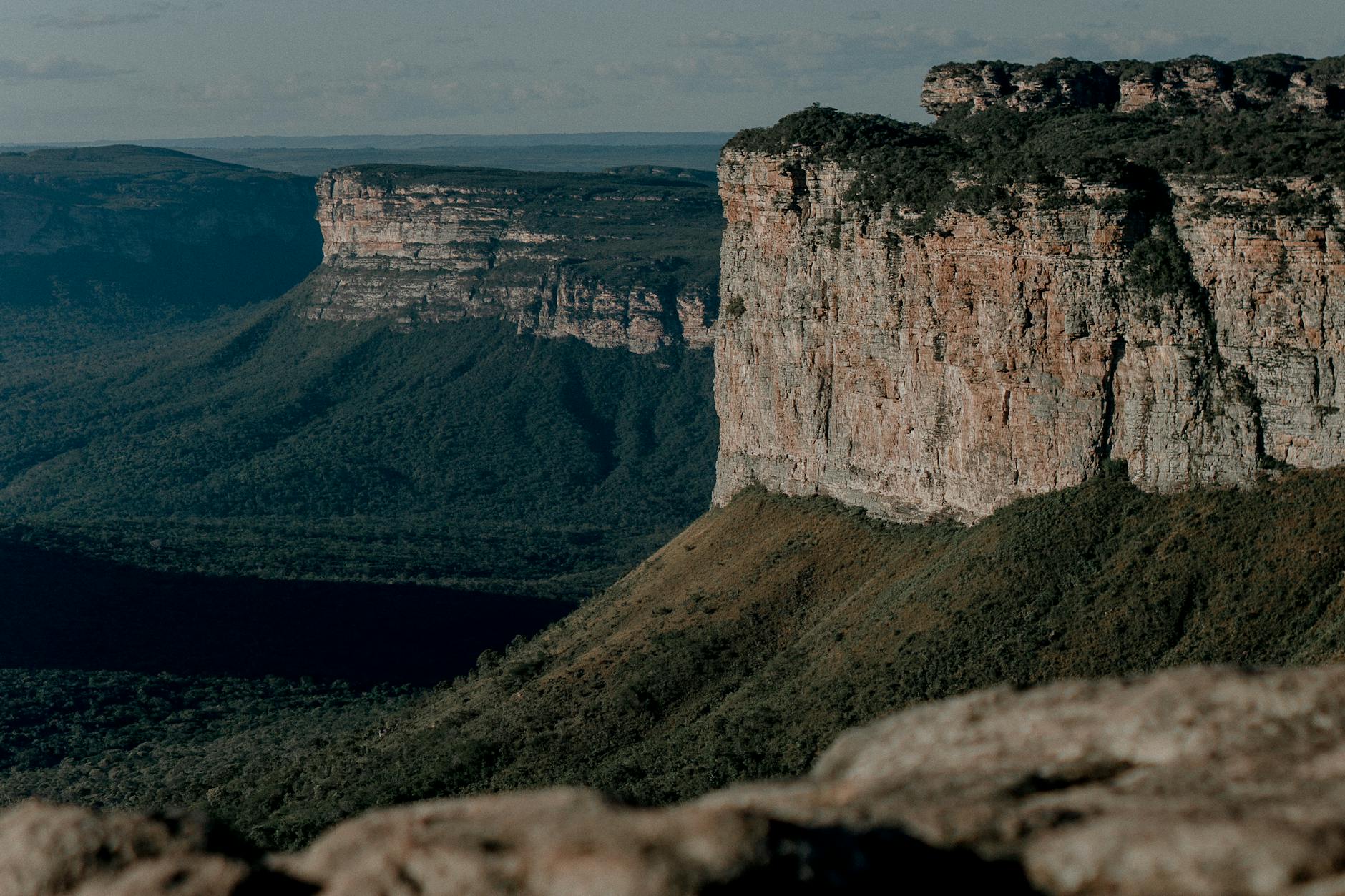
Chapada Diamantina is a national park in the state of Bahia in northeastern Brazil, forming a highland plateau of extraordinary geological drama. The park holds hundreds of caves, waterfalls, natural swimming holes, and tabletop mountains that reward multi-day trekking expeditions. The cave of Poço Azul contains an underground lake of luminous blue water lit entirely by natural light filtering through the rock above. Waterfalls cascade from cliff edges into valleys of cerrado vegetation, with routes connecting different formations over distances of several days. The park remains relatively undiscovered by international travelers, offering a sense of pioneering adventure alongside genuine natural wonder.
Mount Roraima
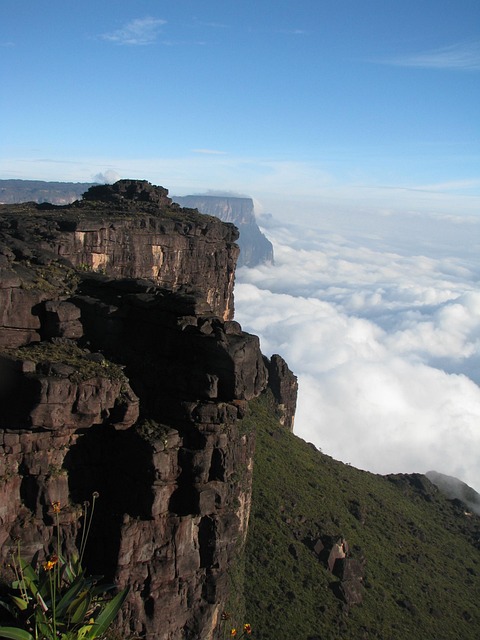
Mount Roraima is a tepui or tabletop mountain located at the meeting point of Venezuela, Brazil, and Guyana, rising nearly three kilometers above sea level. The summit plateau is a world unto itself, covered in bizarre rock formations, carnivorous plants, and species found nowhere else on the planet. The standard multi-day trek ascends through changing vegetation zones before climbing a natural ramp to reach the cloud-covered summit. Trekkers camp on the rock surface of the plateau, surrounded by clouds and an eerie silence broken only by wind and rain. Sir Arthur Conan Doyle reportedly used the tepui as inspiration for his novel about a lost world filled with prehistoric creatures.
Lake Titicaca
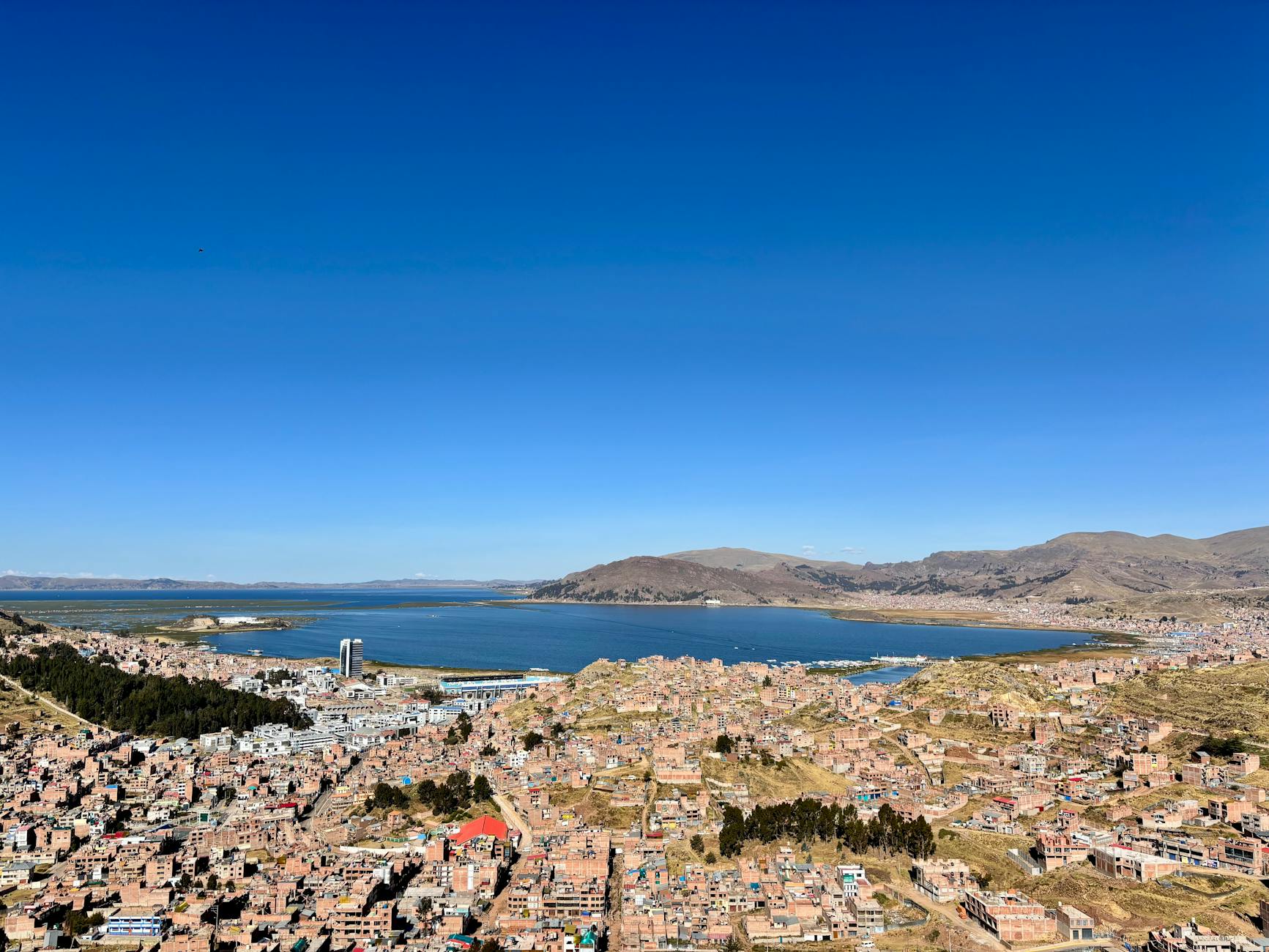
Lake Titicaca sits on the border of Peru and Bolivia at an altitude of nearly four thousand meters, making it the highest navigable lake in the world. The lake holds deep cultural significance for Andean civilizations and is still home to the Uros people who live on floating islands made from totora reeds. Kayaking or sailing across the vast expanse of cobalt blue water with snow-capped peaks reflected on the surface is a genuinely powerful adventure experience. The island of Taquile offers trekking through terraced hillsides and encounters with communities maintaining centuries-old textile traditions. The altitude makes physical activity more demanding here, adding a layer of personal challenge to every excursion.
Cotopaxi

Cotopaxi is one of the highest active volcanoes in the world and stands as one of Ecuador’s most iconic adventure destinations. The summit reaches nearly six thousand meters and is permanently capped with glacial ice, making it a technical climb requiring crampons and ice axes. Even travelers who do not summit can access the national park for mountain biking, horse riding, and trekking across the surrounding paramo grasslands. The symmetrical cone of the volcano dominates the skyline of the central Ecuadorian highlands, visible on clear days from the capital Quito. Reaching the refuge at nearly five thousand meters rewards climbers with extraordinary views across a volcanic landscape that stretches in every direction.
Pantanal
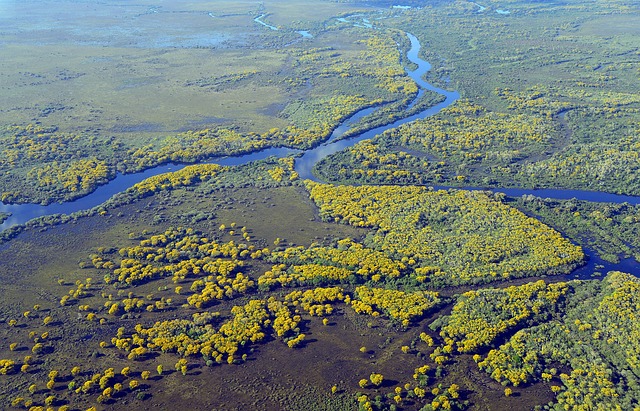
The Pantanal is the world’s largest tropical wetland, spanning a vast area across Brazil, Bolivia, and Paraguay, and offering the best wildlife viewing conditions in South America. Unlike the dense Amazon jungle where animals conceal themselves in layers of canopy, the open floodplains of the Pantanal bring jaguars, capybaras, caimans, and giant anteaters into full view. The dry season concentrates wildlife around remaining water sources, creating wildlife encounters of a density and drama that rivals the great African game reserves. Boat tours, horseback safaris, and guided walks compose the typical adventure itinerary through this extraordinary ecosystem. The Pantanal remains far less visited than the Amazon, delivering a sense of genuine discovery to those who seek it out.
Futaleufú River
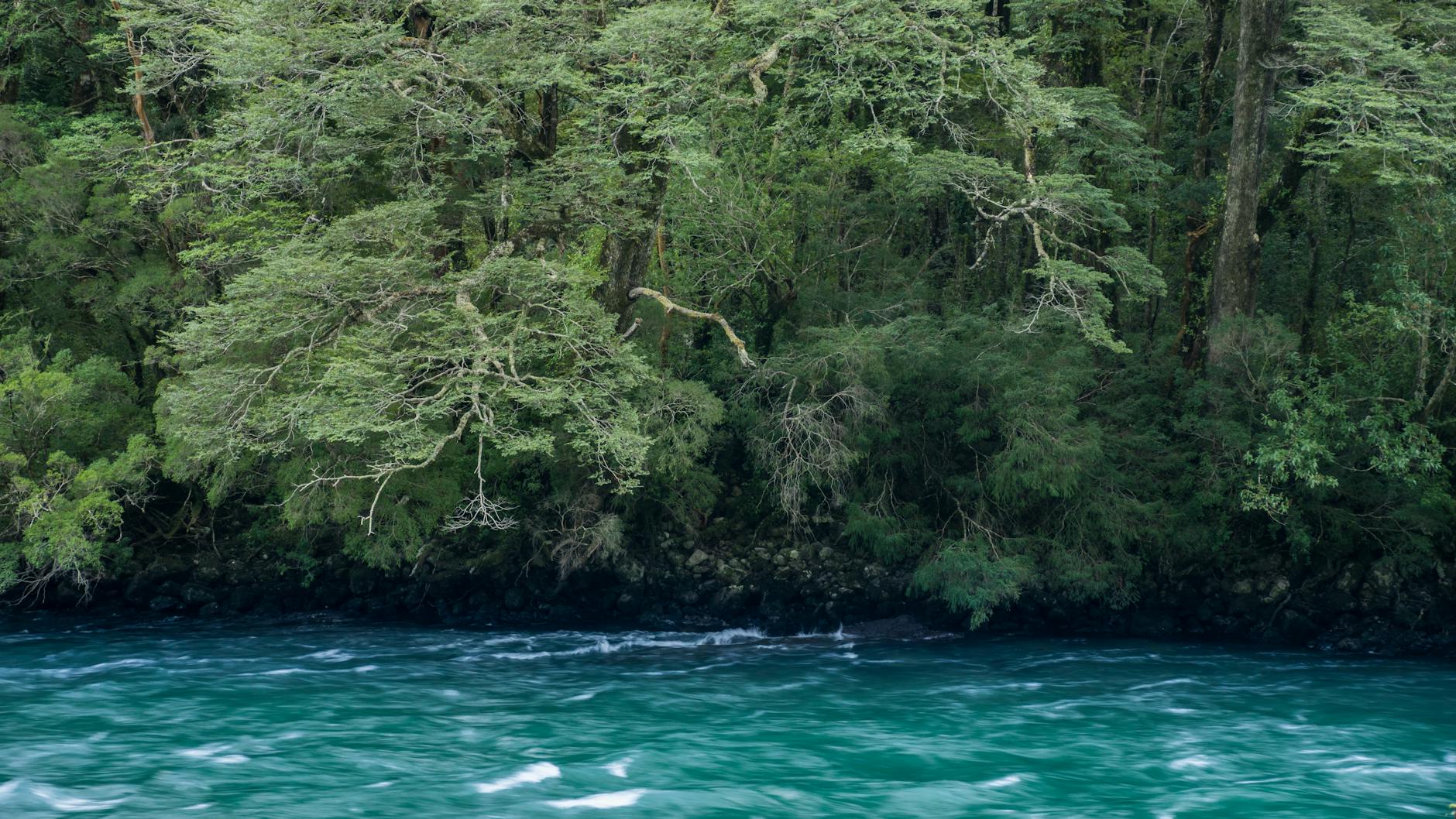
The Futaleufú River in Chilean Patagonia is widely regarded as one of the premier whitewater rafting and kayaking destinations in the entire world. Its turquoise waters cascade through deep canyons and primeval forests at a speed and volume that generate class five rapids tested only by the most experienced paddlers. Multi-day rafting expeditions camp along the riverbanks under ancient beech forests while guides navigate the most demanding stretches with precision. The surrounding Patagonian landscape of mountains and glacial valleys adds a visual grandeur to the physical intensity of the experience. Serious whitewater adventurers place the Futaleufú among the handful of rivers that belong on a lifetime list.
Mendoza
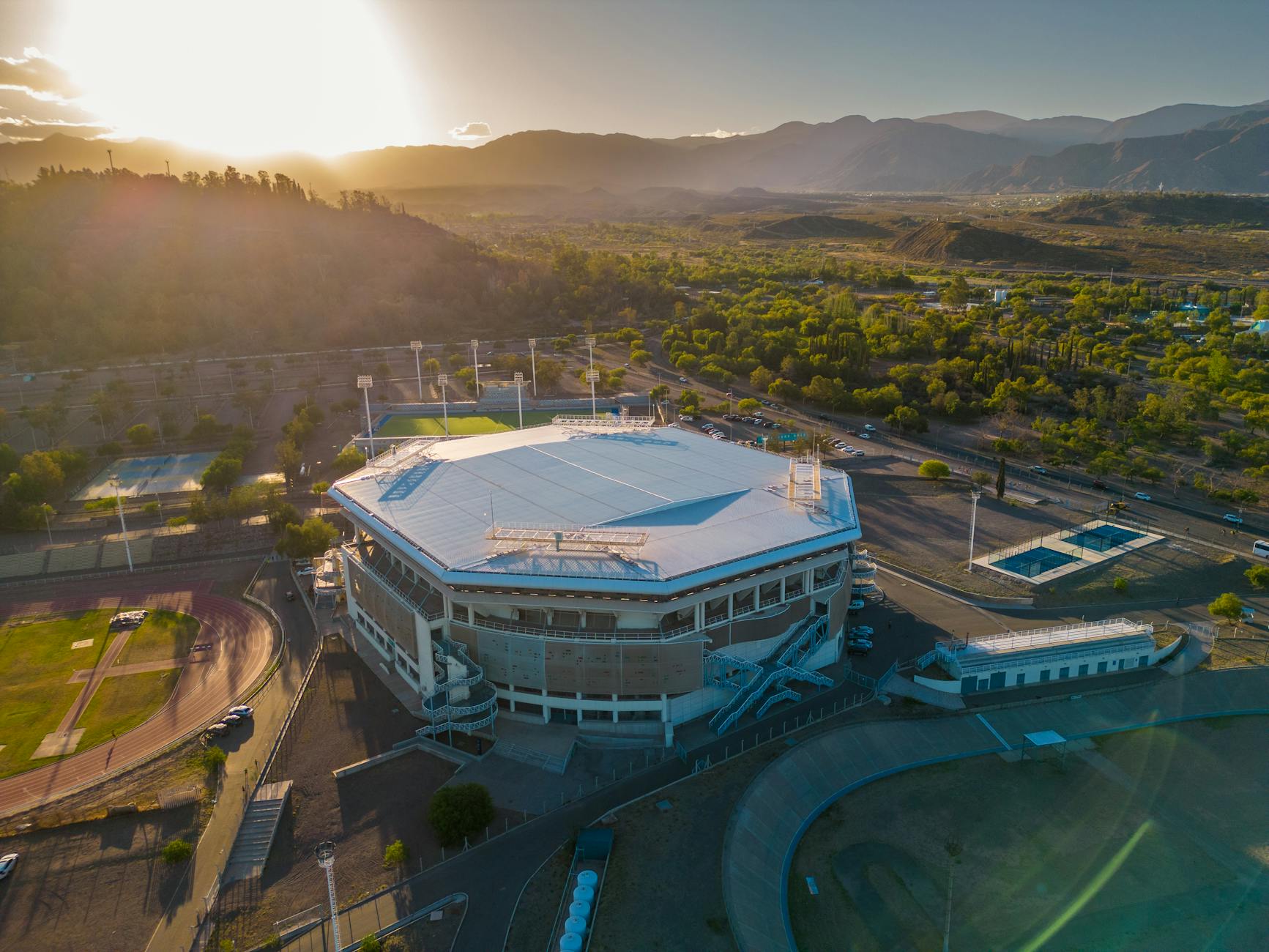
Mendoza in western Argentina sits at the foot of the Andes and serves as the base camp for the highest peak in both the Western and Southern Hemispheres. Aconcagua rises to nearly seven thousand meters and attracts mountaineers from around the world who undertake expeditions lasting several weeks to reach the summit. The surrounding region also offers world-class ski resorts at Las Leñas, white-water rafting on Andean rivers, and horseback riding through high-altitude valleys. Paragliding from the mountain slopes delivers aerial views of the Andes that rank among the most spectacular in South America. The city itself offers a vibrant base of renowned wine culture and excellent infrastructure for adventure planning.
Manu National Park
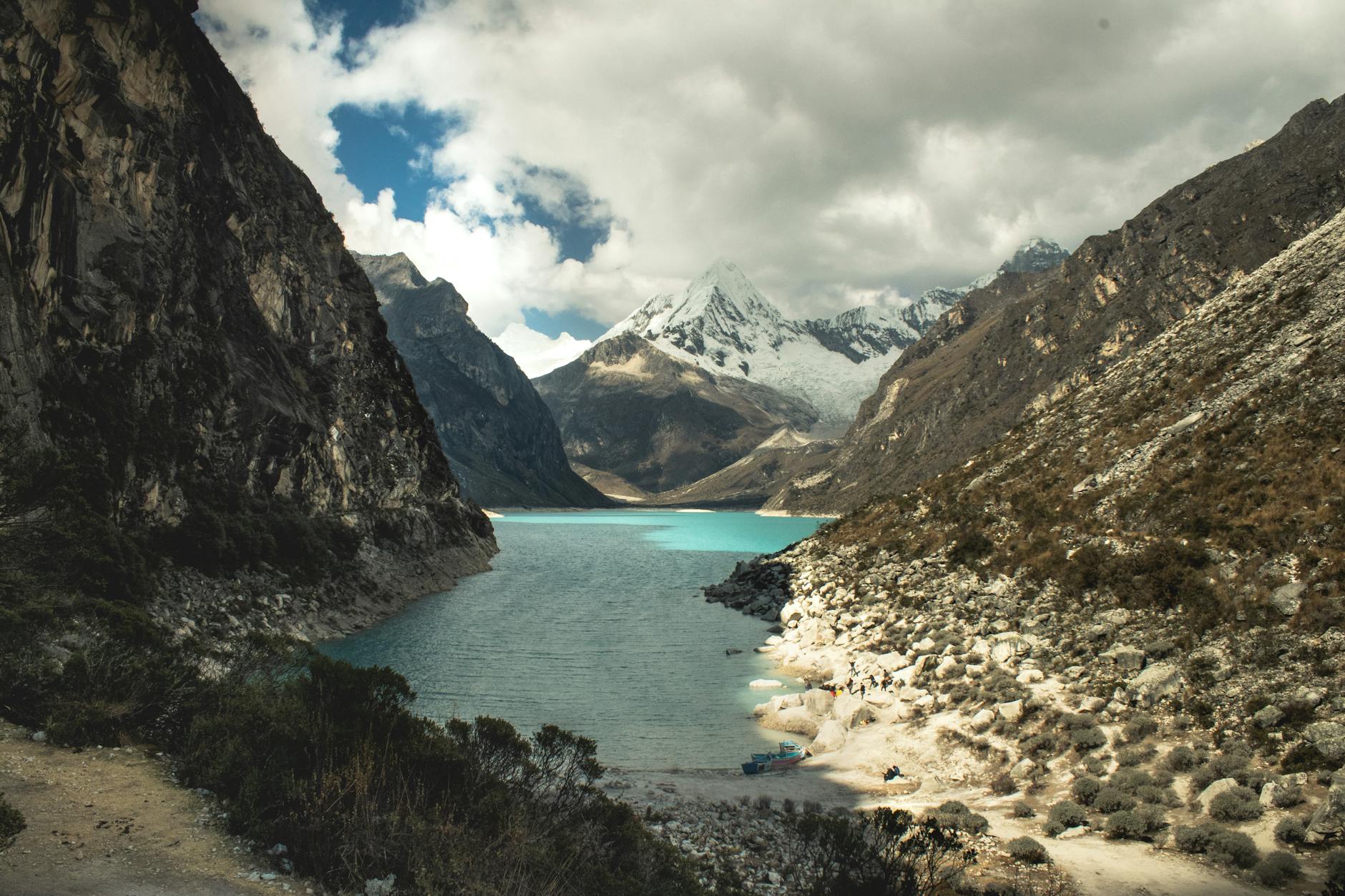
Manu National Park in southeastern Peru is one of the most biodiverse protected areas on the planet, combining Andean highlands with lowland Amazon rainforest in a single contiguous wilderness. The park is home to hundreds of bird species, giant otters, tapirs, peccaries, and one of the densest jaguar populations remaining in South America. Access is deliberately restricted and requires licensed guides, which preserves the ecological integrity of the experience. River journeys through the park pass macaw clay licks where thousands of birds descend daily in a spectacle of color and noise. The genuine remoteness of Manu ensures that what travelers encounter here is a world almost entirely untouched by modern intervention.
Quebrada de Humahuaca
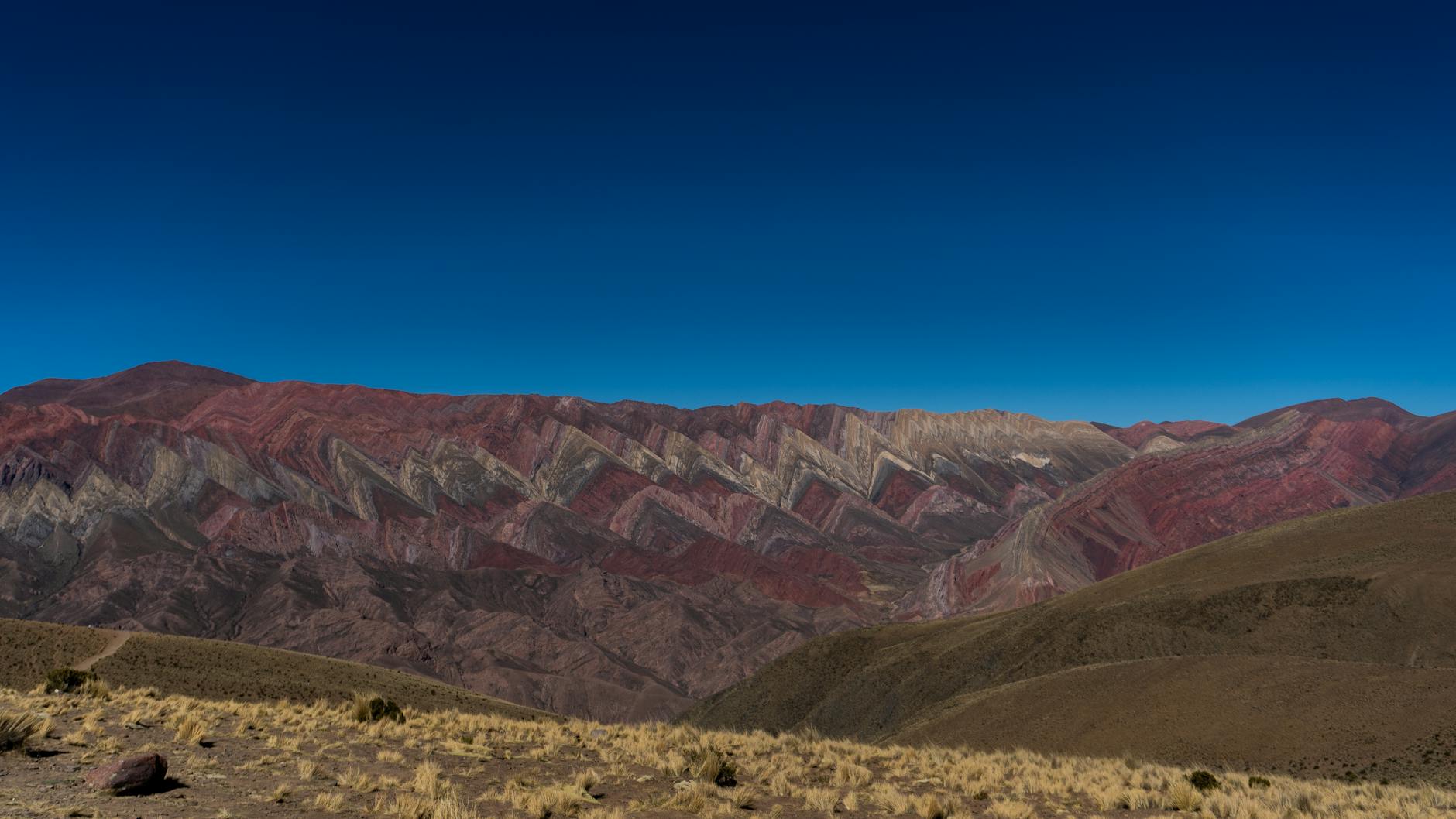
The Quebrada de Humahuaca is a dramatic river valley in the northwestern Argentine province of Jujuy, carved through mountains of extraordinarily vivid colored rock. The geological formations known as the Hill of Seven Colors near Purmamarca shift through reds, yellows, greens, and purples depending on the angle and quality of the light. The valley holds a chain of pre-Columbian villages connected by ancient trade routes that adventurous hikers and cyclists can follow for days. UNESCO recognized the cultural and geological significance of the region with World Heritage status in 2003. The high-altitude landscape and well-preserved indigenous culture combine to make this one of Argentina’s most compelling adventure corridors.
Huacachina
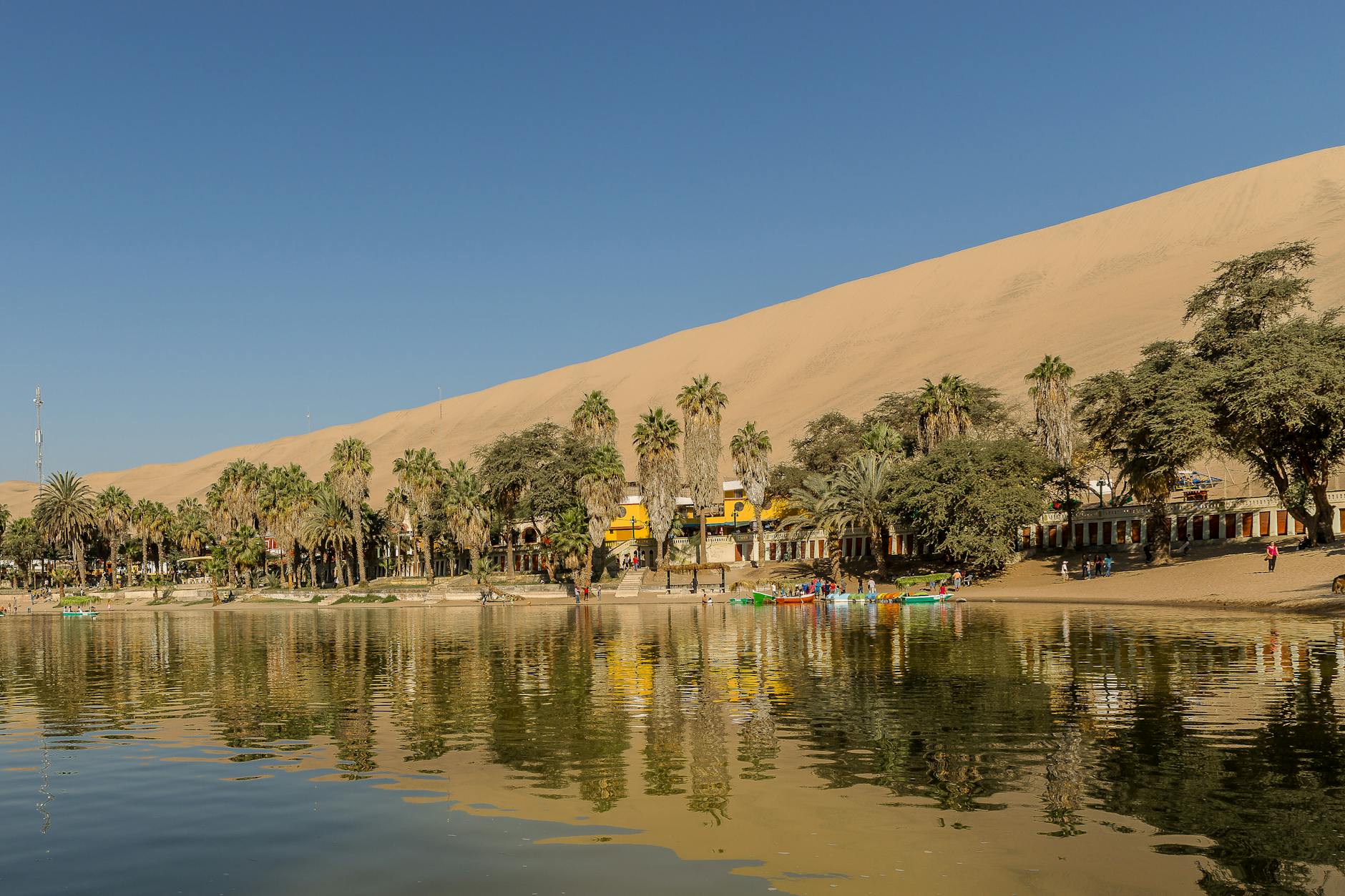
Huacachina is a small desert oasis nestled among towering sand dunes in the Ica region of southwestern Peru. The lagoon at its center is surrounded by palm trees and colonial buildings, creating a striking contrast with the vast shifting walls of sand that enclose it on all sides. Dune buggies carry travelers at speed across the ridges and troughs of the surrounding desert before dropping them at optimal points for sandboarding. The dunes here are among the largest in South America, with drops steep enough to deliver genuine adrenaline regardless of experience level. Watching the sun set over the dunes from the crest of the highest ridge is a moment that defines the adventure spirit of the region.
Tierra del Fuego
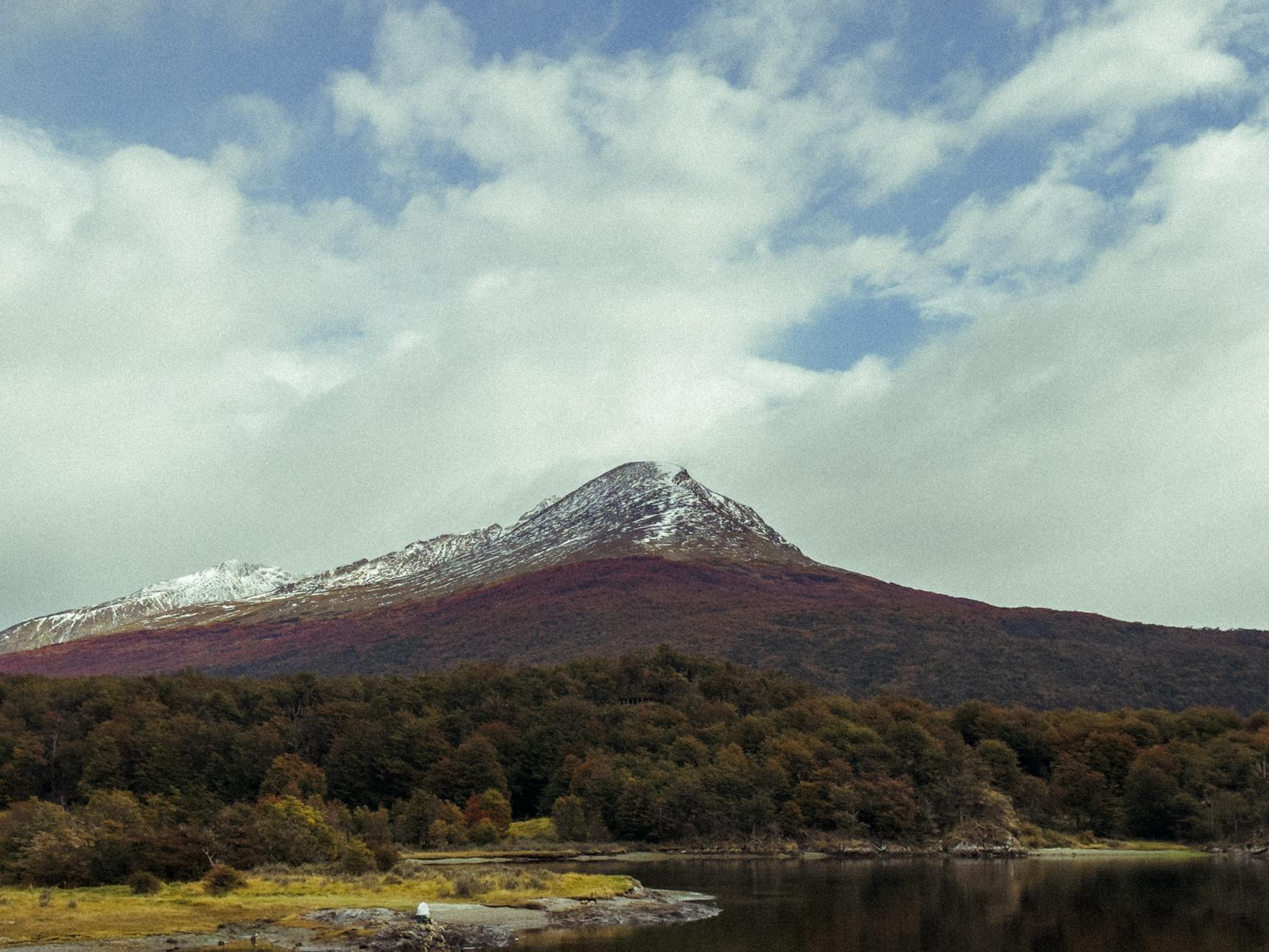
Tierra del Fuego is an archipelago at the very southern tip of South America, shared between Argentina and Chile, and representing one of the most remote and atmospheric destinations on the continent. The landscape of sub-Antarctic forest, glaciers, peat bogs, and windswept coastlines creates a raw and elemental environment that rewards travelers willing to venture to the end of the world. Ushuaia on the Argentine side serves as the world’s southernmost city and the primary gateway for trekking, sailing, and kayaking expeditions. The Beagle Channel that separates the main island from smaller ones is navigated by expedition vessels that follow the exact route charted by Charles Darwin in the 1830s. The sense of standing at the edge of the world is not metaphorical here but a genuine geographical reality.
Cartagena
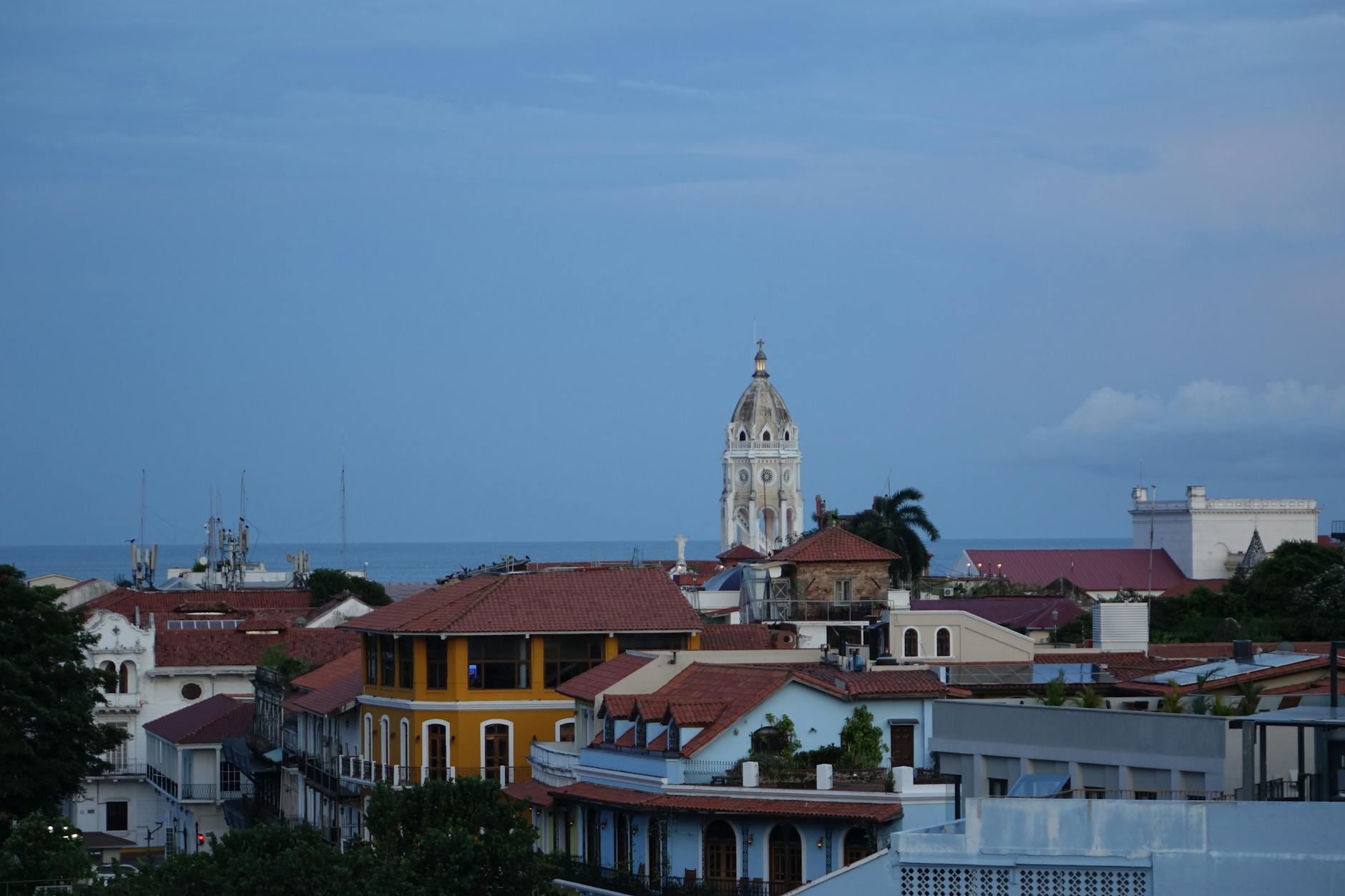
Cartagena on the Caribbean coast of Colombia delivers adventure through its surrounding islands, coral reefs, and mangrove ecosystems as much as through its storied old city. The Rosario Islands lie a short boat journey offshore and offer snorkeling and diving across coral gardens teeming with tropical fish and sea turtles. Kite-surfing at Punta Norte and exploring the mangrove channels of the Barú Peninsula add active dimensions to a destination often celebrated only for its colonial architecture. Boat trips to the archipelago of San Bernardo venture deeper into Caribbean waters to reach some of the most pristine reef systems in the region. The energy of the city combined with the accessibility of its surrounding natural environments makes Cartagena a genuinely multidimensional adventure base.
The Lost City
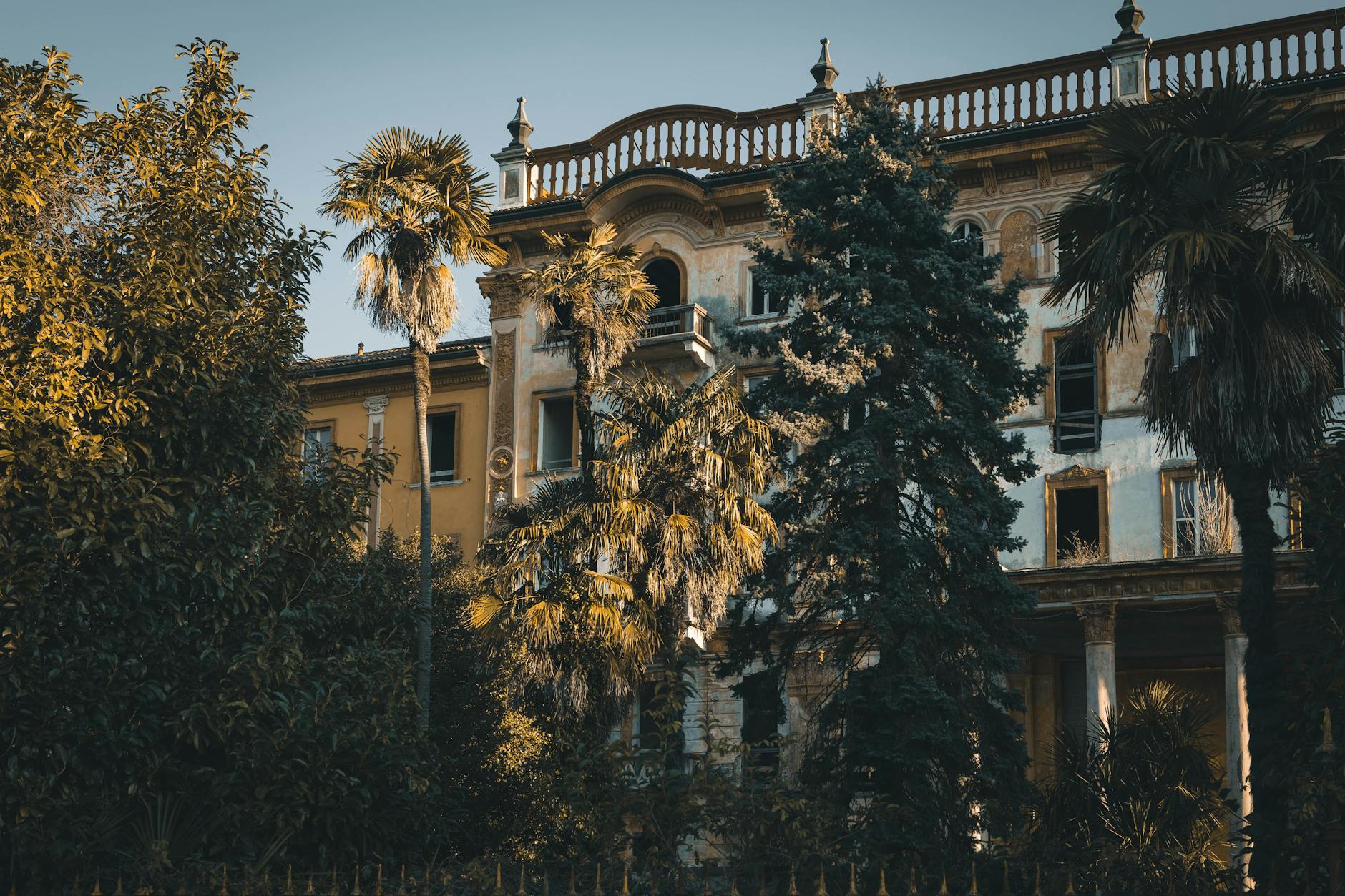
The Lost City, known in Spanish as Ciudad Perdida, is an ancient Tairona city built high in the Sierra Nevada de Santa Marta mountains of northern Colombia around 800 AD. The four to six day jungle trek required to reach the site navigates river crossings, steep muddy trails, and dense forest under the guidance of licensed local operators. Arriving at the stone terraces of the city after days of trekking through this challenging terrain generates a profound sense of discovery and physical achievement. The surrounding sierra is still inhabited by four indigenous groups who consider the mountain sacred and whose presence adds cultural depth to the adventure. Many travelers who have completed both rate the trek to the Lost City above the Inca Trail in terms of raw adventure experience.
Orinoco Delta
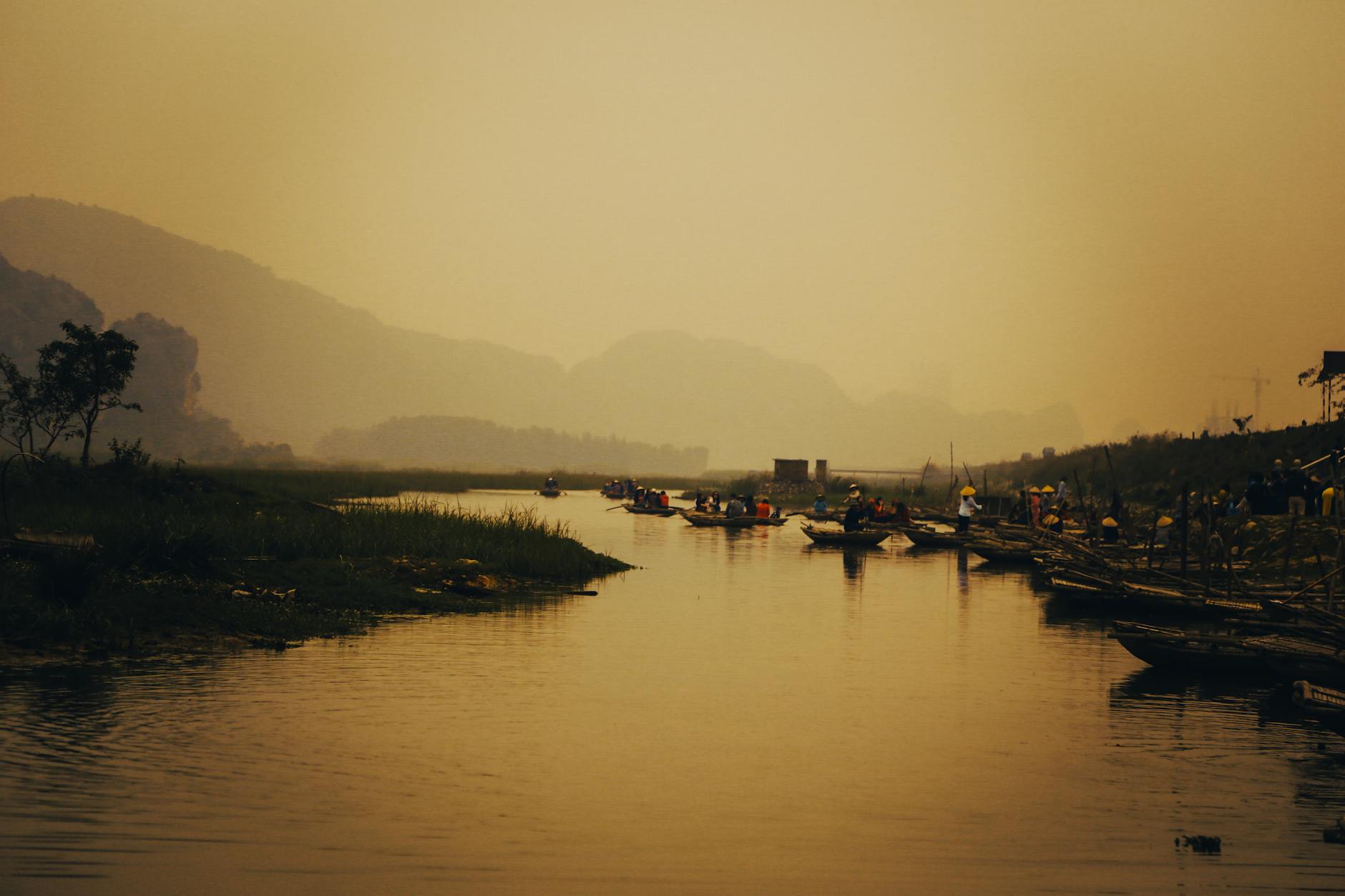
The Orinoco Delta in eastern Venezuela is a labyrinthine network of waterways, jungle, and flooded forest that forms one of the most immersive wilderness destinations in South America. Traveling by dugout canoe through channels lined with towering moriche palms and inhabited by scarlet macaws, river otters, and anacondas creates an experience of deep natural immersion. The Warao people have inhabited this delta for thousands of years and their stilted villages offer a rare window into a way of life shaped entirely by the river. Fishing for piranha, swimming in dark jungle pools, and navigating the delta by night when the sounds of the rainforest intensify dramatically are all part of the adventure itinerary here. The delta’s scale and complexity reward multiple days of exploration and reward travelers who prefer discovery over comfort.
Bonito
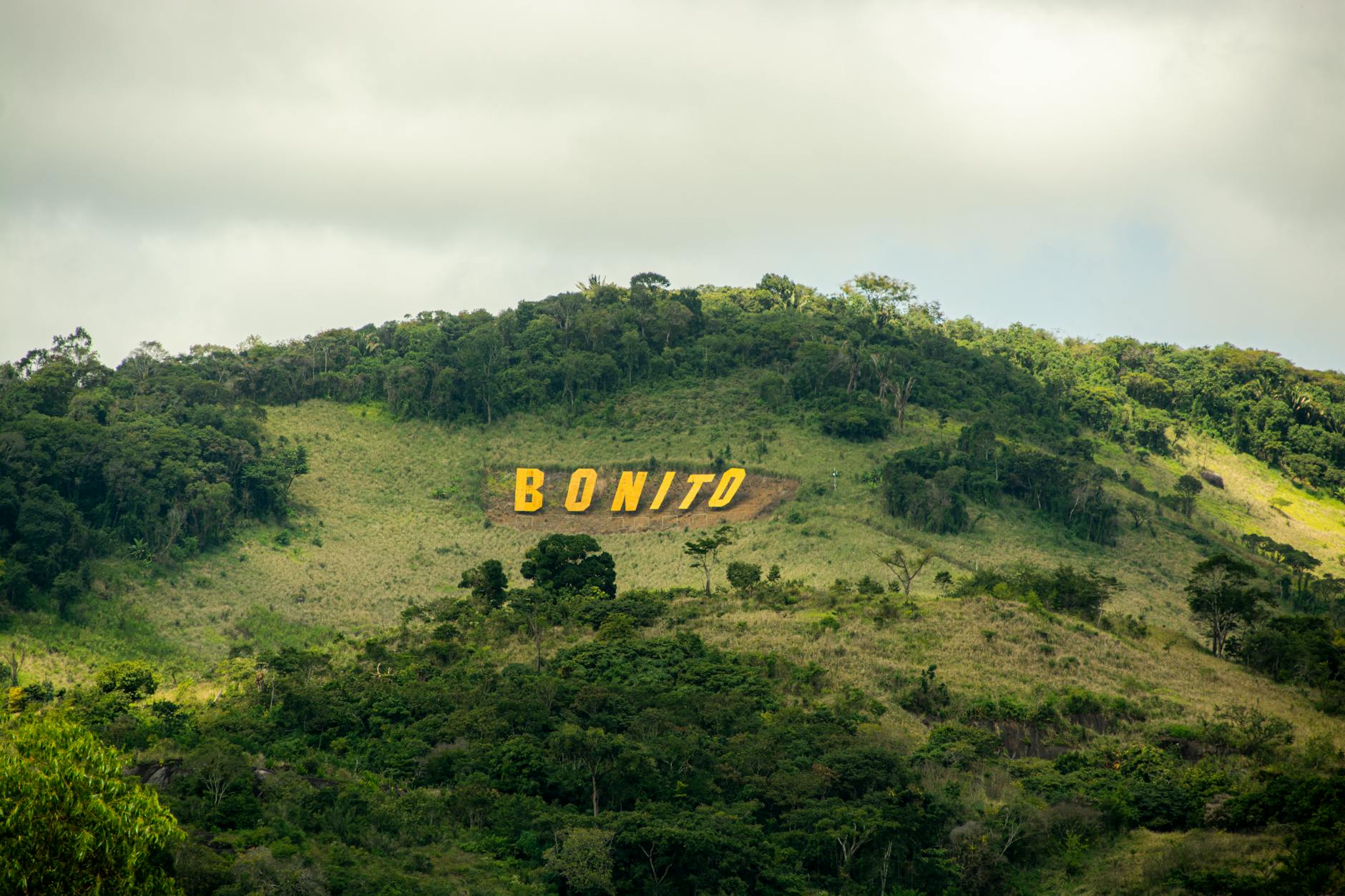
Bonito in the Mato Grosso do Sul state of Brazil is a small town that serves as the gateway to one of South America’s most unusual adventure landscapes. The rivers here flow over beds of white limestone, filtering the water to a level of clarity that creates one of the finest freshwater snorkeling and diving experiences in the world. Floating down the Rio da Prata or the Aquário Natural places snorkelers alongside enormous schools of fish in water so transparent it appears to be a living aquarium. The surrounding ecosystem also includes caves, waterfalls, and cerrado scrubland accessible on foot or horseback. Bonito operates under a strict sustainable tourism model that limits visitor numbers to protect the extraordinary environment that makes it exceptional.
Lençóis Maranhenses

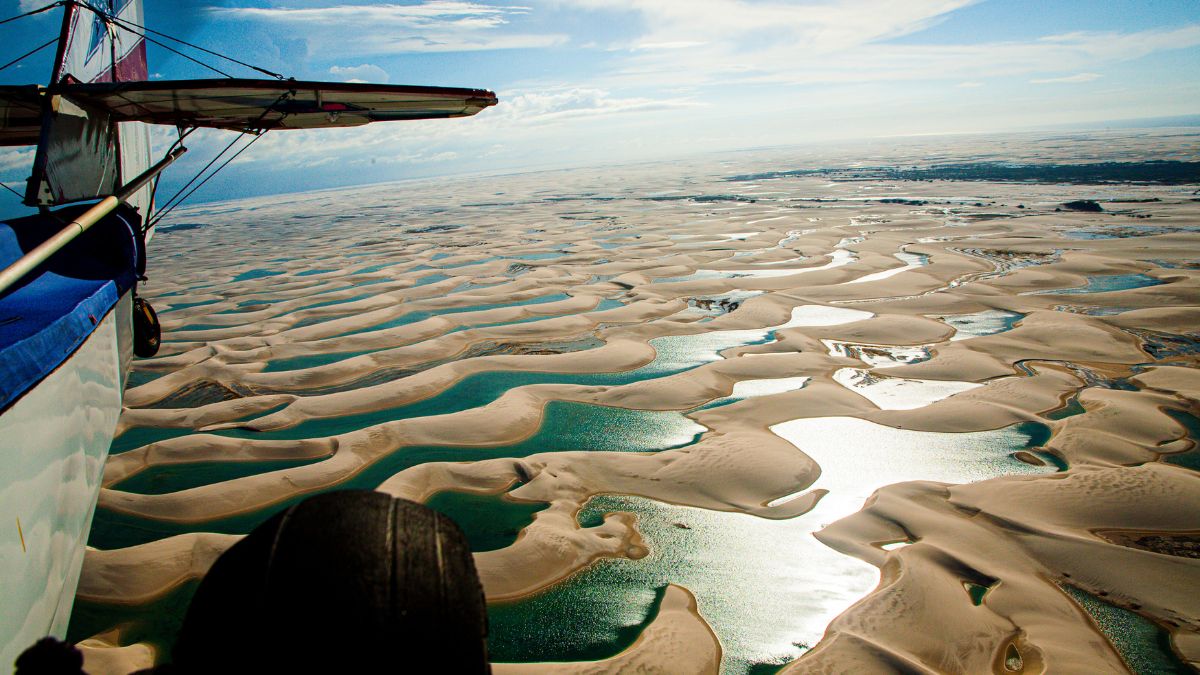
Lençóis Maranhenses is a national park in northeastern Brazil that contains one of the most visually spectacular and unexpected landscapes on the continent. The park holds vast white sand dunes that extend for over one hundred fifty kilometers yet sit just inland from the coast in a region that receives substantial seasonal rainfall. Between July and September the low valleys between the dunes fill with crystalline freshwater lagoons of turquoise and blue, creating a surreal combination of desert and water that appears almost digitally rendered. Trekking between the lagoons under an enormous sky with no other traveler in sight for hours is an intensely solitary and powerful experience. The remoteness and visual otherworldliness of Lençóis Maranhenses make it one of the most surprising adventure discoveries available in South America.
Ciudad Perdida Region of the Sierra Nevada
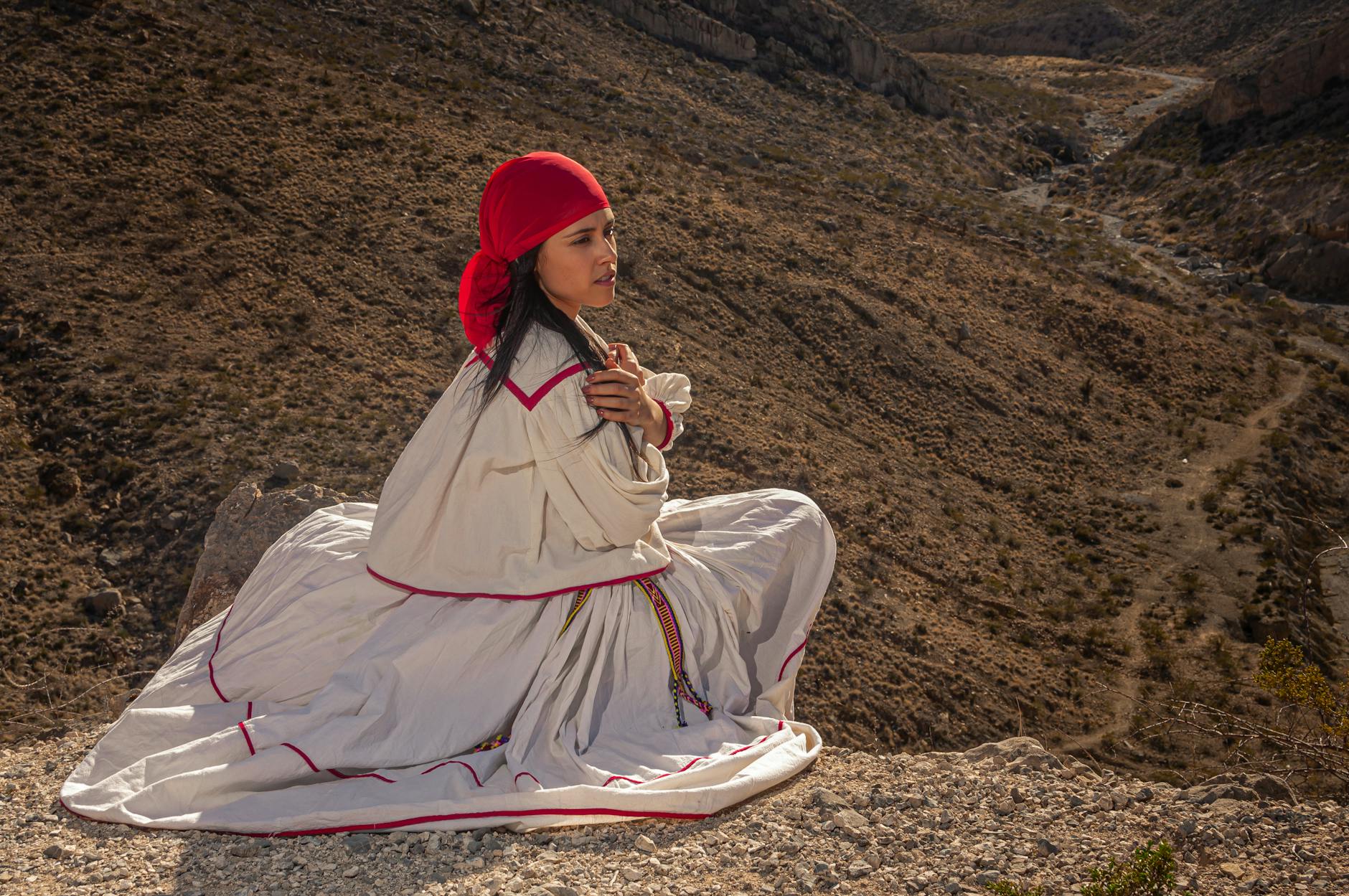
The broader Sierra Nevada de Santa Marta in Colombia represents an entire system of adventure that extends well beyond the Lost City itself. The mountain range rises from Caribbean coastline to permanent snowfields within a remarkably short horizontal distance, creating a vertical journey through ecosystems that ranges from tropical beach to glacial peak. Indigenous communities on the slopes maintain ancient relationships with the land and serve as guides and hosts for trekkers undertaking multi-week traversals of the range. The remote beaches accessible only by boat or trail at the base of the sierra offer camping among pristine coral ecosystems with minimal infrastructure. The combination of cultural depth, ecological diversity, and physical scale makes the Sierra Nevada one of the most complete adventure regions in the Americas.
Nahuel Huapi
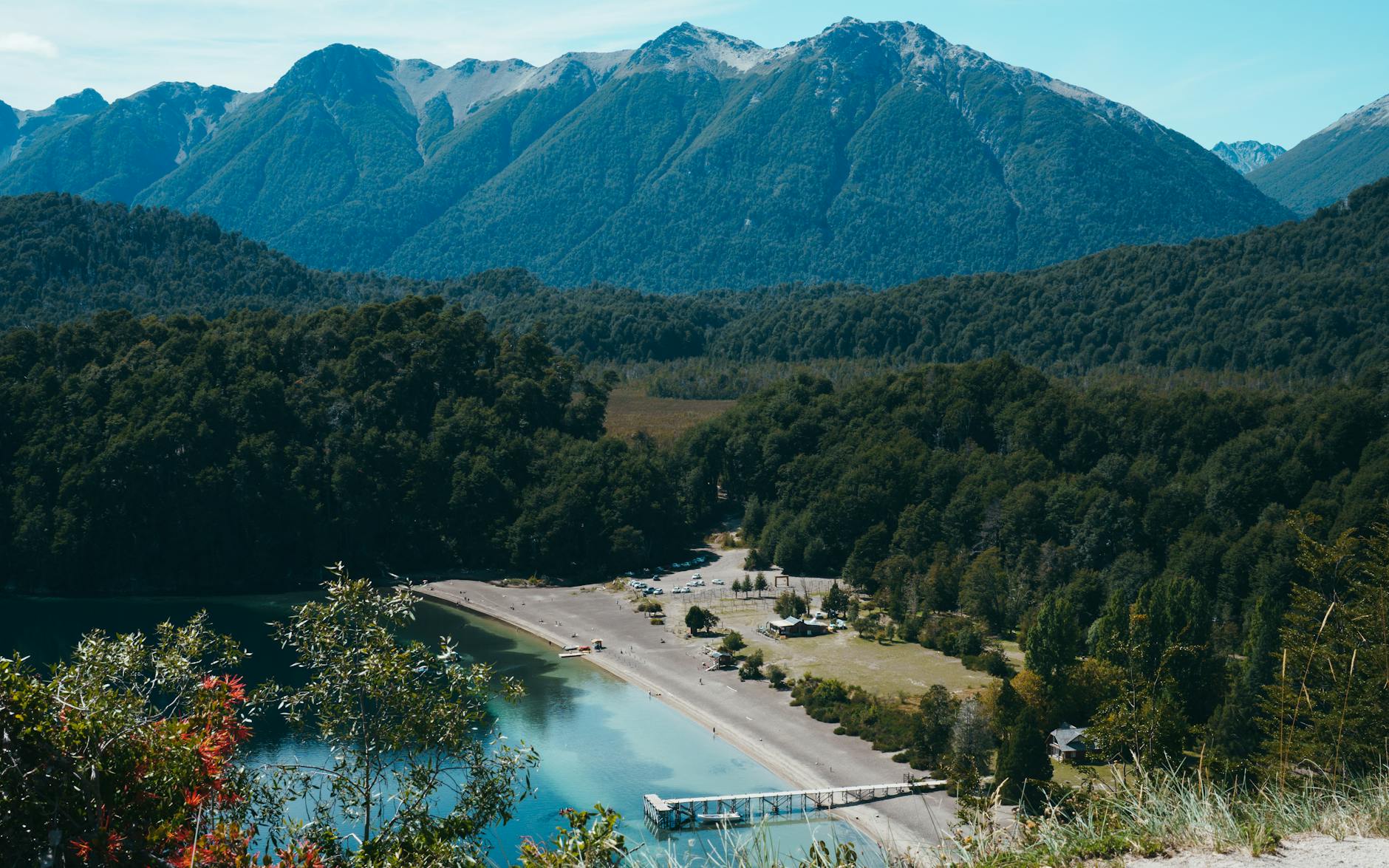
Nahuel Huapi National Park in the Argentine Lake District is a wilderness of glacial lakes, ancient forests, and dramatic Andean peaks that forms the oldest national park in Argentina. The Tronador volcano looms over the park’s western edge, accessible via trekking routes that pass through hanging glaciers and turquoise meltwater streams. Multi-day circuits connect mountain refuges through terrain that shifts between lenga beech forest and exposed alpine ridgeline. Kayaking across the lake’s deep blue waters with the Andes as a backdrop delivers a level of scenic grandeur that matches any landscape in the continent. The town of Bariloche at the lake’s edge provides a well-developed base for adventure activities ranging from skiing in winter to rock climbing in summer.
Canaima National Park
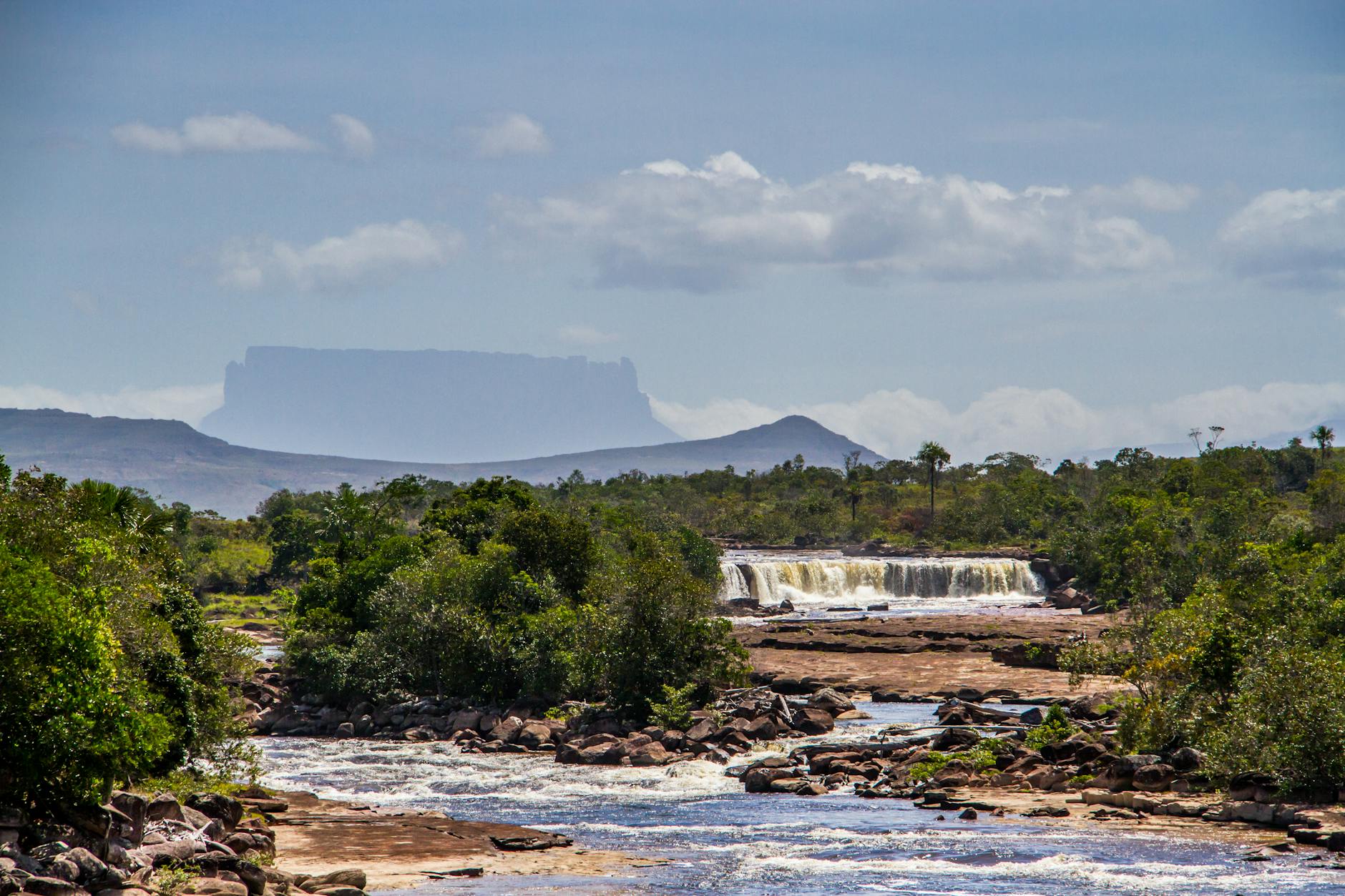
Canaima National Park in Venezuela is a UNESCO World Heritage Site protecting a landscape of ancient tepuis, vast savannahs, and lagoons stained red by tannins from surrounding vegetation. The park covers an area roughly the size of Belgium and contains some of the oldest geological formations on Earth, with tepui surfaces that have been isolated from the rest of the world for millions of years. Boat journeys across the red lagoon to view waterfalls plunging from distant cliff faces serve as the iconic introduction to the park for most visitors. Guided treks into the park’s interior reveal a level of biological isolation that produces endemic species found in no other location. The combination of geological antiquity, biological uniqueness, and visual drama make Canaima one of the genuine wonders of the natural world.
Easter Island
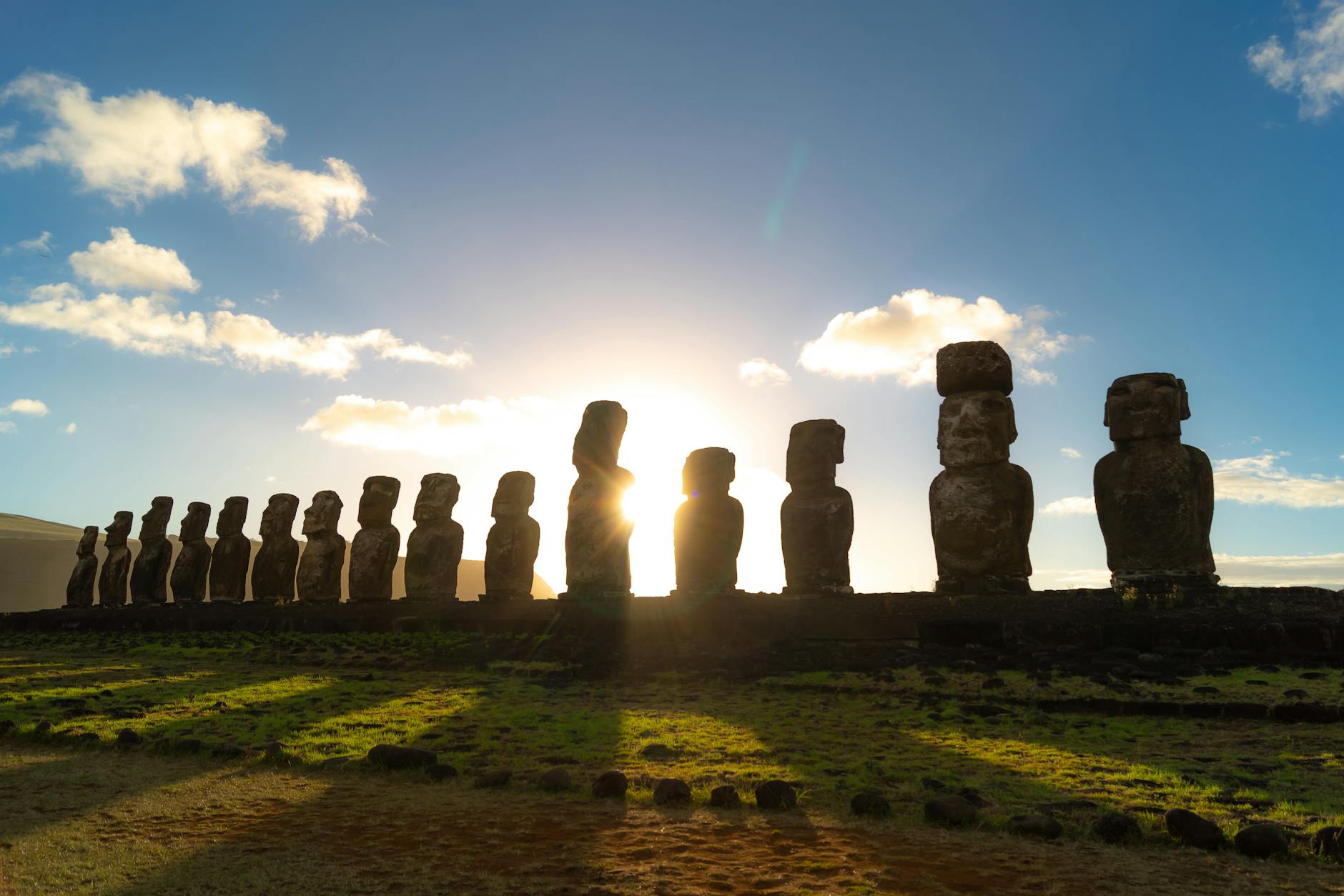
Easter Island, known as Rapa Nui, sits in the middle of the Pacific Ocean as one of the most remote permanently inhabited places on Earth, yet remains within Chilean territory and accessible as a South American adventure destination. The island’s nearly one thousand moai statues were carved and transported by the Rapa Nui people in a feat of engineering that continues to puzzle researchers. Hiking the volcanic craters, diving in the extraordinarily clear Pacific waters, and cycling between ceremonial platforms across rolling grassland compose the active itinerary of the island. The combination of archaeological mystery, isolation, and ocean scenery creates an adventure atmosphere unlike anything found on the mainland. Arriving by the long flight from Santiago only deepens the sense of entering a truly separate world.
South America holds more adventure than most travelers could explore in a lifetime, and every destination on this list opens a door to a different kind of extraordinary. Share your own South American adventure experiences and must-visit recommendations in the comments.




