Europe’s most celebrated capitals attract millions of visitors each year yet the continent quietly holds dozens of extraordinary cities that rarely make the highlight reels. These places offer the same rich history, remarkable architecture and vibrant local culture without the overwhelming tourist crowds. Travelers who venture beyond the obvious choices are often rewarded with more authentic experiences, lower prices and a far deeper connection to local life. This guide brings together twenty of Europe’s most overlooked urban gems that belong at the very top of every curious traveler’s bucket list.
Ghent
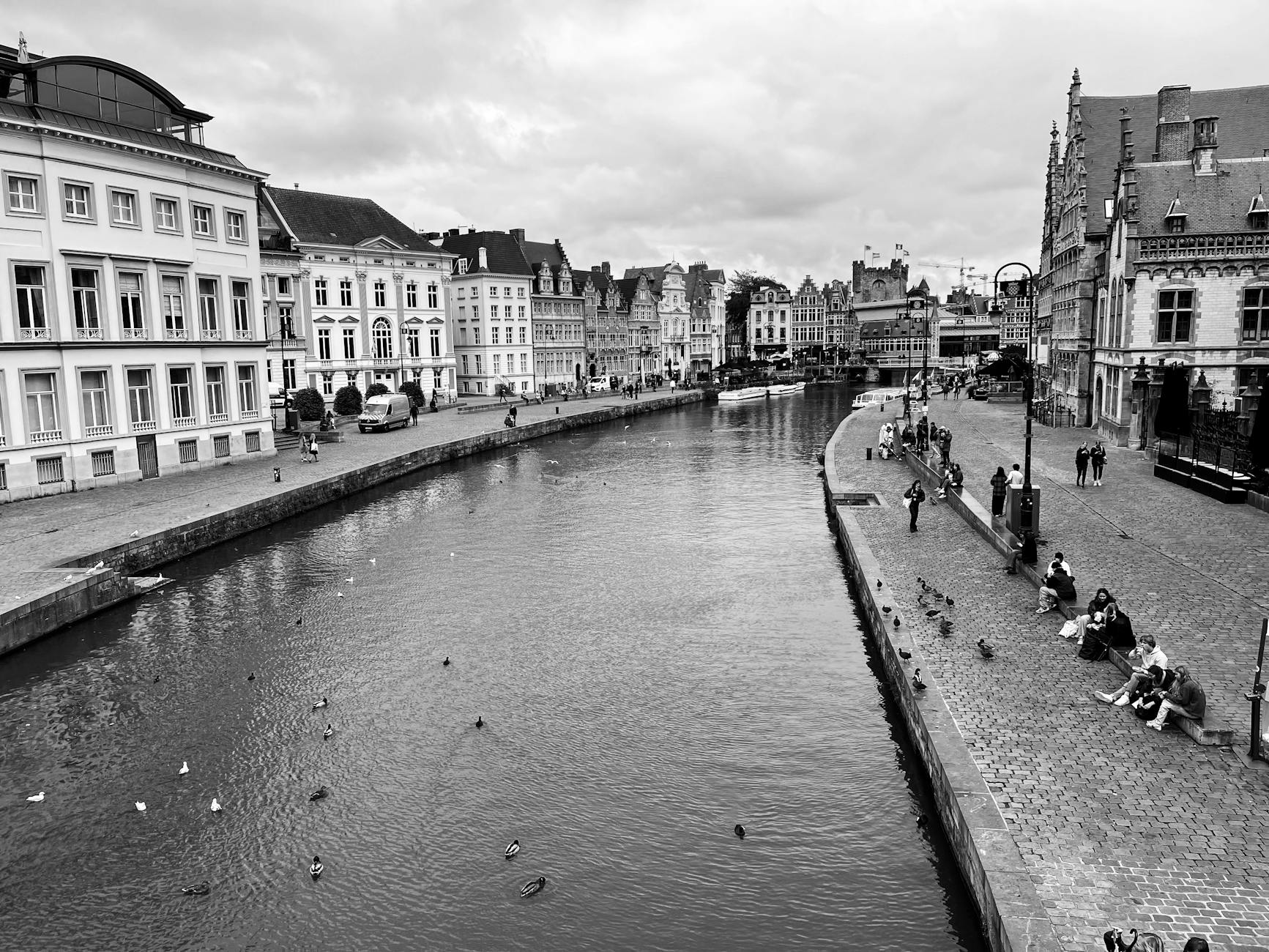
Ghent is a medieval Flemish city in Belgium that manages to feel both historic and effortlessly cool at the same time. Its canal-lined streets are dotted with towering guild houses, a dramatic castle and some of the finest Gothic architecture on the continent. The city has a thriving student population which gives it an energetic arts and food scene that rivals far more famous Belgian destinations. Waterzooi, the city’s beloved local stew, is best enjoyed at one of the many cozy restaurants tucked along the Graslei waterfront. Ghent rewards slow exploration and reveals new layers of charm with every turn through its ancient alleyways.
Plovdiv
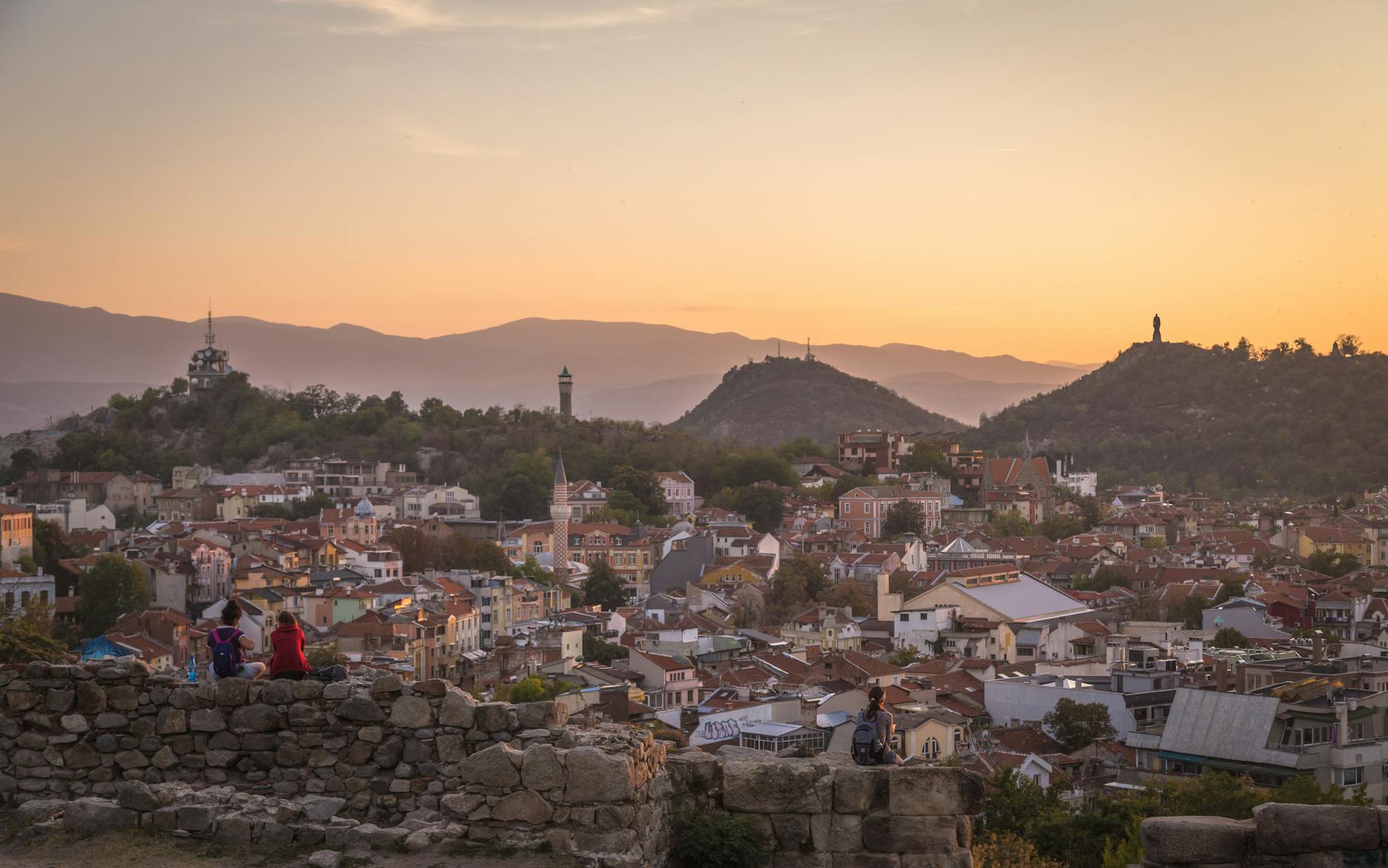
Plovdiv is Bulgaria’s second largest city and one of the oldest continuously inhabited cities in the entire world. Its Old Town sits across three hills and is filled with beautifully preserved National Revival architecture painted in vivid pastel tones. The city served as a European Capital of Culture and the arts infrastructure built during that period continues to attract creatives from across the region. Roman ruins including an ancient theatre that still hosts live performances sit seamlessly woven into the fabric of the modern city. Plovdiv offers a remarkably affordable travel experience without compromising on depth, beauty or cultural richness.
Matera
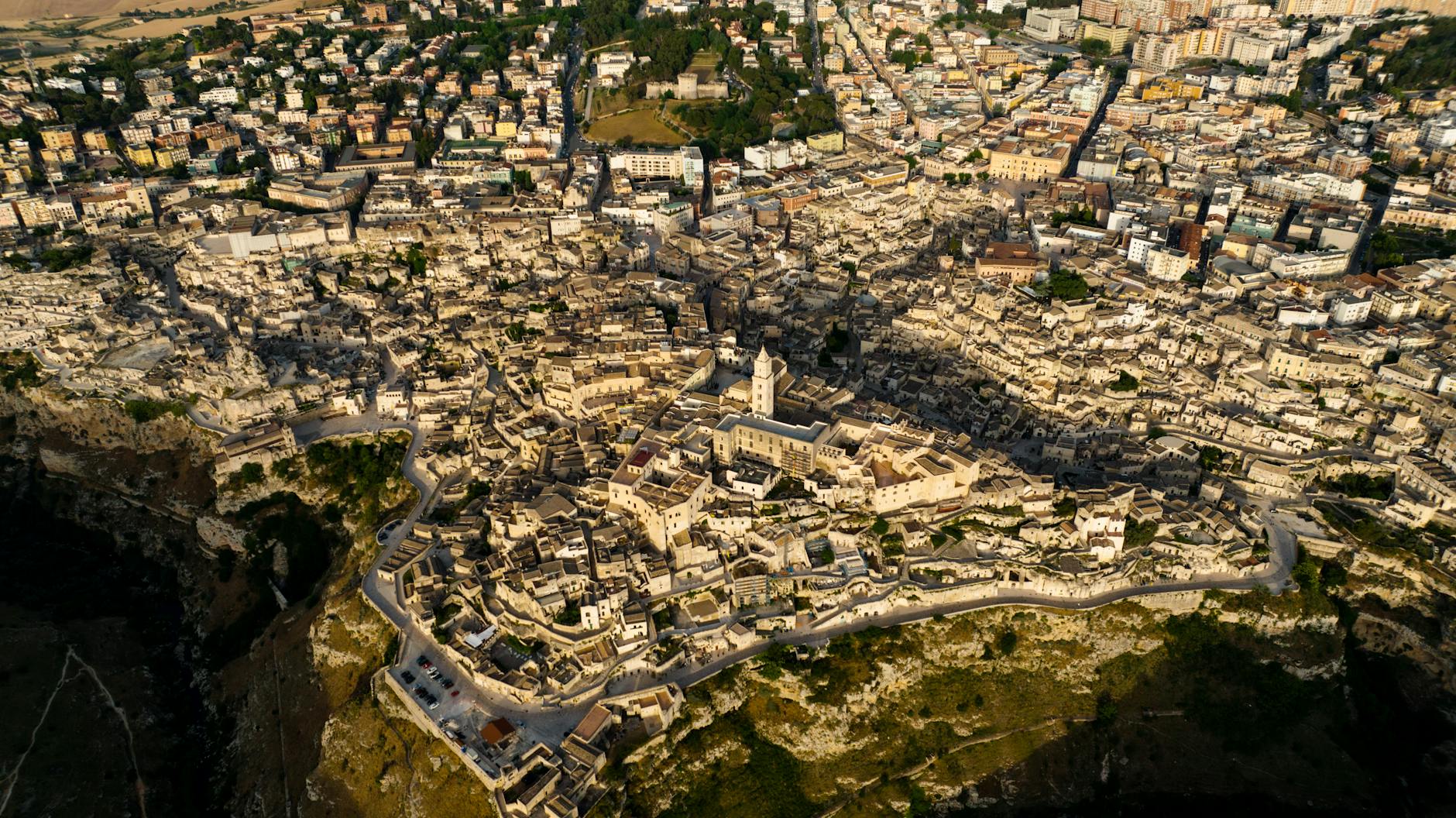
Matera is an ancient cave city in southern Italy carved directly into a dramatic ravine landscape known as the Sassi. It is considered one of the oldest continuously inhabited settlements in the world and has been designated a UNESCO World Heritage Site. The city’s labyrinthine stone streets, rupestrian churches and cave dwellings create an atmosphere unlike anywhere else in Europe. Once regarded as a symbol of rural poverty, Matera has transformed into a celebrated destination for architecture lovers and history enthusiasts. Its position as a 2019 European Capital of Culture brought fresh global attention to this extraordinary and deeply moving place.
Ljubljana

Ljubljana is the compact and walkable capital of Slovenia that punches well above its weight in terms of beauty and livability. The city center is largely car-free which gives it a peaceful, human-scaled quality that larger capitals simply cannot replicate. A fairy-tale castle overlooks the old town while the Ljubljanica River flows through the heart of the city lined with outdoor cafes and elegant Baroque bridges. The architect Jože Plečnik left a distinctive mark on the city’s design and his influence can be seen in public spaces, markets and civic buildings throughout. Ljubljana consistently ranks among Europe’s most livable cities and its relaxed rhythm makes it ideal for travelers who want to experience Central Europe at a gentler pace.
Valletta
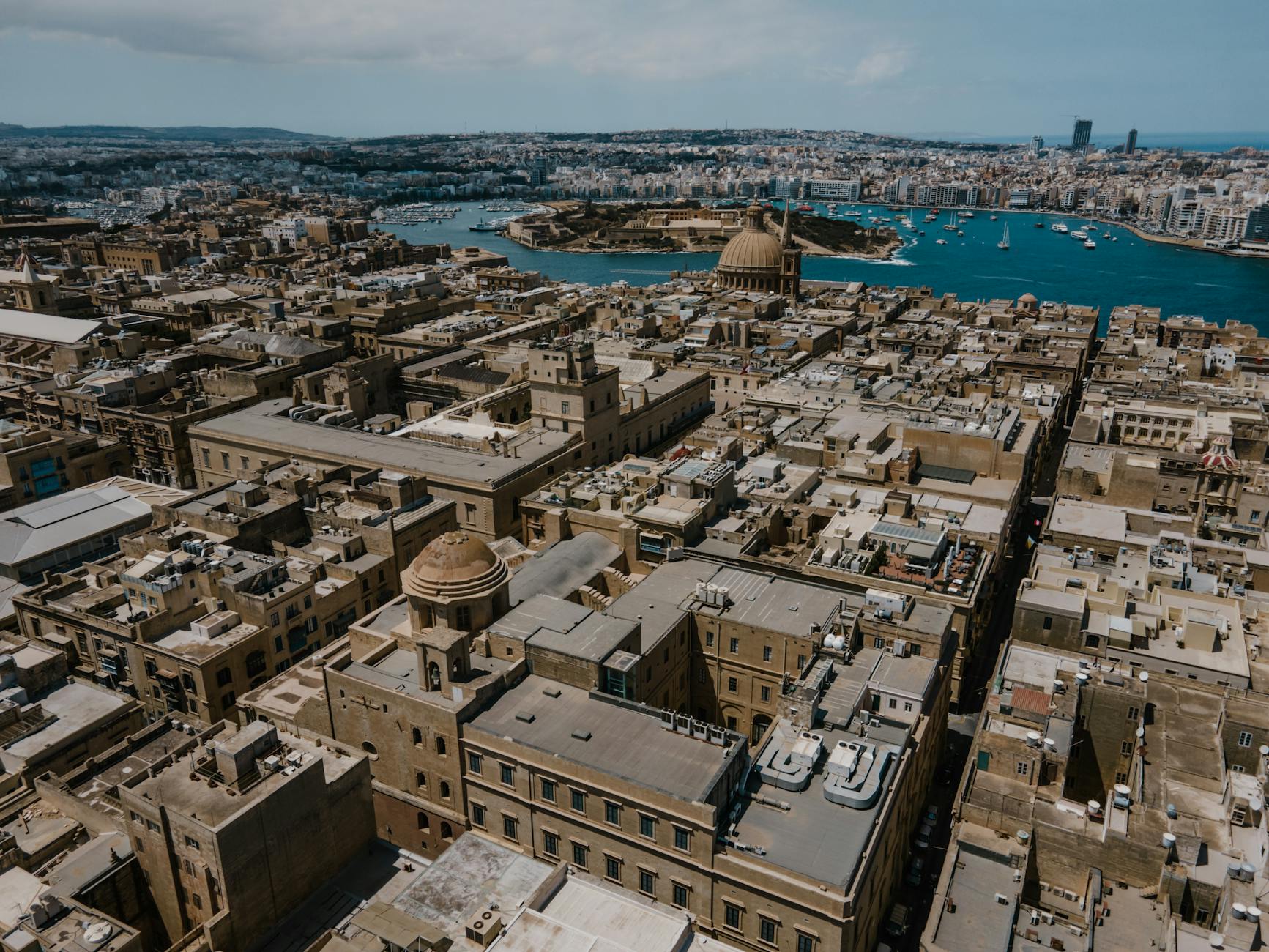
Valletta is the capital of Malta and holds the distinction of being the smallest capital city in the European Union. Packed into just over half a square kilometre are Baroque palaces, grand churches, fortified bastions and world-class museums that tell the story of the Knights of St John. The city was built by knights and was named a UNESCO World Heritage Site in recognition of its extraordinary concentration of historical monuments. Its dramatic position on a peninsula surrounded by the Grand Harbour gives almost every street a sweeping view of the shimmering Mediterranean. Valletta is a city of immense cultural depth that most European travelers have yet to discover for themselves.
Kotor

Kotor is a strikingly beautiful walled city on the Adriatic coast of Montenegro nestled between towering limestone mountains and a deep bay. Its medieval old town is remarkably well-preserved and contains a maze of Venetian-influenced squares, Romanesque churches and centuries-old stone architecture. The city walls climb steeply up the hillside behind the town and the hike to the fortress above rewards visitors with one of the most breathtaking panoramas in all of Europe. The Bay of Kotor is frequently compared to a fjord and its unusual geography makes the surrounding landscape feel almost cinematic. Kotor remains far less visited than comparable Mediterranean destinations despite offering world-class scenery and a genuinely historic atmosphere.
Sibiu
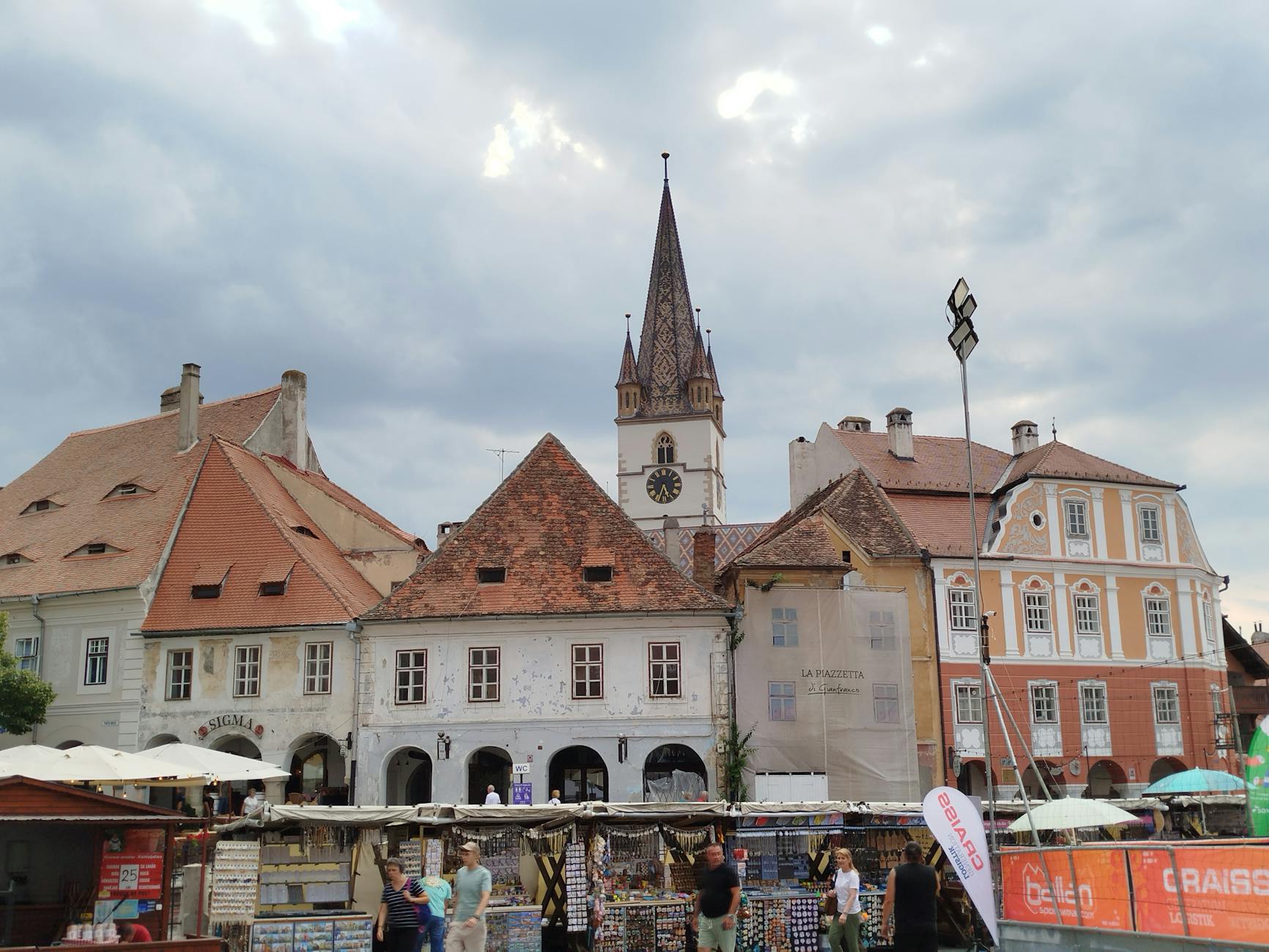
Sibiu is a beautifully restored Saxon city in the heart of Transylvania, Romania, that carries a quiet and captivating elegance. Its large central square is ringed by pastel-colored Baroque and Renaissance buildings and locals gather there at all hours giving it a wonderfully lived-in feel. The city’s distinctive rooftop dormers, often described as eyes looking down on the streets below, have become one of its most recognizable and photographed features. Sibiu has invested heavily in its cultural institutions and its art museums, Brukenthal National Museum in particular, house collections of European significance. The surrounding Transylvanian countryside with its fortified churches and rolling hills makes Sibiu an ideal base for deeper regional exploration.
Braga
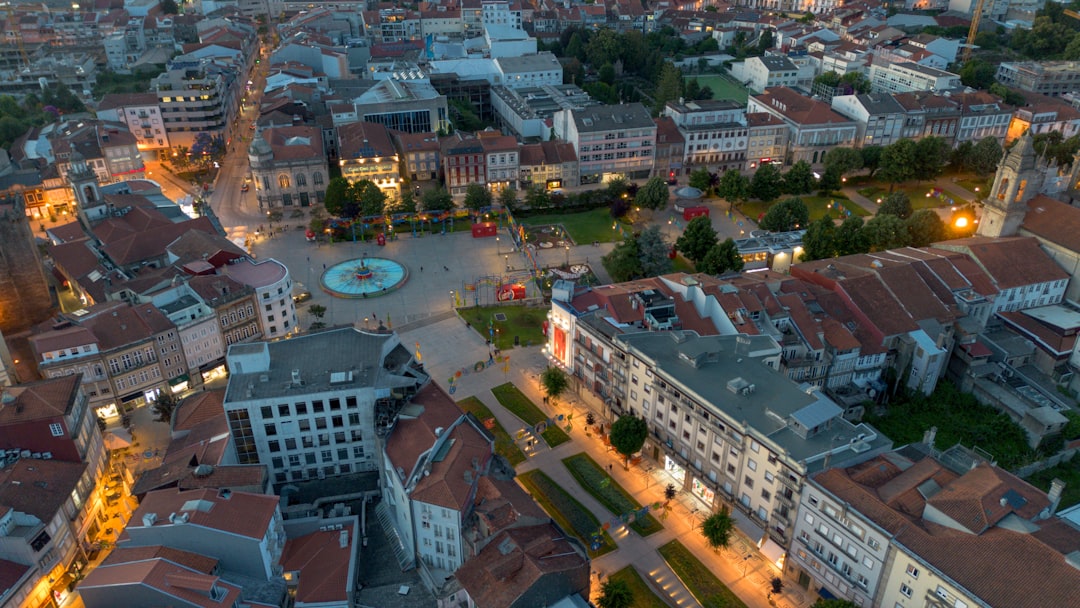
Braga is a lively and deeply historic city in northern Portugal that is frequently overshadowed by Porto despite offering an equally compelling experience. It holds the title of one of the oldest Christian cities in the world and its ecclesiastical architecture is among the finest in the Iberian Peninsula. The city’s student population brings a dynamic contemporary energy that balances beautifully against its ancient squares and Baroque fountains. The pilgrimage church of Bom Jesus do Monte sits dramatically above the city connected by an elaborate Baroque staircase and surrounding gardens. Braga is a city where sacred history and modern Portuguese life exist in striking and harmonious contrast.
Trieste
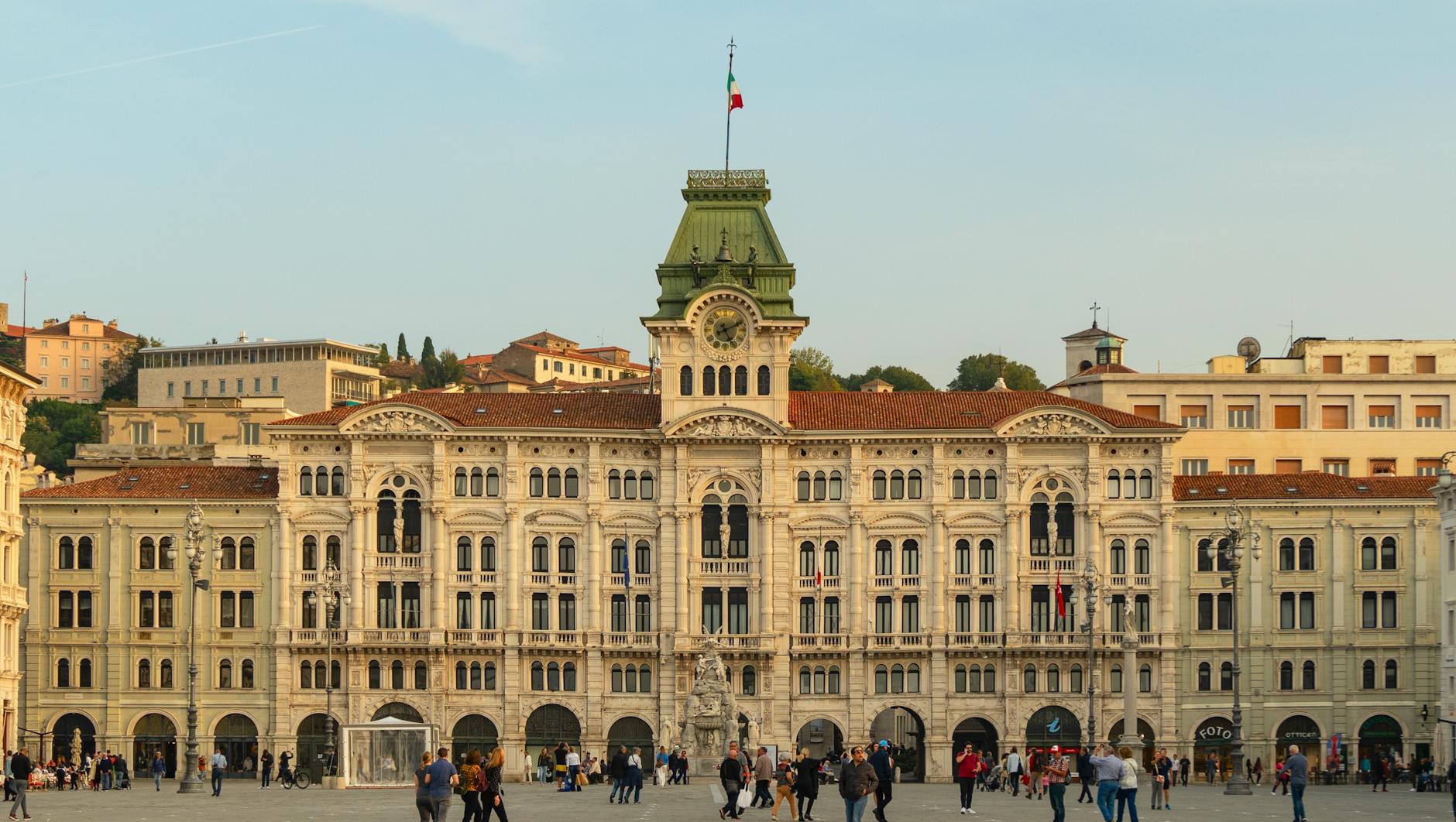
Trieste is a port city in northeastern Italy with a distinct and complex identity shaped by centuries of Austro-Hungarian rule. Its grand Neoclassical and Art Nouveau architecture gives the city centre a Central European grandeur that feels unlike anywhere else in Italy. The city has a storied literary heritage having inspired the works of James Joyce, Italo Svevo and Rainer Maria Rilke who were all drawn to its atmospheric melancholy. Trieste’s coffee culture is arguably the most serious in all of Italy and locals follow their own distinct ordering rituals that visitors are encouraged to adopt. The city’s position on the Adriatic with the dramatic Karst plateau rising behind it gives Trieste a landscape of quiet, windswept beauty.
Novi Sad
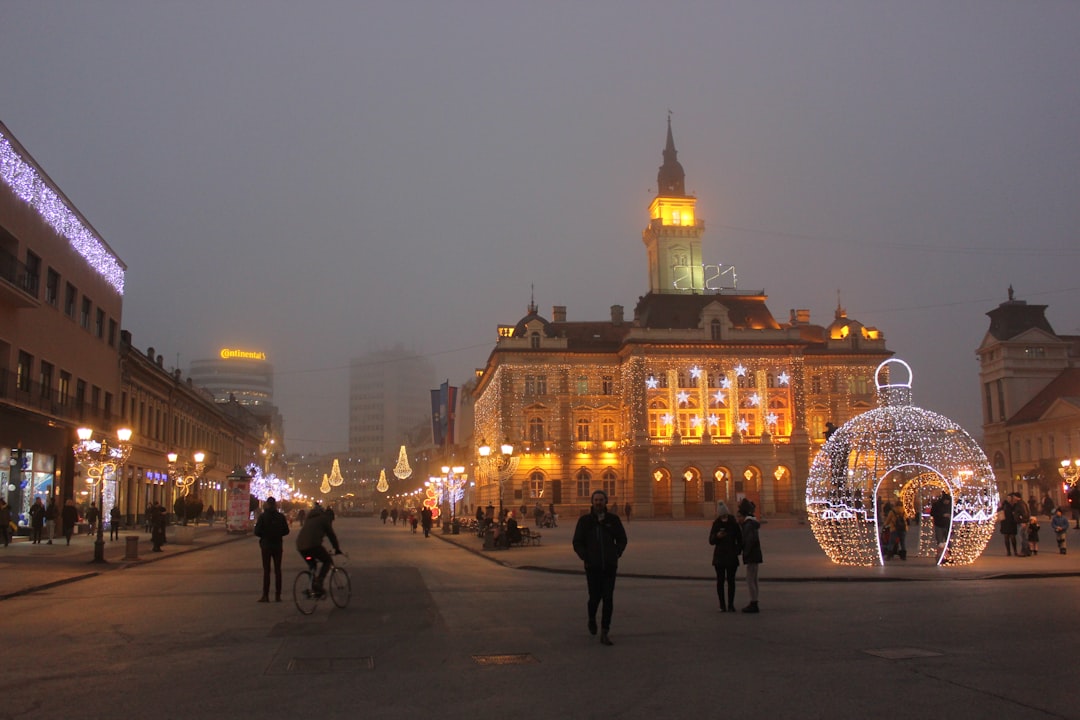
Novi Sad is the second largest city in Serbia and a destination of growing cultural significance in the Western Balkans. Its pedestrianized city center is filled with elegant Austro-Hungarian architecture, independent boutiques and a cafe culture that keeps the streets buzzing from morning until late at night. The Petrovaradin Fortress rising above the Danube has become globally recognized as the home of the EXIT music festival, one of Europe’s most celebrated summer events. Beyond the festival season, the city reveals itself as a relaxed and walkable destination with excellent food, low prices and genuinely warm hospitality. Novi Sad carried the title of European Capital of Culture and continues to develop its creative and arts infrastructure with impressive momentum.
Pécs
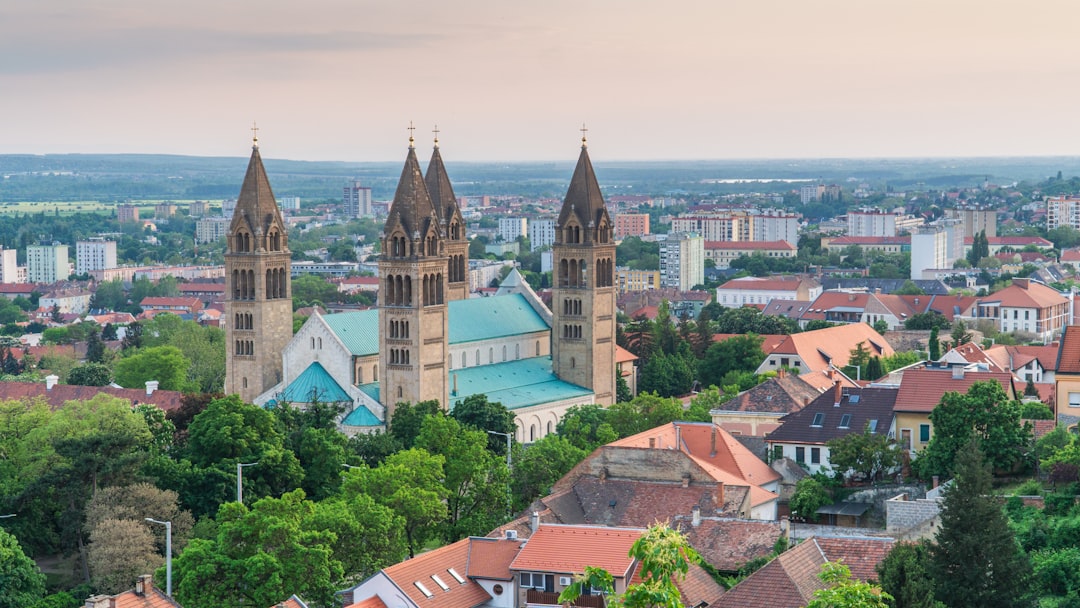
Pécs is a sun-drenched city in southern Hungary with a uniquely layered cultural identity shaped by Roman, Ottoman and Austro-Hungarian influences. The main square is anchored by a former Ottoman mosque that was converted into a Catholic church, a remarkable symbol of the city’s plural history. The Zsolnay Cultural Quarter celebrates the famous local porcelain factory which produced the distinctive ceramic tiles seen on many of Budapest’s most iconic buildings. Pécs has a compact and entirely walkable old town that makes it one of the most comfortable cities in the region to explore on foot. Its warm climate, low cost of living and strong university presence give the city a relaxed and hospitable character that stays with visitors long after they leave.
Mostar
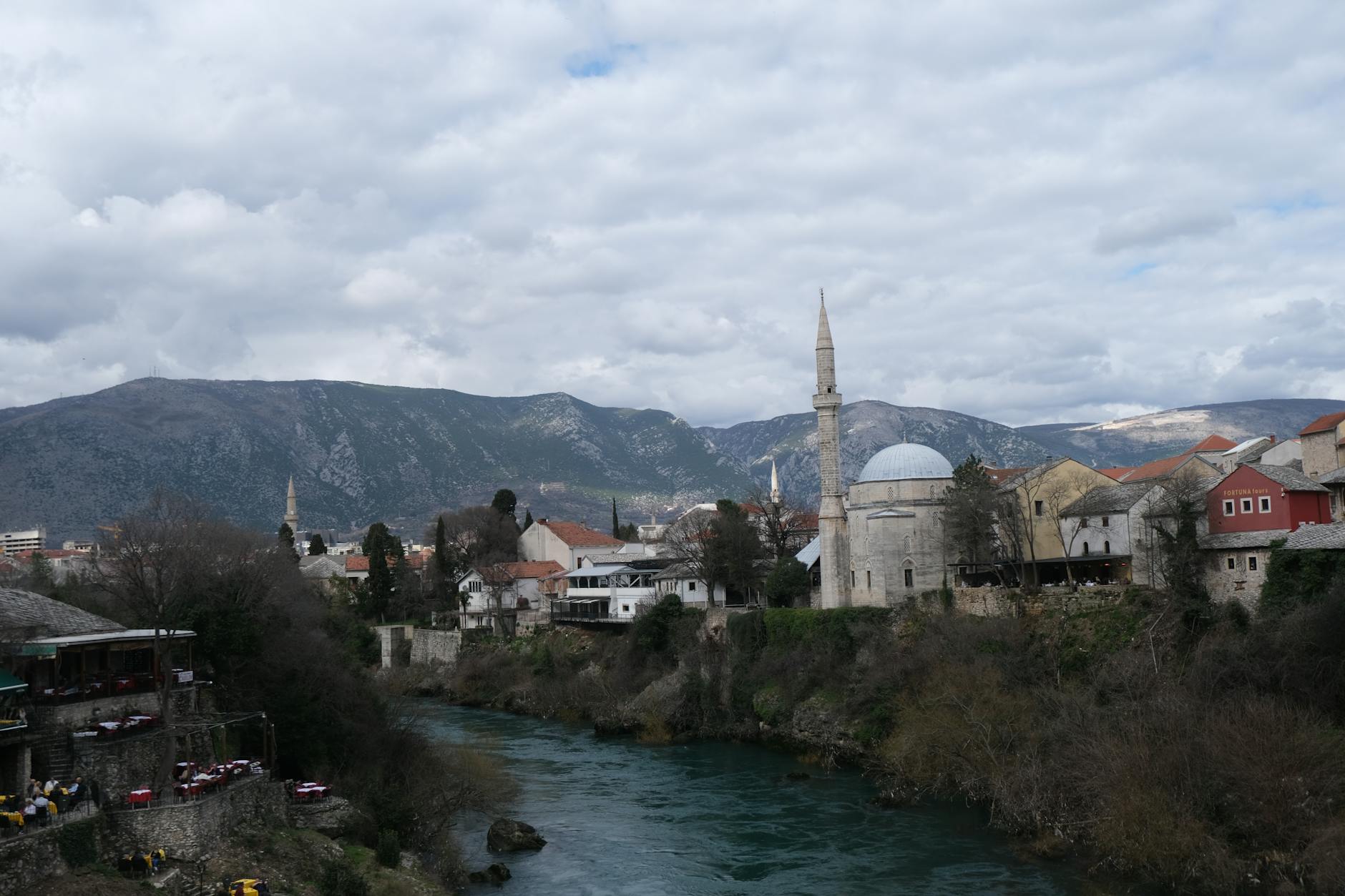
Mostar is a city in Bosnia and Herzegovina built around the iconic Stari Most bridge whose elegant Ottoman arc over the emerald Neretva River has become one of the most recognizable images in the Balkans. The reconstructed bridge and the surrounding old bazaar district have been designated a UNESCO World Heritage Site in recognition of their cultural and historical significance. The city’s mosque minarets and Herzegovinian stone architecture create a skyline of rare beauty that rewards photographers and architecture lovers equally. Local divers still leap from the bridge in a centuries-old tradition that continues to draw crowds of admiring onlookers. Mostar is a city of extraordinary resilience and beauty that offers one of the most emotionally resonant travel experiences in the whole of Europe.
Lecce

Lecce is a southern Italian city in Puglia that has earned the nickname the Florence of the South for its extraordinary concentration of Baroque architecture. The city’s buildings are constructed from a warm golden limestone that glows in the southern light and gives every piazza and church facade an almost theatrical quality. Its old town is remarkably free of mass tourism compared to northern Italian cities making it far easier to wander and absorb without the pressure of crowds. Lecce is also a celebrated destination for food with orecchiette pasta, rustico pastries and excellent Puglian wines available throughout the city at genuinely local prices. The surrounding Salento peninsula with its whitewashed hilltop villages and Adriatic beaches makes Lecce a brilliant hub for exploring one of Italy’s most authentic regions.
Mechelen

Mechelen is a Flemish city in Belgium positioned between Brussels and Antwerp that is almost entirely overlooked despite housing some of the most extraordinary heritage in the Low Countries. Its towering Cathedral of Saint Rumbold contains one of the most celebrated carillon bell towers in the world and the sound of its bells drifting across the city’s medieval rooftops is an experience in itself. The city’s elegant Grote Markt square and network of canal-side streets feel genuinely unhurried in a way that nearby Bruges and Ghent no longer quite manage. Mechelen has a growing reputation for its independent restaurant scene with a number of Michelin-recognized establishments drawing serious food travelers from across Belgium. For visitors who want the full Flemish experience without fighting through tour groups, Mechelen offers a deeply satisfying alternative.
Timișoara
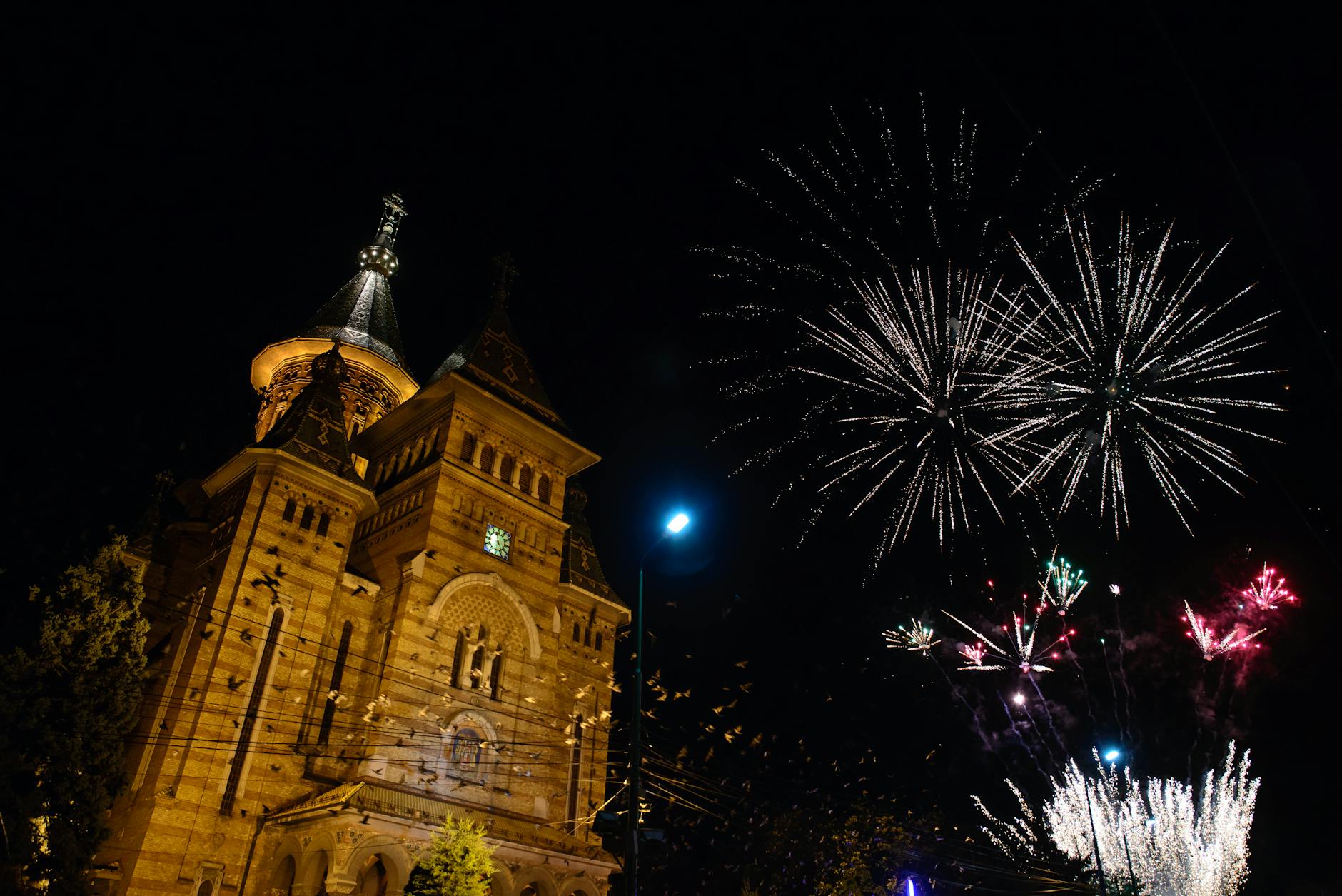
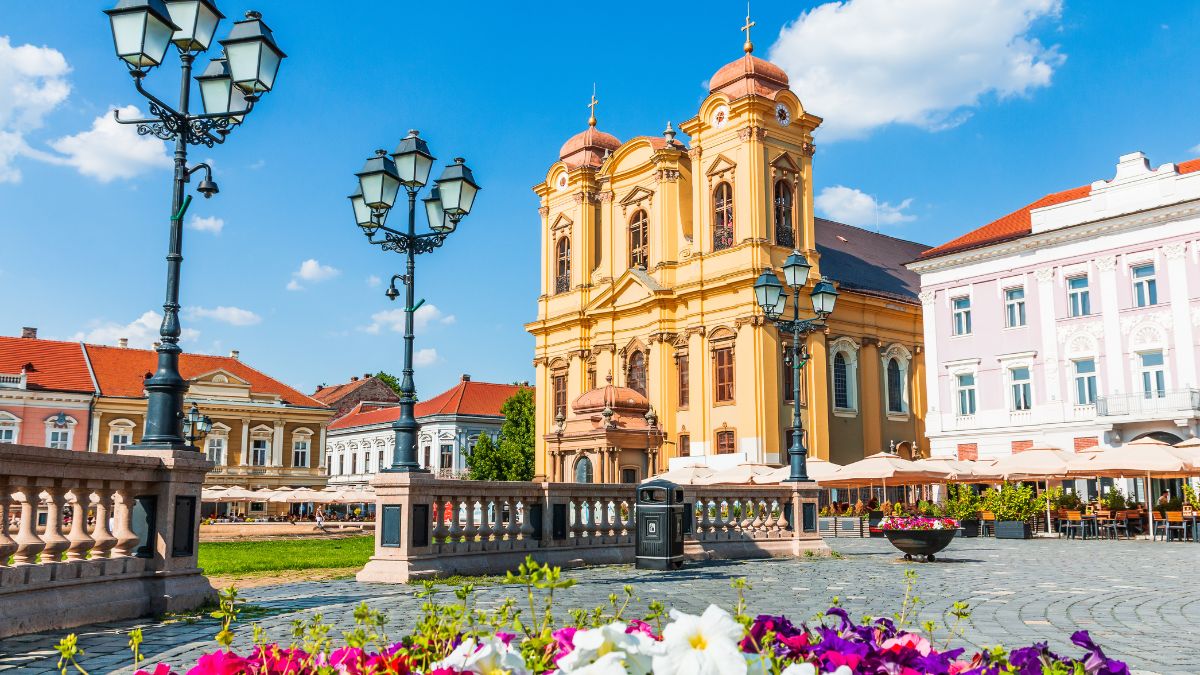
Timișoara is a cosmopolitan city in western Romania with a rich multicultural heritage rooted in its long history as part of the Austro-Hungarian Empire. It was the first city in Europe to use electric street lighting and its grand boulevards and ornate squares reflect the confident ambitions of that era. The city holds a special place in modern European history as the site where the Romanian Revolution began in 1989 making it a place of both beauty and profound historical significance. Its Old Town contains three large connected squares each with distinct architectural character ranging from Baroque to Art Nouveau and Historicist styles. Timișoara served as a European Capital of Culture and used that platform to significantly deepen its arts programming and cultural infrastructure.
Olomouc

Olomouc is a university city in the Moravian region of the Czech Republic that is frequently described by those who visit as a miniature Prague without the tourists. Its historic center contains six Baroque fountains, an exceptionally well-preserved astronomical clock and a stunning Holy Trinity Column designated as a UNESCO World Heritage Site. The city’s large student population gives it a lively cafe, bar and cultural scene that operates at a pace and price point entirely different from the Czech capital. Olomouc is also known for its unusual local cheese called Olomoucké tvarůžky whose pungent flavor has made it one of the most distinctive regional specialties in Central Europe. The city rewards a long weekend of slow wandering and its lack of international fame means visitors are often left with the remarkable feeling of having discovered something genuinely their own.
Bolzano
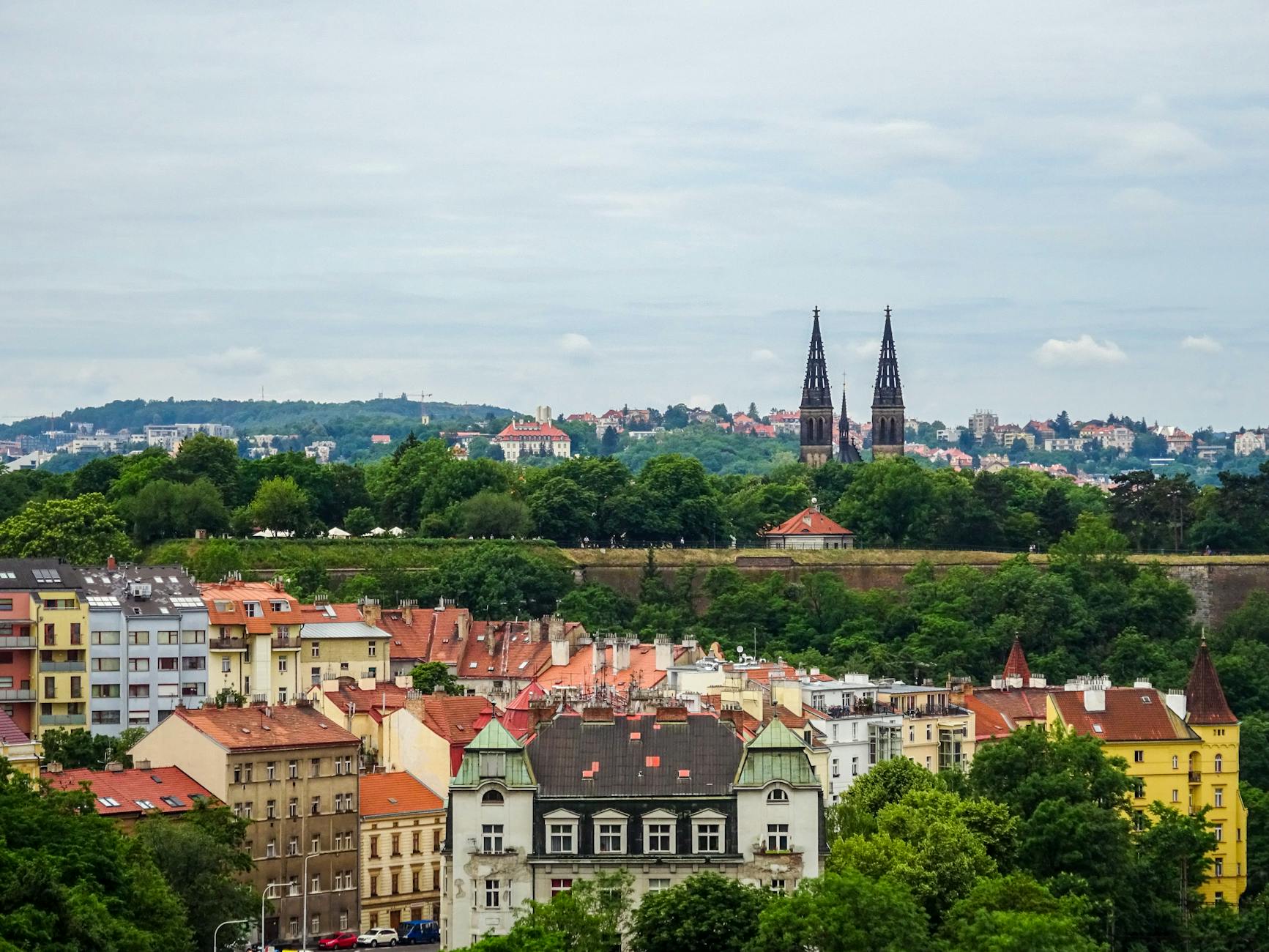
Bolzano is the capital of South Tyrol in northern Italy and occupies a unique cultural space that blends Italian warmth with Austrian precision and Alpine grandeur. The city sits at the junction of three mountain valleys and is surrounded on all sides by dramatic Dolomite peaks that provide a stunning backdrop to everyday urban life. Its covered arcaded streets filled with independent food shops, wine bars and pasticcerie reflect a way of life that balances Italian conviviality with the orderliness of its Tyrolean heritage. Bolzano is home to the South Tyrol Museum of Archaeology which houses Ötzi the Iceman, a 5,300-year-old natural mummy discovered in the nearby Alps and one of the most significant archaeological finds of the twentieth century. The city is a superb gateway to the Dolomites and offers a travel experience that genuinely cannot be replicated anywhere else in Europe.
Nantes
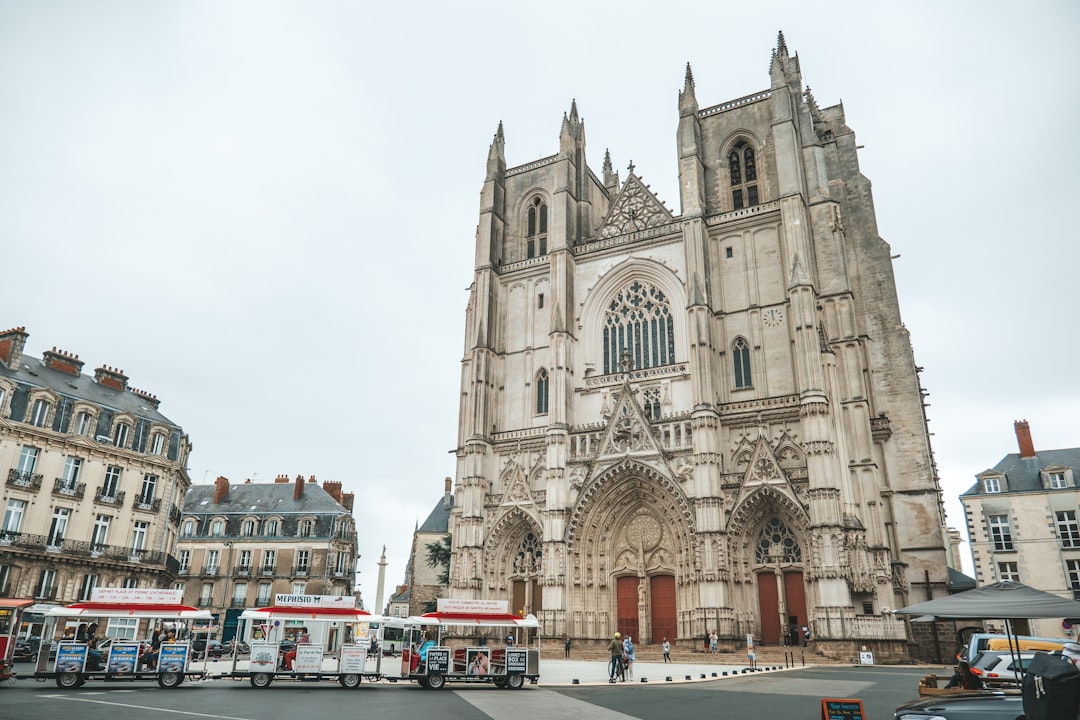
Nantes is a dynamic city on the Loire estuary in western France that has undergone one of the most celebrated urban cultural transformations in recent European history. The city’s Machines de l’île installation, featuring a colossal mechanical elephant and a multi-story carousel of fantastical sea creatures, has become a defining symbol of its commitment to radical public art. Nantes was the birthplace of Jules Verne and the city leans into its connection to the author of visionary fiction with themed installations and museums spread throughout its distinctive neighborhoods. Its thriving food scene draws on the exceptional produce of the Loire Valley and Brittany coastline making it one of the most rewarding culinary destinations in France outside of Paris and Lyon. Nantes continues to attract creative industries and young talent giving it a forward-looking energy that sits comfortably alongside its remarkable historic heritage.
Graz
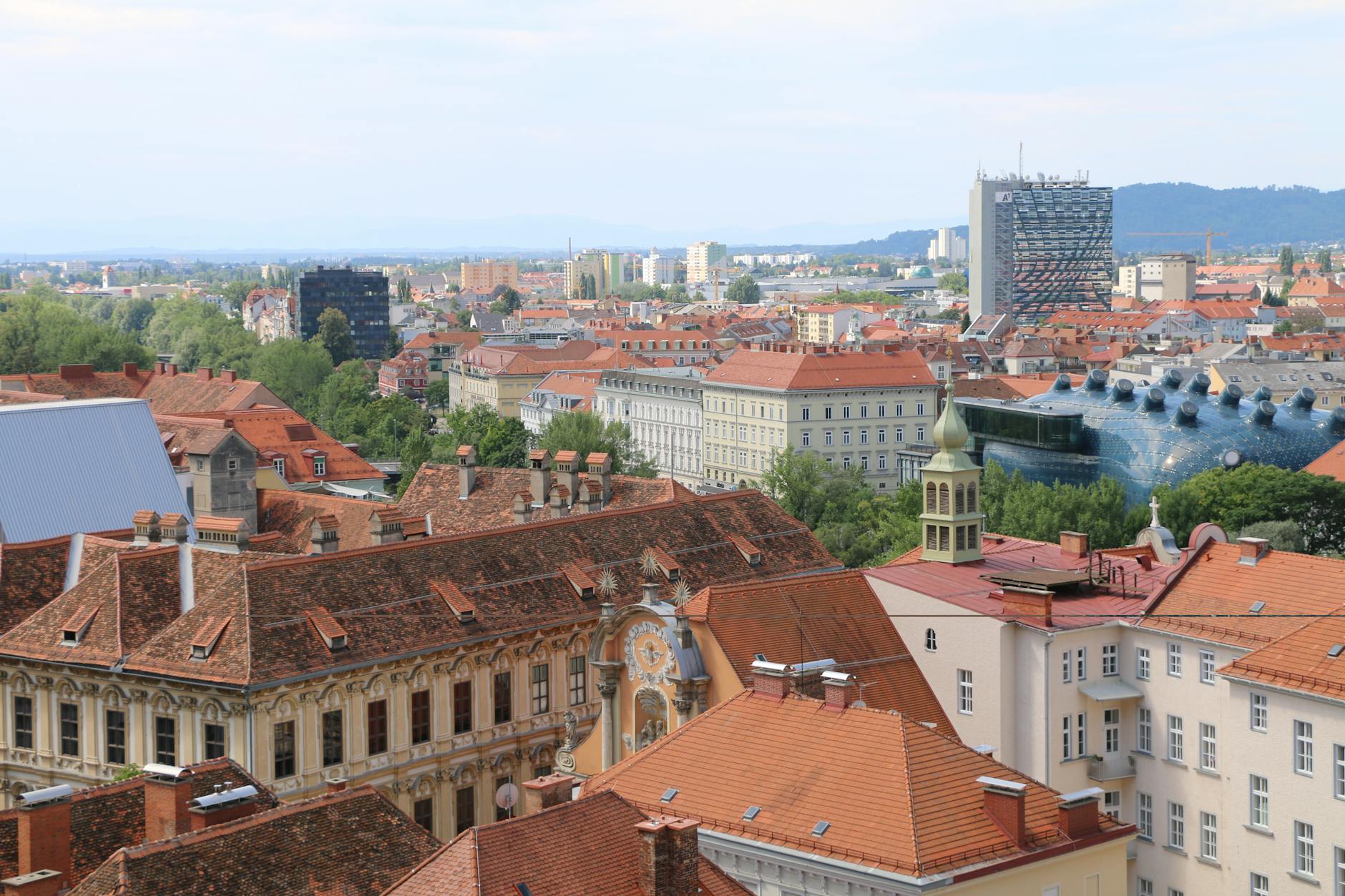
Graz is the capital of the Austrian province of Styria and the country’s second largest city, yet it attracts only a fraction of the visitors who flock to Vienna each year. Its old town is a UNESCO World Heritage Site and contains an extraordinary mix of Gothic, Renaissance and Baroque architecture centered around the dramatic Schlossberg hill and its clock tower. The city has a growing reputation as one of the most innovative design and architecture destinations in Central Europe with the futuristic Kunsthaus Graz art museum offering a striking counterpoint to the historic surroundings. Graz is also a serious food destination with Styrian cuisine, built around pumpkin seed oil, local wines and exceptional beef, gaining recognition well beyond Austria’s borders. The city’s compact size, excellent public transport and relaxed atmosphere make it one of the most effortlessly enjoyable urban destinations in the whole of Europe.
Tirana
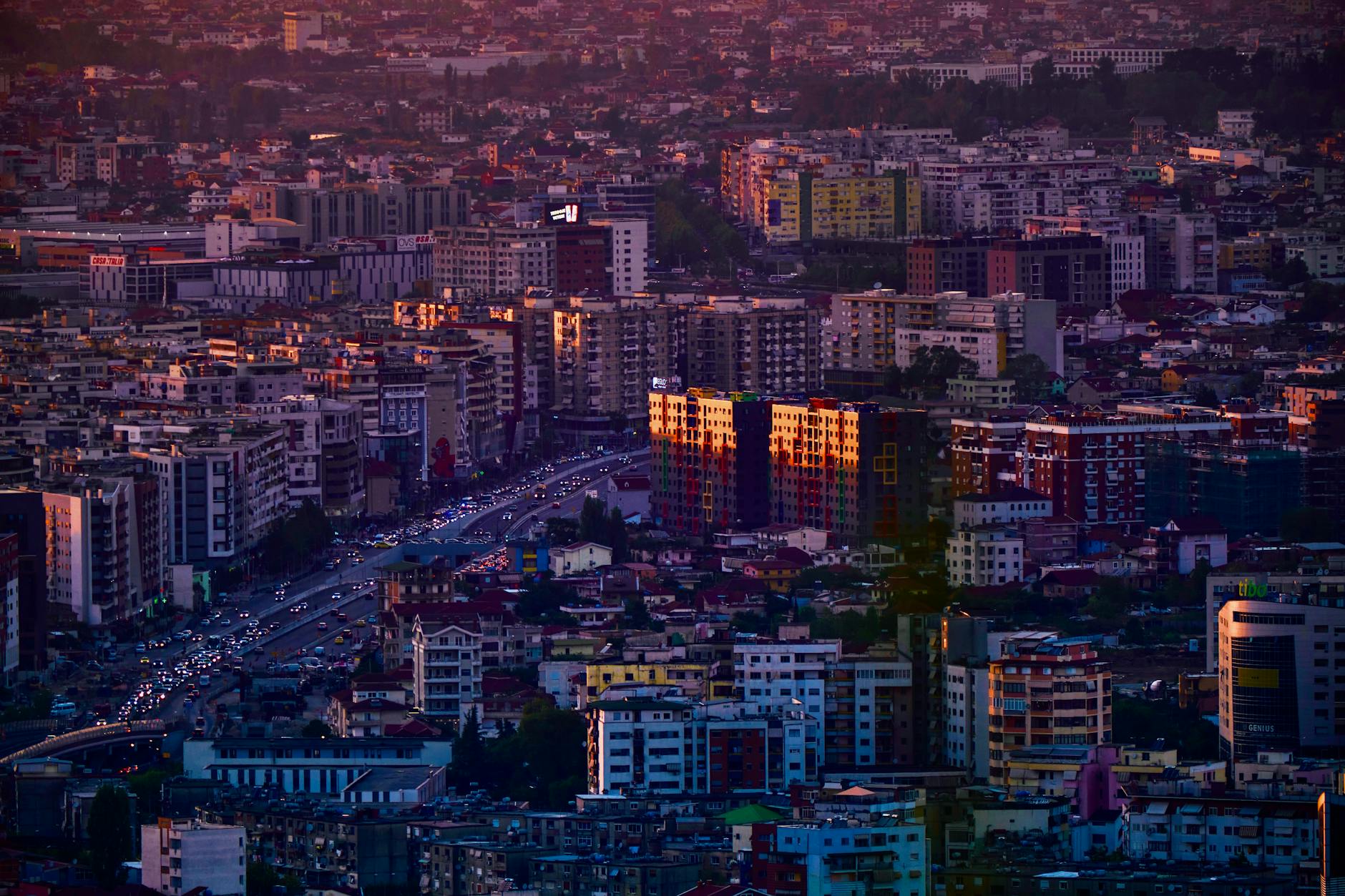
Tirana is the vibrant and rapidly evolving capital of Albania and one of the most surprising and energetic cities in all of Europe for the contemporary traveler. Once hidden behind one of the continent’s most isolated communist regimes, the city has transformed itself into a colorful and forward-looking destination with remarkable speed and ambition. Its central boulevard is flanked by eclectic architecture ranging from Italian Fascist-era buildings to communist-era bunkers repurposed as galleries and cafes to bold new contemporary structures. The food scene draws on Albanian and Ottoman culinary traditions and offers exceptional value with meals at outstanding local restaurants costing a fraction of equivalent experiences elsewhere in Europe. Tirana rewards travelers who arrive with an open mind and leaves them with the unmistakable feeling of witnessing a city in the midst of becoming something truly extraordinary.
If you have visited any of these hidden European gems or have your own underrated city recommendation to add, share your thoughts in the comments.




