Managing blood sugar levels is a daily priority for millions of people living with diabetes, prediabetes, or metabolic concerns. The foods consumed at every meal play a direct role in how the body processes glucose and maintains insulin sensitivity. Certain whole foods contain compounds, fibers, and nutrients that actively support stable blood sugar responses. Building a diet around these ingredients is one of the most practical and evidence-backed strategies for long-term metabolic health.
Broccoli
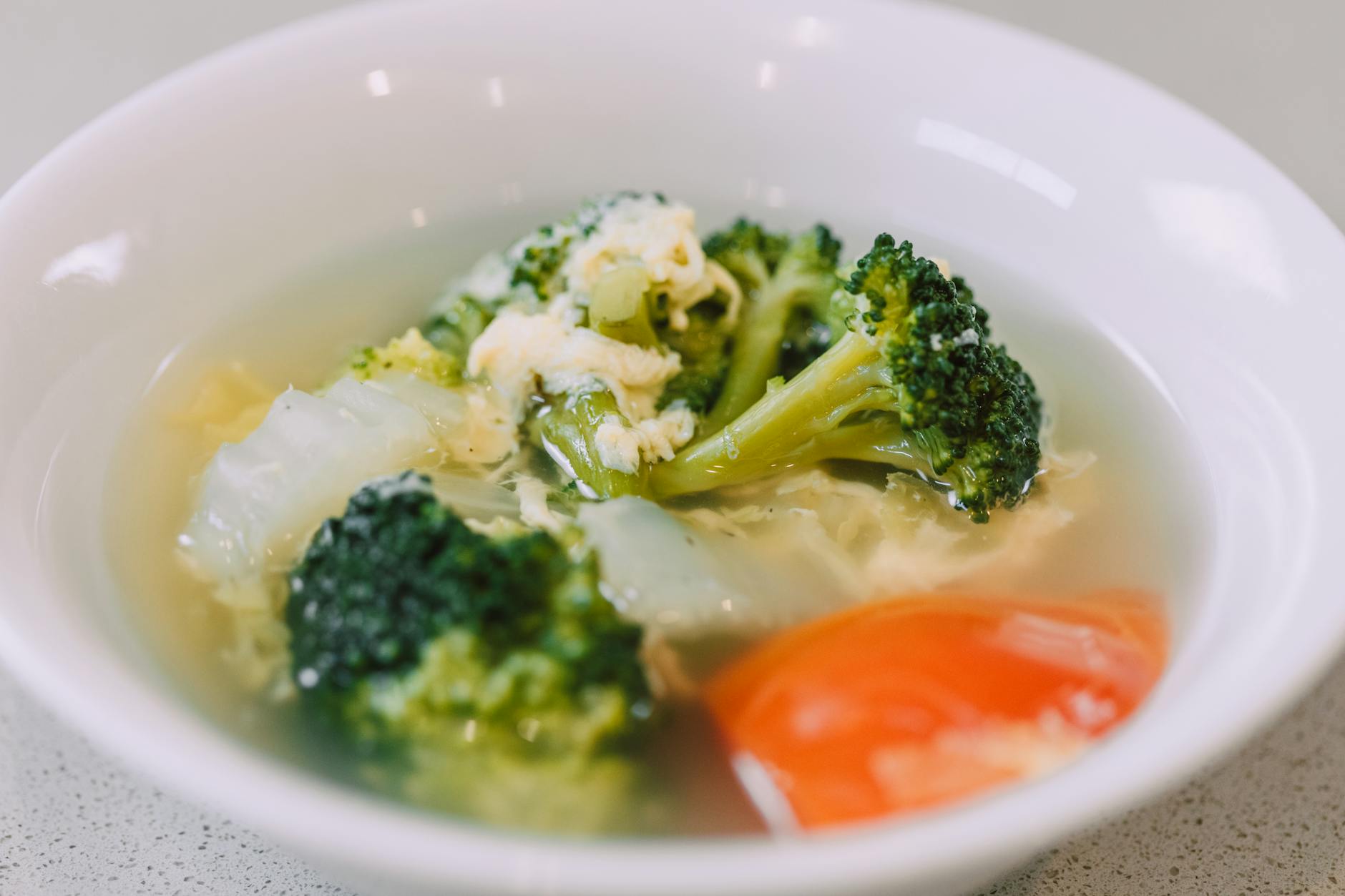
Broccoli contains sulforaphane, a naturally occurring compound that has been shown to improve insulin sensitivity in clinical research. It is also rich in fiber, which slows the digestion of carbohydrates and prevents rapid spikes in blood glucose. The vegetable delivers a strong dose of chromium, a mineral that plays a supporting role in carbohydrate metabolism. Broccoli is low on the glycemic index, making it a reliable choice for those monitoring their glucose levels. It can be steamed, roasted, or eaten raw without significantly altering its blood sugar benefits.
Leafy Greens

Spinach, kale, Swiss chard, and other leafy greens are among the most nutrient-dense foods available for blood sugar management. They are extremely low in digestible carbohydrates, meaning they have a minimal impact on glucose levels after consumption. These greens are packed with magnesium, a mineral that supports insulin function and is commonly deficient in people with type 2 diabetes. Their high fiber content further contributes to slower glucose absorption in the digestive tract. Regular consumption of leafy greens is consistently associated with improved glycemic control in large dietary studies.
Avocado
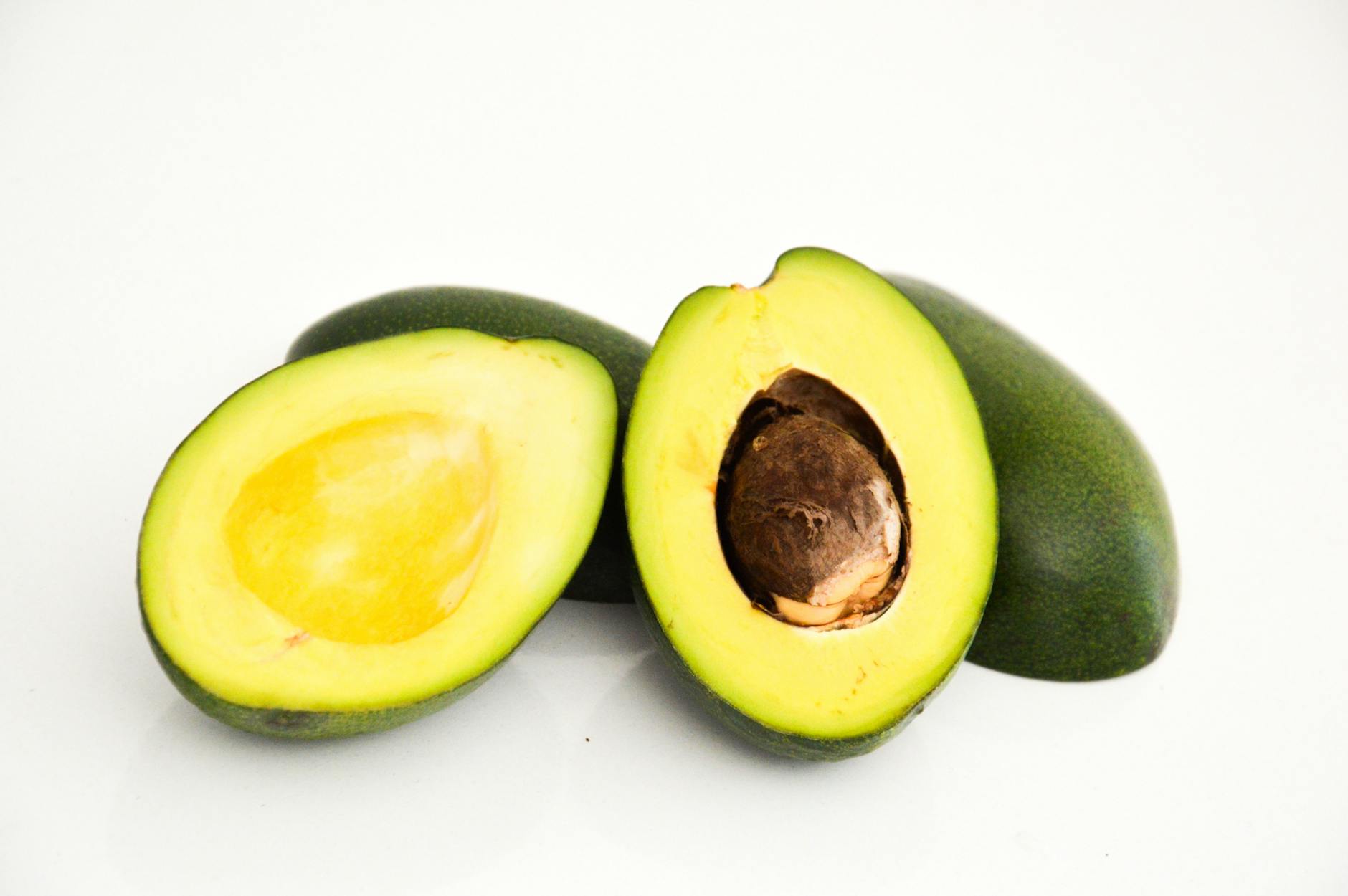
Avocado is a rich source of monounsaturated fats, which help slow the absorption of glucose into the bloodstream after meals. It contains very few net carbohydrates, making it well suited for those following a blood sugar conscious diet. The healthy fats in avocado also support satiety, reducing the likelihood of overeating foods that could trigger glucose spikes. Avocado provides potassium and magnesium, both of which contribute to healthy insulin signaling. Including it regularly in meals has been linked to improved fasting glucose levels.
Chia Seeds
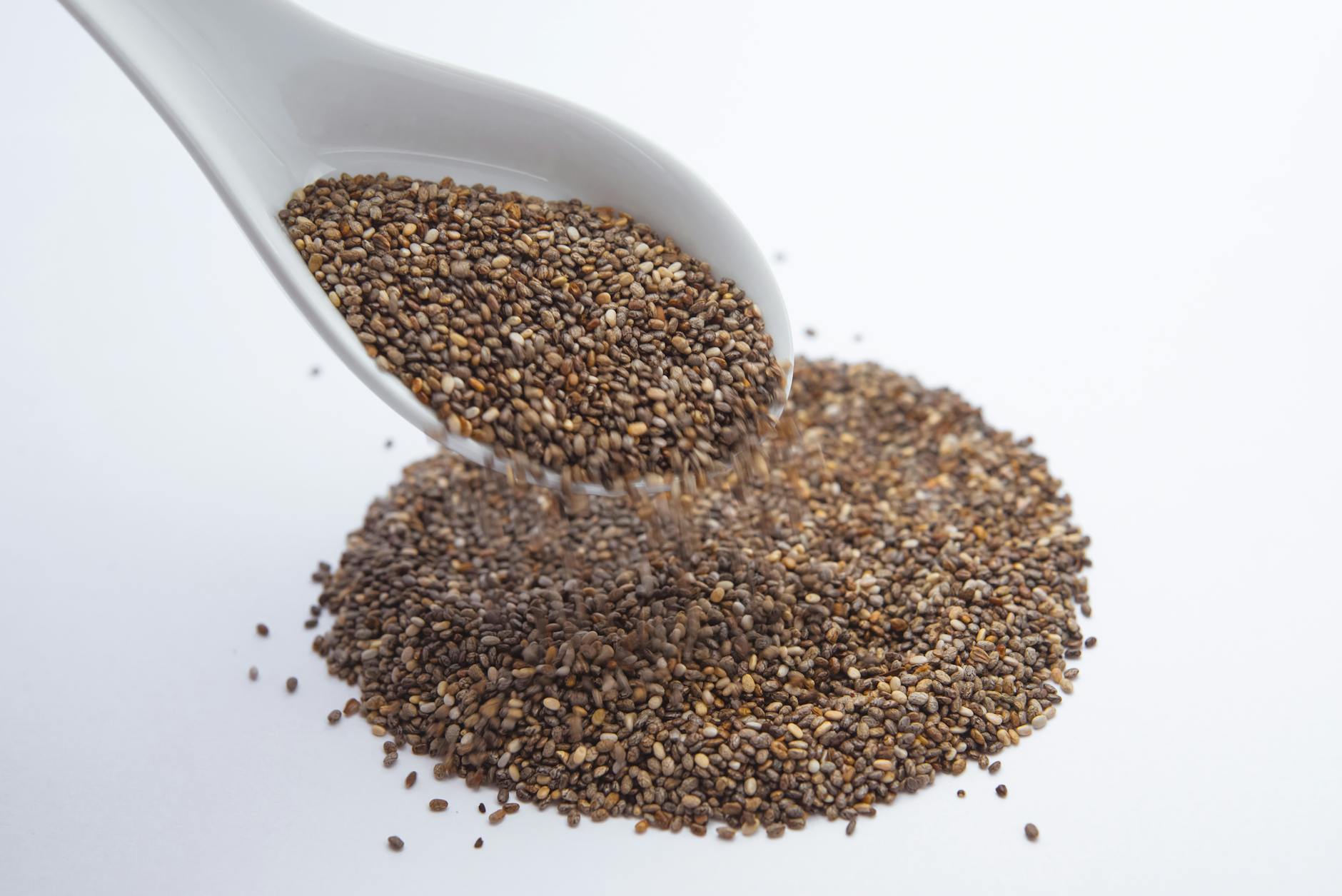
Chia seeds are exceptionally high in soluble fiber, which forms a gel-like substance in the digestive tract and significantly slows carbohydrate absorption. A single serving delivers a notable amount of fiber relative to its caloric content, making it one of the most efficient blood sugar support foods available. Research has demonstrated that chia seeds can reduce postprandial glucose spikes when consumed alongside a carbohydrate-containing meal. They also provide alpha-linolenic acid, a plant-based omega-3 fatty acid that supports cardiovascular health alongside metabolic function. Chia seeds can be added to smoothies, oats, yogurt, or water without dramatically altering flavor.
Cinnamon
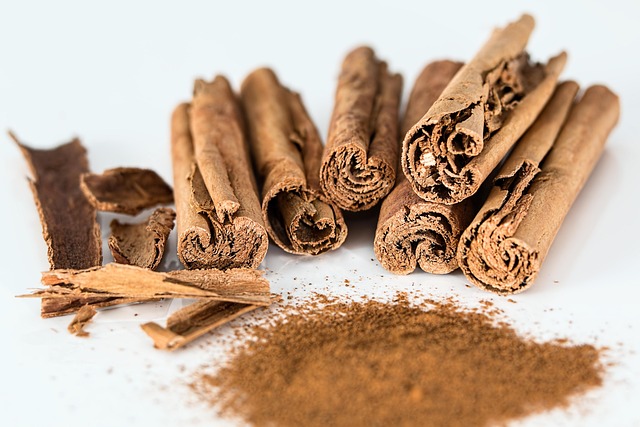
Cinnamon has been studied extensively for its ability to improve insulin sensitivity and lower fasting blood glucose levels. The active compounds in cinnamon, particularly cinnamaldehyde, appear to mimic insulin activity and support glucose uptake in cells. Research suggests that consuming as little as one to two grams daily can produce measurable improvements in blood sugar markers over time. Ceylon cinnamon is generally considered the preferred variety due to its lower coumarin content compared to cassia cinnamon. It can be sprinkled over oatmeal, blended into smoothies, or stirred into warm beverages.
Nuts
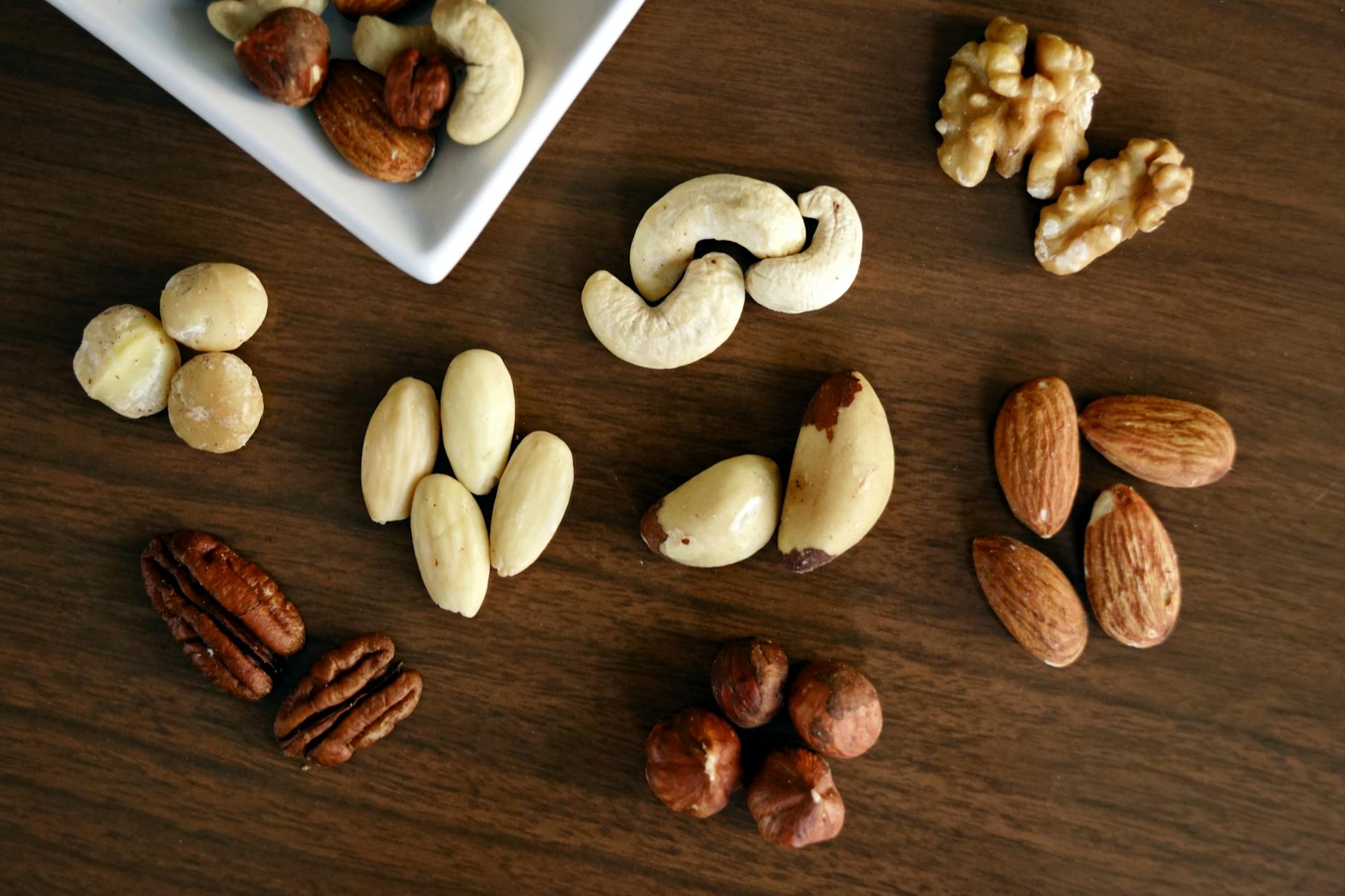
Almonds, walnuts, cashews, and other tree nuts are rich in healthy fats, protein, and fiber, all of which contribute to a slower glucose response after eating. Studies have shown that consuming a small handful of nuts before or with a meal can reduce the glycemic impact of that meal on the body. Walnuts in particular contain alpha-linolenic acid, which supports anti-inflammatory pathways connected to insulin resistance. Nuts also provide magnesium and zinc, two minerals frequently associated with improved insulin function. Choosing unsalted, unroasted varieties ensures the nutritional profile remains intact.
Oats
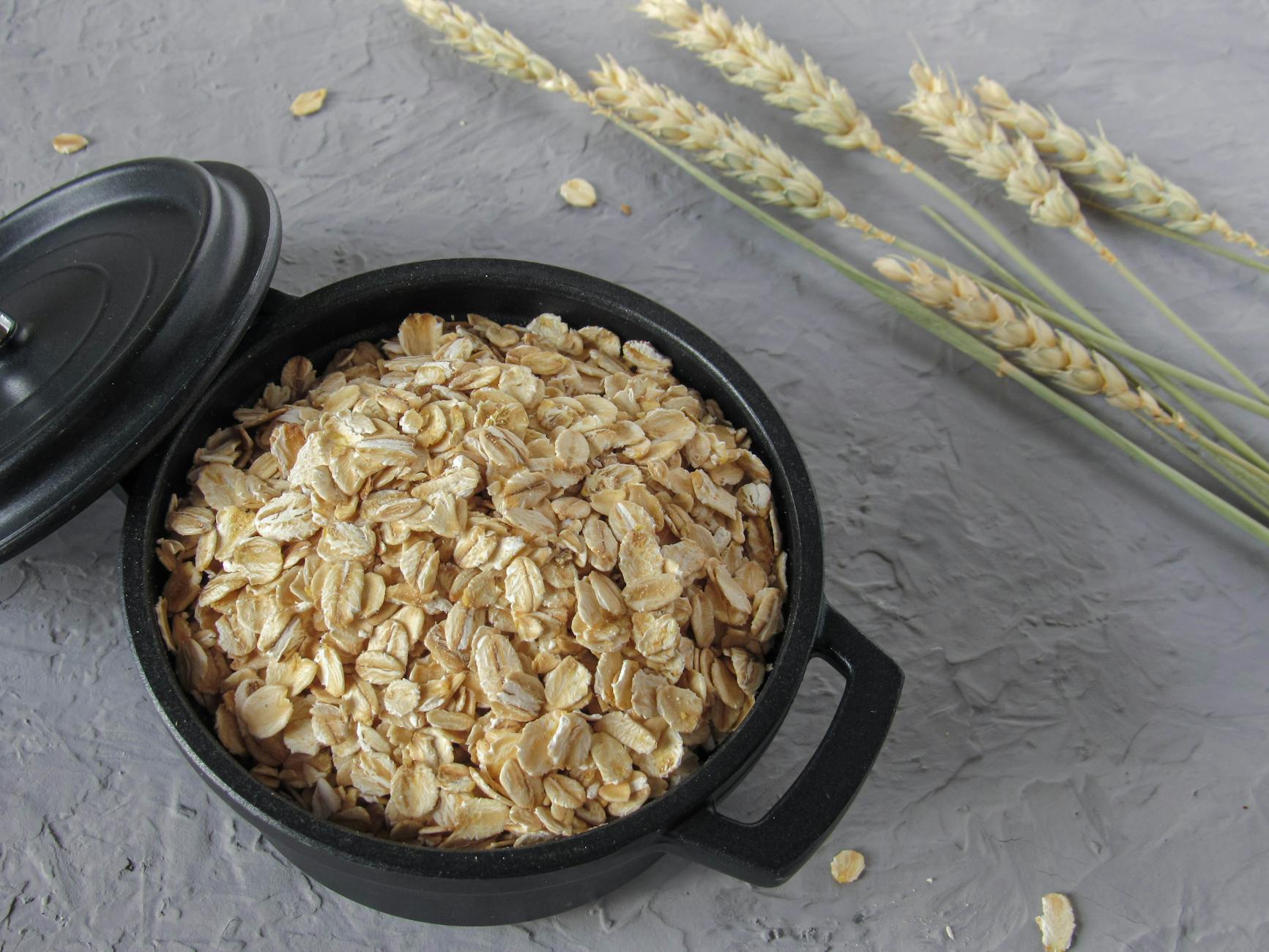
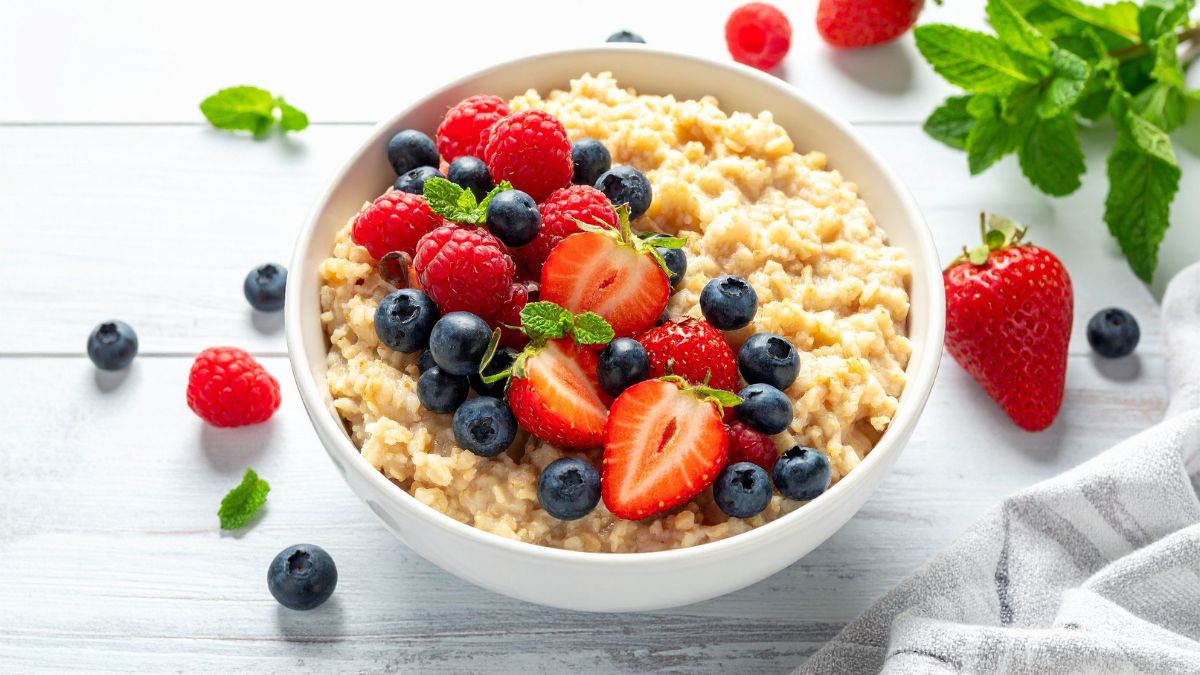
Steel-cut and rolled oats contain a powerful soluble fiber called beta-glucan, which forms a viscous gel during digestion and significantly reduces the rate at which glucose enters the bloodstream. Numerous controlled studies have demonstrated that regular oat consumption lowers fasting blood glucose and improves insulin sensitivity in people with type 2 diabetes. The glycemic index of oats is considerably lower than refined grain products, making them a more blood-sugar-friendly breakfast option. Oats also provide a sustained feeling of fullness, reducing mid-morning cravings that could lead to high-sugar snacking. Pairing oats with protein or fat further moderates any glucose response.
Lentils
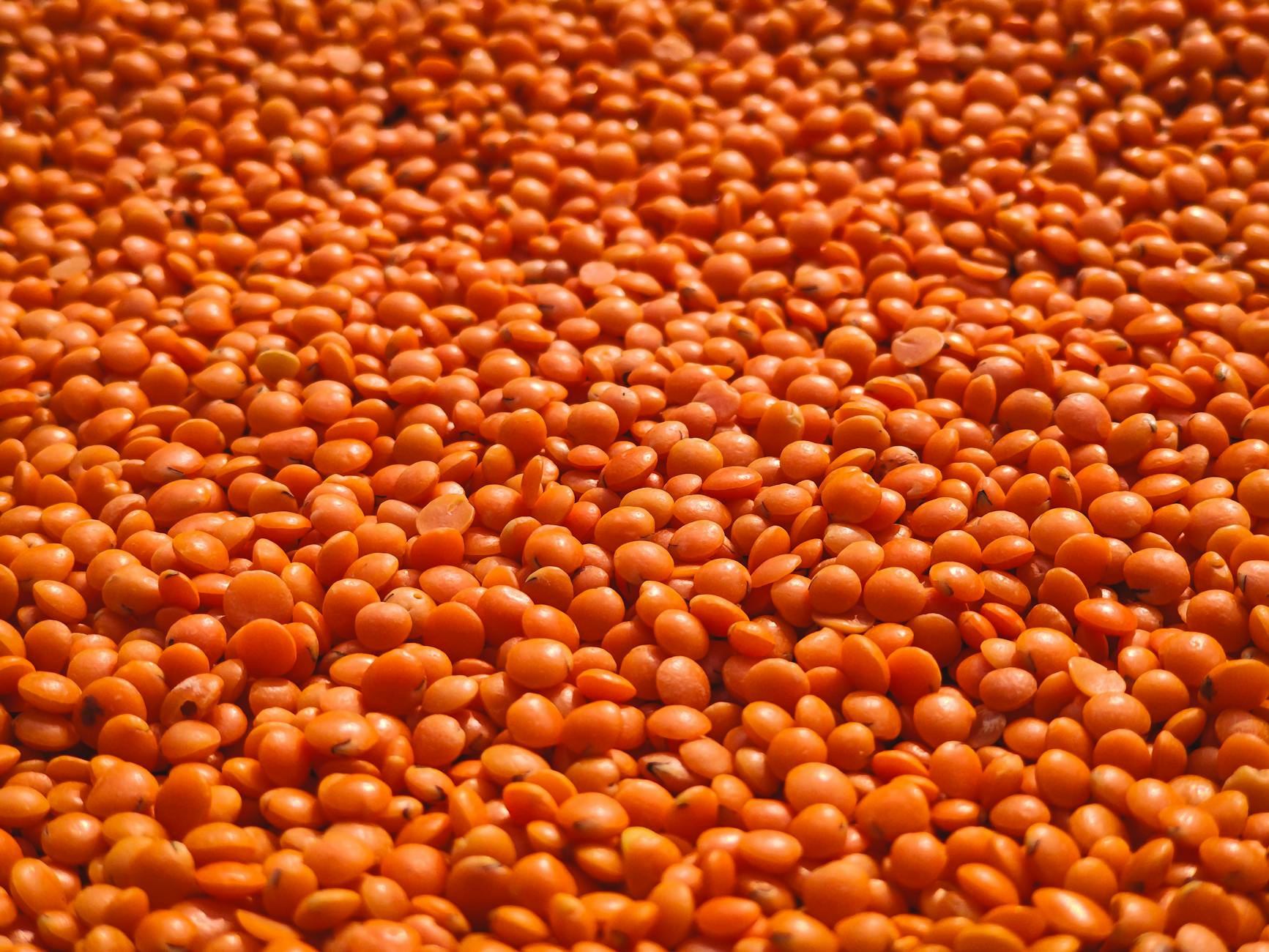
Lentils are a high-fiber, high-protein legume that produces a very low glycemic response compared to most carbohydrate sources. The combination of protein and soluble fiber in lentils slows stomach emptying and reduces the speed at which glucose is absorbed. They are also rich in resistant starch, a type of carbohydrate that resists digestion and feeds beneficial gut bacteria associated with metabolic health. Studies have consistently shown that replacing refined grains with lentils at meals leads to meaningfully lower blood sugar responses. Their versatility makes them easy to incorporate into soups, salads, curries, and grain bowls.
Beans
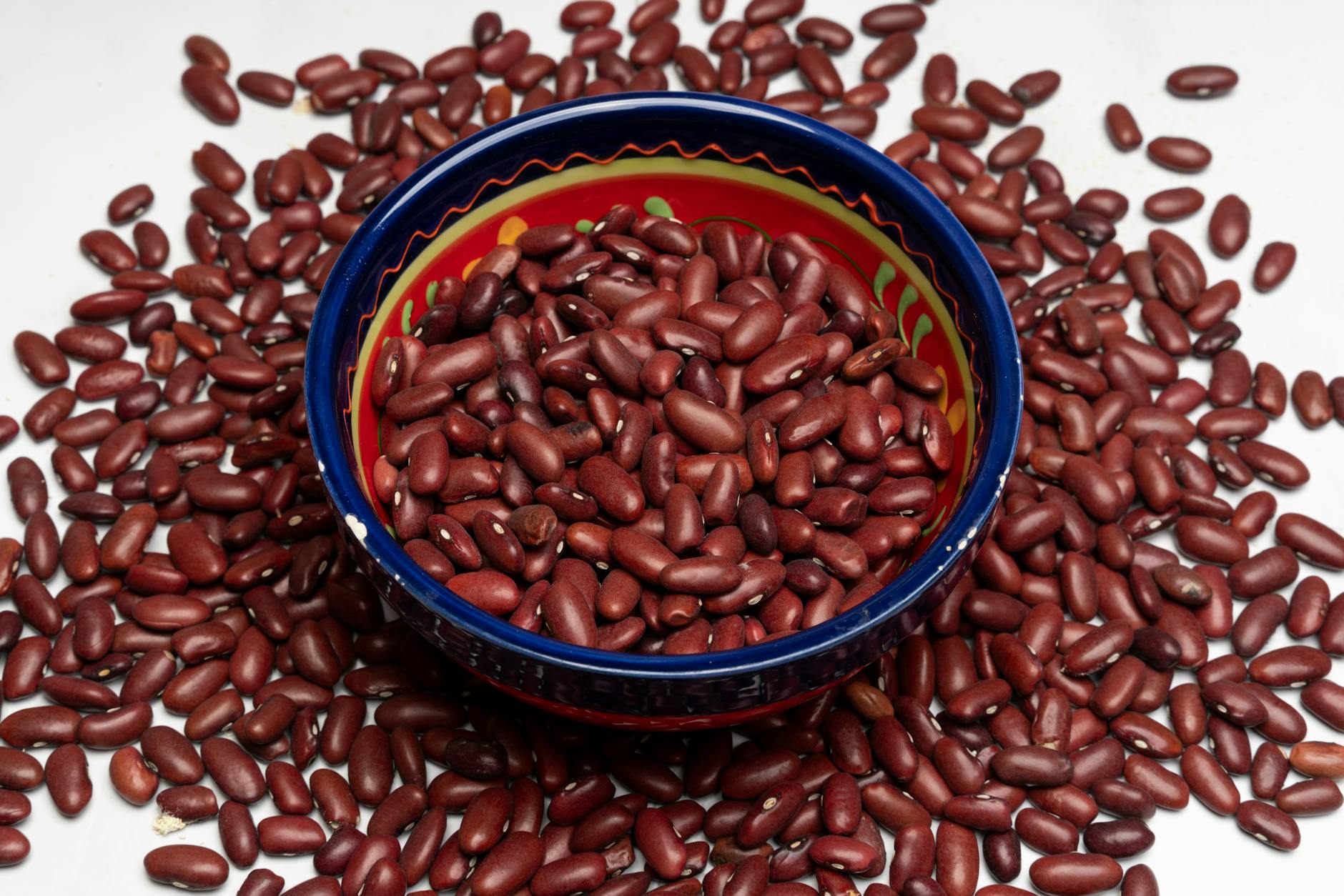
Black beans, kidney beans, chickpeas, and other legumes rank among the lowest glycemic carbohydrate sources in the food supply. Their high fiber and protein content creates a dual mechanism for slowing glucose absorption and promoting a gradual, steady energy release. Regular bean consumption has been shown in multiple clinical trials to improve long-term blood sugar control as measured by HbA1c levels. Beans also contain phytochemicals that may directly inhibit certain digestive enzymes responsible for breaking down carbohydrates. They are affordable, shelf-stable, and adaptable to a wide range of cuisines and cooking methods.
Berries
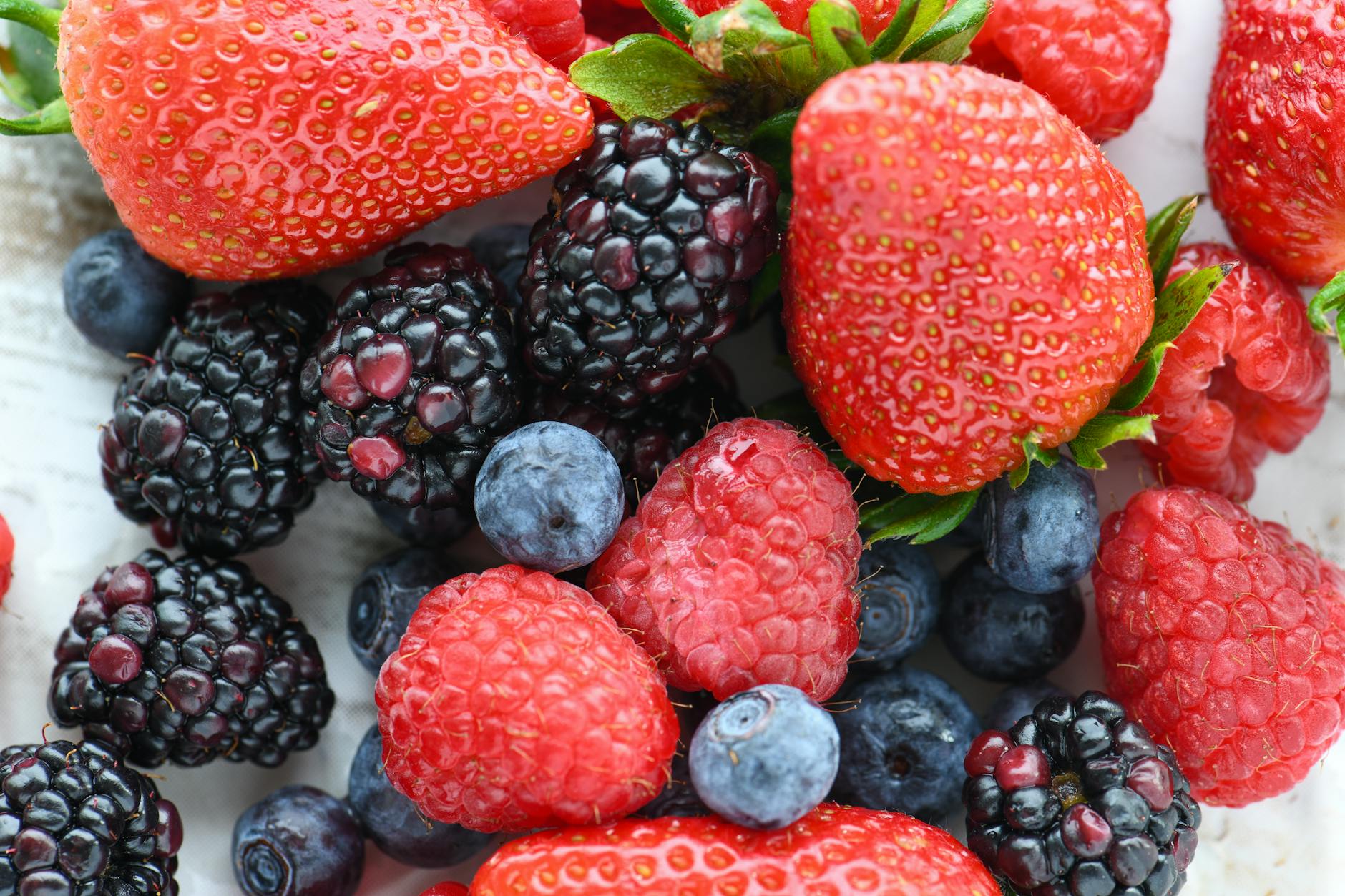
Blueberries, strawberries, raspberries, and blackberries are relatively low in sugar compared to other fruits and exceptionally high in antioxidants and fiber. The anthocyanins found abundantly in berries have been shown to improve insulin sensitivity and reduce blood glucose levels in human studies. Their fiber content slows digestion and tempers the glucose rise that would otherwise follow a sweet food. Berries also have a lower glycemic index than most other fruits, making them a smart choice for satisfying sweet cravings without disrupting metabolic balance. Frozen berries retain their nutritional benefits and are available year-round.
Apple Cider Vinegar

Apple cider vinegar has been shown in several small but well-designed studies to reduce fasting blood glucose and improve insulin sensitivity when consumed before meals. The acetic acid it contains appears to slow the digestion of starch and reduce the glycemic impact of carbohydrate-rich foods. A common practice involves diluting one to two tablespoons in a glass of water and drinking it before eating. Its effects on postprandial glucose have been observed even when a high-carbohydrate meal is consumed shortly afterward. Those with digestive sensitivities or acid reflux should consult a healthcare provider before incorporating it regularly.
Flaxseeds

Flaxseeds are one of the richest plant-based sources of both soluble and insoluble fiber, contributing significantly to slower glucose absorption after meals. The lignans found in flaxseeds have demonstrated insulin-sensitizing properties in research focused on metabolic health. Ground flaxseeds are more bioavailable than whole seeds, as the outer hull is difficult for the body to break down without grinding. Studies have found that daily flaxseed consumption over several weeks can lead to reductions in fasting blood glucose and improved glycemic variability. They blend seamlessly into smoothies, yogurt, oatmeal, and baked goods.
Greek Yogurt

Plain Greek yogurt has a lower carbohydrate content than regular yogurt and provides a substantial amount of protein, which helps moderate blood glucose after eating. The probiotics present in Greek yogurt support gut health, and emerging research links a balanced gut microbiome to improved insulin sensitivity and metabolic regulation. Its protein-to-carbohydrate ratio makes it one of the most blood-sugar-friendly dairy options available. Choosing unsweetened varieties is essential, as flavored versions often contain added sugars that can undermine glycemic benefits. Greek yogurt pairs well with berries, nuts, or seeds for a blood-sugar-conscious snack or meal component.
Eggs

Eggs are virtually carbohydrate-free and provide a high-quality protein source that has a negligible direct impact on blood glucose levels. Protein helps regulate appetite and reduce the likelihood of consuming excess carbohydrates at subsequent meals, supporting overall glycemic management. Research has found that regular egg consumption does not adversely affect blood sugar control and may actually improve satiety-related hormone signaling. The healthy fats in egg yolks contribute to a slower gastric emptying rate, further moderating any postprandial glucose response. Eggs are one of the most versatile and accessible blood sugar-friendly foods in any dietary pattern.
Salmon

Fatty fish like salmon are rich in omega-3 fatty acids, which reduce systemic inflammation, a key driver of insulin resistance in metabolic disease. Salmon provides high-quality protein that supports muscle mass, and greater lean body mass is directly associated with improved glucose metabolism. It contains no carbohydrates, making it an ideal centerpiece for a blood-sugar-conscious meal when paired with non-starchy vegetables. The vitamin D content in salmon also supports insulin function, as vitamin D deficiency is frequently observed in individuals with impaired glucose tolerance. Consuming fatty fish two to three times per week aligns with recommendations for metabolic and cardiovascular health.
Garlic
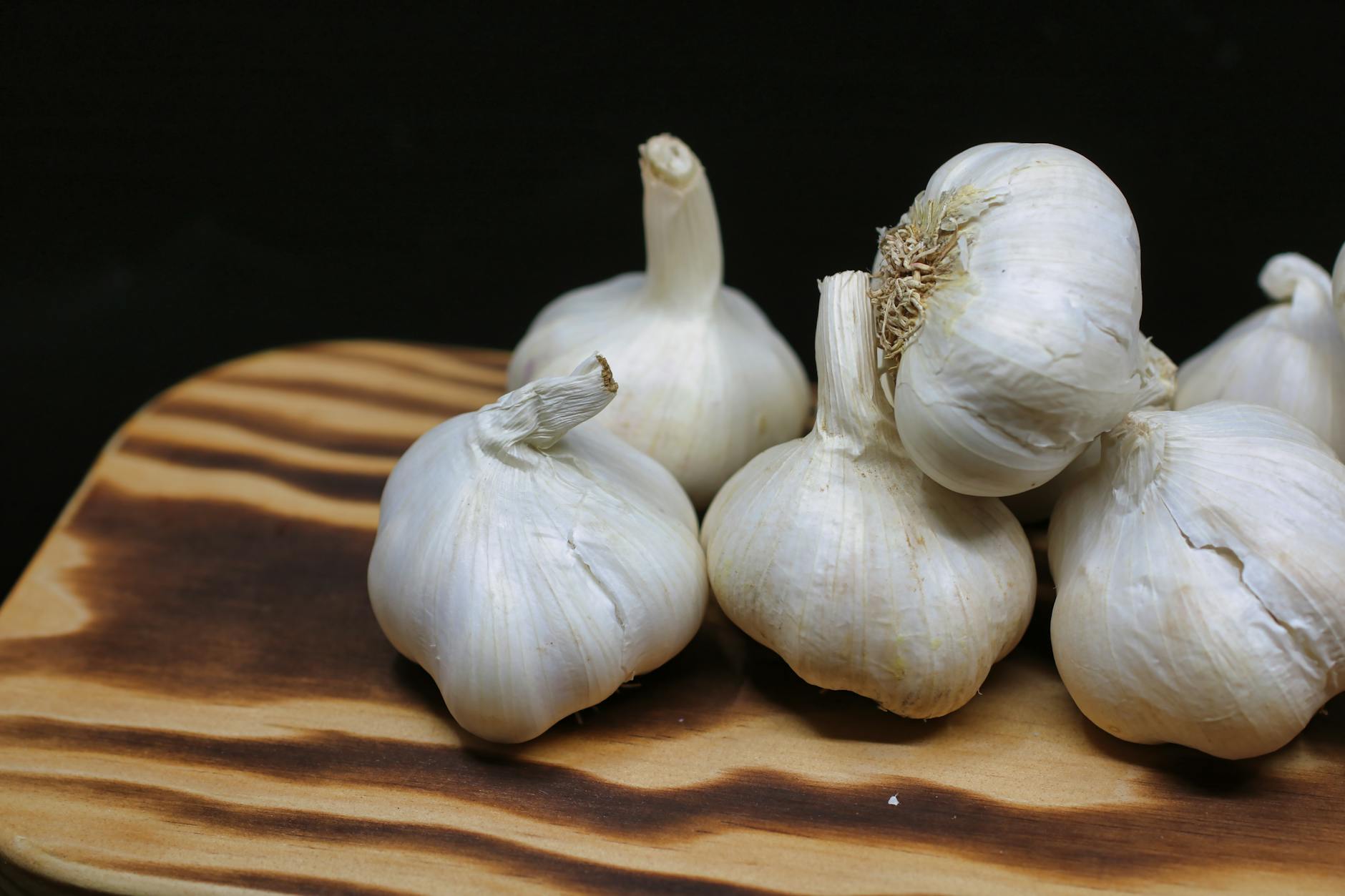
Garlic contains allicin and other sulfur compounds that have been shown to lower fasting blood glucose and improve insulin sensitivity in controlled studies. It has demonstrated an ability to reduce oxidative stress and inflammation, both of which contribute to the development of insulin resistance over time. Raw garlic produces the highest concentration of active compounds, though cooked garlic still retains meaningful metabolic benefits. Animal and human studies have consistently found that garlic supplementation leads to modest but measurable improvements in blood sugar markers. It adds depth of flavor to savory dishes without contributing any significant carbohydrate load.
Turmeric
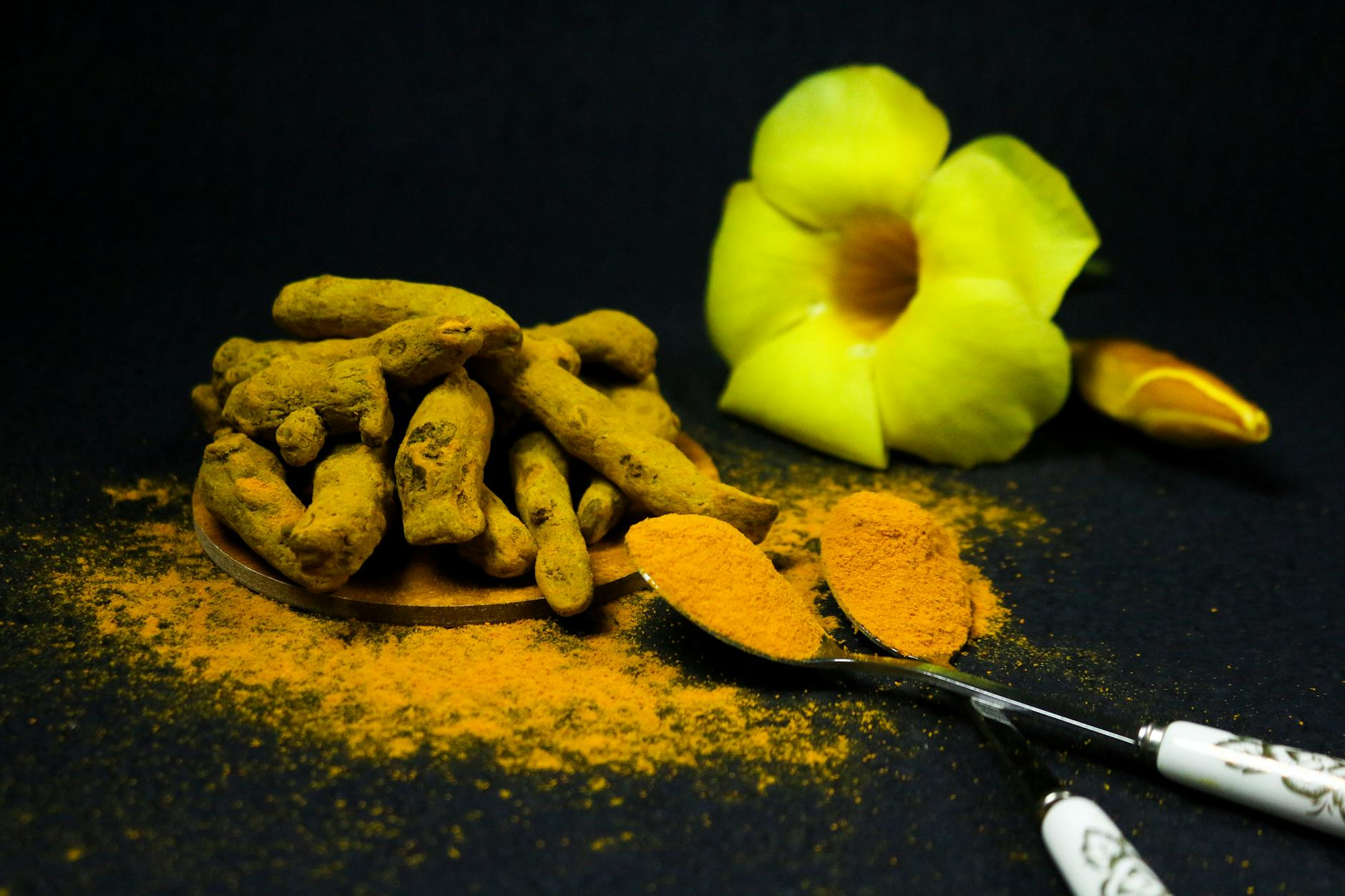
Turmeric’s active compound, curcumin, has demonstrated strong anti-inflammatory and antioxidant effects that are directly relevant to blood sugar regulation. Research suggests that curcumin may improve insulin sensitivity by reducing inflammatory markers that interfere with proper glucose uptake in cells. Several clinical trials have found that curcumin supplementation leads to lower fasting blood glucose and reduced HbA1c levels over a period of weeks to months. Combining turmeric with black pepper significantly enhances the bioavailability of curcumin in the body. It can be added to curries, soups, rice dishes, and warm beverages like golden milk.
Bitter Melon

Bitter melon is a tropical vegetable with a long history of use in traditional medicine for blood sugar management across Asia, Africa, and South America. It contains at least three compounds with demonstrated glucose-lowering properties including charantin, vicine, and polypeptide-p. Studies have shown that bitter melon extract can lower postprandial blood glucose by acting similarly to insulin in peripheral tissues. It is available fresh, as a juice, or in supplement form, though the fresh vegetable form is most commonly studied. Its strong flavor makes it best suited to strongly spiced culinary preparations that can balance its bitterness.
Fenugreek
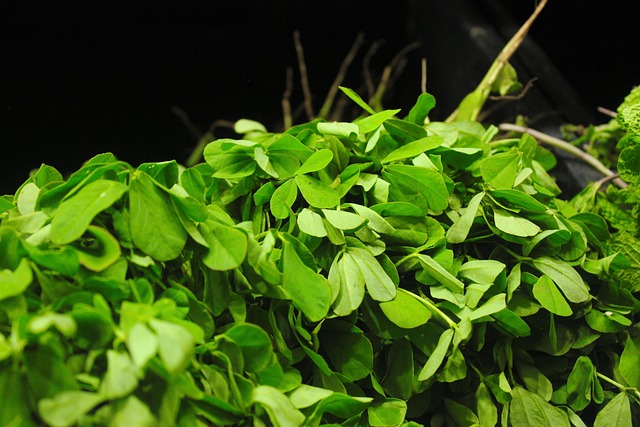
Fenugreek seeds contain a high concentration of soluble fiber, particularly galactomannan, which slows carbohydrate digestion and tempers glucose spikes after meals. They also contain an unusual amino acid called 4-hydroxyisoleucine, which appears to directly stimulate insulin secretion from the pancreas. Clinical trials have found that consuming fenugreek seeds regularly leads to significant reductions in both fasting blood glucose and postprandial glucose levels. Soaking the seeds overnight before consumption may enhance their bioavailability and make them easier to digest. They can be ground into powder, brewed as a tea, or added to bread and spice blends.
Pumpkin Seeds
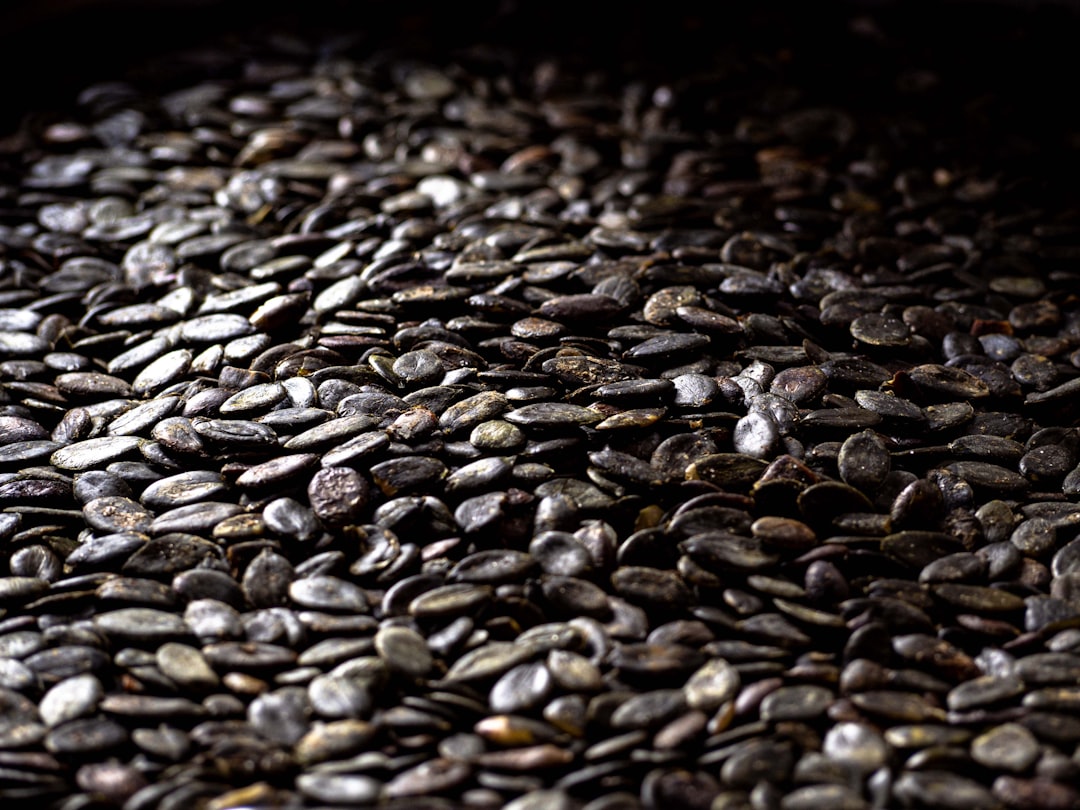
Pumpkin seeds are rich in magnesium, a mineral that plays a critical role in insulin secretion and glucose metabolism, and deficiency in magnesium is strongly linked to elevated blood sugar. They provide protein and healthy fats that together slow the digestion of any carbohydrates consumed alongside them. The antioxidant and anti-inflammatory compounds found in pumpkin seeds may also help protect pancreatic beta cells responsible for producing insulin. Their low glycemic load means they can be consumed as a snack without triggering meaningful blood sugar responses. A small handful makes a convenient and nutritionally dense addition to salads, trail mixes, or grain dishes.
Kale

Kale is one of the most nutrient-dense vegetables available and provides a combination of fiber, antioxidants, and blood-sugar-relevant minerals including magnesium and potassium. Its low carbohydrate content means it contributes minimally to blood glucose even when consumed in large quantities. The flavonoids found in kale, particularly quercetin and kaempferol, have shown promising results in studies examining their effects on insulin sensitivity. Regular consumption of cruciferous vegetables like kale is associated with a reduced risk of developing type 2 diabetes in large population studies. It can be eaten raw, sautéed, roasted into chips, or blended into green smoothies.
Sweet Potatoes

Sweet potatoes have a lower glycemic index than white potatoes and provide a substantial amount of dietary fiber, which slows glucose absorption. They are rich in beta-carotene and other antioxidants that help combat the oxidative stress associated with poor glycemic control. The resistant starch content increases significantly when sweet potatoes are cooked and then cooled before eating, further reducing their glycemic impact. Research has found that an extract from white sweet potato variety in particular has insulin-mimicking properties that can support glucose uptake in cells. Consuming them with skin intact maximizes their fiber content and nutritional value.
Pears
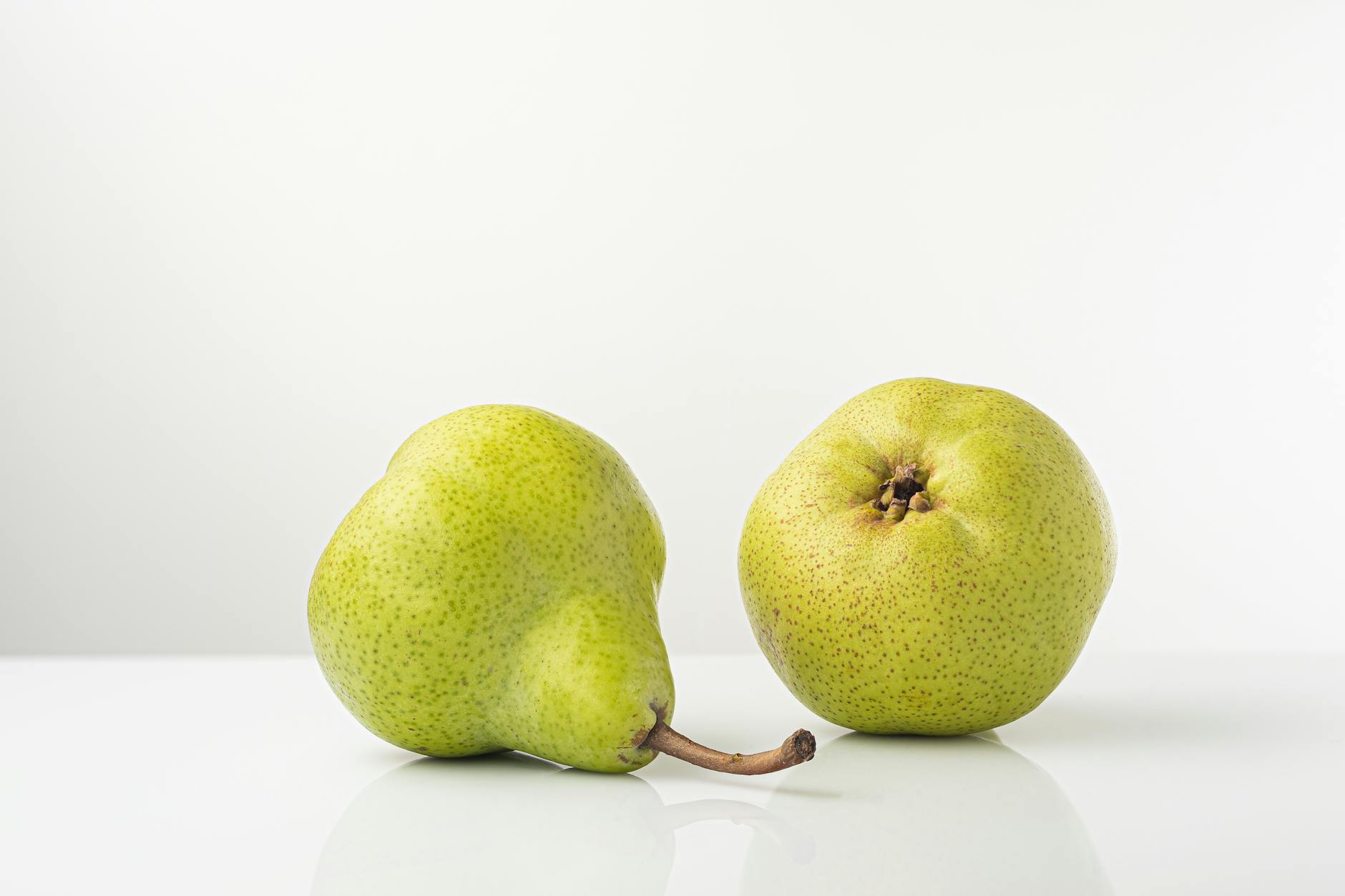
Pears are relatively high in fiber, particularly in the skin, and contain fructose rather than glucose as their primary sugar, which produces a gentler blood sugar response. The soluble fiber in pears contributes to a lower glycemic index compared to many other fruits of similar sweetness. Anthocyanins present in red pear varieties have been associated with reduced insulin resistance in population-level studies. Pears also contain flavonoids that may protect against the development of type 2 diabetes over time. Eating pears with their skin on delivers the most fiber and polyphenol benefit per serving.
Cherries
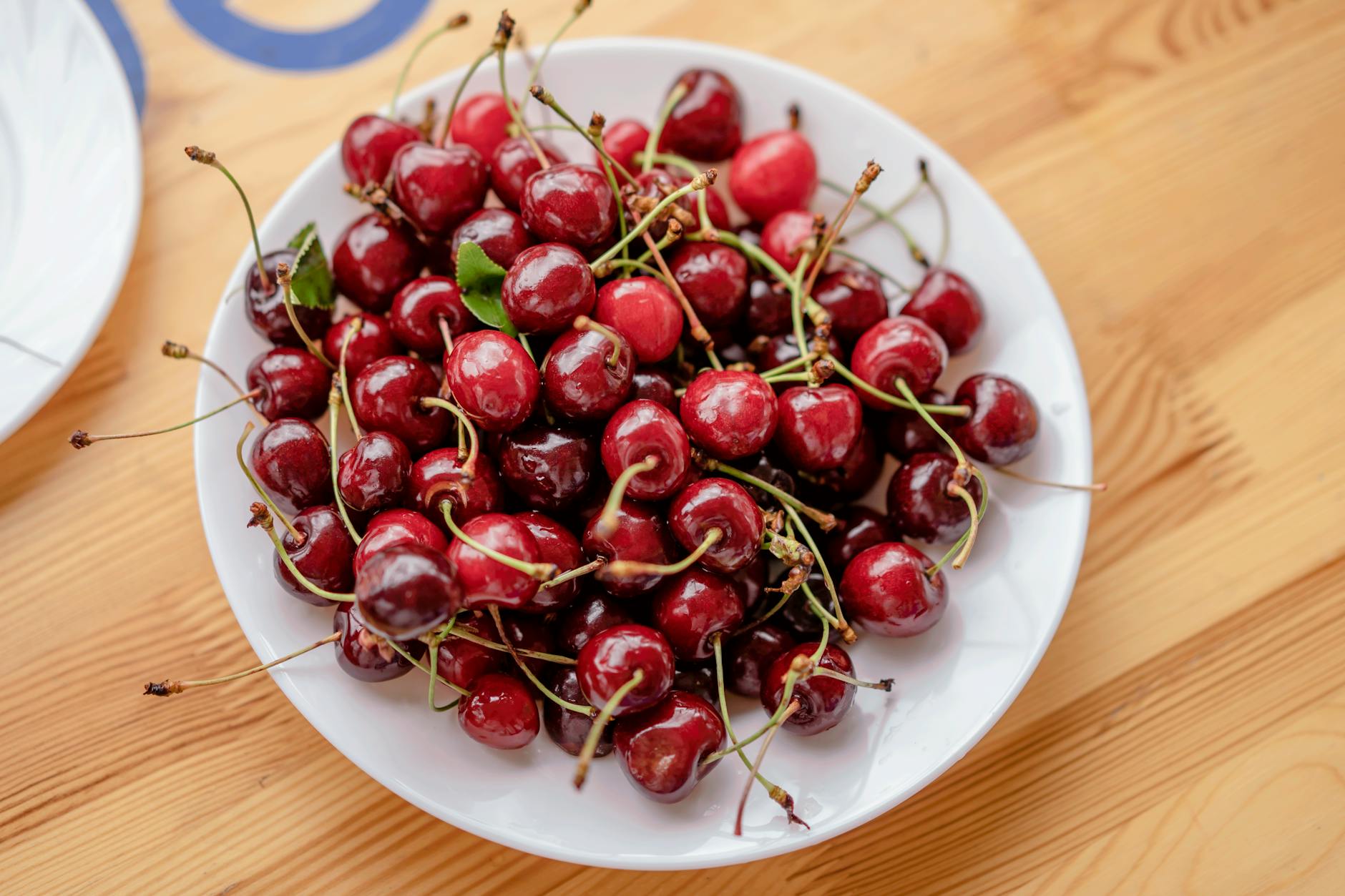
Cherries have a low glycemic index for a fruit and contain anthocyanins that have been shown to stimulate insulin production and improve glucose uptake in fat cells. Both sweet and tart varieties provide meaningful antioxidant activity that reduces oxidative stress associated with blood sugar dysregulation. Tart cherry juice and extract have been studied specifically in the context of inflammation and metabolic health with encouraging results. Cherries also contain melatonin, which may support circadian rhythm regulation and sleep quality, both of which have important connections to glucose metabolism. Fresh or frozen cherries are preferable to canned versions packed in sugary syrup.
Apples

Apples contain a soluble fiber called pectin that forms a gel during digestion, significantly slowing glucose absorption and producing a gradual energy release. Research has found that eating an apple before a meal can reduce postprandial blood glucose compared to a meal consumed without it. The polyphenols in apple skin, particularly quercetin, have demonstrated insulin-sensitizing effects in laboratory and human studies. Whole apples produce a substantially lower blood sugar response than apple juice, highlighting the importance of consuming fruit in its whole form. Choosing tart apple varieties generally provides a lower sugar content and a stronger polyphenol profile.
Citrus Fruits

Oranges, grapefruits, lemons, and limes are high in soluble fiber and vitamin C, both of which play supportive roles in blood sugar regulation. Despite their sweet flavor, whole citrus fruits have a relatively low glycemic index due to their fiber content and organic acid profile. Naringenin, a flavonoid found in grapefruit, has shown the ability to improve insulin sensitivity and reduce glucose production in the liver in laboratory research. Consuming citrus in whole fruit form rather than as juice ensures that fiber is preserved and the glycemic response remains moderate. Grapefruit in particular should be consumed with awareness, as it interacts with several medications commonly prescribed for diabetes.
Broccoli Sprouts
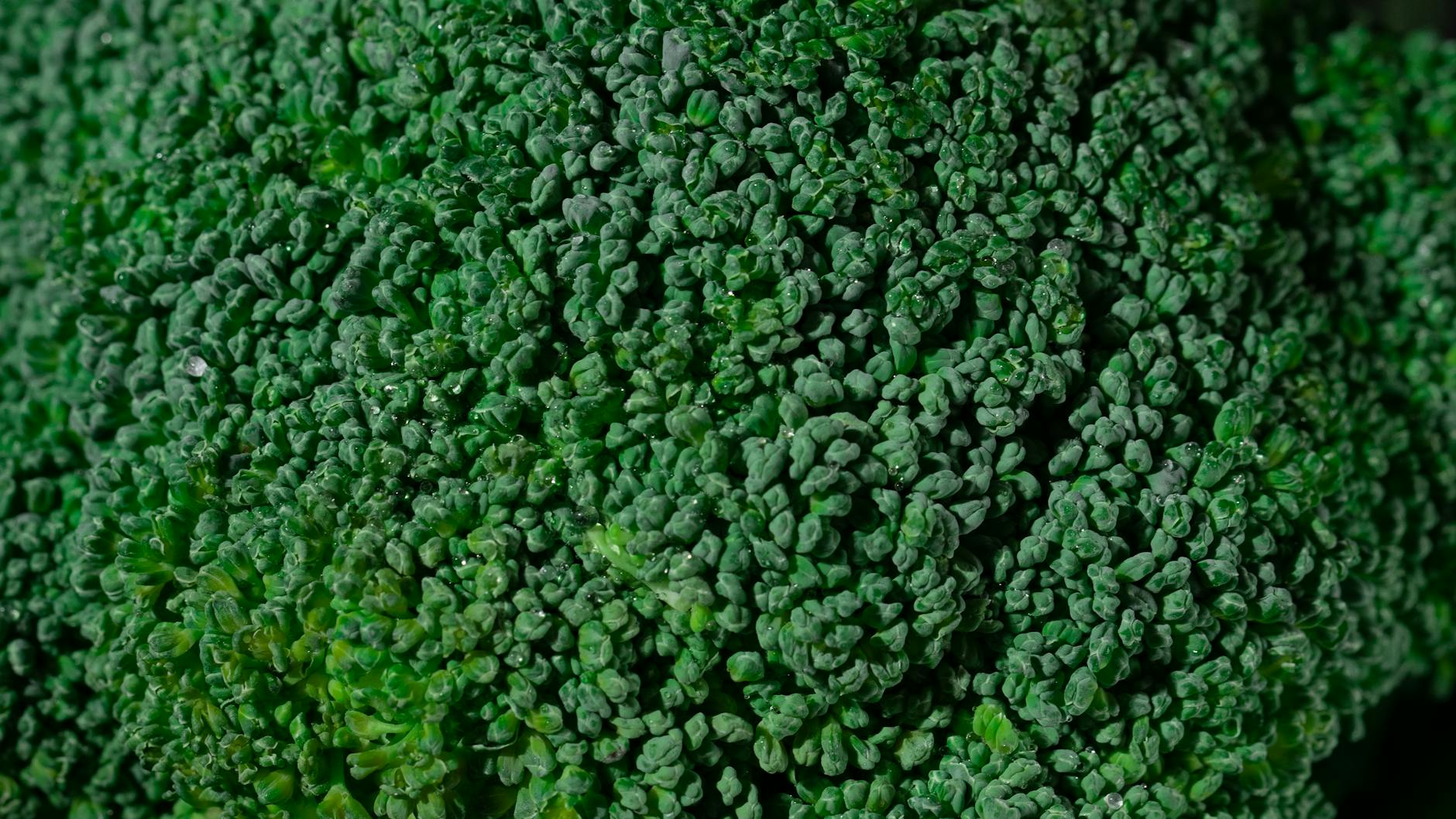
Broccoli sprouts contain significantly higher concentrations of sulforaphane than mature broccoli, making them one of the most potent plant foods for supporting insulin sensitivity. Sulforaphane activates a cellular pathway called Nrf2, which helps reduce oxidative stress and inflammation linked to insulin resistance. Studies involving people with type 2 diabetes have found that broccoli sprout extract can meaningfully lower fasting blood glucose levels over a period of weeks. Their delicate flavor and tender texture make them easy to incorporate into salads, sandwiches, and grain bowls without cooking. Growing them at home is simple and cost-effective, making consistent consumption accessible to most people.
Okra

Okra has been used in traditional medicine across multiple cultures for its reputed ability to support healthy blood sugar levels, and modern research has begun to validate these claims. The mucilaginous fiber it produces when cooked or soaked in water slows glucose absorption in the digestive tract, reducing the glycemic impact of a meal. Studies have shown that okra water, made by soaking sliced pods overnight, can lower postprandial blood glucose when consumed before eating. Okra also contains polyphenols and flavonoids with antioxidant properties that may protect against diabetic complications. It can be eaten roasted, stewed, pickled, or raw in salads across a wide range of cuisines.
Barley
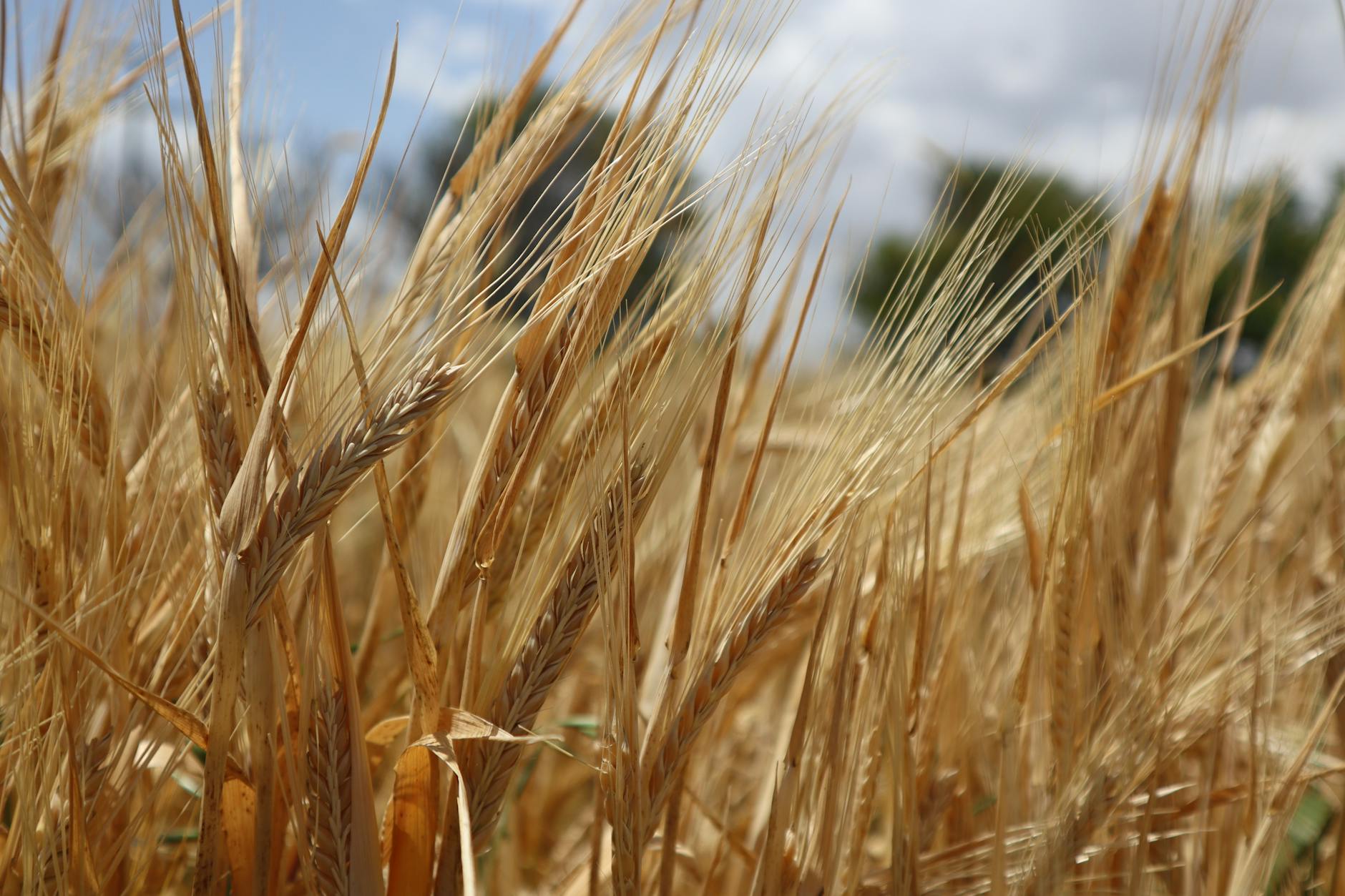
Barley has one of the lowest glycemic indexes of any grain due to its exceptionally high beta-glucan content, the same soluble fiber responsible for the blood sugar benefits of oats. Studies have found that consuming barley as a whole grain significantly lowers postprandial glucose and insulin response compared to white rice or white bread. Beta-glucan in barley also supports the growth of beneficial gut bacteria that produce short-chain fatty acids connected to improved metabolic function. Hull-less or pearl barley retains a significant portion of its fiber even after processing, making it a practical whole grain choice. It works well as a rice substitute in pilafs, soups, stews, and grain salads.
Quinoa
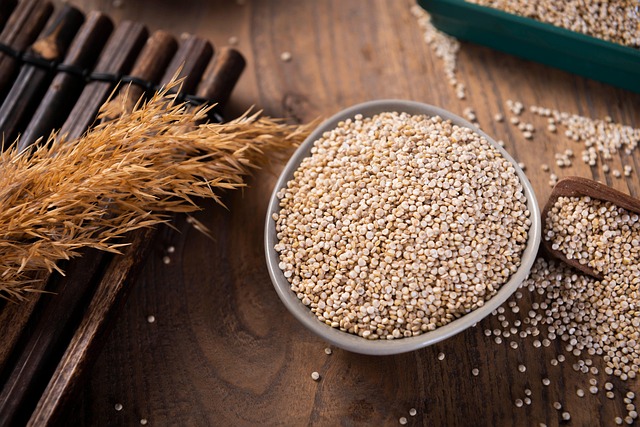
Quinoa is a complete protein grain that provides all essential amino acids alongside a fiber content and glycemic profile superior to most refined grain alternatives. Its protein-to-carbohydrate ratio is notably higher than rice or wheat, meaning it produces a slower and more gradual rise in blood glucose after eating. Research has identified quinoa as a particularly suitable grain for people managing type 2 diabetes due to its combination of protein, fiber, and low-glycemic carbohydrate content. It also contains quercetin and kaempferol, flavonoids with demonstrated anti-inflammatory and insulin-sensitizing properties. Quinoa cooks quickly, stores well, and serves as a versatile base for bowls, salads, and side dishes.
Tofu

Tofu is a low-carbohydrate, high-protein food derived from soy that has a negligible direct impact on blood glucose levels. Its protein content supports satiety and helps reduce the drive to consume excess carbohydrates at meals, which indirectly supports glycemic control. Isoflavones found in soy foods like tofu have been associated with improved insulin sensitivity in studies focused on women and older adults. Tofu provides calcium and magnesium, both of which play regulatory roles in glucose metabolism and insulin signaling. Firm tofu is particularly versatile and can be grilled, stir-fried, baked, or blended into sauces and smoothies.
Tempeh
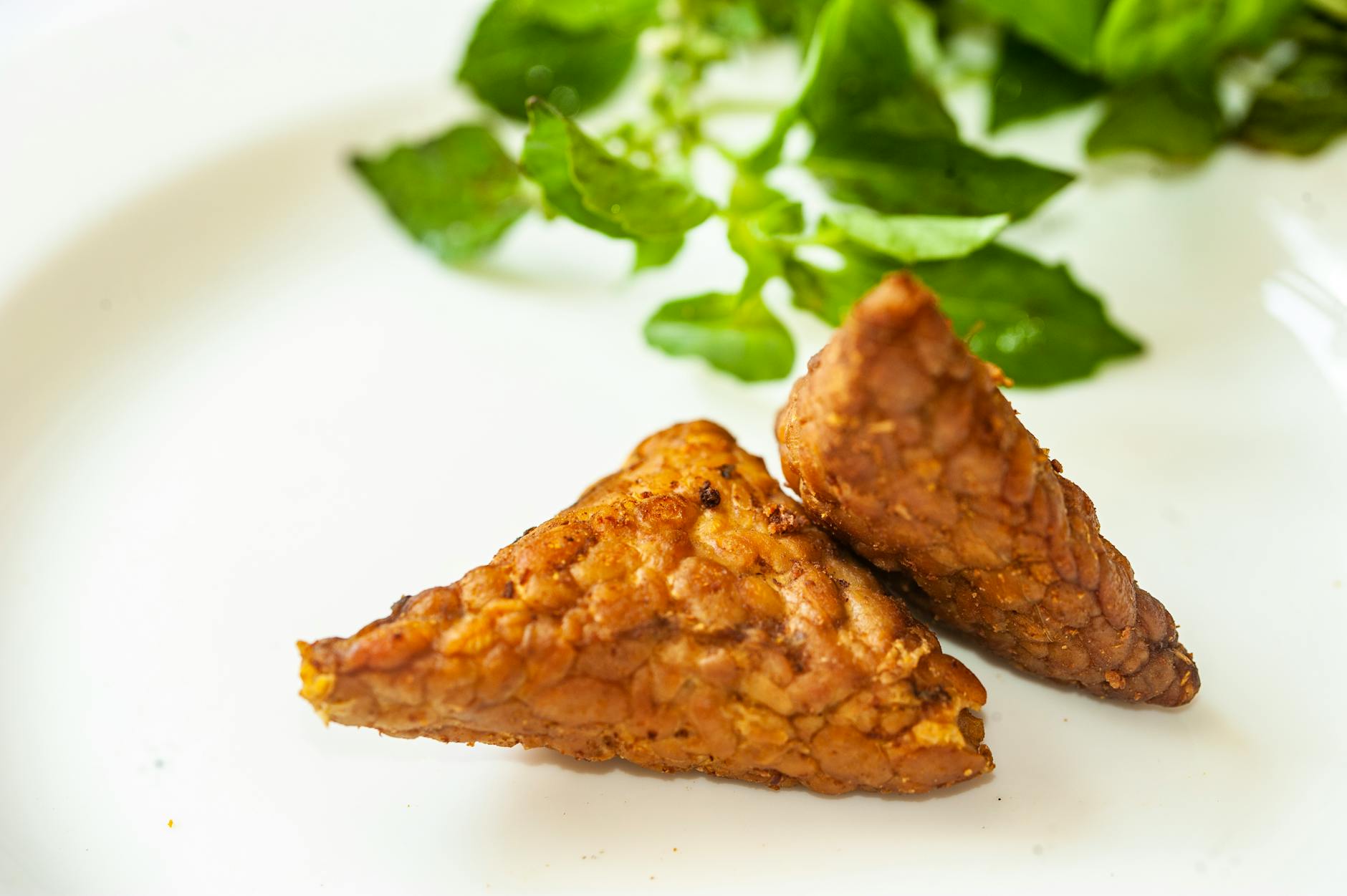
Tempeh is a fermented soy product with a higher protein and fiber content than tofu, making it an even more blood-sugar-supportive option within the soy food category. Fermentation increases the bioavailability of its nutrients and may enhance the insulin-sensitizing effects of its isoflavone content. The fiber in tempeh contributes to a slower rate of gastric emptying, reducing the speed at which any accompanying carbohydrates are absorbed. Tempeh also provides probiotics that support gut microbiome diversity, which is increasingly linked to improved glucose regulation and reduced inflammation. Its firm texture and earthy flavor make it suitable for marinades, stir-fries, sandwiches, and grain bowls.
Walnuts
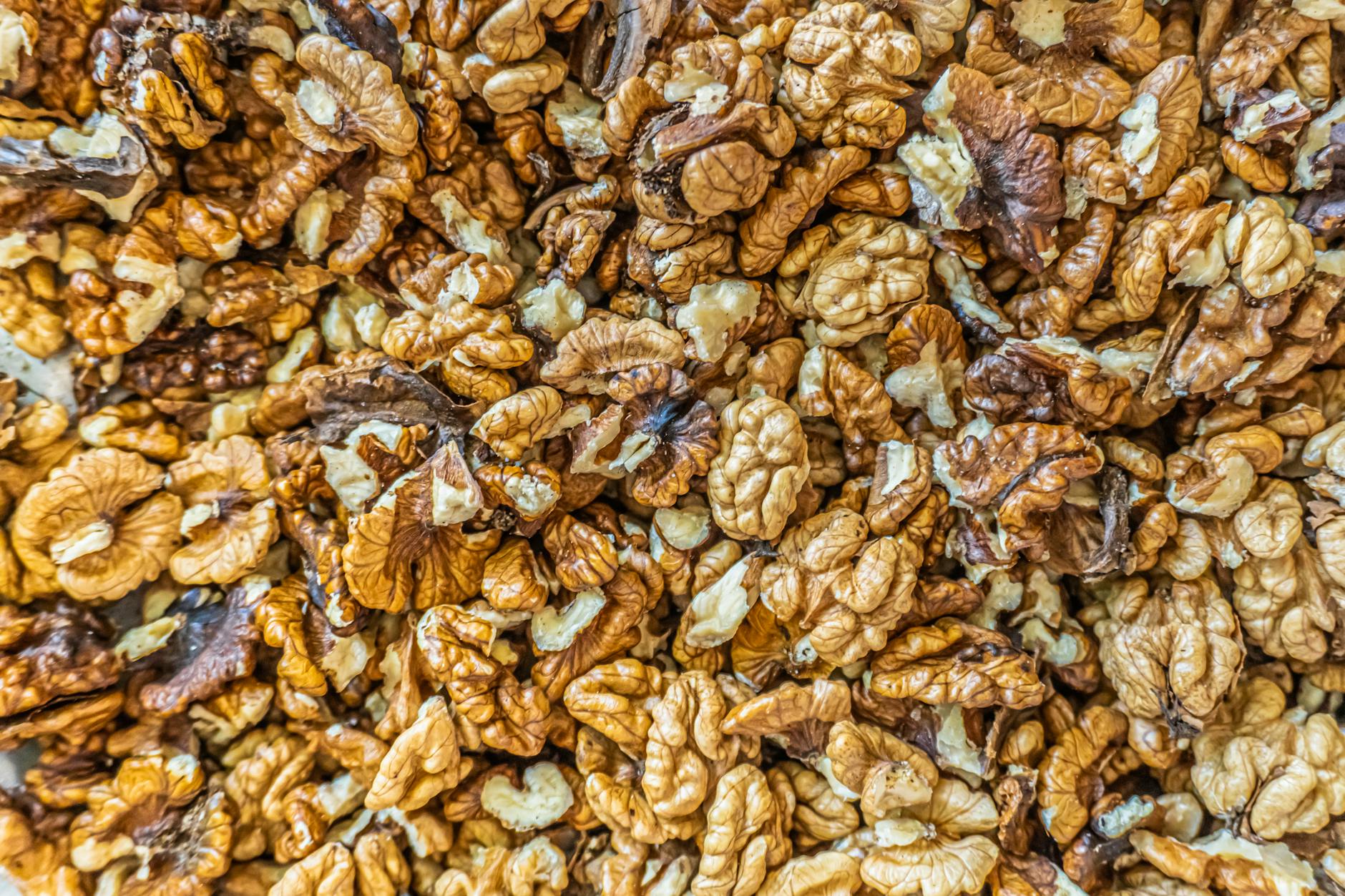
Walnuts contain a uniquely high concentration of alpha-linolenic acid compared to other tree nuts, an omega-3 fatty acid that supports anti-inflammatory pathways tied to insulin sensitivity. Studies have found that regular walnut consumption is associated with lower fasting insulin levels and improved measures of metabolic health over time. Their combination of protein, fiber, and healthy fat creates a strong satiety effect that helps prevent blood sugar-disrupting overeating at subsequent meals. Walnuts also provide polyphenols that support the health of gut bacteria involved in metabolic regulation. A small portion consumed as a snack or added to salads and oatmeal provides meaningful blood sugar benefits.
Almonds
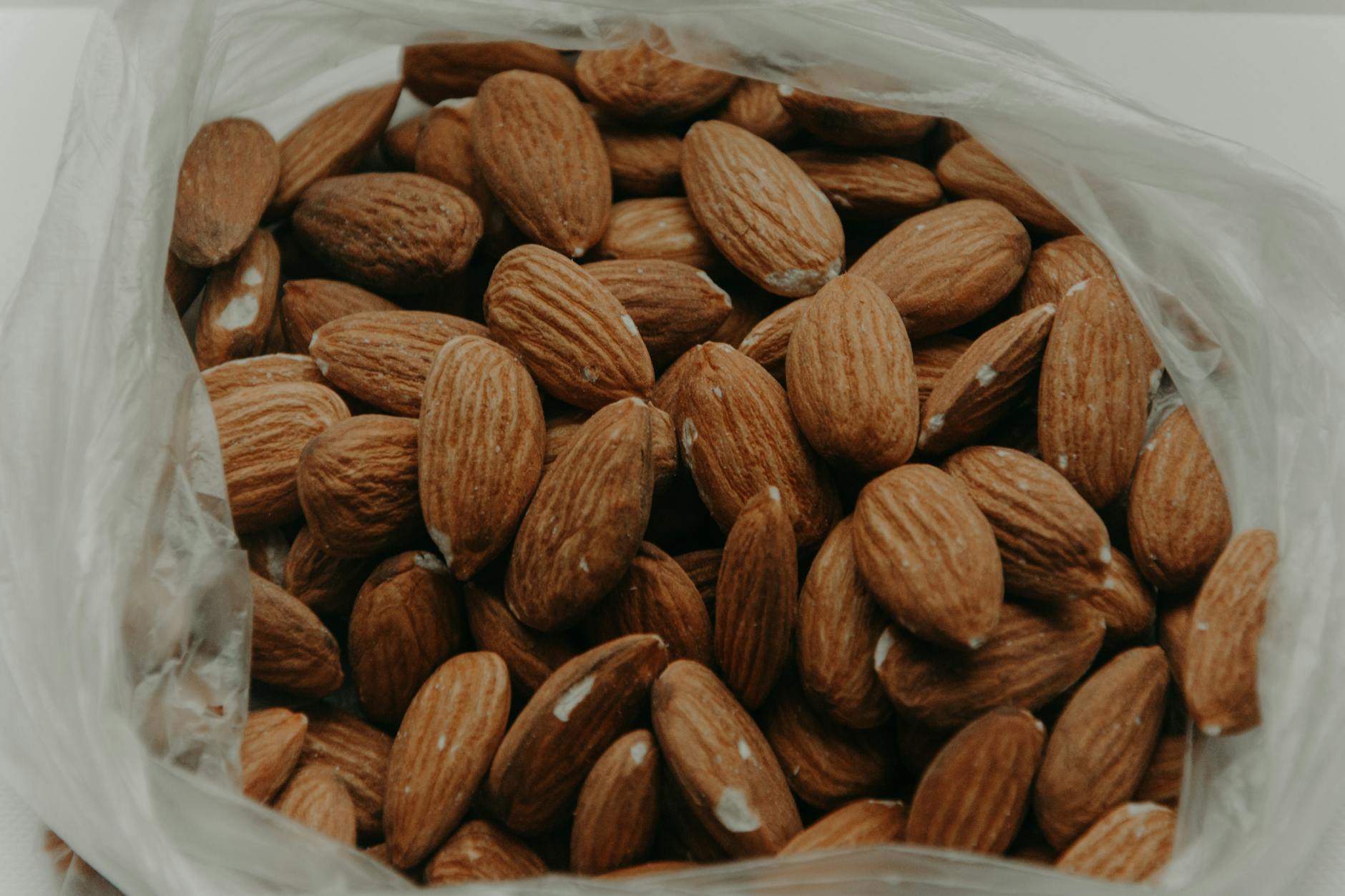
Almonds are particularly rich in magnesium and vitamin E, and their high fiber and monounsaturated fat content makes them one of the most studied nuts for blood sugar management. Clinical research has shown that eating almonds before a high-carbohydrate meal can significantly blunt the postprandial glucose response. The protein in almonds further contributes to improved satiety and reduced carbohydrate cravings between meals. Studies have found that individuals with type 2 diabetes who regularly consume almonds show improvements in fasting blood glucose and HbA1c over time. Raw or dry-roasted unsalted almonds provide the most benefit without added sodium or oils.
Olive Oil

Extra virgin olive oil is rich in oleocanthal and other polyphenols that have demonstrated anti-inflammatory properties relevant to reducing insulin resistance. The monounsaturated fat content of olive oil slows the digestion of meals and reduces the speed at which glucose enters the bloodstream. Regular olive oil consumption has been associated with lower fasting blood glucose and reduced incidence of type 2 diabetes in large Mediterranean diet studies. It appears to support the function of adiponectin, a hormone secreted by fat tissue that plays a key role in insulin sensitivity. Using olive oil as the primary cooking fat and salad dressing base is one of the simplest dietary changes for blood sugar support.
Dark Chocolate

Dark chocolate with a cocoa content of 70 percent or higher contains flavonoids that have been shown to improve insulin sensitivity and support healthy blood vessel function. Epicatechin, a flavonoid found in high concentrations in cocoa, activates pathways that facilitate glucose uptake in muscle cells. Studies have found that moderate consumption of dark chocolate is associated with lower fasting blood sugar and reduced insulin resistance compared to milk chocolate or no chocolate. The glycemic load of dark chocolate is substantially lower than most confectionery due to its high fat and fiber content relative to sugar. A small portion of one to two squares consumed as part of a balanced diet delivers benefits without meaningful glycemic disruption.
Green Tea

Green tea contains epigallocatechin gallate (EGCG), a powerful catechin that has been shown to improve insulin sensitivity and reduce the rate at which glucose is absorbed from the digestive tract. Multiple meta-analyses have found that regular green tea consumption is associated with significantly lower fasting blood glucose and reduced HbA1c levels in people with or at risk of type 2 diabetes. The L-theanine in green tea also moderates the stimulatory effects of its caffeine content, producing a calm but alert state that avoids the cortisol spikes that can temporarily raise blood sugar. Consuming green tea without added sweeteners ensures no glucose disruption from sugar accompanies its beneficial effects. Two to four cups daily is the amount most commonly associated with measurable metabolic benefits in the literature.
Ginger
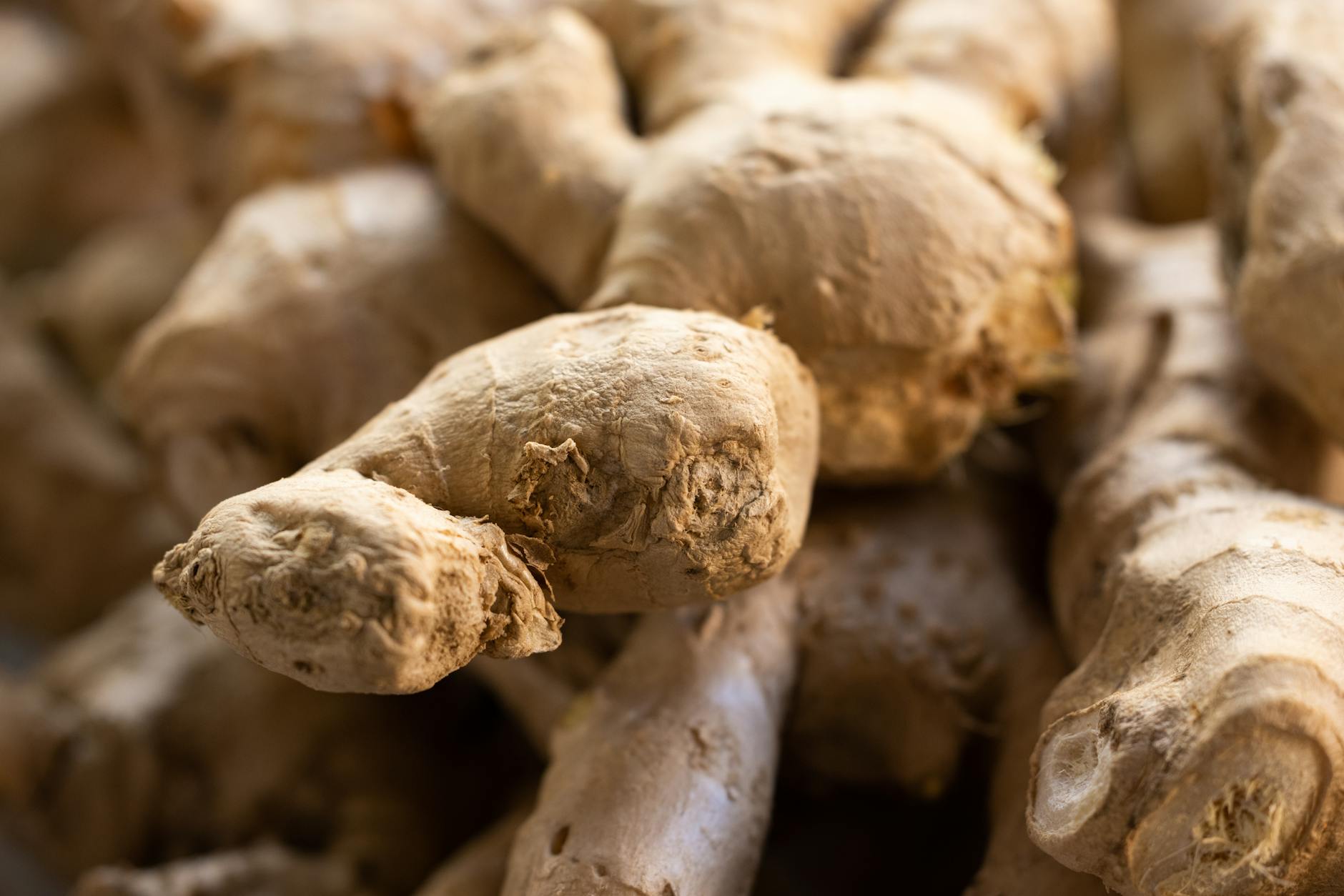
Ginger contains gingerols and shogaols, bioactive compounds with potent anti-inflammatory and antioxidant effects that appear to directly influence blood sugar regulation. Studies have found that ginger supplementation can meaningfully lower fasting blood glucose in individuals with type 2 diabetes when consumed consistently over several weeks. It may enhance insulin secretion from the pancreas while also improving the sensitivity of peripheral tissues to insulin’s action. Ginger also supports digestive function by accelerating gastric emptying and reducing nausea, which can be a beneficial side effect for those managing medication-related digestive symptoms. Fresh ginger can be added to teas, stir-fries, marinades, soups, and smoothies with ease.
Cauliflower

Cauliflower is extremely low in carbohydrates and high in fiber, making it one of the most versatile blood-sugar-friendly vegetables for replacing higher-glycemic staples like rice, potatoes, and pasta. It contains sulforaphane precursors similar to those in broccoli, providing anti-inflammatory and insulin-sensitizing benefits alongside its macronutrient profile. The fiber in cauliflower slows digestion and contributes to sustained satiety, reducing the temptation to reach for high-glycemic snacks between meals. Cauliflower rice and cauliflower mash are widely used as low-glycemic alternatives in diabetes-conscious cooking. Its mild flavor makes it an adaptable base for a wide range of seasoning profiles and cooking methods.
Brussels Sprouts

Brussels sprouts are members of the cruciferous vegetable family and provide a meaningful dose of fiber, vitamin C, and alpha-lipoic acid, a compound that has shown particular promise for improving insulin sensitivity and reducing oxidative stress in people with diabetes. Their carbohydrate content is low relative to the volume consumed, meaning they provide bulk and satiety without contributing meaningfully to blood glucose. Regular consumption of cruciferous vegetables as a group is associated with a significantly reduced risk of developing type 2 diabetes in prospective dietary studies. Roasting Brussels sprouts enhances their flavor considerably without diminishing their nutritional profile. They pair naturally with lean proteins and healthy fats to create blood-sugar-balanced meals.
Artichokes

Artichokes are rich in inulin, a type of prebiotic fiber that feeds beneficial gut bacteria and contributes to improved insulin sensitivity through gut-microbiome-mediated pathways. They have one of the highest fiber contents among vegetables and produce a very low glycemic response despite containing a moderate amount of carbohydrates. Research has found that artichoke leaf extract can reduce fasting blood glucose and improve lipid profiles in individuals with metabolic disorders. The chlorogenic acids found in artichokes have demonstrated the ability to reduce glucose absorption in the intestines and inhibit key enzymes involved in carbohydrate digestion. They can be steamed, roasted, grilled, or consumed as a supplement for consistent metabolic benefits.
Asparagus
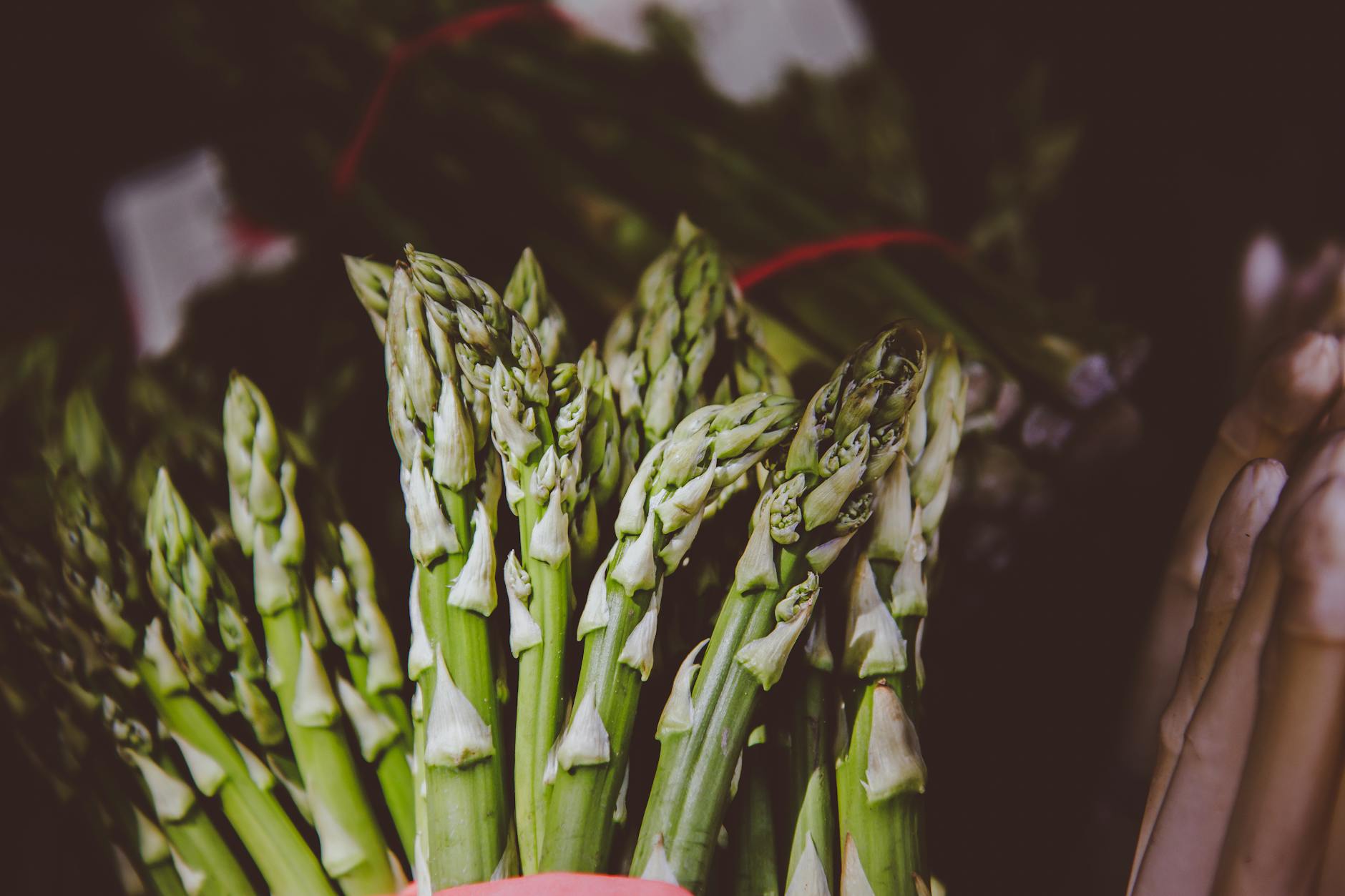
Asparagus is low in calories and carbohydrates while providing a unique mix of prebiotic fiber, chromium, and the amino acid asparagine, all of which support healthy glucose and insulin metabolism. Chromium in particular is important for glucose tolerance and is a cofactor in the insulin signaling pathway. Animal studies have shown that asparagus extract can stimulate insulin secretion and improve the uptake of glucose from the bloodstream. Its prebiotic content supports a diverse gut microbiome, which is increasingly recognized as a key regulator of metabolic function. Asparagus can be prepared quickly by roasting, grilling, steaming, or eating raw in salads, making it one of the most convenient blood-sugar-supportive vegetables.
Psyllium Husk
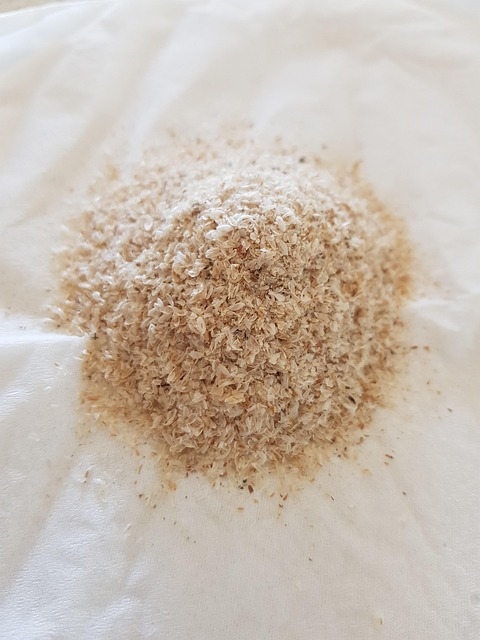
Psyllium husk is a concentrated soluble fiber supplement derived from the seeds of Plantago ovata and is one of the most well-researched dietary fibers for blood sugar management. When consumed with water, it forms a thick, viscous gel in the intestines that dramatically slows the digestion and absorption of carbohydrates from an accompanying meal. Multiple clinical trials have confirmed that adding psyllium husk to meals significantly reduces postprandial glucose spikes and improves overall glycemic control in people with type 2 diabetes. It also supports healthy cholesterol levels and digestive regularity, two common concerns in people managing metabolic conditions. A teaspoon stirred into water or blended into a smoothie before meals is the most common method of incorporation.
Macadamia Nuts
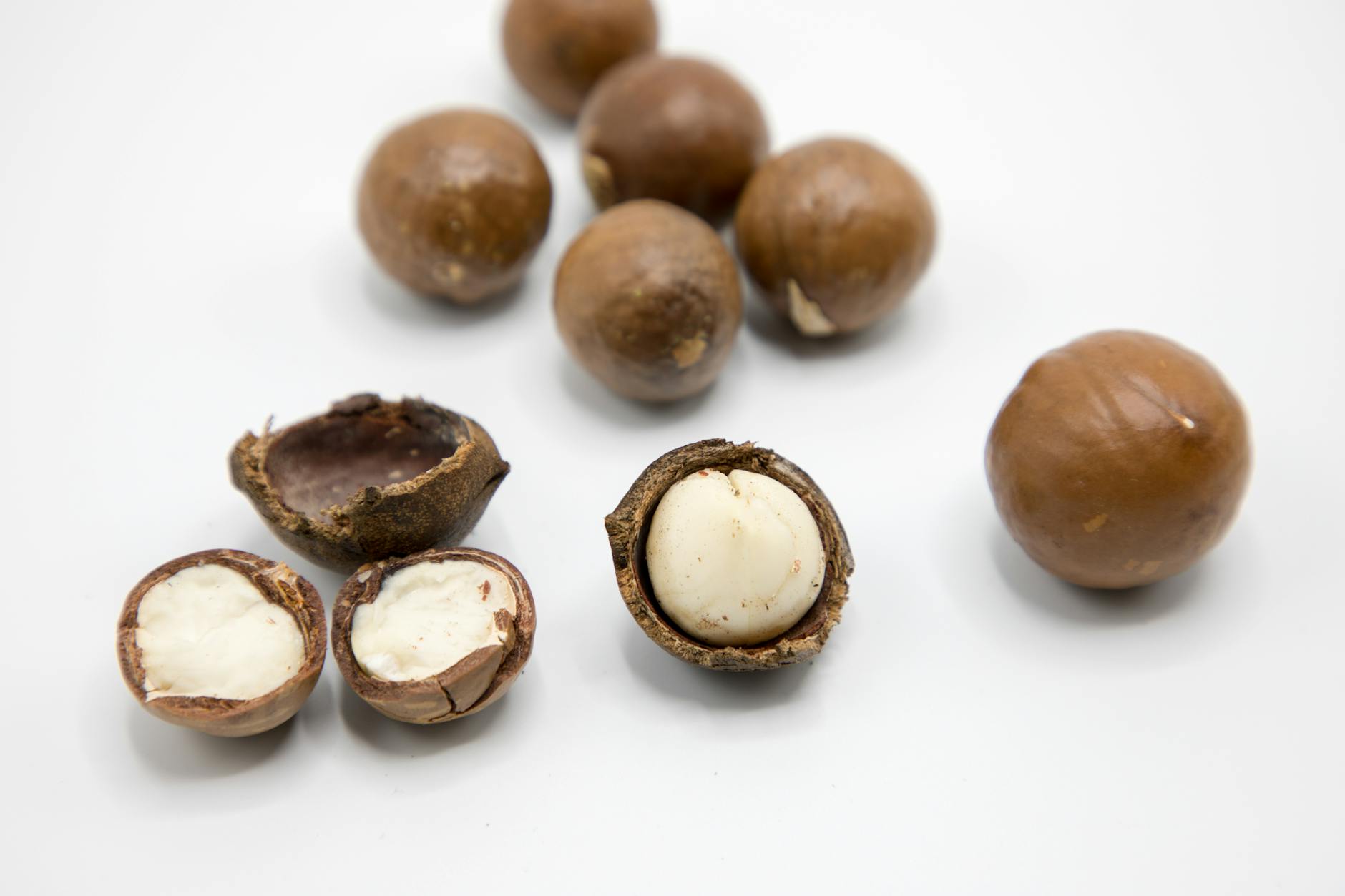
Macadamia nuts have the highest monounsaturated fat content of any nut, and this fat profile supports insulin sensitivity by reducing membrane rigidity in cells and improving the efficiency of glucose transporters. They are also among the lowest in net carbohydrates of any commonly consumed nut, making them well suited for very low-carbohydrate dietary approaches to blood sugar management. Research has found that replacing saturated fats in the diet with the monounsaturated fats found in macadamia nuts improves fasting glucose and insulin levels over time. Their high fat and moderate protein content creates excellent satiety, reducing cravings and the tendency toward blood-sugar-disrupting snacking. A small portion provides meaningful metabolic support as a daily snack or meal accompaniment.
Edamame

Edamame, or young soybeans, provide a combination of protein, fiber, and fat that produces a very low glycemic response despite their moderate carbohydrate content. They are rich in isoflavones, particularly genistein and daidzein, which have been studied for their effects on insulin secretion and insulin sensitivity. Research has found that soy isoflavone consumption is associated with reduced fasting blood glucose and improved glycemic markers in postmenopausal women and individuals with type 2 diabetes. The protein in edamame also supports muscle protein synthesis, and greater muscle mass is associated with improved insulin sensitivity and glucose disposal. They make an excellent snack or protein-rich addition to grain bowls, stir-fries, and salads with minimal preparation required.
Share which of these foods you already include in your diet and which you plan to add next in the comments.




