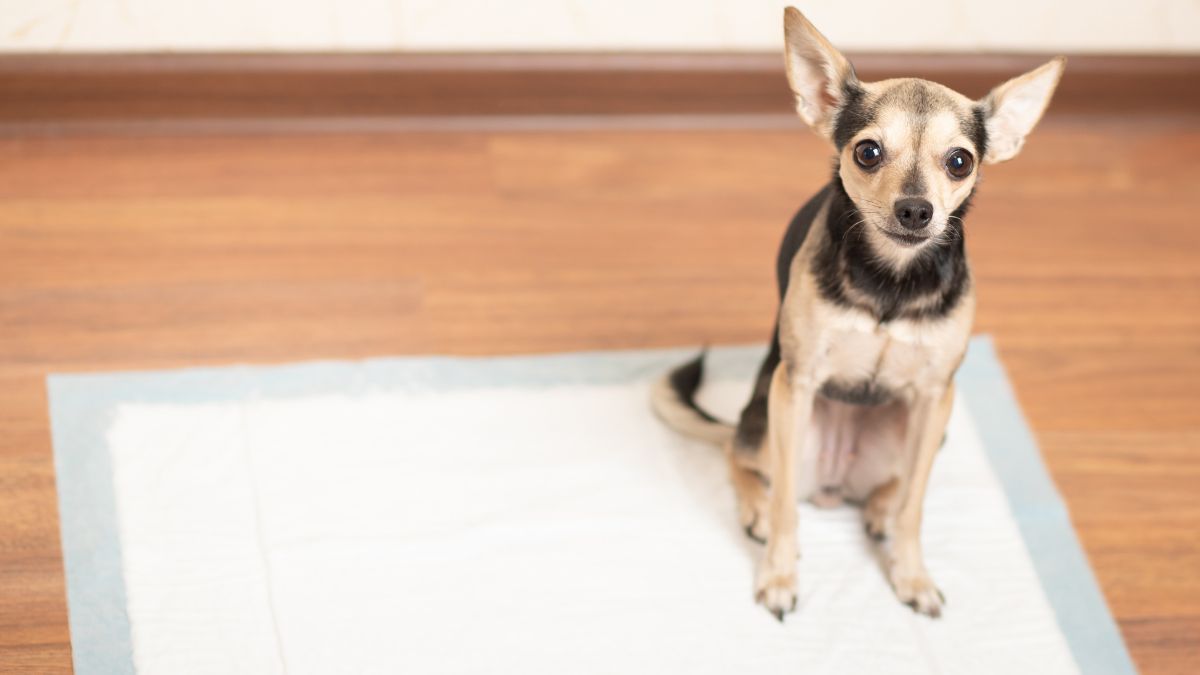
Potty training a dog requires patience, consistency, and a solid understanding of your pet’s natural instincts and temperament. While every dog is an individual, certain breeds come with traits that make the housetraining process more challenging than average. Stubbornness, high energy, small bladders, or deeply independent personalities can all work against even the most dedicated owner. Understanding which breeds tend to struggle with potty training can help you prepare the right strategy before bringing your new companion home.
Afghan Hound
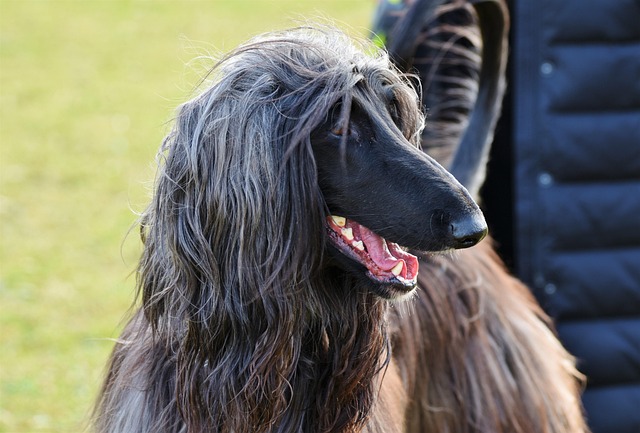
The Afghan Hound is widely regarded as one of the most independent and aloof dog breeds in existence. This ancient breed was developed to hunt and make decisions without human direction, which means it rarely feels compelled to follow instructions it finds inconvenient. Housetraining an Afghan Hound requires an exceptional level of consistency and positive reinforcement over a prolonged period. Even once trained, these dogs may occasionally regress if their routine is disrupted. Patience is the single most important tool any Afghan Hound owner can have.
Basenji
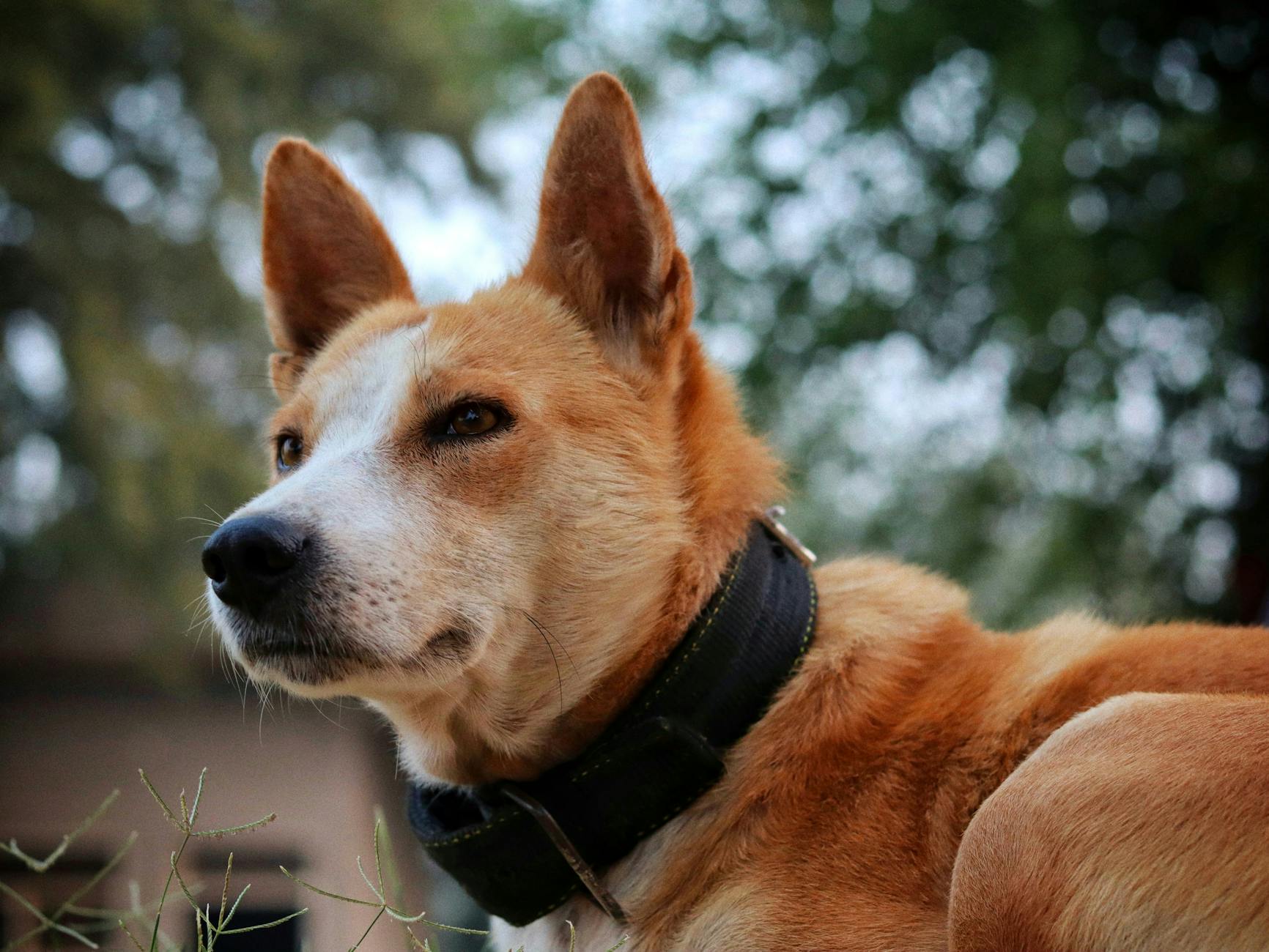
The Basenji is a primitive breed from Central Africa that is known for its cat-like personality and fierce independence. This breed does not respond well to repetitive training methods and tends to make its own decisions about where and when to relieve itself. Basenjis are also notoriously difficult to motivate through standard reward systems, which complicates the training process considerably. Their high intelligence works against owners in this context because these dogs quickly learn to avoid situations they dislike. A structured and creative approach to training is essential with this breed.
Bichon Frise
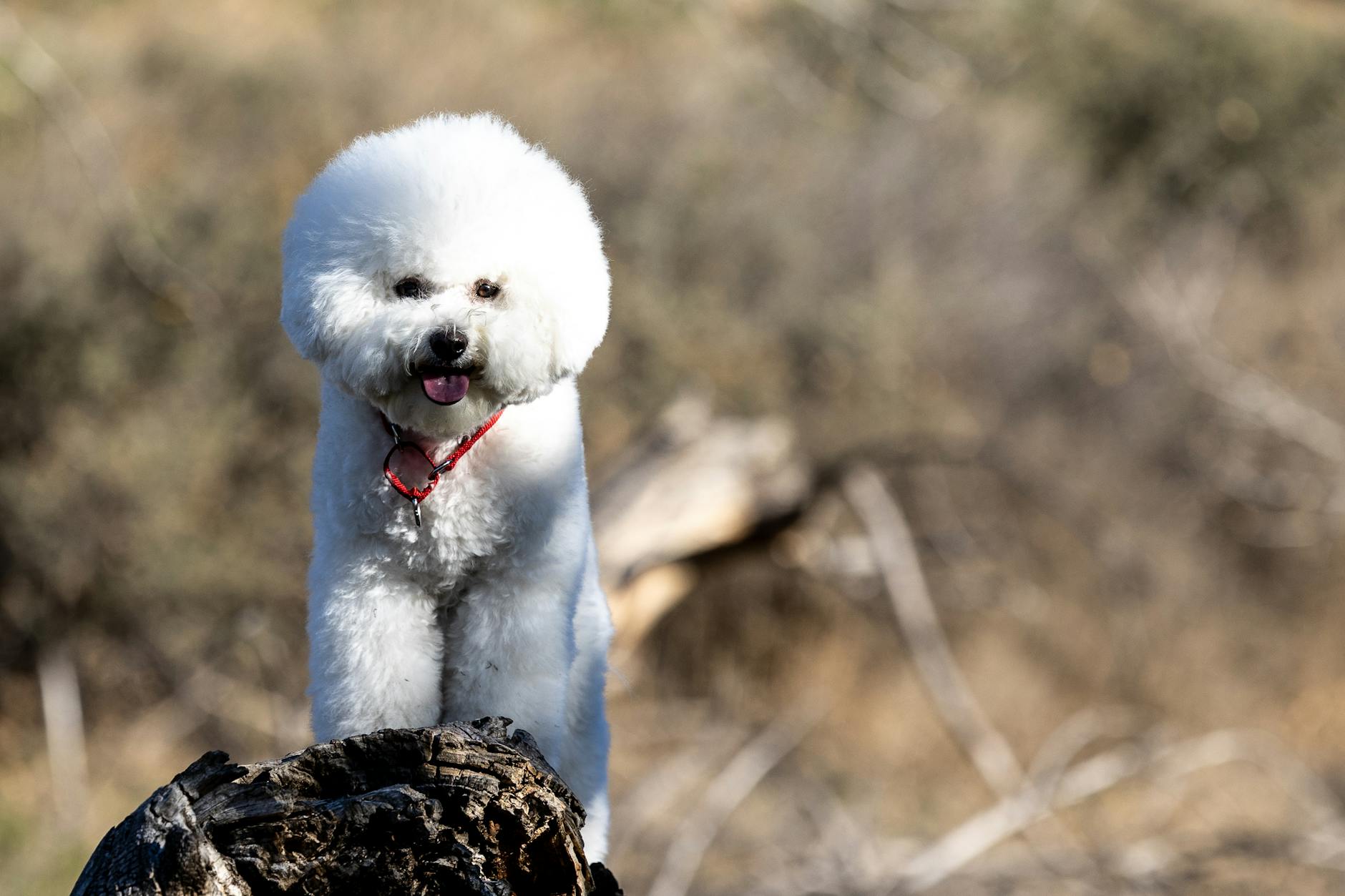
The Bichon Frise is a charming and affectionate small breed that consistently ranks among the most difficult dogs to potty train. Small breeds in general have smaller bladders and faster metabolisms, meaning they need to eliminate more frequently than larger dogs. The Bichon also tends to be easily distracted during training sessions, which reduces the effectiveness of standard housetraining methods. Many Bichon owners find that extended crate training combined with rigid outdoor schedules is the only reliable approach. Accidents in the home can persist well into adulthood if training is not firmly established early on.
Dachshund
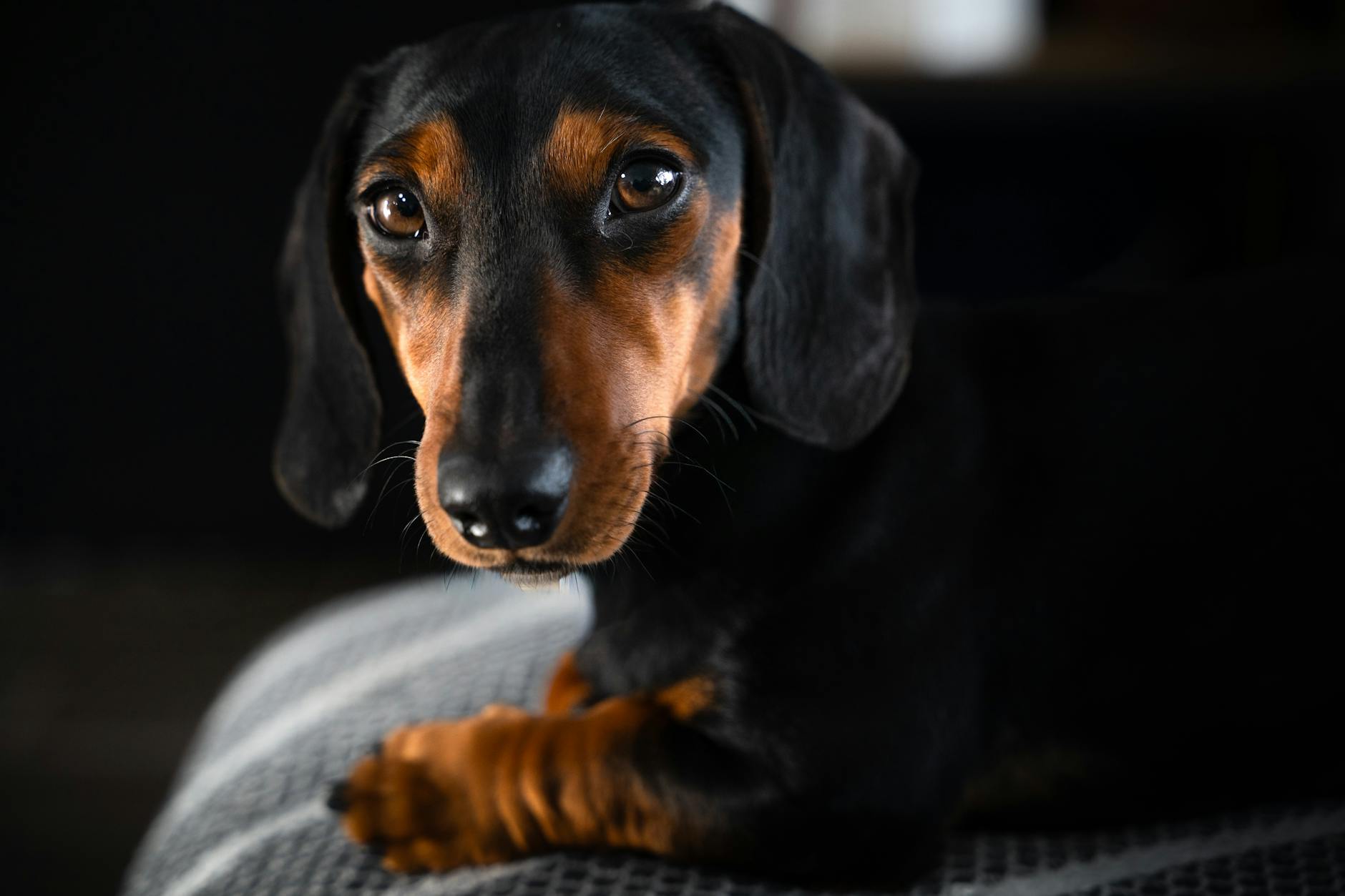
Dachshunds are beloved for their playful personalities and distinctive appearance, but they carry a well-earned reputation for being stubborn during potty training. This breed was originally bred to track and pursue prey independently, which means it has a strong instinct to follow its own instincts rather than human commands. Dachshunds also tend to dislike cold and wet weather, making outdoor bathroom trips a battle during certain seasons. Their small size means their accidents are easy to miss, which can inadvertently reinforce bad habits over time. Firm and consistent training from puppyhood is critical to success with this breed.
Dalmatian
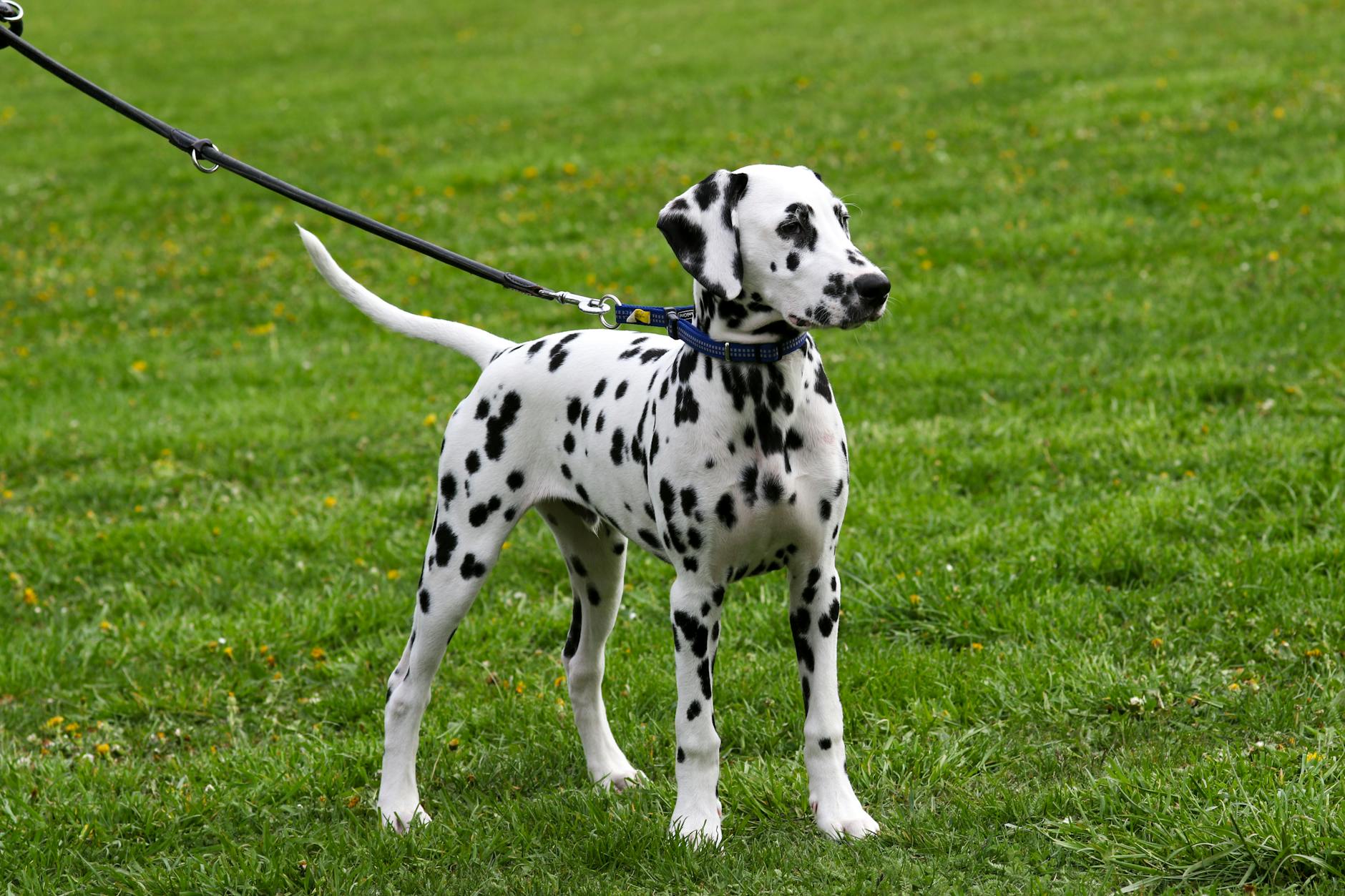
Dalmatians are energetic and highly spirited dogs that can be challenging to train in general due to their excitable temperament. During puppyhood especially, their boundless energy makes it difficult for them to focus long enough to reinforce potty training habits effectively. This breed also tends to be sensitive to harsh correction, which means negative reinforcement can set the training process back significantly. Dalmatians thrive with a very structured daily schedule and clear expectations established from the earliest possible age. Without consistency, housetraining a Dalmatian can stretch over many frustrating months.
Chow Chow
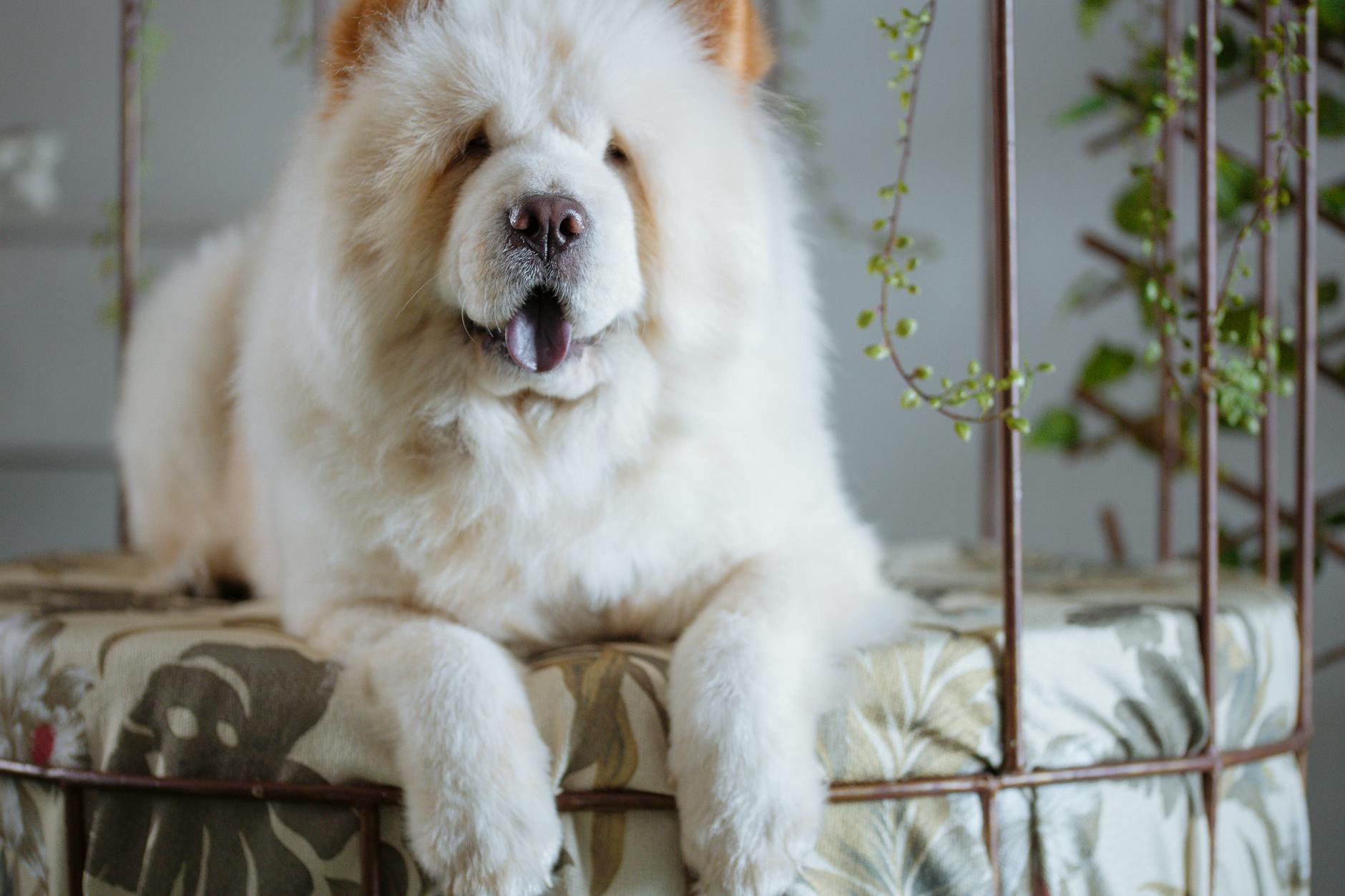
The Chow Chow is a proud and deeply independent breed that often approaches training as optional rather than obligatory. This breed forms strong bonds with a select few individuals but is not naturally inclined toward people-pleasing behavior, which is a key ingredient in successful potty training. Chow Chows are also known for their stubbornness, and they will resist any training method they perceive as forceful or inconsistent. Early and gentle habituation to a regular outdoor bathroom schedule is the most effective approach with this breed. Many Chow Chow owners report that full housetraining can take considerably longer than with most other breeds.
Pekingese
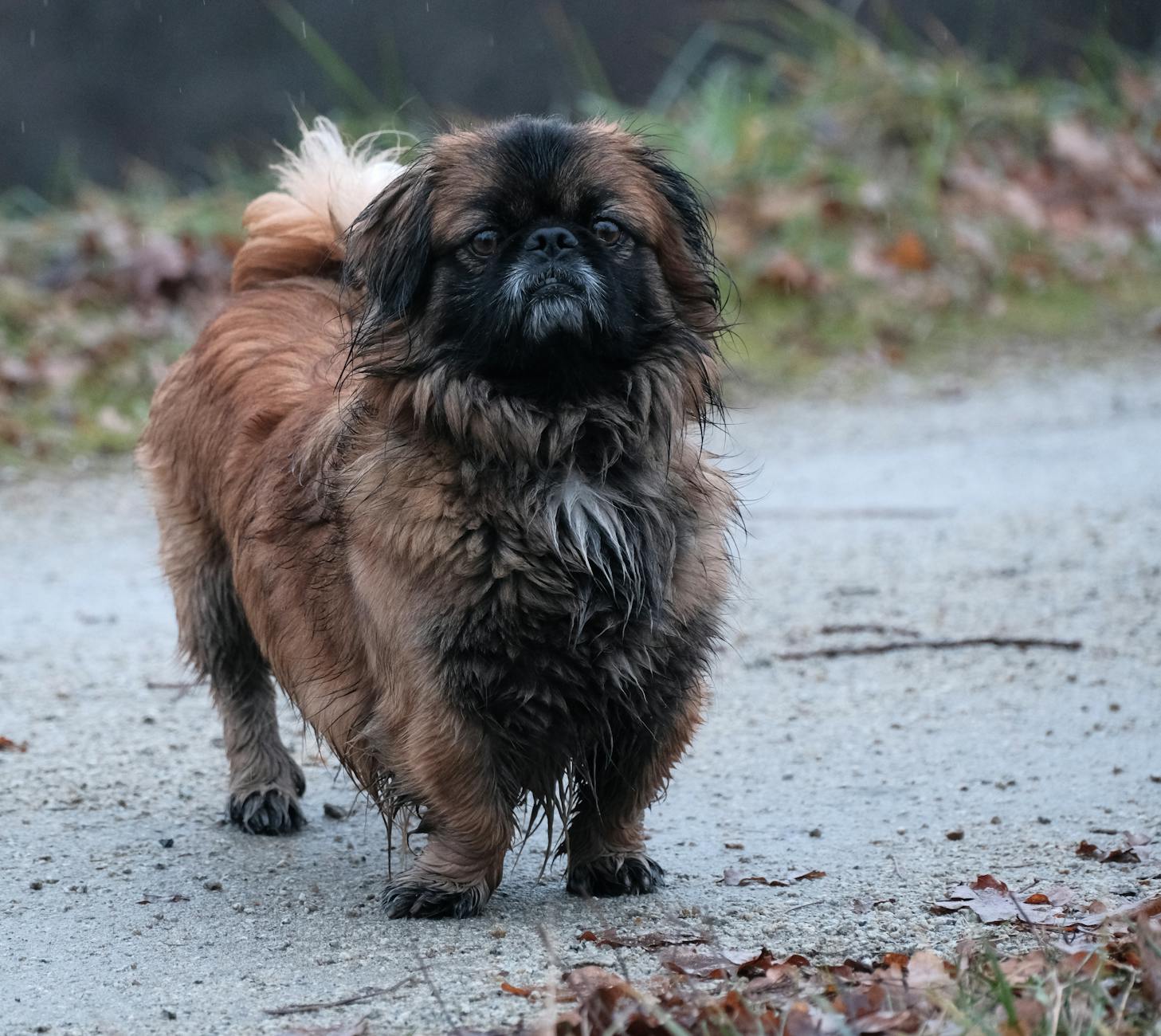
The Pekingese was historically bred as a companion to Chinese royalty, and this aristocratic heritage seems to have shaped the breed’s attitude toward following human instructions. These dogs are small, independent, and notoriously difficult to motivate through conventional training rewards. Their small bladders require frequent outdoor trips, and their stubborn nature means they may refuse to go outside in unfavorable weather conditions. Pekingese owners often find that establishing a very tight and predictable schedule is the only way to achieve reliable housetraining. Progress tends to be slow and requires a calm and unwavering commitment from the owner.
Pug
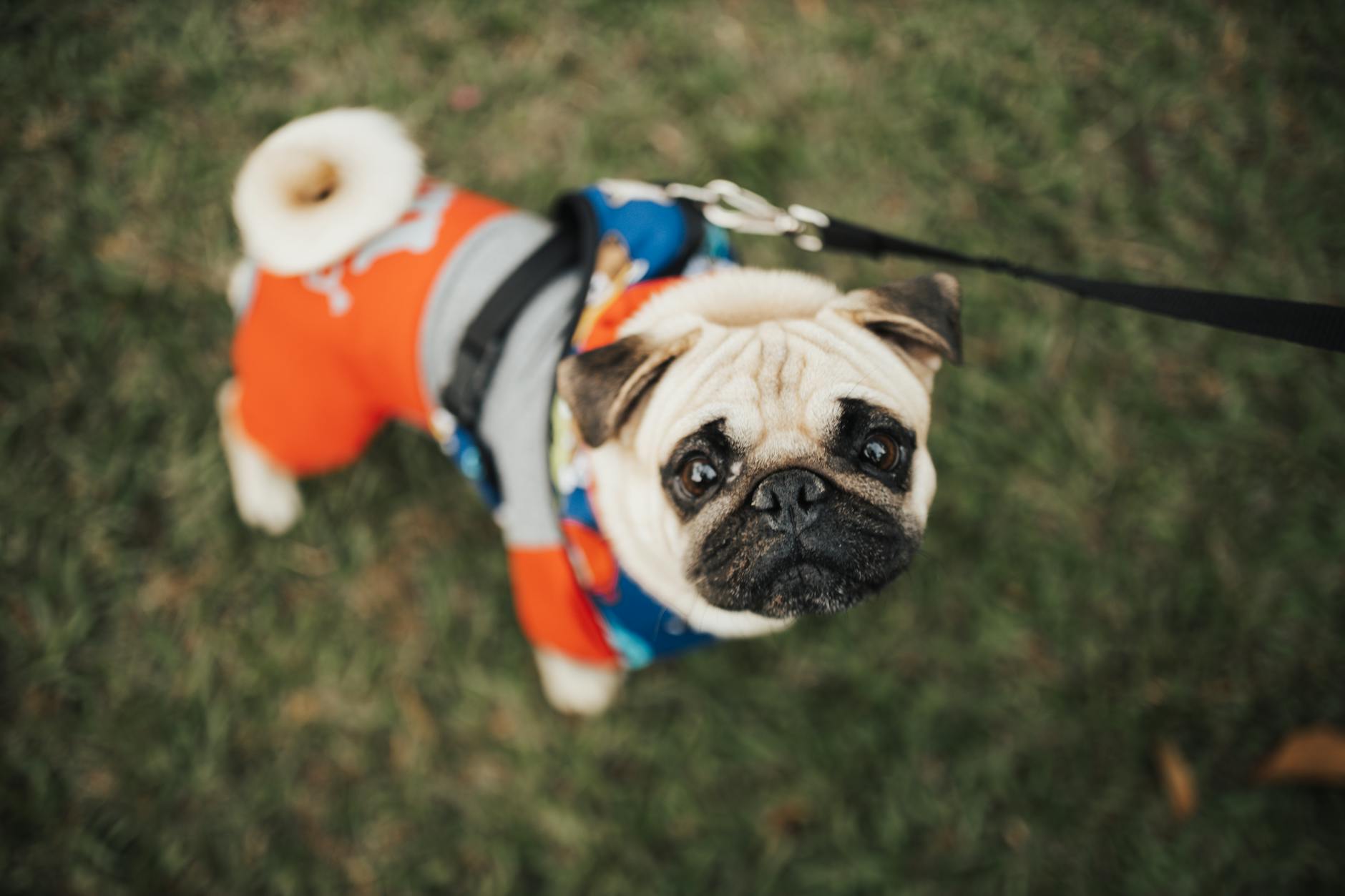
Pugs are charming and sociable companions, but their stubborn streak and love of comfort make potty training a drawn-out process for many owners. This breed is highly food motivated, which can be an advantage, but Pugs also tire quickly of repetitive training exercises and may lose interest mid-session. Their small bladders mean frequent trips outside are a necessity, particularly during the puppy stage. Pugs are also known for being reluctant to go outdoors in cold or rainy conditions, which can lead to indoor accidents even after training has progressed well. Establishing a solid routine and sticking to it without exception is the most reliable strategy with this breed.
Beagle
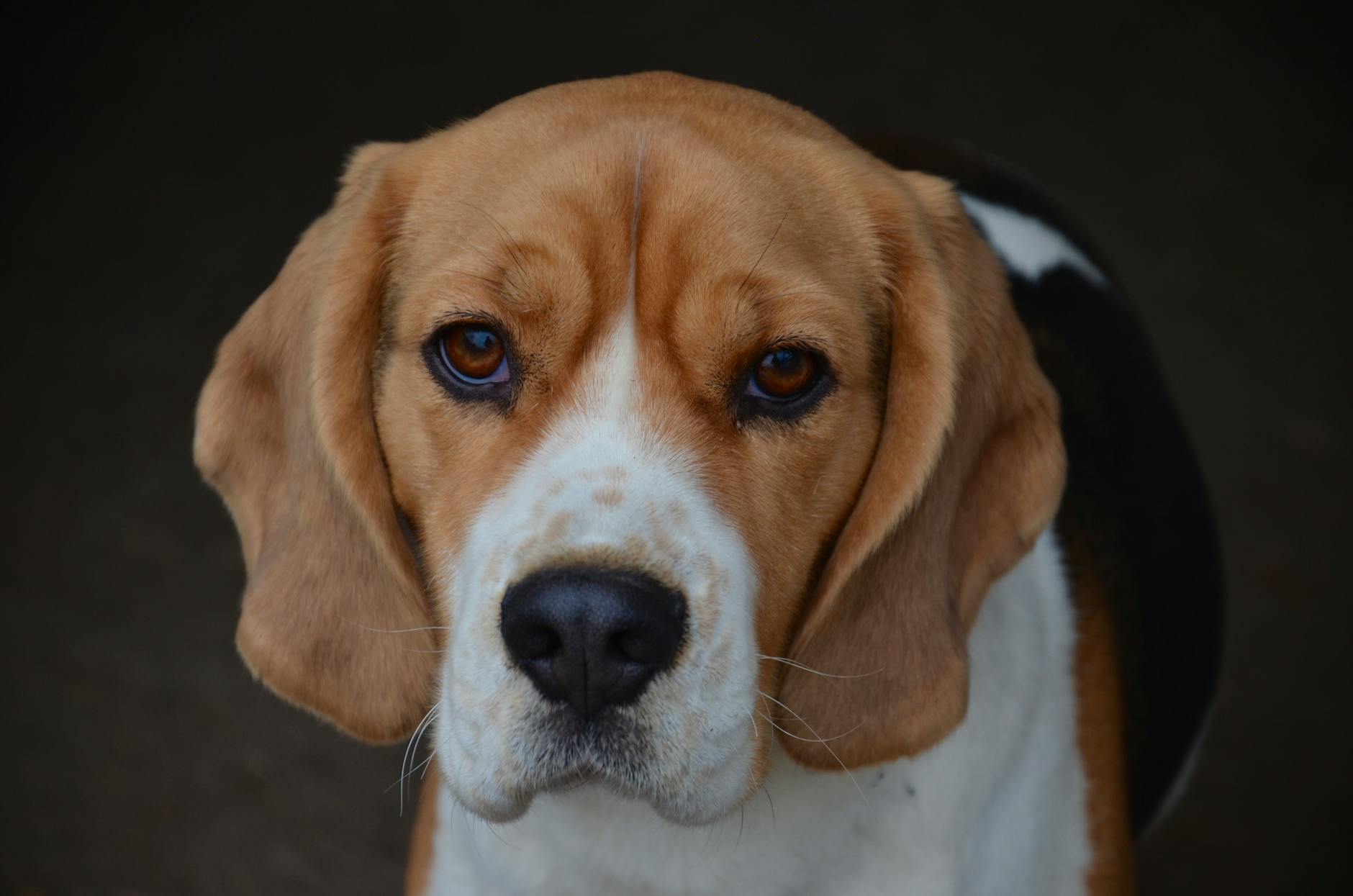
Beagles are scent hounds with powerful noses and an almost irresistible instinct to follow interesting smells, which makes focused training sessions a challenge. Once a Beagle catches an interesting scent during an outdoor bathroom trip, the intended purpose of the outing is often forgotten entirely. This breed is also known for being willful and persistent, traits that serve it well during hunting but complicate the housetraining process significantly. Beagles respond best to reward-based training with high-value treats, but consistency in timing and routine is equally important. Many Beagle owners report that full housetraining takes longer than they initially anticipated.
Shih Tzu
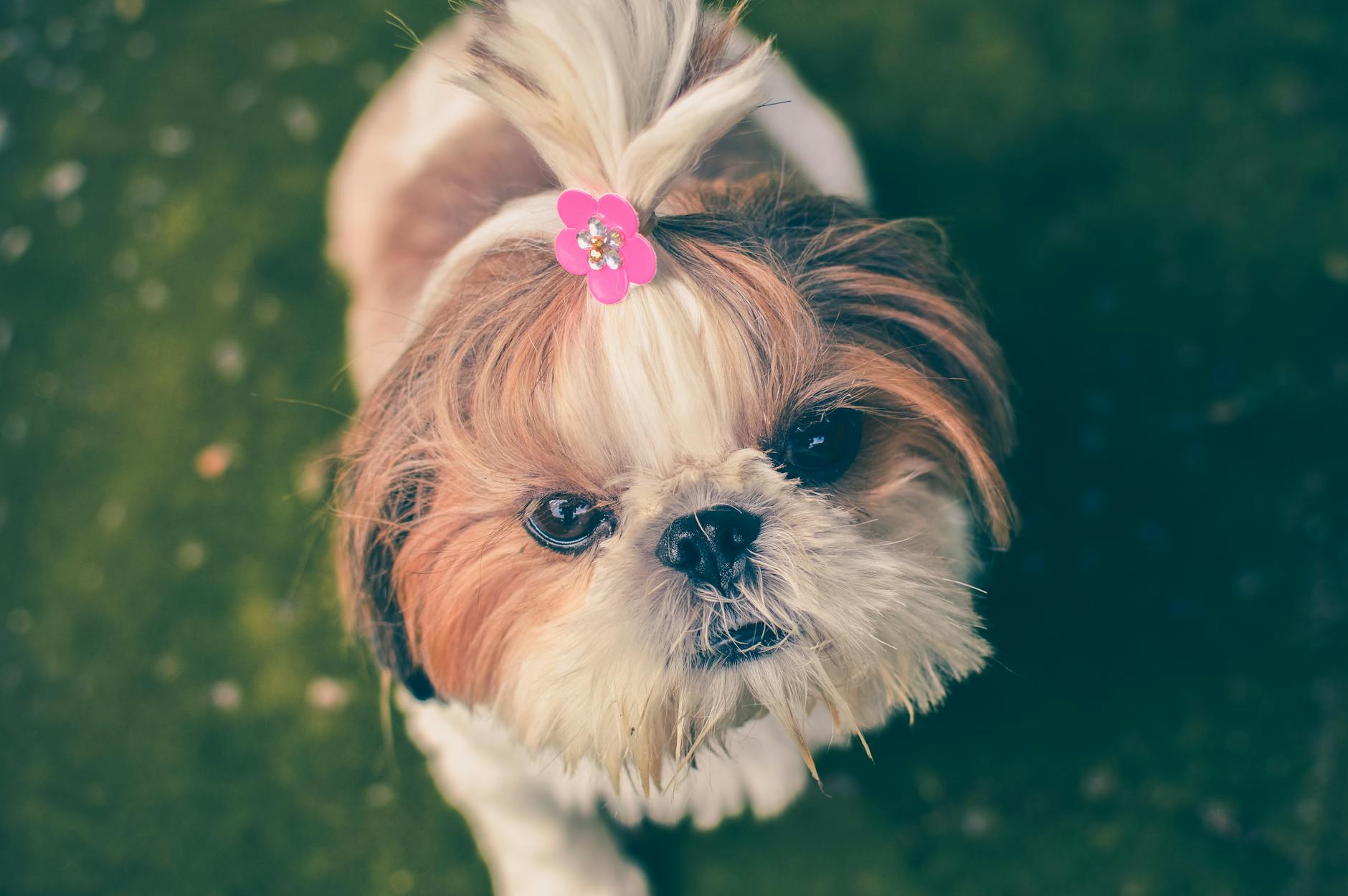
The Shih Tzu is a small and affectionate breed that has a long reputation for being one of the toughest dogs to housetrain reliably. Like many small breeds, Shih Tzus have limited bladder capacity and require more frequent outdoor trips than larger dogs. They are also known for being headstrong and easily distracted, which interrupts training consistency. Cold or wet weather can cause a Shih Tzu to refuse outdoor bathroom trips entirely, increasing the likelihood of indoor accidents. Many experienced trainers recommend using puppy pads in combination with outdoor training to manage expectations with this breed.
Jack Russell Terrier
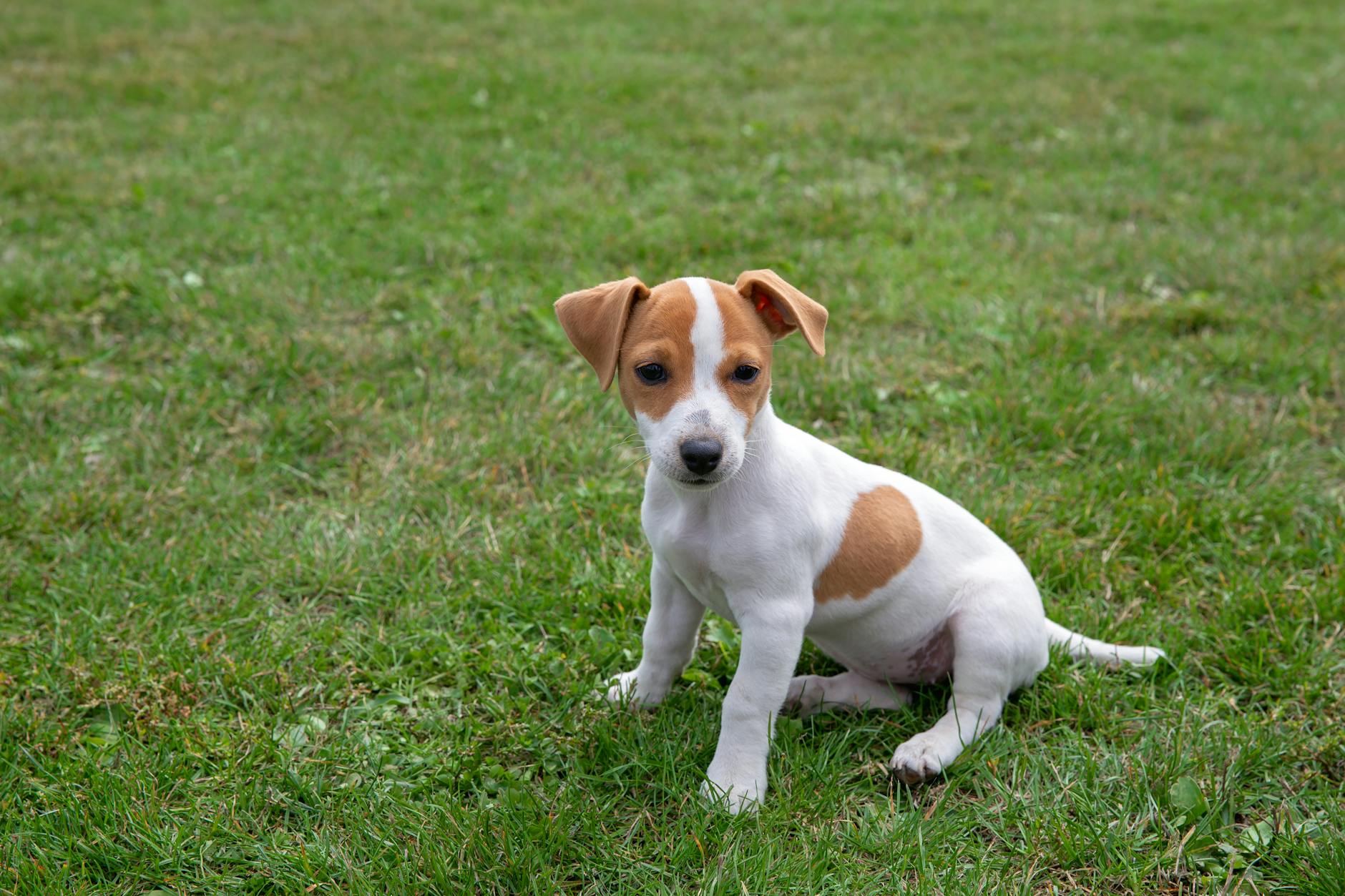
Jack Russell Terriers are exceptionally energetic and intelligent dogs whose independent nature can make them a real challenge to housetrain. This breed was developed for determined and independent hunting work, which means it has little natural inclination to defer to human direction. Jack Russells can be easily distracted during outdoor potty trips, especially if they spot something worth chasing. Their stubbornness means they may appear to understand the training but still choose to eliminate indoors when it suits them. Firm boundaries, a reliable schedule, and calm but persistent reinforcement are key to success with this breed.
Cocker Spaniel
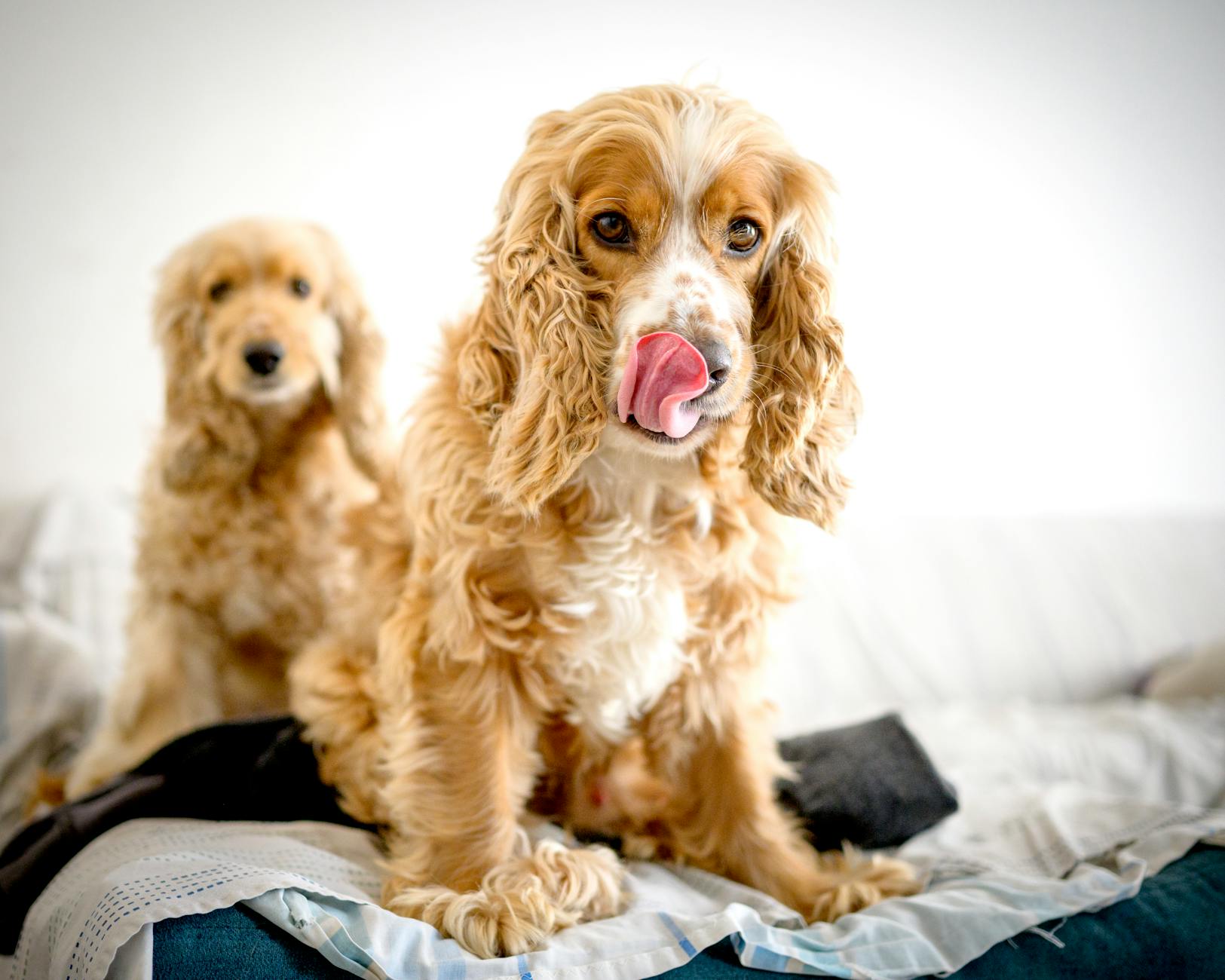
Cocker Spaniels are gentle and affectionate dogs, but they can be surprisingly difficult to housetrain due to their sensitive nature and tendency toward anxious behavior. Stress or changes in routine can cause a Cocker Spaniel to regress in potty training even after significant progress has been made. This breed also responds poorly to any form of harsh correction, which can make addressing accidents a delicate matter for owners. Positive reinforcement paired with a very predictable daily schedule tends to produce the best results over time. Patience and emotional consistency from the owner are just as important as training technique with this breed.
Chinese Shar-Pei
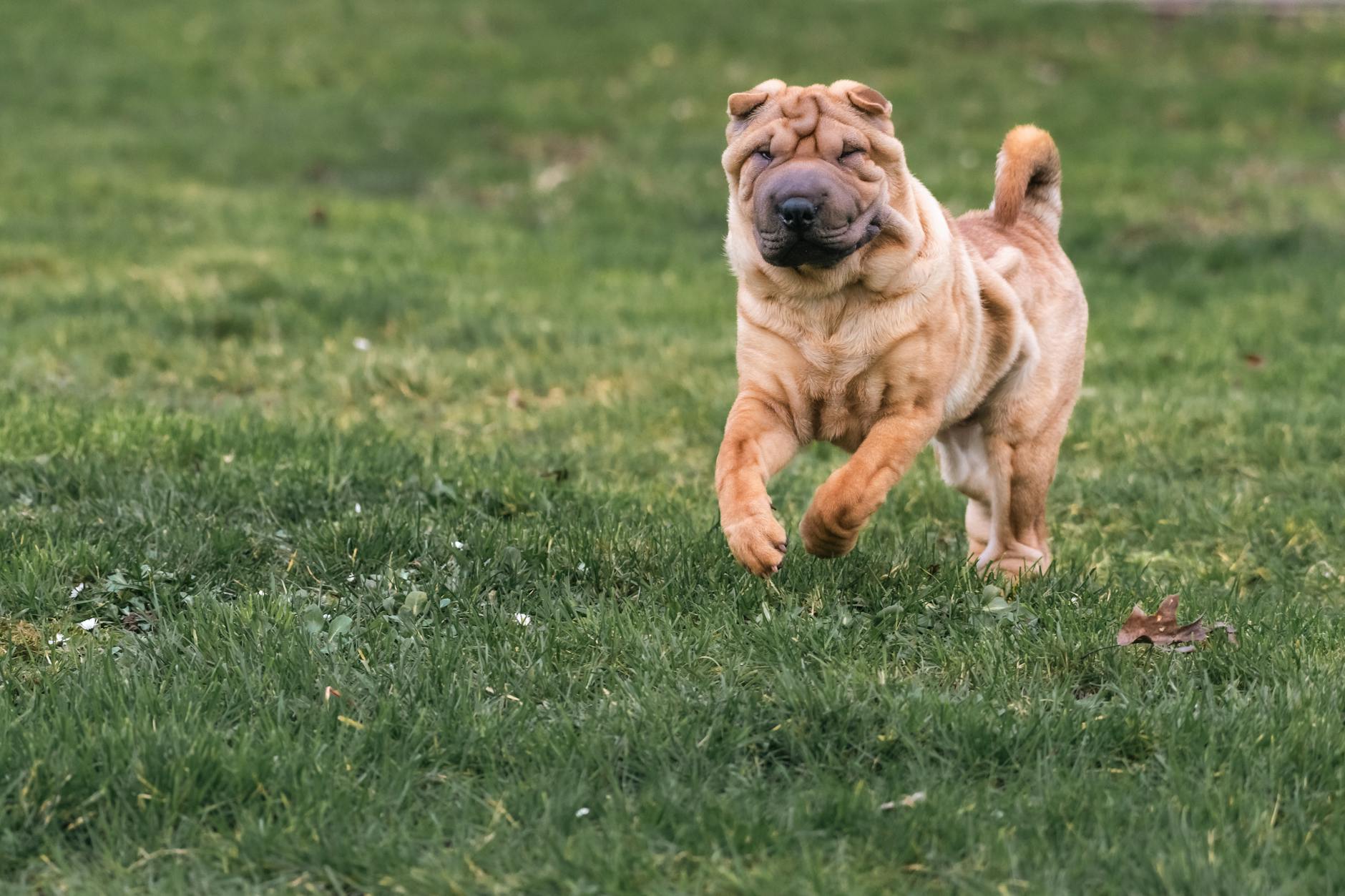
The Chinese Shar-Pei is a loyal and distinctive breed that carries a deeply independent personality shaped by centuries of guard and hunting work. This breed tends to be aloof with strangers and resistant to authority, which can make all forms of training more challenging than average. Shar-Peis are also known for being territorial, and some individuals will mark indoors as a way of asserting dominance over their environment. Establishing clear boundaries and a consistent outdoor schedule from the very first day is essential with this breed. Without early and structured housetraining, bad habits in a Shar-Pei can become deeply entrenched.
Yorkshire Terrier
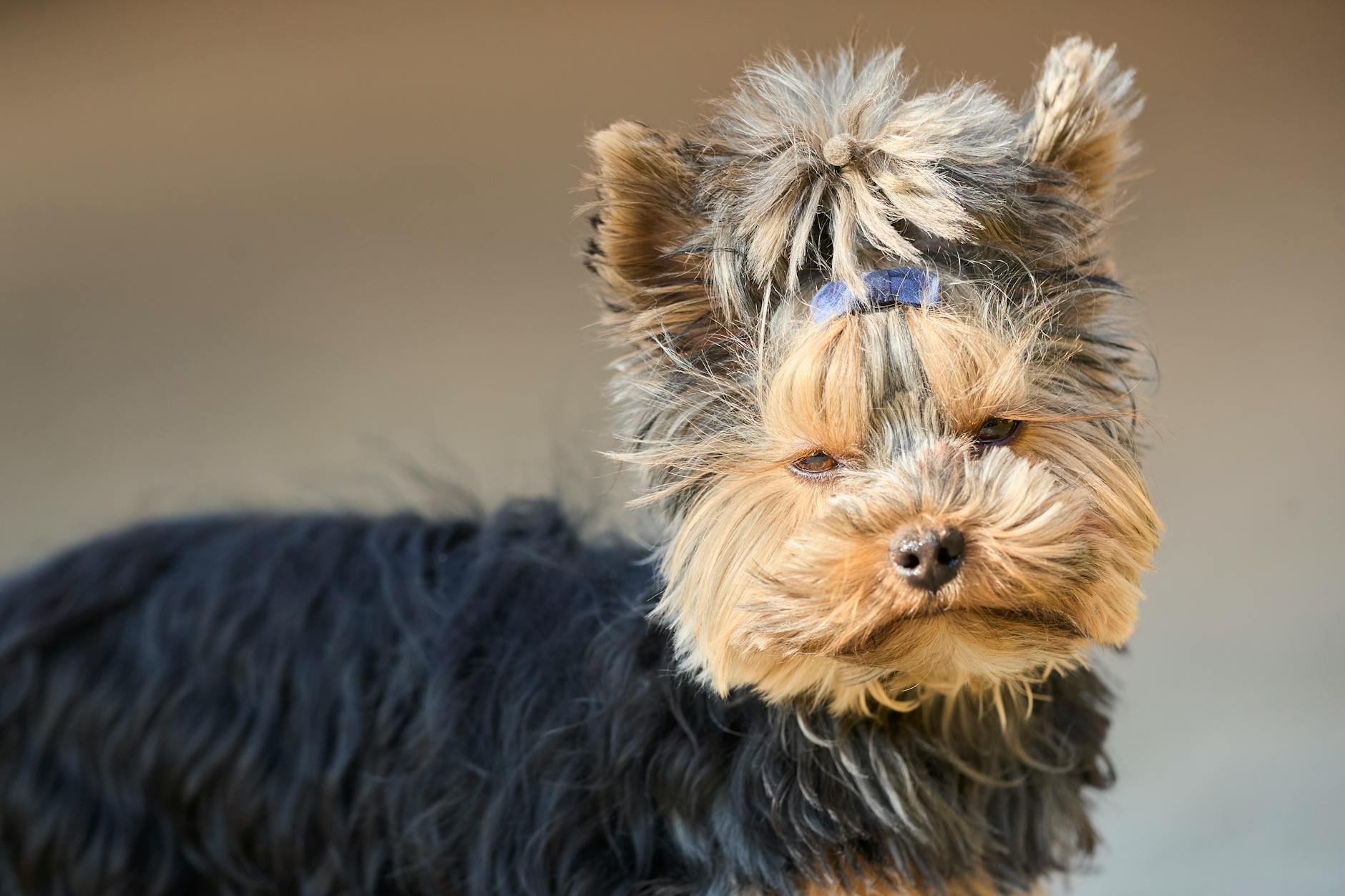
Yorkshire Terriers are feisty and confident little dogs whose bold personalities belie their small frames, and this confidence often translates into stubbornness during potty training. Like most small breeds, Yorkies have limited bladder control and need to be taken outside frequently throughout the day. Their independent streak means they may not signal clearly when they need to go, which places the full burden of scheduling on the owner. Cold weather and wet surfaces are often met with complete refusal to go outside, leading to indoor accidents that can persist for months. Many Yorkie owners find that patience and a strict schedule are the only reliable solutions.
Italian Greyhound
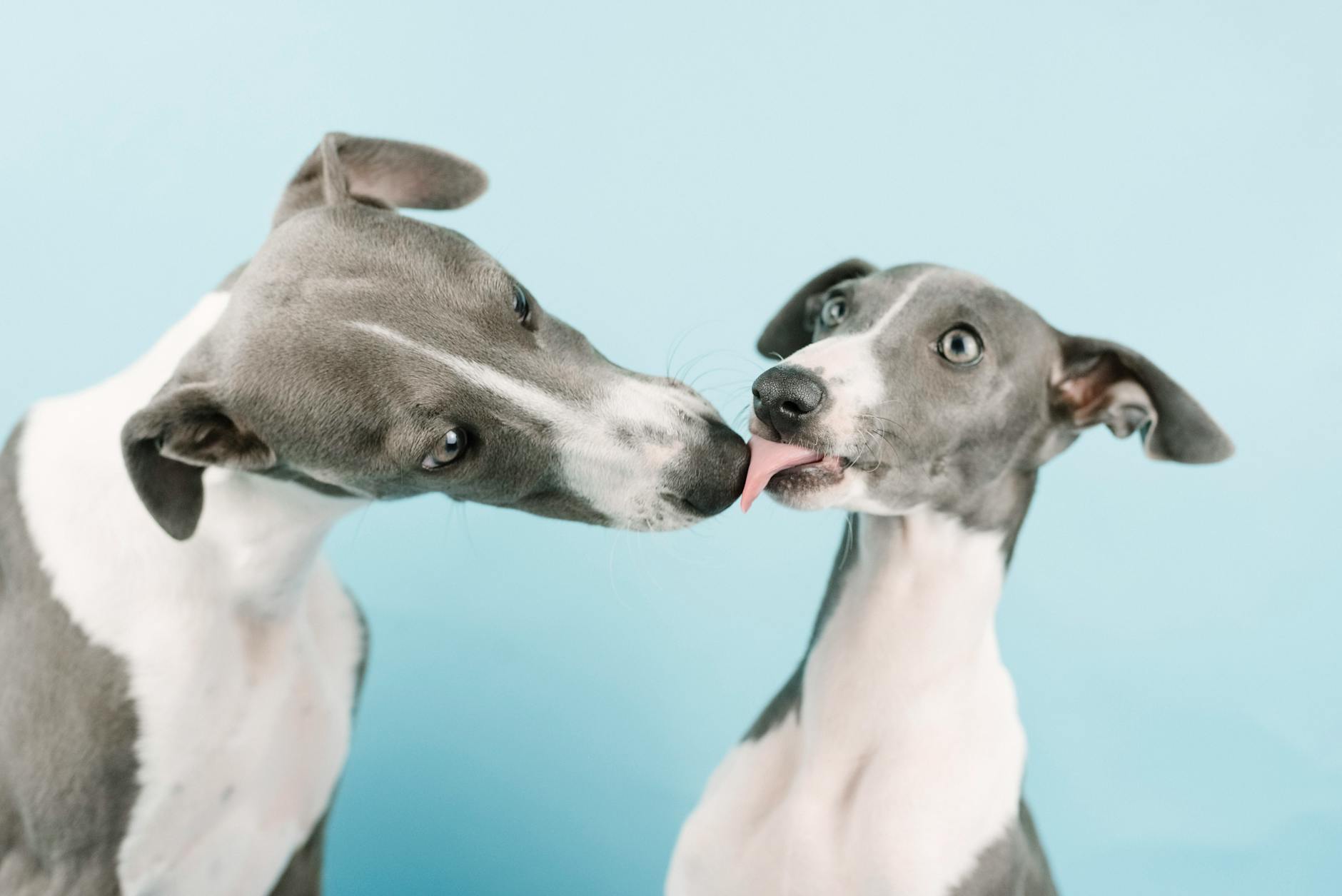
The Italian Greyhound is a sensitive and elegant small breed that consistently tops the list of hardest dogs to housetrain. This breed has a very low body fat percentage and a thin coat, making it extremely uncomfortable in cold or damp conditions and highly reluctant to go outside in unfavorable weather. Italian Greyhounds also have small, sensitive bladders and may need to eliminate more frequently than most other breeds of similar size. Their sensitivity to correction means that negative reactions to accidents can cause anxiety that actually worsens the training process. Many Italian Greyhound owners ultimately use a combination of outdoor training and indoor potty solutions to manage the challenge long term.
If you share your home with one of these breeds, share your potty training experiences and tips in the comments.




