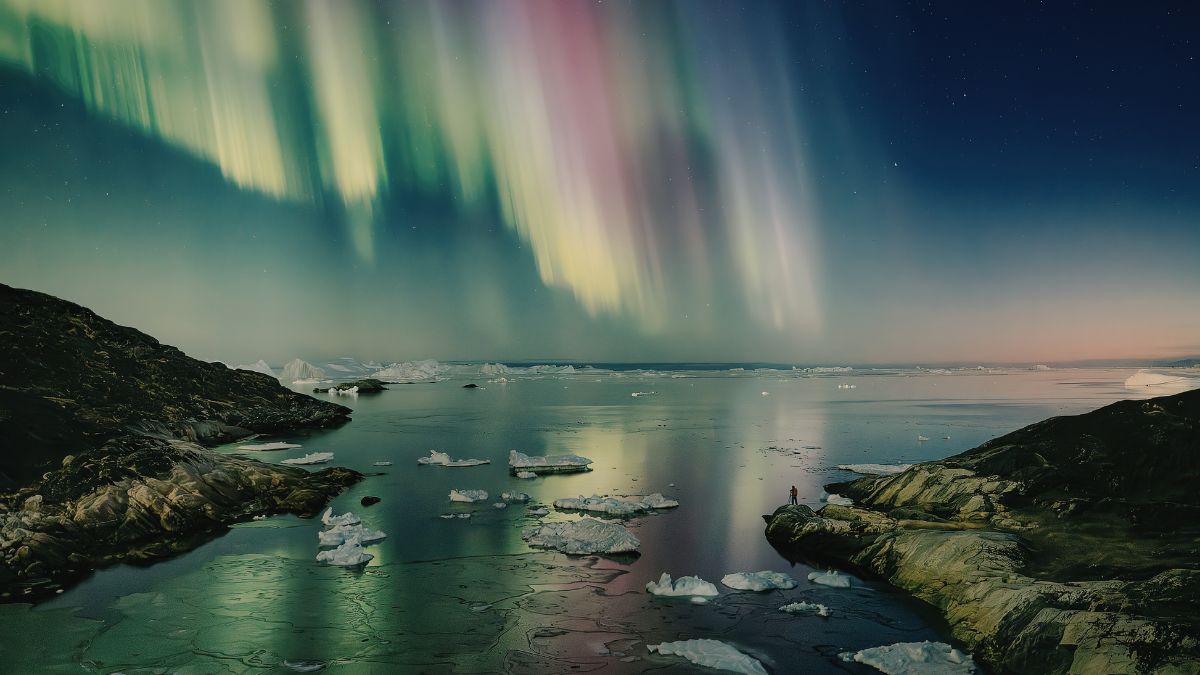
Few natural phenomena capture the human imagination quite like the aurora borealis, a breathtaking display of dancing lights that has drawn travelers to the far reaches of the earth for centuries. Appearing in shades of green, purple, pink, and white, the northern lights are caused by charged solar particles colliding with gases in the earth’s atmosphere. The best viewing locations share a combination of high latitude positioning, minimal light pollution, and favorable weather patterns that allow for clear skies. Whether you are planning your first aurora-hunting adventure or adding another destination to your list, these fifteen locations offer some of the most spectacular displays on the planet.
Tromsø, Norway
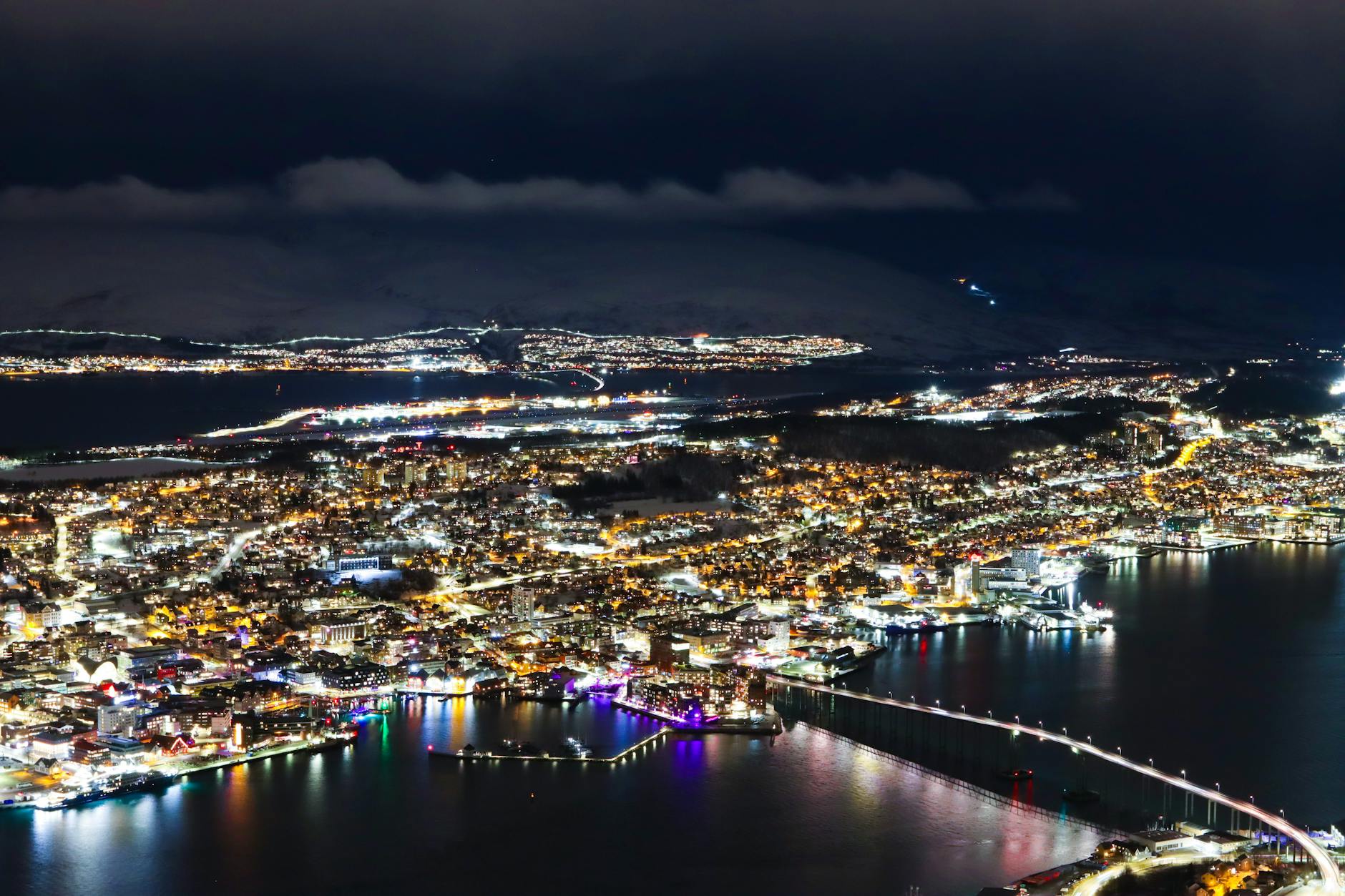
Tromsø sits well above the Arctic Circle and is widely regarded as one of the most accessible cities in the world for northern lights viewing. The region experiences long polar nights from November through January, creating extended windows of darkness ideal for aurora sightings. A thriving tourism infrastructure means visitors can choose from guided snowmobile tours, fjord cruises, and remote wilderness camps all designed around the lights. The surrounding landscape of snow-capped mountains and frozen fjords adds a dramatic backdrop that makes the experience even more memorable.
Abisko, Sweden
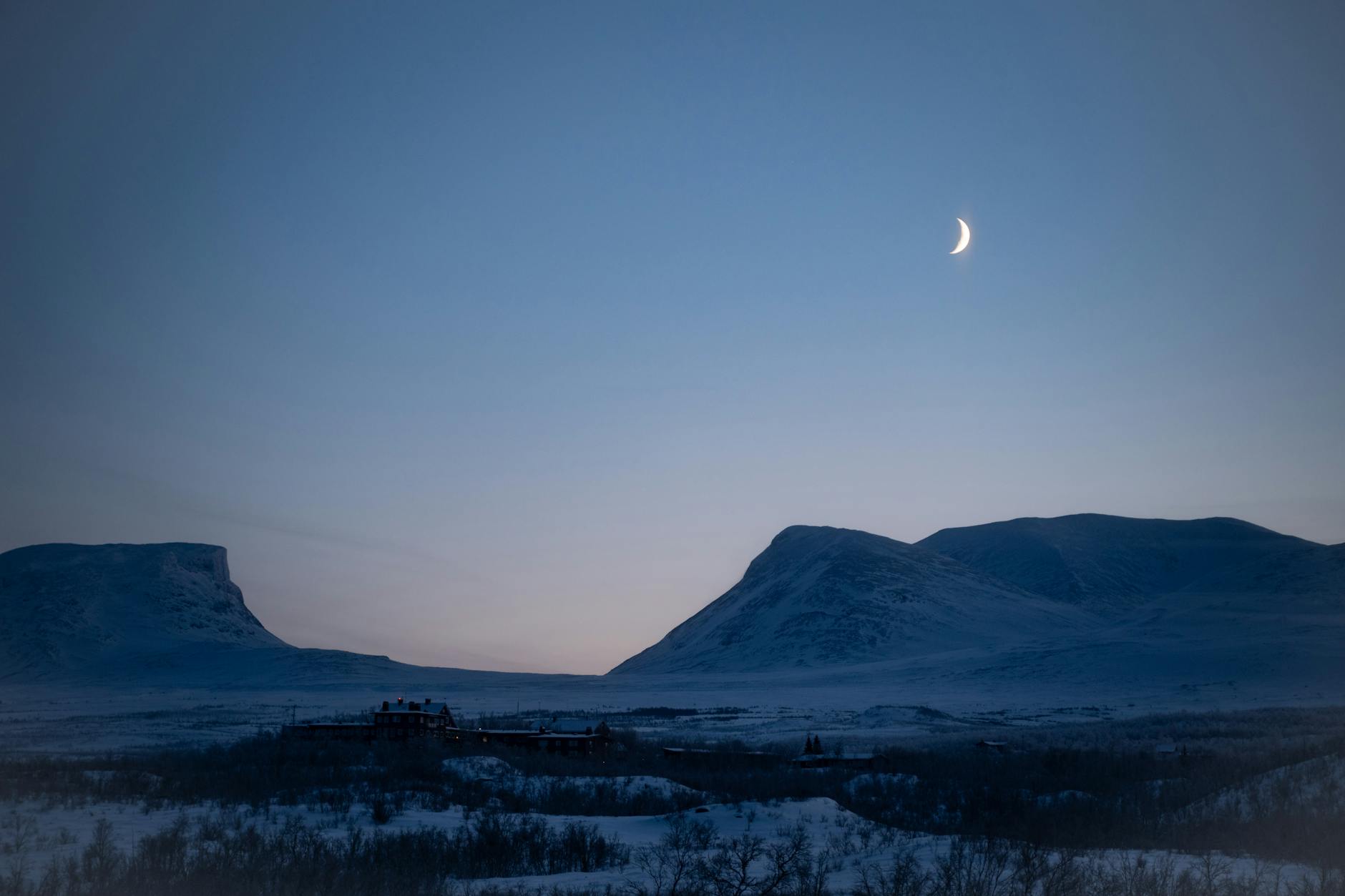
Abisko is a small village in Swedish Lapland that benefits from a unique microclimate producing some of the clearest skies in Scandinavia. The Aurora Sky Station, perched high above the treeline on Mount Nuolja, offers an unobstructed 360-degree view that puts visitors directly in the path of the lights. The area receives significantly less precipitation than surrounding regions, making cloud cover a far less frequent obstacle than in many other destinations. Visiting between October and March gives travelers the best statistical chance of catching a vivid auroral display.
Reykjavik, Iceland
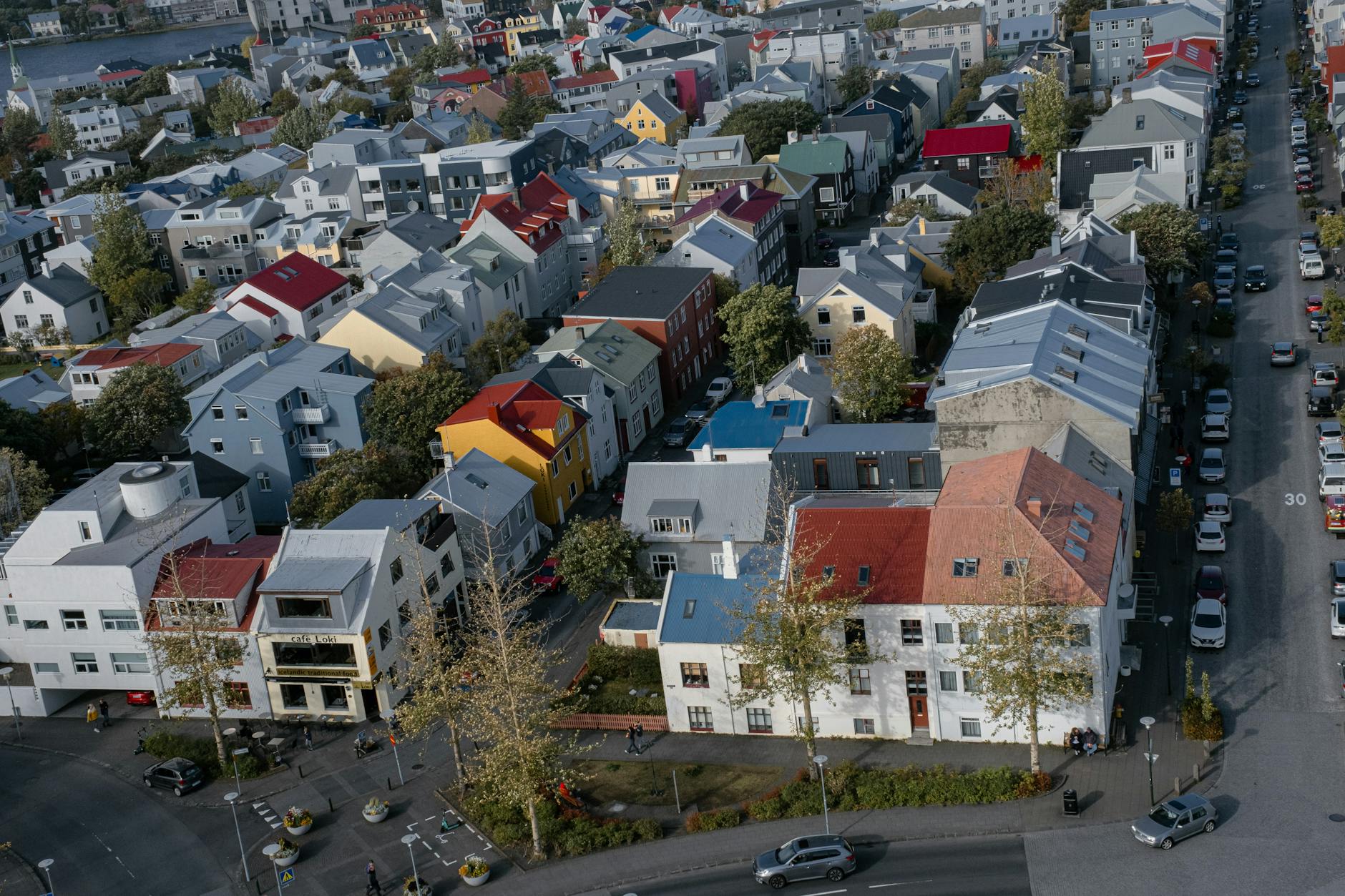
Iceland’s capital is one of the few cities in the world where the northern lights are regularly visible from within an urban area on clear nights. Venturing just a short drive outside the city opens up vast stretches of dark volcanic landscape that serve as a stunning natural canvas. Iceland’s position in the middle of the North Atlantic places it directly beneath the auroral oval, the ring-shaped zone where geomagnetic activity is most concentrated. The shoulder seasons of September and March are particularly popular as they combine reasonable temperatures with long hours of darkness.
Fairbanks, Alaska
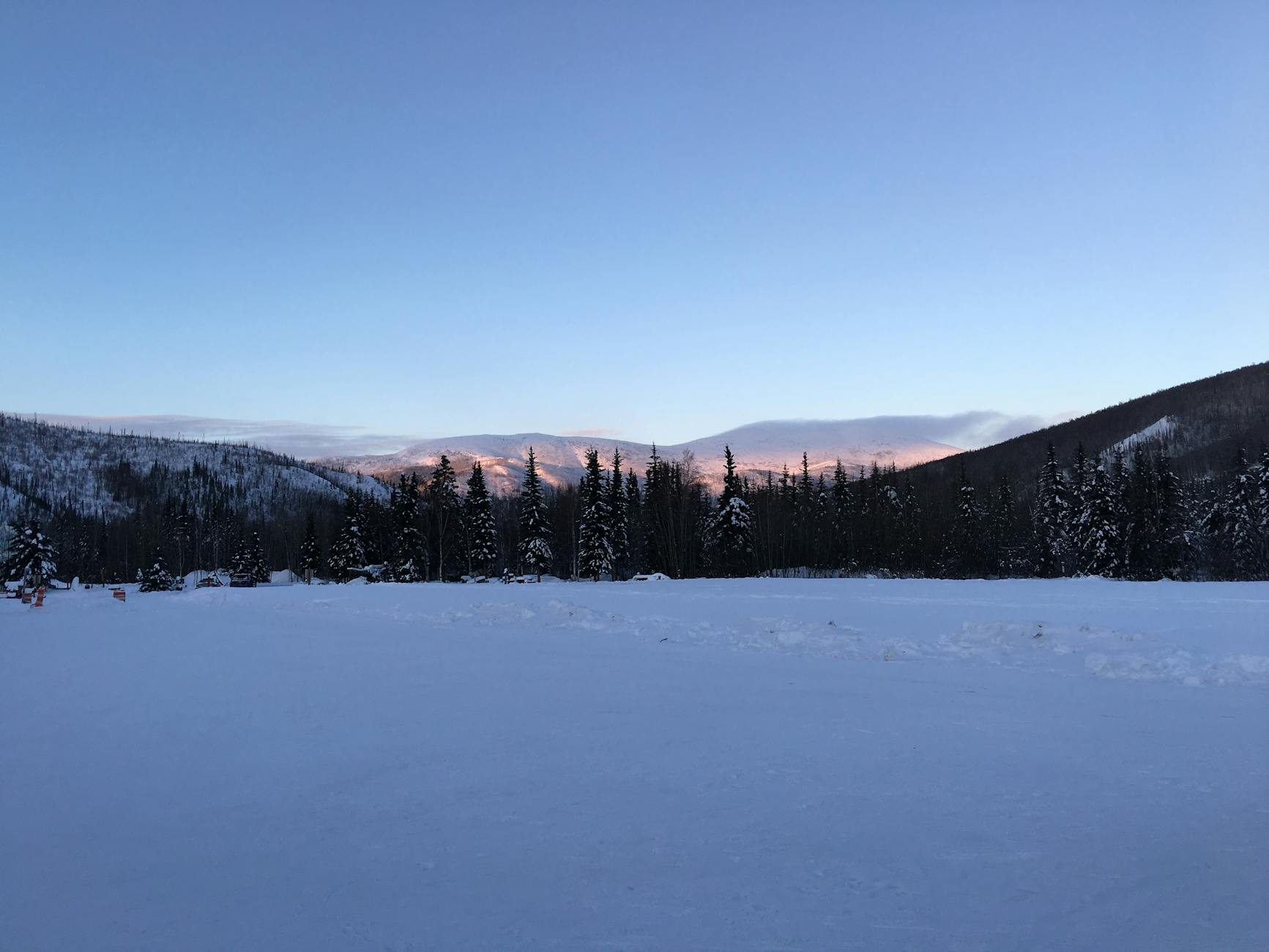
Fairbanks sits directly beneath the auroral oval and records more than 200 nights of aurora activity per year, making it one of the most statistically reliable viewing destinations in the world. The interior location shields it from the coastal weather patterns that frequently bring cloud cover to other Alaskan regions. Temperatures can plunge well below freezing, so visitors are advised to layer heavily and plan for extended periods spent outdoors. Local tour operators offer everything from heated viewing cabins to dog sledding excursions, combining authentic Arctic adventure with aurora watching.
Yellowknife, Canada
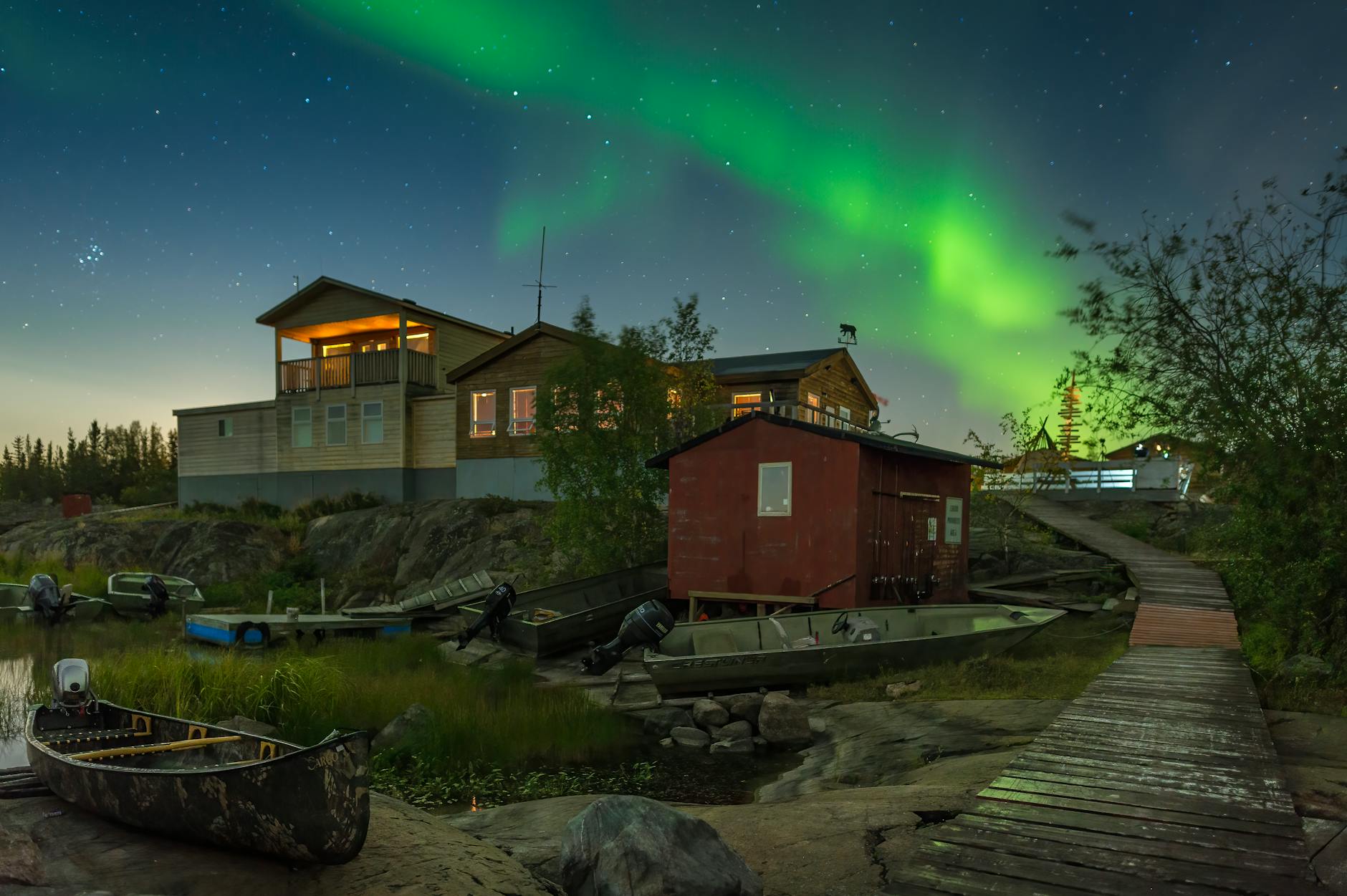
Yellowknife in Canada’s Northwest Territories has built an international reputation as one of the premier aurora viewing destinations in North America. The city lies directly under the auroral oval and benefits from a subarctic continental climate that delivers reliably clear and dry winter skies. Frozen Great Slave Lake provides an expansive reflective surface that dramatically amplifies the visual impact of overhead displays. Dedicated aurora viewing lodges and guided wilderness tours operate throughout the core season from late August through April.
Rovaniemi, Finland
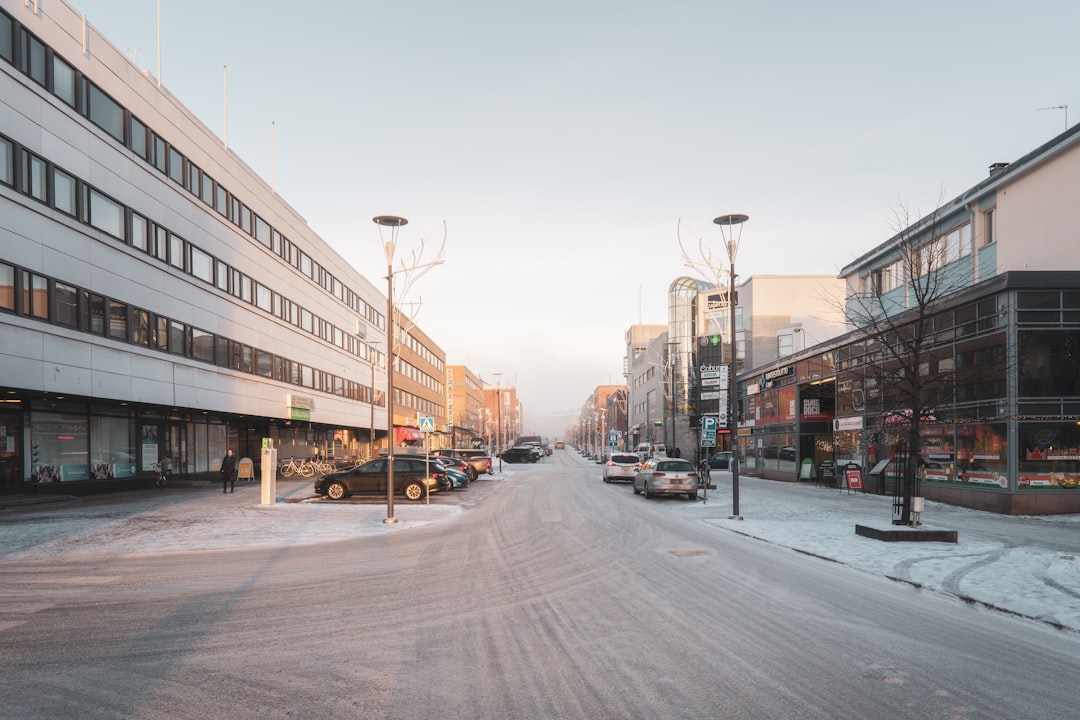
Rovaniemi, the official hometown of Santa Claus and the capital of Finnish Lapland, offers a uniquely festive setting for northern lights tourism. The town serves as a convenient base camp for venturing into the surrounding wilderness, where reindeer farms and frozen river valleys create picture-perfect foregrounds for aurora photography. Finland’s Lapland region records aurora activity on roughly two hundred nights per year, and local forecasting services help travelers plan their outings with greater precision. Glass igloo resorts in the surrounding area allow guests to watch the lights from the warmth of their beds through transparent ceilings.
Svalbard, Norway
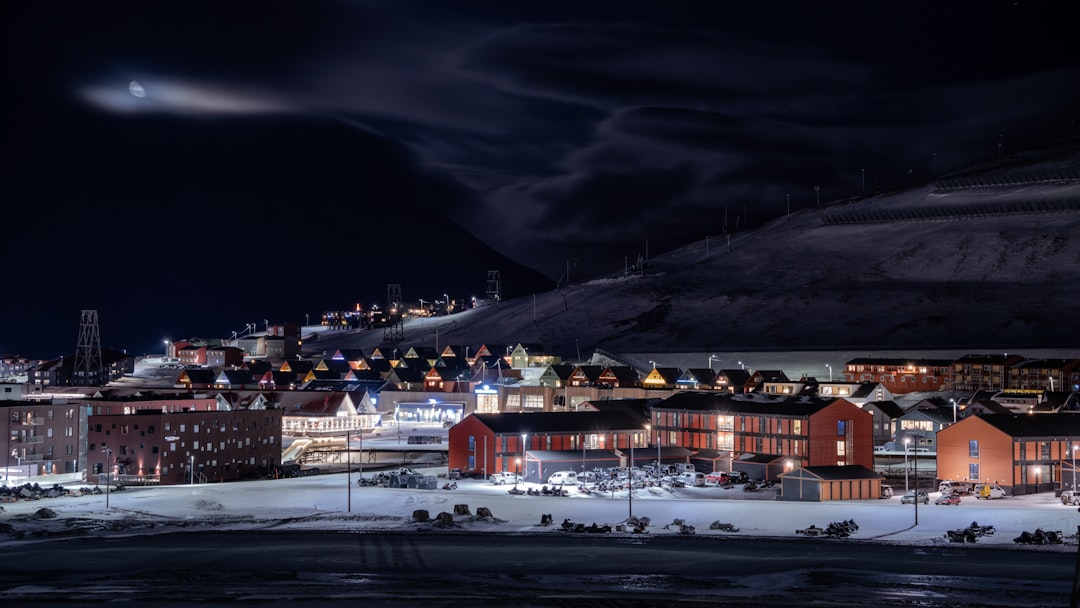
The Svalbard archipelago, located halfway between mainland Norway and the North Pole, is one of the most remote and extraordinary aurora destinations on earth. Its position so far north means that during the polar night period from November to February, the sky remains completely dark around the clock, allowing the lights to appear at any hour. The dramatic landscape of glaciers, mountains, and frozen tundra provides a setting unlike any other on the planet. Access is surprisingly straightforward given the latitude, with regular flights connecting Svalbard’s main settlement of Longyearbyen to Oslo throughout the year.
Yukon, Canada
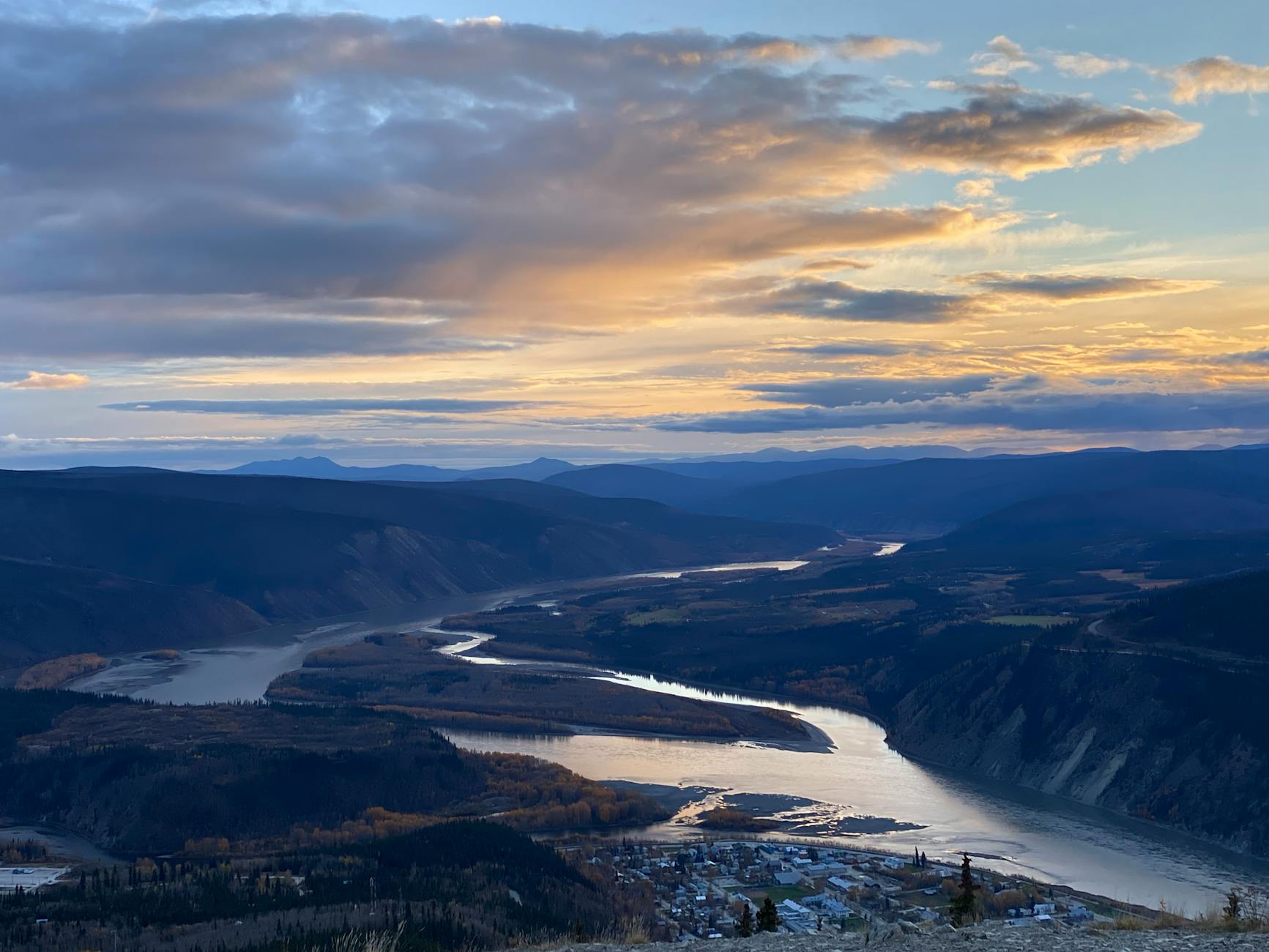
Canada’s Yukon Territory offers a vast and largely untouched wilderness that serves as an ideal backdrop for aurora watching far from urban interference. The territory sits beneath the auroral oval and experiences long stretches of clear, dark skies during the core winter months. Small communities like Whitehorse serve as accessible entry points into surrounding backcountry where light pollution is essentially nonexistent. The combination of frozen lakes, boreal forests, and towering mountain ranges gives aurora sightings here a particularly wild and untamed quality.
Saariselkä, Finland
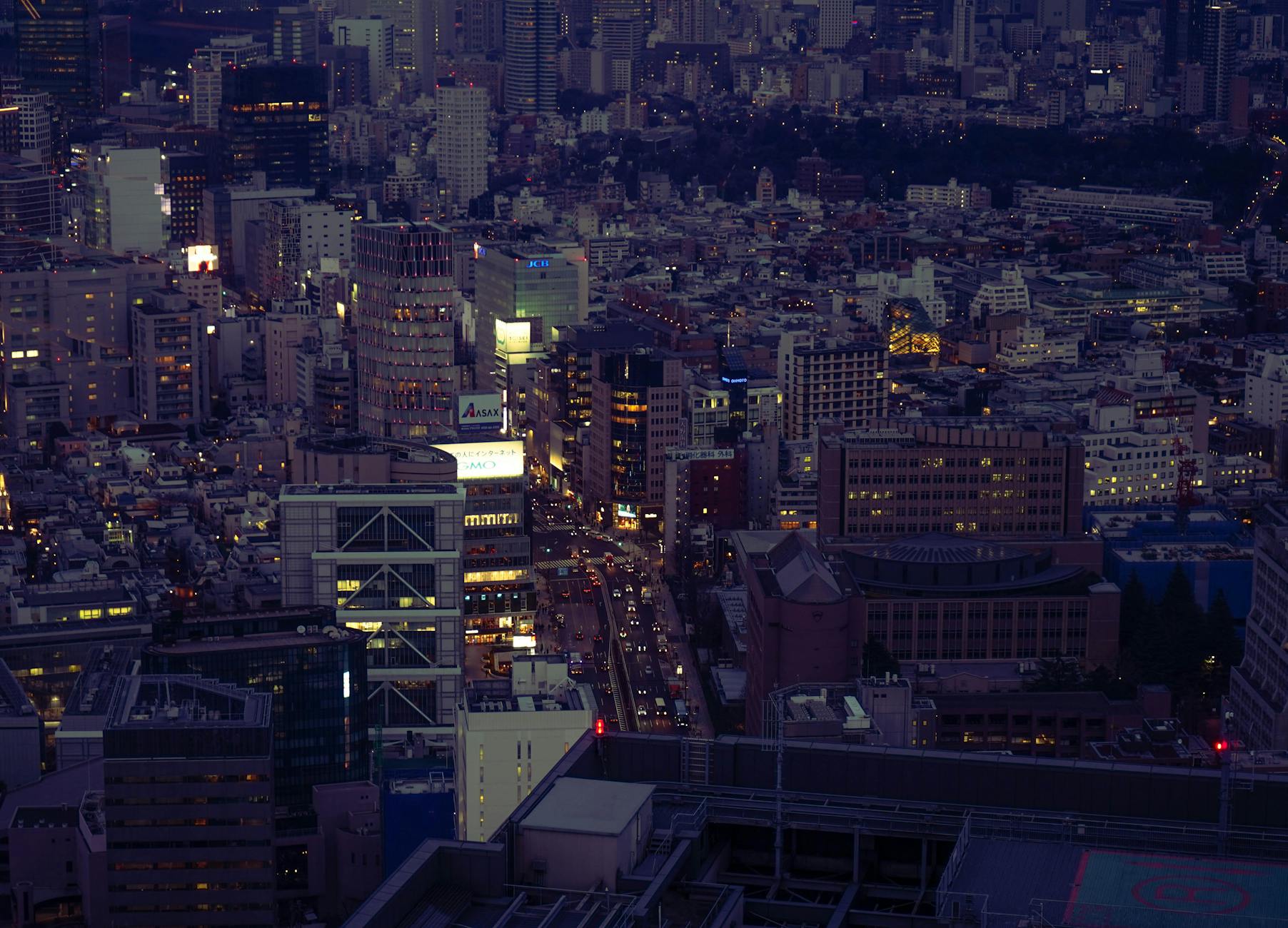
Saariselkä is a fell resort in the heart of Finnish Lapland that sits above the treeline, providing wide-open sky views that are especially favorable for aurora observation. The elevated terrain minimizes obstructions on the horizon, ensuring that even lower-altitude auroral arcs remain visible throughout their full arc. The resort area is known for its quieter, less commercialized atmosphere compared to Rovaniemi, attracting travelers who prefer a more peaceful wilderness experience. Snowshoeing and cross-country skiing under an active aurora display are among the most popular activities offered in the area.
Greenland
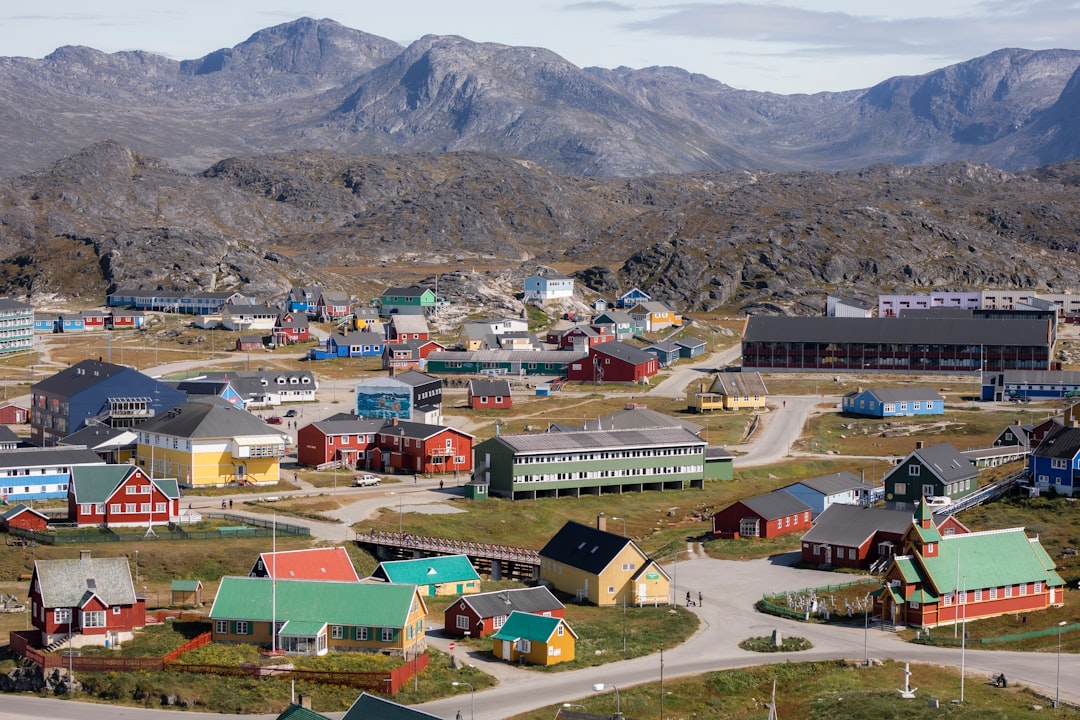
Greenland’s remote position in the North Atlantic and its extraordinarily low population density make it one of the darkest and most pristine aurora viewing environments on earth. Coastal towns like Kangerlussuaq and Ilulissat offer guided excursions onto the inland ice sheet, where the absence of artificial light creates conditions that are virtually unmatched. The island sits squarely beneath the auroral oval and experiences intense geomagnetic activity throughout the autumn and winter seasons. Travelers who make the journey are rewarded not only with spectacular light shows but also with some of the most otherworldly landscapes found anywhere on the planet.
Murmansk, Russia
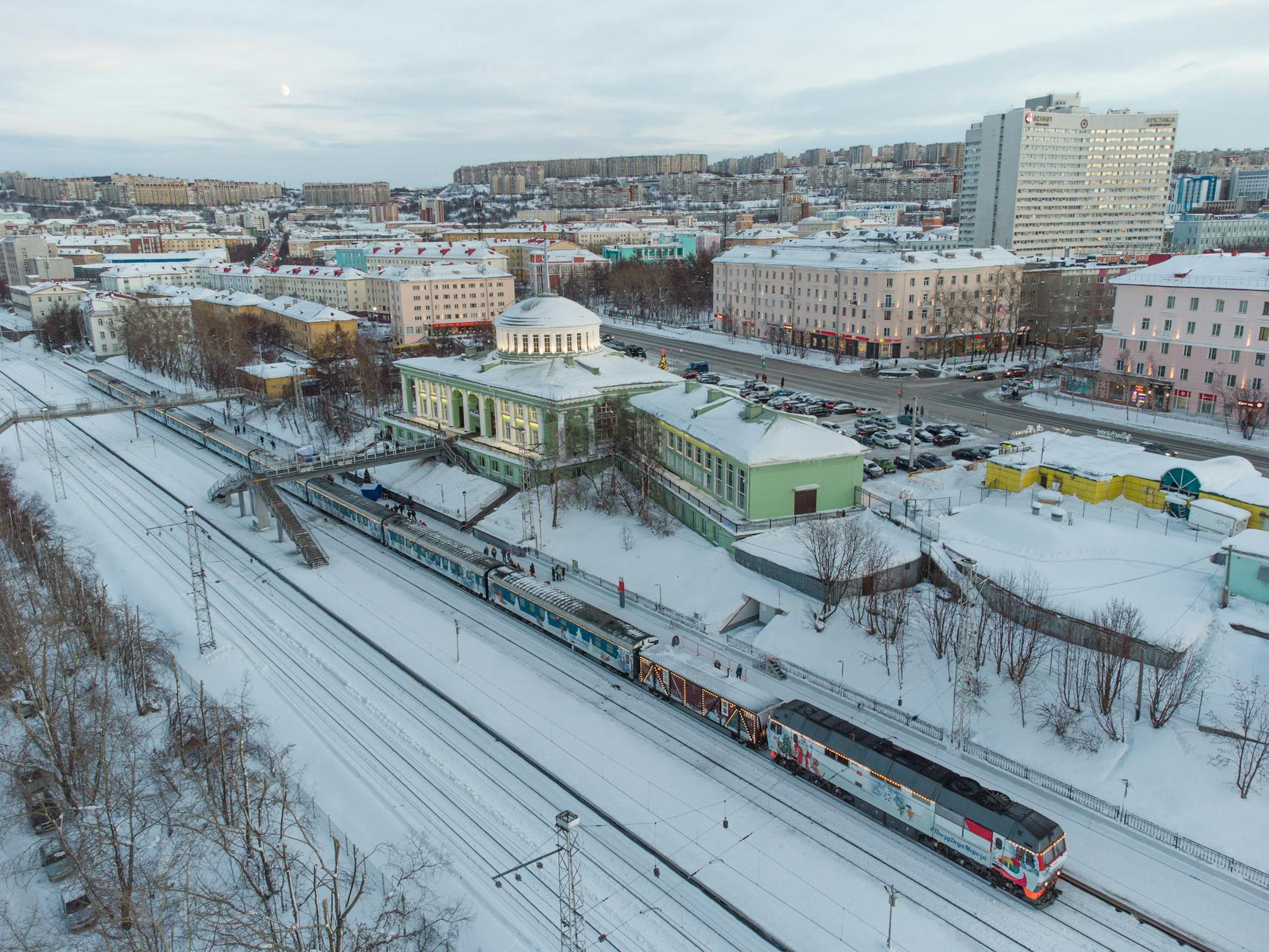
Murmansk is Russia’s largest city north of the Arctic Circle and one of the more underexplored aurora destinations available to international travelers. Its position on the Kola Peninsula places it directly within the auroral zone, and the region experiences several months of polar night each year during which the lights can appear at almost any time. The surrounding wilderness of frozen tundra and the Barents Sea coastline provides dramatic and largely undiscovered scenery for aurora enthusiasts. Tour operators in the city offer specialized aurora excursions into the remote countryside where light pollution is minimal.
Northern Scotland
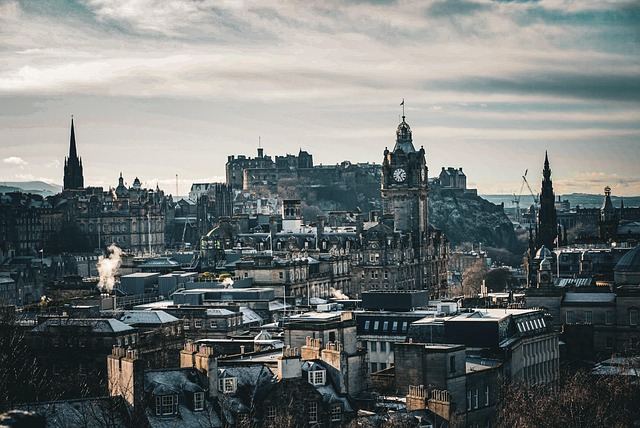
Scotland’s far north, including Caithness, Sutherland, and the Orkney and Shetland islands, sits at a latitude high enough to catch the aurora during periods of elevated geomagnetic activity. The magnetic latitude of the Northern Isles in particular places them within reach of the auroral oval during moderate to strong solar storms. Dark sky designations across parts of the Scottish Highlands help protect viewing conditions from the encroachment of artificial light. The rugged coastline, ancient stone structures, and moorland landscapes lend aurora sightings here a distinctly dramatic and atmospheric quality found nowhere else in Europe.
Hokkaido, Japan
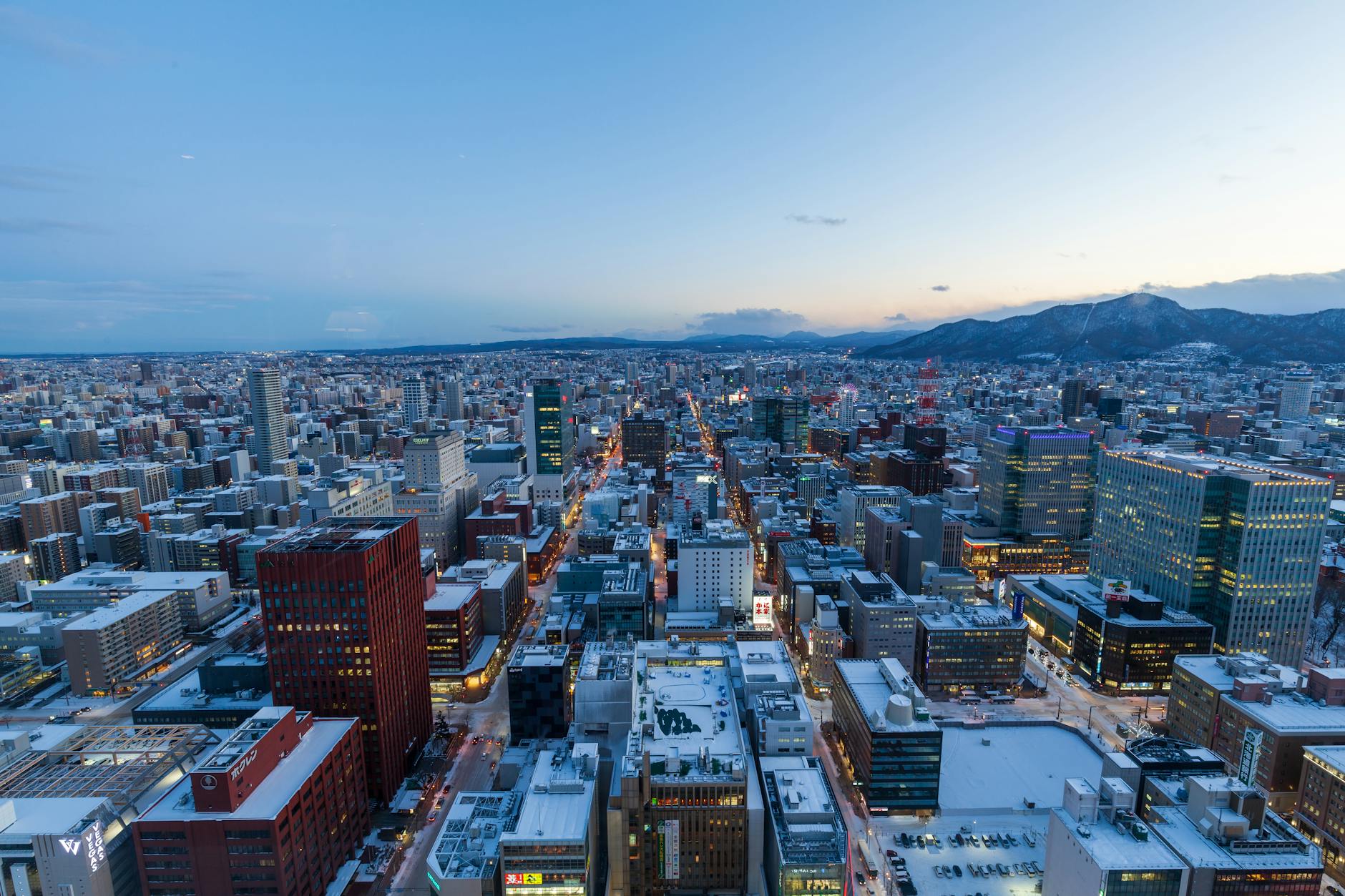
Hokkaido, Japan’s northernmost main island, occasionally treats visitors to rare and highly sought-after aurora displays during periods of particularly strong solar activity. While sightings are far less frequent than at higher-latitude destinations, the novelty of seeing the northern lights above a Japanese winter landscape draws dedicated aurora chasers from across the country and abroad. The wide-open wetlands of the Kushiro Marshes and the frozen shores of Lake Akan are among the most commonly recommended viewing spots on the island. Sightings are most likely between December and March when nights are longest and the chance of strong geomagnetic storms is at its seasonal peak.
Northern Iceland’s Diamond Circle
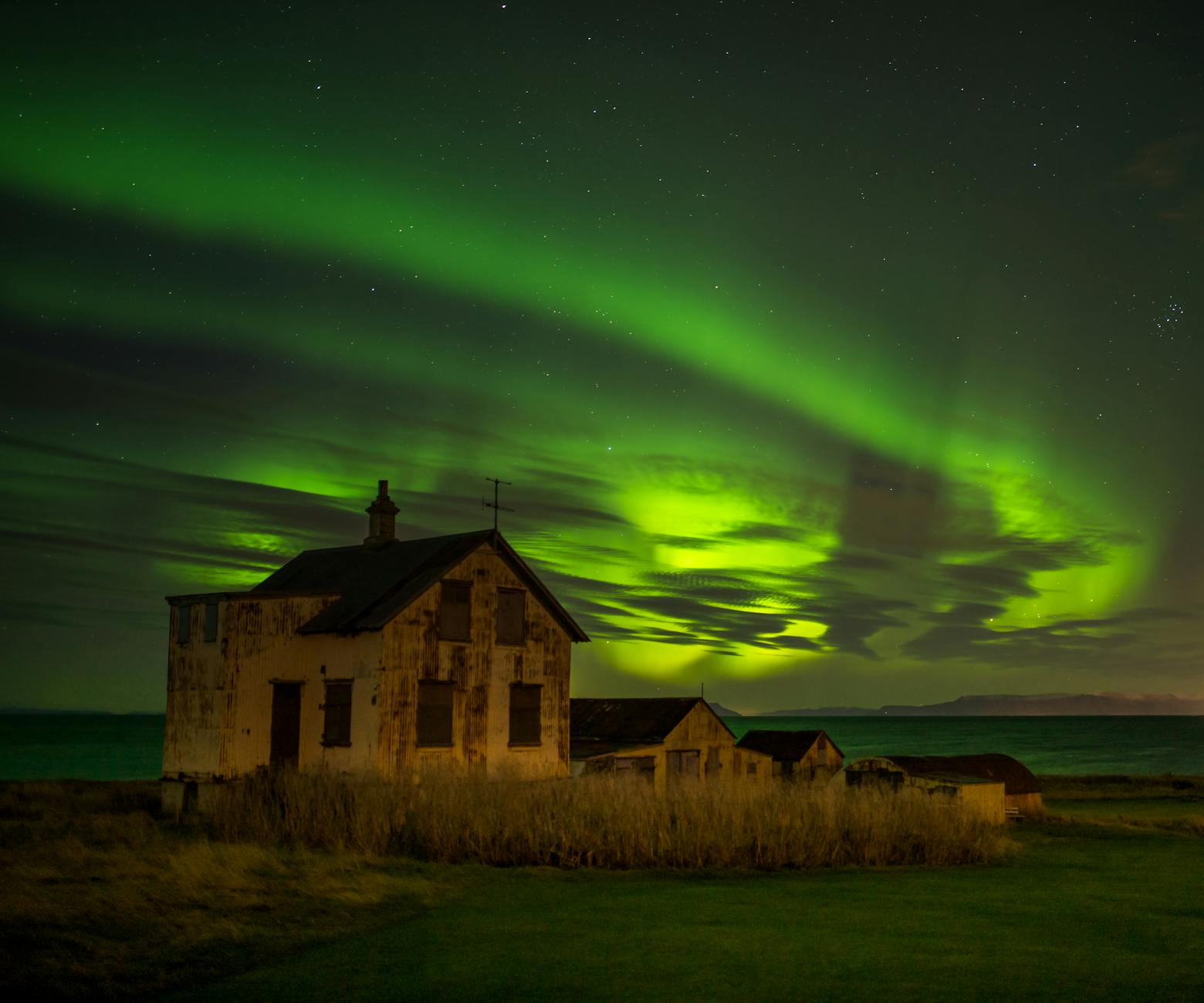
The Diamond Circle region in northeast Iceland encompasses some of the country’s most spectacular and least crowded natural scenery, including Dettifoss waterfall, Lake Mývatn, and the Ásbyrgi canyon. This part of Iceland sits at one of the highest latitudes on the island, bringing it even closer to the core of the auroral oval. The geothermal activity in the Lake Mývatn area creates an otherworldly foreground of steaming hot springs and lava fields that makes aurora photography exceptionally compelling. Fewer tourists than in the south of the country mean darker skies and a more intimate experience with one of nature’s greatest spectacles.
Lofoten Islands, Norway
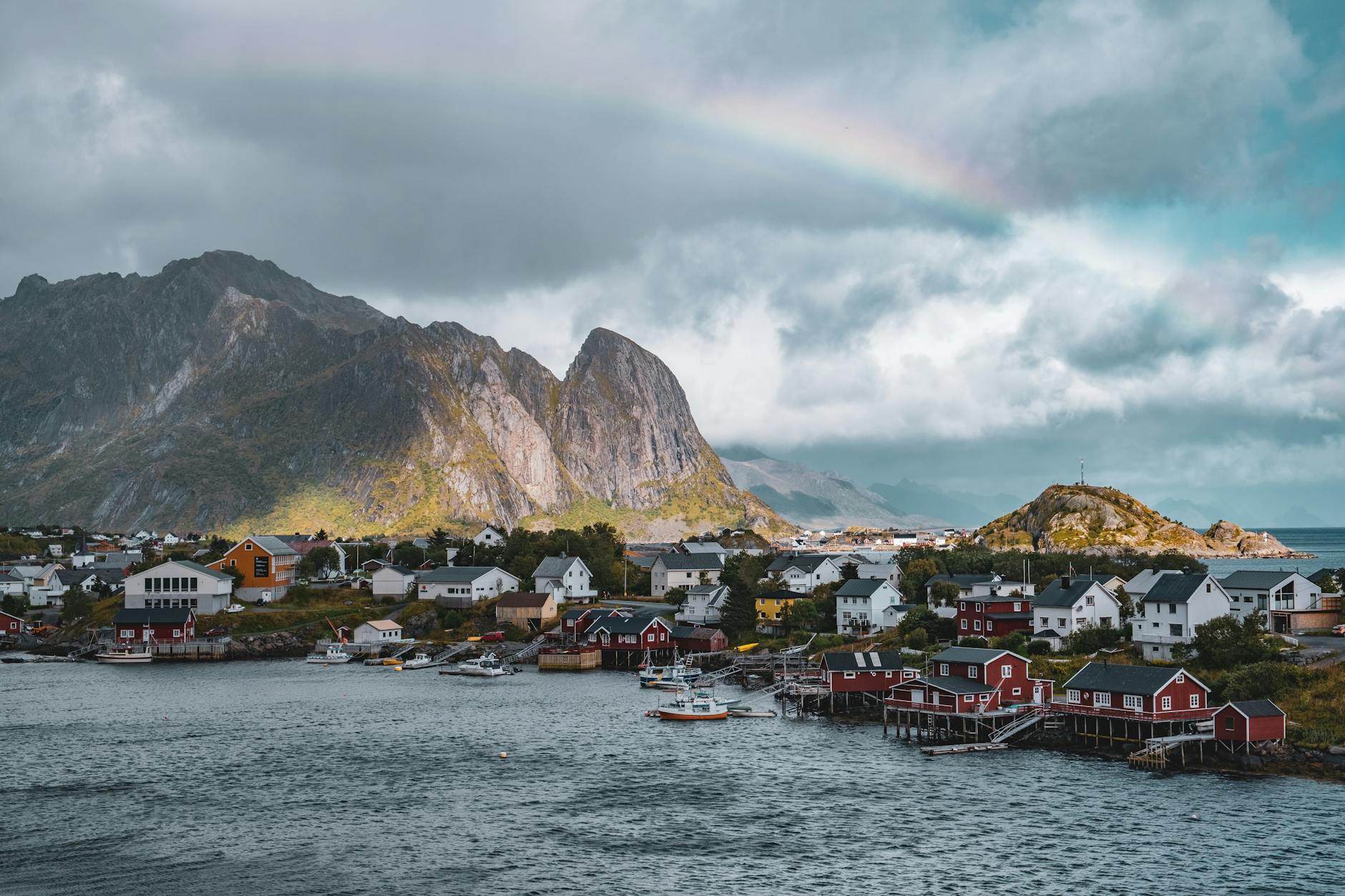
The Lofoten Islands are a rugged archipelago in northern Norway whose dramatic combination of jagged peaks, colorful fishing villages, and mirror-still fjords makes it one of the most photographed aurora destinations in the world. Despite their far northern location, the islands benefit from the warming influence of the Gulf Stream, keeping temperatures more moderate than at comparable latitudes. The iconic red and yellow rorbuer fishing cabins clustered along the waterfront create a vivid foreground for aurora displays reflected in the calm waters below. Visiting between October and February offers the highest probability of both dark skies and active auroral conditions above this spectacularly scenic landscape.
If you have witnessed the northern lights in any of these destinations or have a favorite aurora-hunting spot of your own, share your experience in the comments.




