
The foods children eat play a significant role in how well their brains develop, focus, and retain information. Nutrients found in everyday ingredients support memory, concentration, and cognitive growth during some of the most critical years of brain development. From the breakfast table to the after-school snack, the right choices can make a meaningful difference in a child’s learning capacity. This list explores thirty of the most powerful brain-boosting foods to incorporate into a child’s daily diet.
Eggs

Eggs are one of the most nutrient-dense foods available for growing children. They contain choline, a compound that supports the development of memory and cognitive function in the brain. The protein in eggs also provides steady energy that helps children stay focused throughout the school day. Scrambled, boiled, or folded into a breakfast wrap, eggs are a versatile and accessible option for most families.
Salmon
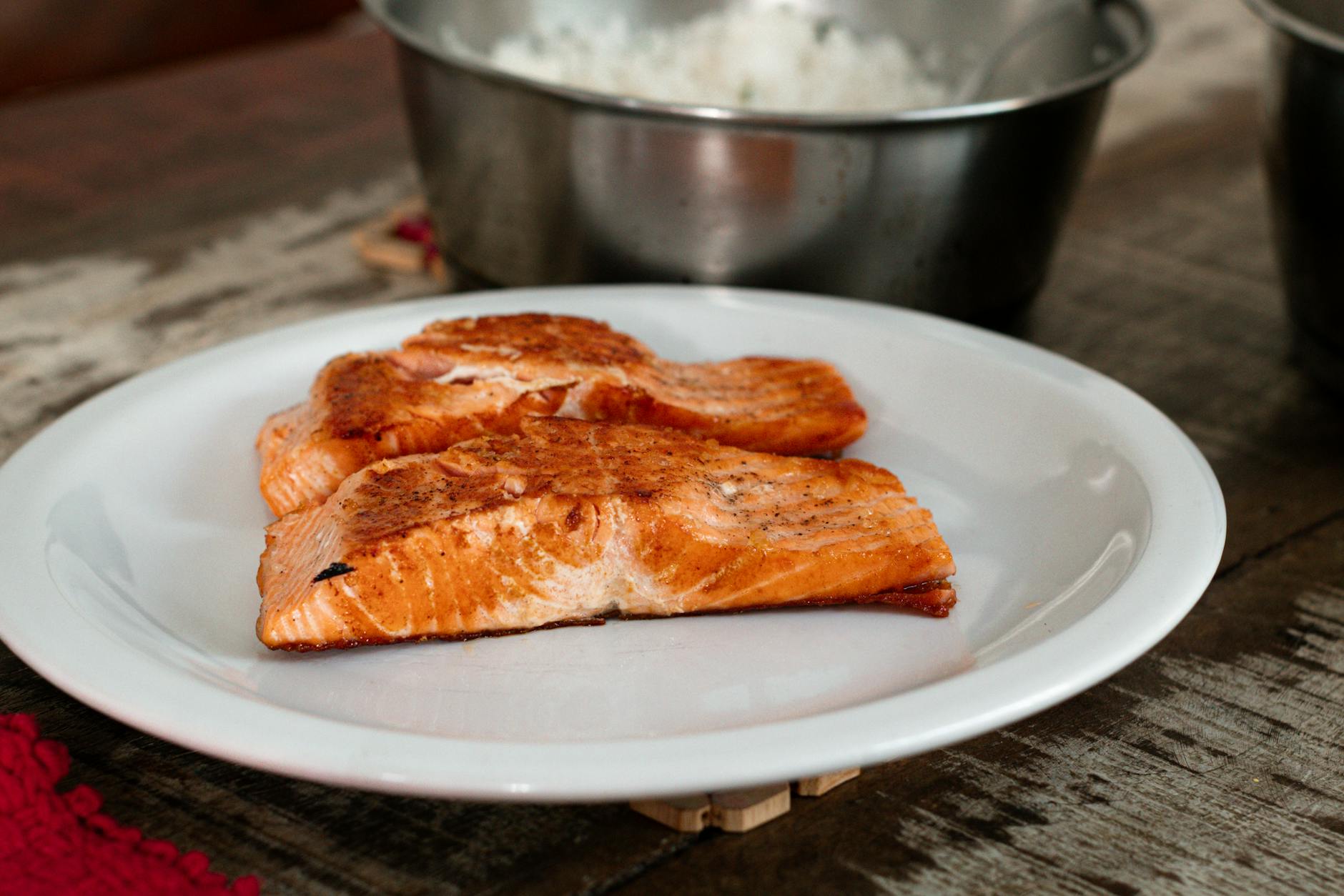
Salmon is rich in omega-3 fatty acids, particularly DHA, which is essential for healthy brain structure and function. Regular consumption of fatty fish has been linked to improved attention and academic performance in children. The protein content in salmon also supports the production of neurotransmitters that regulate mood and concentration. Serving it baked with a mild seasoning makes it appealing even to younger eaters.
Blueberries

Blueberries contain powerful antioxidants that protect brain cells from oxidative stress and inflammation. Studies have shown that the flavonoids in blueberries can improve memory and enhance communication between brain cells. They are also a natural source of vitamin C, which supports overall neurological health. Their naturally sweet flavor makes them an easy addition to yogurt, oatmeal, or a simple snack bowl.
Oatmeal
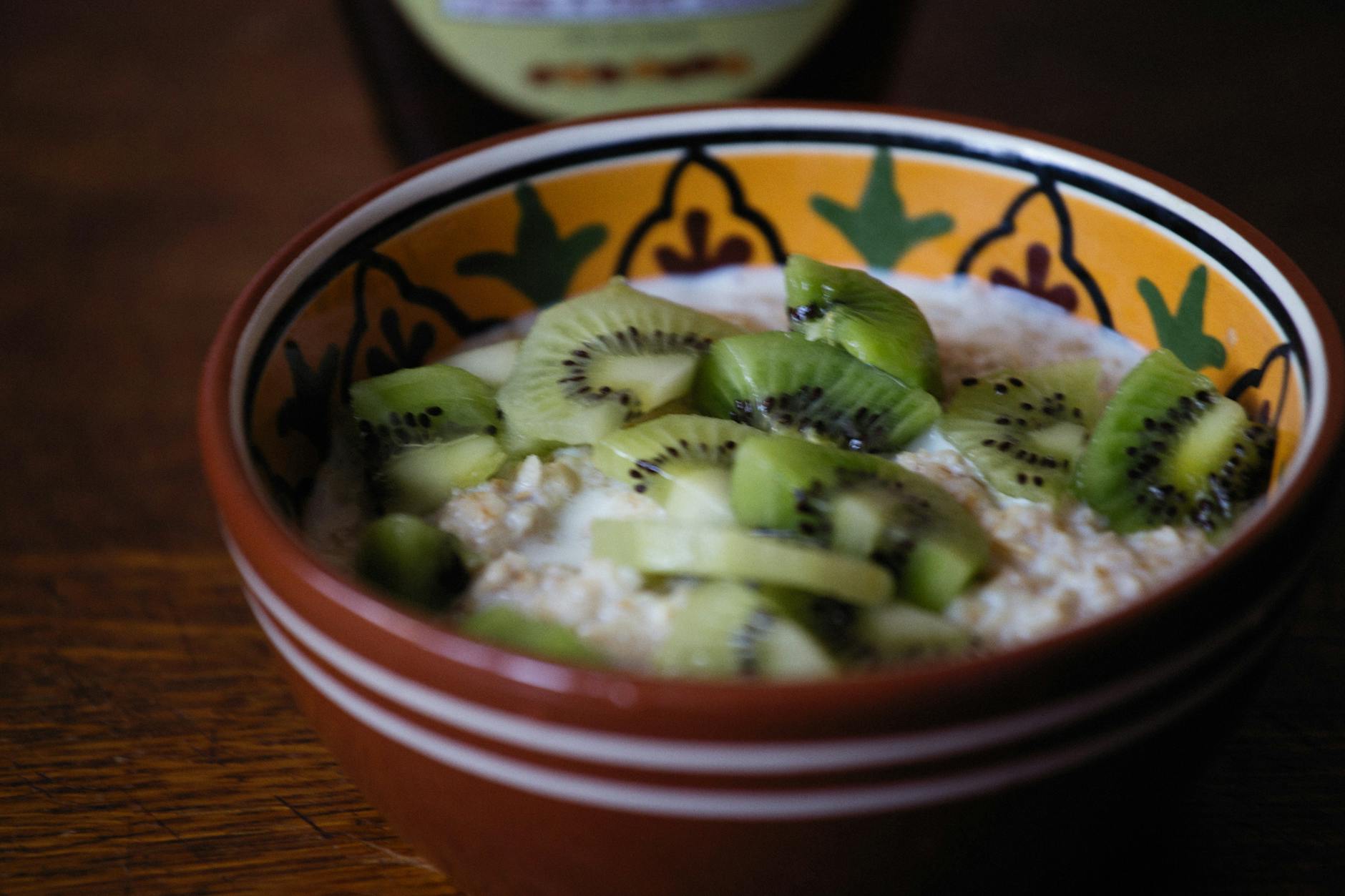
Oatmeal is a slow-releasing carbohydrate that provides the brain with a steady supply of glucose throughout the morning. Children who eat a warm bowl of oats before school often show better concentration and problem-solving ability. The fiber in oatmeal also supports gut health, which research increasingly connects to cognitive performance. Adding banana slices or a drizzle of honey makes it a satisfying and brain-friendly breakfast.
Walnuts
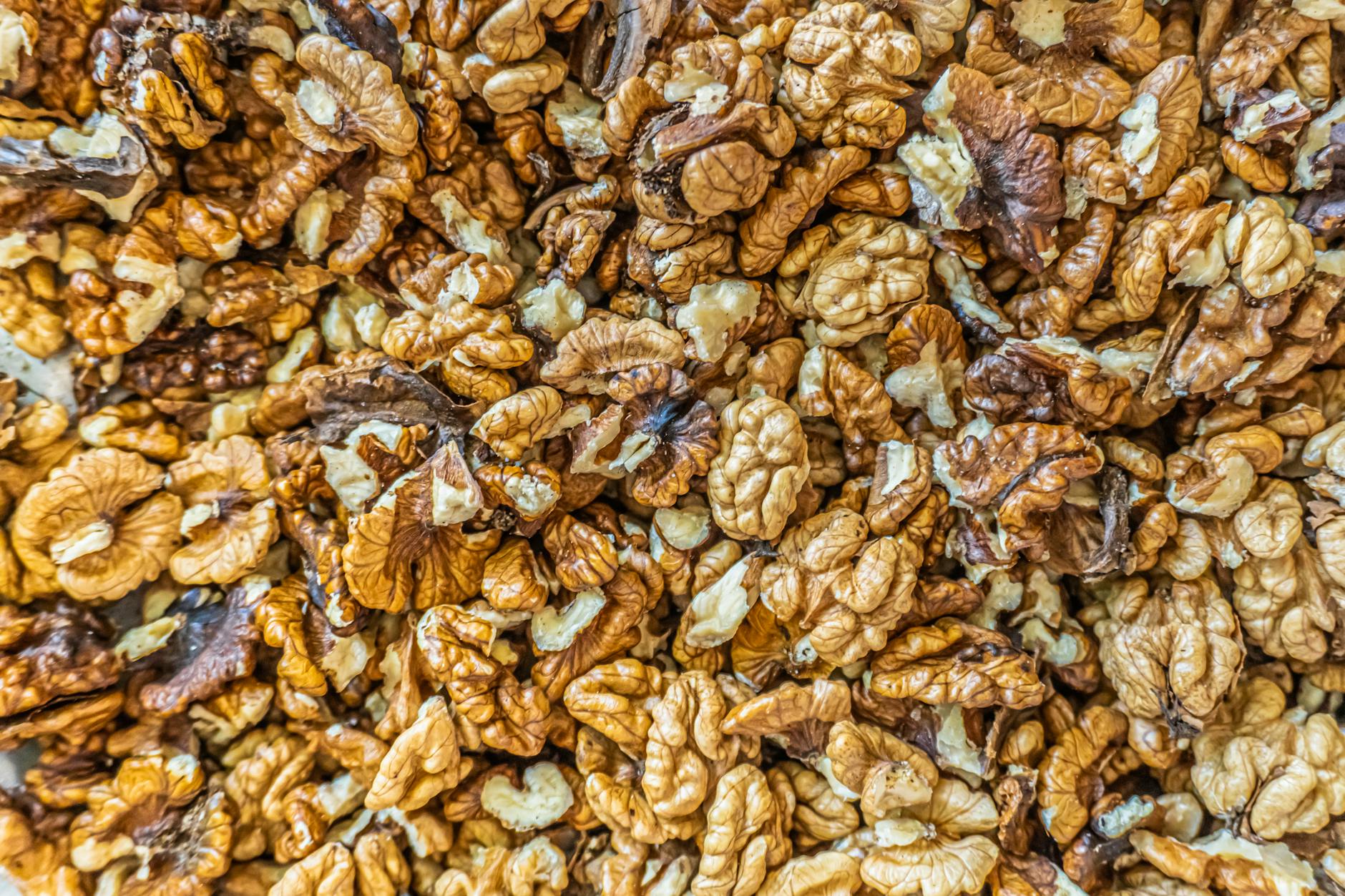
Walnuts are one of the best plant-based sources of omega-3 fatty acids, making them especially valuable for brain development. Their shape even resembles the human brain, a fitting reminder of the cognitive benefits they deliver. Walnuts also contain vitamin E, an antioxidant that helps protect neural tissue from damage over time. A small handful added to trail mix or stirred into yogurt is an effortless way to include them in a child’s diet.
Avocado
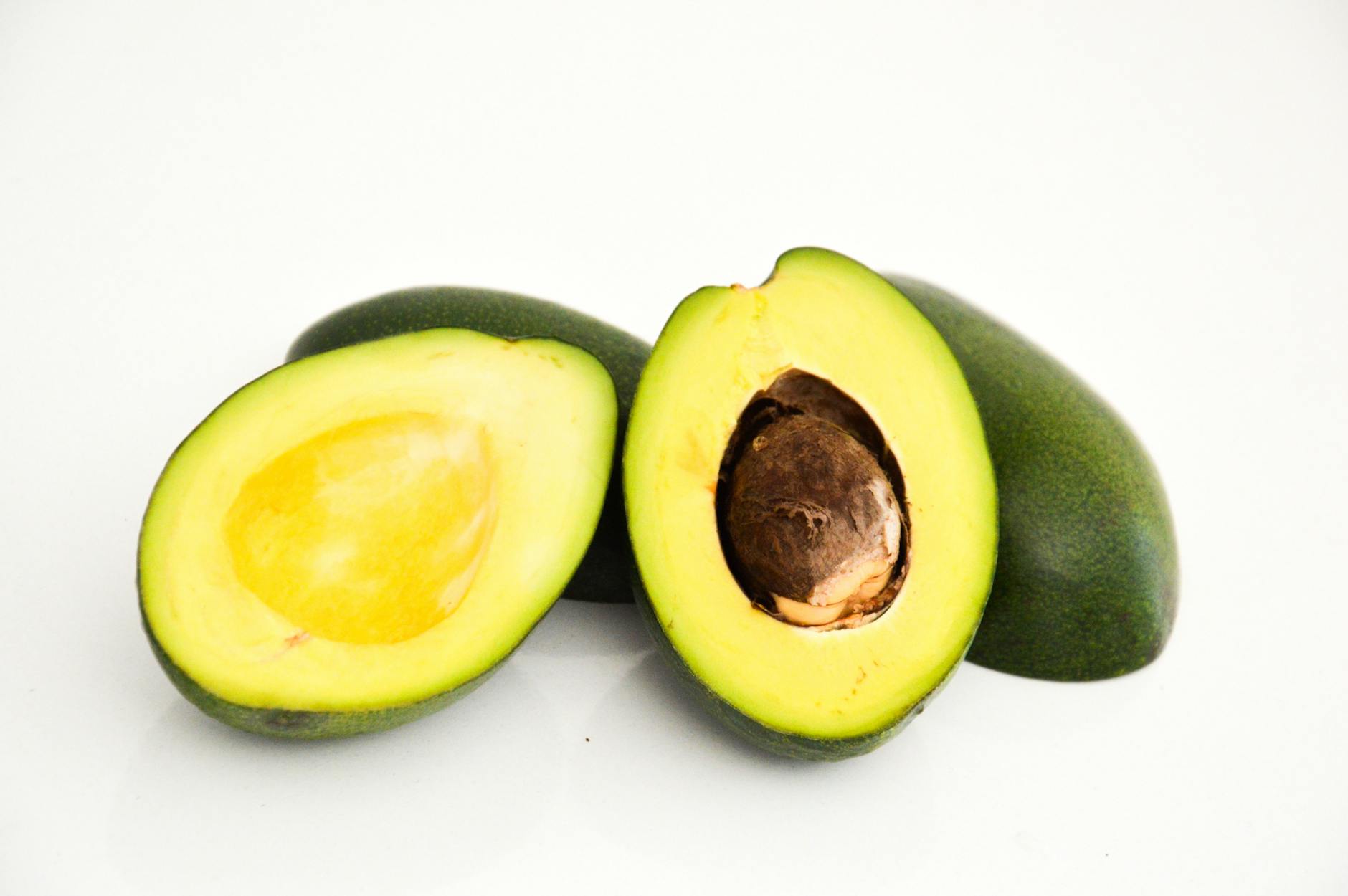
Avocado is packed with monounsaturated fats that support healthy blood flow to the brain. Good circulation ensures that oxygen and nutrients reach brain cells efficiently, supporting focus and mental clarity. Avocados also contain folate, a B vitamin that plays a role in cognitive development and mood regulation. Spread on whole grain toast or blended into a smoothie, avocado is a creamy and versatile brain food.
Broccoli
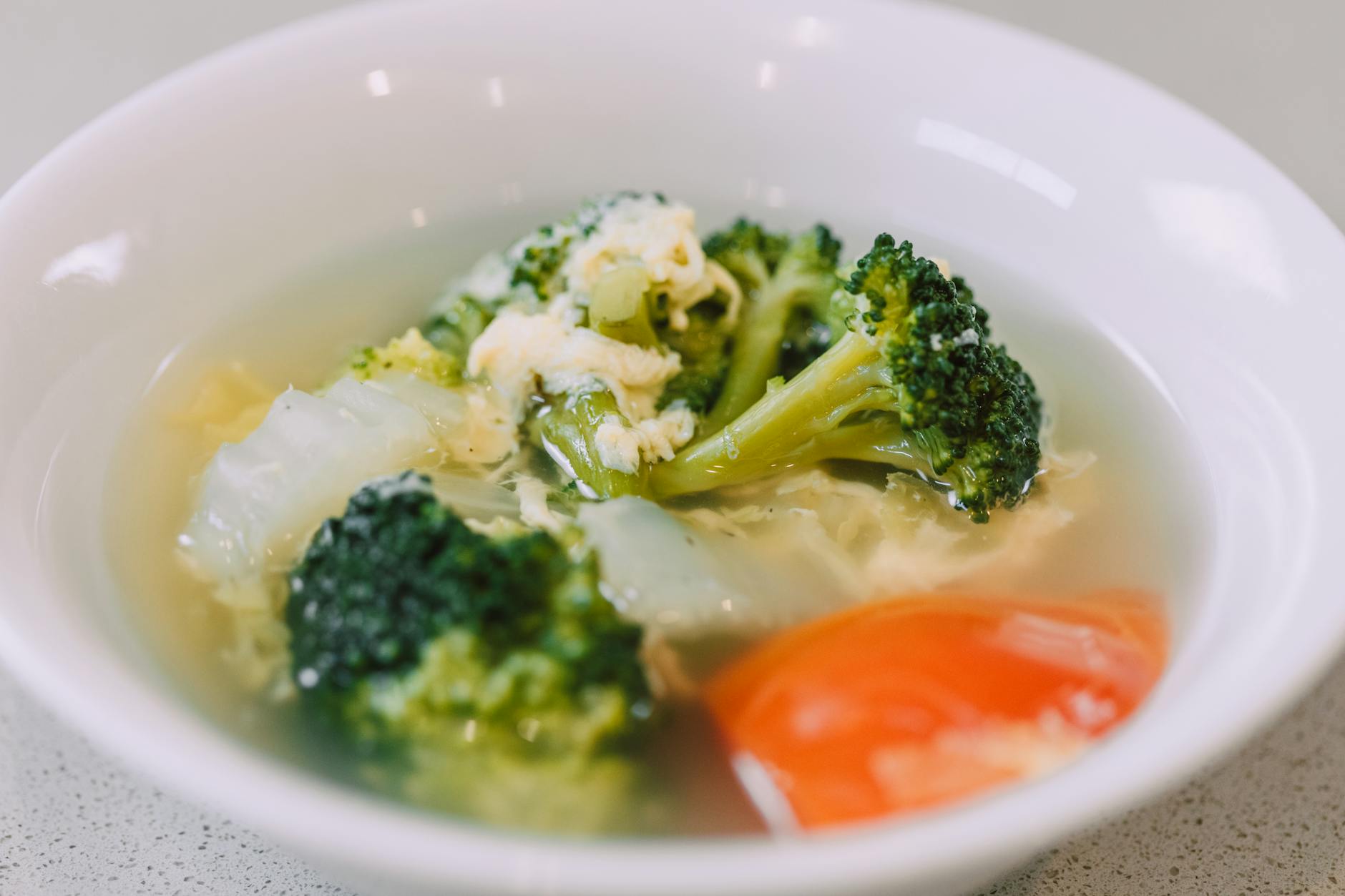
Broccoli is a rich source of vitamin K, which has been shown to support brain function and enhance memory formation. It also contains choline, sulforaphane, and a range of antioxidants that contribute to neuroprotection. The high fiber content in broccoli helps regulate blood sugar, which in turn supports consistent mental energy. Lightly steamed and served with a dipping sauce, it becomes a much more appealing option for young children.
Greek Yogurt

Greek yogurt contains iodine, a mineral that plays a critical role in supporting healthy brain development in children. It is also a good source of protein and probiotics, both of which contribute to a healthy gut-brain connection. The tyrosine found in yogurt helps the body produce dopamine and norepinephrine, neurotransmitters linked to alertness and motivation. Layered with fruit and granola, it makes for a delicious and cognitively supportive snack.
Spinach

Spinach is loaded with iron, folate, and antioxidants that support healthy cognitive development in growing children. Iron is particularly important because it helps carry oxygen to the brain, fueling concentration and mental stamina. The lutein found in spinach has also been associated with improved learning and memory retention. Blending a handful into a fruit smoothie is one of the easiest ways to get children to consume it without complaint.
Pumpkin Seeds
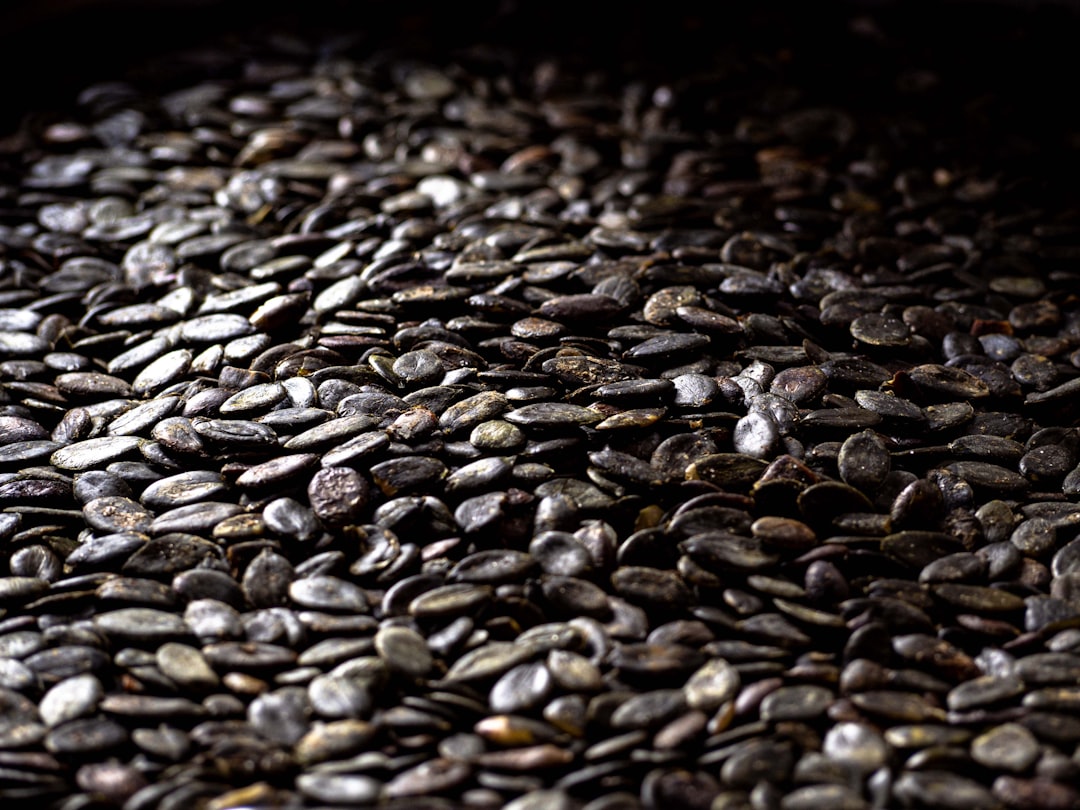
Pumpkin seeds are an excellent source of zinc, a mineral that plays a vital role in nerve signaling and memory. They also contain magnesium, which supports learning and helps regulate mood and stress responses in children. The tryptophan in pumpkin seeds contributes to serotonin production, promoting a calm and focused mental state. Lightly roasted and salted, they make a crunchy and satisfying after-school snack.
Dark Chocolate

Dark chocolate with a high cocoa content contains flavonoids that increase blood flow to the brain and support cognitive function. It also provides a small amount of caffeine and theobromine, which can enhance alertness and concentration in moderate amounts. The antioxidants in cocoa help reduce inflammation and protect brain cells from damage. A square or two of quality dark chocolate makes for a rewarding and genuinely brain-boosting treat.
Sweet Potatoes

Sweet potatoes are rich in beta-carotene, which the body converts to vitamin A, a nutrient essential for brain cell development. They provide complex carbohydrates that release energy slowly, keeping young minds alert and focused for longer periods. Their natural sweetness makes them a crowd-pleasing option that can be prepared in numerous ways. Roasted wedges or a simple mashed preparation are both excellent vehicles for this powerhouse vegetable.
Almonds
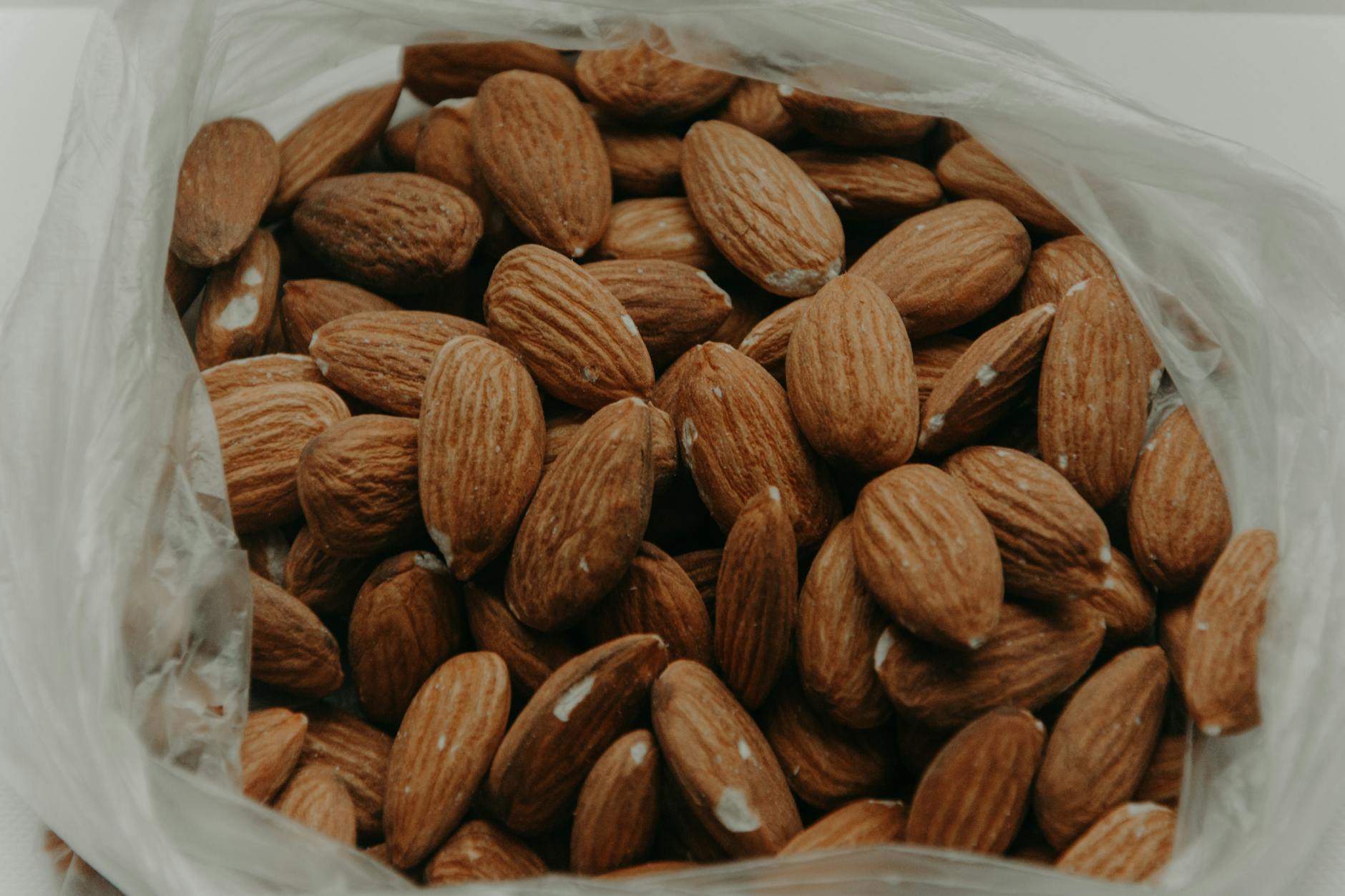
Almonds are a concentrated source of vitamin E, healthy fats, and protein that collectively support brain health and function. Vitamin E in particular acts as a shield against cognitive decline by neutralizing free radicals that can damage neural tissue. Almonds also provide riboflavin and L-carnitine, nutrients known to boost brain activity and reduce neurological inflammation. A small portion in a lunchbox or blended into almond butter is a practical and effective brain fuel option.
Beans
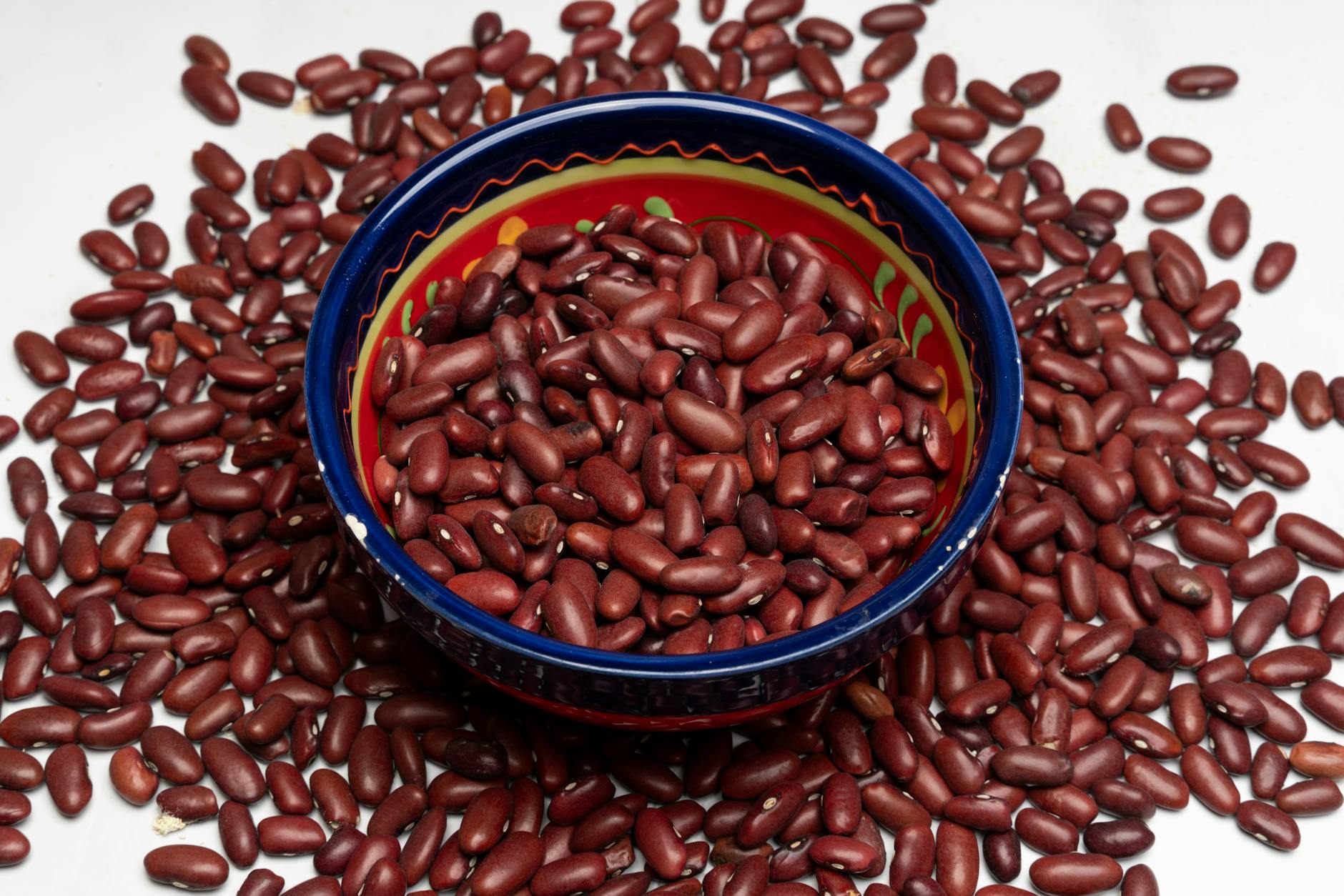
Beans are among the most underrated brain foods, offering a combination of protein, fiber, complex carbohydrates, and folate. They stabilize blood sugar levels, which directly supports sustained concentration and cognitive endurance throughout the school day. The folate in beans is particularly important for the development and maintenance of healthy neural pathways. Black beans, kidney beans, and chickpeas are all excellent choices that can be incorporated into soups, wraps, or pasta dishes.
Oranges
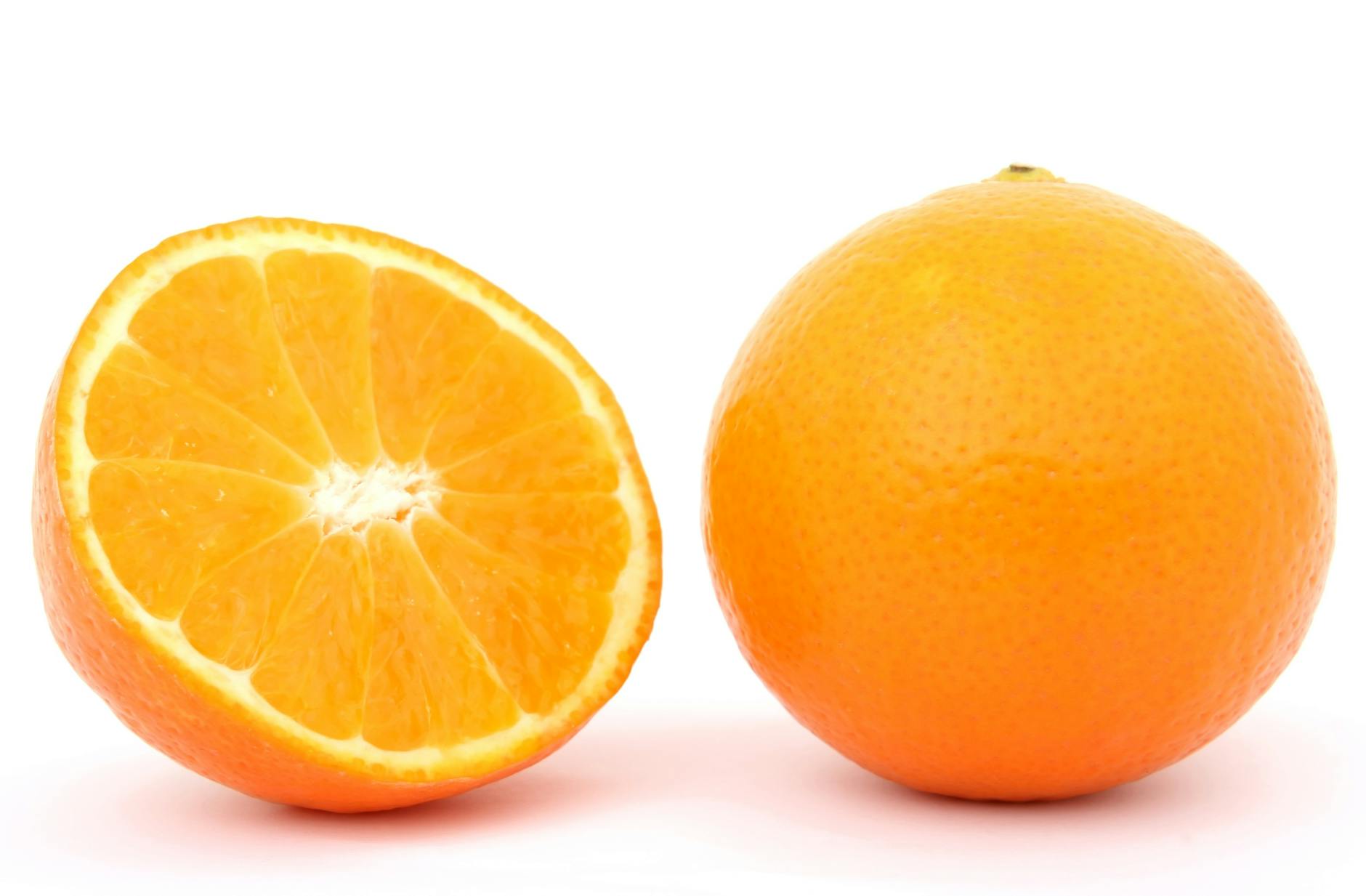
Oranges are one of the best dietary sources of vitamin C, an antioxidant that plays a key role in preventing mental decline and supporting brain health. Vitamin C is also necessary for the production of neurotransmitters such as serotonin and dopamine, which influence mood and focus. A single medium orange provides more than enough vitamin C to meet a child’s daily requirement. Fresh orange slices or a small glass of freshly squeezed juice make it an easy and enjoyable addition to any meal.
Whole Grain Bread
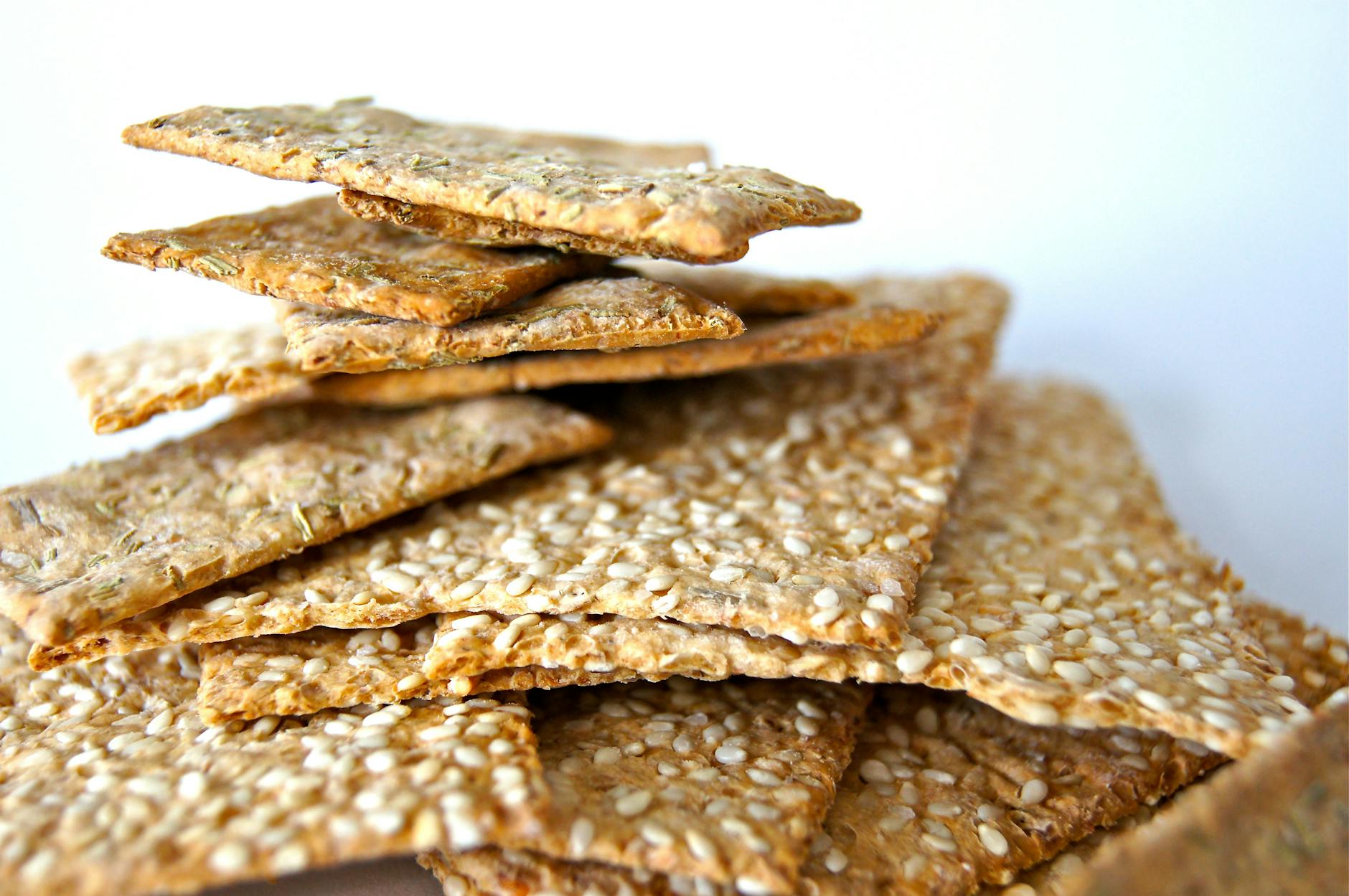
Whole grain bread provides a slow and steady release of glucose, which is the brain’s primary source of fuel. Unlike refined white bread, whole grains preserve the fiber and nutrients that support consistent mental energy and focus. The B vitamins found in whole grains are essential for maintaining healthy nerve function and reducing cognitive fatigue. Pairing whole grain toast with nut butter or avocado creates a well-rounded brain-boosting meal.
Milk

Milk is a well-established source of calcium, vitamin D, and B vitamins, all of which contribute to healthy brain development. Vitamin B12 in particular supports the production of myelin, the protective sheath around nerve fibers that enables fast and efficient brain signaling. The protein in milk also provides tryptophan, a precursor to the mood-regulating neurotransmitter serotonin. A cold glass with breakfast or a warm cup before bed are both simple ways to incorporate it into a daily routine.
Turmeric

Turmeric contains curcumin, a compound with potent anti-inflammatory and antioxidant properties that benefit brain health. Curcumin has been shown to cross the blood-brain barrier and directly interact with neural cells to support cognitive function. Regular consumption may help improve memory and promote the growth of new brain cells over time. Adding a pinch of turmeric to warm milk, soups, or rice dishes is an accessible way to introduce this spice to children.
Apples
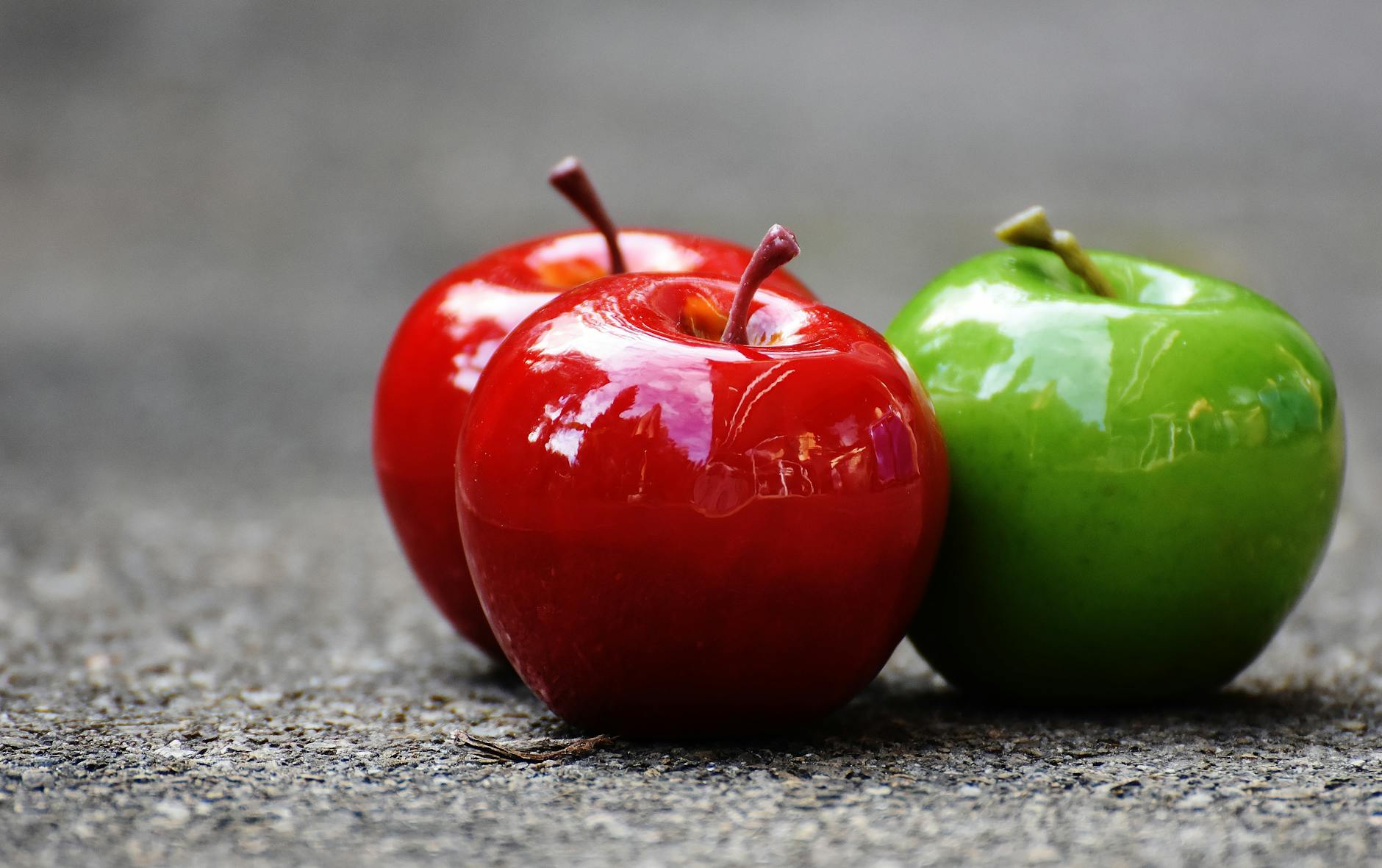
Apples contain quercetin, an antioxidant that has been shown to protect brain cells from oxidative damage and support overall neurological health. They also provide natural sugars and fiber that work together to deliver sustained energy to the brain without causing sharp blood sugar spikes. The vitamin C content in apples further contributes to cognitive resilience and immune support. Sliced with a side of almond butter, apples become a well-rounded and brain-friendly snack.
Lentils
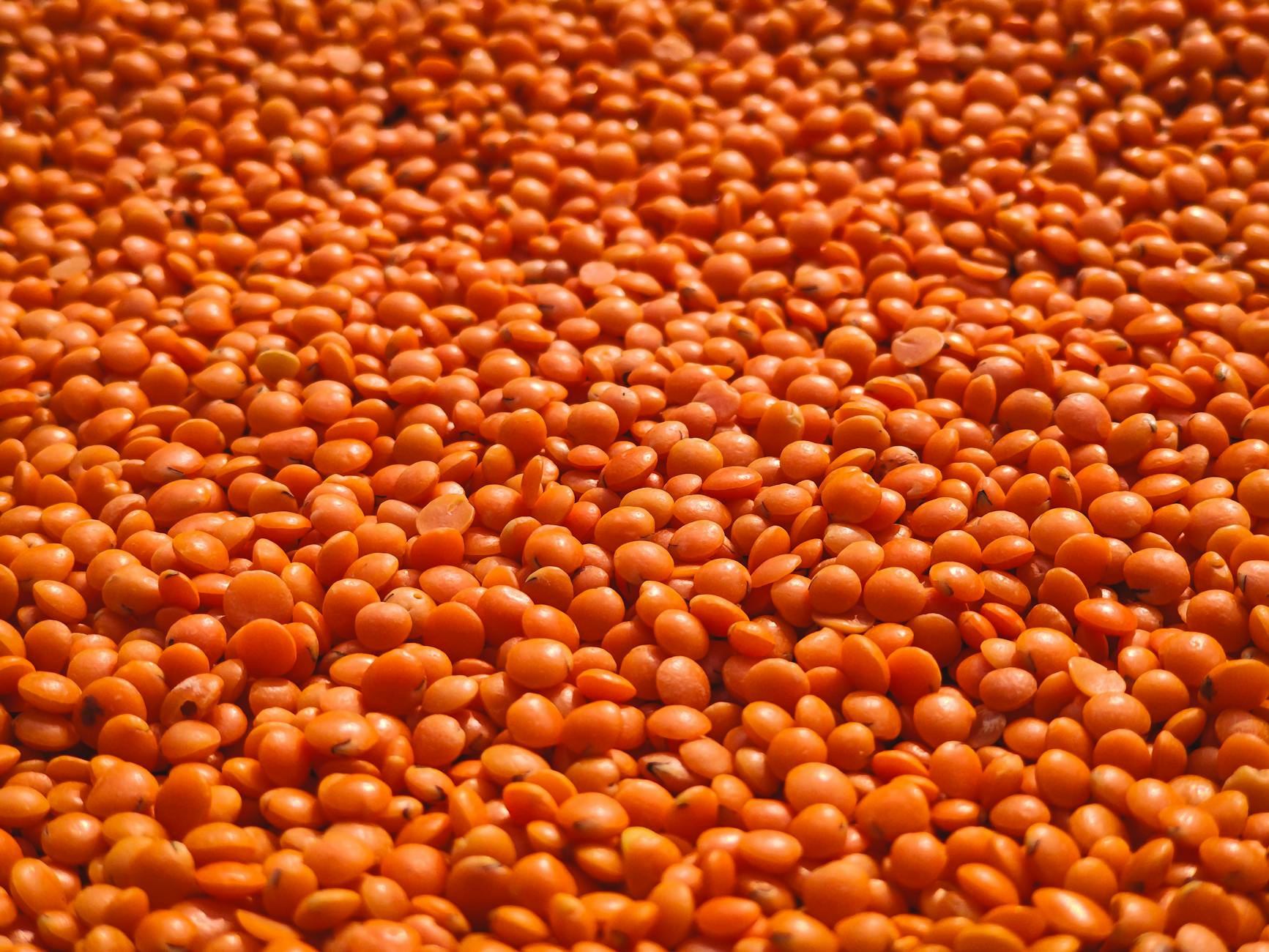
Lentils are a nutritional powerhouse that deliver iron, folate, protein, and complex carbohydrates in every serving. Iron deficiency is one of the most common causes of poor concentration in children, making iron-rich lentils particularly valuable. The folate in lentils supports the development of healthy brain cells and the regulation of mood. A simple lentil soup or a lentil-based pasta sauce is an easy and satisfying way to add this brain booster to a weekly meal plan.
Tuna

Tuna is a lean protein source rich in omega-3 fatty acids and vitamin B12, both of which are essential for healthy brain development. The DHA content in tuna supports the structural integrity of brain cells and helps improve memory and learning capacity. Tuna is also one of the most convenient and affordable brain foods available to families. Mixed into a sandwich filling or served with whole grain crackers, it makes for a quick and nourishing lunch option.
Cheese

Cheese is a concentrated source of calcium, protein, and B vitamins that collectively support neurological health in children. The tyrosine found in cheese helps the brain produce dopamine, a neurotransmitter linked to motivation, focus, and reward-driven learning. Full-fat cheese varieties also provide healthy fats that support the development of the brain’s white matter. Paired with fruit or whole grain crackers, cheese makes for a satisfying snack that nourishes the body and the mind.
Chia Seeds
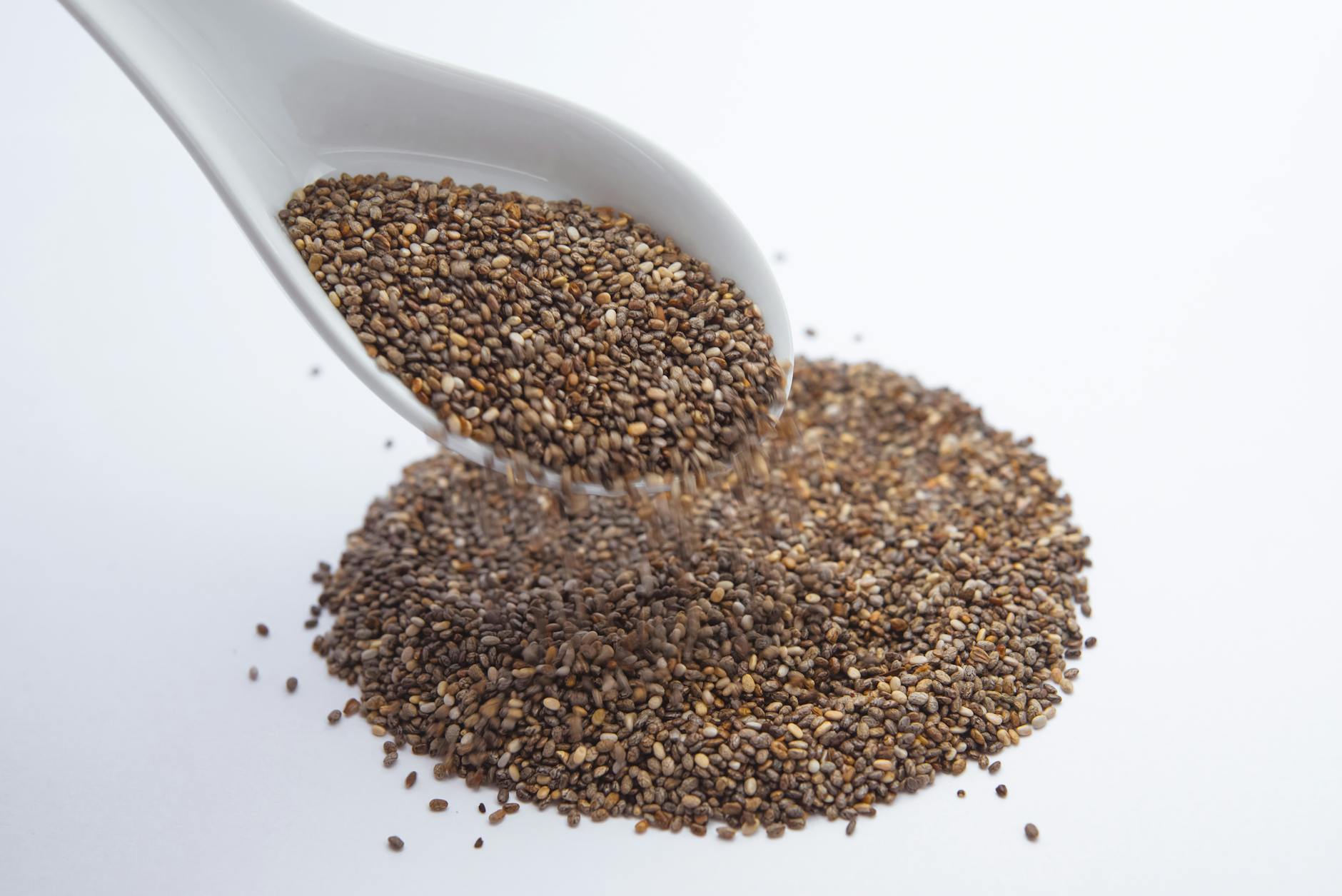
Chia seeds are tiny but remarkably dense in omega-3 fatty acids, calcium, magnesium, and antioxidants. The omega-3s in chia seeds support brain cell membrane health and help reduce neurological inflammation. Their ability to absorb liquid and form a gel-like texture makes them a fun and versatile ingredient for children’s meals. Stirred into overnight oats, blended into smoothies, or made into a simple pudding, chia seeds are a practical brain-boosting addition.
Bananas
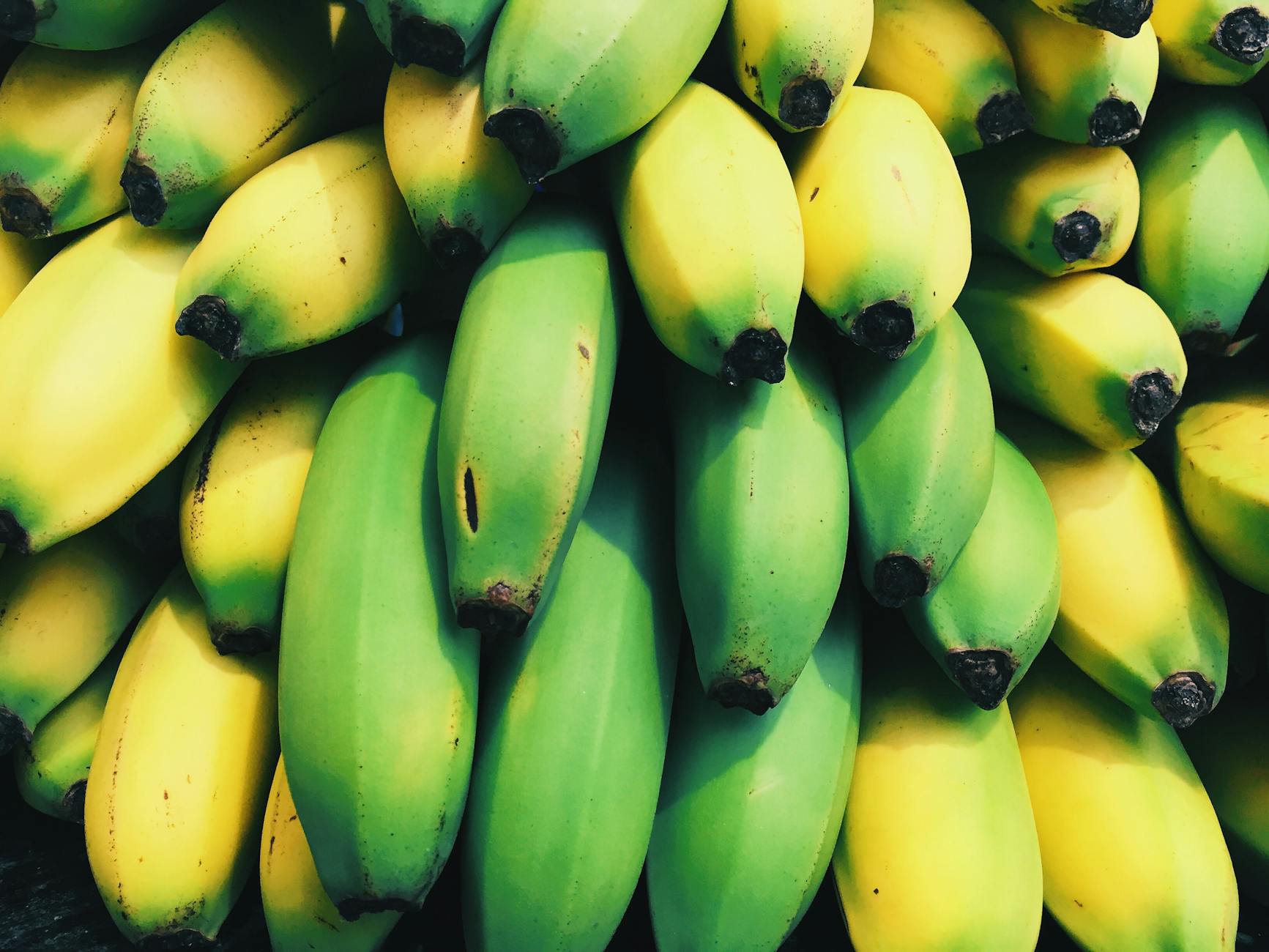
Bananas provide a quick and accessible source of glucose that gives the brain an immediate energy boost. They also contain vitamin B6, which supports the production of serotonin and norepinephrine, neurotransmitters that influence mood and cognitive clarity. The potassium in bananas further supports nerve function and helps the brain communicate efficiently with the rest of the body. Their portable nature and natural sweetness make them one of the most child-friendly brain foods on this list.
Kale
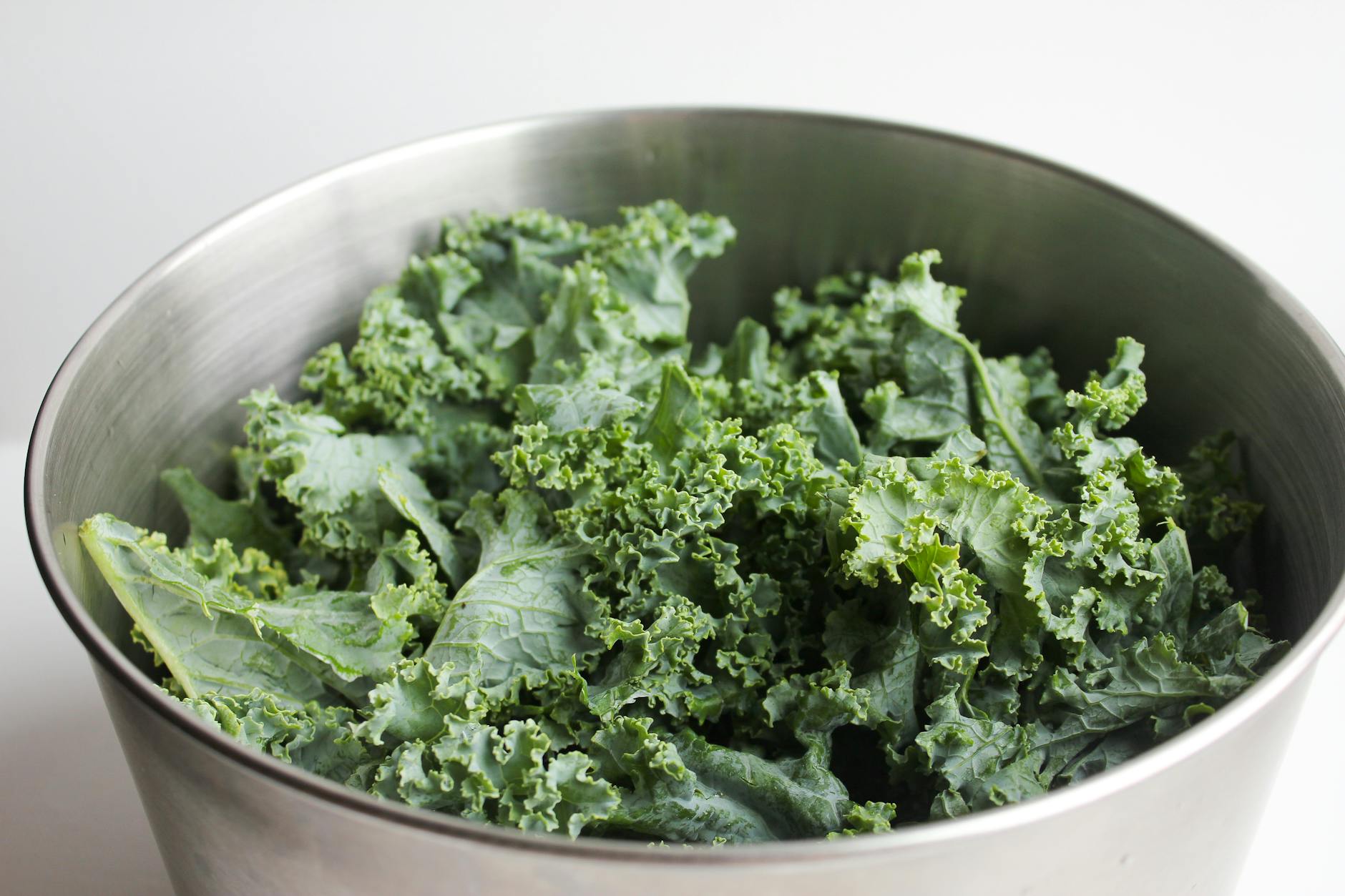
Kale is one of the most nutrient-dense leafy greens available and an exceptional source of vitamins K, C, and A. The vitamin K content in kale supports the formation of sphingolipids, fats that are critical to the structure of brain cells. Its antioxidants help fight neurological inflammation and protect the developing brain from oxidative damage. Massaged into a salad, baked into crispy chips, or blended into a smoothie, kale can be made palatable for even the most selective young eaters.
Beets
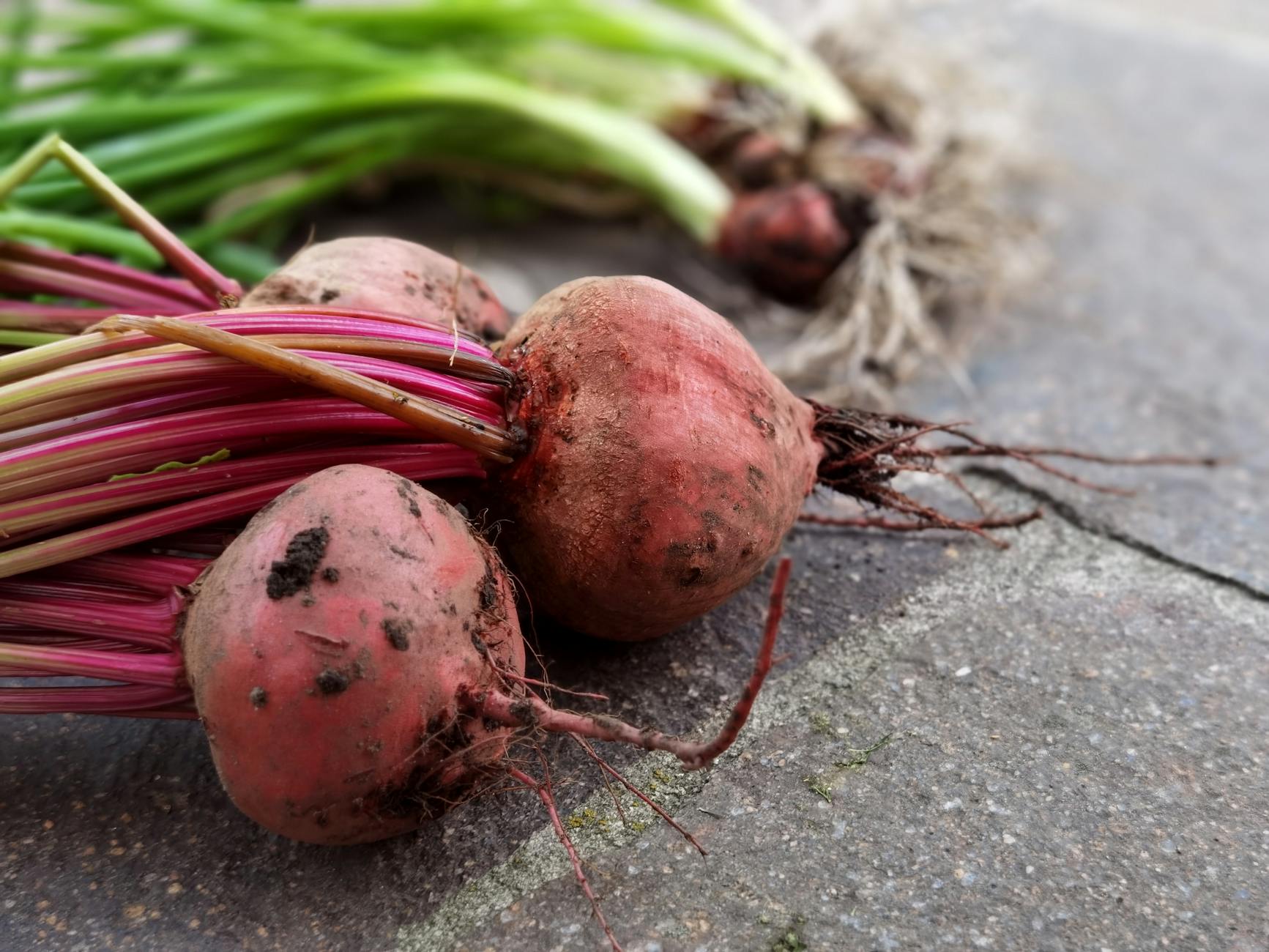
Beets contain naturally occurring nitrates that increase blood flow to the brain, supporting improved cognitive performance and reaction time. They are also rich in betaine, a compound that protects neurons and supports mental clarity under pressure. The natural sugars in beets provide a reliable energy source that fuels sustained mental activity. Roasted, juiced, or blended into a colorful hummus, beets are a vibrant and valuable addition to a brain-healthy diet.
Sunflower Seeds
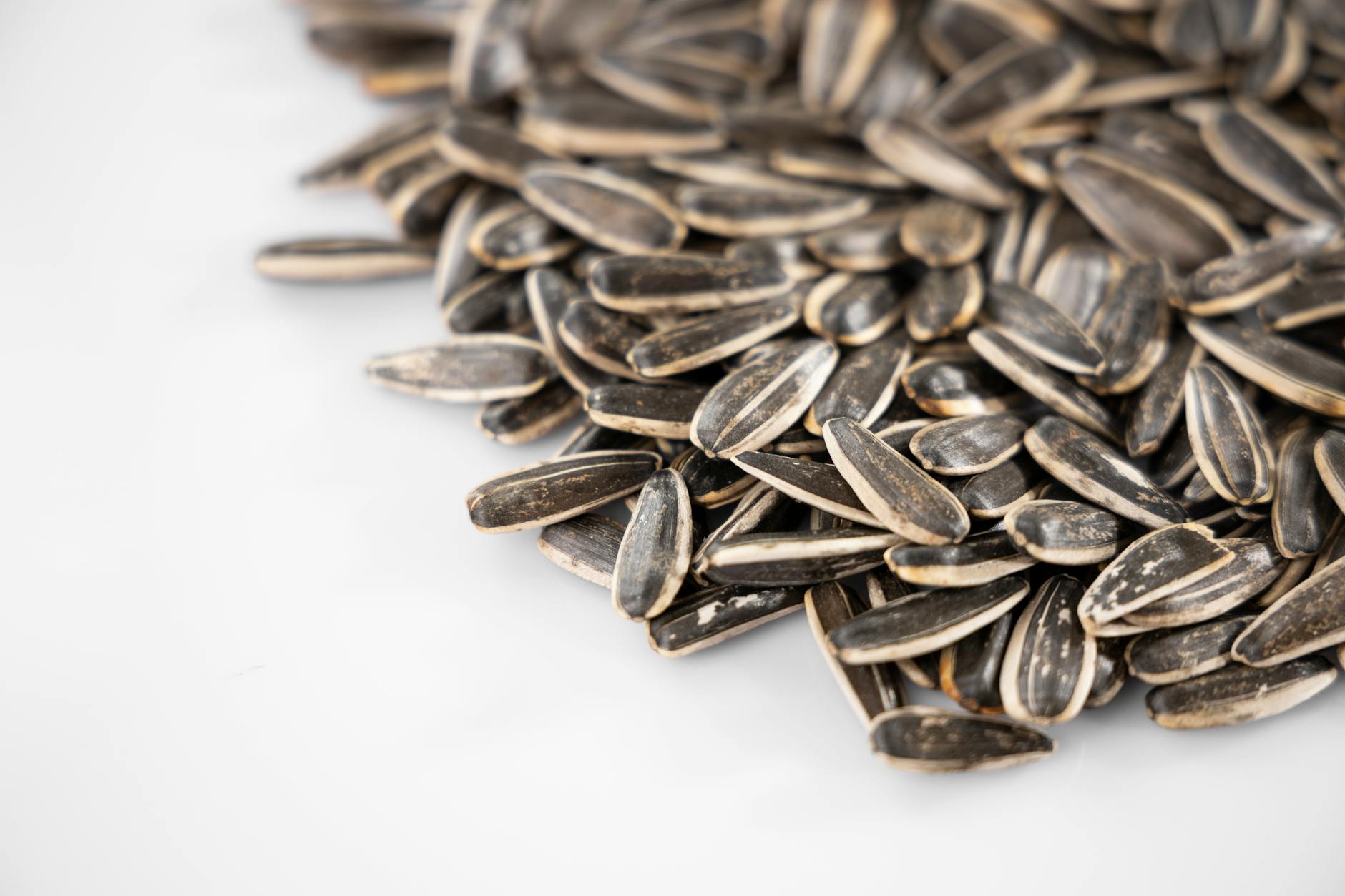
Sunflower seeds are an outstanding source of vitamin E, thiamine, and selenium, all of which support neurological health and cognitive performance. Vitamin E acts as a powerful antioxidant that helps protect brain cells from the damage caused by free radicals. Thiamine supports the transmission of nerve signals, making it essential for quick thinking and mental agility. Sprinkled over salads, stirred into trail mix, or eaten by the handful, sunflower seeds are a simple and effective brain snack.
Edamame

Edamame provides an impressive combination of plant-based protein, omega-3 fatty acids, folate, and choline in one small package. Choline is a critical nutrient for brain development and has been linked to improved memory and learning capacity in children. The protein content in edamame supports the production of neurotransmitters that regulate focus, mood, and cognitive function. Lightly salted and served warm or cold, edamame is a popular and fun finger food for children of all ages.
Quinoa
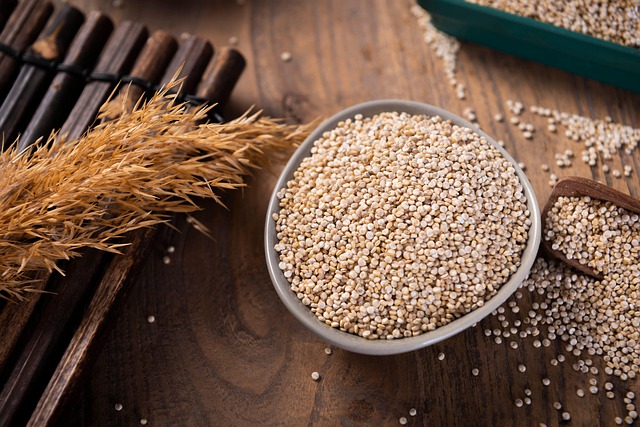
Quinoa is a complete protein, meaning it contains all nine essential amino acids that the body cannot produce on its own. These amino acids are necessary for the synthesis of neurotransmitters that influence focus, mood, and mental processing speed. Quinoa is also rich in iron and B vitamins, both of which support healthy brain activity and energy metabolism. Its mild flavor and fluffy texture make it an easy substitute for rice or pasta in a wide range of family-friendly meals.
Flaxseeds

Flaxseeds are one of the richest plant-based sources of alpha-linolenic acid, an omega-3 fatty acid that supports brain cell structure and reduces inflammation. They also contain lignans and fiber that support gut health, which research increasingly associates with improved cognitive function and emotional regulation. Ground flaxseeds are the most bioavailable form, making them easy to incorporate into baked goods, smoothies, or oatmeal. Consistent inclusion of flaxseeds in a child’s diet contributes meaningfully to long-term neurological development and brain resilience.
Which of these brain-boosting foods does your child already love, and which ones are you planning to try? Share your thoughts in the comments.




