
Not every dog thrives under the sun, but some breeds are naturally built to handle heat with ease. Whether you live in a desert region, a tropical zone, or simply experience long, scorching summers, choosing the right breed can make a significant difference in your dog’s health and happiness. Certain dogs have evolved over centuries in warm climates, developing physical and physiological traits that allow them to stay comfortable even when temperatures rise. This guide highlights fifteen breeds that are exceptionally well-suited to life in the heat, helping you find a loyal companion who will flourish alongside you in a warmer environment.
Basenji
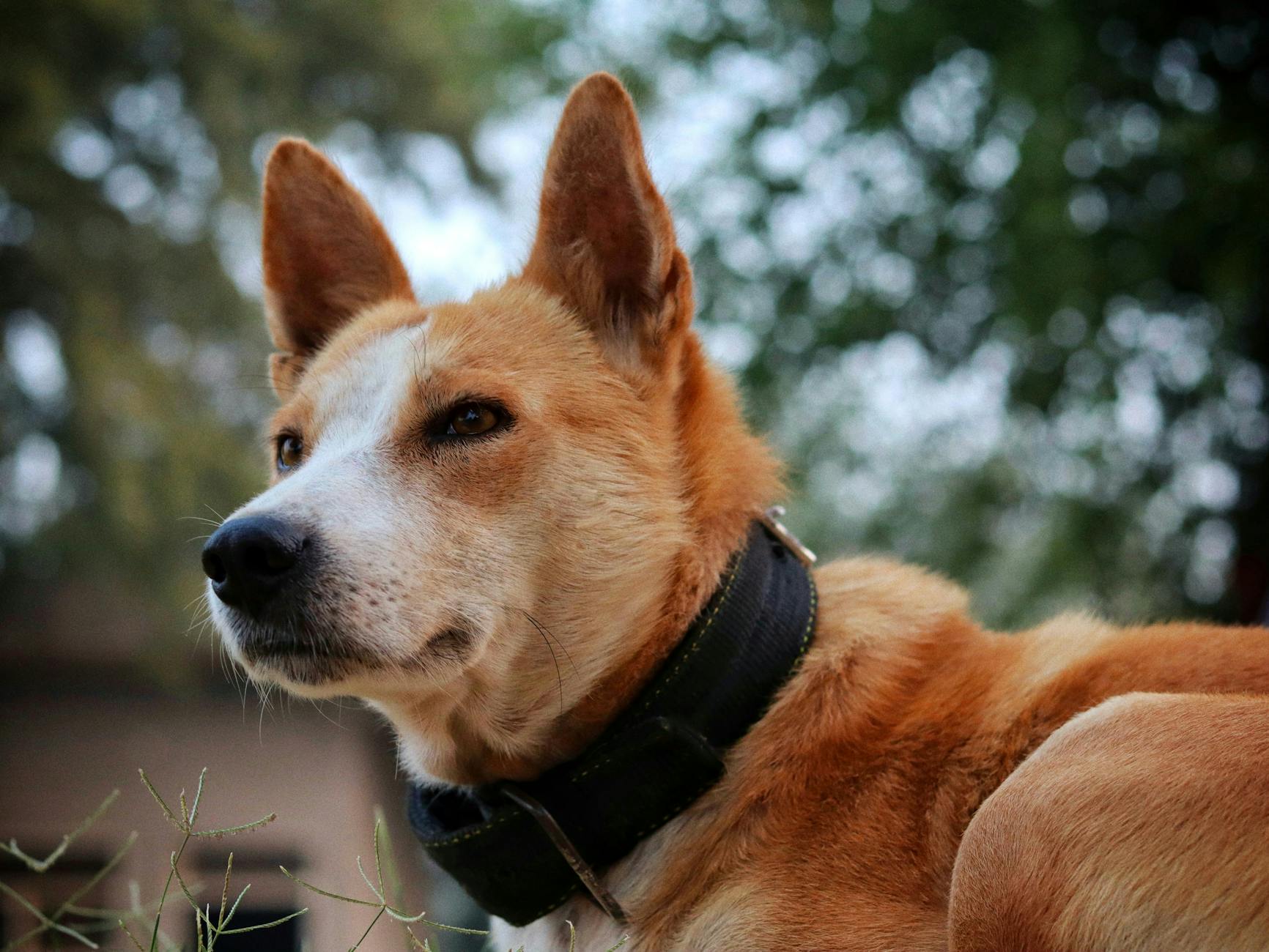
The Basenji is one of the oldest known dog breeds, originating from the forests and savannas of Central Africa where temperatures are consistently high. This small to medium-sized dog has a short, fine coat that does not trap heat, allowing the body to regulate temperature efficiently. Basenjis are known for their low-odor, low-shedding coats, which also require minimal grooming in humid conditions. They are energetic and intelligent, thriving in outdoor environments with plenty of space to explore. Their natural adaptation to equatorial climates makes them one of the most heat-tolerant breeds in the world.
Vizsla
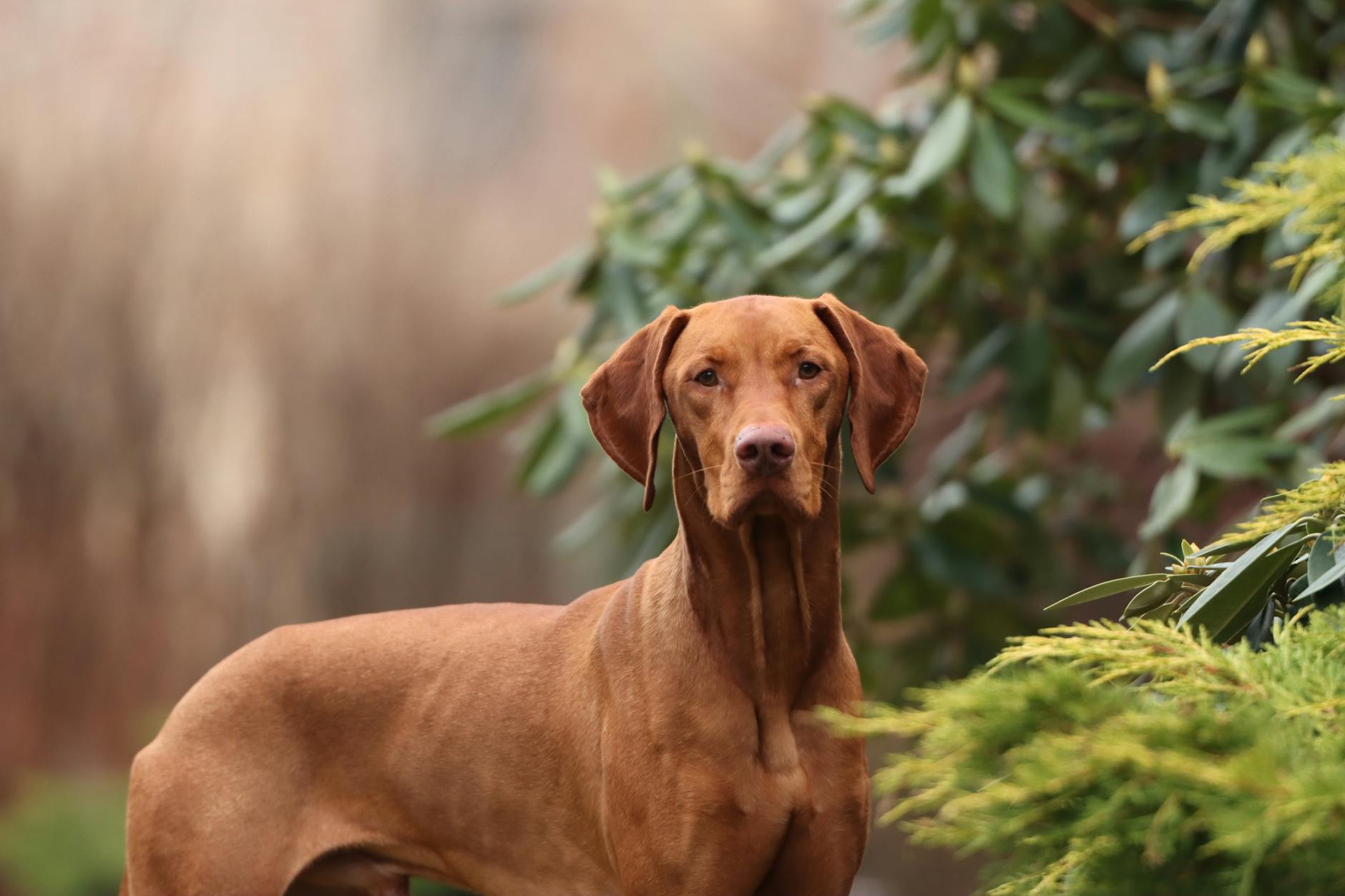
The Vizsla is a Hungarian hunting breed that was developed to work long hours in open, sun-exposed fields and plains. Its short, rust-colored coat lies close to the skin and provides very little insulation, which is a significant advantage in warm weather. Vizslas are lean and athletic, with a body composition that naturally dissipates heat rather than retaining it. They are highly active dogs that can sustain physical exertion in warm temperatures far better than heavier or thicker-coated breeds. Their affectionate and loyal temperament also makes them excellent family companions in warmer regions.
Ibizan Hound
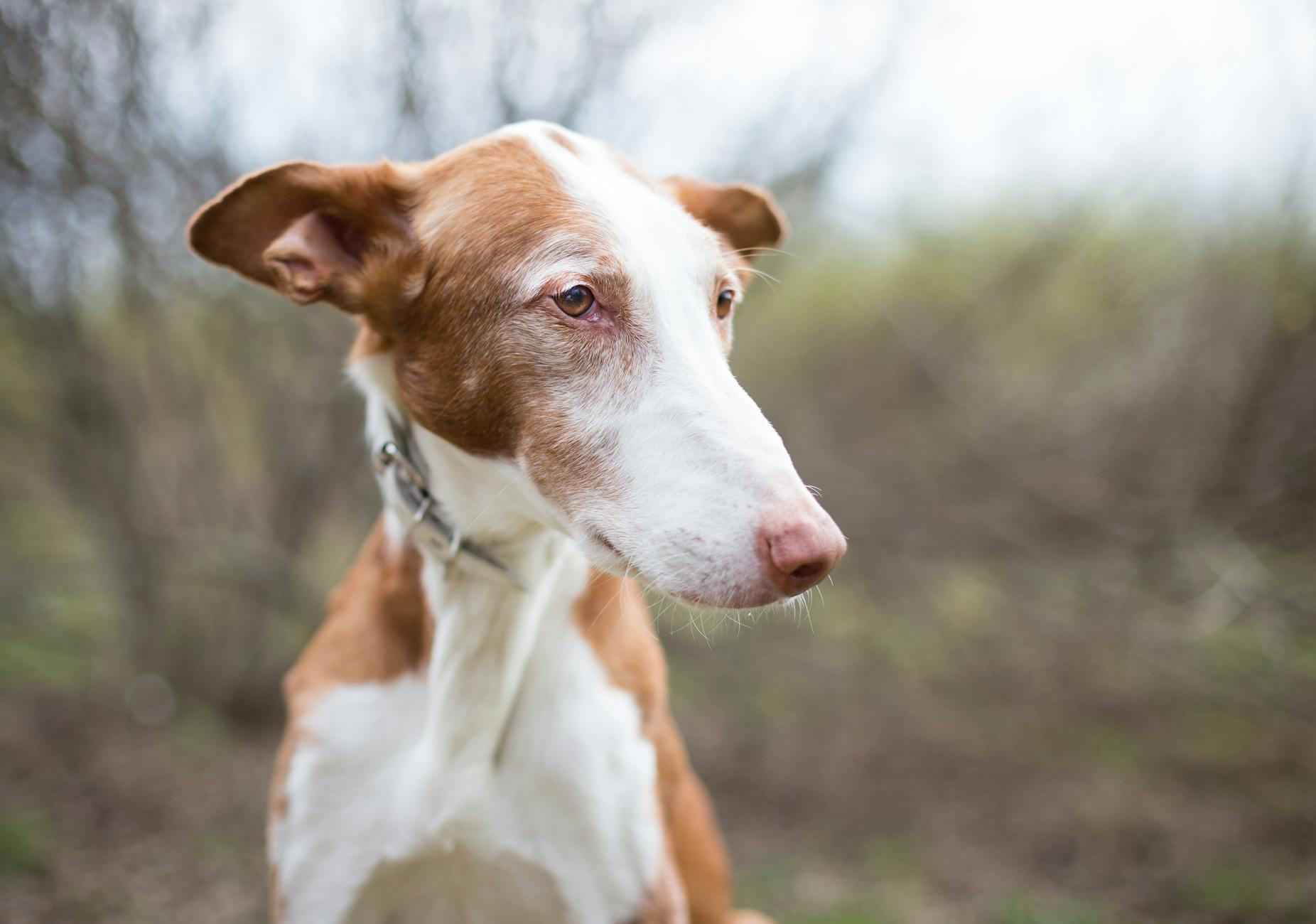
The Ibizan Hound has ancient roots on the sun-drenched island of Ibiza off the coast of Spain, where it was used for hunting in rocky, arid terrain under intense Mediterranean heat. This elegant sighthound has a short or wiry coat that provides minimal insulation and allows for excellent airflow across the skin. Its tall, slender frame and large upright ears help with heat dissipation, as blood vessels near the skin release body heat more effectively. Ibizan Hounds are agile and fast, capable of sustained activity even during warmer parts of the day. Their physique is among the most thermally efficient of any domestic breed.
Pharaoh Hound
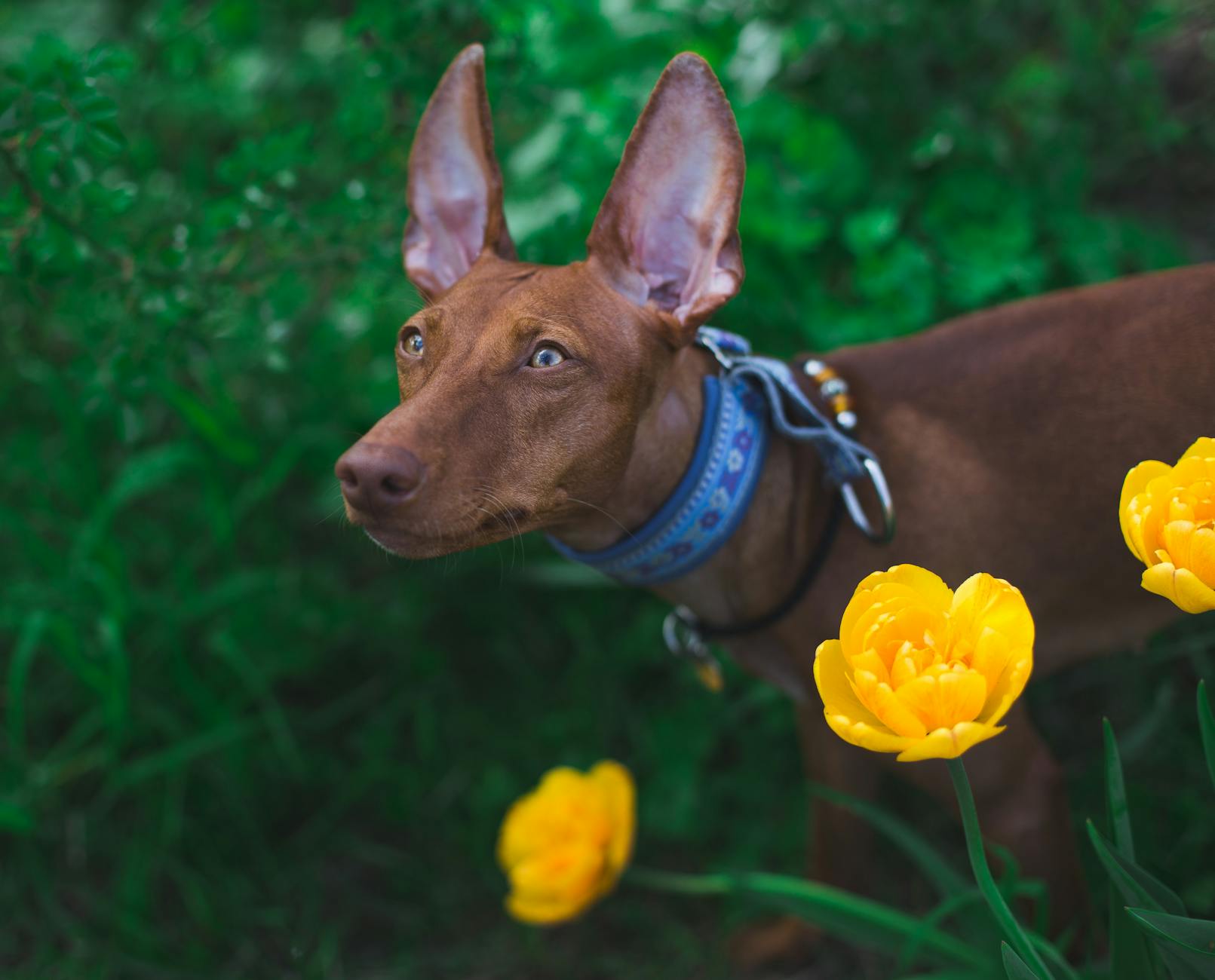
The Pharaoh Hound is the national dog of Malta and is believed to be one of the oldest domesticated breeds, with origins tracing back to ancient Egypt. It has a short, glossy coat and a lean muscular frame that are both well-suited to hot and dry climates. One of its most distinctive traits is a phenomenon known as blushing, where the nose and ears turn a deep rose color when the dog is excited or warm. This breed is highly active and enjoys outdoor exercise, making it a natural fit for warm-weather lifestyles. Its centuries of adaptation to Mediterranean heat make it genuinely comfortable in high-temperature environments.
Dalmatian
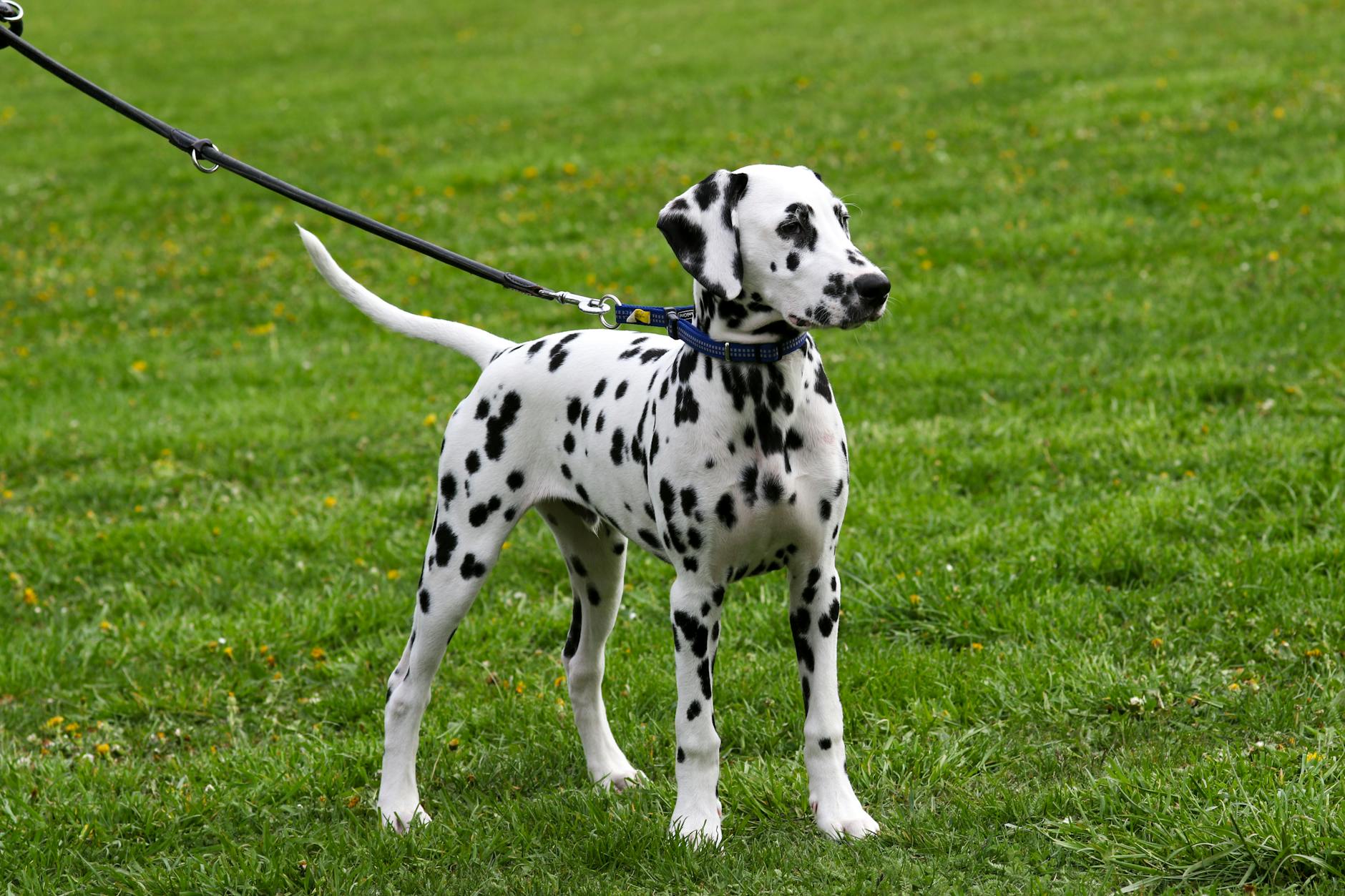
The Dalmatian is a high-energy breed with a distinctively spotted short coat that offers little resistance to airflow and does not absorb excessive heat from the sun. Originally bred as a coach dog, Dalmatians spent long hours running outdoors in varied and often warm conditions. Their muscular yet lean build allows for efficient temperature regulation during exercise. Dalmatians are well-known for their endurance and stamina, which they maintain even in warmer weather when many other breeds slow down significantly. They thrive in active households in sunny climates where daily outdoor activity is a regular part of life.
Whippet
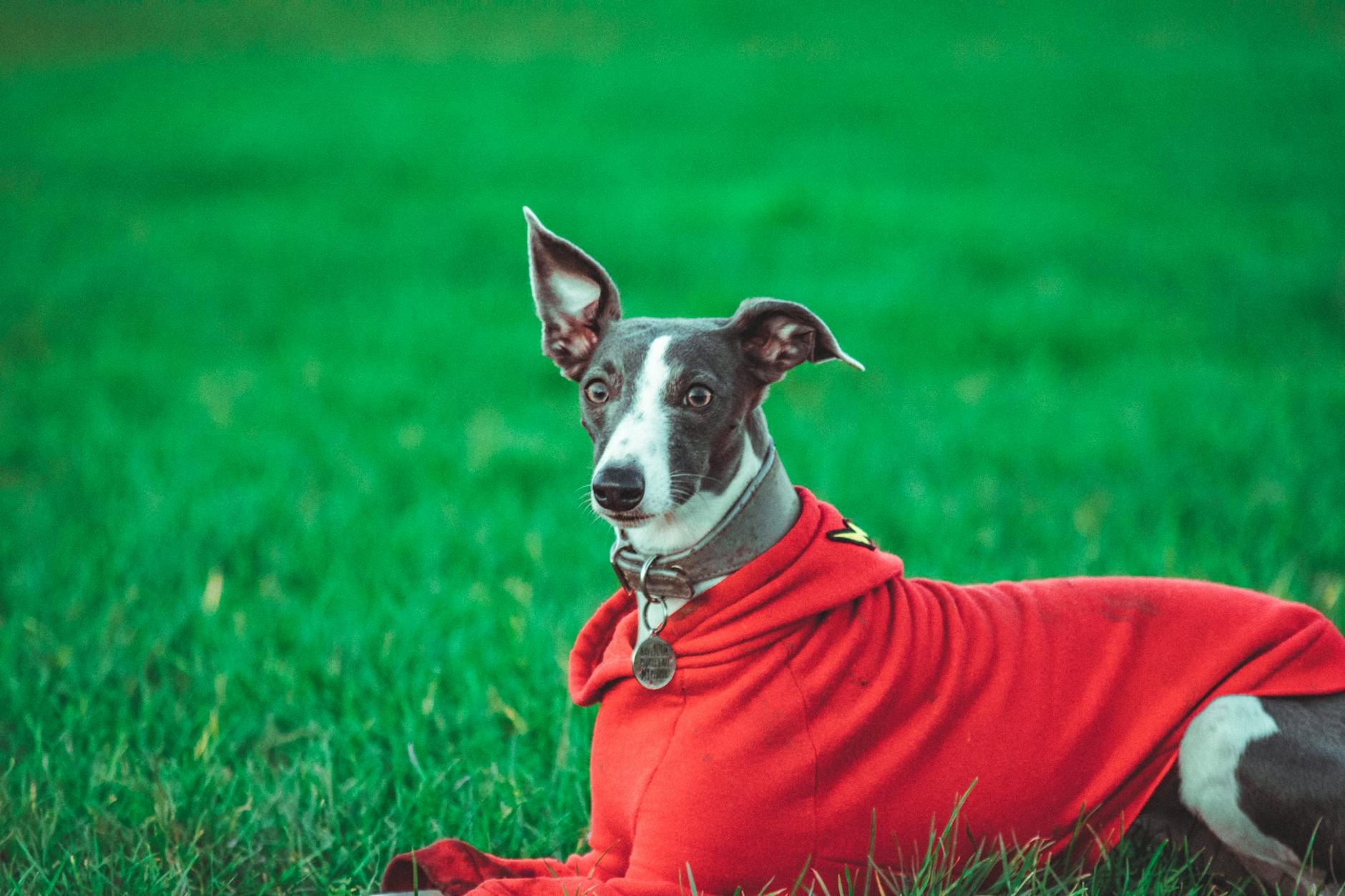
The Whippet is a medium-sized sighthound with an exceptionally short coat and a naturally slim, aerodynamic body that handles heat extremely well. Originally bred for racing in England, Whippets have very little body fat and a fine coat that allows heat to escape rapidly from the skin’s surface. Despite their speed and agility, they are surprisingly calm indoors, which helps them conserve energy during the hottest parts of the day. Whippets are gentle and affectionate dogs that adapt well to a range of living environments, including warm urban settings. Their low-maintenance coat and heat-friendly build make them a practical choice for warmer climates.
Afghan Hound
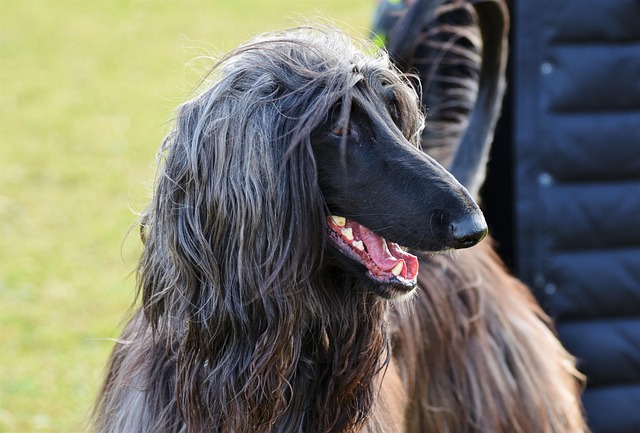
Despite their long, flowing coats, Afghan Hounds were bred in the harsh, high-altitude desert regions of Afghanistan and are well-adapted to extreme temperature variations. Their silky coat actually functions as insulation against both cold nights and intense daytime sun, shielding the skin from direct solar radiation. Afghan Hounds are built for endurance over long distances in rugged and sun-exposed terrain. They are independent and dignified in temperament, tending to rest during peak heat hours instinctively. With proper grooming and shade, this breed remains one of the more capable heat-tolerant large breeds available.
Rat Terrier

The Rat Terrier is a small, energetic American breed that was developed for farm work in the open countryside under varying and often hot conditions. Its short, smooth coat provides no barrier to airflow and allows body heat to dissipate quickly during activity. Rat Terriers are compact and lean, with a metabolism and build that suits warm-weather living particularly well. They are intelligent and adaptable dogs that adjust their activity levels naturally depending on the temperature. Their low-maintenance coat and small size make them especially practical companions for people living in warm climates.
Airedale Terrier
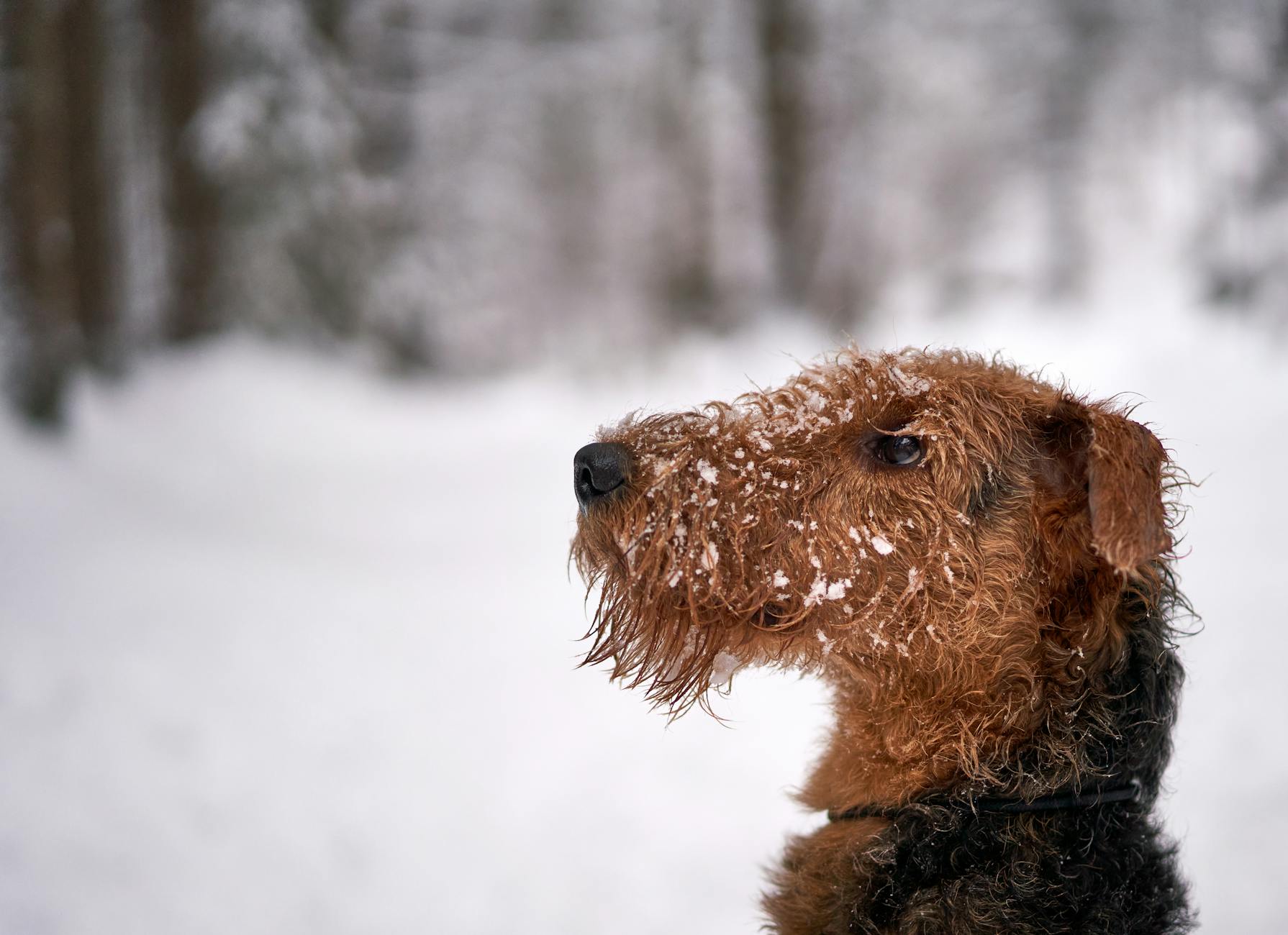
The Airedale Terrier, while originally from the cooler regions of England, has demonstrated a strong ability to adapt to hot climates due to its active and resilient nature. Its dense wiry coat can be clipped short during warmer months to significantly reduce heat retention. Airedales are robust, confident dogs that maintain good energy even in moderately high temperatures when properly groomed and hydrated. They were historically used in tropical military operations due to their adaptability to difficult environmental conditions. Regular trimming and access to fresh water allow this breed to live comfortably in warm-weather regions.
Greyhound
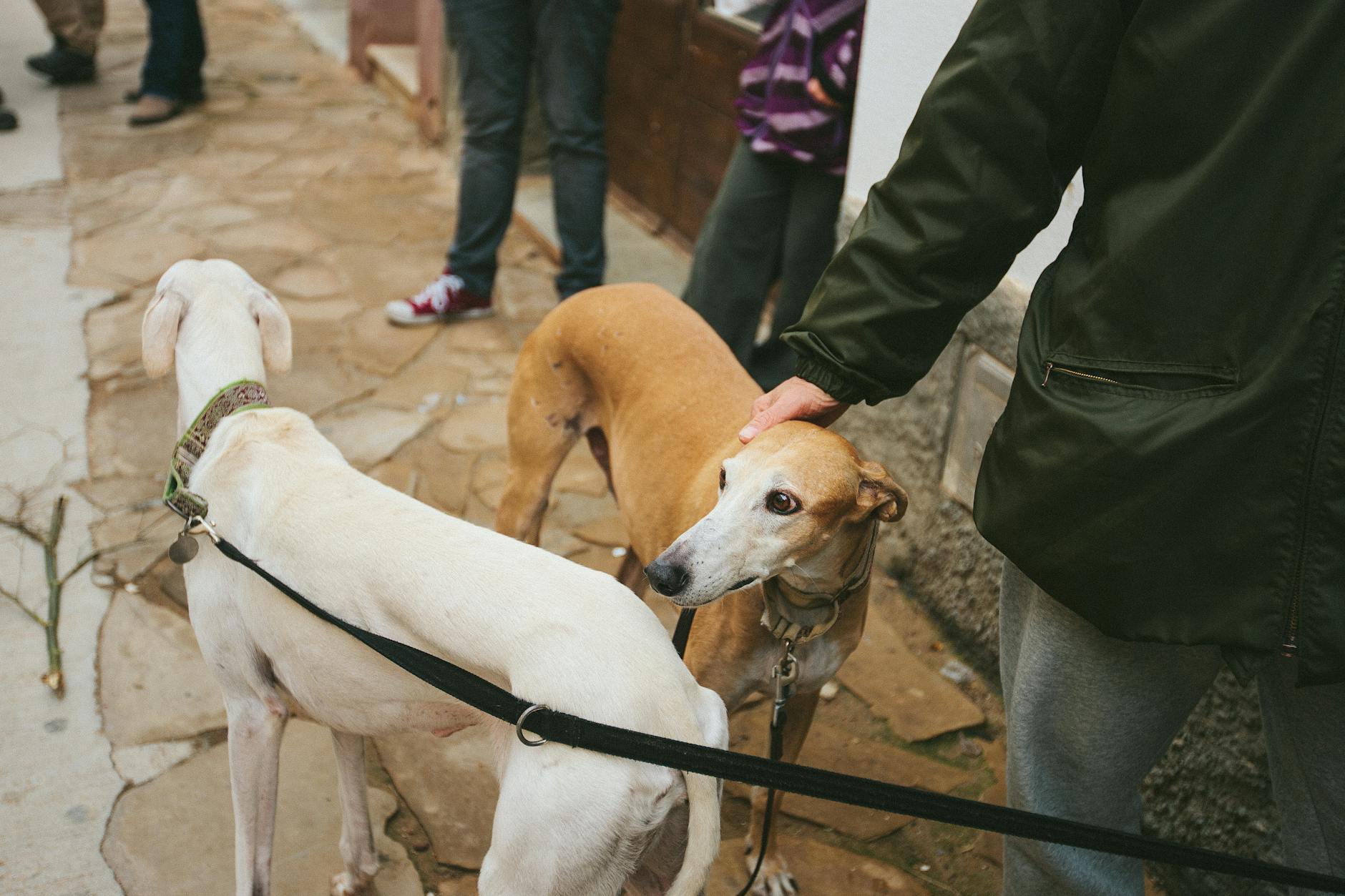
The Greyhound is one of the most thermally efficient dog breeds in existence, featuring an extremely short coat, minimal body fat, and a lean frame that releases body heat with exceptional speed. These dogs were historically raced and hunted across hot, open landscapes in the Middle East, North Africa, and Southern Europe. Despite their remarkable athleticism, Greyhounds are famously calm and enjoy long periods of rest, which naturally reduces their heat load during peak afternoon temperatures. Their sensitive skin benefits from shade and fresh water, but their physiology is genuinely well-suited to warm environments. Greyhounds also make exceptionally gentle and quiet household companions.
Xoloitzcuintli
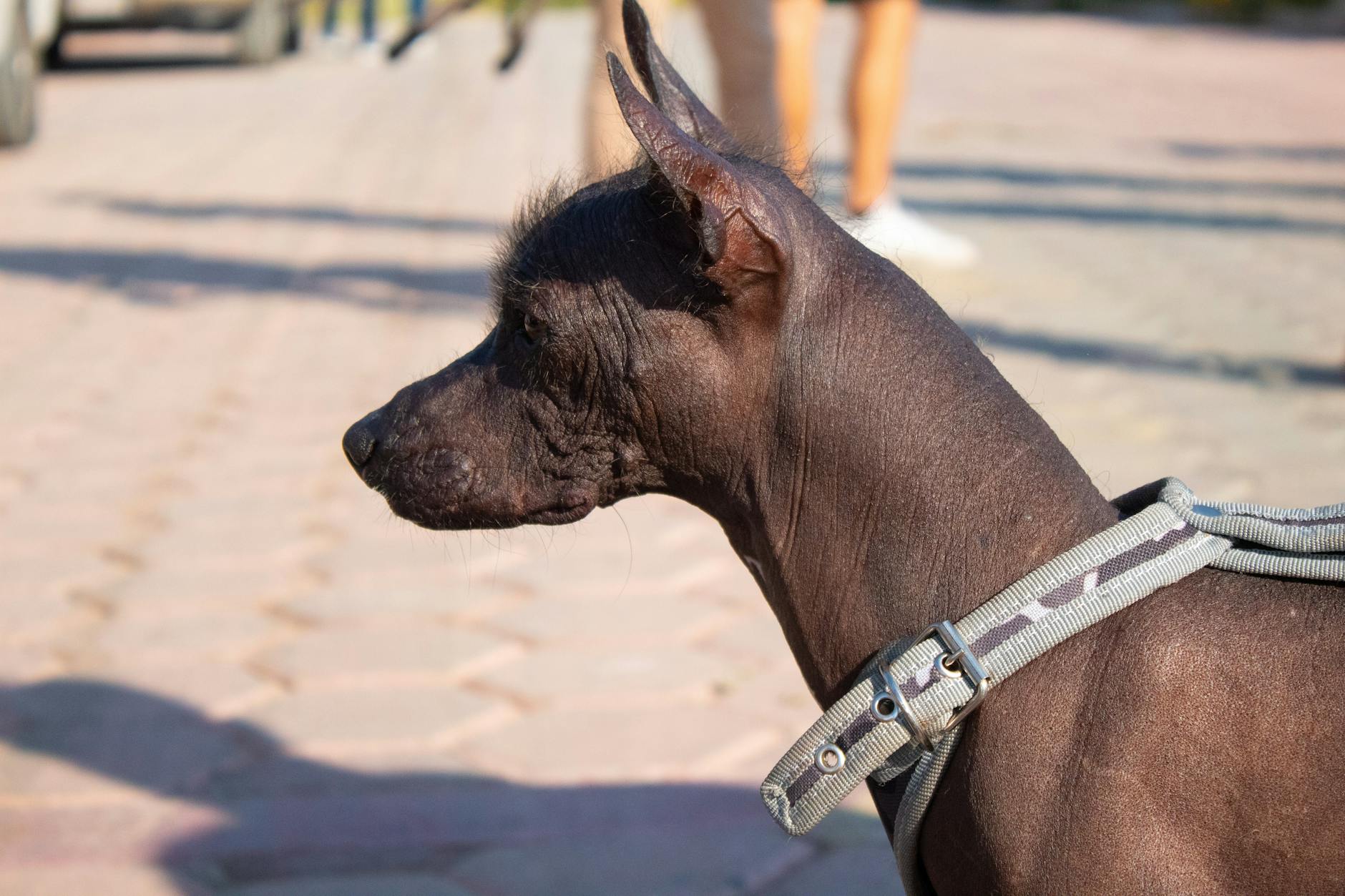
The Xoloitzcuintli, also known as the Mexican Hairless Dog, is one of the rarest and most ancient breeds in the world, originating in Mesoamerica thousands of years ago. The hairless variety has no coat at all, meaning the skin is fully exposed to circulating air and heat escapes from the body with exceptional efficiency. This breed comes in three sizes and can be found in both hairless and coated varieties, with the hairless being the more thermally adapted of the two. Xolos are calm, loyal, and surprisingly low-maintenance despite their unusual appearance. Their centuries of development in warm Mexican climates make them one of the most naturally heat-adapted breeds on earth.
Saluki
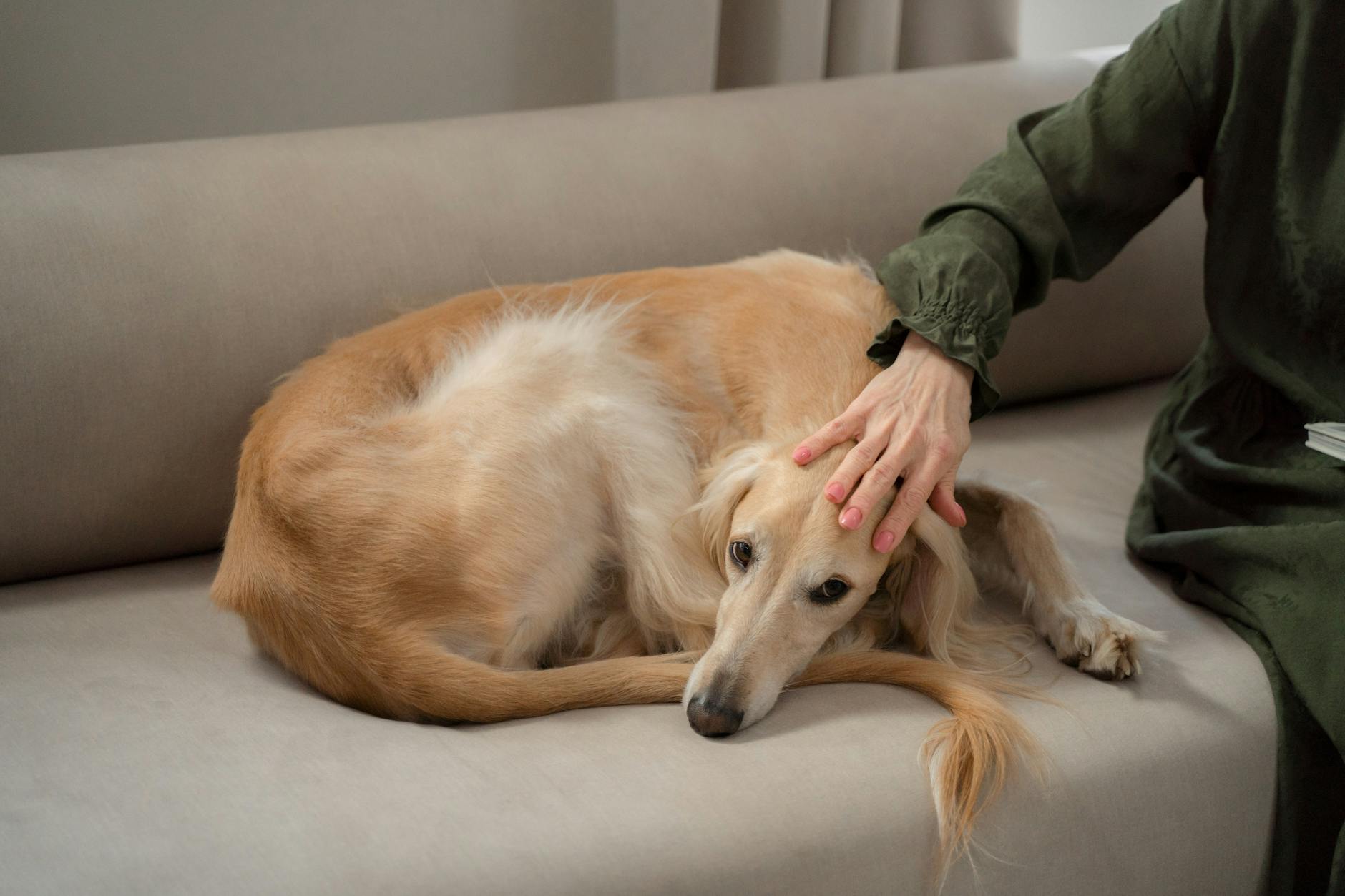
The Saluki is one of the world’s oldest and most revered sighthound breeds, developed across the Middle East and Central Asia for hunting in vast, sun-scorched desert landscapes. Its silky coat is feathered only on the ears, tail, and legs, leaving the majority of the body exposed for efficient cooling. Salukis are built for sustained speed across open terrain and are accustomed to working under direct sun exposure for extended periods. They are graceful, quiet dogs that tend to rest during the hottest parts of the day and become more active in the cooler morning and evening hours. Their desert heritage makes them remarkably well-suited to arid and semi-arid environments.
Chihuahua

The Chihuahua originated in the hot, dry region of Chihuahua in northern Mexico and is naturally adapted to high temperatures that would exhaust many other breeds. Its small body size means it has a low overall heat burden, and its smooth-coated variety in particular offers minimal insulation in warm conditions. Chihuahuas are alert and energetic indoors, allowing them to stay mentally active even when outdoor temperatures make prolonged exercise inadvisable. They tend to seek warmth themselves and rarely struggle with overheating the way larger or thick-coated breeds do. Their compact size and desert origins make them a naturally heat-compatible companion for warm-climate households.
Weimaraner
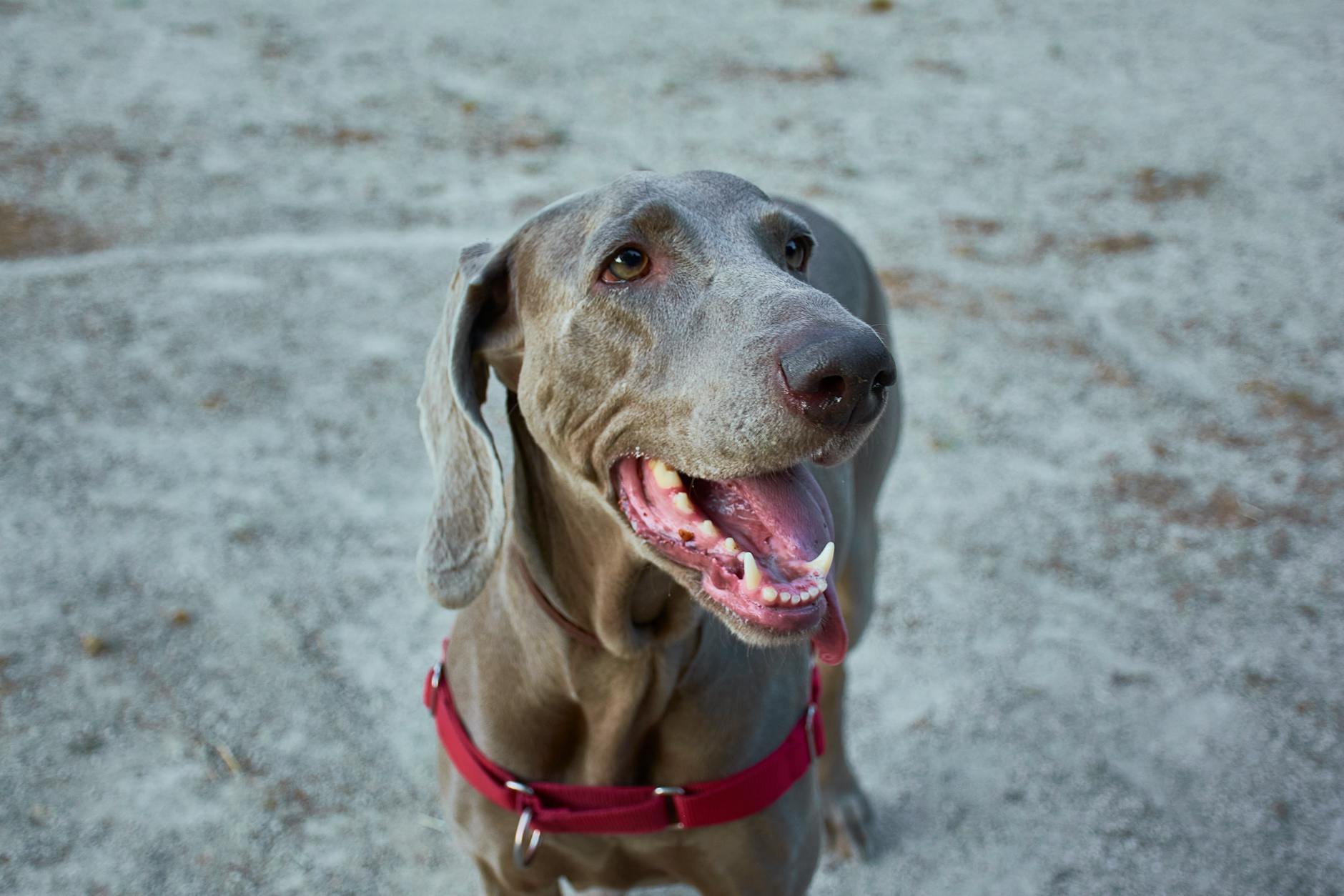
The Weimaraner is a large, athletic German breed with a sleek silver-gray coat that lies flat against the body and reflects rather than absorbs significant amounts of solar radiation. Bred for hunting across open fields and forests, Weimaraners have built-in stamina and a physique designed for extended outdoor activity. Their short coat requires minimal maintenance and does not trap heat close to the skin during exercise. Weimaraners are devoted, energetic dogs that thrive in environments where they can exercise regularly, including during warm mornings and evenings in hot climates. Their lean muscle mass and efficient coat make them a strong choice for active families in warmer regions.
Australian Cattle Dog
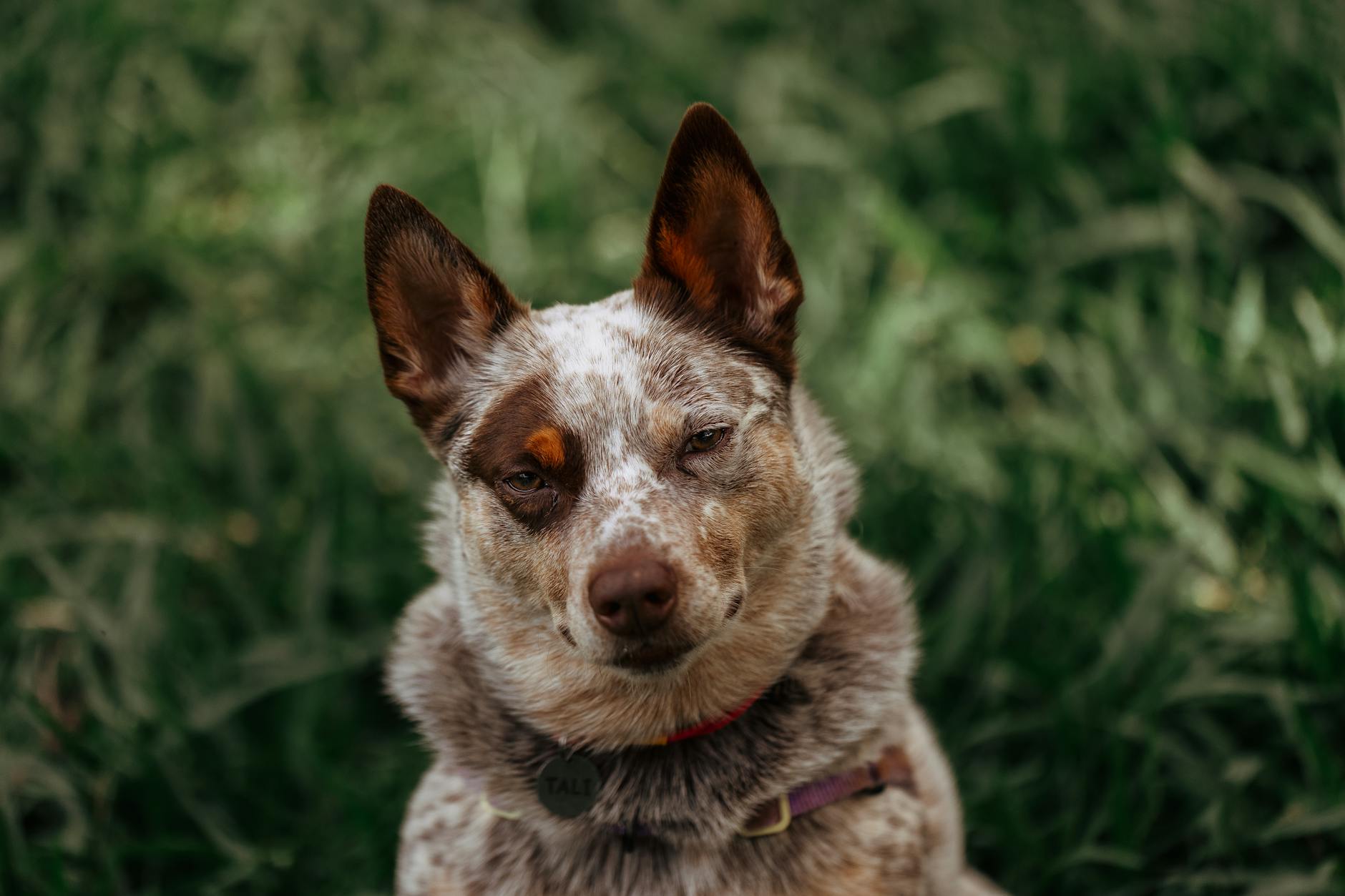
The Australian Cattle Dog was specifically bred to work long days herding livestock across the harsh, sun-baked terrain of the Australian outback. Its short double coat is weather-resistant but not excessively thick, providing enough protection from the sun while still allowing body heat to escape during exertion. This breed has exceptional endurance and maintains its drive and focus even in high temperatures, a trait that was essential for working in the Australian interior. Australian Cattle Dogs are highly intelligent and require significant mental and physical stimulation, which warm-climate owners with active lifestyles are well-positioned to provide. Their heritage is deeply rooted in heat-intensive work, making them one of the most genuinely heat-adapted working breeds in the world.
If you share your home with one of these warm-weather breeds or have tips on keeping dogs comfortable in the heat, share your experience in the comments.




