
Traveling opens the door to some of life’s most memorable experiences, but even the most seasoned adventurers can fall into traps that turn a dream trip into a stressful ordeal. From packing blunders to poor planning decisions, small oversights often carry surprisingly large consequences on the road. Understanding what not to do is just as valuable as knowing where to go and what to see. These are the travel mistakes most likely to derail your vacation before it ever hits its stride.
Skipping Travel Insurance

Travel insurance is one of the most frequently overlooked pre-trip purchases, yet it provides protection against some of the most costly situations imaginable. Medical emergencies abroad can result in bills that reach tens of thousands of dollars without adequate coverage. Policies can also reimburse travelers for canceled flights, lost luggage, and unexpected itinerary changes. A comprehensive plan typically costs a small fraction of the total trip price and offers enormous peace of mind throughout the journey.
Overpacking Your Suitcase

Bringing too much luggage creates a cascade of inconveniences that follow travelers from the moment they leave home. Heavy bags result in airline fees, strained muscles, and limited mobility when navigating airports, train stations, and cobblestone streets. Overpacked suitcases also make it harder to bring home souvenirs and local finds discovered along the way. Experienced travelers consistently recommend laying out every item intended for packing and then removing at least a third before closing the bag.
Not Researching Your Destination

Arriving at a destination without any prior research often leads to wasted time, missed opportunities, and avoidable frustration. Travelers who skip this step may be unaware of local customs, entry requirements, or seasonal conditions that significantly affect the experience. Some attractions require advance booking months ahead and are simply unavailable to spontaneous visitors. Even a few hours of research can transform an aimless trip into a well-informed and rewarding adventure.
Forgetting to Notify Your Bank

Using a debit or credit card abroad without notifying the issuing bank is a common mistake that results in frozen accounts at the worst possible moment. Financial institutions flag international transactions as suspicious activity and may block cards to protect against fraud. This can leave travelers stranded without access to funds in an unfamiliar country. A quick phone call or app notification before departure ensures uninterrupted access to money throughout the trip.
Booking Non-Refundable Everything

Locking every aspect of a trip into non-refundable reservations leaves travelers completely vulnerable to unexpected changes. Illness, flight delays, and family emergencies are unpredictable events that can force itinerary adjustments at any time. Flexible bookings often cost only slightly more than their rigid counterparts and provide enormous value when plans shift. Balancing a few firm reservations with flexible options creates a safety net without sacrificing structure.
Ignoring Visa Requirements
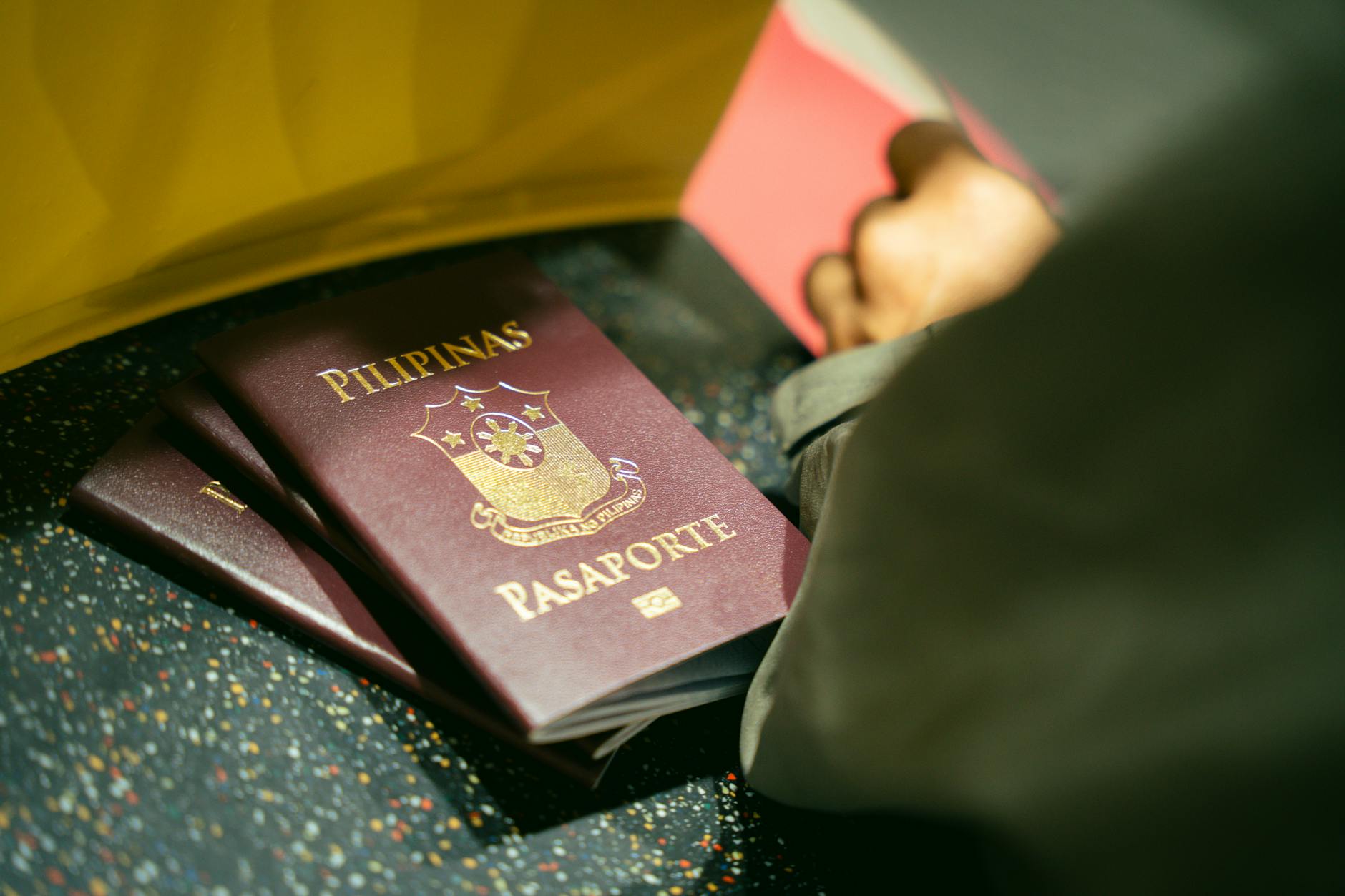
Arriving at a border or airport without the correct visa documentation is one of the most serious travel mistakes a person can make. Many countries require visas to be obtained weeks or even months in advance through official government channels. Some destinations also require proof of onward travel, sufficient funds, or specific vaccination records upon entry. Checking official embassy websites well before departure is the only reliable way to confirm current entry requirements.
Exchanging Currency at the Airport

Airport currency exchange counters are notorious for offering some of the worst conversion rates available to travelers. The convenience of their location allows these services to charge substantial fees and commissions on every transaction. Withdrawing local currency from an ATM upon arrival typically yields far better rates and lower overall costs. Carrying a small amount of local cash obtained before departure through a bank or credit union is another smart strategy worth adopting.
Underestimating Travel Time

Failing to account for realistic travel time between destinations is a mistake that causes missed connections, rushed sightseeing, and unnecessary stress. Online maps often display ideal transit times that do not factor in traffic, border crossings, or public transport delays. Travelers who schedule back-to-back activities with minimal buffer frequently find themselves constantly racing rather than enjoying the experience. Building generous gaps between commitments transforms a frantic itinerary into a relaxed and pleasurable journey.
Packing Valuables in Checked Luggage

Placing passports, electronics, jewelry, medications, and other irreplaceable items in checked bags exposes them to theft, damage, and loss. Baggage handlers and airport personnel have access to checked luggage in ways that make valuable items particularly vulnerable. Airlines bear limited liability for items lost or stolen from checked bags, leaving travelers with little recourse. Keeping all valuables in a well-organized carry-on bag ensures they remain within sight and reach throughout the journey.
Not Downloading Offline Maps
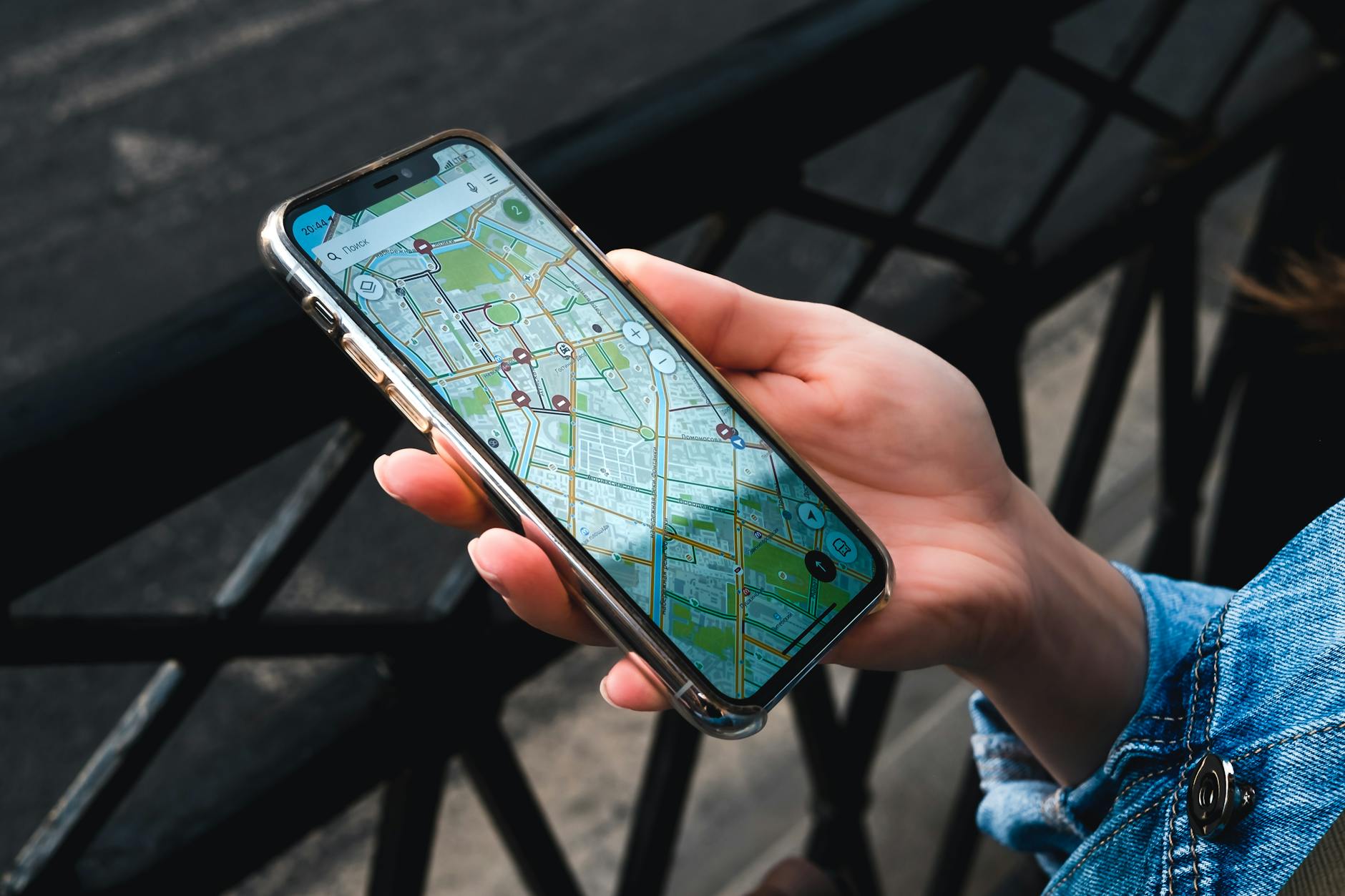
Relying entirely on live internet connectivity for navigation is a risky strategy in areas with limited or expensive data service. Many international destinations charge significant roaming fees that accumulate quickly during a multi-day trip. Offline maps downloaded before departure allow travelers to navigate confidently without consuming mobile data or requiring a local SIM card. Apps that support offline functionality provide street-level detail and turn-by-turn directions even in remote locations with no signal.
Overscheduling Every Day

Cramming too many activities into each day of a vacation is a recipe for exhaustion and disappointment. When every hour is tightly scheduled, there is no room to linger at a beautiful viewpoint, explore a spontaneous discovery, or simply rest when fatigue sets in. The pressure of keeping pace with an overly ambitious itinerary strips the joy from experiences that should feel effortless and pleasurable. Leaving intentional gaps in the schedule invites the kind of serendipitous moments that often become the most treasured travel memories.
Eating Only at Tourist Traps

Restaurants clustered directly around major tourist attractions frequently prioritize volume over quality and charge inflated prices for mediocre food. These establishments rely on foot traffic from travelers who are unlikely to return, which reduces the incentive to deliver exceptional dining experiences. Venturing even a few streets away from the main tourist zones typically reveals local eateries that serve authentic cuisine at a fraction of the cost. Asking hotel staff or locals for restaurant recommendations consistently leads to far more satisfying and memorable meals.
Failing to Learn Basic Local Phrases

Arriving in a foreign country without any knowledge of the local language can create unnecessary barriers and come across as dismissive of the local culture. Even mastering a handful of words and phrases such as greetings, thank you, and please demonstrates respect that locals genuinely appreciate. Translation apps are useful tools but are not always reliable in areas with limited connectivity. Making a small effort to communicate in the local language consistently leads to warmer interactions and more authentic connections throughout the trip.
Not Checking the Weather

Packing for the wrong type of weather is an easily avoidable mistake that can make travelers deeply uncomfortable throughout their trip. A beach destination in the rainy season may offer little of the sun-soaked experience originally envisioned. Some mountain destinations experience dramatic temperature swings between day and night that catch unprepared visitors off guard. Reviewing reliable weather forecasts for the travel period and packing accordingly ensures comfort regardless of what conditions arrive.
Leaving Copies of Important Documents at Home

Losing a passport or having it stolen in a foreign country becomes significantly more complicated without any backup documentation. Travelers who leave home without copies of key documents must navigate complex bureaucratic processes entirely from memory. Keeping digital and physical copies of passports, visas, travel insurance policies, and emergency contacts in a secure but accessible location dramatically simplifies recovery from document loss. Storing copies in both email and a secure cloud folder ensures access from any device anywhere in the world.
Assuming Your Phone Plan Works Abroad

Many domestic phone plans do not include international coverage, leaving travelers without voice, text, or data service the moment they land abroad. Roaming charges from carriers that do operate internationally can be shockingly expensive when left unchecked over several days. Purchasing a local SIM card, activating an international plan before departure, or relying on Wi-Fi calling are all viable alternatives worth exploring. Understanding connectivity options in advance prevents both communication blackouts and unexpected charges on the next billing statement.
Booking the Cheapest Accommodation Without Research

Selecting the lowest-priced accommodation without reading reviews or checking its location can introduce a host of problems into an otherwise well-planned trip. A hotel in a poorly connected neighborhood may require expensive taxi rides to reach every attraction. Properties with strong negative reviews for cleanliness, noise, or safety can compromise sleep quality and overall wellbeing during the stay. Spending adequate time comparing options and reading recent guest reviews helps travelers find genuinely good value rather than simply the cheapest price.
Not Budgeting for Hidden Costs

Many travelers calculate trip budgets based solely on flights and accommodation, leaving no financial cushion for the many other expenses that arise. Entry fees for attractions, gratuities, transportation within the destination, and dining out multiple times daily add up considerably. Unexpected situations such as pharmacy visits, luggage storage fees, or last-minute transportation changes can strain a thin budget quickly. Building a contingency fund of at least fifteen to twenty percent above the estimated total helps travelers handle surprises without financial stress.
Traveling Without a First Aid Kit
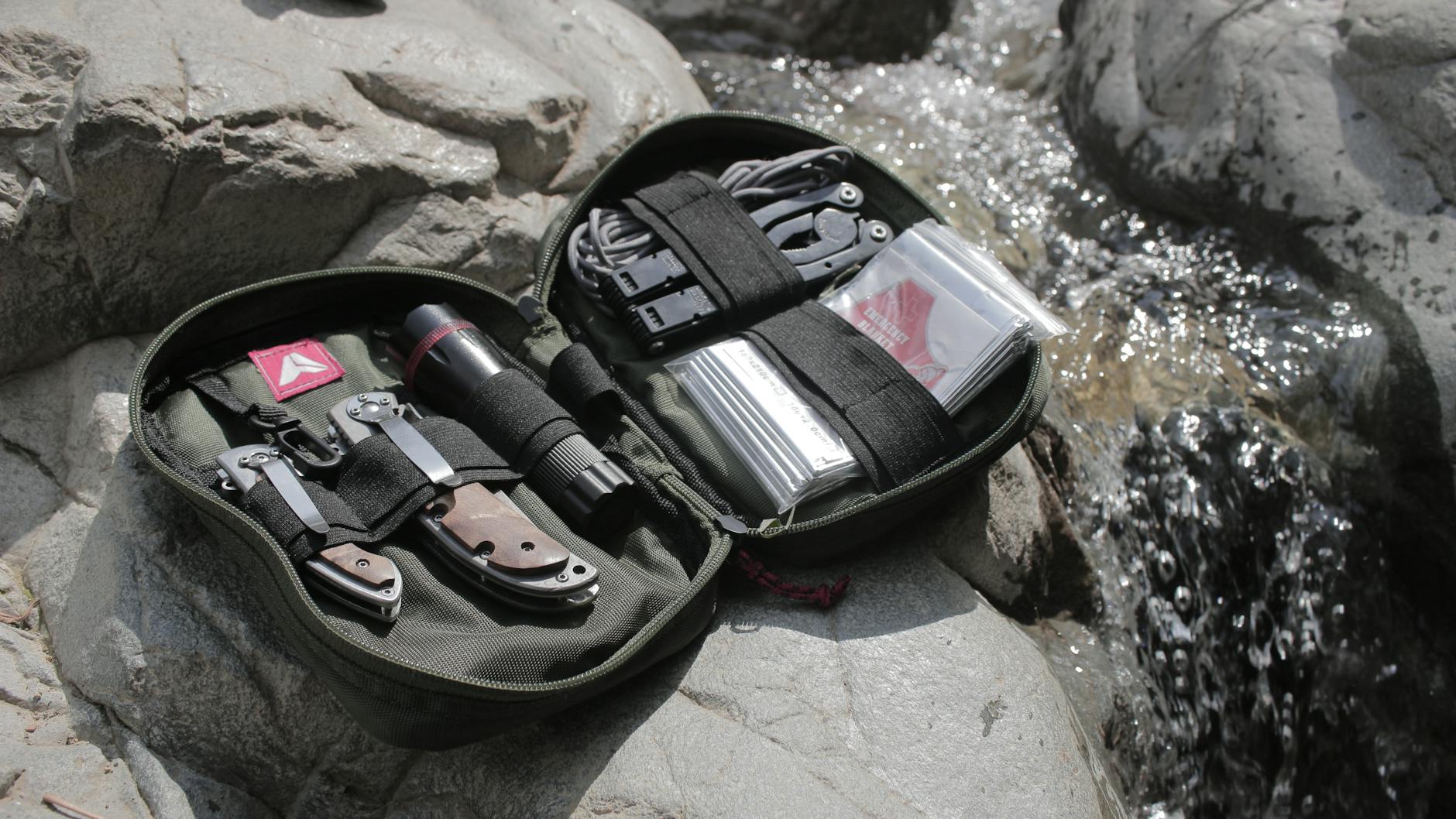
Minor health issues that would be simple to handle at home can become disproportionately disruptive when traveling in unfamiliar territory. Blisters from walking, headaches, upset stomachs, and small cuts are among the most common ailments encountered during travel. Locating a pharmacy and communicating symptoms in another language is an unnecessary challenge when a basic travel kit is already packed. A compact kit containing pain relievers, bandages, antidiarrheal medication, and any personal prescriptions covers the most common scenarios effectively.
Ignoring Local Customs and Dress Codes

Dressing or behaving in ways that conflict with local norms can cause genuine offense and create uncomfortable or even problematic encounters. Many religious sites, cultural institutions, and local communities expect visitors to adhere to specific standards of modesty and conduct. Travelers who disregard these expectations may be denied entry to important landmarks or viewed with hostility by residents. Researching the cultural expectations of each destination before arrival allows visitors to show respect while fully participating in local experiences.
Waiting Until the Last Minute to Book Flights

Procrastinating on flight purchases is one of the most reliably expensive travel mistakes a person can make. Airlines use dynamic pricing algorithms that generally increase fares as departure dates approach and seat availability decreases. Popular routes during peak travel seasons can become both prohibitively expensive and entirely sold out for travelers who wait too long. Booking flights several months in advance typically yields the best combination of price, timing, and seat selection.
Not Purchasing Tickets in Advance for Major Attractions

Some of the world’s most iconic and sought-after attractions now require advance ticket reservations that cannot be bypassed on the day of the visit. Travelers who arrive hoping to purchase tickets on-site at famous museums, historical landmarks, or natural wonders frequently encounter sold-out signs and long lines. Online ticketing platforms allow travelers to secure entry for specific dates and time slots weeks or months before arrival. Confirming in advance which attractions require pre-booking and purchasing accordingly ensures the trip’s most anticipated moments actually happen.
Relying Solely on One Payment Method

Carrying only a single credit card or relying exclusively on cash leaves travelers exposed to significant risk if that method becomes unavailable. Cards can be lost, stolen, frozen by the issuing bank, or simply rejected by merchants in certain regions. Some destinations remain predominantly cash-based, rendering cards largely unusable outside of major hotels and international chains. Carrying a combination of a primary card, a backup card from a different network, and a modest amount of local currency covers nearly every transaction scenario.
Not Staying Hydrated

Dehydration is a surprisingly common cause of fatigue, headaches, and general malaise during travel, particularly on long flights and in warm climates. The recycled air inside aircraft cabins accelerates fluid loss, making it important to drink water consistently throughout any lengthy journey. Travelers exploring hot destinations on foot are especially vulnerable to the effects of dehydration during active sightseeing days. Carrying a refillable water bottle and making a conscious effort to drink regularly throughout the day is one of the simplest ways to maintain energy and wellbeing on the road.
Skipping Hotel Confirmation Before Arrival

Assuming a reservation is guaranteed without reconfirming it closer to the arrival date is a mistake that occasionally results in arriving at a hotel with no record of the booking. Overbookings, system errors, and third-party platform discrepancies are more common than most travelers expect. Calling or emailing the property directly one to two days before check-in provides an opportunity to confirm all details and address any discrepancies while there is still time to find alternatives. Keeping printed or digital copies of booking confirmation numbers readily accessible upon arrival resolves most disputes quickly.
Not Researching Transportation Options at the Destination

Many travelers arrive at a new destination with no plan for how to get from the airport to their accommodation or how to navigate the city thereafter. Taking the first taxi in sight without knowledge of standard fares can result in being significantly overcharged. Some cities offer efficient and affordable public transport networks that visitors consistently overlook in favor of far more expensive alternatives. Understanding the available transportation options before landing allows travelers to move confidently and economically from the moment they arrive.
Overspending in the First Days

Travelers who spend freely at the beginning of a trip often find themselves cutting back uncomfortably in its final days. The excitement of arrival can make early spending feel more justified, leading to budget imbalances that are difficult to correct. A consistent daily spending approach that allocates funds evenly across the duration of the trip tends to produce a more balanced and enjoyable overall experience. Tracking expenditures in a simple notes app or travel budget tool helps maintain awareness of where the budget stands at any given point.
Forgetting Time Zone Adjustments

Neglecting to account for time zone differences causes travelers to miscalculate flight departures, hotel check-in windows, and activity booking times with potentially serious consequences. Booking a tour for what appears to be a morning slot but is actually a middle-of-the-night time back home is a disorienting and costly error. Setting devices to the local time zone immediately upon booking international travel eliminates this confusion before it can cause problems. Double-checking all reservations against local destination time as the trip approaches provides an important final safeguard.
Being Unprepared for Jet Lag

Long-haul travelers who make no effort to manage jet lag often spend the first critical days of their trip feeling exhausted and disoriented. Jet lag impairs concentration, mood, and physical energy in ways that diminish the quality of early itinerary experiences. Strategies such as gradually adjusting sleep schedules before departure, staying hydrated during the flight, and exposing oneself to natural light upon arrival help the body adapt more quickly. Allowing at least a day of light activity before scheduling intensive sightseeing or important meetings gives the body the adjustment time it genuinely needs.
Not Securing Your Belongings Against Pickpockets

Pickpocketing is a persistent issue in crowded tourist areas, busy markets, and popular transit hubs in destinations around the world. Back pockets, open handbags, and backpacks worn over the shoulders are the most frequently targeted locations for opportunistic theft. Anti-theft travel accessories including money belts, slash-resistant bags, and lockable zippers significantly reduce vulnerability in high-risk environments. Keeping valuable items distributed across multiple locations rather than concentrated in one bag limits the potential damage of any single theft incident.
Assuming All Water Is Safe to Drink

Tap water safety varies dramatically between countries and even between regions within the same country. Consuming contaminated water is one of the most common causes of gastrointestinal illness among international travelers, and recovery can consume precious vacation days. Checking reliable sources for water safety information specific to the destination before arrival helps travelers make informed decisions about what they consume. Using bottled water for drinking, brushing teeth, and rinsing produce in regions where the tap supply is questionable is a straightforward precaution that protects health effectively.
Ignoring Travel Advisories

Government-issued travel advisories provide official risk assessments for destinations around the world based on current political, health, and safety conditions. Travelers who ignore these warnings may find themselves in situations that their insurance policies do not cover, particularly if an advisory was in place before departure. Checking advisories from multiple government sources gives a broader picture of the actual conditions travelers are likely to encounter. Registering with an embassy or consulate before traveling to higher-risk regions ensures that official assistance can be coordinated efficiently in the event of an emergency.
Not Giving Someone Your Itinerary
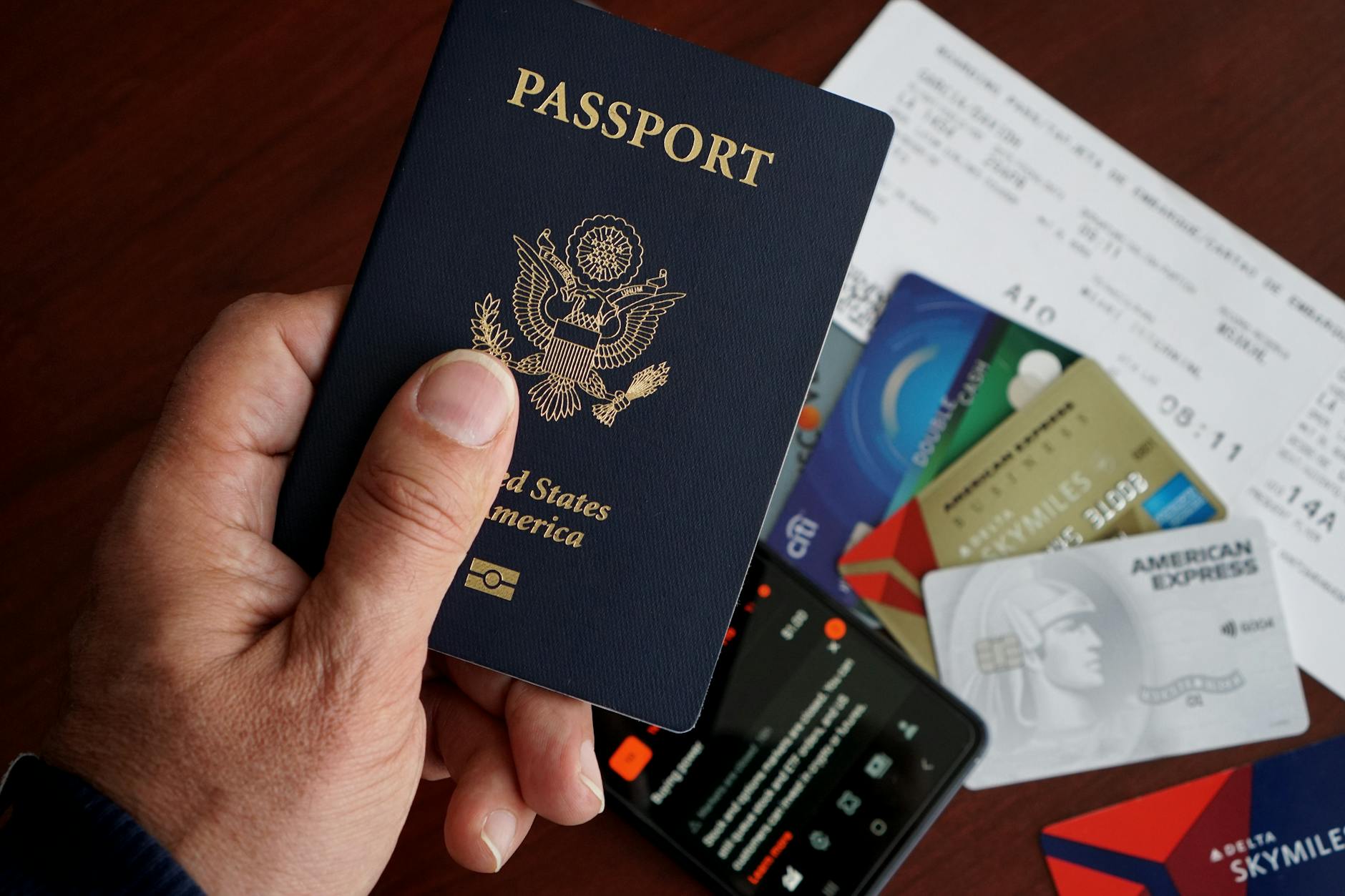
Heading off on a trip without sharing a detailed itinerary with a trusted person at home is a safety oversight that most travelers never consider until something goes wrong. In the event of an emergency, knowing a traveler’s planned whereabouts allows family members or friends to assist authorities in locating them. A shared itinerary should include flight details, accommodation addresses, contact numbers, and any planned excursions. Updating the designated contact when plans change significantly ensures that the information they hold remains accurate and useful throughout the trip.
Forgetting to Charge Devices Before Traveling

Arriving at an airport or train station with a dead phone or camera battery is a frustrating start to any trip that is entirely preventable. Fully charged devices provide access to boarding passes, booking confirmations, navigation apps, and emergency contact information from the very first moment of travel. Packing a compact portable charger as part of standard travel equipment ensures power is available during long transit periods when outlets may not be accessible. Confirming that all devices are charged the night before departure alongside final packing checks eliminates this common oversight.
Not Taking Time to Simply Enjoy the Destination

Perhaps the most overlooked travel mistake of all is spending so much time documenting, optimizing, and rushing through a trip that the actual experience of being somewhere beautiful goes unappreciated. The pressure to photograph every meal, review every venue, and maximize every hour can transform what should be restful and enriching into another form of performance. Some of the most profound travel experiences come from sitting quietly in a local square, watching the rhythm of everyday life without any particular agenda. Giving yourself regular permission to put the phone down and simply be present is the most reliable way to ensure a vacation feels like one.
Which of these travel mistakes have caught you off guard on a trip? Share your experiences in the comments.




