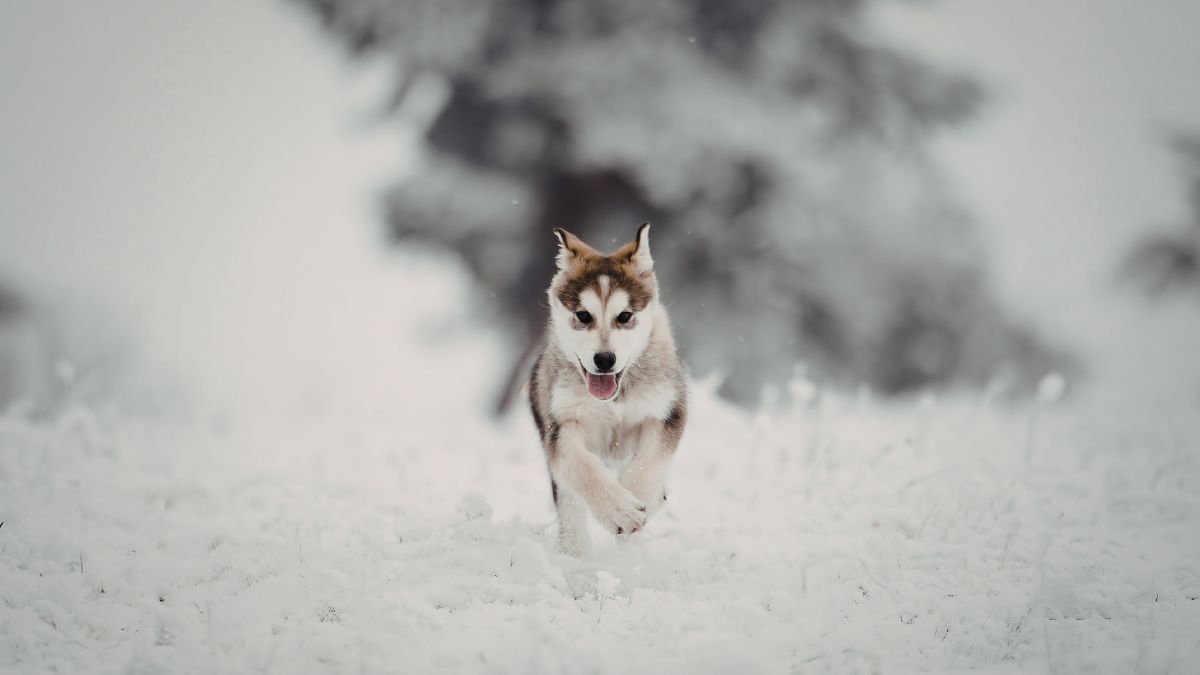
When the temperature drops and snow blankets the ground, not every dog thrives in the chill. Some breeds were built for frigid conditions, with thick coats, hardy physiques, and an instinctive love of cold weather that makes them perfectly suited to life in wintry climates. Whether you live in a mountain region, a northern state, or anywhere that sees serious snowfall, choosing the right breed makes all the difference. These fifteen dogs are celebrated for their ability to not just tolerate the cold but genuinely flourish in it.
Siberian Husky
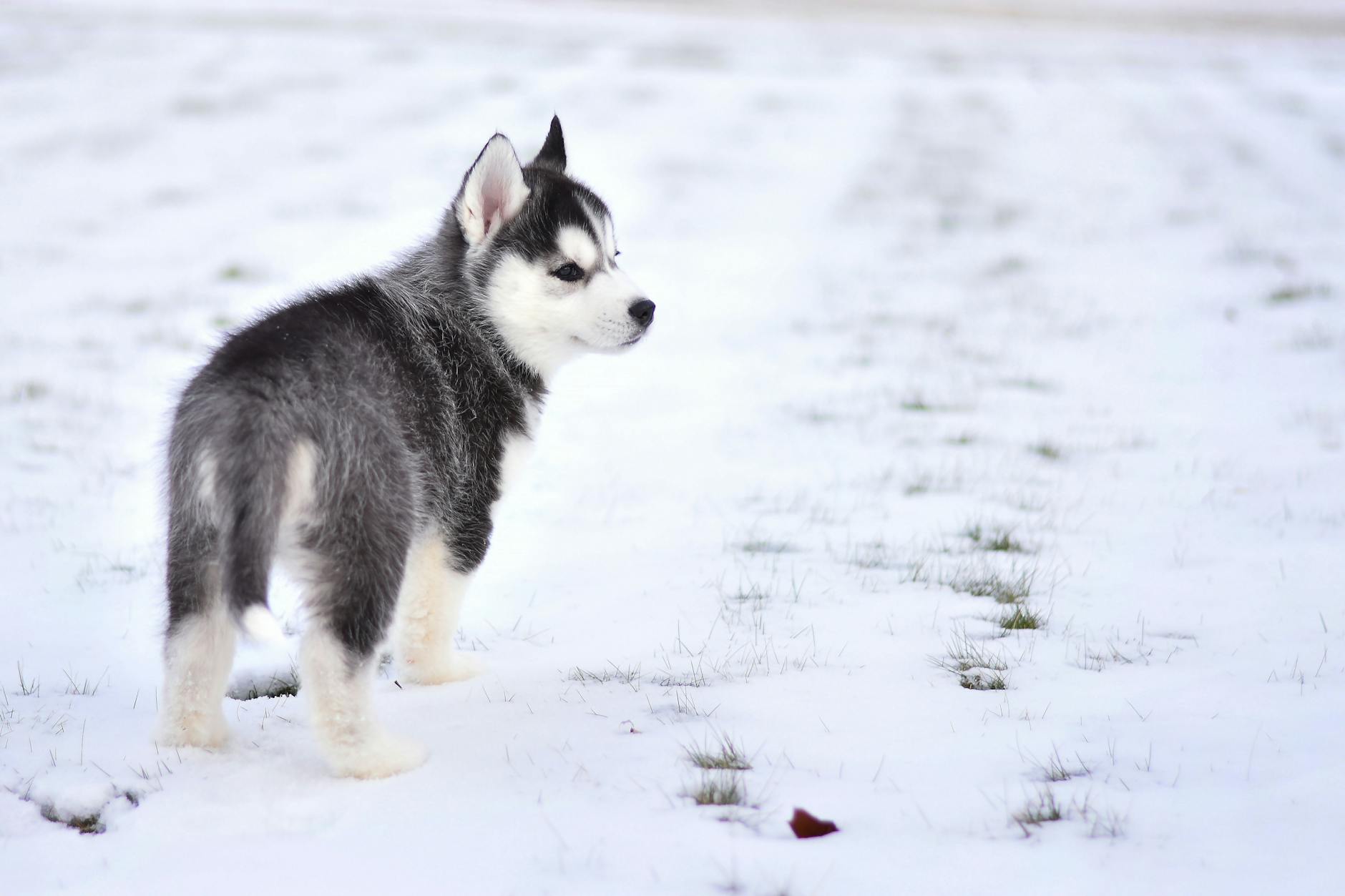
The Siberian Husky is one of the most recognizable cold-weather breeds in the world, originally developed by the Chukchi people of northeastern Asia for sled pulling across frozen tundra. Their double coat consists of a dense undercoat and a straight topcoat that work together to insulate the body even in temperatures well below freezing. Huskies are energetic and athletic, requiring substantial daily exercise to stay mentally and physically balanced. They are sociable dogs that do well in family environments and tend to form strong bonds with their people. Their natural endurance and frost-resistant coat make them one of the most capable cold-climate companions available.
Alaskan Malamute
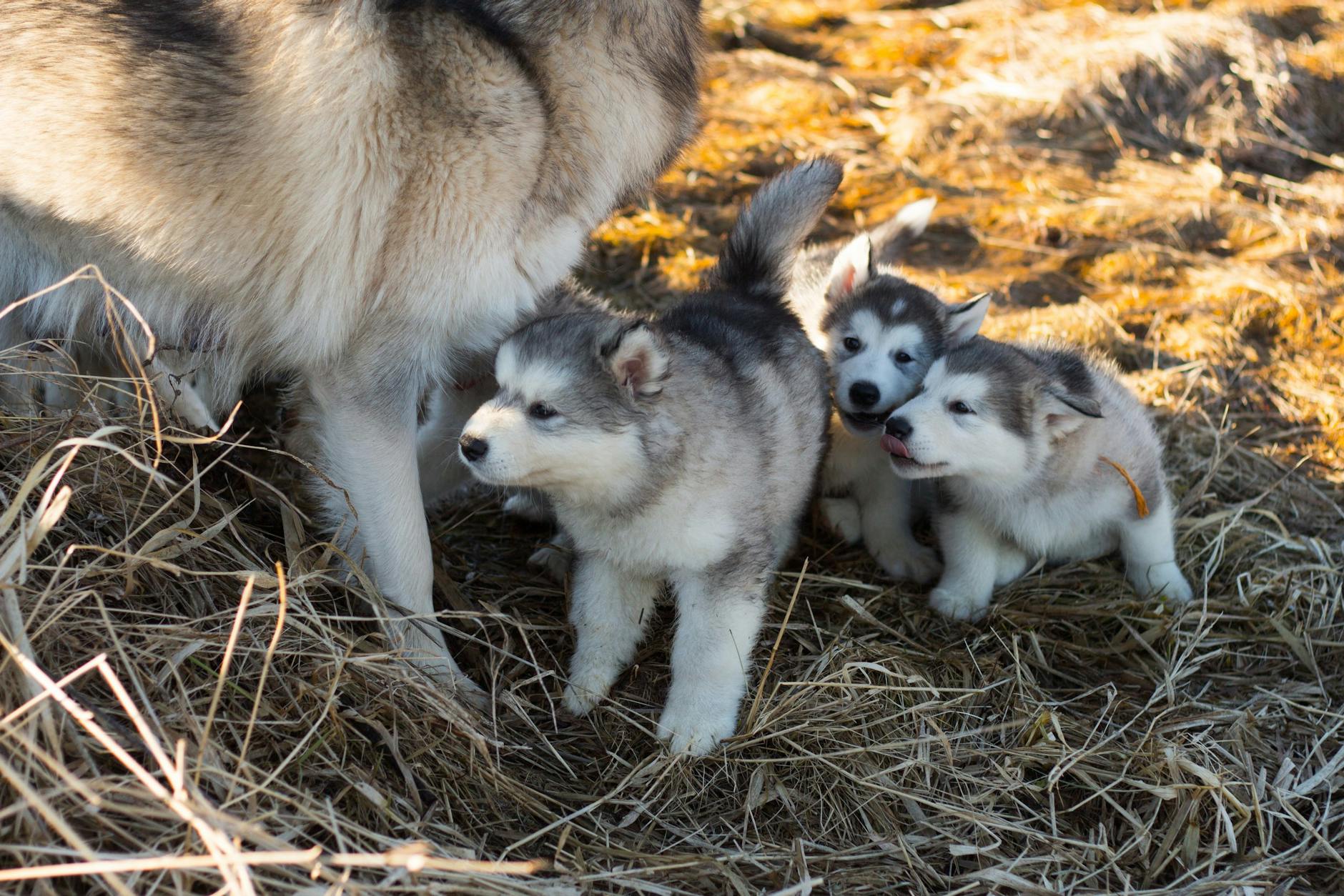
The Alaskan Malamute is a powerful and ancient Arctic breed developed by the Mahlemut Inuit tribe to haul heavy freight across snow and ice. This breed carries a thick, coarse outer coat paired with a woolly undercoat that provides exceptional insulation in subzero conditions. Malamutes are built for strength rather than speed, with a broad chest and sturdy frame that suits them to demanding cold-weather work. They are loyal and affectionate with their families, though their independent nature means they benefit from consistent training. Few breeds combine working endurance with cold-weather adaptability as effectively as the Malamute.
Samoyed
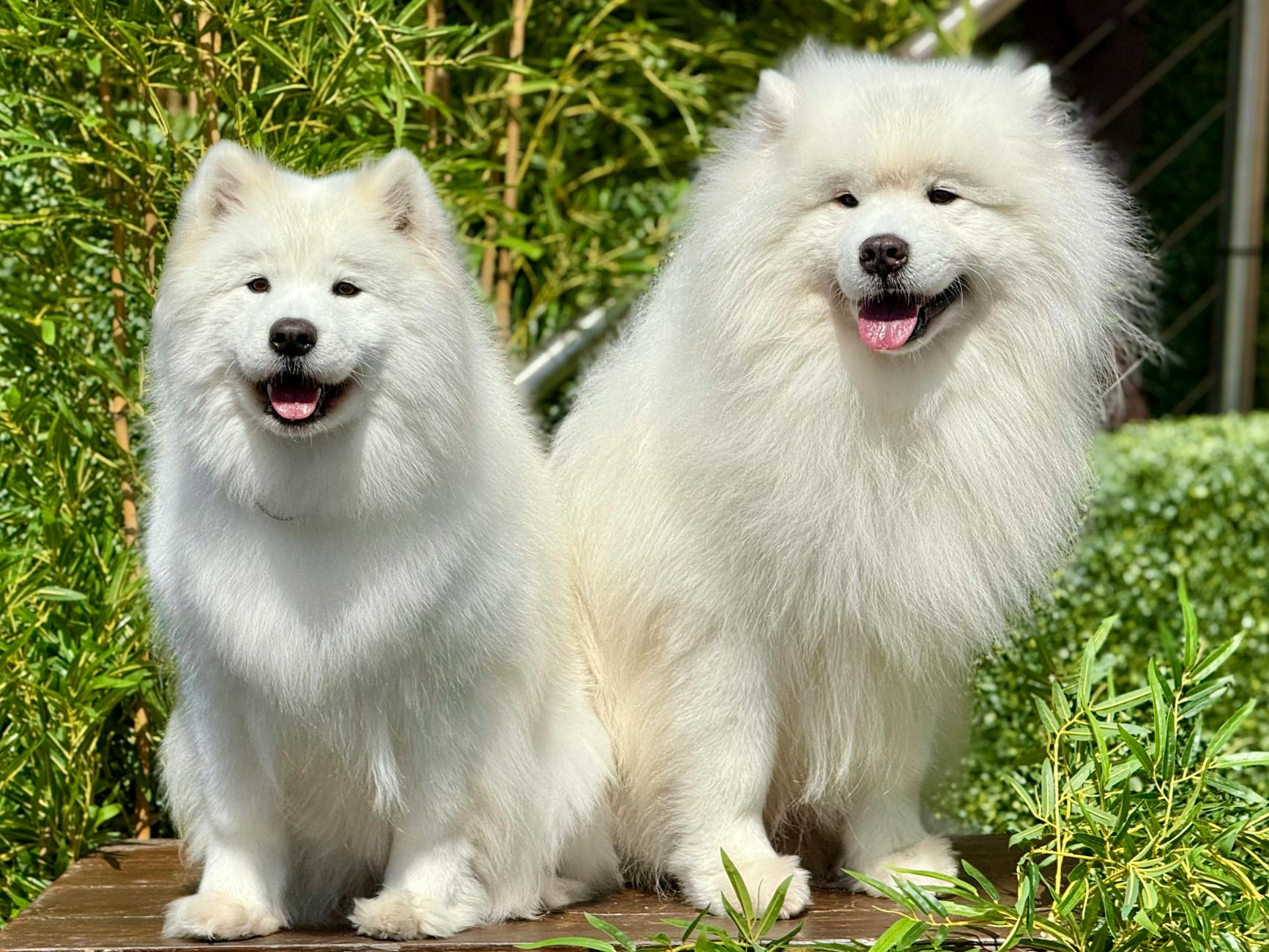
The Samoyed originates from Siberia, where it was bred by the nomadic Samoyede people to herd reindeer and pull sleds in some of the coldest inhabited regions on Earth. Their iconic white double coat is extraordinarily dense and functions as a natural insulator against extreme cold, while also remaining surprisingly clean due to its non-matting texture. Samoyeds are known for their gentle, friendly temperament and their characteristic upturned mouth, which gives them a perpetual smile. They thrive in active households and enjoy outdoor activities during winter months. Their combination of hardiness and warmth of personality makes them a beloved choice for cold-climate families.
Bernese Mountain Dog
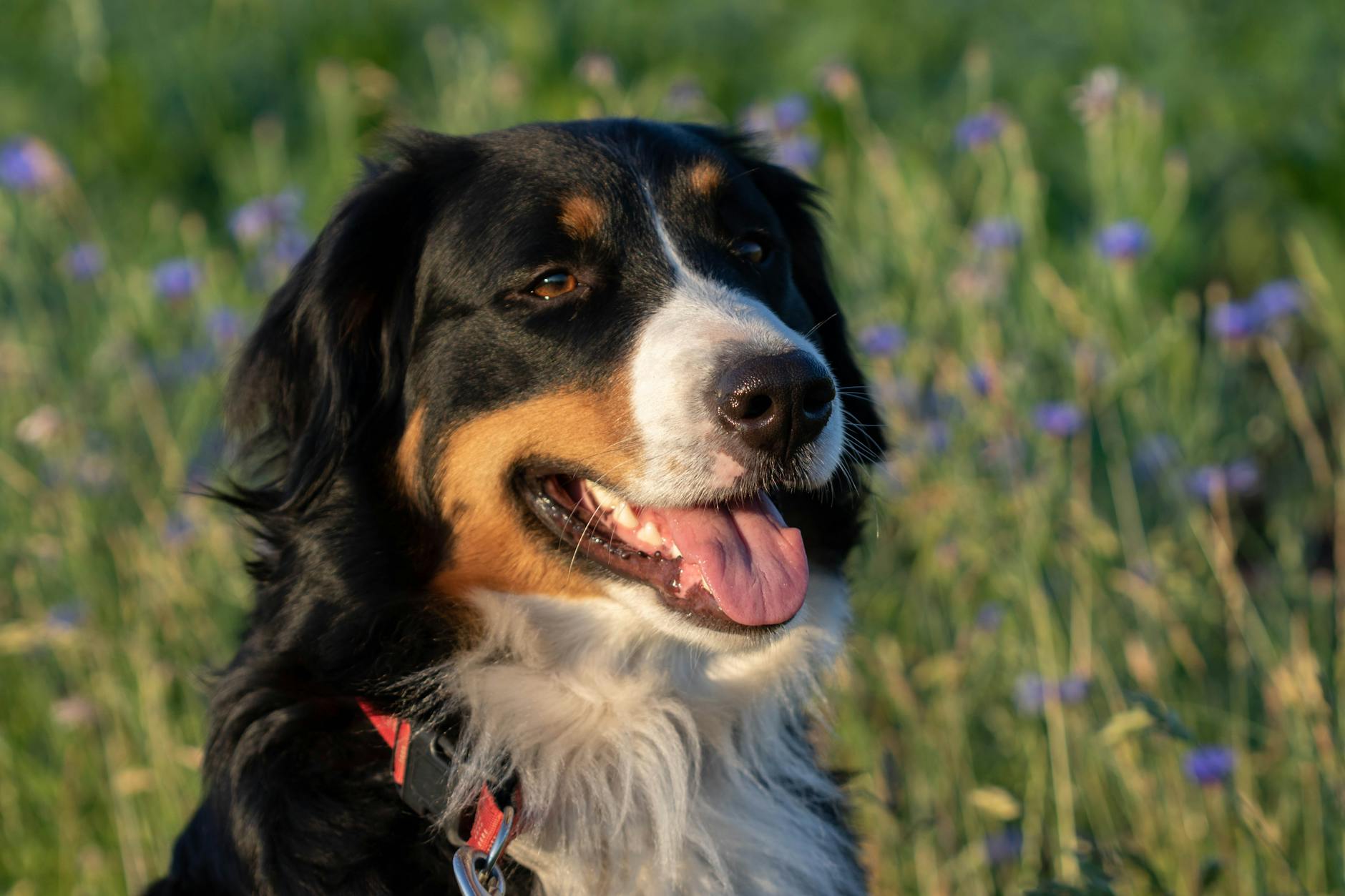
The Bernese Mountain Dog hails from the Swiss Alps, where it was used as a farm working dog capable of drafting, herding, and guarding in cold, mountainous terrain. Their thick tricolored coat provides reliable warmth and is designed to handle rain, snow, and low temperatures with ease. Berners are calm, gentle giants known for their affectionate nature and patience with children, making them excellent family pets in colder regions. Despite their large size, they are not overly demanding in terms of exercise, though they do enjoy outdoor time in cool weather. Their Swiss origins and robust build make them one of the most naturally cold-adapted large breeds.
Tibetan Mastiff
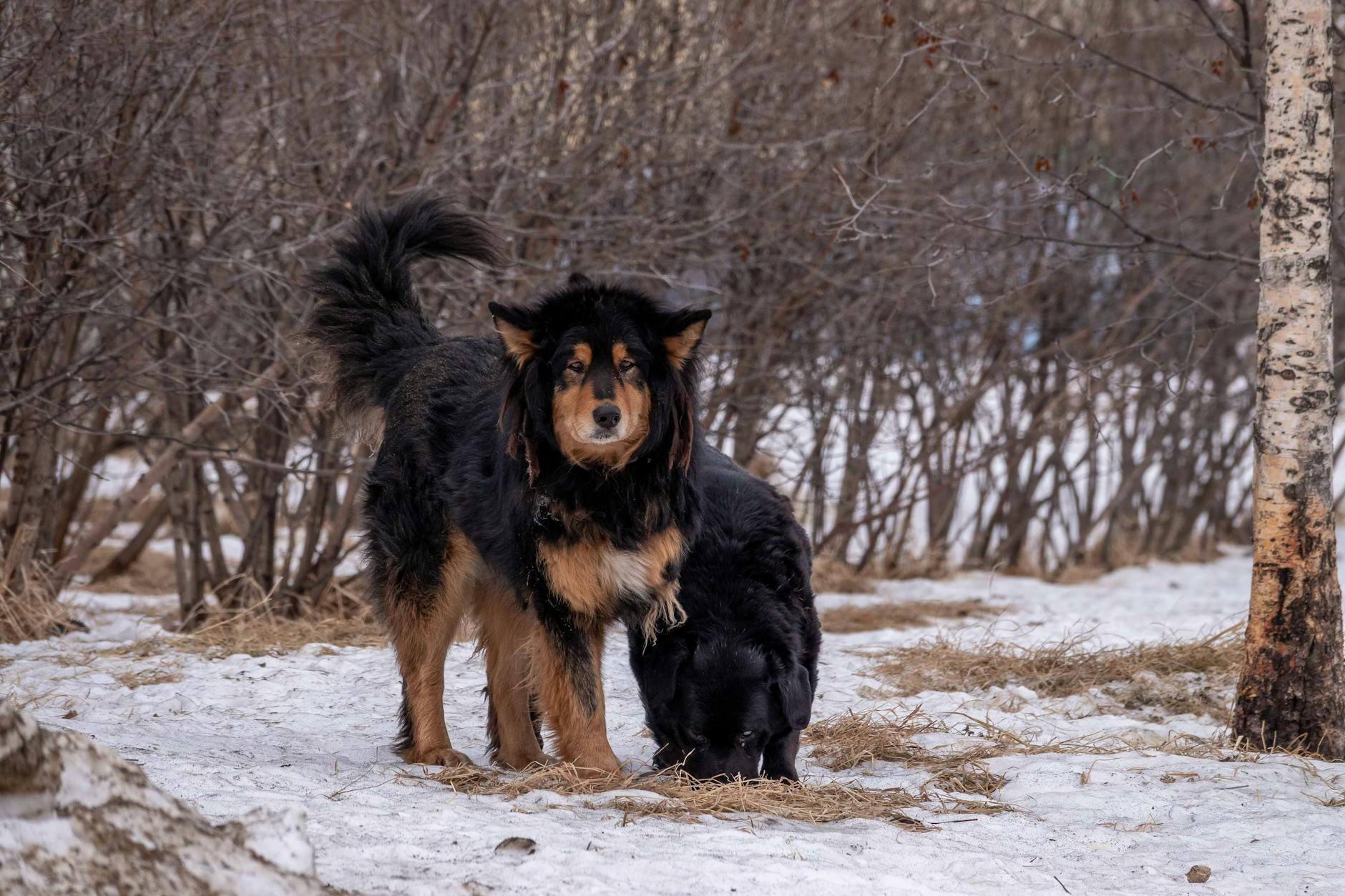
The Tibetan Mastiff is one of the oldest and most impressive cold-weather breeds, historically used to guard monasteries and livestock on the high Tibetan Plateau where temperatures can be severe. This massive dog carries a dense, heavy coat and a pronounced mane around the neck and shoulders that offers added protection against wind and cold. Tibetan Mastiffs are independent and watchful, with strong protective instincts that make them natural guardians. They tend to be calm and deliberate in temperament, preferring cooler environments over warm or humid climates. Their ancient lineage and extraordinary coat make them a formidable and majestic presence in cold-weather settings.
Norwegian Elkhound
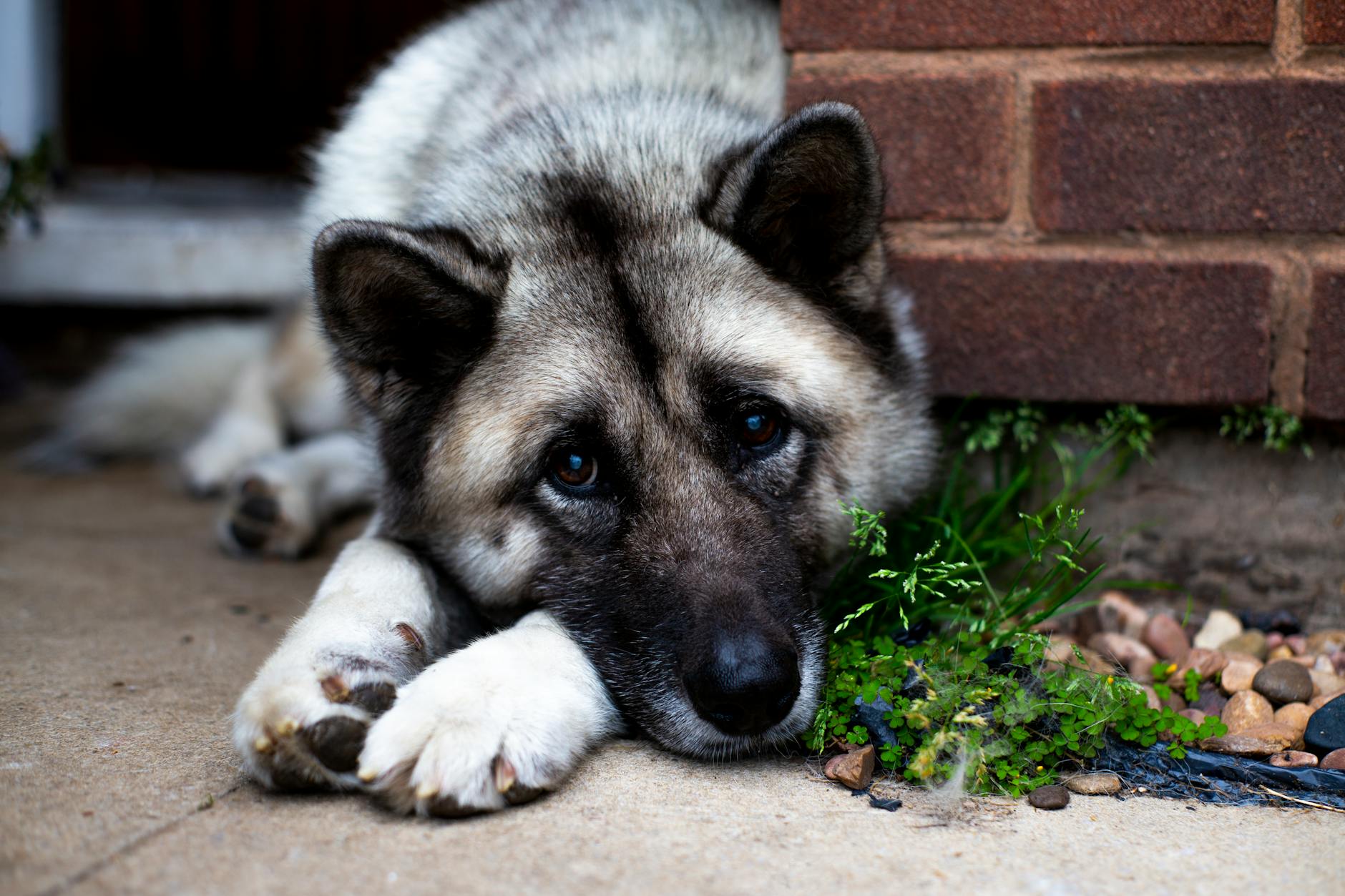
The Norwegian Elkhound is one of the oldest breeds in the world, with origins tracing back to ancient Scandinavia where it was used to hunt elk and bear in dense forests and deep snow. It carries a thick, silver-gray double coat that repels moisture and maintains body heat in frigid Nordic conditions. Elkhounds are bold, energetic, and highly alert, making them capable working dogs as well as devoted companions. They are well suited to active owners who enjoy outdoor activities in cold climates, including hiking, skijoring, and snowshoeing. Their Nordic heritage is deeply embedded in both their physicality and their love of cold environments.
Saint Bernard
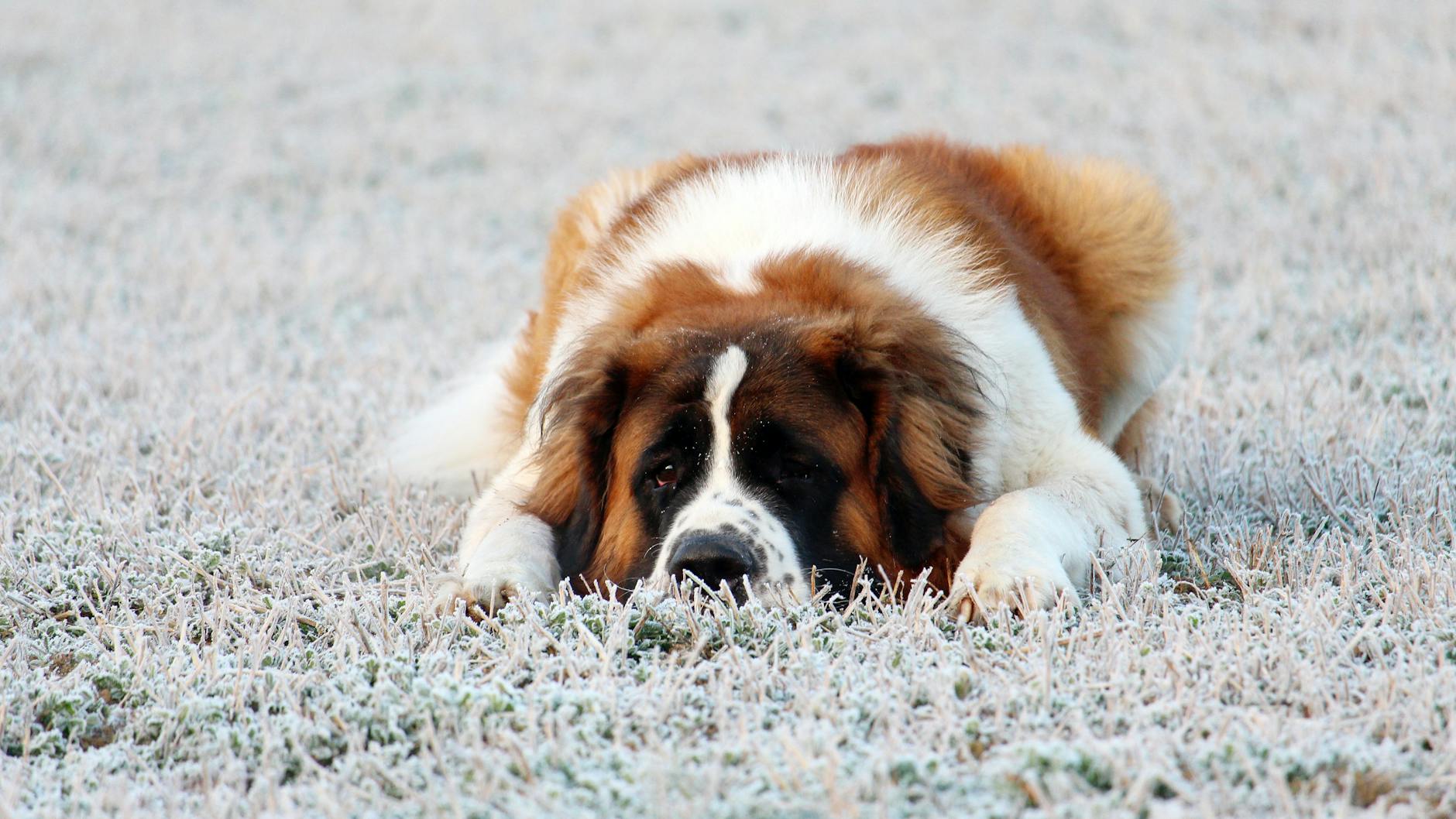
The Saint Bernard is famously associated with the Swiss and Italian Alps, where it was bred by monks at the Great Saint Bernard Hospice to rescue travelers stranded in mountain snowstorms. Their large, muscular frame and thick coat allow them to move through deep snow with impressive efficiency and maintain body temperature in extreme cold. Despite their imposing size, Saint Bernards are known for their gentle, patient, and nurturing temperament. They are calm dogs that adapt well to cold-weather family life and are particularly good with children. Their legendary history of alpine rescue speaks directly to their exceptional suitability for harsh winter environments.
Keeshond
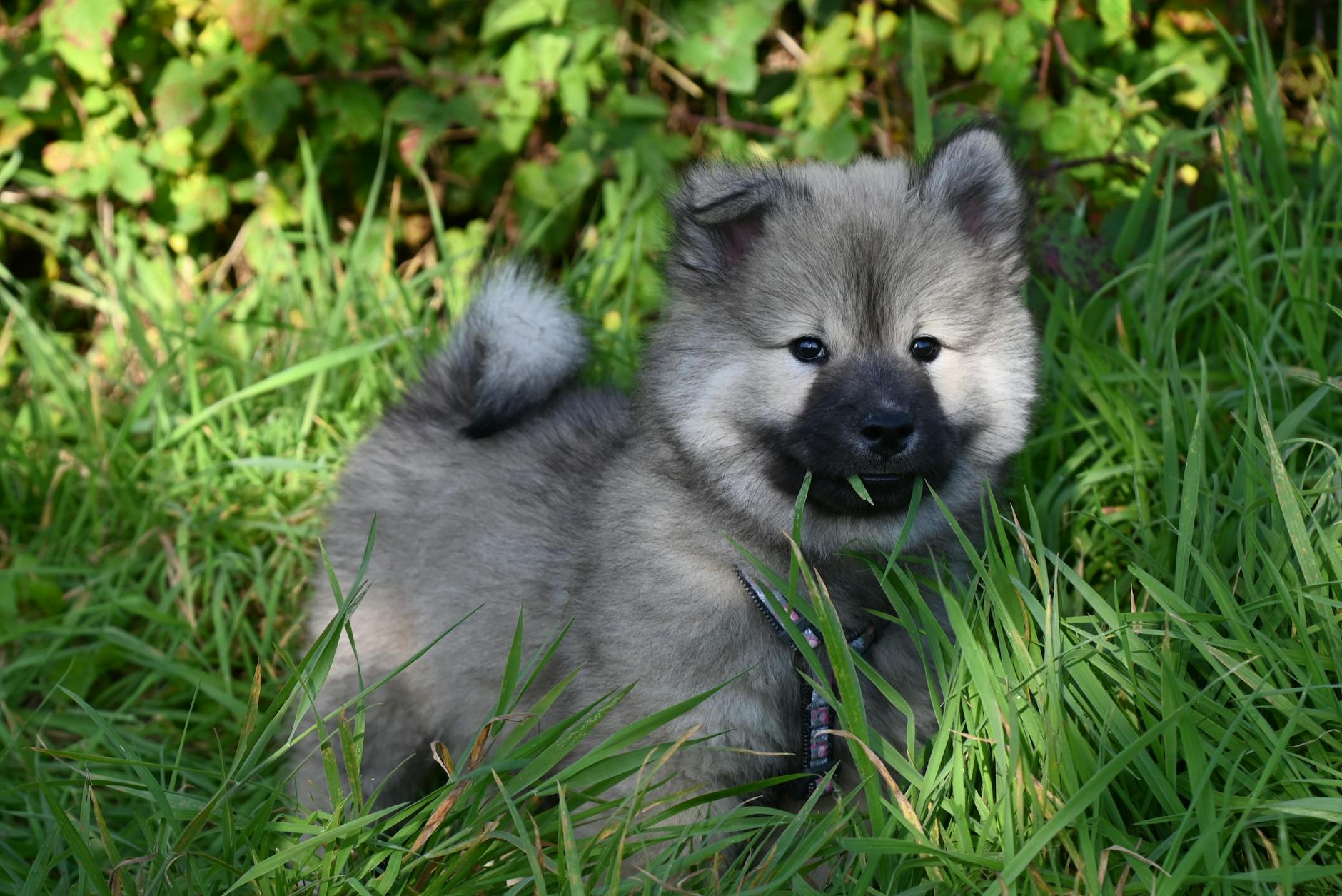
The Keeshond is a Dutch breed historically used as a watchdog on river barges, and its thick double coat provided natural insulation during cold northern European winters. This medium-sized spitz-type dog has a distinctive lion-like ruff around the neck and characteristic spectacle markings around the eyes. Keeshonden are known for being exceptionally friendly, highly adaptable, and deeply people-oriented, which makes them excellent companions in cold-climate homes. They enjoy outdoor activity in cool weather and are agile enough to navigate snowy terrain with ease. Their history of working in cold river environments speaks to a genuine physiological tolerance for low temperatures.
Akita
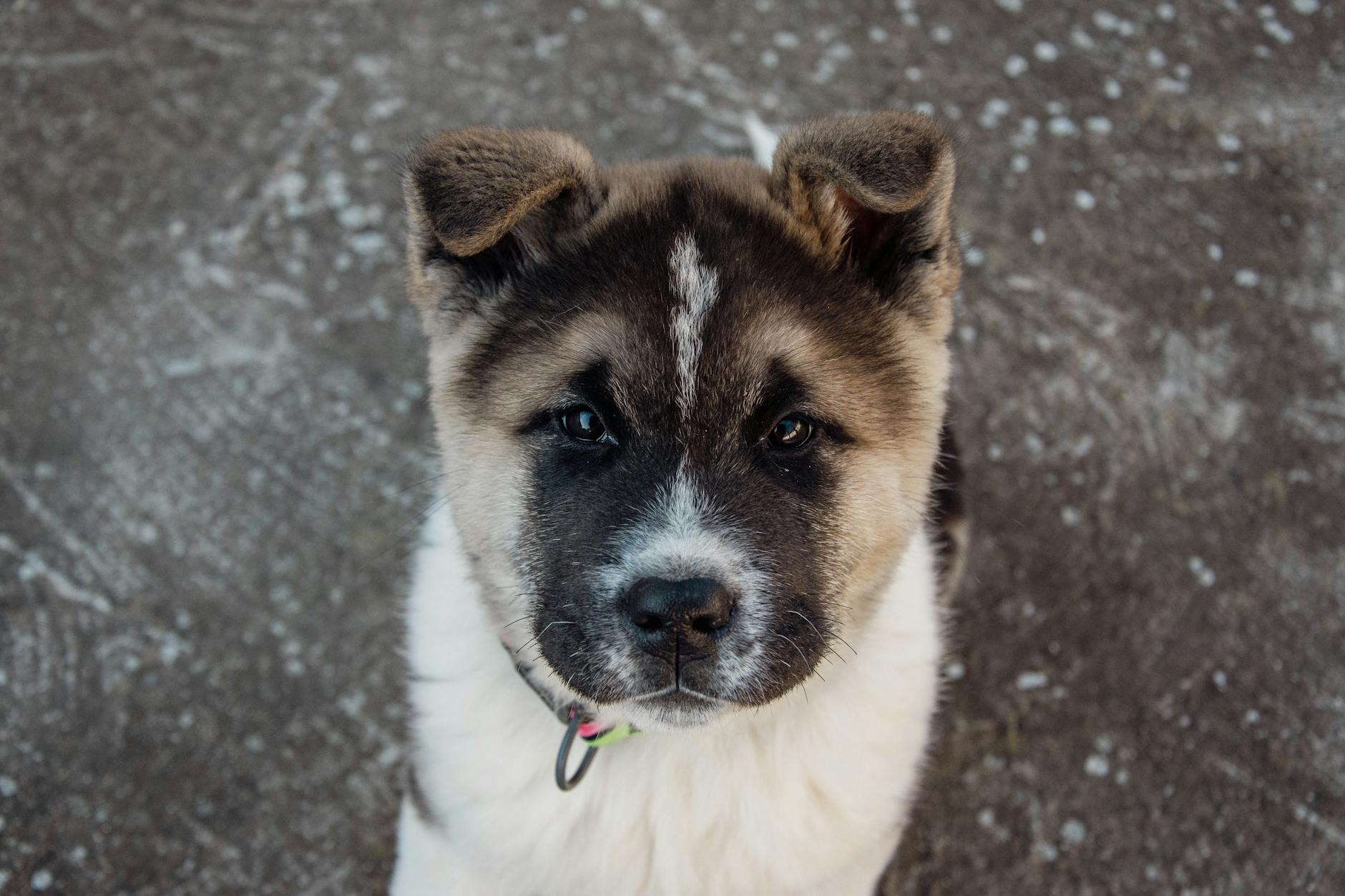
The Akita is a large and dignified breed from the mountainous regions of northern Japan, where it was developed to hunt bear, boar, and elk in heavy snow and freezing temperatures. Its double coat is dense and weather-resistant, providing substantial warmth in cold conditions, and the breed sheds heavily twice a year as seasons change. Akitas are known for their loyalty, quiet confidence, and strong bond with their immediate family. They tend to be reserved around strangers, reflecting their heritage as independent working and guarding dogs. Japan officially recognized the Akita as a national treasure, and its cold-climate resilience is a central part of its heritage.
Great Pyrenees
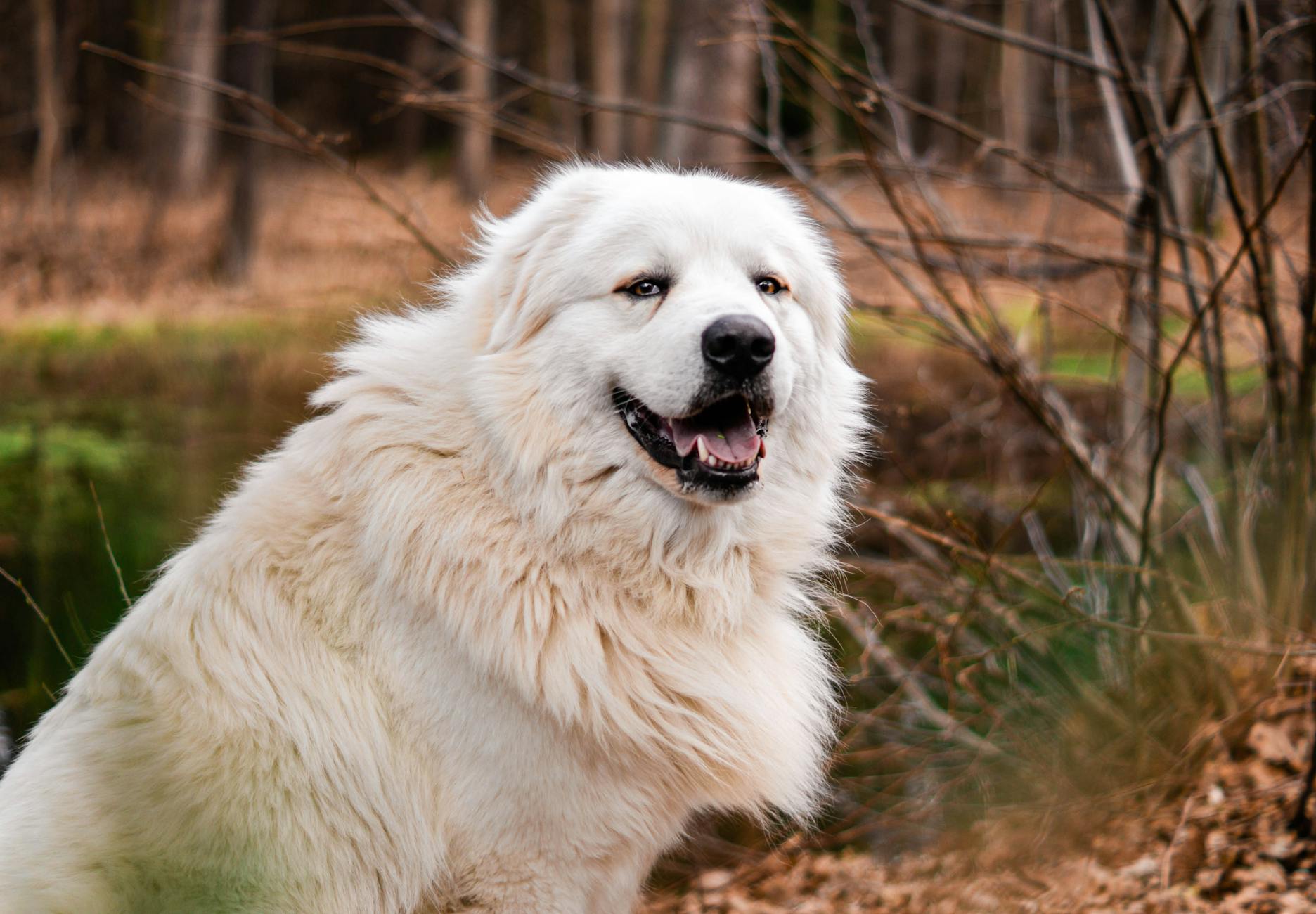
The Great Pyrenees was developed in the Pyrenean mountain range between France and Spain to guard flocks of sheep against predators in cold, high-altitude terrain. Their all-white double coat is thick and weather-resistant, allowing them to remain outdoors and alert in snow and freezing temperatures for extended periods. This breed is calm, patient, and naturally protective, making it an excellent livestock guardian as well as a devoted family companion. Great Pyrenees dogs tend to be nocturnal by instinct, a trait developed through their history of nighttime guarding duties. Their combination of size, coat quality, and working endurance places them among the most dependable cold-weather breeds.
Finnish Lapphund
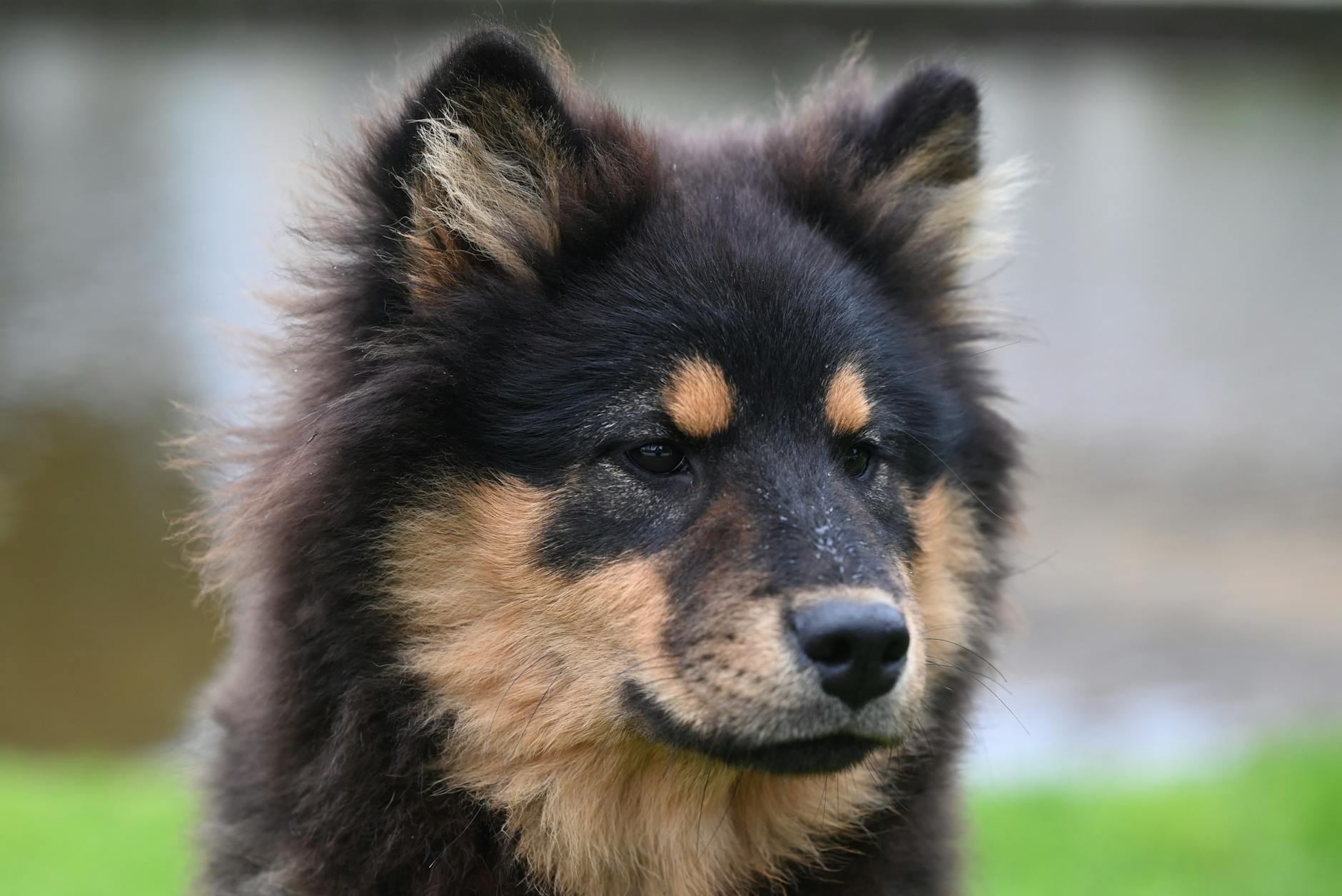
The Finnish Lapphund was developed by the Sámi people of northern Scandinavia to herd reindeer across the subarctic tundra, making cold-weather adaptability a defining feature of the breed. Their profuse double coat provides insulation in temperatures that drop well below freezing, and the fur around the face and neck offers additional protection against wind chill. Lapphunds are intelligent, eager to please, and highly trainable, which makes them popular in both working and companion roles. They are social and gentle by nature, thriving in family environments where they receive regular activity and engagement. Their subarctic lineage makes them one of the most cold-hardy herding breeds in the world.
Newfoundland
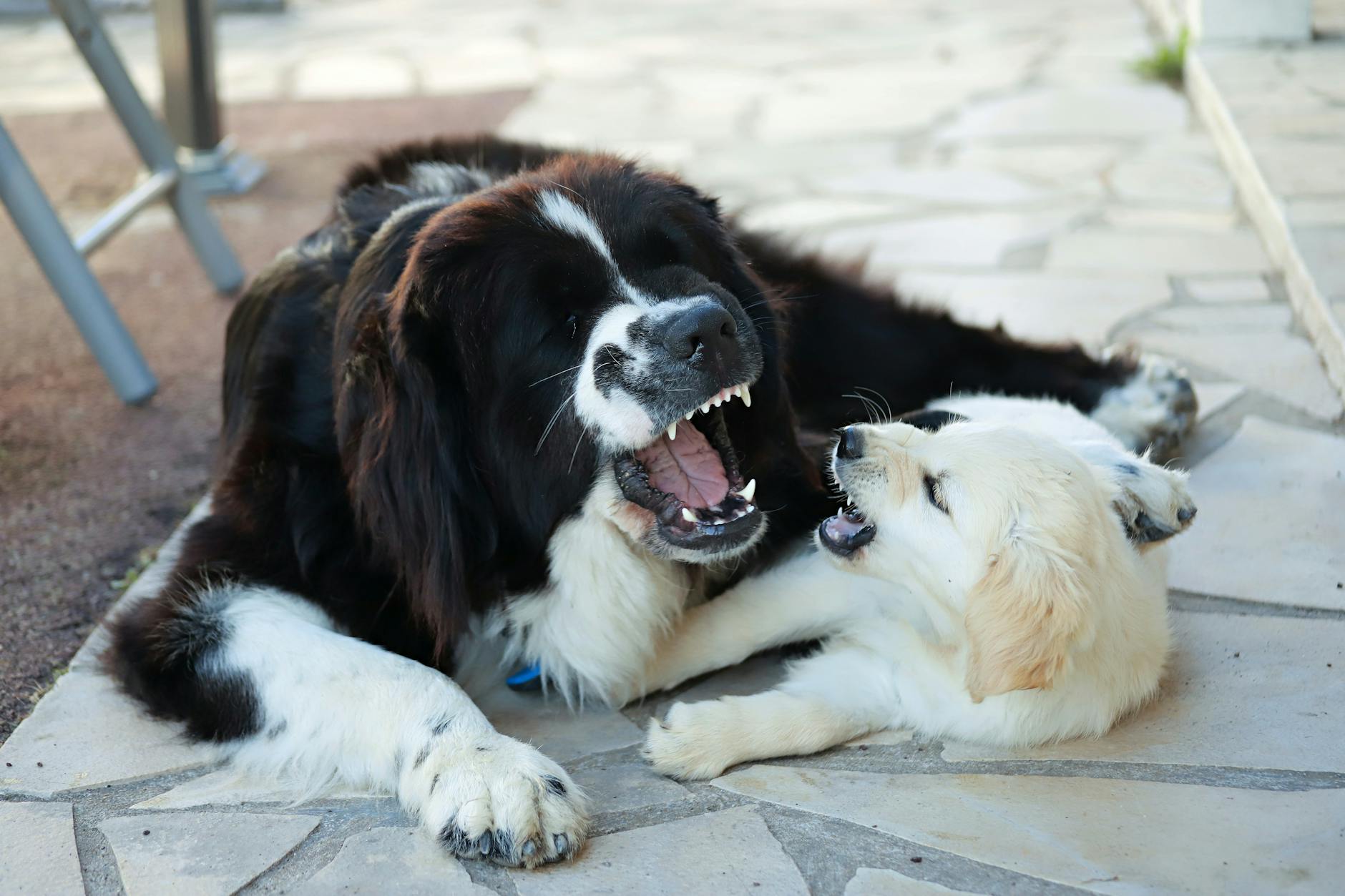
The Newfoundland breed originated on the island of the same name off the eastern coast of Canada, where it worked alongside fishermen in icy Atlantic waters and helped haul nets through freezing conditions. Their heavy, water-resistant double coat and large webbed feet are physiological adaptations to cold and wet environments that remain highly effective today. Newfoundlands are extraordinarily gentle and patient dogs, often described as ideal family companions due to their calm and nurturing nature. They are powerful swimmers and have a long history of water rescue in cold conditions. Their Canadian origins and remarkably insulating coat place them firmly among the top cold-weather breeds.
Chow Chow
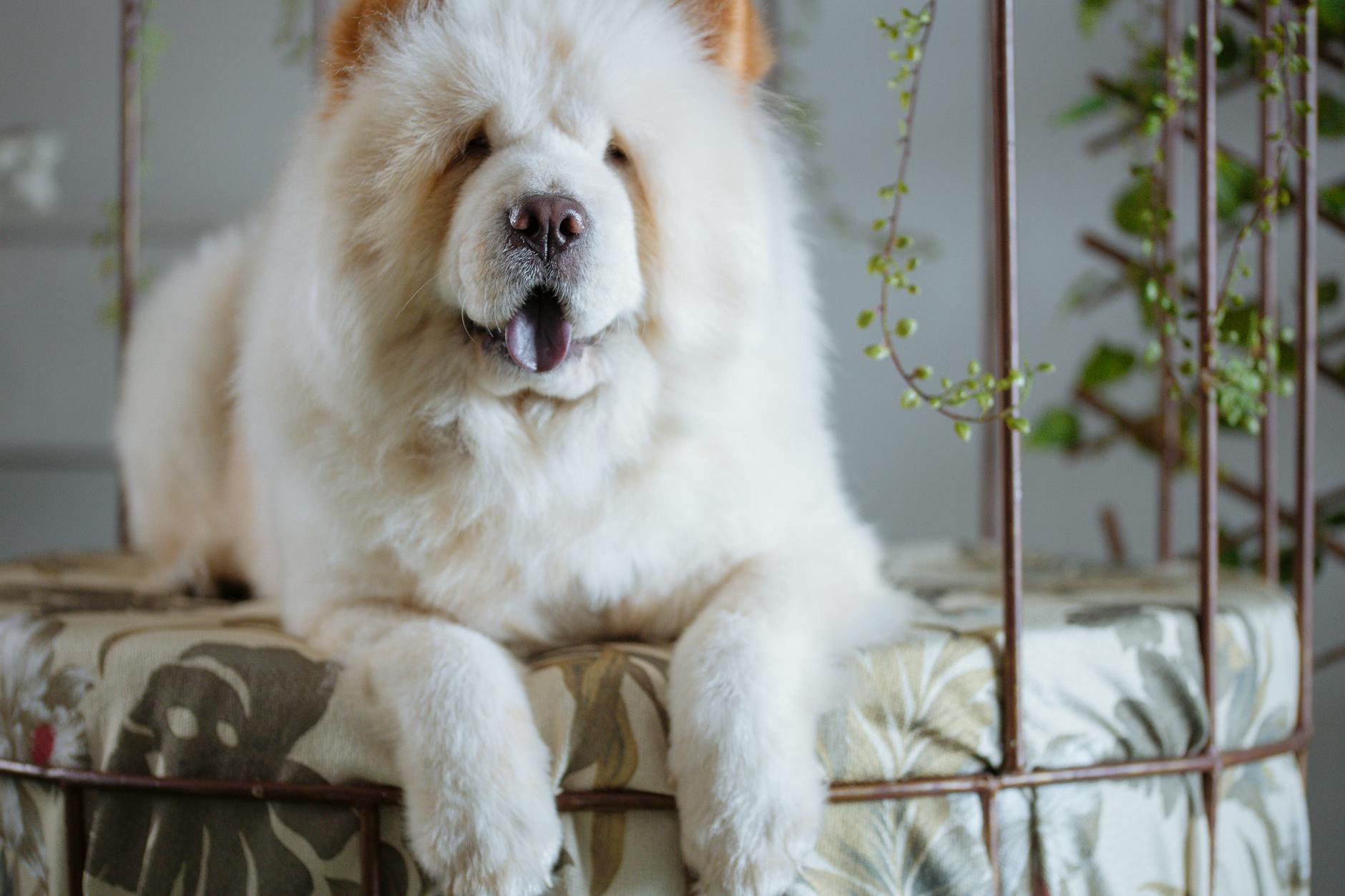
The Chow Chow is one of the most ancient dog breeds in existence, originating in northern China where it served as a hunting, herding, and guarding dog in cold northern climates. Their characteristic lion-like mane and exceptionally dense double coat provide remarkable insulation against frigid temperatures, and the breed is known for its distinctive blue-black tongue. Chow Chows are dignified and aloof in temperament, typically forming close bonds with their immediate family while remaining reserved around strangers. They prefer cooler climates and often become lethargic in warm or humid conditions, making them naturally suited to colder regions. Their ancient heritage and remarkable coat make them a unique and visually striking cold-weather companion.
Icelandic Sheepdog
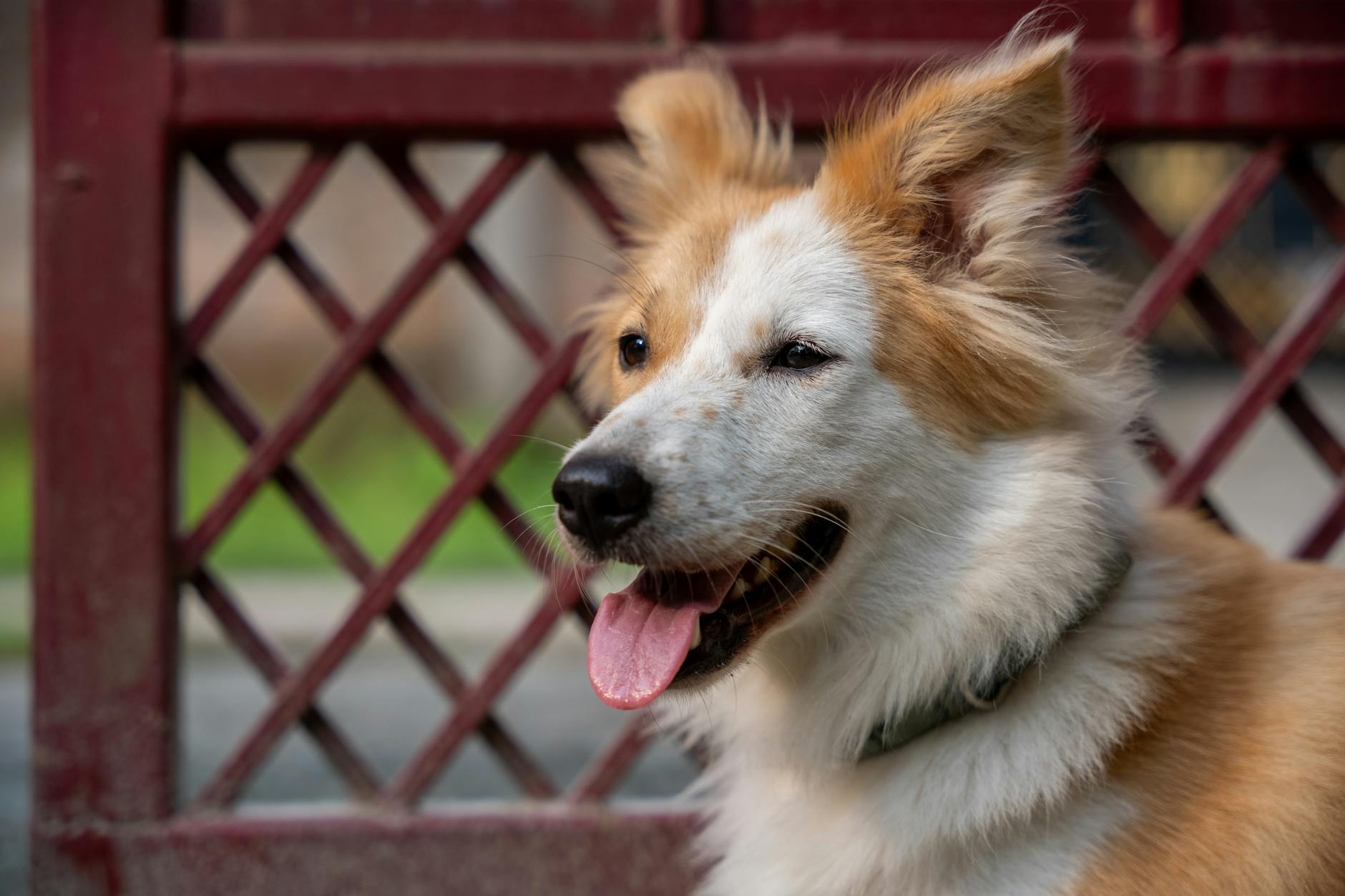
The Icelandic Sheepdog is the only native dog breed of Iceland, brought to the island by Viking settlers over a thousand years ago and refined to herd sheep in harsh subarctic conditions. Their double coat comes in both long and short varieties, both of which are thick enough to provide dependable warmth in the cold and wind characteristic of Icelandic terrain. This breed is cheerful, curious, and highly alert, with a natural enthusiasm for outdoor activity in cool weather. Icelandic Sheepdogs are agile and energetic, making them well suited to owners who enjoy winter hiking or active lifestyles in cold regions. Iceland’s rugged climate shaped this breed over centuries into one of the most authentically cold-adapted sheepdogs in existence.
Anatolian Shepherd
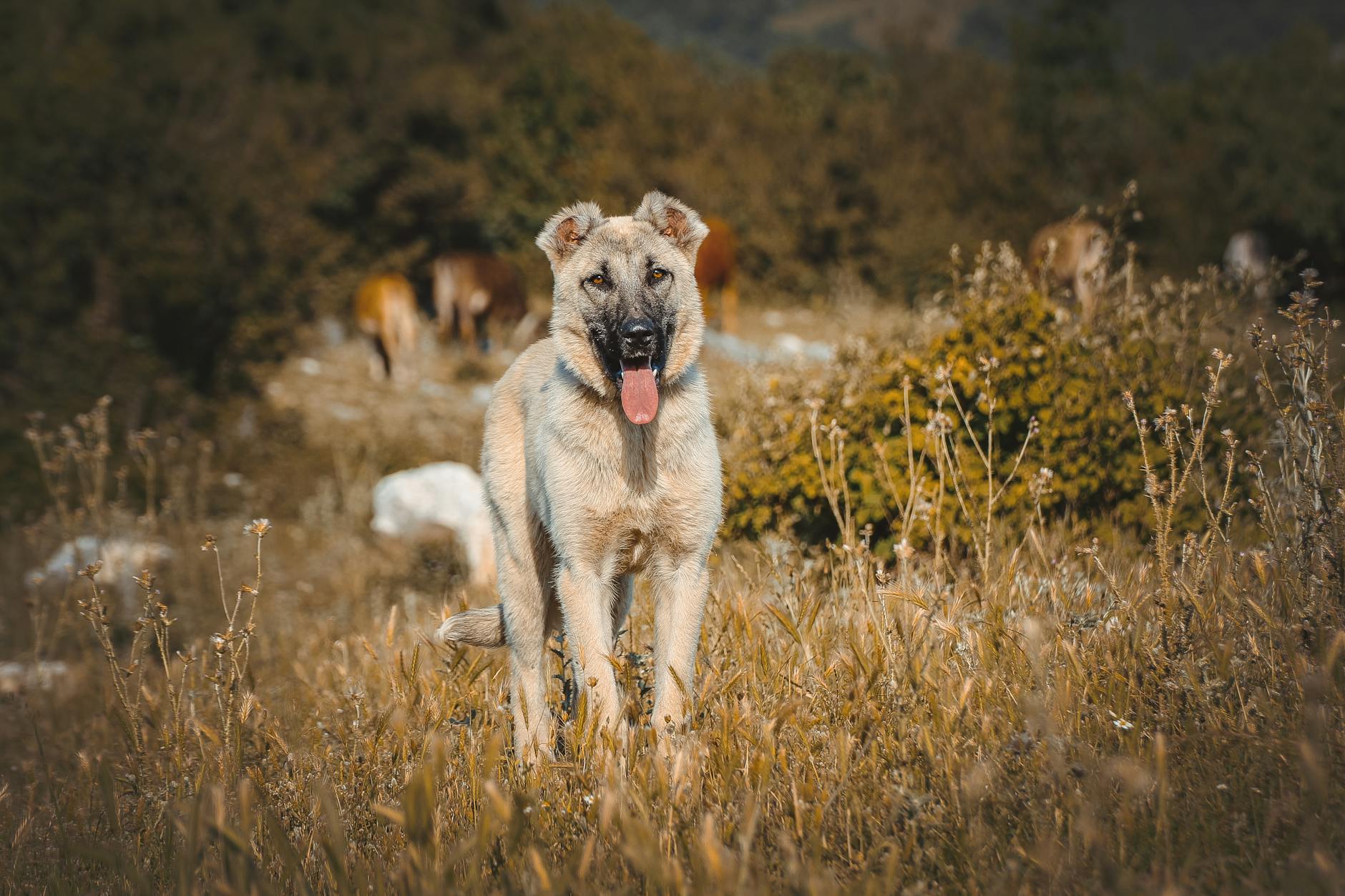
The Anatolian Shepherd is a large and ancient livestock guardian breed from the Anatolian Plateau of Turkey, where it developed in a climate that brings extremely cold winters and harsh mountain conditions. Their thick, weather-resistant coat and large body mass help retain heat efficiently in cold temperatures, while their endurance allows them to remain outdoors patrolling in challenging weather. Anatolians are independent, self-reliant, and deeply loyal to the animals and people they are charged with protecting. They are not a breed that requires constant human interaction, as their working instincts drive them to patrol and guard independently. Their centuries of development in a cold, rugged plateau environment have produced one of the most physically resilient guardian breeds in the world.
If you share your home with a cold-weather breed, drop your experience in the comments and let others know which breed thrives best in your climate.




