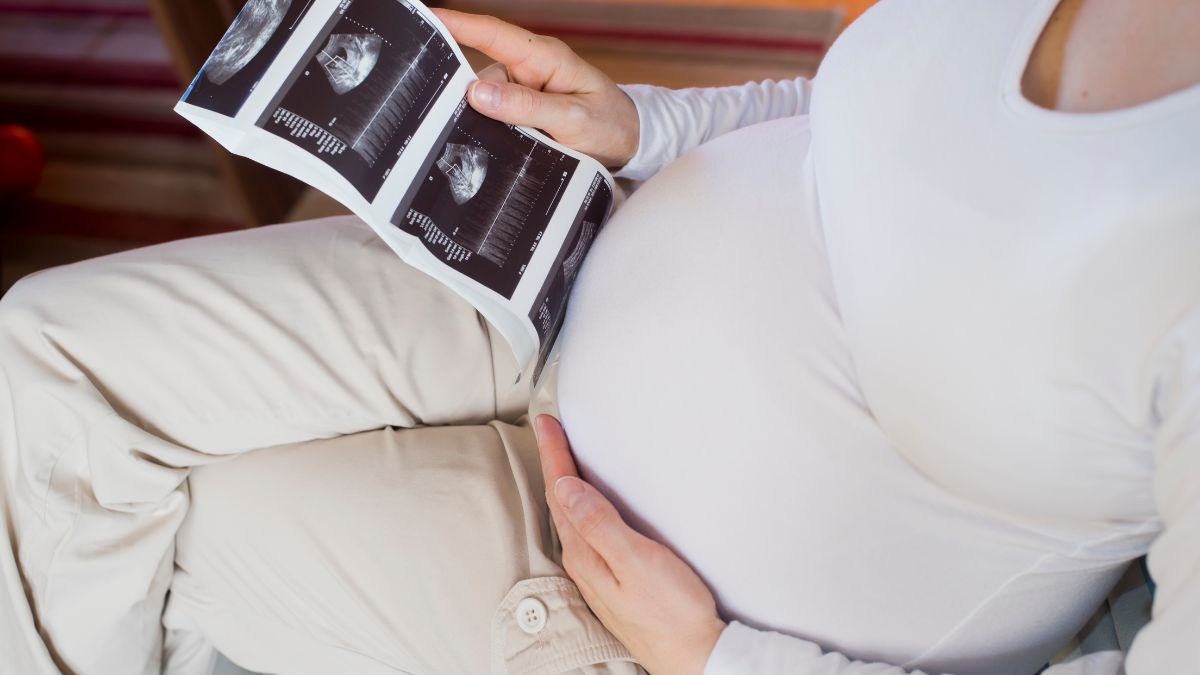
Deciding to bring a new life into the world is one of the most significant choices a person can make, and it rarely comes with a clear instruction manual. While no one ever feels completely prepared, certain patterns in your life can signal that you are moving in a direction of genuine readiness. These signs span emotional, financial, relational, and personal dimensions that together paint a fuller picture of where you stand. Recognizing them can offer meaningful reassurance during a deeply personal decision-making process.
You Have a Stable and Reliable Income

Financial stability is one of the most practical indicators that parenthood may be within reach. You are consistently able to cover your monthly expenses without relying on credit or outside support. You have begun thinking about budgeting for childcare, healthcare, and education without feeling overwhelmed by the idea. A reliable income stream gives you the foundation to provide consistent care and security for a child long term.
Your Relationship Feels Like a True Partnership
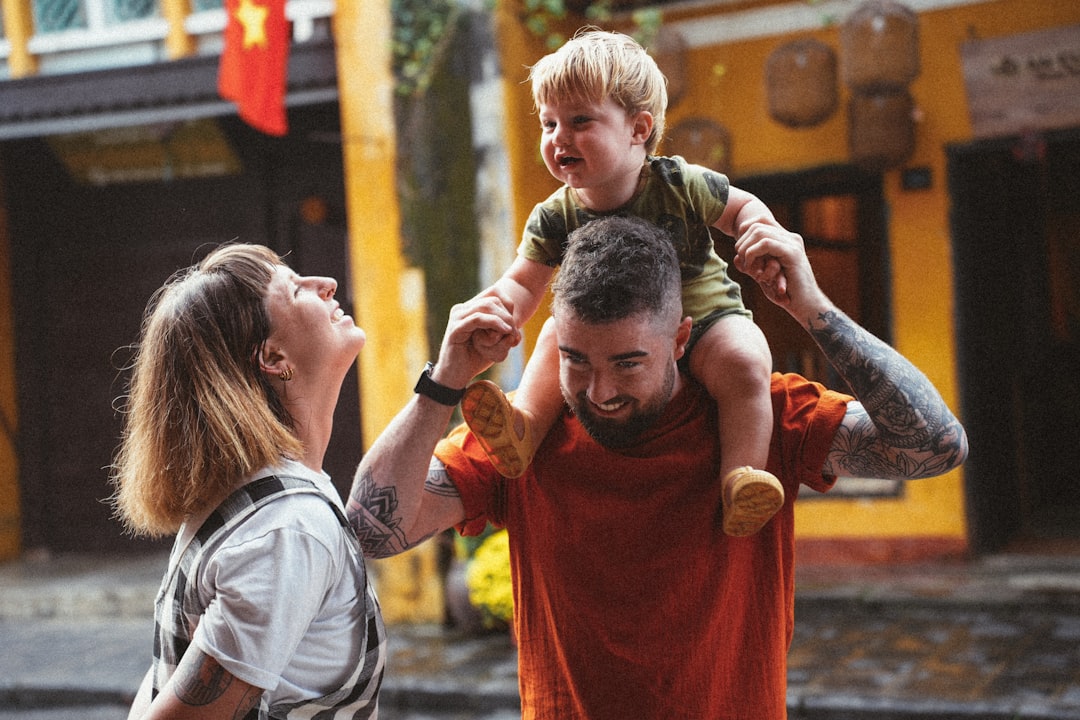
When both partners approach life as a genuine team, the foundation for raising a child becomes significantly stronger. You make major decisions together, communicate openly about disagreements, and return to a place of mutual respect after conflict. There is a shared vision for the future that includes how you both imagine family life unfolding. Couples who function as true partners tend to navigate the added pressures of parenthood with greater resilience and cohesion.
You Have Thought Seriously About Parenting Values
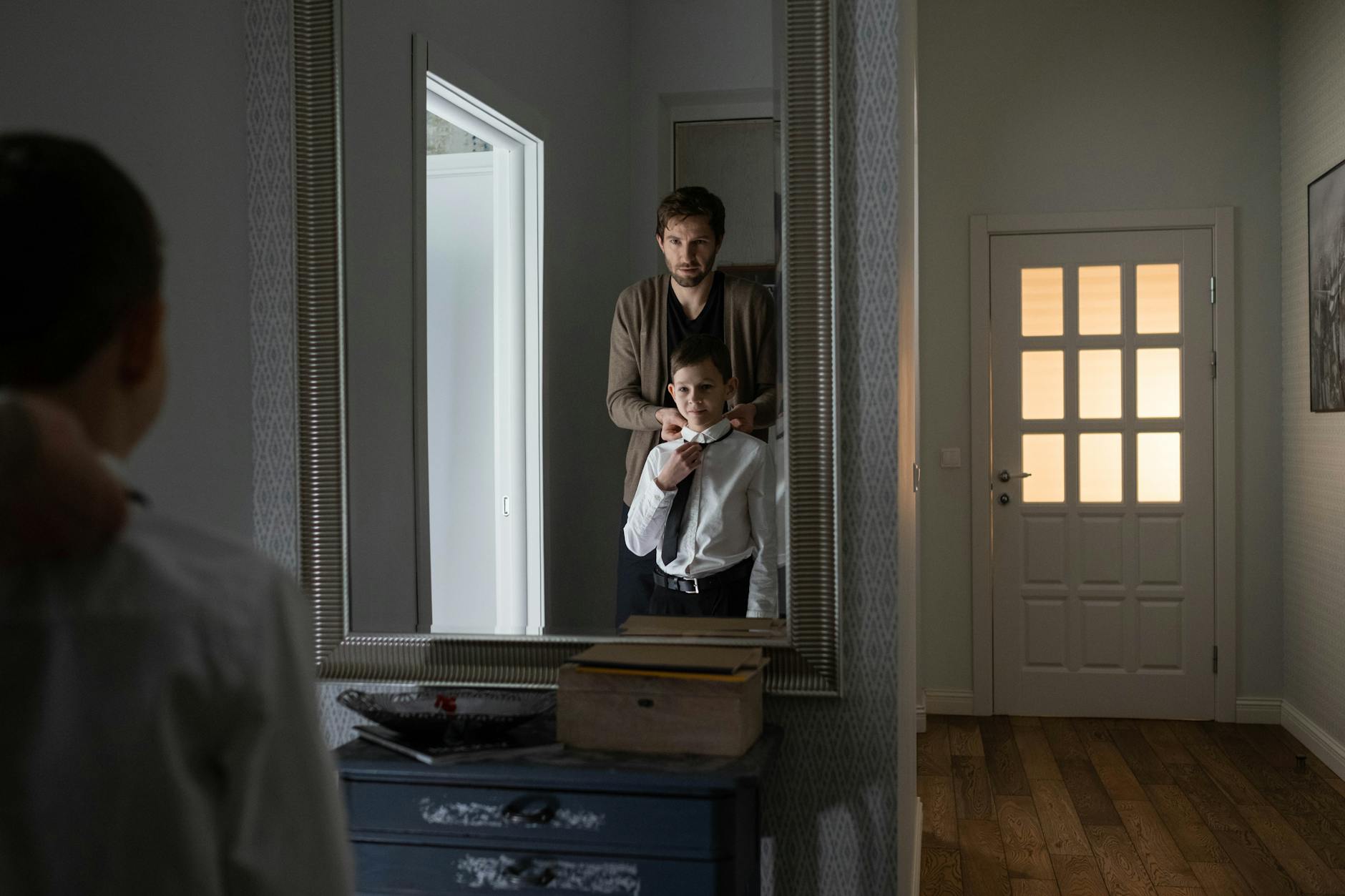
Moving beyond surface-level excitement to consider how you actually want to raise a child is a meaningful sign of readiness. You have reflected on discipline approaches, educational philosophies, and the values you want to pass on. These thoughts may not be fully formed, but the fact that you are engaging with them seriously indicates emotional maturity. Parents who enter the journey with intentionality tend to adapt more thoughtfully as real situations arise.
You Are in Good Physical Health

Taking stock of your physical wellbeing before conception is a responsible and forward-thinking step. You have consulted or are open to consulting a healthcare provider about preconception health, including nutrition, exercise, and any existing conditions. Your lifestyle supports overall wellness rather than working against it. Physical readiness not only affects fertility but also your capacity to handle the physical demands of pregnancy and early parenthood.
You Have a Strong Support Network
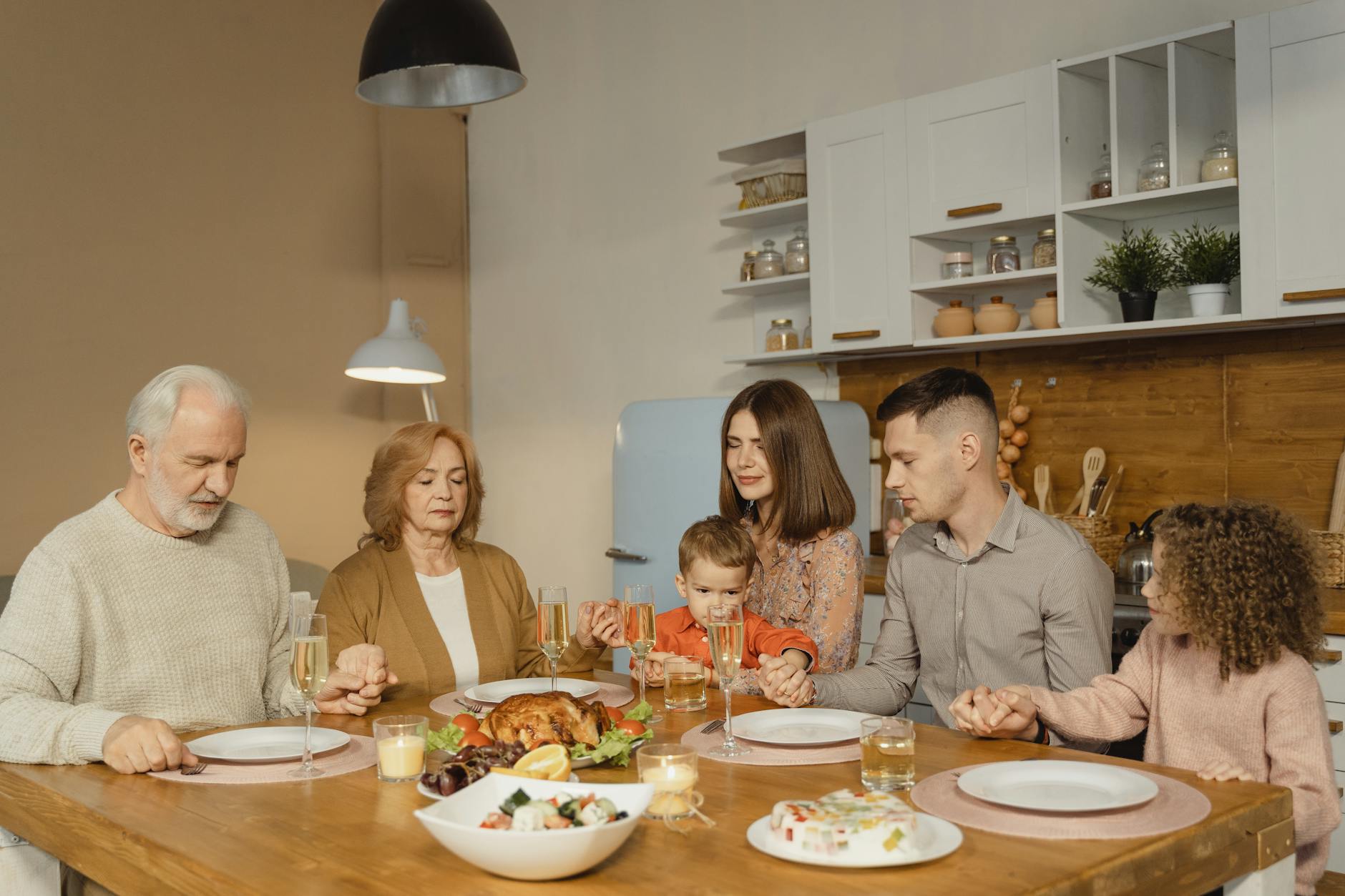
Having people around you who can offer help, guidance, and emotional backup is an underrated but essential element of parenting readiness. Whether it is family nearby, close friends, or a community you trust, knowing you are not entirely on your own makes a significant difference. You feel comfortable asking for help and have relationships where reciprocal support already exists. A reliable network eases the isolation that new parents can sometimes experience.
You No Longer Feel the Urge to Have Completely Unstructured Freedom

There is a natural shift that happens when the appeal of total spontaneity begins to give way to a desire for deeper purpose and routine. You find yourself less drawn to last-minute travel, unpredictable schedules, and commitments only to yourself. This does not mean you have stopped enjoying life but that your priorities have organically begun to reorganize. Feeling at peace with a more structured daily existence is a quiet but telling sign of readiness.
You Have Discussed Parenting Roles Openly
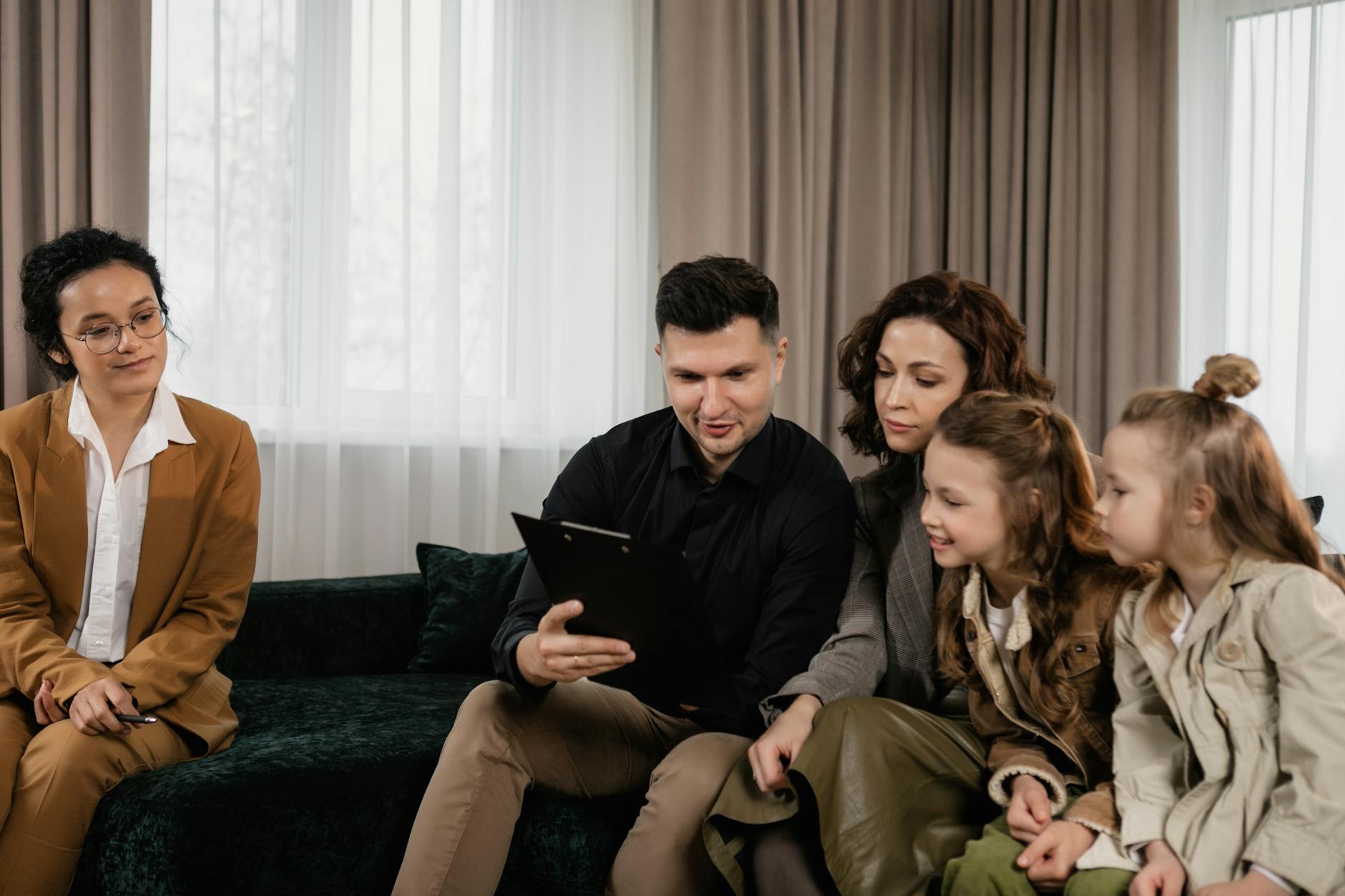
Conversations about who will handle childcare responsibilities, career adjustments, and household management are a practical sign that both partners are thinking realistically. You have talked about scenarios such as one parent stepping back from work, shared parental leave, or how extended family might be involved. These discussions signal that both people are approaching parenthood with their eyes open rather than leaving critical decisions to chance. Clarity around roles before a baby arrives reduces conflict and resentment later.
You Feel Emotionally Stable
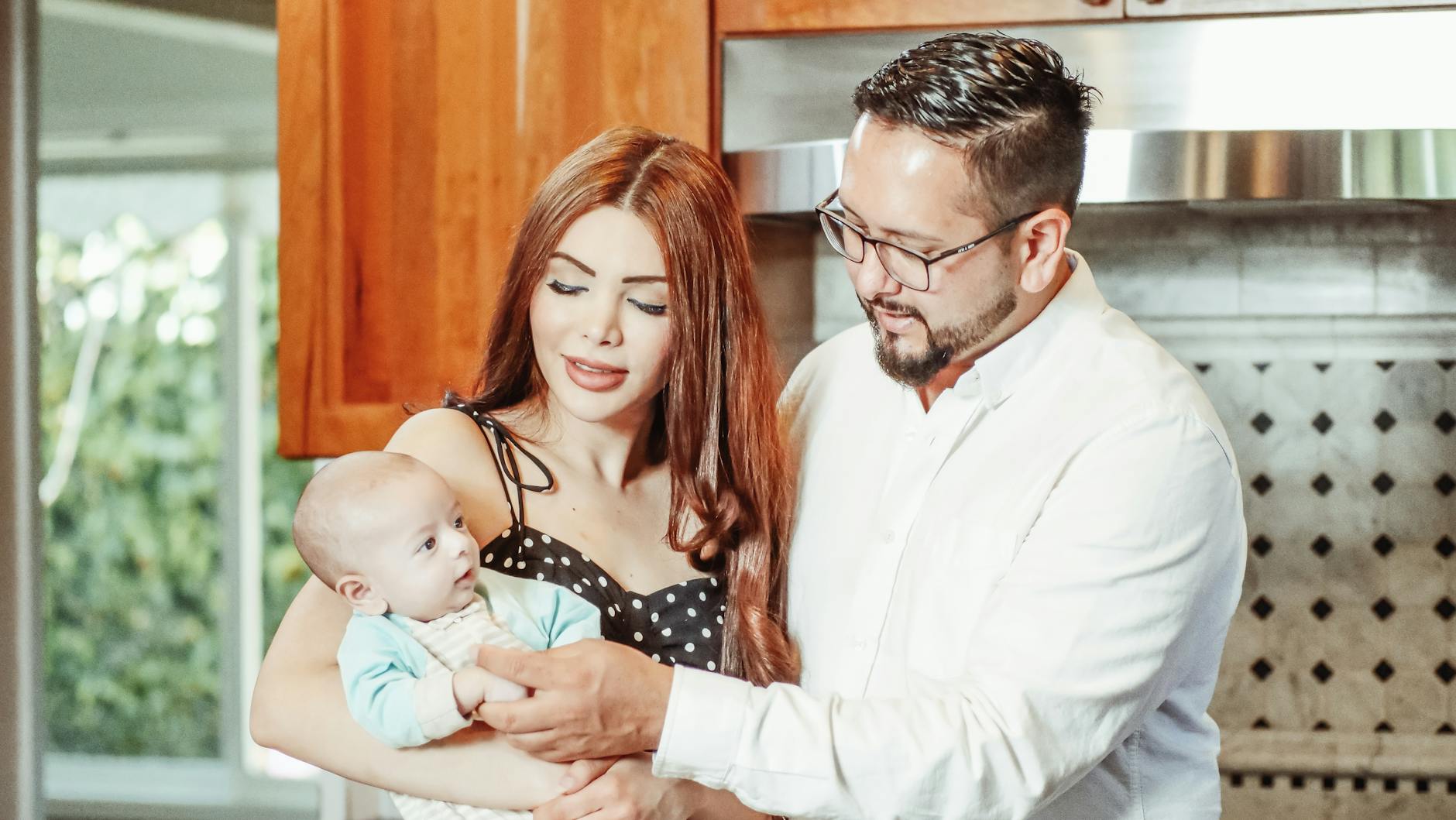
Emotional regulation and a general sense of inner balance are important qualities to bring into parenthood. You are able to manage stress without it derailing your functioning for extended periods and you have healthy outlets for processing difficult feelings. You are not in the middle of a personal crisis or a period of significant unresolved turmoil. Emotional groundedness does not mean perfection but rather a solid enough baseline to weather the unpredictability that parenting brings.
Your Living Situation Is Secure

Having a safe, stable, and appropriately sized living environment signals that the practical logistics of welcoming a child are falling into place. You are not facing imminent housing instability, and your home can reasonably accommodate a growing family. You have considered factors such as proximity to schools, healthcare, and childcare options. A secure living situation removes one layer of uncertainty from an already demanding life transition.
You Have Largely Resolved Past Childhood Wounds

Doing the inner work of understanding your own upbringing and healing from difficult experiences is one of the more profound signs of parenting readiness. You have engaged in reflection, therapy, or meaningful personal growth around patterns inherited from your own family of origin. While no one is ever completely healed, a willingness to break unhealthy cycles rather than unconsciously repeat them speaks to deep maturity. Parents who have examined their past tend to bring greater awareness and compassion to raising the next generation.
You Are Prepared for Your Relationship Dynamic to Change

Understanding that a new baby will fundamentally alter the rhythms, intimacy, and priorities of a partnership is a realistic and healthy form of readiness. You and your partner have discussed expectations around sleep, intimacy, social life, and individual time in a post-baby world. Rather than resisting or denying this shift, you both approach it as an evolution rather than a loss. Couples who anticipate change rather than being blindsided by it tend to maintain stronger bonds through the newborn period and beyond.
You Have Done Research Rather Than Relying Solely on Assumptions

Taking the time to educate yourself about pregnancy, newborn care, child development, and parenting approaches reflects a thoughtful orientation toward the journey ahead. You have read books, listened to informed voices, or sought guidance from parents and professionals you trust. This research mindset indicates that you are treating parenthood as a skill set to develop rather than simply an experience to fall into. Informed parents tend to feel more confident navigating the early stages of raising a child.
You Can Handle Prolonged Sleep Disruption

While no one looks forward to sleepless nights, honestly assessing your capacity to function under consistent sleep deprivation is a practical form of readiness. You have a sense of how you manage when rest is compromised and have thought about strategies to share overnight duties. Your overall lifestyle and health support your ability to recover, even when perfect sleep is not available. Approaching this reality with pragmatism rather than avoidance reflects genuine preparedness.
You Feel Drawn to Babies and Young Children in a New Way

A growing tenderness or curiosity toward infants and young children can be one of the body and mind’s more intuitive signals. You find yourself noticing families, engaging warmly with children in your circle, or imagining your own child in everyday moments. This is different from the abstract idea of wanting a family someday and feels more present and immediate. When the desire becomes concrete and emotionally vivid, it often indicates that readiness is moving from concept to genuine longing.
You Have Considered the Impact on Your Career

Thinking carefully about how parenthood will intersect with your professional life is a sign of mature and realistic planning. You have looked into parental leave policies, considered potential career adjustments, and thought about how childcare will function around your work schedule. You are approaching this not as an either-or situation but as a puzzle to be worked through with intention. Parents who plan ahead professionally tend to experience less reactive stress when the demands of work and family inevitably collide.
You Are Not Doing It to Fill a Void
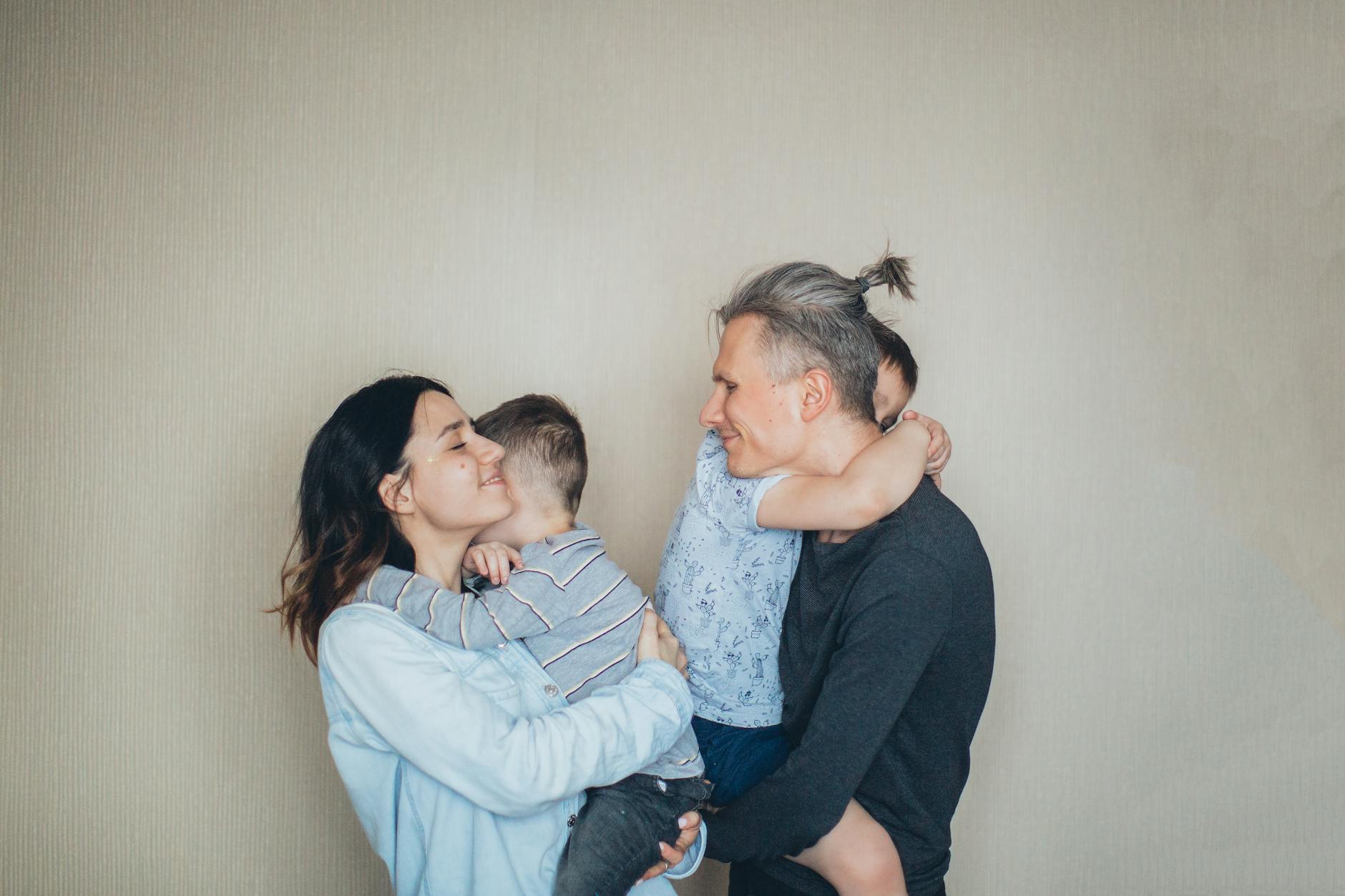
One of the clearest signs of readiness is wanting a child for reasons rooted in love, purpose, and genuine desire rather than to solve a feeling of emptiness or external pressure. You are not looking to a baby to fix a struggling relationship, satisfy family expectations, or give your life meaning it currently lacks. Your life already holds value and direction, and a child feels like an addition rather than a solution. Bringing a child into a life that is already whole creates a healthier emotional environment for everyone involved.
You Feel Ready Even When You Know You Are Not Fully Ready

Perhaps the most honest sign of all is arriving at a place where you acknowledge the uncertainty and choose to move forward anyway. You understand that no checklist can fully prepare anyone for the reality of parenthood and that some things can only be learned by living them. The anxiety you feel is accompanied by excitement, openness, and a sense of deep personal conviction rather than dread or avoidance. This nuanced emotional state, equal parts humbling and hopeful, is often where true readiness actually lives.
If any of these signs resonate with you, share where you are in your journey and what readiness has looked like for you personally in the comments.




