
From ancient herbal traditions to modern wellness routines, certain teas have earned a well-deserved reputation for soothing the digestive system and easing uncomfortable bloating. Whether consumed after a heavy meal or as part of a daily ritual, these carefully selected brews offer natural relief through their unique plant compounds and calming properties. Each one brings something distinct to the table, making it easier to find the right cup for your body’s needs.
Peppermint Tea

Peppermint tea is one of the most widely recognized herbal remedies for digestive discomfort around the world. The active compound menthol works by relaxing the smooth muscles of the gastrointestinal tract, which helps gas move through the system more efficiently. It is particularly effective at reducing symptoms of irritable bowel syndrome including cramping and bloating. Drinking a warm cup after meals is a common practice in many cultures for this very reason. Its refreshing flavor also makes it one of the most pleasant herbal teas to incorporate into a daily routine.
Ginger Tea

Ginger has been used as a digestive aid in traditional medicine systems across Asia and the Middle East for thousands of years. The bioactive compounds gingerol and shogaol stimulate digestive enzymes and help accelerate gastric emptying, reducing the feeling of fullness and bloat. Ginger tea is especially effective for nausea, indigestion, and sluggish digestion after rich or fatty meals. It also carries natural anti-inflammatory properties that can calm irritation along the digestive tract. A fresh-brewed cup made from sliced ginger root tends to deliver the most potent and effective results.
Fennel Tea

Fennel tea has long been used across Mediterranean and South Asian cultures as a go-to remedy for gas and bloating. The seeds contain anethole, a compound that helps relax the muscles of the intestinal wall and allow trapped gas to pass more freely. This tea is particularly popular after heavy dinners and is frequently served in Indian restaurants for this exact purpose. It also has mild antispasmodic properties that help address cramping associated with digestive upset. Fennel tea has a naturally sweet and slightly licorice-like flavor that makes it easy to enjoy without added sweeteners.
Chamomile Tea

Chamomile tea is a gentle and widely accessible option for those dealing with bloating related to stress or tension. The flavonoids in chamomile help relax the muscles of the intestine and reduce inflammation within the digestive tract. It is particularly useful for individuals whose digestive issues are connected to anxiety or nervous tension, as it also carries mild sedative properties. Chamomile tea is often recommended before bed to allow the body to digest comfortably overnight. Its mild floral taste makes it easy to drink regularly and is well-tolerated by most people.
Licorice Root Tea

Licorice root tea has a long history of use in both Chinese and Ayurvedic medicine for addressing digestive complaints. It contains glycyrrhizin and other compounds that help soothe the mucous membranes of the stomach and intestinal lining. This tea is particularly helpful for those dealing with acid reflux, gastritis, or a general feeling of digestive inflammation. Its natural sweetness means it rarely needs additional flavoring to be enjoyable. It is best consumed in moderation as part of a balanced approach to digestive wellness.
Dandelion Tea

Dandelion tea acts as a natural digestive tonic by stimulating the production of bile in the liver, which aids in the breakdown of fats. This increased bile flow helps the body process meals more efficiently, reducing the likelihood of bloating and heaviness after eating. Dandelion also acts as a gentle diuretic, helping the body release excess water retention that can contribute to a bloated feeling. The root version of this tea tends to be particularly effective for sluggish digestion and mild constipation. It has an earthy and slightly bitter flavor that pairs well with a small amount of honey.
Green Tea

Green tea contains a powerful combination of antioxidants and catechins that support healthy digestive function over time. It has been shown to positively influence gut microbiome composition, promoting the growth of beneficial bacteria that play a key role in reducing bloating. The mild caffeine content also helps stimulate bowel movement and reduces the transit time of food through the digestive tract. Green tea is one of the most researched beverages in the world and its digestive benefits are well-supported by scientific literature. Drinking a cup before or after meals is a common habit in Japan and other East Asian countries with notably low rates of digestive disease.
Lemon Balm Tea
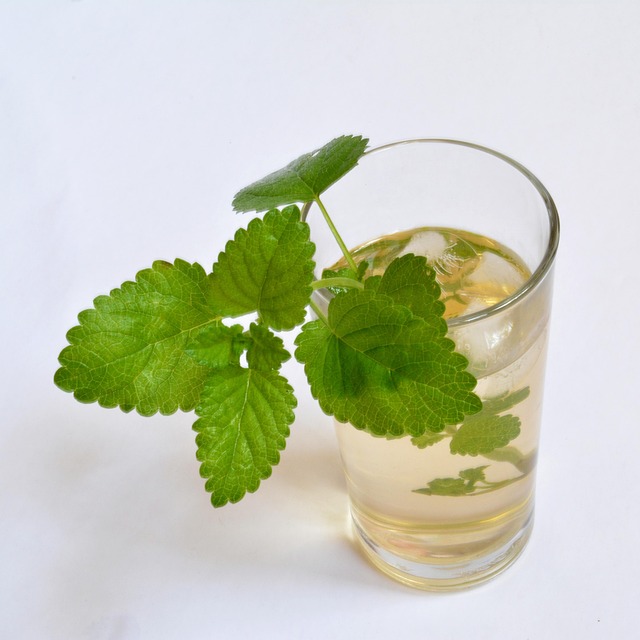
Lemon balm is a member of the mint family and has been used in European herbal traditions for centuries as a remedy for digestive spasms and gas. Its primary active compounds help reduce cramping and ease the movement of food and gas through the intestinal tract. Studies have found it to be particularly effective when combined with peppermint for addressing functional dyspepsia and bloating. The tea has a mild lemony aroma and flavor that many find soothing and uplifting. It is a strong choice for those who experience digestive discomfort linked to stress or emotional tension.
Turmeric Tea

Turmeric tea delivers the powerful anti-inflammatory compound curcumin directly to the digestive system in a warm and easily absorbed form. Curcumin has been shown to reduce intestinal inflammation and support healthy gut barrier function, both of which are connected to chronic bloating. It stimulates bile production and supports the gallbladder, helping the body break down dietary fats more effectively. Turmeric tea is often prepared with black pepper and a small amount of fat to maximize the bioavailability of curcumin in the body. It has an earthy and warming flavor profile that pairs naturally with ginger or cinnamon.
Cardamom Tea

Cardamom has been prized in Ayurvedic medicine for its carminative properties, meaning its ability to prevent and relieve the formation of gas in the digestive tract. It helps stimulate the secretion of digestive enzymes in the stomach and small intestine, making it especially useful after large or complex meals. Cardamom also has antimicrobial properties that may help address gut dysbiosis, an imbalance of gut bacteria that is a common underlying cause of bloating. The tea is warming and aromatic with a naturally sweet and slightly spicy flavor. It is a particularly popular digestive tea in Middle Eastern and South Asian cultures where it is often brewed alongside black tea.
Cinnamon Tea

Cinnamon tea works on the digestive system by reducing inflammation, slowing the rate at which the stomach empties, and supporting healthy blood sugar levels after meals. These combined effects help prevent the rapid fermentation of undigested food in the gut, which is a primary driver of gas and bloating. Cinnamon also has antimicrobial properties that contribute to a healthier and more balanced gut microbiome over time. It is a naturally sweet and warming tea that requires no added sugar to be enjoyable. A cup brewed with a whole cinnamon stick after dinner is a simple and effective digestive habit.
Papaya Leaf Tea

Papaya leaf tea is derived from the leaves of the papaya tree and contains a remarkable digestive enzyme called papain that breaks down proteins in the gut. This enzymatic action helps the stomach process heavy meals more efficiently, reducing the gas and bloating that often follows protein-rich eating. The tea also contains compounds that help reduce intestinal inflammation and support the health of the gut lining. Papaya leaf tea is widely consumed in tropical regions of Central America and Southeast Asia for its well-established digestive benefits. It has a mildly bitter and herbal flavor that can be balanced with a touch of honey or lemon.
Marshmallow Root Tea

Marshmallow root tea is a lesser-known but highly effective option for those dealing with bloating caused by gut inflammation or irritation. The root is rich in mucilage, a gel-like substance that coats and soothes the lining of the digestive tract from the esophagus to the intestines. This protective coating reduces friction and irritation, allowing the gut to function more smoothly and with less discomfort. It is particularly recommended for individuals with leaky gut, acid reflux, or inflammatory bowel conditions that contribute to persistent bloating. The tea has a mild and slightly sweet flavor that is gentle enough for everyday consumption.
Angelica Root Tea

Angelica root tea is a traditional European remedy that has been used since the Middle Ages for digestive complaints including gas, bloating, and indigestion. It contains compounds that help relax the muscles of the gastrointestinal tract and stimulate the flow of digestive juices. The tea is especially effective for sluggish digestion and a feeling of heaviness after eating large meals. It also has mild antispasmodic properties that can help reduce cramping associated with trapped gas. Angelica root tea has an earthy and slightly bitter herbal flavor that is best enjoyed plain or with a light herbal sweetener.
Spearmint Tea

Spearmint tea shares many of the digestive properties of peppermint but delivers them in a milder and gentler form that is better suited to those with sensitive stomachs. Research has shown it to be particularly helpful for women who experience bloating related to hormonal fluctuations or conditions such as polycystic ovary syndrome. Like peppermint, it helps relax the smooth muscles of the digestive tract and ease the movement of gas and food through the intestines. Spearmint has a lighter and naturally sweeter flavor than peppermint, making it a pleasant everyday option for digestive support. It is widely available and easy to brew from fresh or dried leaves at home.
If you have a favorite tea that helps with your digestion or bloating, share your experience in the comments.




