
Some of the most breathtaking destinations on Earth are quietly vanishing, reshaped or erased by rising temperatures, melting ice, and encroaching seas. Scientists and conservationists have been tracking the accelerating loss of ecosystems, coastlines, and ancient landscapes for decades. Visiting these places now offers a chance to witness their raw beauty while contributing to local economies that depend on responsible tourism. Each destination on this list represents not just a travel experience but a living document of a planet in transformation.
The Maldives
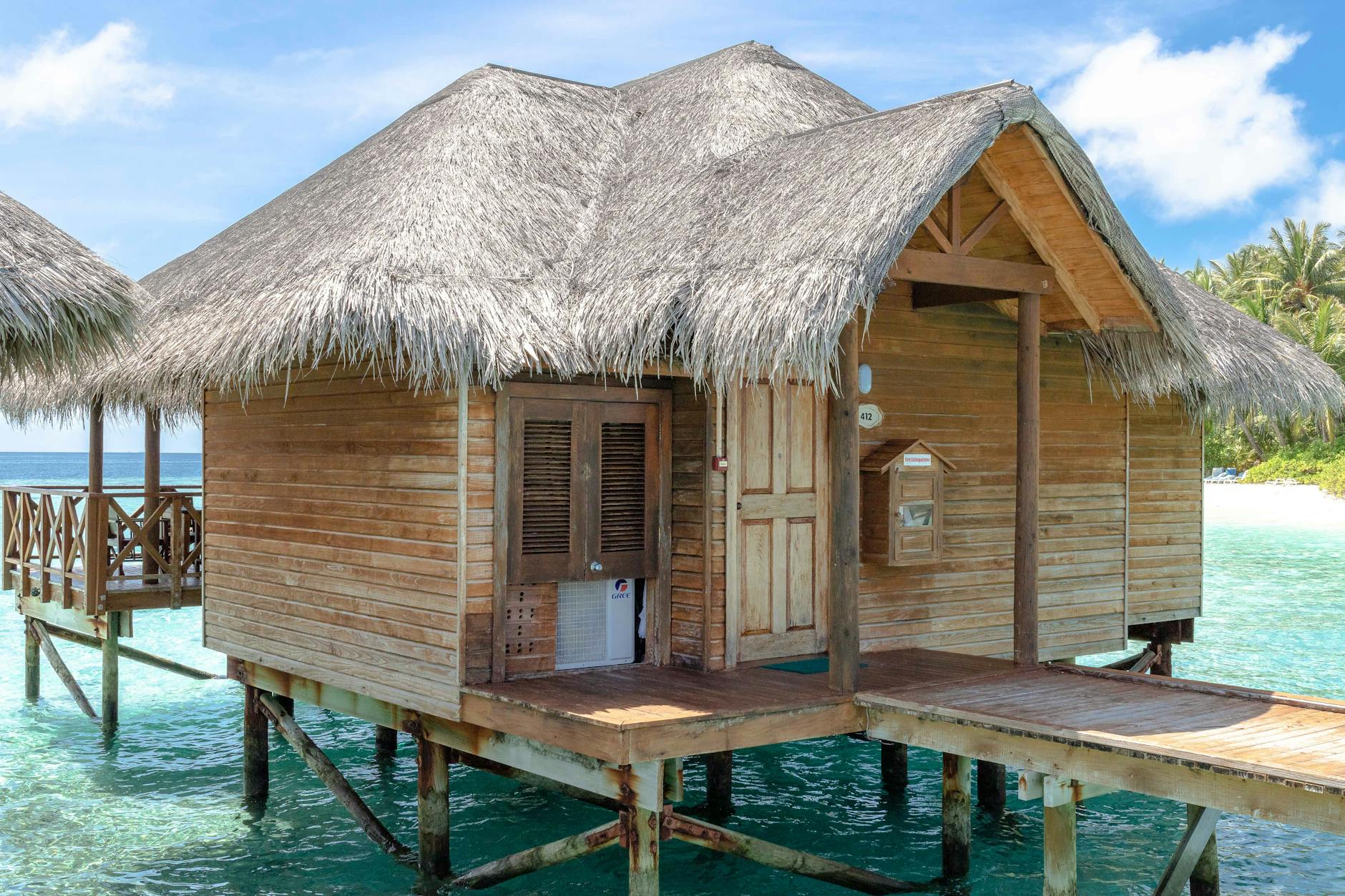
This low-lying island nation in the Indian Ocean sits just above sea level, making it one of the most vulnerable countries to rising seas on the planet. Its coral reefs, which support an extraordinary range of marine life, are experiencing severe bleaching events due to warming ocean temperatures. The overwater bungalows and crystal-clear lagoons attract visitors from across the world seeking an experience of rare natural beauty. Coral restoration projects are underway across several atolls in an effort to protect what remains of the reef ecosystem. The window to see its reefs in their more vibrant state is narrowing with each passing year.
The Great Barrier Reef
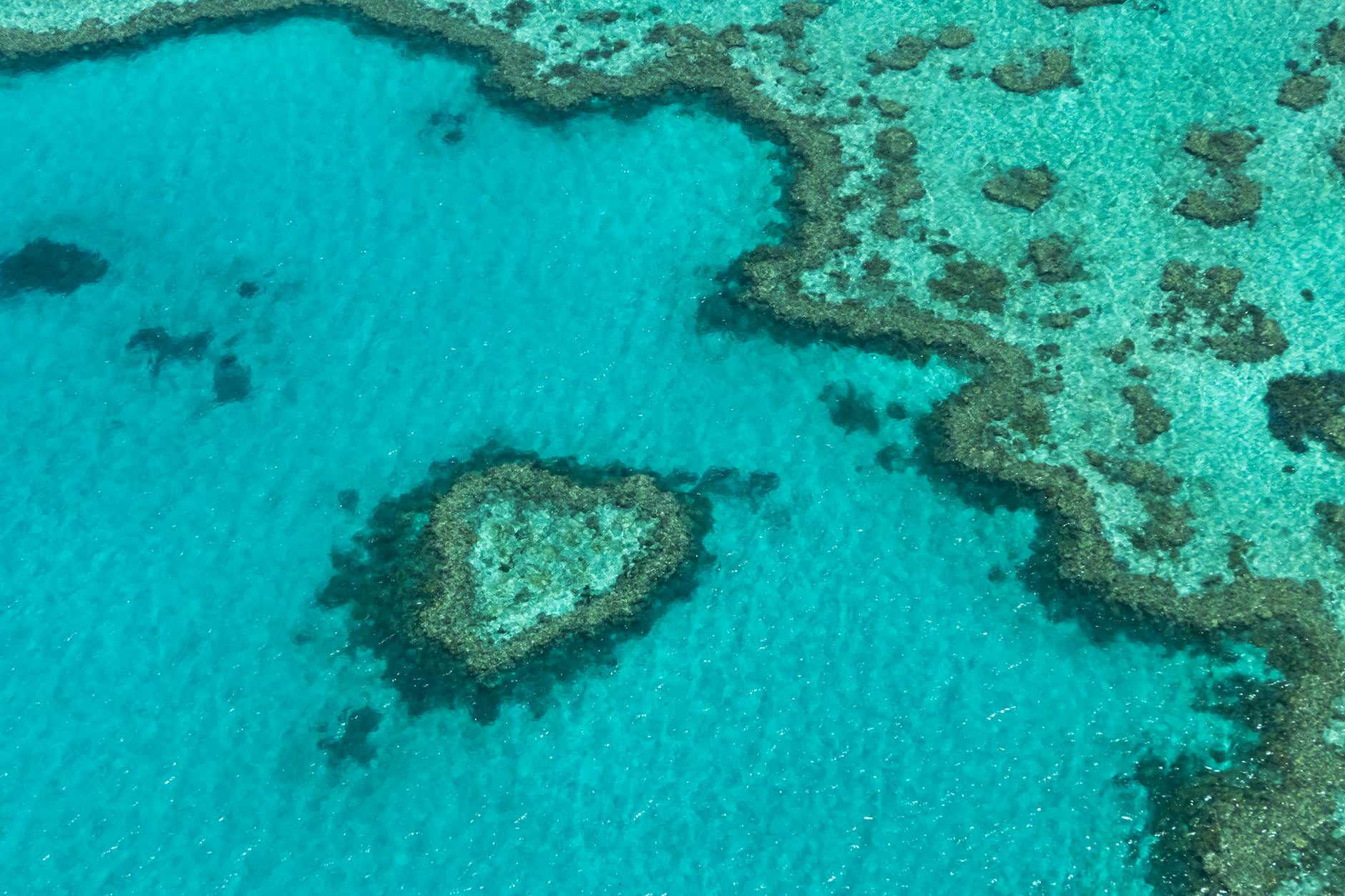
Stretching over 2,300 kilometres along the northeastern coast of Australia, this reef system is the largest living structure on Earth. Mass bleaching events, driven by marine heatwaves, have affected more than half of the reef’s coral cover in recent decades. The reef is home to thousands of species including sea turtles, dugongs, and over 1,500 species of fish. Marine biologists continue to monitor its health and implement intervention strategies to slow the damage. Snorkelling and diving in its waters still offers encounters with extraordinary biodiversity that few places on Earth can match.
Glacier National Park
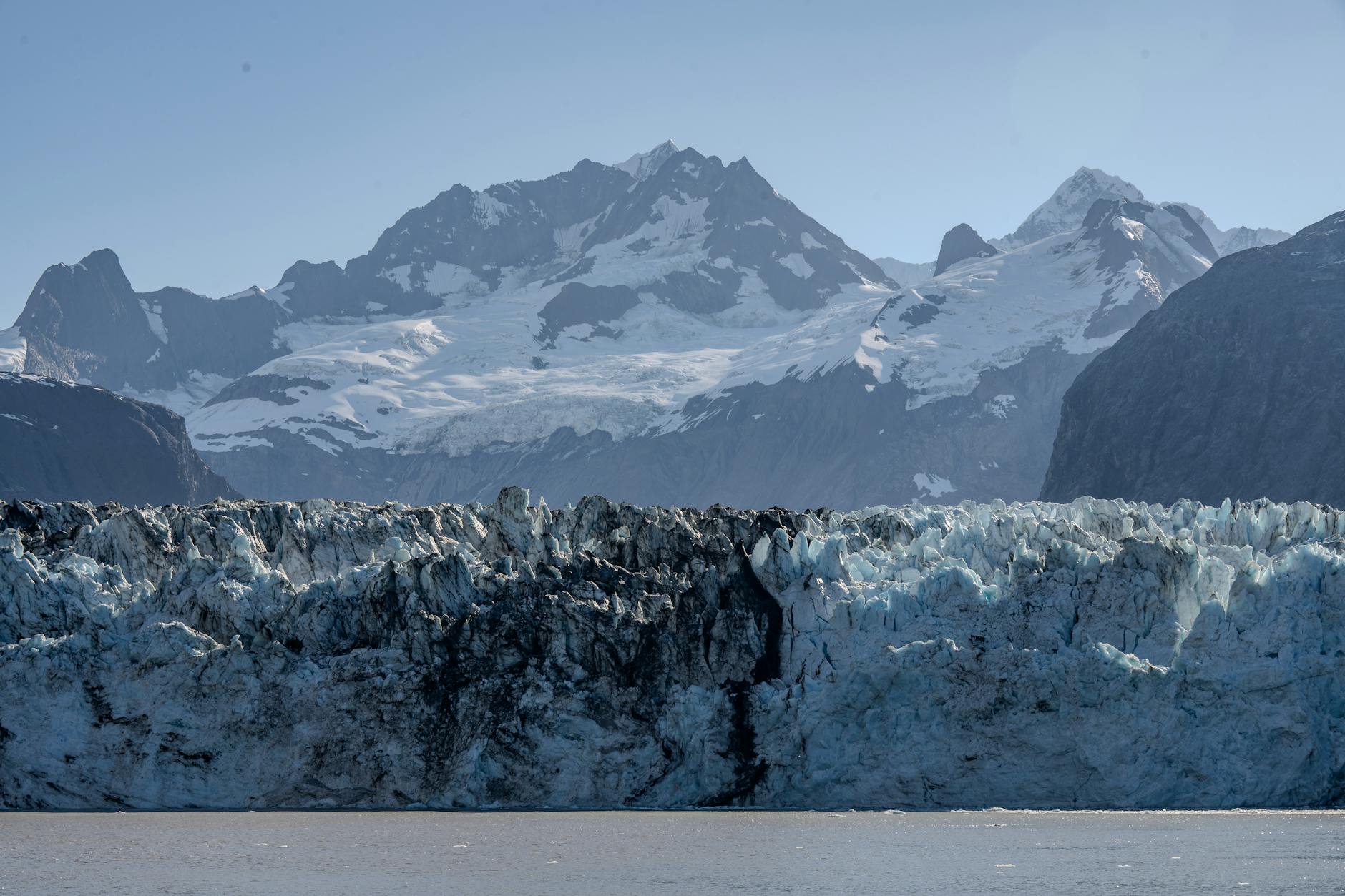
Located in Montana in the United States, this park once held over 150 named glaciers when it was established in the early twentieth century. Today fewer than 25 remain, and researchers project those could disappear entirely within the coming decades. The park’s glacially carved valleys, turquoise lakes, and alpine meadows remain among the most scenic landscapes in North America. Wildlife including grizzly bears, mountain goats, and wolverines roam across its vast wilderness. The park offers a striking visual record of glacial retreat that is visible even to the untrained eye.
Venice
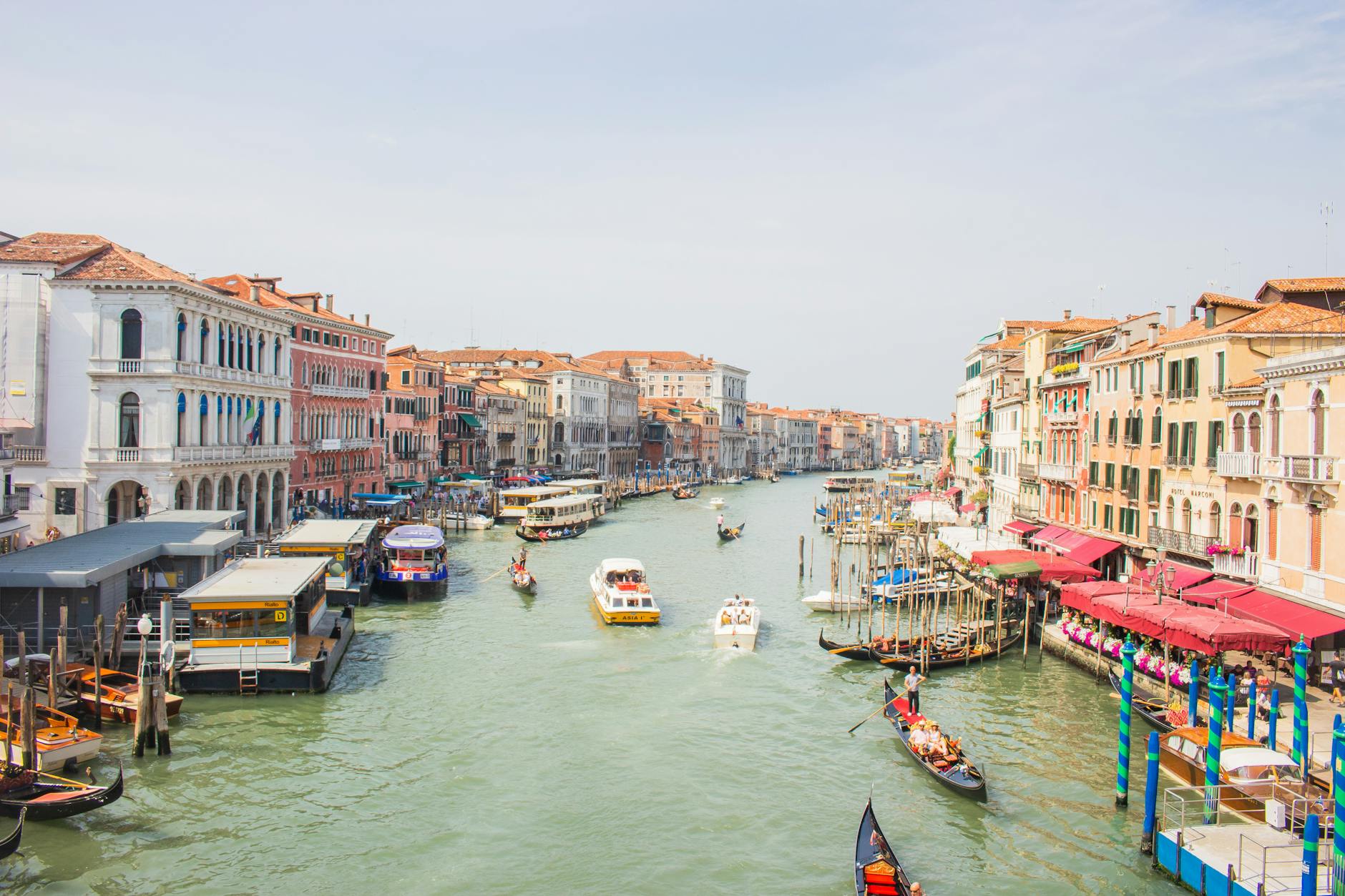
Built across 118 small islands in a lagoon in northeastern Italy, Venice has been slowly sinking for centuries while sea levels around it continue to rise. Flooding events known locally as acqua alta have become more frequent and more severe in recent years. The city’s Gothic and Renaissance architecture, narrow canals, and ancient piazzas represent one of the most unique urban environments ever created. UNESCO has placed Venice on its list of endangered heritage sites, drawing international attention to its precarious future. Its labyrinthine streets and waterways still offer a travel experience unlike any other on the planet.
The Amazon Rainforest
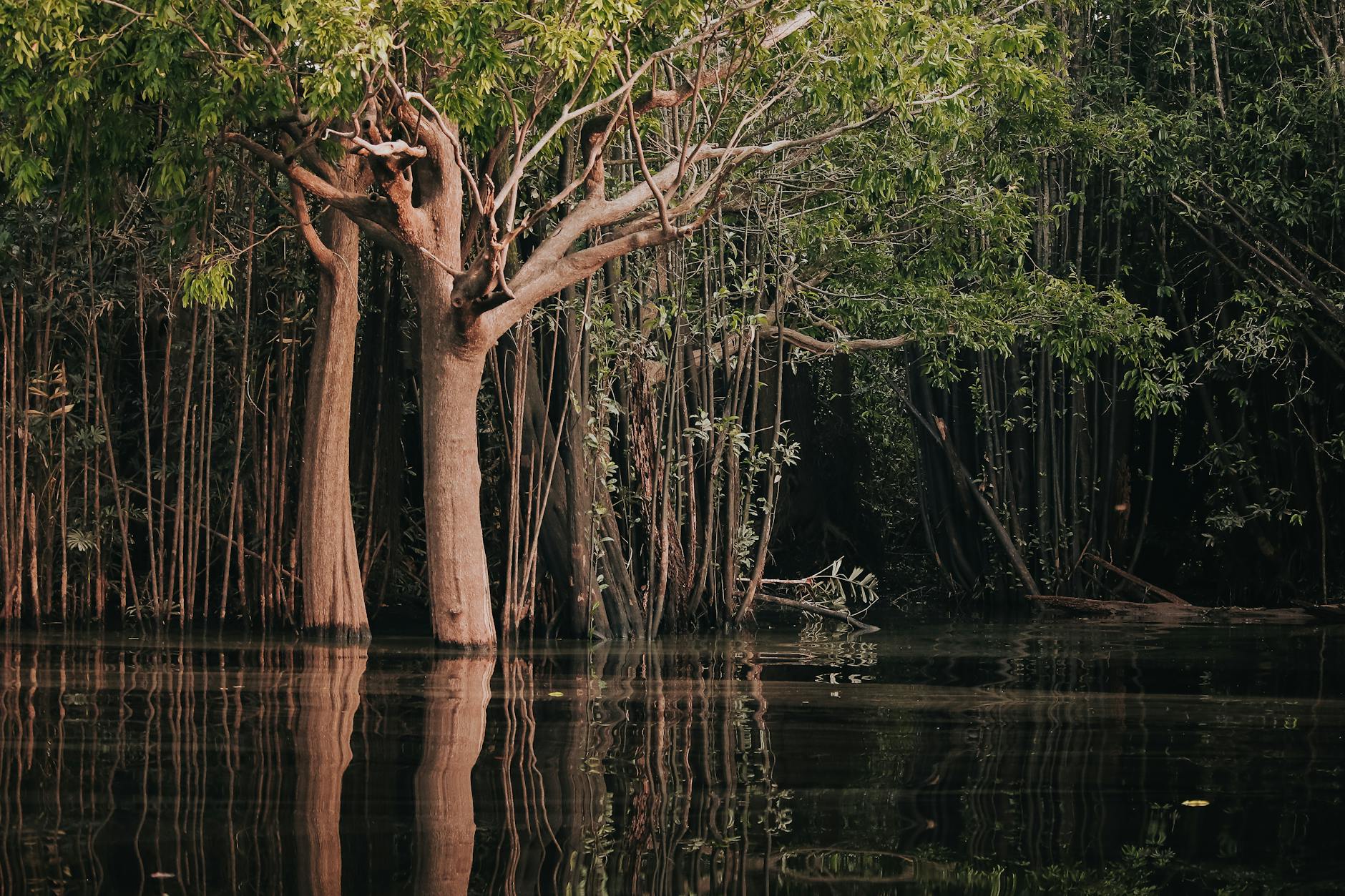
Covering approximately 5.5 million square kilometres across nine South American countries, the Amazon is the largest tropical rainforest on Earth. Deforestation combined with climate-driven drought is pushing large sections of the forest toward a tipping point from which recovery may not be possible. The rainforest is home to an estimated 10 percent of all species on Earth and plays a critical role in regulating the global climate. Indigenous communities have lived within its ecosystems for thousands of years, developing deep knowledge of its plants and waterways. Ecotourism routes through countries such as Brazil, Peru, and Ecuador offer immersive access to one of the most biodiverse environments on the planet.
The Dead Sea
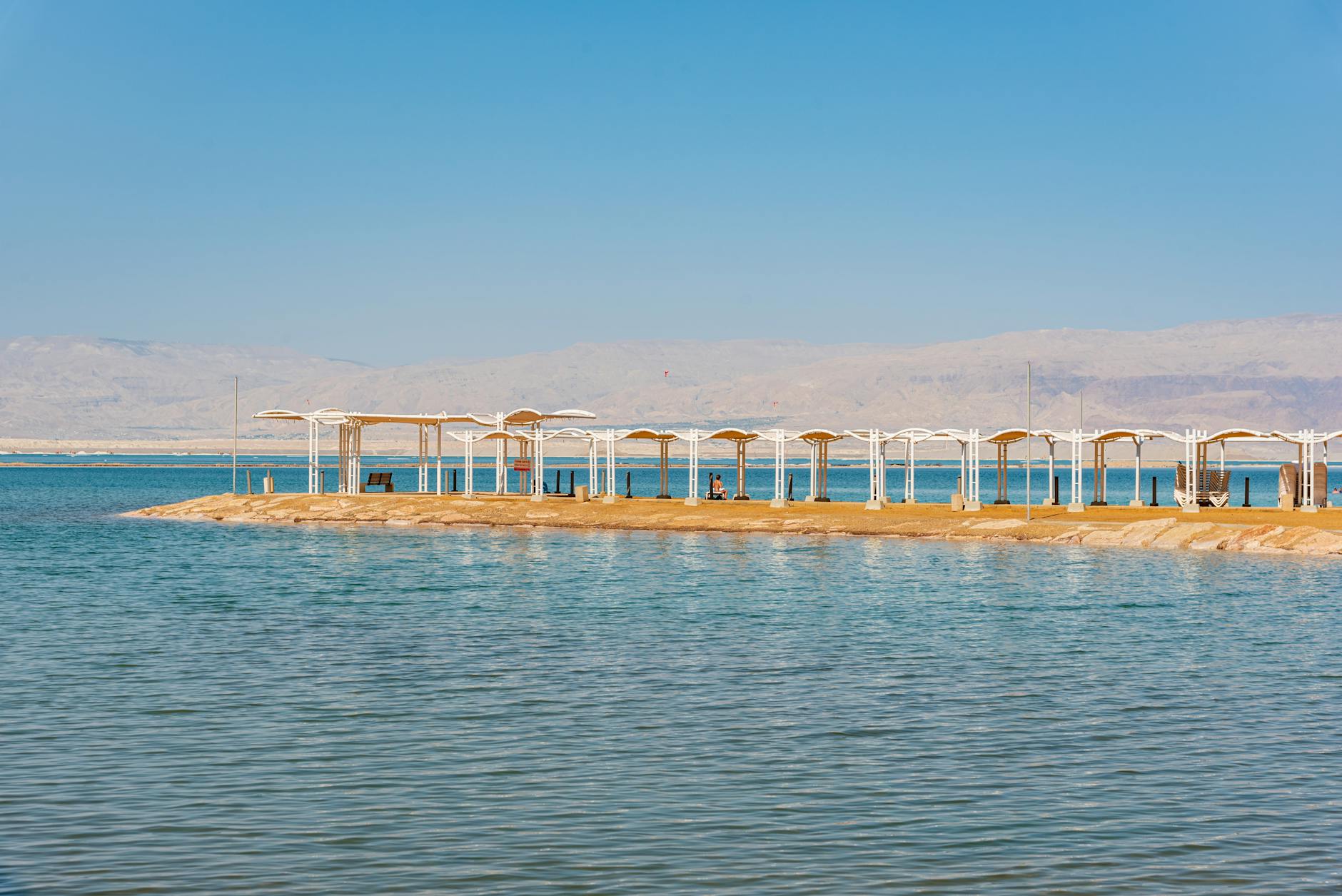
Situated between Jordan and Israel at the lowest point on Earth’s surface, the Dead Sea is shrinking at an alarming rate. Water levels have been dropping by over one metre per year due to water diversion from the Jordan River and regional industrial extraction. Its hyper-saline waters and mineral-rich mud have attracted visitors and health seekers for thousands of years. Sinkholes are now appearing along its shores as freshwater dissolves underground salt layers exposed by the retreating waterline. The stark desert landscape surrounding it creates one of the most otherworldly and historically significant environments in the Middle East.
Athabasca Glacier
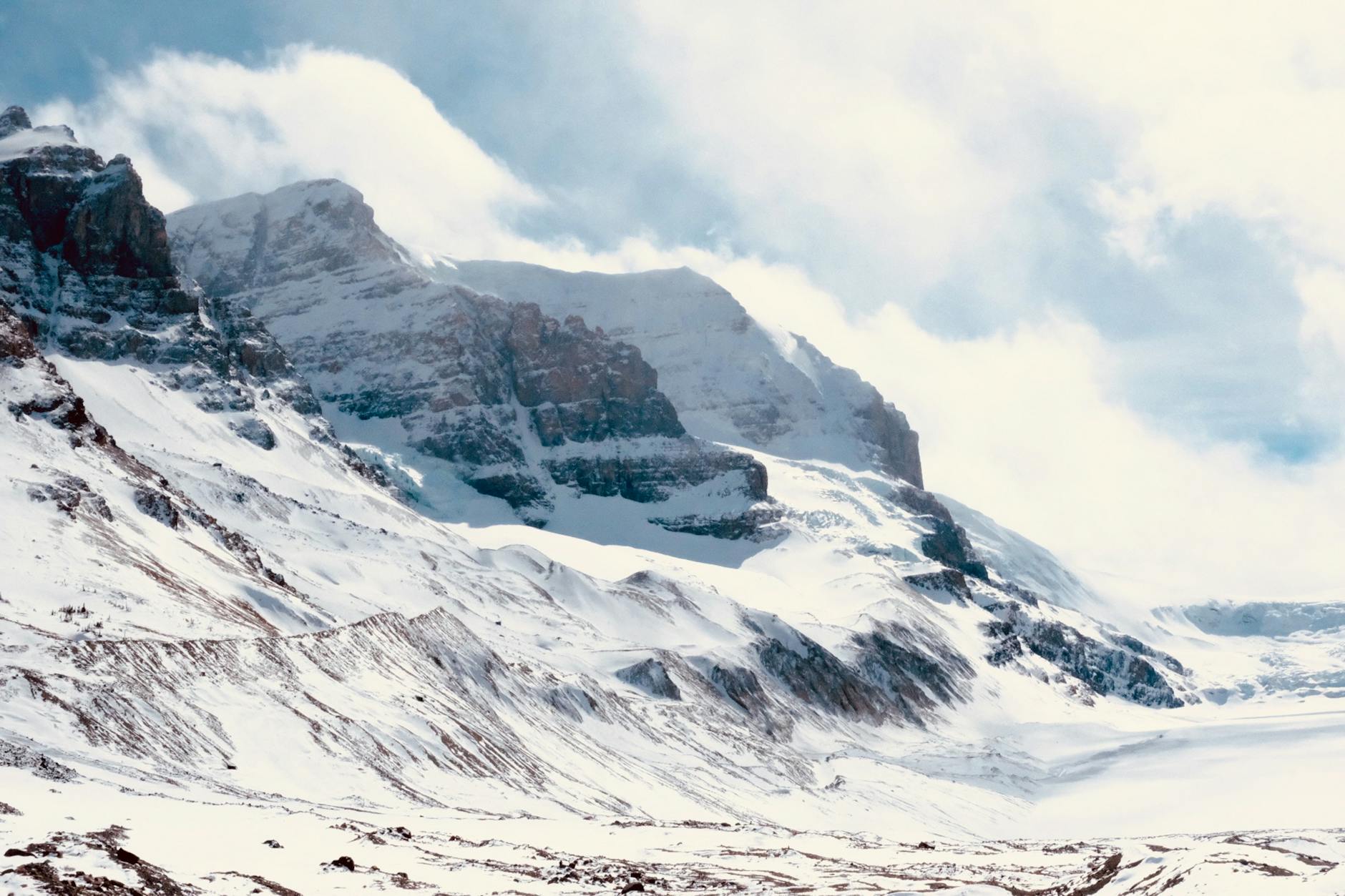
Part of the Columbia Icefield in the Canadian Rockies, the Athabasca Glacier is one of the most visited and most studied glaciers in North America. It has retreated by more than 1.5 kilometres over the past century and lost a significant portion of its thickness. The glacier feeds major river systems that supply water to communities across western Canada and the northern United States. Guided walks and Ice Explorer tours allow visitors to stand on the ancient ice and observe the marked posts showing decades of glacial retreat. It serves as one of the most accessible and visually compelling examples of climate-driven glacial loss in the world.
The Florida Everglades
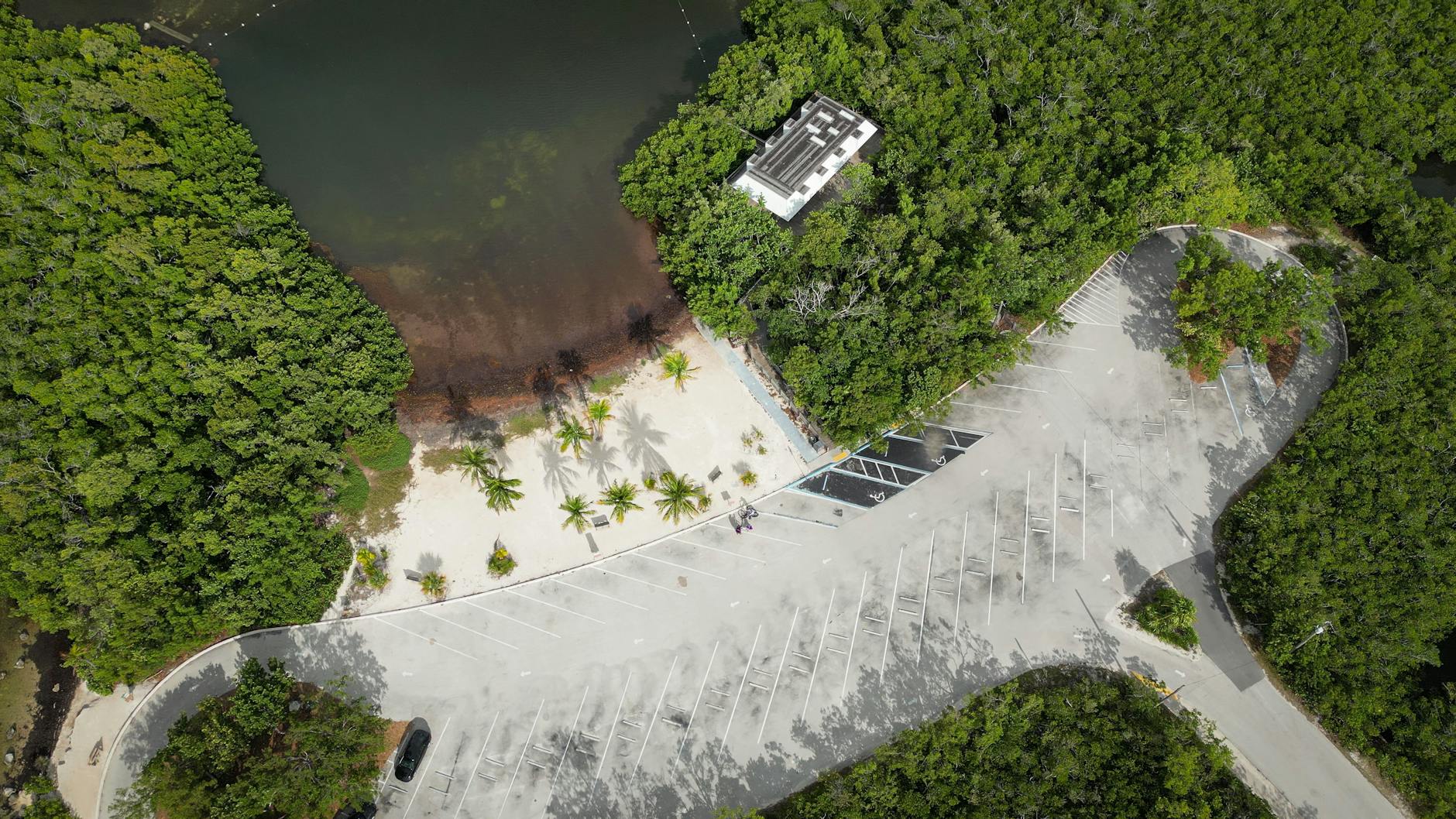
This vast subtropical wetland covers nearly 1.5 million acres in southern Florida and is one of the most ecologically unique regions in North America. Rising sea levels are pushing saltwater into freshwater marshes, disrupting the delicate balance of an ecosystem that took thousands of years to develop. The Everglades supports an extraordinary range of wildlife including American alligators, Florida panthers, manatees, and hundreds of bird species. Restoration efforts have been ongoing for decades but face increasing pressure from both urban encroachment and climate change. Airboat tours and hiking trails through the sawgrass prairies offer direct access to one of the most irreplaceable wetland environments on Earth.
Sundarbans
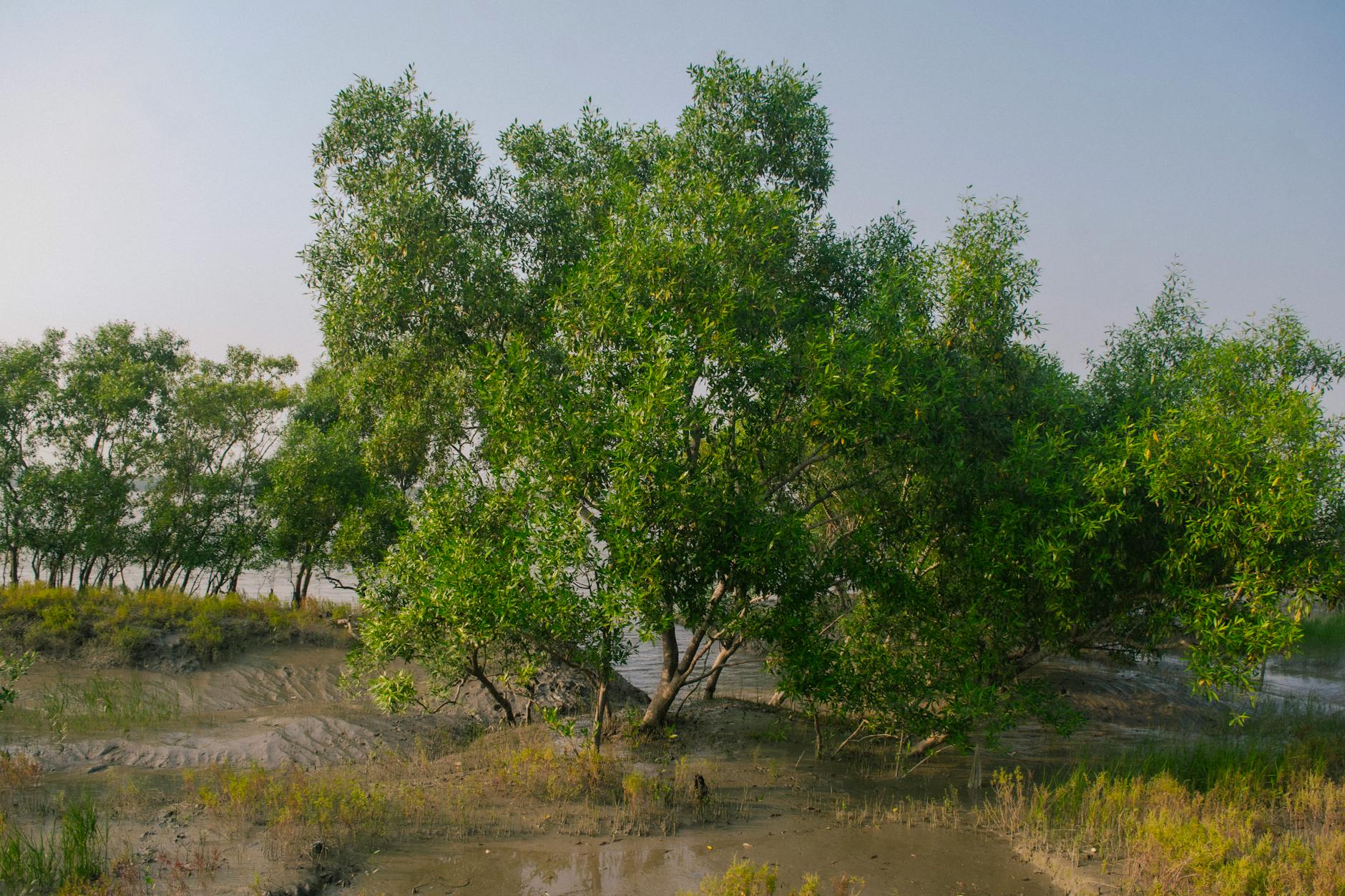
Spanning the coastal delta of Bangladesh and the Indian state of West Bengal, the Sundarbans is the largest mangrove forest in the world. It provides critical habitat for the Bengal tiger, Irrawaddy dolphin, and estuarine crocodile within its maze of tidal waterways and dense forest cover. Rising sea levels are steadily swallowing its low-lying islands, and stronger cyclones driven by warmer ocean temperatures are stripping away its vegetation. Local communities in the region depend on the forest for protection from storm surges and for daily sustenance. Boat tours through its shadowy channels remain one of the most dramatic wildlife experiences available anywhere in Asia.
Patagonia
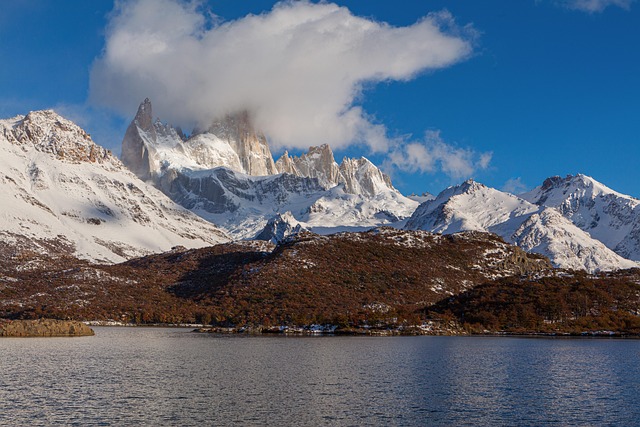
Spanning the southern tip of South America across Argentina and Chile, Patagonia is home to some of the most dramatic glacial and mountain scenery on the planet. Its iconic glaciers, including the Grey and Perito Moreno, are retreating at rates that researchers describe as historically unprecedented. The region’s windswept steppe, ancient forests, and towering granite peaks attract trekkers and adventurers seeking one of the last great wilderness frontiers. Changes in precipitation patterns and temperature are already altering the vegetation and wildlife corridors that define the region’s unique ecology. Torres del Paine and Los Glaciares national parks remain among the most awe-inspiring protected landscapes accessible to travellers today.
If you have visited any of these destinations or have thoughts on responsible travel in threatened environments, share your perspective in the comments.




