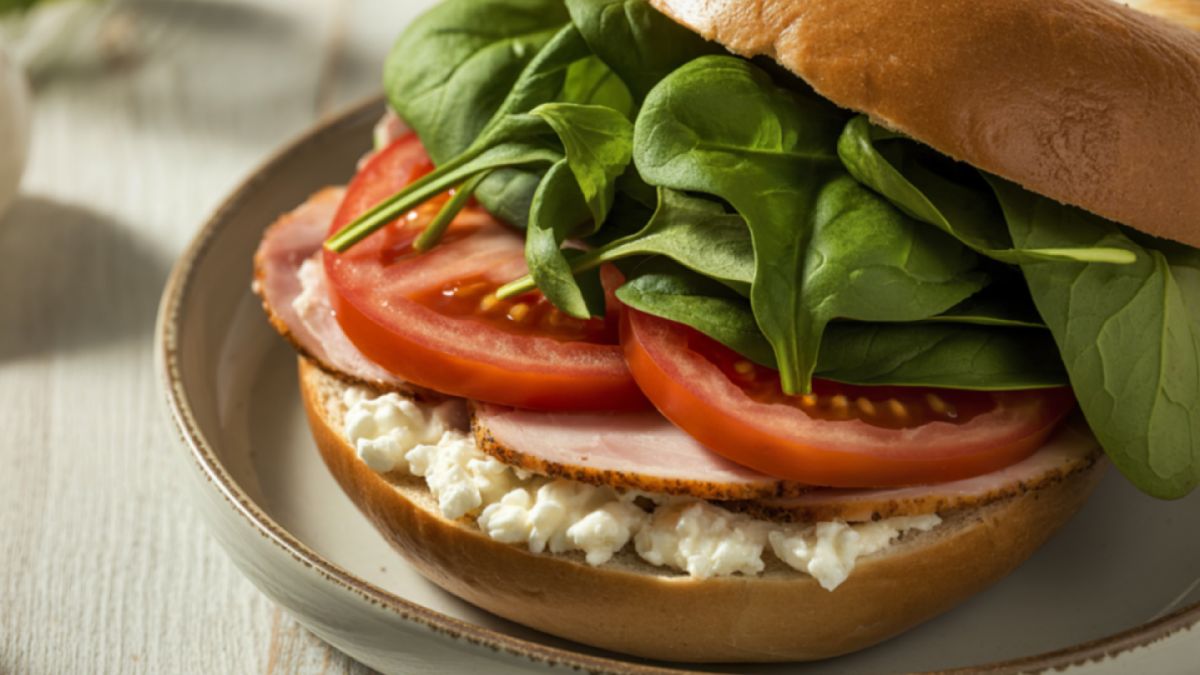
Most people associate high sodium with obvious culprits like potato chips or fast food fries, but the real danger often hides in plain sight on grocery store shelves and everyday dining tables. Many foods marketed as healthy or wholesome carry a surprisingly heavy sodium load that can quietly push blood pressure into dangerous territory over time. Understanding which everyday staples are secretly loaded with salt is one of the most powerful steps toward protecting long-term cardiovascular health. The following 25 foods are among the most deceptive sources of excess sodium in the modern diet.
Bread
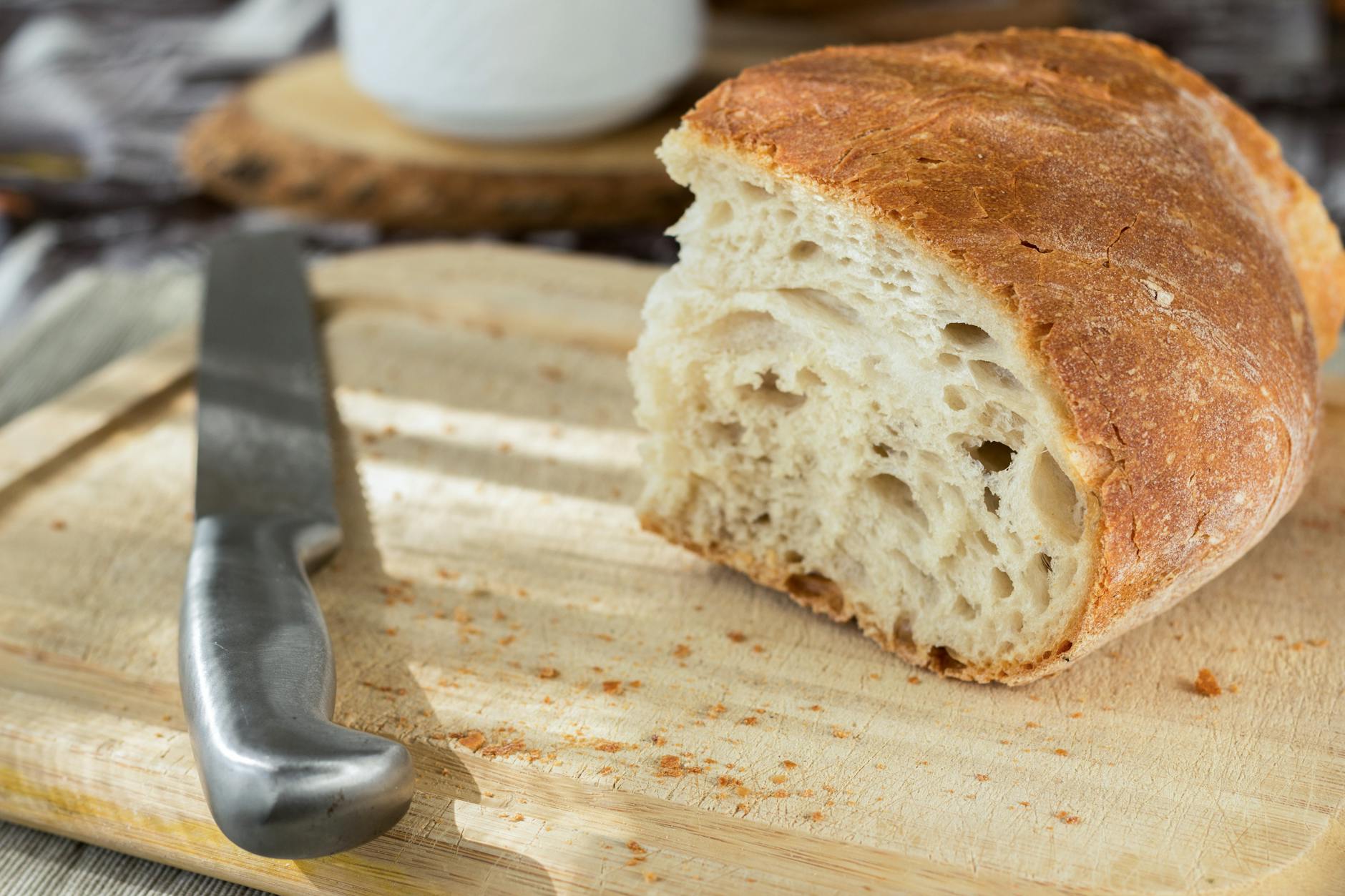
A single slice of commercially produced white or whole wheat bread can contain anywhere from 100 to 200 milligrams of sodium. Because most people eat multiple slices per meal, the sodium accumulates rapidly without any noticeable salty taste. Bread requires salt during production to control yeast fermentation and enhance texture, which means it is present in virtually every loaf on the market. Switching to low-sodium bread options or homemade alternatives can make a meaningful difference for people monitoring their blood pressure. The deceptive nature of bread lies in the fact that it never actually tastes salty despite its substantial sodium content.
Cottage Cheese
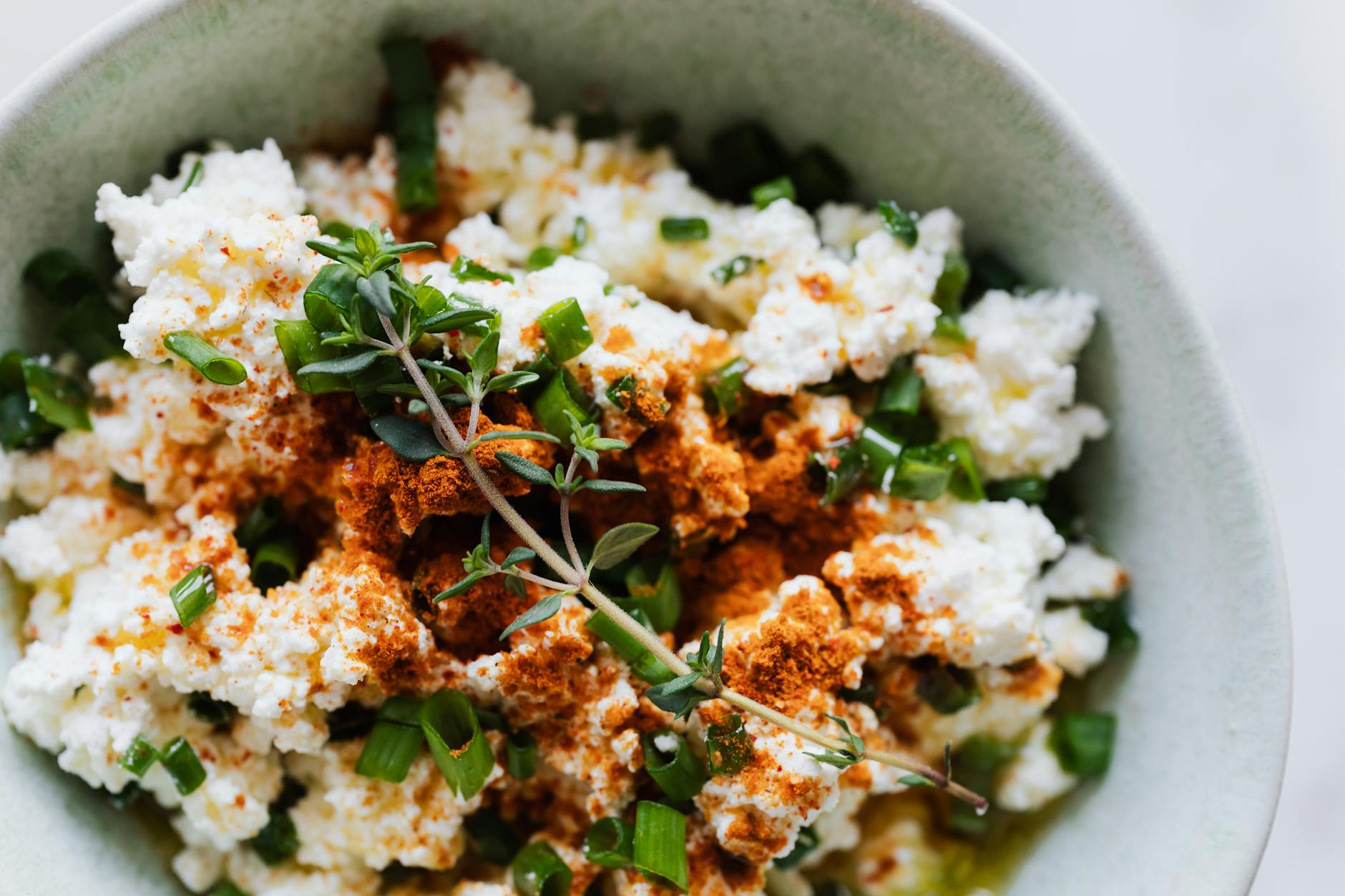
Cottage cheese is widely promoted as a high-protein, low-fat food and a staple of health-conscious diets around the world. However, a single half-cup serving can contain up to 400 milligrams of sodium depending on the brand and style. Salt is used during the curd-making process to enhance flavor and extend shelf life, which is why even plain varieties carry a significant sodium load. People who eat cottage cheese daily as part of a weight management plan may be unknowingly consuming large amounts of sodium over time. Choosing low-sodium or no-salt-added versions is a straightforward way to enjoy this food without the cardiovascular concern.
Canned Soup
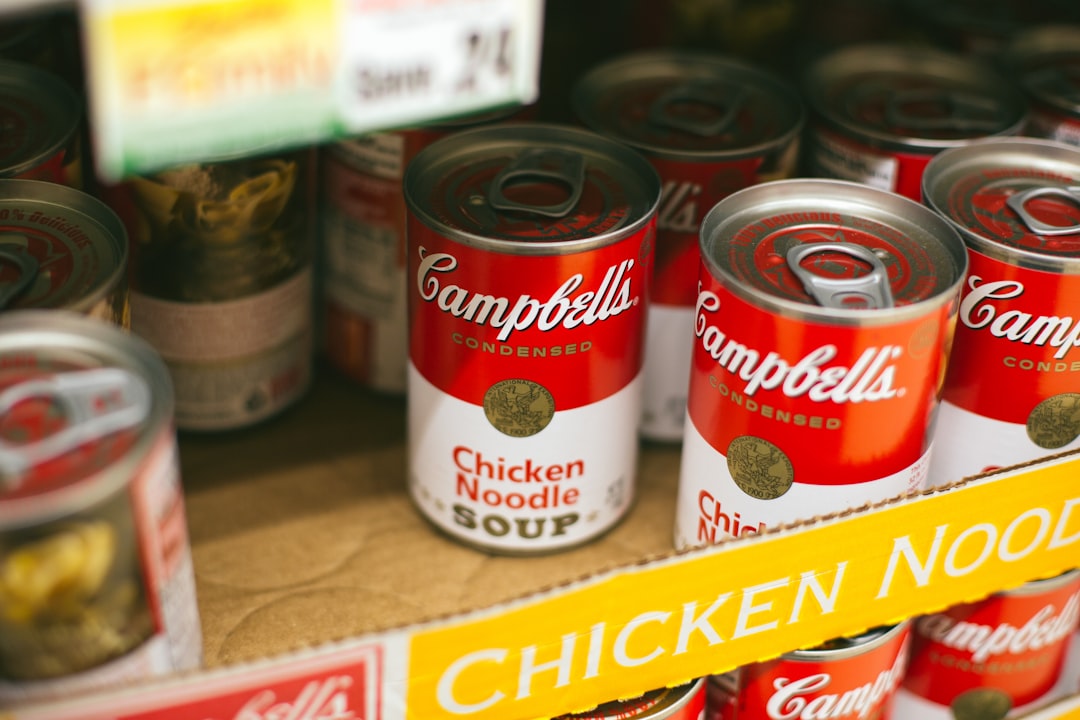
Canned soup has long been a convenience food staple in households across the world, but its sodium content is genuinely alarming. A single can of tomato or chicken noodle soup can easily contain over 800 milligrams of sodium, which is more than a third of the recommended daily intake in one sitting. The high salt levels serve as a preservative and flavor enhancer, making the soup taste rich and satisfying without any additional seasoning. Many people consume an entire can in one meal, effectively doubling that sodium intake in a single serving. Rinsing canned goods or opting for low-sodium versions reduces the risk without requiring a complete dietary overhaul.
Deli Meats
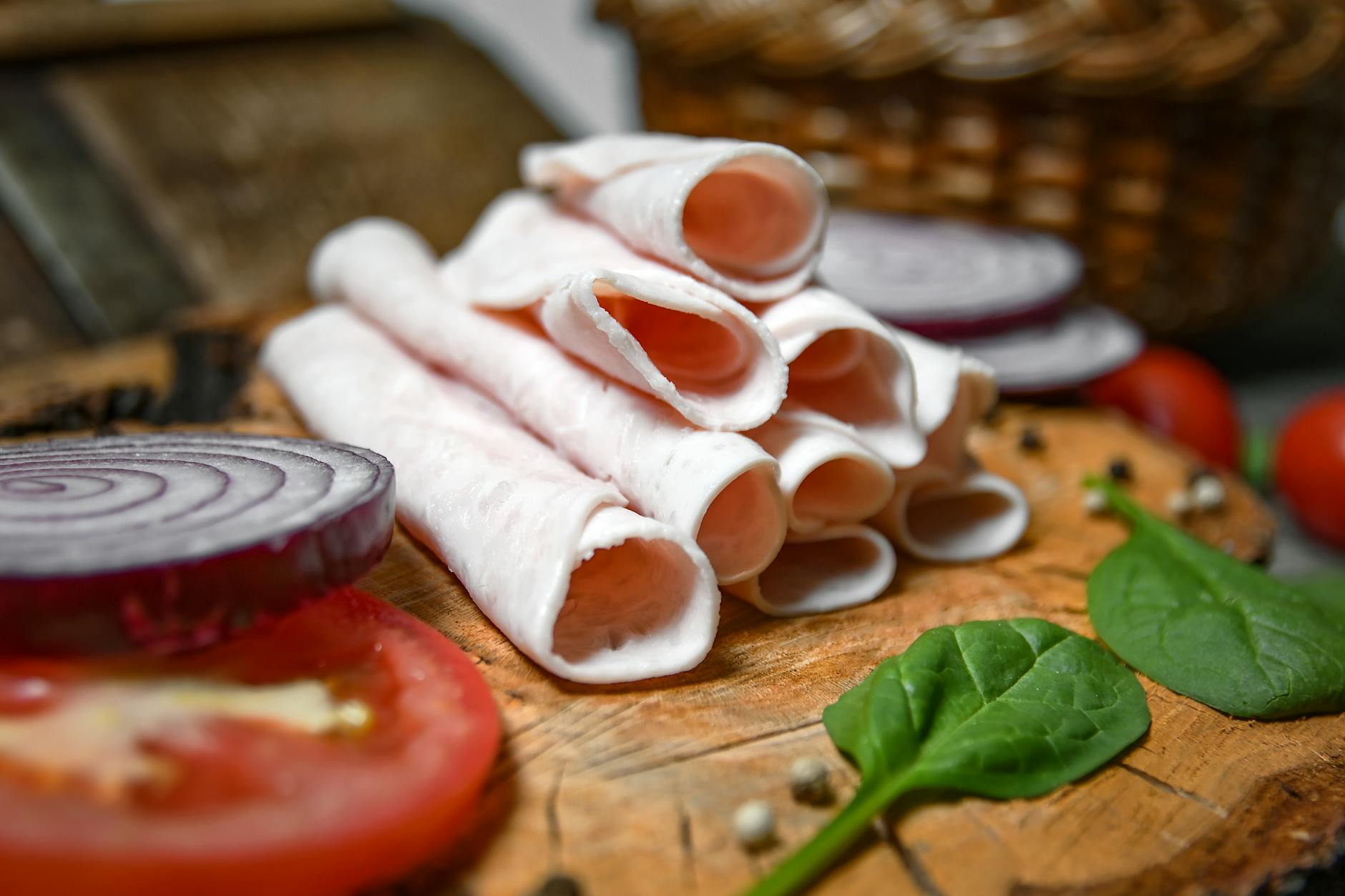
Deli meats like turkey, ham, roast beef, and salami are preserved and flavored with significant quantities of sodium during processing. A few thin slices of deli turkey can contain upwards of 500 milligrams of sodium before any condiments or bread are added to the equation. The curing and preservation process depends heavily on salt to inhibit bacterial growth and extend the product’s refrigerated shelf life. People who regularly eat sandwiches or wraps for lunch are often consuming far more sodium than they realize simply from the meat alone. Fresh roasted or grilled meats prepared at home are a far lower-sodium alternative for those concerned about blood pressure.
Pickles
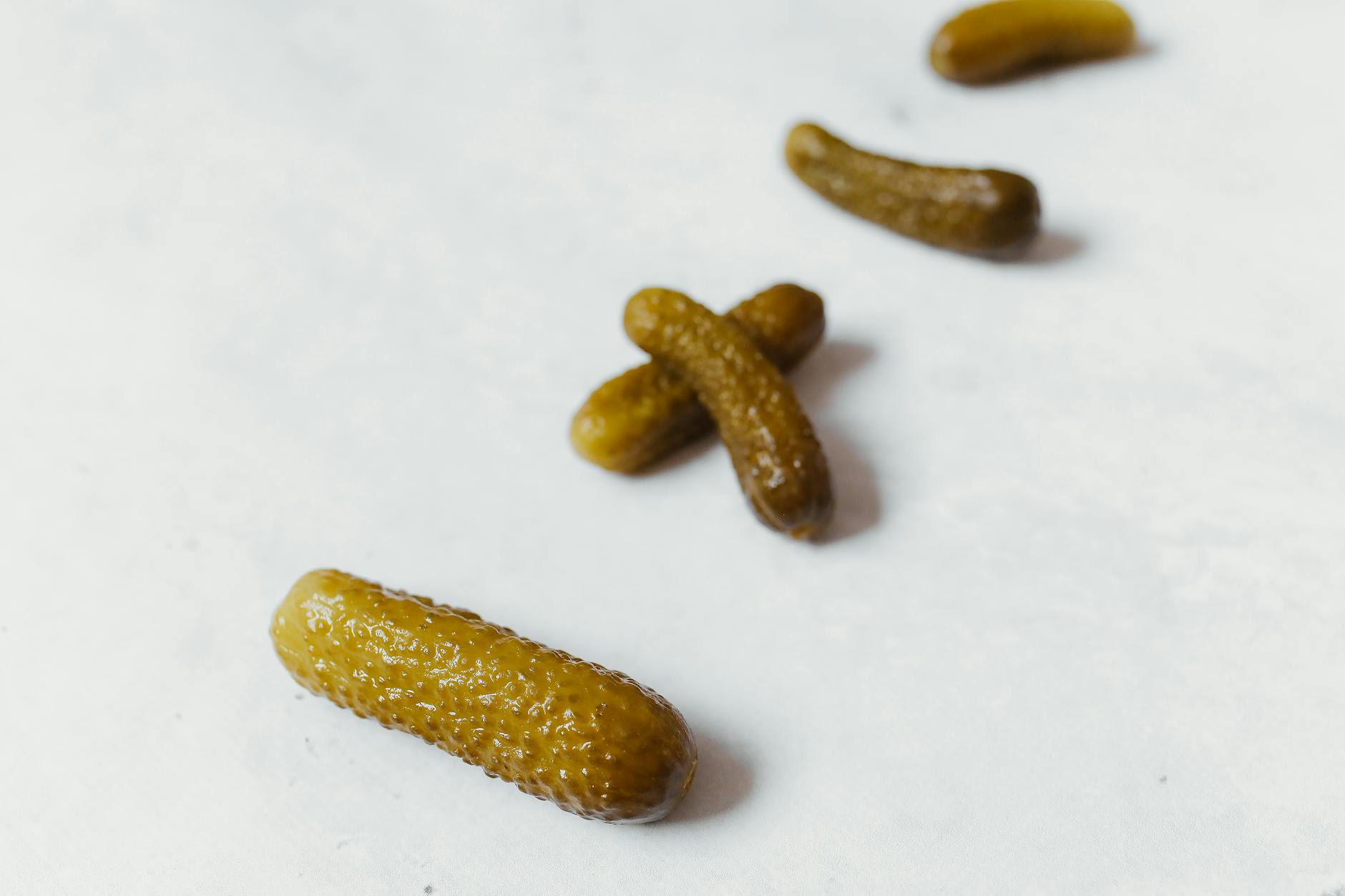
Pickles are made through a brining process that submerges cucumbers in a heavily salted solution, which is responsible for their distinctive tangy and salty flavor. A single large pickle spear can contain over 700 milligrams of sodium, which is an extraordinary amount for such a small food item. Despite being low in calories and fat, pickles offer very little nutritional benefit while delivering a concentrated dose of salt. Many people snack on pickles casually without realizing the cardiovascular implications of doing so regularly. Fermented pickles made with less salt or vinegar-brined varieties can offer a lower-sodium option for those who enjoy the flavor.
Jarred Pasta Sauce
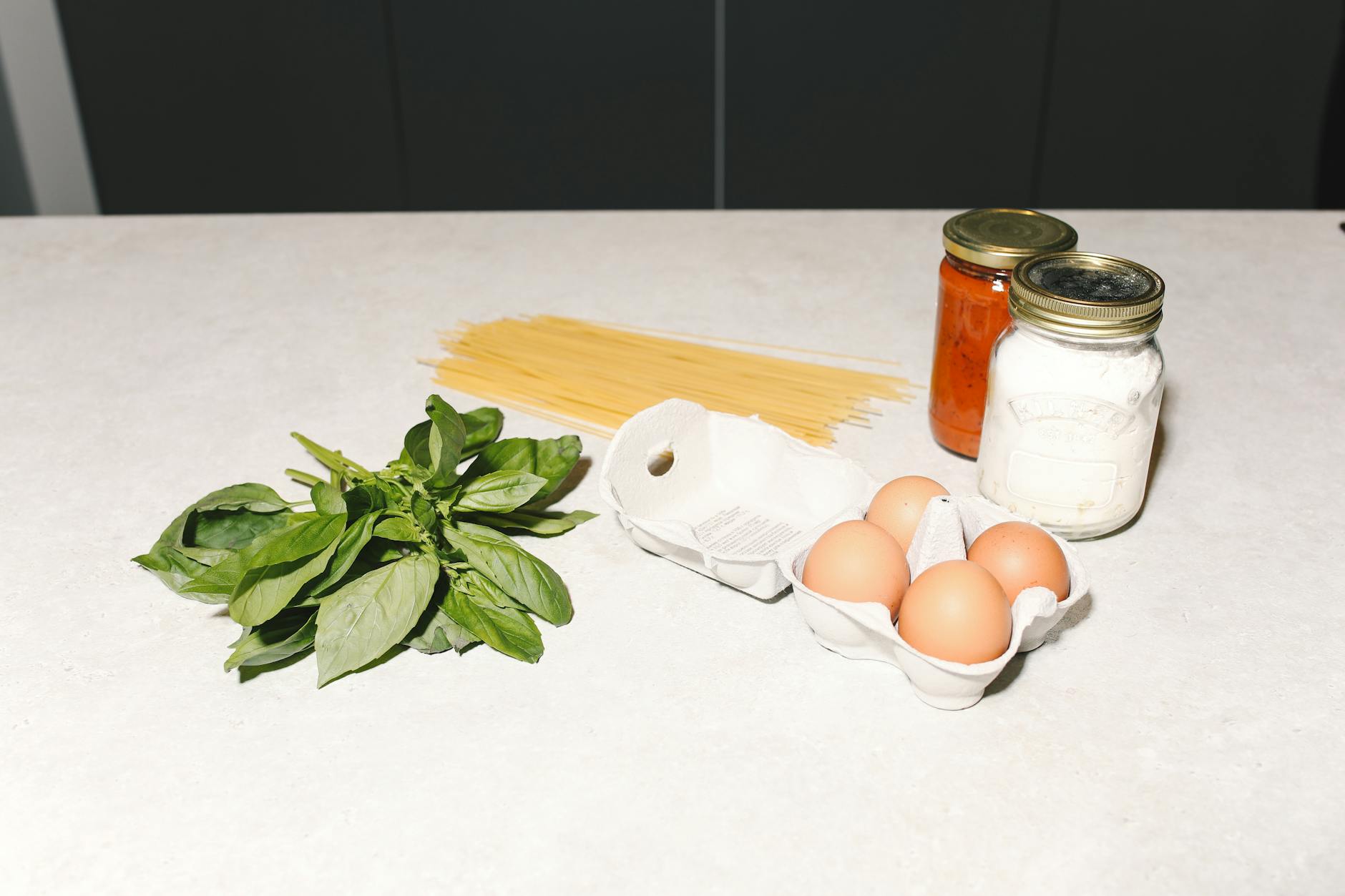
Jarred pasta sauce may appear to be a simple blend of tomatoes and herbs, but most commercial varieties contain surprisingly high levels of added sodium. A half-cup serving of a standard marinara sauce can contain between 400 and 600 milligrams of sodium, and most people use considerably more than that in a single meal. Salt is used to balance acidity from the tomatoes and to enhance the overall depth of flavor in the sauce. Because pasta sauce is so commonly consumed and often eaten in large quantities, it contributes significantly to daily sodium totals. Making sauce from scratch using fresh tomatoes and herbs allows full control over the salt content.
Frozen Meals
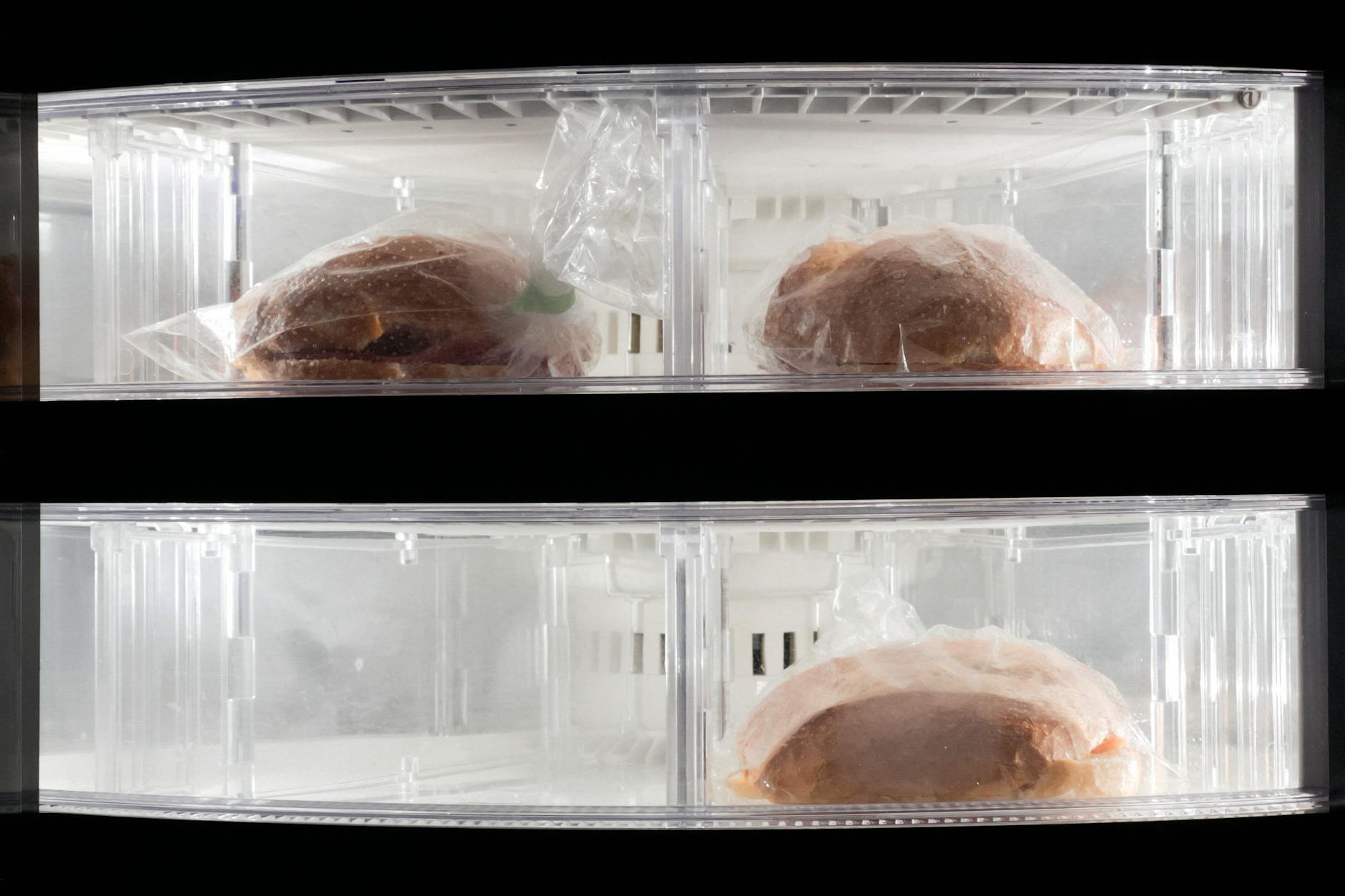
Frozen meals are engineered for convenience and shelf stability, and sodium plays a central role in preserving flavor and extending their usable life in the freezer. A single frozen dinner marketed as healthy or light can still contain anywhere from 600 to over 1,000 milligrams of sodium per serving. Sodium is particularly prevalent in frozen meals featuring sauces, gravies, or seasoned proteins where the flavor profile depends heavily on salt. The perception that a low-calorie frozen meal is also low in sodium is one of the most common misconceptions in modern nutrition. Reading nutrition labels carefully before purchasing frozen options is essential for anyone managing blood pressure.
Cheese
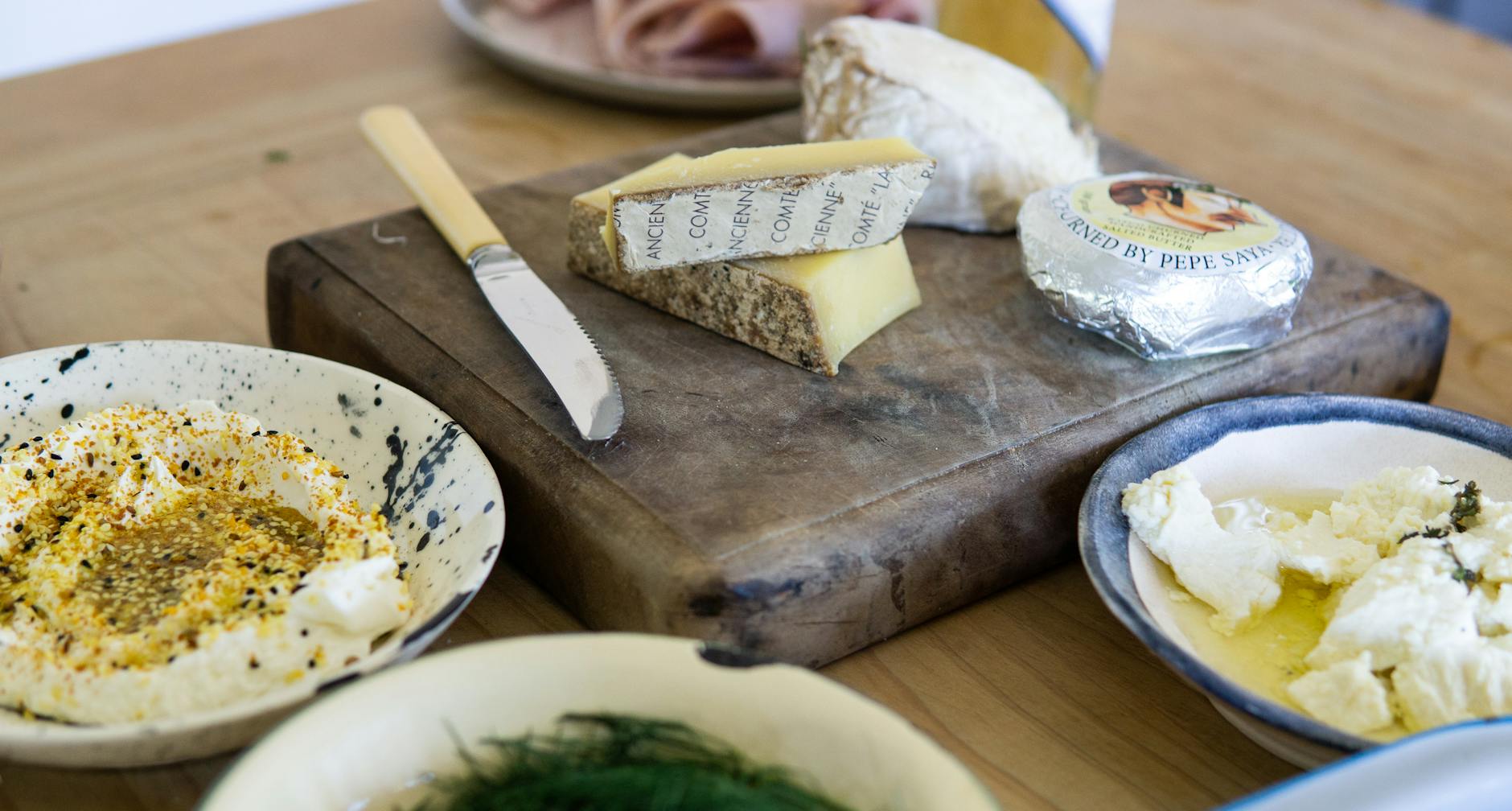
Cheese is a beloved and nutritionally dense food, but its sodium content is frequently overlooked in dietary planning. Hard and processed cheeses like feta, parmesan, halloumi, and American cheese slices can contain between 300 and 500 milligrams of sodium per ounce. Salt is integral to the cheesemaking process, serving as a preservative and a key driver of flavor development and rind formation. Because cheese is often consumed in layers on sandwiches, melted over dishes, or eaten as a snack throughout the day, it is easy to accumulate a large sodium intake without awareness. Fresh cheeses such as mozzarella and ricotta tend to carry lower sodium levels and are gentler options for those watching their blood pressure.
Soy Sauce
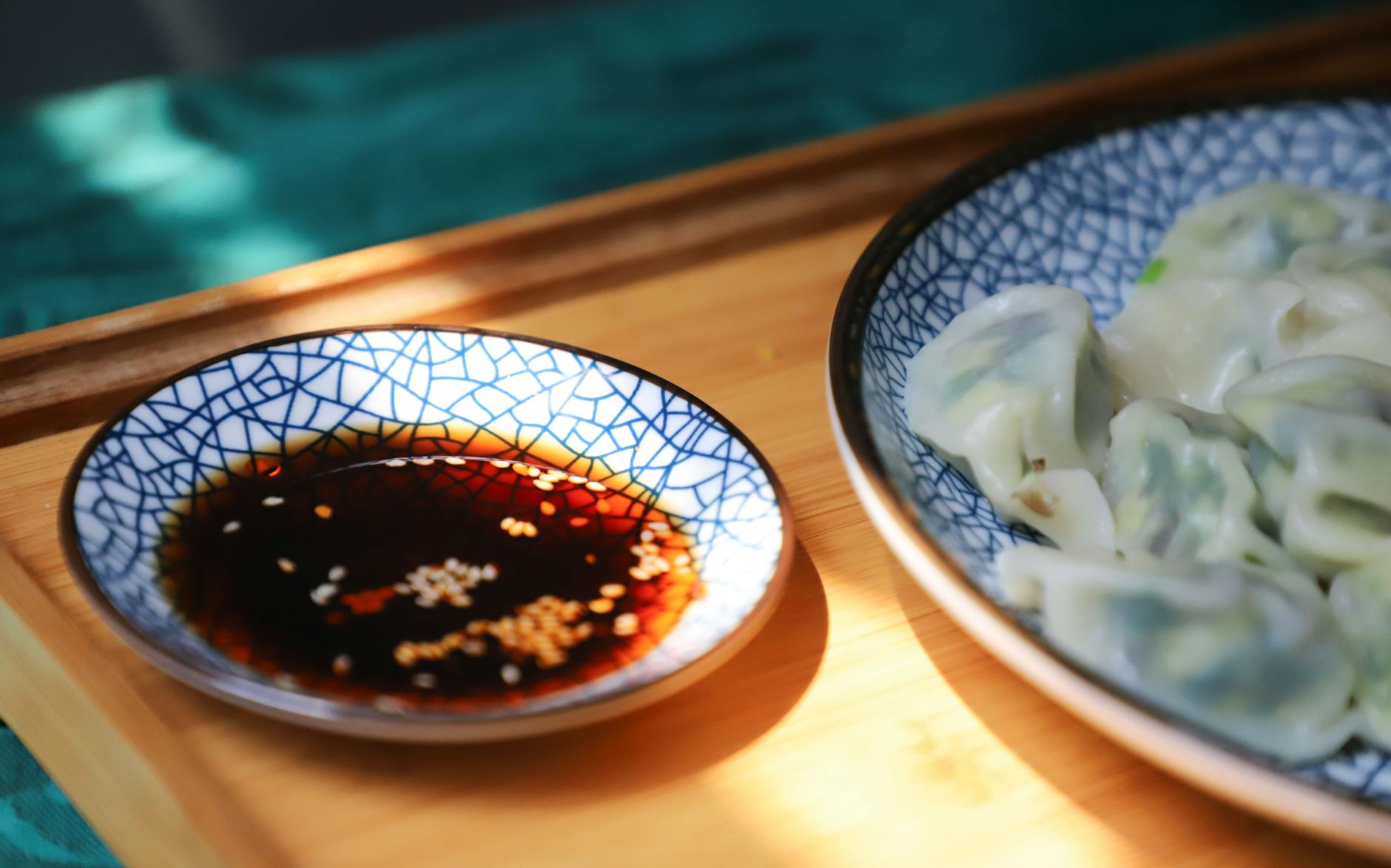
Soy sauce is one of the most concentrated sources of sodium found in any condiment or cooking ingredient used globally. Just one tablespoon of regular soy sauce contains approximately 900 milligrams of sodium, which is nearly 40 percent of the recommended daily limit in a single small measure. It is used liberally in Asian-inspired cooking, marinades, stir-fries, dipping sauces, and dressings, often making it difficult to estimate actual intake. Low-sodium soy sauce is widely available and contains roughly half the sodium of the standard variety, making it a practical substitution. Even with the reduced version, portion control remains important for those prioritizing blood pressure management.
Breakfast Cereal
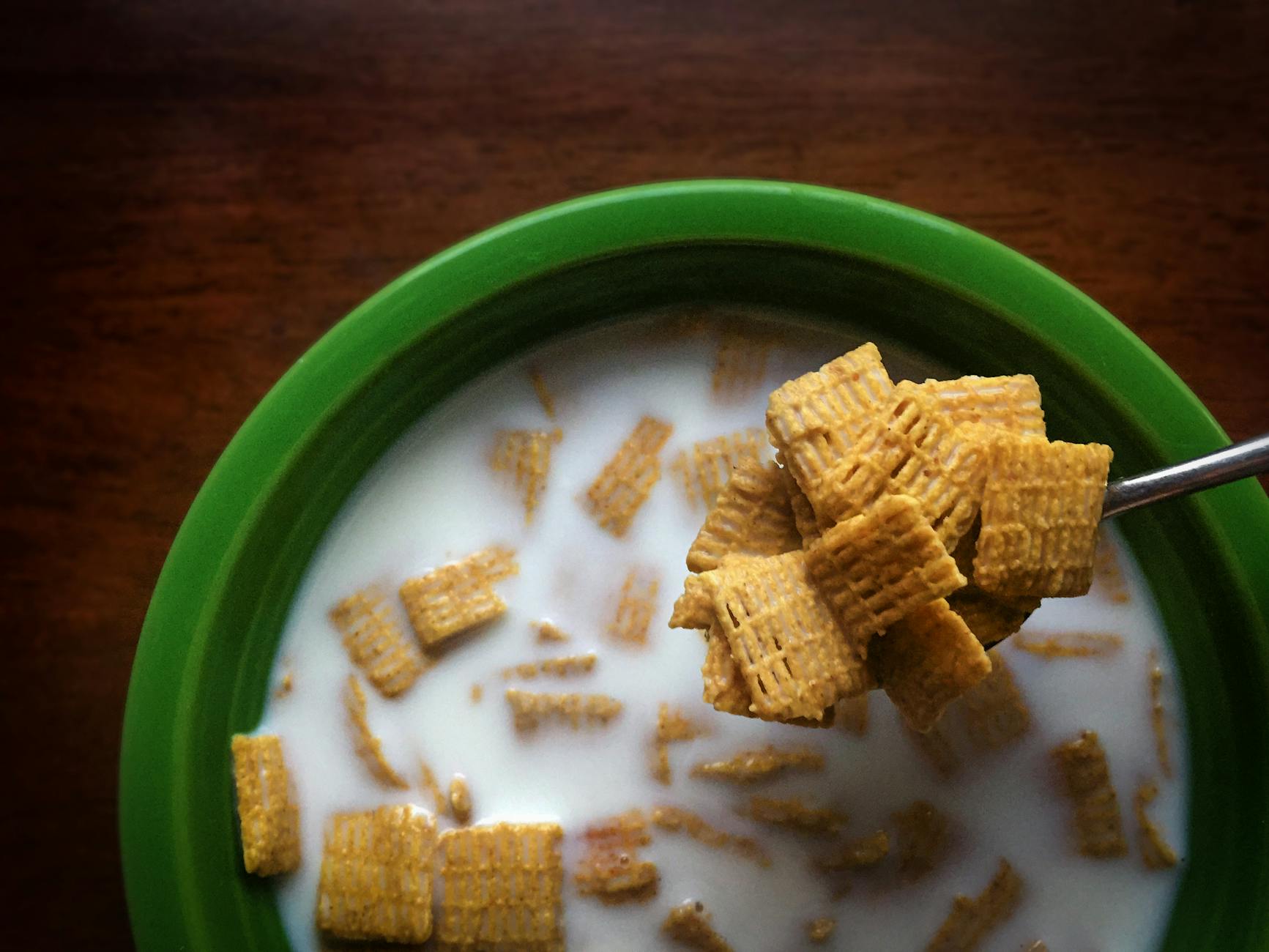
Breakfast cereals are frequently positioned as wholesome morning staples, yet many popular varieties contain a startling amount of added sodium. Savory cereals and even seemingly sweet varieties like cornflakes and bran flakes can contain between 200 and 300 milligrams of sodium per serving. Salt is added to balance sweetness, enhance flavor complexity, and improve texture during the manufacturing process. Because cereal is often consumed in portions larger than the suggested serving size, actual sodium intake at breakfast can be significantly higher than expected. Checking the nutrition panel before purchasing and choosing unsweetened whole grain options without added salt is the most effective approach.
Salad Dressing
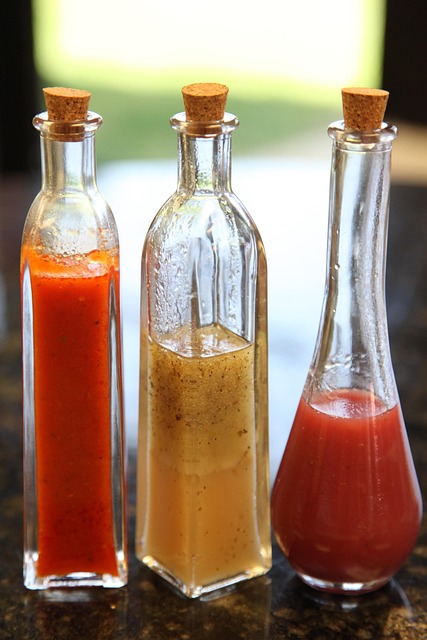
Salad dressing is one of the most underestimated sources of dietary sodium, particularly for people who believe they are eating healthily by choosing salads. Two tablespoons of a standard ranch or Caesar dressing can contain between 300 and 500 milligrams of sodium, and restaurant servings are typically far more generous. Emulsified dressings rely on salt to stabilize the mixture and deliver a bold, satisfying flavor despite being applied in what feels like a small quantity. Vinaigrettes made with oil and vinegar also contain salt but tend to carry lower sodium levels than creamy alternatives. Preparing dressings at home with fresh ingredients gives full control over how much salt enters the final product.
Instant Noodles
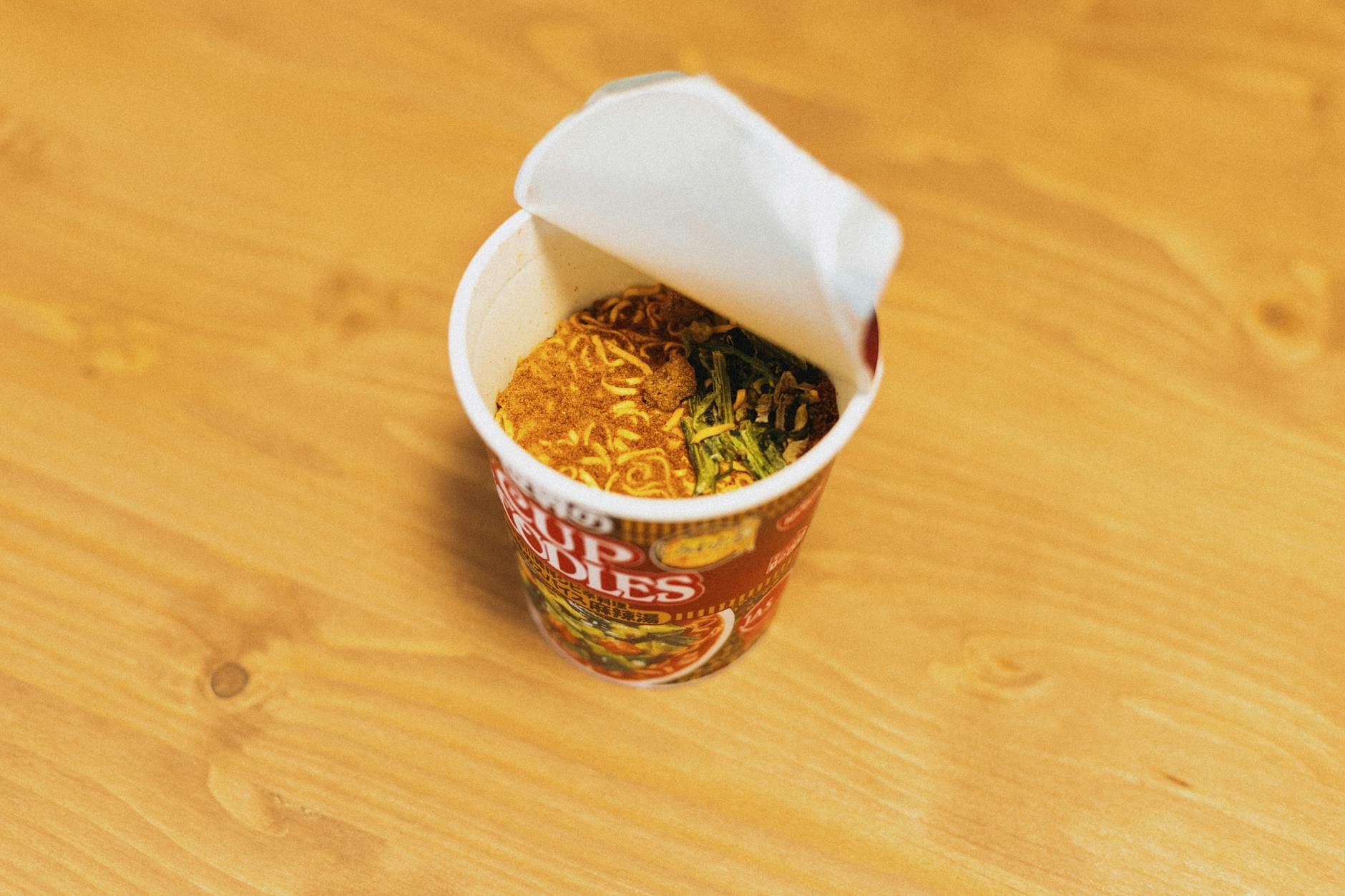
Instant noodles are one of the most sodium-dense foods available in any grocery store, combining a high-sodium seasoning packet with a sodium-preserved noodle block. A single package of instant ramen can contain over 1,500 milligrams of sodium, which exceeds the entire recommended daily allowance for people with high blood pressure. The flavor packet is the primary culprit, though the noodles themselves are also processed with salt for texture and preservation. The affordability and convenience of instant noodles make them a dietary staple for many people around the world, which raises significant public health concerns. Using only a portion of the seasoning packet or replacing it entirely with fresh herbs and low-sodium broth dramatically reduces the sodium load.
Canned Vegetables
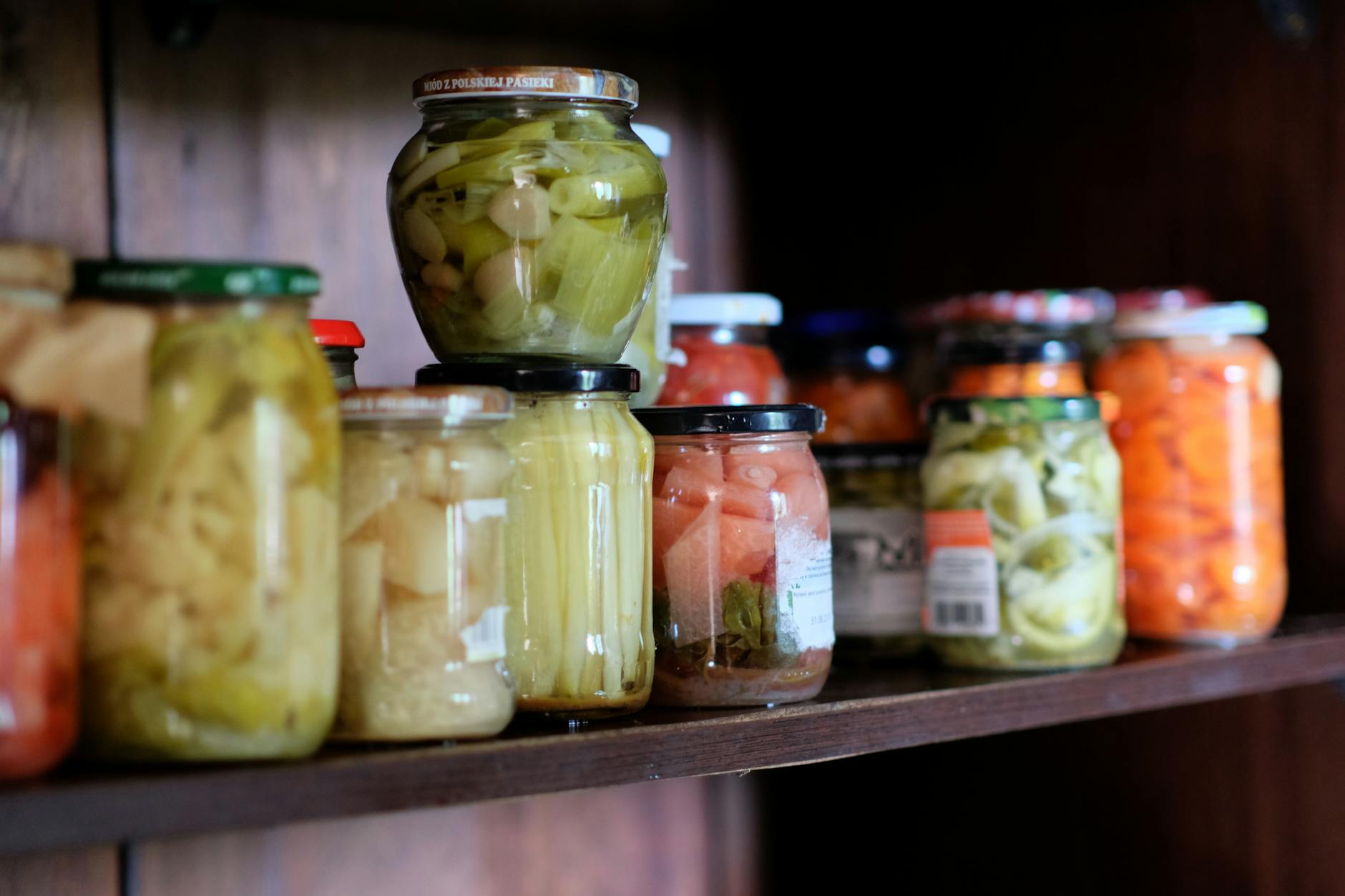
Fresh vegetables are naturally very low in sodium, but their canned counterparts are often processed with significant amounts of added salt for preservation and flavor purposes. A cup of canned green beans or canned corn can contain up to 400 milligrams of sodium compared to nearly zero in fresh or frozen versions without added salt. The sodium in canned vegetables seeps into the liquid surrounding them, and consuming both the vegetables and the liquid multiplies the intake considerably. Draining and rinsing canned vegetables before eating can remove up to 40 percent of the added sodium content. Choosing cans labeled as no-salt-added or low-sodium is an even more effective strategy for reducing daily salt consumption.
Bagels

Bagels are a popular breakfast and brunch staple, but they are one of the more sodium-heavy bread products available at most bakeries and grocery stores. A single plain bagel can contain between 400 and 600 milligrams of sodium before any spreads or toppings are added. The dense, chewy texture of a bagel requires a higher salt content during the dough preparation and boiling process that defines traditional bagel production. When topped with cream cheese, smoked salmon, or other high-sodium ingredients, a bagel-based meal can quickly exceed recommended sodium thresholds in one sitting. English muffins or homemade toast made from low-sodium bread are lighter alternatives for those who love a hearty morning meal.
Canned Beans
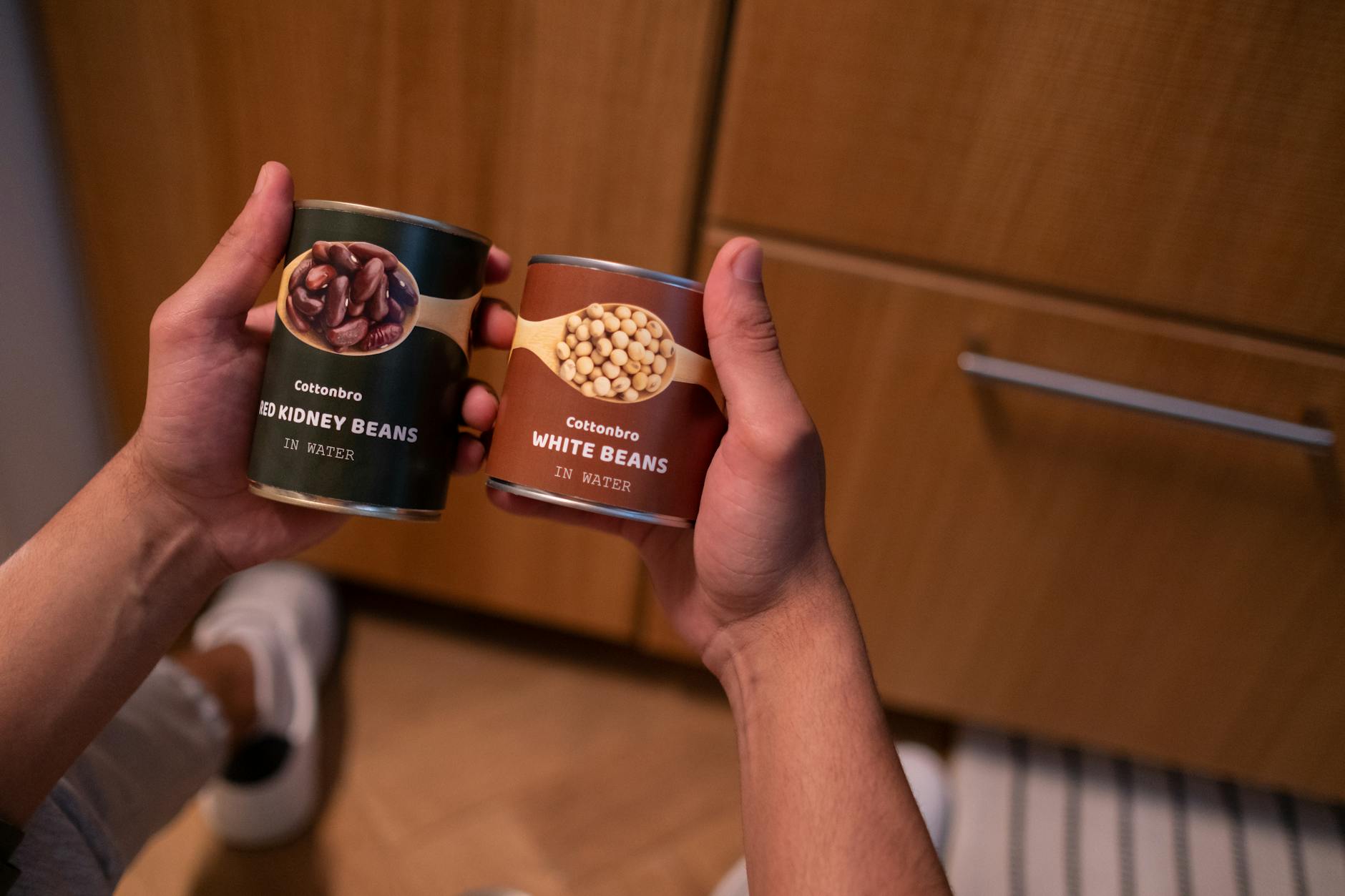
Canned beans are an excellent source of plant-based protein and fiber, but they are routinely packed in a salted liquid that significantly raises their sodium content. A half-cup serving of canned chickpeas, kidney beans, or black beans can contain over 300 milligrams of sodium in the standard salted variety. The salt used in canning serves both as a preservative and as a way to maintain the texture of the beans through long periods of storage. Rinsing canned beans under cold water for 30 seconds can reduce their sodium content by approximately 40 percent, making them a more cardiovascular-friendly option. Dried beans cooked from scratch without added salt remain the lowest-sodium alternative available.
Sports Drinks

Sports drinks are marketed primarily to athletes and active individuals as hydration and electrolyte replenishment tools, but they contain more sodium than most consumers realize. A standard 20-ounce bottle of a popular sports drink can contain between 150 and 270 milligrams of sodium per serving. While sodium is intentionally added to replace electrolytes lost through sweat during intense physical activity, casual consumers who drink them throughout the day are receiving unnecessary sodium without the corresponding physical exertion. Children and teenagers who consume sports drinks regularly as a replacement for water are at particular risk of elevated sodium intake over time. Plain water supplemented with whole foods remains sufficient hydration for most non-athletes.
Smoked Fish

Smoked fish including salmon, mackerel, and trout carries a far heavier sodium burden than fresh versions of the same fish due to the curing process involved in smoking. A three-ounce serving of smoked salmon can contain between 600 and 1,700 milligrams of sodium depending on the curing method and the producer. The combination of dry salt rubs and prolonged exposure to smoke creates a product that is intensely flavored but nutritionally taxing for those monitoring blood pressure. While smoked fish is rich in omega-3 fatty acids and valuable protein, the sodium content limits how frequently it can be consumed safely by people with hypertension. Pairing it with potassium-rich foods such as avocado or cucumber can help counterbalance some of the sodium’s effects on blood pressure.
Olives
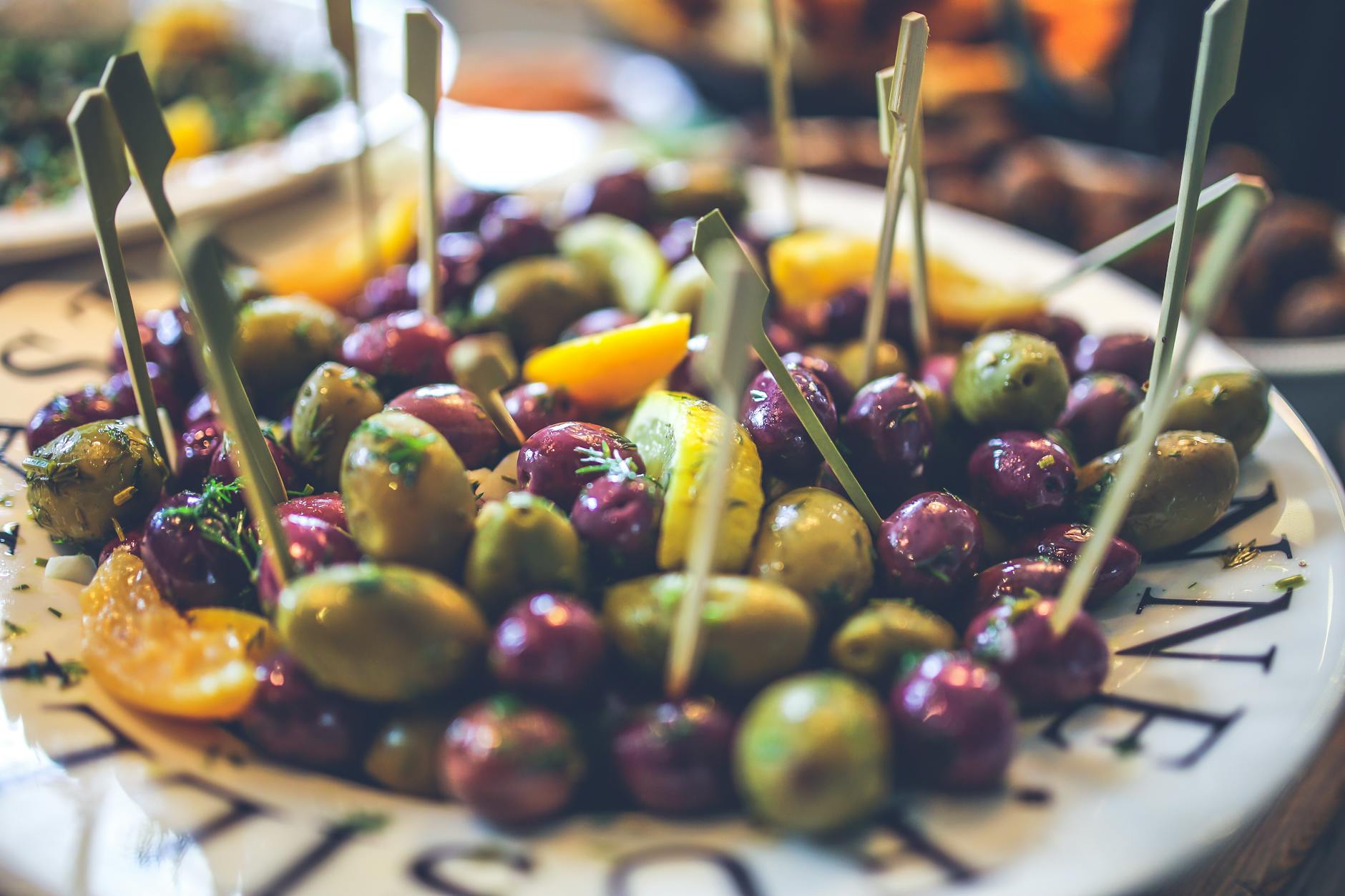
Olives are frequently served as an appetizer, cocktail garnish, or salad ingredient with the perception that they are a heart-healthy Mediterranean food. While they do contain beneficial monounsaturated fats, olives are cured and stored in brine solutions that are extremely high in sodium. A small portion of just five olives can contain between 200 and 400 milligrams of sodium depending on the variety and the brining liquid used. The salt is not merely a surface coating but penetrates the flesh of the olive through the extended soaking process used in their preparation. Rinsing olives before consumption reduces surface sodium, though the internal salt content remains largely intact.
Vegetable Juice
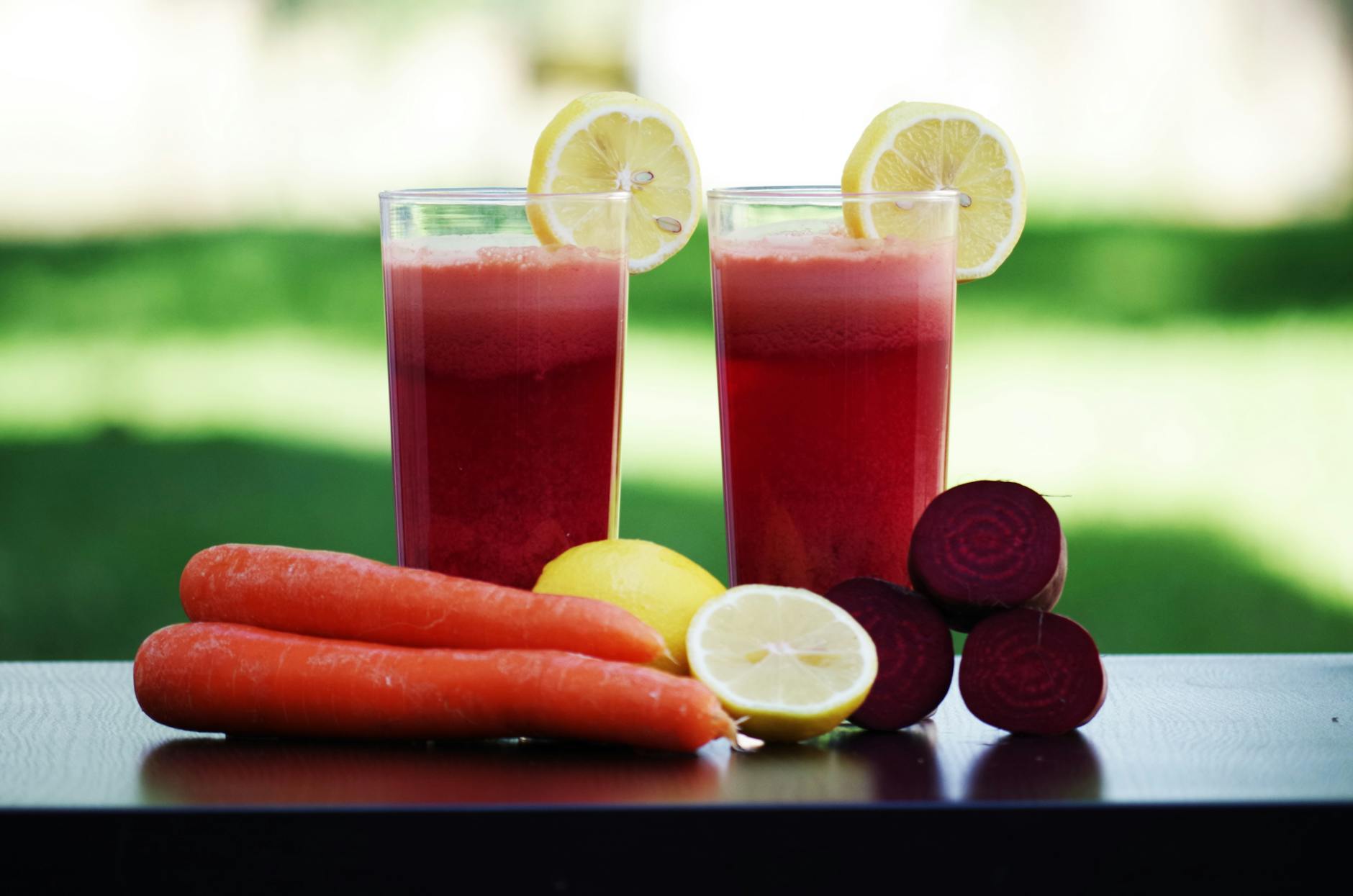
Bottled and canned vegetable juices are widely regarded as convenient and nutritious alternatives to eating whole vegetables, but most commercial versions are loaded with added salt. A single eight-ounce glass of a standard tomato or mixed vegetable juice can contain upwards of 480 milligrams of sodium per serving. Manufacturers add salt to offset the natural bitterness of vegetables and to create a more palatable and drinkable flavor profile. People who consume vegetable juice daily as part of a health routine may be inadvertently consuming several hundred milligrams of extra sodium without any awareness. Low-sodium and no-salt-added versions of popular vegetable juices are readily available and offer the same nutritional benefits without the cardiovascular concern.
Baked Goods and Muffins

Commercially produced muffins, scones, croissants, and sweet baked goods harbor hidden sodium from both added salt and leavening agents like baking powder and baking soda. A standard blueberry muffin from a bakery or coffee chain can contain between 300 and 500 milligrams of sodium despite tasting entirely sweet. Sodium bicarbonate and sodium-based baking powders are essential to the rise and texture of baked goods, contributing meaningful amounts of sodium to every bite. The sweet flavor profile of these products masks any perception of saltiness, which makes it extremely difficult for consumers to gauge how much sodium they are actually consuming. Baking at home with reduced leavening agents and no added table salt gives far greater control over the final sodium content.
Condiments and Ketchup
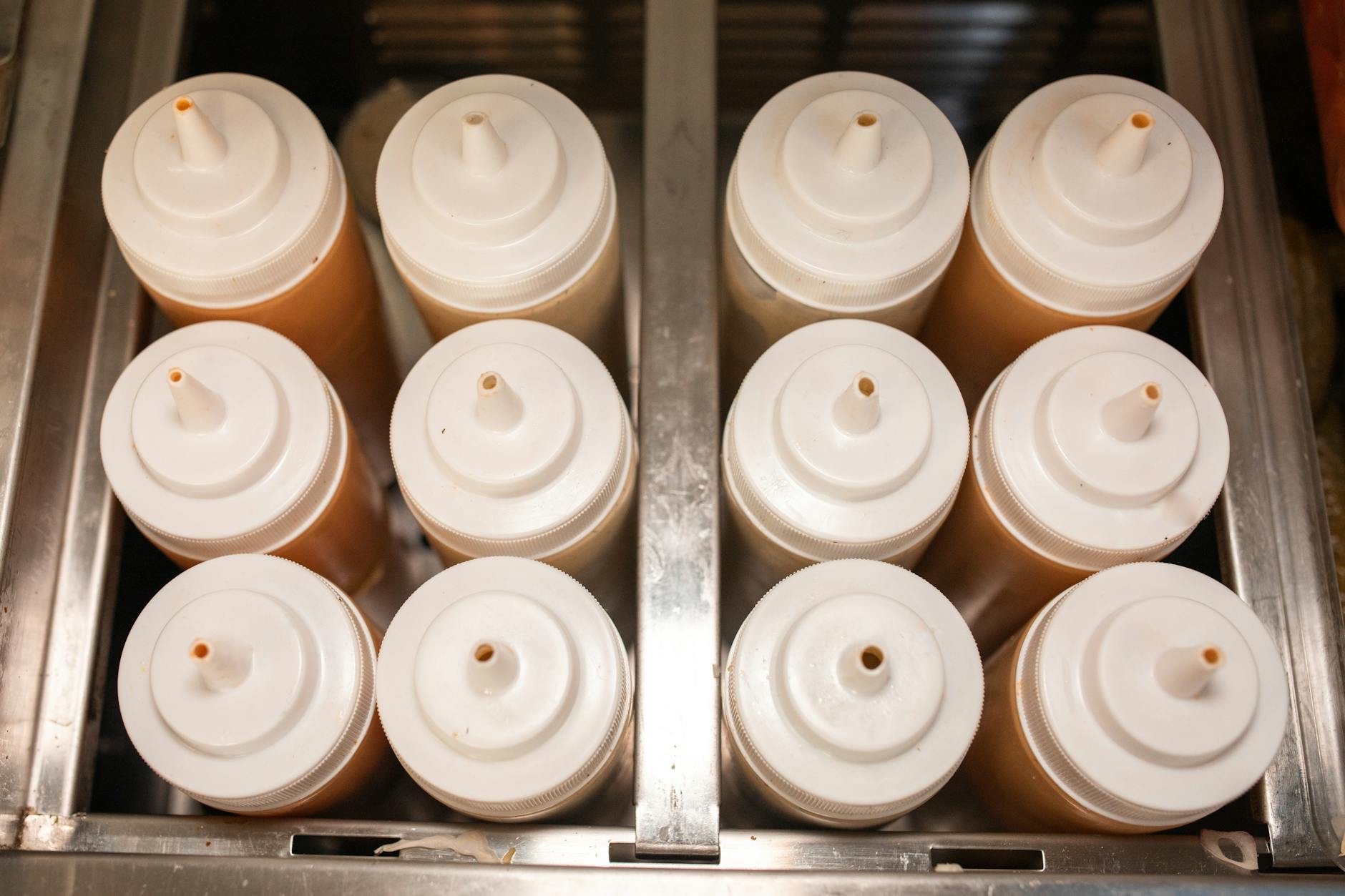
Condiments like ketchup, mustard, hot sauce, and barbecue sauce are used in small quantities but are surprisingly sodium-dense on a per-serving basis. Two tablespoons of standard ketchup contain approximately 300 to 350 milligrams of sodium, and it is rare for people to limit themselves to exactly that amount. The salt in ketchup and similar condiments serves the dual purpose of preservation and flavor enhancement, working alongside sugar and vinegar to create a complex taste profile. Because condiments are applied as a finishing layer to foods that often already carry sodium, they can easily push a single meal’s sodium total well beyond recommended levels. Choosing no-salt-added condiments or using fresh herbs, citrus, and spices as flavor substitutes are effective alternatives.
Buttermilk
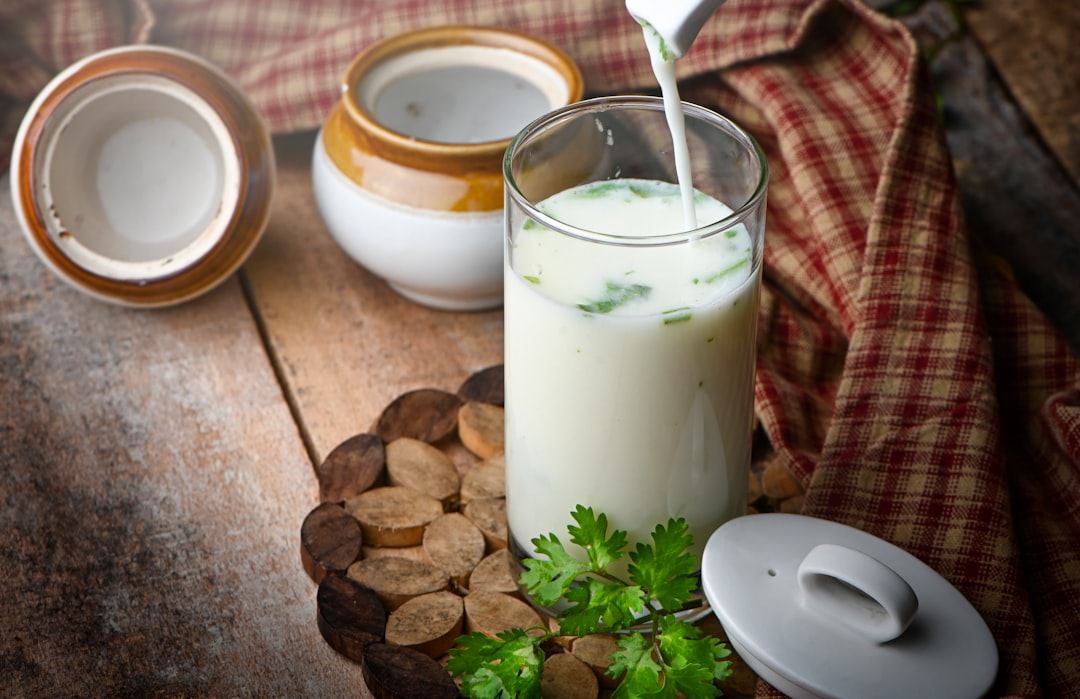
Buttermilk is a fermented dairy product commonly used in baking, marinades, and traditional recipes and it contains a notably higher sodium content than regular milk. A single cup of commercially produced buttermilk can contain between 250 and 400 milligrams of sodium, which is substantially more than the same quantity of plain whole milk. The fermentation process and added salt used in commercial buttermilk production contribute to this elevated sodium level, which is often unrecognized by home cooks. Because buttermilk is rarely consumed alone and is usually incorporated into recipes calling for multiple cups, its cumulative sodium contribution to baked items or marinated dishes can be considerable. Unsalted or reduced-sodium buttermilk substitutes made with plain yogurt and a small amount of acid offer a lower-sodium alternative for culinary use.
Packaged Rice and Grain Mixes
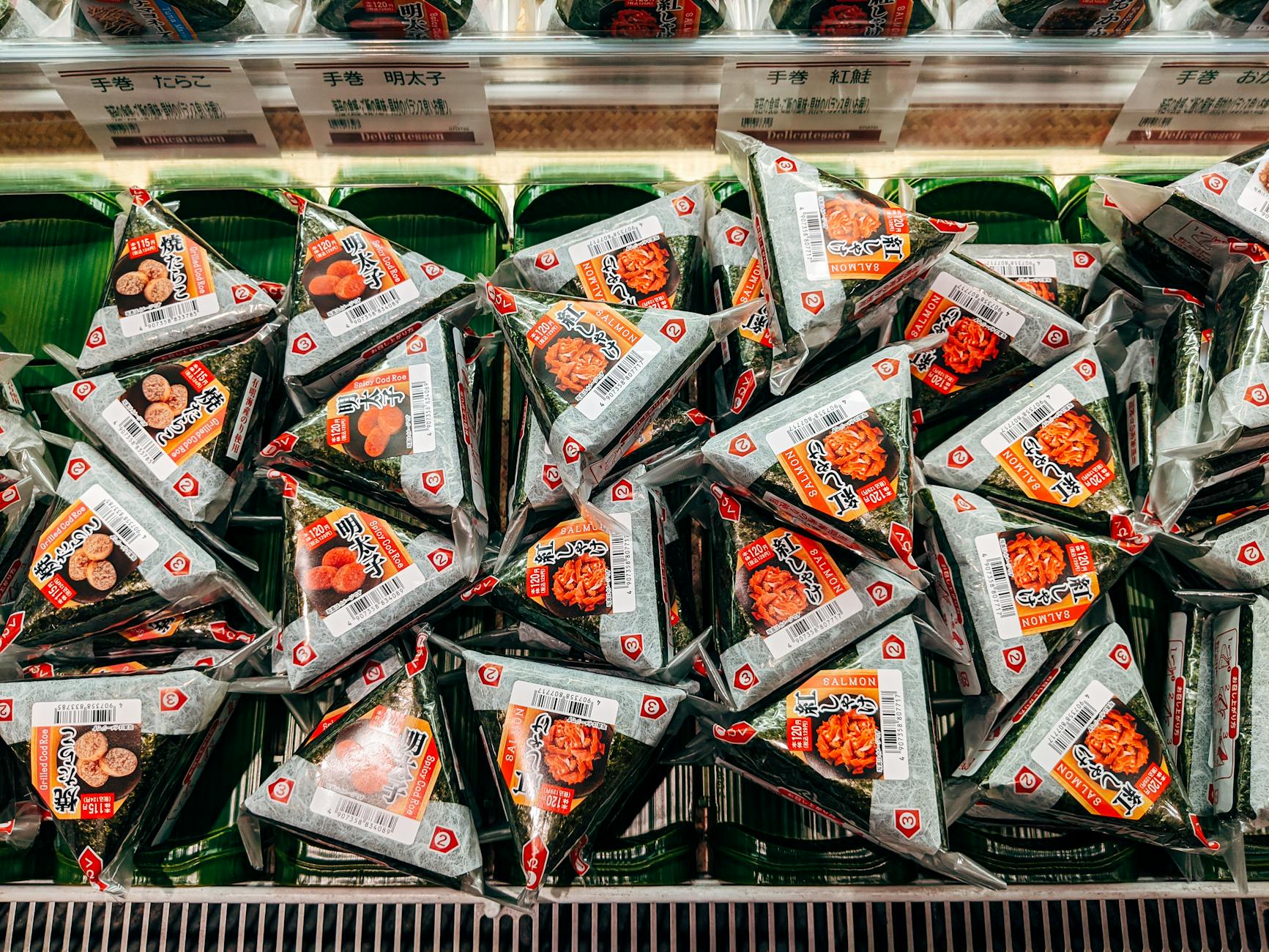
Boxed rice pilafs, flavored quinoa mixes, and seasoned grain kits appear to be straightforward wholesome foods but carry substantial sodium from the included seasoning packets and coatings. A single serving of a flavored rice side dish can contain between 700 and 1,000 milligrams of sodium when the full seasoning blend is used as directed. The seasoning packets are formulated to deliver a rich, savory flavor that plain grains cannot achieve on their own, and salt is the primary vehicle for that outcome. Many people prepare these mixes multiple times per week without examining the sodium content on the label. Cooking plain rice or whole grains and seasoning them independently with herbs, lemon, and minimal salt produces a far healthier outcome.
Processed Cheese Spreads
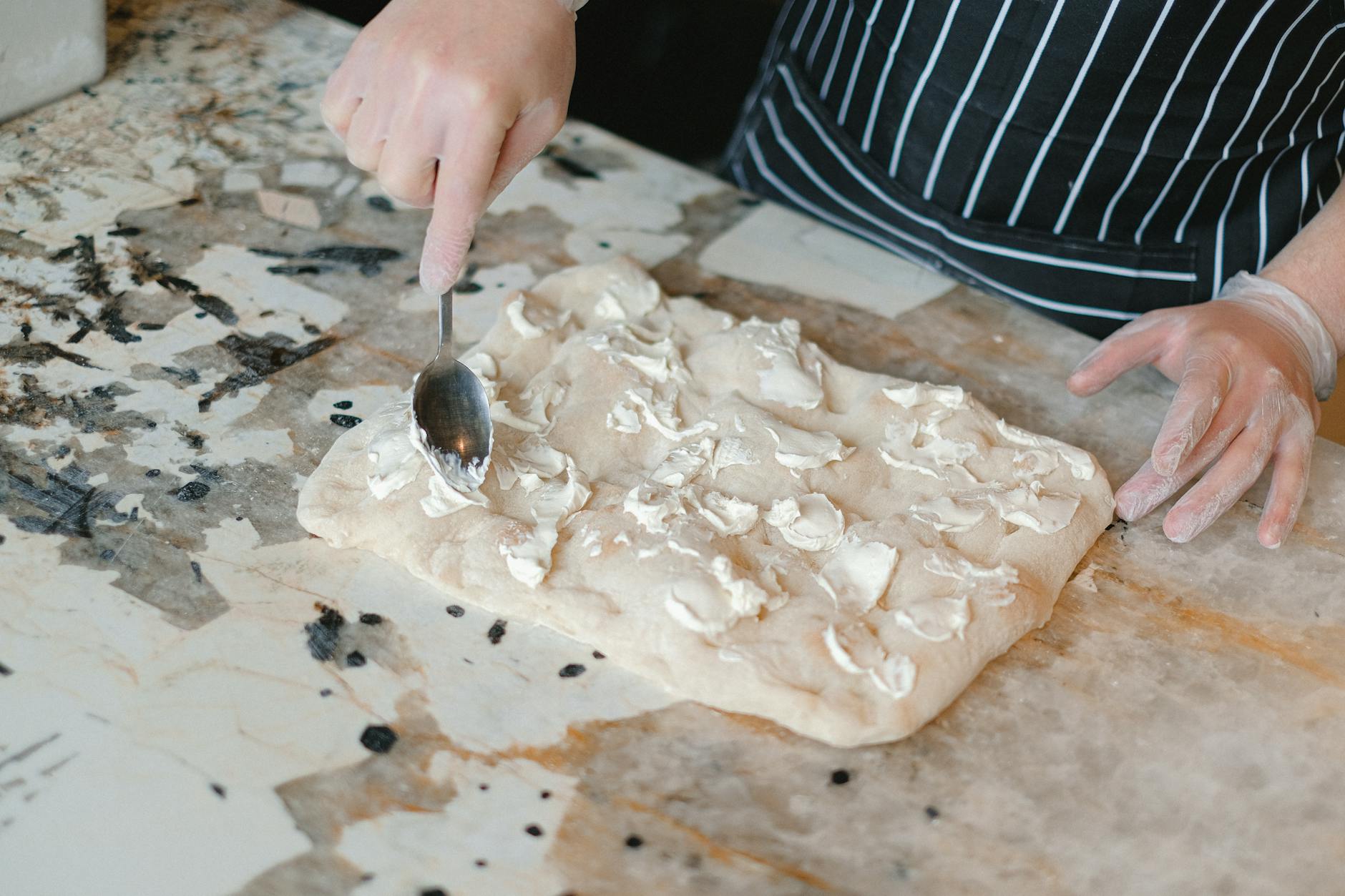
Processed cheese spreads and individually wrapped cheese slices undergo extensive industrial processing that introduces large amounts of sodium well beyond what is found in natural cheeses. A single wrapped slice of processed American cheese can contain between 250 and 400 milligrams of sodium, and cheese spreads used on crackers or bread can deliver even more per tablespoon. Sodium citrate and sodium phosphate are commonly used emulsifying salts in processed cheese products, adding to the overall sodium content beyond simple table salt. These products are popular in children’s lunchboxes and quick meals, meaning that regular consumption can significantly impact sodium intake across all age groups. Natural cheeses in modest portions remain a better choice for those seeking to reduce sodium without eliminating dairy entirely.
Fast Food Chicken Sandwiches
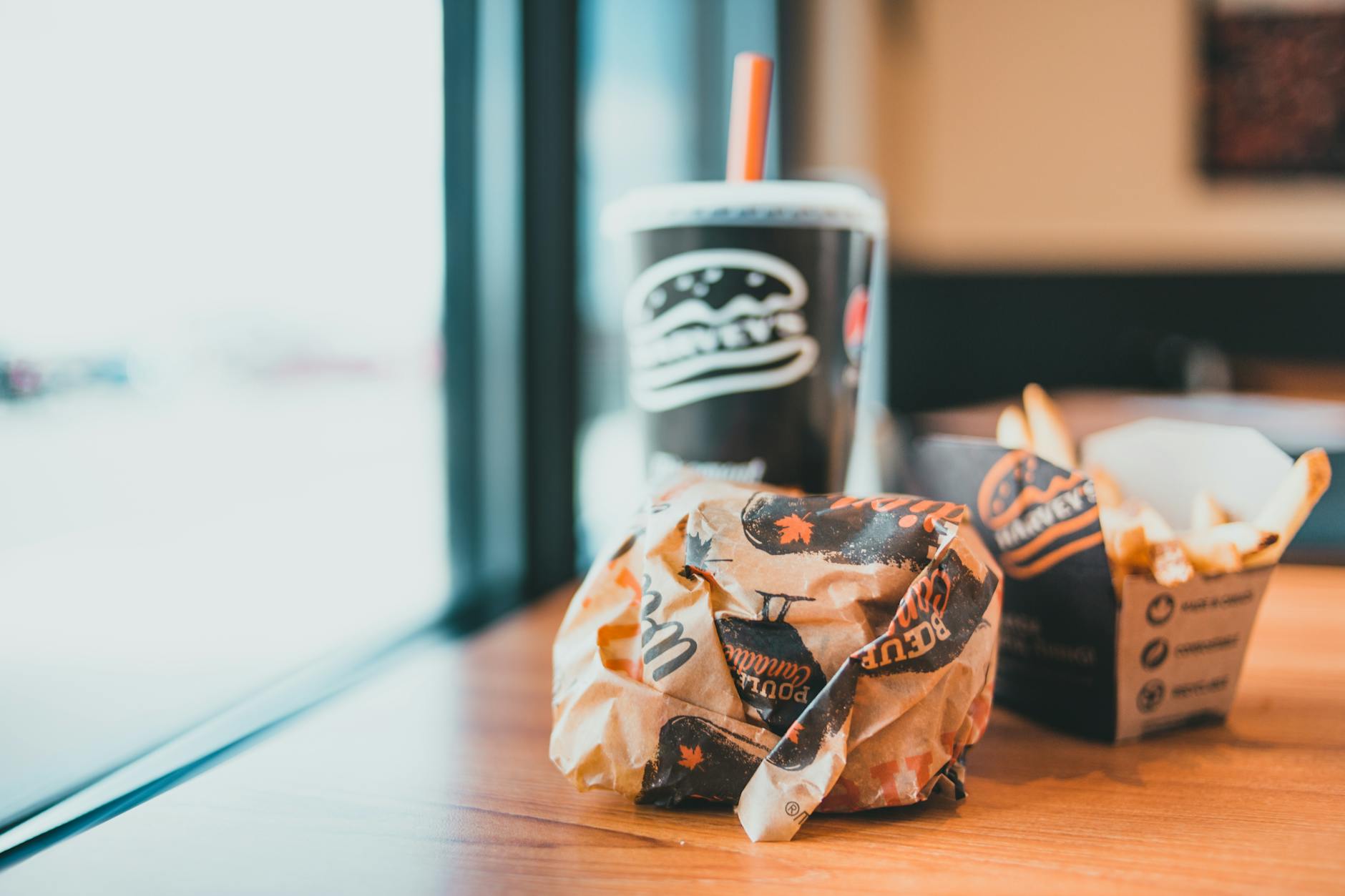
Fast food chicken sandwiches are among the most sodium-laden items available in the quick-service restaurant industry and are frequently consumed without any awareness of their salt content. A standard crispy chicken sandwich from a major chain can contain between 1,000 and 1,800 milligrams of sodium when the bun, sauce, and seasoned coating are all accounted for together. The chicken is typically brined or marinated in a sodium solution before breading and frying, which dramatically increases the salt content beyond what any seasoning alone would contribute. Ordering grilled rather than fried chicken and requesting sauces on the side reduces but does not eliminate the sodium concern. Preparing chicken sandwiches at home with fresh ingredients and minimal salt remains the most effective way to enjoy the meal without the blood pressure risk.
Understanding which everyday foods silently contribute to elevated sodium intake is essential knowledge for anyone invested in their long-term cardiovascular health, so share which of these surprised you the most in the comments.




