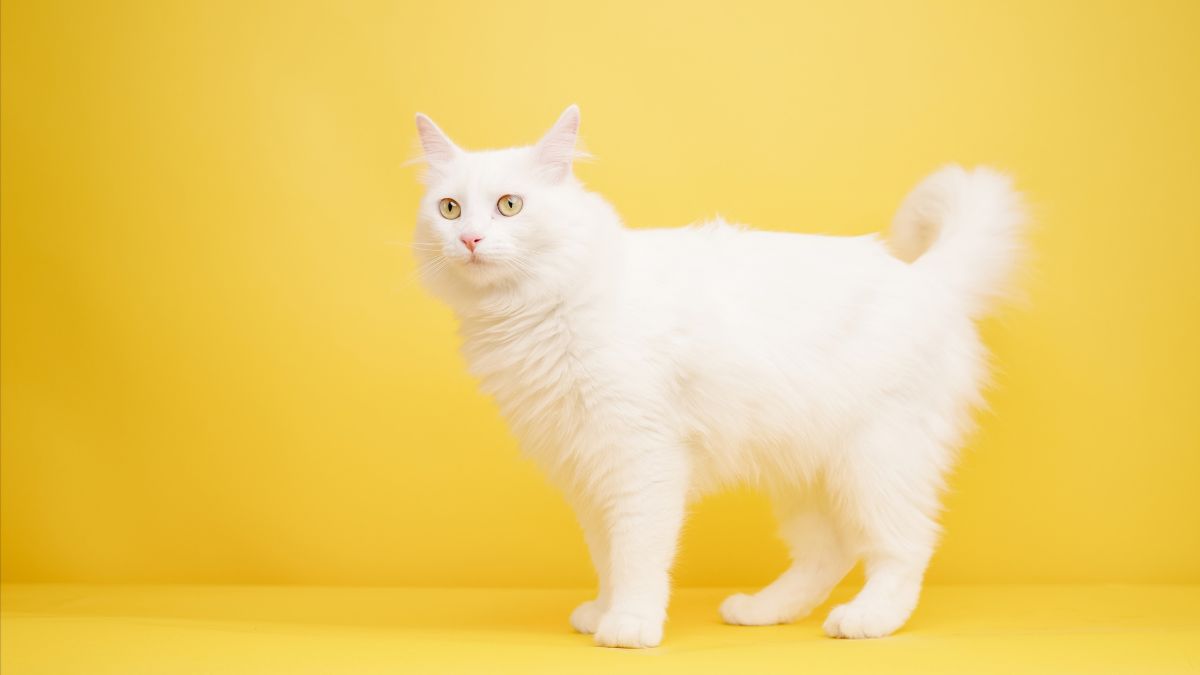
For cat lovers who sneeze and sniffle at the mere thought of owning a feline companion, the search for a suitable breed can feel overwhelming. Certain cats produce lower levels of the Fel d 1 protein, the primary allergen responsible for triggering reactions in sensitive individuals. While no cat is entirely allergen-free, these fifteen breeds are widely recognized for being far more tolerable for allergy sufferers. Understanding the differences between them can help prospective owners make a more informed and comfortable choice.
Siberian
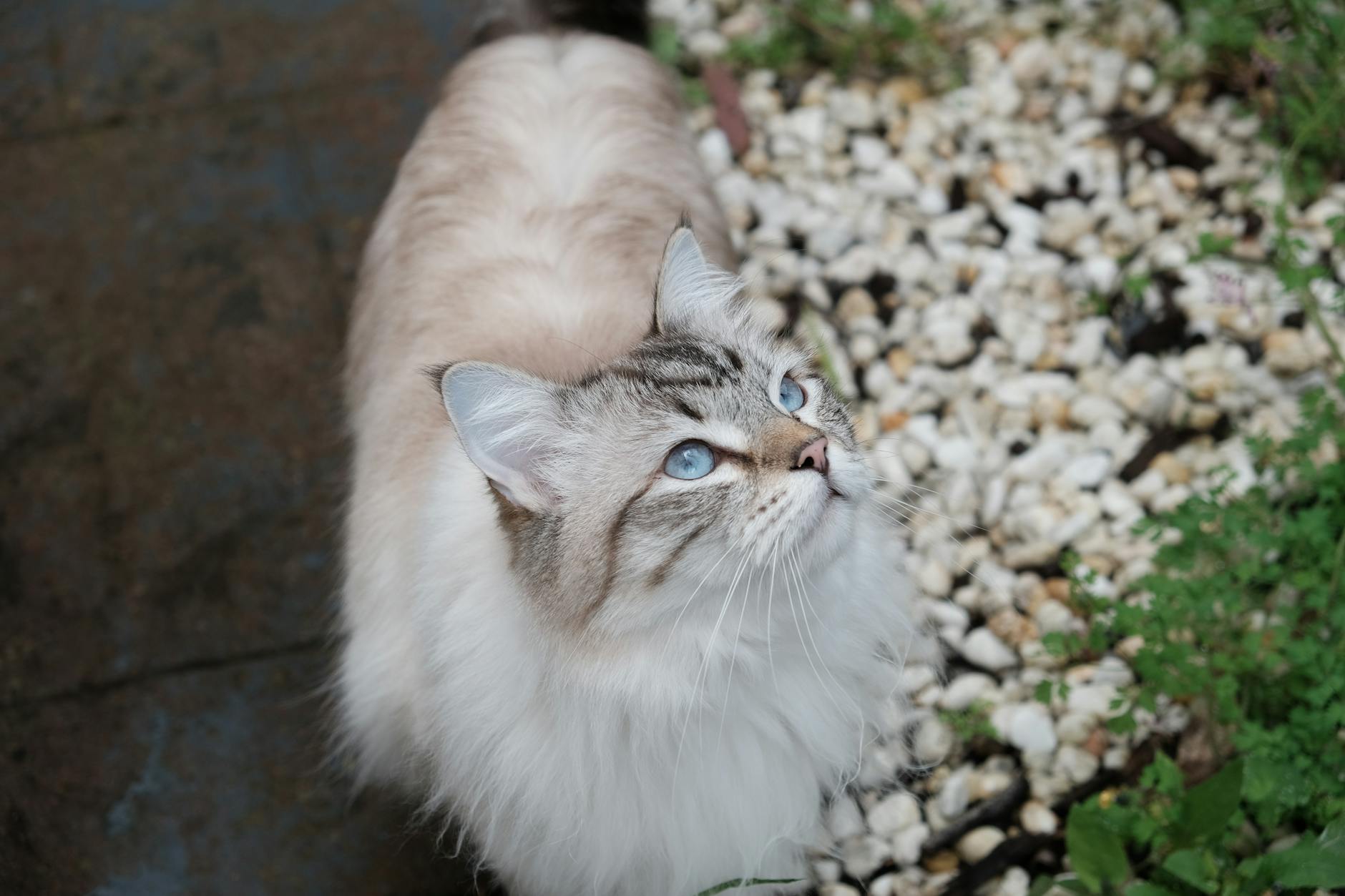
The Siberian is a large and strikingly beautiful breed originating from the forests of Russia. Despite its thick and luxurious triple coat, it produces notably lower levels of the Fel d 1 protein compared to most other breeds. This makes it one of the most frequently recommended options for people with moderate to severe cat allergies. The breed is known for its affectionate and playful temperament, making it a popular family companion. Many allergy sufferers report significantly reduced symptoms when living with a Siberian.
Balinese
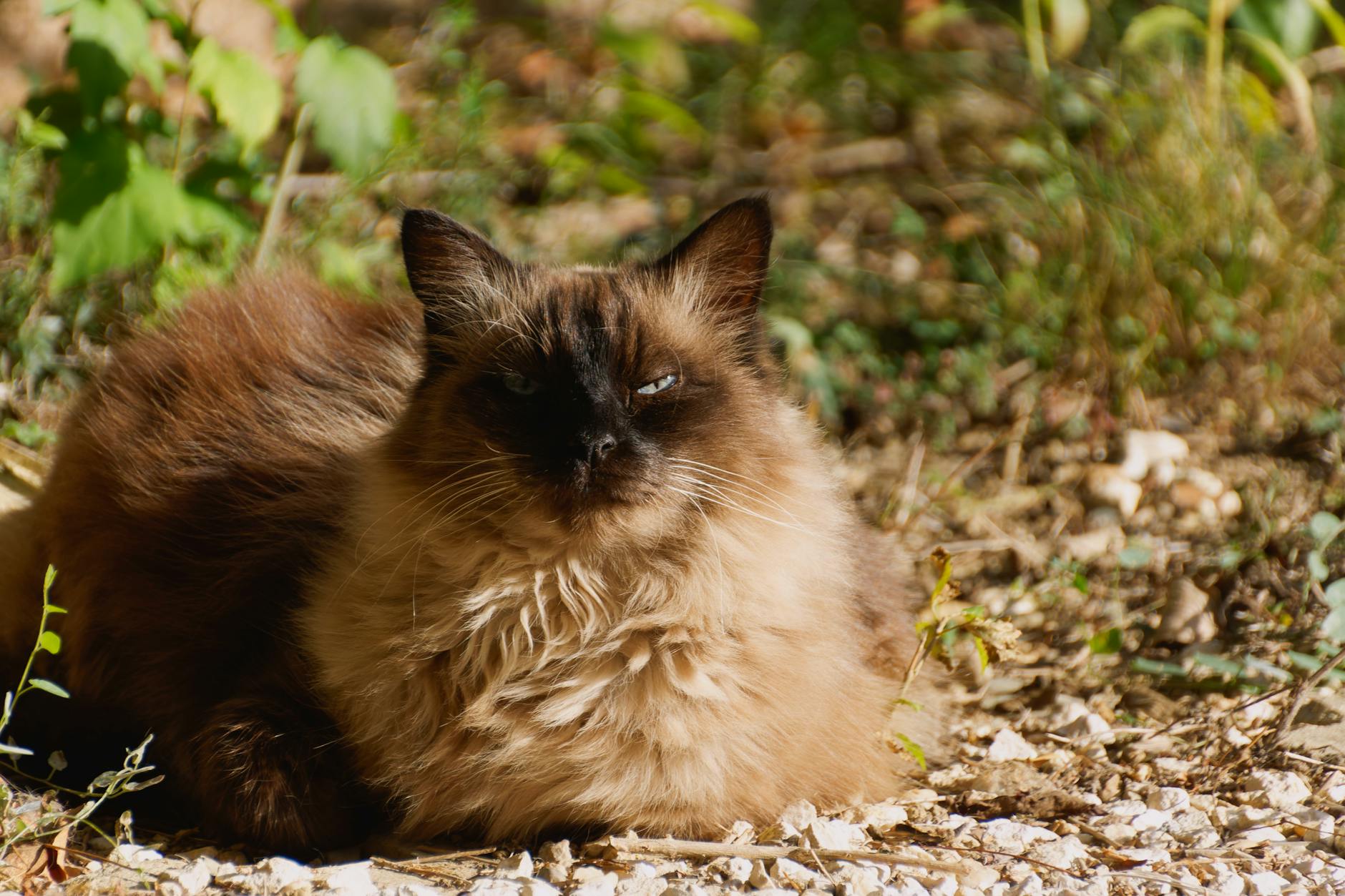
The Balinese is often described as the long-haired version of the Siamese and shares its elegant and vocal personality. It is considered one of the lowest Fel d 1 protein producers among all cat breeds, which contributes to its hypoallergenic reputation. The single silky coat does not mat easily and sheds far less than many other long-haired varieties. This breed is highly intelligent and thrives on interaction and mental stimulation throughout the day. Its combination of low allergen output and engaging personality makes it a strong choice for sensitive households.
Sphynx
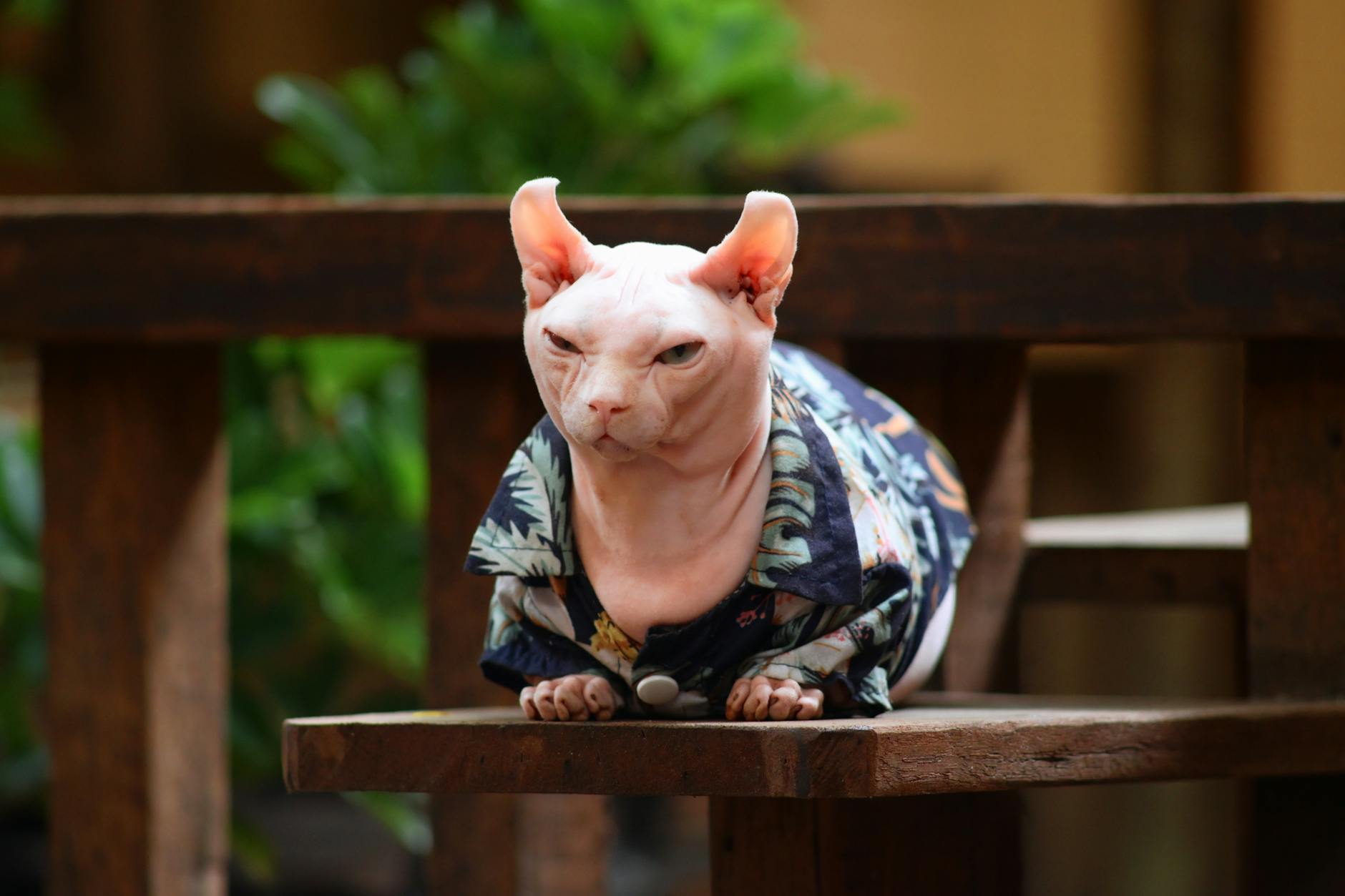
The Sphynx is one of the most recognizable cat breeds in the world due to its distinctive hairless appearance. Without a coat to trap allergens, dander is less likely to spread throughout the home environment. However the skin does produce natural oils that require regular wiping or bathing to prevent buildup. The breed is famously social and energetic and often seeks warmth and physical closeness with its human companions. Its unique grooming needs make it a manageable option for allergy sufferers willing to commit to a consistent care routine.
Devon Rex
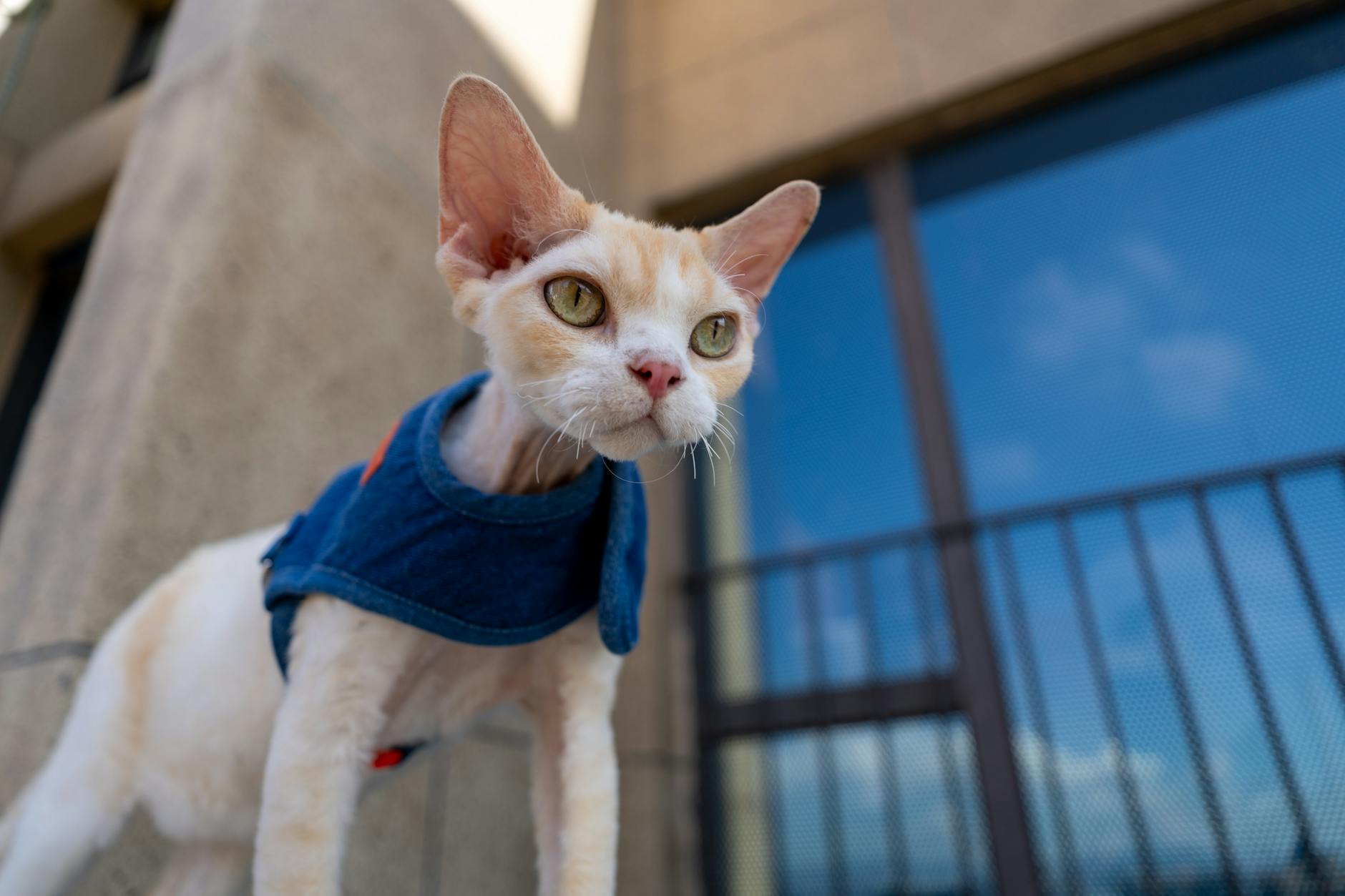
The Devon Rex features a short wavy coat that sheds minimally compared to most domestic cat breeds. Its unusual coat structure traps dander close to the skin rather than distributing it into the surrounding air. This characteristic significantly reduces the amount of airborne allergens present in the home. The breed is playful and mischievous with a deeply affectionate nature and a fondness for perching on shoulders. Regular light grooming helps maintain coat health and further limits allergen dispersal.
Cornish Rex
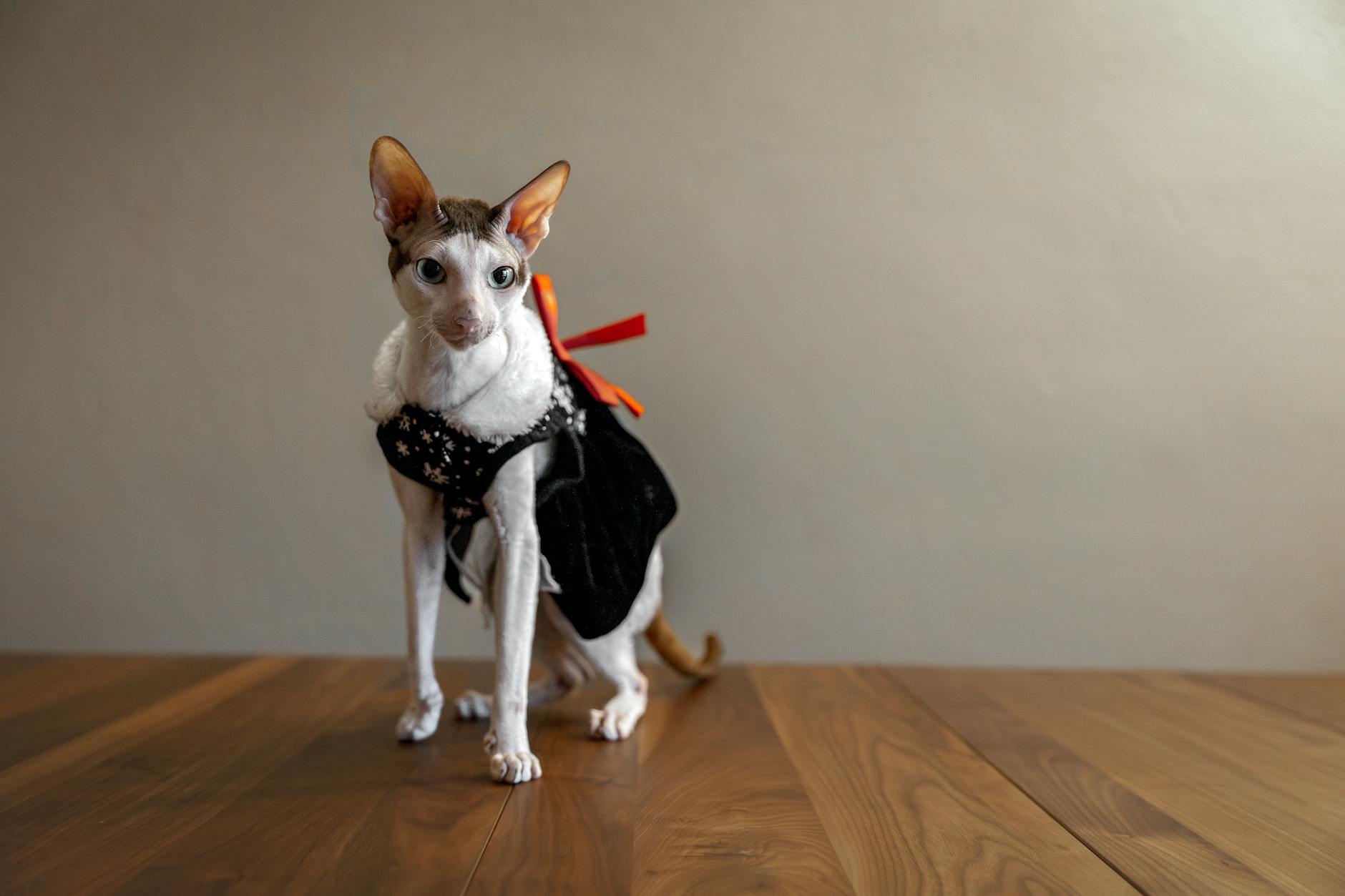
The Cornish Rex has an even finer and curlier coat than the Devon Rex and sheds very little throughout the year. Its reduced shedding means that less dander and protein-laden hair is deposited on furniture and clothing. The breed is slender and athletic with an outgoing and curious personality that keeps it constantly engaged with its environment. It tends to enjoy interactive play and forms strong bonds with its owners over time. Its low-maintenance coat combined with reduced allergen output places it firmly among the top hypoallergenic breeds.
Bengal
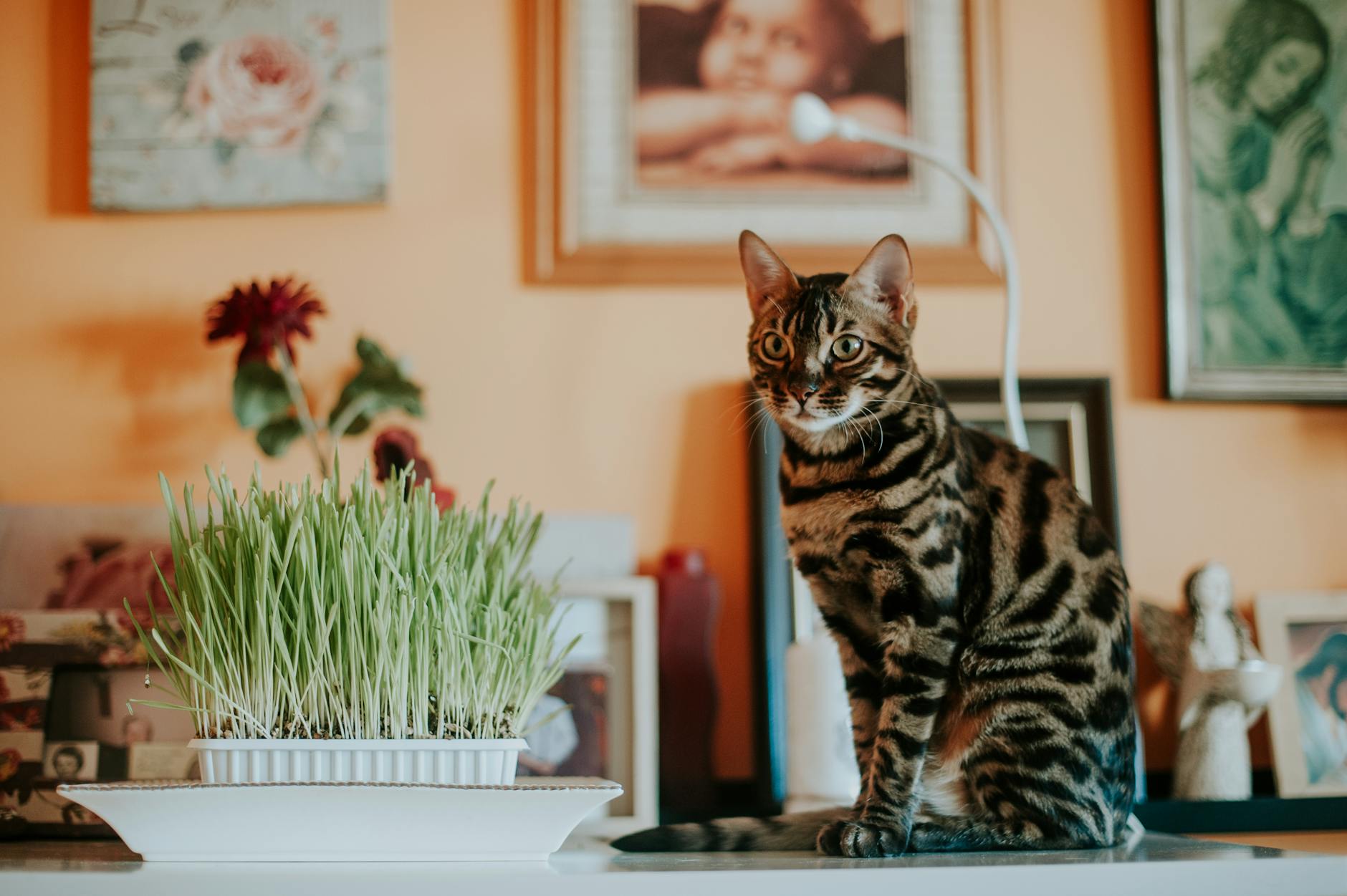
The Bengal is a visually striking breed known for its wild leopard-like markings and highly active nature. Its short dense coat produces less dander than many other breeds and requires minimal grooming to stay in good condition. The Bengal grooms itself efficiently which further reduces the spread of saliva-based allergens onto surfaces. This breed is energetic and intelligent and requires significant mental and physical stimulation to remain content. Its unique coat properties make it a popular consideration for allergy-conscious cat enthusiasts.
Russian Blue
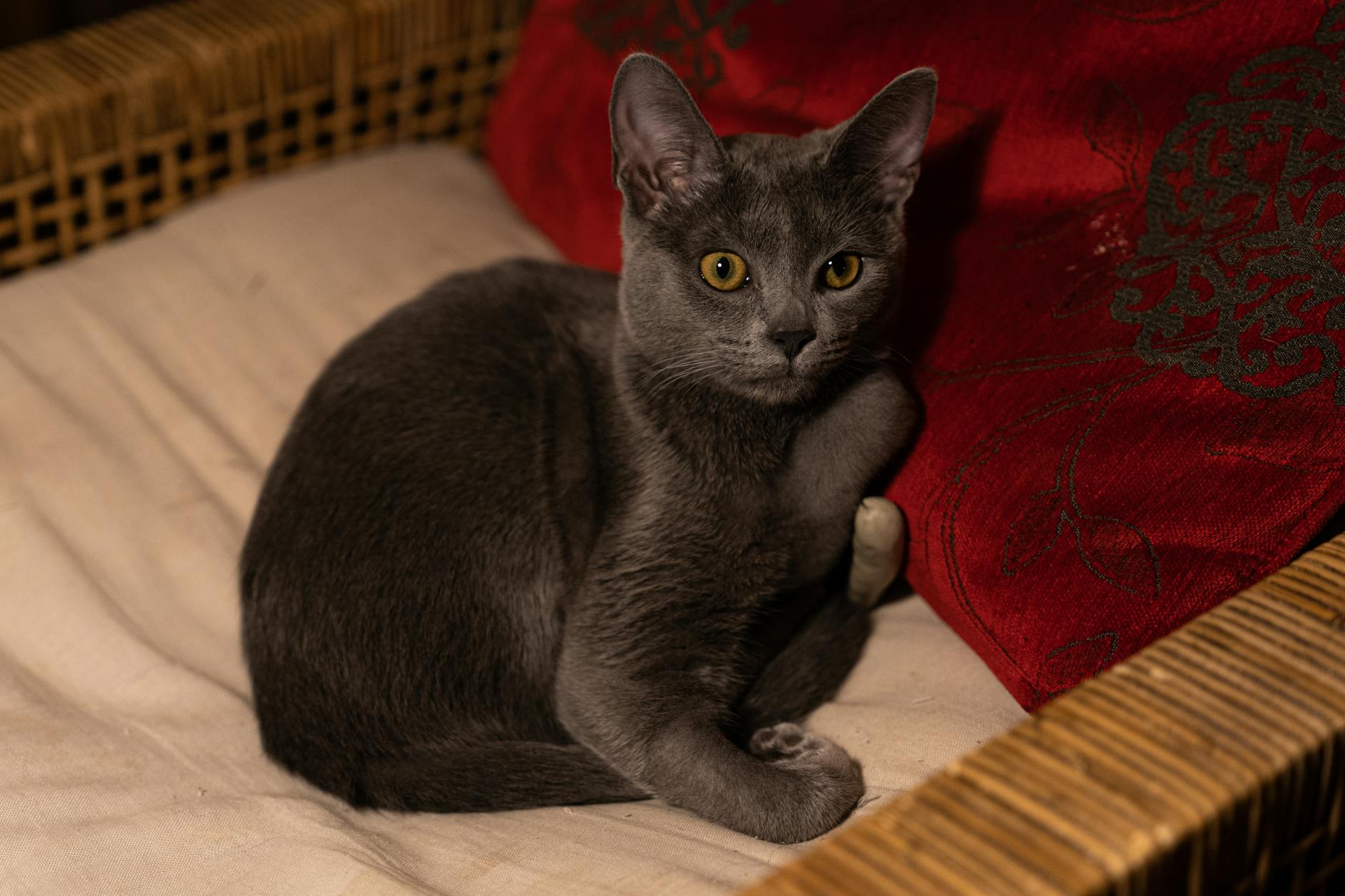
The Russian Blue is a gentle and reserved breed recognized for its striking blue-grey coat and vivid green eyes. It naturally produces lower amounts of the Fel d 1 protein which is the primary trigger for most cat-related allergies. The dense double coat sheds seasonally rather than continuously which helps limit allergen distribution in the home. This breed tends to bond deeply with one or two people and is known for its calm and quiet demeanor. Its hypoallergenic qualities combined with its elegant appearance make it a perennial favorite among sensitive cat lovers.
Oriental Shorthair
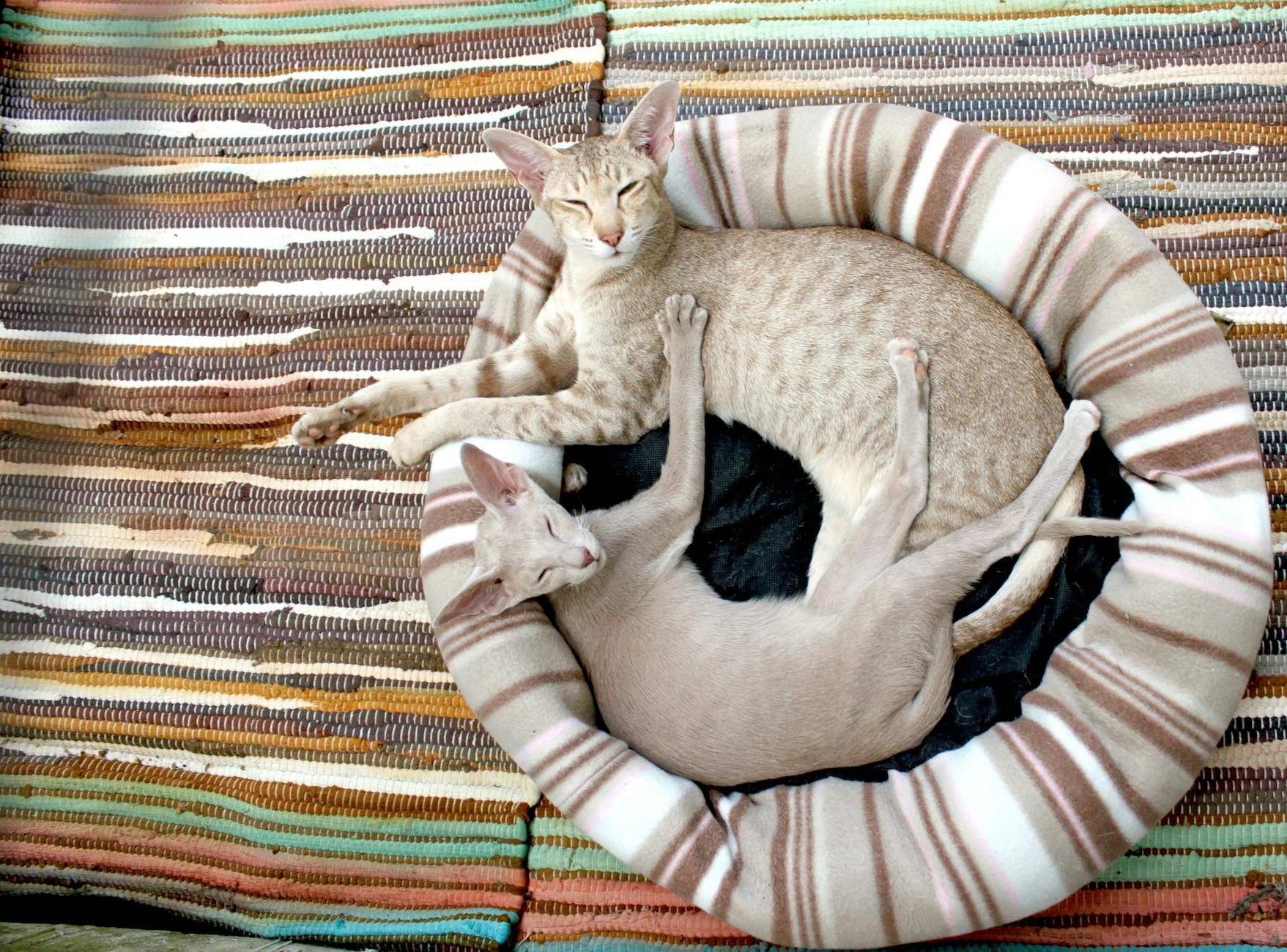
The Oriental Shorthair is a sleek and slender breed closely related to the Siamese with a similarly vocal and social personality. Its very short fine coat produces minimal shedding and distributes relatively low levels of allergens into the environment. The breed comes in a remarkable range of colors and patterns making it one of the most visually diverse hypoallergenic options available. It is highly interactive and thrives best in homes where it receives consistent attention and engagement. Routine brushing removes loose hairs efficiently and helps keep allergen levels manageable.
Javanese
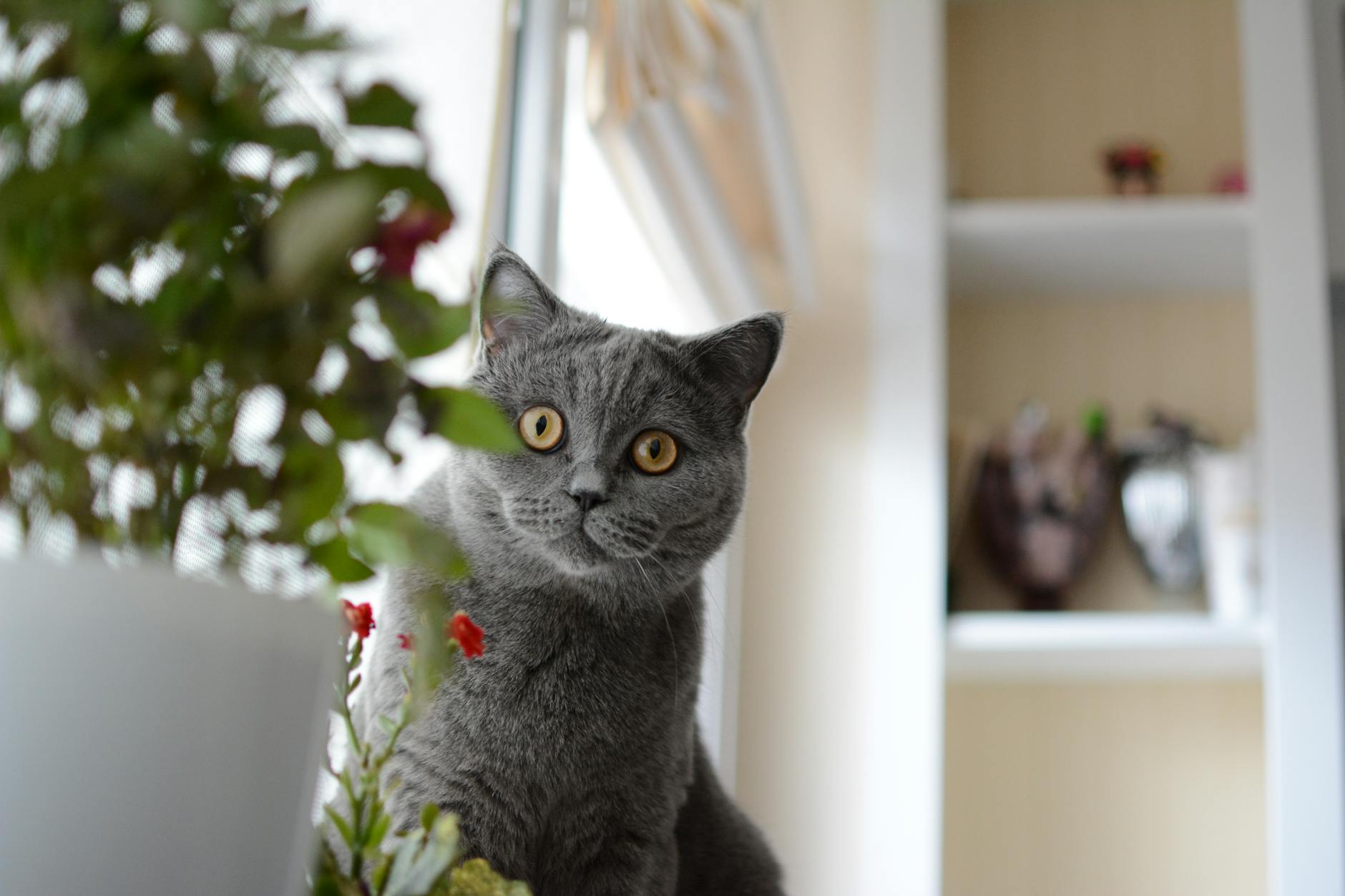
The Javanese is a medium-sized breed with a single-layered coat that lacks the dense undercoat found in many other long-haired cats. This absence of an undercoat means significantly less shedding and reduced dander accumulation throughout the living space. The breed is known for its intelligence and communicative nature often following its owners from room to room. It is considered a close relative of the Balinese and shares many of its low-allergen characteristics. The Javanese is a particularly good fit for households where allergy sufferers still desire the aesthetic of a longer-coated cat.
LaPerm
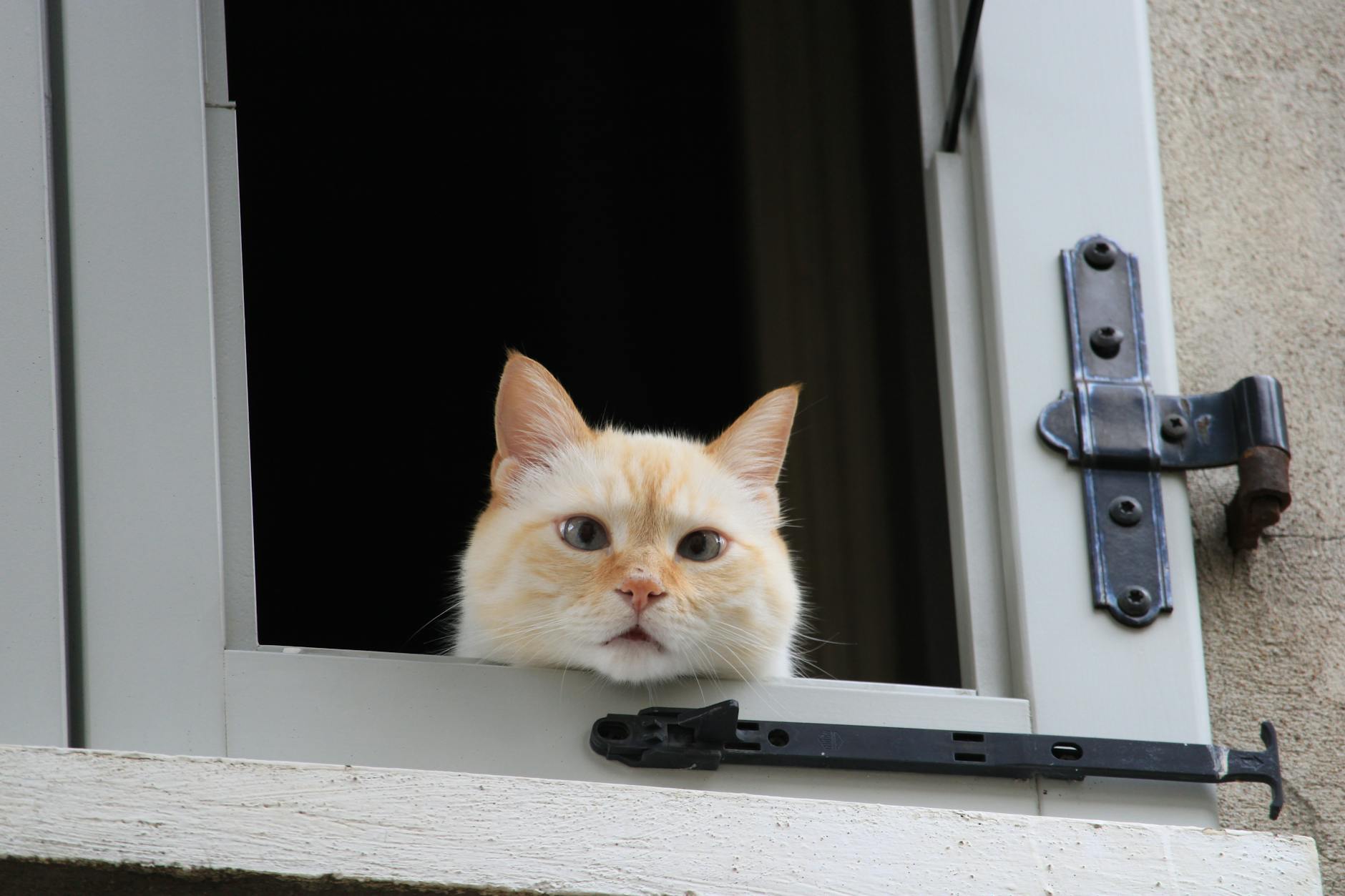
The LaPerm is a distinctive curly-coated breed whose unique hair texture is thought to reduce the amount of dander released into the air. The tight ringlets and waves of its coat trap loose fur and particles rather than allowing them to float freely through the home. This breed comes in both short and long-haired varieties and is known for its affectionate and adaptable temperament. The LaPerm tends to seek out human contact and is comfortable in a wide variety of living environments. Its unusual coat requires only moderate grooming to stay healthy and tangle-free.
Colorpoint Shorthair
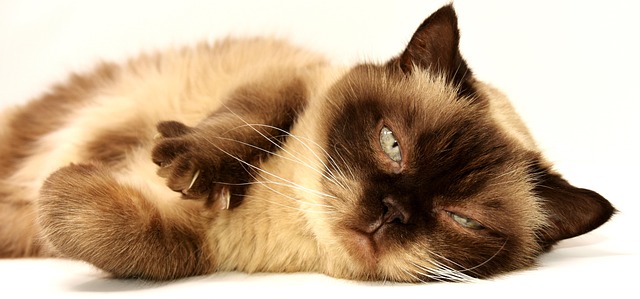
The Colorpoint Shorthair is a close relative of the Siamese and shares its fine short coat and talkative nature. Its sleek coat sheds infrequently and produces a comparatively low volume of allergen-carrying hair throughout the year. This breed is known for forming intense bonds with its primary caregivers and can become quite vocal when seeking attention. A quick weekly brush is typically sufficient to manage shedding and maintain coat health. Its low allergen profile and strong personality make it a rewarding companion for those with mild sensitivities.
Ocicat
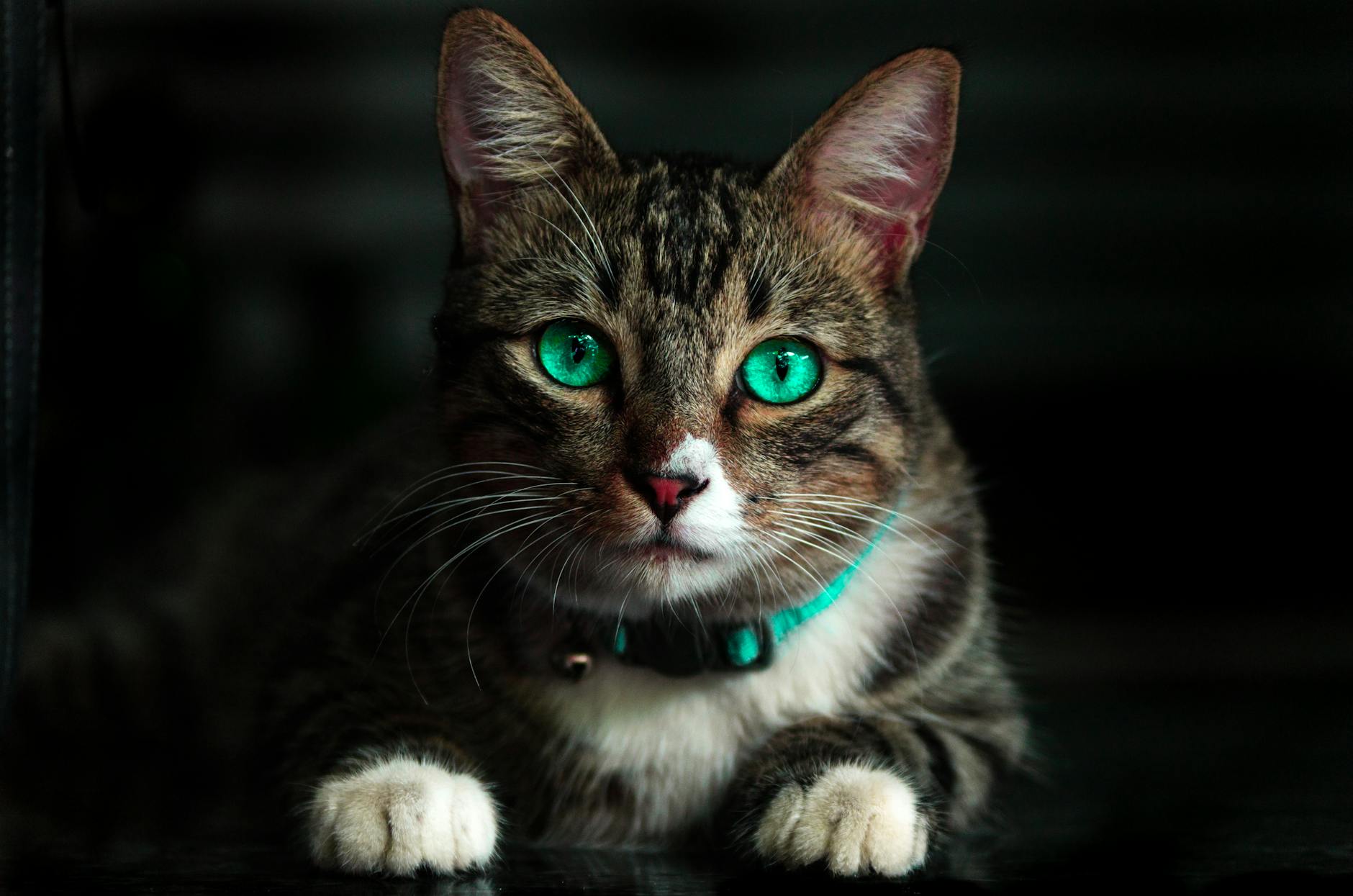
The Ocicat is a wholly domestic breed that closely resembles a wild spotted cat despite having no wild DNA in its lineage. Its short tight coat lies close to the body and sheds minimally which reduces the spread of dander across home surfaces. The breed is confident outgoing and highly social often behaving more like a dog than a typical cat in its interactions with people. Weekly brushing and an occasional wipe-down with a damp cloth are generally enough to keep allergen levels low. Its athletic build and curious nature make it an entertaining and relatively low-allergen companion.
Turkish Angora
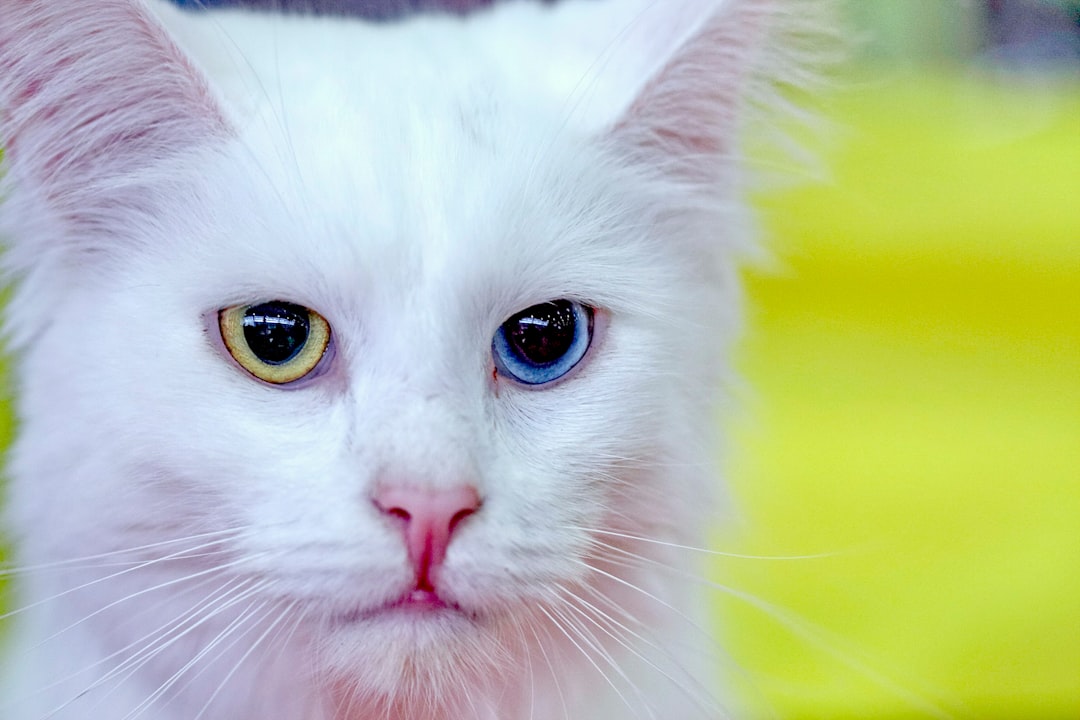
The Turkish Angora is an ancient and elegant breed with a silky single-layer coat that lacks the dense undercoat common in similar long-haired cats. The absence of an undercoat means far less shedding and a reduced presence of allergens in the home compared to double-coated breeds. This breed is graceful and intelligent with a playful streak that often persists well into adulthood. It is known for forming close attachments to family members and can be protective of its home territory. Regular grooming keeps the fine coat in excellent condition and helps further minimize dander buildup.
Burmese
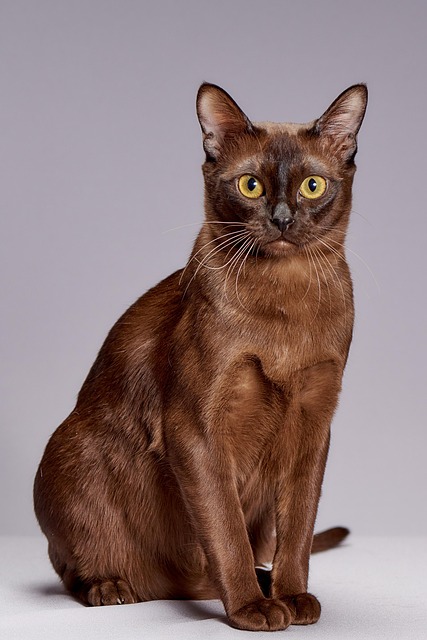
The Burmese is a compact and muscular breed with a short satin-like coat that sheds very little throughout the year. Its minimal shedding reduces the amount of allergen-laden hair deposited on furniture bedding and clothing in the home. This breed is famously affectionate and people-oriented often described as dog-like in its desire to be near its owners at all times. The Burmese tends to thrive in busy households and adapts well to children and other pets. Its low-maintenance coat and reduced allergen output make it a practical and loving choice for sensitive individuals.
Selkirk Rex
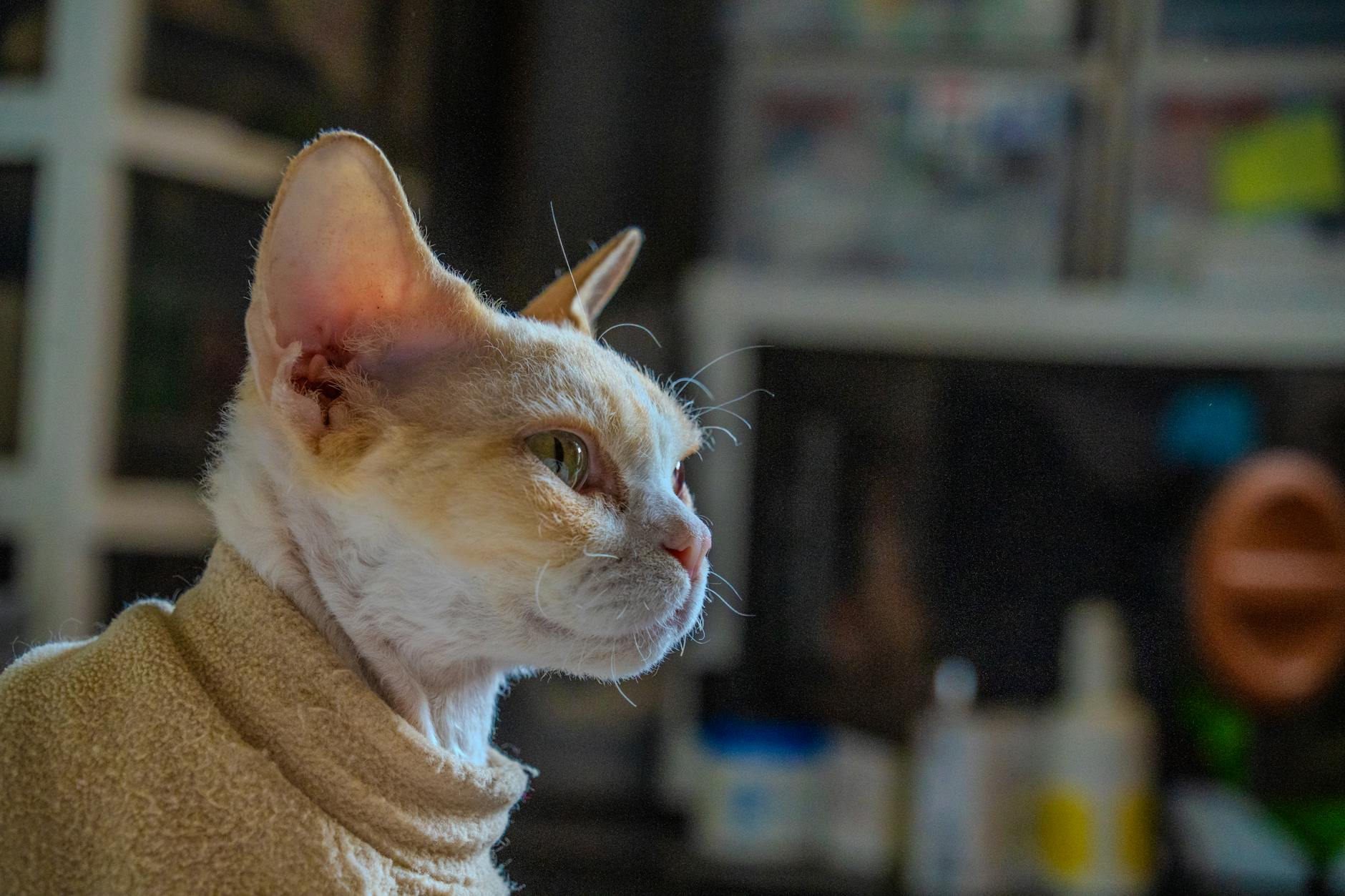
The Selkirk Rex is a newer and relatively rare breed distinguished by its soft curly coat that can appear in both short and long-haired forms. The curly texture of the coat traps dander and loose fur close to the body rather than dispersing it into the air. Unlike other Rex breeds the Selkirk has a fuller and more plush appearance giving it a distinctly teddy bear-like quality. The breed is patient gentle and tolerant making it well-suited to a wide range of household environments. Its curly coat does require regular careful grooming to prevent matting and to keep allergen levels as low as possible.
If you share your home with one of these incredible breeds or have personal experience navigating cat allergies, share your thoughts in the comments.




