
Not every home improvement project leads to a bigger payday when it comes time to sell. Some upgrades that feel exciting and personal to homeowners can actually send potential buyers running in the other direction. Real estate professionals consistently flag certain renovations as value killers rather than value boosters. Understanding which projects fall into this category can save homeowners from costly mistakes before they ever list their property.
Garage Conversion
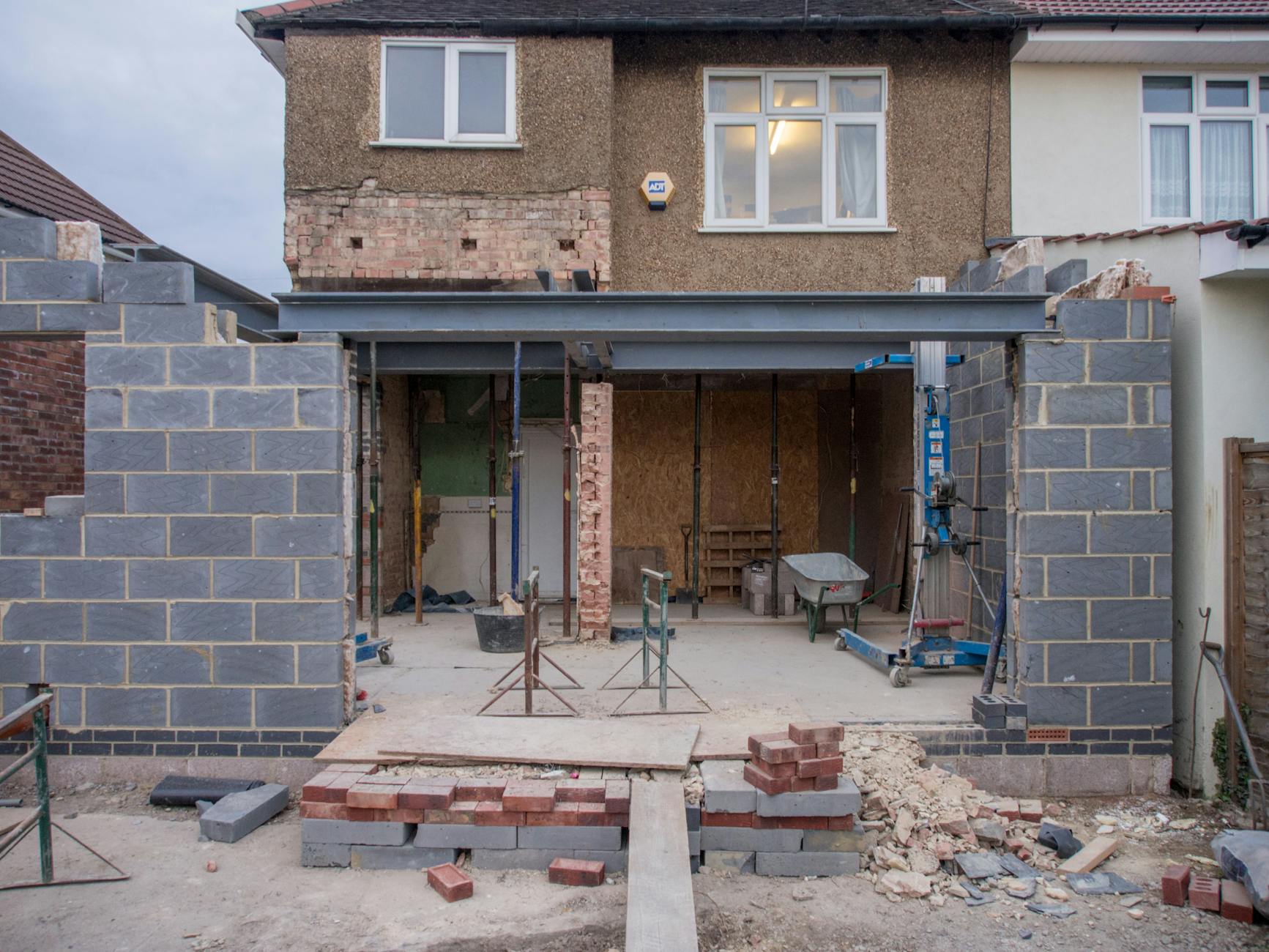
Converting an attached garage into a living space is one of the most commonly cited renovation regrets among sellers. Buyers frequently prioritize covered parking and functional storage above an extra room that could serve many purposes. In competitive markets, the absence of a garage can be a dealbreaker that significantly shrinks the pool of interested buyers. The cost of the conversion rarely translates into added value compared to what is lost by removing a garage entirely. Many buyers factor the expense of converting the space back when calculating their offer price.
Swimming Pool

Installing an in-ground swimming pool is often viewed as a luxury rather than a selling point in the majority of American markets. Buyers in cooler climates frequently see a pool as a liability due to high maintenance costs and limited seasonal use. Insurance premiums can rise with pool ownership which adds another layer of ongoing expense for incoming buyers. Families with young children may specifically avoid homes with pools for safety reasons. The installation cost rarely comes close to being recouped in the final sale price.
Wallpaper Application

Covering walls in bold or heavily patterned wallpaper is a renovation that tends to appeal strongly to current owners and alienate prospective buyers. Removal is a time-consuming and messy process that buyers typically factor into their renovation budget and their offer price. Trendy wallpaper choices can also date a home quickly making it feel out of step with more current interior preferences. Buyers who walk through a wallpapered home often mentally add the cost of professional removal before making any decisions. A neutral paint finish is almost universally preferred by buyers seeking a blank canvas.
Carpet Over Hardwood

Laying carpet directly over original hardwood floors is a renovation choice that consistently frustrates buyers and appraisers alike. Hardwood floors are widely considered a premium feature that adds tangible value to a property. When carpet conceals them the home loses a selling point that would otherwise be prominently featured in listing descriptions. Buyers who discover hardwood beneath carpet after purchase often feel deceived which can cause complications during negotiations. Removing carpet to restore original hardwood is almost always the smarter financial decision.
Highly Personalized Paint Colors

Painting interior rooms in bold unconventional colors is a personal expression that rarely translates into broader buyer appeal. Deep reds vivid oranges and saturated purples require multiple coats of primer and paint to cover properly. Buyers who cannot easily visualize a neutral space tend to lower their offers to account for the repainting they anticipate doing. Professional painters charge significant hourly rates meaning the perceived cost of correction grows quickly in a buyer’s mind. Neutral tones consistently perform better in real estate photography and in-person showings.
Luxury Kitchen in a Modest Neighborhood
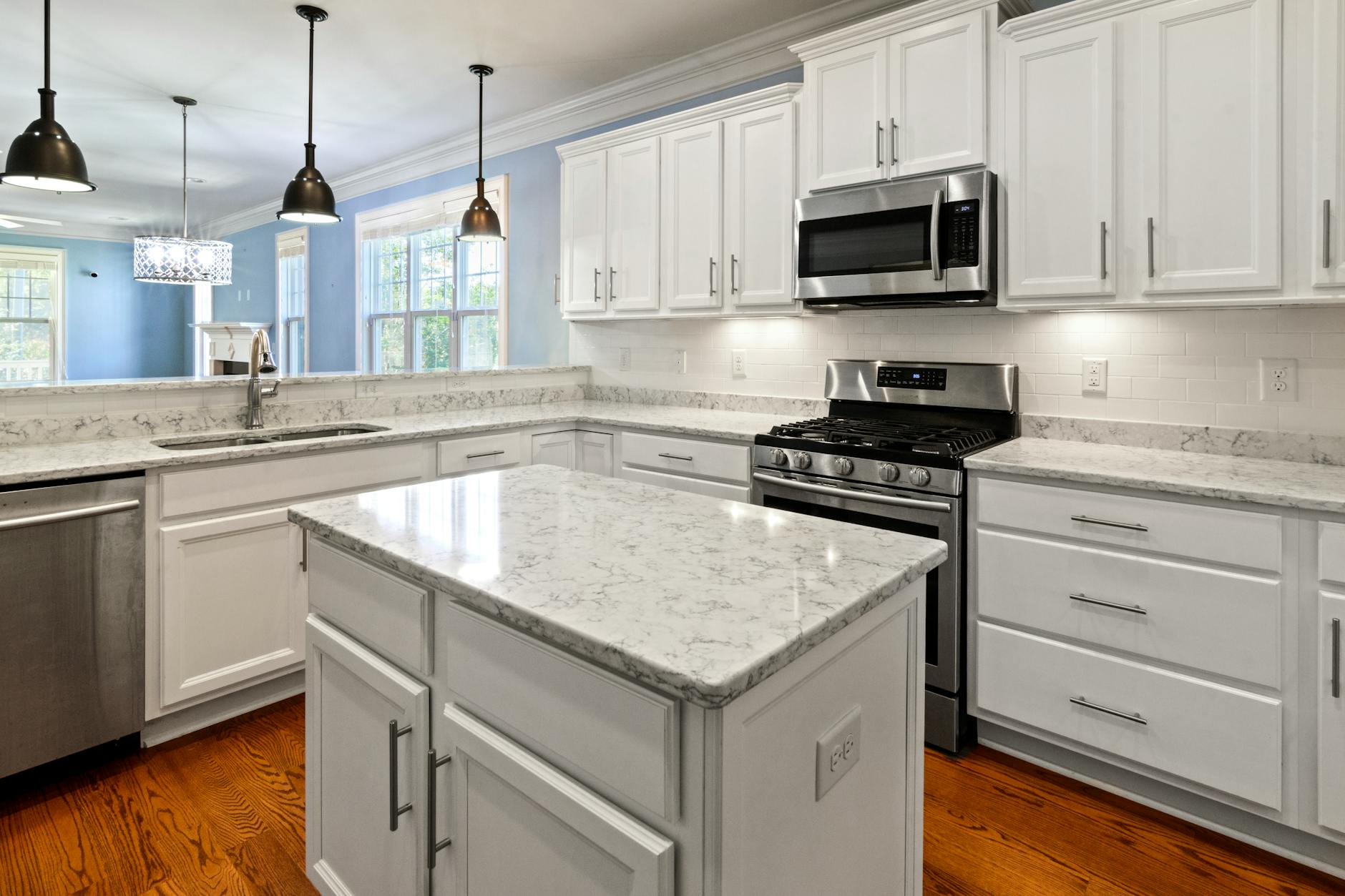
Installing a high-end chef’s kitchen with top-tier appliances and custom cabinetry in a modest neighborhood is a classic example of over-improvement. Appraisers evaluate homes in comparison to surrounding properties making it difficult for ultra-premium upgrades to be fully reflected in market value. Buyers shopping in an entry-level neighborhood typically have a ceiling on what they are willing and able to spend regardless of interior finishes. The gap between renovation investment and actual return can be substantial in these situations. A mid-range kitchen update tends to deliver a far more balanced return on investment.
Bedroom Removal

Knocking down walls to combine two bedrooms into one larger room dramatically reduces the functional appeal of a home for many buyers. The number of bedrooms is one of the primary search filters used on real estate platforms making fewer bedrooms mean fewer potential viewers. Families and buyers seeking flexibility specifically look for homes that can accommodate guests offices and growing households. Reducing bedroom count below the neighborhood standard places a home at a competitive disadvantage during the listing process. The cost of restoring the wall to recreate the original layout is an expense few buyers want to inherit.
Sunroom Without Permits
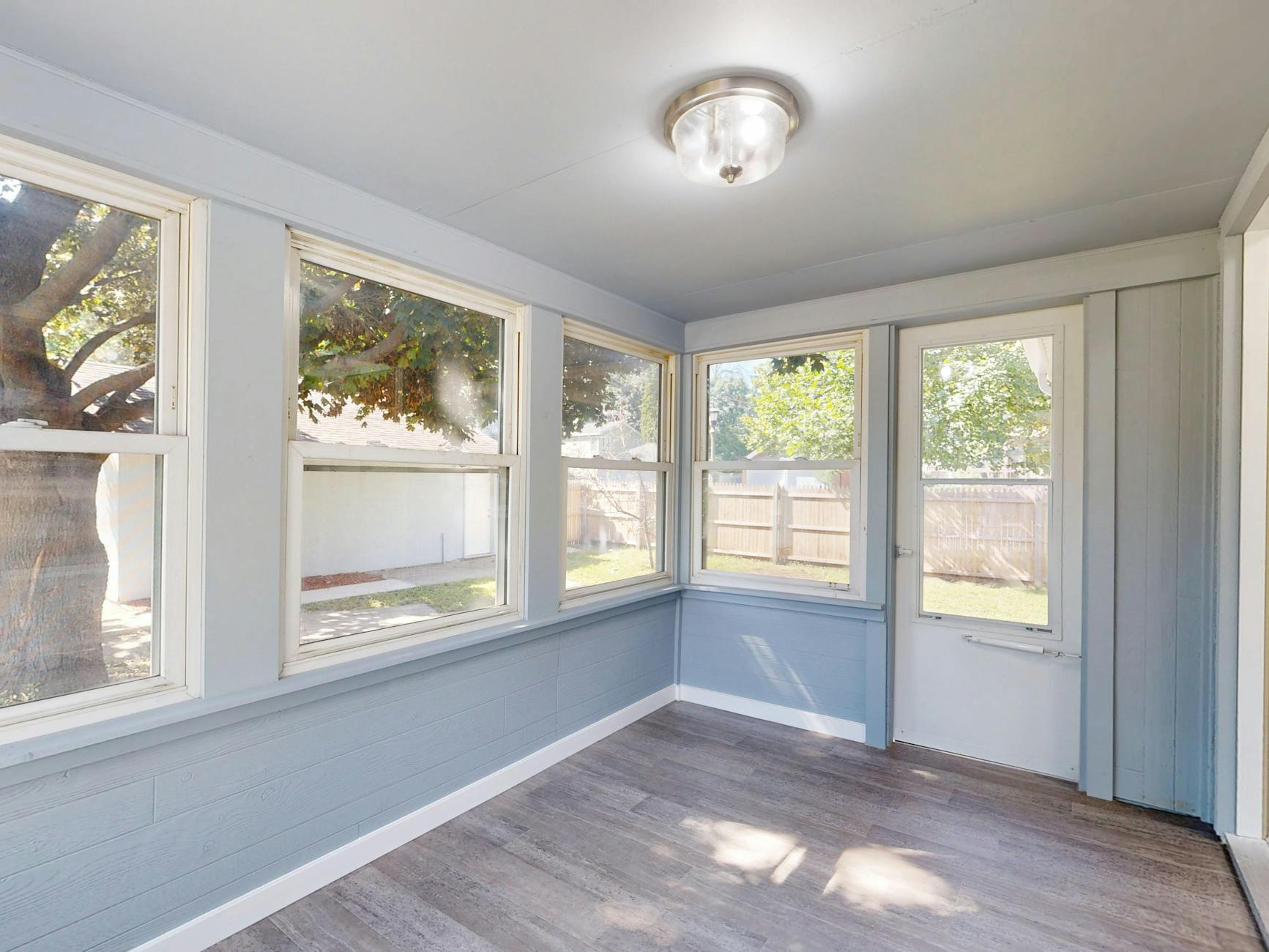
Adding a sunroom or enclosed patio without the proper permits creates a significant obstacle during the sales process. Unpermitted additions can be flagged during inspections triggering legal and financial complications for both buyer and seller. Lenders may refuse to finance a property with unpermitted structures adding another layer of difficulty to closing a sale. Buyers who proceed with the purchase may inherit the liability of bringing the structure up to code after closing. The cost of retroactively permitting or demolishing an unpermitted addition can far exceed its original construction cost.
Hot Tub Installation

A built-in hot tub is a polarizing feature that tends to narrow rather than expand buyer interest. Ongoing maintenance costs including chemicals water care and potential repairs are viewed as ongoing expenses by buyers calculating long-term ownership costs. Hot tubs also increase utility bills and can be a liability concern for some homeowners insurance policies. Buyers without an interest in owning a hot tub often factor in the cost of removal when assessing the property. The installation investment rarely produces a positive return when examined through the lens of resale.
Closet Removal
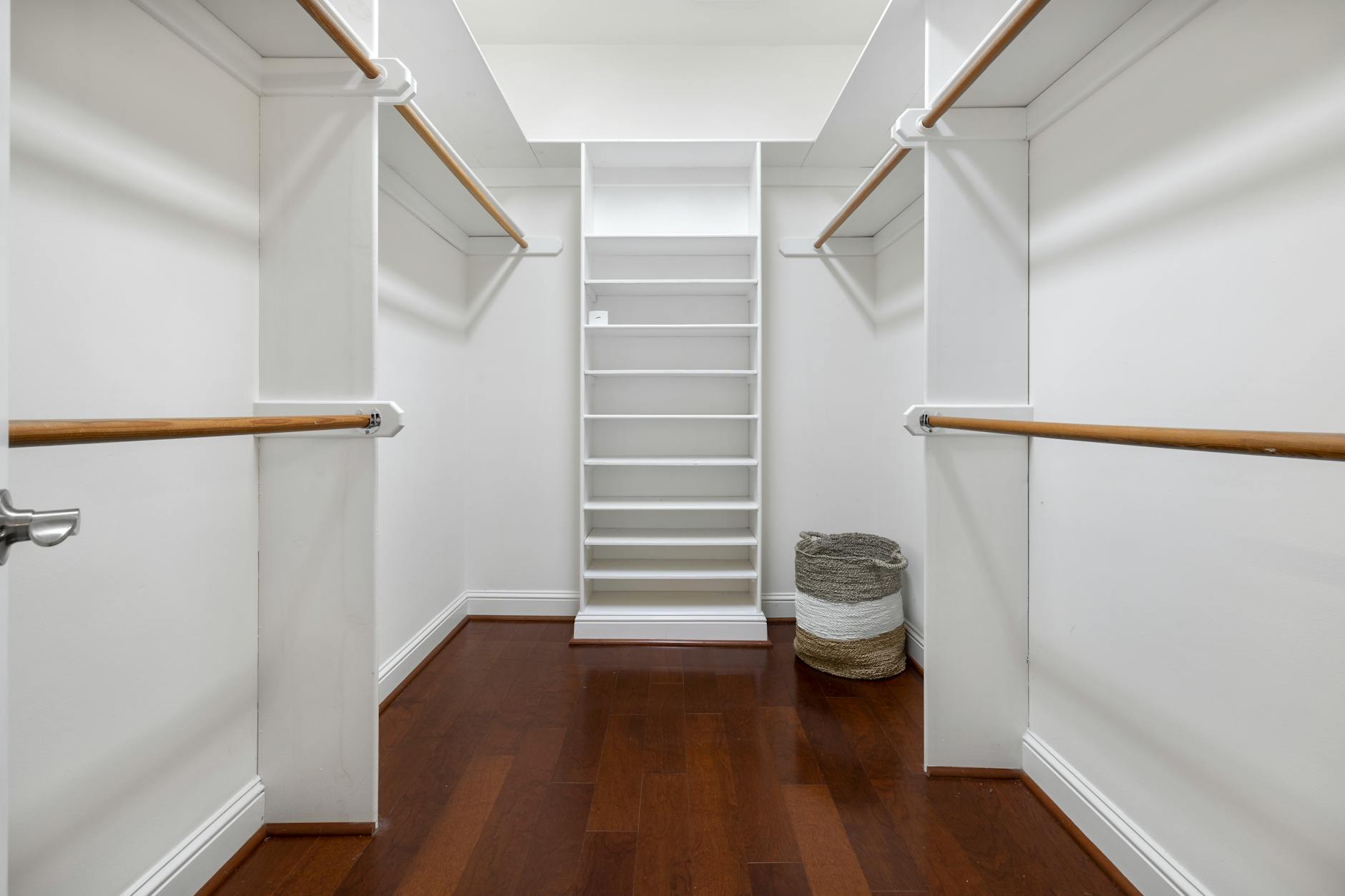
Eliminating closets to expand a room or bathroom is a renovation that consistently draws negative reactions from buyers during showings. Storage is one of the most frequently cited priorities among home shoppers across multiple demographic groups. A bedroom that lacks an adequate closet may be categorized differently during appraisals potentially affecting the official bedroom count. Real estate agents often flag missing closets as a key objection from buyers who have toured a property. Restoring closet space is a project that adds effort and expense to any future renovation plan.
Popcorn Ceiling Application
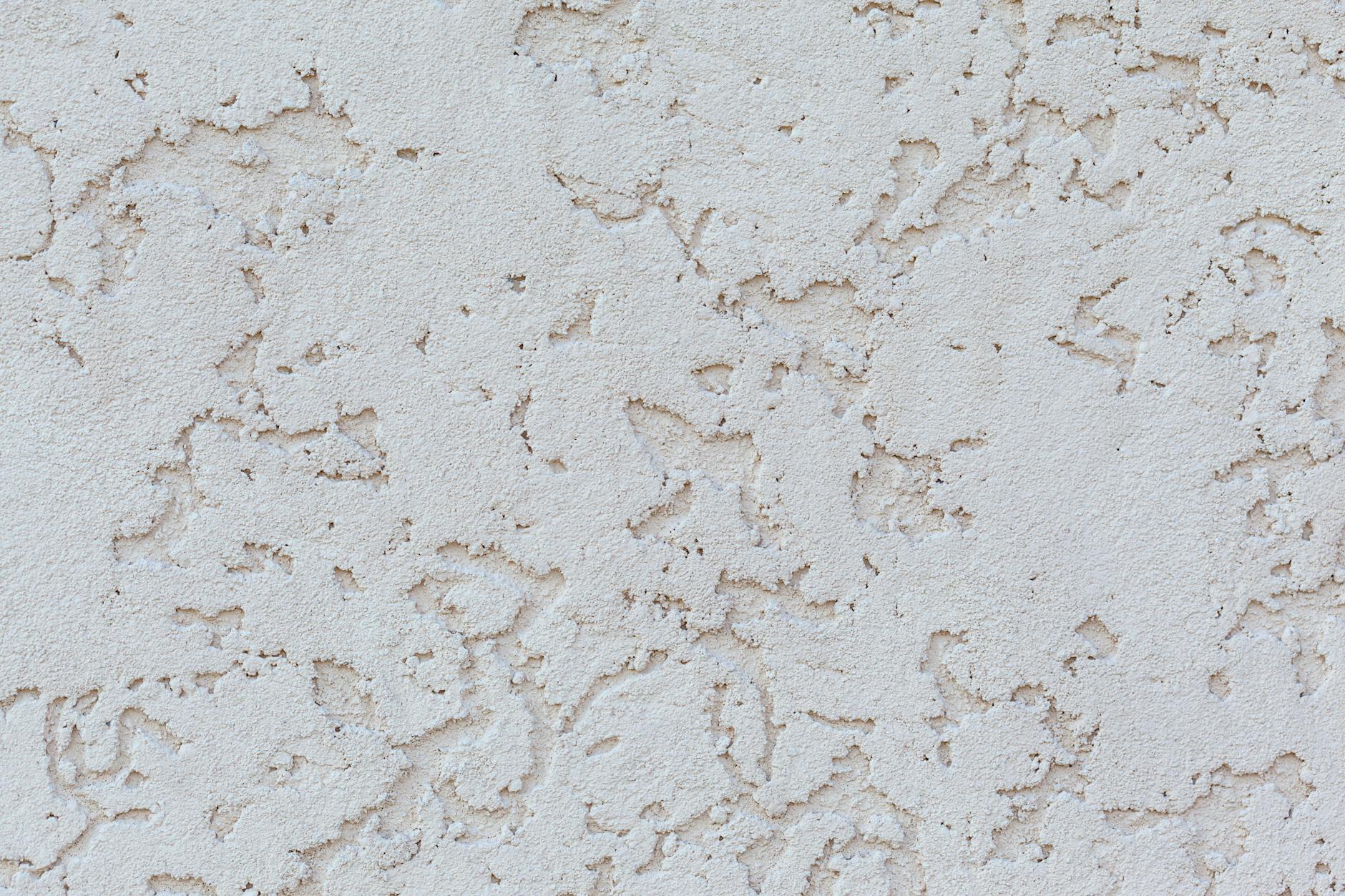
Applying popcorn or textured ceiling treatments is widely associated with dated design trends from previous decades. Modern buyers tend to strongly prefer smooth ceilings which are seen as cleaner and more contemporary. Removing popcorn ceilings requires professional labor and testing in older homes where asbestos may be present in the texture compound. The presence of this texture can cause buyers to lower their offers to account for eventual removal costs. A smooth freshly painted ceiling is consistently better received during buyer walk-throughs.
DIY Electrical Work

Amateur electrical work carried out without licensed professionals is one of the most serious renovation risks from both a safety and resale standpoint. Home inspectors are specifically trained to identify signs of unprofessional wiring and their reports can derail a sale entirely. Buyers who receive an inspection report flagging electrical issues frequently use the findings to renegotiate the asking price downward. Insurance companies may also be unwilling to provide coverage for homes with substandard electrical work. Licensed electricians and pulled permits are non-negotiable for any electrical upgrade that is intended to enhance long-term home value.
Over-the-Top Landscaping

Elaborate landscaping involving fountains exotic plants intricate stonework or high-maintenance water features can actively discourage buyers. Many buyers view complex landscaping as a beautiful but burdensome ongoing commitment of time and money. Buyers who lack gardening interest or time may see lush overly designed yards as an immediate source of stress rather than enjoyment. In drought-prone areas water-intensive landscapes can also raise questions about utility costs and local watering restrictions. Low-maintenance curb appeal with clean lines and native plants tends to appeal to the broadest range of potential buyers.
Niche Home Theater

Converting a bedroom or basement into a highly customized home theater is a renovation that serves a specific type of buyer and alienates many others. The built-in equipment speakers and specialized lighting rarely carry the same value in an appraisal as standard living square footage would. Buyers without an interest in home theaters see the space as difficult to repurpose without significant additional renovation. The wiring and structural changes involved in a full theater conversion can complicate any future reconfiguration of the space. A flexible media room with removable furnishings and neutral finishes tends to be a safer design choice for resale purposes.
Pet-Specific Built-Ins
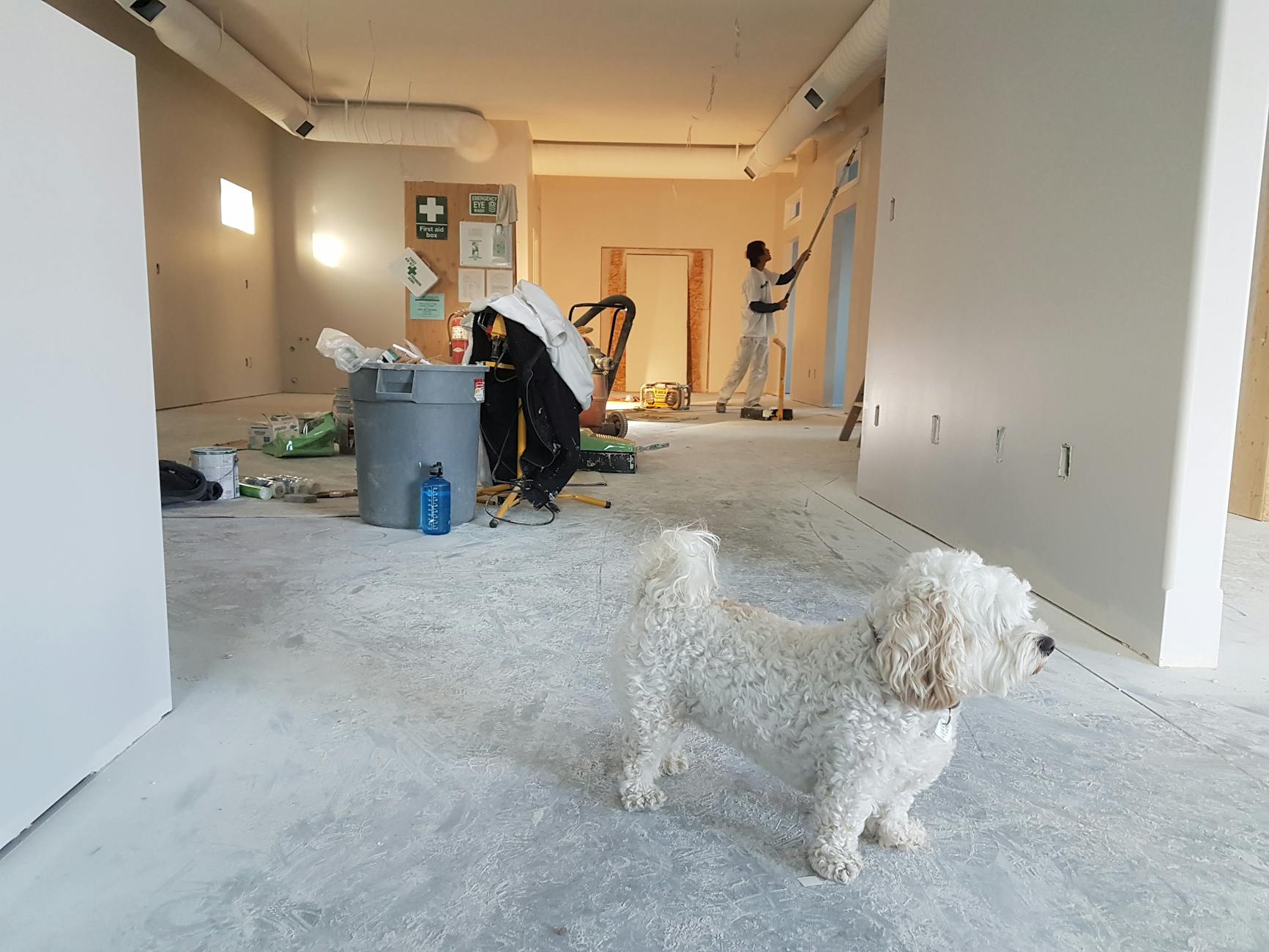
Installing permanent pet-specific features such as built-in kennels feeding stations or pet washing stations can limit buyer appeal. Buyers without pets often find these features visually distracting and factor in the cost of removal or modification. Built-in kennels take up floor space that could otherwise be used as storage or functional cabinetry. Allergies and personal preferences around animals mean that pet-centric design choices reduce the universality of a home’s appeal. Portable or non-permanent alternatives achieve the same functional purpose without affecting resale value.
Converted Attic Bedroom
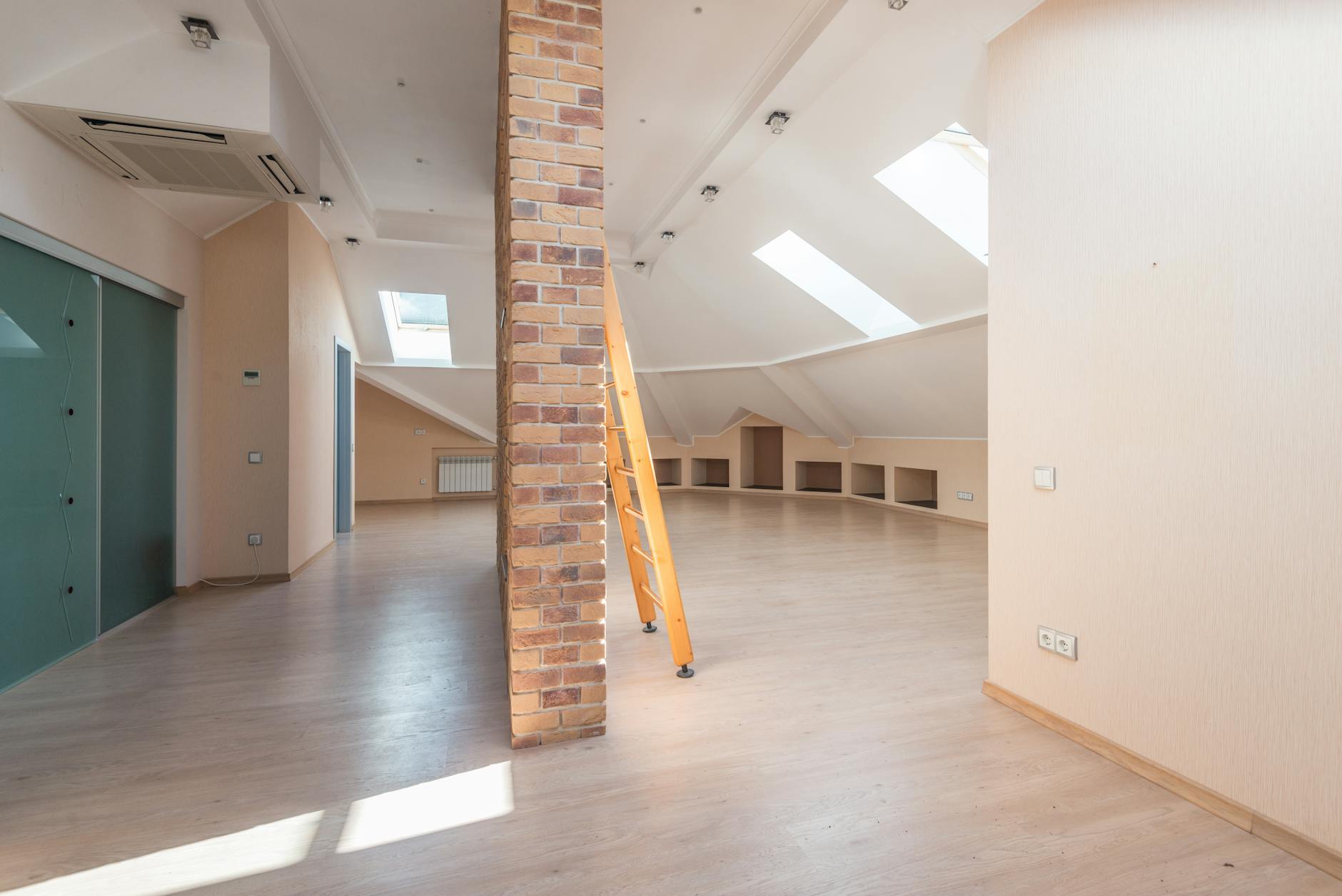
Transforming an attic into a bedroom without proper permits insulation ceiling height compliance and egress windows is a renovation that can create significant legal and financial headaches. Appraisers and inspectors carefully evaluate attic conversions against local building codes before recognizing the space as legitimate living area. A non-compliant attic bedroom may not be counted in the official square footage or bedroom count of the home. Buyers who later discover compliance issues can seek damages or price reductions through legal channels. Any attic conversion must be executed with full permitting and professional construction to have any positive impact on resale value.
Bold Tile Choices

Installing highly decorative or unusually bold tile throughout a kitchen or bathroom is a design-forward choice that does not translate broadly to buyer preferences. Tile replacement is an expensive and labor-intensive project making buyers hesitant to take on a home where a full retile is necessary to achieve their preferred aesthetic. Mosaic accent walls floor-to-ceiling patterned tiles and brightly colored grout all fall into the category of divisive design decisions. Neutral subway tile classic hex floors and understated finishes consistently perform better in buyer surveys and resale outcomes. The broader the tile appeal the less resistance a seller faces during the negotiation process.
Removing Mature Trees

Cutting down large mature trees to create more light or clear space is a renovation decision that frequently backfires from a value perspective. Mature trees contribute meaningfully to curb appeal energy efficiency and neighborhood aesthetics in ways that take decades to replicate. Appraisers recognize specimen trees as contributing assets to residential properties and their removal can affect a home’s assessed value. Buyers who value privacy shade and natural surroundings often rank mature tree coverage highly in their search criteria. Unless a tree poses a structural or safety risk its removal is rarely a financially sound pre-sale decision.
Basement Bedroom Without Egress
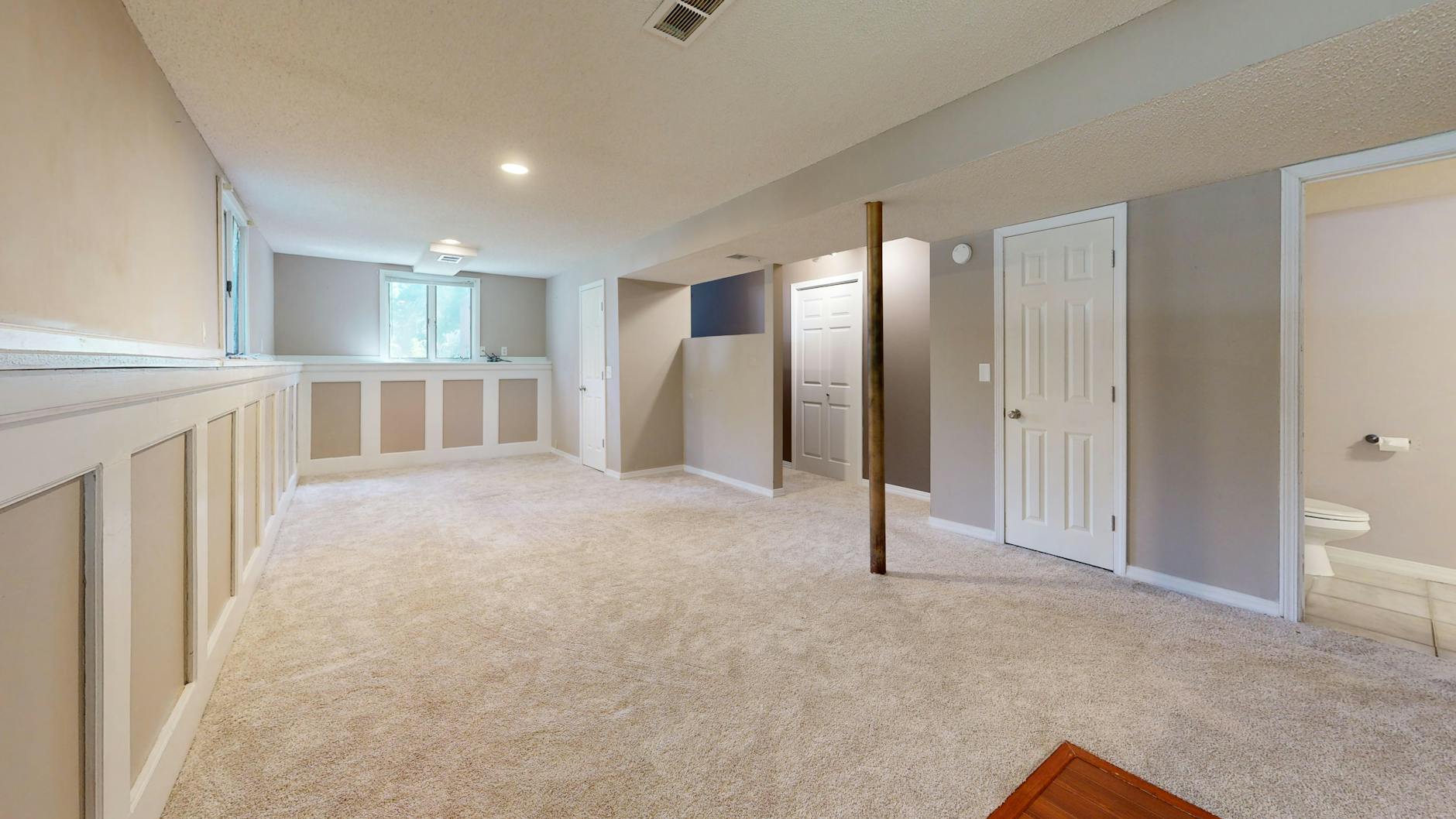
Finishing a basement and presenting a below-grade room as a legal bedroom without meeting egress window requirements is a liability that surfaces quickly during inspection. Building codes in most jurisdictions require bedrooms to have at minimum one egress window of a specific size to ensure safe emergency exit. A room advertised as a bedroom that fails to meet code can expose sellers to legal and disclosure challenges. Buyers who discover the issue may walk away from the deal or request substantial price reductions to account for the required work. Compliant egress windows must be installed before a below-grade room can legitimately count toward the official bedroom total.
Combination Bathroom Removal
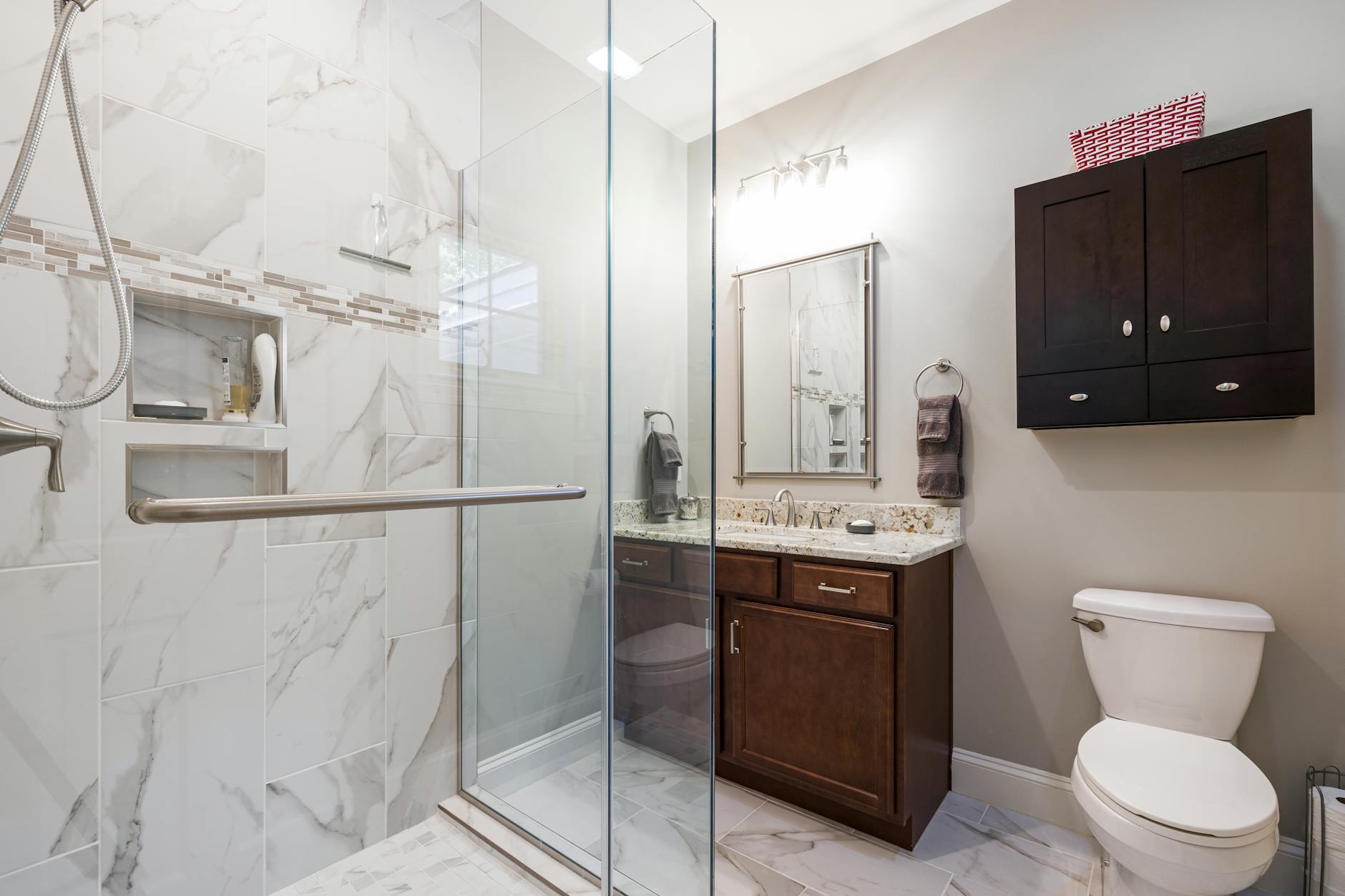
Eliminating a full bathroom to expand an adjacent bedroom or closet is a renovation that reduces one of the most important functional selling features of a home. Bathroom count is a key metric used by buyers agents and appraisers when evaluating the value and practicality of a property. Homes with fewer bathrooms than the neighborhood standard consistently receive lower offers and spend more time on the market. The cost of restoring a full bathroom including plumbing fixtures and waterproofing is substantial and falls entirely on the incoming buyer. Preserving the bathroom count of a home is one of the most straightforward ways to protect long-term resale value.
Share your own renovation experiences or surprises in the comments so others can make smarter decisions before they pick up a hammer.




