
Living in an apartment means sharing walls, ceilings, and floors with neighbors whose noise can easily disrupt your peace. Fortunately, there are dozens of renter-friendly solutions that require no drilling, no permits, and no permanent changes to your space. From soft furnishings to clever acoustic tools, these methods work by absorbing, blocking, or dampening sound waves before they reach your ears. Each approach can be implemented on its own or layered with others for a noticeably quieter living environment.
Heavy Blackout Curtains

Thick floor-to-ceiling curtains are one of the most accessible sound-dampening tools available for renters. The dense woven fabric absorbs sound waves that would otherwise bounce off hard window glass and bare walls. Hanging curtains well beyond the window frame on both sides maximizes their coverage area. Many blackout curtains are designed with multiple layers of tightly woven polyester or velvet that add meaningful acoustic mass. They also regulate light and temperature as a bonus functional benefit.
Area Rugs

Hard flooring is one of the primary conductors of impact noise in apartment buildings. A large area rug placed in high-traffic zones significantly reduces the transmission of footstep sounds to the unit below. Thicker pile rugs with dense fibers perform noticeably better than flat-weave alternatives in sound absorption. Layering a rug pad underneath the rug adds an extra cushioning barrier that further dampens vibration. Wool and high-pile synthetic rugs are particularly effective choices for this purpose.
Acoustic Panels
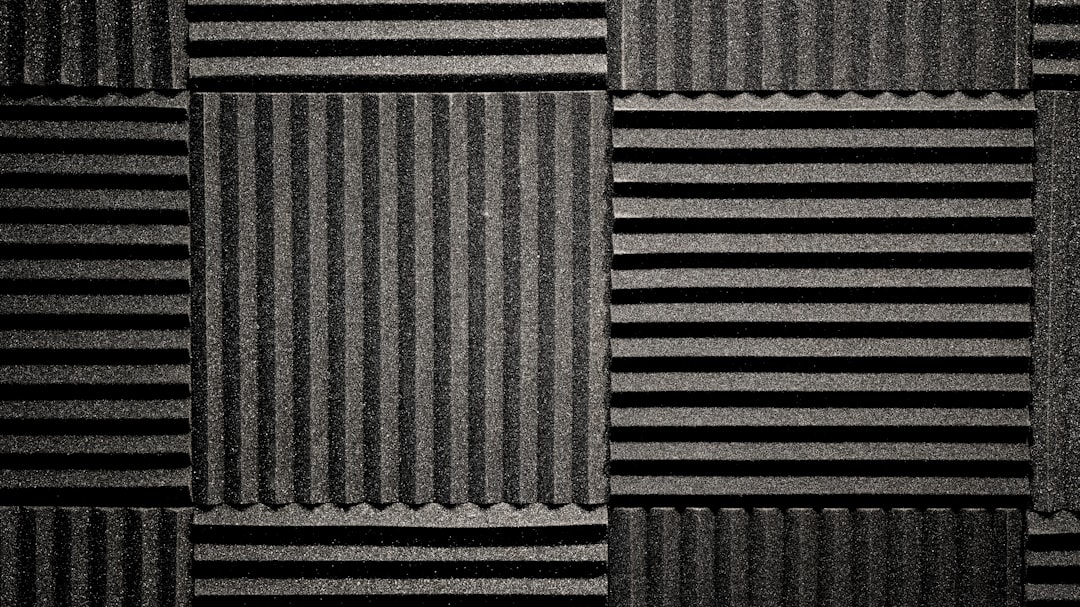
Acoustic panels are purpose-built fabric-wrapped frames filled with sound-absorbing material such as rockwool or fiberglass. They are designed to reduce echo and reverberation within a room rather than blocking sound entirely. Many brands offer adhesive mounting strips that leave no permanent damage on walls when removed. Panels placed at reflection points on shared walls have the greatest impact on reducing noise transmission. They are available in a wide range of colors and sizes to suit different interior aesthetics.
Weatherstripping Tape

Gaps around door frames are a surprisingly significant pathway for sound to travel between rooms and hallways. Self-adhesive weatherstripping tape compresses when a door closes and creates a much tighter acoustic seal. Foam or rubber varieties are both affordable and easy to apply without any tools. The tape adheres directly to the door frame and can be peeled away cleanly at the end of a tenancy. This method is especially effective at reducing hallway noise and muffling conversations from adjacent units.
Door Draft Stoppers

The gap at the bottom of an apartment door allows a disproportionate amount of sound to pass through freely. A door draft stopper is a weighted fabric tube that sits flush against the base of the door to block this opening. Many styles are designed to work on both sides of the door simultaneously for maximum coverage. Materials like sand-filled canvas or dense foam provide sufficient mass to muffle low and mid-frequency sounds. This inexpensive solution is one of the fastest ways to reduce corridor noise without any installation.
Bookshelves Filled with Books

A fully loaded bookshelf placed against a shared wall adds a substantial layer of dense mass between your living space and the noise source. Books are irregular in shape and density which helps scatter and absorb sound rather than reflecting it back into the room. The deeper and taller the bookshelf the more effective it becomes as an acoustic barrier. Positioning a bookcase flush against the wall with no gap eliminates any air channels that might otherwise carry sound. This approach doubles as a functional and visually appealing interior design element.
Soundproof Door Curtains
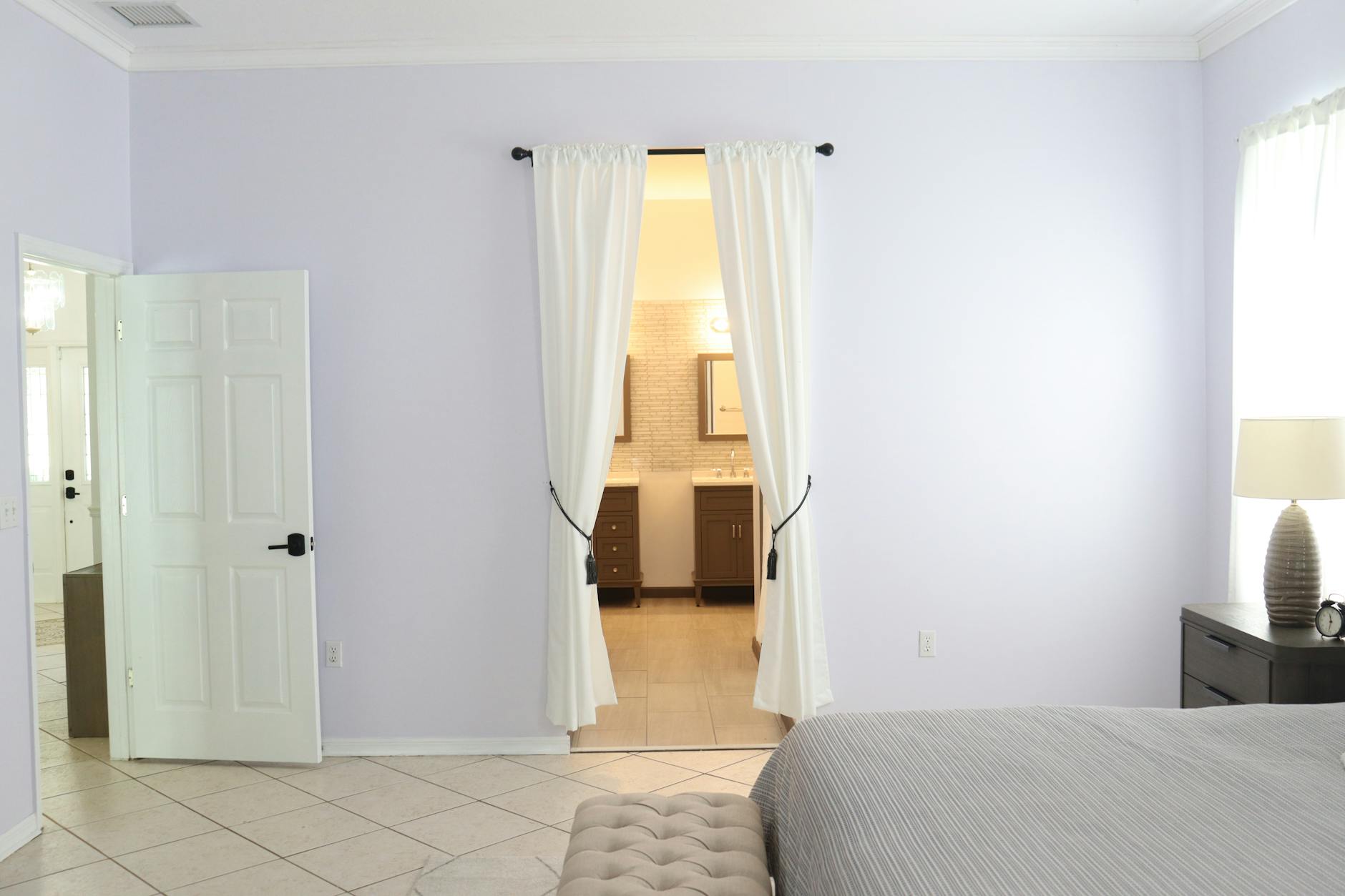
Heavy curtains hung directly over interior doors create a secondary barrier that dramatically reduces sound transmission. This technique is particularly useful for apartment doors that open onto noisy corridors or shared stairwells. The curtain rod mounts above the door frame with removable adhesive hooks or a tension rod requiring no drilling. Thick velvet or multi-layered thermal curtains perform best in this application. Pulling the curtain closed at night or during work hours can significantly improve acoustic comfort.
Moving Blankets

Moving blankets are dense multi-layered textile pads originally designed to protect furniture during transport. When draped over walls or hung on a curtain rod they act as an inexpensive and highly effective sound absorber. Their irregular quilted texture helps diffuse sound waves rather than allowing them to bounce off flat surfaces. Many renters use them as a temporary solution behind furniture or inside closets to reduce noise bleed. They are widely available at hardware stores and can be repurposed without any modification.
White Noise Machines

White noise machines generate a consistent broadband sound that masks intrusive noises from outside sources. They work by raising the ambient sound floor of a room which reduces the perceived contrast of disruptive sounds. Modern units offer a range of sound profiles including white noise pink noise and nature sounds for different preferences. Placing the machine near the noise source such as a shared wall or window amplifies its masking effectiveness. Regular use at night has been widely reported to improve sleep quality in noisy urban environments.
Window Inserts

Window inserts are secondary acrylic or glass panels that are installed inside an existing window frame without any permanent alteration. They create an additional air gap between the outside environment and the interior of the apartment which significantly reduces sound transmission. The panels snap or press into place using a compression seal that leaves no marks on the window frame or sill. They are particularly effective at blocking traffic noise street-level activity and low-frequency urban sounds. Most inserts are removable and can be taken along when moving to a new apartment.
Mass Loaded Vinyl
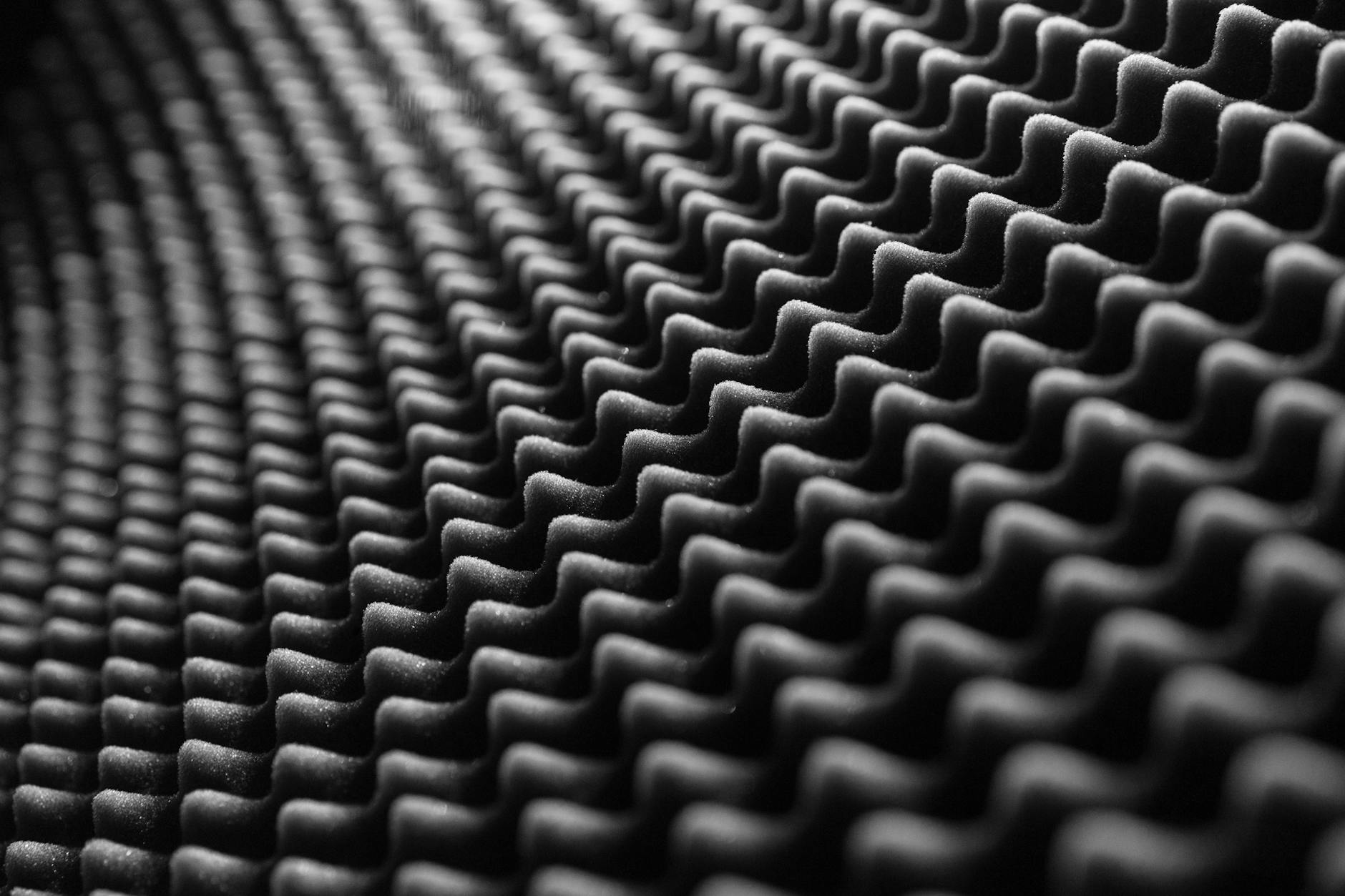
Mass loaded vinyl is a dense flexible sheeting material that adds acoustic mass to walls floors and ceilings without requiring any structural changes. It can be hung like artwork or draped behind furniture to block sound from traveling through shared surfaces. The material works on the principle that greater mass resists the transmission of sound vibration more effectively. It is odorless non-toxic and available in rolls that can be cut to fit any dimension. When combined with other soft furnishings its noise-blocking performance increases substantially.
Foam Floor Tiles
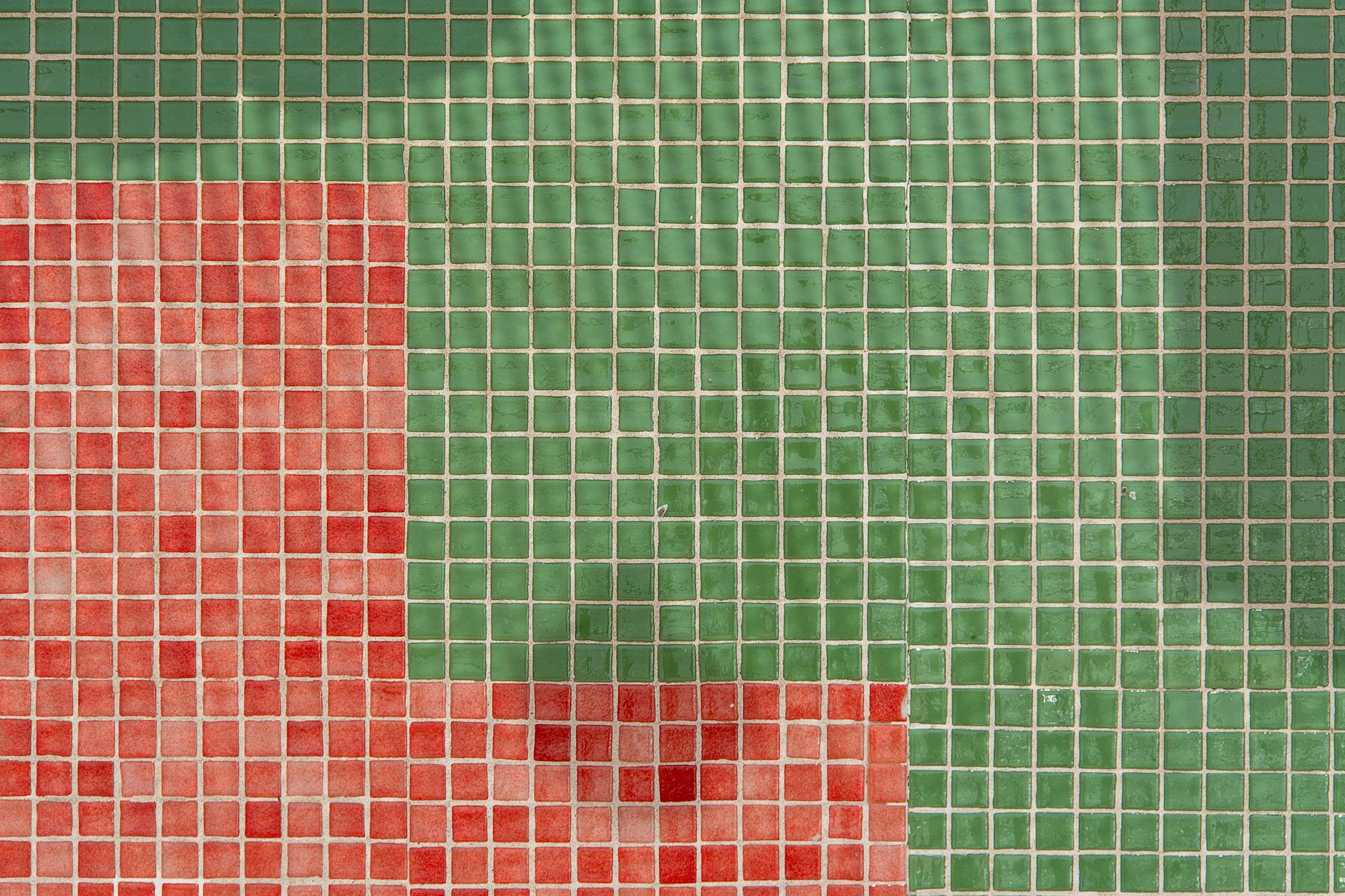
Interlocking foam floor tiles are a practical and removable way to add acoustic mass and cushioning to hard floors. They reduce the impact noise generated by footsteps which is one of the most common complaints in multi-story apartment buildings. The tiles fit together like puzzle pieces and can be installed or removed in minutes without adhesives. Dense EVA foam varieties outperform standard foam in both durability and sound absorption. Placing them in bedrooms hallways and living areas creates a quieter environment for both occupants and neighbors below.
Tapestries and Wall Hangings

Large fabric tapestries hung on walls introduce soft texture and mass that absorbs airborne sound within a room. The woven or knitted fibers trap sound energy and prevent it from bouncing between hard parallel surfaces. Larger tapestries covering a significant portion of a shared wall provide the greatest acoustic benefit. They are easily hung with adhesive hooks or a tension rod system and removed without damage. Decorative tapestries also serve as an affordable and stylish alternative to acoustic panels in home environments.
Rubber-Backed Rugs
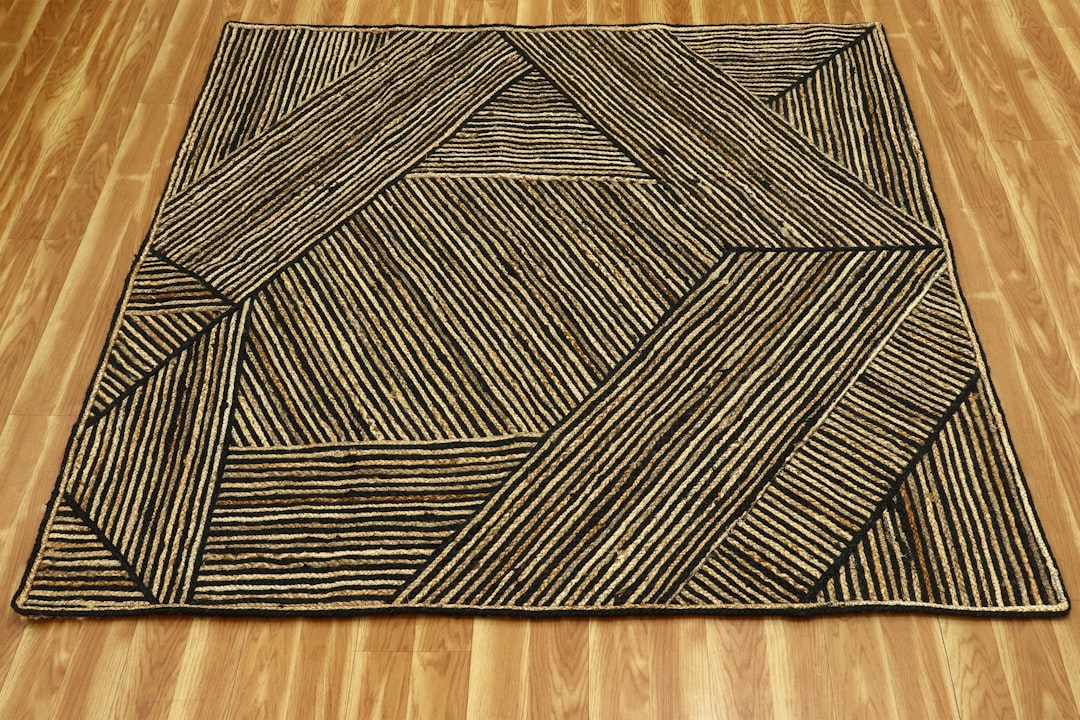
Rubber-backed rugs serve a dual purpose by reducing slip risk and adding a secondary layer of sound insulation beneath the rug surface. The rubber backing prevents sound vibrations from transferring as efficiently through the flooring as they would with a standard rug. This is especially valuable in apartments with wooden or laminate floors that tend to amplify impact noise. Pairing a rubber-backed rug with a thick rug pad creates a multi-layer acoustic barrier that performs well across a range of frequencies. They are widely available in standard sizes and can be moved freely around the apartment.
Acoustic Foam Tiles
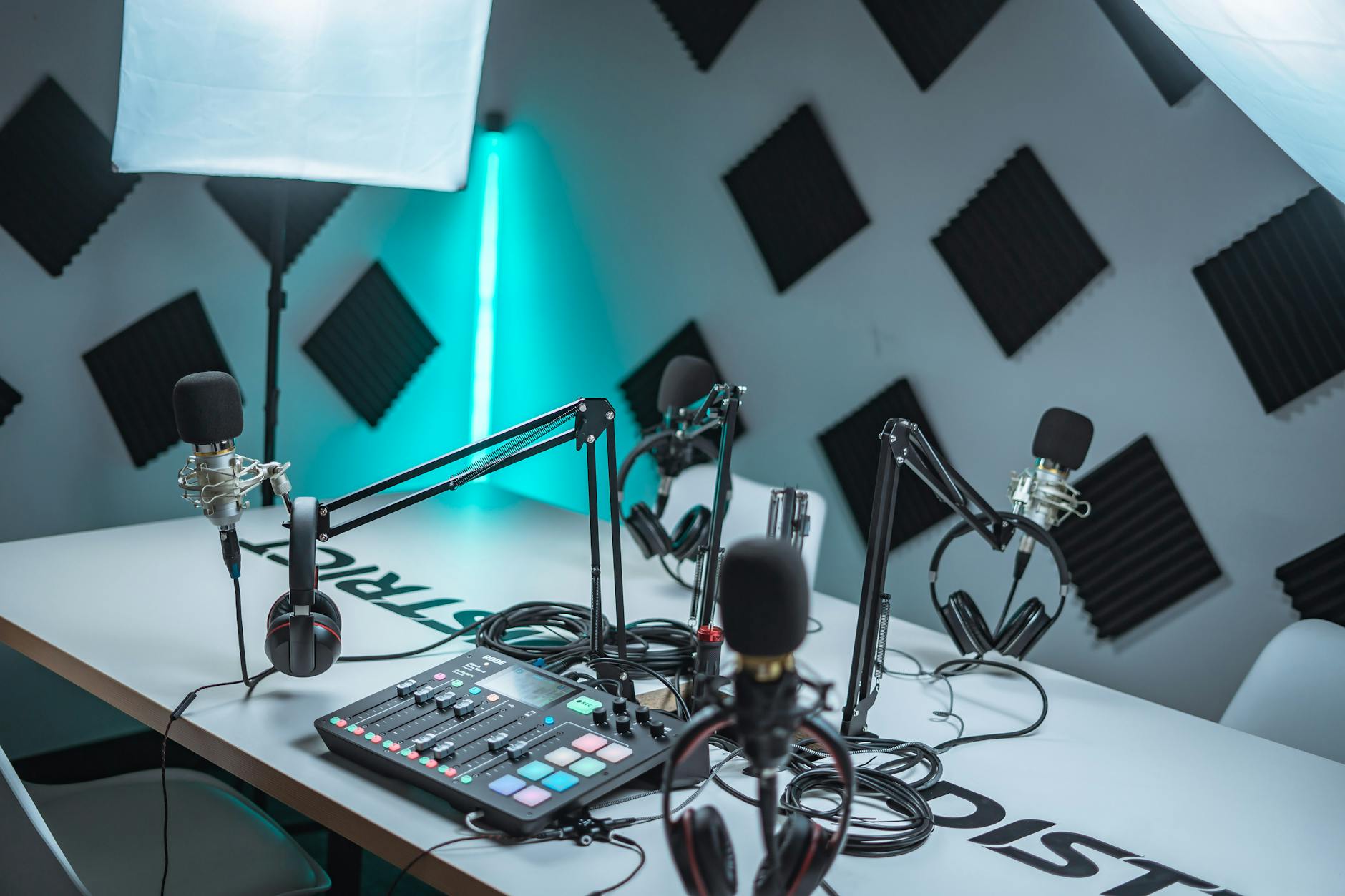
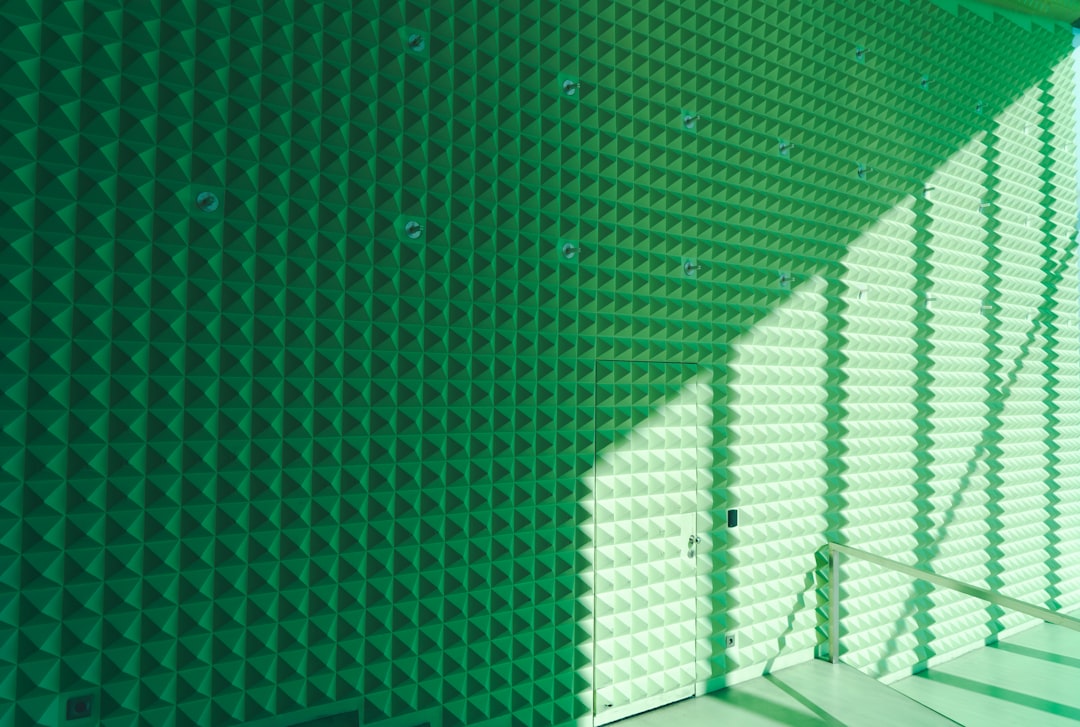
Acoustic foam tiles are lightweight wedge or pyramid-shaped panels that reduce echo and mid to high-frequency noise within enclosed spaces. They are commonly used in home recording setups but are equally effective in living spaces affected by excessive reverberation. Adhesive mounting options allow tiles to be applied to walls and removed cleanly when no longer needed. Covering a portion of shared walls with acoustic foam reduces the overall noise energy present in the room. Combining foam tiles with heavier materials like mass loaded vinyl enhances their effectiveness further.
Ceiling Canopy or Bed Canopy
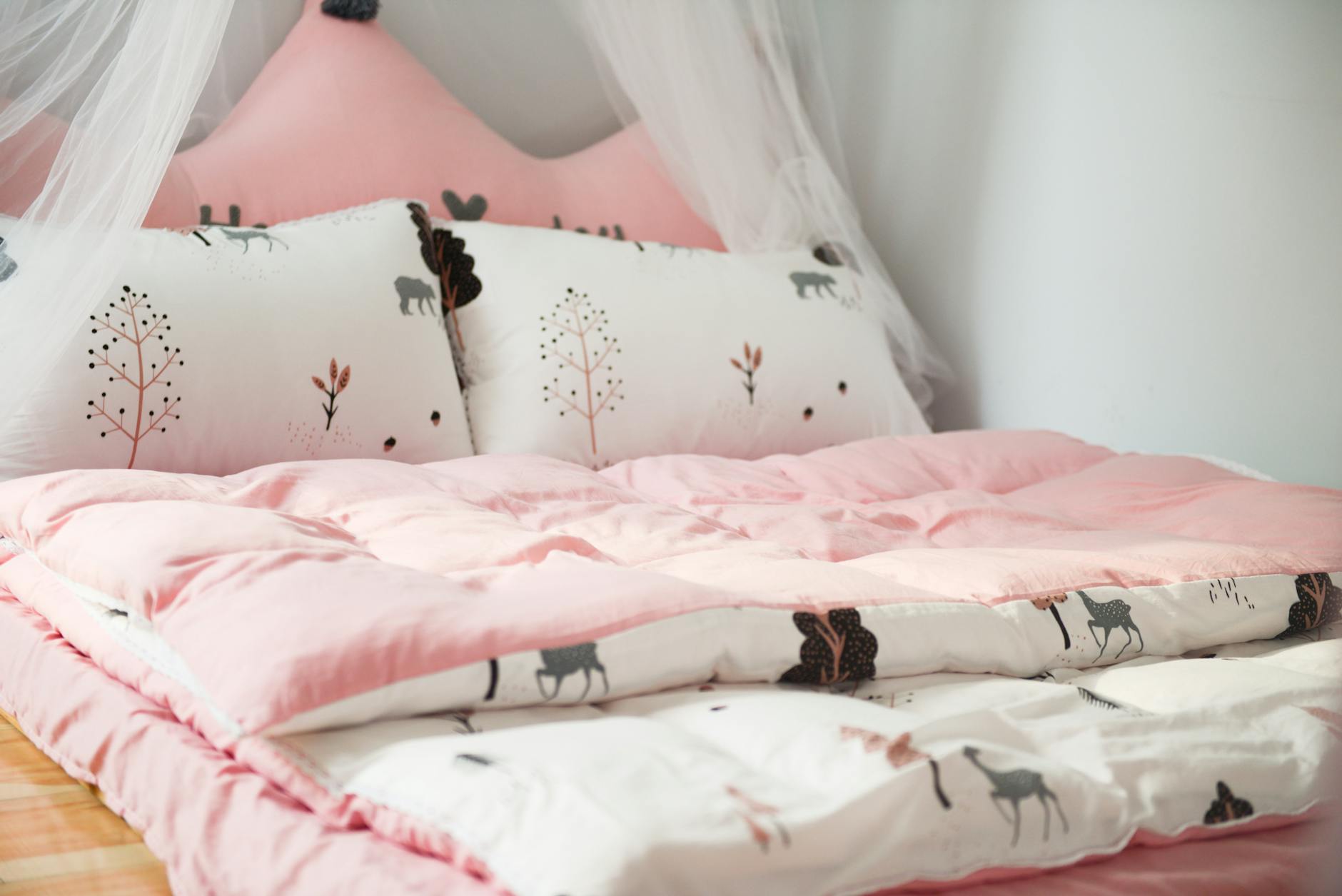
A fabric canopy suspended above a bed creates a soft enclosed zone that softens sound within the sleeping area. The layers of fabric absorb airborne noise and reduce the clarity of sounds traveling from above or adjacent units. Canopy frames designed for rental spaces use ceiling hooks or freestanding posts that require no permanent installation. Heavier fabric choices such as velvet or canvas perform better acoustically than lightweight sheers. This solution is especially useful for reducing the impact of overhead noise during sleep hours.
Upholstered Furniture

Rooms furnished with upholstered sofas chairs and ottomans absorb significantly more sound than those with hard furniture surfaces. Fabric and foam upholstery soaks up mid and high-frequency sound waves that would otherwise reflect off rigid materials. Arranging upholstered pieces near shared walls creates an informal but effective acoustic buffer zone. Sectional sofas placed against a noisy wall add considerable mass and soft absorption in one practical arrangement. Choosing furniture with thick cushioning and dense fabric enhances both comfort and acoustic performance simultaneously.
Soundproofing Wallpaper

Soundproofing wallpaper is a multilayer adhesive product that bonds to walls and adds a thin layer of acoustic mass to interior surfaces. While it does not replicate the performance of structural soundproofing it measurably reduces echo and light impact noise. Most varieties are available in neutral tones or subtle patterns and are designed to look like standard decorative wallpaper. The adhesive backing allows clean removal without damaging the wall surface beneath. It is most effective when used in combination with other soft furnishing strategies throughout the room.
Closet as a Buffer Zone
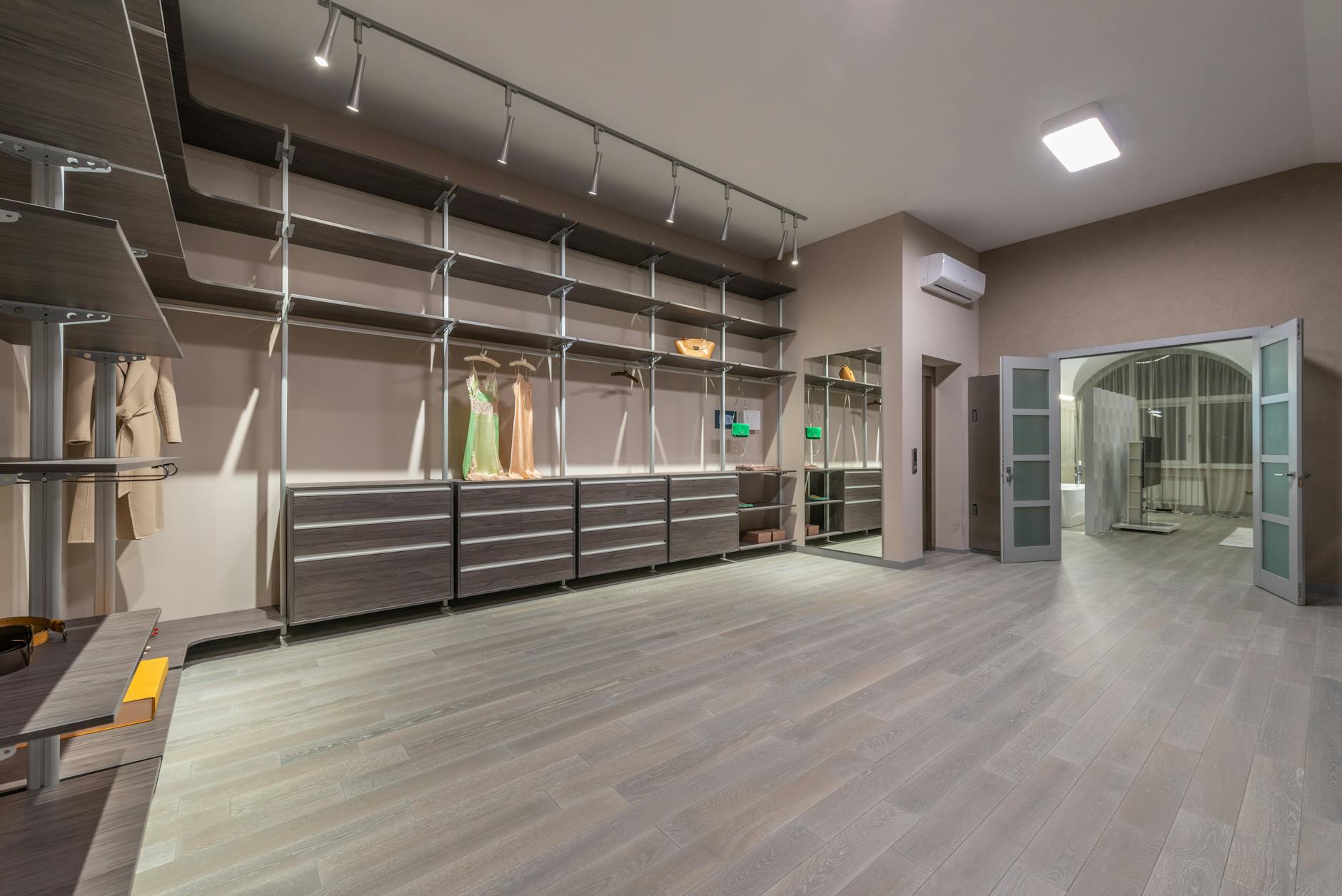
A walk-in closet or deep wardrobe positioned against a shared wall acts as a natural acoustic buffer between units. The clothing and textiles stored inside the closet absorb and scatter sound waves attempting to pass through the wall. The air gap created between the bedroom and the shared wall surface adds an additional layer of insulation. Filling the closet densely with clothing items increases its sound-dampening capacity. This passive approach requires no additional products and makes use of existing storage space in the apartment.
Draft Excluder Door Seals
Adhesive door seals applied around the perimeter of an interior door close the micro-gaps that allow sound to travel freely through a door frame. These seals are different from weatherstripping in that they provide a more complete perimeter coverage including the top and sides of the door. Many are made from a dense silicone or EPDM rubber compound that compresses tightly when the door is shut. The installation process takes only minutes and the seals can be removed cleanly when vacating. This method is most impactful on hollow-core doors which are common in many apartment buildings.
Layered Window Treatments
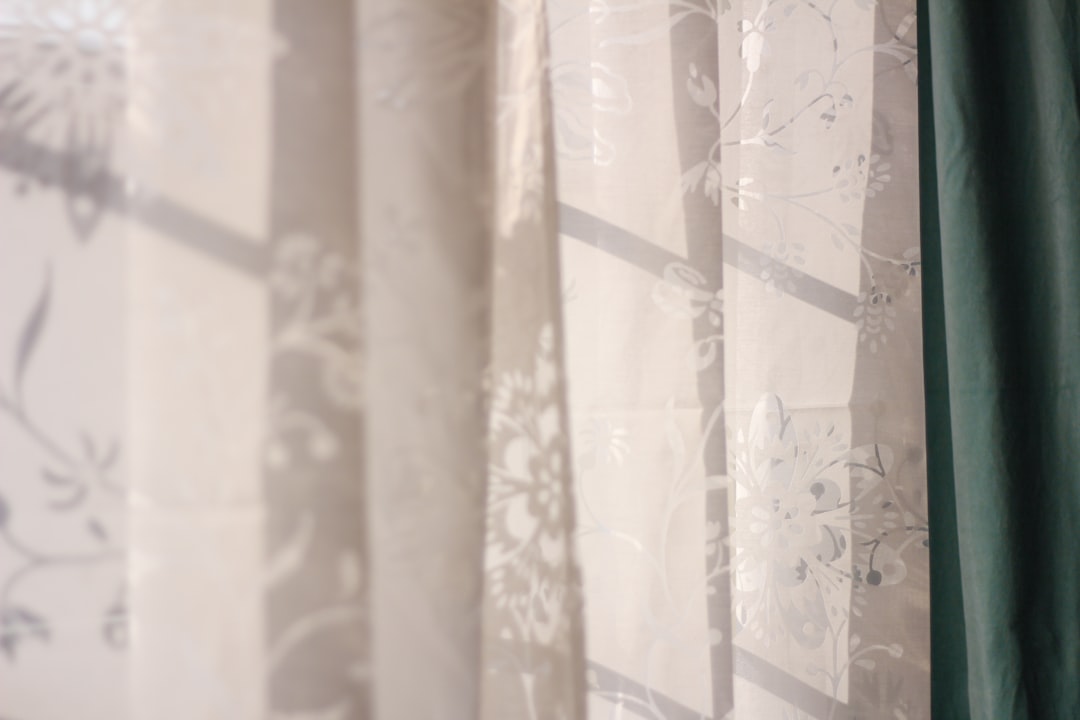
Combining multiple layers of window treatments creates a far more effective acoustic barrier than a single curtain or blind alone. A cellular shade worn under a heavy blackout curtain traps an additional pocket of air that helps block outdoor noise. Each added layer increases the total mass and absorption capacity covering the window opening. This approach is particularly beneficial for apartments facing busy streets or elevated train lines. The layered setup is entirely removable and requires only a standard curtain rod for installation.
Houseplants

Dense houseplants with large broad leaves can contribute to modest sound absorption within a room. Plants with thick foliage such as fiddle leaf figs rubber plants and peace lilies scatter and absorb some airborne sound waves. Grouping multiple plants together near windows or shared walls amplifies their collective acoustic effect. While plants alone cannot replace dedicated soundproofing materials they contribute meaningfully when used as part of a layered strategy. They also improve air quality and add a natural aesthetic dimension to the living environment.
Acoustic Curtain Dividers
Freestanding acoustic curtain dividers are portable panels covered in sound-absorbing fabric that can be placed anywhere in an apartment. They are commonly used to section off open-plan living spaces and reduce noise bleed between zones. The heavy fabric panels reduce echo and airborne sound without any wall attachment or installation. Many designs fold flat for easy storage when not in use making them ideal for smaller apartments. Positioning a divider between a workspace and a noisy living area creates a noticeably quieter functional zone.
Under-Door Seal Strips
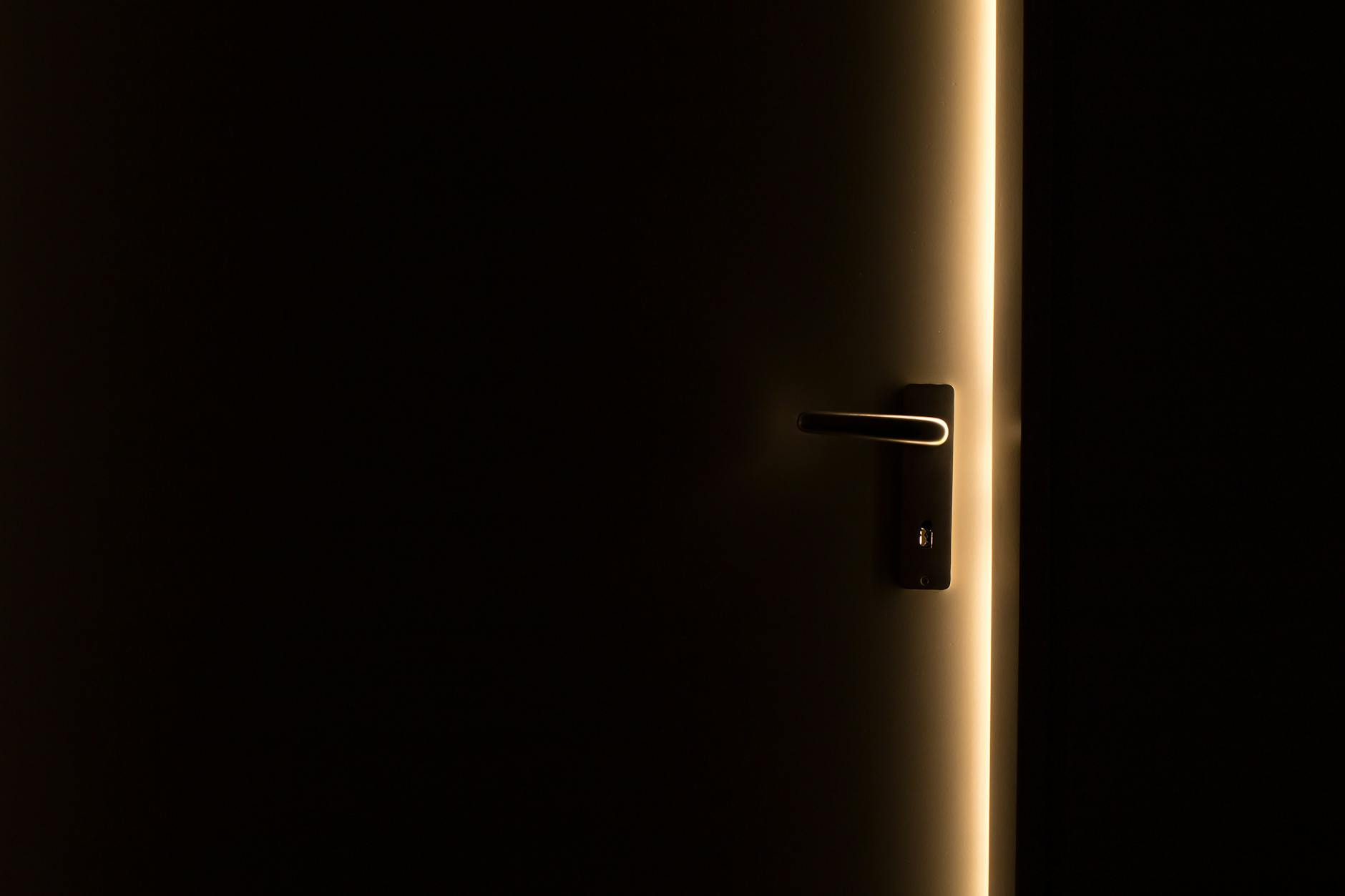
Adhesive seal strips applied to the bottom edge of a door create a flexible barrier that brushes against the floor as the door closes. Unlike bulky draft stoppers these strips remain attached to the door and function automatically with every open and close cycle. They are made from dense rubber or brush-fiber materials that fill the gap between the door and floor surface. The strips are cut to size with scissors and require no tools for installation. This discreet and low-profile solution is highly effective at reducing the transmission of hallway noise and shared corridor sound.
Furniture Arrangement
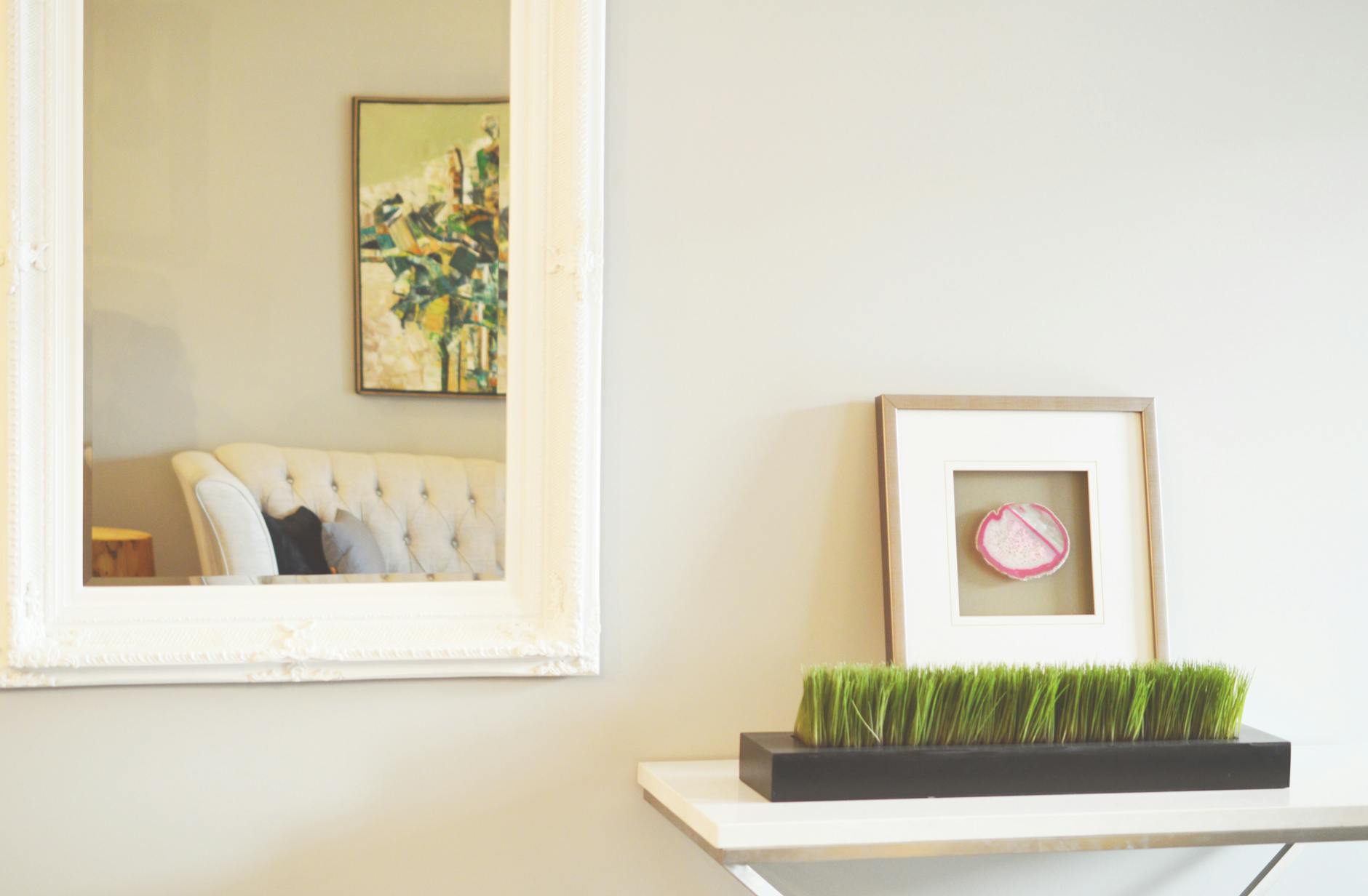
Strategic placement of large heavy furniture pieces is one of the most underestimated soundproofing techniques available to renters. Pushing a sofa bookshelf or wardrobe flush against a shared wall adds mass and a buffer layer without any products or installation. The denser and heavier the furniture the more effectively it resists the transmission of sound vibrations through the wall. Combining this approach with soft textiles draped over or around the furniture amplifies its acoustic impact further. Thoughtful furniture arrangement costs nothing and can make a significant perceptible difference in ambient noise levels throughout the apartment.
Share your favorite renter-friendly soundproofing tips in the comments.




