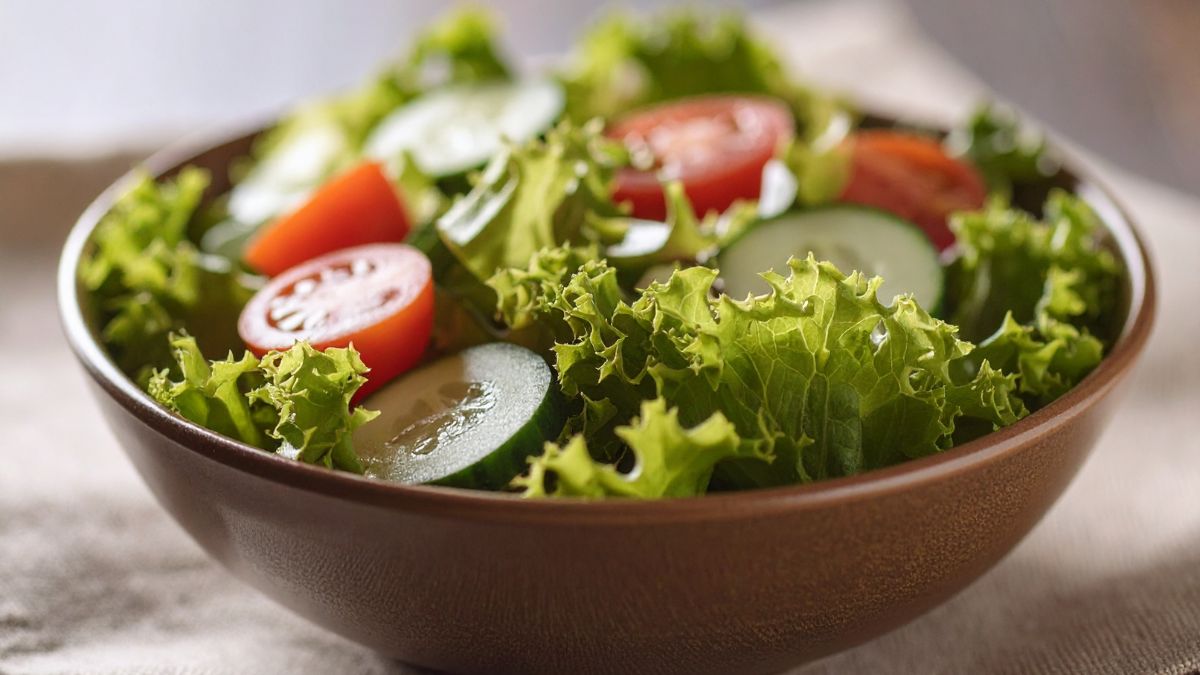
Not all salad greens are created equal, and while most people assume that anything green on their plate is automatically good for them, the nutritional gap between different varieties can be surprisingly wide. The color, texture, and even the slight bitterness of a leaf can tell you a lot about what it actually delivers to your body. Understanding these differences can help you make smarter choices at the grocery store and get genuinely more out of every meal. When it comes to maximizing what you put on your fork, the type of greens you choose matters far more than most people realize.
The most familiar option in any supermarket or restaurant is standard green lettuce, known scientifically as Lactuca sativa. It is undeniably popular, easy to find, and very low in calories thanks to its extremely high water content. However, in terms of raw nutritional density, it sits near the bottom of the rankings, offering only modest amounts of vitamins A, C, and K. It works well as a base for building a more complete salad, adding bulk and crunch without adding much else, but relying on it alone means you are leaving a lot of potential nutrition on the table.
If you want to genuinely load your plate with nutrients, lamb’s lettuce and radicchio are two varieties that consistently outperform the rest. Lamb’s lettuce is particularly impressive, delivering higher concentrations of vitamin C, carotenoids, folate, iron, and calcium than regular green lettuce. Its antioxidants actively work to neutralize free radicals in the body, and the tannins naturally found in its leaves carry mild anti-inflammatory properties that support overall health. It may be smaller and slightly harder to find, but the nutritional payoff makes it worth seeking out.
Radicchio, which belongs to the chicory family, brings its own distinct advantages to the bowl. It is a strong source of vitamins A, K, and C, and also provides meaningful amounts of potassium and manganese. The characteristic bitterness that some people find off-putting is actually a signal of its phytochemical richness, and those same compounds are known to support healthy digestion and promote liver function. Adding even a small amount of radicchio to a mixed salad introduces a powerful set of plant compounds that most people simply do not get enough of in their everyday diet.
One of the most reliable rules of thumb when shopping for greens is to follow the color. The darker, more intensely green or reddish the leaf, the higher its concentration of antioxidants and beneficial nutrients tends to be. Pale, watery leaves signal a lower nutritional load, while deep greens and burgundy or purple-tinged varieties signal richness. The best approach of all is to mix several different types together in one bowl, which guarantees a broad and varied intake of vitamins, minerals, and phytochemicals in a single, satisfying serving.
Salad greens have been a cornerstone of human diets for thousands of years, with evidence of cultivated lettuce dating back to ancient Egypt around 2700 BC, where it was grown both as food and for its oil-rich seeds. The genus Lactuca, which includes most common lettuces, belongs to the daisy family Asteraceae and encompasses hundreds of species worldwide. Lamb’s lettuce, known botanically as Valerianella locusta, is native to Europe and has been foraged as a wild green since at least the 17th century, later becoming a cultivated crop appreciated for its ability to grow through cold winters when other greens are unavailable. Radicchio is a variety of chicory (Cichorium intybus) that originates from northeastern Italy and has been cultivated there since the 15th century. Chicory plants as a whole contain inulin, a type of prebiotic fiber that feeds beneficial gut bacteria, which is one reason why bitter greens have long been associated with digestive health across many traditional food cultures. Carotenoids, which are abundant in darker leafy greens, are fat-soluble compounds, meaning the body absorbs them more effectively when they are eaten alongside a small amount of healthy fat such as olive oil, which is one scientific reason why dressed salads are nutritionally superior to plain, undressed ones.
If you have a favorite salad green or a go-to combination you swear by, share your thoughts in the comments.




