
Frequent flyers might think they have air travel figured out, but the people who spend more time at 35,000 feet than anywhere else know secrets that most passengers never discover. Flight attendants accumulate years of hard-won knowledge about how to make every journey smoother, more comfortable, and far less stressful. These are the hacks they quietly rely on every single time they fly.
Pack a Change of Clothes in Your Carry-On
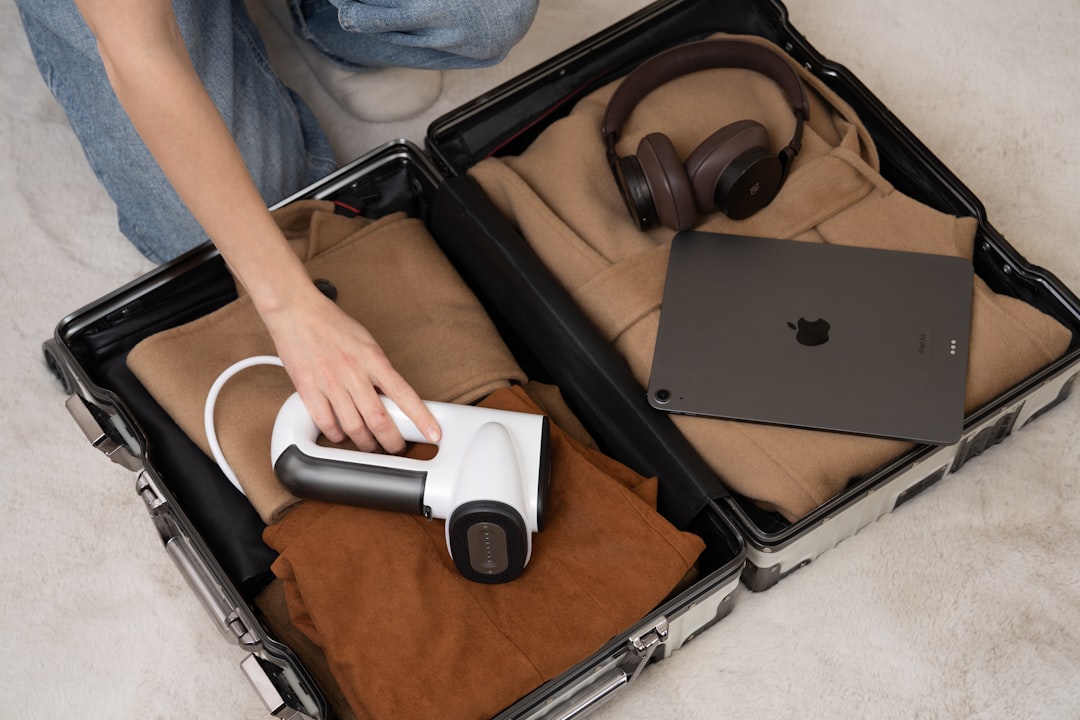
Checked luggage goes missing more often than airlines like to admit, and seasoned crew members never check anything they truly cannot afford to lose. Keeping a full change of clothes in your carry-on ensures you arrive at your destination ready to function no matter what happens to the rest of your bags. Flight attendants extend this rule to include essential toiletries, medications, and any valuables that would be difficult or impossible to replace. Treating your carry-on as a self-contained survival kit is one of the most practical habits you can build as a traveler.
Bring an Empty Water Bottle
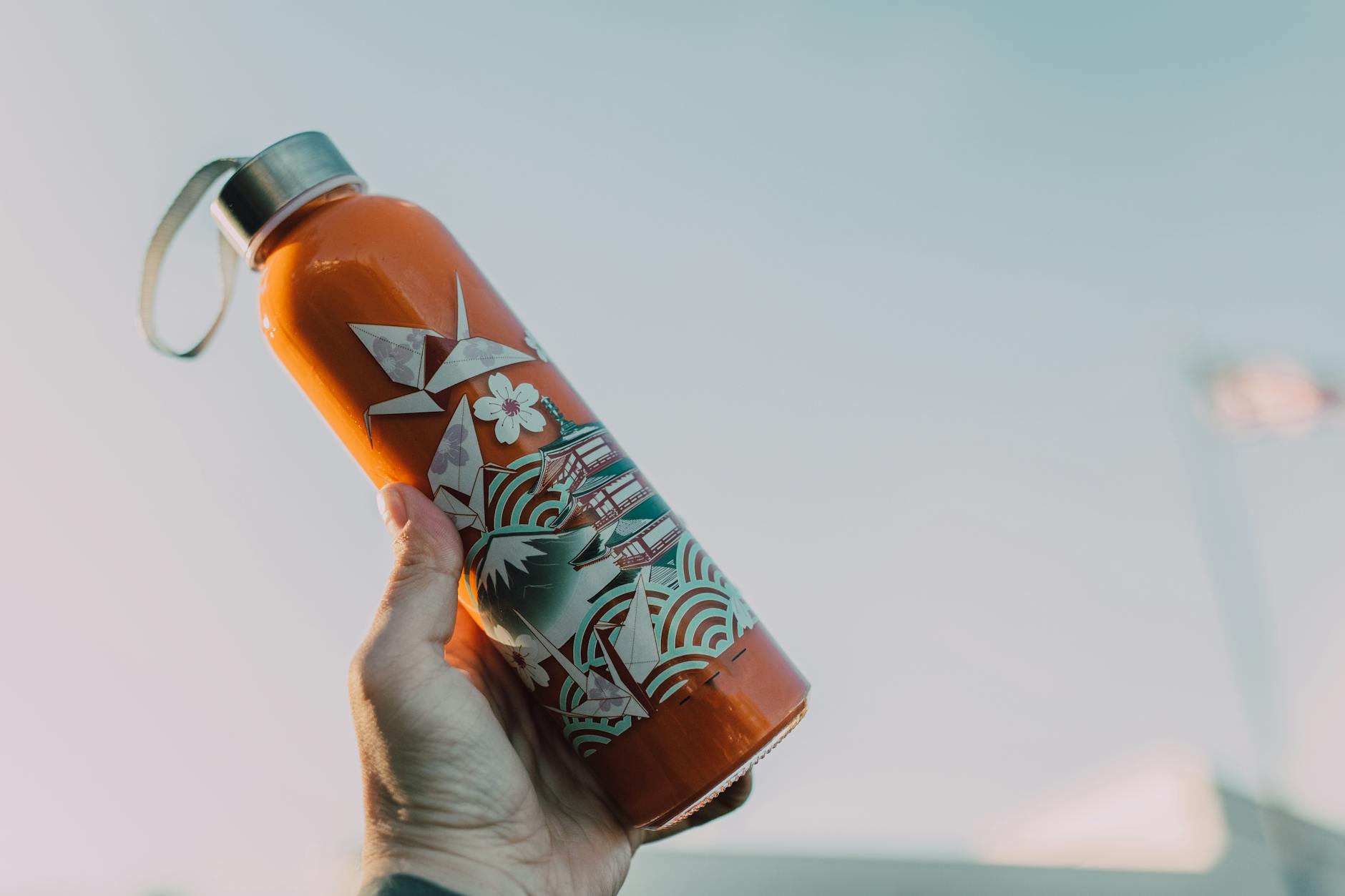
Airport water prices are notoriously inflated, and staying properly hydrated during a flight is one of the most important things you can do for your body. Flight attendants carry reusable bottles and fill them at filtered water stations past security, which are available in most major airports worldwide. Cabin air is extremely dry and can cause dehydration far more quickly than most passengers realize, making regular water intake essential throughout any flight. Arriving hydrated also significantly reduces jet lag and helps the body recover from time zone changes more efficiently.
Board as Late as Possible
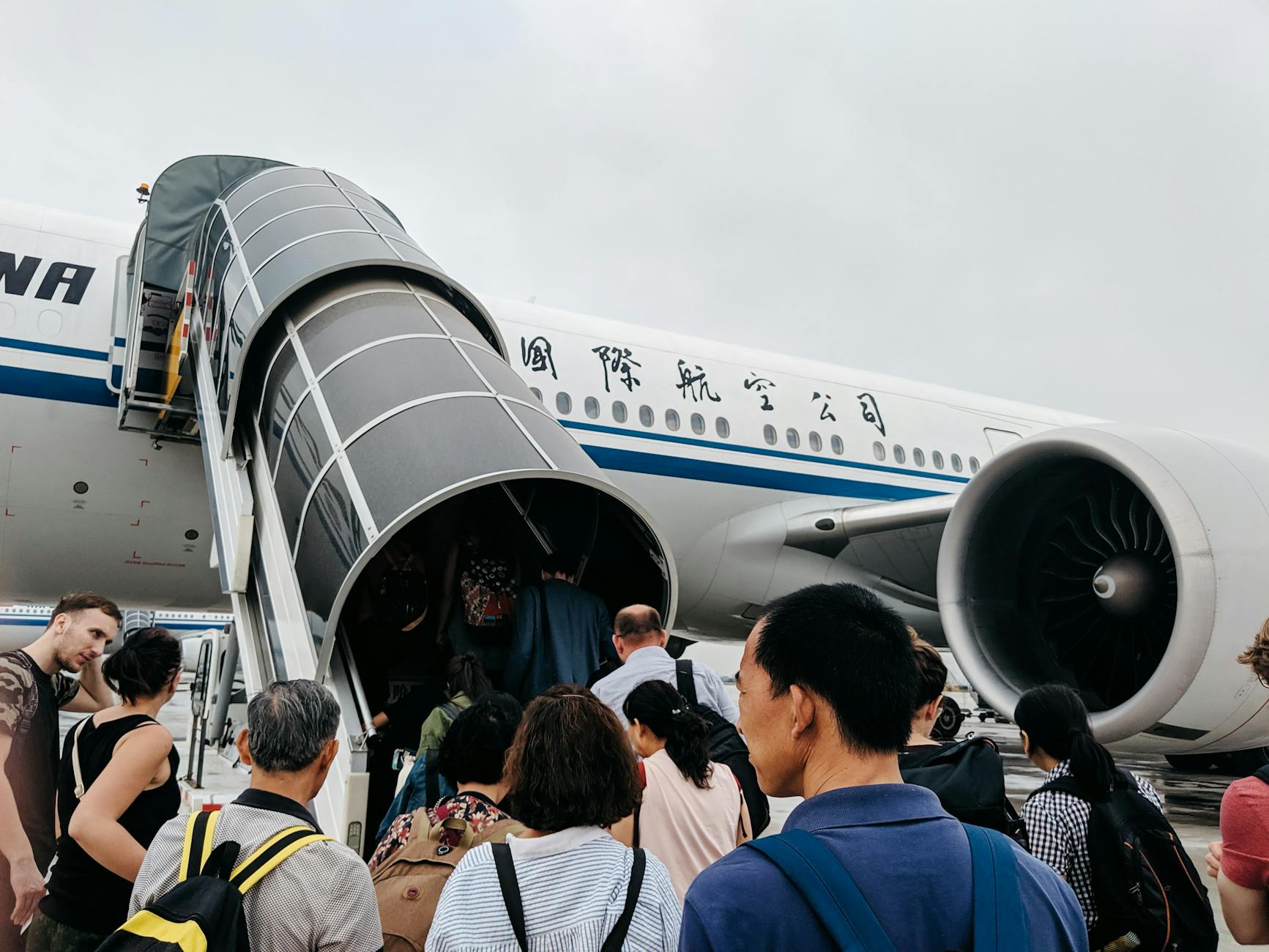
Experienced flight attendants who are traveling as passengers often board toward the end of the boarding window rather than rushing to queue early. Overhead bin space near your assigned seat fills up fast, but gate agents frequently consolidate bags and create room as boarding progresses. Waiting also means less time sitting in a stuffy, crowded cabin before the doors close and the air circulation system fully activates. For short-haul flights especially, late boarding can make the overall experience noticeably more pleasant.
Wear Compression Socks
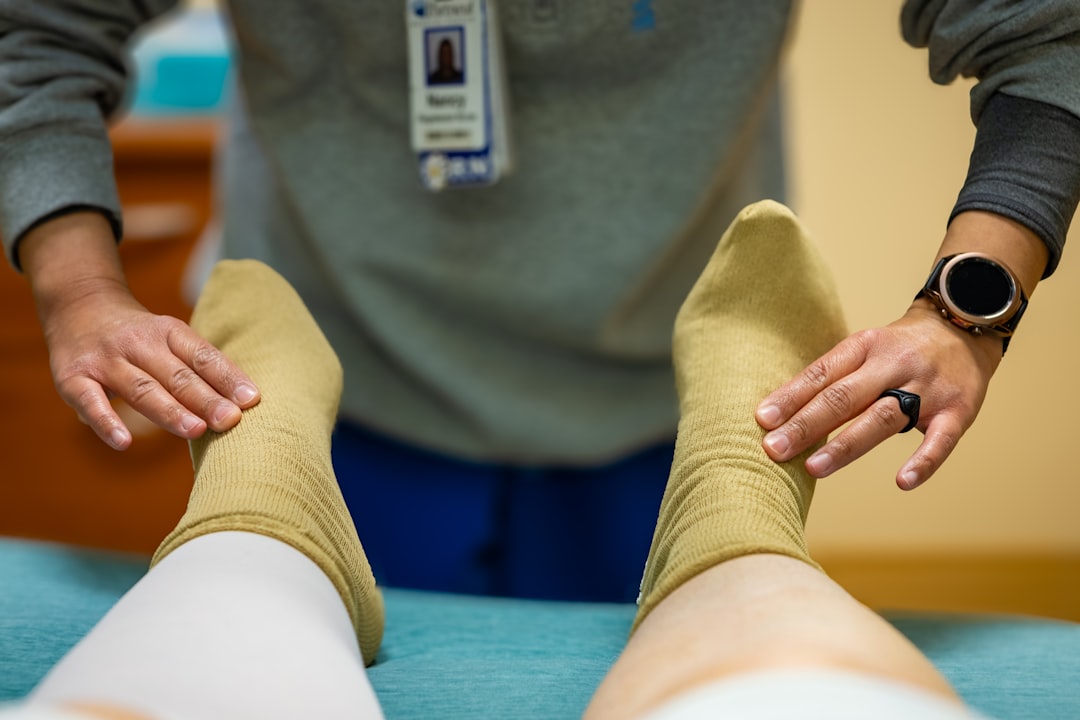
Flight attendants are on their feet for hours at a time and almost universally rely on compression socks to manage circulation during long shifts. These garments help prevent swelling in the feet and ankles, which is a common complaint among both crew members and passengers on flights lasting more than a few hours. Deep vein thrombosis is a genuine medical risk on long-haul flights, and compression socks are one of the simplest tools available to reduce that risk. Many experienced travelers now treat compression socks as non-negotiable packing essentials regardless of flight duration.
Dress in Layers

The temperature inside an aircraft cabin fluctuates unpredictably depending on the route, aircraft type, and how many passengers are on board. Flight attendants never rely on the airline to keep them comfortable and always dress in breathable, adjustable layers they can add or remove throughout the flight. A lightweight scarf doubles as a blanket and takes up almost no space in a bag, making it one of the most versatile travel accessories available. Dressing strategically from the start eliminates the need to dig through luggage mid-flight looking for something warmer or lighter.
Choose a Seat Near the Front of the Cabin
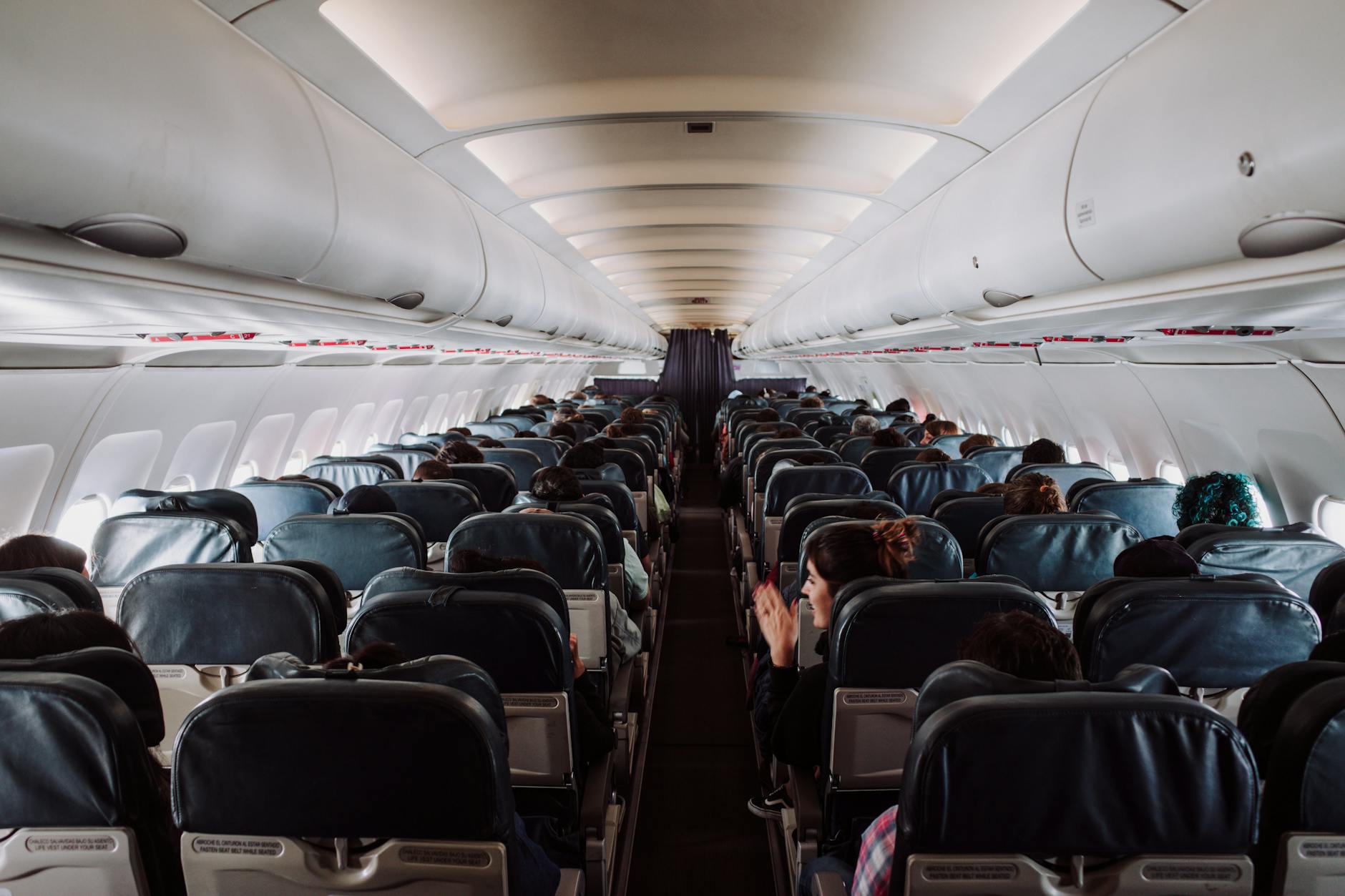
Flight attendants consistently recommend selecting seats closer to the front of the aircraft whenever possible, even within economy class. These seats typically experience less turbulence, allow for faster deplaning, and are physically closer to the galley where service originates. On longer flights the difference in comfort between the front and rear of the cabin can be surprisingly significant, particularly when it comes to noise levels and air quality. Booking early or checking in online the moment the window opens greatly improves your chances of securing a favorable position.
Never Skip the Pre-Flight Stretch
Flight attendants perform quiet stretching routines before long flights to prepare their bodies for hours of confined movement. Even a few minutes of gentle movement in the gate area or at the back of the cabin before takeoff can make a meaningful difference in how comfortable you feel upon landing. Tight hip flexors, stiff shoulders, and a compressed lower back are among the most common complaints from long-haul passengers, and most of these issues can be minimized with a simple mobility routine. Getting up to walk the aisle and stretch periodically throughout the flight continues that same approach and keeps circulation flowing.
Download Everything Before You Board
Relying on in-flight entertainment systems or spotty Wi-Fi is a gamble that veteran travelers rarely take. Flight attendants download podcasts, shows, playlists, and reading material onto their devices well before arriving at the airport, ensuring they have plenty of content regardless of what the aircraft provides. Offline maps and translation tools are equally important downloads for international travel, allowing you to navigate a new destination without depending on roaming data. Treating each flight as a fully offline environment removes one major source of travel anxiety before it has a chance to arise.
Use Noise-Canceling Headphones

The constant engine hum inside an aircraft is more physically exhausting than most people recognize, and flight attendants who travel on their days off almost always pack noise-canceling headphones. Reducing ambient noise significantly lowers fatigue levels over the course of a long flight and makes it far easier to sleep or concentrate on entertainment. Quality noise-canceling headphones also provide a subtle social signal that you prefer not to be disturbed, which can be helpful on overnight flights. This is widely considered one of the highest-return investments a frequent traveler can make.
Book the First Flight of the Day
Flight attendants with scheduling flexibility overwhelmingly prefer the earliest departure of the day when they need to be somewhere reliably. First flights of the morning have the lowest delay rates because the aircraft has typically been on the ground overnight and is already at the departure airport ready to go. Cascading delays compound throughout the day across airline networks, meaning that later flights are far more vulnerable to disruption from earlier problems elsewhere in the system. Getting up early is a small price to pay for a dramatically smoother journey.
Keep Sanitizing Wipes Accessible
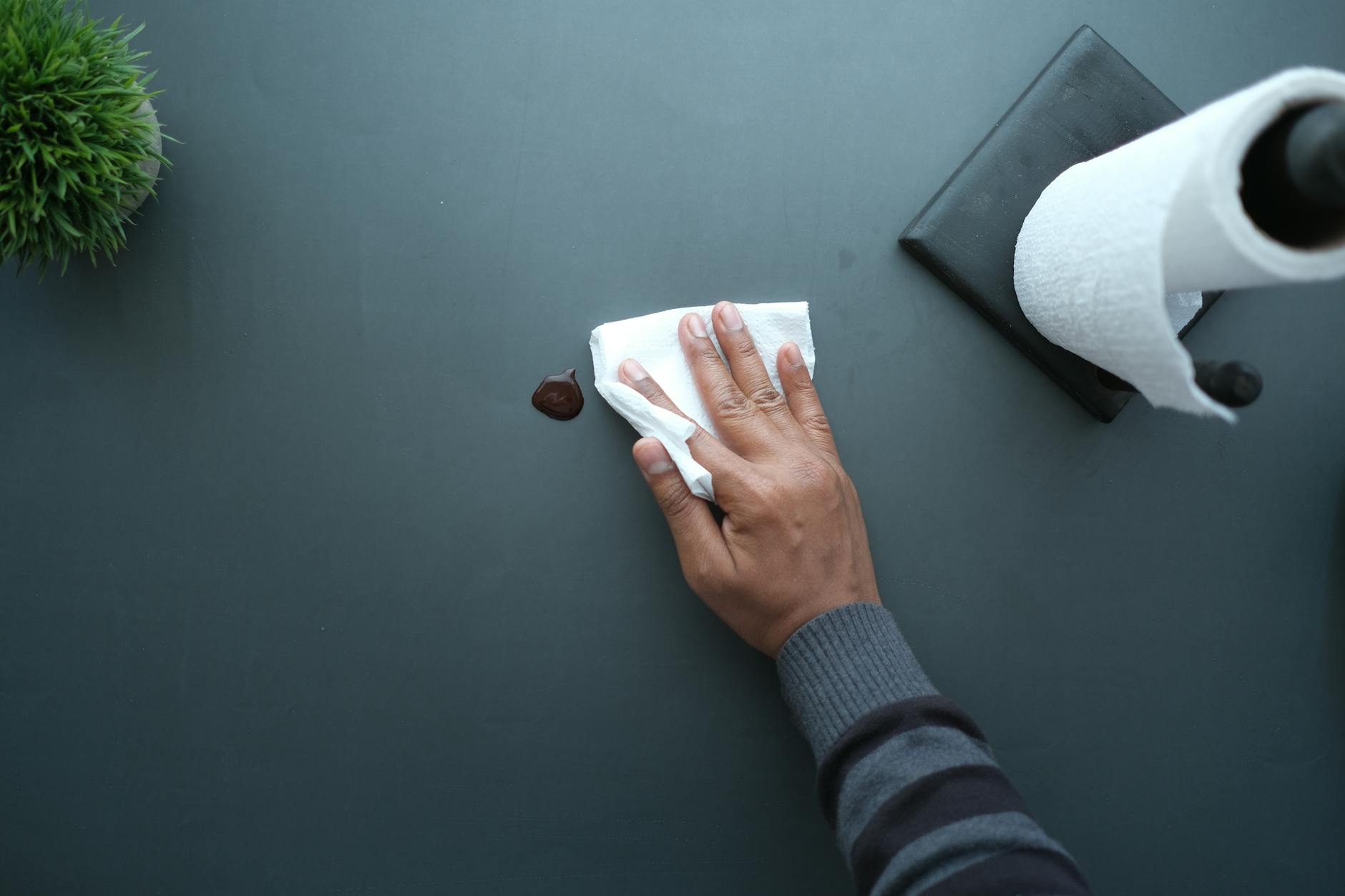
Tray tables, armrests, and seat belt buckles are among the most frequently touched surfaces in any public environment, and flight attendants are acutely aware of this reality. Carrying a small pack of sanitizing wipes in an easily accessible pocket or bag and wiping down your immediate area upon boarding is one of the most effective hygiene habits you can adopt as a traveler. This practice became widely discussed in recent years but experienced crew members have recommended it quietly for far longer. Taking thirty seconds to clean your personal space at the start of a flight costs almost nothing and provides genuine peace of mind throughout the journey.
Eat Light Before and During the Flight

Experienced flight attendants are careful about what they eat before and during shifts because heavy meals and cabin pressure do not mix well. The drop in air pressure during flight causes gases in the body to expand, which makes rich, fatty, or highly processed foods significantly more uncomfortable at altitude than they would be on the ground. Opting for lighter meals with plenty of vegetables and lean protein in the hours before departure tends to result in a much more comfortable flying experience. Skipping alcohol and limiting caffeine intake serves the same purpose by reducing dehydration and helping the body regulate more smoothly.
Store Your Most-Used Items in One Accessible Pouch
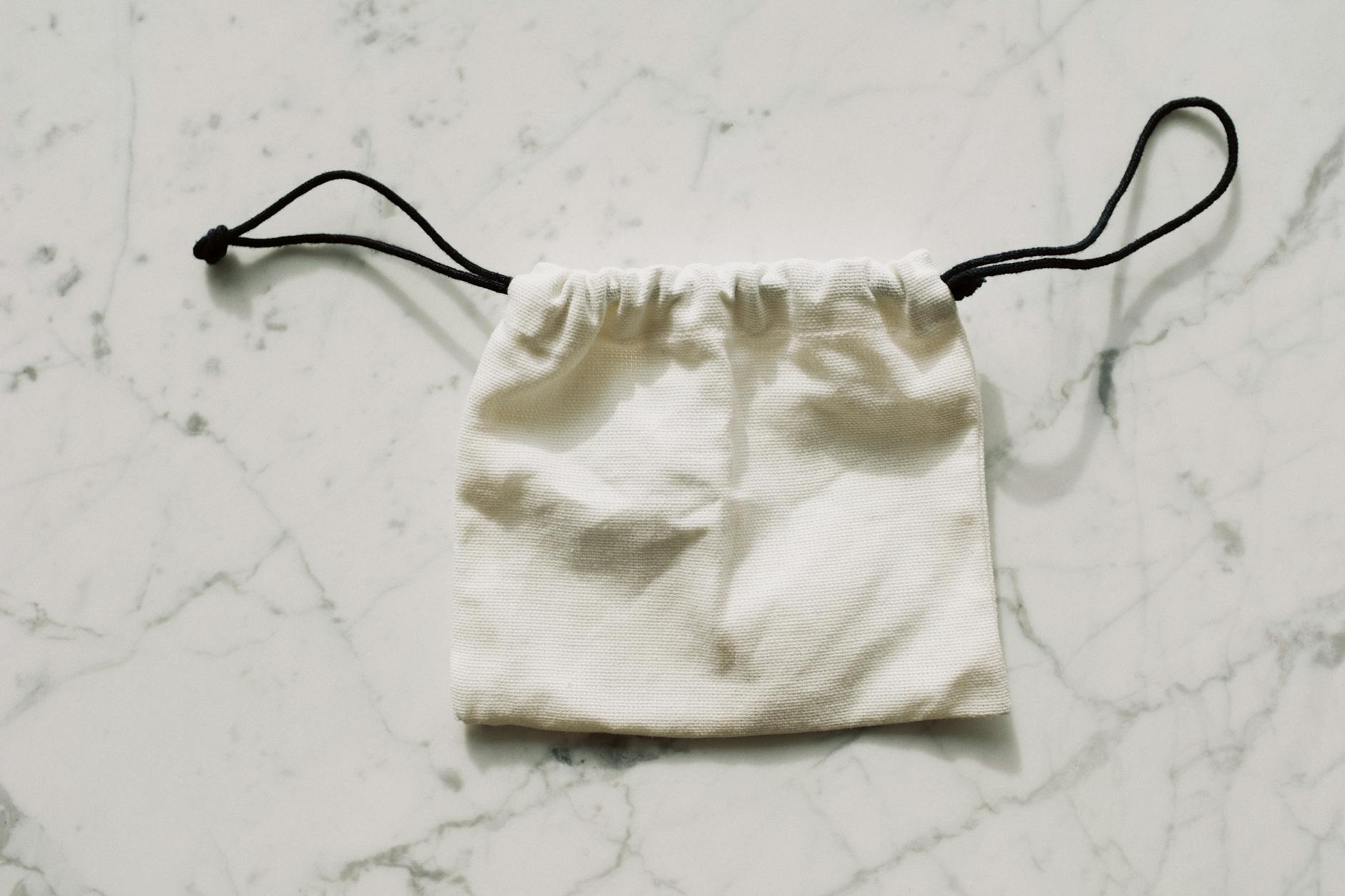
Digging through an overstuffed bag in the overhead bin mid-flight is one of the most avoidable frustrations of air travel. Flight attendants organize their personal travel bags with a dedicated pouch containing everything they are likely to need during the flight itself, including lip balm, earbuds, a charger, snacks, and any skincare essentials. This pouch goes under the seat in front rather than in the overhead bin so that everything remains within reach from the moment the seatbelt sign comes on. Thoughtful organization before you board eliminates a surprising amount of friction during the journey itself.
Request Special Meals in Advance
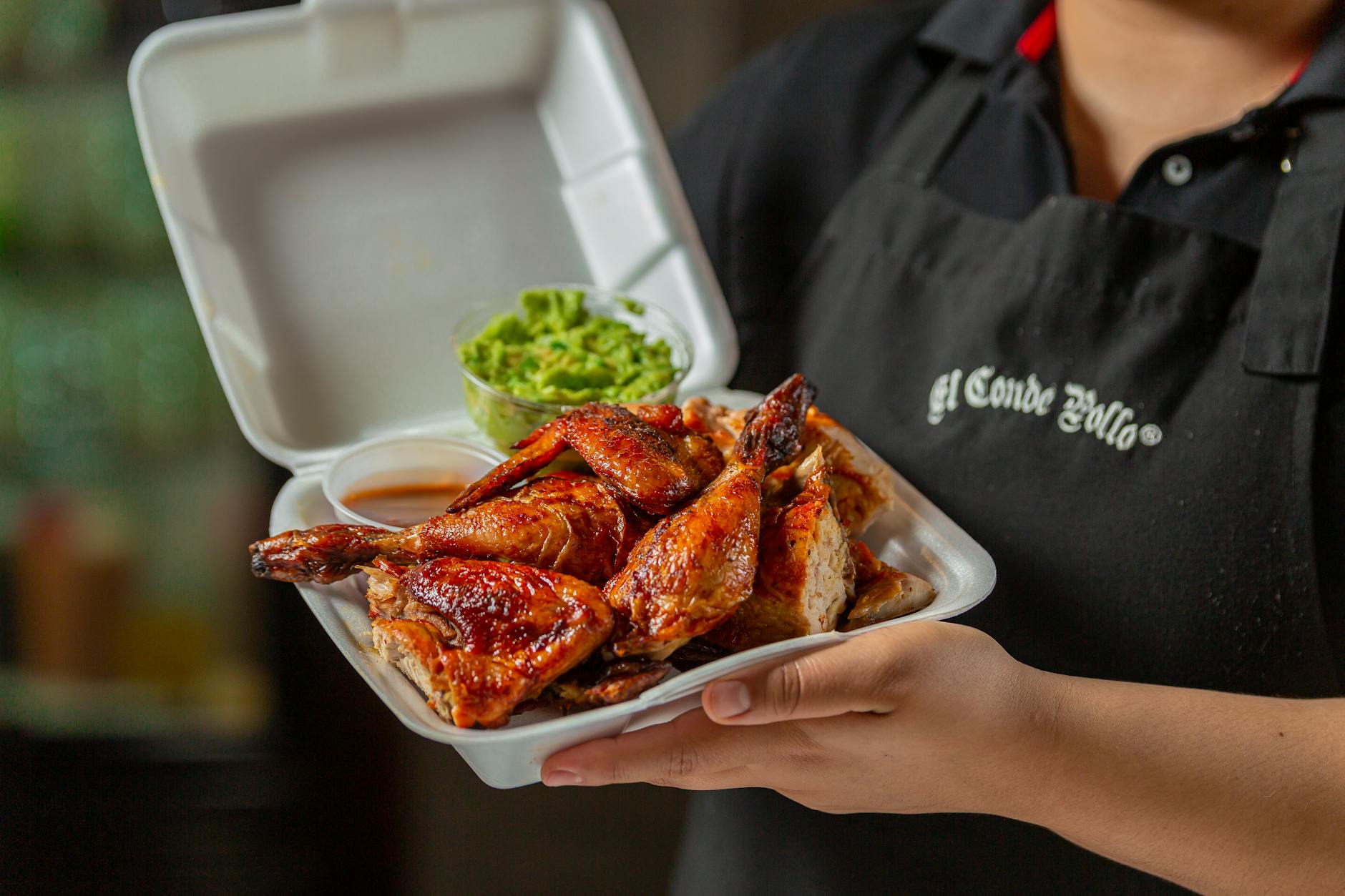
One of the lesser-known perks available to all passengers is the ability to pre-order special meals through most airlines at no additional cost. Flight attendants know that these meals are typically loaded and served before the standard meal cart makes its way down the aisle, which means you eat sooner and spend less time waiting. Special meal options such as vegetarian, low-sodium, or diabetic-friendly selections are often fresher and more thoughtfully prepared than the default choices available to everyone else. Making this simple request during the booking process requires almost no effort and frequently results in a noticeably better dining experience.
Take Care of Your Skin Inflight
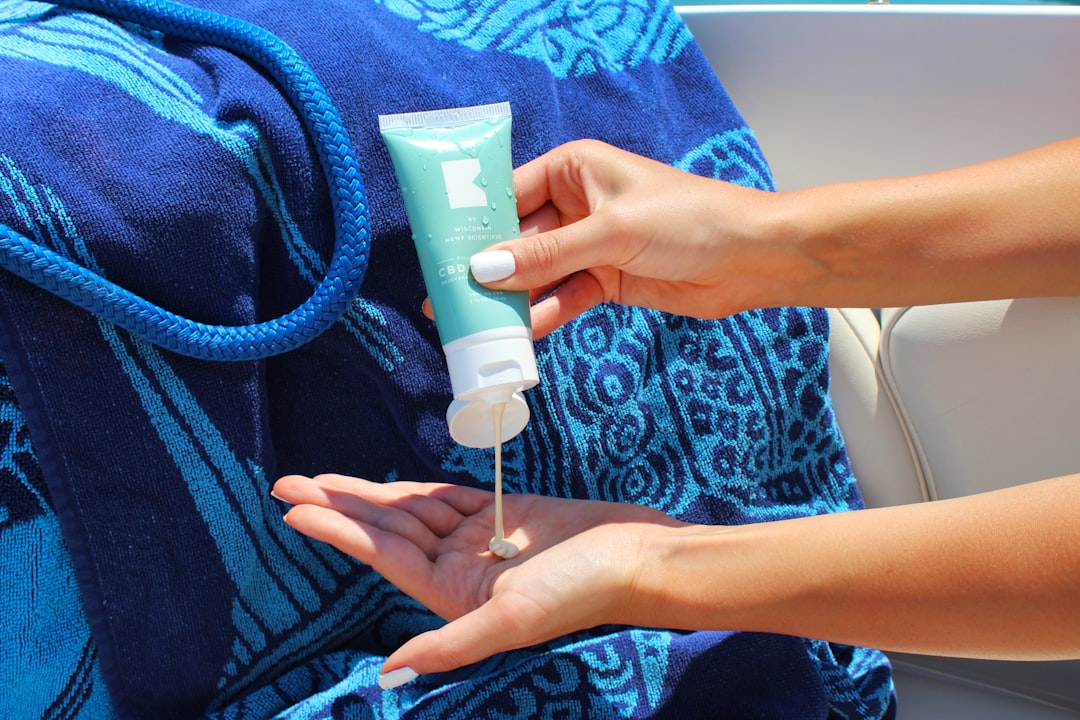
The low humidity environment inside an aircraft cabin is notoriously harsh on skin, causing dryness and dullness that can last for days after landing. Flight attendants who maintain their skin through long working hours consistently rely on a small travel-sized moisturizer applied generously before takeoff and refreshed mid-flight on longer routes. Skipping heavy foundation and opting for minimal makeup during travel allows the skin to breathe and respond better to moisturizing products. A hydrating facial mist used periodically throughout the flight adds another layer of protection and provides an immediate sense of refreshment at altitude.
Use Airport Lounges Strategically
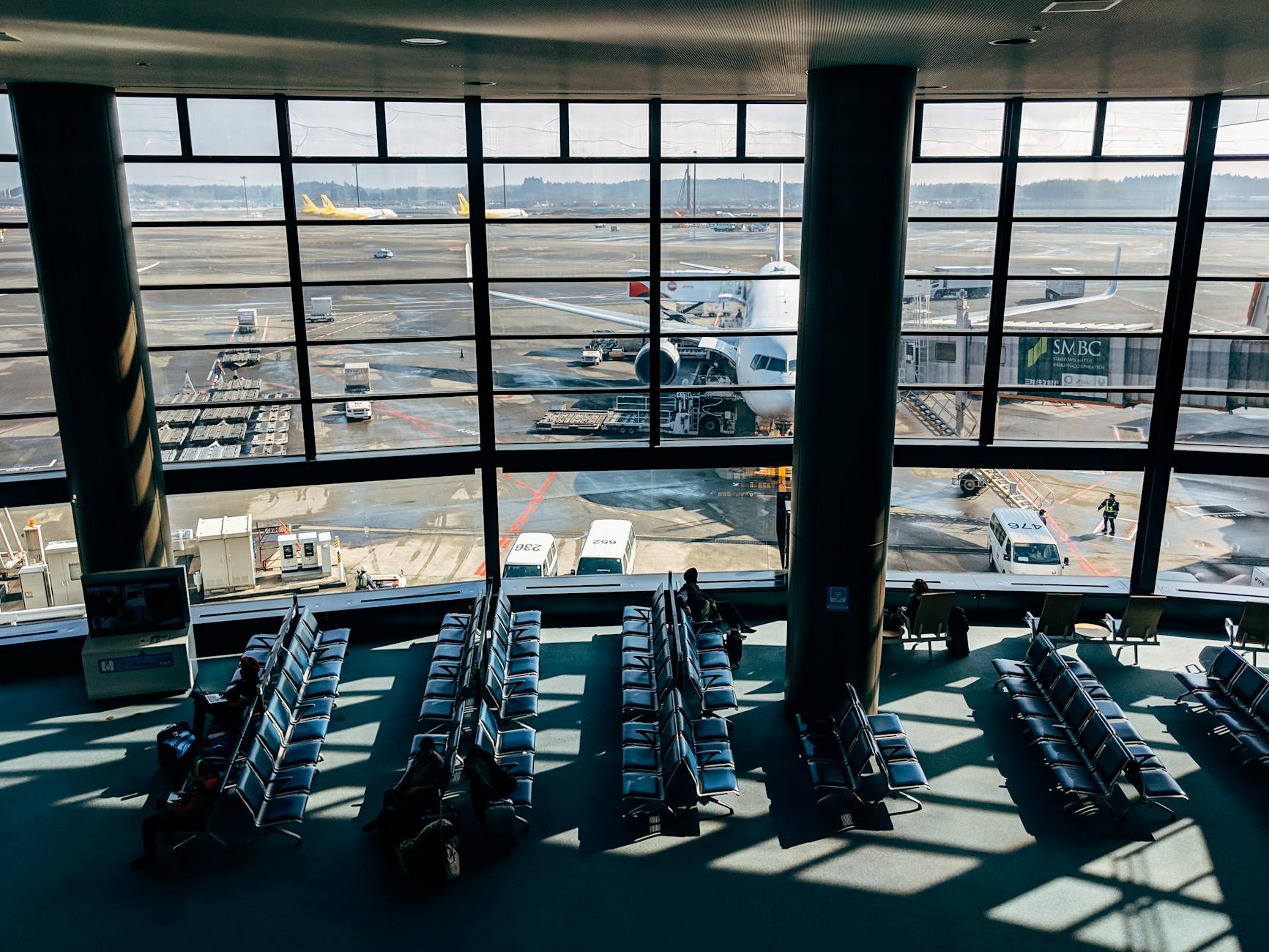
Access to airport lounges is far more attainable than many travelers realize, and flight attendants are well versed in the various ways to get through those doors. Many credit cards include complimentary lounge access as a benefit, and single-visit day passes can often be purchased at the door for a fee that is easily justified on a long layover. Lounges offer quieter environments, better food, faster Wi-Fi, and shower facilities that make a meaningful difference to your physical state before boarding a long flight. Even infrequent travelers benefit from researching lounge access options before their next trip rather than spending hours waiting in a noisy terminal.
Follow the Three-One-One Rule Without Exceptions

Flight attendants have watched countless passengers lose toiletries at security checkpoints because they underestimated the volume of their liquids or packed them carelessly. The three-one-one rule requiring liquids to be in containers of no more than 100 milliliters placed in a single clear quart-sized bag is enforced consistently and without flexibility at most international airports. Preparing your liquids bag the night before departure and placing it at the very top of your carry-on so it is immediately accessible at the checkpoint is a simple habit that saves significant time and stress. Solid alternatives to liquids such as shampoo bars and solid moisturizers are an increasingly popular way to sidestep the restriction entirely.
Trust Your Gut at the Gate
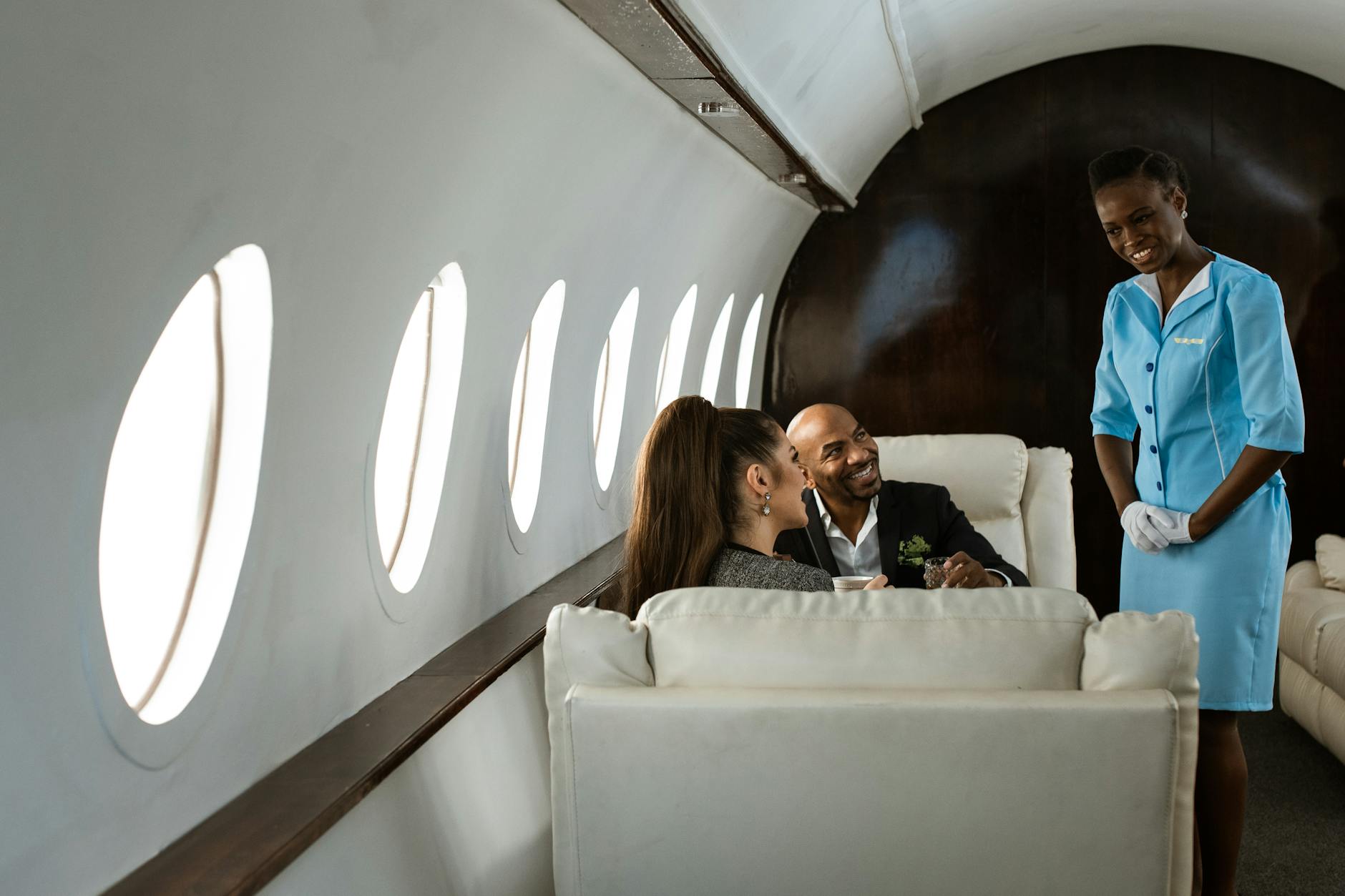
Flight attendants develop a strong intuition for when something about a travel situation feels off, and they act on that instinct rather than ignoring it in the interest of convenience. If a flight looks oversold, if weather is brewing at your destination, or if a connection is tighter than the airline considers comfortable, experienced travelers proactively speak to gate agents rather than waiting to see what happens. Asking questions early and advocating for yourself calmly and respectfully puts you in a far better position than passengers who remain passive until a problem forces action. The travelers who consistently have the smoothest experiences are almost always those who stay alert, stay informed, and treat every flight as something worth actively managing.
If you have a go-to travel hack that gets you through the skies in comfort, share it in the comments.




