
Grief is one of the most profound and personal experiences a human being can go through, and the words spoken during that time carry tremendous weight. Well-meaning friends and family often struggle to find the right thing to say, sometimes causing unintentional hurt with phrases that feel dismissive or minimizing. Understanding what not to say can be just as important as knowing how to offer genuine comfort and support.
“Everything Happens for a Reason”

This phrase is one of the most commonly offered yet deeply unhelpful responses to loss. It implies that the death or tragedy was somehow meant to occur, which can feel invalidating and even cruel to someone in the depths of pain. Grieving individuals are not looking for cosmic explanations but rather for acknowledgment of their very real suffering. Offering this sentiment can unintentionally shut down emotional expression rather than create space for it.
“They Are in a Better Place Now”

While often said with the best of intentions, this statement can feel dismissive of the grief the person is experiencing right now. It redirects focus away from the loss and toward a spiritual or philosophical consolation that the bereaved may not share or find comforting. The person who is grieving is living in the present absence of their loved one, and that absence is devastating regardless of beliefs about the afterlife. This phrase can also come across as rushing the grieving person toward acceptance before they are ready.
“I Know Exactly How You Feel”

Grief is an intensely individual experience, and no two people process loss in the same way. Even someone who has experienced a similar loss cannot claim to know exactly what another person is feeling. This statement can unintentionally shift the focus from the grieving person to the speaker, which is the opposite of what someone in pain needs. A more supportive approach is to listen without comparison and allow the grieving person to define their own emotional landscape.
“You Need to Stay Strong”

Telling someone to stay strong sends the message that their tears, vulnerability, and emotional collapse are somehow inappropriate or inconvenient. Grief is not a sign of weakness but a natural and necessary response to losing someone deeply loved. Suppressing grief in the name of strength can actually delay healing and lead to complicated emotional outcomes down the road. Encouraging someone to feel their feelings openly is far more supportive than urging them to hold themselves together.
“At Least They Lived a Long Life”

This comment is frequently directed at those who have lost elderly parents or grandparents, and it minimizes the magnitude of the loss regardless of the person’s age. A long life does not make the absence of that person any less painful for those left behind. The relationship, the love, the daily presence of that individual is irreplaceable no matter how many years were shared. Framing death as acceptable because of age dismisses the genuine grief that accompanies any significant loss.
“Time Heals All Wounds”
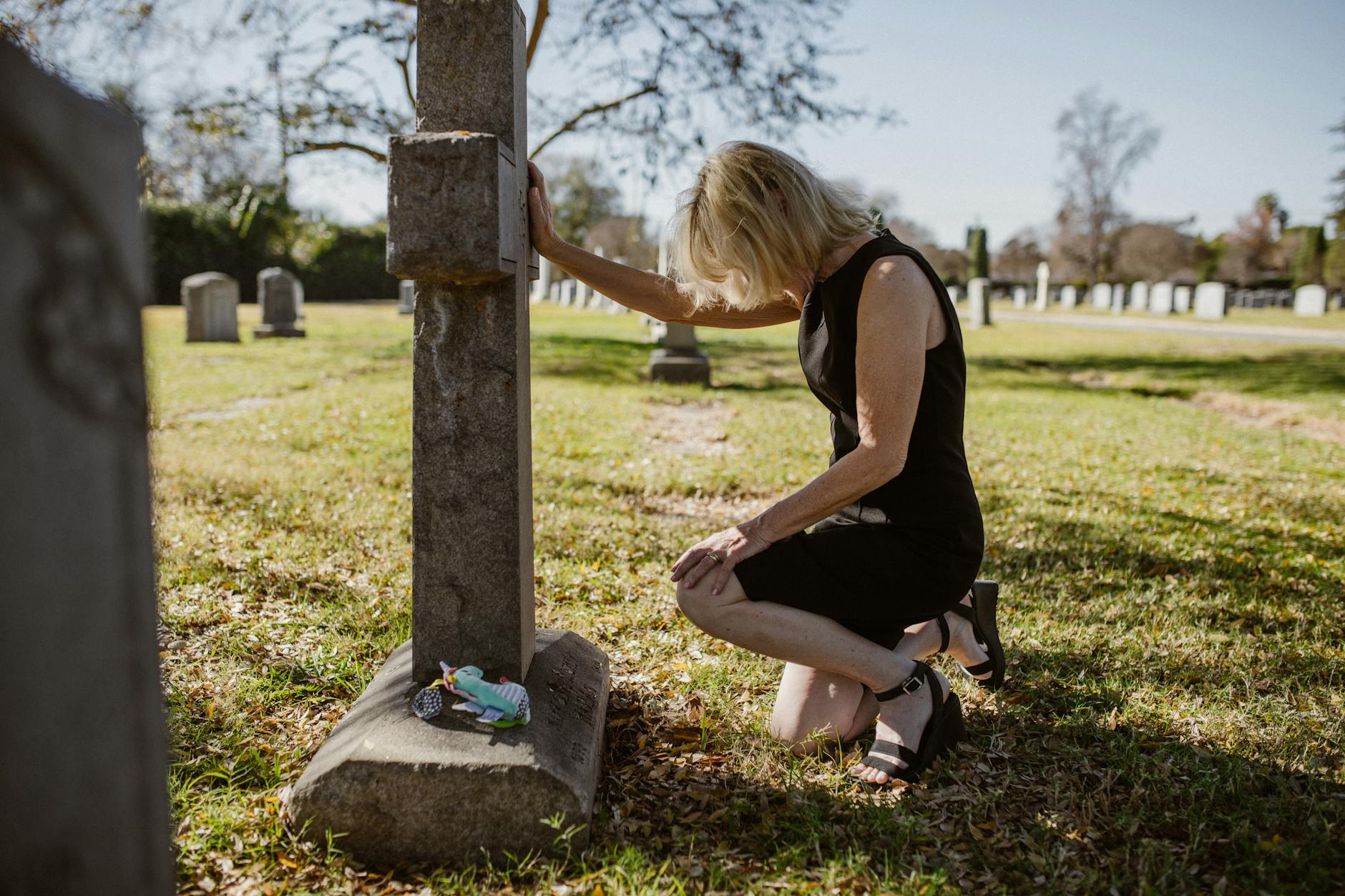
While time does play a role in the grieving process, this phrase can feel patronizing and dismissive to someone in the acute stages of loss. It suggests that grief is simply a waiting game and that the person just needs to be patient enough for the pain to pass. For many people, grief does not disappear with time but rather transforms and becomes integrated into their life in new ways. Offering this as comfort can make someone feel as though their ongoing grief is a problem to be solved rather than an experience to be honored.
“You Should Be Over It by Now”

Placing a timeline on grief is one of the most harmful things a person can do to someone who is mourning. There is no universal schedule for how long grief should last, and the idea that someone should reach a finish line by a certain point is both unrealistic and damaging. Grief can resurface months or even years after a loss, particularly around anniversaries, milestones, or unexpected reminders. This statement can cause the grieving person to feel shame about their emotional state, pushing their pain inward rather than allowing it to be expressed.
“Let Me Know If You Need Anything”

Though this phrase comes from a place of genuine care, it places the burden of asking for help entirely on the person who is already overwhelmed. Someone deep in grief often lacks the energy or clarity to identify their needs, let alone reach out and request specific assistance. A more meaningful approach is to offer concrete help such as bringing a meal, running an errand, or simply showing up. Vague open-ended offers are often well-intentioned but rarely translate into actual support for those who need it most.
“God Has a Plan”

Religious reassurances can be deeply comforting to some but profoundly alienating or even offensive to others, particularly when offered without knowing the bereaved person’s beliefs. This statement can imply that the death was divinely orchestrated, which may intensify feelings of anger, confusion, or spiritual doubt in someone already struggling. Grief sometimes involves questioning long-held beliefs, and being told to accept a divine plan can feel like a demand for emotional and spiritual compliance. It is more respectful to follow the grieving person’s lead when it comes to matters of faith and meaning-making.
“They Wouldn’t Want You to Be Sad”
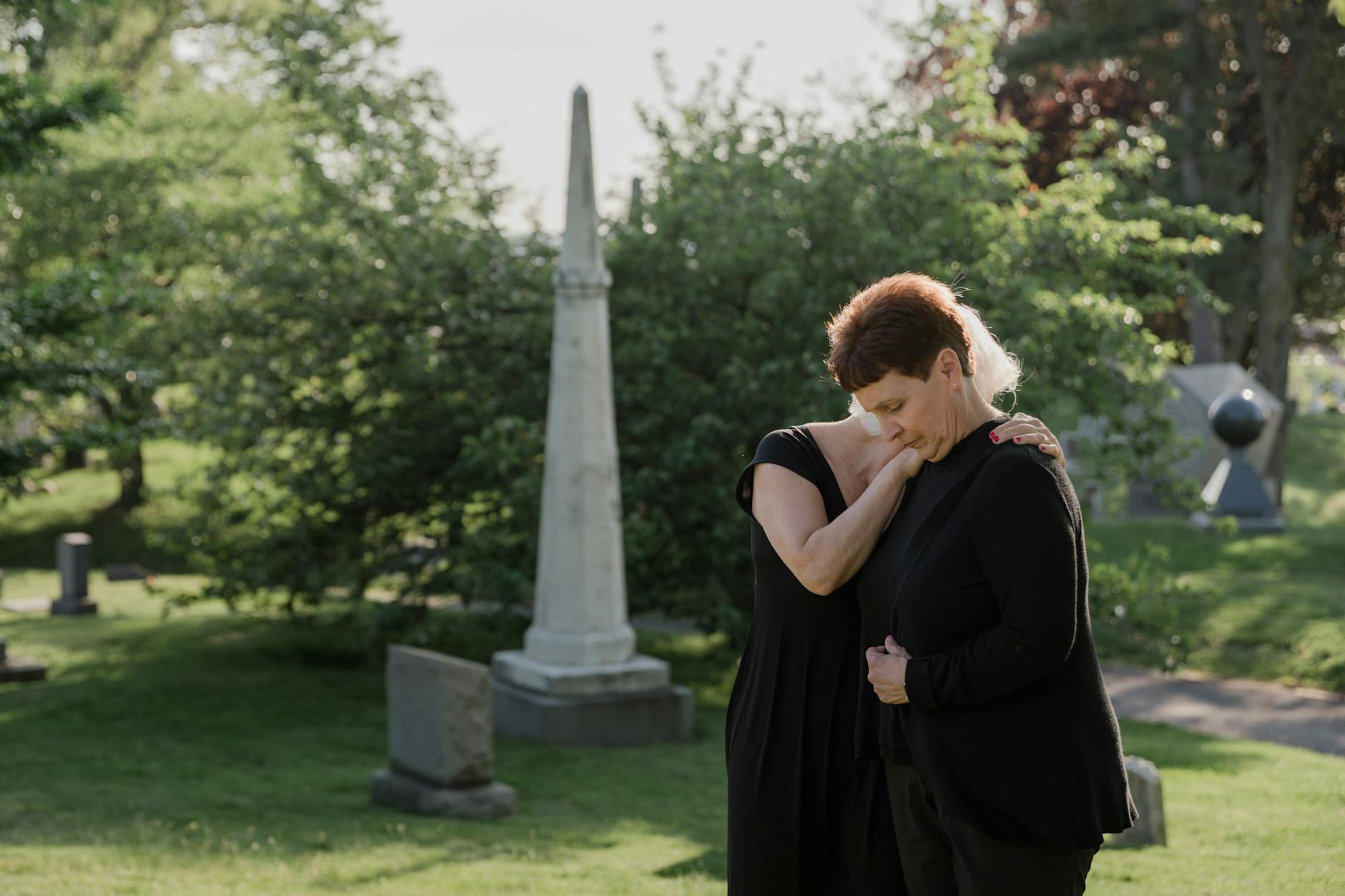
This phrase attempts to redirect grief by invoking the wishes of the deceased, which can feel manipulative even when entirely unintentional. The person who is grieving has no choice but to feel sad because loss is painful, and framing their sadness as a betrayal of the loved one’s wishes adds guilt to an already heavy emotional burden. Grief is an expression of love and connection, and it deserves to be honored rather than redirected. No one should feel responsible for managing their emotions to meet a standard set by someone who is no longer there.
“You Can Always Have Another Child” or “You Can Always Remarry”

These statements are particularly harmful because they treat a deeply specific and irreplaceable loss as though it were interchangeable with a future relationship or person. No child, partner, or individual can be replaced, and suggesting otherwise invalidates the unique bond that has been lost. This type of comment is often made in an effort to offer hope, but it lands as a profound misunderstanding of what grief truly is. Every loss deserves to be mourned on its own terms without being minimized by hypothetical future scenarios.
“You Have to Be Strong for the Kids”

While caring for children during times of loss is indeed important, telling a grieving parent to suppress their own emotions for the sake of their children is counterproductive and potentially harmful. Children actually benefit from seeing healthy emotional expression modeled by the adults around them, as it teaches them that grief is a normal and acceptable part of life. Asking a parent to set aside their own mourning can lead to unprocessed grief that resurfaces later in destructive ways. Parents deserve space to grieve too, and supporting them as individuals helps the entire family navigate loss more effectively.
“I Understand, My Pet Died Last Year”

Comparing a human loss to an unrelated personal experience, particularly one that feels disproportionate in scope, can come across as tone-deaf and self-centered. While all forms of grief are valid, drawing comparisons in the midst of someone else’s pain shifts the focus away from the grieving person at exactly the moment they need to feel heard. This type of response can make the bereaved feel as though their loss is being ranked or minimized rather than genuinely acknowledged. Active listening without inserting personal comparisons is one of the most powerful forms of support available.
“Have You Tried Therapy?”

Suggesting professional help immediately after someone shares their grief, while sometimes appropriate and well-meaning, can come across as a way of distancing oneself from the emotional labor of showing up. It can signal to the grieving person that their pain is too much to handle in conversation and needs to be redirected to a professional rather than witnessed by a friend. Therapy can be an incredibly valuable resource, but the suggestion is better offered gently and at the right moment rather than as an immediate response to someone opening up. Simply being present and listening first is often the most meaningful thing another person can offer.
“At Least You Had So Many Good Years Together”

While this phrase attempts to highlight the positive aspects of the relationship, it inadvertently reframes the conversation around gratitude when the person is not yet ready for that perspective. Grief does not disappear simply because the relationship was long, loving, or fulfilling. In many ways, the depth of the connection makes the absence even more acute and painful to bear. Asking someone to focus on the good years before they have had space to mourn the loss can feel like pressure to skip over the most essential parts of the grieving process.
If you have ever supported someone through loss, share your experience with what helped most in the comments.




