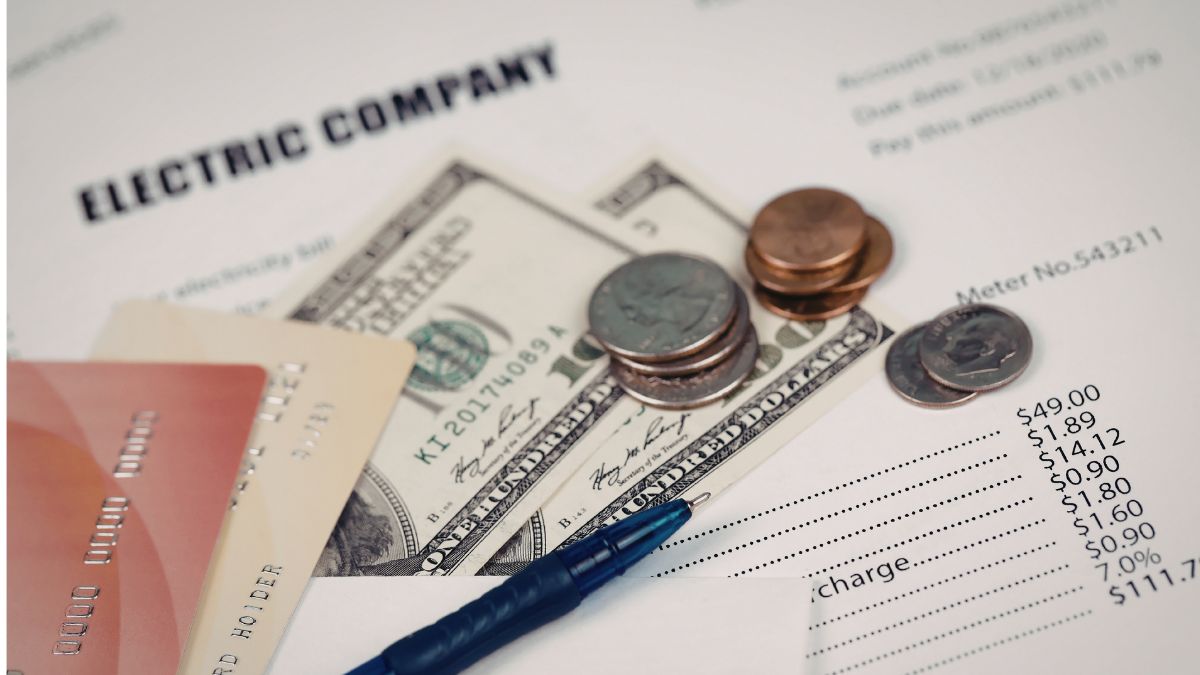
Rising temperatures often mean rising energy costs, but there are plenty of smart strategies to keep your bills manageable without sacrificing comfort. Small changes to daily habits and home setup can add up to significant savings over the warmer months. Whether you rent or own, these practical tips are designed to help you take control of your household spending this summer.
Use a Programmable or Smart Thermostat
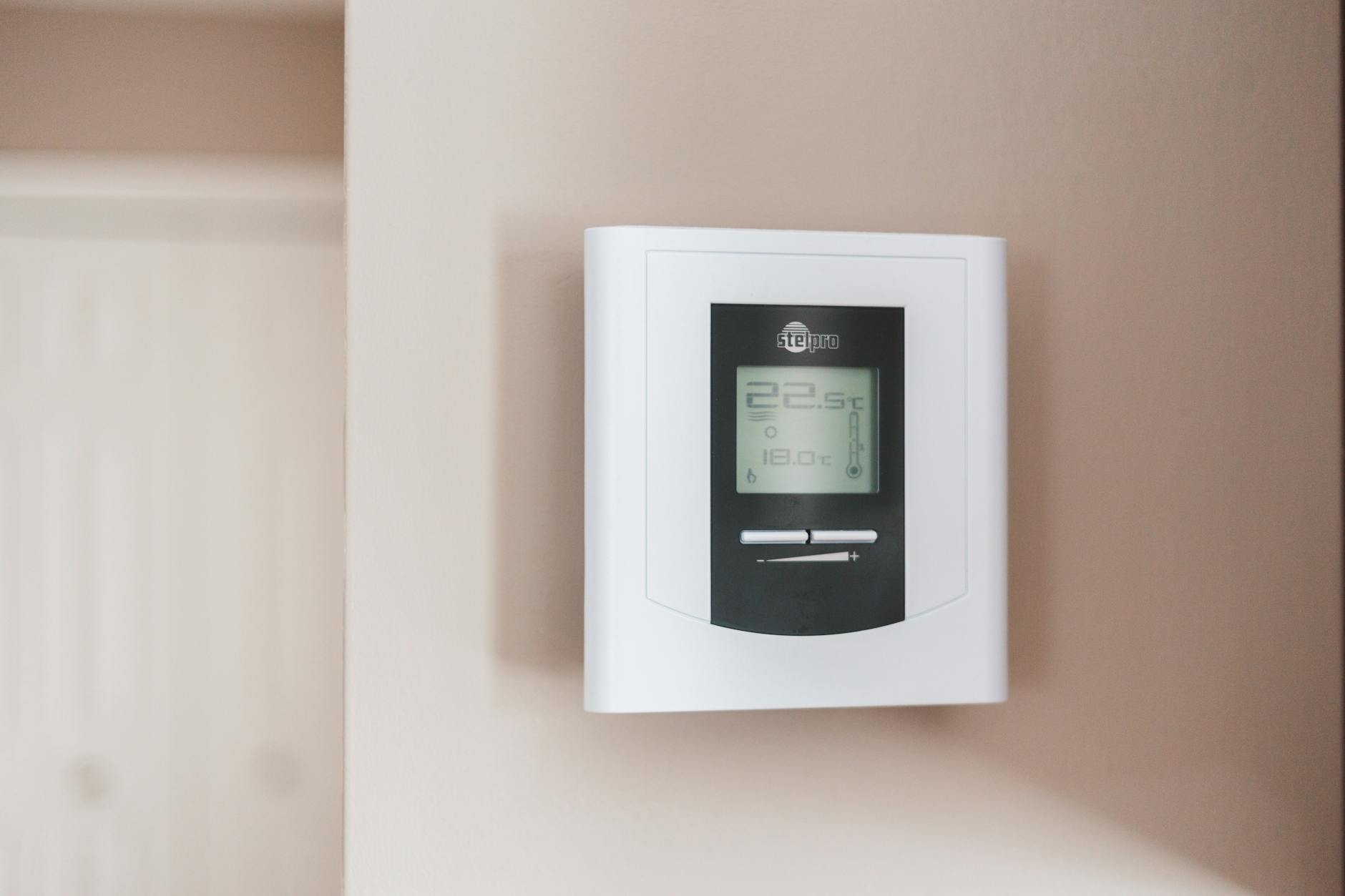
A programmable thermostat allows you to set specific temperatures for different times of the day so your cooling system is not working overtime when no one is home. Many smart thermostat models learn your schedule and adjust automatically to maximize efficiency. Setting the temperature a few degrees higher while you are away can result in noticeable savings on your monthly energy bill. Installing one is a relatively simple upgrade that pays for itself quickly over a single season.
Seal Windows and Doors
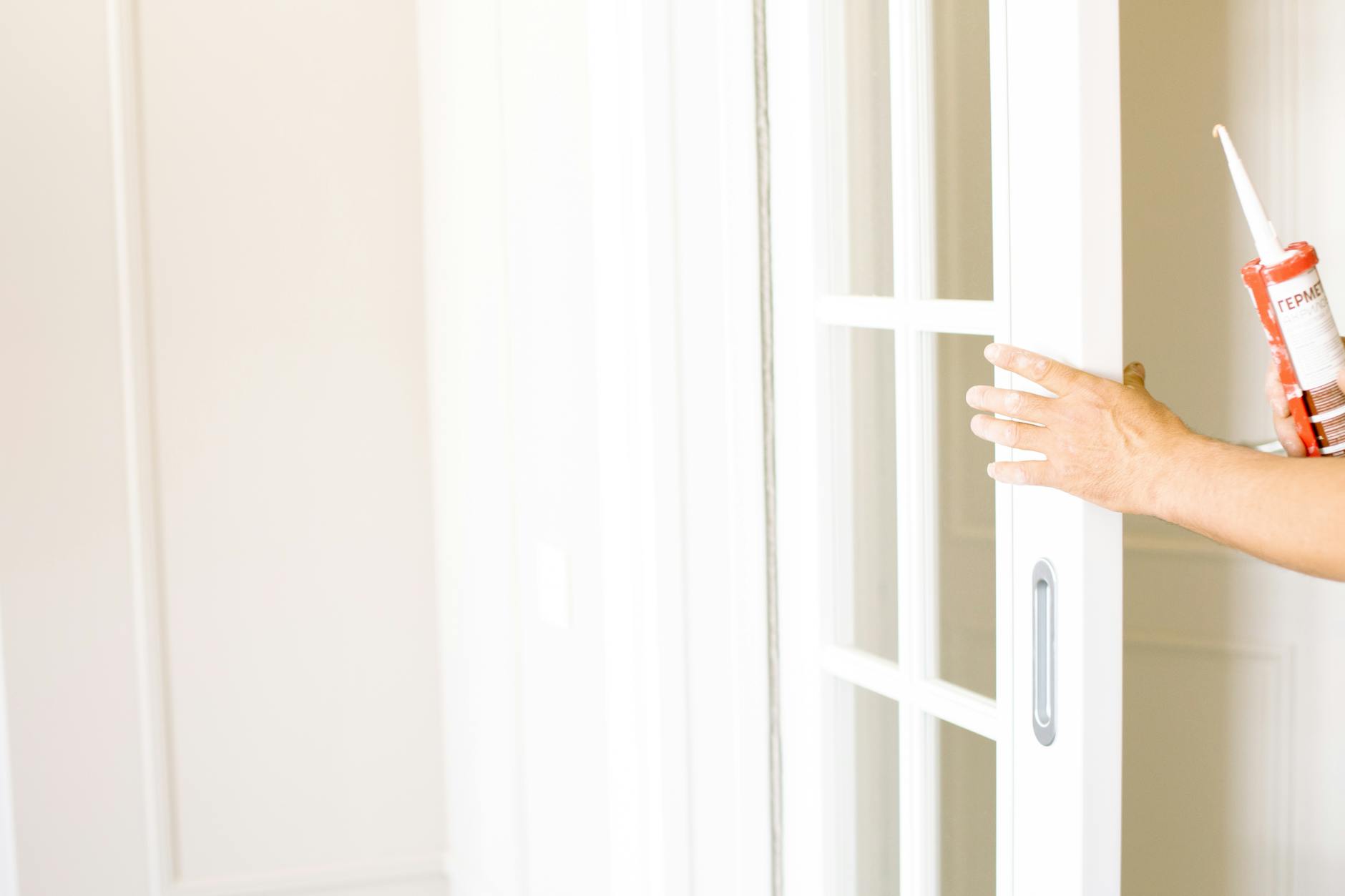
Gaps around windows and door frames allow cool air to escape and hot outdoor air to seep in, forcing your air conditioner to work much harder than necessary. Weatherstripping and caulk are inexpensive materials that can be applied in an afternoon to dramatically improve your home’s insulation. Checking for drafts by holding a candle near frames and watching for flickering can help you identify problem areas. Addressing these leaks before the hottest months arrive is one of the most cost-effective steps any homeowner or renter can take.
Run Appliances During Off-Peak Hours
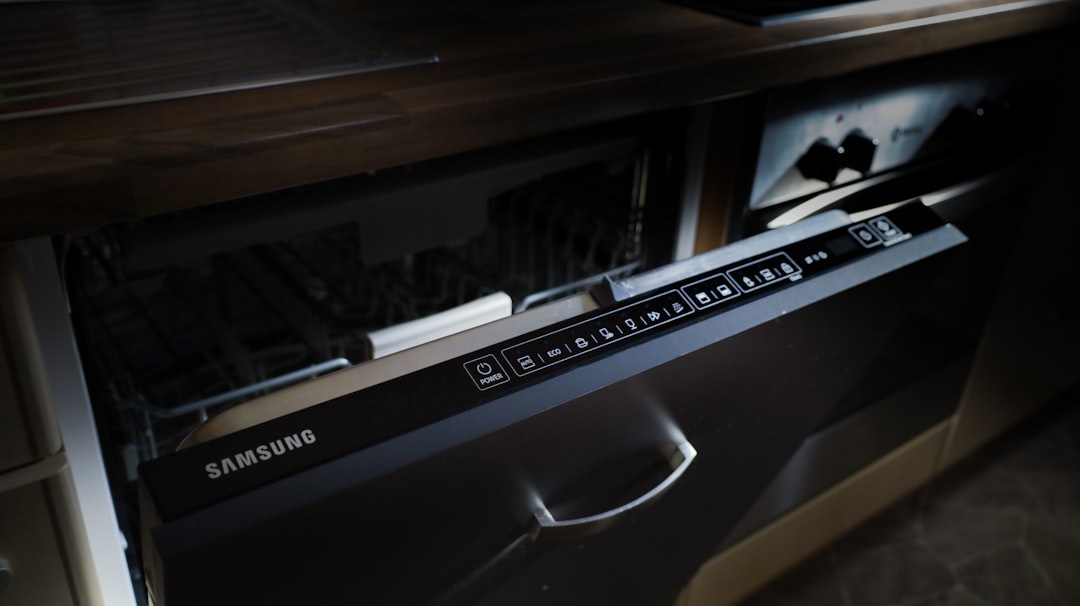
Many energy providers charge higher rates during peak demand hours, which typically fall in the late afternoon and early evening during summer months. Running your dishwasher, washing machine, and dryer early in the morning or late at night can lower your electricity costs significantly. Checking your utility provider’s rate schedule reveals the specific windows when energy is cheapest in your area. Shifting even two or three appliance cycles per week to off-peak hours can produce a meaningful reduction in your bill over time.
Install Ceiling Fans

Ceiling fans create a wind-chill effect that makes a room feel several degrees cooler without actually lowering the air temperature. This allows you to set your thermostat higher while maintaining the same level of personal comfort. Modern ceiling fans are highly energy-efficient and cost only a few cents per hour to operate compared to central air conditioning. Ensuring your fan is set to run counterclockwise during summer pushes cool air downward and maximizes its cooling effect.
Switch to LED Lighting
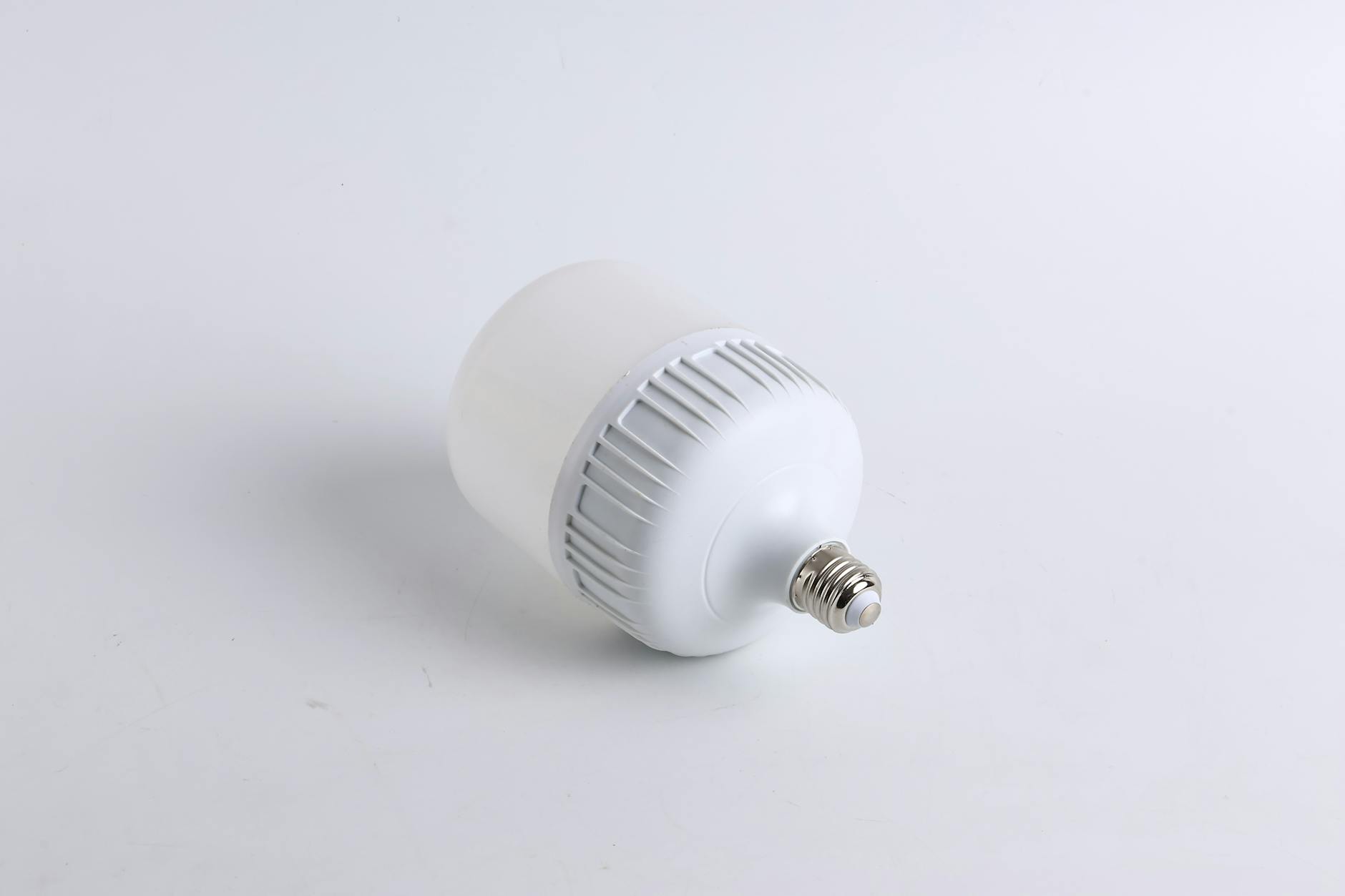
Traditional incandescent bulbs convert a large portion of their energy into heat rather than light, which adds to the warmth inside your home and increases cooling costs. LED bulbs use significantly less electricity and produce far less heat, making them an ideal swap for the summer season. Although LED bulbs have a slightly higher upfront cost, they last many times longer than conventional alternatives and save money on both lighting and cooling expenses. Replacing bulbs in the rooms you use most frequently offers the fastest return on this small investment.
Block Sunlight With Curtains and Blinds

Direct sunlight streaming through windows can raise indoor temperatures dramatically, placing extra strain on your cooling system throughout the day. Heavy curtains, blackout blinds, or thermal drapes are effective tools for blocking heat gain during the sunniest hours. Keeping south and west-facing windows covered between late morning and early evening makes the biggest difference in rooms that receive the most direct light. This simple habit requires no special tools and can reduce the load on your air conditioner noticeably.
Air Dry Laundry When Possible
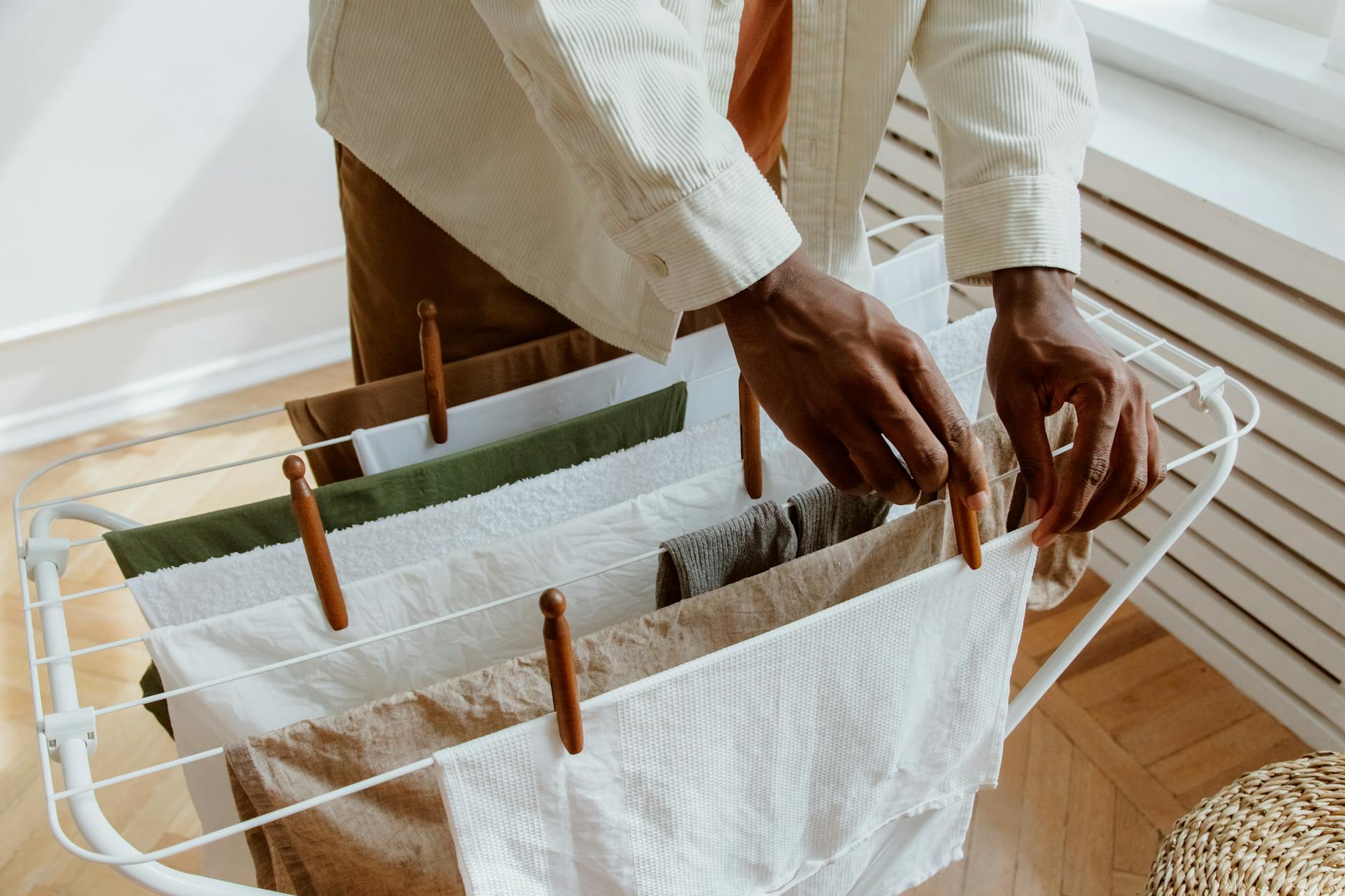
Clothes dryers are among the most energy-intensive appliances in any home, and their heat output also warms your living space during an already hot season. Setting up a drying rack indoors or a clothesline outdoors for at least some laundry loads can cut energy usage considerably. Natural air drying is also gentler on fabrics, extending the life of your clothing over time. On days when outdoor humidity is low, clothes can dry in a matter of hours and come out fresh without any energy cost at all.
Cook Outdoors or Use Small Appliances
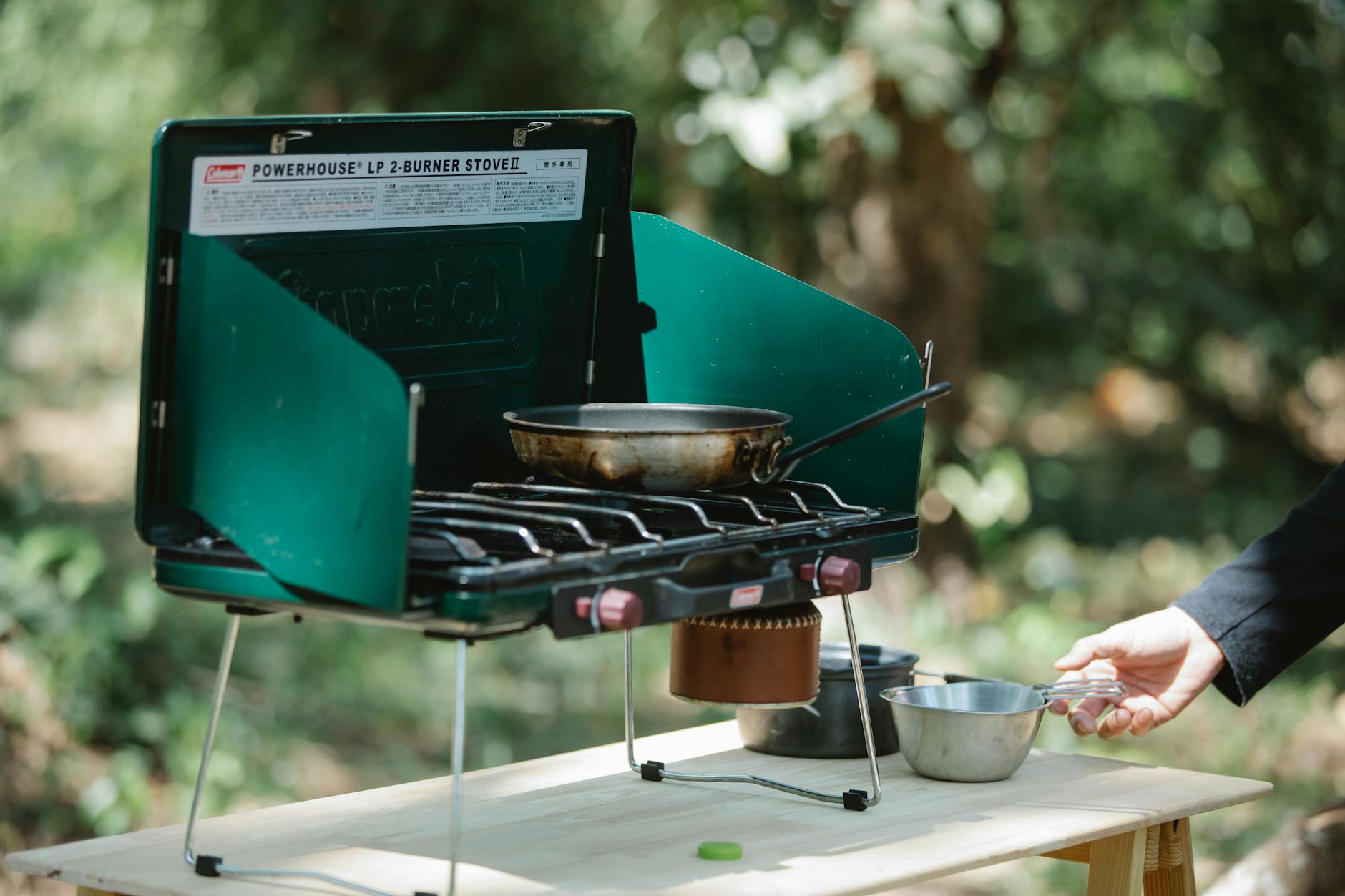
Using a conventional oven heats up your kitchen and forces your air conditioner to compensate, effectively doubling the energy cost of preparing a meal. Cooking on an outdoor grill, using a countertop air fryer, or relying on a slow cooker or microwave generates far less indoor heat. Summer is a natural season to embrace grilling, and making it a regular habit during the hottest months can lead to meaningful energy savings. Reducing oven use even a few times per week translates to a cooler kitchen and a lower electricity bill.
Fix Leaky Faucets and Running Toilets
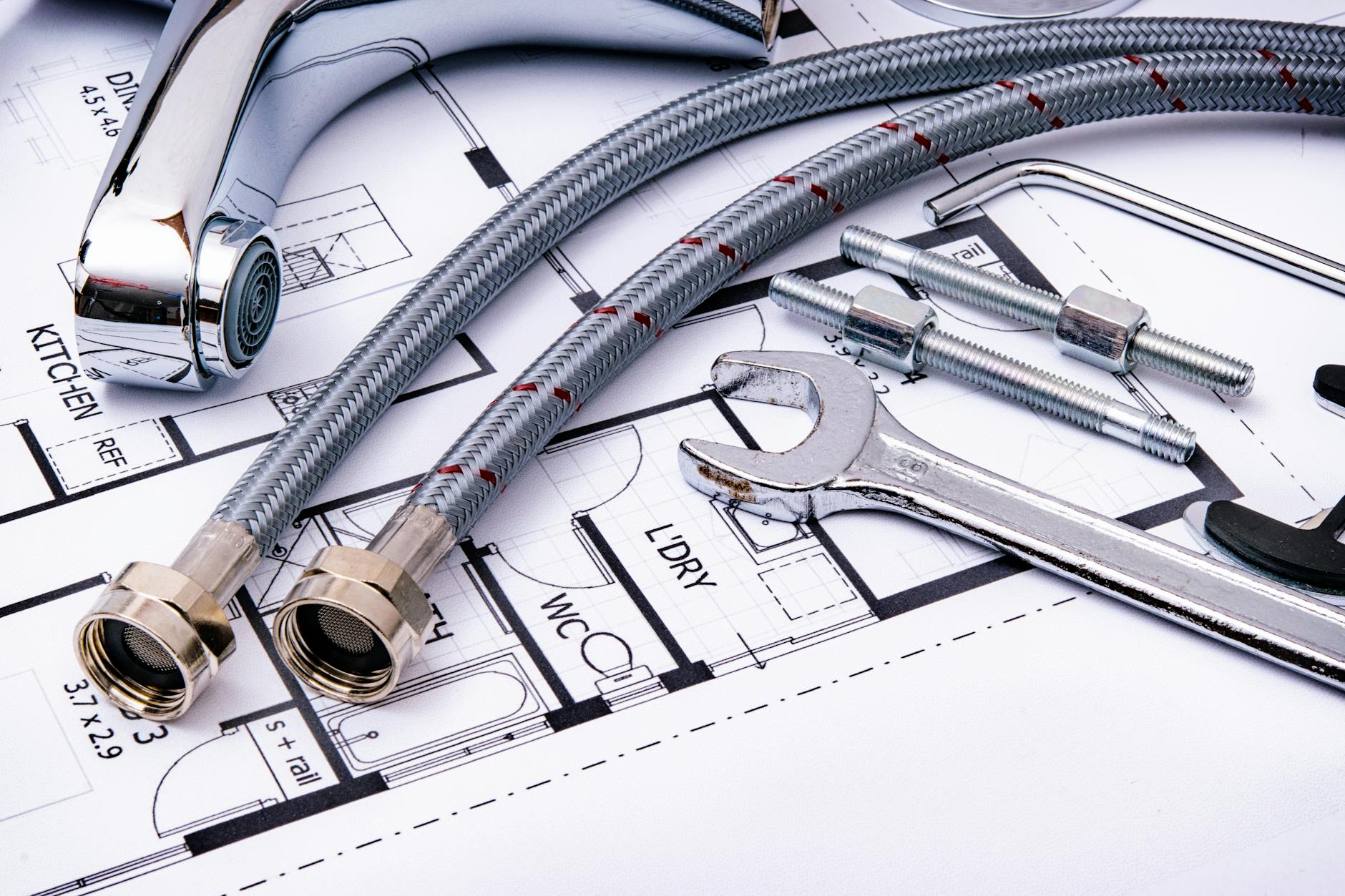
A dripping faucet may seem like a minor nuisance but it can waste thousands of gallons of water over the course of a summer, which directly increases your water bill. A running toilet is an even larger culprit, sometimes losing hundreds of gallons per day due to a faulty flapper valve. Both issues are straightforward repairs that typically require only basic tools and inexpensive replacement parts. Addressing leaks promptly is one of the simplest ways to prevent unnecessary costs on your water and sewer charges.
Install a Low-Flow Showerhead
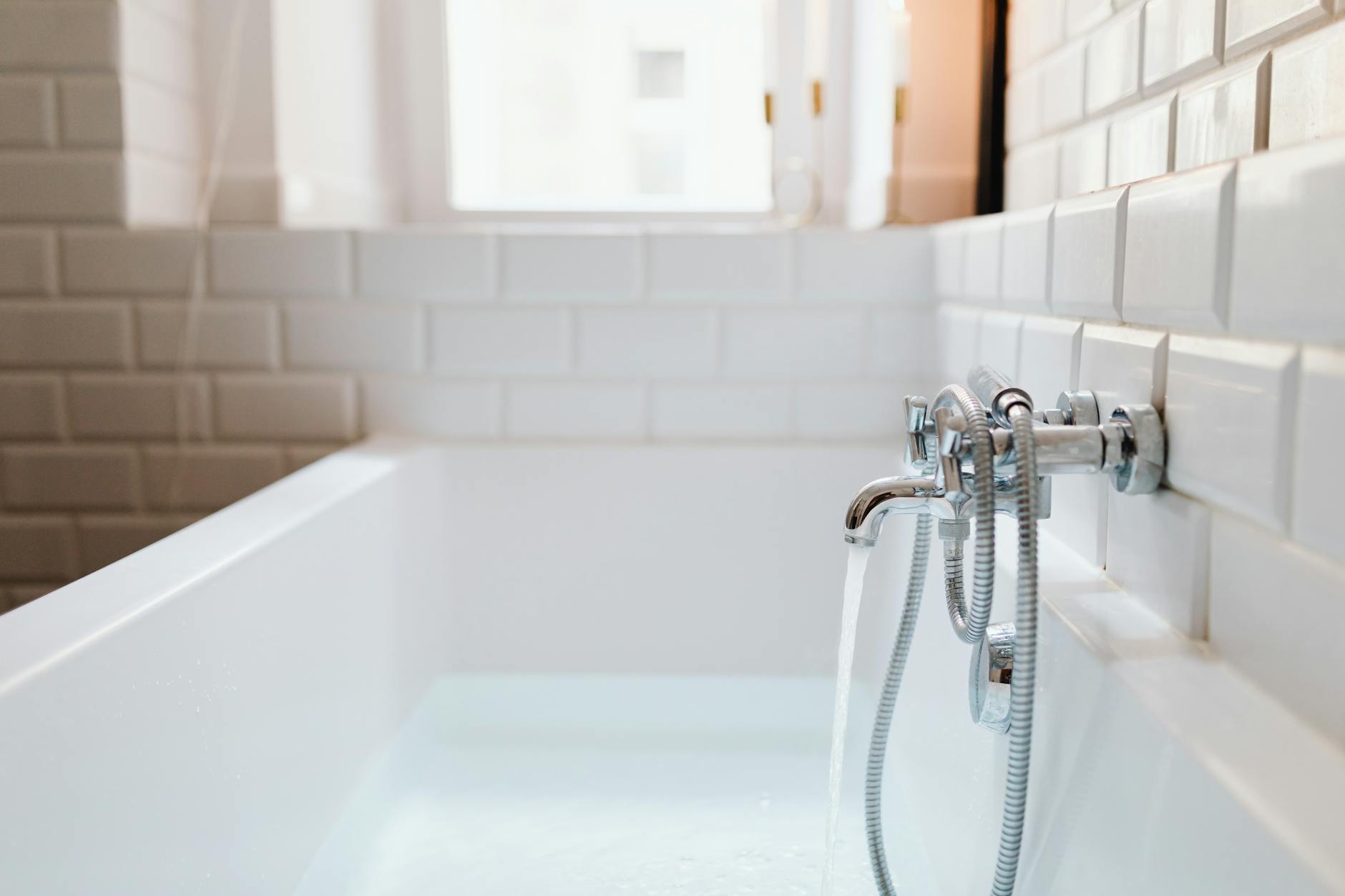
Showers account for a significant portion of household water use, and hotter months do not always mean shorter ones. Low-flow showerheads reduce the volume of water used per minute without sacrificing water pressure or comfort. Because less water is being heated, this upgrade also lowers the workload on your water heater and reduces energy consumption. The cost of a quality low-flow showerhead is modest and the savings begin from the very first use.
Adjust Your Water Heater Temperature
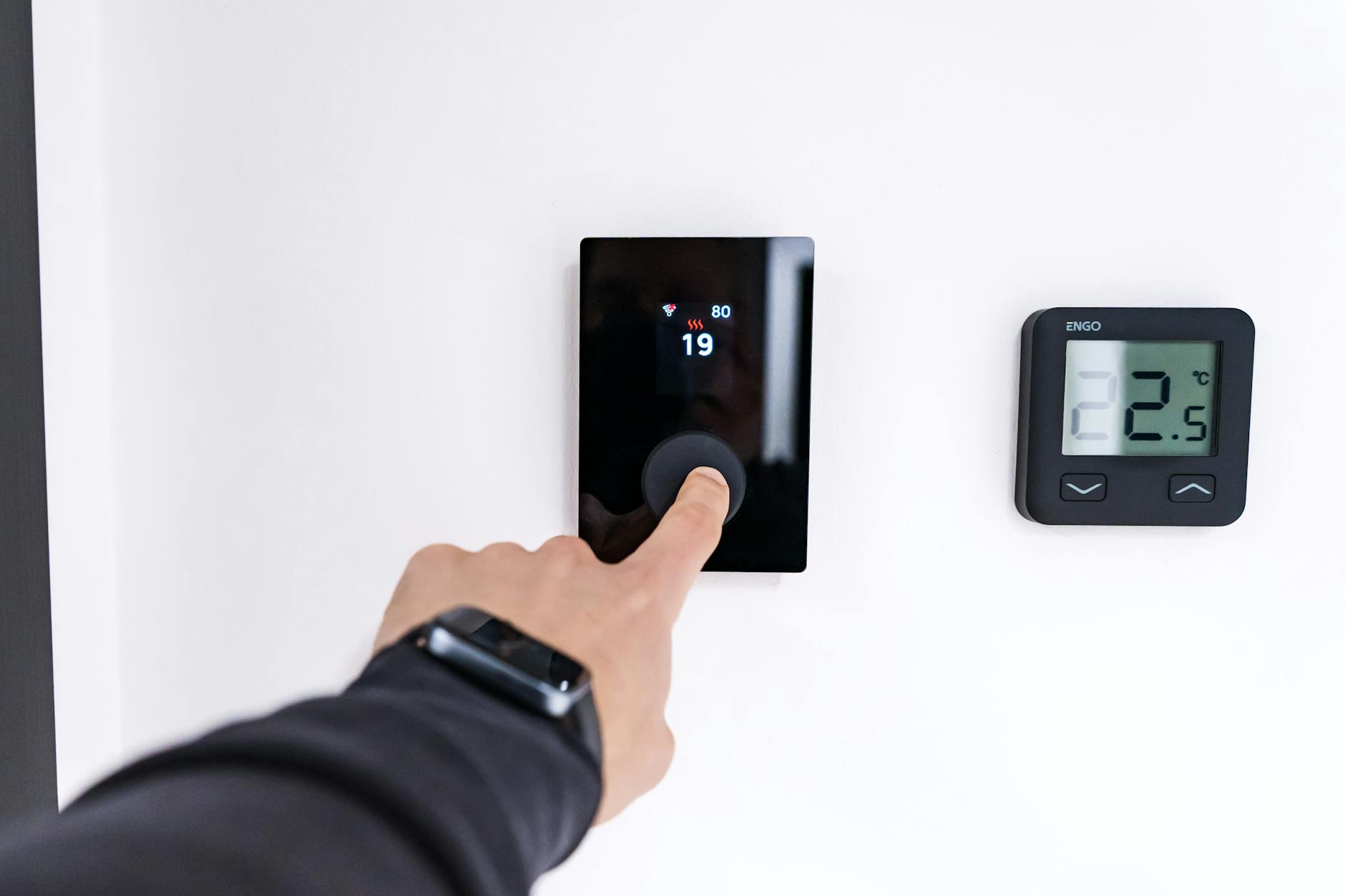
Most water heaters are factory-set at temperatures higher than necessary for everyday household needs. Lowering the thermostat on your water heater to a moderate setting reduces the energy required to maintain that stored heat around the clock. This adjustment is particularly effective in summer when incoming water from the pipes is already warmer than it is during colder months. The change takes only a few minutes and carries no impact on the comfort or functionality of your hot water supply.
Unplug Electronics When Not in Use

Many household electronics and appliances draw a small but continuous amount of electricity even when they are switched off, a phenomenon known as standby power or phantom load. Televisions, gaming consoles, phone chargers, and kitchen gadgets are among the most common offenders in any home. Unplugging these devices when they are not actively being used or connecting them to smart power strips eliminates this hidden energy drain entirely. Households that address phantom load consistently can see a noticeable reduction in their electricity bill over the course of the summer.
Use Cold Water for Laundry
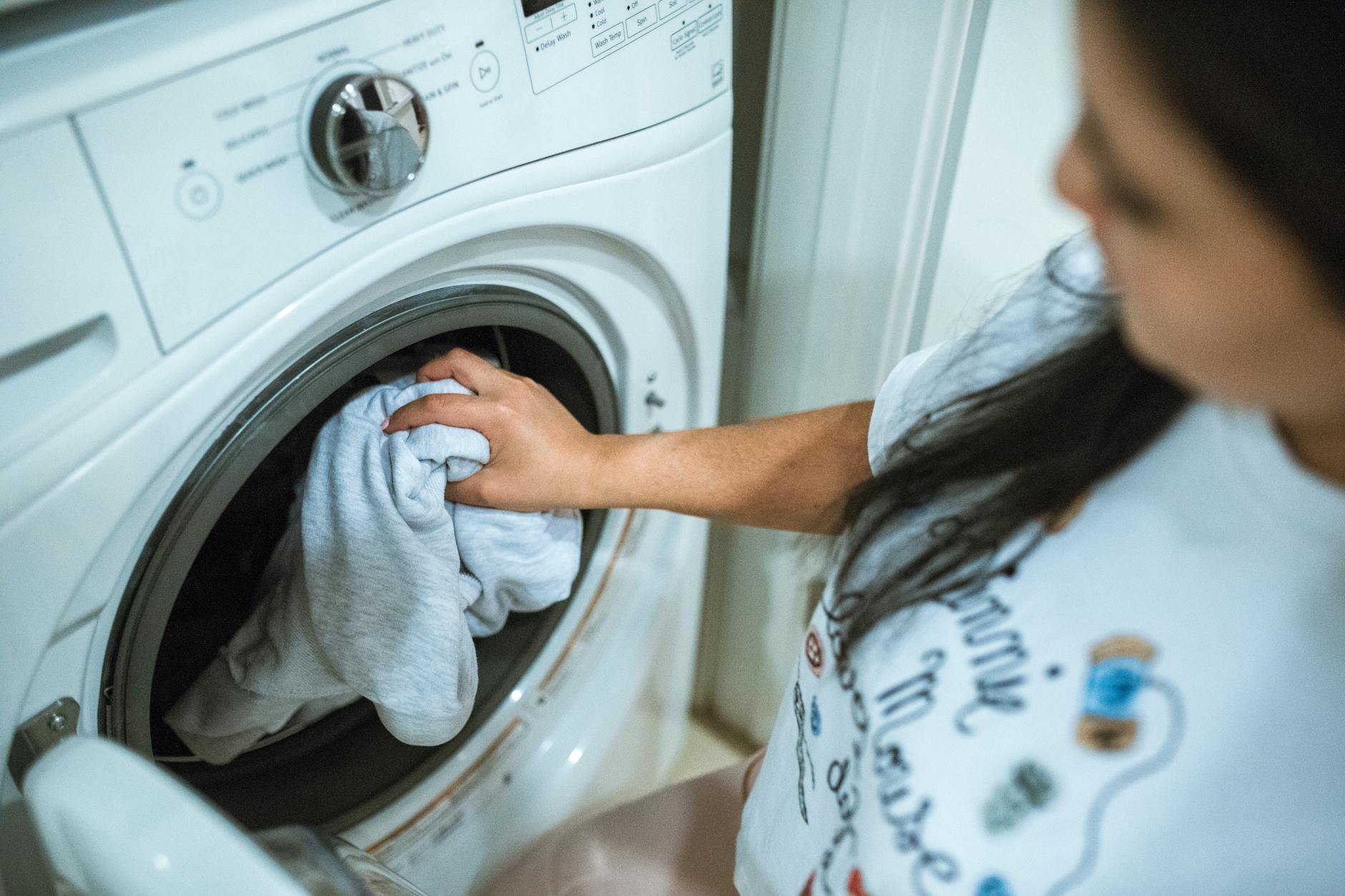
Washing clothes in cold water rather than hot or warm uses significantly less energy because the water heater does not need to engage for each cycle. Modern detergents are specifically formulated to clean effectively in cold water, so there is no compromise on cleanliness or hygiene. Switching all or most of your laundry cycles to cold is one of the easiest changes to make and requires no equipment upgrades whatsoever. The savings accumulate steadily with each cycle run throughout the warmer months.
Insulate Your Attic
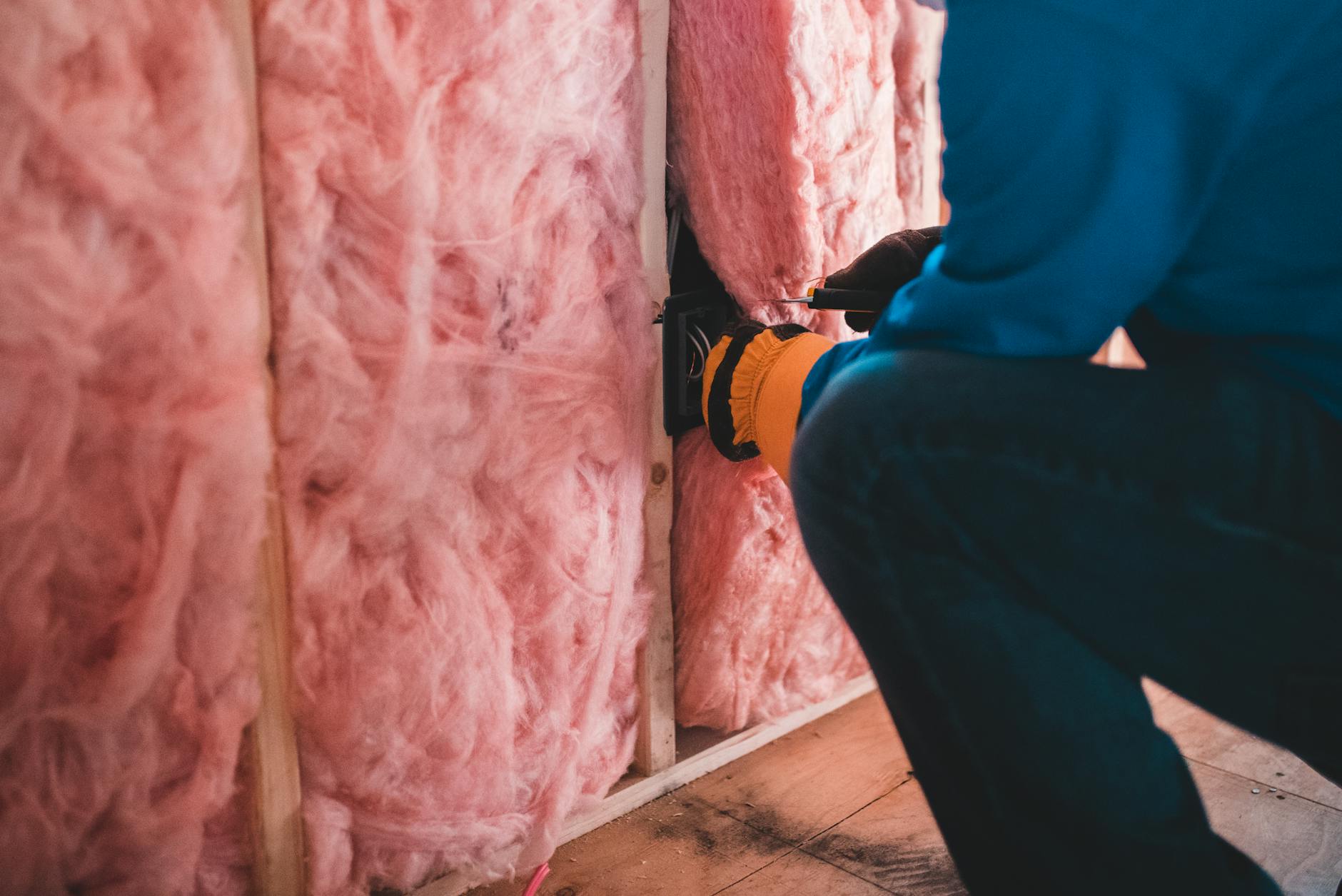
Heat rises and accumulates in the attic, which then radiates downward into the living spaces below and increases the burden on your cooling system. Proper attic insulation acts as a thermal barrier that keeps that heat from transferring into your home during the day. Many homeowners see a significant drop in energy bills after adding or upgrading attic insulation, making it one of the highest-return home improvements available. Government rebate programs in many areas help offset the upfront cost of this type of energy-efficiency upgrade.
Plant Shade Trees or Install Exterior Shading

Strategic landscaping can reduce the amount of direct sunlight hitting your home’s exterior, which lowers indoor temperatures and reduces the need for mechanical cooling. Planting deciduous trees on the south and west sides of your home provides shade during summer while allowing sunlight through in winter after the leaves fall. Exterior awnings, pergolas, and shade sails are faster solutions for renters or those who want results without waiting for trees to mature. Reducing solar heat gain at the source is one of the most sustainable and long-term cost-saving approaches available.
Clean or Replace HVAC Filters Regularly
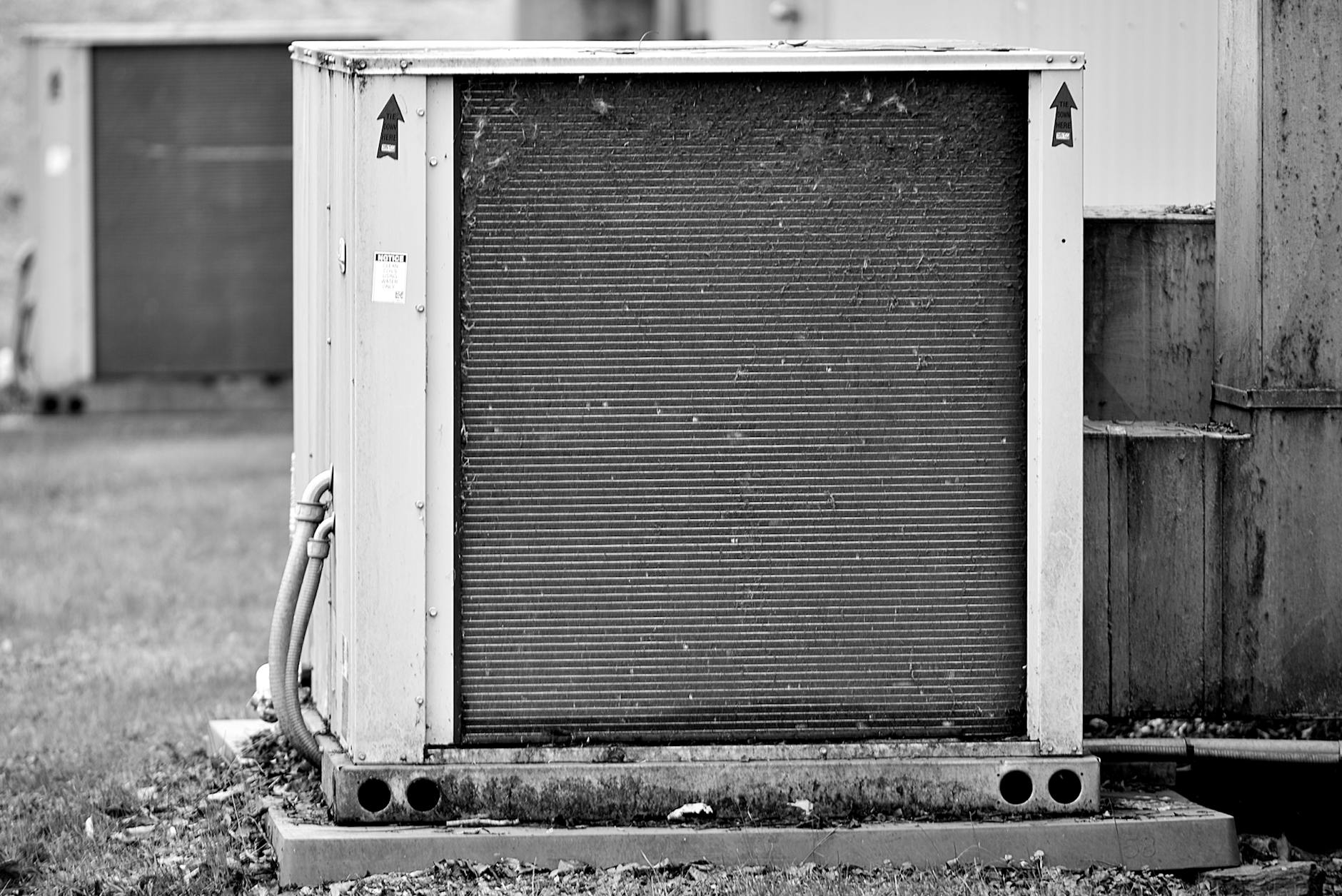
A clogged or dirty air filter forces your air conditioning system to work harder to push air through, which increases energy consumption and accelerates wear on the unit. Checking and replacing filters at least once a month during periods of heavy use keeps the system running at peak efficiency. Clean filters also improve indoor air quality, which is an added benefit for households with allergy sufferers. This is one of the most overlooked maintenance tasks despite being among the quickest and least expensive to address.
Use a Pool Cover
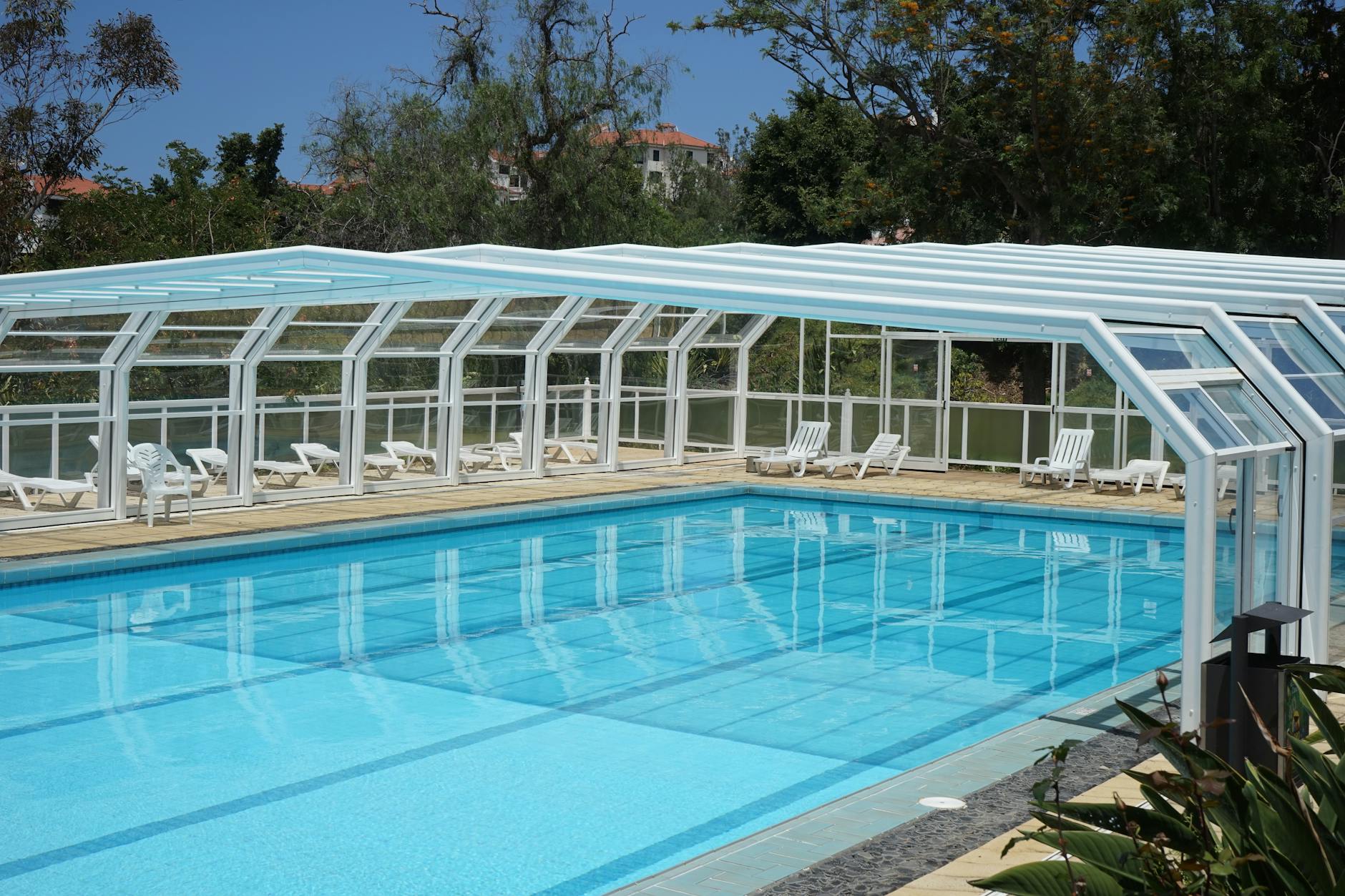
If you have a swimming pool, leaving it uncovered allows water to evaporate rapidly in summer heat, which requires constant refilling and increased chemical use to maintain balance. A pool cover dramatically reduces evaporation, cutting water consumption and chemical costs simultaneously. Solar pool covers have the added benefit of capturing heat from the sun to naturally warm the water, reducing or eliminating the need for a pool heater. Covering your pool whenever it is not in use is a habit that pays off quickly in both water and maintenance savings.
Landscape With Drought-Tolerant Plants

Traditional lawns and water-intensive garden plants require frequent irrigation during summer, which can send water bills soaring in the hottest months. Replacing sections of your yard with native or drought-tolerant plants significantly reduces outdoor water use without sacrificing curb appeal. These plants are adapted to thrive with minimal watering once established, making them a low-maintenance and financially smart alternative. Mulching around garden beds also retains soil moisture and reduces how often you need to water throughout the season.
Time Your Outdoor Watering Wisely
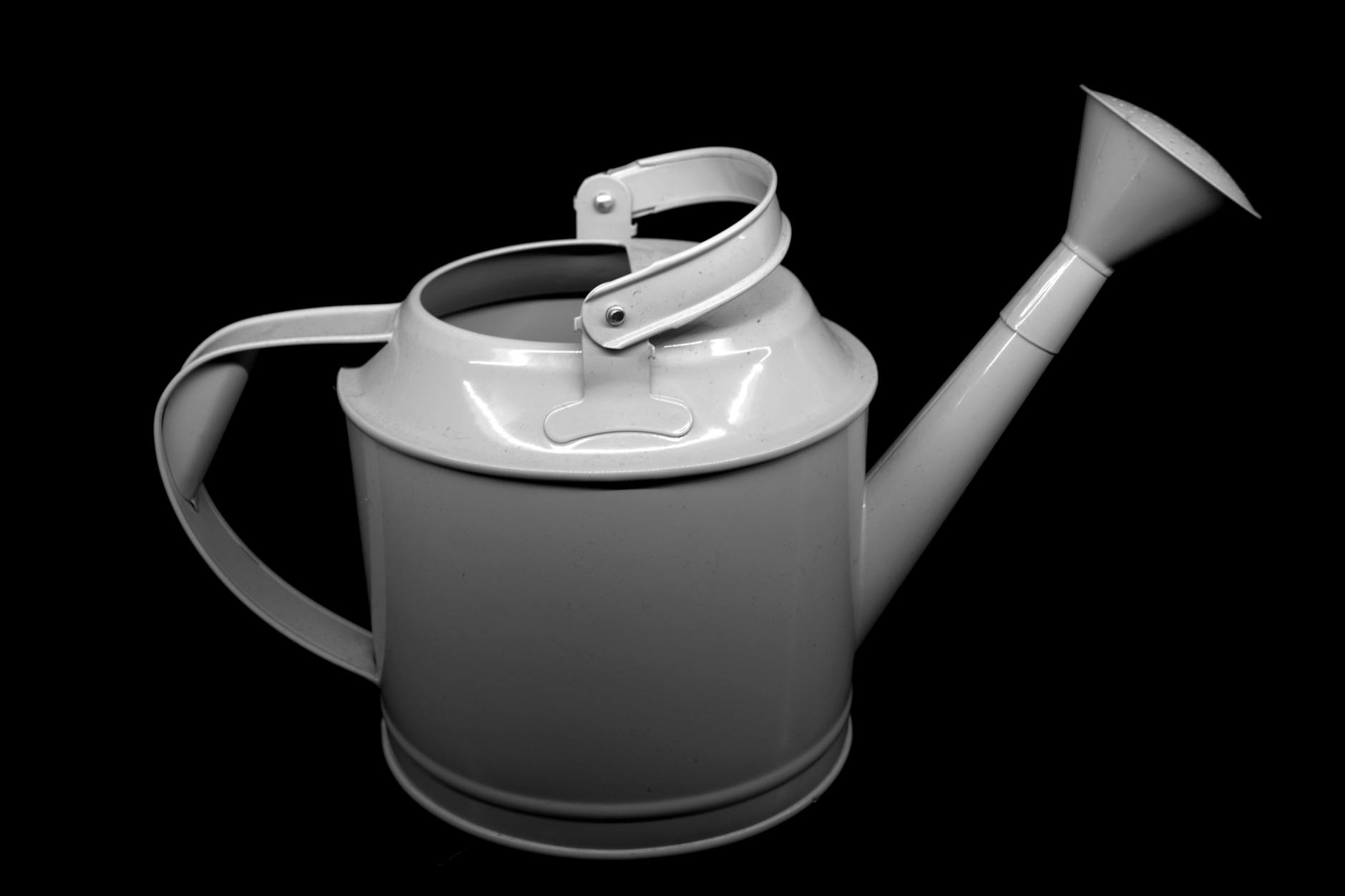
Watering your lawn or garden during the hottest part of the day results in rapid evaporation, meaning much of the water you use never actually reaches plant roots. Early morning watering allows moisture to soak into the soil before the sun intensifies, making each watering session far more effective. Using a timer or smart irrigation controller ensures consistent and efficient watering without overuse. Reducing watering sessions from daily to every few days by watering deeply rather than frequently also promotes healthier root growth and greater water savings.
Conduct a Home Energy Audit

A home energy audit provides a comprehensive picture of where your household is losing energy and where the greatest opportunities for savings exist. Many utility providers offer free or subsidized audits performed by certified professionals who use specialized equipment to identify inefficiencies. Areas commonly flagged include insulation gaps, inefficient appliances, air leaks, and outdated heating and cooling systems. Acting on even a portion of the recommendations from an audit can produce measurable reductions in monthly utility costs for years to come.
Which of these money-saving strategies are you planning to try this summer? Share your thoughts in the comments.




