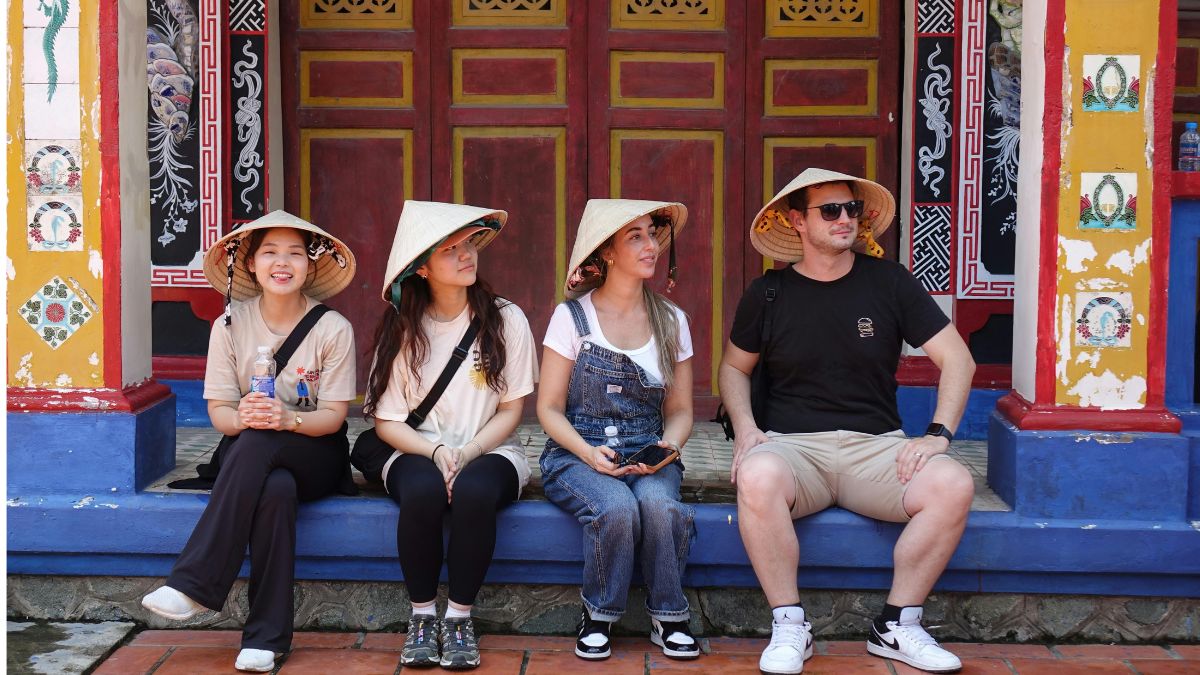
Asia is one of the most breathtaking and rewarding regions to explore, drawing millions of travelers each year with its rich cultures, stunning landscapes, and vibrant cities. However, alongside its many wonders, the continent is also home to a range of sophisticated scams that specifically target unsuspecting tourists. Being aware of these tactics before you arrive can mean the difference between a dream trip and a costly nightmare. From bustling city streets to serene temples, these schemes can appear in even the most unexpected places.
The Fake Taxi Scam

Unlicensed drivers posing as official taxi operators are a widespread problem across major Asian cities including Bangkok, Beijing, and Jakarta. These individuals often approach travelers directly outside airports, train stations, and tourist landmarks, offering suspiciously cheap fares. Once inside the vehicle, the driver may take a longer route, claim the meter is broken, or demand an inflated flat rate upon arrival. In some cases, passengers are taken to a specific shop or guesthouse where the driver receives a commission for delivering customers. Always use licensed taxis, ride-hailing apps, or pre-booked airport transfers to avoid this situation entirely.
The Gem Investment Scam

This elaborate scheme is particularly common in cities like Bangkok, Delhi, and Ho Chi Minh City, where friendly locals convince tourists that a special government sale or gem fair is happening for one day only. The scammer builds trust through casual conversation before introducing the idea of purchasing gemstones or jewelry to resell at home for a massive profit. The gems sold are almost always worthless or significantly overvalued, and the promised buyback programs never materialize. Victims often lose hundreds or even thousands of dollars before realizing what has happened. No genuine investment opportunity will ever be offered by a stranger on a street corner.
The Closed Attraction Trick

A well-dressed stranger approaches a tourist near a famous temple, museum, or landmark and confidently informs them that the site is closed for a holiday, cleaning, or special ceremony. They then offer a helpful alternative, steering the tourist toward a specific shop, tuk-tuk tour, or attraction where the scammer earns a referral commission. The original site is almost always open and operating normally throughout the entire encounter. This scam is particularly prevalent near major temples in Bangkok and popular sites in India and Vietnam. Always verify opening hours independently through official websites or your hotel concierge before accepting information from strangers.
The Friendship Bracelet Scam

Commonly found near temples in Cambodia, Nepal, and parts of China, this scam begins when a monk or local vendor approaches a tourist and begins tying a bracelet or placing a garland around their wrist without asking permission. Once the item is secured, the individual demands payment and can become aggressive or persistent if the tourist refuses to comply. Some versions involve multiple individuals surrounding the tourist to increase psychological pressure. The bracelets themselves are typically worth very little and are mass-produced for this specific purpose. Politely but firmly declining any unsolicited gifts or offerings is the most effective way to avoid this situation.
The Motorbike Rental Damage Scam

Popular resort towns across Thailand, Vietnam, Indonesia, and the Philippines are hotspots for this particular scheme targeting tourists who rent motorbikes or scooters. The rental shop photographs pre-existing scratches and damage but keeps those images hidden, then charges the tourist an exorbitant fee for alleged new damage upon return. Some operators go as far as retrieving the bike while the tourist is at the beach and claiming it was stolen. Tourists who hand over their passport as a deposit are especially vulnerable as the shop can hold their travel documents as leverage. Taking detailed timestamped photos and videos of every inch of the vehicle before riding away is an essential protective step.
The Overpriced Seafood Restaurant Scam

In coastal cities from Phuket to Shanghai, tourists are lured into seafood restaurants by charming hosts who display fresh fish and crustaceans outside without visible price tags. Customers select their meal by pointing at the displayed items, not realizing they are being charged by the gram at wildly inflated rates. The bill that arrives is often ten or twenty times what a reasonable meal should cost, and some restaurants employ intimidating staff to discourage complaints. This scam frequently targets solo travelers or couples who may feel less confident pushing back against a group of restaurant employees. Always ask for a full written price list and confirm the total weight and cost before ordering any seafood sold by weight.
The Currency Exchange Fraud
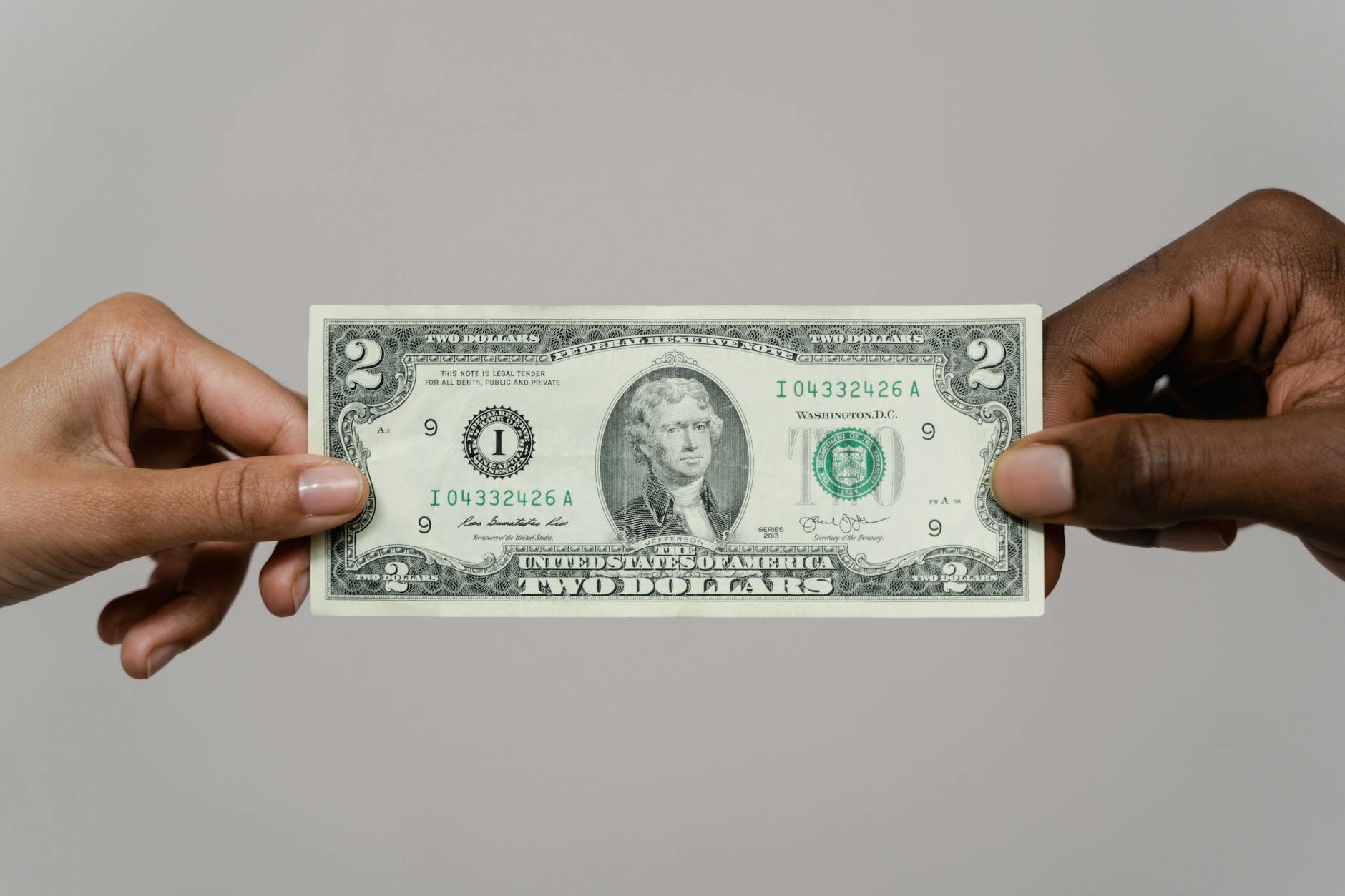
Unofficial money changers operating in markets, near airports, and outside banks across Southeast and South Asia use sleight of hand and distraction techniques to shortchange tourists during currency exchanges. They may offer an attractive rate to draw the tourist in before miscounting notes, slipping in expired or foreign bills, or quickly recalculating the total mid-transaction. Some use thick rubber bands to make the bundle of notes feel complete before the tourist has a chance to count them properly. Others operate at official-looking booths with professional signage that gives a false sense of security. Using only bank ATMs or officially licensed exchange offices inside reputable establishments is the safest way to exchange currency abroad.
The Tuk-Tuk Free Ride Scam
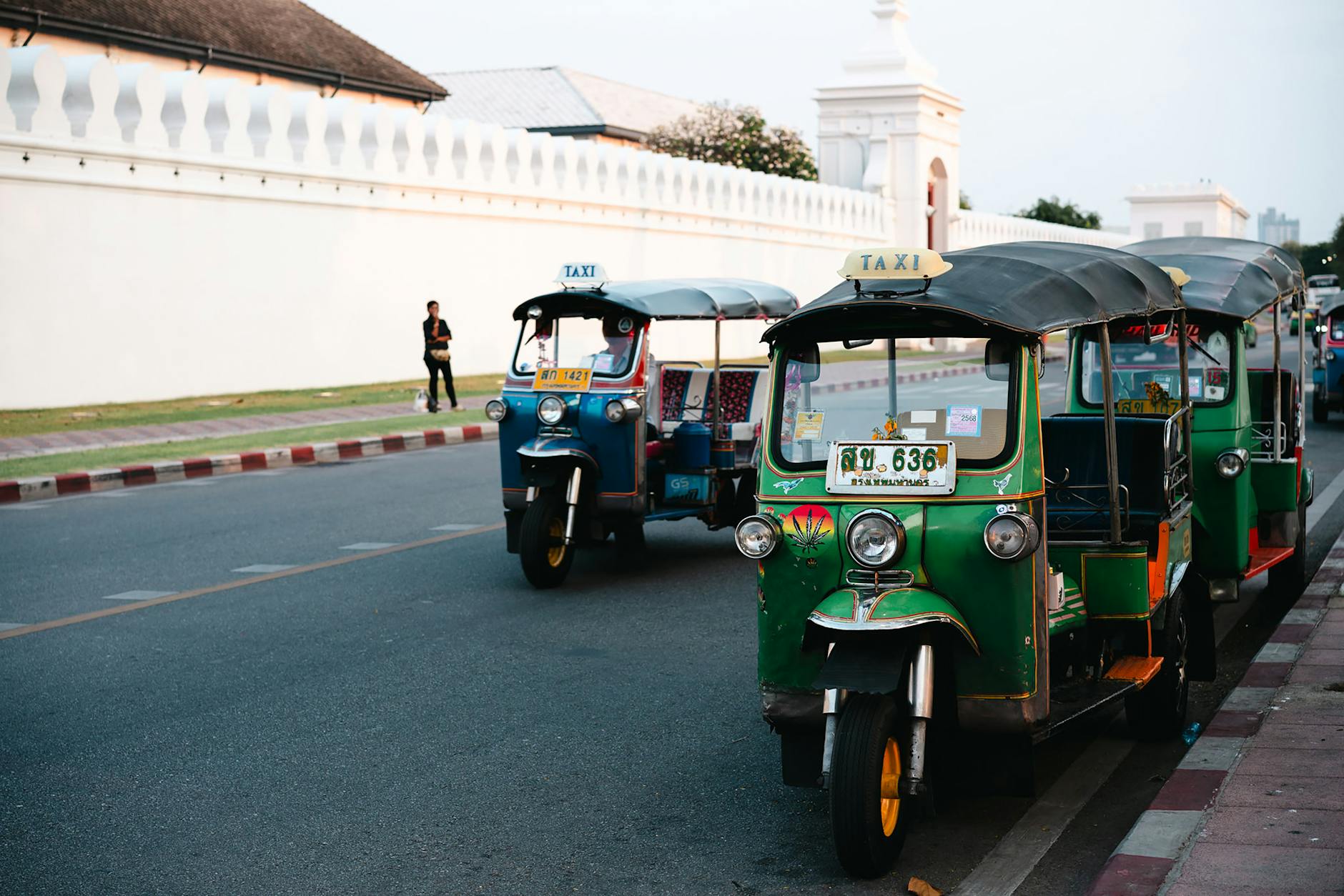
Across Bangkok, Delhi, and Colombo, tourists are offered suspiciously cheap or even free tuk-tuk rides to major attractions by seemingly generous drivers. The driver inevitably makes unplanned stops at tailor shops, jewelry stores, or travel agencies, where he receives fuel vouchers or cash commissions for every tourist he brings inside. The detours can consume hours of precious travel time and create significant pressure to make purchases the tourist never intended. Declining can be difficult as the driver may claim the attraction is temporarily closed or that this stop is simply a courtesy. Agreeing on a fixed route in writing before entering any unofficial vehicle saves time, money, and considerable frustration.
The Staged Street Game Scam
Shell games, card tricks, and other street betting games can be found in tourist-heavy areas across China, India, and Southeast Asia, drawing curious onlookers with the spectacle of other participants winning easily. The winning bystanders are in fact accomplices planted by the operator to build confidence and encourage tourists to place bets. Once a tourist joins and begins wagering real money, the game immediately becomes impossible to win through a combination of sleight of hand and distraction. Some versions involve a team of individuals who subtly surround the tourist to prevent a quick exit once money has been placed. The golden rule is to never place money on any street game regardless of how straightforward or winnable it appears.
The Fake Monk Donation Scam

Individuals dressed in traditional Buddhist or Hindu religious garments approach tourists in busy public spaces across Thailand, Japan, India, and China, offering a small charm, book, or blessing as a gift. They then present a clipboard with names of other donors and their generous contribution amounts, creating strong social pressure for the tourist to donate a similar or larger sum. Many of these individuals have no genuine religious affiliation and are operating purely for financial gain. Authentic monks in most Asian Buddhist traditions do not solicit donations from strangers on the street in this manner. Respectfully declining and walking away without engaging is always the appropriate response when approached in this way.
Have you encountered any of these scams on your travels through Asia? Share your experience and any tips you have for fellow travelers in the comments.




