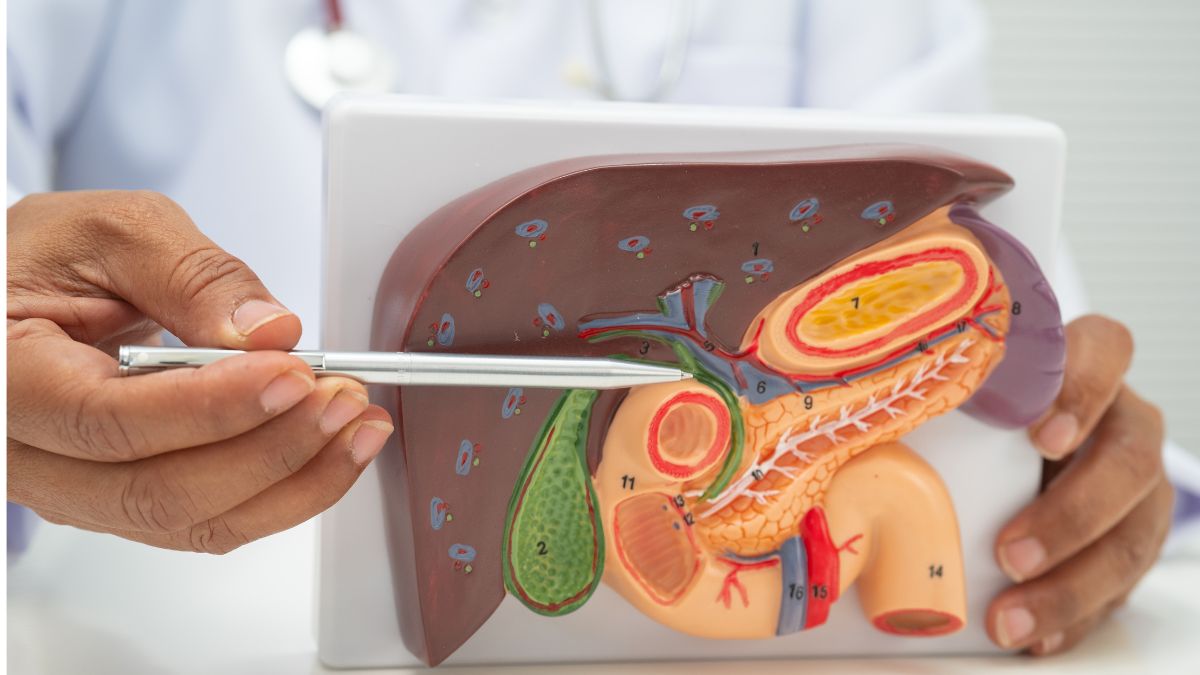
Your liver and kidneys work around the clock to filter toxins, regulate fluids, and keep your body running smoothly. The foods you eat play a direct role in how well these organs perform their essential functions. A diet rich in the right nutrients can reduce inflammation, support detoxification pathways, and protect against long-term damage. Small, consistent dietary choices add up to meaningful protection for two of the body’s most hardworking organs.
Garlic
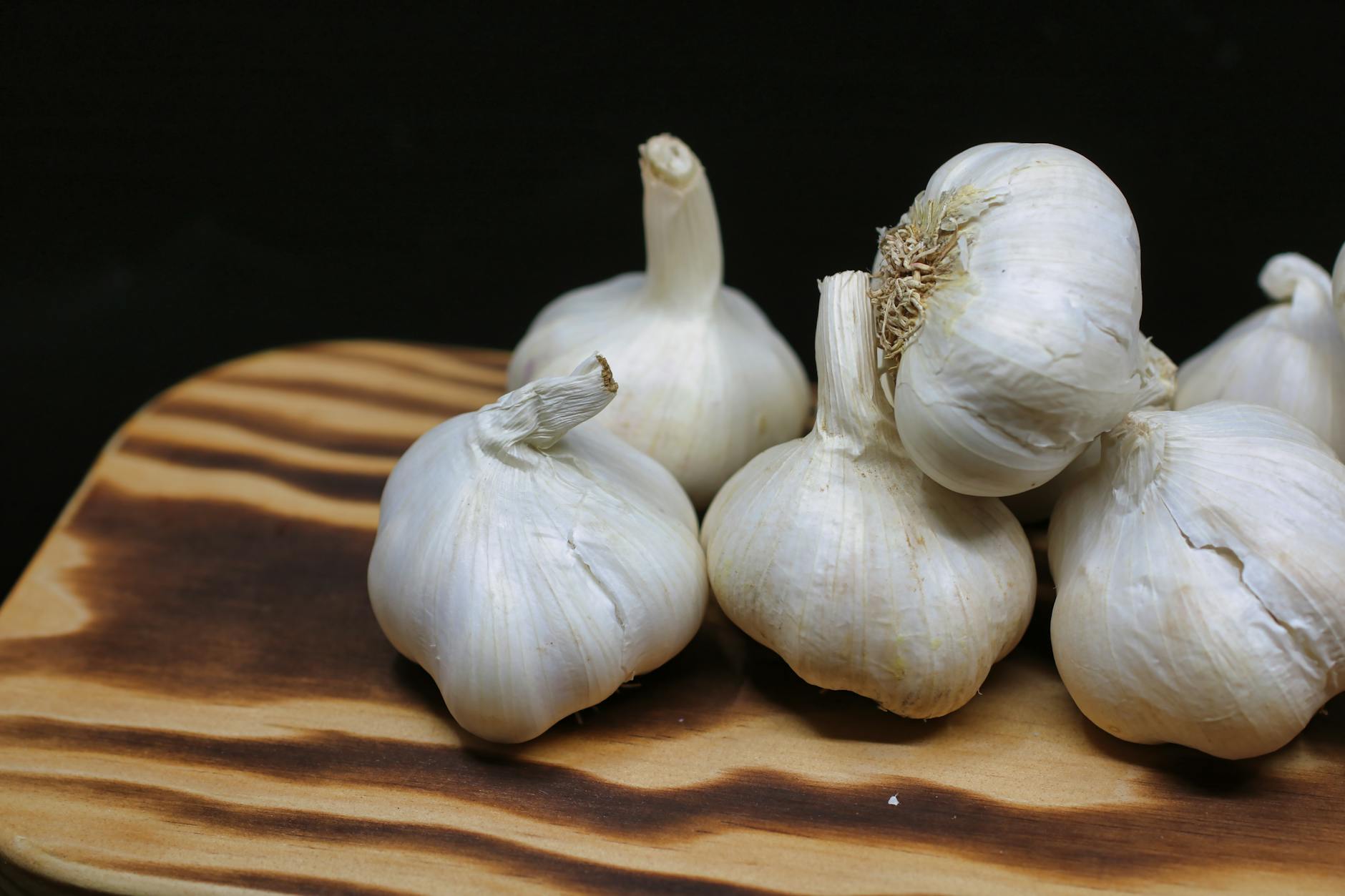
Garlic contains sulfur compounds that activate liver enzymes responsible for flushing out toxins from the body. It is rich in allicin and selenium, two powerful nutrients known to support liver cell health and reduce oxidative stress. Regular consumption has been linked to lower levels of fat accumulation in the liver. Garlic also has natural diuretic properties that help the kidneys filter sodium and excess fluids more efficiently.
Turmeric
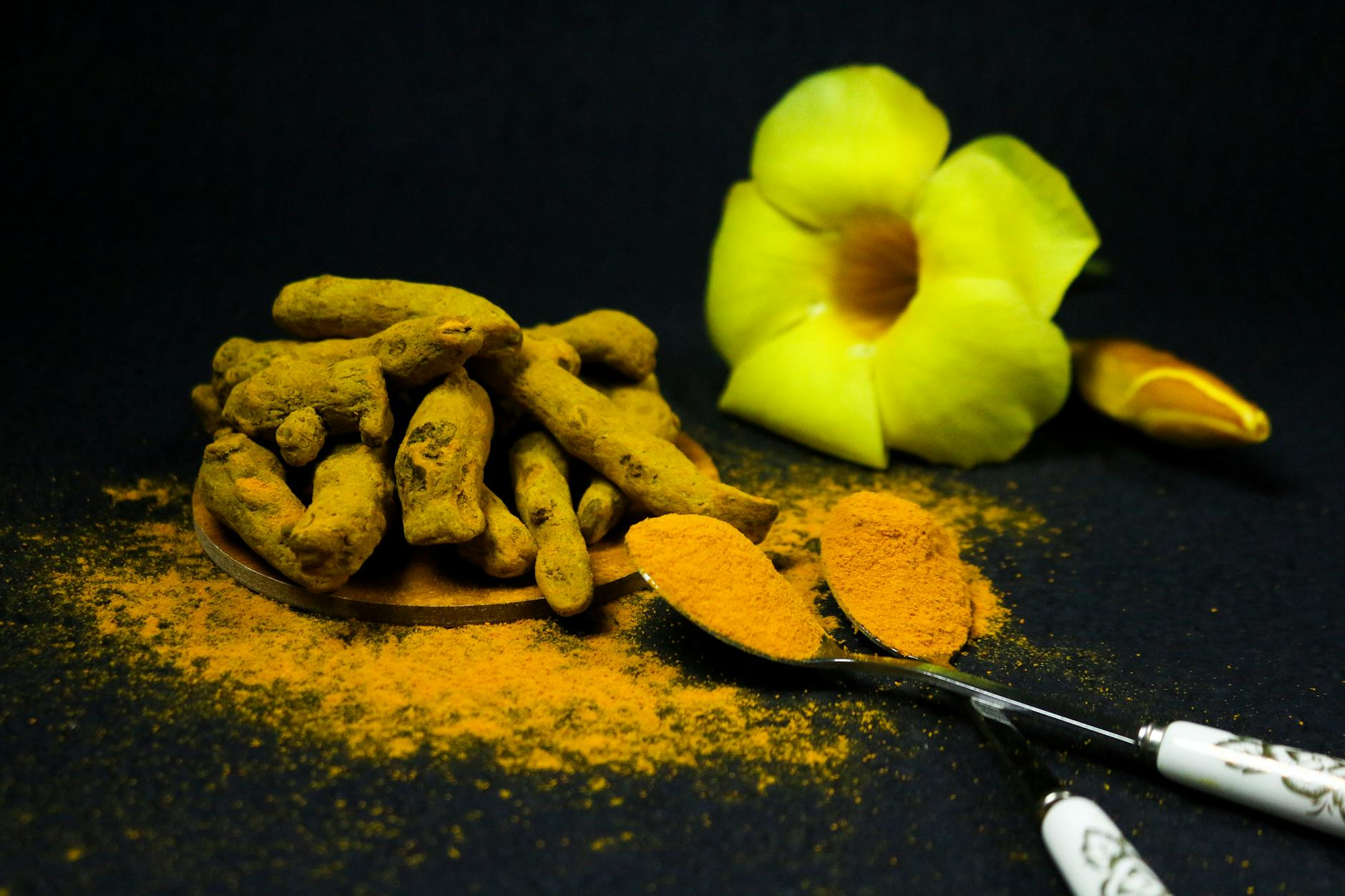
Curcumin, the active compound in turmeric, has been widely studied for its ability to reduce liver inflammation and protect against fibrosis. It stimulates the production of bile, which helps the liver break down dietary fats more effectively. Turmeric also reduces oxidative damage in kidney tissue, helping to slow the progression of kidney-related conditions. Adding it to warm drinks, soups, or rice dishes is an easy way to incorporate this golden spice into a daily routine.
Blueberries
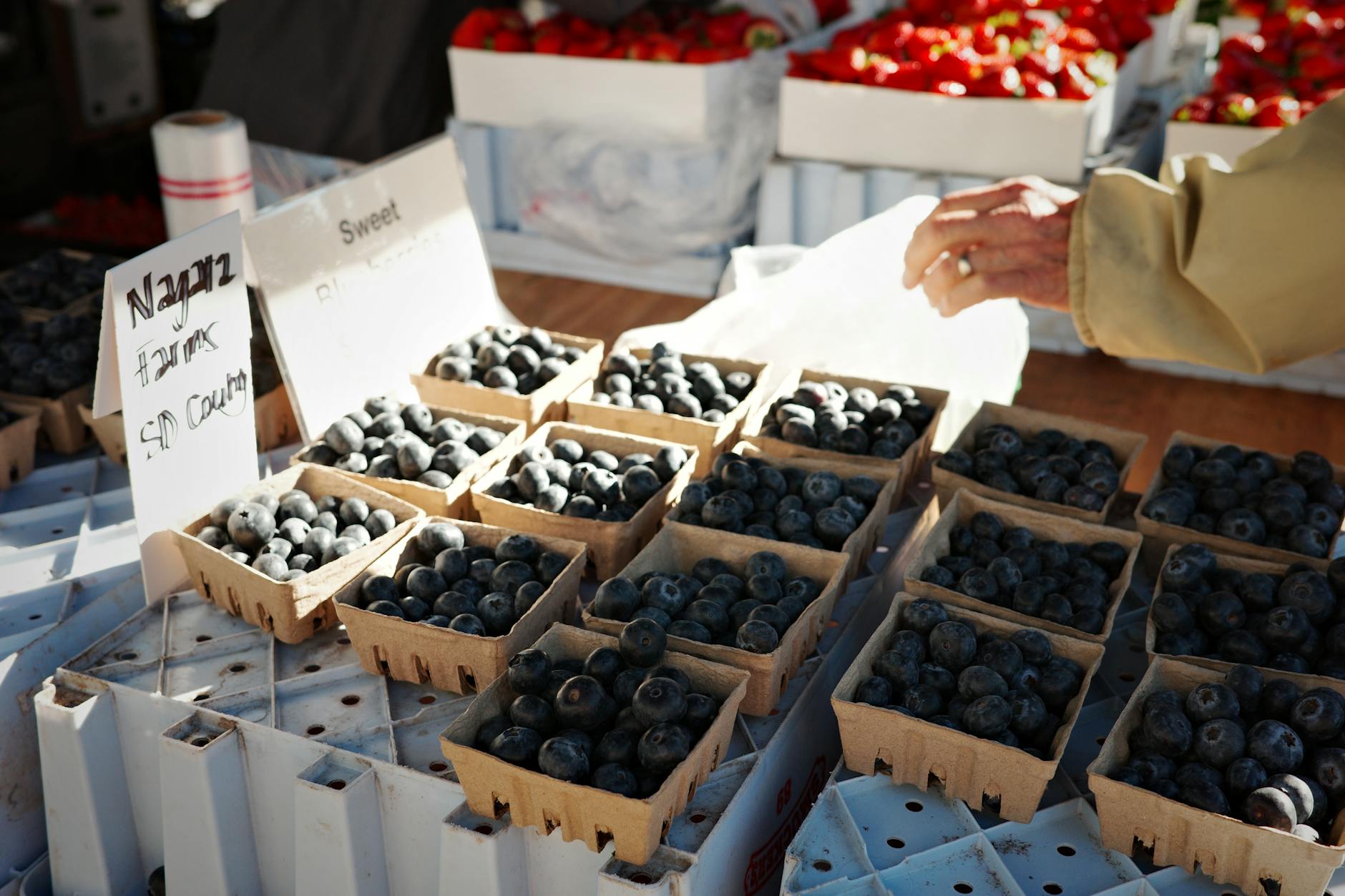
Blueberries are loaded with anthocyanins, plant pigments that protect both the liver and kidneys from oxidative stress and cellular damage. Studies have shown that regular blueberry consumption can help prevent the development of liver fibrosis and reduce inflammation markers. Their high antioxidant content also supports healthy kidney function by neutralizing free radicals before they can cause harm. Fresh or frozen, blueberries make a versatile addition to smoothies, yogurt, and oatmeal.
Leafy Greens
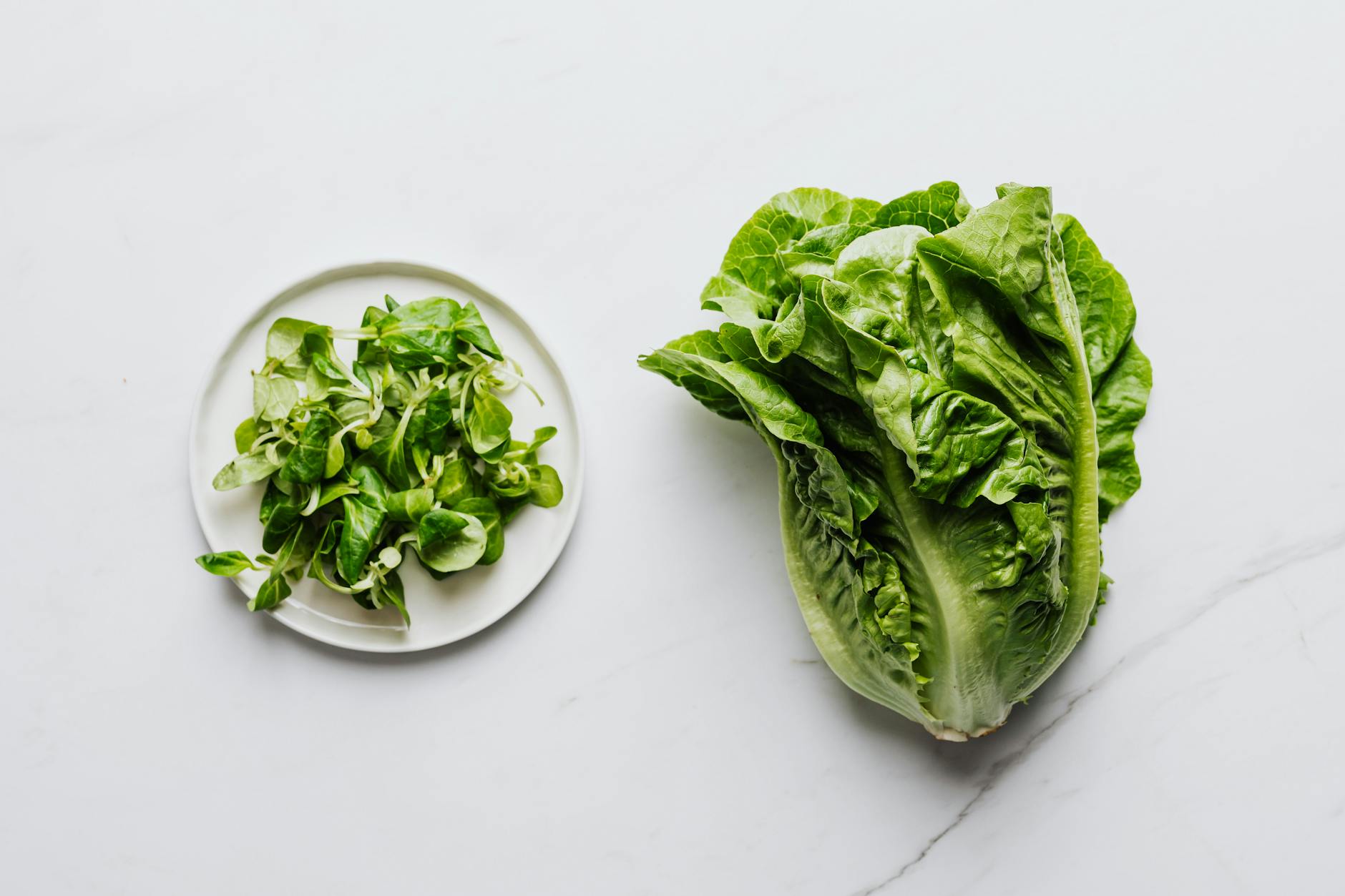
Spinach, kale, arugula, and other leafy greens are packed with chlorophyll, which helps neutralize heavy metals and environmental toxins in the bloodstream before they reach the liver. These vegetables are also rich in folate and vitamin K, nutrients that support healthy liver enzyme activity. Their high water content contributes to kidney hydration and helps maintain proper fluid balance throughout the body. Eating a variety of leafy greens regularly provides a broad spectrum of protective micronutrients for both organs.
Beets
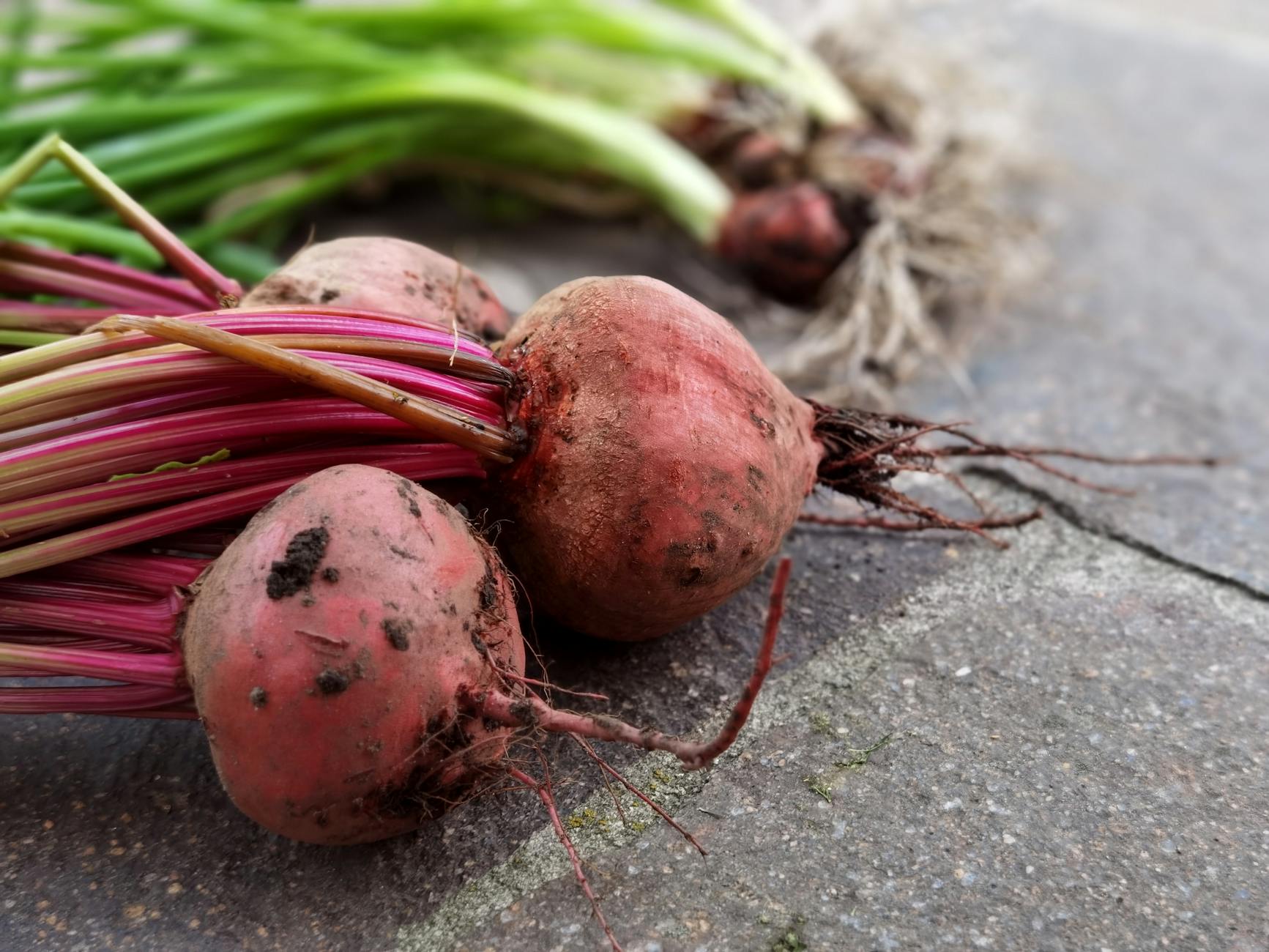
Beets contain betalains, a unique class of antioxidants that have been shown to reduce inflammation and oxidative damage in liver tissue. They support the liver’s natural detoxification process by stimulating the production of enzymes that break down harmful compounds. Beets are also a natural source of nitrates, which improve blood flow to the kidneys and support their filtering efficiency. Roasted, juiced, or added raw to salads, beets offer a deeply nourishing boost for both organs.
Grapefruit
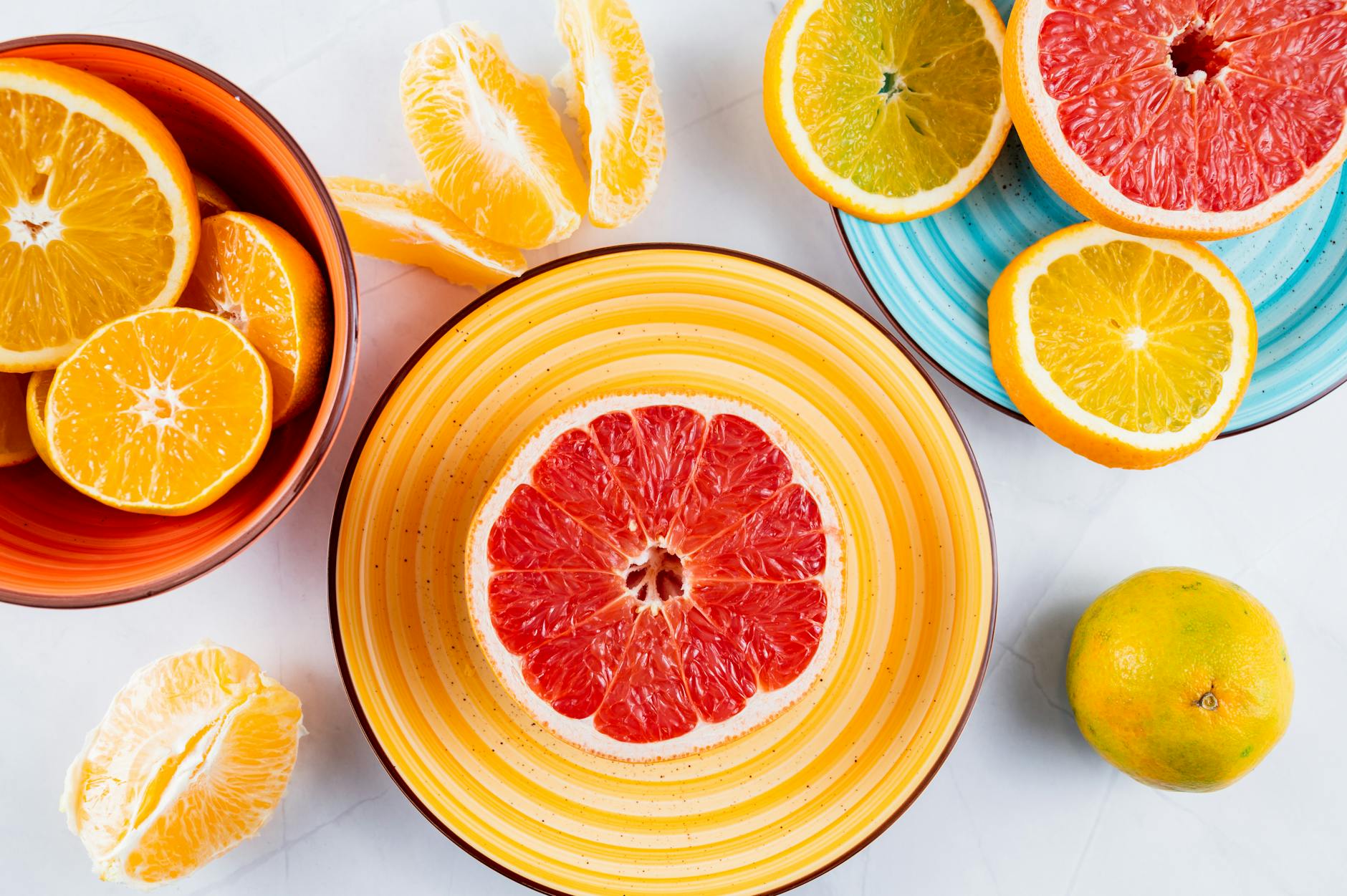
Grapefruit is rich in naringenin and naringin, two antioxidants that have been shown to reduce liver inflammation and protect liver cells from injury. These compounds also help the liver burn fat rather than store it, making grapefruit particularly beneficial for those managing fatty liver conditions. The high vitamin C content in grapefruit supports immune function while providing additional antioxidant protection for the kidneys. Drinking fresh grapefruit juice or eating the fruit whole in the morning is a simple and effective habit.
Green Tea
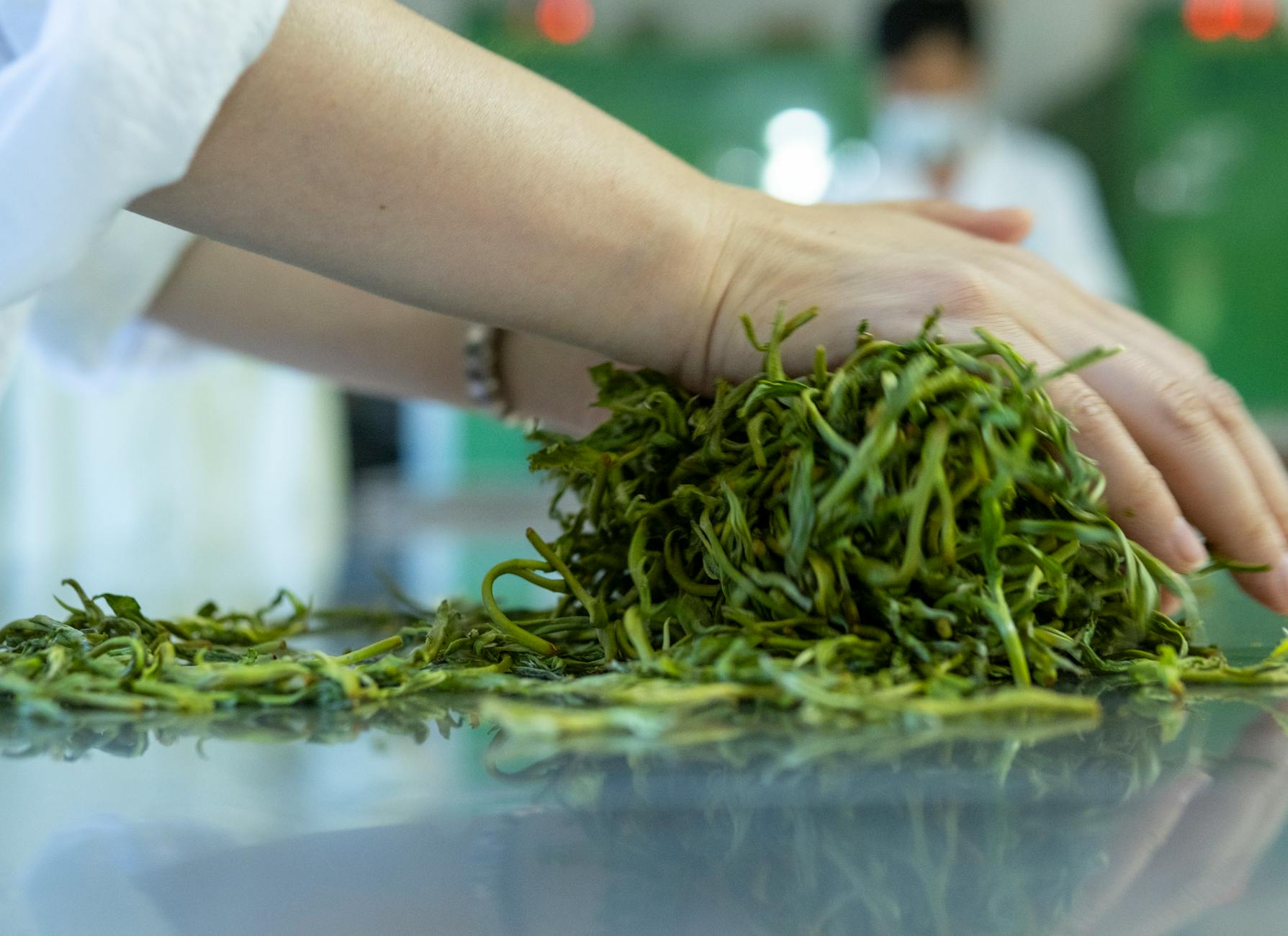
Green tea contains catechins, a type of antioxidant that improves liver function by reducing fat deposits and lowering liver enzyme levels. Studies have found that regular green tea drinkers tend to have lower rates of liver disease and better overall liver health markers. The polyphenols in green tea also help protect kidney cells from damage caused by toxins and oxidative stress. Replacing sugary beverages with a few cups of green tea daily is one of the simplest dietary upgrades for organ health.
Avocado
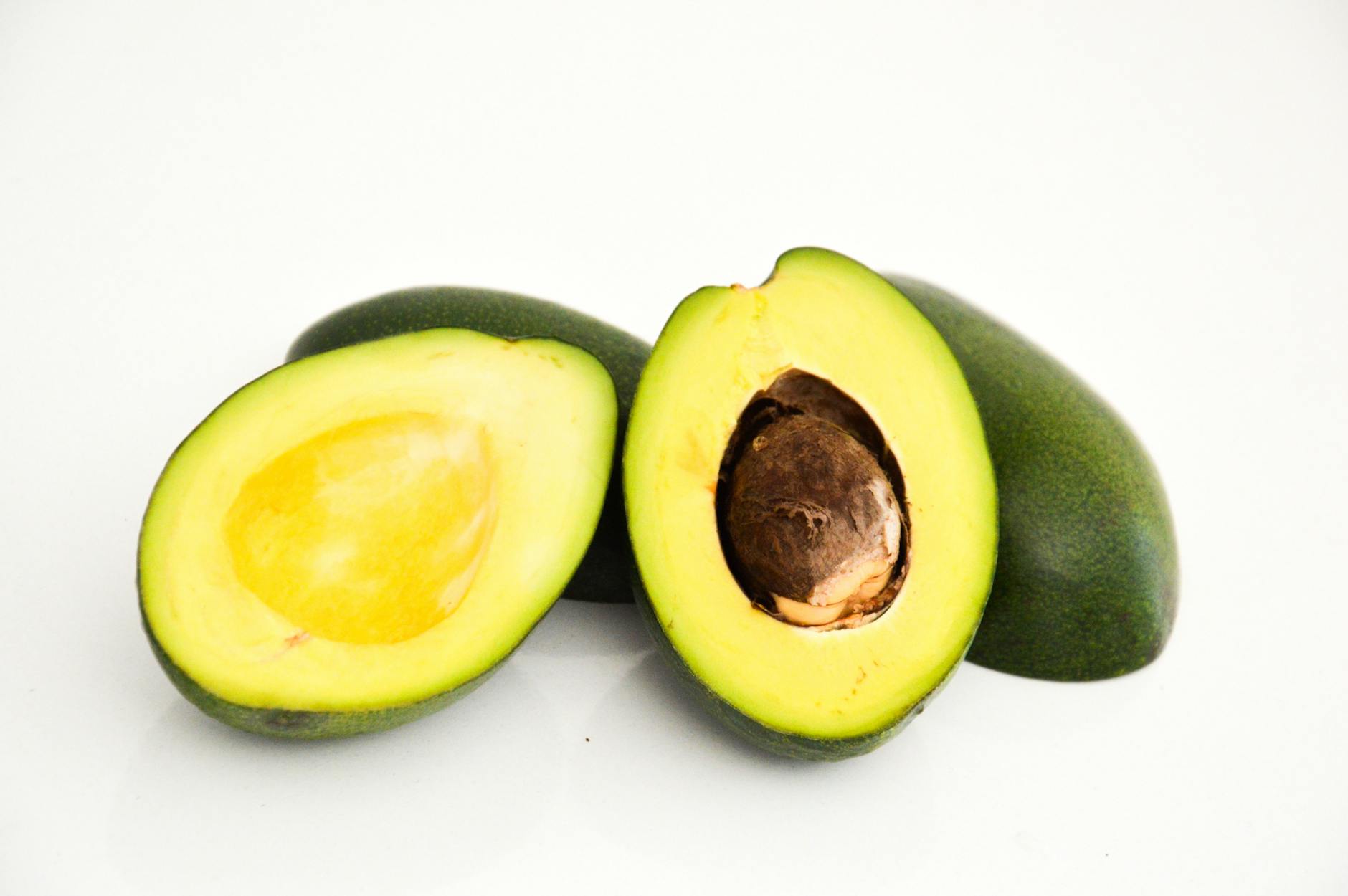
Avocado is a rich source of glutathione, one of the most important antioxidants the liver uses to break down and eliminate harmful substances from the body. It also contains healthy monounsaturated fats that reduce liver inflammation and support the organ’s ability to process dietary fat efficiently. The potassium content in avocado helps regulate blood pressure, which is critical for maintaining long-term kidney health. Its fiber content supports a healthy gut microbiome, which has a direct influence on liver function.
Olive Oil
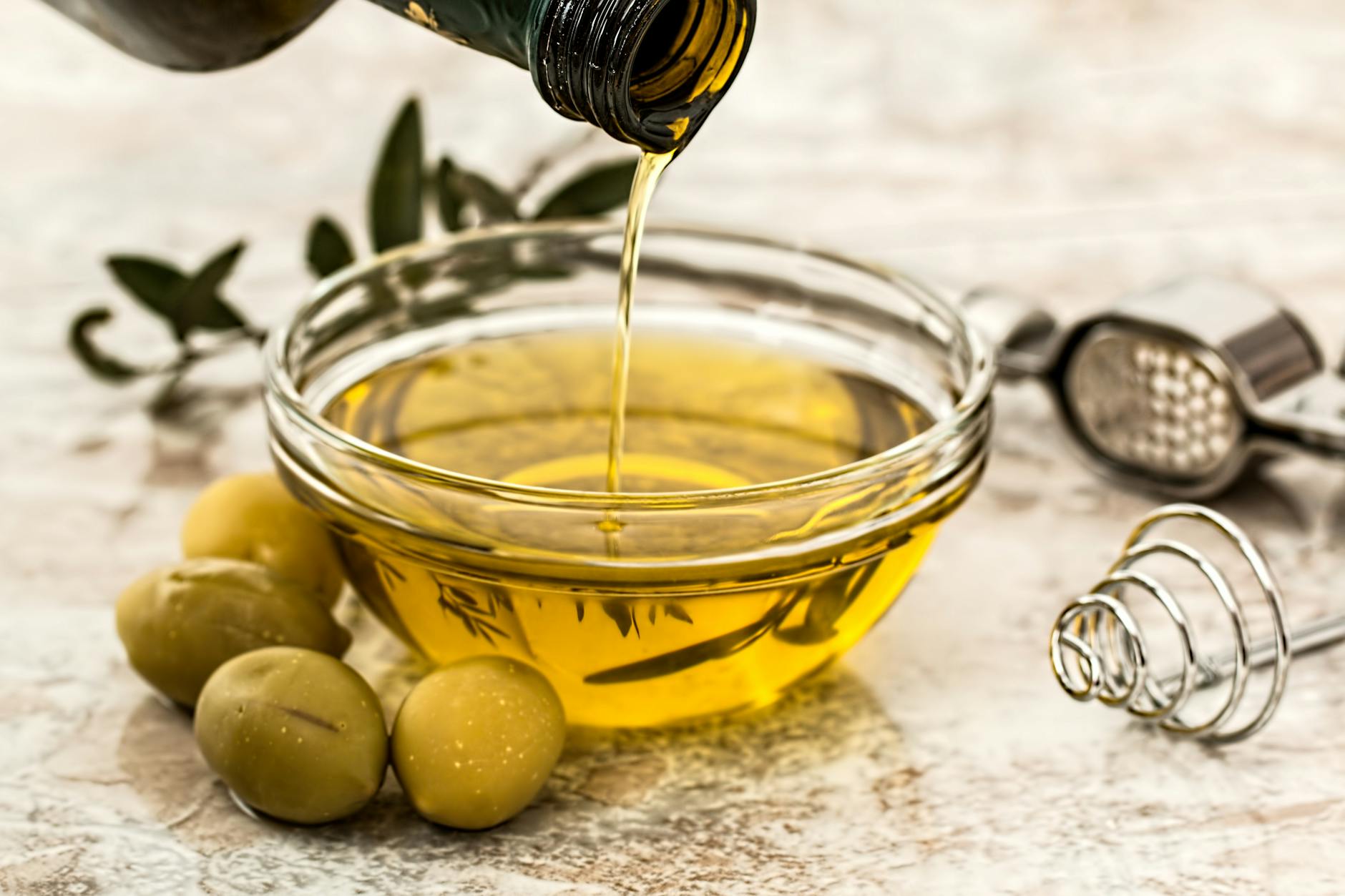
Extra virgin olive oil is high in oleic acid and polyphenols that reduce liver fat accumulation and lower markers of liver inflammation. Research has consistently shown that diets rich in olive oil are associated with lower rates of non-alcoholic fatty liver disease. Its anti-inflammatory properties also benefit the kidneys by reducing the systemic inflammation that can lead to chronic kidney damage over time. Using olive oil as the primary cooking and dressing fat is a practical and sustainable dietary choice.
Cruciferous Vegetables
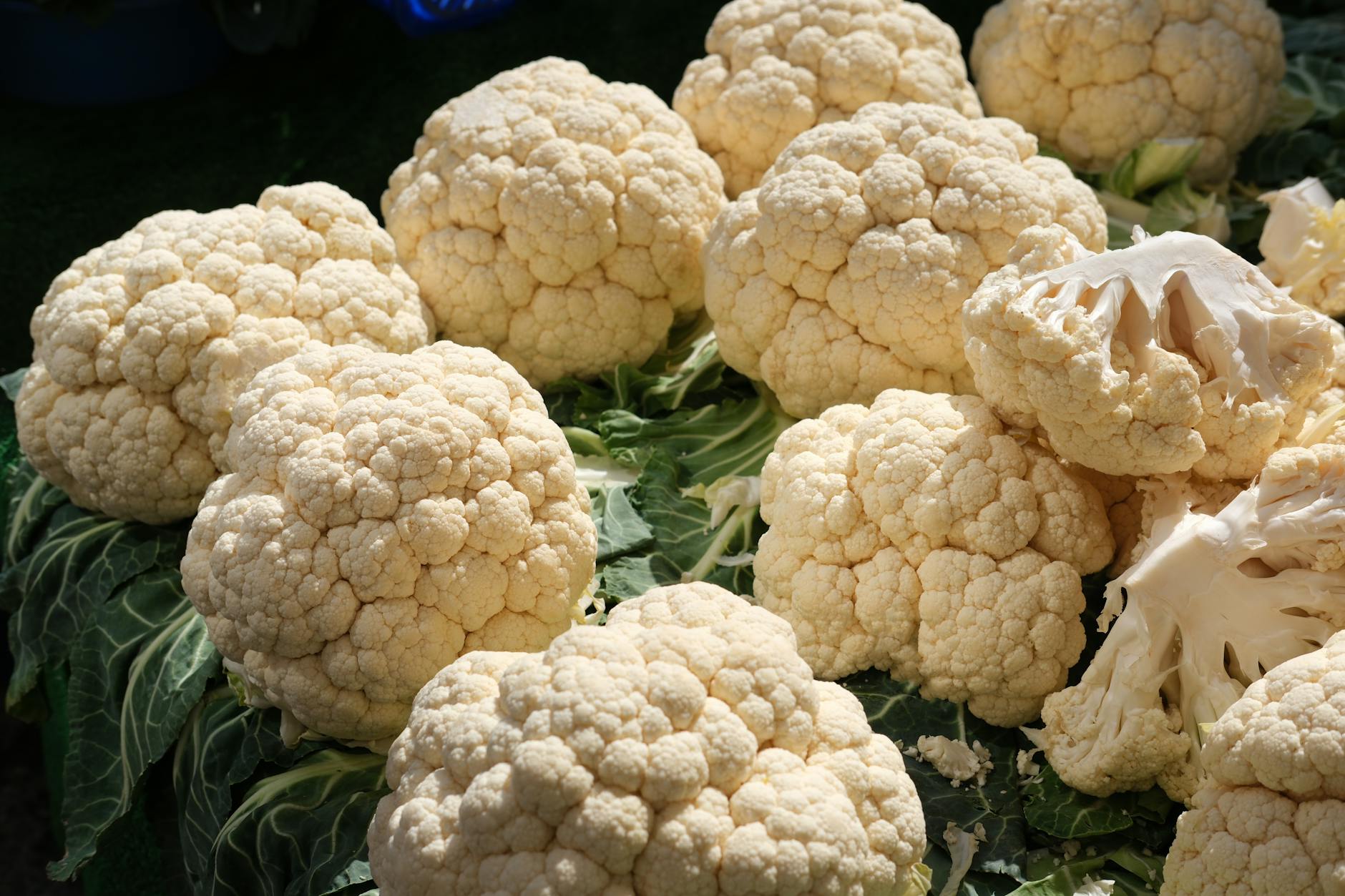
Broccoli, Brussels sprouts, cauliflower, and cabbage are all cruciferous vegetables that contain glucosinolates, compounds that boost the liver’s detoxification enzyme activity. These vegetables increase the liver’s ability to neutralize carcinogens and other harmful substances before they can accumulate. The sulfur-based compounds they contain also have mild diuretic effects that help the kidneys maintain healthy fluid balance. Lightly steaming cruciferous vegetables preserves their active compounds while making them easier to digest.
Cranberries
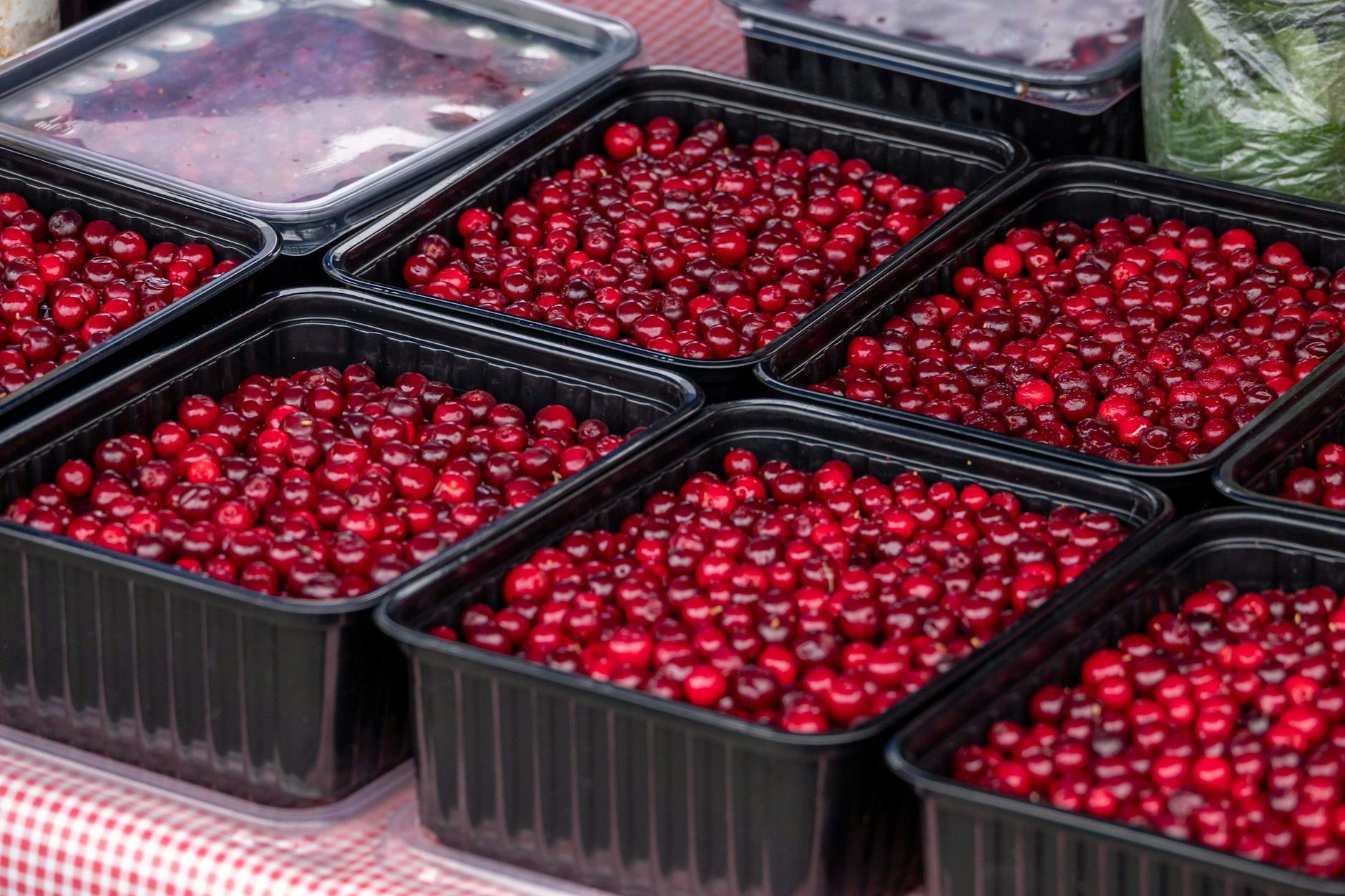
Cranberries are well known for their role in supporting urinary tract health, but they also provide meaningful benefits for the kidneys by preventing harmful bacteria from adhering to kidney tissue. Their proanthocyanidin content reduces inflammation in both the urinary tract and the kidneys themselves. Cranberries are also rich in vitamin C and quercetin, antioxidants that help protect liver cells from free radical damage. Choosing unsweetened cranberry juice or whole dried cranberries avoids the added sugars that can counteract their benefits.
Walnuts
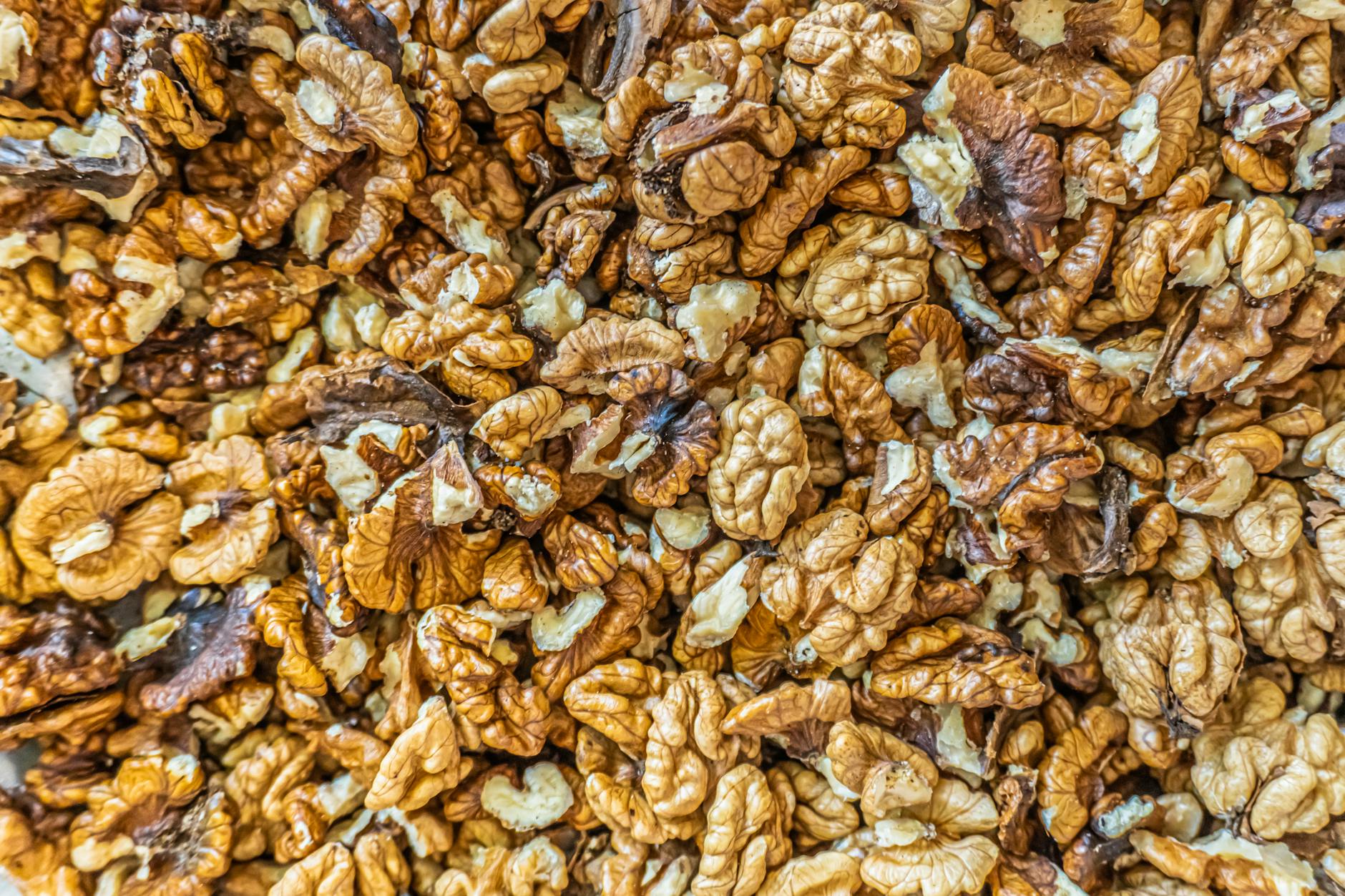
Walnuts are one of the few plant-based foods that provide significant amounts of omega-3 fatty acids, which reduce liver inflammation and support healthy fat metabolism. They also contain arginine, an amino acid that helps the liver neutralize ammonia, a toxic byproduct of protein digestion. The glutathione and vitamin E in walnuts provide additional antioxidant protection for both the liver and kidney tissues. A small daily handful is enough to deliver meaningful nutritional support without excess calorie intake.
Lemon Water

The citric acid in lemon water stimulates the production of digestive enzymes in the liver, helping to improve bile flow and overall detoxification capacity. It also promotes healthy hydration levels, which is one of the most important factors in maintaining efficient kidney function. Vitamin C from lemon juice has antioxidant properties that protect liver and kidney cells from oxidative damage throughout the day. Starting the morning with a warm glass of lemon water is a widely practiced and evidence-supported habit for organ health.
Oatmeal
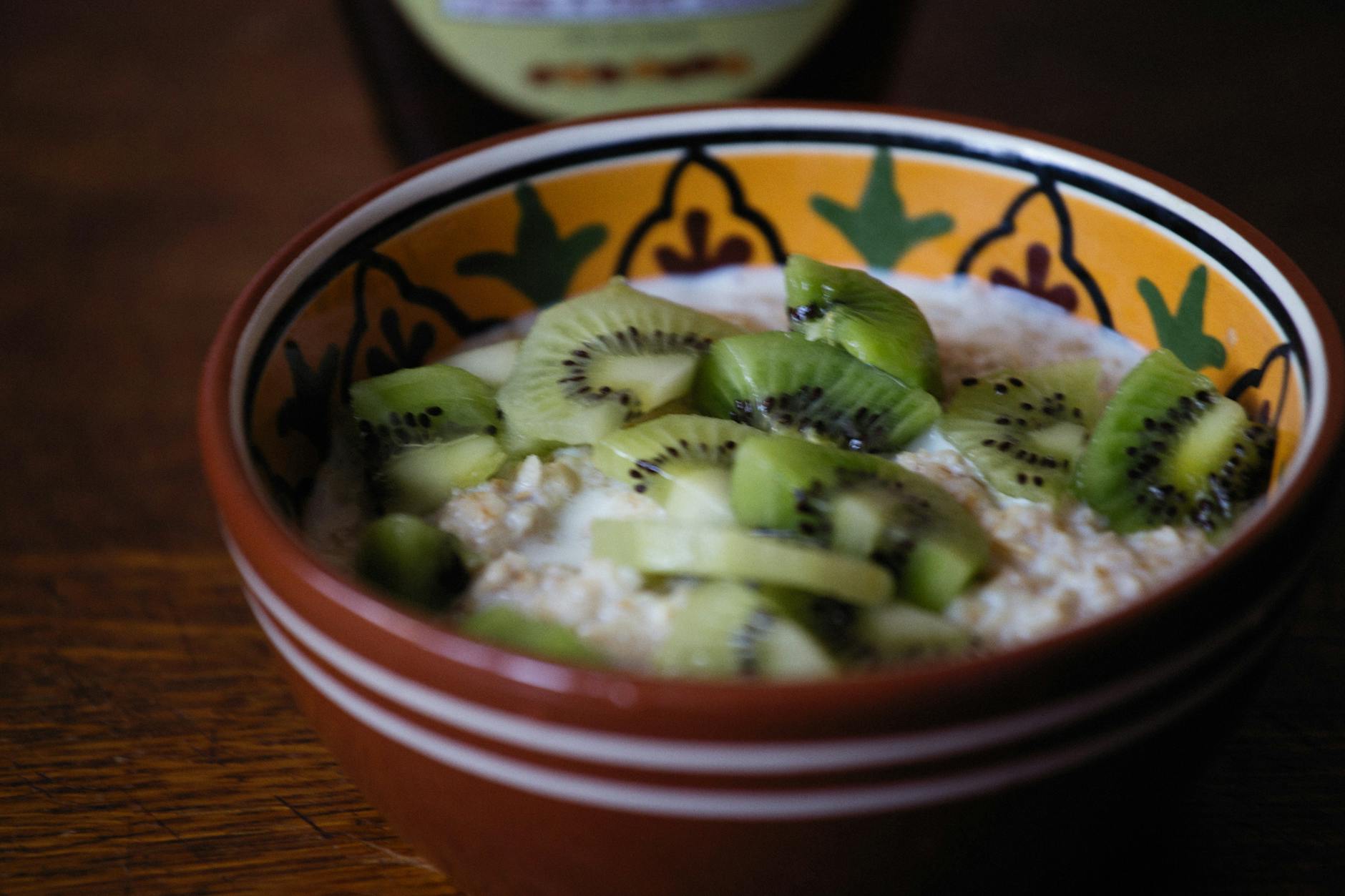
Oatmeal is a rich source of beta-glucan, a soluble fiber that has been shown to reduce liver fat and improve metabolic health markers in people with fatty liver disease. Fiber slows digestion and reduces the glycemic impact of meals, which in turn lowers the metabolic burden on the liver after eating. Oatmeal also supports kidney health by helping to manage cholesterol and blood sugar levels, both of which are key risk factors for chronic kidney disease. Choosing plain, minimally processed oats and adding fruit or nuts rather than sugar makes for the most health-supportive preparation.
Fatty Fish
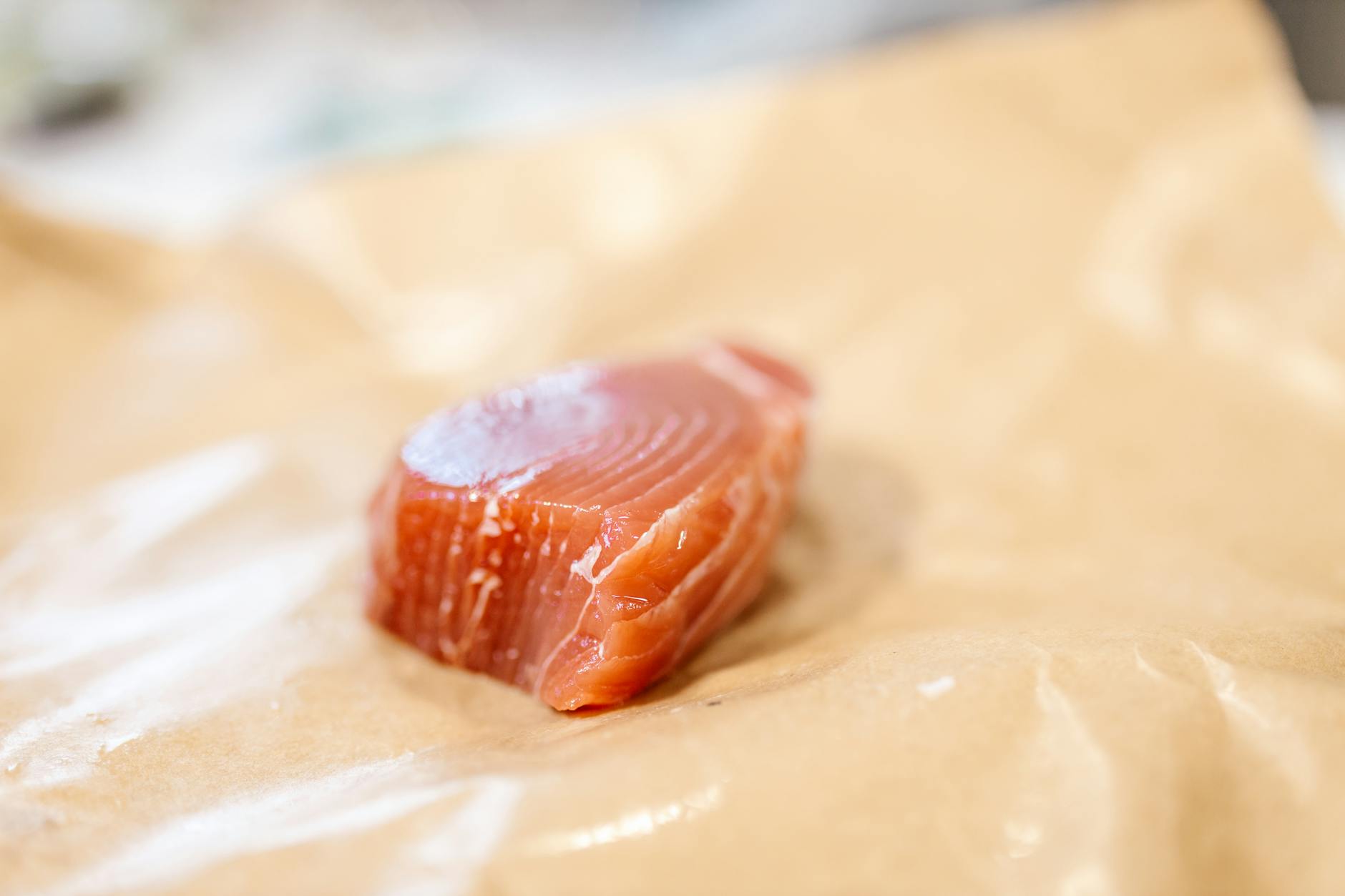
Salmon, mackerel, sardines, and trout are rich in omega-3 fatty acids that reduce liver triglycerides and combat the inflammation associated with liver disease. These healthy fats also support the kidneys by lowering blood pressure and reducing proteinuria, a condition where excess protein leaks into the urine. Fatty fish provide high-quality protein that is easier for the kidneys to process than red meat, making them a smart protein choice for kidney-conscious diets. Two to three servings per week is generally considered an effective and sustainable frequency.
Apples
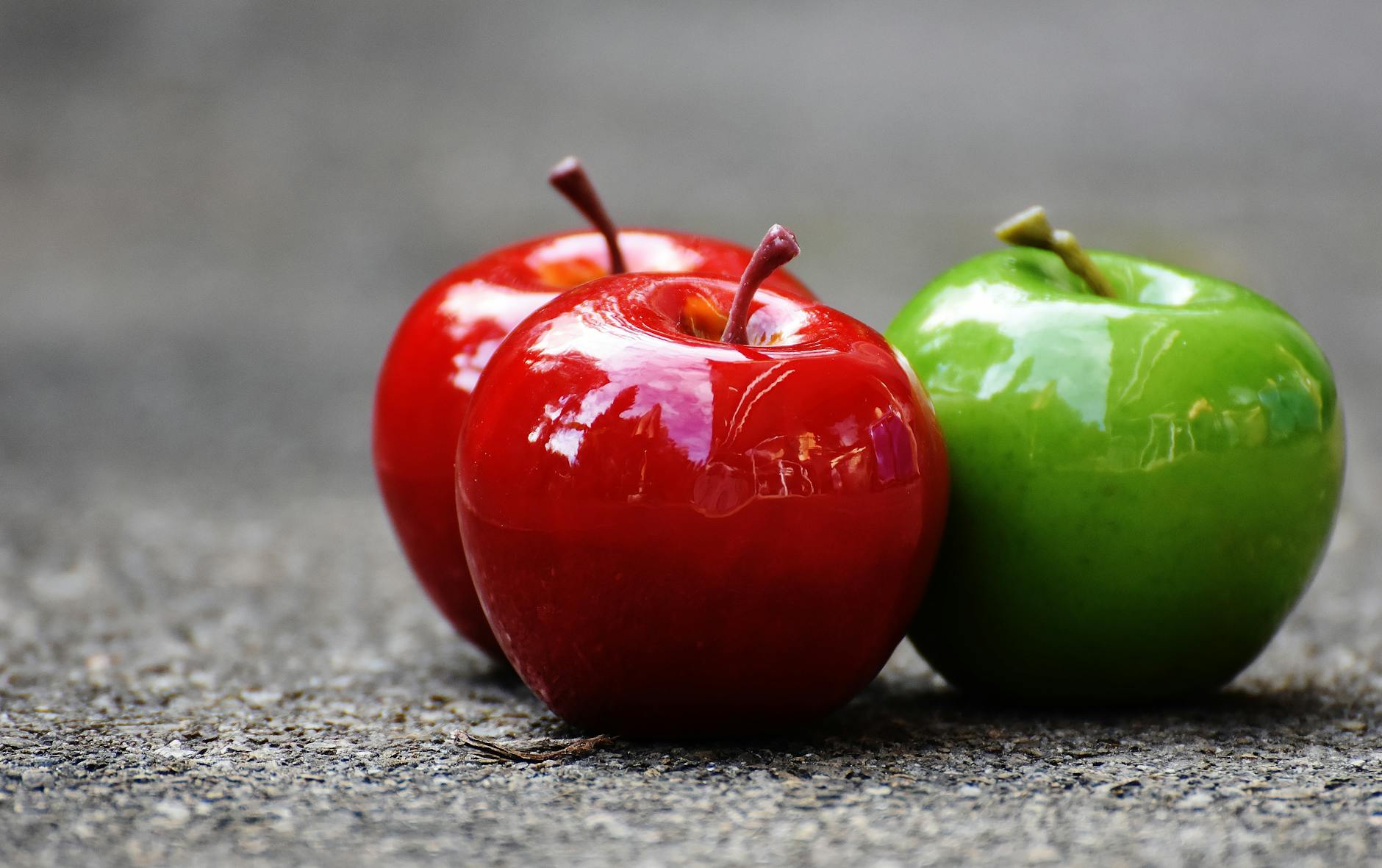
Apples contain pectin, a type of soluble fiber that binds to cholesterol and toxins in the digestive tract and helps remove them before they reach the liver. The malic acid found in apples has traditionally been recognized for its ability to soften and help dissolve gallstones and support healthy bile flow. Quercetin, a flavonoid abundant in apple skin, offers anti-inflammatory and antioxidant protection for kidney tissue. Eating apples with the skin on ensures the highest possible intake of their protective plant compounds.
Sweet Potatoes

Sweet potatoes are rich in beta-carotene, which the body converts to vitamin A, a nutrient that supports healthy liver cell regeneration and tissue repair. Their high fiber content slows sugar absorption and reduces the insulin spikes that put additional metabolic stress on the liver. Potassium in sweet potatoes helps the kidneys regulate sodium and fluid balance more effectively. They also provide vitamin C and manganese, both of which contribute to the antioxidant defense systems of the liver and kidneys.
Dandelion Greens
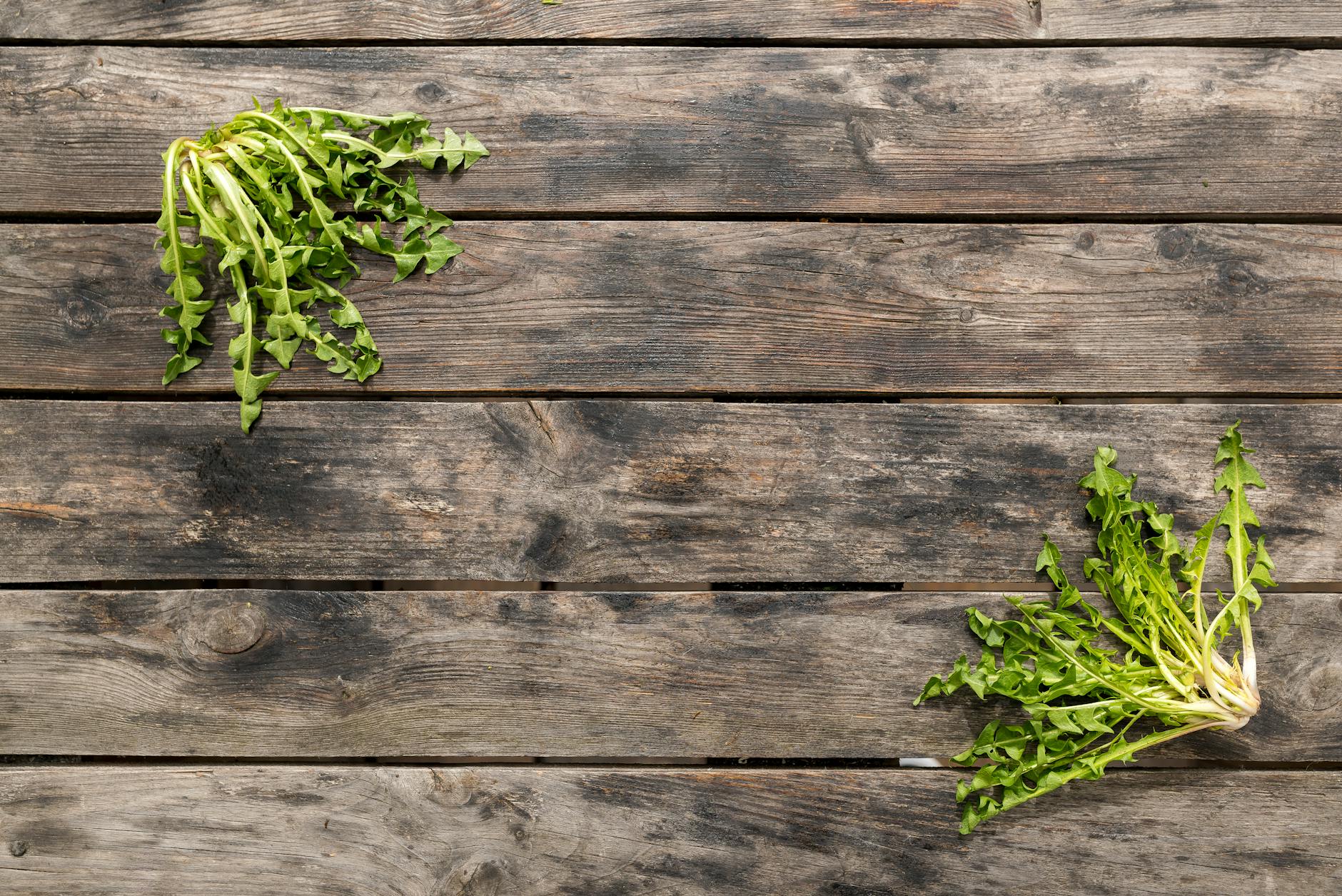
Dandelion greens have long been used in herbal traditions to support liver and kidney function, and modern research is beginning to support these traditional uses. They act as a gentle diuretic, encouraging the kidneys to increase urine output and flush out waste products more efficiently. Dandelion greens also stimulate bile production in the liver, supporting fat digestion and the removal of metabolic waste. Their bitter compounds promote digestive enzyme activity, which reduces the amount of undigested material the liver must process.
Cabbage
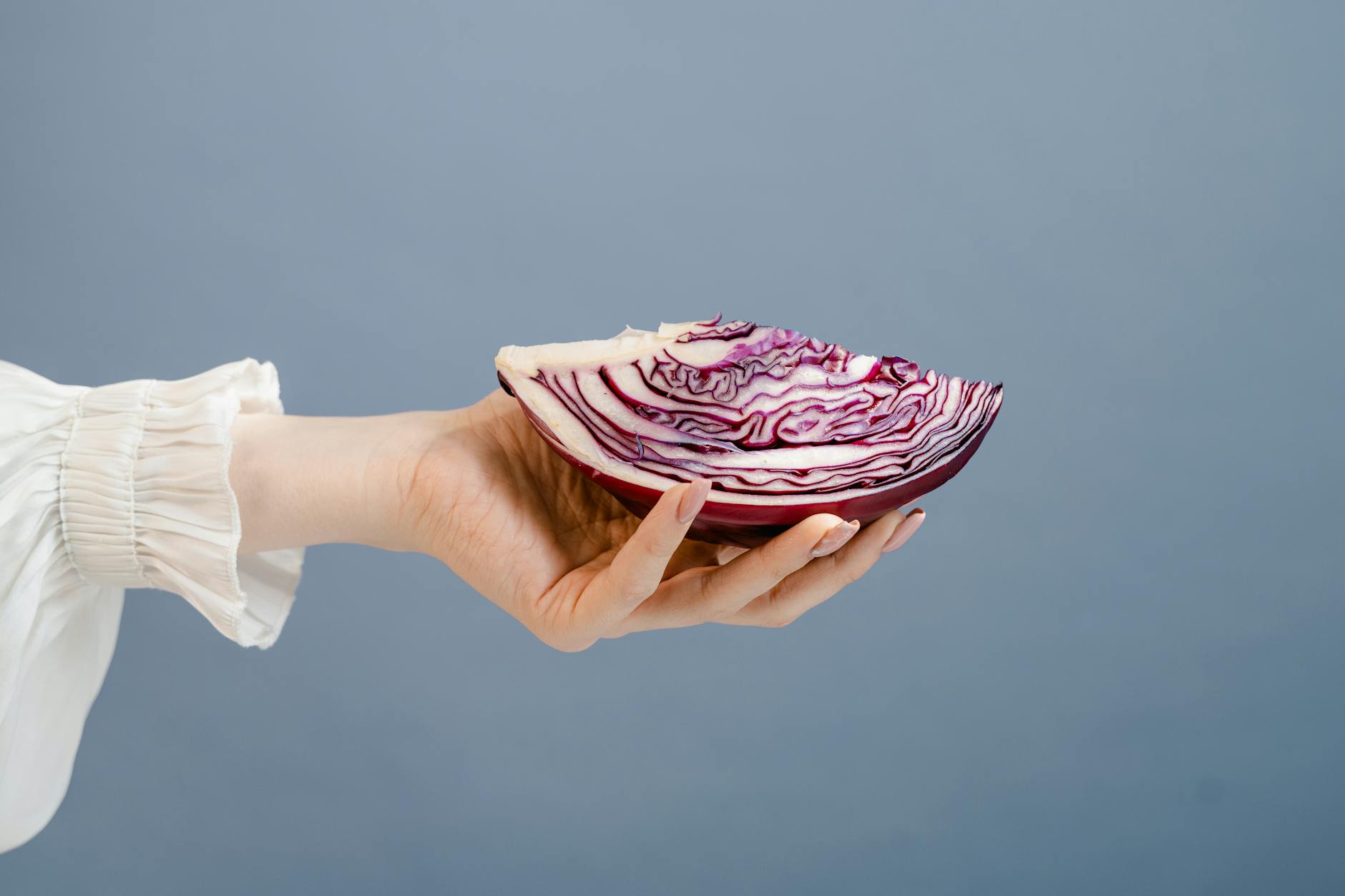
Cabbage is a cruciferous vegetable packed with glucosinolates that activate detoxifying enzymes in the liver, accelerating the breakdown of harmful chemicals. It is also rich in vitamin K and vitamin C, nutrients that support liver function and protect against cellular oxidative damage. Cabbage is naturally low in potassium, making it one of the safer vegetable options for individuals managing kidney disease who need to monitor their mineral intake. Fermented cabbage in the form of sauerkraut adds the additional benefit of probiotics, which support the gut-liver connection.
Pumpkin Seeds
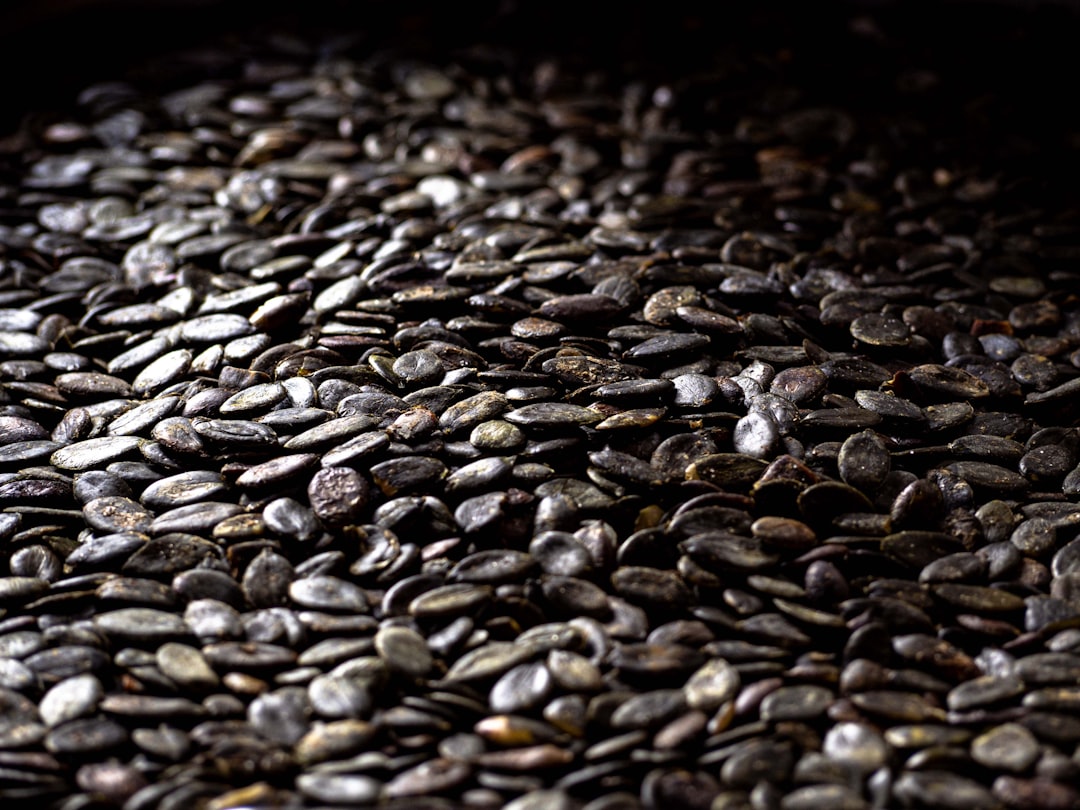
Pumpkin seeds are a concentrated source of magnesium, zinc, and antioxidants that support kidney stone prevention and overall kidney tissue health. Magnesium, in particular, has been shown to reduce the formation of calcium oxalate crystals, the most common type of kidney stone. The plant-based compounds in pumpkin seeds also have liver-protective properties, including the ability to reduce liver inflammation caused by metabolic stress. A small serving of raw or lightly roasted pumpkin seeds makes a convenient and nutrient-dense snack.
Asparagus
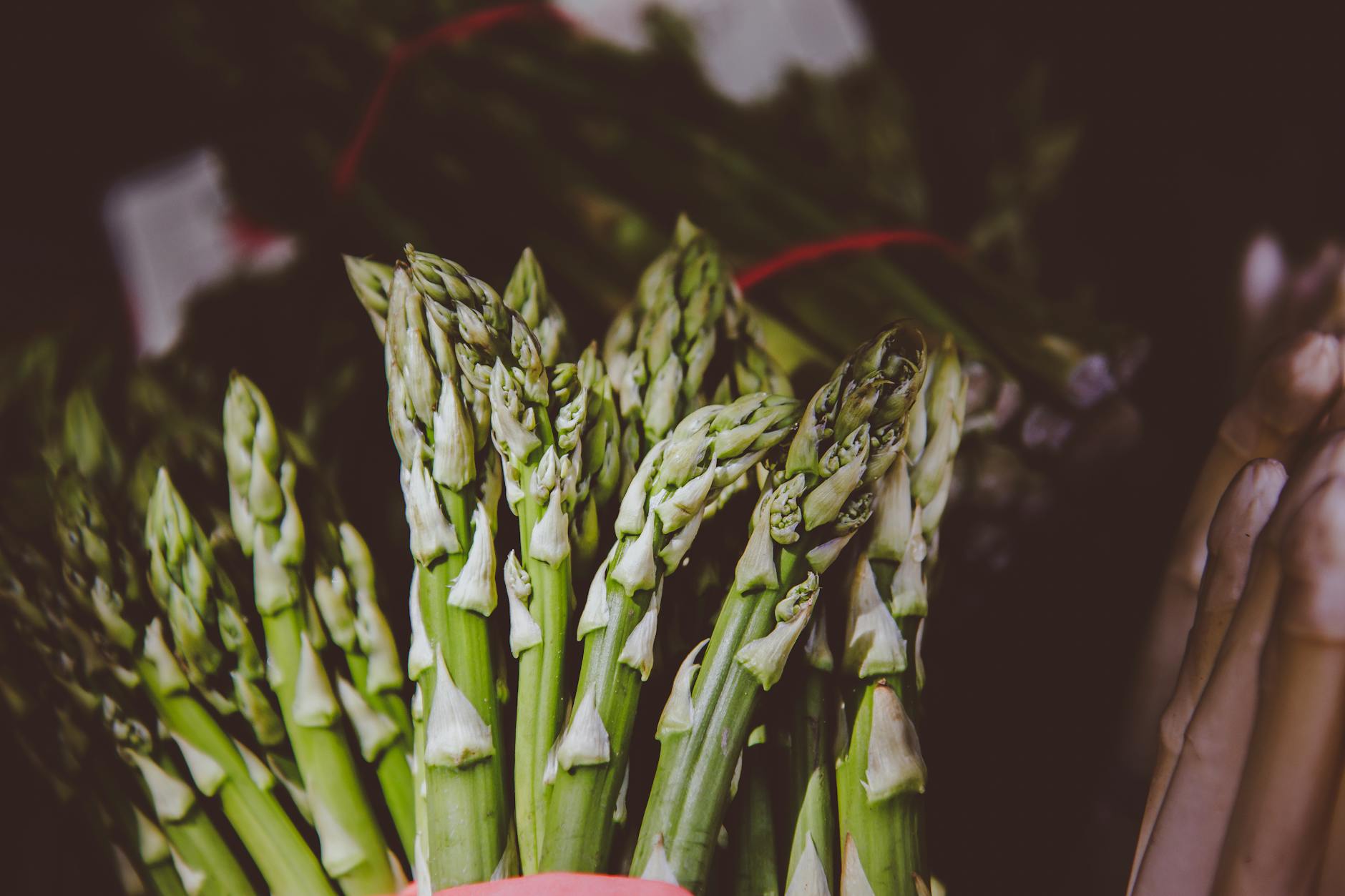
Asparagus is a natural diuretic that stimulates the kidneys to increase urine production, helping to flush out excess salts, fluids, and metabolic waste. It contains asparagine, an amino acid that specifically supports kidney function and has been used historically as a kidney tonic. Asparagus is also rich in glutathione, the master antioxidant that plays a central role in the liver’s detoxification processes. Its folate content supports healthy liver cell division and helps prevent the buildup of homocysteine, a compound associated with liver and cardiovascular stress.
Ginger
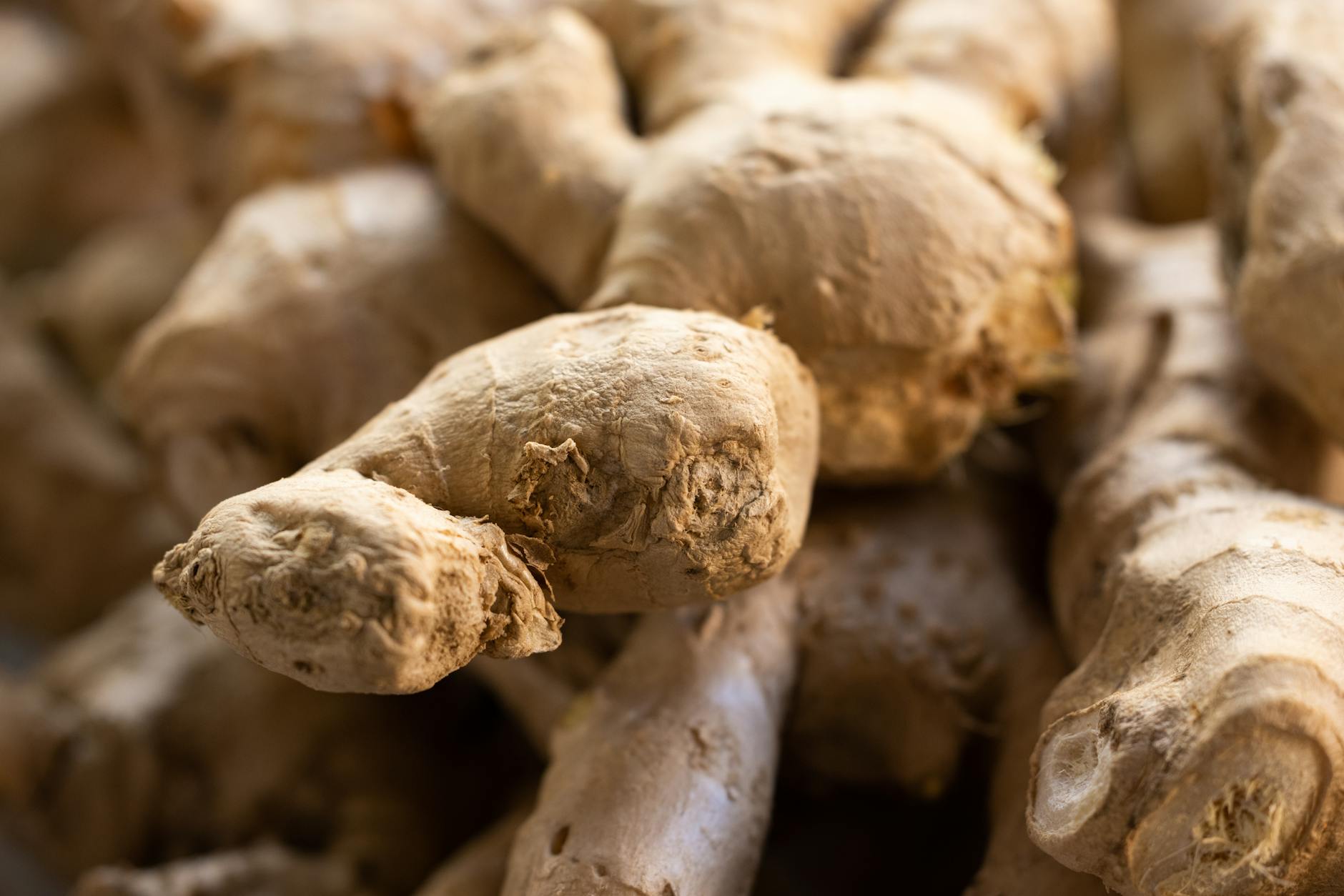
Ginger contains gingerols and shogaols, bioactive compounds that reduce liver inflammation and help protect liver cells from damage caused by environmental toxins and a high-fat diet. It supports healthy digestion by stimulating bile flow, which makes it easier for the liver to process dietary fats and remove waste products. Ginger also has mild diuretic properties that support the kidneys in eliminating waste and maintaining healthy fluid levels. Fresh ginger can be added to teas, smoothies, and savory dishes to make it a regular part of the daily diet.
Grapes

Grapes, particularly red and purple varieties, contain resveratrol, a potent antioxidant that has been shown to reduce inflammation and oxidative damage in liver tissue. Research suggests that resveratrol may help prevent the progression of non-alcoholic fatty liver disease by improving fat metabolism in liver cells. Grapes also contain proanthocyanidins that protect kidney cells from damage and support healthy microcirculation within the kidneys. Eating whole grapes with their skin intact provides the highest concentration of these protective plant compounds.
Artichoke

Artichoke contains cynarin and silymarin, two compounds that stimulate the regeneration of liver cells and support the organ’s natural detoxification processes. It is one of the most studied foods for liver health, with clinical evidence supporting its ability to lower liver enzyme levels and improve fat metabolism. Artichoke also promotes bile production, which helps the digestive system process fats while reducing the burden on the liver. As a prebiotic food, it feeds beneficial gut bacteria that in turn help reduce the toxic load reaching the liver.
Watermelon
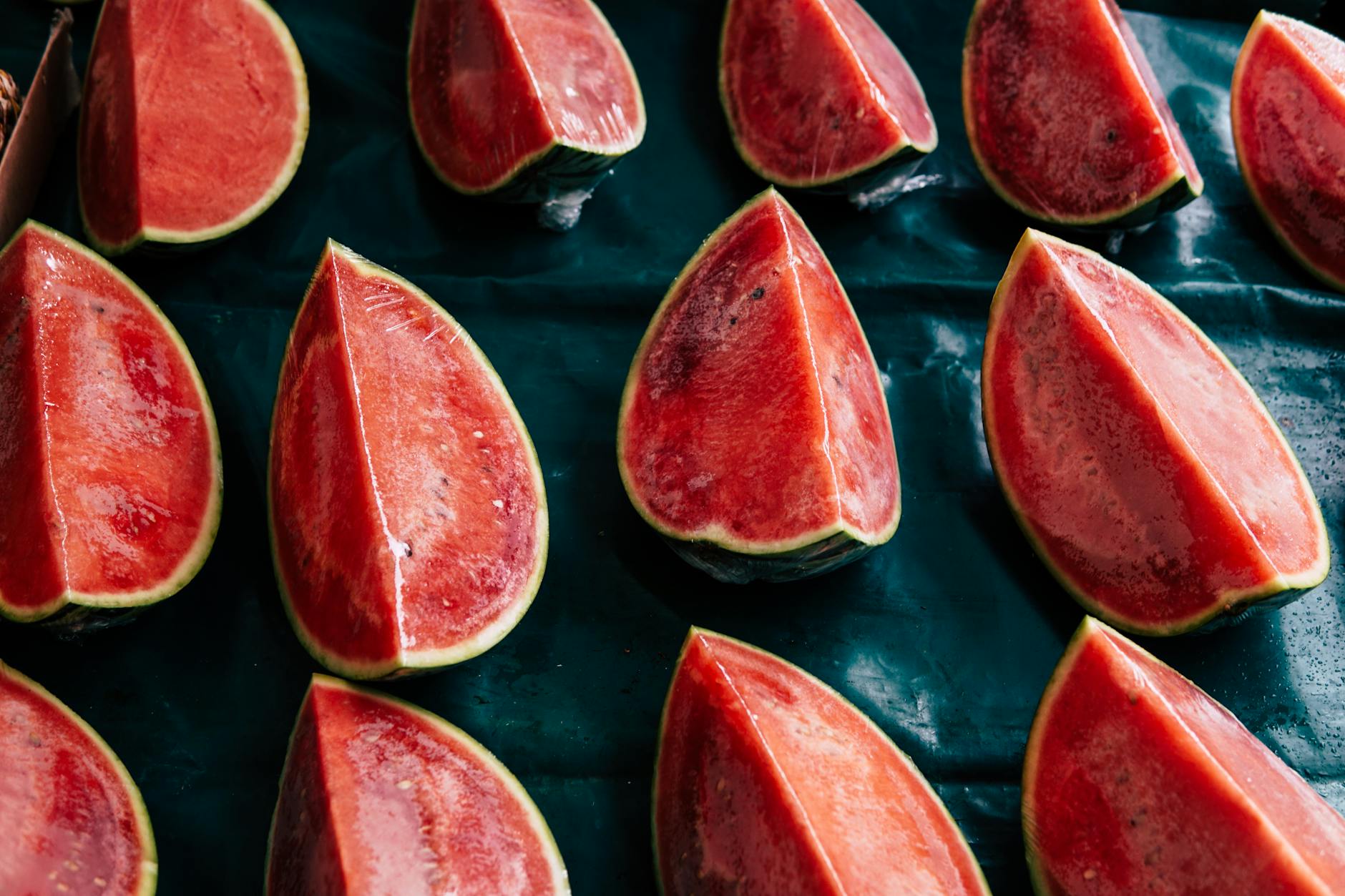
Watermelon is approximately 92 percent water, making it one of the most hydrating foods available and a natural ally for kidney health. Proper hydration is the single most important factor in helping the kidneys filter blood efficiently and prevent kidney stone formation. Watermelon also contains lycopene, a powerful antioxidant that reduces oxidative damage in both liver and kidney tissues. Its citrulline content supports healthy blood flow to the kidneys, improving their ability to filter waste effectively.
Olive Leaf Extract Foods
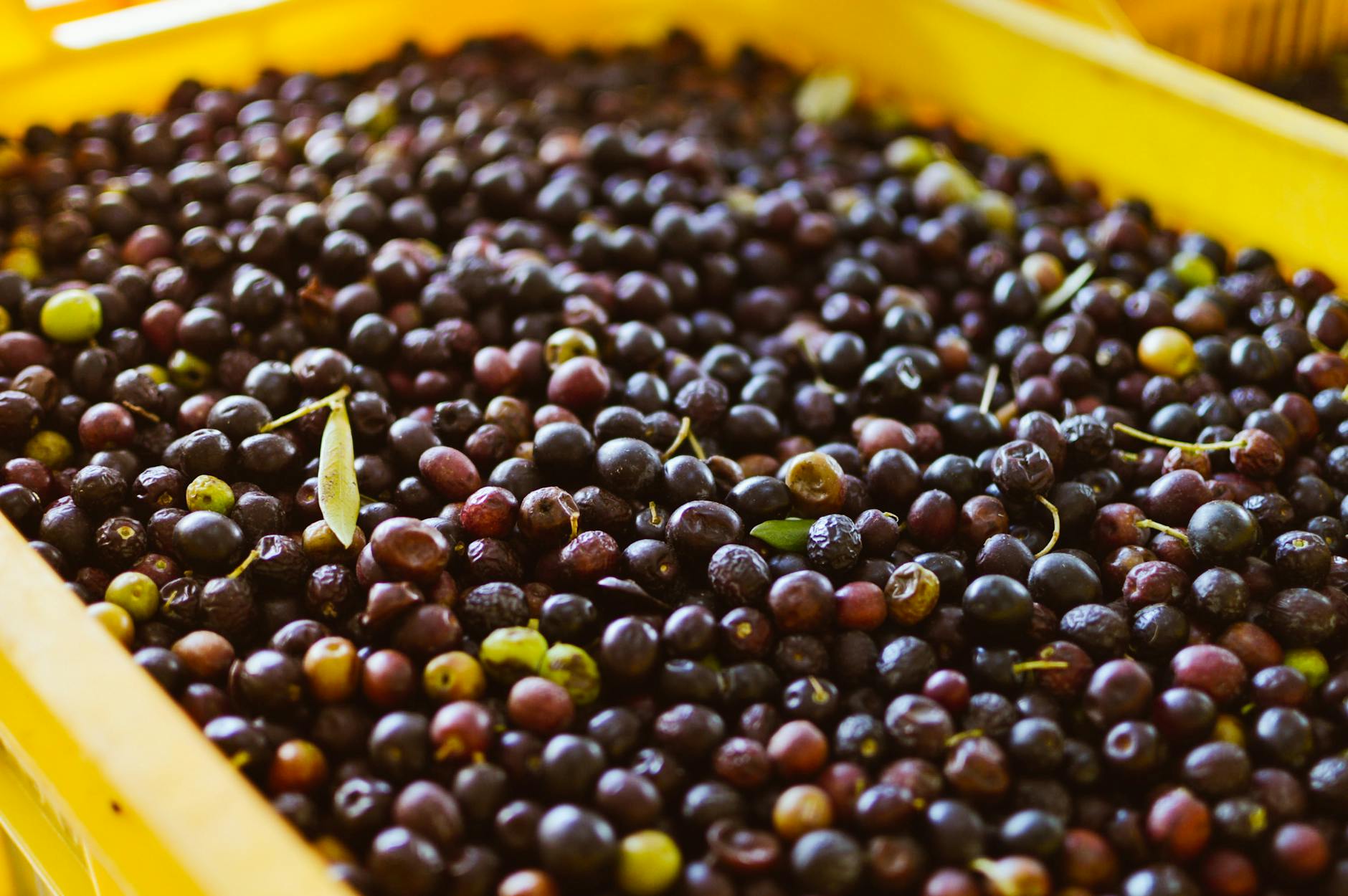
Foods prepared with or alongside olive leaves, including certain traditional Mediterranean dishes, carry oleuropein, a compound with potent anti-inflammatory and antioxidant properties that benefit the liver. Oleuropein has been studied for its ability to reduce liver fat accumulation and lower markers of liver cell injury. It also supports kidney health by improving circulation and reducing the inflammatory processes associated with chronic kidney stress. These benefits make Mediterranean-style cooking, which often incorporates olive-based ingredients, particularly supportive of long-term organ health.
Red Bell Peppers
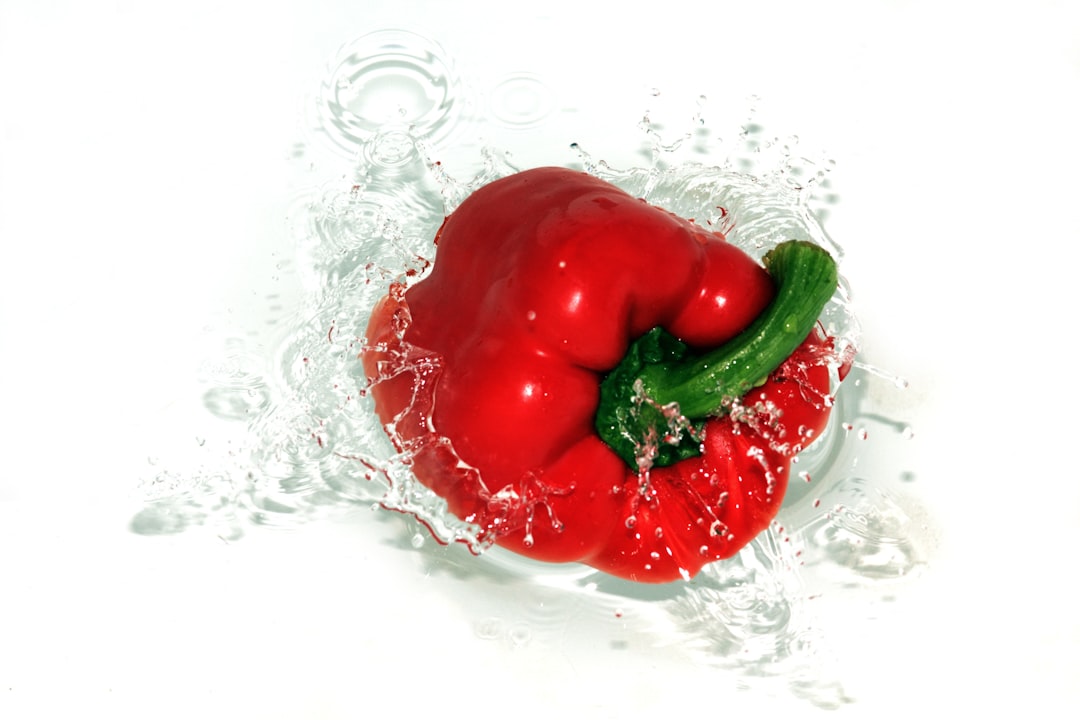
Red bell peppers are exceptionally high in vitamin C, providing more than 150 percent of the recommended daily intake in a single serving. Vitamin C plays a key role in the liver’s antioxidant defense system and supports the repair of liver tissue following oxidative stress. Red bell peppers are also low in potassium, making them a kidney-friendly vegetable that can be consumed in generous amounts without raising concerns about mineral overload. Their carotenoid content further supports the reduction of systemic inflammation that can affect both organs over time.
Flaxseeds
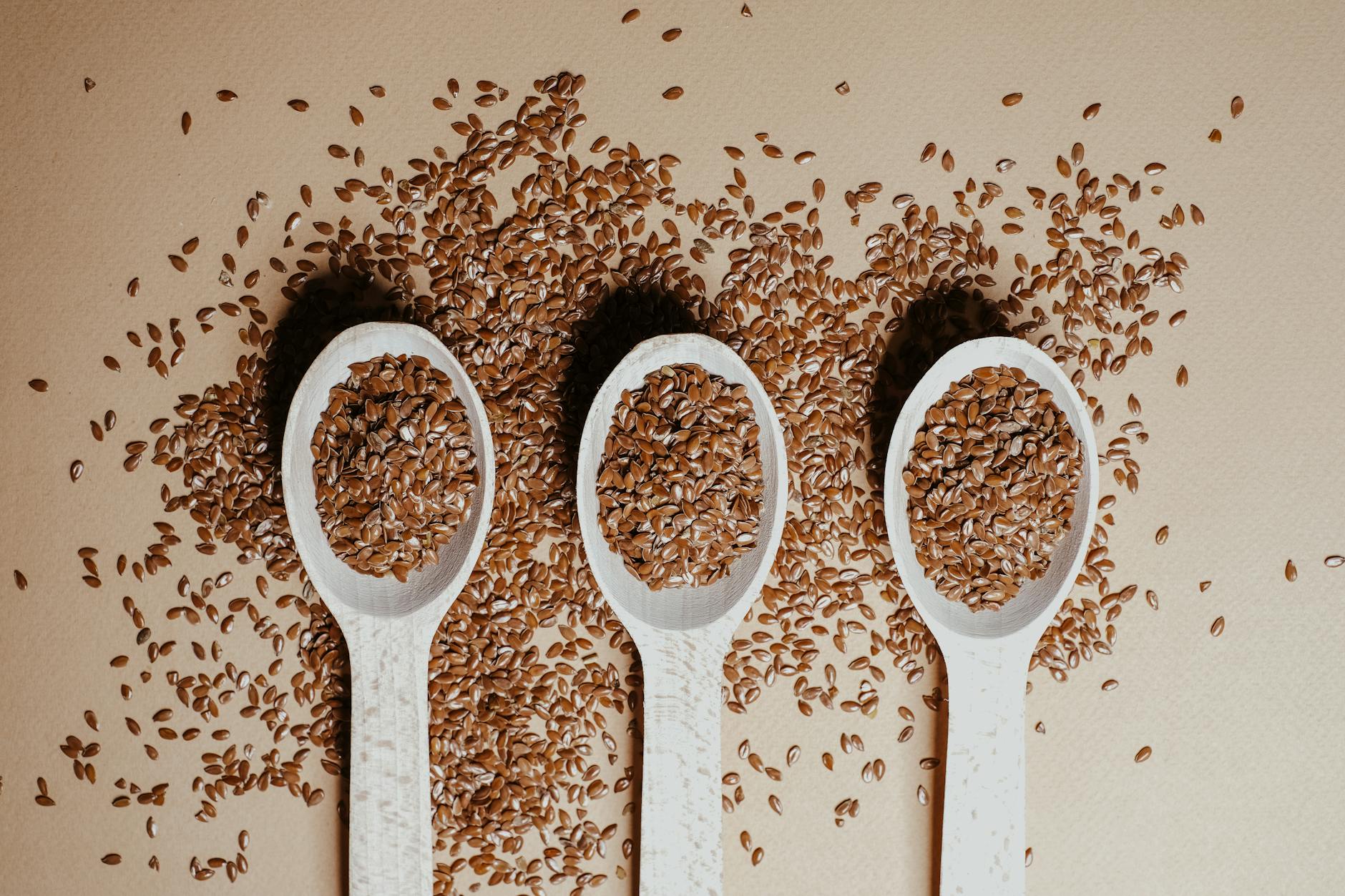
Flaxseeds are rich in alpha-linolenic acid, a plant-based omega-3 fatty acid that helps reduce liver inflammation and supports healthy fat processing within the organ. Their high fiber content binds to bile acids in the digestive tract, encouraging the liver to produce more bile and improving the overall detoxification cycle. Flaxseeds also provide lignans, plant compounds with antioxidant properties that protect kidney tissue from oxidative damage. Ground flaxseeds are more bioavailable than whole seeds and can be stirred easily into smoothies, soups, or yogurt.
Cilantro
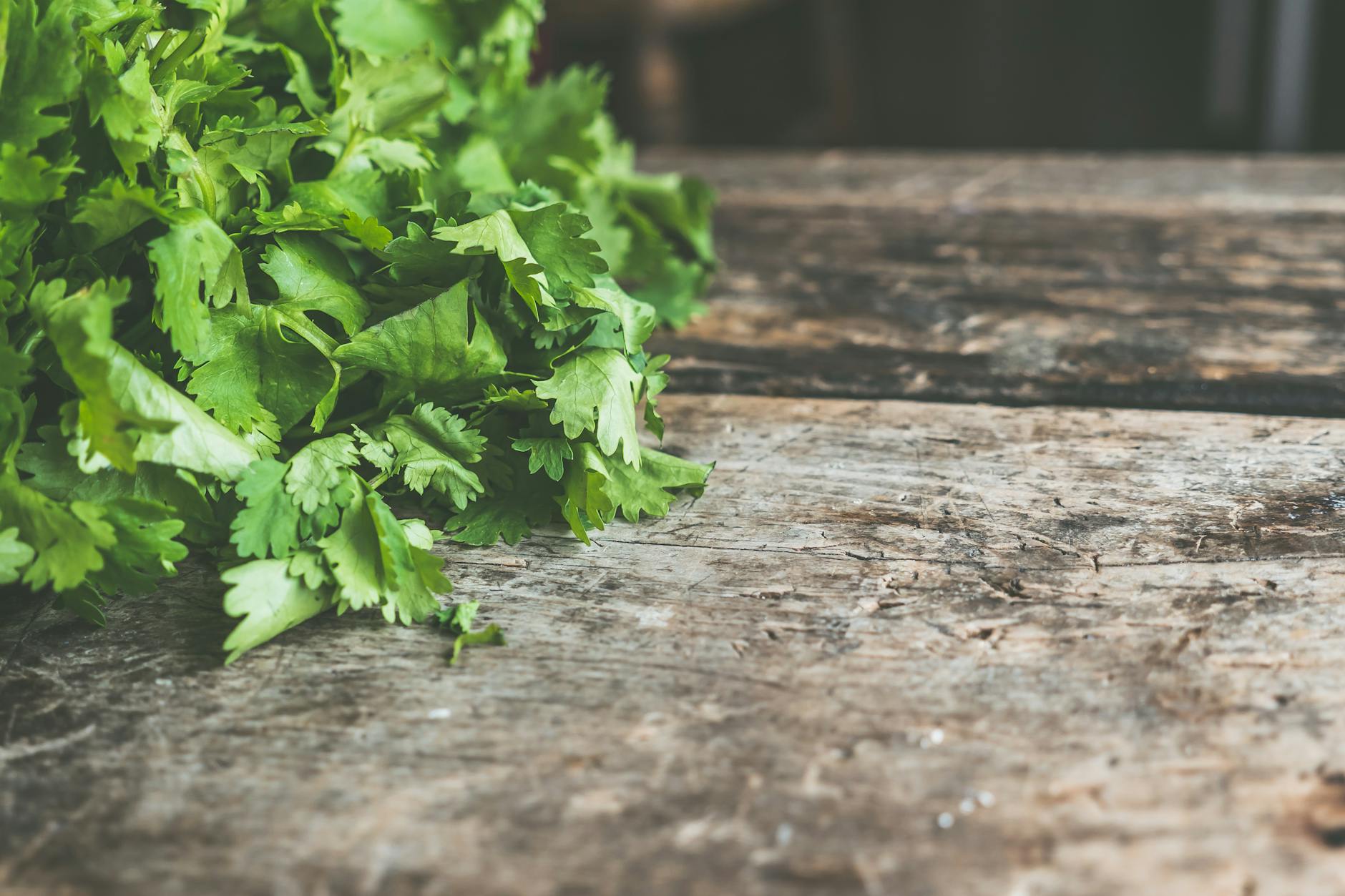
Cilantro has been studied for its ability to bind to heavy metals such as mercury and lead in the bloodstream, facilitating their removal before they accumulate in the liver and kidneys. The flavonoids and polyphenols in cilantro also provide direct antioxidant protection to both organs, reducing cellular damage caused by environmental exposure. Cilantro supports kidney health by promoting healthy urine output and reducing the inflammatory load that contributes to kidney stress. Adding fresh cilantro generously to salads, salsas, and cooked dishes is an effortless way to include it in a regular diet.
Pomegranate
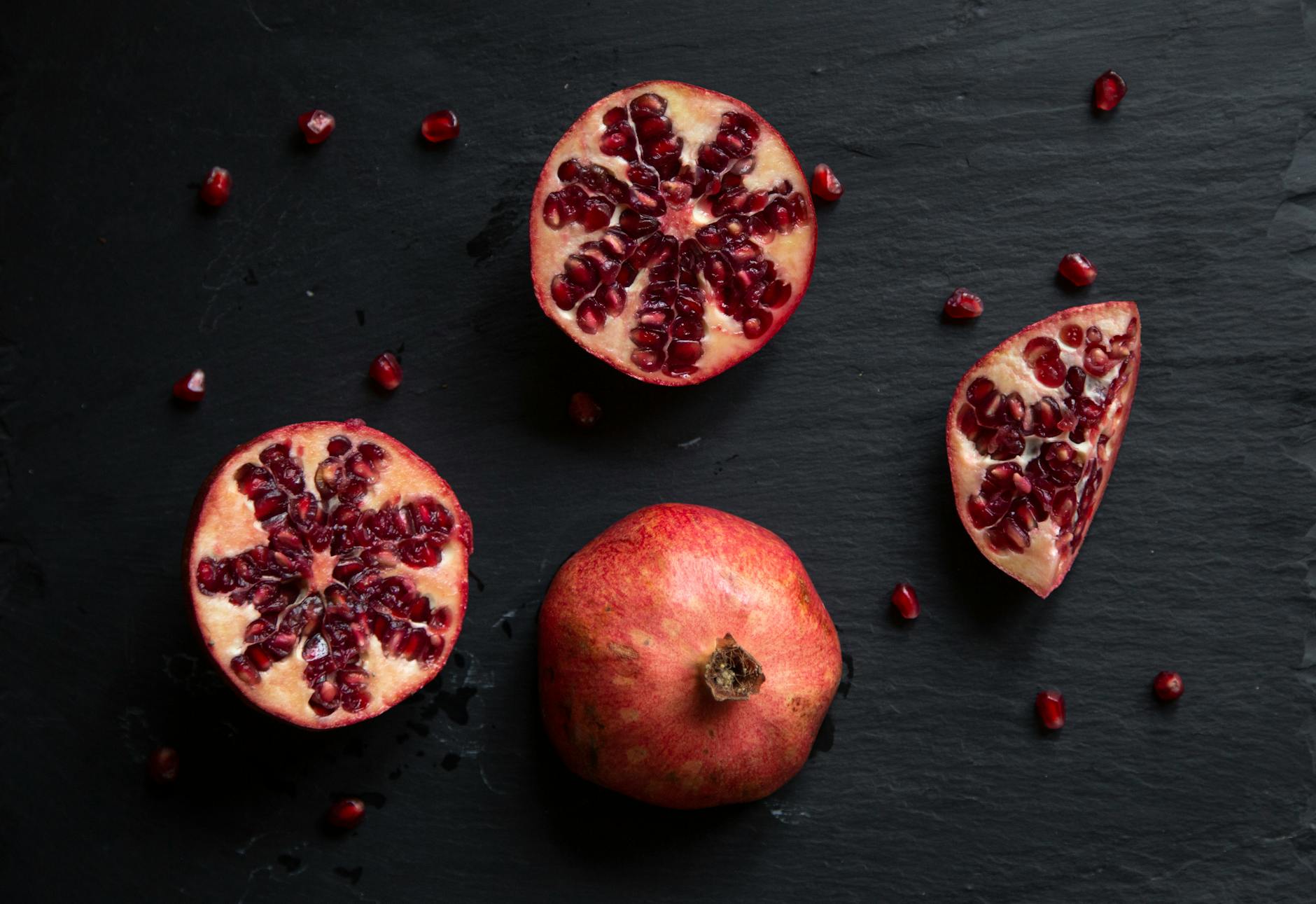
Pomegranate is one of the most antioxidant-dense fruits available, with levels of punicalagins and anthocyanins that far exceed those found in red wine or green tea. These compounds have been shown to reduce liver inflammation, lower oxidative stress markers, and help protect against liver fibrosis. Pomegranate juice has also been studied for its role in slowing the progression of chronic kidney disease and reducing kidney inflammation in clinical settings. The fruit’s anti-inflammatory properties extend throughout the body, offering systemic protection that benefits multiple organ systems simultaneously.
Carrots
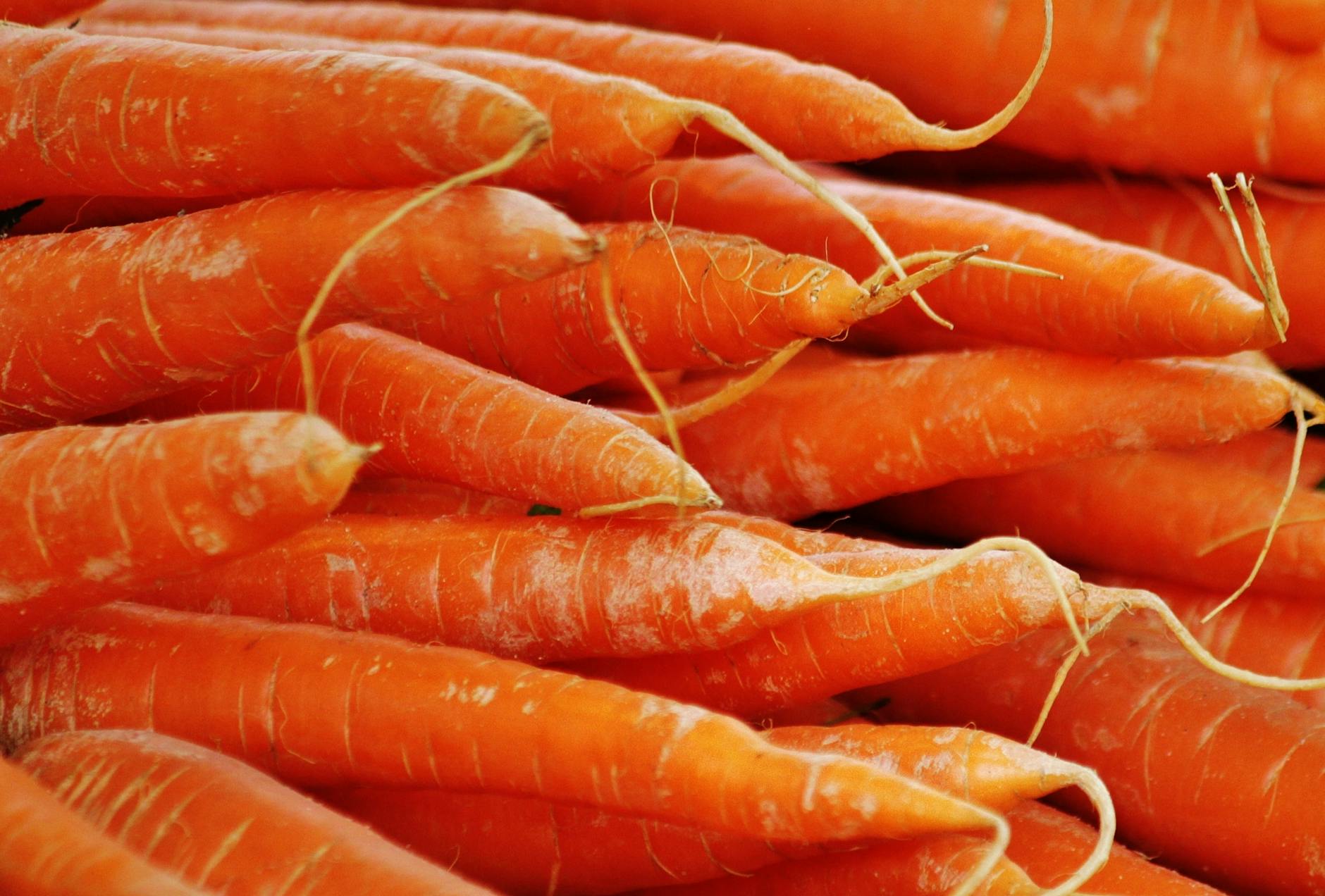
Carrots are high in beta-carotene and glutathione, both of which contribute to the liver’s antioxidant defenses and its ability to neutralize toxins effectively. Their high fiber content supports a healthy gut environment, which reduces the amount of bacterial toxins absorbed into the portal vein and reaching the liver. Carrots also provide vitamin A precursors that support the maintenance and repair of kidney tissue lining. Raw carrots, carrot juice, and lightly cooked carrots all retain meaningful levels of their liver and kidney-supportive nutrients.
Kidney Beans
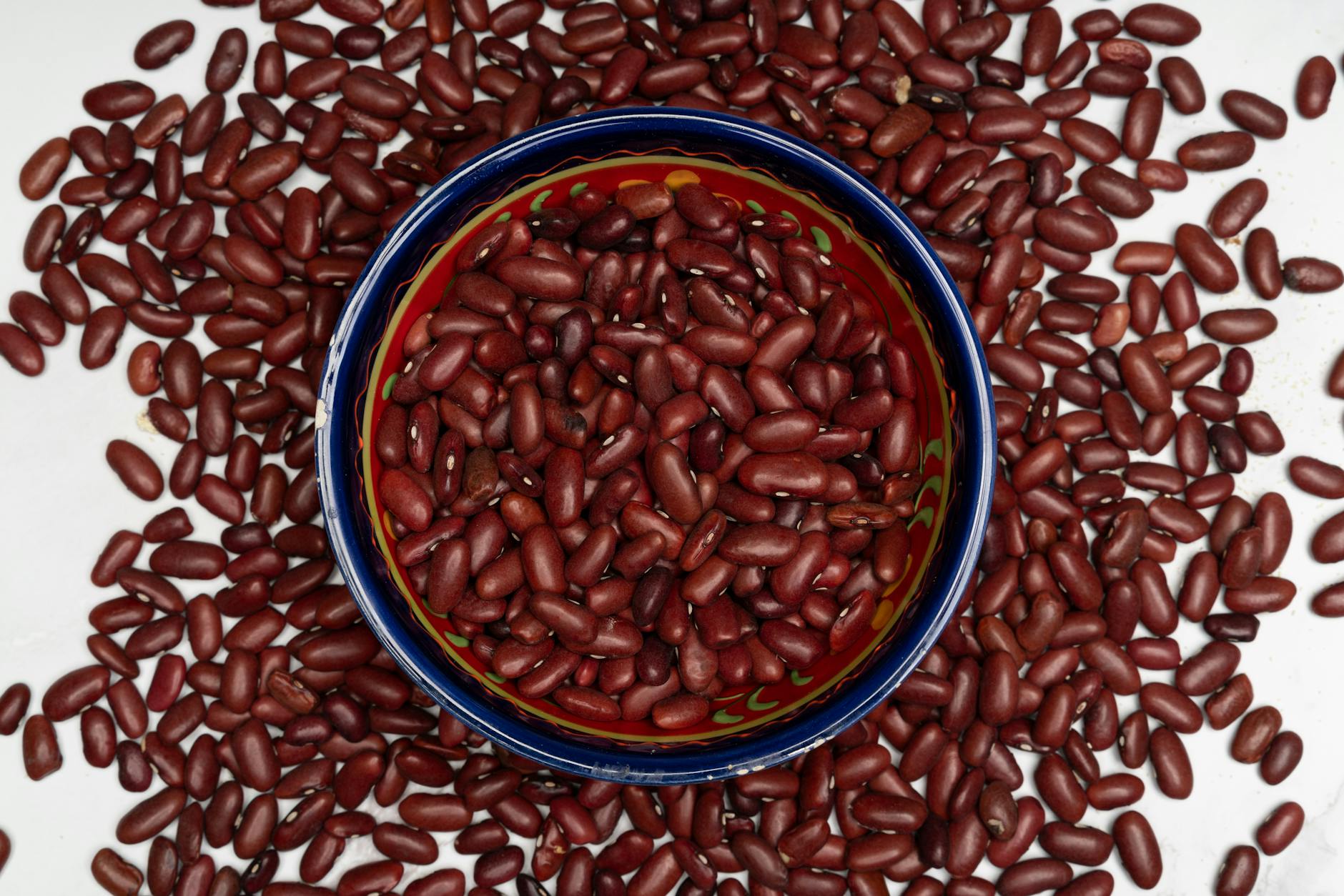
Despite their high protein content, kidney beans provide a fiber-rich, plant-based protein source that is less taxing on the kidneys than animal-derived proteins when consumed in appropriate amounts. Their soluble fiber helps regulate blood sugar and cholesterol levels, reducing the metabolic workload placed on the liver. Kidney beans also contain antioxidants including anthocyanins, which protect liver cells from free radical damage over time. As part of a balanced, plant-forward diet, they offer substantial nutritional support for both organ systems.
Mushrooms
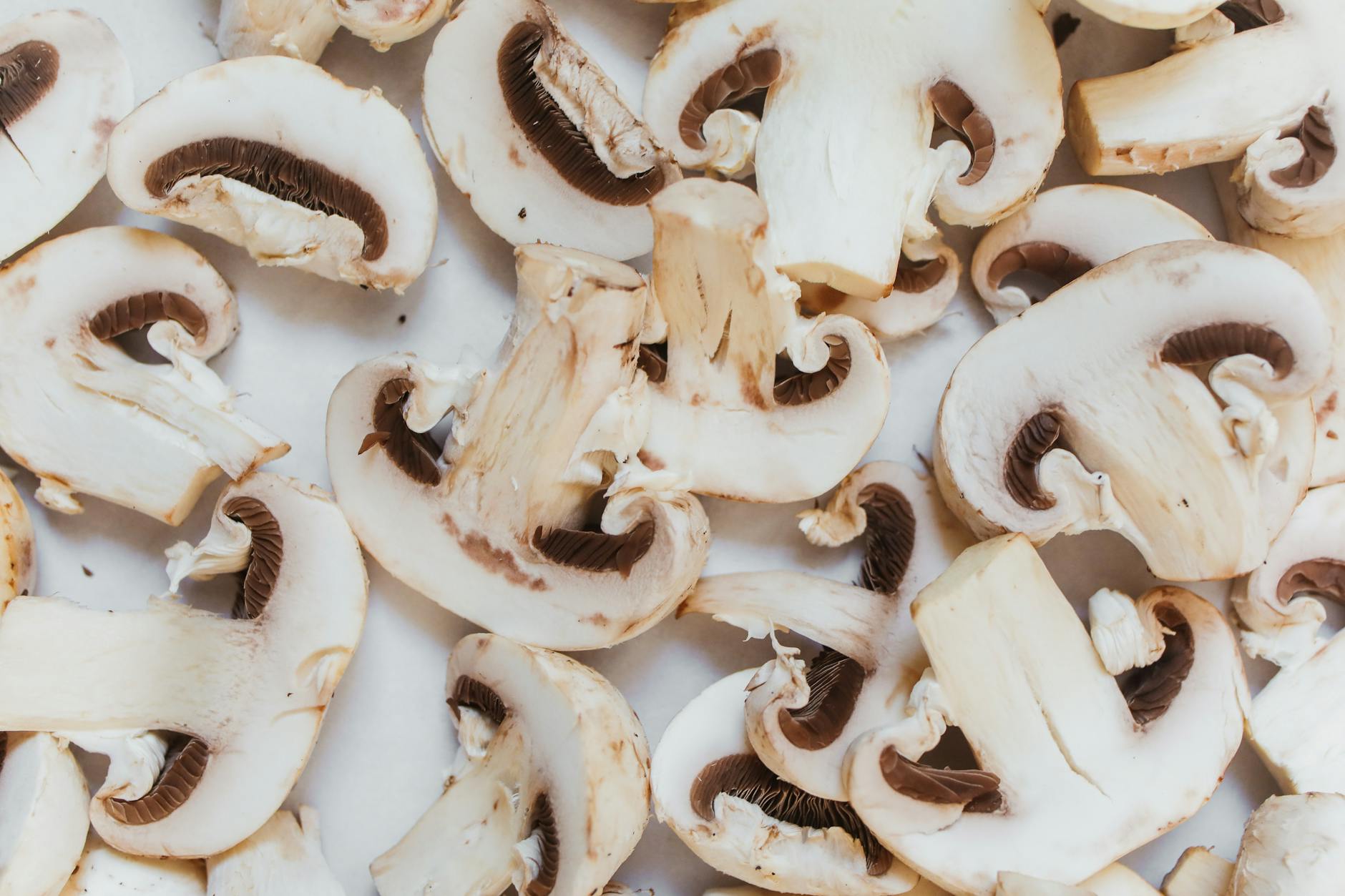
Certain mushroom varieties, including shiitake and reishi, contain beta-glucans and polysaccharides that have been shown to stimulate immune function and reduce liver inflammation. Reishi mushrooms in particular have a long history of use in traditional medicine for liver protection and have demonstrated liver-protective effects in clinical research. Shiitake mushrooms provide ergothioneine, a unique antioxidant that accumulates in tissues and offers sustained protection against oxidative liver damage. Including a variety of mushrooms in weekly meals provides a diverse array of compounds that benefit the liver and support overall metabolic health.
Leeks
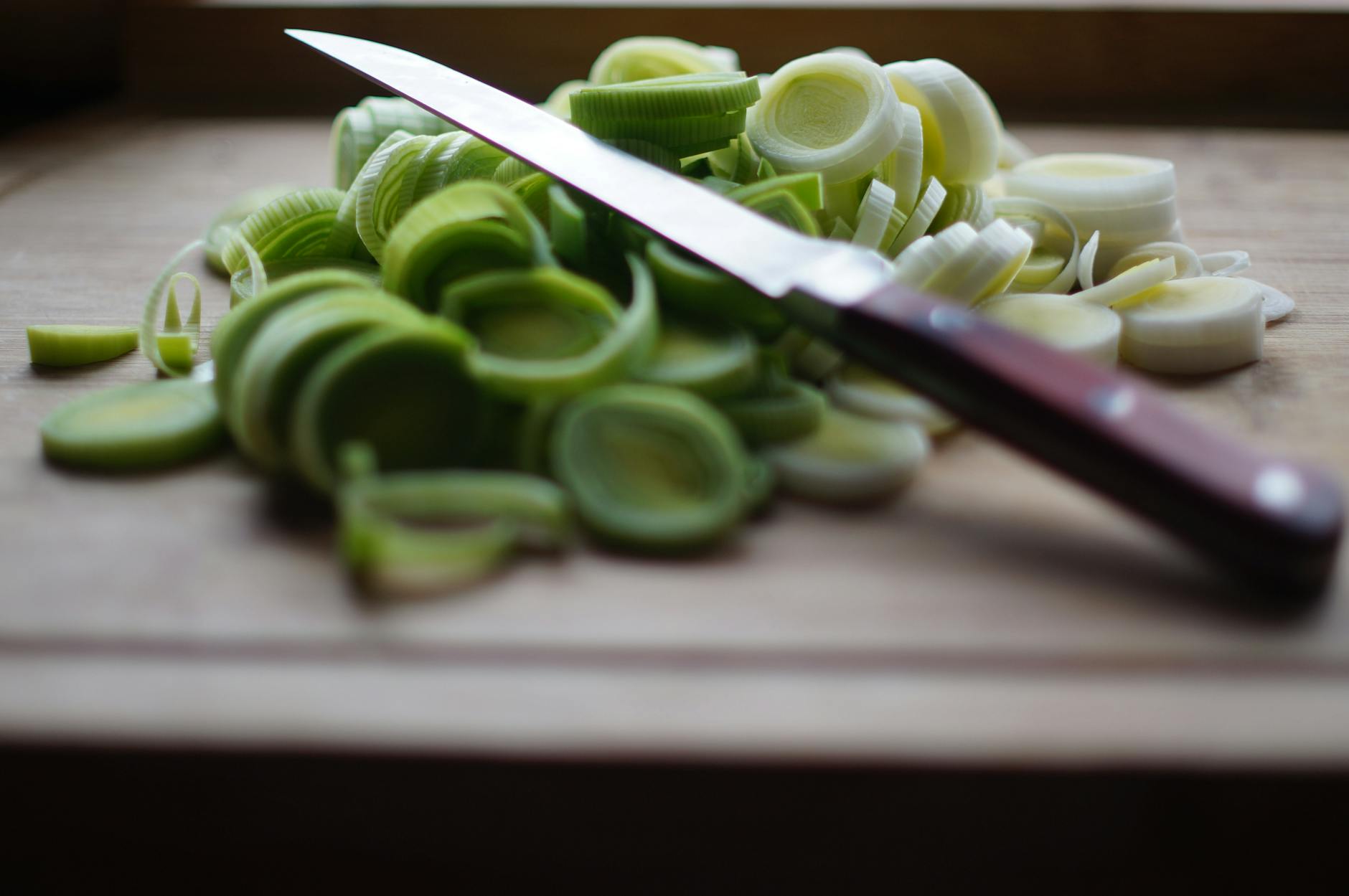
Leeks belong to the allium family alongside garlic and onions, sharing many of the same sulfur compounds that activate liver detoxification enzymes and support the breakdown of fat-soluble toxins. They are rich in kaempferol, a flavonoid with anti-inflammatory properties that has been linked to reduced risk of chronic liver conditions. Leeks also provide a good source of prebiotic fiber that nourishes gut bacteria, indirectly supporting liver health through a well-functioning gut-liver axis. Their mild flavor makes them an easy and versatile ingredient to incorporate into soups, stir-fries, and roasted vegetable dishes throughout the week.
Share which of these foods you already include in your diet and which ones you plan to try in the comments.




