Recent research reveals an intriguing connection between what very young children eat and their cognitive abilities a few years down the line. Scientists followed kids from birth through early school years and found that those consuming higher amounts of ultra-processed foods around age two tended to score lower on intelligence tests by ages six to seven. This link held up even after researchers adjusted for various influences like family income, parental education, and home environment. The study draws from a large birth cohort in Brazil, adding fresh insight into how early eating patterns might shape brain growth during a critical window.
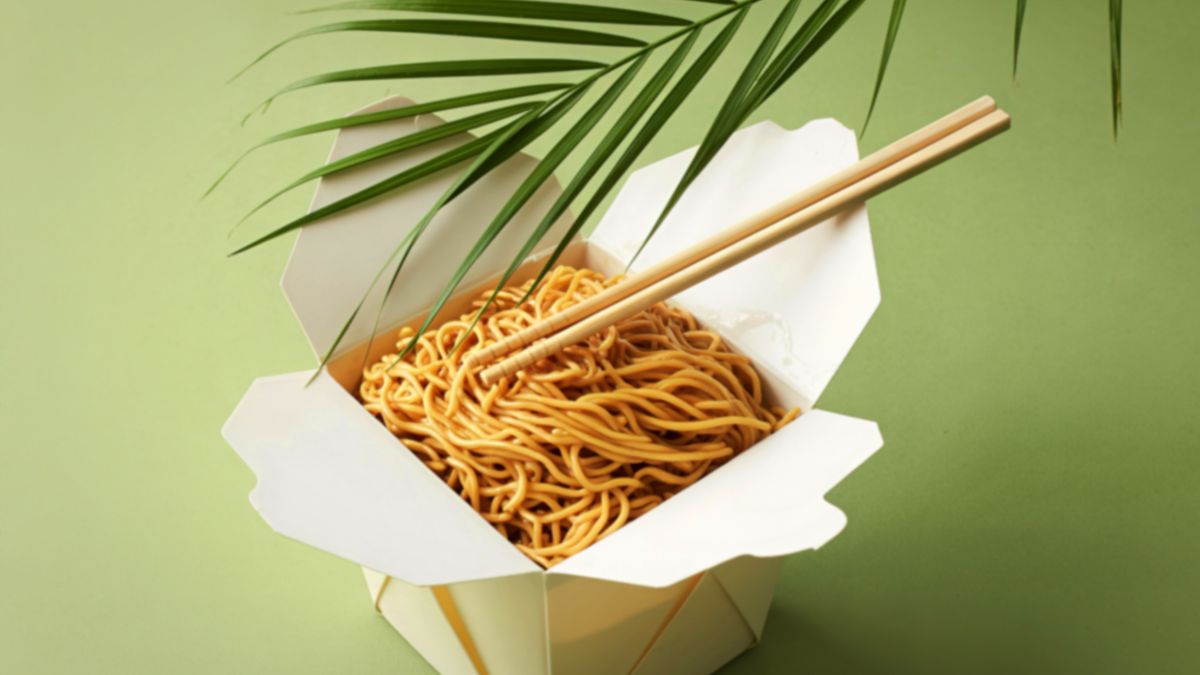
The team identified two main eating styles in the toddlers. One focused on wholesome options such as beans, fresh fruits, vegetables, baby foods, and natural juices. The other leaned heavily toward ultra-processed items including packaged snacks, instant noodles, sweet biscuits, candies, sugary soft drinks, sausages, and processed meats. Children whose diets aligned more with the second pattern showed noticeably reduced performance on IQ assessments later. Assistant professor Thayna Flores from the University of Illinois, one of the study’s authors, emphasized that these results contribute to mounting evidence about the role of early nutrition in brain development.
What makes the findings especially noteworthy is the amplified impact on certain kids. Those who experienced early growth challenges, such as lower birth weight, slower height gains, or smaller head circumference in infancy, appeared particularly susceptible. In these more vulnerable children, the combination of early deficits and higher ultra-processed food intake led to even greater drops in IQ scores compared to peers without such issues. Flores noted that prior research already ties insufficient early growth to cognitive setbacks, suggesting a kind of compounding effect when poor diet enters the picture.
The researchers stress that the connection runs primarily in one direction. While an unhealthy pattern correlated with lower scores, a predominantly healthy one did not strongly predict higher IQ. This asymmetry likely stems from the fact that most children in the group already included several nutritious foods regularly, leaving less variation to detect benefits. Around 92 percent of the kids consumed four or more items from the healthy category, which may explain why positive effects were harder to spot.
Experts point to possible biological pathways behind the association. Diets loaded with ultra-processed foods can trigger ongoing inflammation, oxidative stress, and shifts in the gut-brain connection, all of which might interfere with key neurodevelopmental steps. These mechanisms align with broader evidence linking poor nutritional quality to disrupted brain processes in growing children. Flores believes the pattern likely extends beyond Brazil given the global rise in ultra-processed food availability and consumption.
Parents do not need to overhaul everything overnight to make meaningful changes. Small, kid-friendly swaps can gradually cut back on those heavily processed items without causing resistance. For breakfast, oatmeal with a smear of nut butter and sliced fruit works well instead of sugary cereals. Fresh fruit pieces, unsweetened applesauce, or frozen berries beat out packaged fruit snacks. Simple homemade pasta tossed in olive oil and cheese or rice with veggies and eggs offers a tasty alternative to instant noodles. Baked chicken strips, bean dips, hummus, or nut butter sandwiches provide better options than processed deli meats. Water infused with fruit slices, plain milk, or lightly diluted pure juice replaces sodas and sweetened drinks.
The emphasis remains on everyday habits rather than rare treats. Building consistent nutritious routines early supports healthy development without perfectionism. As Flores and her colleagues highlight, these choices matter during the rapid brain-building phase of toddlerhood.
What early eating habits did you notice in your own kids or family, and how do you think they played out later on? Share your thoughts in the comments.




