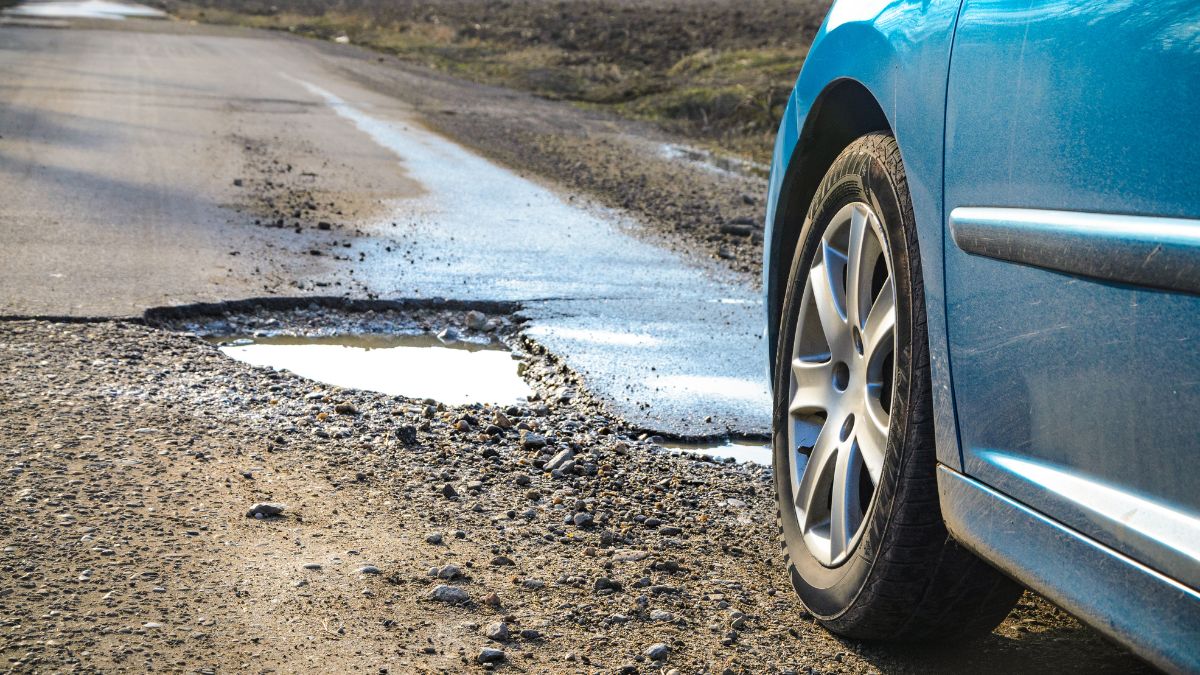
Potholes plague roads in many places, turning routine drives into stressful experiences filled with swerves and sudden jolts. After harsh winters, cracks form, water seeps in, freezes, and expands, creating ever-widening holes that damage tires, rims, and suspensions. Drivers often end up frustrated, facing costly repairs while waiting for slow municipal fixes that rarely hold up long. Temporary patches using cold material tend to wash away quickly, leading to the same problems recurring year after year.
In the United States, cities are turning to advanced equipment to tackle this issue more effectively. The Cimline P5 stands out as a specialized truck designed specifically for pothole repairs. This machine allows a single operator to handle the entire process from inside the cab, eliminating the need to step onto busy roads. Safety improves dramatically since workers avoid traffic exposure during repairs.
The Cimline P5 features a large tank holding around 1,150 liters of repair material, which gets preheated overnight using an electric blanket. This setup lets crews start work right away, even when temperatures drop to about five degrees Fahrenheit. The truck carries up to roughly nine tons of patching compound and runs on a 75-horsepower engine that meets tough emission rules. It sprays material at a rate of about 12.7 cubic meters per minute, making operations remarkably efficient.
Repairs follow a straightforward sequence that boosts durability. First, a powerful air blast clears out water, dirt, and loose debris from the hole. Next, a bonding agent gets applied to ensure strong adhesion. The main patching mix then fills the void precisely, controlled by a joystick-operated robotic arm. Finally, a layer of dry stone aggregate tops it off for a smooth, protected finish. No cutting of surrounding asphalt or heavy construction is required, which keeps things quick and simple.
Cities like Akron in Ohio have seen impressive results with this approach. One pothole can be fixed in just two minutes, far faster than traditional methods. These patches hold up much longer than basic cold patches, often surviving beyond a single season without breaking down. The reduced need for repeated visits lowers overall maintenance expenses over time, even though the initial truck investment reaches around three hundred thousand dollars.
The Cimline P5 mounts on a sturdy chassis with automatic transmission and a total weight limit of about fifteen tons. While the upfront cost seems high, it pays off through fewer labor requirements, quicker turnaround, and fewer damage claims from drivers. In regions where potholes return annually due to poor weather and rushed fixes, adopting similar technology could transform road maintenance practices.
Such innovations highlight how targeted equipment can address longstanding frustrations on the roads. They offer a practical path toward smoother, safer driving with less hassle for everyone involved.
What do you think about using advanced machines like this to fix potholes in your area? Share your thoughts in the comments.




