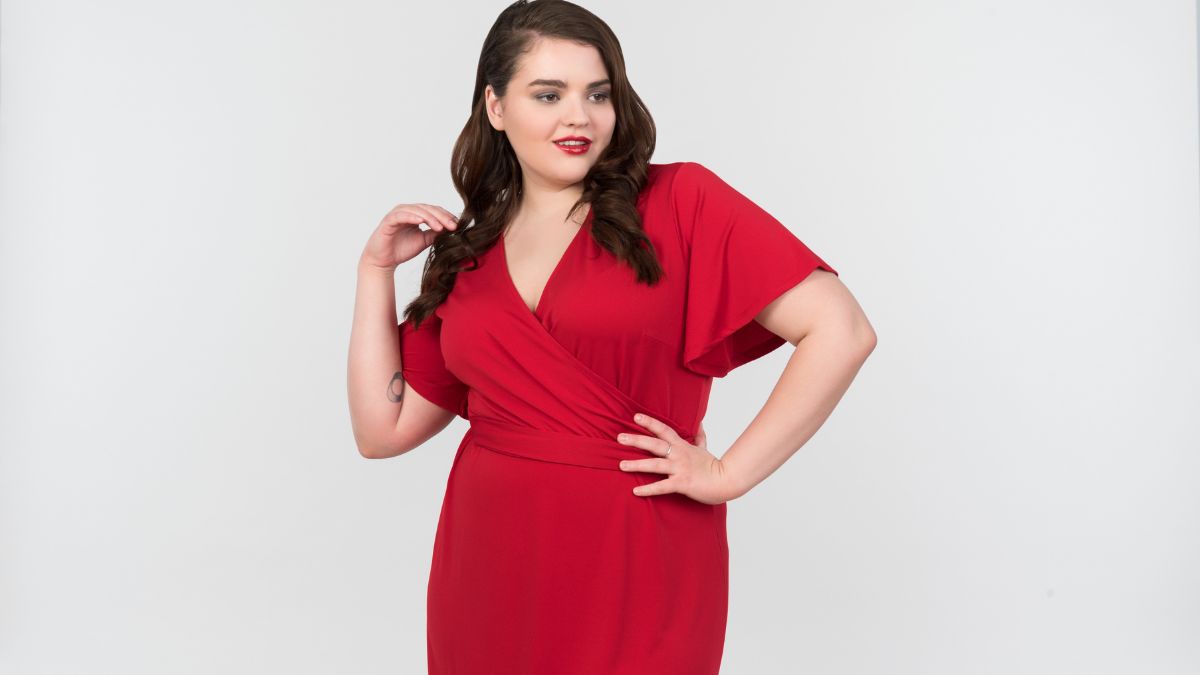
Women with fuller figures have long felt sidelined from major fashion events because they lacked the classic mannequin-like physique that dominates the industry. Invitations to shows often went to those fitting narrow size standards, leaving many feeling excluded. Recent seasons reveal a troubling shift, with fewer plus-size models walking the catwalks at key fashion weeks. This trend raises questions about whether hard-won progress in size inclusivity is slipping away.
In New York, once a leader in embracing diverse bodies, the numbers tell a stark story. Over ninety-six designers presented roughly three thousand eight hundred forty outfits, yet only twenty featured plus-size models. That marks a sharp decline from previous averages around forty per season in earlier years. The rise of weight-loss drugs like Ozempic since around twenty twenty-two has fueled a return to ultra-slim aesthetics reminiscent of past eras. Designer Christian Siriano continues to stand out by including six plus-size women in his show, though even he featured two fewer than before. Other names like Kim Shui, Jade Wade, Eckhaus Latta, Di Petsa, and Kallmeyer also made efforts to showcase curve models.
London presented a similar picture despite its reputation for more experimental casting. More than forty designers displayed about fourteen hundred creations, with thirty-eight plus-size models walking. That represents a drop of over twenty-eight percent from the previous year and lower than counts from a couple of seasons earlier. Collections from Sinead Gorey, Karoline Vitto, and Phoebe English stood out for celebrating varied body types amid the overall downturn. These pockets of diversity highlight that some creators still prioritize representation even as broader industry numbers fall.
Experts tracking these changes point to a reversal of earlier gains sparked by body positivity momentum. What began as a push for wider inclusion after criticism in twenty twenty-two now faces headwinds from cultural shifts toward thinner ideals. Reports from fashion observers show plus-size representation dipping below one percent in many major shows across cities. The average American woman wears closer to a size sixteen or eighteen, making the runway’s narrow focus feel increasingly out of touch with reality. This disconnect fuels concerns that fashion is retreating from the inclusivity it once championed.
The pattern extends beyond individual weeks, with data indicating consistent declines over recent seasons. While some designers incorporate curvaceous silhouettes in their clothing designs, actual plus-size models rarely appear to present them. The influence of medications promoting rapid weight loss among celebrities and models has normalized extreme thinness once more. Industry voices describe the change as a complete turnaround from prior advances in diversity. Even in cities that previously led the way, male plus-size representation has vanished entirely in recent lineups.
These developments spark debate about the future of body diversity in high fashion. Progress felt tangible a few years ago with more visible curve models and mid-size inclusion. Now, statistics suggest a rollback driven by aesthetic preferences and societal trends. Designers who persist in casting inclusively offer hope, proving that change remains possible through intentional choices. The runway should reflect the wide range of bodies that exist rather than a single ideal.
What do you think about the current state of size diversity on fashion runways—share your thoughts in the comments.




