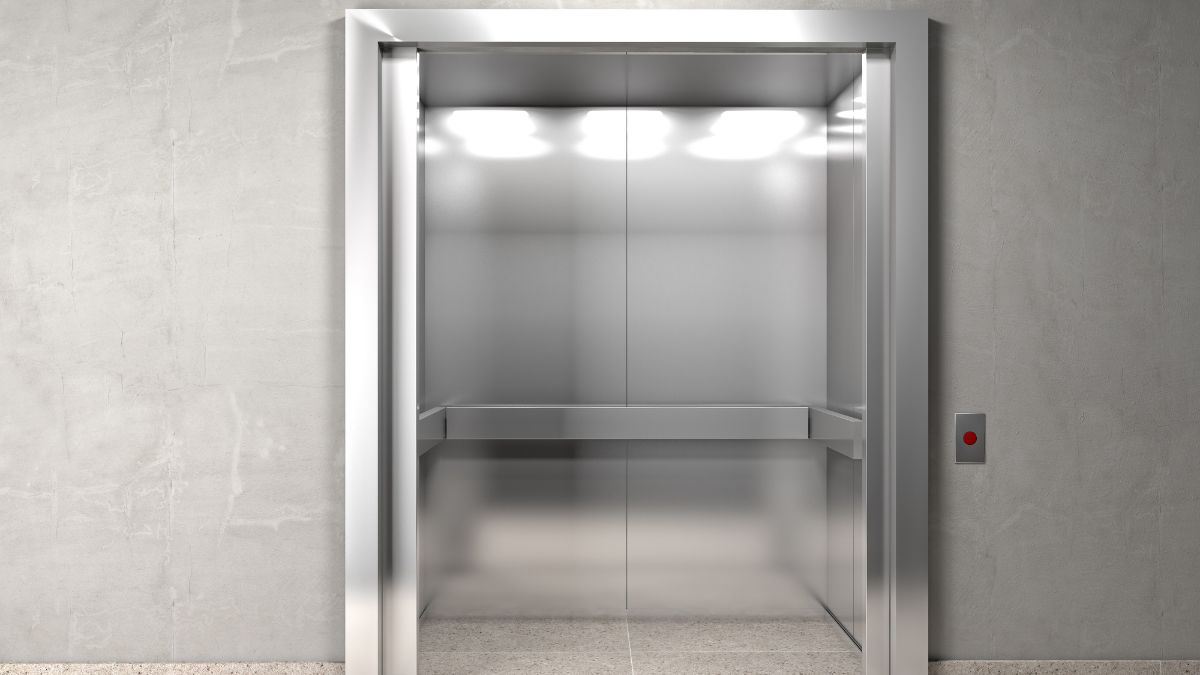
Many of us step into an elevator and immediately check our reflection or snap a quick selfie without thinking twice about why the mirror is there in the first place. It turns out these reflective surfaces serve several practical and thoughtful functions that go far beyond vanity. Experts from elevator companies explain that the mirrors address real human needs in a small enclosed space. The next time you ride one, you might notice how cleverly they improve the experience.
One key reason mirrors appear in most elevators is to ease feelings of claustrophobia that many people experience. The tight cabin with limited air and no view of the outside can trigger anxiety, sweaty palms, and a racing heart for those sensitive to confined areas. By reflecting the interior, the mirror creates an optical illusion of extra space, making the elevator feel less cramped and more open. This simple trick helps passengers avoid that trapped sensation and ride more comfortably. Companies like Gartec point out how this psychological benefit reduces common tension during short trips.
Another important role involves accessibility for people with mobility challenges, such as those using wheelchairs. In smaller elevator cabins, turning around to exit safely can be difficult or impossible without enough room to maneuver. Mirrors on the back wall allow users to see the area behind them, much like a rear-view mirror in a car. This setup lets them back in or out confidently while maintaining orientation. Stannah Lifts highlights how this feature makes elevators more inclusive and practical for everyone.
Safety also plays a significant part in the design choice. With mirrors in place, passengers can keep an eye on others in the cabin without turning around awkwardly. This increased visibility helps spot unusual behavior, potential theft, or even threats in close quarters. The reflective surface expands the field of view, giving a sense of greater awareness in an otherwise limited environment. Many elevator specialists note that this added layer of security has proven useful over time.
Finally, mirrors provide a helpful distraction during the brief ride, which usually lasts under a minute. Instead of staring at blank walls or feeling bored, people naturally glance at their reflection or adjust their appearance. This keeps minds occupied and makes the wait feel shorter. Simplex Elevators describes how this small diversion cuts down on restlessness and ties back to reducing overall discomfort.
These thoughtful additions show how everyday design considers both psychology and practicality to make a routine moment smoother. What do you think about the real reasons behind elevator mirrors—share your thoughts in the comments.




