
Hurricane season runs from June through November, and during those months, some of the world’s most beautiful destinations transform into genuinely dangerous places. Storm surges, flooding, violent winds, and infrastructure collapse can turn a dream vacation into a life-threatening emergency. Whether you are drawn to tropical beaches or coastal cities, these are the destinations travel experts and meteorologists consistently warn visitors to avoid during peak storm season.
Florida Keys
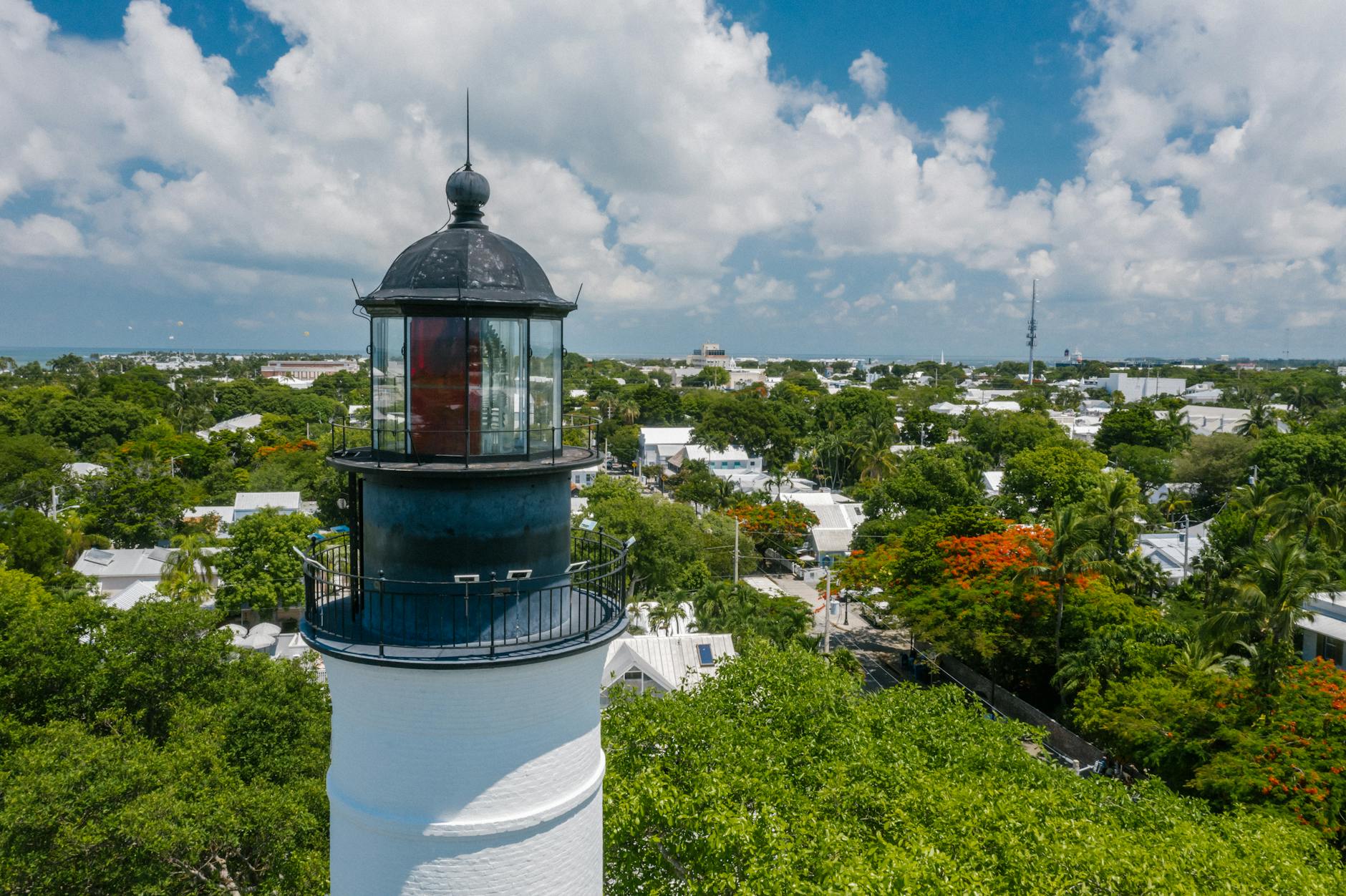
The Florida Keys sit at sea level and are connected to the mainland by a single road, meaning evacuation can become impossible once a storm takes aim. These narrow islands have almost no natural protection from storm surges, which have historically submerged entire communities during major hurricanes. The chain stretches directly into the warm Gulf waters that fuel Atlantic storms, making it one of the most statistically exposed regions in the United States. Power and water outages following a storm can last for weeks, leaving stranded visitors with no safe options.
New Orleans, Louisiana
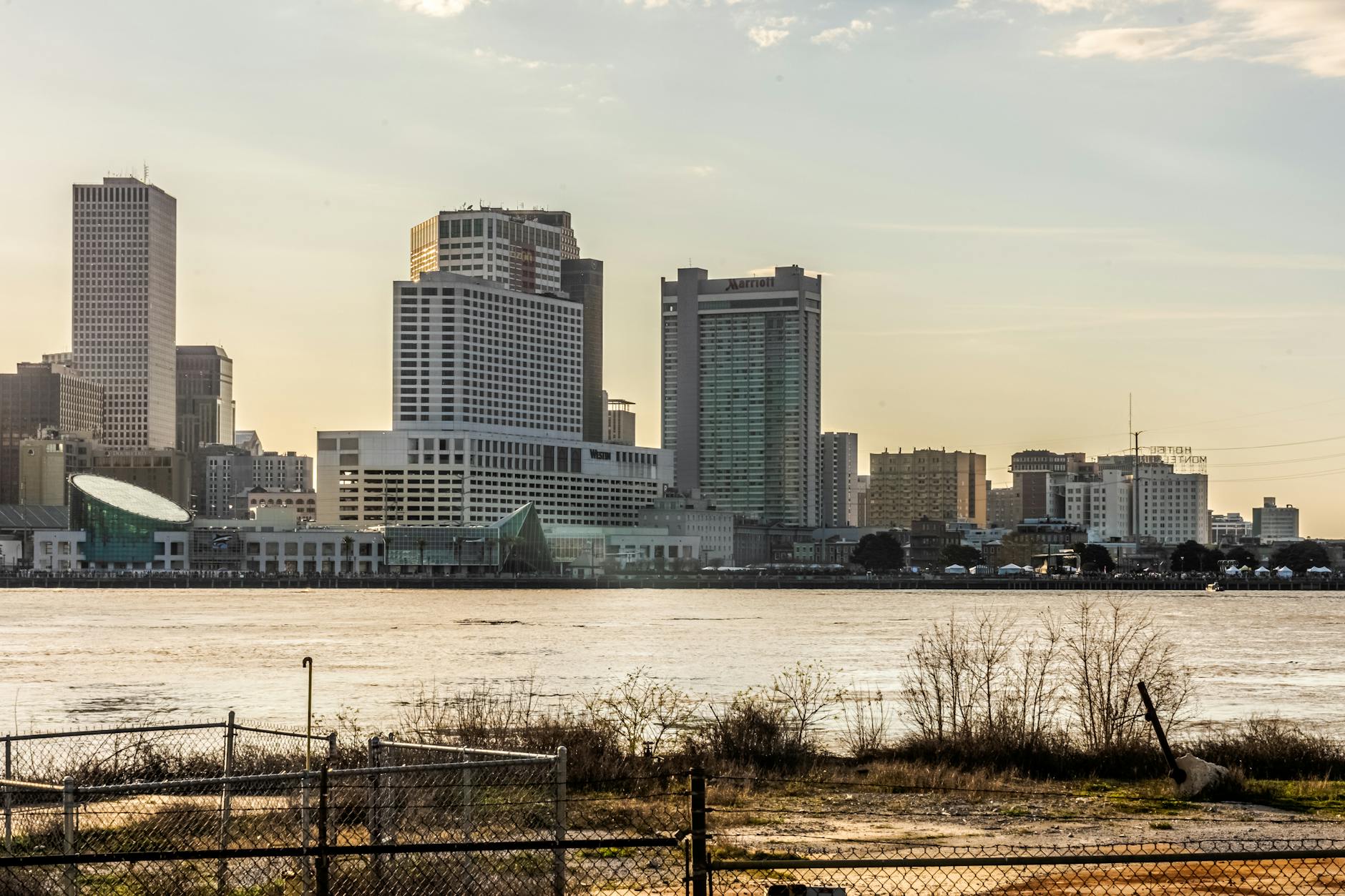
New Orleans sits below sea level in many areas, making it uniquely vulnerable to the catastrophic flooding that accompanies Gulf Coast hurricanes. The city’s elaborate levee system provides protection under normal conditions but has proven inadequate against the strongest storms on record. Emergency services can become overwhelmed quickly, and access roads in and out of the city are often cut off well before a storm makes landfall. Tourists without local knowledge of evacuation routes and shelter locations face compounded risks that residents spend years preparing for.
Cancun, Mexico
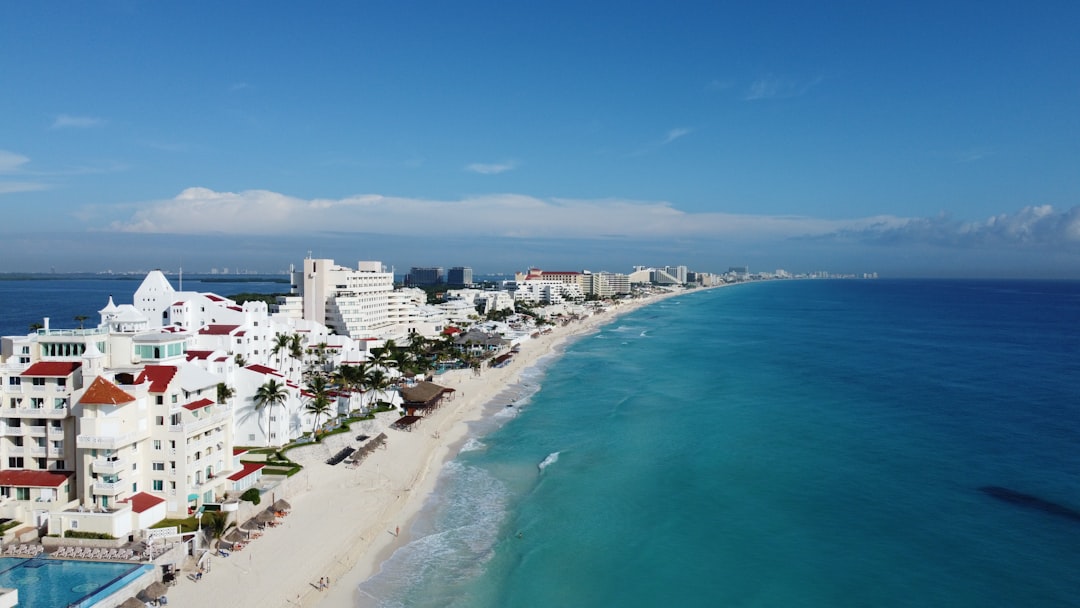
Cancun occupies a narrow barrier island on the northeastern tip of the Yucatan Peninsula, placing it directly in the path of storms sweeping in from the Caribbean. The hotel zone stretches along an exposed coastline with little geographic protection, and beach erosion from even a near miss can be severe. Mexican authorities have historically ordered mandatory evacuations of the tourist strip with very little warning time. Travel insurance complications and language barriers can add significant stress for foreign visitors caught in the path of an approaching system.
Nassau, Bahamas
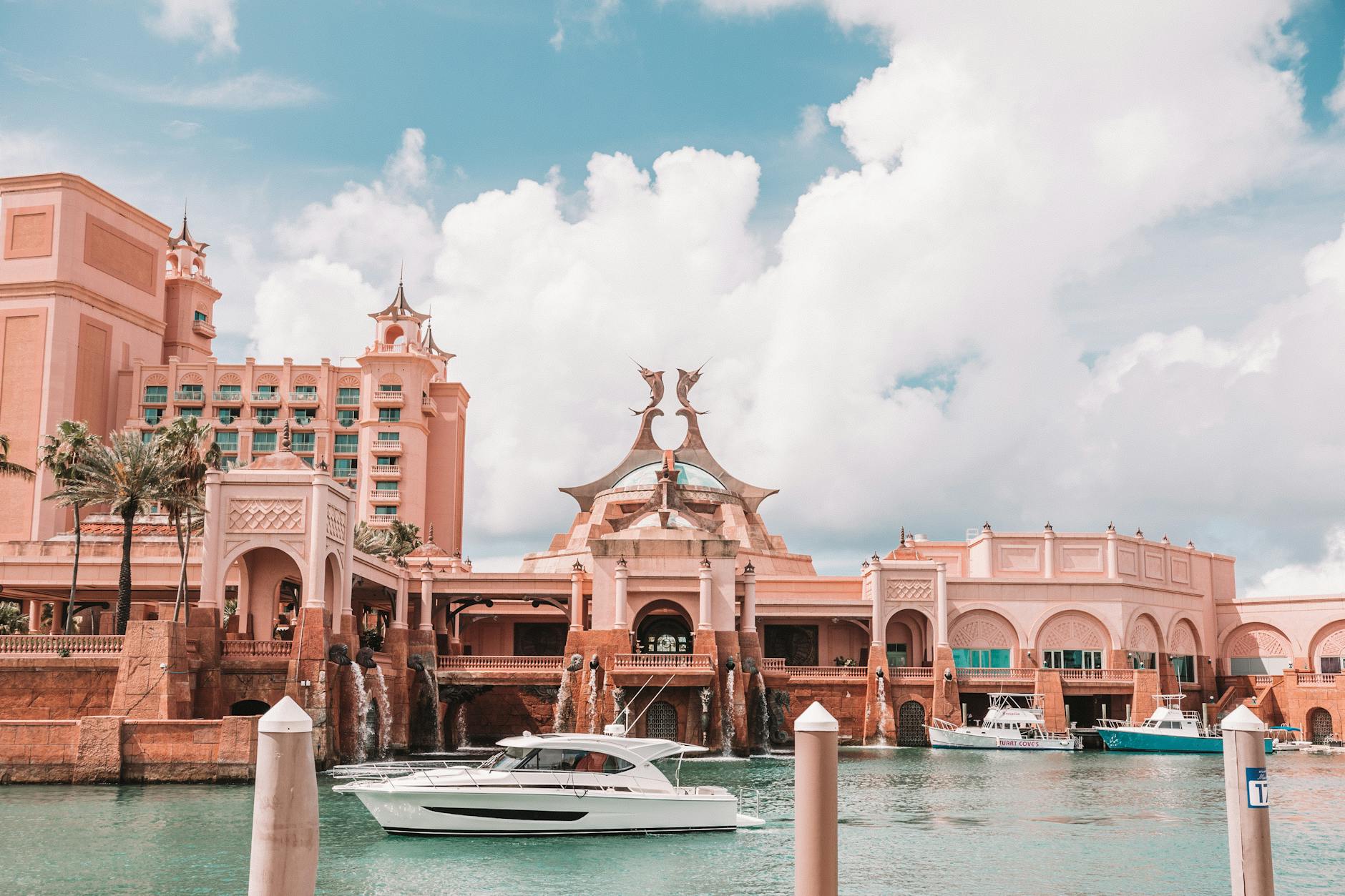
Nassau and the surrounding islands of the Bahamas sit in the middle of the Atlantic hurricane belt, and the archipelago has been struck by devastating storms multiple times in recent decades. The relatively flat terrain of the islands offers no elevation advantage when storm surge rolls in from the ocean. Infrastructure damage following major storms has previously shut down the international airport for extended periods, leaving visitors stranded without any means of departure. The unpredictable track of Atlantic storms means a storm that appears far away on Monday can reach Nassau by the weekend.
Puerto Rico
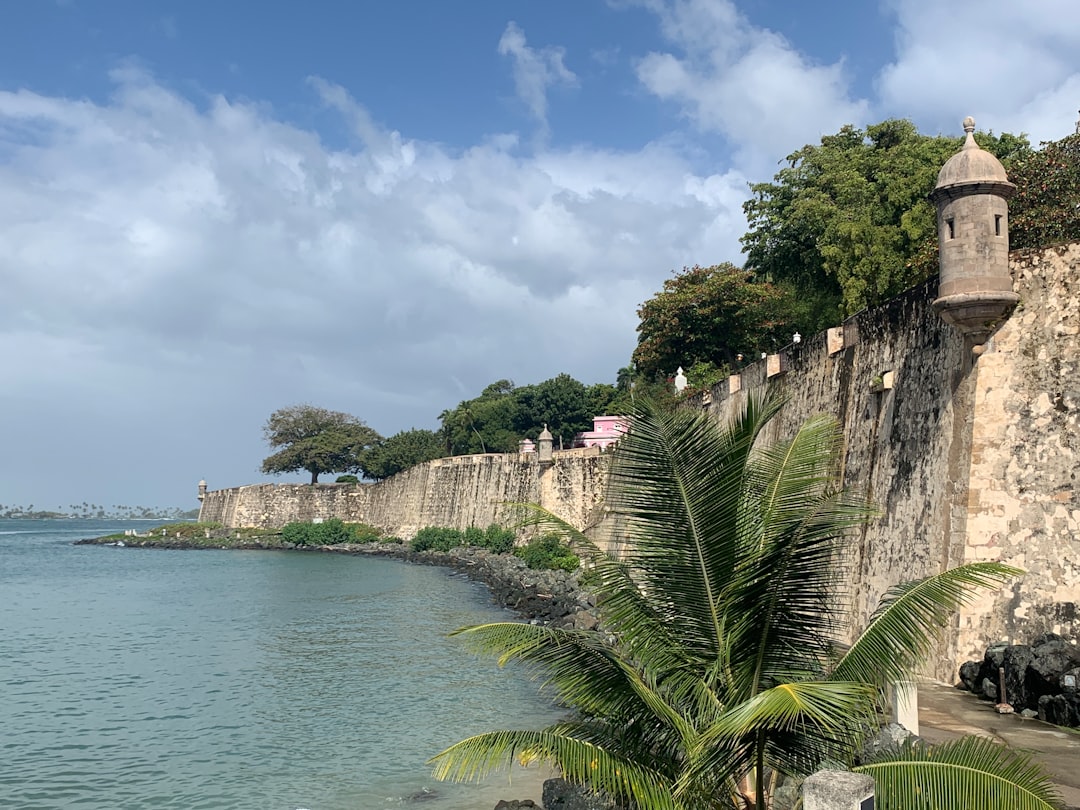
Puerto Rico receives a significant number of direct hurricane strikes due to its position in the eastern Caribbean, making it one of the highest-risk territories in the region during the season. The island’s mountainous interior creates dangerous conditions for flash flooding and landslides that compound the destruction caused by wind and storm surge along the coasts. Recovery efforts following major storms have historically taken years, meaning some infrastructure may still be in a weakened state heading into a new season. Traveling to Puerto Rico between August and October carries a statistical risk that most travel advisors consider unnecessary.
Galveston, Texas
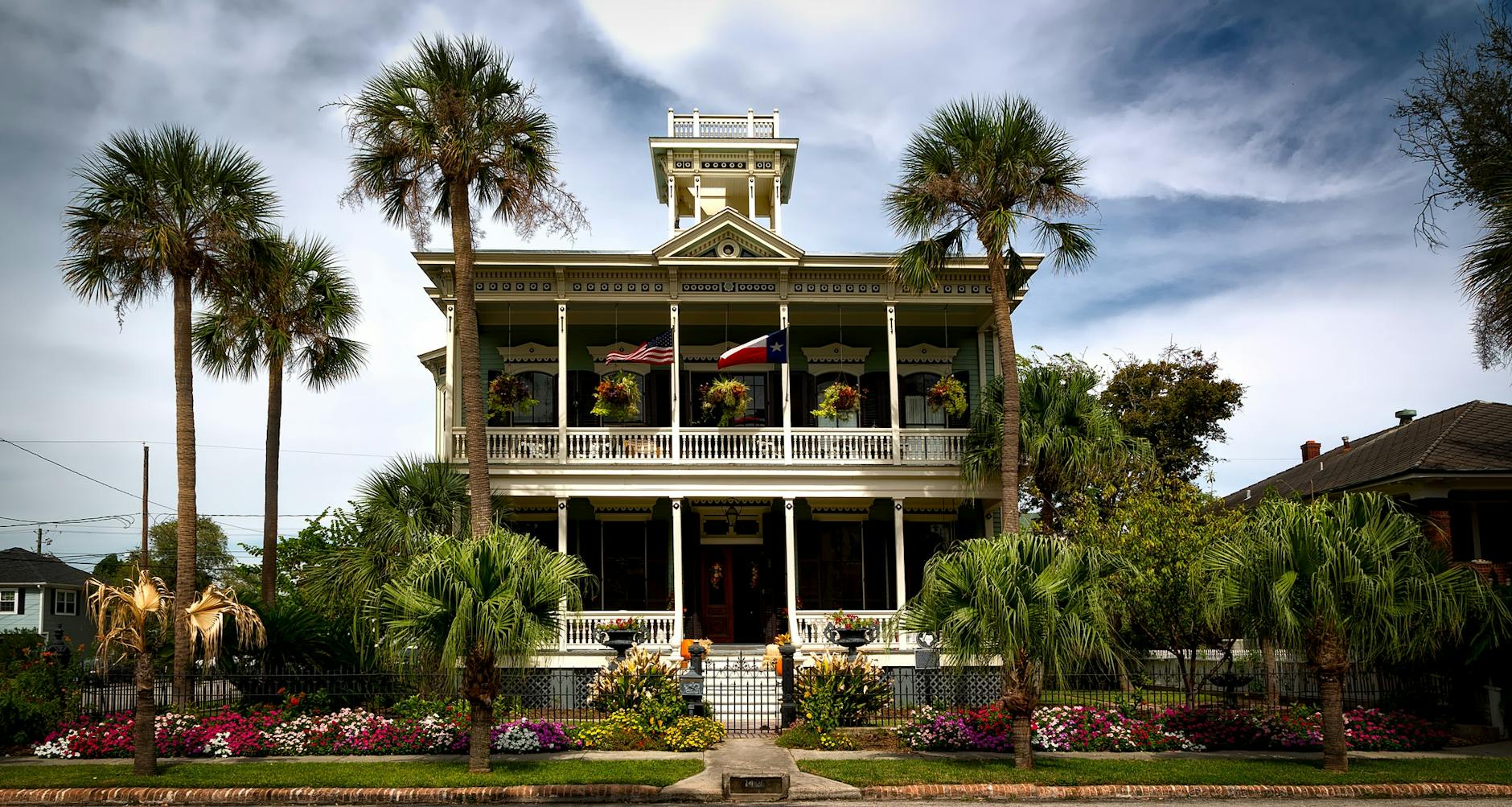
Galveston sits on a low-lying barrier island off the Texas Gulf Coast and has one of the most documented histories of hurricane destruction in North American history. The seawall built after the catastrophic 1900 storm offers partial protection but cannot prevent the flooding that consistently inundates the island during major events. Access to the mainland depends entirely on a small number of causeways that authorities close once storm conditions approach, leaving anyone who delays departure with no way out. Gulf of Mexico hurricanes can intensify with remarkable speed in the warm shallow waters near the Texas coast, giving travelers very little warning time.
Outer Banks, North Carolina
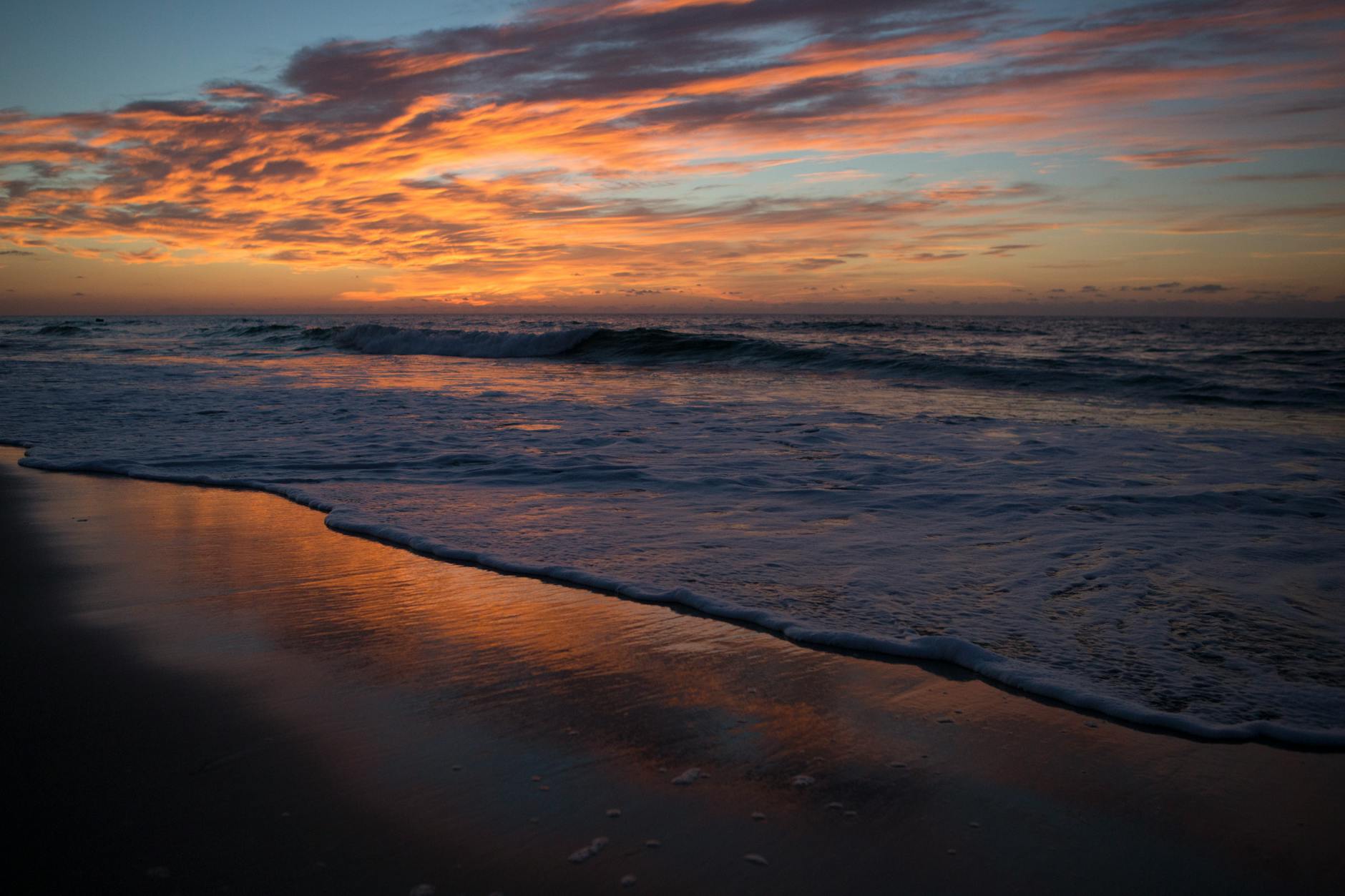
The Outer Banks is a fragile chain of barrier islands stretching along the North Carolina coast and is directly exposed to Atlantic storms that track up the Eastern Seaboard. Highway 12, the only road connecting many parts of the islands, floods during even moderate storms and has been completely overwashed during major hurricane events. The geography that makes the Outer Banks one of the most scenic destinations on the East Coast also makes it one of the most dangerous places to be when a storm is approaching. Local emergency management officials regularly urge tourists to leave several days before a storm is forecast to arrive, as conditions deteriorate faster than many visitors anticipate.
Belize City, Belize
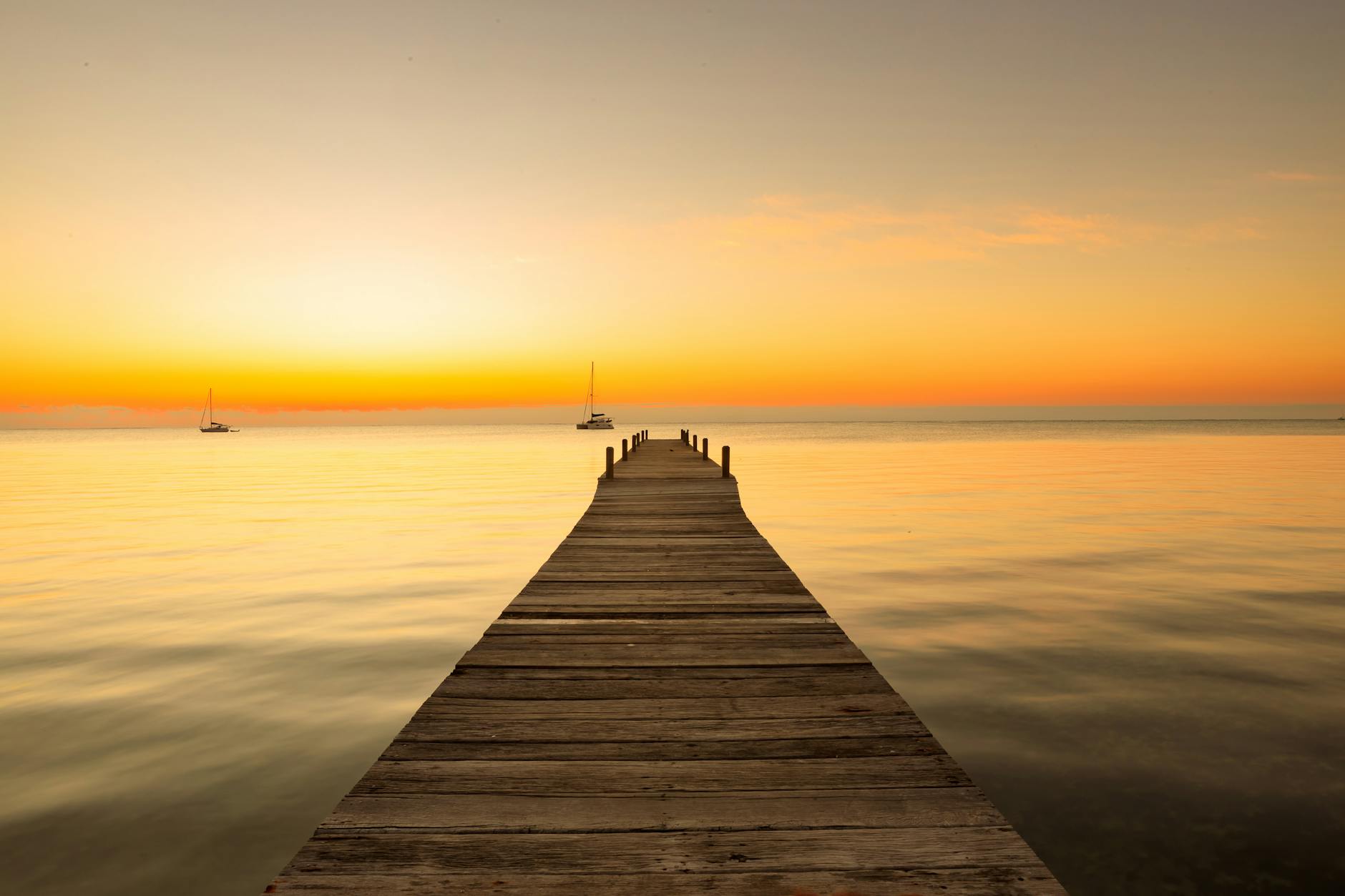
Belize City sits just a few feet above sea level on the Caribbean coast and has been evacuated and significantly damaged by multiple hurricanes over the past century. The Belize Barrier Reef, which draws divers and snorkelers from around the world, does little to reduce the destructive force of a major storm making landfall. Flooding in the city center can begin hours before a storm officially makes landfall, and drainage systems are frequently overwhelmed by the volume of water involved. Travelers visiting for reef excursions often underestimate how quickly conditions can shift from calm turquoise water to life-threatening open ocean.
Dominican Republic
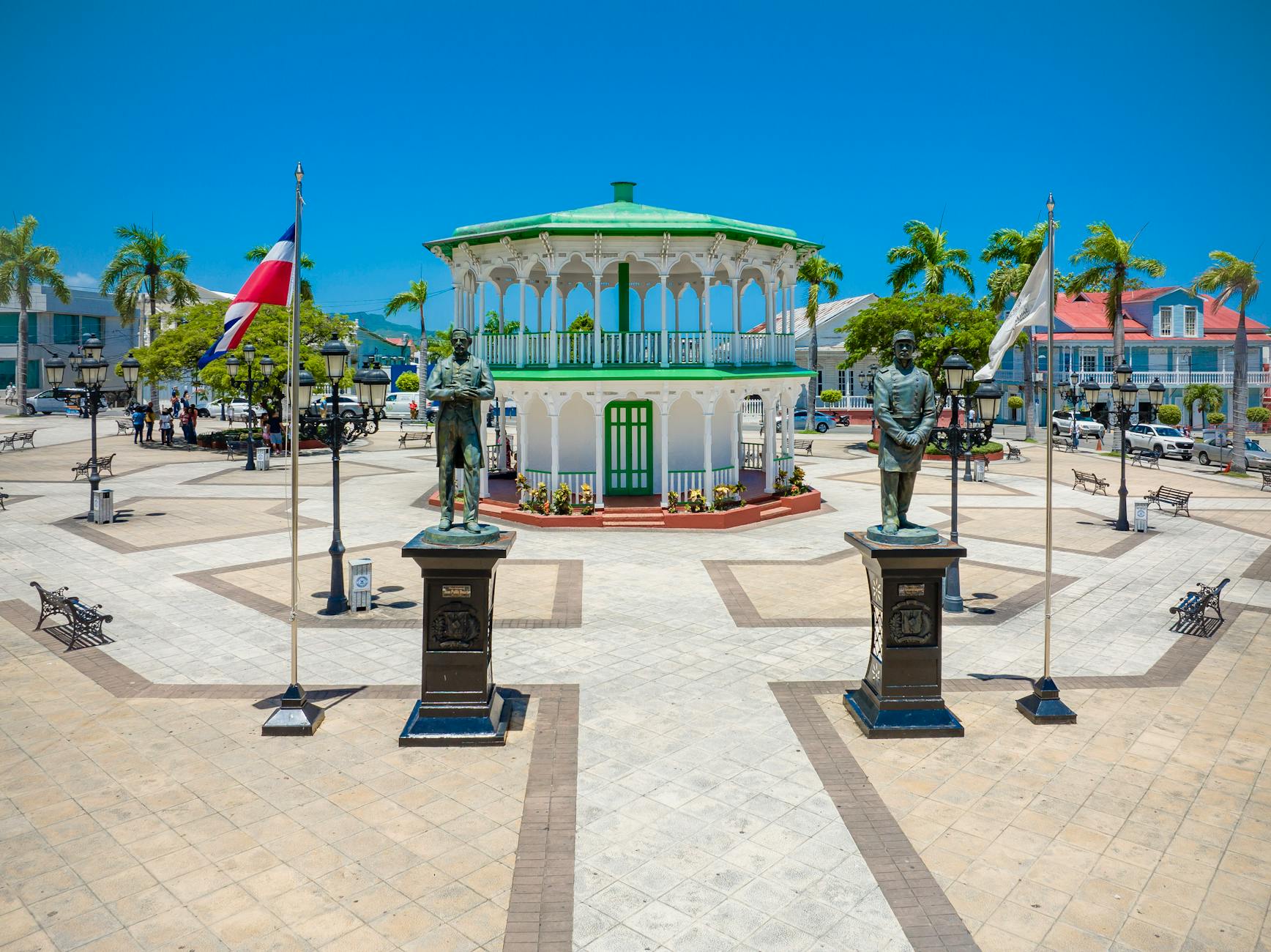
The Dominican Republic occupies the eastern two-thirds of Hispaniola and has been hit by powerful Atlantic hurricanes with regularity throughout recorded history. The combination of a long exposed coastline, mountainous terrain prone to landslides, and rivers that flood rapidly creates a layered set of hazards during storm season. Popular resort areas along the northern and eastern coasts sit in zones that receive direct exposure to storm surge and high winds. In the aftermath of major storms, road damage and power outages have isolated resort zones for extended periods, stranding tourists far from functioning airports.
Jamaica
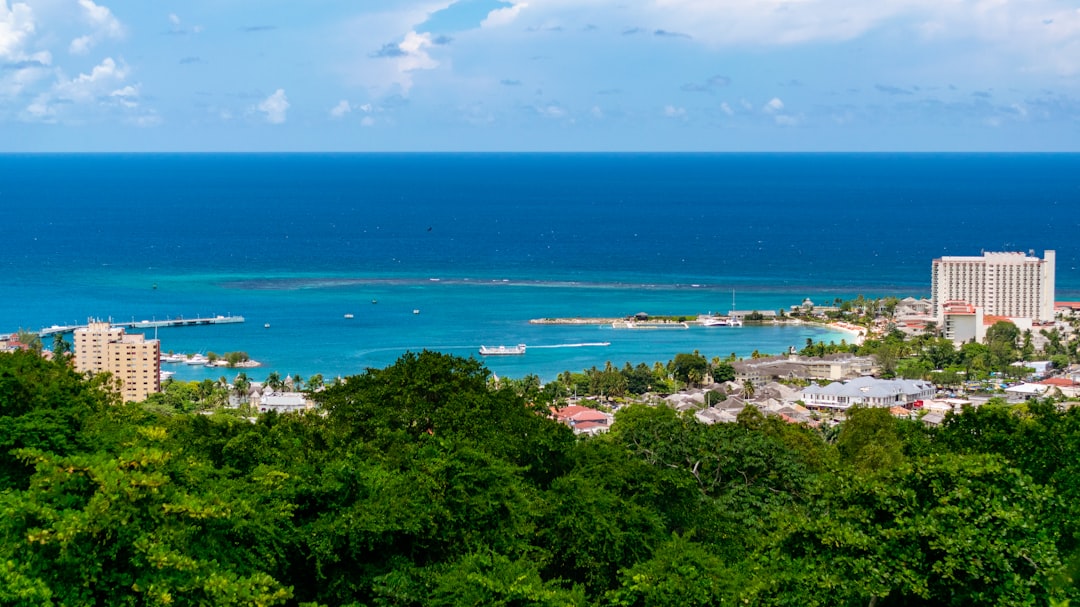
Jamaica sits squarely in the Caribbean hurricane zone and has experienced direct hits and near-miss events that have caused widespread destruction across the island. The Blue Mountains and interior terrain, while beautiful, accelerate rainfall accumulation and trigger flooding in low-lying resort communities below. Montego Bay, Negril, and Ocho Rios are all positioned along coastlines that become extremely dangerous when a storm pushes water ashore. Flights out of Kingston and Montego Bay airports are typically cancelled well in advance of an approaching system, but seats on outbound flights fill within hours of a storm being forecast.
Turks and Caicos
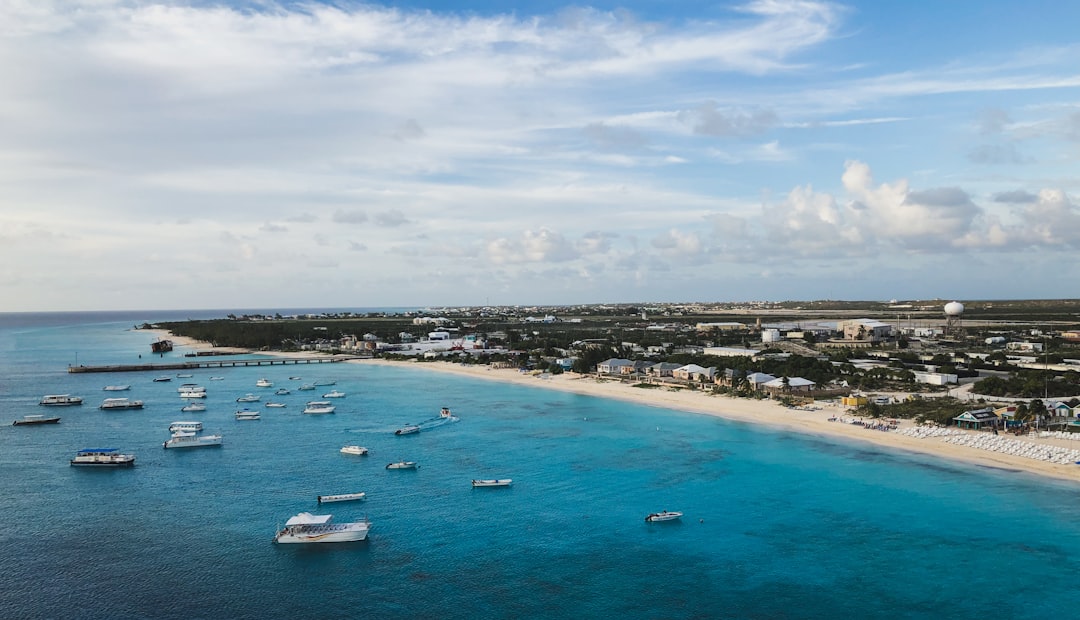
The Turks and Caicos Islands are a collection of low, flat coral islands in the southeastern Bahamas that sit directly in the path of many Caribbean hurricanes as they track northwest. The highest point on most of these islands offers virtually no protection from storm surge, and the beautiful shallow water that surrounds them can be pushed inland across entire islands by a major storm. The territory has experienced catastrophic damage from strong storms in recent years, and some infrastructure repairs took considerable time to complete. The remote location of these islands means that emergency response resources are limited compared to larger nations with more robust disaster management infrastructure.
Cuba
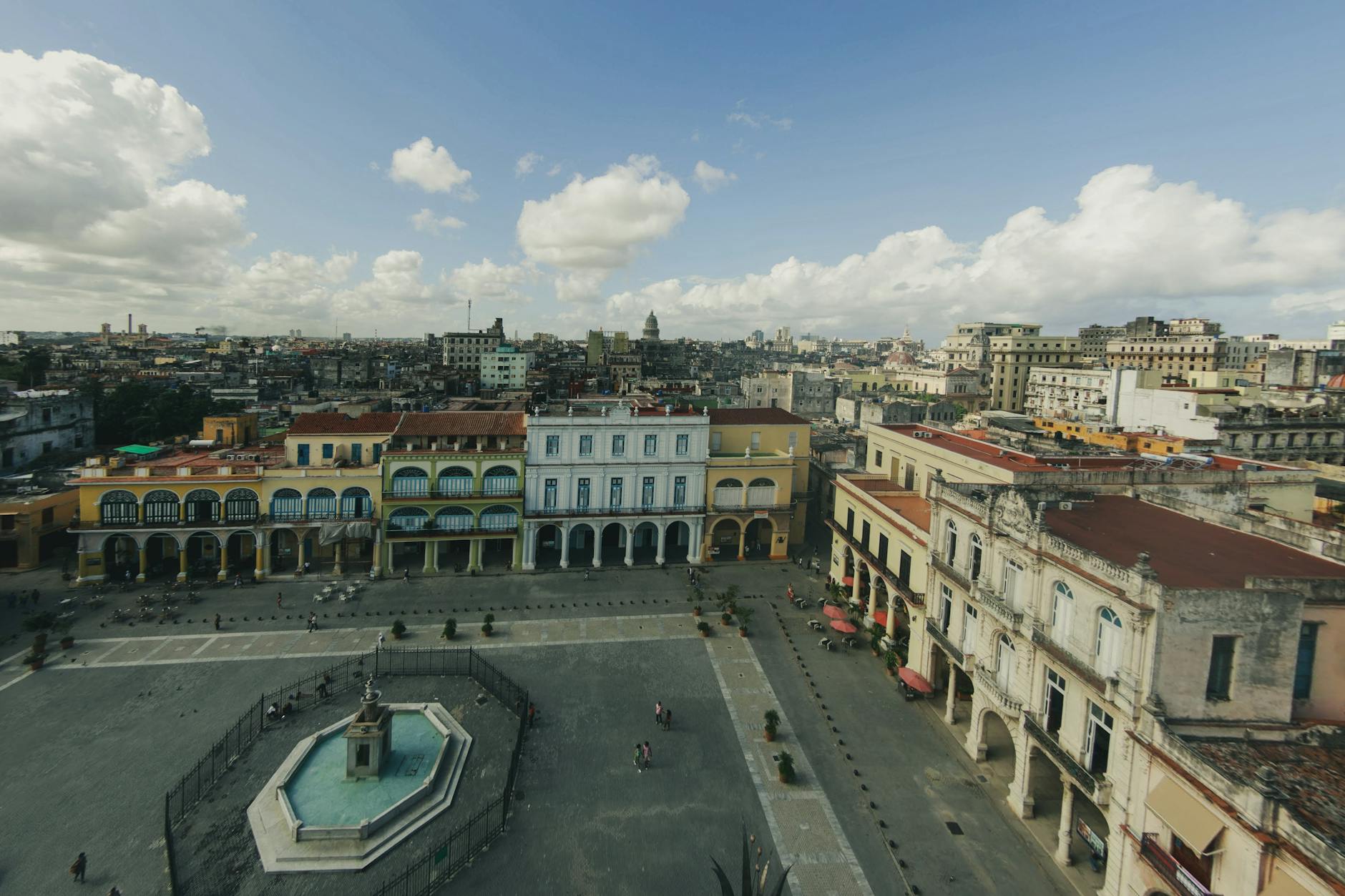
Cuba is the largest island in the Caribbean and is struck by Atlantic hurricanes on a regular basis, particularly along its western and central provinces. Despite its size, Cuba lacks the elevation needed to meaningfully deflect storm surge in coastal areas where most visitors spend their time. Western provinces near Havana face particular risk from storms that curve north through the Gulf of Mexico before making landfall. Travel complications including limited flight options and communication restrictions can make it significantly harder for foreign visitors to stay informed and exit safely when a storm approaches.
Haiti
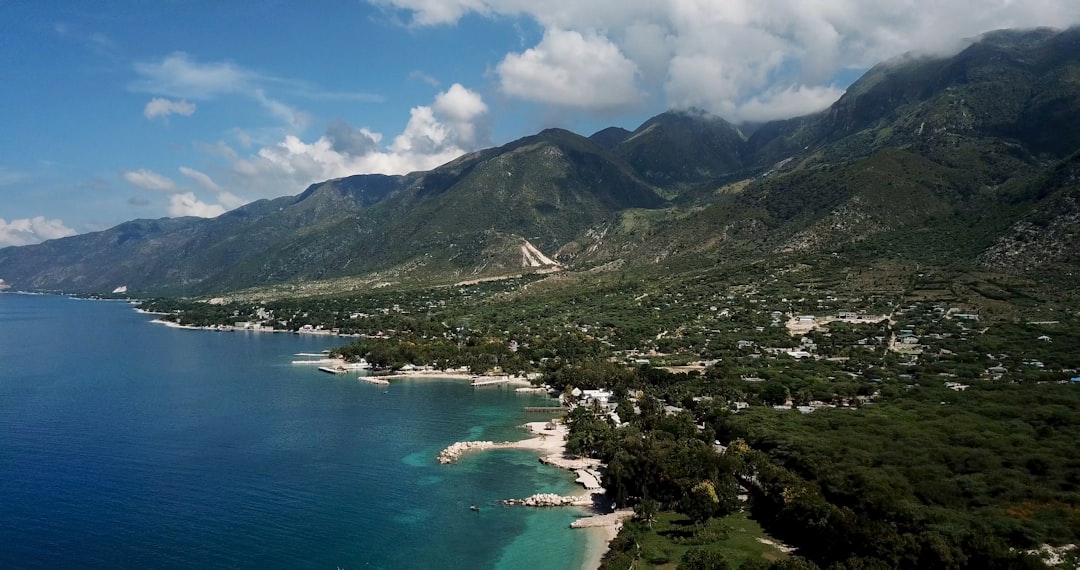
Haiti shares the island of Hispaniola with the Dominican Republic and faces compounded vulnerability during hurricane season due to widespread deforestation that accelerates flooding and erosion during storms. Infrastructure limitations mean that storm preparation and emergency response are constrained in ways that significantly increase risk for travelers and locals alike. Mountainous terrain channels rainfall into communities rapidly, and many roads become impassable within hours of a major storm making landfall. The combination of storm-related risk and existing infrastructure challenges makes Haiti one of the least advisable destinations for leisure travel during the Atlantic hurricane season.
Houston, Texas
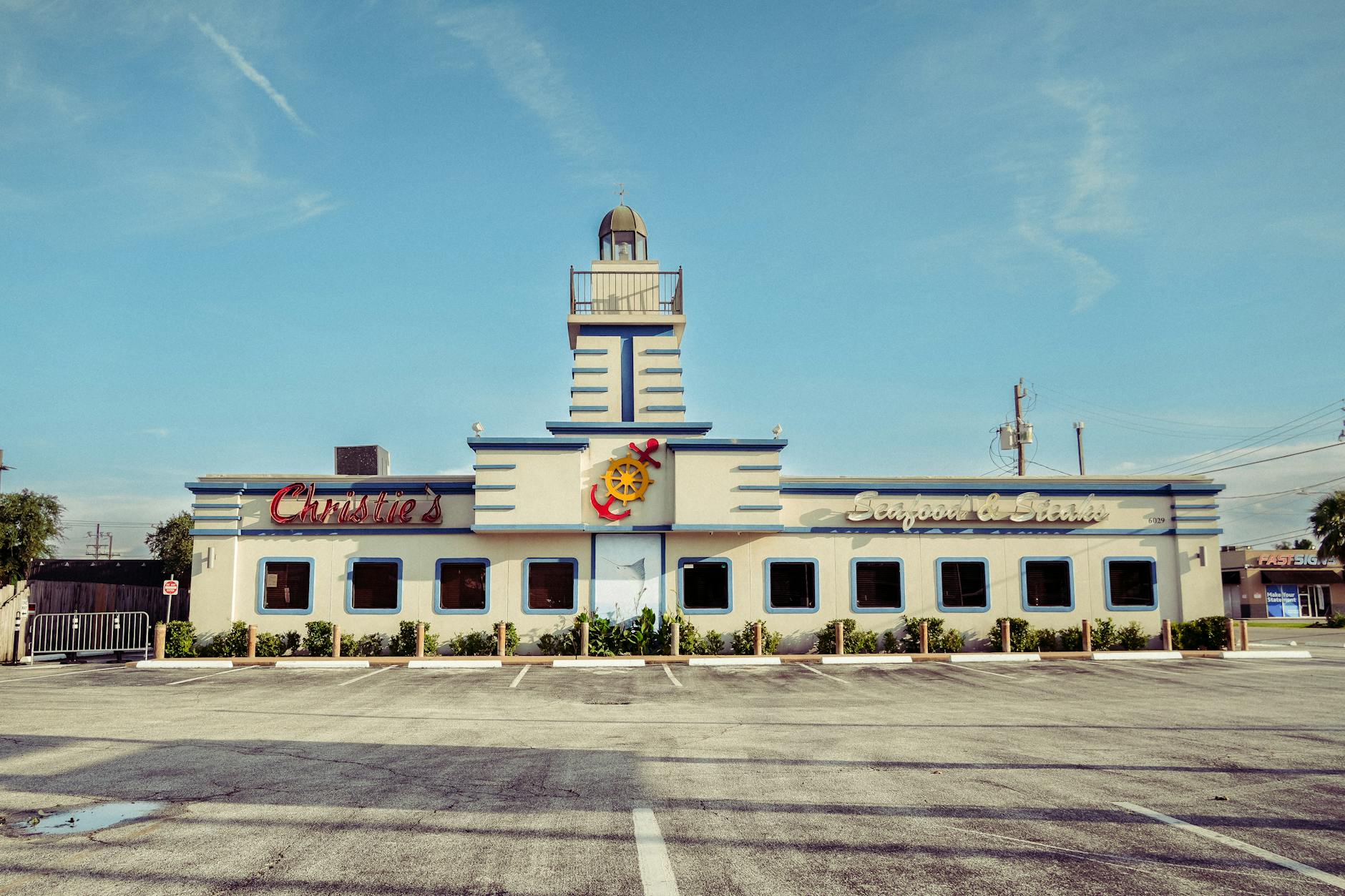
Houston is one of the most flood-prone major cities in the United States, and its flat geography and extensive urban sprawl create conditions for catastrophic inundation even from tropical storms that do not reach hurricane strength. The city sits close enough to the Gulf of Mexico that warm season rain events regularly overwhelm drainage systems without a named storm being involved. During actual hurricanes, freeways have flooded so rapidly that thousands of vehicles have been abandoned by evacuees within the city limits. Visitors unfamiliar with local flood geography can find themselves in dangerous situations quickly, as water levels in some areas can rise by several feet in the span of an hour.
Acapulco, Mexico
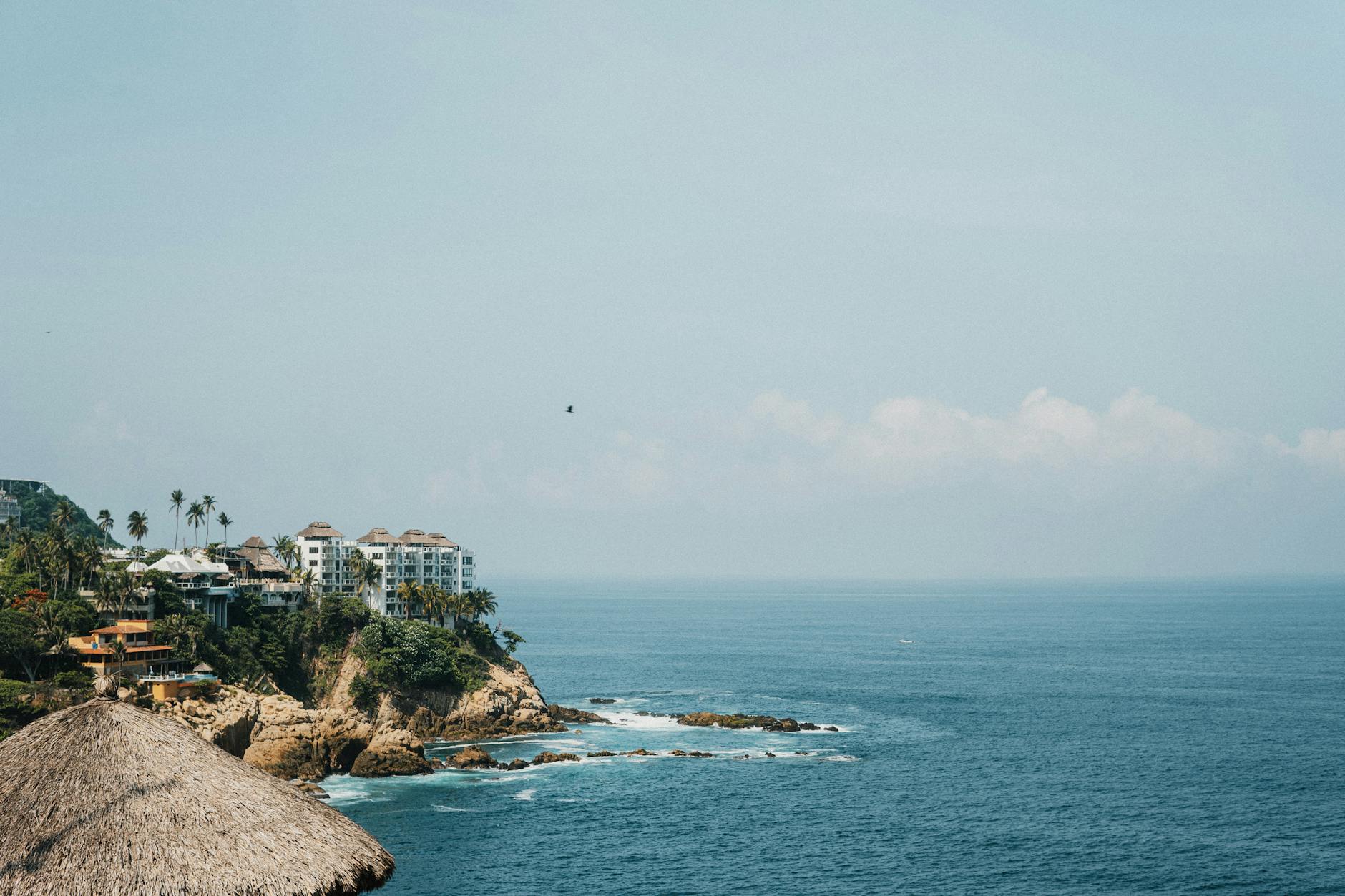
Acapulco sits on the Pacific Coast of Mexico and has become increasingly vulnerable to Eastern Pacific hurricanes that form in warm tropical waters off Central America. The city sits within a bay that can concentrate storm surge and wave energy during a direct hit, and surrounding hillside communities face serious landslide risk whenever heavy rain accompanies a storm system. In recent years, Acapulco has experienced significant damage from Pacific hurricanes that made landfall with little warning, causing widespread destruction across both tourist zones and residential neighborhoods. Travel advisors consistently flag the months of August through October as the highest-risk period for Pacific Mexico coastal travel.
Which of these hurricane-season destinations surprised you most, and do you have your own experience with storm-season travel gone wrong? Share your thoughts in the comments.




