
Anxiety in children rarely appears out of nowhere. Many of the daily habits, communication patterns, and emotional responses that parents model or direct toward their children can quietly shape how a child learns to experience the world. Understanding where well-meaning parenting can go wrong is the first step toward raising calmer, more confident kids.
Overprotecting Them From Failure
When parents rush in to prevent every mistake, children never develop the emotional tools needed to handle disappointment. The brain learns resilience through repeated low-stakes challenges, not through a perfectly cleared path. A child who has never failed at anything small will be completely unprepared when life eventually delivers something larger. Shielding children from natural consequences teaches them that the world is too dangerous to navigate alone.
Constant Catastrophizing
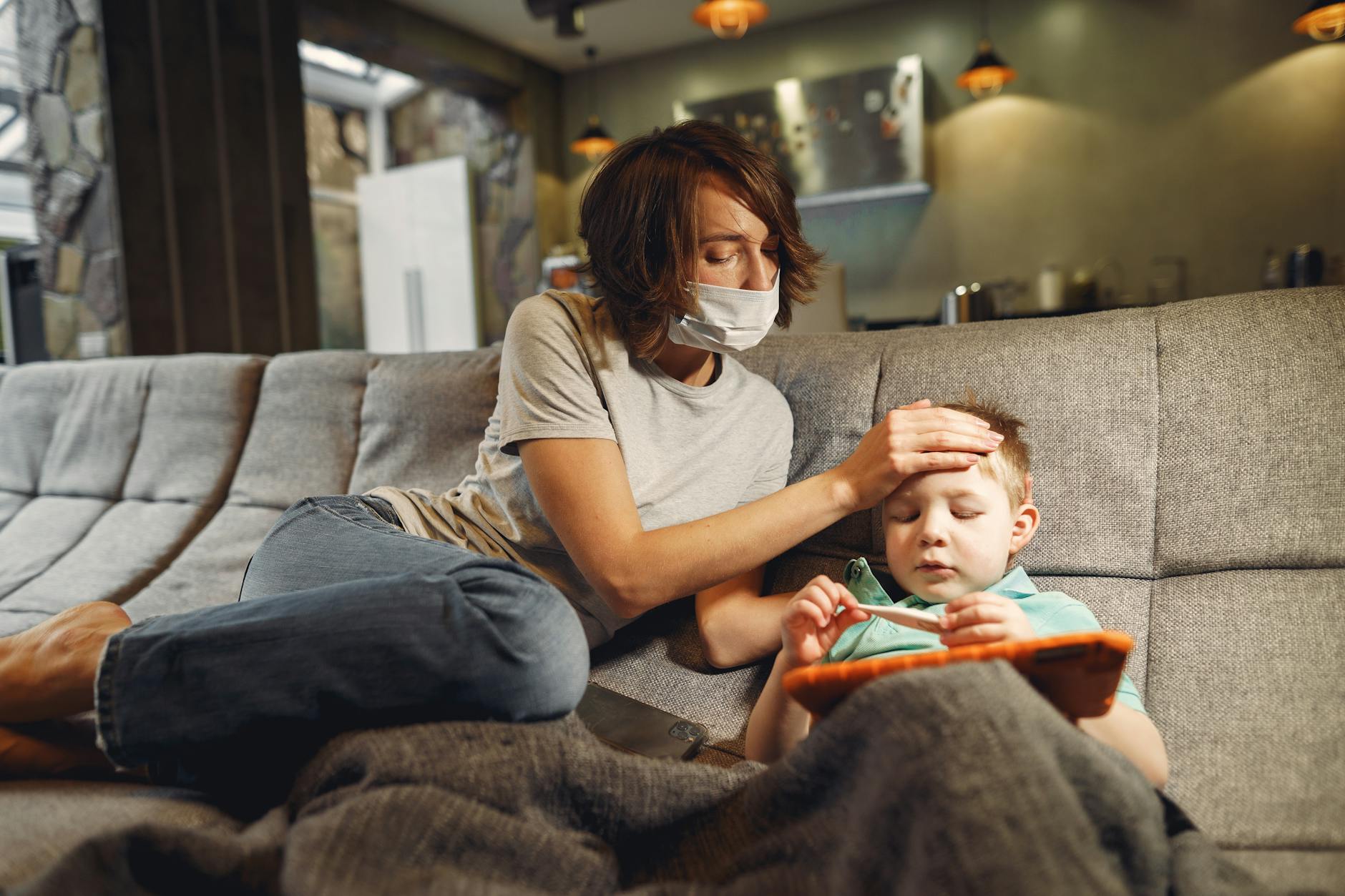
Parents who frequently imagine the worst-case scenario out loud teach children to scan the environment for threats. Phrases like “what if something goes wrong” or “that sounds dangerous” repeated over time reshape a child’s baseline sense of safety. Children are remarkably attuned to parental tone and will absorb anxiety even when the words themselves seem harmless. A household that regularly frames ordinary situations as potential disasters produces children who struggle to feel calm in neutral environments.
Dismissing Their Emotions
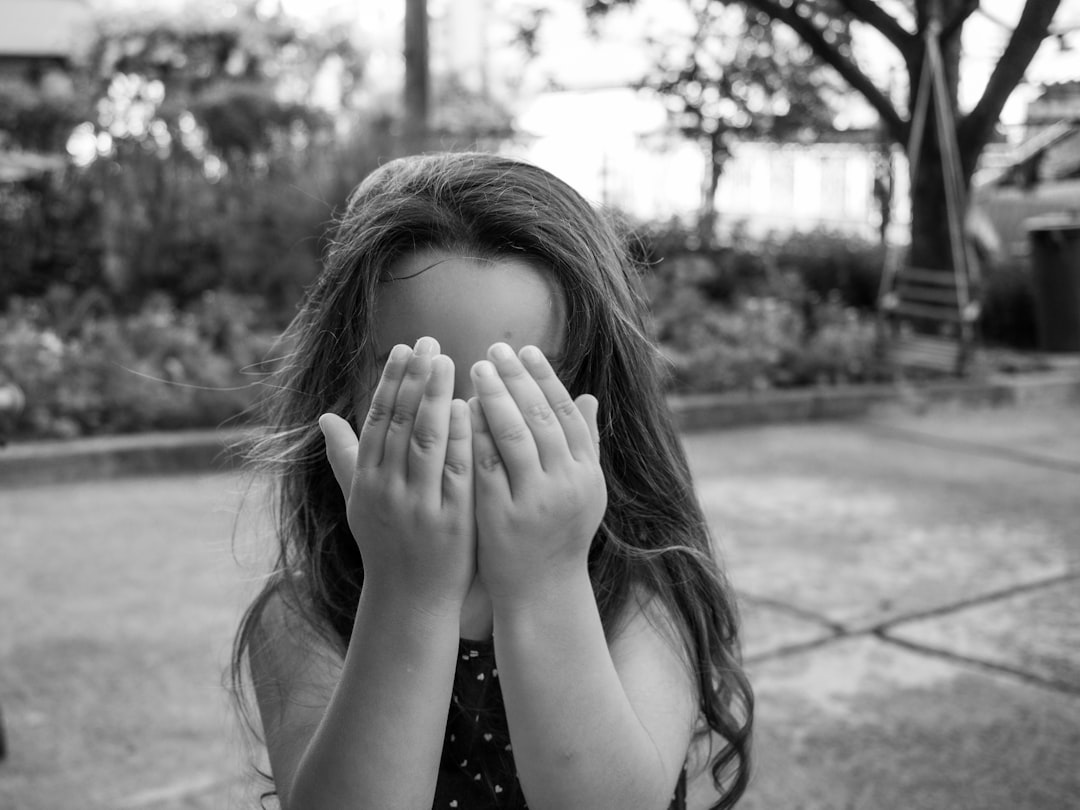
Telling a child to stop crying, calm down, or that their feelings are not a big deal communicates that emotional experiences are shameful or inconvenient. Over time, children learn to suppress rather than process what they feel, which creates internal pressure that builds into chronic anxiety. Emotional dismissal also damages the trust a child needs to come to a parent when something genuinely difficult arises. Validating a feeling does not mean agreeing with every behavior that accompanies it.
Arguing in Front of Them
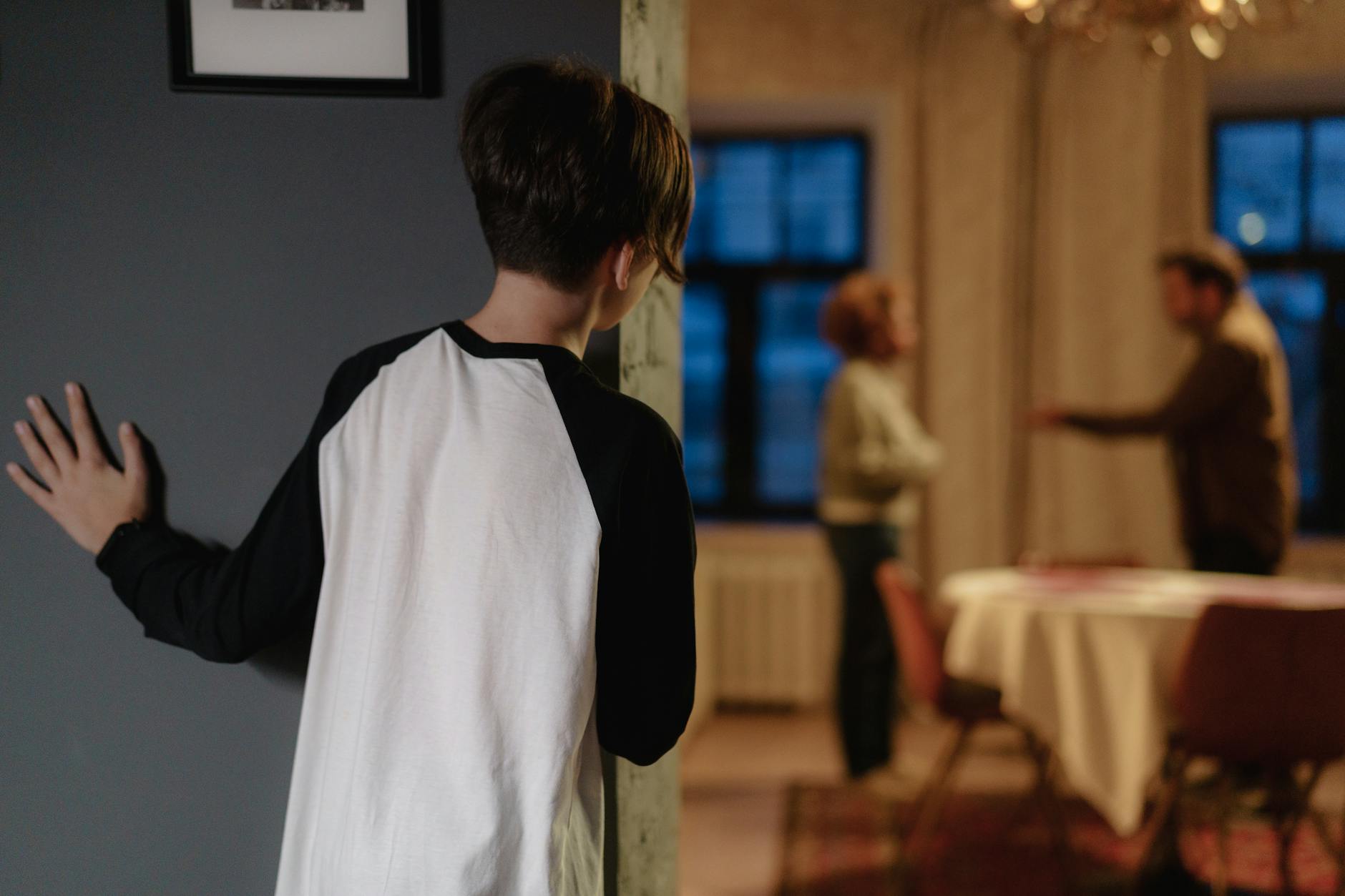
Children who regularly witness heated conflict between caregivers carry that stress in their nervous systems long after the argument ends. Even when parents believe a disagreement is minor, a child’s brain interprets raised voices and tension as signs of imminent threat. Ongoing exposure to unresolved conflict teaches children that relationships are fundamentally unpredictable and unsafe. The home environment is a child’s first model for how the world operates.
Unpredictable Discipline

When consequences shift depending on a parent’s mood rather than the behavior itself, children cannot develop a reliable understanding of cause and effect. This unpredictability forces them into a state of constant vigilance as they monitor the emotional climate of the adults around them. A child who cannot predict how a parent will respond to a given action will feel chronically unsettled. Consistency in discipline is one of the most powerful regulators of a child’s anxiety levels.
Projecting Parental Stress Onto Them
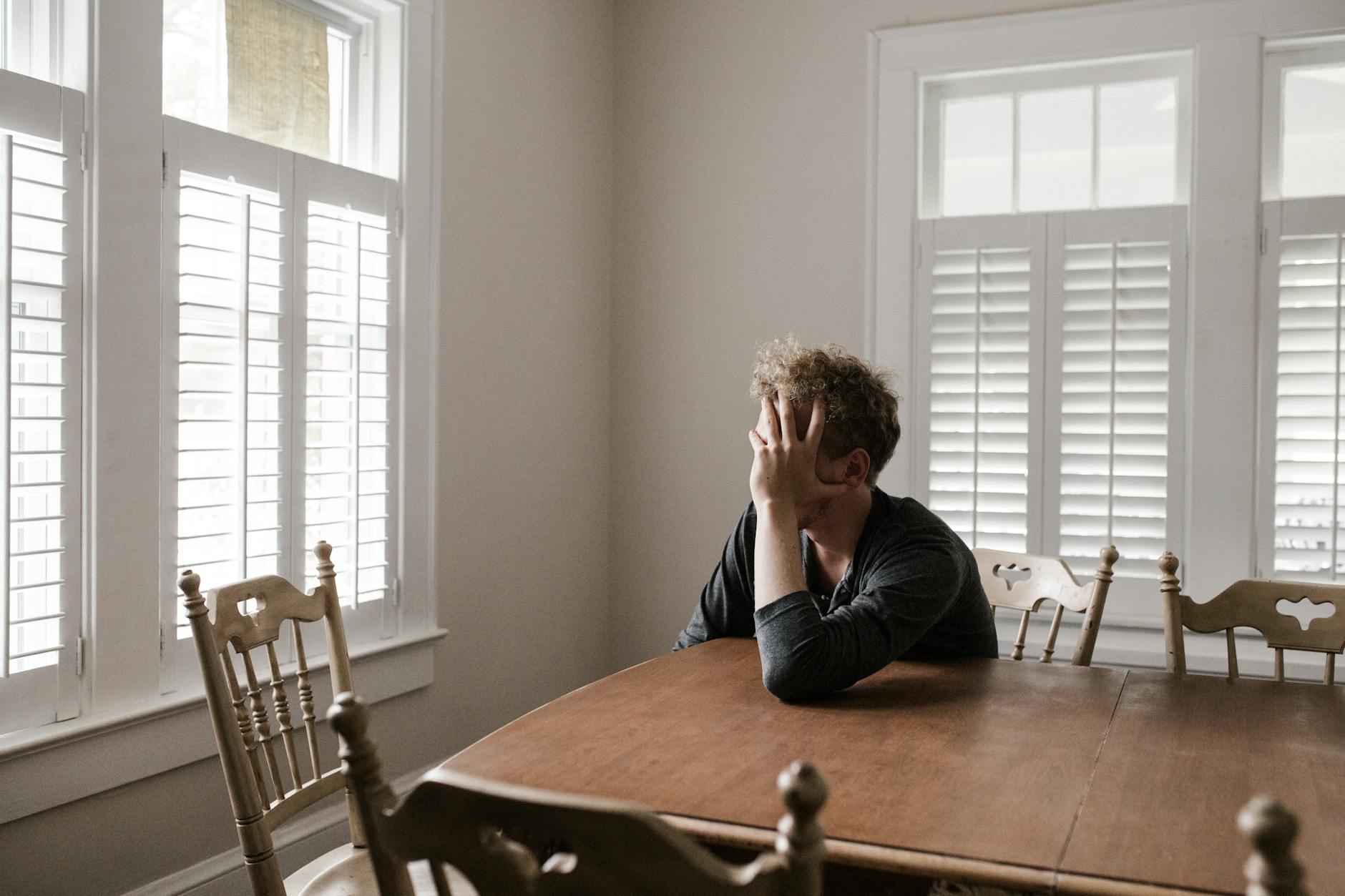
Parents who frequently vocalize financial worry, career stress, or relationship tension place an invisible emotional burden on their children. Children do not have the developmental capacity to contextualize adult problems and will often internalize that stress as something they caused or must fix. Regularly narrating adult anxieties in a child’s presence blurs the boundary between caregiver and child in ways that are psychologically harmful. Children need to feel protected from grown-up burdens, not recruited as emotional confidants.
Over-Scheduling Their Lives
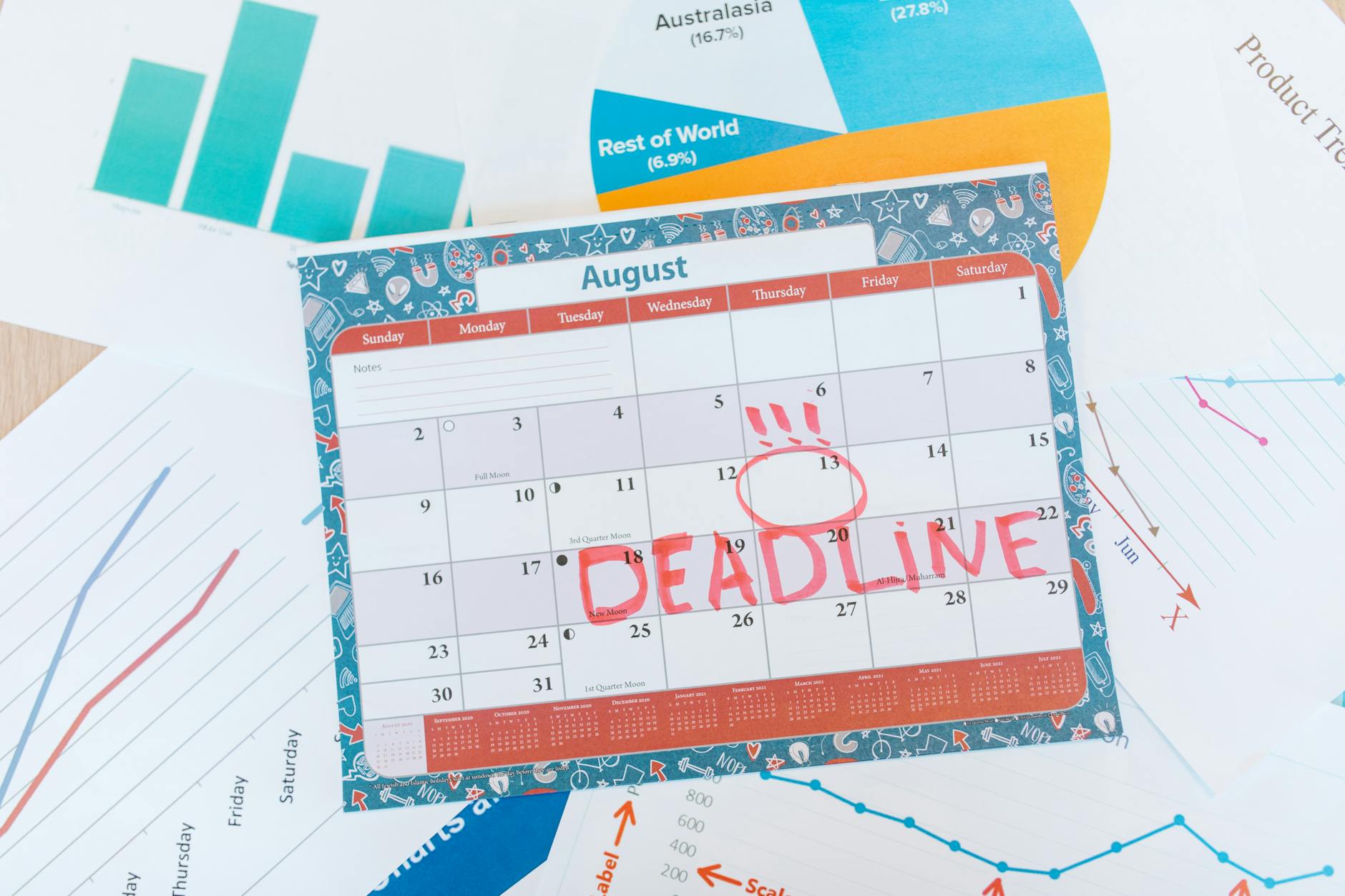
A calendar packed with back-to-back activities leaves no room for the unstructured play that children need to regulate their emotions and decompress. Constant busyness teaches children that stillness is unproductive and that their value is tied to achievement and performance. The pressure to excel in multiple arenas simultaneously generates a low-level stress that compounds across weeks and months. Free, child-directed play is not a luxury but a biological need.
Comparing Them to Other Children

Frequent comparisons to siblings, classmates, or idealized versions of other kids communicate that the child as they are is not enough. This erodes self-worth and replaces intrinsic motivation with a fragile, performance-based identity. Children who grow up being measured against others learn to evaluate themselves through a lens of competition rather than personal growth. The anxiety produced by constant comparison can follow a person well into adulthood.
Hovering During Social Interactions
When parents intervene immediately in peer conflicts or speak on behalf of their child during social situations, children miss the chance to build interpersonal confidence. They begin to doubt their own ability to handle friendships and social challenges without adult assistance. A pattern of parental rescue in social settings teaches children that their instincts cannot be trusted. Over time, this produces avoidance of social situations rather than engagement with them.
Using Fear as a Motivator
Threatening children with frightening consequences to control behavior activates the threat-response system in ways that linger long after the moment has passed. Fear-based parenting may produce short-term compliance but generates long-term hypervigilance. A child who is regularly told that something terrible will happen if they misbehave begins to experience the world as a place full of impending punishment. Motivation rooted in fear cannot coexist with genuine emotional security.
Ignoring Their Physical Cues

Children communicate stress through their bodies long before they have the vocabulary to name what they are feeling. Dismissing stomach aches, headaches, or appetite changes as attention-seeking behavior misses important signals about a child’s emotional state. When physical symptoms are consistently invalidated, children lose trust in their own bodily experience and feel unseen. Treating somatic complaints as meaningless teaches children that their internal signals are unreliable.
Making Them Feel Responsible for Your Happiness

Statements that link a parent’s emotional state directly to a child’s behavior place an impossible weight on young shoulders. When a child believes that a parent’s sadness, frustration, or joy is something they are personally controlling, they become hypervigilant about managing the parent’s mood. This dynamic is a significant driver of anxiety because it requires constant emotional labor that a child is not equipped to perform. Healthy parenting requires adults to take ownership of their own emotional regulation.
Failing to Follow Through

Parents who regularly make promises and do not keep them teach children that the world is unreliable and that people cannot be counted on. Broken commitments from a primary caregiver are among the most destabilizing experiences in a child’s early development. The anticipation of disappointment becomes a default mental state, which is functionally indistinguishable from chronic anxiety. Children need to trust that what adults say and what adults do are the same thing.
Excessive Screen-Based News Exposure
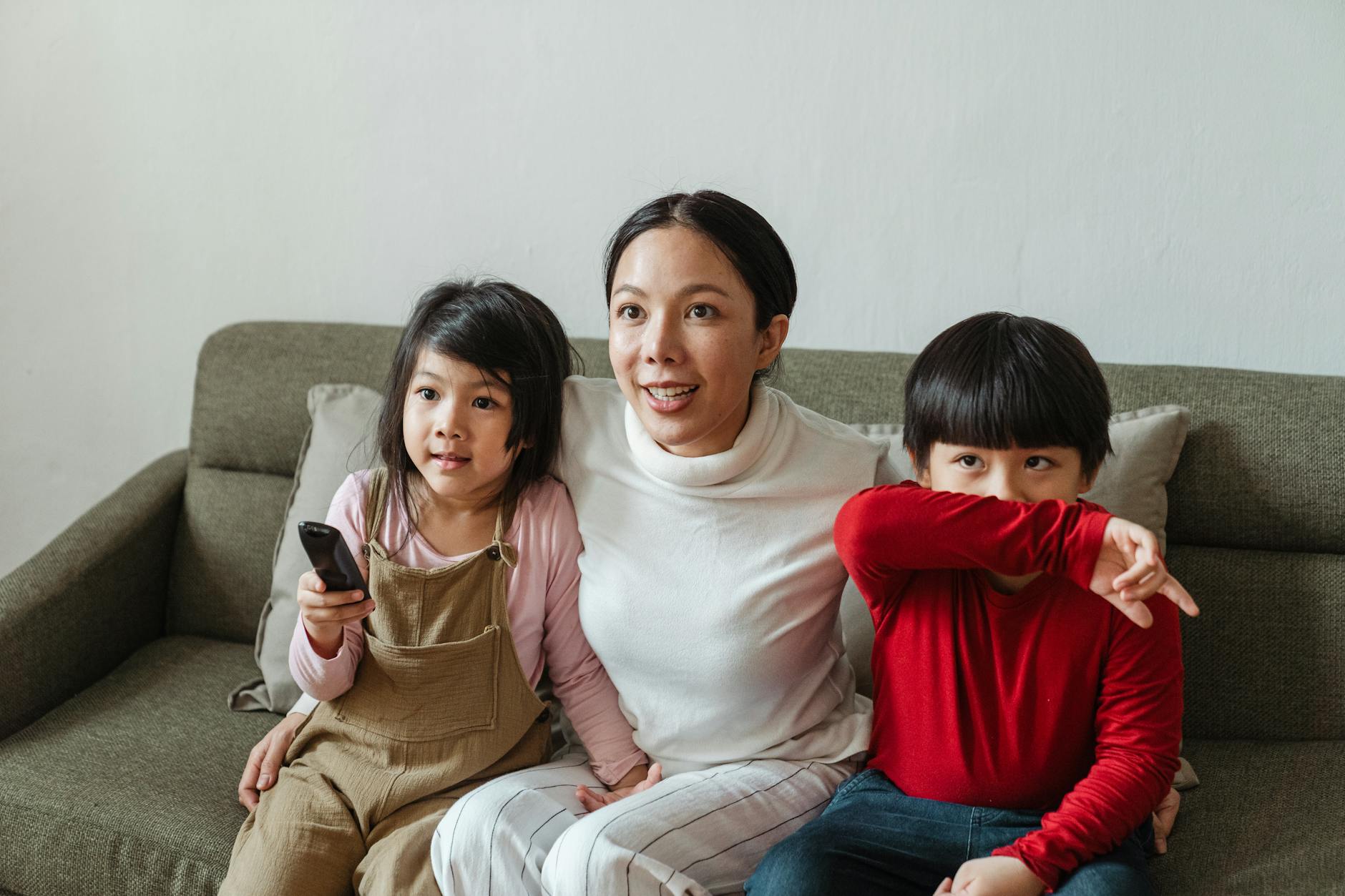
Young children who are exposed to news coverage of violence, disasters, or global crises without appropriate context absorb those images in an unfiltered way. The developing brain cannot distinguish between a news story happening far away and an immediate personal threat. Regular passive exposure to frightening media content raises a child’s baseline arousal level. Monitoring what a child is exposed to on screens is a direct form of emotional protection.
Labeling Them as Shy or Anxious
When a parent repeatedly introduces or describes a child using deficit labels, the child internalizes that identity and begins to act in accordance with it. A child told often enough that they are shy will stop attempting to push through discomfort in social situations because the label has already explained the outcome. Labels replace the opportunity for growth with a fixed narrative about who the child is. Describing behavior rather than character keeps a child’s sense of identity flexible and open.
Dismissing School-Related Stress
Minimizing a child’s worries about tests, friendships, or teachers by telling them it is not a big deal communicates that their daily world does not matter. For a child, school is not a small thing but the central arena of their social and intellectual life. When stress about that environment is routinely brushed aside, children learn to stop sharing what is bothering them. The emotional distance this creates makes early intervention in genuine anxiety disorders much less likely.
Being Emotionally Unavailable
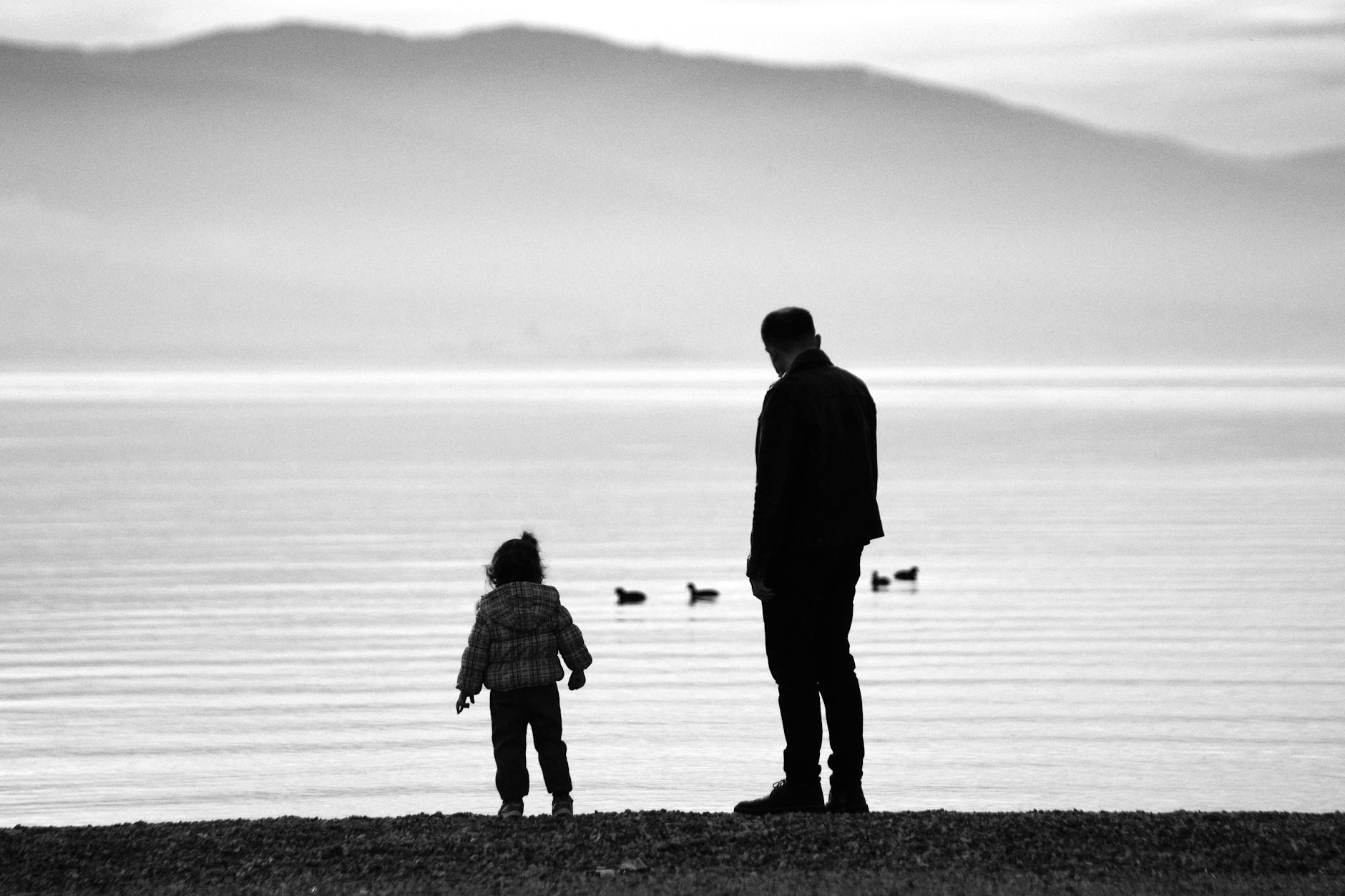
A parent who is physically present but emotionally distant leaves a child in a state of ongoing unmet need. Children require consistent emotional attunement from caregivers to develop a secure attachment style. Without that attunement, they become hyperalert to shifts in the parent’s attention or mood, hoping to locate a moment of genuine connection. This vigilance is exhausting and, when sustained over years, becomes the architecture of chronic anxiety.
Normalizing Perfectionism
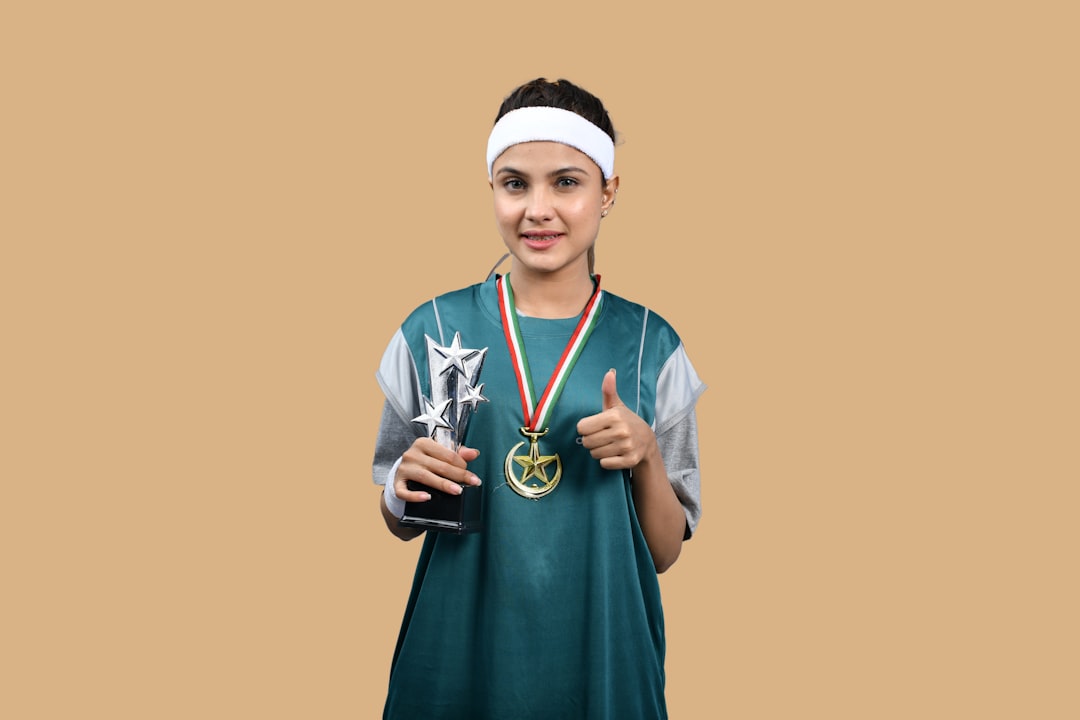
Parents who model all-or-nothing thinking about achievement teach children that anything short of perfect is a form of failure. When praise is reserved only for flawless outcomes, children begin to fear any task where the result is uncertain. The internal experience of a perfectionist child is one of near-constant threat because the bar never feels reachable. Celebrating effort, process, and progress over performance fundamentally changes how a child relates to challenge.
Asking Leading Anxiety-Loaded Questions
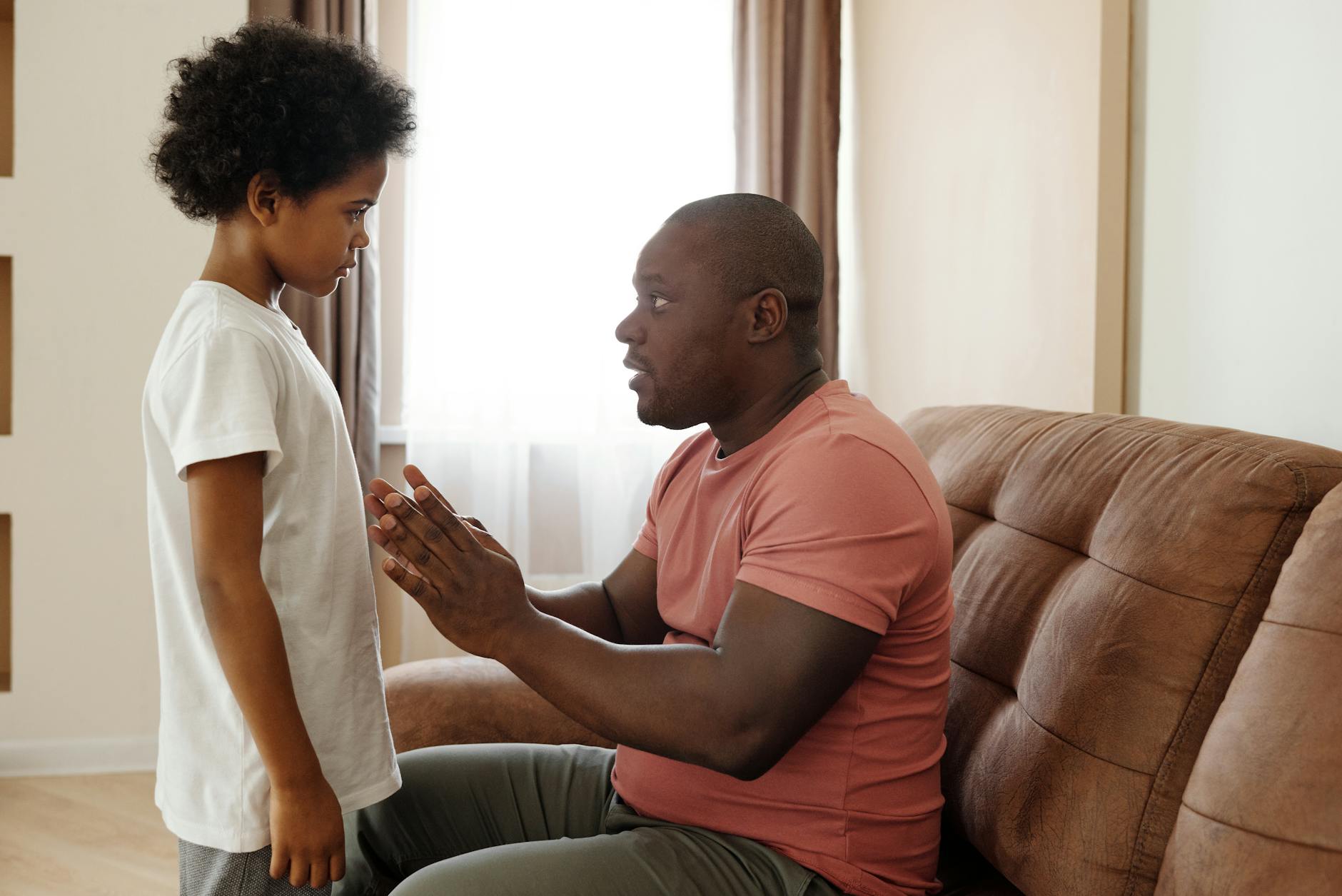
Questions like “are you nervous about the test tomorrow” or “are you worried about what they will think” plant anxiety where it may not have existed. Children often look to parents to know how they should feel about a situation and will adopt the emotional framing offered to them. Consistently cueing anxiety before events trains children to approach novelty with apprehension rather than curiosity. Neutral or positively framed questions produce significantly different emotional anticipation.
Neglecting Their Need for Sleep
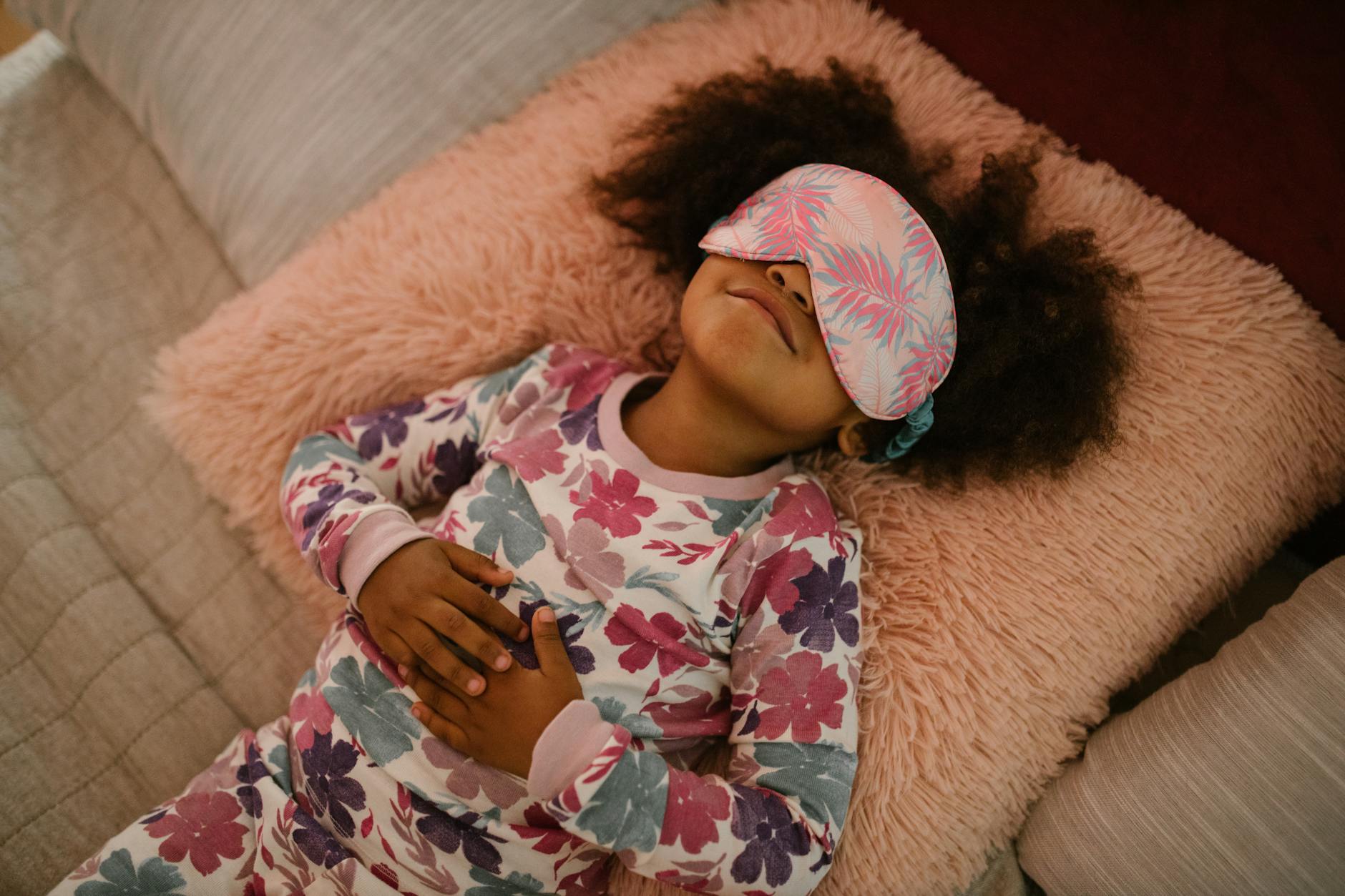
Chronic sleep deprivation in children is one of the most direct physiological contributors to anxiety, yet it is often overlooked in favor of activity schedules. An undertired brain is a reactive brain, meaning small stressors produce outsized responses. Children who consistently do not get adequate sleep lose the capacity to self-regulate emotions effectively. Protecting a consistent, age-appropriate sleep schedule is a form of mental health care.
Not Modeling Healthy Stress Management
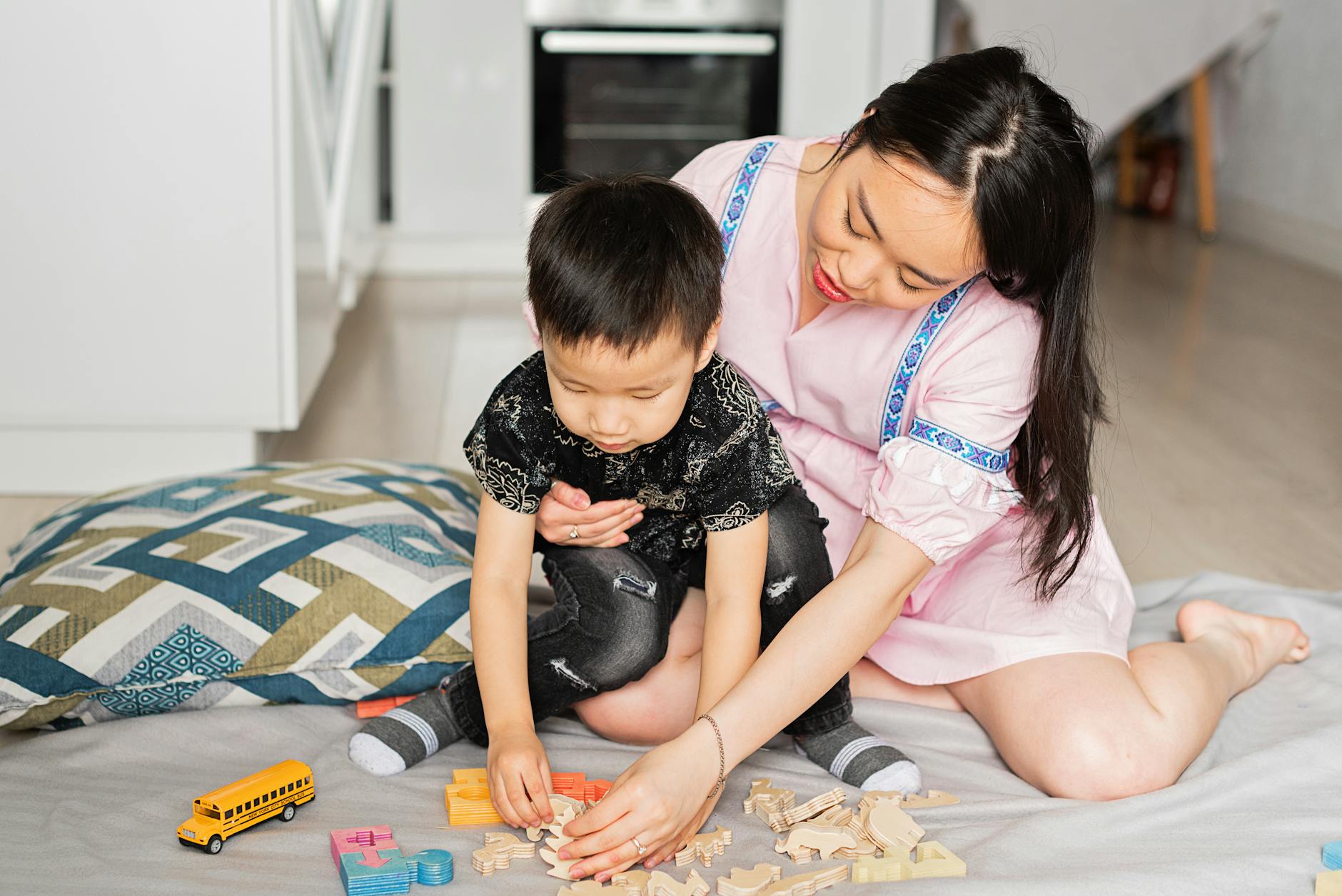
Children learn how to cope with difficulty primarily by watching the adults in their lives. A parent who responds to stress with panic, avoidance, or aggression is teaching those same patterns without a single word of instruction. When children never see an adult acknowledge difficulty and move through it constructively, they have no template for doing so themselves. Visible, age-appropriate modeling of calm problem-solving is one of the most protective things a parent can offer.
Responding to Their Anxiety With Anxiety
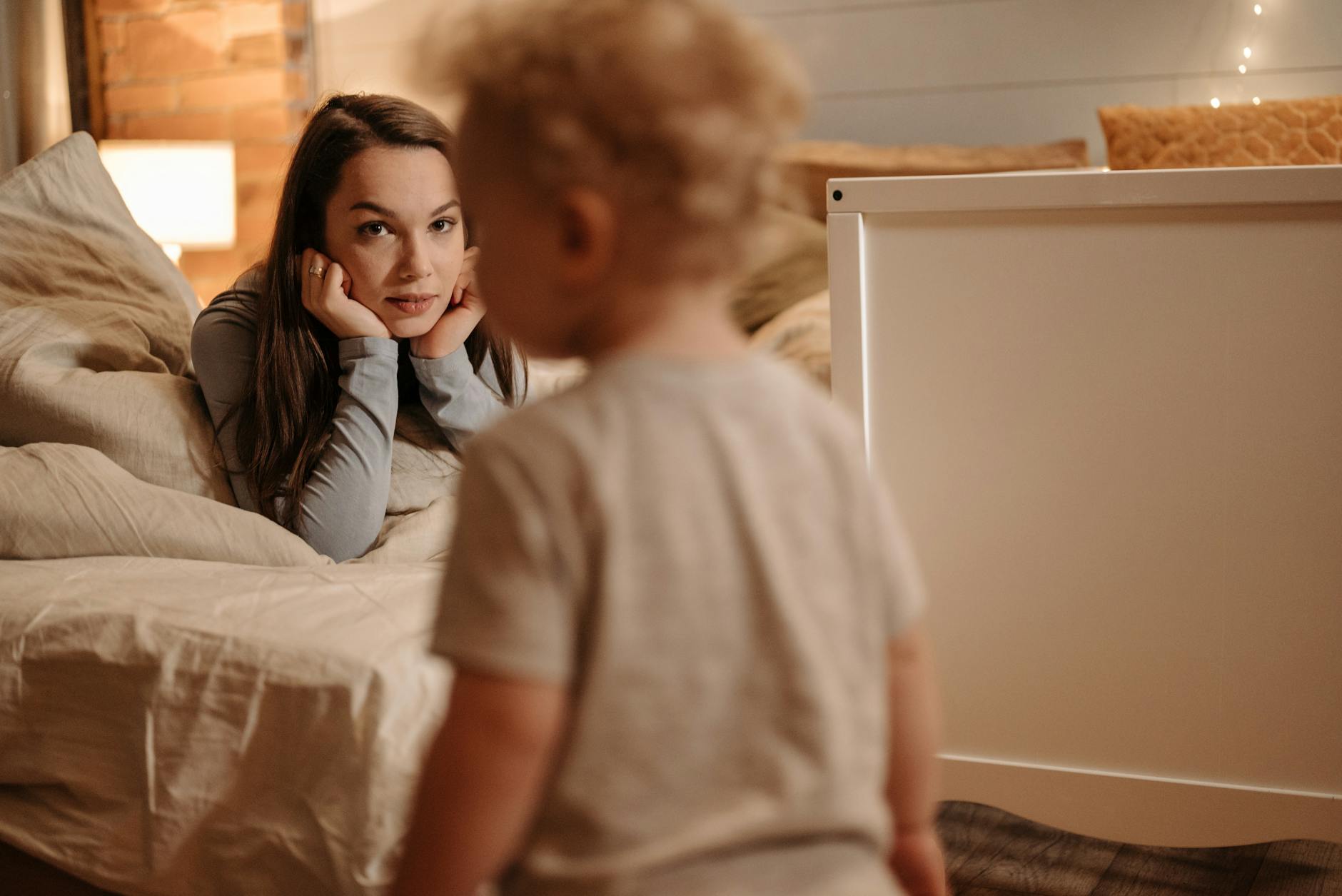
When a child expresses worry and a parent responds with visible alarm, the child receives confirmation that whatever they feared was worth fearing. This co-escalation creates feedback loops where anxiety amplifies rather than resolves. A calm, grounded parental response to a child’s worried state communicates that the situation is manageable. The nervous system of a child in distress will literally regulate itself toward the nervous system of a calm caregiver who remains present and steady.
Shaming Them for Age-Appropriate Behavior

Treating normal developmental behaviors such as clinginess, fear of the dark, or social hesitation as something to be embarrassed about adds shame to whatever discomfort the child was already experiencing. Shame is one of the most potent drivers of anxiety because it makes the child themselves feel like the problem. When children feel ashamed of their natural responses, they stop bringing those responses to the surface where they can be addressed. Meeting developmental behavior with warmth and normalization is far more effective than humiliation.
Lack of Physical Affection
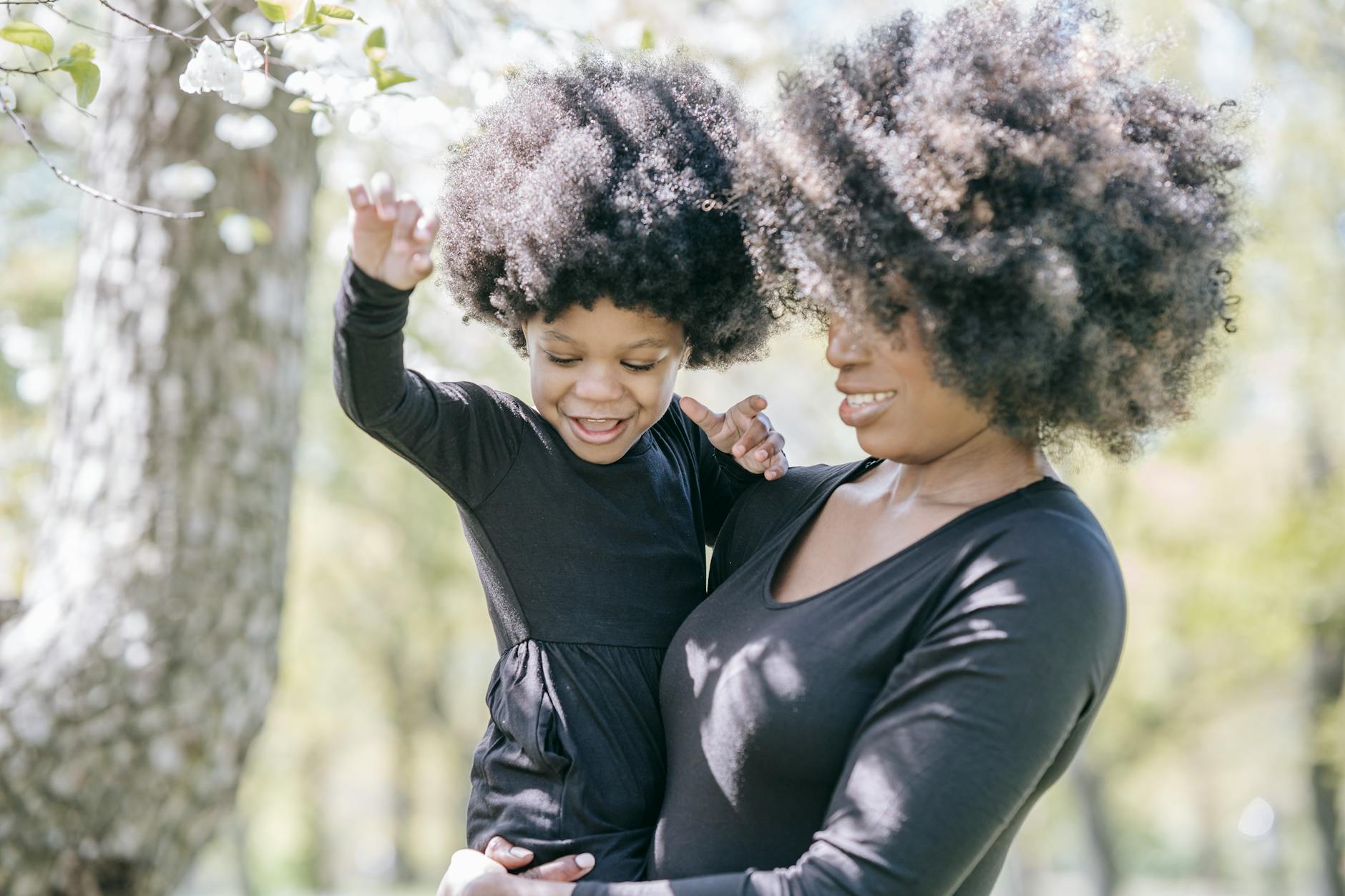
Physical touch is a neurological regulator for young children and remains important well beyond infancy. Children who receive insufficient physical warmth from caregivers show elevated stress hormone levels that compound over time. A hug, a hand on the shoulder, or simply sitting close during a difficult moment communicates safety in a way that words cannot fully replicate. The absence of consistent physical affection creates a low-level emotional deficit that leaves children more vulnerable to anxiety.
Prioritizing Achievement Over Connection
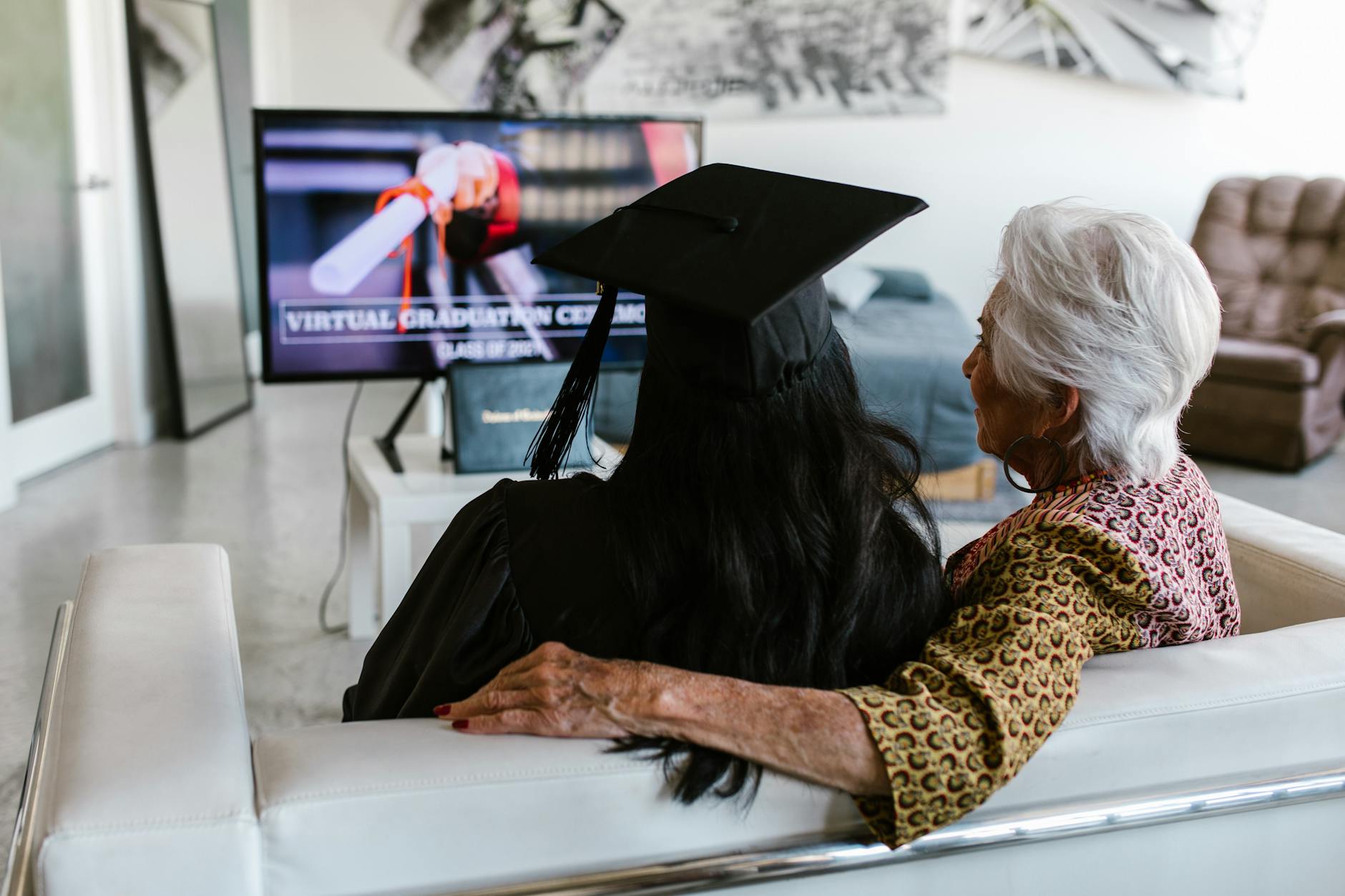
When a child feels that parental approval is contingent on grades, athletic performance, or social success, they lose access to unconditional belonging. The experience of being loved for what you do rather than who you are is a foundational source of anxiety. Children in achievement-focused households often report feeling that they must constantly earn their place in the family. Regularly demonstrating interest in a child’s inner world rather than their external results is a powerful antidote.
Speaking Negatively About the Other Parent

When children hear one parent criticized, mocked, or blamed by the other, they experience loyalty conflict that generates significant internal distress. Children identify with both parents and feel that criticism of one parent is also a criticism of part of themselves. The emotional labor required to navigate split loyalties is a heavy, invisible burden. Maintaining basic respect for co-parents in front of children is non-negotiable for their emotional health.
Minimizing Peer Relationship Problems
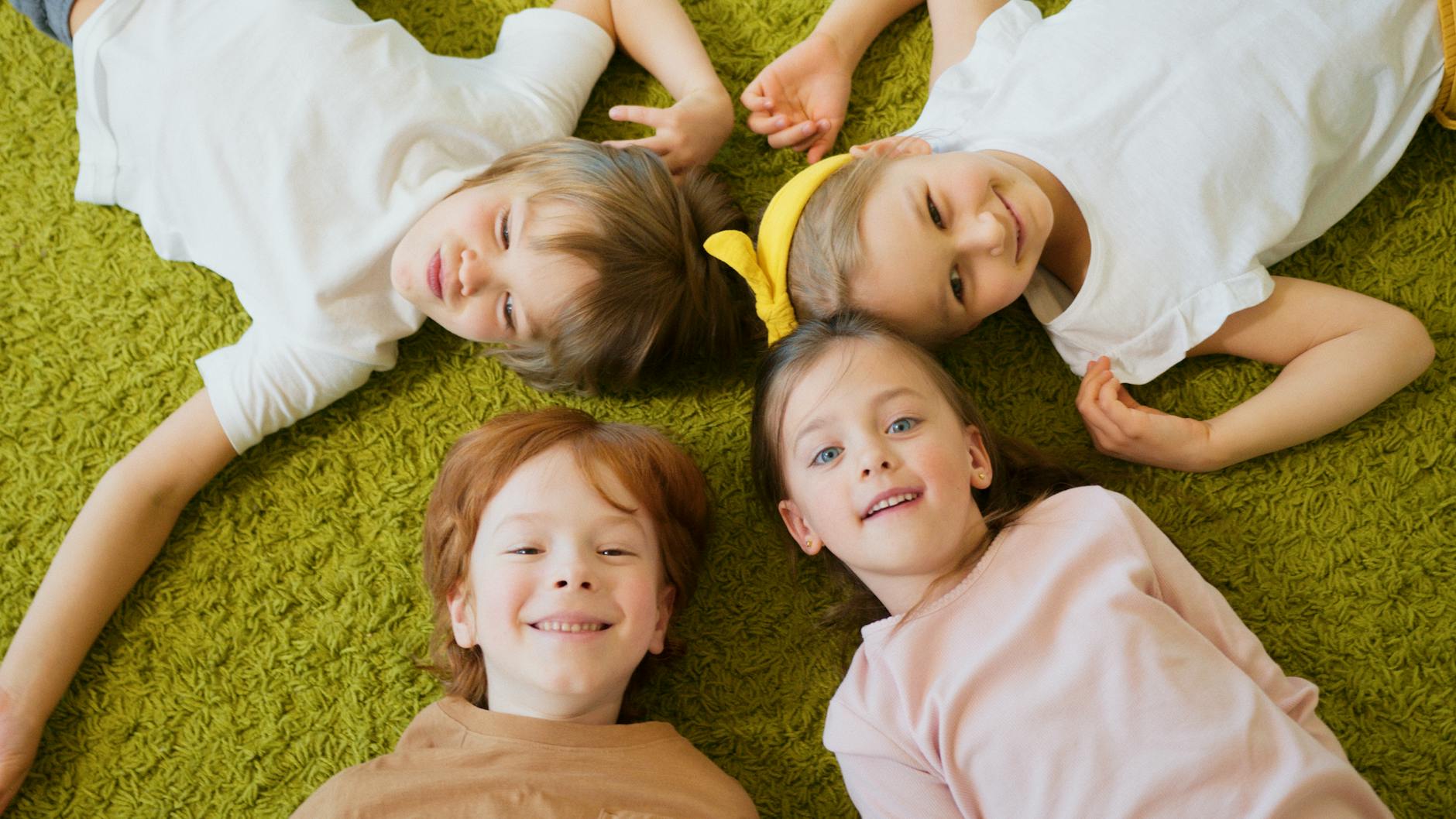
Friendships are the emotional laboratory of childhood, and when problems in that space are dismissed as trivial, children lose a crucial processing opportunity. Being excluded, teased, or misunderstood by peers produces genuine psychological pain that deserves to be taken seriously. A parent who consistently reframes peer difficulties as unimportant leaves the child to manage significant social stress alone. Listening without immediately problem-solving gives children the validation they need to begin regulating the experience themselves.
Reactive Rather Than Responsive Parenting
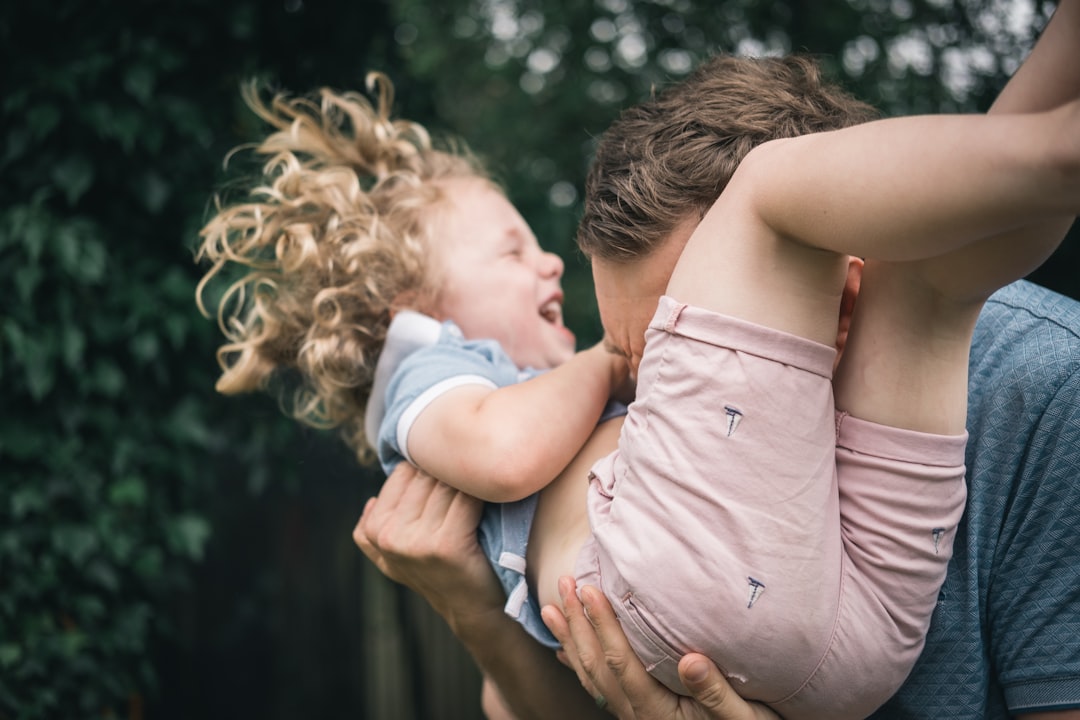
There is an important difference between reacting from emotion and responding from intention. Parents who habitually react to challenging behavior with immediate anger, frustration, or punishment teach children that adults are unpredictable under pressure. This unpredictability mirrors the environment that research consistently links to elevated childhood anxiety. Pausing before responding, even briefly, models the kind of emotional regulation that children are still in the process of building.
Overexplaining Danger
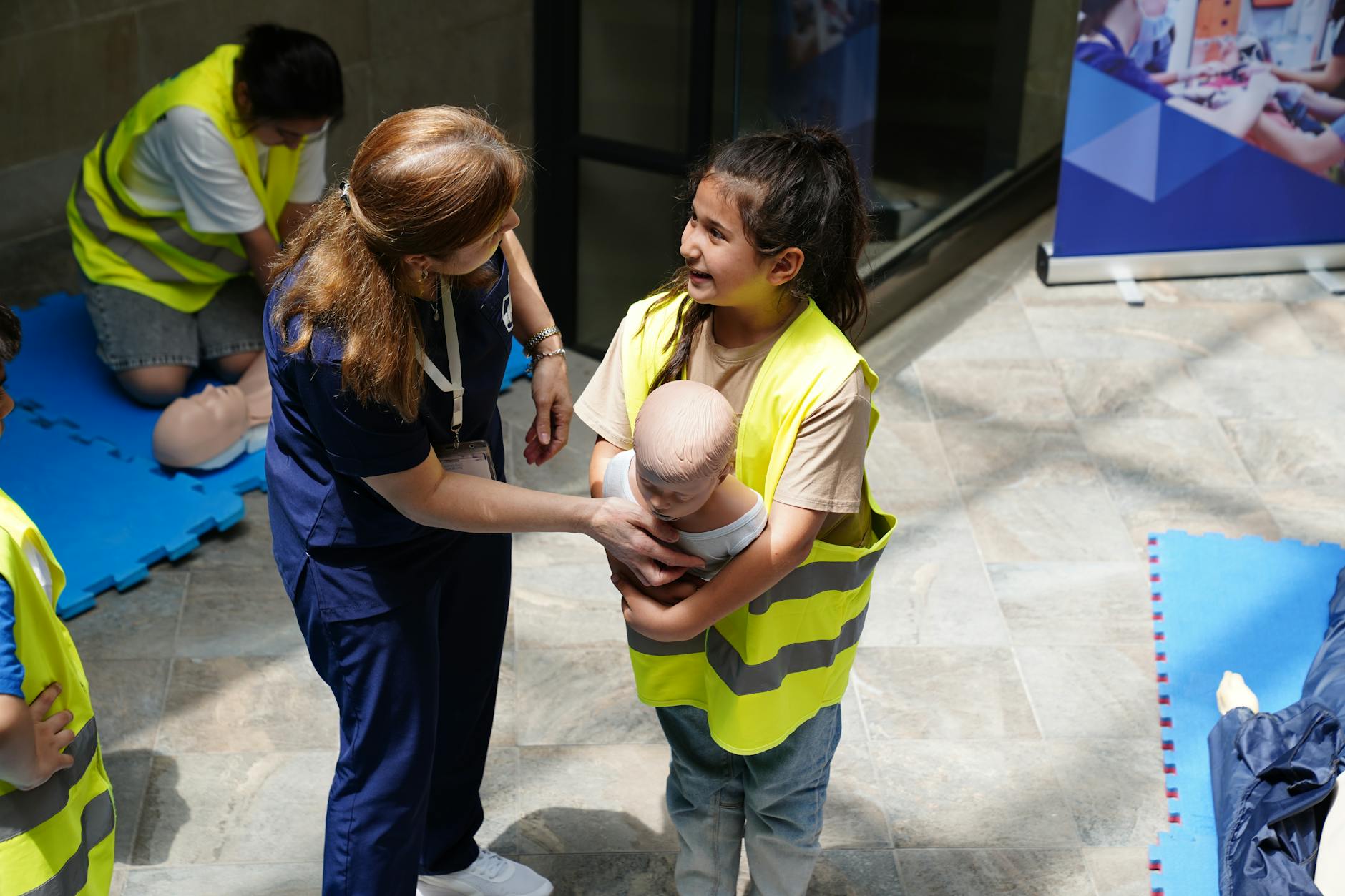
Teaching children about safety is essential, but repeating warnings and danger scenarios beyond what is appropriate for their age floods their developing risk-assessment systems. When every outing is preceded by a lengthy list of what could go wrong, children absorb the message that the world is fundamentally threatening. A balanced approach to safety education gives children accurate information without cultivating a pervasive sense of dread. The goal is a child who is informed and cautious, not one who is paralyzed by what-ifs.
Ignoring Their Need for Autonomy
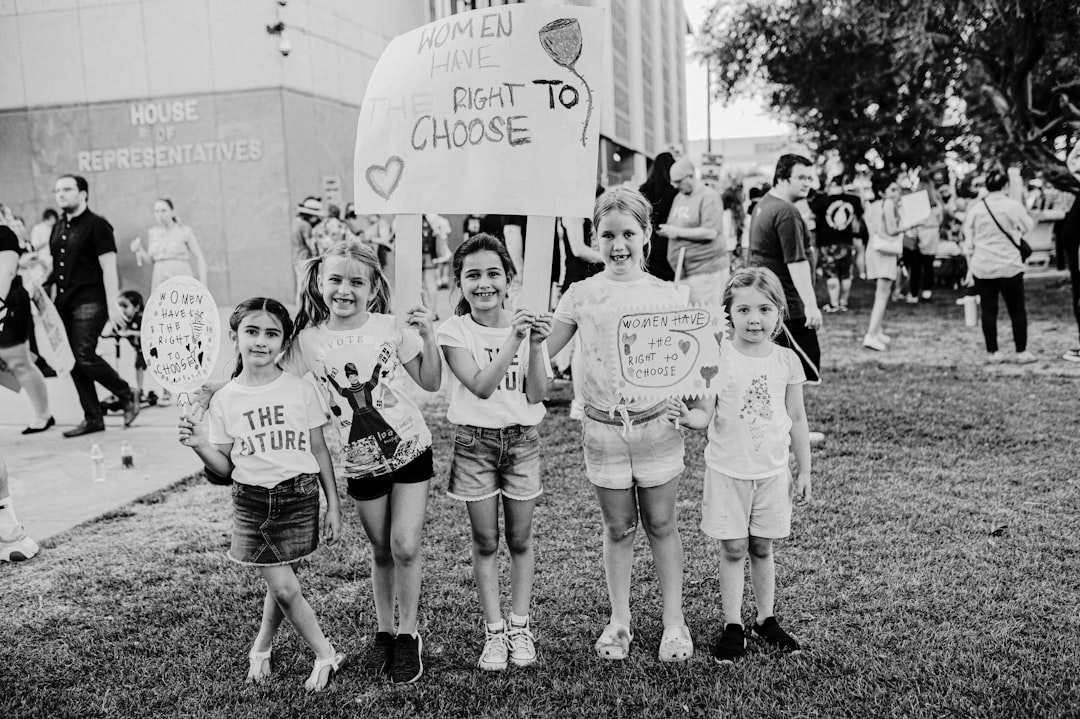
Children who are given no meaningful choices in their daily lives develop a sense of powerlessness that feeds directly into anxiety. The ability to make age-appropriate decisions about their own world is central to a child’s developing confidence. When every element of a child’s day is controlled by adults, they never build the belief that their own judgment has value. Gradually expanding autonomy in low-risk areas is one of the most effective investments a parent can make in a child’s long-term mental health.
What parenting habits have you noticed making a difference in your child’s emotional wellbeing? Share your thoughts in the comments.




