Most people follow a basic dental hygiene routine and assume their teeth are well protected, but everyday habits can quietly wear down enamel long before visible damage appears. Enamel is the hardest substance in the human body, yet it cannot regenerate once lost, making prevention essential for long-term oral health. Understanding which common behaviors accelerate enamel erosion is the first step toward protecting your smile for years to come.
Sipping on Citrus Drinks Throughout the Day
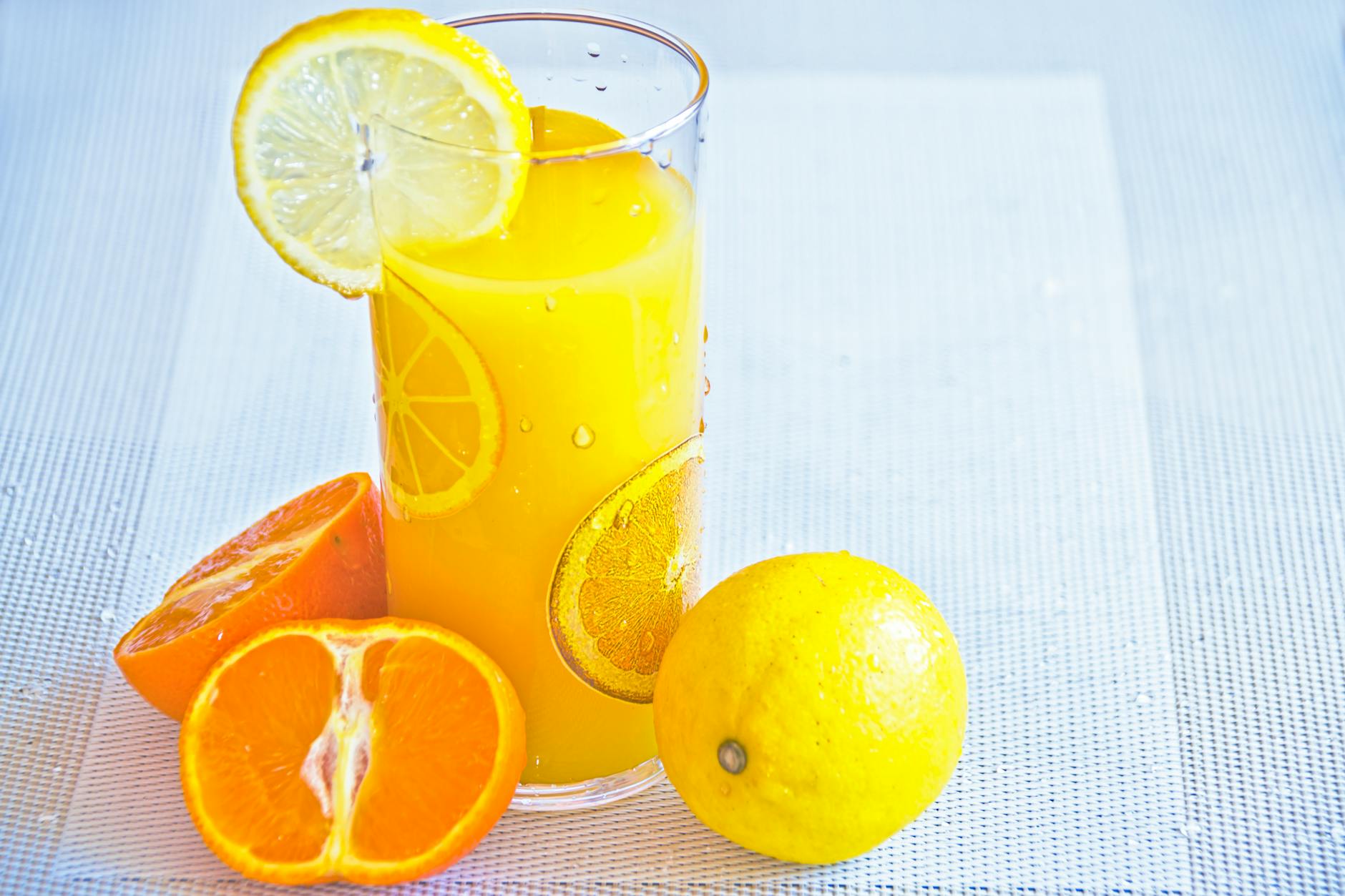
Lemon water, orange juice, and other citrus-based beverages are packed with acids that soften enamel on contact. When consumed slowly over extended periods, the teeth are exposed to prolonged acid attack rather than a single brief episode. Saliva naturally neutralizes acid in the mouth, but continuous sipping prevents it from doing its job effectively. Drinking acidic beverages quickly through a straw and rinsing with plain water afterward significantly reduces enamel exposure.
Brushing Immediately After Eating
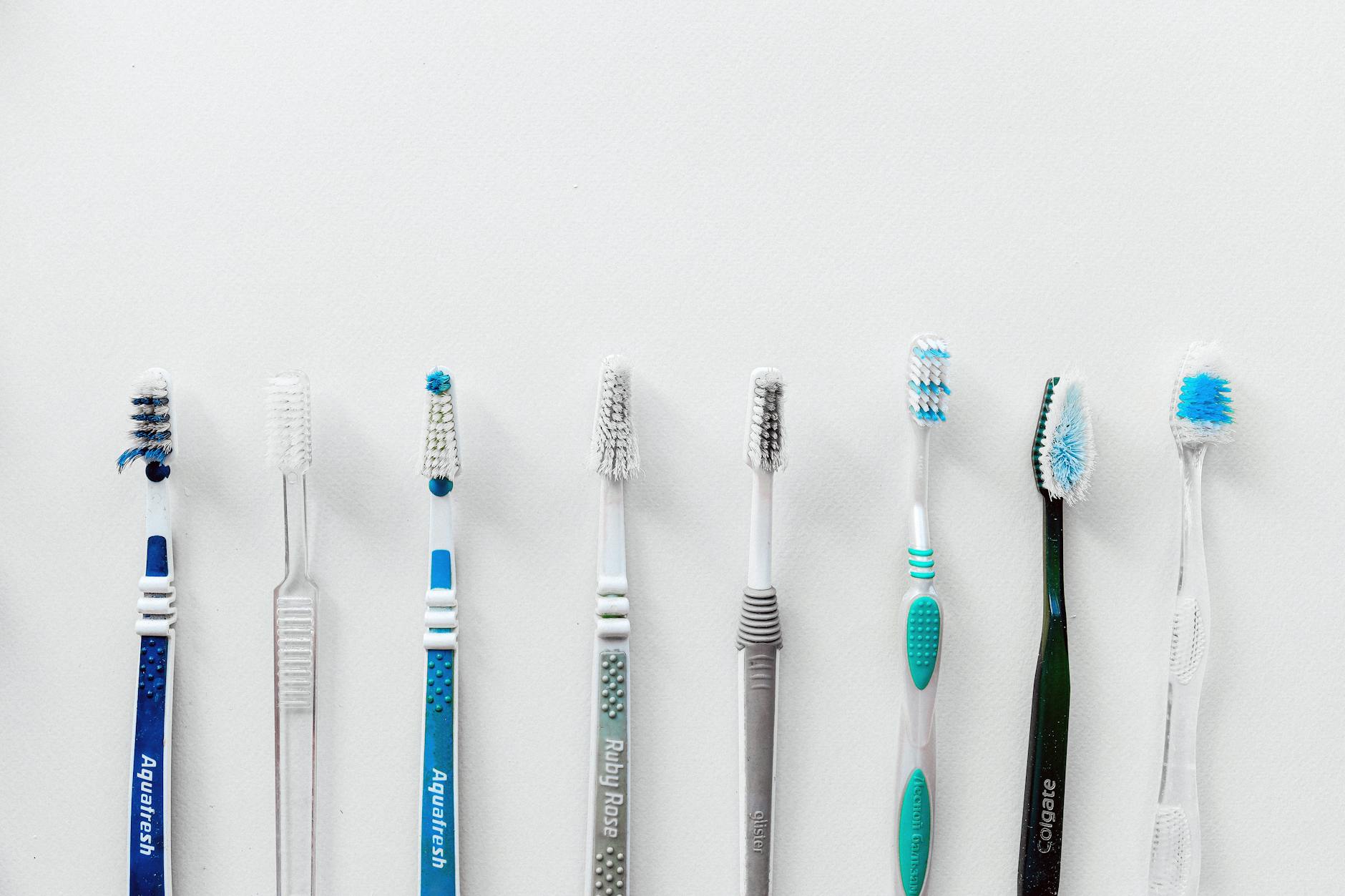
Many people brush their teeth right after a meal with the intention of keeping their mouth clean, but this habit can backfire when acidic foods have been consumed. Eating temporarily softens enamel, and brushing during this window can physically scrub away the weakened surface layer. Dentists recommend waiting at least thirty minutes after eating before reaching for a toothbrush. This gives saliva enough time to remineralize and reharden the enamel surface.
Grinding Your Teeth at Night
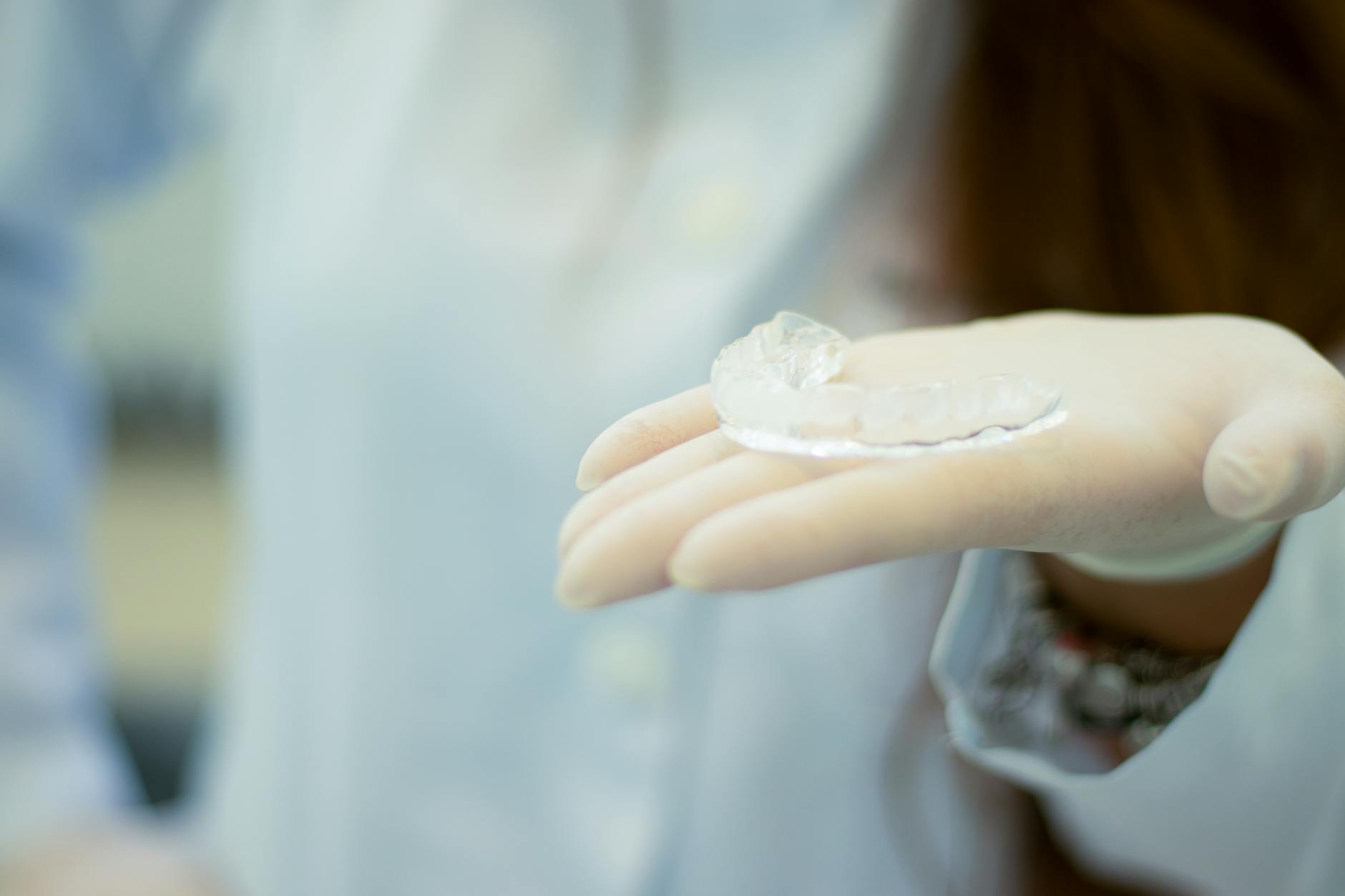
Bruxism, the habitual grinding or clenching of teeth during sleep, places tremendous mechanical pressure on enamel over time. Because it happens unconsciously during sleep, many people are unaware they grind until a dentist points out visible wear patterns. The flat, shortened teeth characteristic of chronic grinders are a direct result of enamel being physically worn away. A custom night guard from a dentist is the most effective way to protect teeth from this type of damage.
Drinking Soda Daily
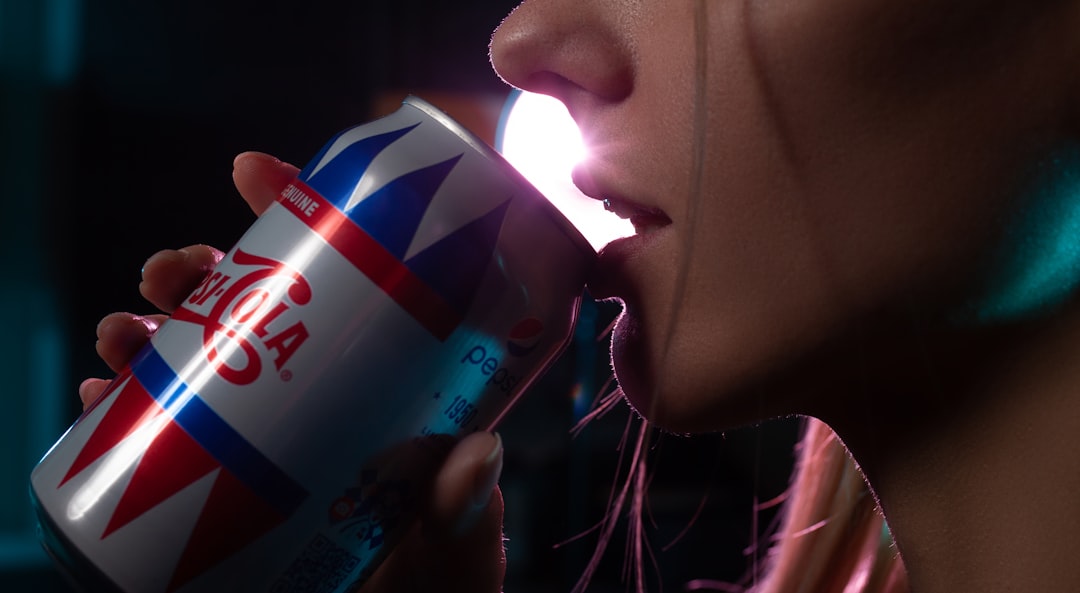
Both regular and diet sodas contain phosphoric and citric acids that actively corrode enamel with every sip. Diet versions are often considered a safer choice, but their acid content makes them nearly as damaging to teeth as their sugary counterparts. The carbonation itself also contributes mildly to the acidic environment in the mouth. Limiting soda consumption and choosing water as the primary daily beverage makes a measurable difference in enamel preservation.
Using a Hard-Bristled Toothbrush
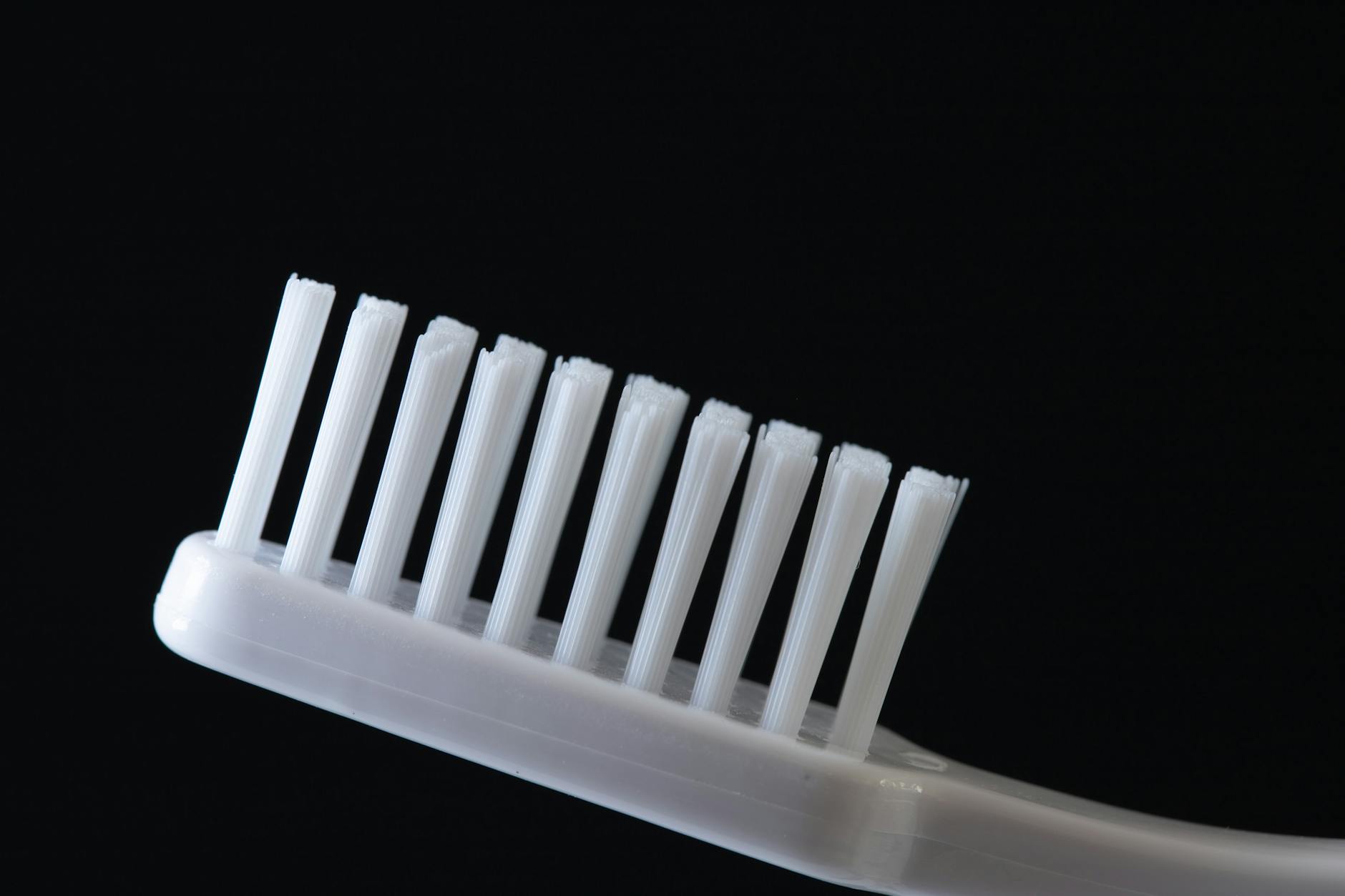
Aggressive brushing with a firm-bristled toothbrush is one of the most common causes of enamel abrasion seen by dental professionals. Many people associate a vigorous scrub with cleaner teeth, but the mechanical friction gradually strips enamel from the surface, particularly along the gumline. Soft-bristled toothbrushes clean just as effectively when used with proper technique and gentle circular motions. Replacing your toothbrush with a soft-bristled version is one of the simplest protective changes you can make.
Chewing on Ice

Ice chewing is an extremely common habit that many people consider harmless since ice is simply frozen water. The hard crystalline structure of ice places significant physical stress on enamel, which can lead to micro-fractures and visible chips over time. Repeated impact against the teeth wears down the protective outer layer faster than most people realize. The habit is also associated with a condition called pica, which sometimes signals an underlying nutritional deficiency worth investigating with a doctor.
Eating Sticky and Chewy Candies

Sticky sweets such as gummy candies, caramel, and dried fruit cling to the tooth surface and remain in contact with enamel far longer than other foods. This prolonged contact gives bacteria more time to feed on sugars and produce enamel-eroding acids. The pulling motion required to chew these foods also creates physical stress on teeth. Rinsing the mouth with water after consuming sticky foods helps remove residue before it can cause extended damage.
Frequent Snacking Between Meals
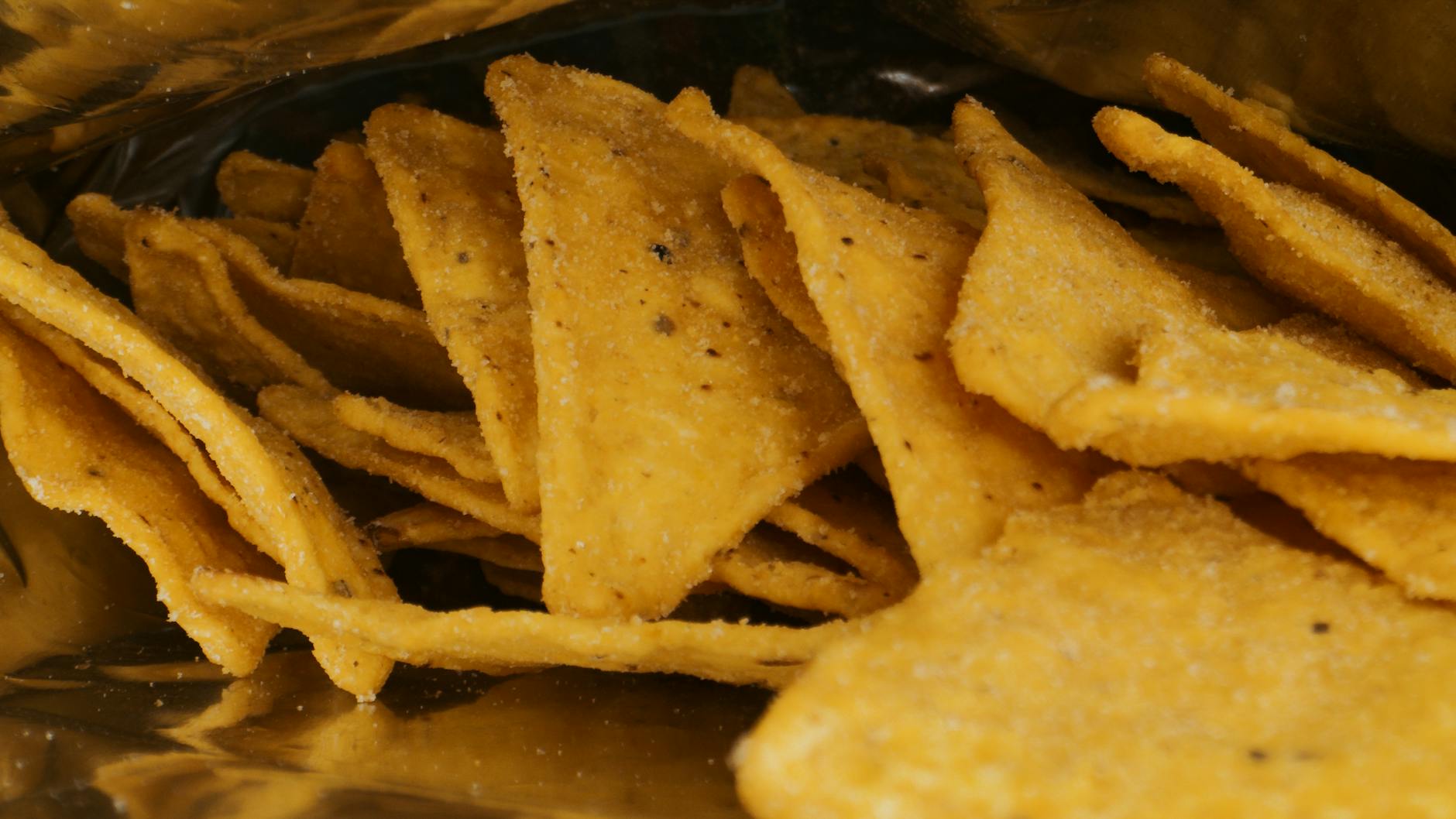
Every time food is consumed, the mouth enters an acidic state as bacteria begin breaking down sugars and carbohydrates. Frequent snacking means the mouth never fully returns to a neutral pH between eating episodes, creating an environment where enamel is under near-constant acid attack. Three structured meals with minimal snacking in between allows saliva to properly neutralize the oral environment. Choosing low-sugar, low-acid snacks when eating between meals further reduces the cumulative impact on enamel.
Drinking Sports and Energy Drinks

Sports and energy drinks are heavily marketed toward active individuals, but their high acid and sugar content makes them particularly harmful to enamel. Studies consistently rank these beverages among the most erosive drinks available on the consumer market. Athletes who consume them regularly during workouts often experience accelerated enamel wear because the mouth stays in an acidic state throughout exercise. Switching to water for hydration during physical activity eliminates this risk entirely.
Using Teeth as Tools
Opening packaging, tearing tags, cracking nuts, or biting off thread are tasks many people instinctively reach for their teeth to handle. Each of these actions places abnormal mechanical force on enamel that it was not designed to withstand. Repeated misuse can cause chipping, cracking, and weakening of the enamel structure over time. Keeping scissors and proper tools nearby removes the temptation to rely on teeth for tasks beyond chewing food.
Consuming Vinegar-Based Foods Regularly

Apple cider vinegar has gained enormous popularity as a health supplement, but its high acidity makes it one of the more aggressive dietary sources of enamel erosion. Salad dressings, pickled foods, and vinegar-heavy condiments present similar risks when consumed frequently and in large amounts. Many health enthusiasts drink diluted apple cider vinegar daily without realizing it may be steadily compromising their enamel. Drinking it through a straw and rinsing afterward helps limit direct contact with tooth surfaces.
Skipping Water After Coffee
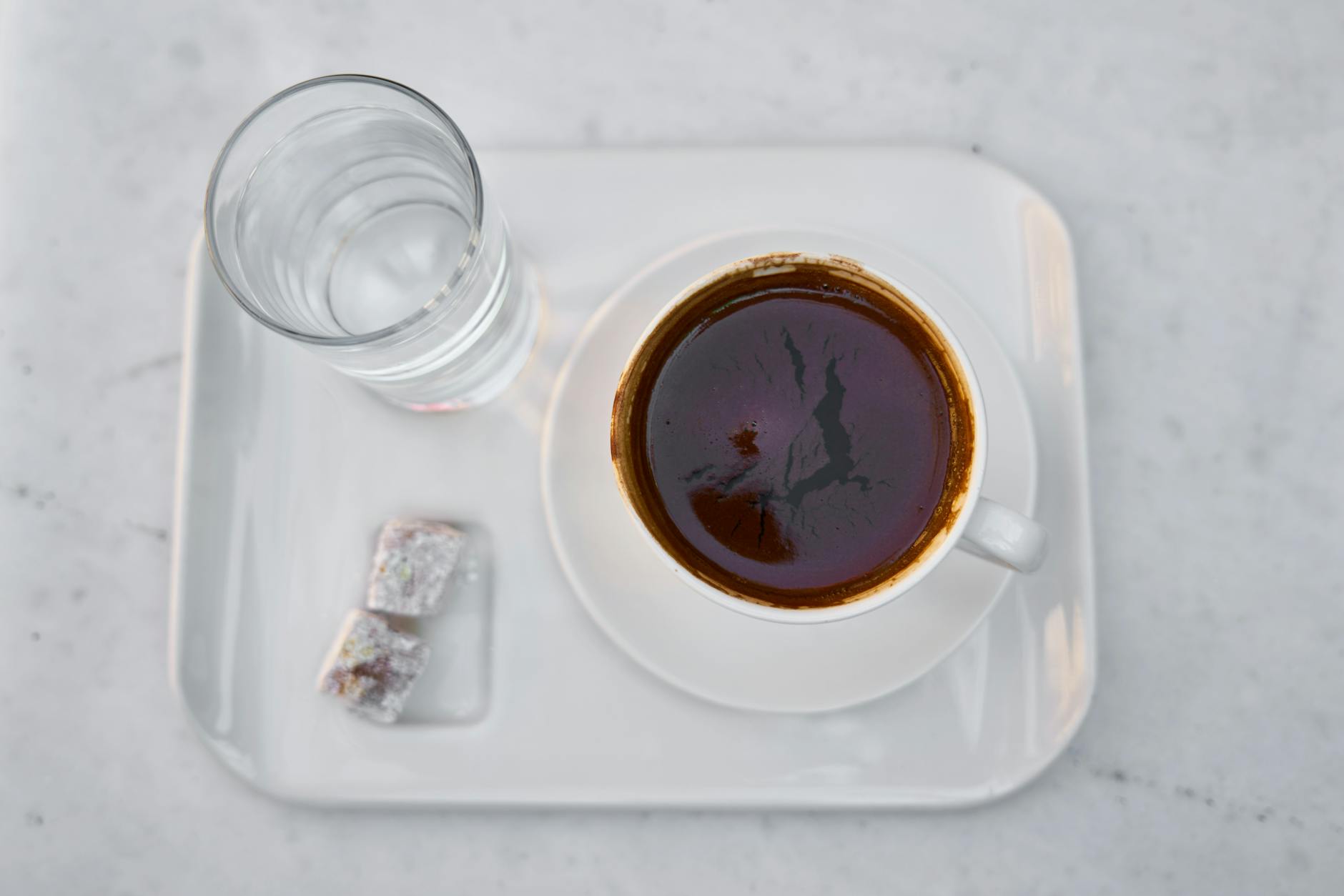
Coffee is mildly acidic and also contains tannins that can weaken enamel over time with regular consumption. Drinking coffee slowly over an hour or more keeps teeth exposed to acid for extended periods rather than a short burst. Many coffee drinkers move straight from their morning cup into other activities without rinsing or hydrating with water. A simple habit of drinking a glass of water after finishing coffee helps neutralize residual acid and reduce cumulative enamel exposure.
Ignoring Acid Reflux
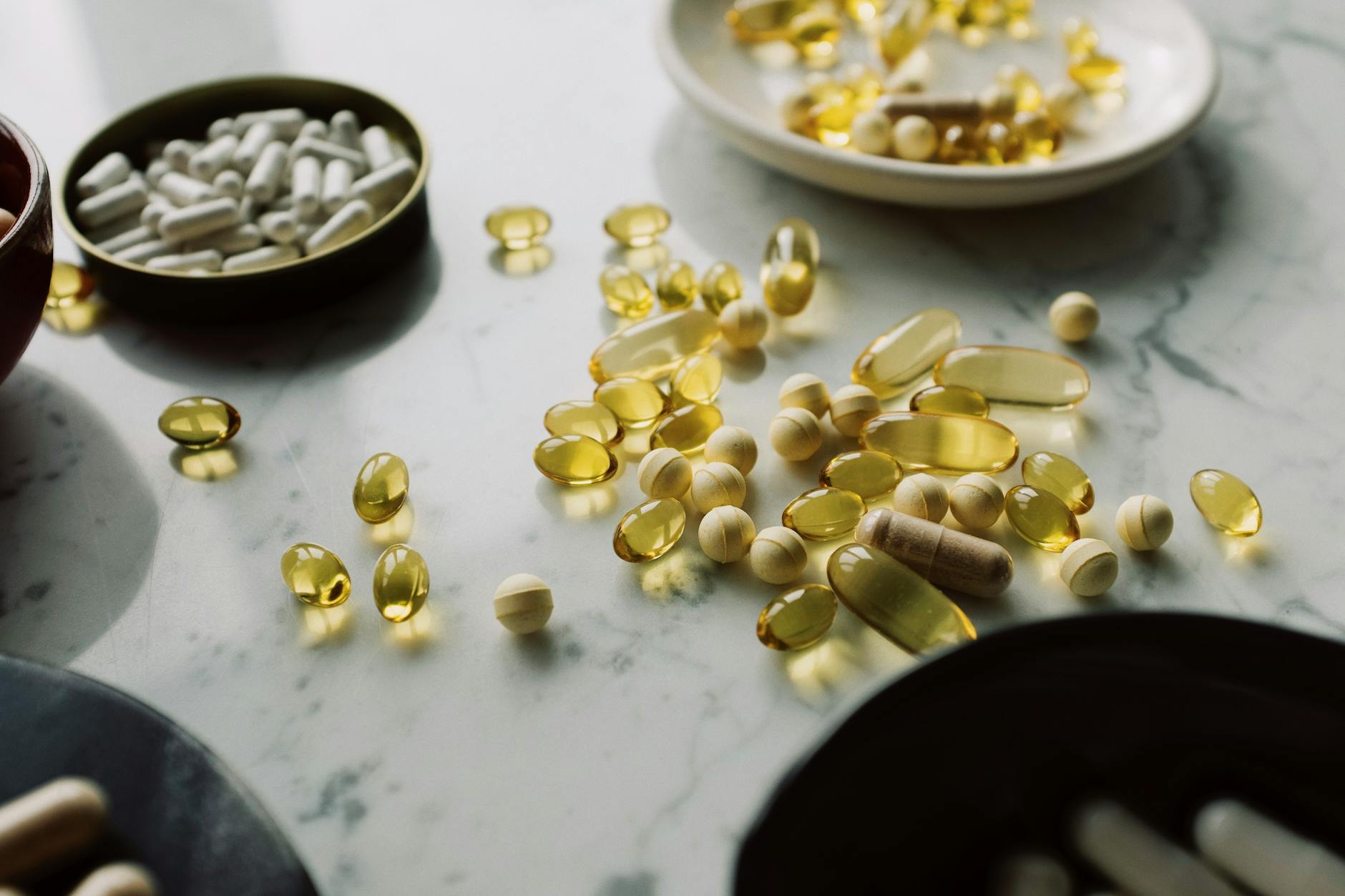
Gastroesophageal reflux disease and chronic acid reflux introduce stomach acid directly into the mouth, often during sleep when a person is unaware it is happening. Stomach acid is far more corrosive than dietary acids and can cause significant enamel damage in a relatively short period of time. Dentists are often the first to identify signs of acid reflux based on the distinctive erosion patterns they observe on molars and inner tooth surfaces. Treating the underlying condition with medical guidance is essential for stopping this form of internal enamel damage.
Mouth Breathing
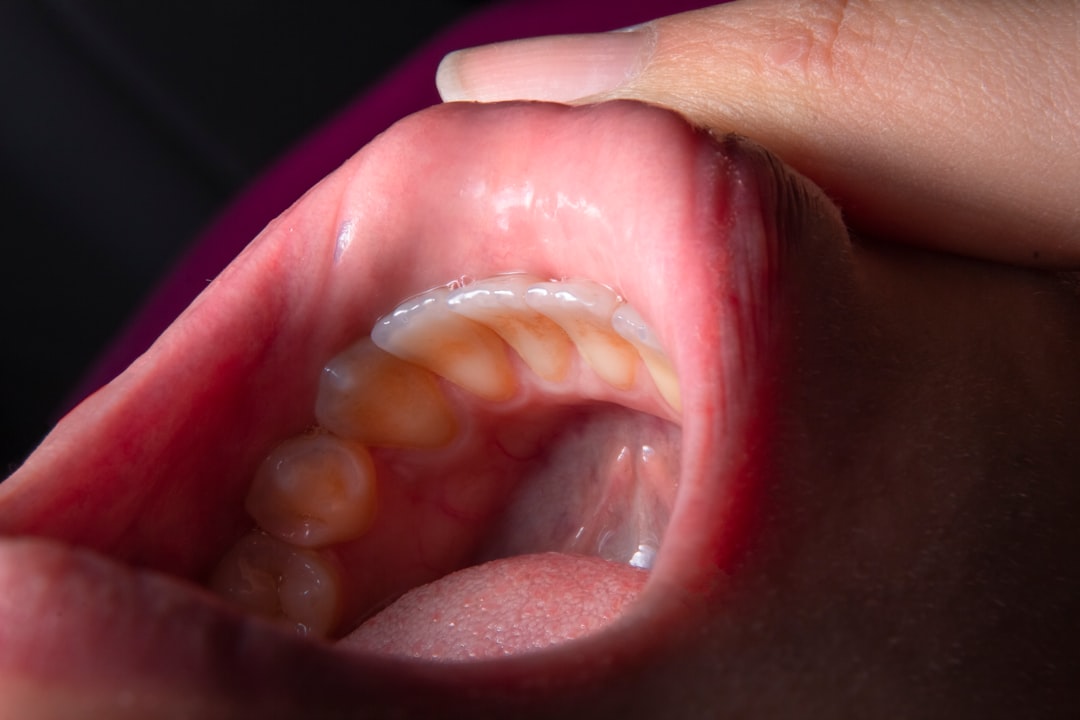
Habitual mouth breathing, whether due to nasal congestion, allergies, or sleep apnea, dramatically dries out the oral environment by reducing saliva flow. Saliva is the mouth’s primary defense against acid, bacteria, and enamel erosion, and its absence creates conditions where decay and wear accelerate significantly. People who sleep with their mouths open often wake with dry mouth symptoms and are at higher risk for enamel loss over time. Addressing the root cause of mouth breathing through medical or ENT consultation helps restore a healthier oral environment.
Eating Starchy Foods Frequently
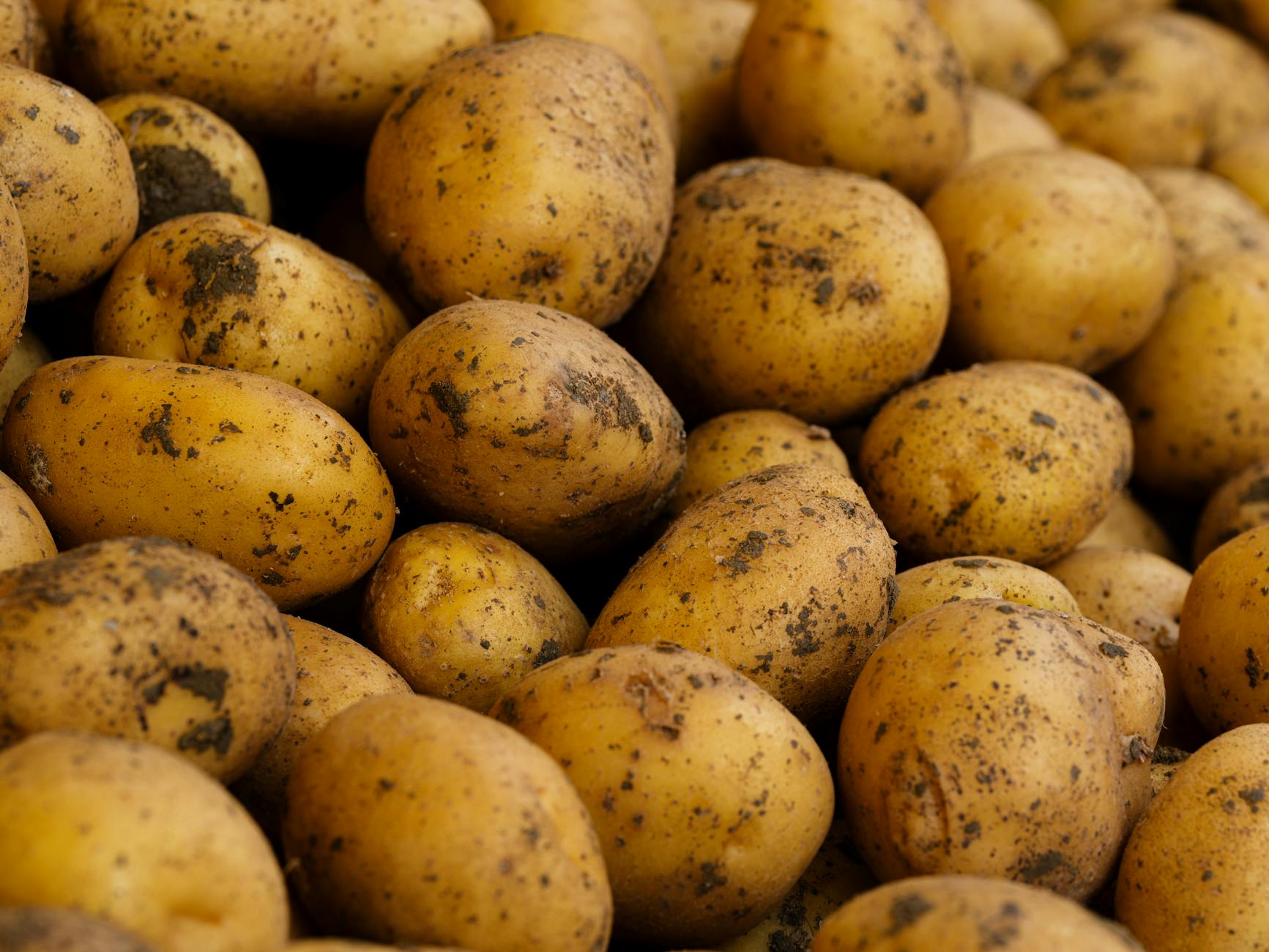
Refined starches such as white bread, crackers, chips, and pasta break down rapidly into simple sugars in the mouth, fueling acid-producing bacteria almost immediately. These foods also have a tendency to become paste-like and lodge between teeth, creating prolonged bacterial feeding opportunities. Many people overlook starchy foods as a dental risk because they are not sweet in the traditional sense. Balancing starch intake with fibrous vegetables and drinking water alongside meals helps reduce their cumulative impact on enamel.
Whitening Teeth Too Frequently
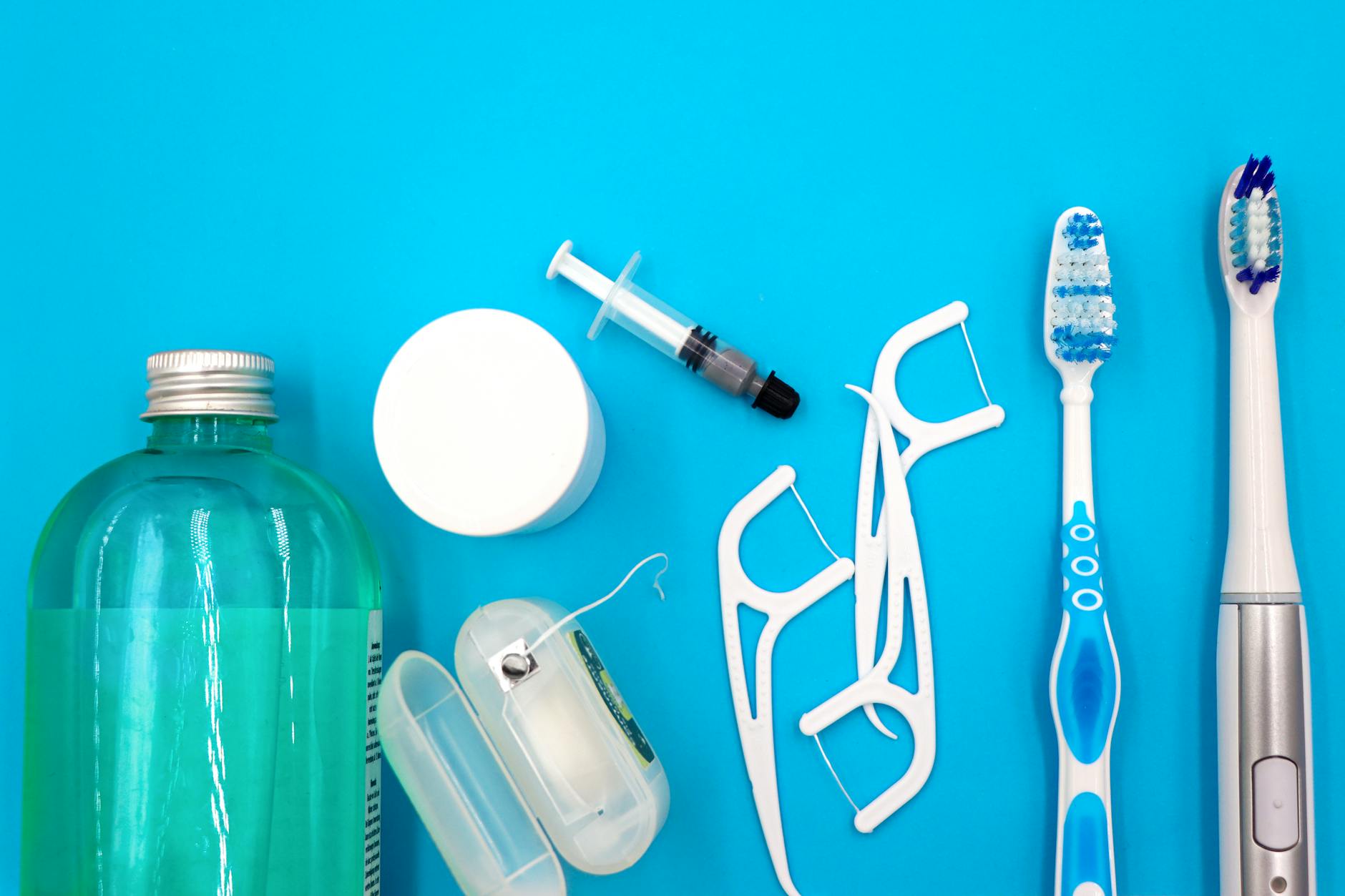
Over-the-counter whitening products and even professional treatments can weaken enamel when used more frequently than recommended. The active bleaching agents in whitening strips and gels penetrate the enamel surface and can temporarily increase sensitivity and porosity. Using these products beyond the advised schedule does not produce dramatically whiter results but does increase the risk of structural enamel damage. Following the manufacturer’s guidelines and consulting a dentist before beginning any whitening regimen protects both appearance and tooth integrity.
Swimming in Heavily Chlorinated Pools

Competitive swimmers and those who spend many hours per week in chlorinated pools face a lesser-known but well-documented risk of enamel erosion. Pool water that is improperly pH-balanced can become highly acidic, and prolonged exposure during laps directly bathes the teeth in erosive water. A condition informally called swimmer’s calculus has been observed in athletes who train in pools for multiple hours each day. Keeping the mouth closed while swimming and rinsing with fresh water afterward significantly reduces this form of exposure.
Taking Certain Medications Long-Term
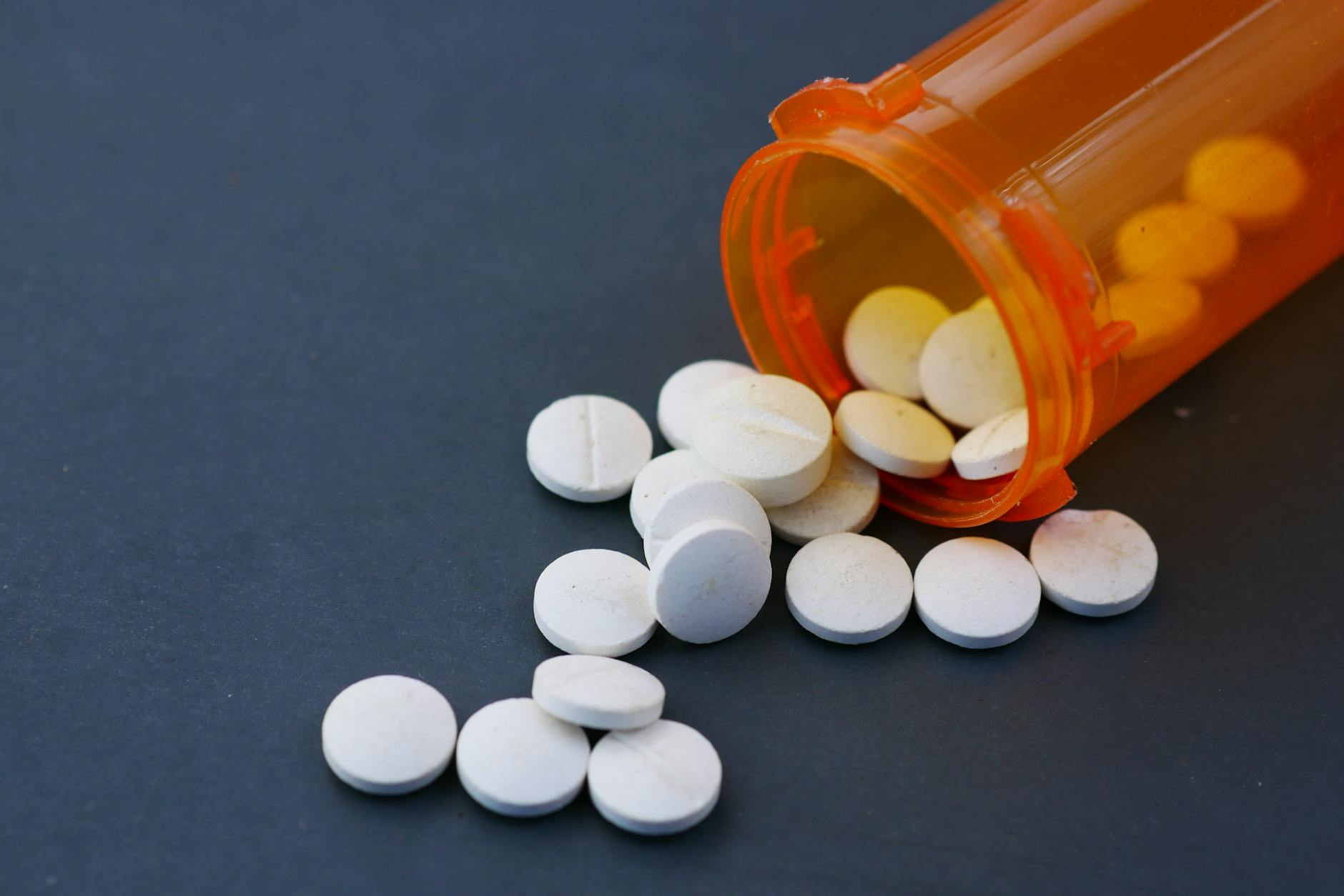
Several common medications, including antihistamines, antidepressants, diuretics, and blood pressure drugs, list dry mouth as a side effect, which indirectly accelerates enamel erosion by reducing saliva production. Chewable vitamin C tablets and liquid aspirin formulations are directly acidic and can cause localized enamel damage when used habitually. Some liquid medications for children contain high sugar content that contributes to decay and erosion over time. Speaking with a pharmacist or prescribing doctor about protective strategies or alternative formulations helps manage medication-related dental risks.
Eating Disorders Involving Purging
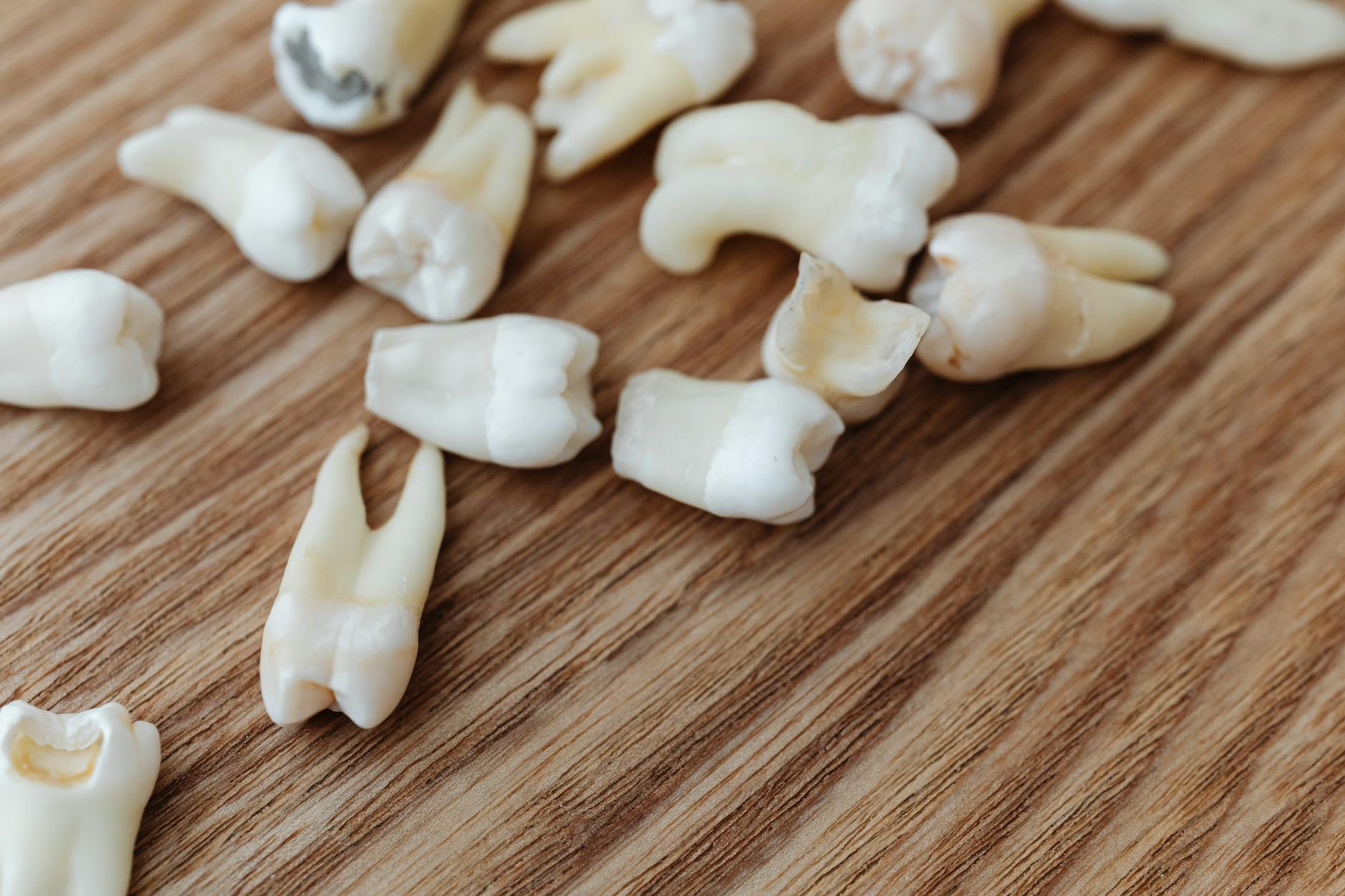
Frequent vomiting, whether related to an eating disorder or chronic illness, repeatedly coats the teeth in highly concentrated stomach acid. The damage this causes to enamel is among the most severe and rapidly progressing of any dietary or behavioral source. Dental professionals are trained to recognize the specific erosion patterns associated with purging behaviors, particularly on the inner surfaces of upper front teeth. Seeking appropriate medical and psychological support is the only path to stopping this type of damage, and a dentist can offer temporary protective measures during treatment.
Not Drinking Enough Water
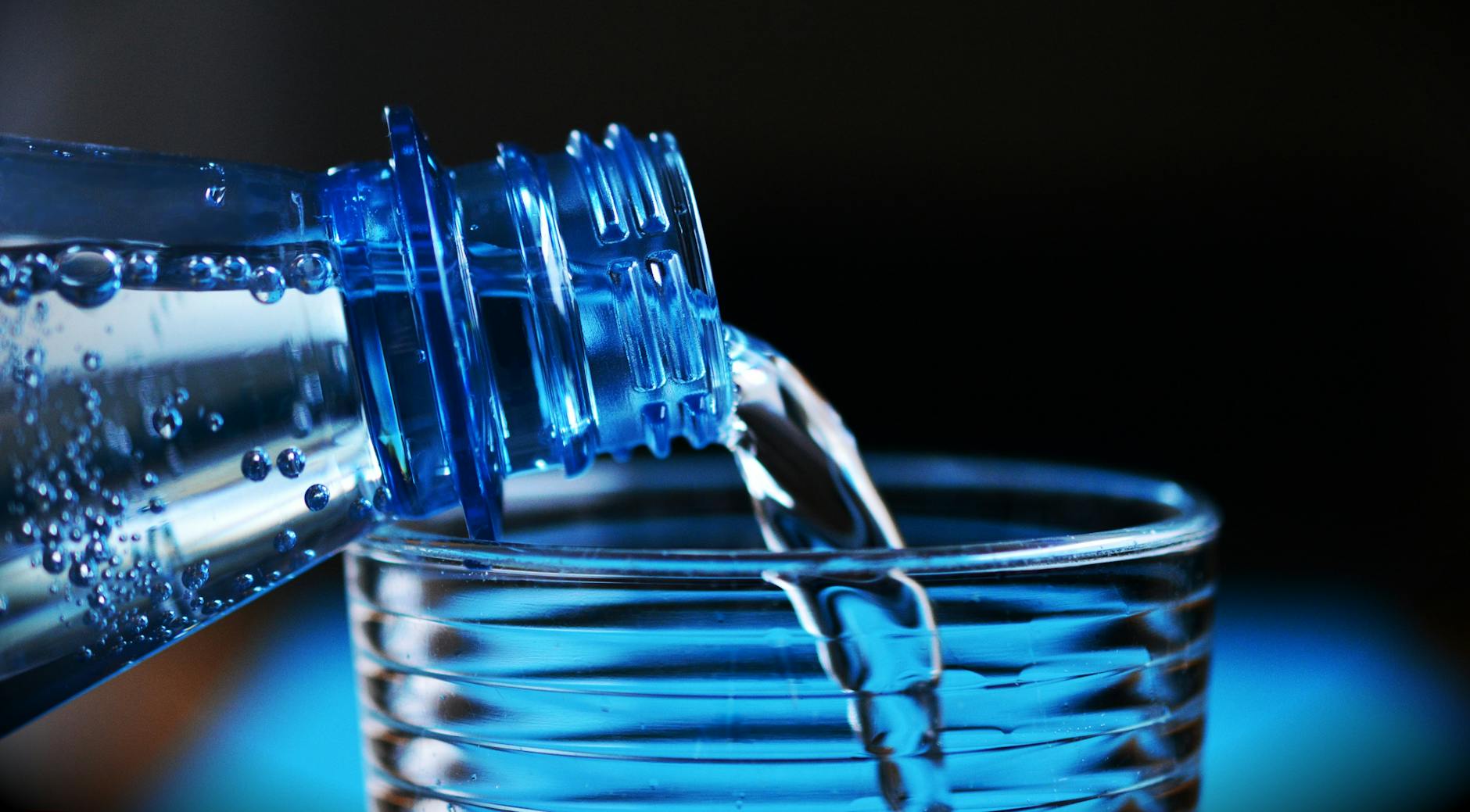
Chronic low water intake reduces saliva production, leaving the mouth unable to effectively neutralize acids or wash away food particles and bacteria. Saliva contains minerals including calcium and phosphate that actively participate in remineralizing enamel after acidic exposure throughout the day. People who primarily drink flavored beverages, coffee, or tea in place of water are often unknowingly depriving their mouth of its most fundamental protective resource. Increasing plain water intake to meet daily hydration needs is one of the simplest and most impactful habits for long-term enamel health.
If any of these habits sound familiar, share which ones surprised you most in the comments.




