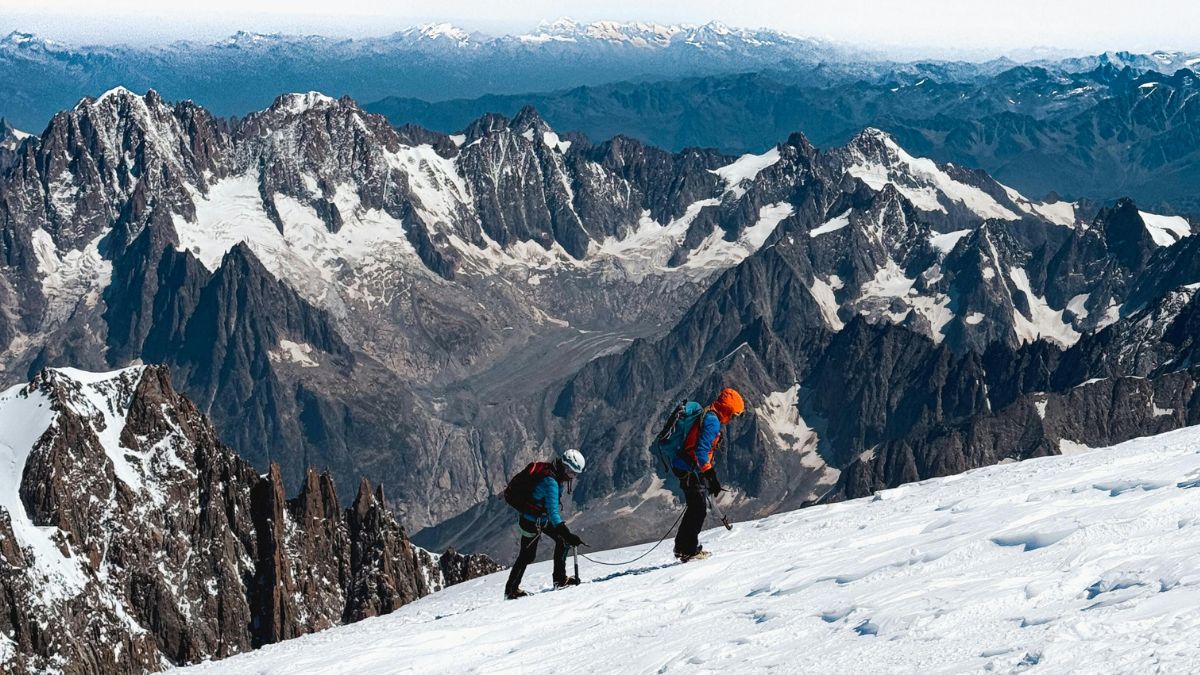
A troubling term has taken over conversations on platforms like TikTok and X in recent months. People use “alpine divorce” to describe one partner deliberately abandoning the other during a hike or climb in a remote, risky mountain area. This leaves the abandoned person to navigate harsh conditions alone, where help might be hours or days away. What starts as a romantic outdoor adventure can turn life-threatening due to cold temperatures, strong winds, steep terrain, and sudden weather changes.
The phrase draws from an 1893 short story called ‘An Alpine Divorce’ by Scottish-Canadian writer Robert Barr. In that tale, a husband plans to murder his wife by pushing her off a cliff during a trip to the Swiss Alps. Modern usage has shifted to real-world accounts of partners being left behind, often without immediate danger of direct violence but with serious risks from the environment. Many stories shared online remain personal anecdotes without independent confirmation. Still, the concept resonates because it taps into deeper fears about trust and vulnerability in relationships.
Interest exploded after a viral TikTok video showed a woman tearfully recounting how her boyfriend left her alone on a mountain trail. The clip drew millions of views and sparked thousands of comments from others sharing similar experiences. Some women mentioned support groups formed specifically for people who endured this kind of abandonment. These posts highlight how often the more experienced partner speeds up or separates, leaving the less prepared one stranded. Experts in outdoor safety point out that hiking and climbing demand mutual responsibility, especially when skill levels differ.
@meggoandco The last thing you want is to be stranded on your own with no map, no experience, and no way out. The only person you can rely on out there is yourself. Be prepared. Be safe. And also- if you’ve been alpine divorced… you better leave that man #hiking #alpinedivorce #womenshiking #granolagirl #camping ♬ original sound – Rowing vide – Rowing vibe
A confirmed case from Austria brought the term into sharper focus. In January 2025, climber Thomas Plamberger abandoned his girlfriend near the summit of Grossglockner, the country’s highest peak at over 12,000 feet. She was left about 50 meters from the top in freezing winds and without an emergency blanket. She later died from hypothermia. An Austrian court convicted Plamberger of manslaughter through gross negligence. He received a fine of around 11,000 dollars and a five-month suspended prison sentence. His ex-girlfriend testified that he had left her alone on the same mountain in 2023.
@everafteriya #venting ♬ levitation – Aaron Hibell & Felsmann + Tiley
This incident underscores why the trend worries so many people. Abandoning someone in isolated, high-risk conditions can escalate from emotional cruelty to criminal negligence or worse. Psychologists and relationship experts view it as a form of coercive control, where one person asserts dominance by exploiting physical vulnerability. In remote settings, the abandoned partner faces not just emotional betrayal but real threats to survival. Outdoor professionals stress the importance of checking compatibility in experience and preparation before heading into challenging terrain.
@michelle.vs.humanity Thomas Plamberger’s trial starts today – charged with gross negligent manslaughter after his girlfriend Kerstin Gurtner was left to freeze to death at the top of Austria’s highest mountain, Grossglockner
♬ original sound – Michelle vs Humanity 🏔️🫣
Social media has amplified these stories, turning isolated incidents into a broader discussion about safety in dating. While most shared experiences stay unverified, the pattern raises valid questions about power dynamics and red flags in relationships. People now think twice about who they trust in isolated places. The term serves as a reminder that ending a relationship should never involve putting someone else’s life at risk.
Have you encountered or heard stories like this, and what do you think about the safety concerns it raises in the comments?




