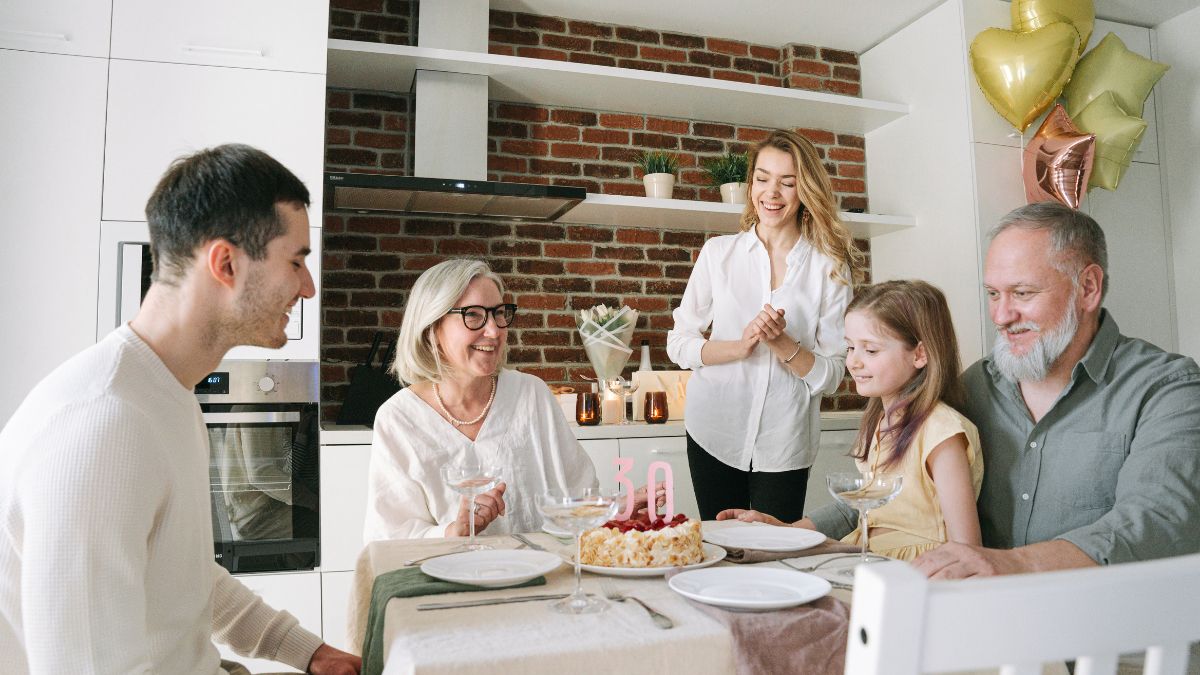
Every parent dreams of giving their children a joyful and secure home, even though everyday challenges can make it tough to achieve. Certain qualities that show up in adulthood often reveal whether someone was raised in a truly supportive and loving environment. Psychologist Madeline Levine points out that parents sometimes get caught up in the wrong priorities and overlook what really counts, like raising kids to become loyal friends, reliable partners, honest workers, and people with a solid moral compass. A nurturing family lays the groundwork for these strengths to flourish naturally over time.
People who grew up in happy homes tend to welcome change instead of fearing it. They view shifts in life as normal and even exciting opportunities for growth or fresh perspectives. Their parents encouraged them to try new experiences and step beyond their comfort zones while offering steady support along the way. As a result, these adults handle transitions smoothly and adapt without unnecessary stress.
Mistakes do not crush their spirit or stop them in their tracks. They see errors as natural steps in the learning process rather than devastating failures. Studies highlight how returning to a task after slipping up actually strengthens memory and skill through trial and error. Adults from positive family backgrounds treat setbacks as chances to improve and move forward with greater wisdom.
Setting clear boundaries comes naturally to them and they maintain those limits firmly. Clinical psychologist Yesel Yoon explains that failing to establish boundaries often leads to exhaustion, bitterness, and strained relationships. Someone raised with healthy emotional guidance knows how to calmly state when a line has been crossed. This skill protects their well-being and fosters respect in all their connections.
Kindness toward strangers feels instinctive rather than forced. Growing up, they absorbed empathy by watching parents show compassion and understanding toward others. Research from positive psychology journals links such generosity to stronger social bonds and even reduced feelings of anxiety or sadness. These individuals readily lend a hand to people they have never met before.
They manage responsibilities with a steady sense of balance. Procrastination is rare, yet they avoid overloading themselves beyond what is realistic. Organizations focused on family dynamics stress that unconditional love, not tied to perfect behavior, helps children develop a healthy approach to duties. That foundation of acceptance allows them to stay organized without burning out.
Expressing emotions openly and confidently is second nature. They have no trouble saying something like “That really hurt my feelings” when needed. In their childhood homes, sharing feelings was welcomed and modeled by adults who expressed their own emotions safely. Studies show this open environment builds better emotional awareness and stronger interpersonal abilities that last into adulthood.
Accountability defines their character without hesitation. They own up to errors quickly and sincerely, often with a simple “I am sorry, I was wrong.” When parents in their youth apologized without excuses, it taught the value of repairing connections honestly. This habit shapes mature, trustworthy adults who prioritize growth over defensiveness.
Genuine confidence shines through in their everyday actions. Parents who praised effort over mere results and encouraged independence helped build this inner security. Investigations link controlling or shaming approaches to lower self-worth, while supportive communication correlates with higher life satisfaction. The outcome is adults who feel stable and sure of themselves.
Gratitude comes easily, even for the smallest everyday joys. They were raised in homes where appreciation was demonstrated through example rather than guilt. Scientific findings connect regular thankfulness to improved overall well-being and mental health. As grown-ups, they notice and savor simple pleasures that others might overlook.
They stand up for their beliefs without backing down when it matters. Observing parents model integrity in tough moments taught them the importance of living according to core values. Author Joanna Schroeder notes that children absorb principles far more from what parents do than from what they say. This upbringing inspires them to speak up constructively and advocate for what feels right.
What traits from this list do you recognize in yourself or someone close to you, and share your thoughts in the comments.




